Camp

Soroi Amboseli

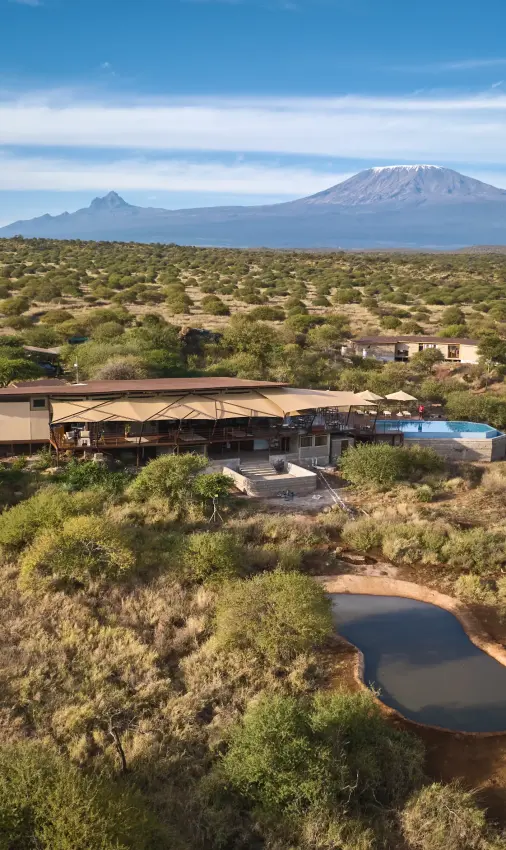
A forested tented camp inside Amboseli National Park, pitched among fever trees, with Kilimanjaro and Mount Meru in view.

Country: Kenya
Location: Amboseli National Park, below Kilimanjaro
Number of rooms: 15

Two peaks above the fever trees

Soroi Amboseli opened in June 2026 inside Amboseli National Park, in a forested pocket of fever trees well within the boundary rather than out on the periphery. Elephants forage through the canopy shade past camp. First light finds guests already among the central swamps instead of waiting at a gate, and on clear mornings both Kilimanjaro and Mount Meru stand on the southern horizon.
Elephants forage through the canopy shade past camp.

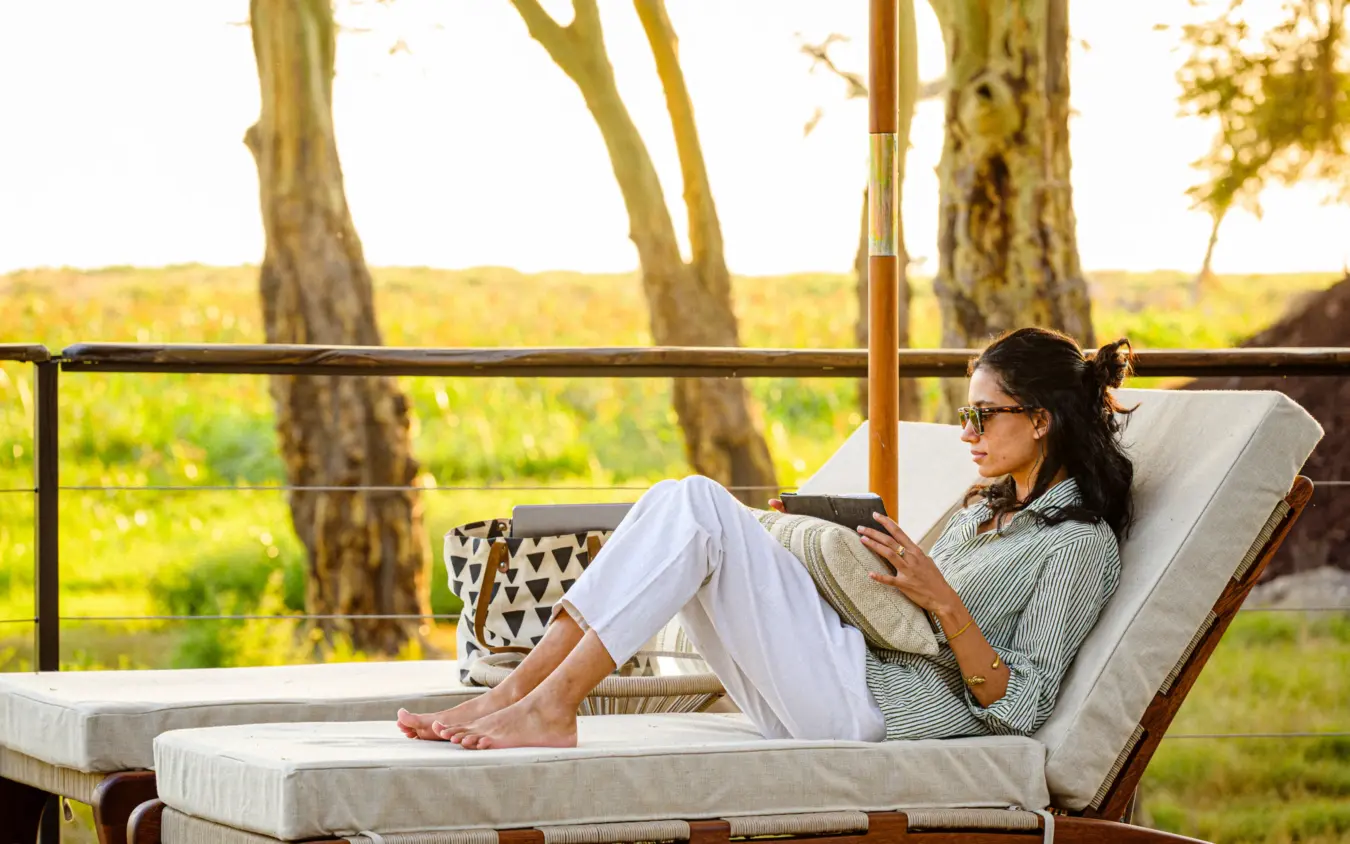
Most of Amboseli reads as open, dust-pale plain. This corner keeps its shade and its birdsong, and at dawn mist lies across the grassland with the mountain surfacing above it. A rim-flow pool faces the savannah. The spa occupies a clearing among the trees, and solar power runs the camp around the clock, with a generator held in reserve.

The family behind Soroi Collection built its first camps at Samburu and Tsavo West before turning to Amboseli, and this forested site is their newest, placed inside the park rather than in one of the conservancies around it. The guides are accredited, and they drive custom-built open-sided 4×4 vehicles made for long, unhurried looks at wildlife and for photography.

Dry-season herds gather at the springs in their hundreds.
Five habitats lie within a short drive of the tents: dry lakebed, permanent swamps, open plains, acacia woodland and the forest fringe where the camp sits. Dry-season herds gather at the springs in their hundreds, among them bulls carrying the long tusks the park is known for. Lion and cheetah work the same ground as buffalo, giraffe, zebra and wildebeest. More than 400 bird species have been recorded here.

01

accommodation

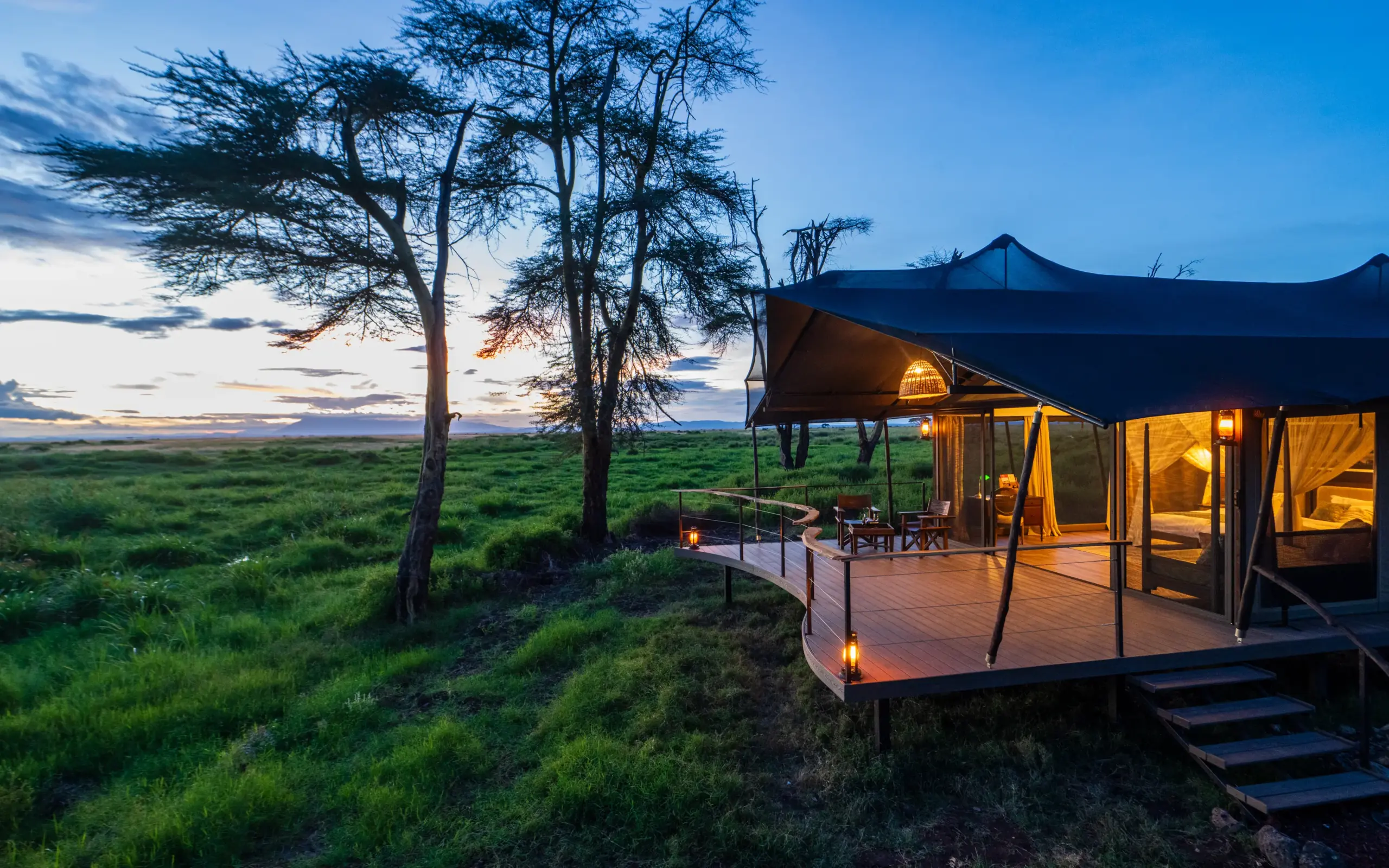
Thirteen Double Luxury Tents Face Kilimanjaro

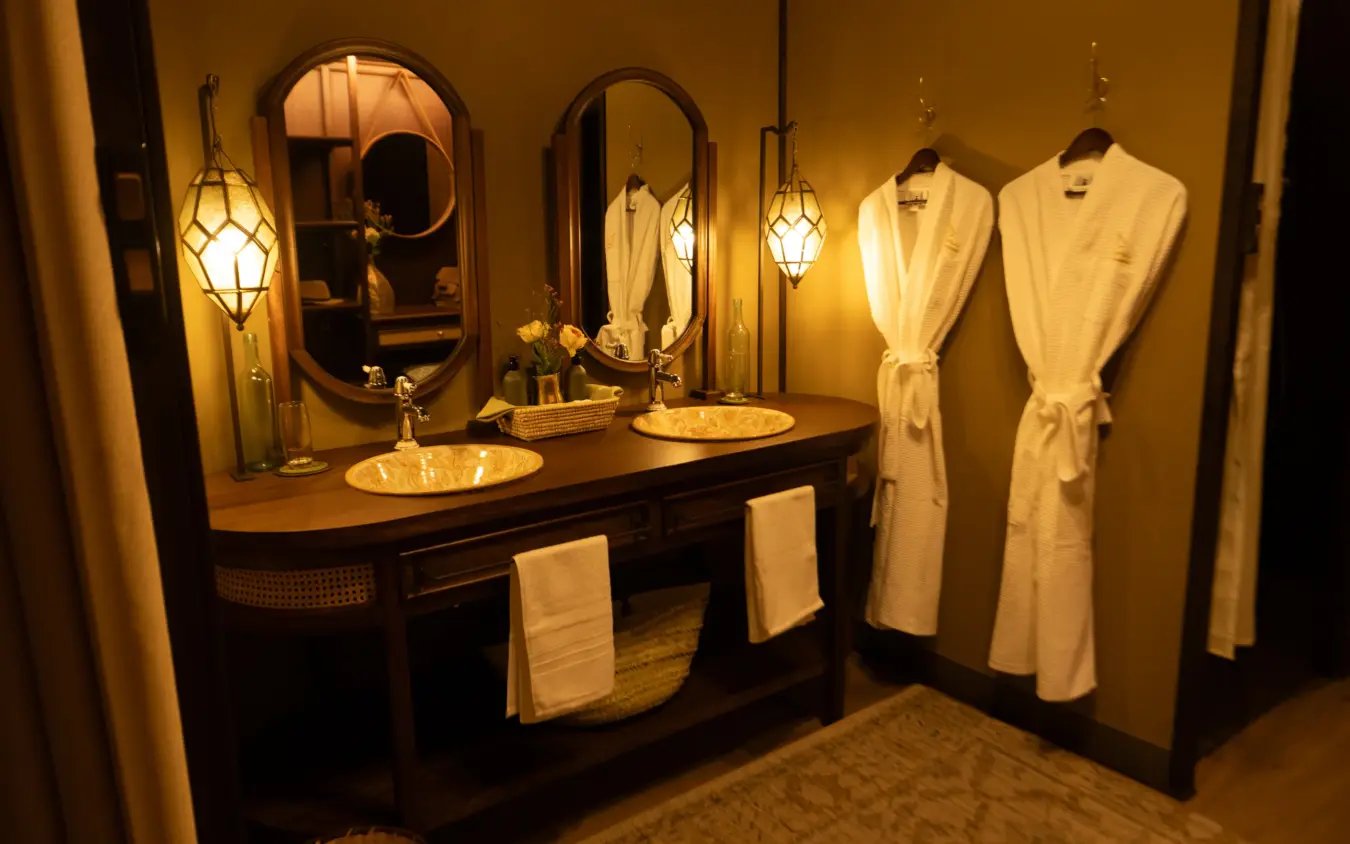
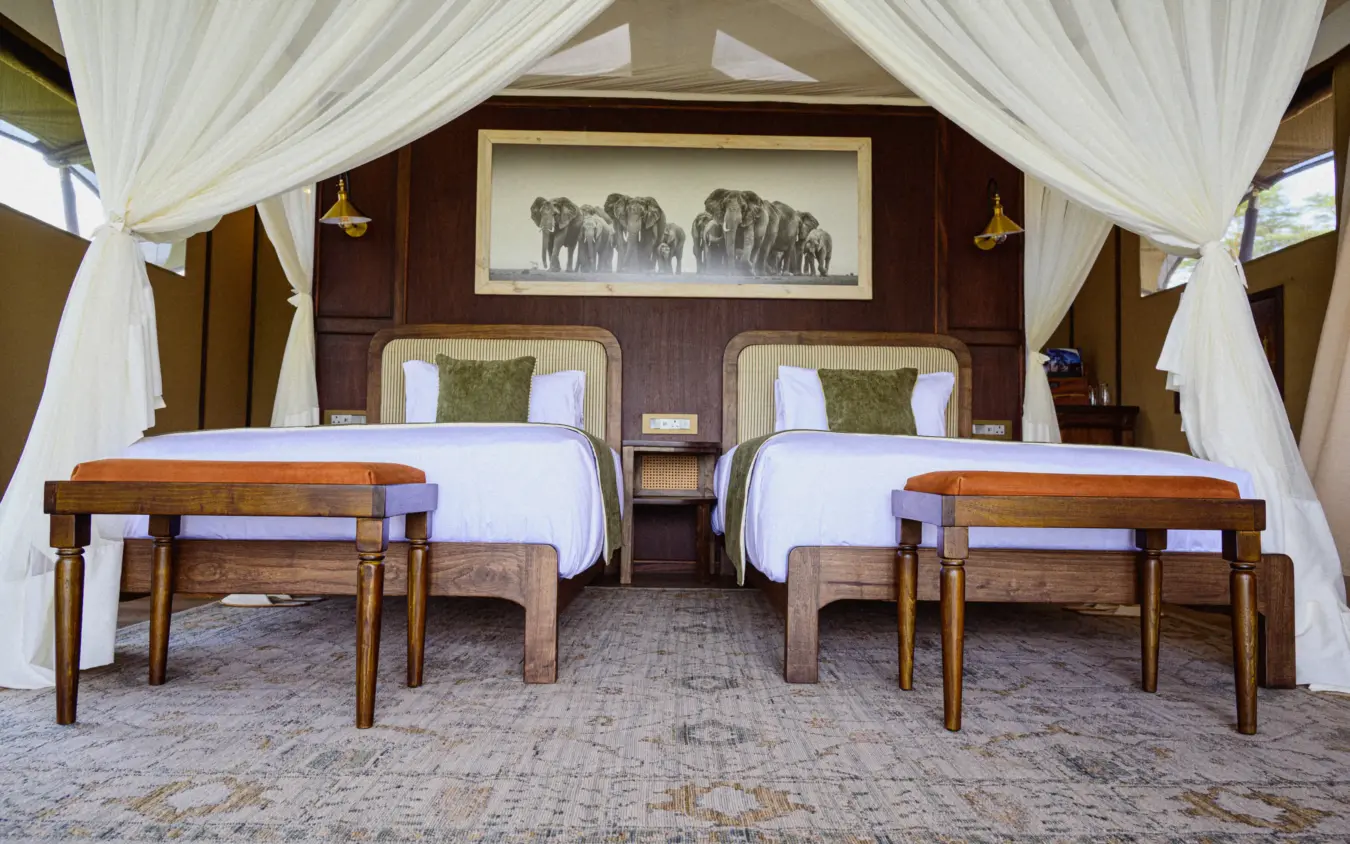
Sixteen tented suites. Thirteen Double Luxury Tents are around 45 square metres, en-suite, each with a private deck facing Kilimanjaro. The Starbed Suite adds 60 square metres, a freestanding soaking tub, separate shower and open-air star-bed terrace. Two Family Suites of 90 square metres hold four or five, in two en-suite bedrooms and a shared lounge.

02

activities

Game Drives Across Five Habitats

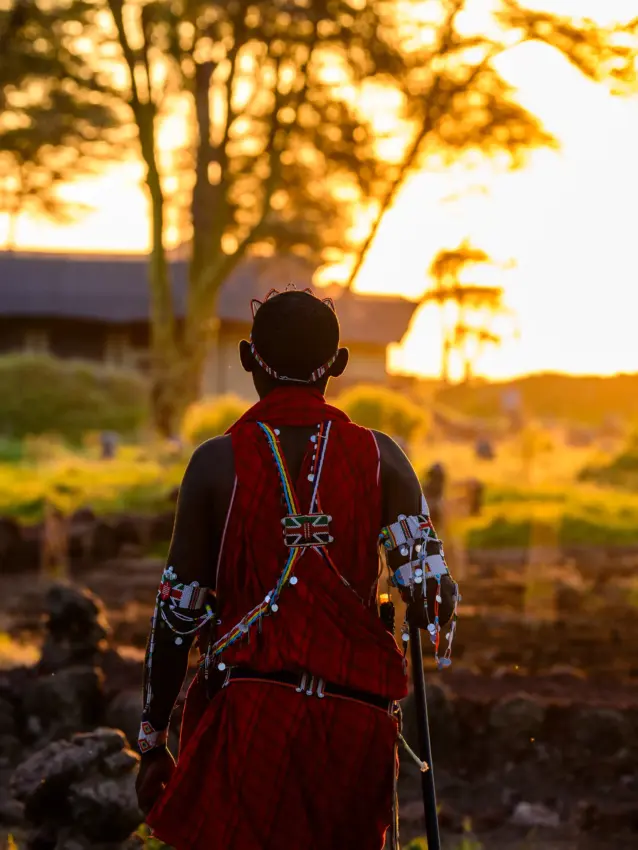
Morning and afternoon game drives cover the swamps, dry lakebed, plains and acacia woodland, with vehicles restricted to park roads and daylight hours. Guided nature walks, where the park allows, are led by Maasai guides. Birdwatching, Maasai village visits, hot air balloon flights, bush breakfasts, sundowners and private dinners can all be arranged from camp, along with treatments at the bush spa.

03

conservation

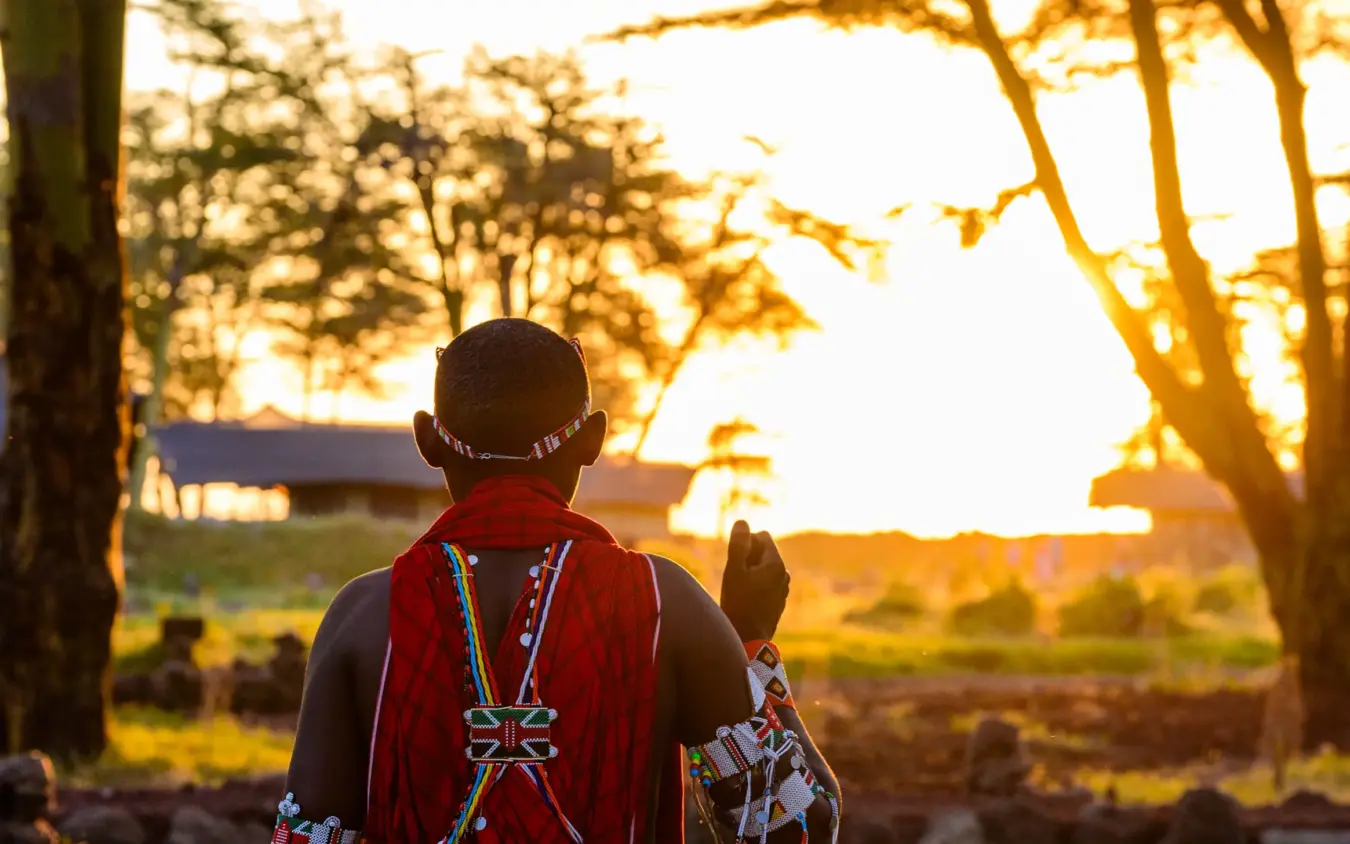
Community & Wildlife Conservation Charity, Maa Community Recruitment

Part of every guest's bill at any Soroi camp funds Community & Wildlife Conservation, the group's charity since 2020: school bursaries, dental camps with the Olmalaika Trust and anti-poaching patrols near its Tsavo camps. Recruitment here called first on the Maa community, and the park itself is run by the Kenya Wildlife Service.

ready to get started?

Get in touch and let’s start the conversation. An initial consultation helps us understand what you’re looking for, whether that’s specific experiences, luxury touches, or marking a special occasion, and from there we’ll guide you through what’s possible so you can decide if we’re the right fit.

Alternative accommodation in amboseli and chyulu hills

Group gathered around campfire at dusk under acacia tree, Tawi Lodge, Amboseli and Chyulu Hills, Kenya 01

Tawi Lodge

Amboseli and Chyulu Hills

Guide walking through modern lodge structure toward waterhole with wildlife, Angama Amboseli, Amboseli and Chyulu Hills, Kenya 02

Angama Amboseli

Amboseli and Chyulu Hills

Outdoor dining table set with savanna wildlife visible beyond, Ol Donyo Lodge, Amboseli and Chyulu Hills, Kenya 03

Ol Donyo Lodge

Amboseli and Chyulu Hills

Thatched roof lodge at dusk with acacia tree, Tortilis Camp, Amboseli and Chyulu Hills, Kenya 04

Tortilis Camp

Amboseli and Chyulu Hills

Illuminated safari tent at dusk in African savanna, Elerai, Amboseli and Chyulu Hills, Kenya 05

Elerai

Amboseli and Chyulu Hills

Illuminated wooden deck overlooking forested valley at dusk, Campi ya Kanzi, Amboseli and Chyulu Hills, Kenya 06

Campi ya Kanzi

Amboseli and Chyulu Hills

Thatched-roof pavilion with wooden deck and ivy, Umani Springs, Amboseli and Chyulu Hills, Kenya 07

Umani Springs

Amboseli and Chyulu Hills

08

Kitirua Plains Lodge

Amboseli and Chyulu Hills

Luxury lodge with pool overlooking savanna landscape and snow-capped volcano, Elephant Gorge Camp, Amboseli and Chyulu Hills, Kenya 09

Elephant Gorge Camp

Amboseli and Chyulu Hills

Illuminated lodge beneath Milky Way galaxy at night, Porini Amboseli Camp, Amboseli and Chyulu Hills, Kenya 10

Porini Amboseli Camp

Amboseli and Chyulu Hills

frequently asked questions

Fly from Nairobi's Wilson airport to the Amboseli airstrip, which lies inside the park, so the transfer to the camp is a game drive rather than a road journey. Both scheduled carriers fly the sector every day. AirKenya leaves Wilson at half past seven and lands at five past eight; Safarilink's high-season flight, from the middle of December to the end of March and from July to the end of October, leaves at a quarter past eight and lands forty minutes later, with a second departure at two in the afternoon in those months, and its low-season morning flight is timetabled at an hour and a half. We can also put you on a private charter into the same strip, typically a Cessna Caravan or a Pilatus PC-12, which lets you leave Nairobi when it suits you and fly straight on to the next camp afterwards without a change at Wilson.

Luggage on the scheduled aircraft is fifteen kilograms a person including hand luggage, packed in soft bags, because the Cessna Caravan's hold is small and awkwardly shaped and hard cases are refused at check-in; the allowance on a private charter depends on the aircraft and how many are flying, and we confirm it when we book. If you would rather drive, the road runs on tarmac as far as Namanga and on murram from there to the Meshanani gate, or leaves the Mombasa road at Emali for the Kimana gate on the eastern side, and we can arrange that as a private transfer.

Yes, and it should be planned as one. The camp sits on the floor of the Amboseli basin at a little under 1,200 metres, and the height that matters in Kenya is 2,500 metres. TravelHealthPro, the UK's official travel health service, classes Kenya as high risk for malaria and lists antimalarial tablets among its recommendations, keeping its very low risk label for Nairobi city and the highlands above 2,500 metres; the CDC names every part of the country below 2,500 metres, game parks included, as somewhere it recommends preventive medicine. Both services also note a risk of dengue in Kenya, carried by a mosquito that bites in daylight, which is why repellent is a daytime habit on safari as well as an evening one. Low risk is not the same as no risk.

We do not make medical recommendations. That is a conversation between you and your own doctor or a travel clinic, who know your history and can weigh it properly. We are travel planners, not medical professionals, and we would rather say so than imply otherwise.

Yes to wifi, and it is free. The camp lists complimentary wifi among its facilities, and the trade sheets put it in the tents as well as the main areas, so a call home from the deck between drives is realistic rather than a walk to the office.

Phone signal is the less certain half. Safaricom has the widest reach in Amboseli, and the visitor guides to the park agree that it is reasonable around the main lodges and the Kimana gate and weaker out on the western marshes, so expect it to come and go as you move about the park rather than hold steady. If you need to be reachable at a fixed time, for work or for family, tell us before you travel and we will ask the camp how the signal behaves on its own decks rather than leave you relying on a guess; a Safaricom SIM or eSIM is the one to carry if you want data on the move.

Hot, dry and dusty for most of the year, with cool nights. The park floor sits at about 1,150 metres, low for Kenya, so afternoons run to around 28 degrees, cooler at 26 in June and July and hottest at 30 in February, and the nights fall to about 15, which in an open vehicle before sunrise feels colder still. Rain comes in two spells, the short rains in November and December with November the stormier month, and the long rains from the second half of March into May with April the wettest; January and February are a dry, hot interlude, and June to October is the long dry season, rainless and hazy with dust off the old lakebed.

Kilimanjaro sets the timetable more than the weather does. The mountain builds its own cloud cap as the morning warms, so the dependable window runs from first light to about half past eight, with a thinner second chance in the late afternoon as the heat goes out of the day and almost none over lunch; June to October gives the most reliable dawns, and January and February can be as clear. Pack for both halves of the day: a fleece and something for your head on the dawn drives, light clothing in neutral colours and a wide brim for the middle of the day, high-factor sun cream, a scarf against the dust, swimwear for the pool, binoculars, and all of it in a soft bag for the light aircraft.

Two things, one in its favour and one against, and it helps to weigh both before you choose it. The park is run by Kenya Wildlife Service, whose rules are the same for every visitor: the gates open at six in the morning and close at six in the evening, vehicles keep to the established roads and stay at least twenty metres from the animals, and nobody drives after dark. A camp inside the boundary is already past the gate when it opens, so the first hour of light, the best hour for elephants against the mountain, belongs to the few camps inside rather than to the day visitors; it also means the park fee is charged for every day of the stay, because you are inside the park around the clock.

The conservancies that ring the park, Selenkay, Kimana and Kitirua among them, sit on community land under their own rules, so their camps offer night drives and guided walks that the park does not allow, and their vehicles can leave the track; the price is that the central swamps, where the herds gather, are an hour or more away by road from most of them. If you want both, the answer is two camps rather than one: a few nights at Soroi Amboseli for the dawns, then a conservancy camp for the nights, and we arrange the transfer between them.

Two nights is the sensible minimum and three is better, because the mountain shows itself for only a couple of hours a day and a third dawn is one more chance of a clear one. Both scheduled carriers time their morning departure from Amboseli to connect at Wilson: Safarilink's is on the ground before ten and feeds its flights to the Maasai Mara, Samburu, Laikipia, Lamu and Diani, and AirKenya's meets the half past ten Mara flight, so a Mara camp is reached by lunch. To finish on the beach at the collection's own hotel, Soroi Blue Diani, Mombasa Air Safari flies direct between Amboseli and the Ukunda strip, a sector of about an hour and a half that spares you the return through Nairobi, and we confirm the timings for your dates when we book. The collection's lodges beside Tsavo West are a road journey away through the Kimana gate, and a private charter, typically a Cessna Caravan or a Pilatus PC-12, will do any of these legs on your own timetable.

The camp is sold on full board, which the trade lists as all meals, house wines and spirits, soft drinks, wifi and laundry; whether the game drives and the airstrip transfers are bundled into that rate depends on how the stay is packaged, and we confirm the exact basis with the camp before we quote, since it opened only in June 2026 and its terms may still settle. On top come the flights and the park fee, which Kenya Wildlife Service charges per person for each twenty-four hours inside the park, at an adult rate and a lower child rate with the youngest children free, and the balloon flight, which is always priced and booked separately. We put every one of those lines into the quote from the start so nothing turns up as an extra at the camp.

rated five stars by our clients

other areas in kenya

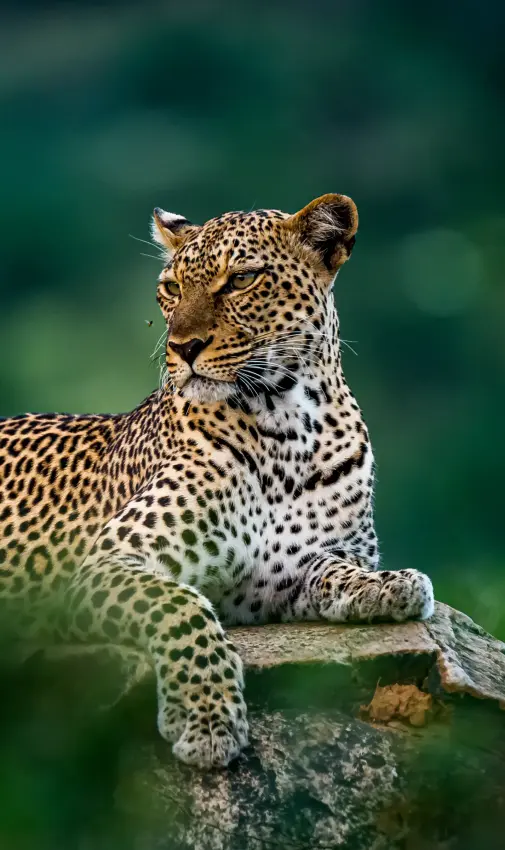
Leopard resting on fallen log in natural setting 01

Maasai Mara

Local guides with poles crossing shallow forest river, Northern Kenya, Kenya 02

Northern Kenya

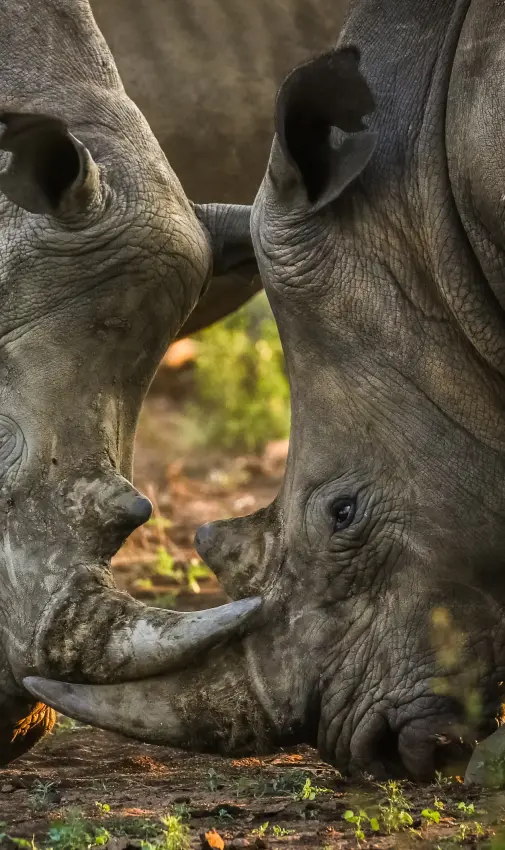
Two rhinos touching horns in natural habitat 03

Laikipia Highlands

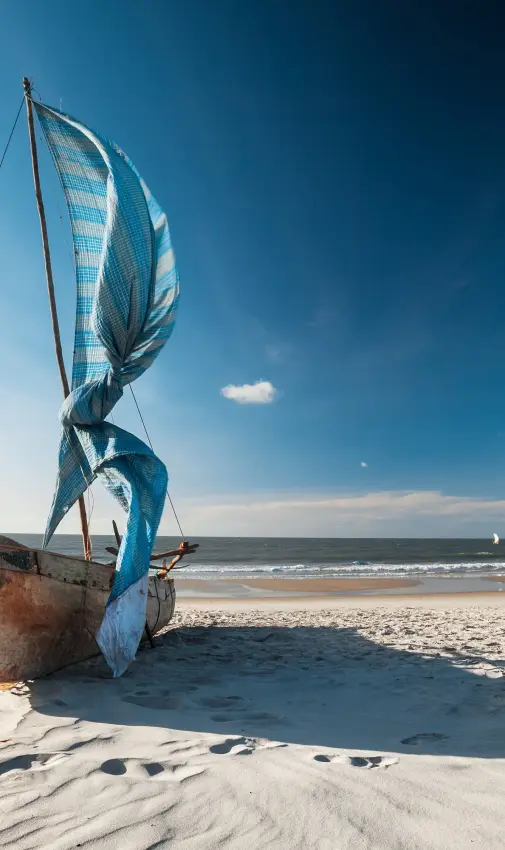
Traditional fishing boat with blue sail on sandy beach 04

Kilifi

Flock of flamingos wading in shallow pink-tinted water, Rift Valley Lakes, Kenya 05

Rift Valley Lakes

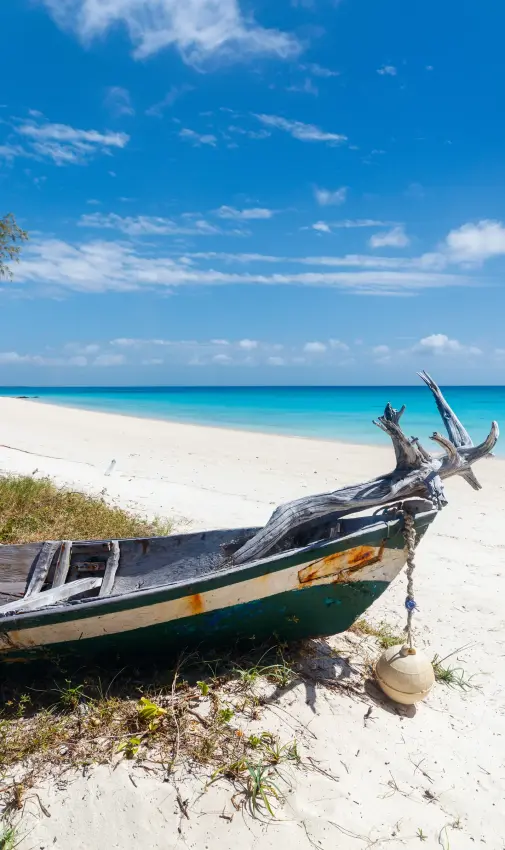
Wooden fishing boat beached on white sand tropical shore 06

Diani Beach

Man in traditional red garment driving open safari vehicle, Samburu Reserve, Kenya 07

Samburu Reserve

08

Lamu Archipelago

Zebras in savanna grassland with safari vehicle and city skyline 09

Nairobi

African elephants with calf walking through grassland at sunset 10

Tsavo

Planning a journey together

our approach

remote, exclusive
& personal

Every journey starts with a conversation. We take the time to understand your vision before we start planning.

Whether by phone or in person, we work with you directly to shape something that is considered, personal, and expertly delivered.

get in touch
destinations ideas & inspiration our process about us contact us