Camp

Tortilis Camp

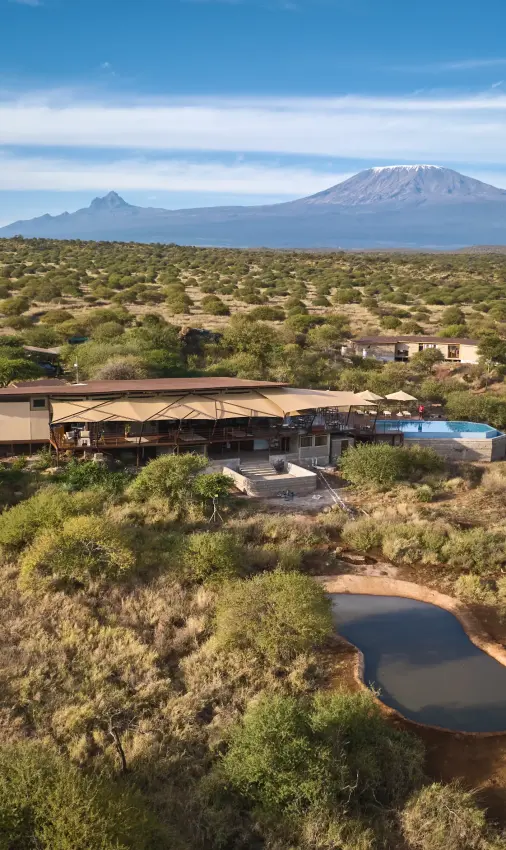
A hilltop tented camp in Kenya’s Kitirua Conservancy, bordering Amboseli, with Kilimanjaro filling the view.

Country: Kenya
Location: Amboseli and Chyulu Hills
Number of rooms: 18

Kilimanjaro over the acacia hill

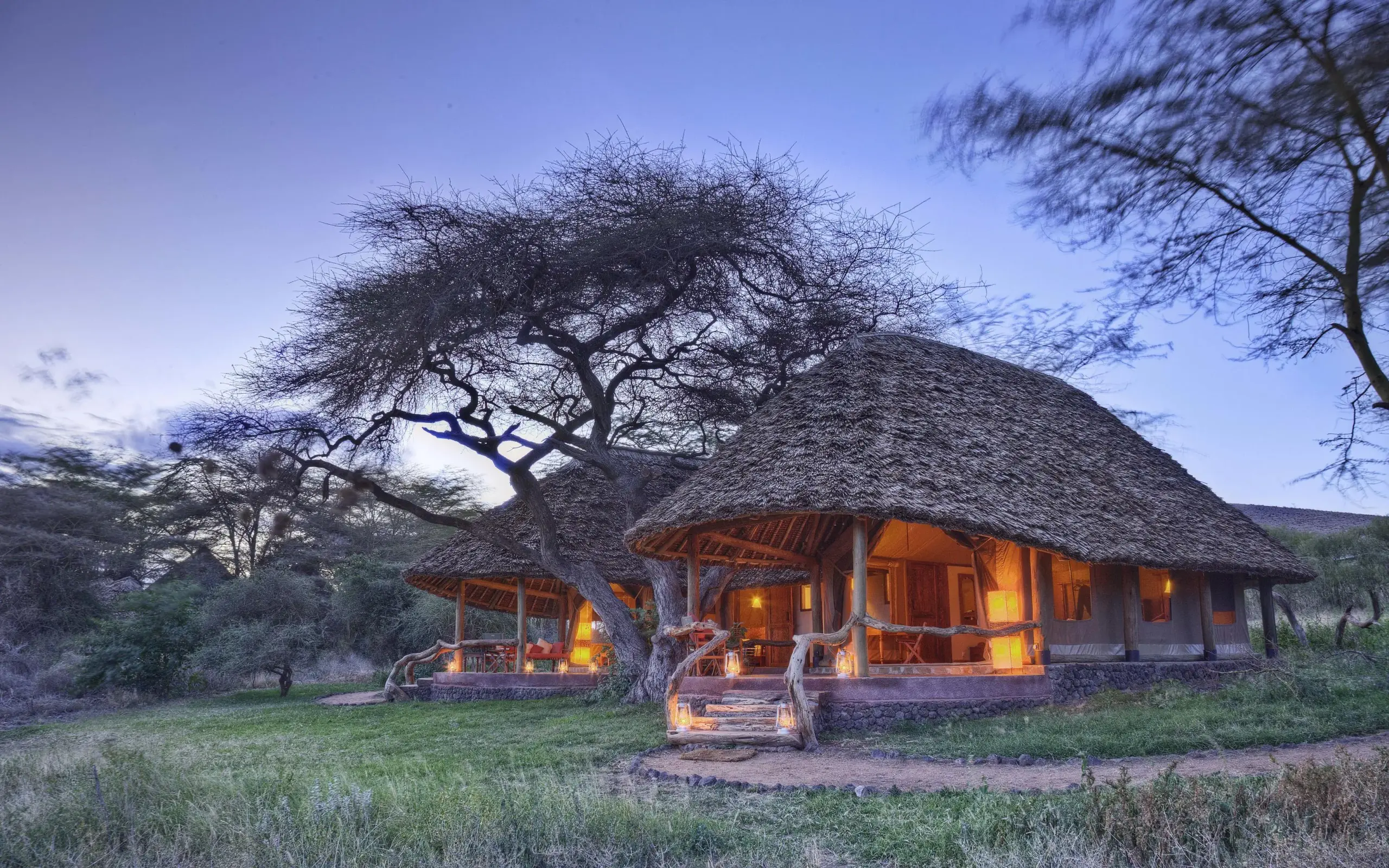
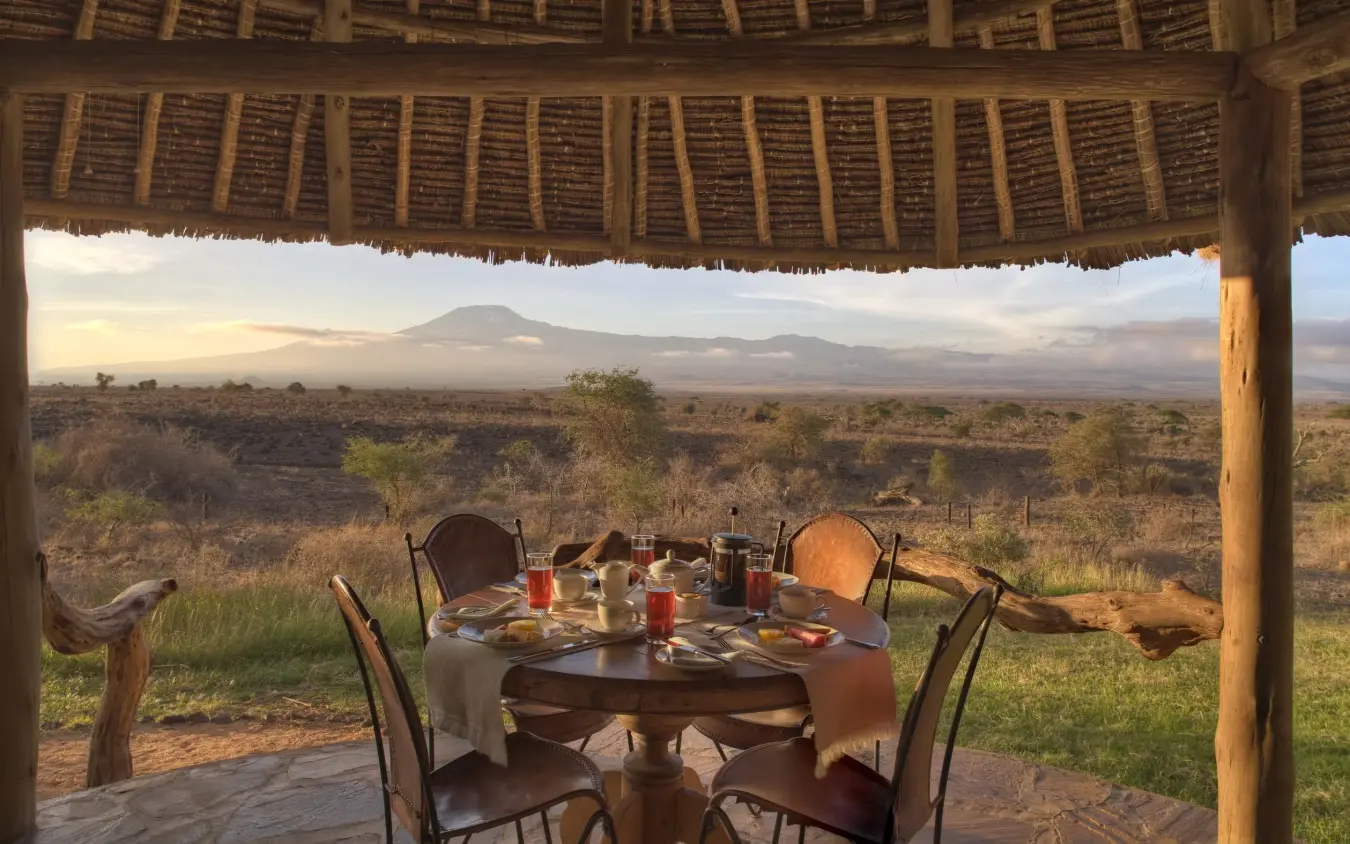
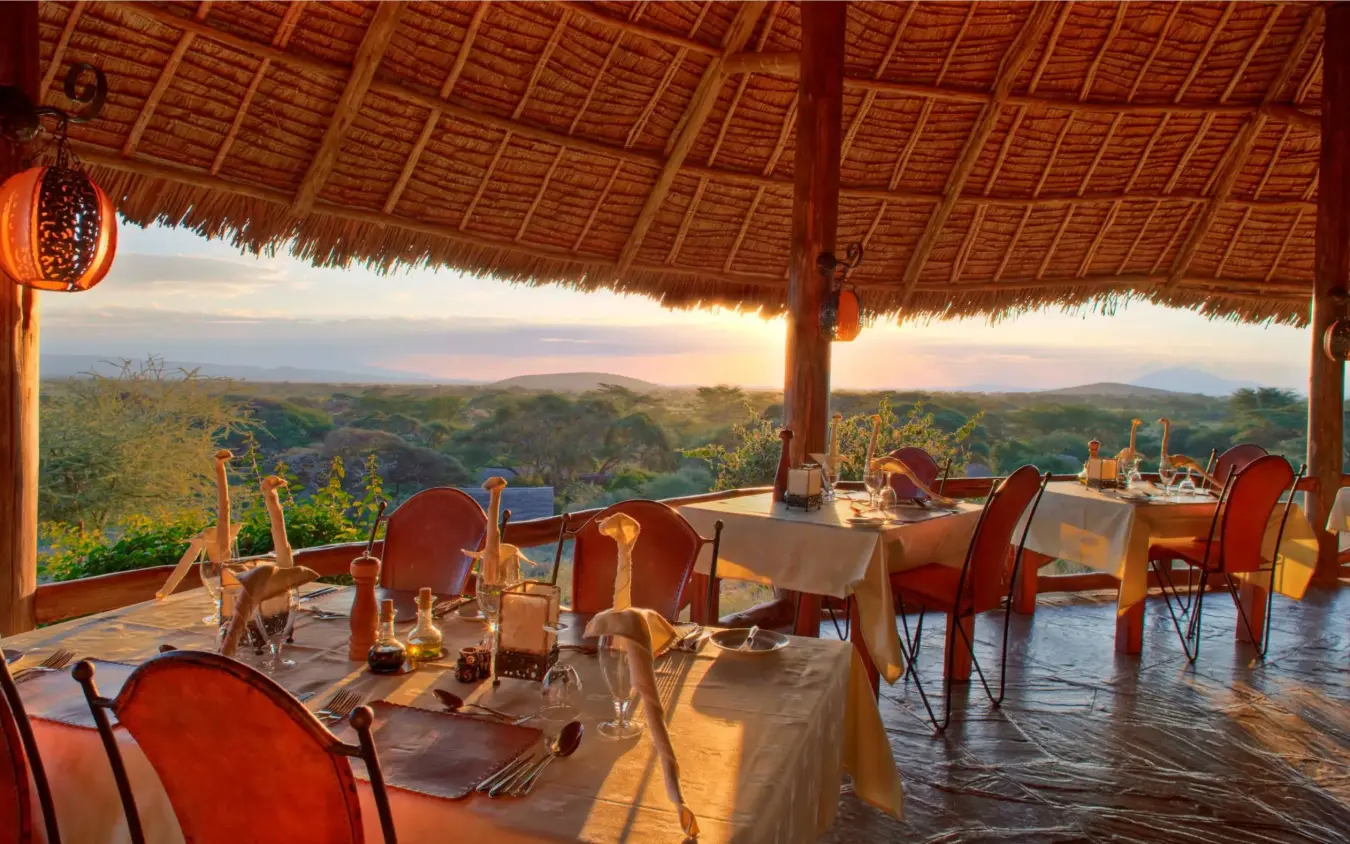
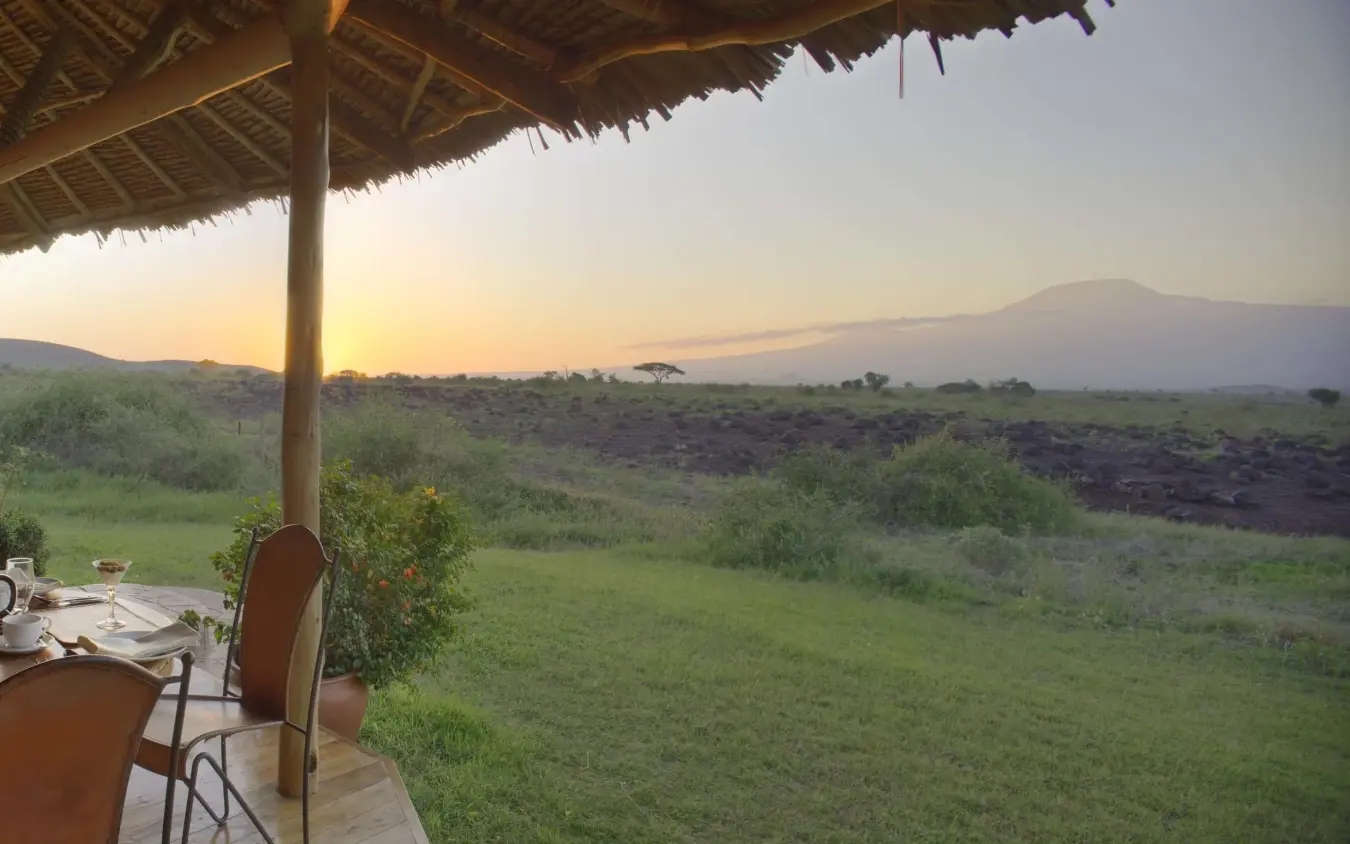
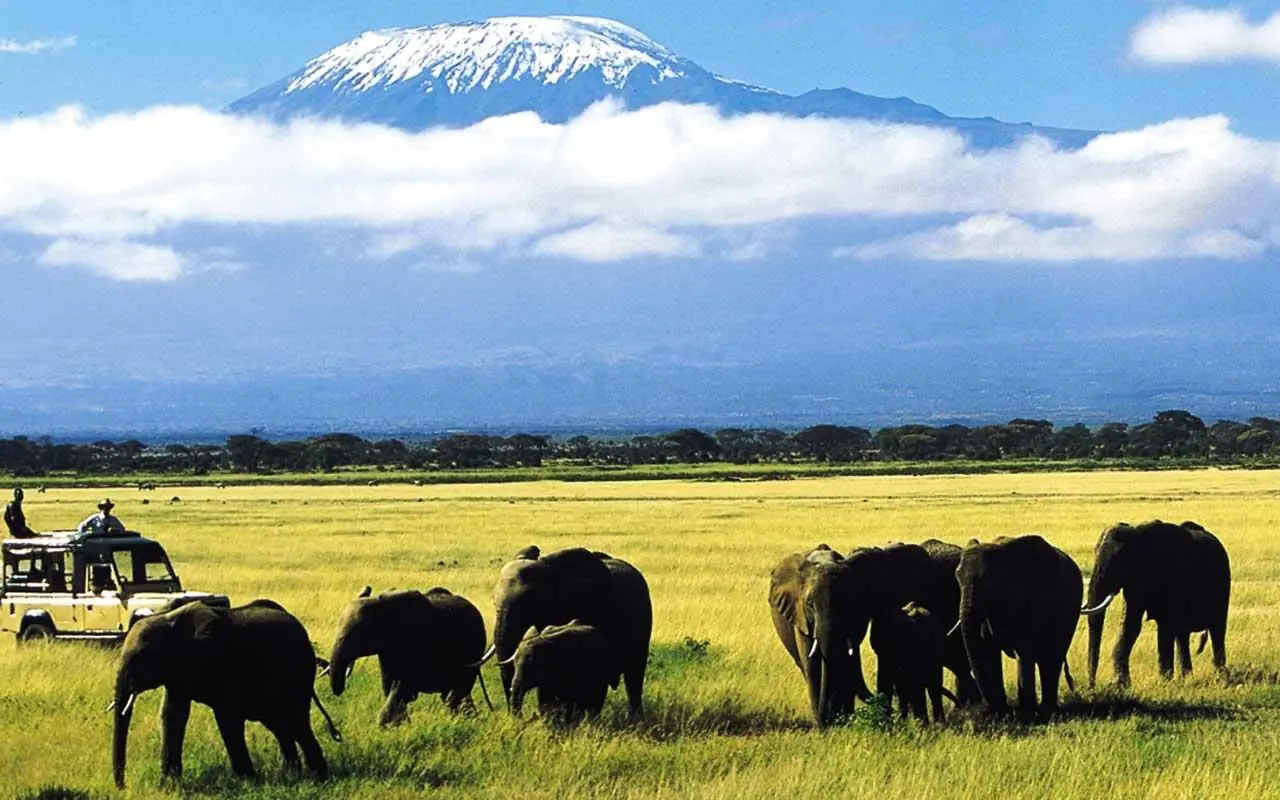
High on a kopje in the Kitirua Conservancy, a 30,000-acre concession bordering Amboseli National Park in southern Kenya, Tortilis Camp takes its name from the flat-topped Acacia tortilis that shade the hill. From here the plains run out toward Kilimanjaro, the mountain that forms the backdrop to almost everything. The tents look out across the plains to Kilimanjaro, from breakfast through to the last light of the day.

From here the plains run out toward Kilimanjaro

Stefano and Liz Cheli built the camp in 1993, in partnership with the local Maasai community, and it stood among the first eco-lodges of its size in the region. Here the wildlife-watching begins long before the first game drive has left, while you are still finishing coffee. Below the hill, a waterhole draws elephant, zebra, giraffe and gazelle within easy sight of the bar and the dining room.

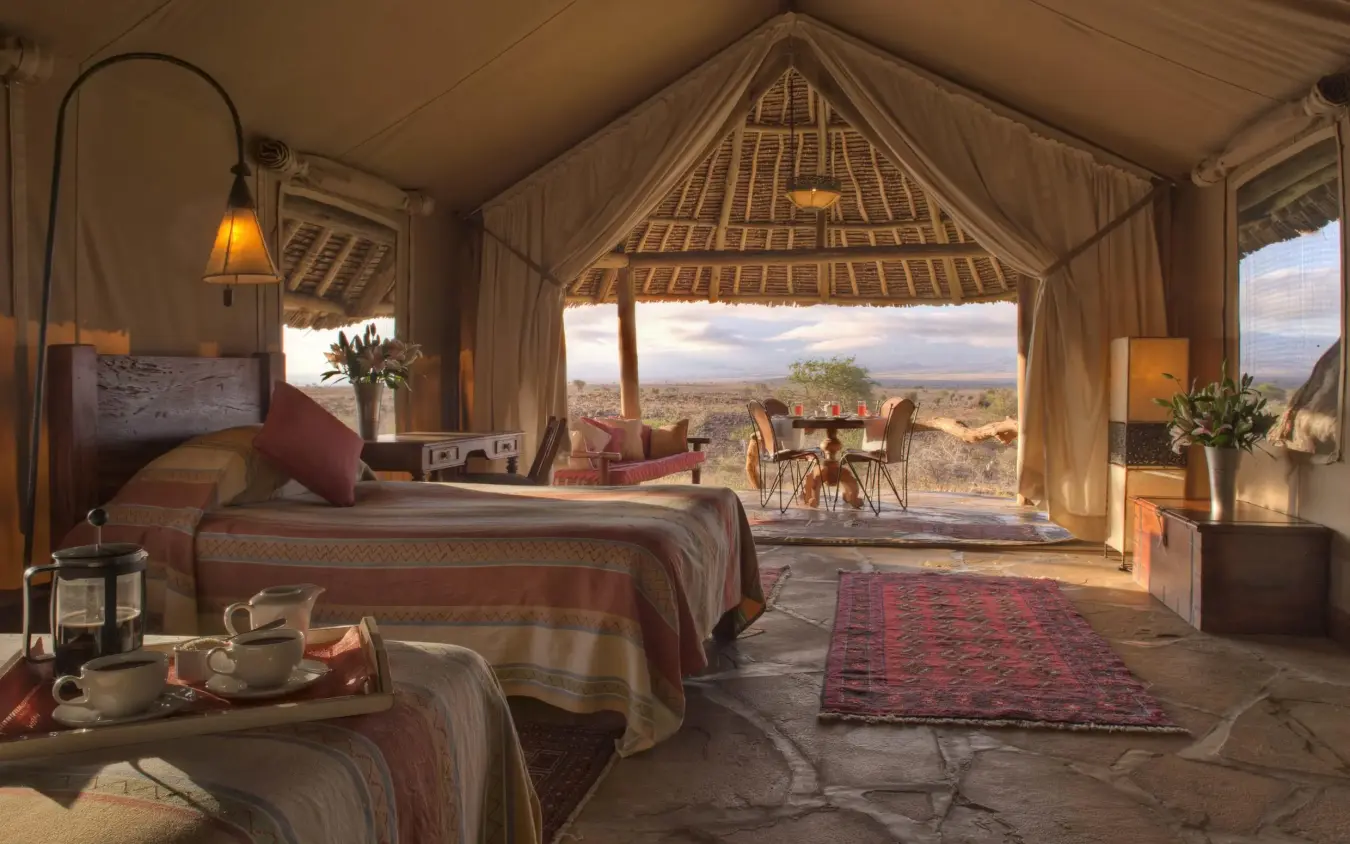
Safari suite interior with expansive savanna views through open design, Tortilis Camp, Amboseli and Chyulu Hills, Kenya
Spacious tent bedroom with flowing white curtains and striped bedding, Tortilis Camp, Amboseli and Chyulu Hills, Kenya

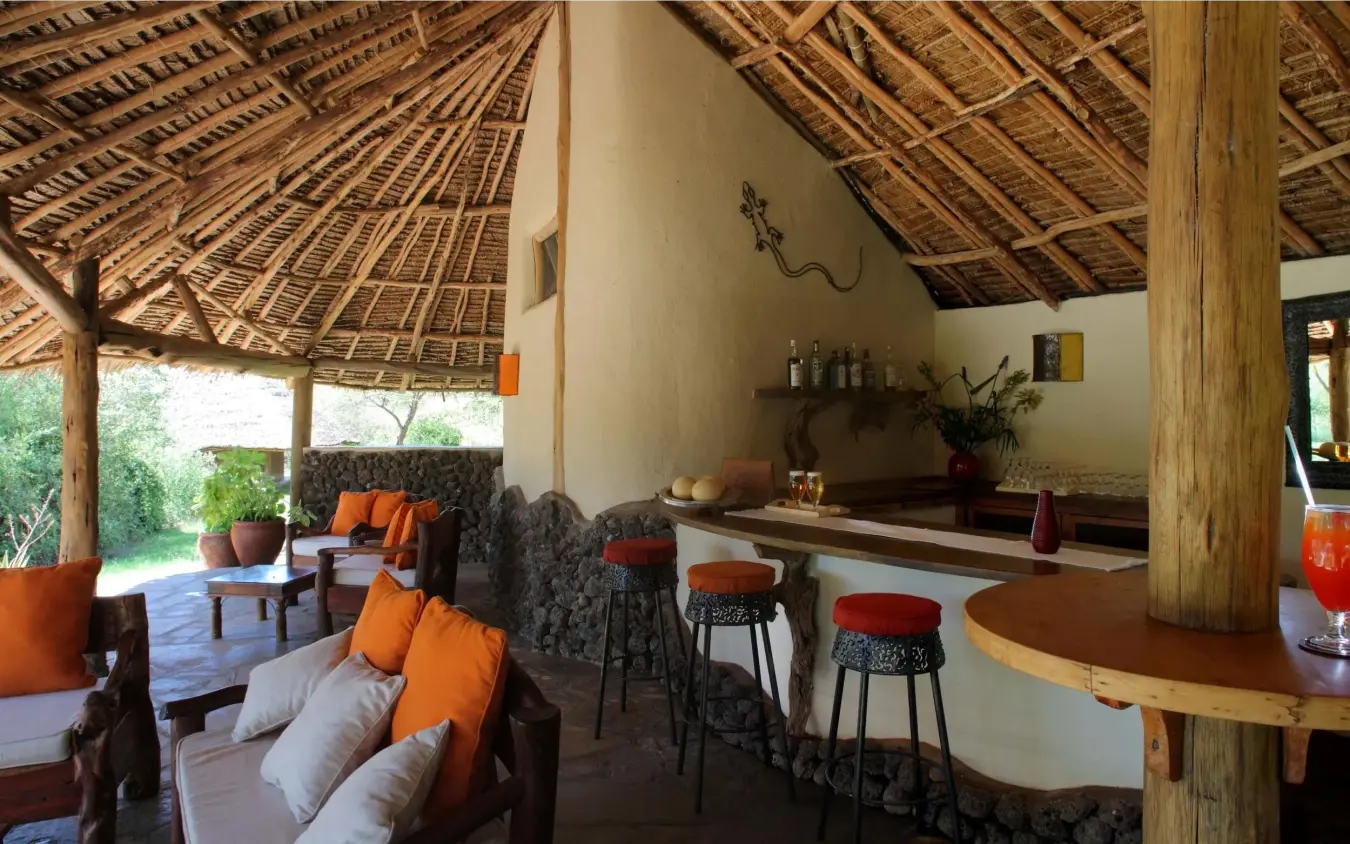
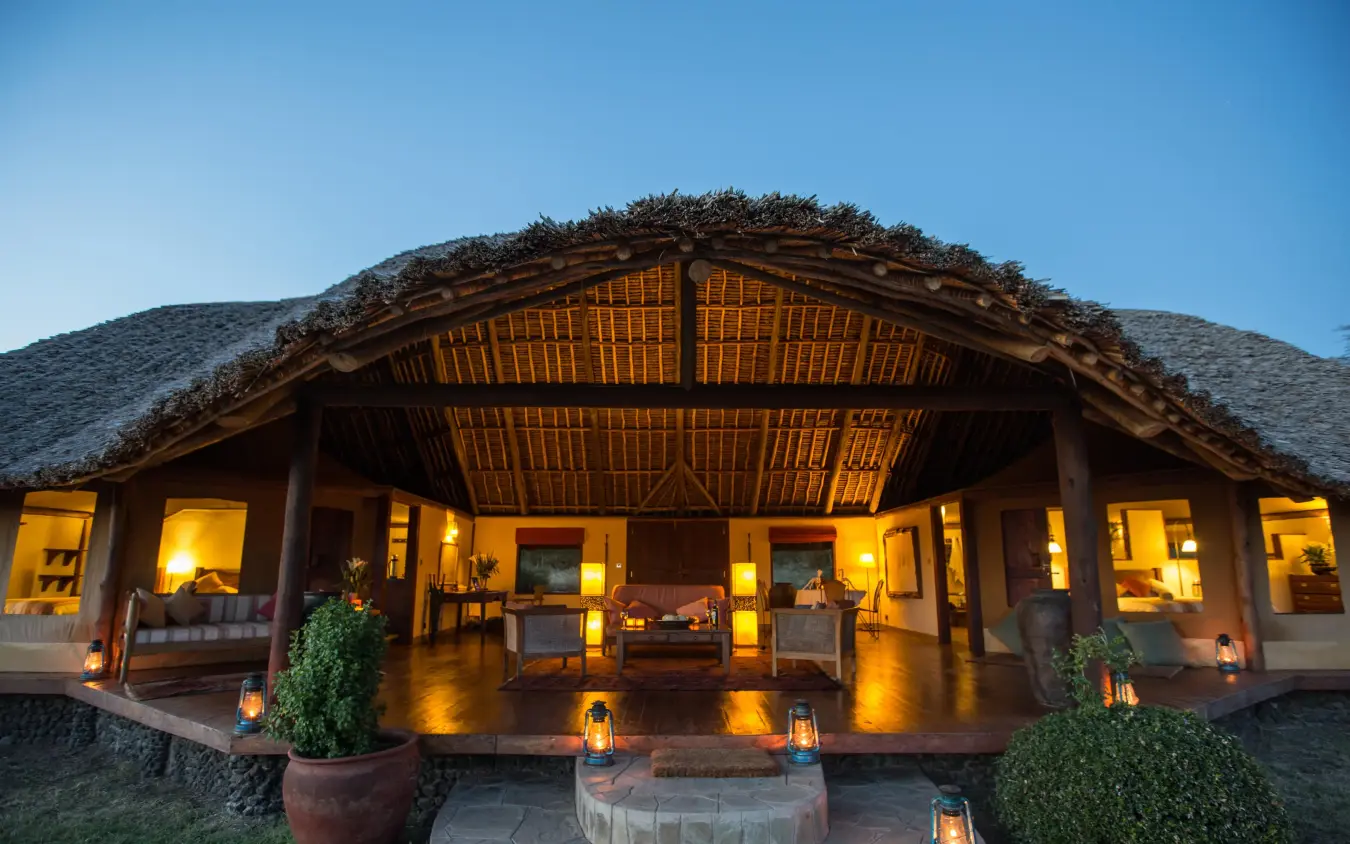
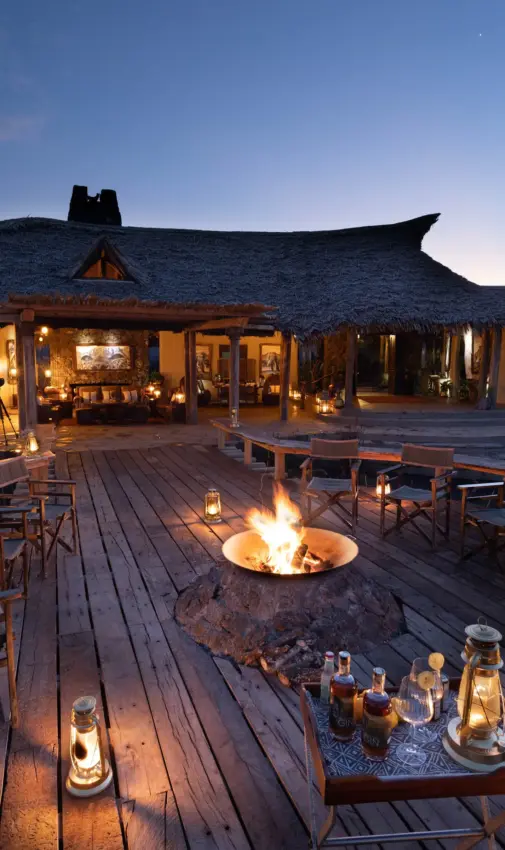
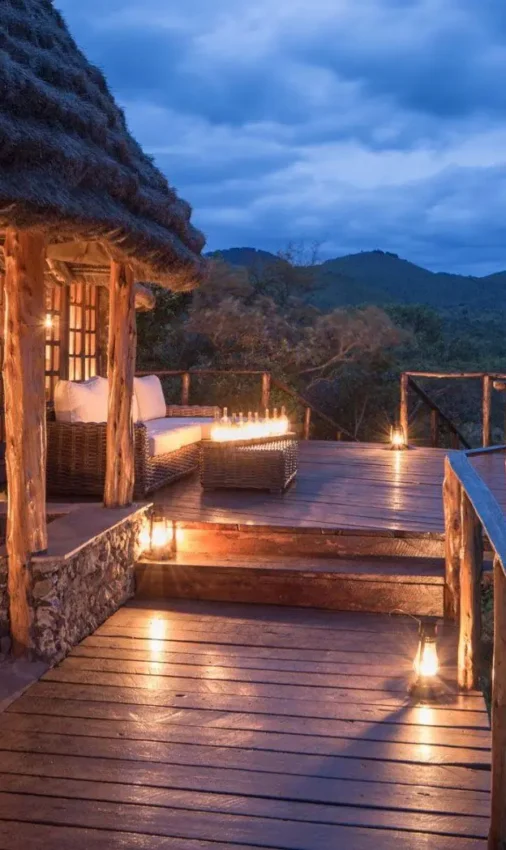
Built in stone and thatch and open on one side to the mountain, the main living and dining area sits high on the kopje with the feel of an old safari library. Deep armchairs, reference books and a polished gramophone invite you to linger. The cooking leans Italian, a nod to Stefano Cheli’s heritage, drawing its vegetables and herbs from the camp garden just outside.

Elephant, dik-dik, mongoose and francolin move among the trees.

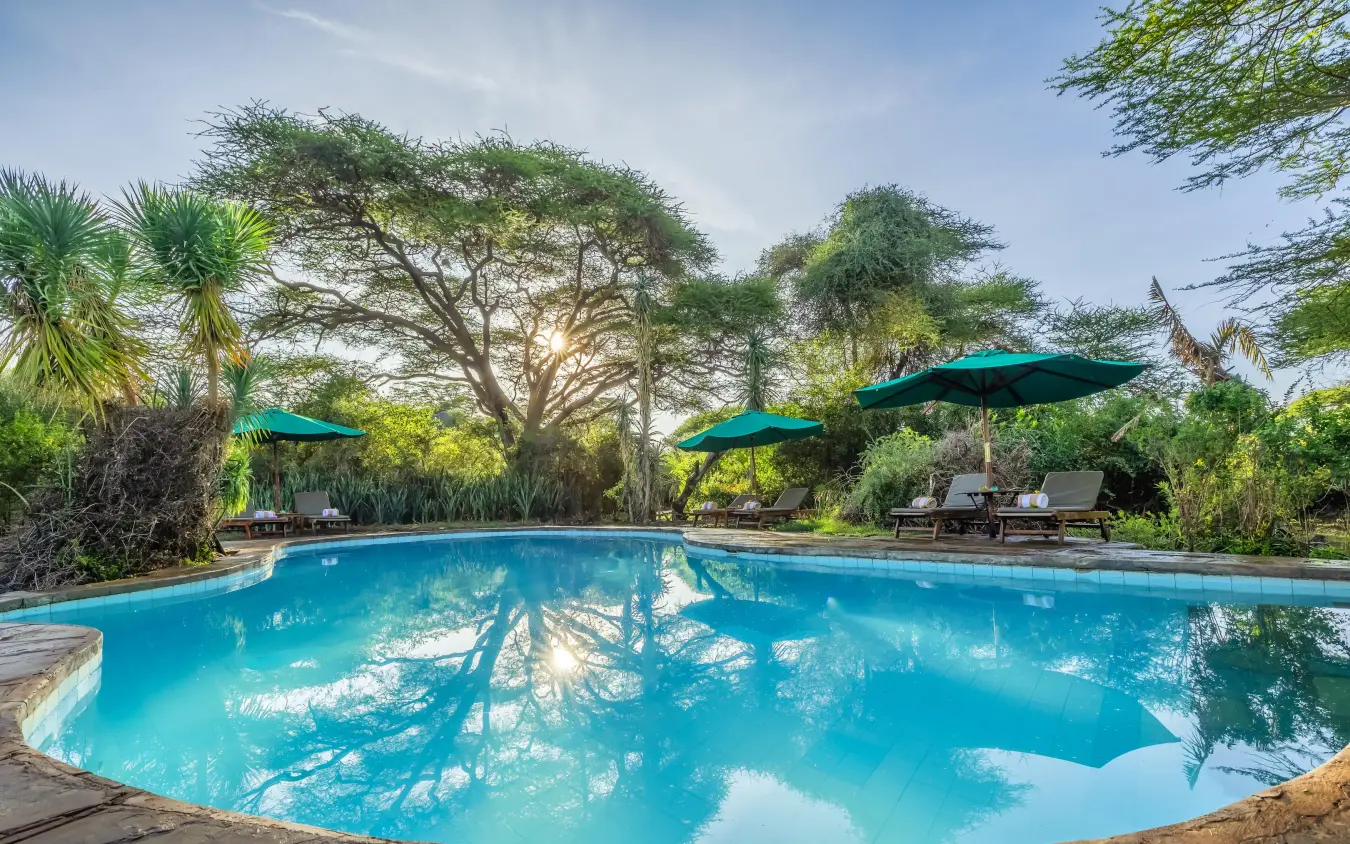
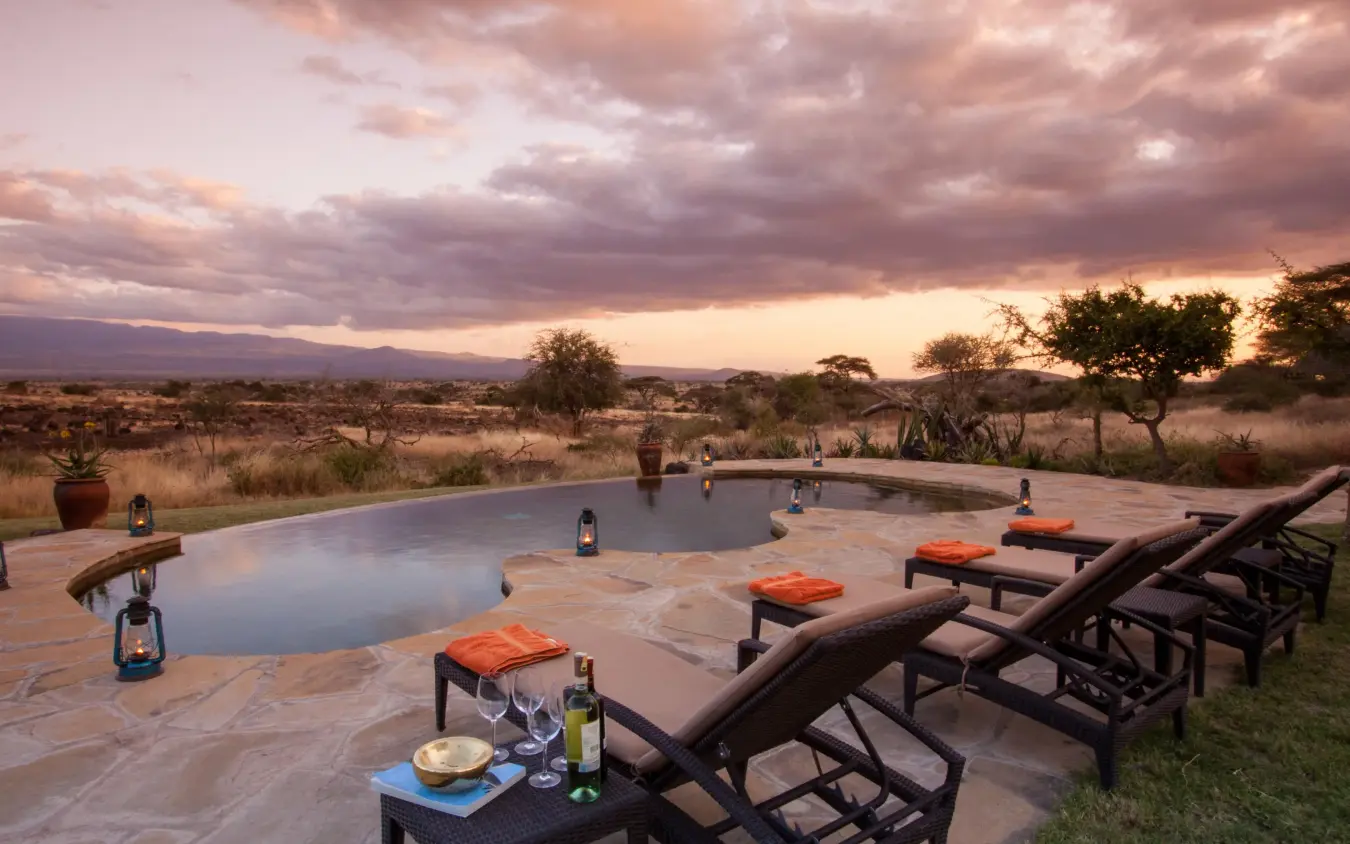
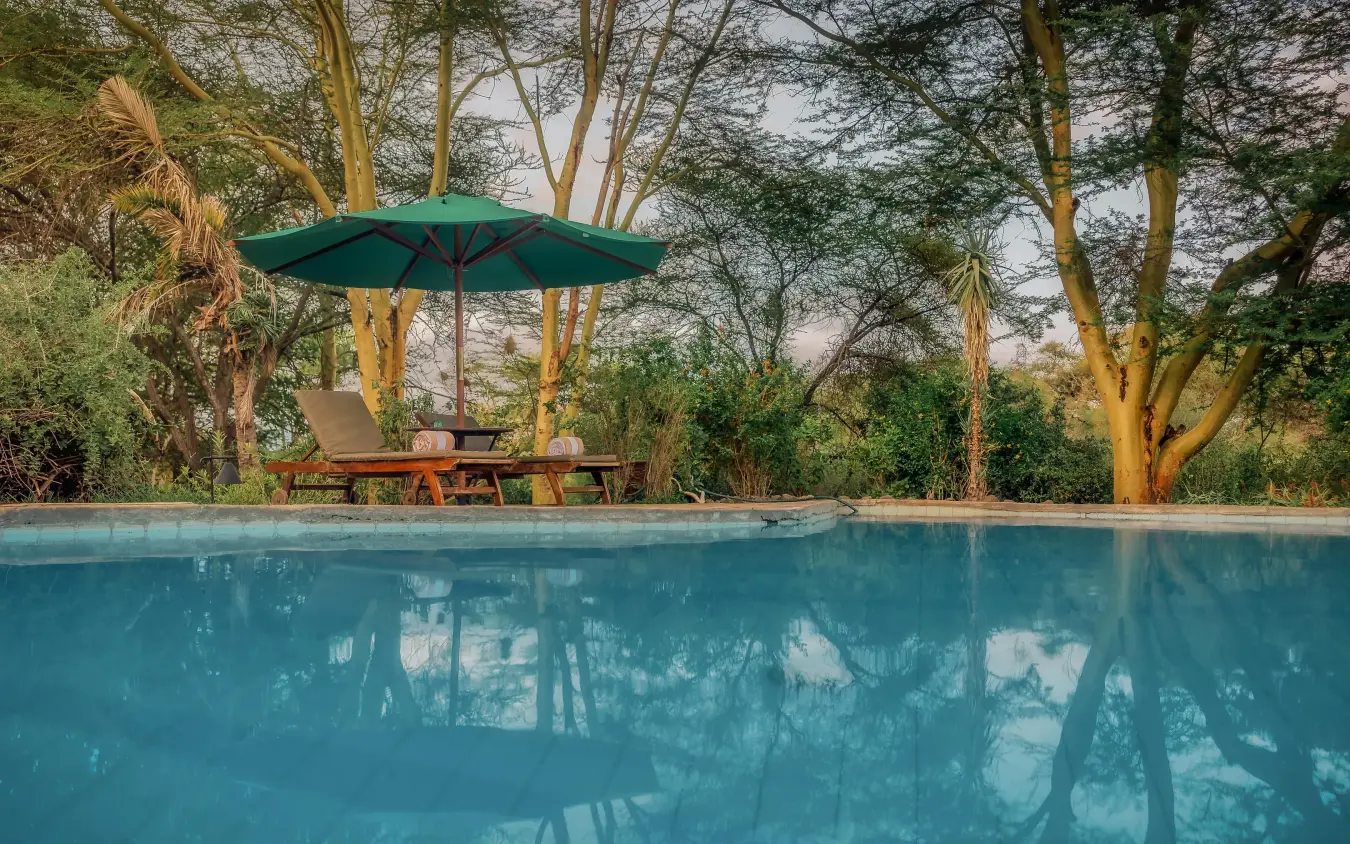
Two swimming pools serve the camp, the main one near the central areas and a second set higher up the hill for the Family Tent and Private House. Stone paths thread down through the tortilis woodland to tents spaced well apart for privacy. Elephant, dik-dik, mongoose and francolin move among the trees, and after dark guests are escorted to their tents.

Spacious bedroom with four-poster bed and warm lighting, Tortilis Camp, Amboseli and Chyulu Hills, Kenya 01

accommodation

Sixteen Tents Among Tortilis Trees

Sixteen standard tents sit under thatch among the tortilis trees, each with king or twin beds, polished wooden floors, en-suite bathrooms and verandas set with Swahili daybeds. A two-bedroom Family Tent faces Kilimanjaro and shares a hilltop pool with a separate Private House, both well suited to families or small groups.

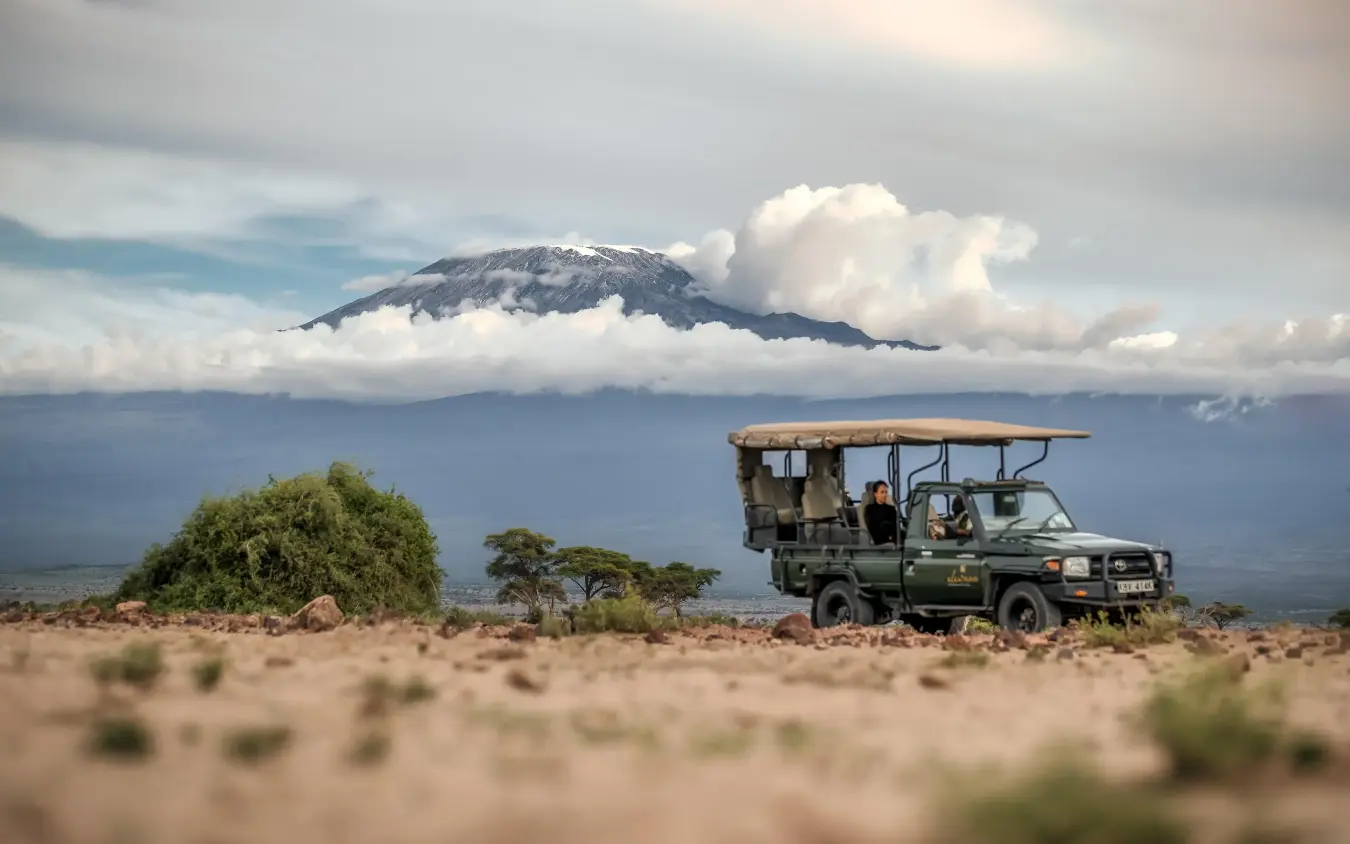
Safari vehicle on volcanic plains with distant snow-capped mountain, Tortilis Camp, Amboseli and Chyulu Hills, Kenya 02

activities

Game Drives in Kitirua and Amboseli

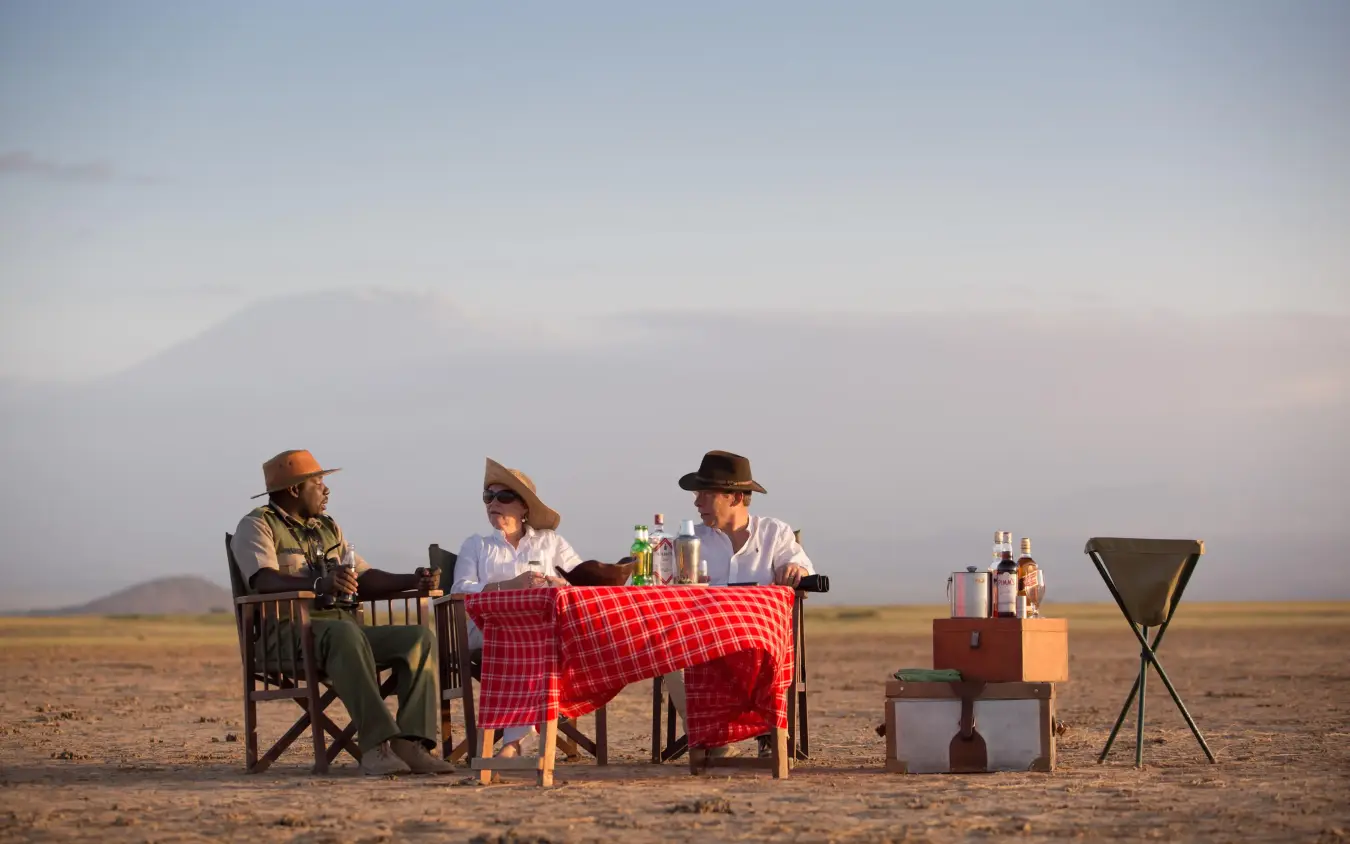
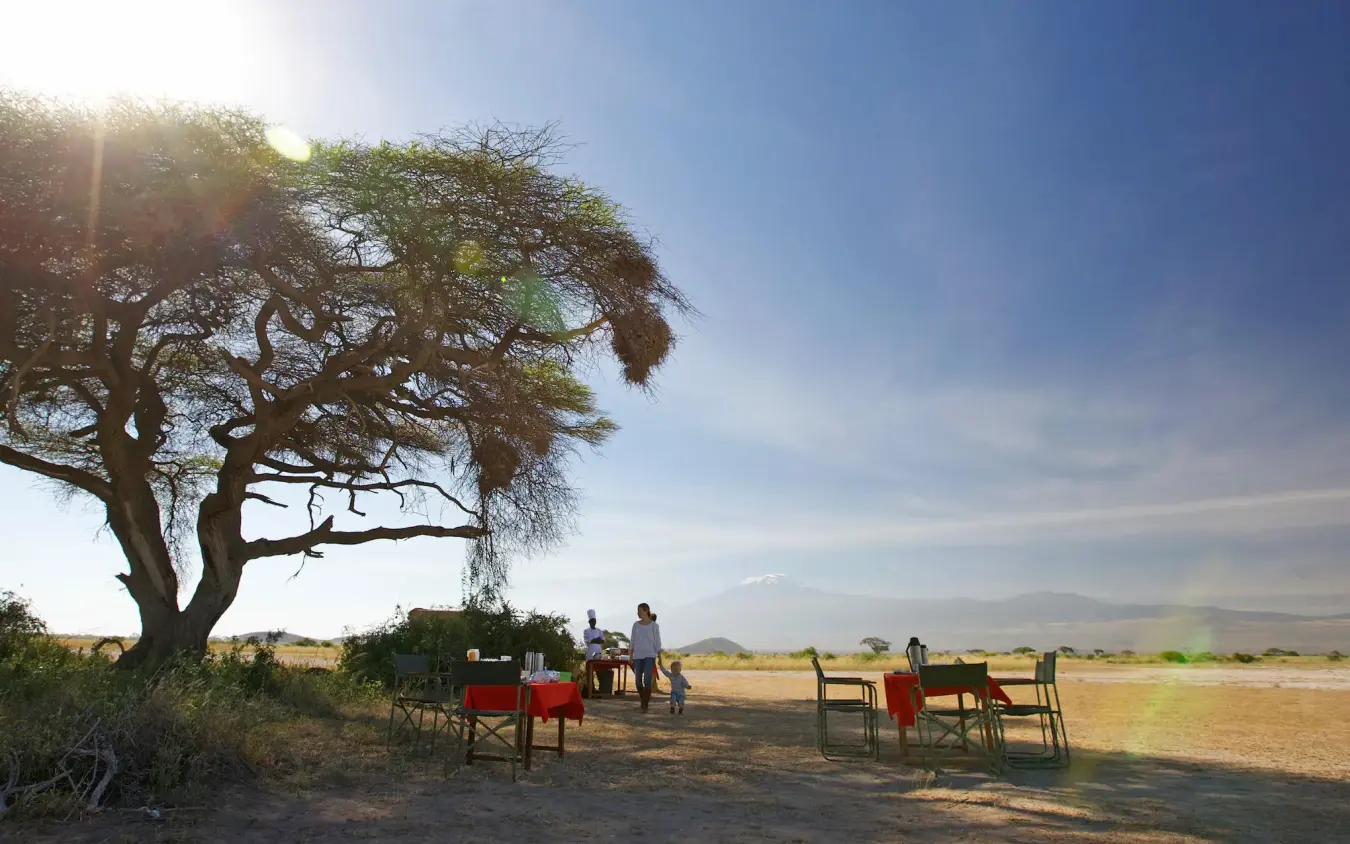
Game drives run morning and afternoon in both the Kitirua Conservancy and Amboseli National Park. Guided walking safaris with Maasai guides, bush breakfasts and sundowners take place in the conservancy, where walking is permitted; the national park is restricted to daytime game drives. Maasai homestead visits and spa treatments round out the day.

Maasai guides walking across savanna landscape with mountain, Tortilis Camp, Amboseli and Chyulu Hills, Kenya 03

conservation

Solar Power and Maasai Partnership

The camp runs on solar power and was among the first eco-lodges of its size in the area. The Kitirua Conservancy, formed with the local Maasai community, buffers Amboseli and directs tourism income to Maasai landowners. Tortilis Camp has supported the Amboseli Trust for Elephants and employs staff from the surrounding community.

ready to get started?

Get in touch and let’s start the conversation. An initial consultation helps us understand what you’re looking for, whether that’s specific experiences, luxury touches, or marking a special occasion, and from there we’ll guide you through what’s possible so you can decide if we’re the right fit.

frequently asked questions

You fly in from Nairobi. A light aircraft leaves Wilson airport, the city's small domestic terminal, and reaches the Amboseli airstrip in about forty-five minutes, where the camp collects you for the short drive up to the hilltop in the Kitirua Conservancy. We build these flights into your itinerary and confirm the timings. If you would prefer to fly on your own schedule, we can arrange a private charter, typically a Cessna Caravan or Pilatus PC-12, timed to your international arrival in Nairobi.

The bush planes take soft bags only, with a limit of around fifteen kilograms per person including hand luggage, so a duffel rather than a hard suitcase. You can also drive down from Nairobi in roughly four to five hours if you would rather see the country on the way.

Yes. Amboseli sits at around 1,150 metres, below the altitude at which malaria risk falls away, so both the CDC and TravelHealthPro treat it as a malaria area and antimalarial tablets are usually advised. The risk is present year round and rises a little after the rains.

Guidance changes from time to time, so we always suggest confirming the current position with a travel clinic or your doctor before you travel, and taking the usual care against bites once the sun is down.

Days are warm and often dusty, with the mornings and evenings cool enough to want a layer, especially up in the higher Chyulu Hills. Kilimanjaro tends to clear early and late in the day, so the best views come at dawn and dusk. The rains, around November and again from March to May, green the plains and lift the birdlife while softening some of the tracks.

Pack in neutral colours for the dust, a warm fleece for early game drives, sun protection and a hat for the middle of the day, and closed shoes for the walks and camel outings on the conservancy. Binoculars are worth their weight here.

The dry months, June to October and January to February, give the most reliable game viewing, with animals gathered on Amboseli's permanent swamps and Kilimanjaro at its clearest. These are also the best weeks for walking, riding and scenic flights in the Chyulus.

The green season after the rains is quieter and photogenic, with strong birding and newborn animals, though a few roads soften underfoot. There is good wildlife to be seen the whole year.

Yes, and it is the main reason to base here. Tortilis sits on the private Kitirua Conservancy rather than inside the park, so it can run walking safaris with Maasai guides, bush breakfasts and sundowners out in the bush, none of which the national park permits. A single morning can move from the conservancy into Amboseli itself for the classic elephant and Kilimanjaro views.

Inside the national park the rules are stricter: daytime game drives only, no walking and no leaving the road. The conservancy is what widens the day beyond that.

It is. Alongside the standard tents there is a two-bedroom family tent and a separate private house sharing their own hilltop pool, which suits families and small groups who want a little more room and privacy. The waterhole below the bar means there is wildlife to watch without anyone having to sit still in a vehicle for long.

Walking and the more active outings tend to have a minimum age, so tell us how old your children are and we will match the camp and the activities to them, and arrange a private vehicle if that makes the drives easier.

rated five stars by our clients

other areas in kenya

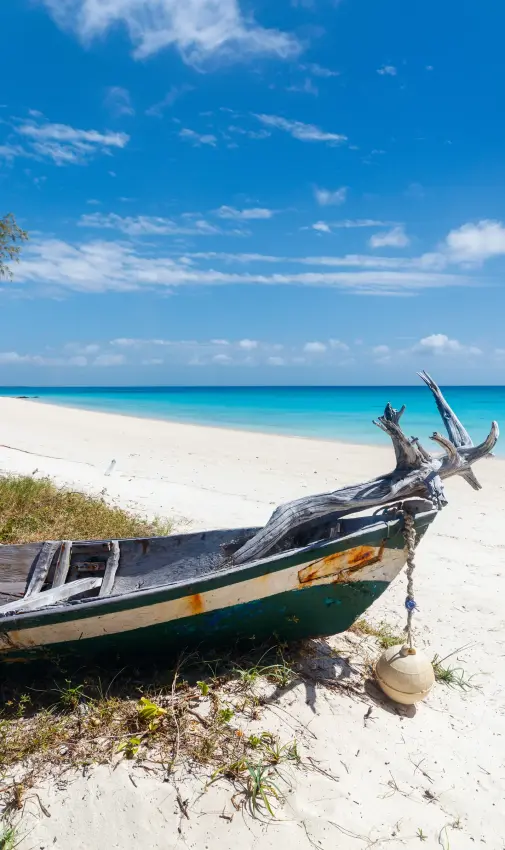
Wooden fishing boat beached on white sand tropical shore 01

Diani Beach

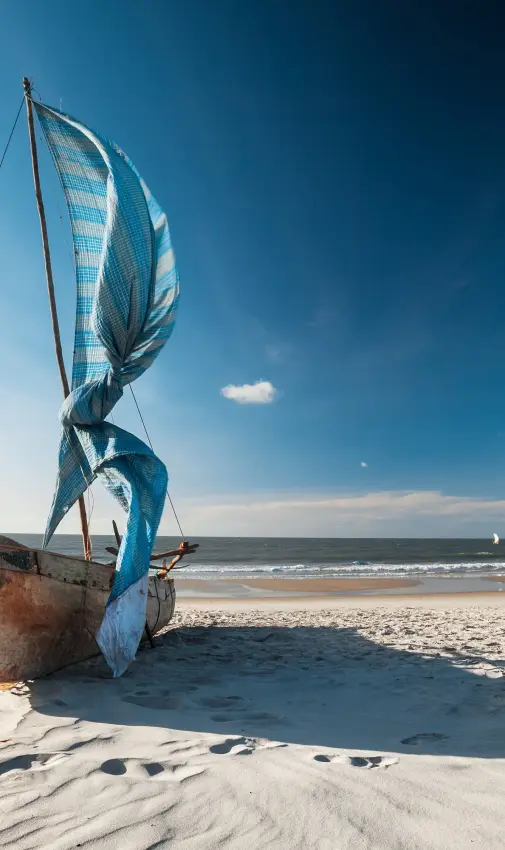
Traditional fishing boat with blue sail on sandy beach 02

Kilifi

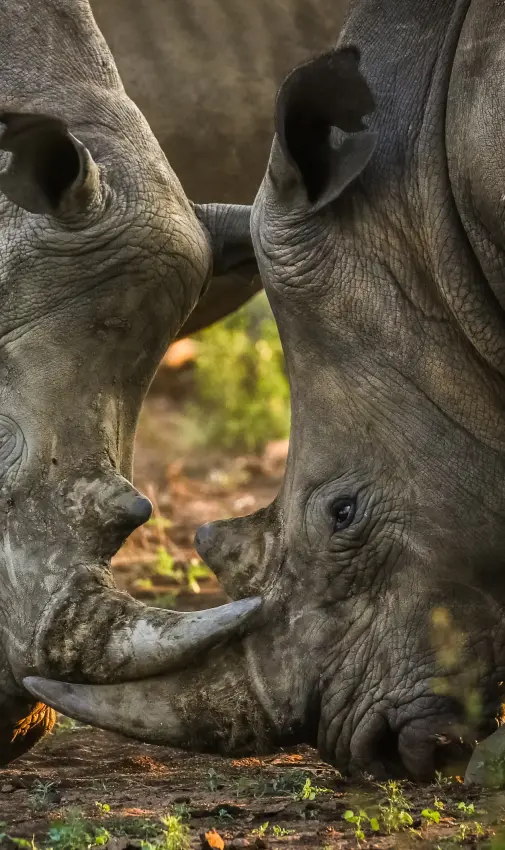
Two rhinos touching horns in natural habitat 03

Laikipia Highlands

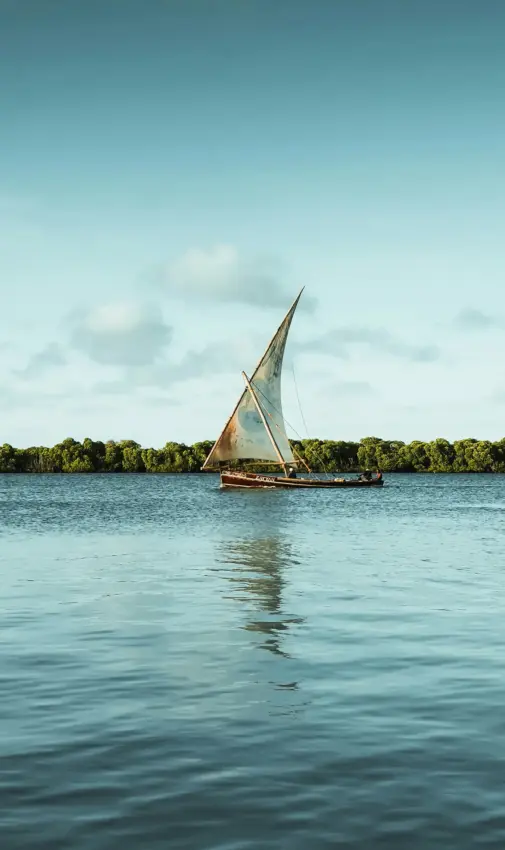
Wooden fishing boat beached on white sand tropical shore 04

Lamu Archipelago

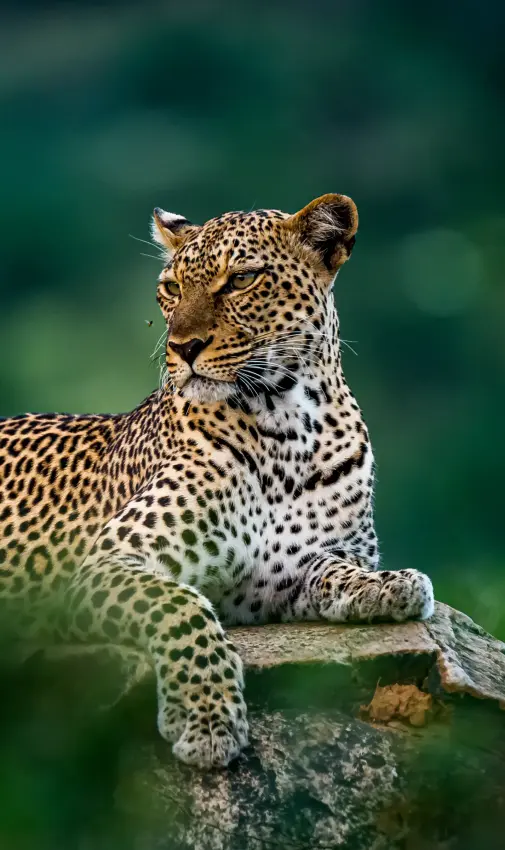
Leopard resting on fallen log in natural setting 05

Maasai Mara

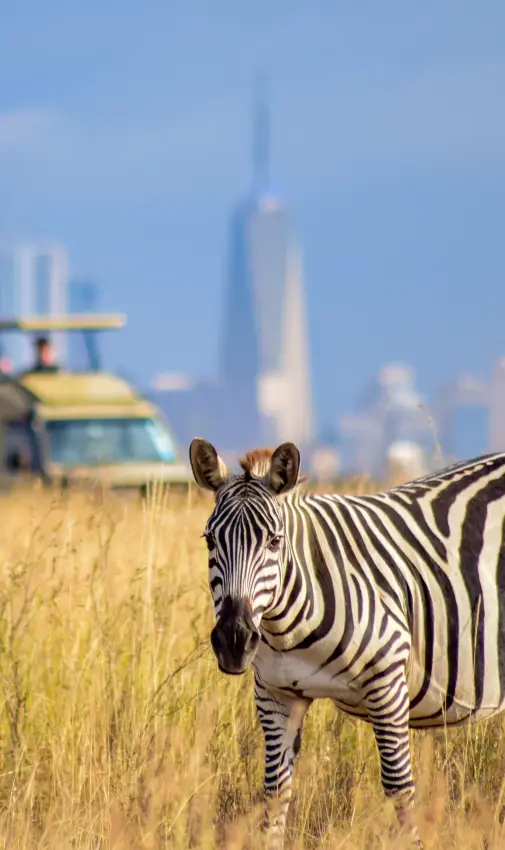
Zebras in savanna grassland with safari vehicle and city skyline 06

Nairobi

Local guides with poles crossing shallow forest river, Northern Kenya, Kenya 07

Northern Kenya

Flock of flamingos wading in shallow pink-tinted water, Rift Valley Lakes, Kenya 08

Rift Valley Lakes

Man in traditional red garment driving open safari vehicle, Samburu Reserve, Kenya 09

Samburu Reserve

African elephants with calf walking through grassland at sunset 10

Tsavo

Planning a journey together

our approach

remote, exclusive
& personal

Every journey starts with a conversation. We take the time to understand your vision before we start planning.

Whether by phone or in person, we work with you directly to shape something that is considered, personal, and expertly delivered.

get in touch
destinations ideas & inspiration our process about us contact us