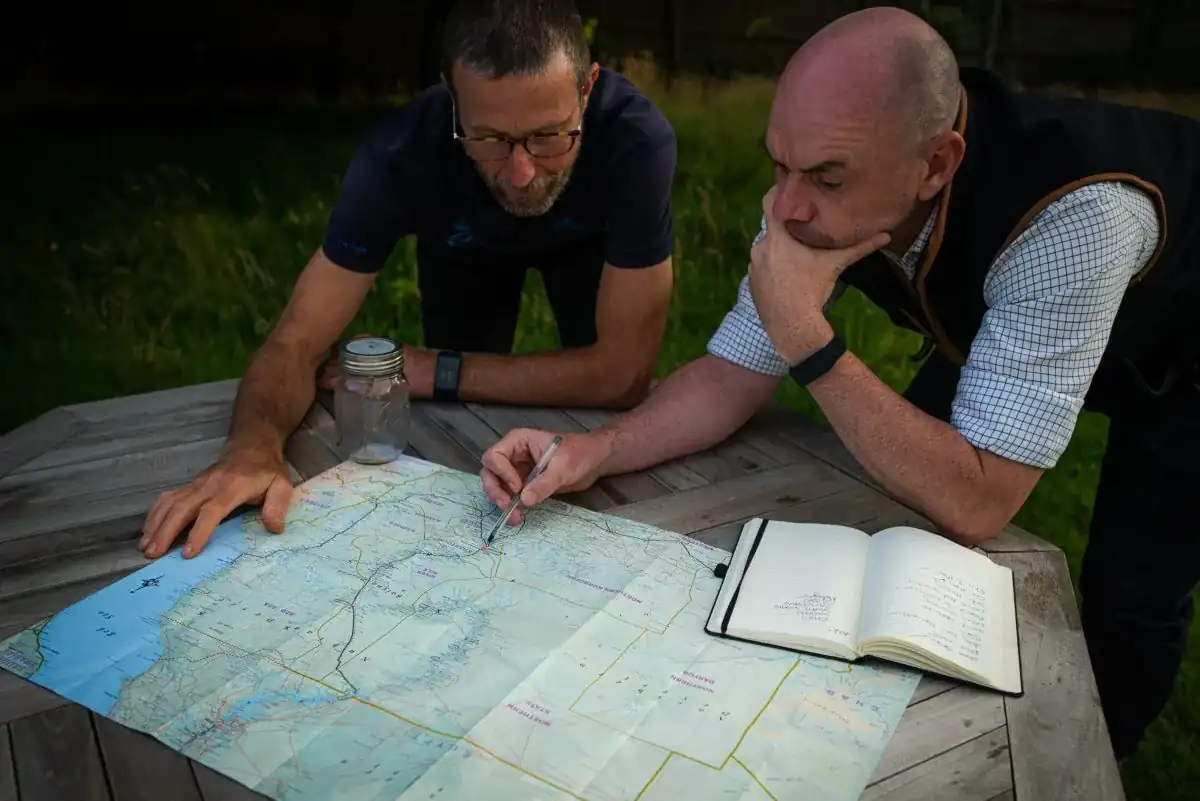
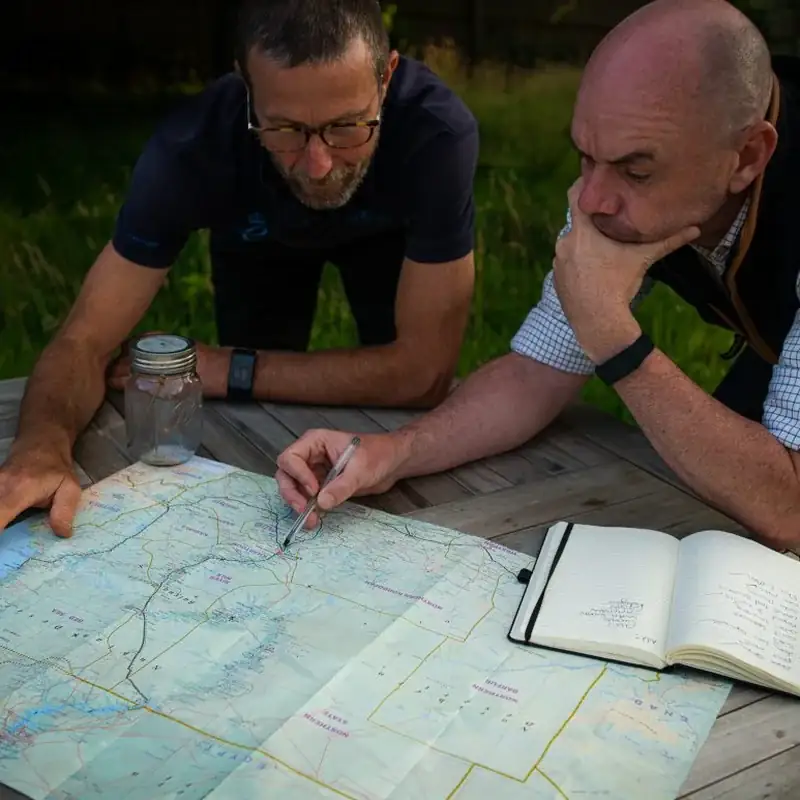
The conservancy exists because of a negotiation carried out over several years. Jake Grieves-Cook, who founded Gamewatchers Safaris in 1989, began talks with Maasai elders in the mid-1990s to lease land for wildlife rather than livestock. Selenkay was established from that agreement in 1997, one of the earlier examples of Kenya’s community-conservancy model, where the land stays in Maasai ownership but is leased for conservation and a share of tourism income. Grieves-Cook has since stepped back from the day-to-day. Gamewatchers is now led by managing director Dr Mohanjeet Brar, a fourth-generation Kenyan and qualified professional guide.
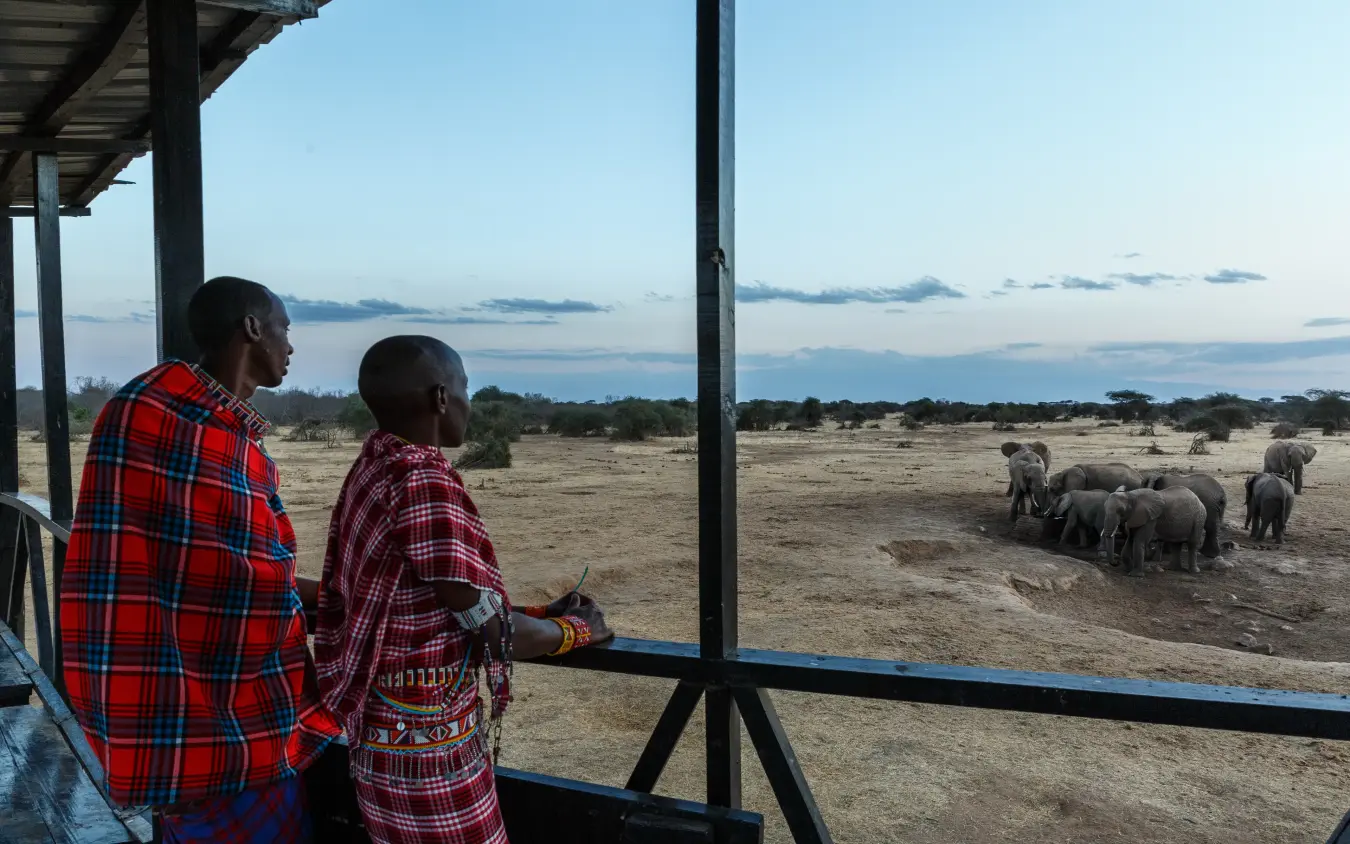
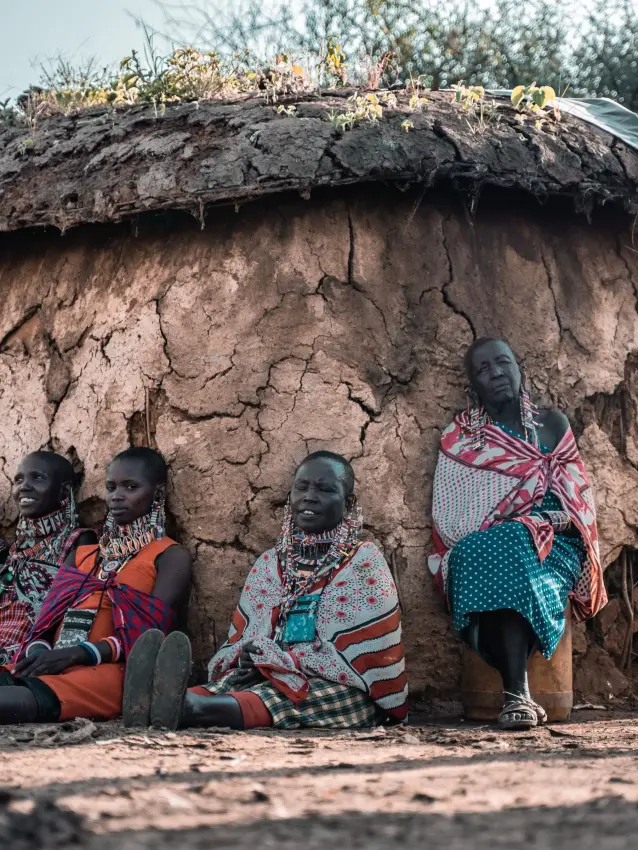
The lease still underpins how everything runs. Maasai landowners receive rental income for the leased acreage independent of visitor numbers, along with a fee for every guest who stays. The large majority of the camp staff and the conservancy rangers are drawn from the community itself, so the land and the people who own it are bound into the way the place works.
The conservancy exists because of a negotiation carried out over several years
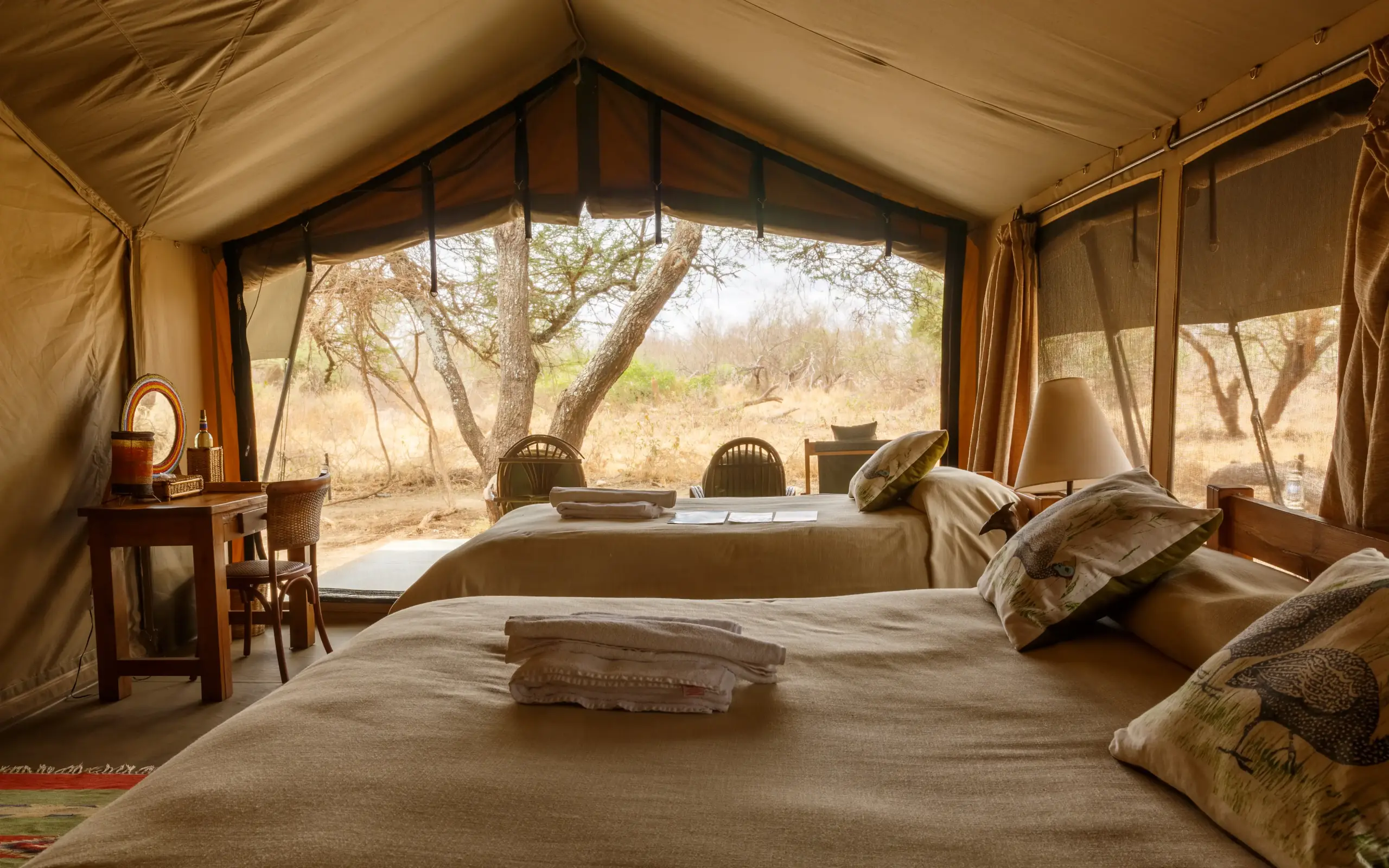
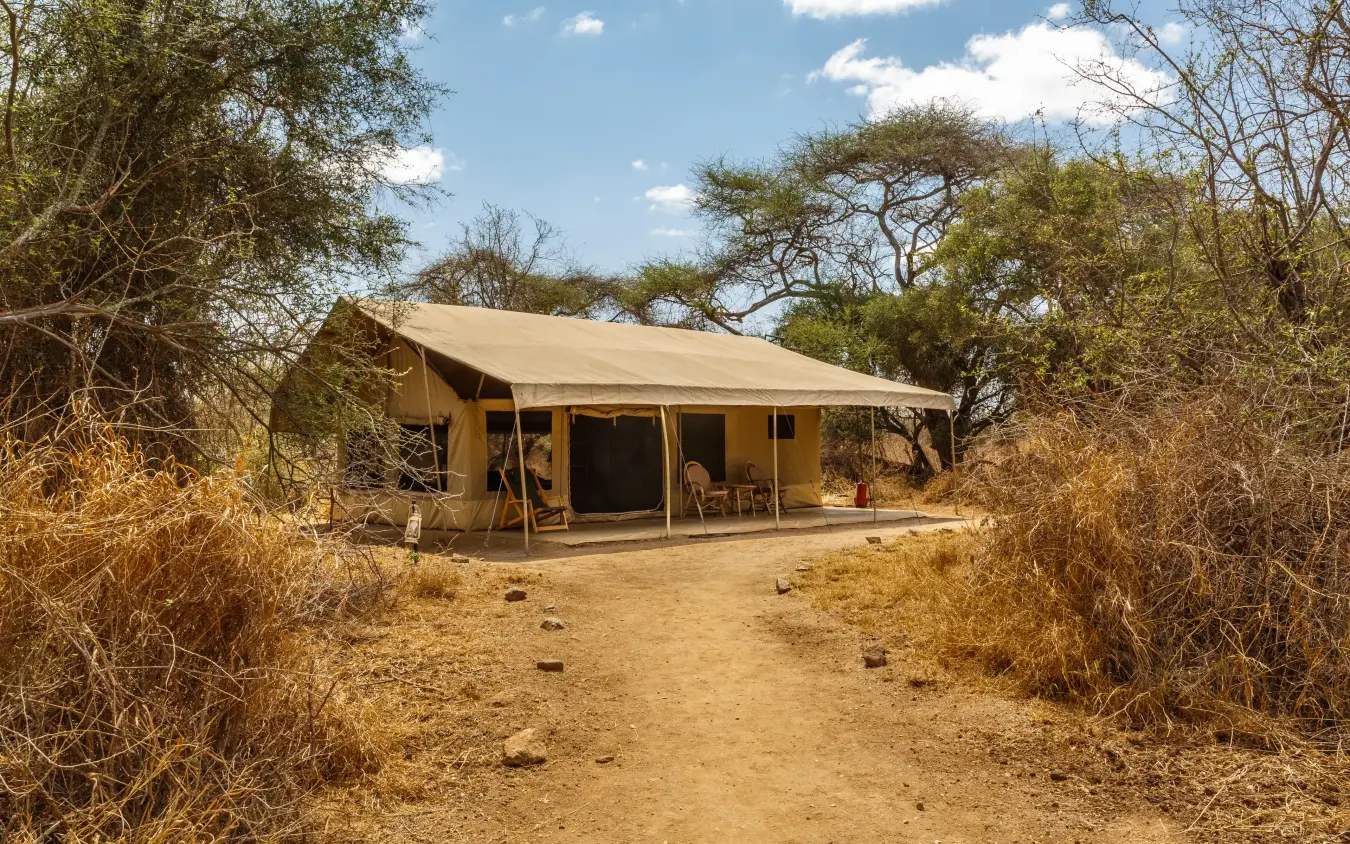
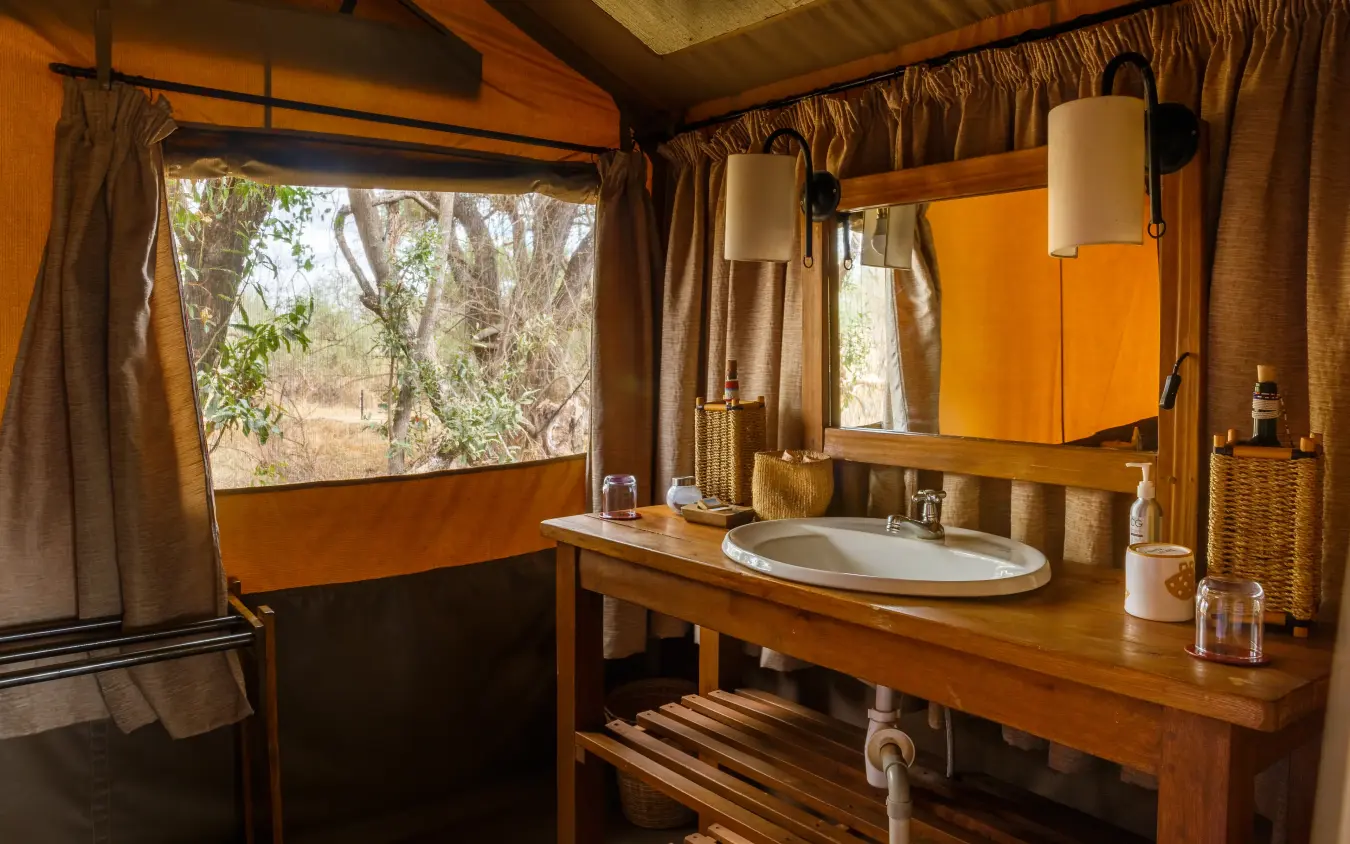
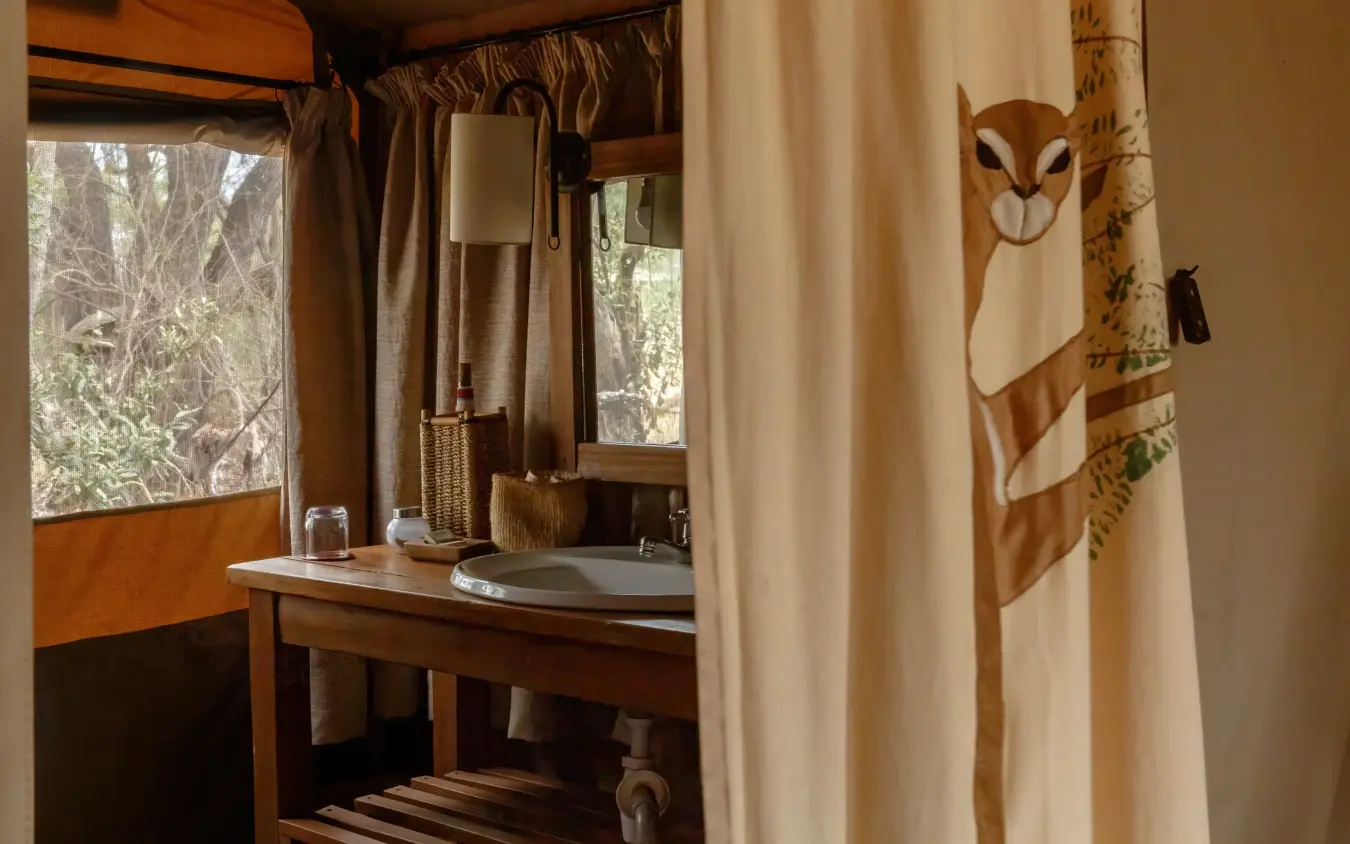
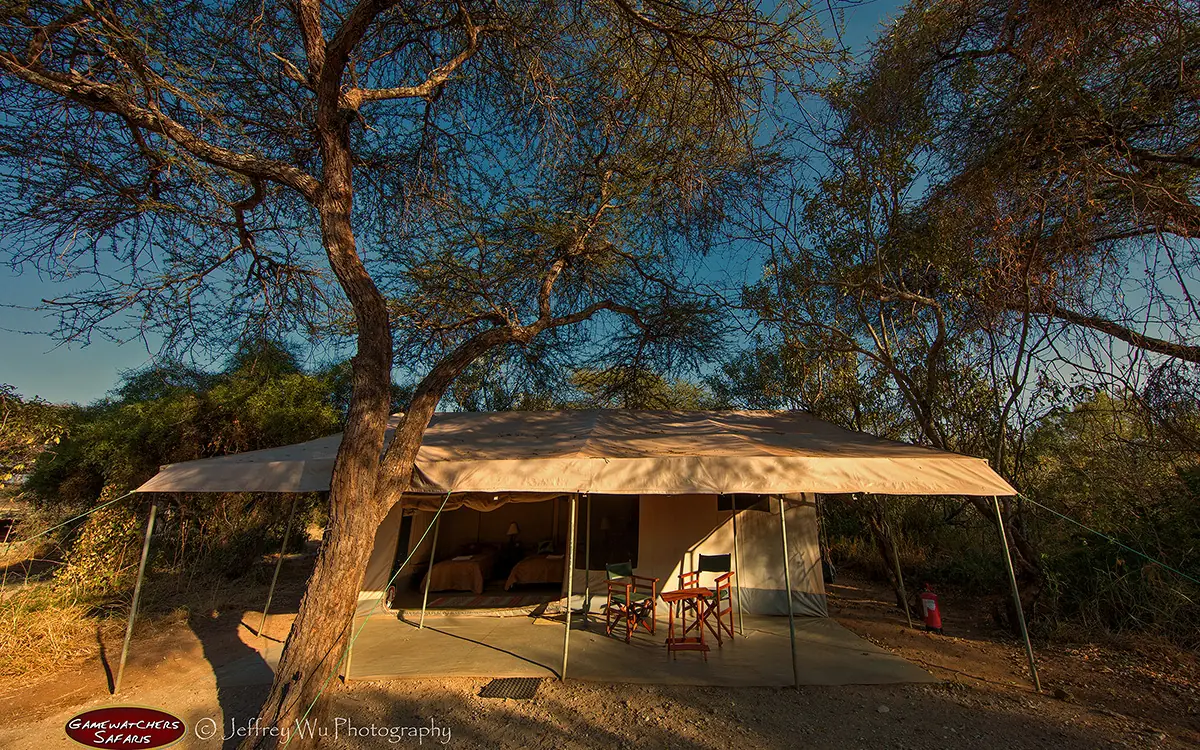
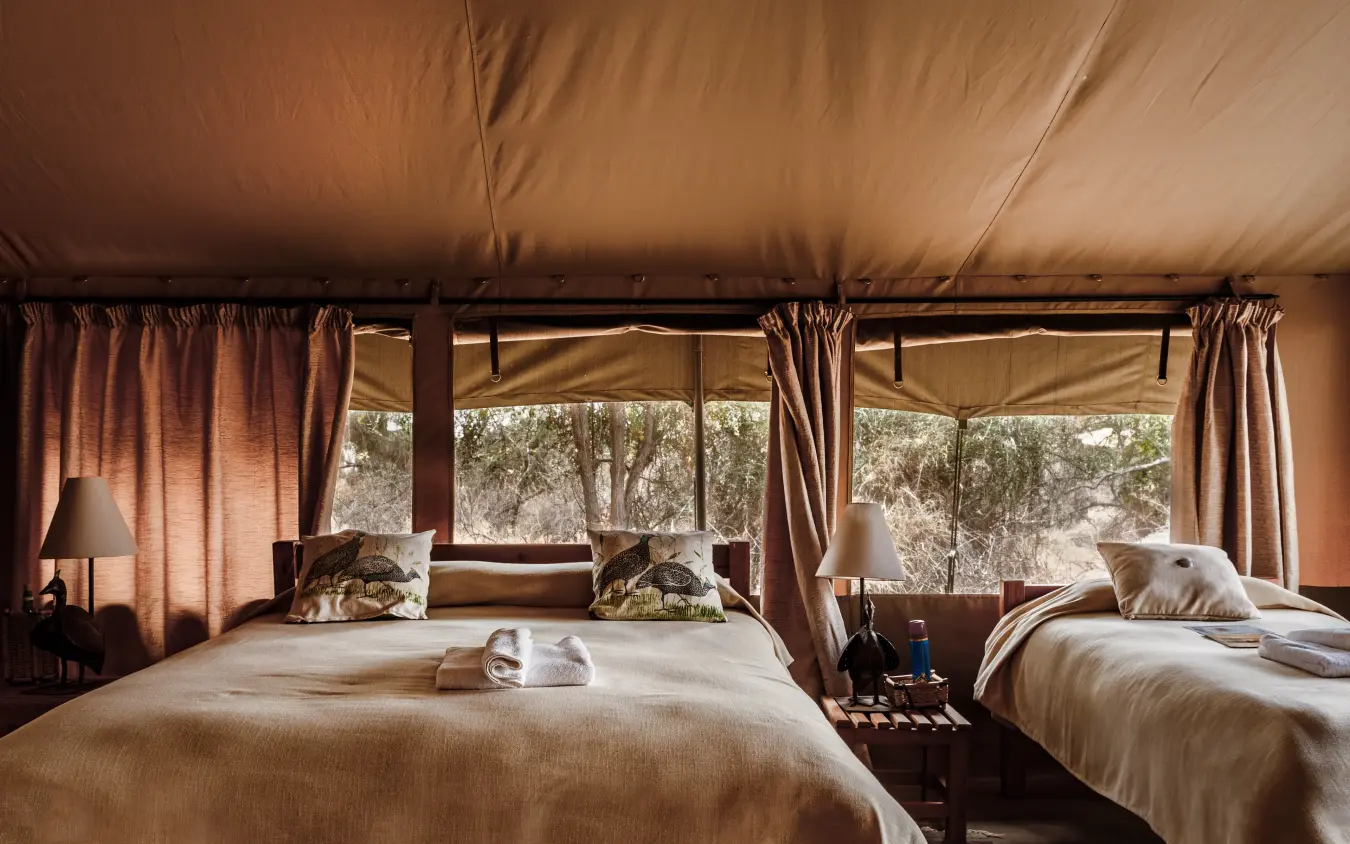
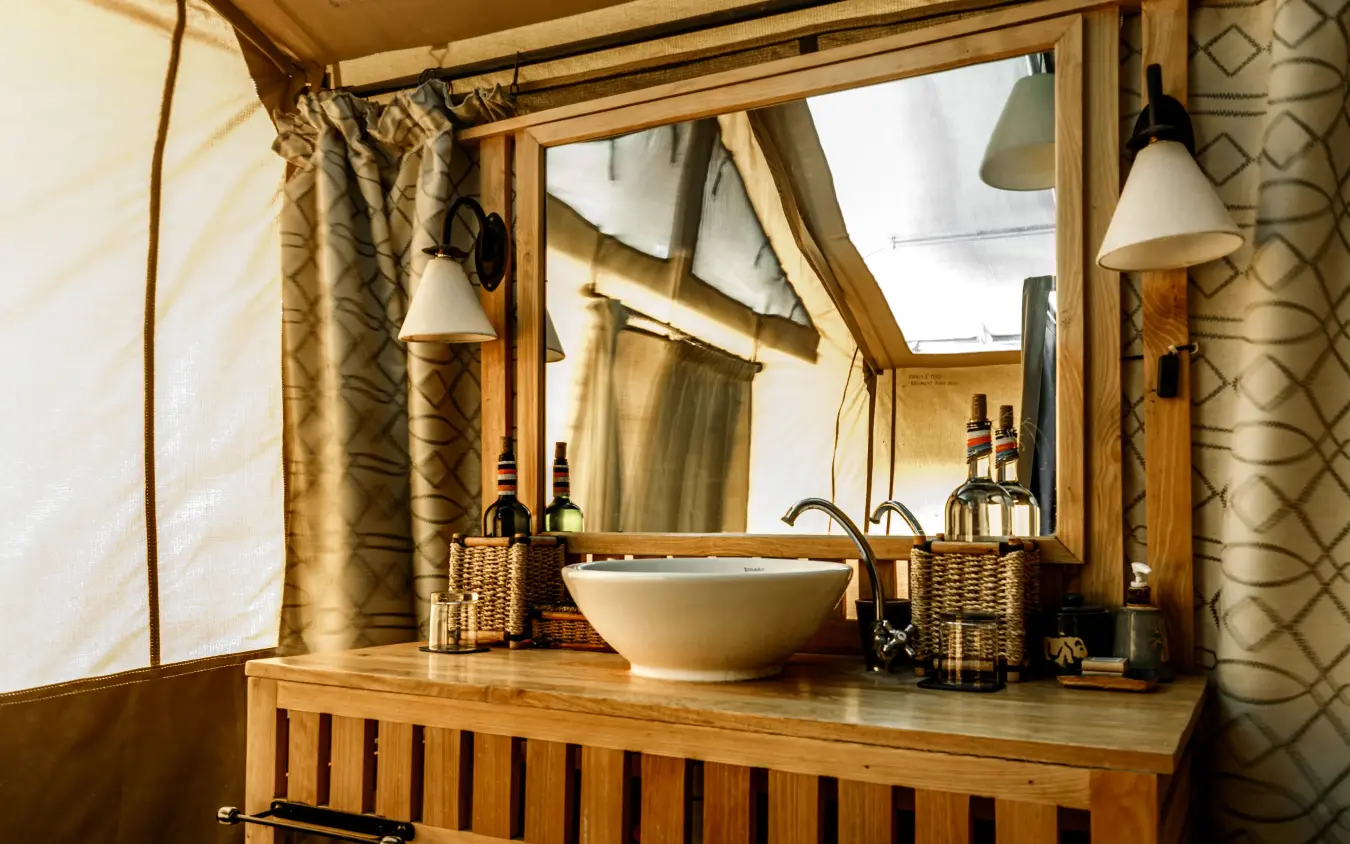
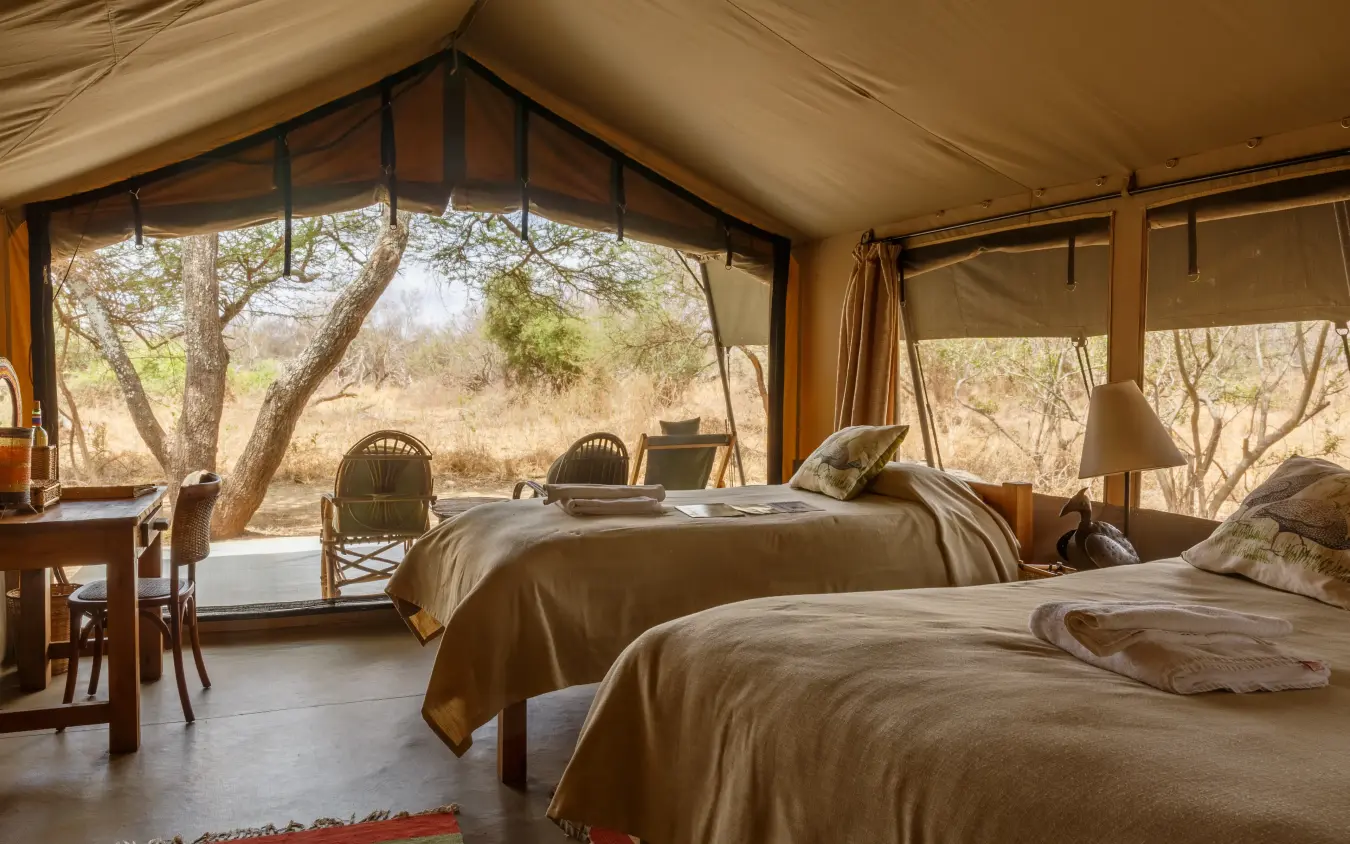
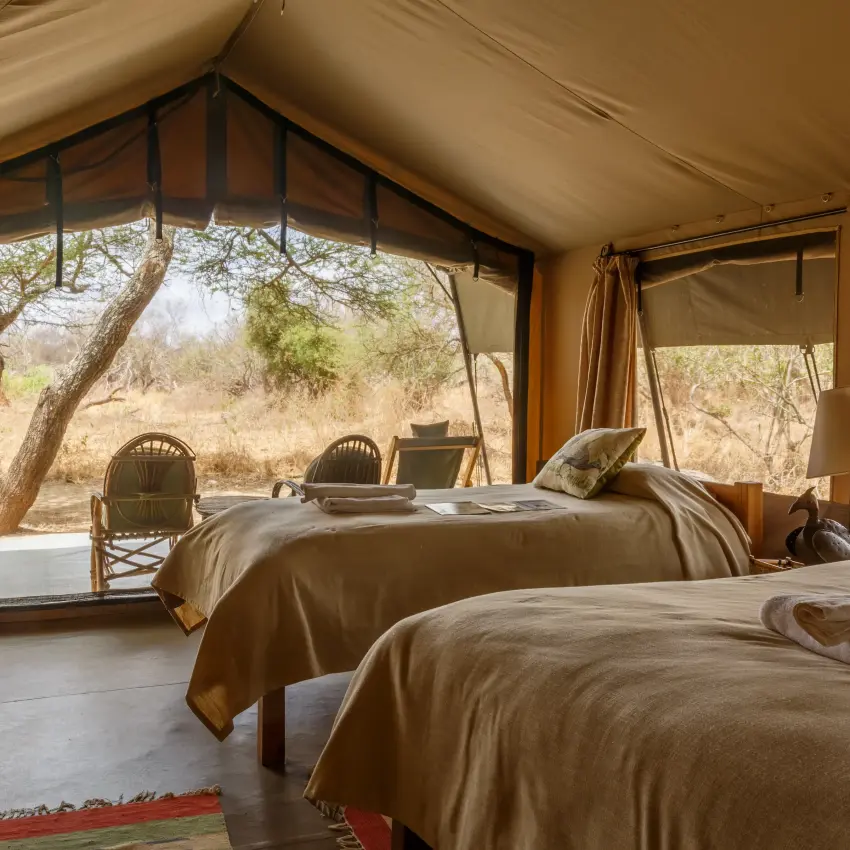
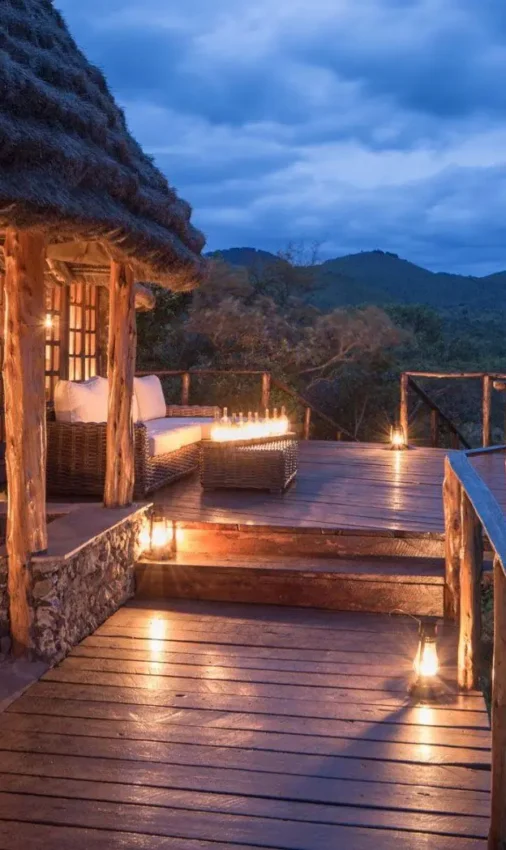
Accommodation runs to ten tents, eight standard and two for families. The family tents follow an H-shaped layout, two en-suite bedrooms joined by a central lounge, so parents and older children keep their own space while staying close. Interiors are kept simple. There is wooden furniture and a writing desk, Maasai rugs over the floor, and hot water bottles tucked into the beds on the colder nights. Nothing is elaborate, and nothing needs to be.
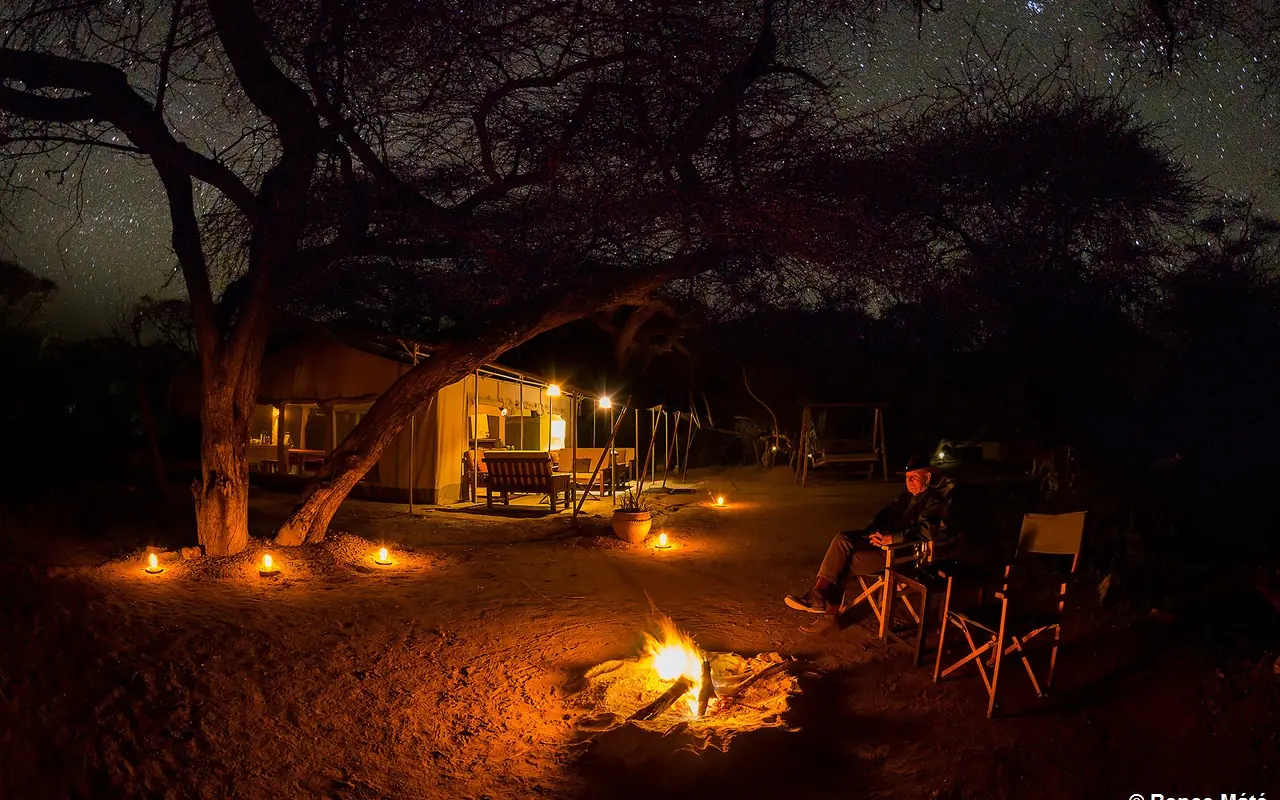
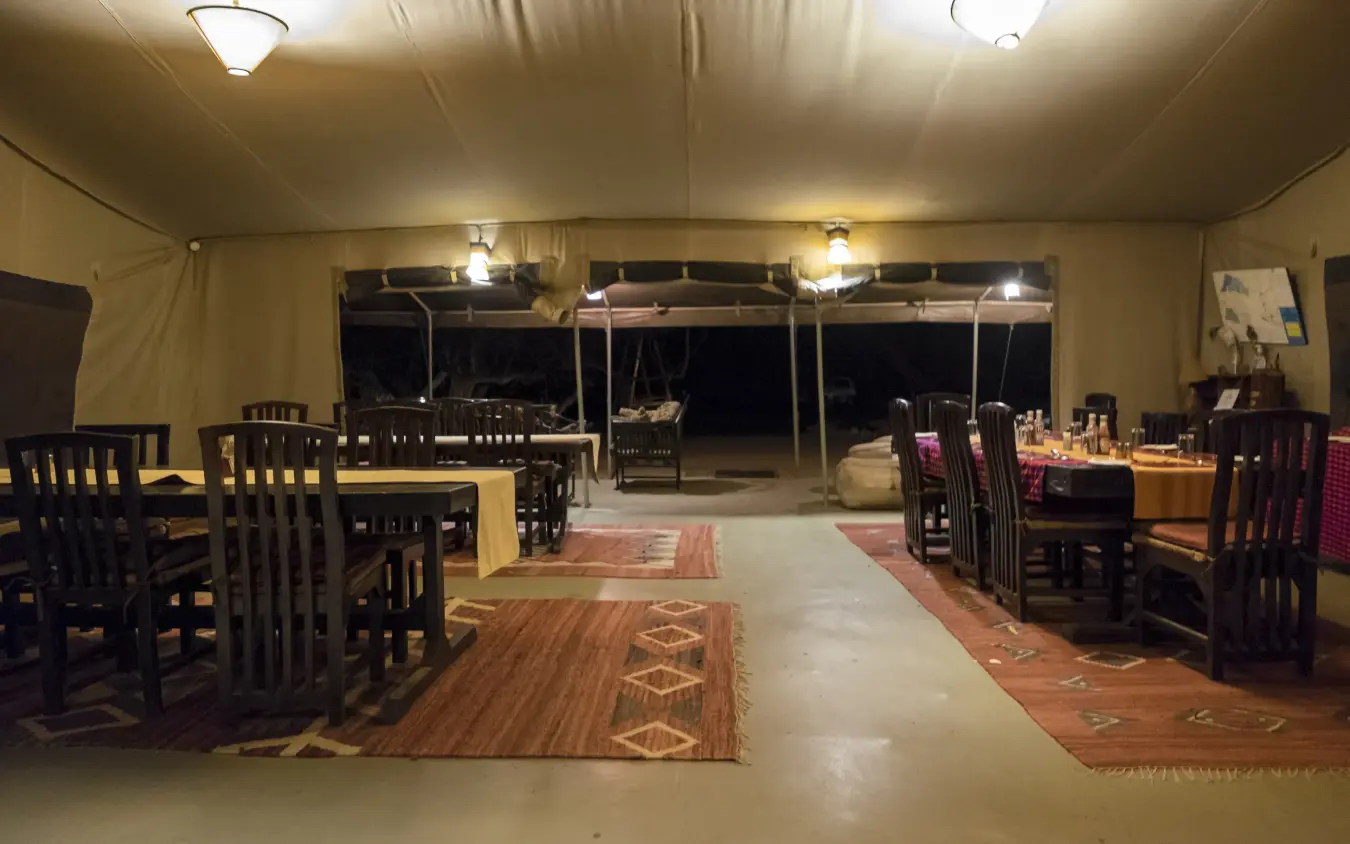
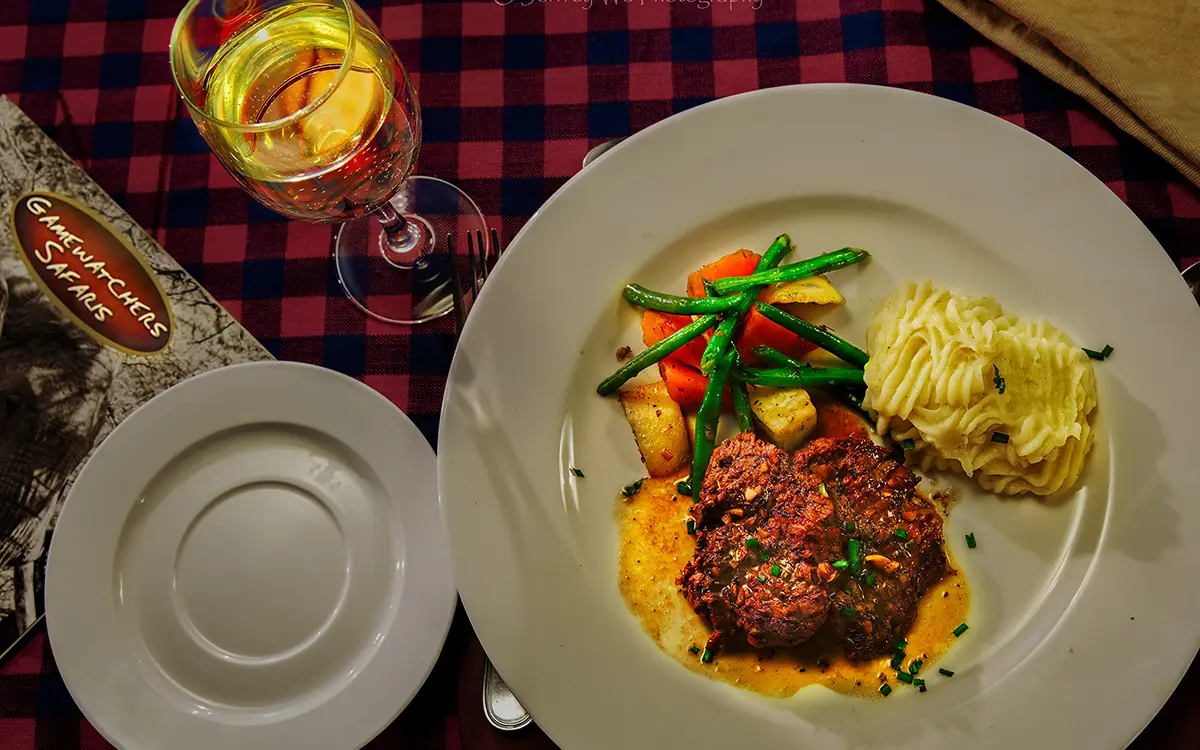
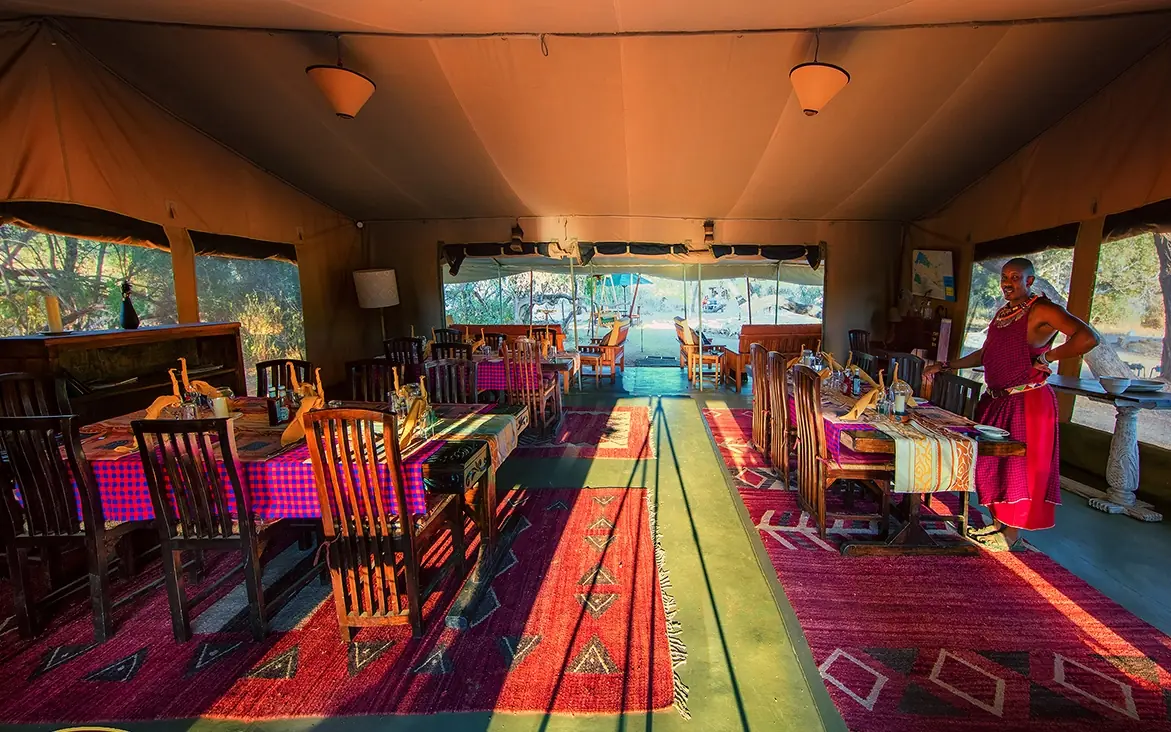
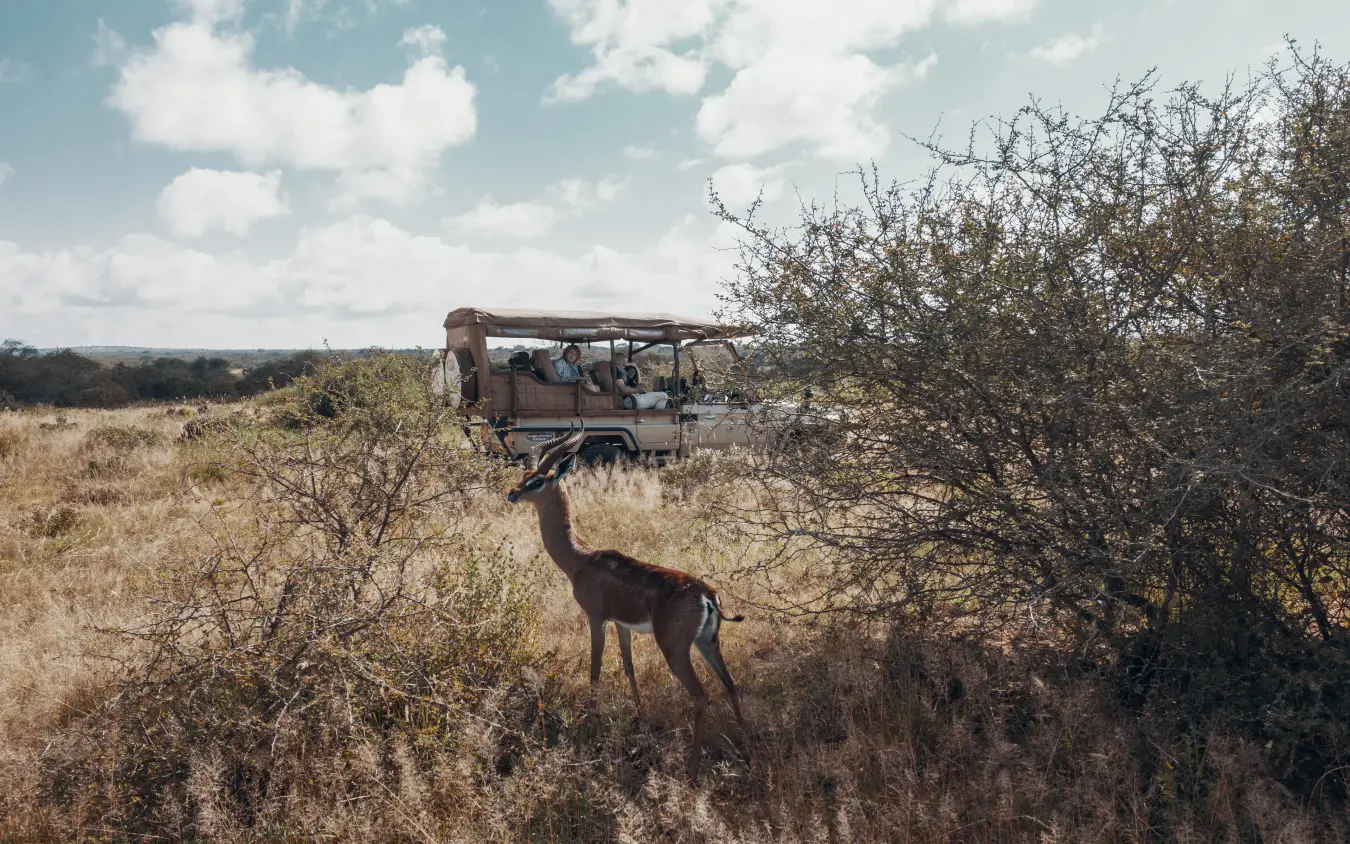
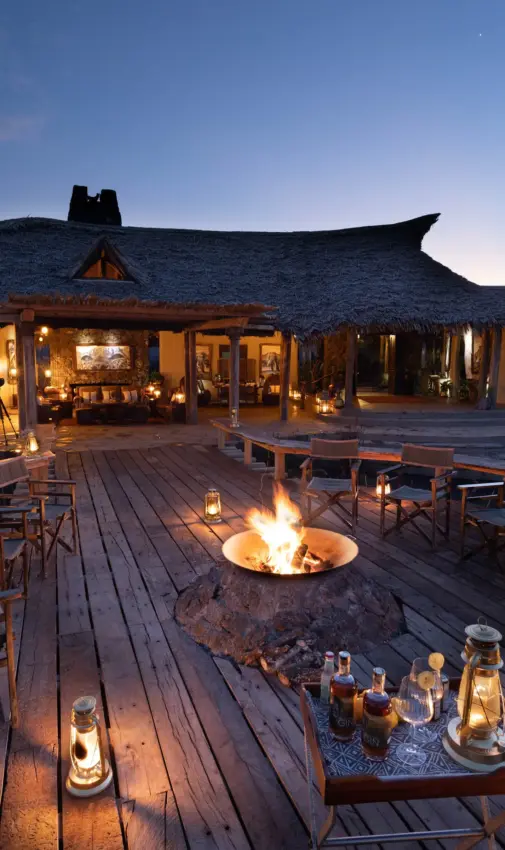
Meals are fully inclusive and home-style. Breakfast is sometimes laid out under an acacia, dinner runs to three courses in the mess tent or beneath the stars, and picnic lunches come along on the full days into Amboseli. The evening campfire is the social heart of the camp, with storm lanterns marking the paths between the tents. Families are welcome with children aged eight and over, and the walking safaris are generally kept for ages twelve and up.