Lodge

Elerai

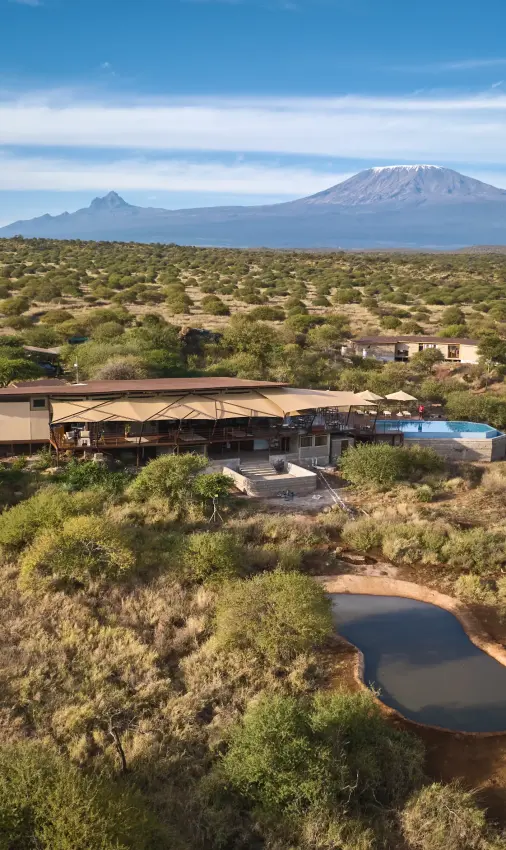
An intimate camp on Maasai-owned conservancy land at Amboseli’s edge in southern Kenya, facing Kilimanjaro.

Country: Kenya
Location: Below Kilimanjaro, Amboseli and Chyulu Hills
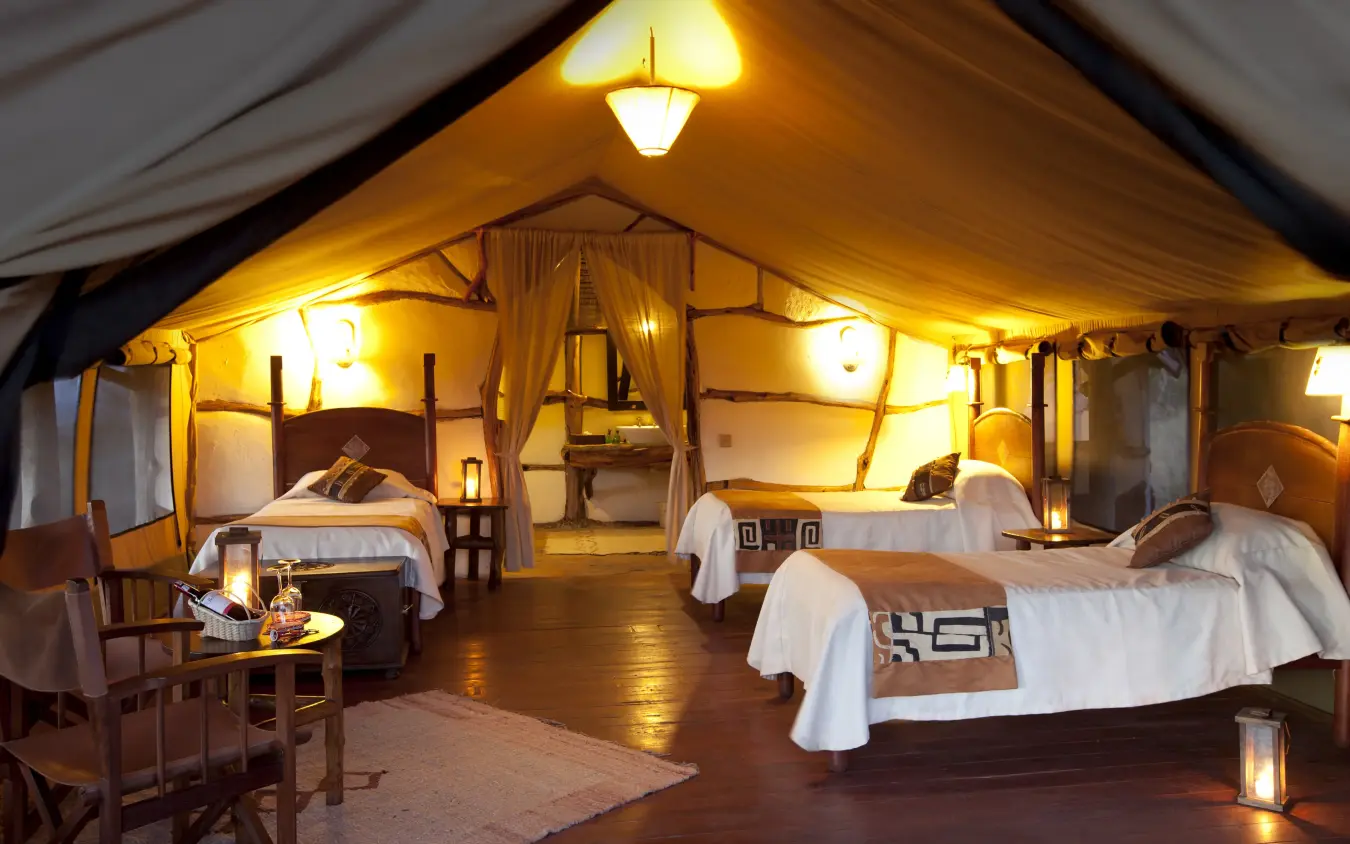
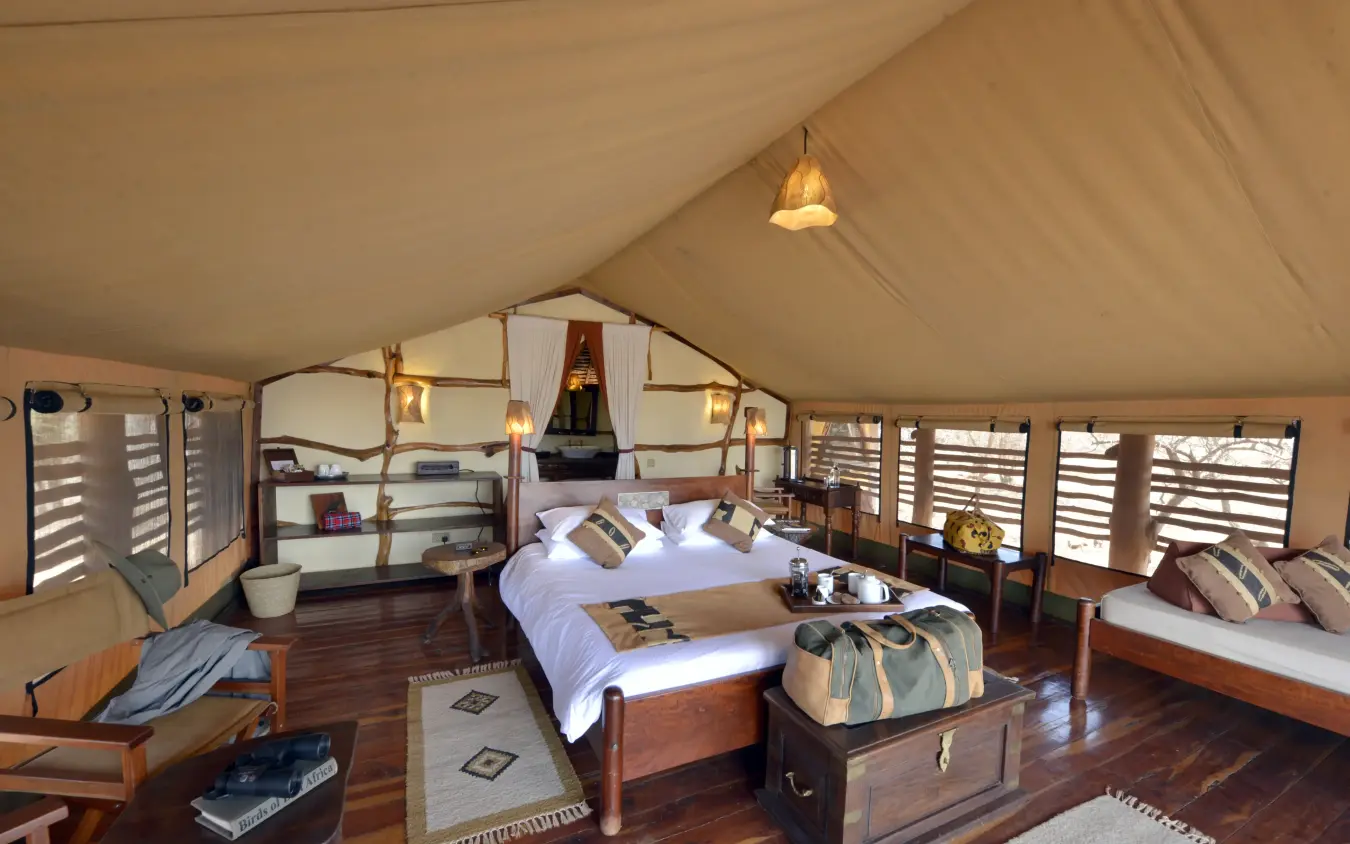
Twelve deluxe tents and five cottage rooms

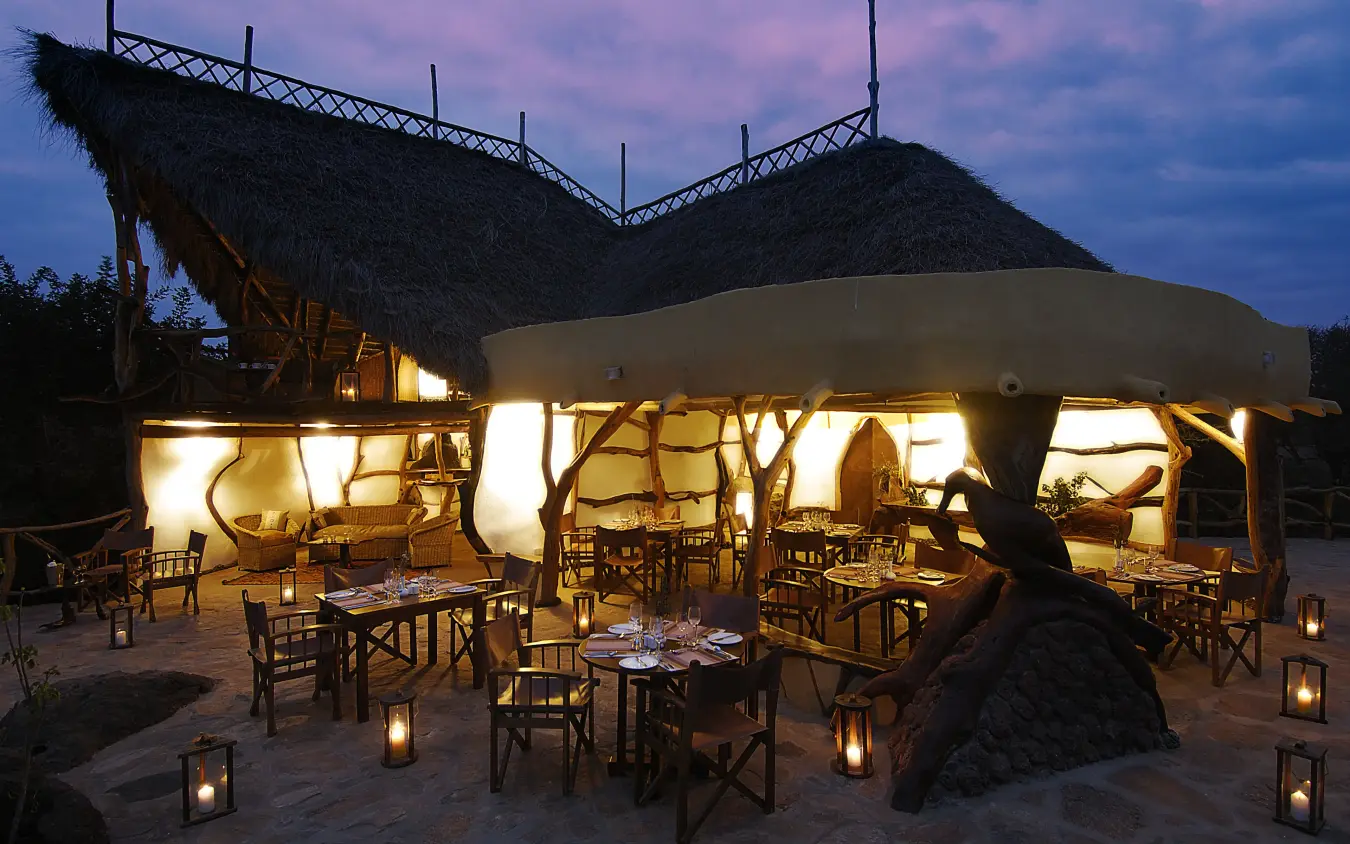
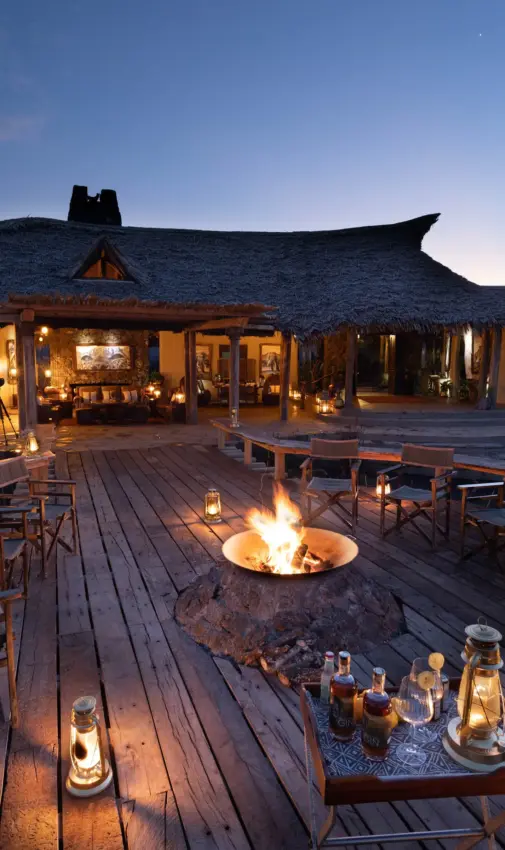
A lounge built around volcanic rock

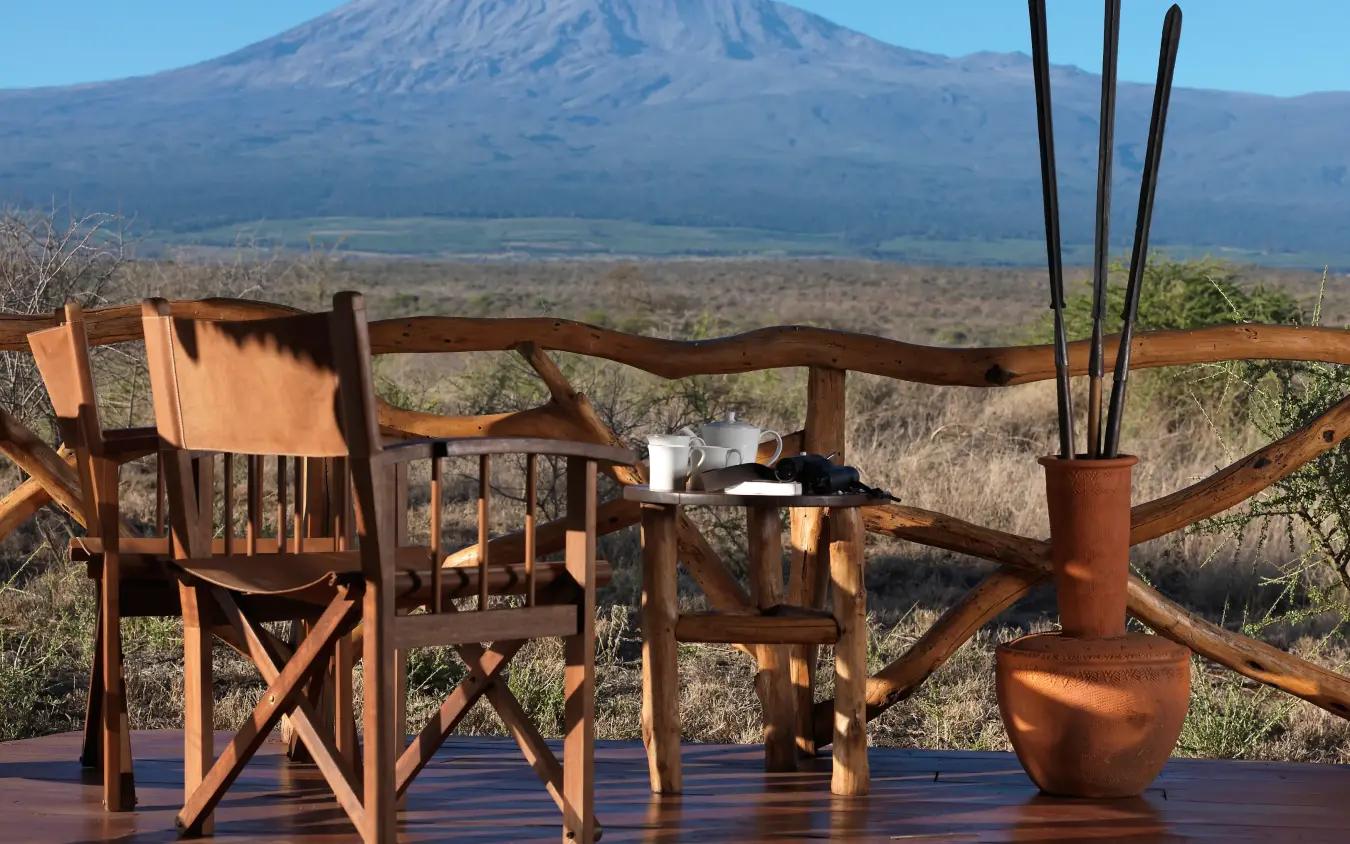
A tree-clad ridge on its own private conservancy at Amboseli’s edge gives Elerai a view in two directions at once. It gazes down onto the plains and up to Kilimanjaro’s snowfields. The conservancy runs to somewhere between three and seven thousand acres of Amboseli and Chyulu Hills country, and forms part of the corridor that links the national park to the surrounding rangelands.

It gazes down onto the plains and up to Kilimanjaro’s snowfields.

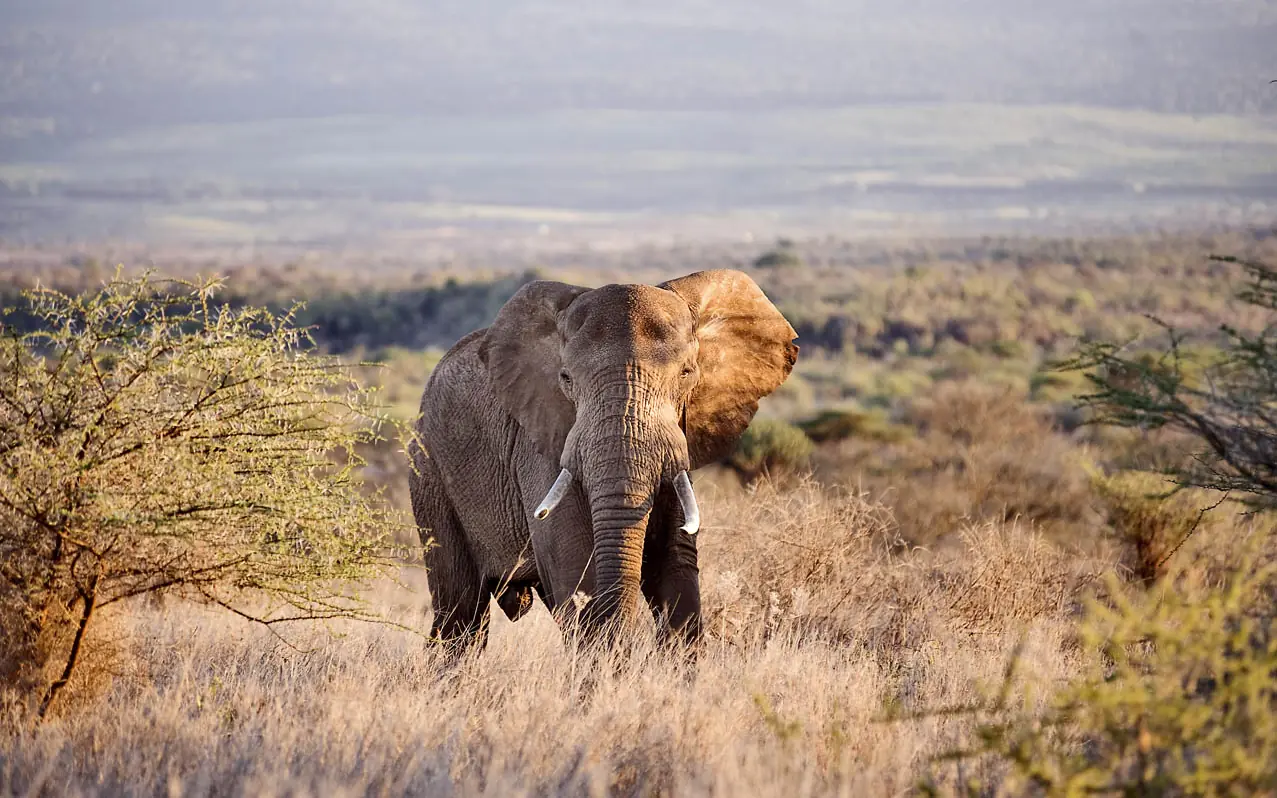
The land belongs to Maasai families in the Entonet and Elerai area, who lease it to the conservancy as wildlife country rather than turn it to farmland or grazing alone. Elephants use the corridor to move between the Kilimanjaro forests and Amboseli’s swamps. The ridge gives Elerai a longer, cooler vantage over that movement than the flat basin below could ever offer.

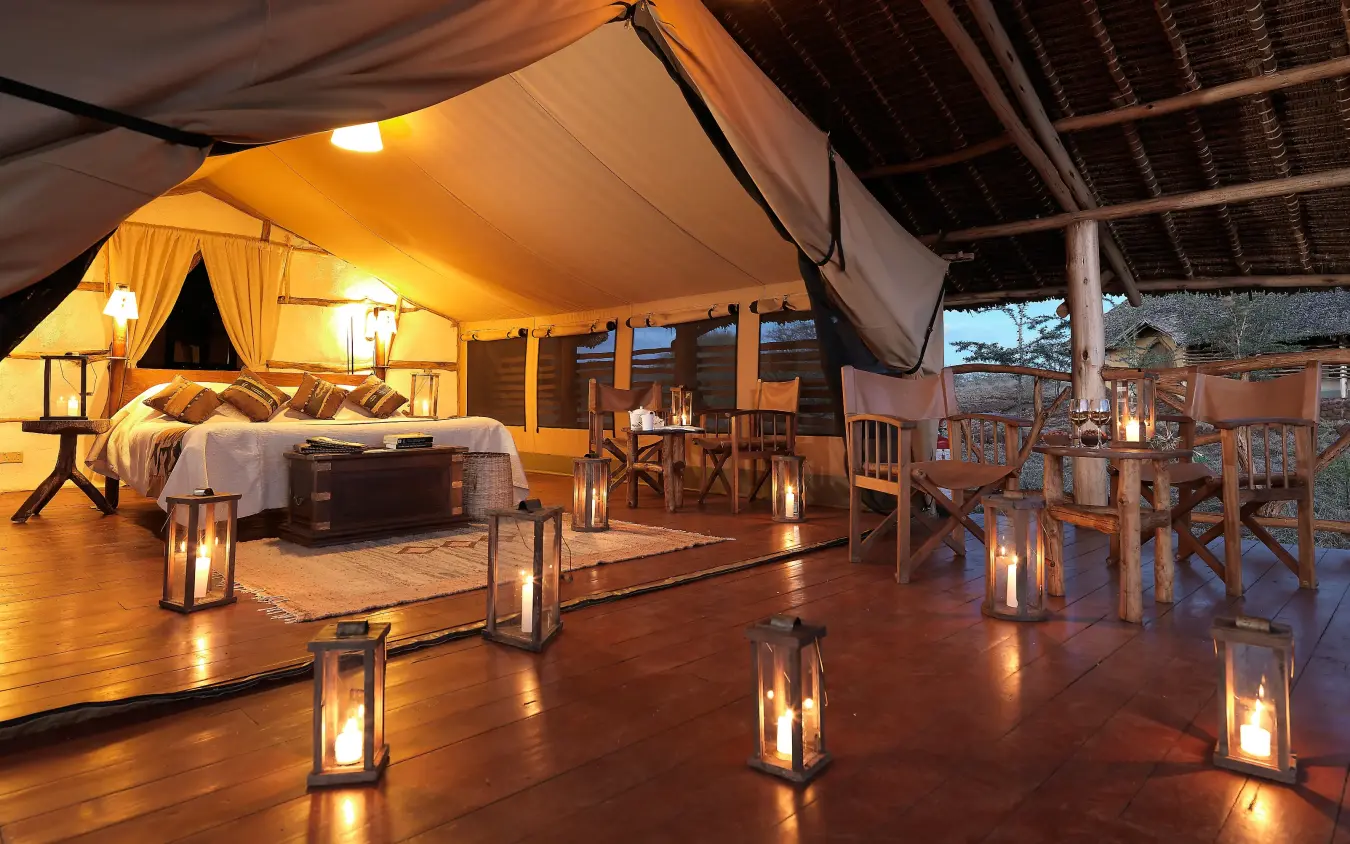
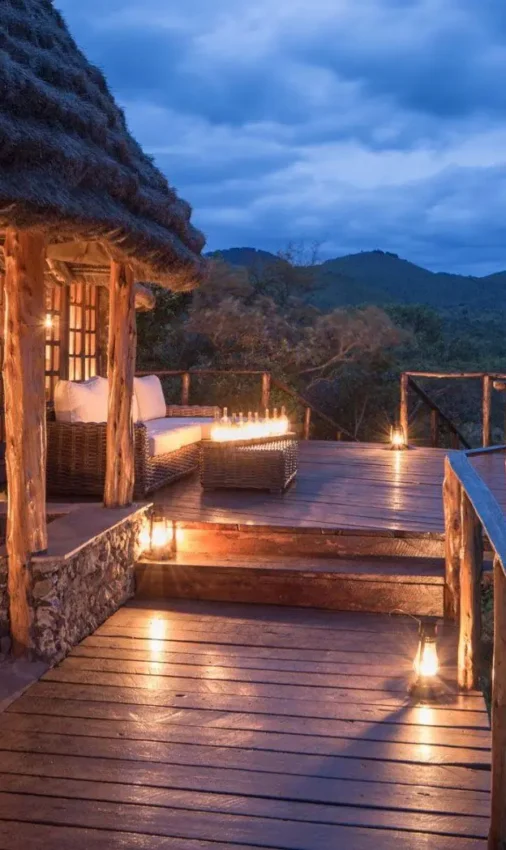
Luxury tent bedroom with deck seating area at dusk, Elerai, Amboseli and Chyulu Hills, Kenya
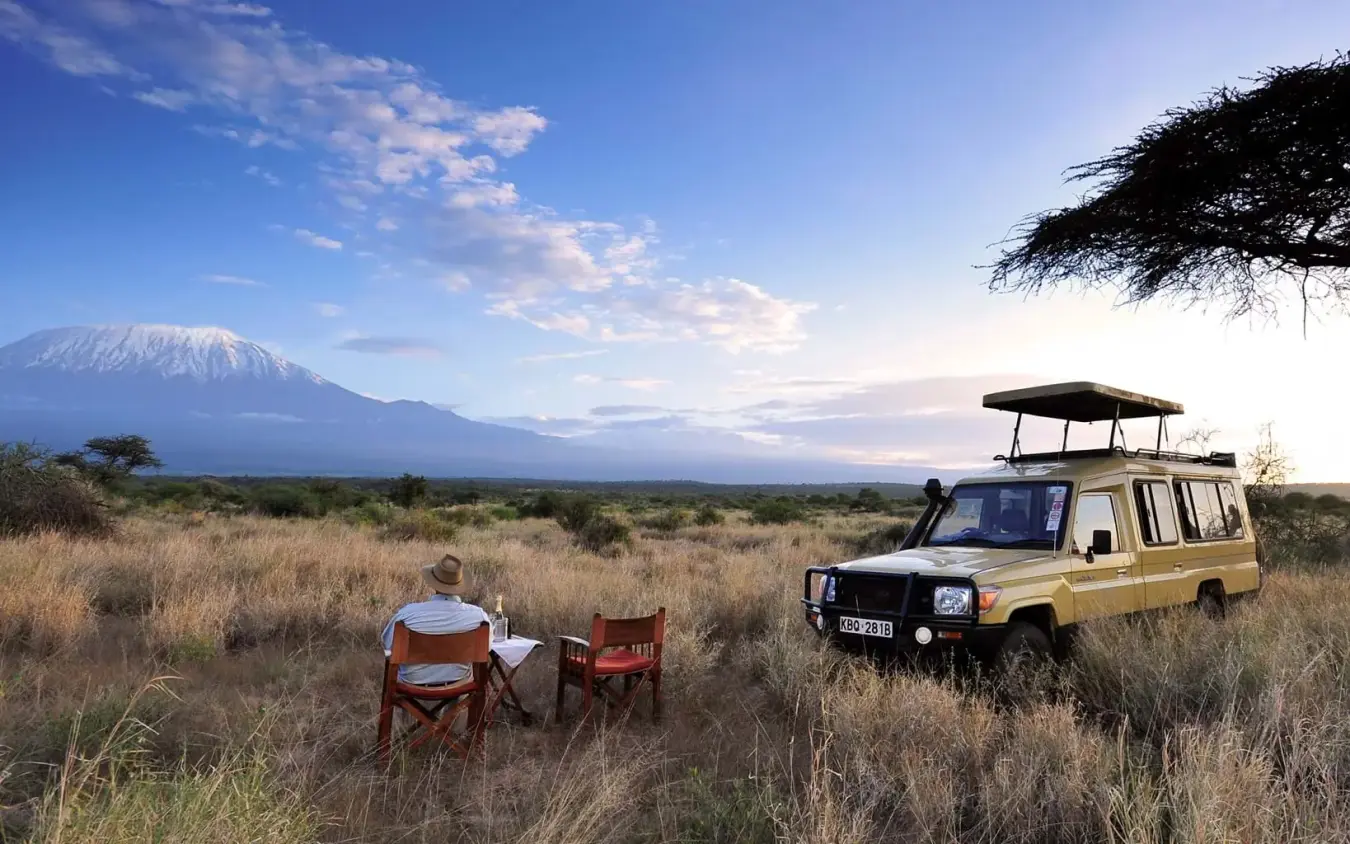
Safari vehicle on plains with acacia tree and mountain, Elerai, Amboseli and Chyulu Hills, Kenya

Away from national park rules, the day stretches into the dark. Night drives pick out servals, genets and bushbabies in the spotlight. Walking safaris go out with Maasai guides and armed rangers, reading spoor and tracks across the grasslands. Day drives into the park reach the swamps, where elephant herds gather alongside buffalo and giraffe, and the waterbirds come in wide variety.

Night drives pick out servals, genets and bushbabies in the spotlight.

Elephants, giraffes and zebras move freely through the surrounding country and are seen from camp every day. A floodlit waterhole lies beside the lodge, where elephants and plains game come to drink, their arrival sometimes announced by a low rumble before a single footstep falls. Days close with sundowners on the ridge, Kilimanjaro filling the western sky as the last of the light goes.

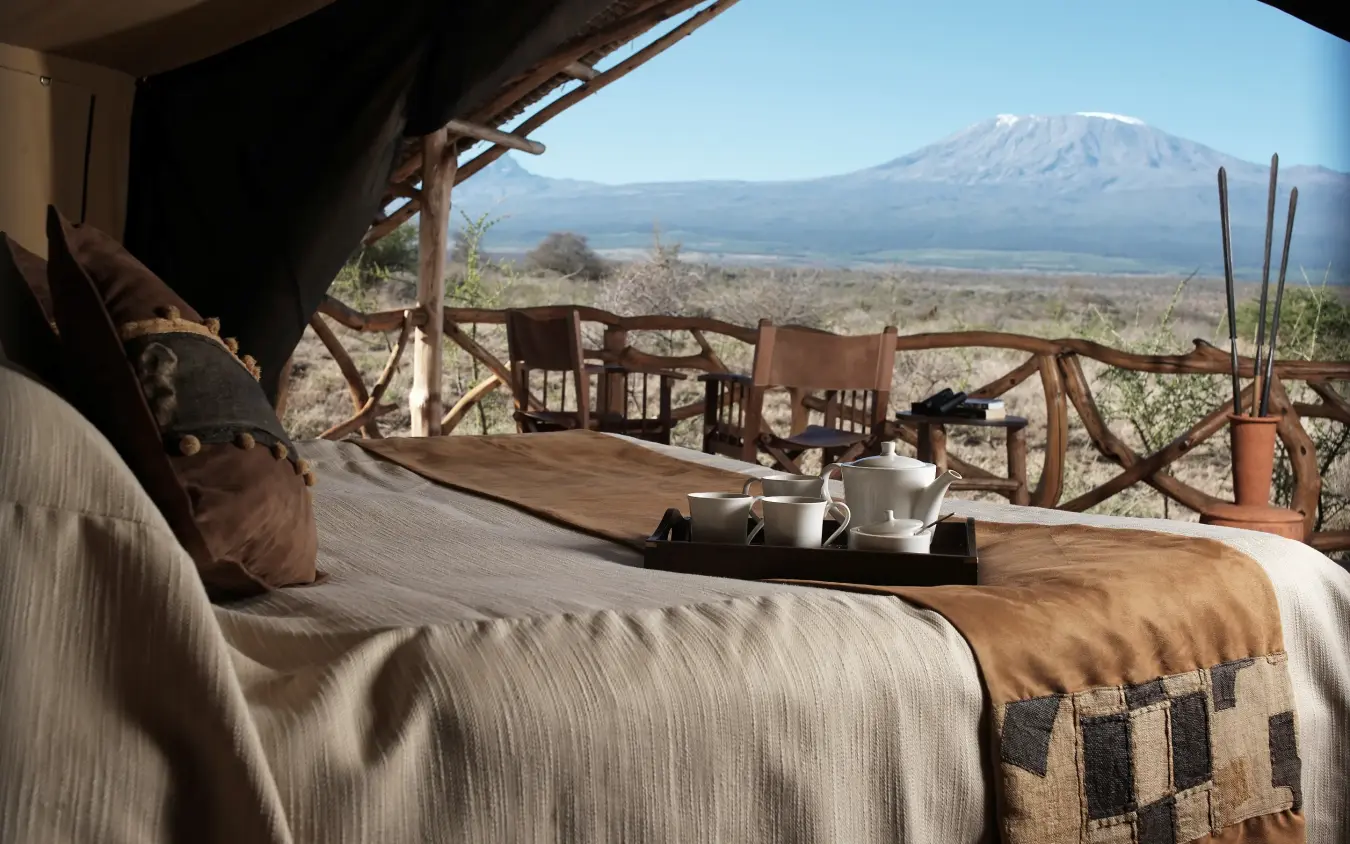
Luxury safari bedroom with four poster canopy bed and natural wood frame, Elerai, Amboseli and Chyulu Hills, Kenya 01

accommodation

Twelve Canvas Tents and Five Stone Cottages

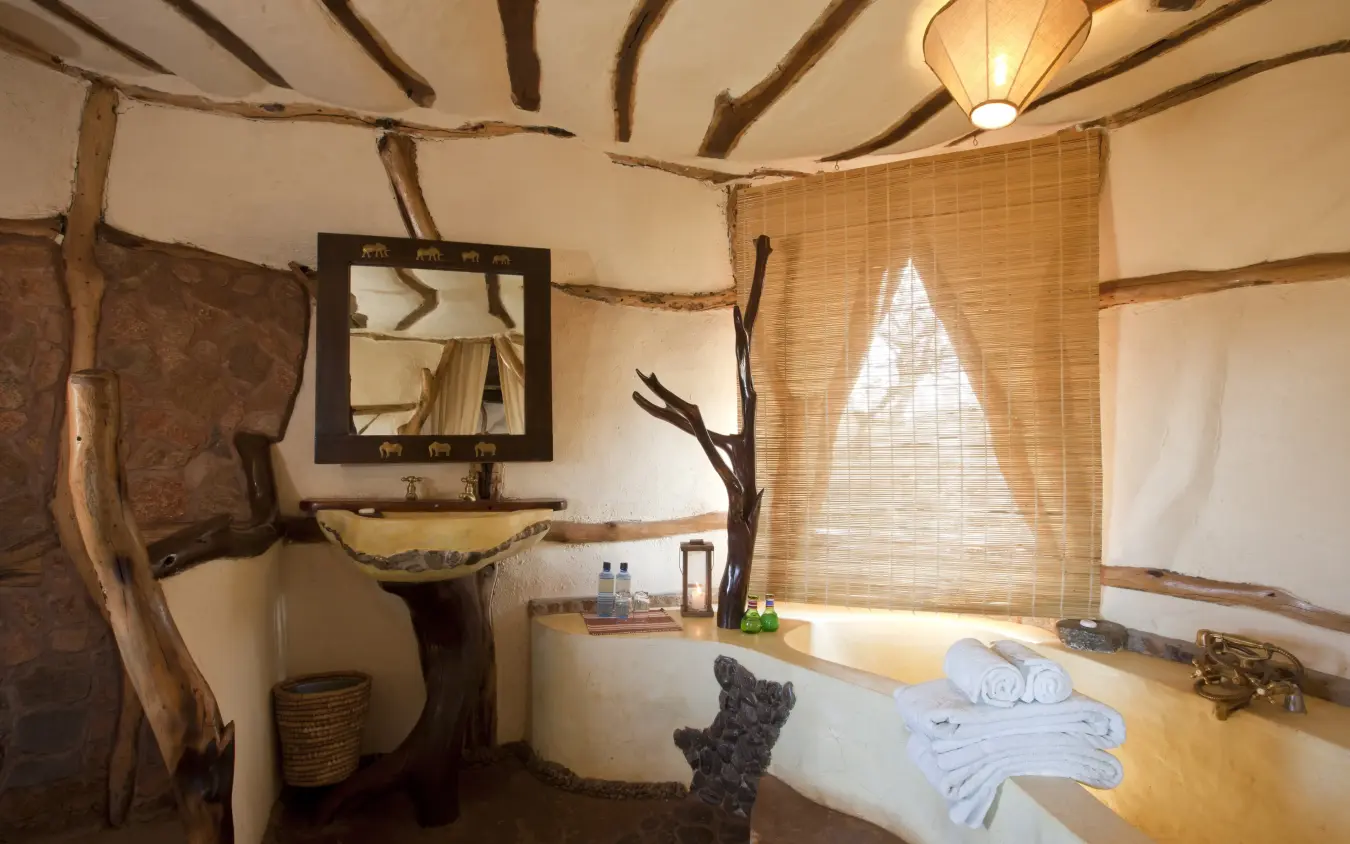
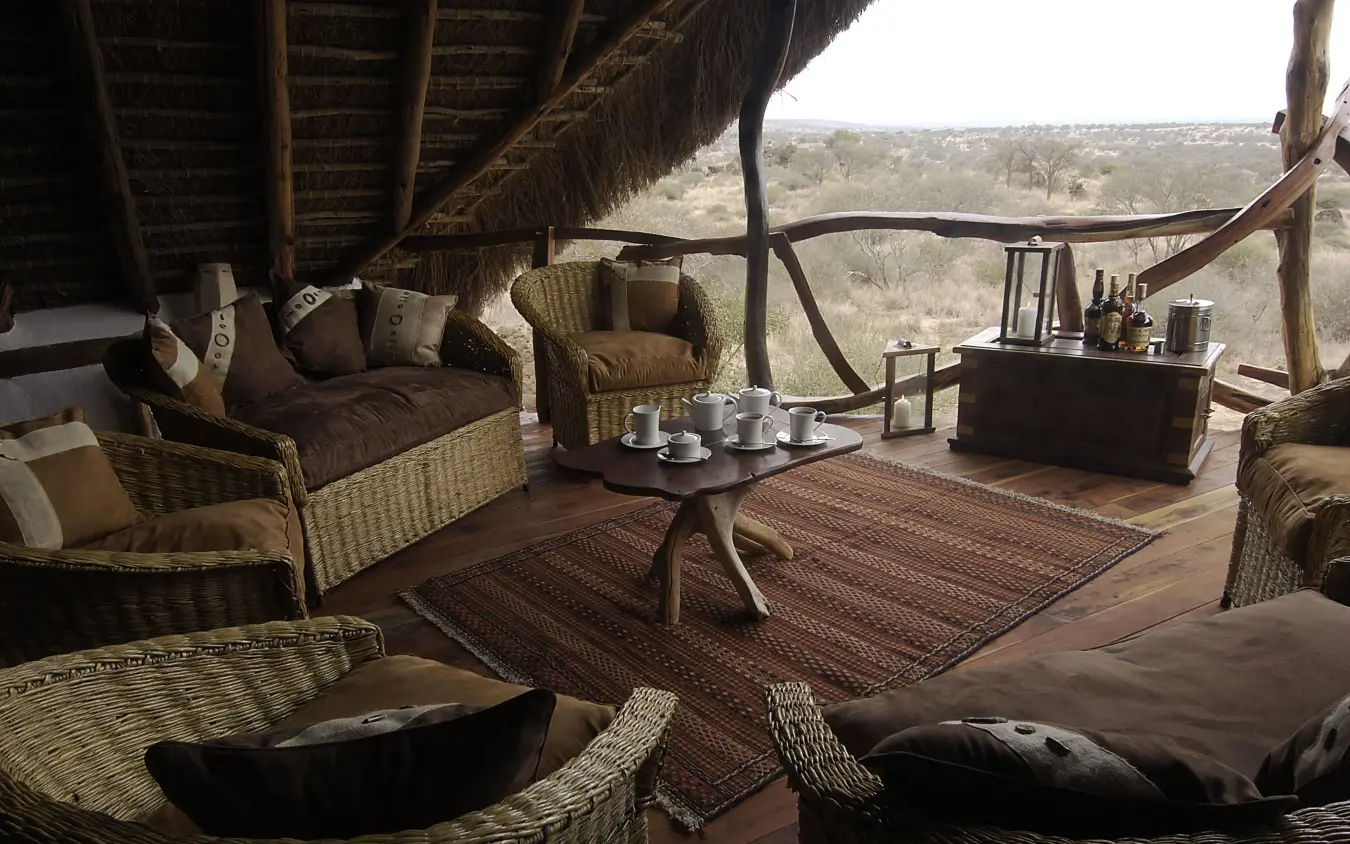
Seventeen units run along the ridge facing Kilimanjaro and the floodlit waterhole, most with private verandas. Twelve are deluxe canvas tents, raised on platforms and furnished simply and comfortably behind mosquito nets. The other five are cottage suites of local stone under thatched roofs. Several suit families well.

Three cyclists ride through savanna with giraffe in background, Elerai, Amboseli and Chyulu Hills, Kenya 02

activities

Day Drives in Amboseli, Night Drives in Conservancy

Day game drives run in both the Elerai Conservancy and Amboseli National Park. Night drives, guided walking safaris with Maasai guides, and bush sundowners are conservancy-only, since the national park permits daytime drives alone. Visits to the neighbouring Maasai community can also be arranged.

Maasai warrior in red shawl holding spear with mountain, Elerai, Amboseli and Chyulu Hills, Kenya 03

conservation

The Elerai Community and Wildlife Trust

Elerai sits in a 5,000-acre community-owned conservancy in the Kitenden corridor, the elephants' route between Amboseli and Kilimanjaro's forests, leased from its Maasai landowners in an agreement the African Wildlife Foundation brokered in 2005. The Elerai Community and Wildlife Trust, founded by the camp with the Elerai Maasai council as its trustees, passes a bed fee and a conservancy fee from every guest to the landowners, funds eleven rangers and compensation for livestock lost to predators, and has put local children through school on bursaries; about 85 percent of the staff are local Maasai.

ready to get started?

Get in touch and let’s start the conversation. An initial consultation helps us understand what you’re looking for, whether that’s specific experiences, luxury touches, or marking a special occasion, and from there we’ll guide you through what’s possible so you can decide if we’re the right fit.

Alternative accommodation in amboseli and chyulu hills

Outdoor dining table set with savanna wildlife visible beyond, Ol Donyo Lodge, Amboseli and Chyulu Hills, Kenya 01

Ol Donyo Lodge

Amboseli and Chyulu Hills

Guide walking through modern lodge structure toward waterhole with wildlife, Angama Amboseli, Amboseli and Chyulu Hills, Kenya 02

Angama Amboseli

Amboseli and Chyulu Hills

Group gathered around campfire at dusk under acacia tree, Tawi Lodge, Amboseli and Chyulu Hills, Kenya 03

Tawi Lodge

Amboseli and Chyulu Hills

Thatched roof lodge at dusk with acacia tree, Tortilis Camp, Amboseli and Chyulu Hills, Kenya 04

Tortilis Camp

Amboseli and Chyulu Hills

Illuminated lodge beneath Milky Way galaxy at night, Porini Amboseli Camp, Amboseli and Chyulu Hills, Kenya 05

Porini Amboseli Camp

Amboseli and Chyulu Hills

Illuminated wooden deck overlooking forested valley at dusk, Campi ya Kanzi, Amboseli and Chyulu Hills, Kenya 06

Campi ya Kanzi

Amboseli and Chyulu Hills

Luxury lodge with pool overlooking savanna landscape and snow-capped volcano, Elephant Gorge Camp, Amboseli and Chyulu Hills, Kenya 07

Elephant Gorge Camp

Amboseli and Chyulu Hills

08

Soroi Amboseli

Amboseli and Chyulu Hills

Thatched-roof pavilion with wooden deck and ivy, Umani Springs, Amboseli and Chyulu Hills, Kenya 09

Umani Springs

Amboseli and Chyulu Hills

10

Kitirua Plains Lodge

Amboseli and Chyulu Hills

frequently asked questions

Fly from Nairobi's Wilson airport to the Amboseli airstrip, about forty-five minutes in a scheduled light aircraft, and the camp collects you for a drive of anywhere between forty-five minutes and an hour and a half, depending on whether you take it slowly as a game drive on the way out of the park. A private charter, typically a Cessna Caravan or Pilatus PC-12, can land instead on the conservancy's own strip, about fifteen minutes from camp.

The light aircraft carry soft bags of about fifteen kilograms a person including hand luggage. By road, Nairobi is four to four and a half hours away, turning off the Mombasa highway at Emali.

Yes. The camp stands on a ridge above the Amboseli plains, but the whole basin sits at roughly 1,100 to 1,200 metres, far below the 2,500-metre altitude at which the CDC and the UK's official travel health advice judge malaria risk to fade, so tablets are generally recommended. The risk runs year round and rises a little after rain.

Advice moves with the seasons, so have a travel clinic or your doctor confirm the current position before you go, and guard against bites from dusk onwards.

Warm, dry days with real dust in the dry season, and cool evenings up on the ridge, where the height buys you a breeze the basin floor never gets. The rains fall around November and from March to May, greening the plains below and hiding Kilimanjaro for more of each day.

Pack neutral colours, a warm layer for night drives and early starts, serious sun protection, and closed shoes for the walking safaris. Swimwear is worth having for the pool, and a longer lens earns its keep here.

June to October and January to February give the driest ground, the steadiest game viewing and the clearest Kilimanjaro, which from this ridge is the whole point of the view. The green seasons that follow the rains bring the birds, the young animals and far fewer visitors.

Wildlife moves along the corridor in every month, so the choice is really between dry-season clarity and green-season quiet.

The camp is usually sold on full board, and most itineraries package the conservancy's own activities alongside the room: the night drives, guided walks, sundowners and village visits. Entry fees for Amboseli National Park itself are charged separately, as park fees are across Kenya.

Exactly what sits inside a given rate varies with the season and the length of stay, so we price the whole trip as one quote, flights, transfers, park fees and all, before you commit to anything.

Children of all ages are welcome, and two family tents sleep up to four apiece, so parents and children stay under one roof of canvas. The mix of drives, walks and cultural visits gives older children plenty to do beyond the vehicle.

The camp is unfenced, with elephants and plains game moving through, so young children need close supervision at all times. Tell us the ages and we will match the tent, the activities and the pace to them.

rated five stars by our clients

other areas in kenya

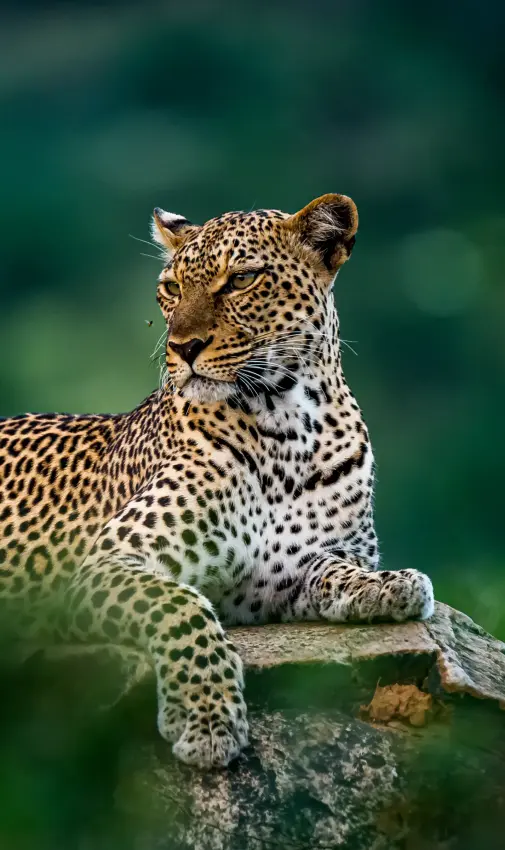
Leopard resting on fallen log in natural setting 01

Maasai Mara

Local guides with poles crossing shallow forest river, Northern Kenya, Kenya 02

Northern Kenya

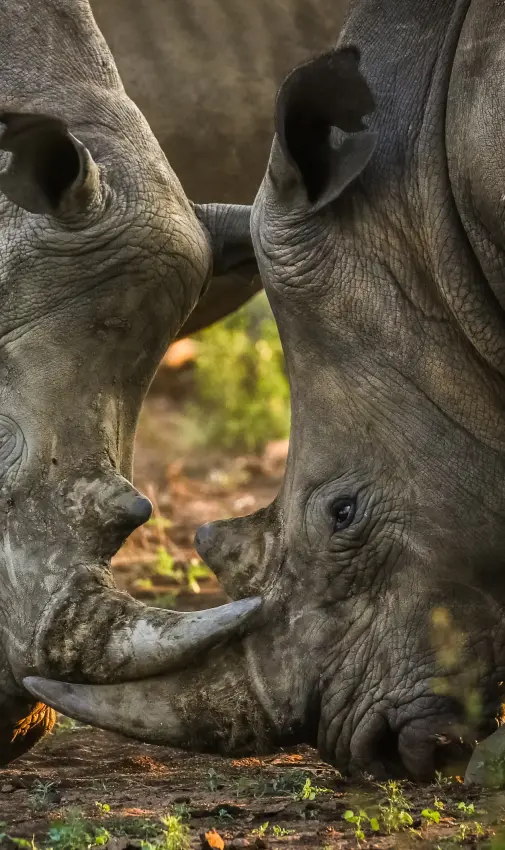
Two rhinos touching horns in natural habitat 03

Laikipia Highlands

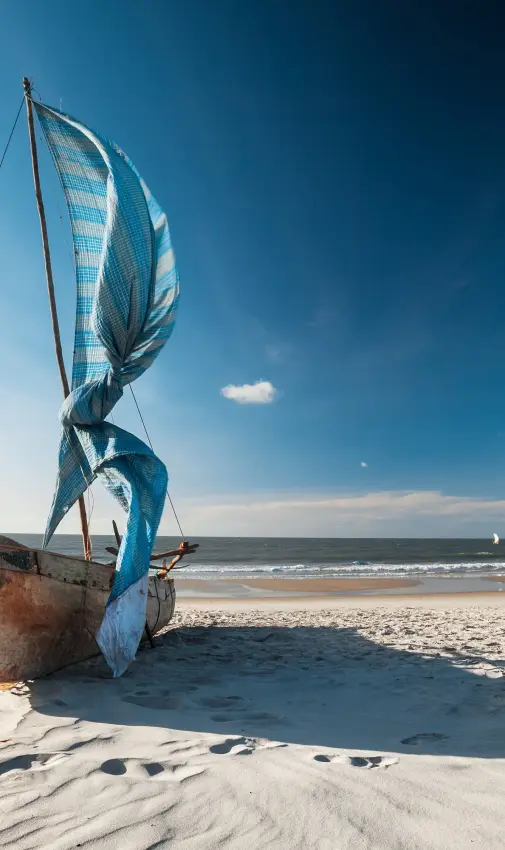
Traditional fishing boat with blue sail on sandy beach 04

Kilifi

Flock of flamingos wading in shallow pink-tinted water, Rift Valley Lakes, Kenya 05

Rift Valley Lakes

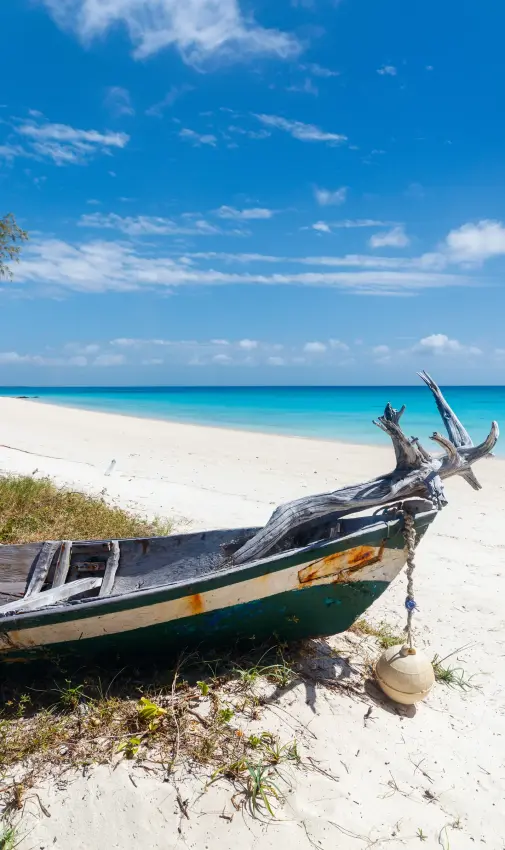
Wooden fishing boat beached on white sand tropical shore 06

Diani Beach

Man in traditional red garment driving open safari vehicle, Samburu Reserve, Kenya 07

Samburu Reserve

08

Lamu Archipelago

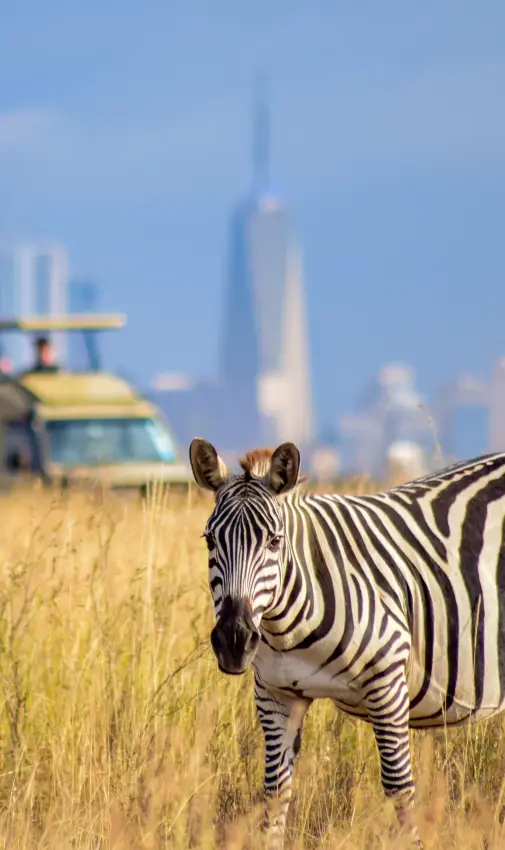
Zebras in savanna grassland with safari vehicle and city skyline 09

Nairobi

African elephants with calf walking through grassland at sunset 10

Tsavo

Planning a journey together

our approach

remote, exclusive
& personal

Every journey starts with a conversation. We take the time to understand your vision before we start planning.

Whether by phone or in person, we work with you directly to shape something that is considered, personal, and expertly delivered.

get in touch
destinations ideas & inspiration our process about us contact us