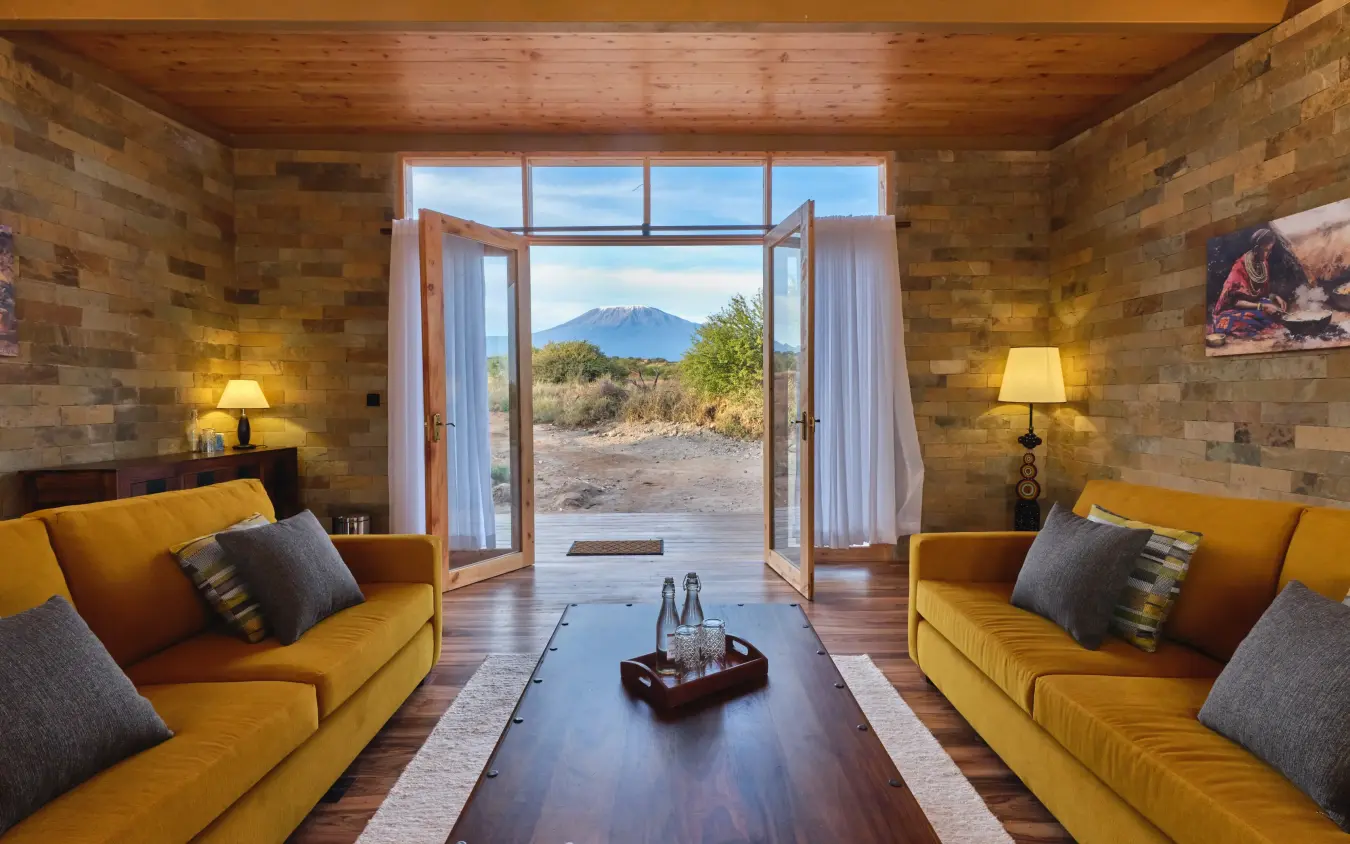
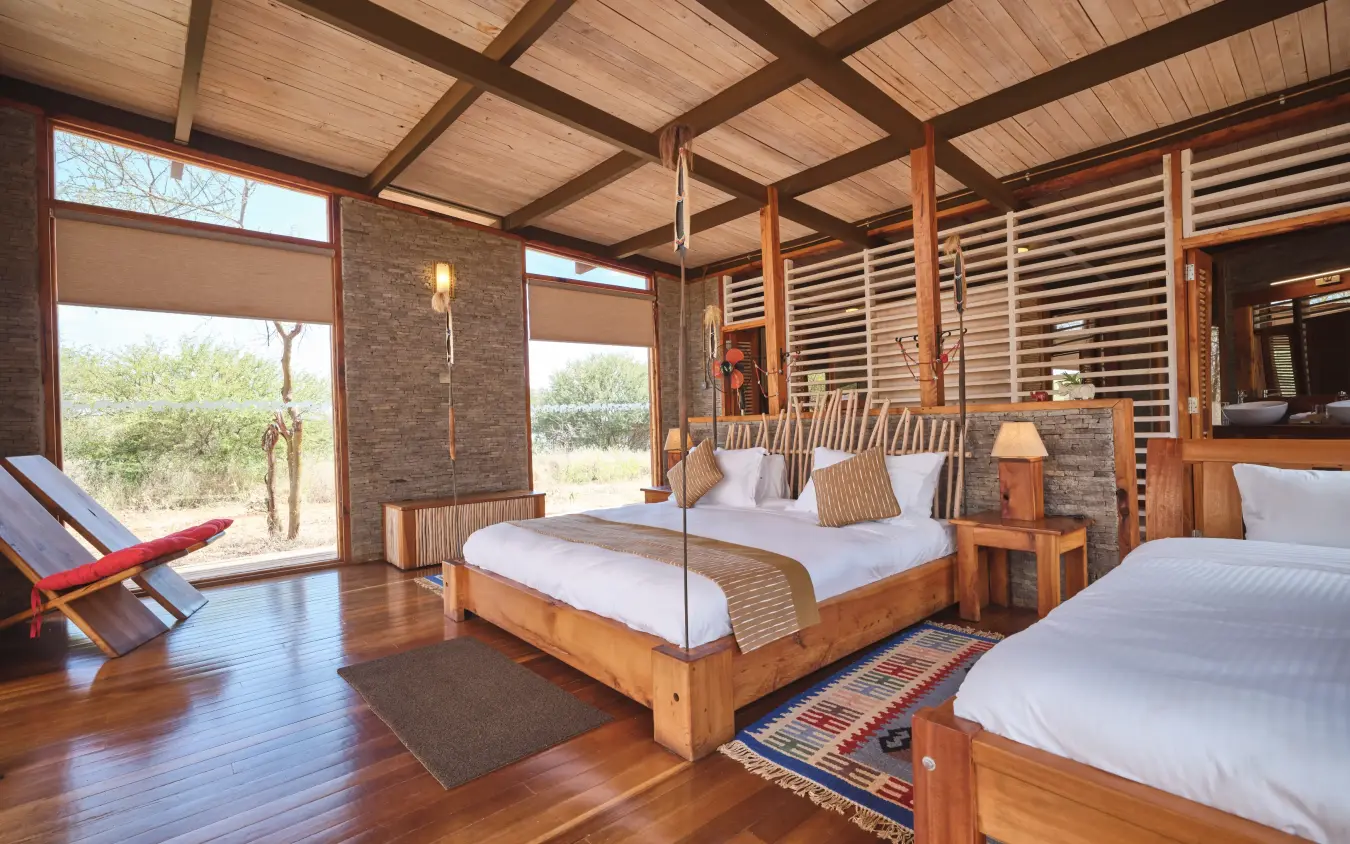
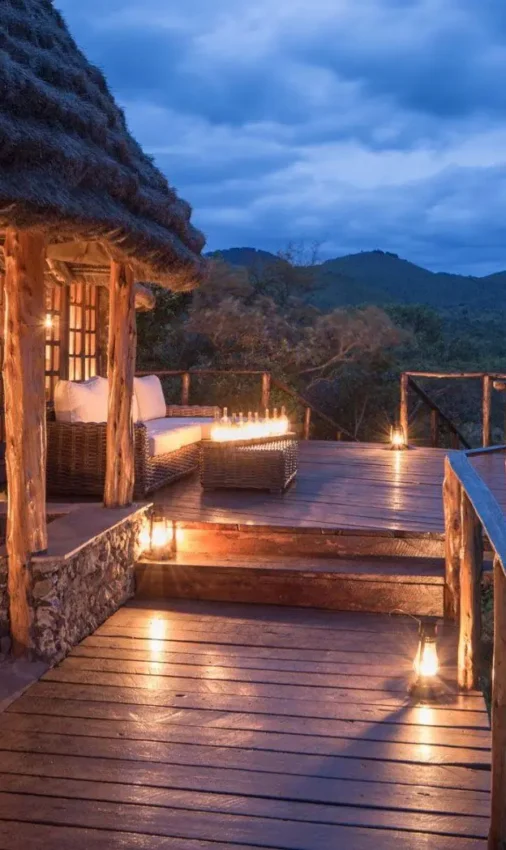
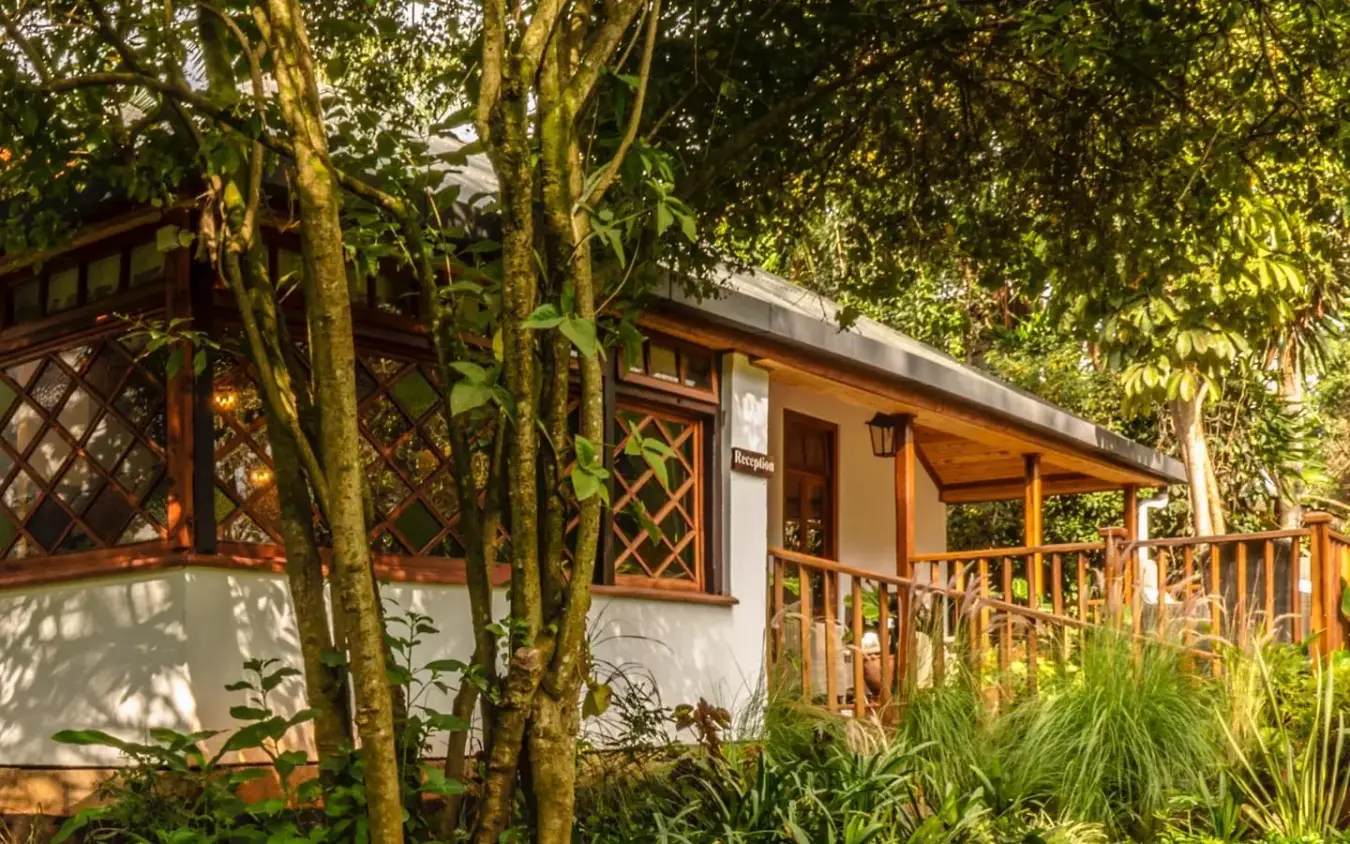
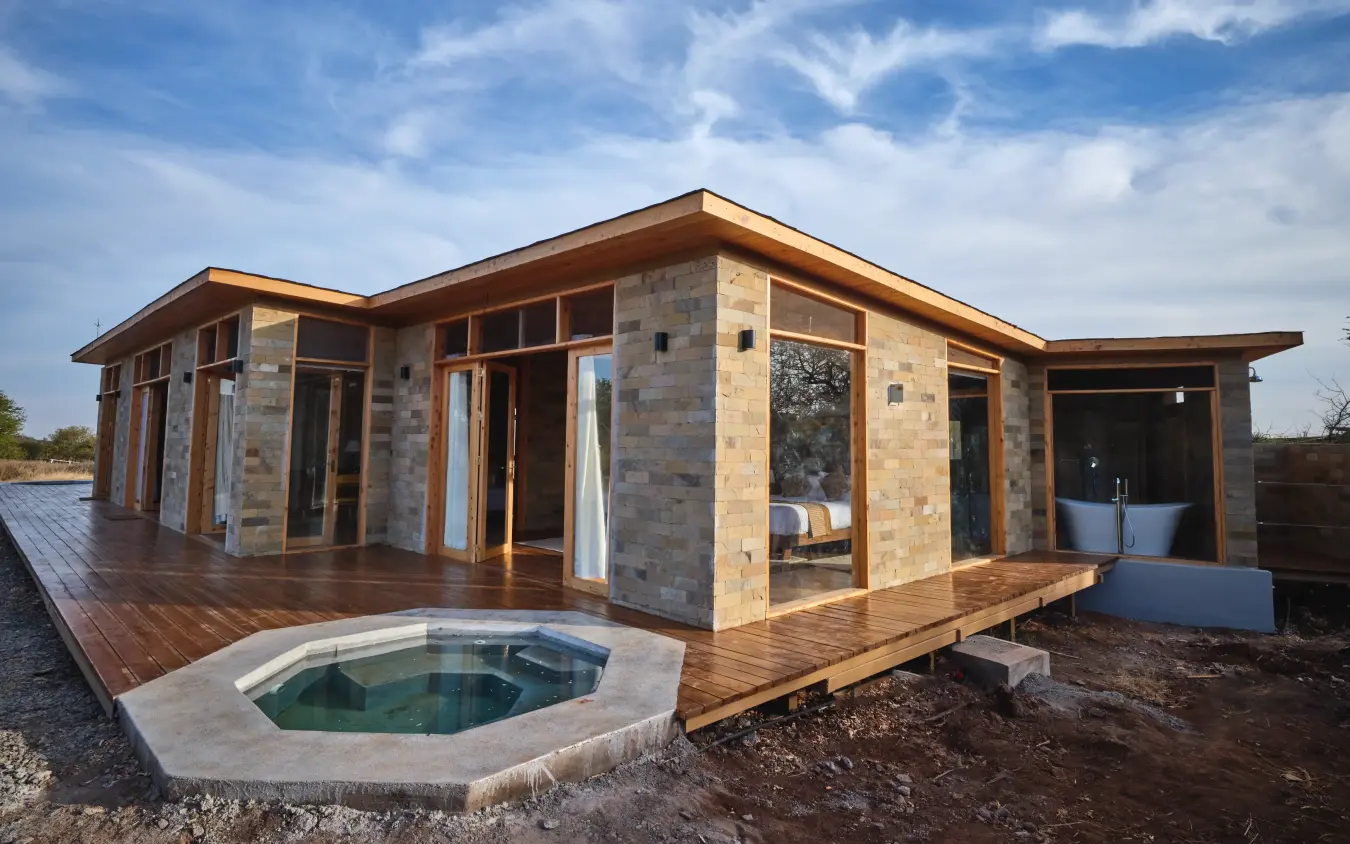
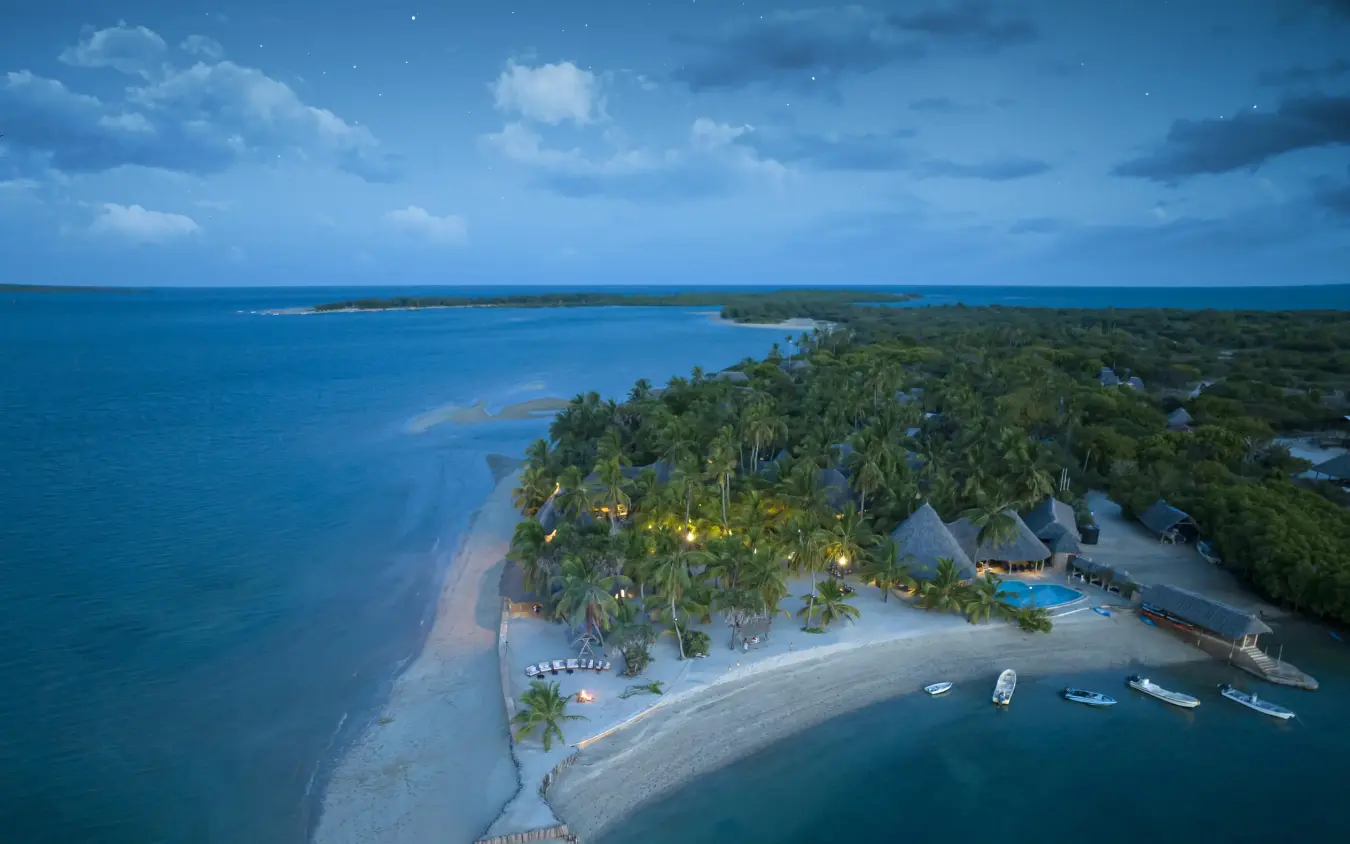
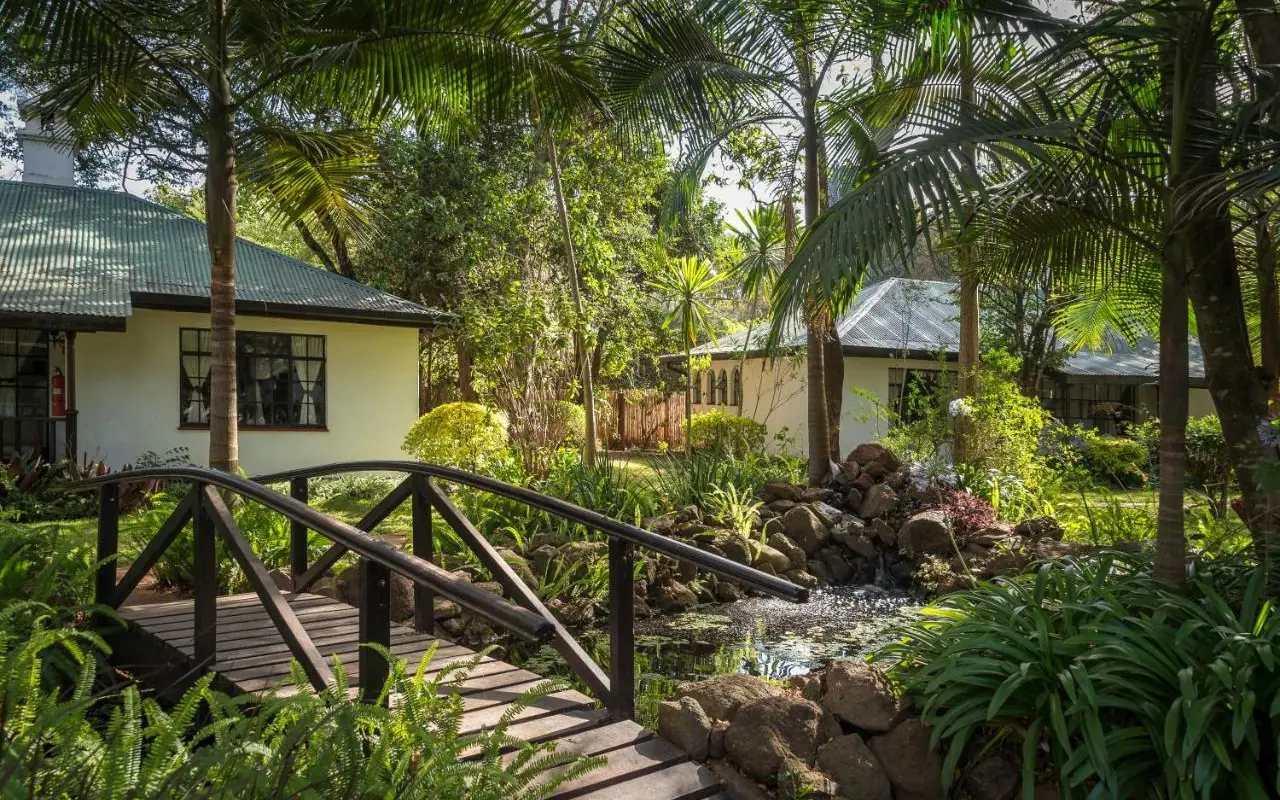
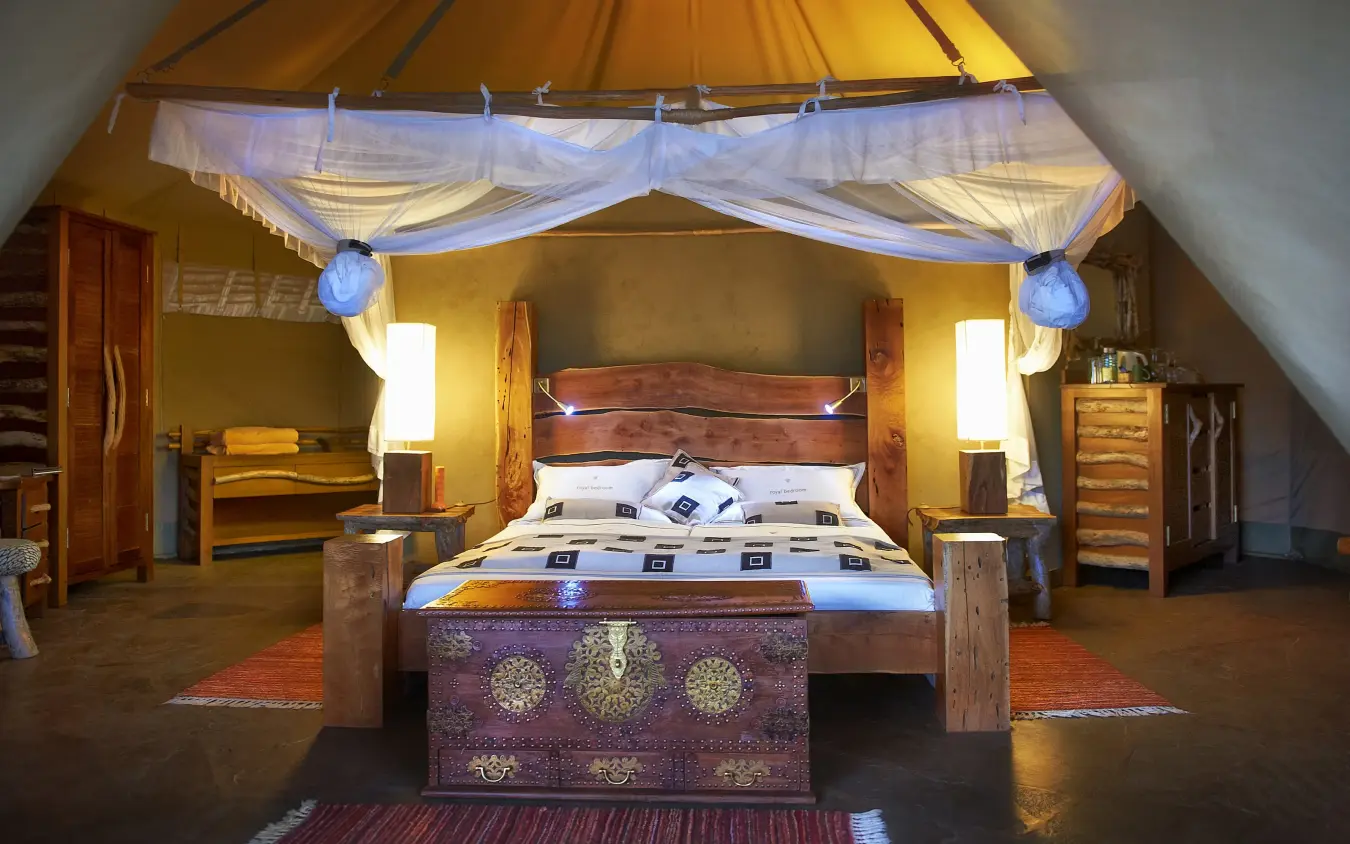
The camp occupies the private Kimana Group Ranch conservancy in Kenya’s Amboseli ecosystem, twenty to thirty minutes from Kimana Gate. Its suites are individually themed and built of stone and wood, with floor-to-ceiling glass and raised wooden decks turned towards the mountain. Kilimanjaro’s snow-capped peak is often clearest in the hour after the morning mist lifts. Inside, the style is classic contemporary safari, the walls hung with work by East African artists, and some suites come with private plunge pools of their own.
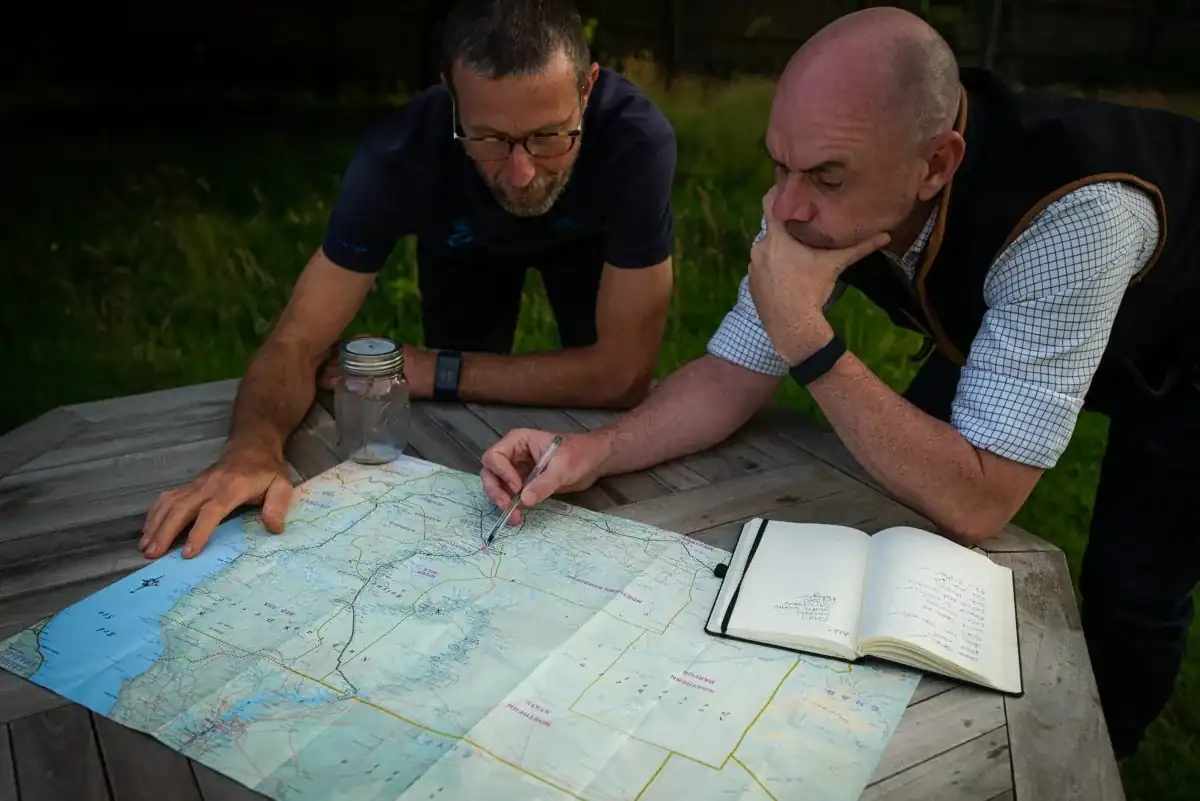
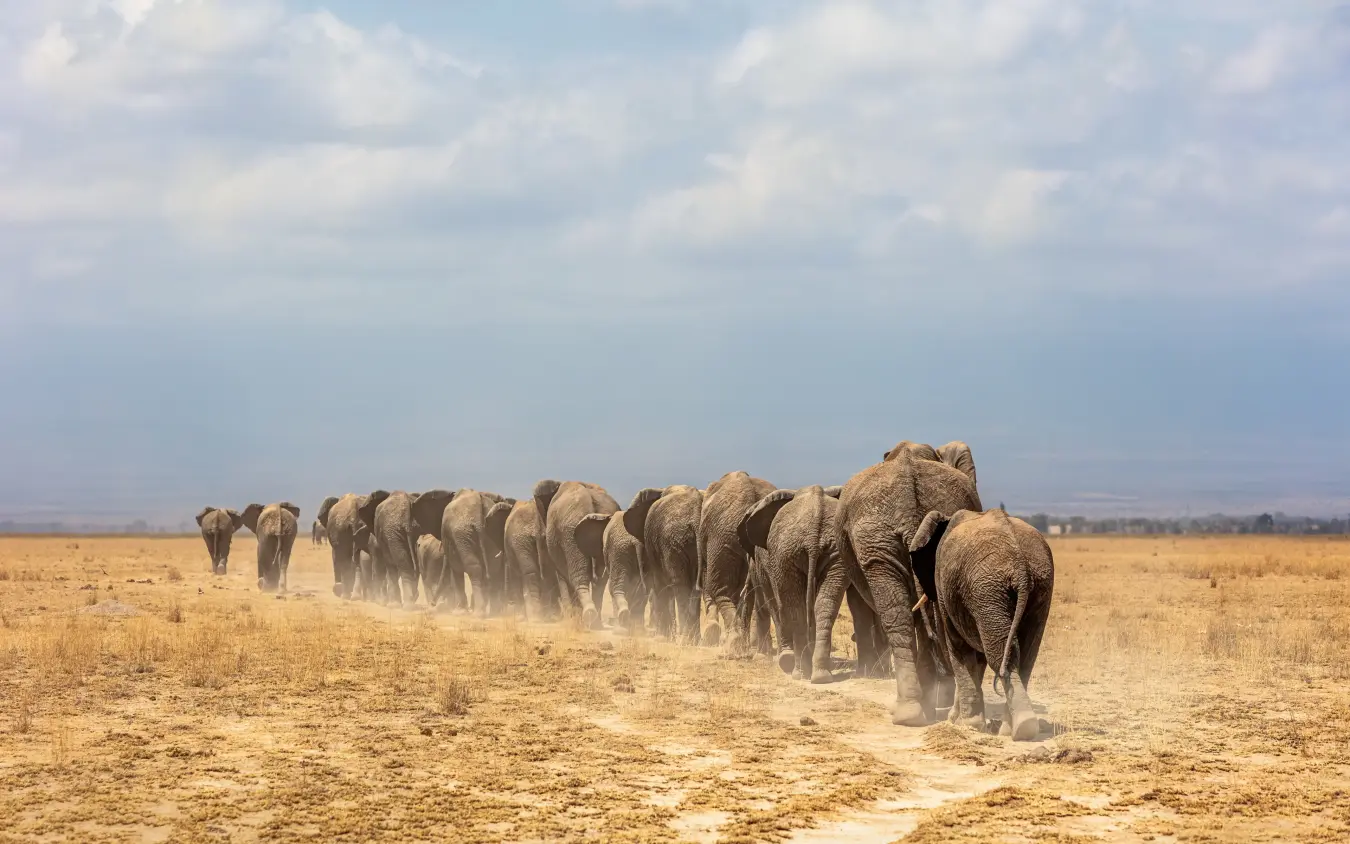
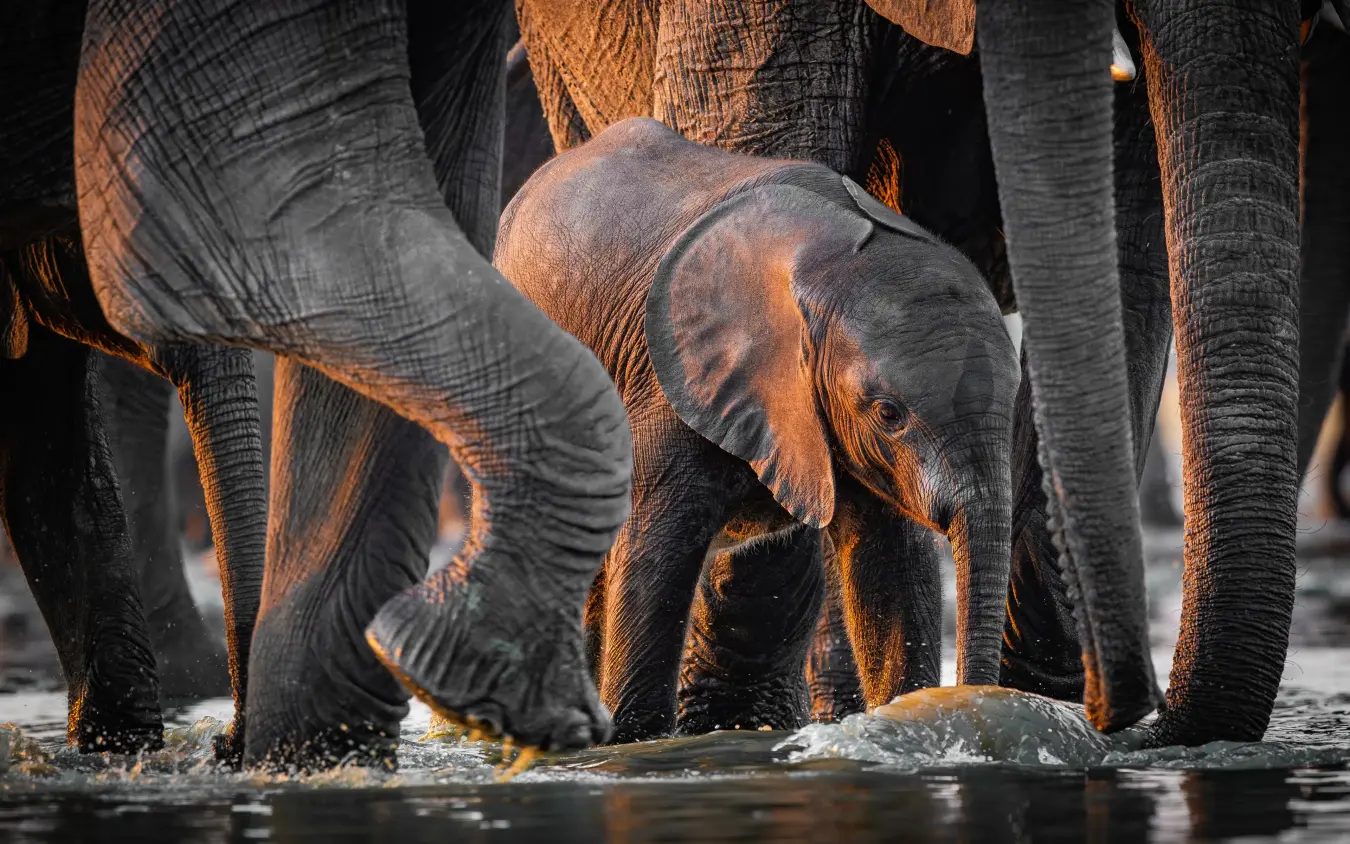
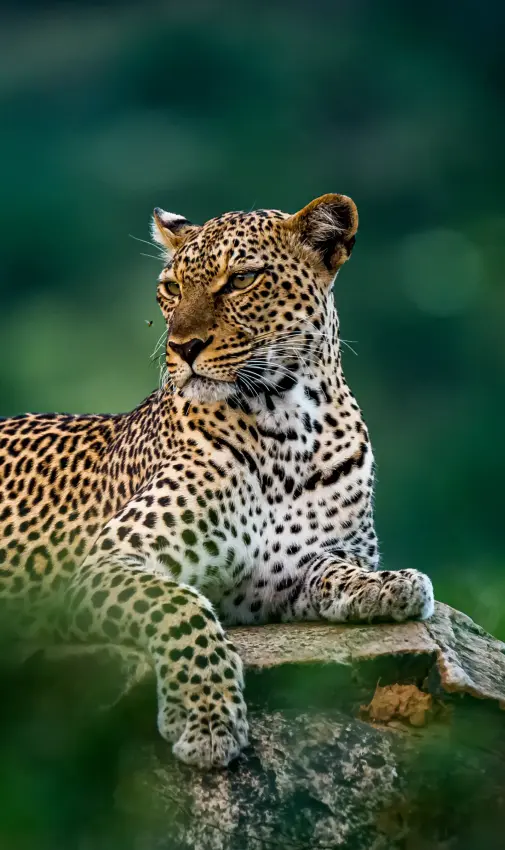
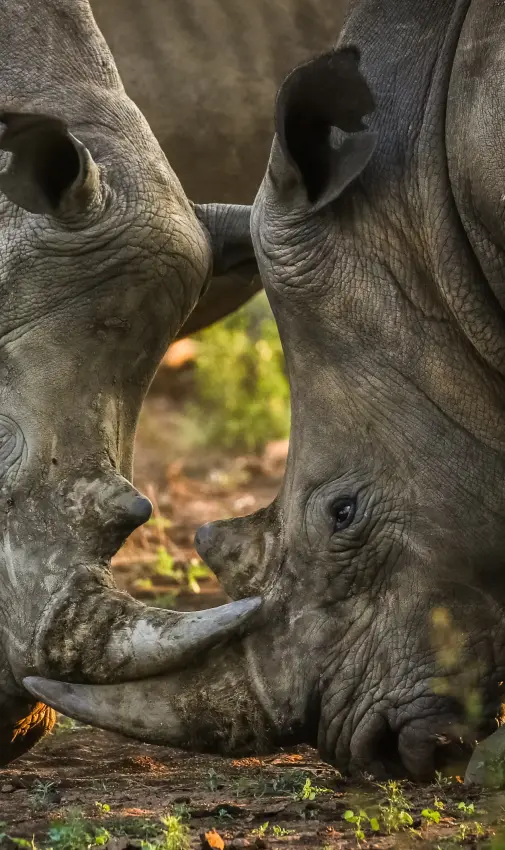
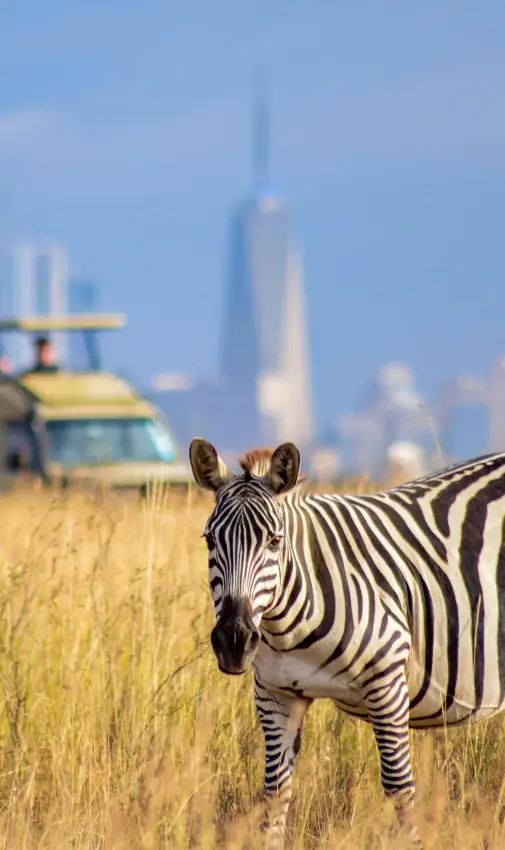
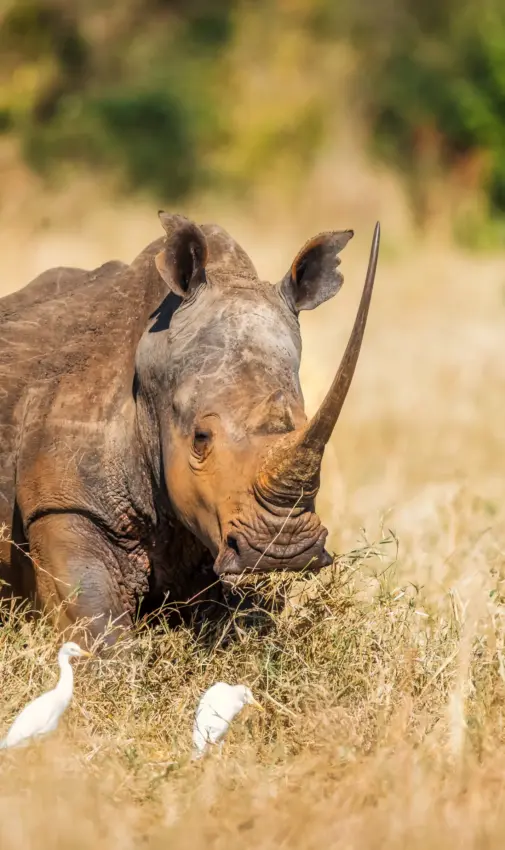
Game drives enter Amboseli National Park through Kimana Gate, and there open 4×4 vehicles follow the large elephant herds the ecosystem is known for across the plains, with Kilimanjaro behind them. Lion, cheetah and buffalo work the open ground. On the private conservancy, Maasai naturalists lead walking safaris through the bush, the day extends into night drives, and sundowners are poured on rock outcrops. None of the three is permitted inside the park. Visits to nearby Maasai homesteads can be arranged.
On the private conservancy, Maasai naturalists lead walking safaris through the bush
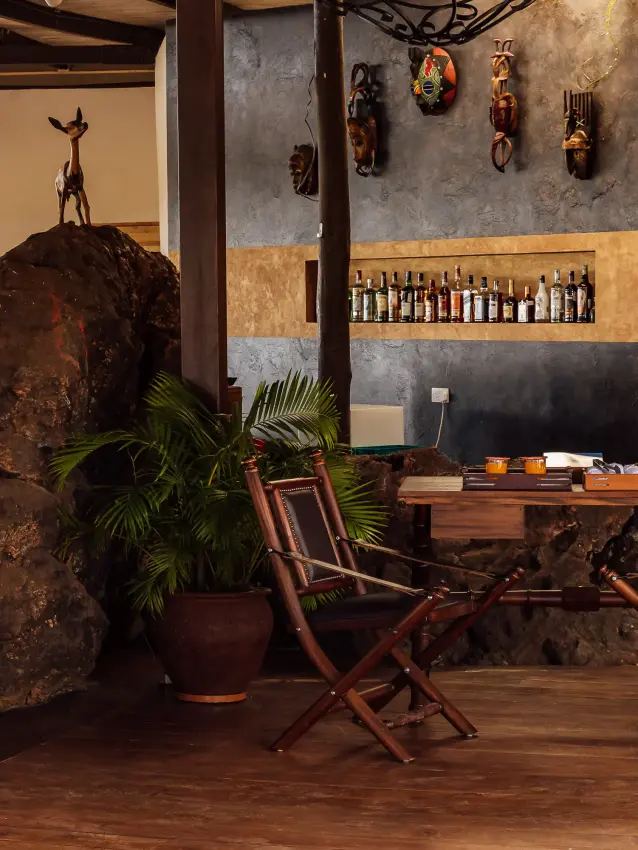
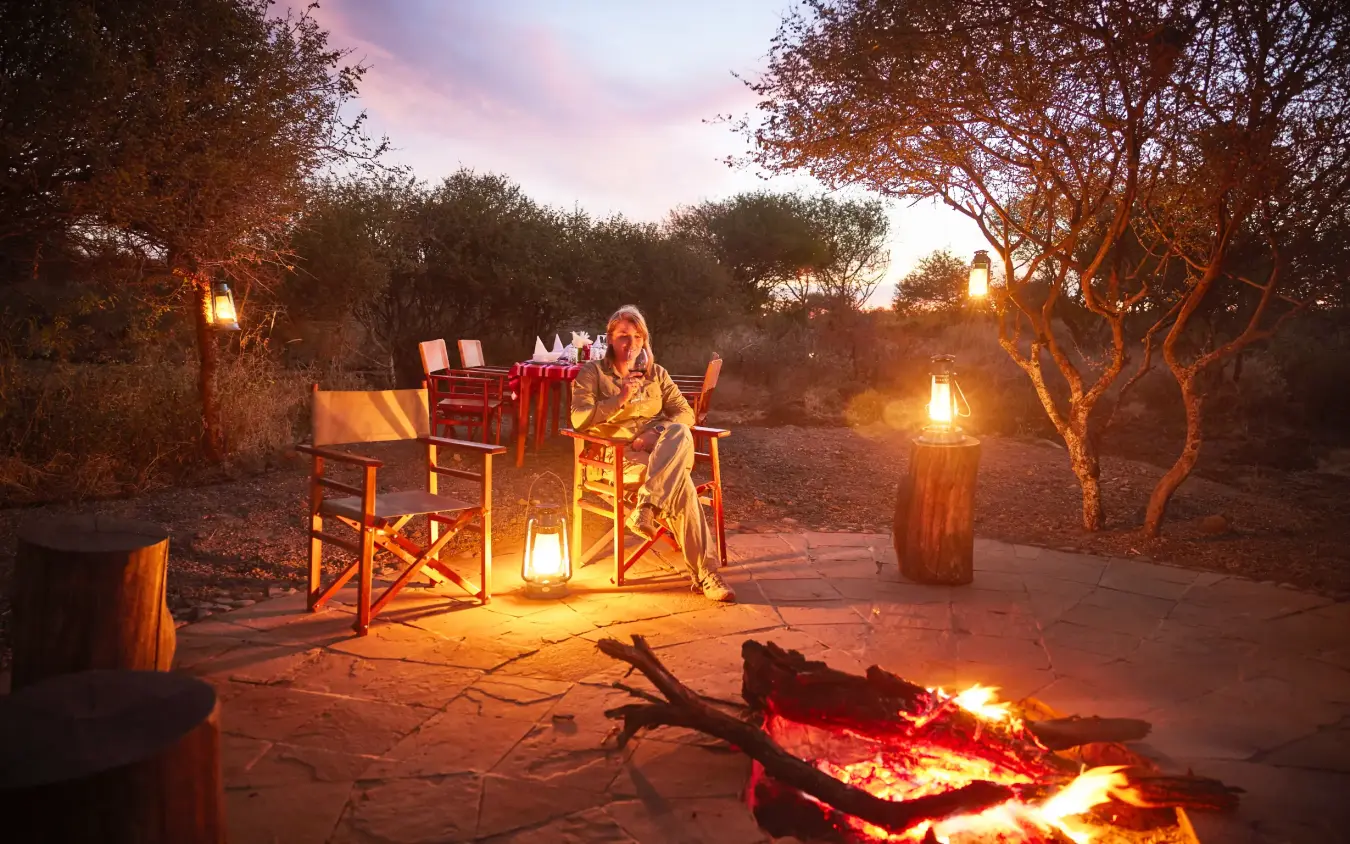
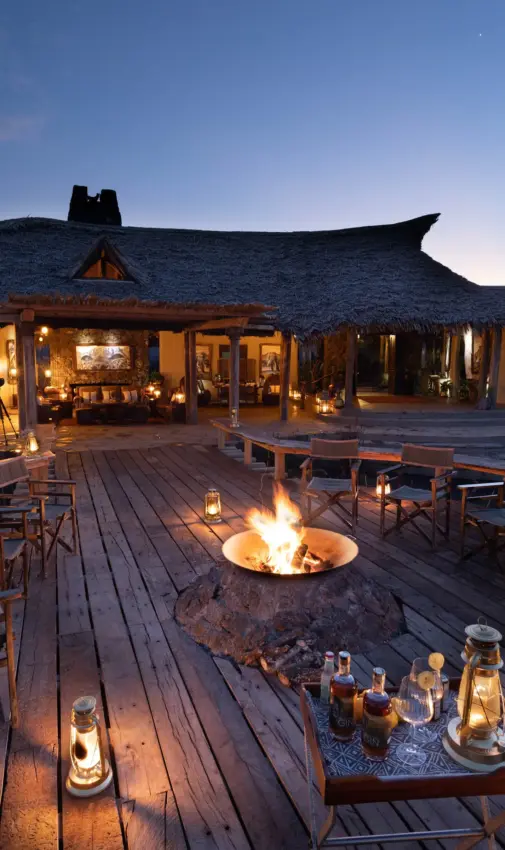
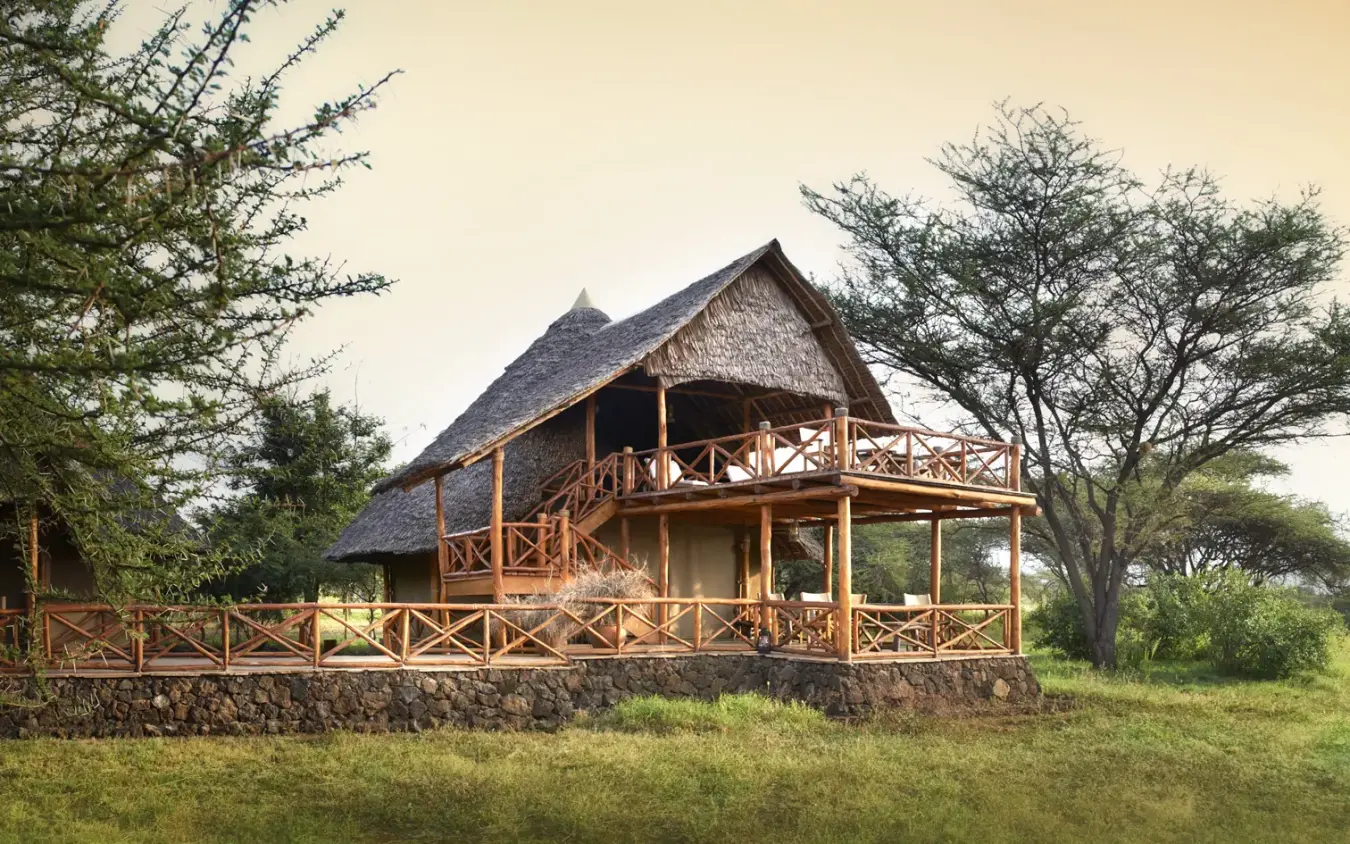
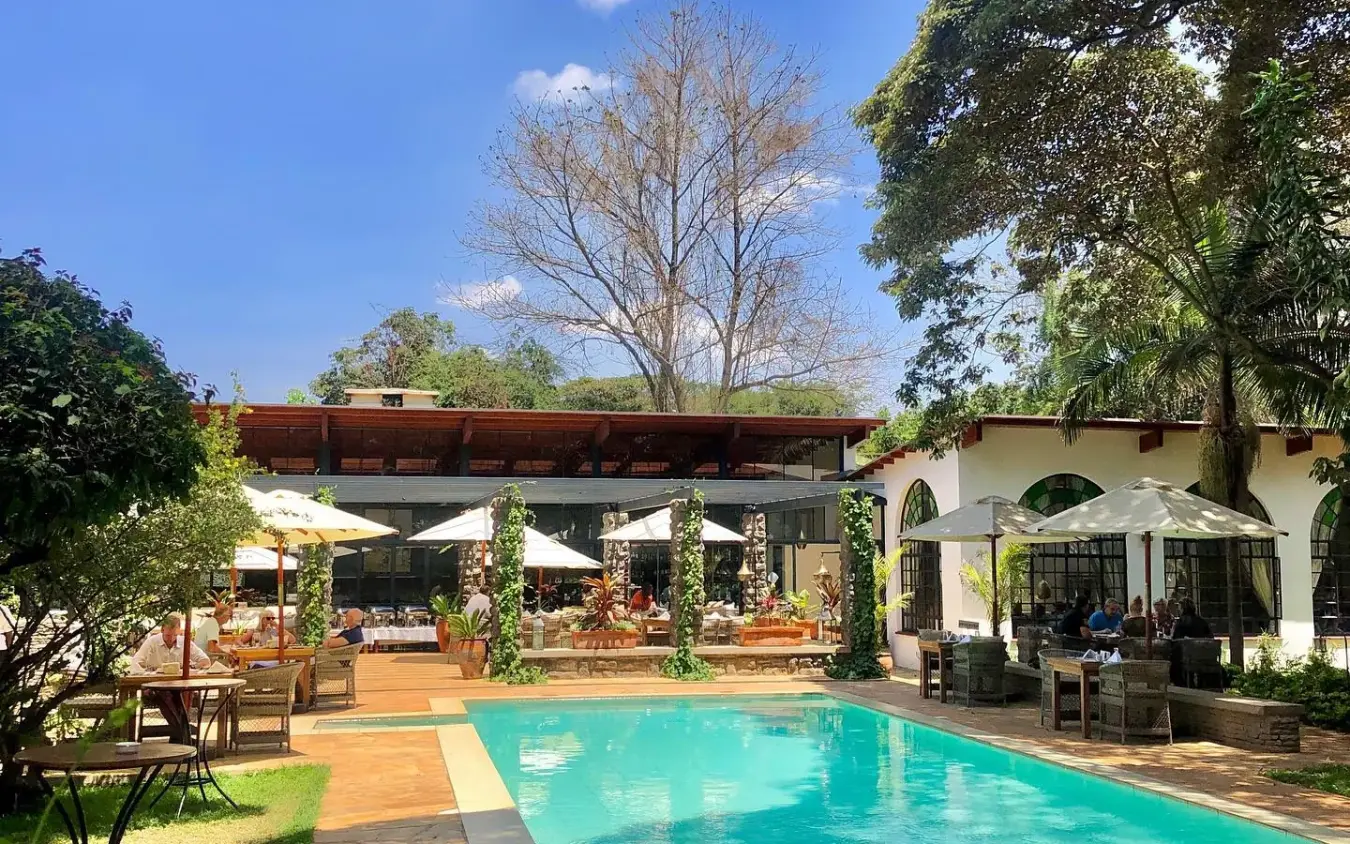
Breakfast is taken out in the bush and dinner under open sky. Everyday meals are served on the elevated main deck, above the plains and the waterhole the elephants return to through the day. The kitchen cooks with fresh, locally sourced ingredients, some of them grown in the camp’s own vegetable garden. Birdwatching can be arranged, and so can hot air balloon flights over the Amboseli plains, which trace from the air the same elephant corridor that the drives and walks follow below.
The Maasai landowners of the Kimana Group Ranch receive lease fees and a share of tourism revenue under the ALOCA framework, within which the camp operates. That income discourages the subdivision of land that forms part of the Amboseli-Tsavo elephant corridor, and the camp works alongside conservation efforts in the wider ecosystem that support the same route. The two principles it opened with, local employment and community conservation, are still in place. So are the elephants, walking the route they have always used between the Amboseli basin and Tsavo.