











kenya
private homes safari
Fifteen nights across Kenya, from the Maasai Mara and Laikipia to Samburu country and a dhow in the Lamu Archipelago.
- Private Safari
- From $39,095 pp
- 6 guests
- 15 nights

This ten-night route runs from the highland edge of Nairobi down through the elephant country of southern Kenya and out to the Indian Ocean. You begin in the Karen suburb, then move to the Kimana Group Ranch on Amboseli’s corridor to Tsavo, where large-tusked elephants cross between the basin and the parks. Tsavo West follows, volcanic ground with a floodlit waterhole and the spring-fed pools of Mzima, before the trip settles on a remote peninsula of Manda Island in the Lamu Archipelago.
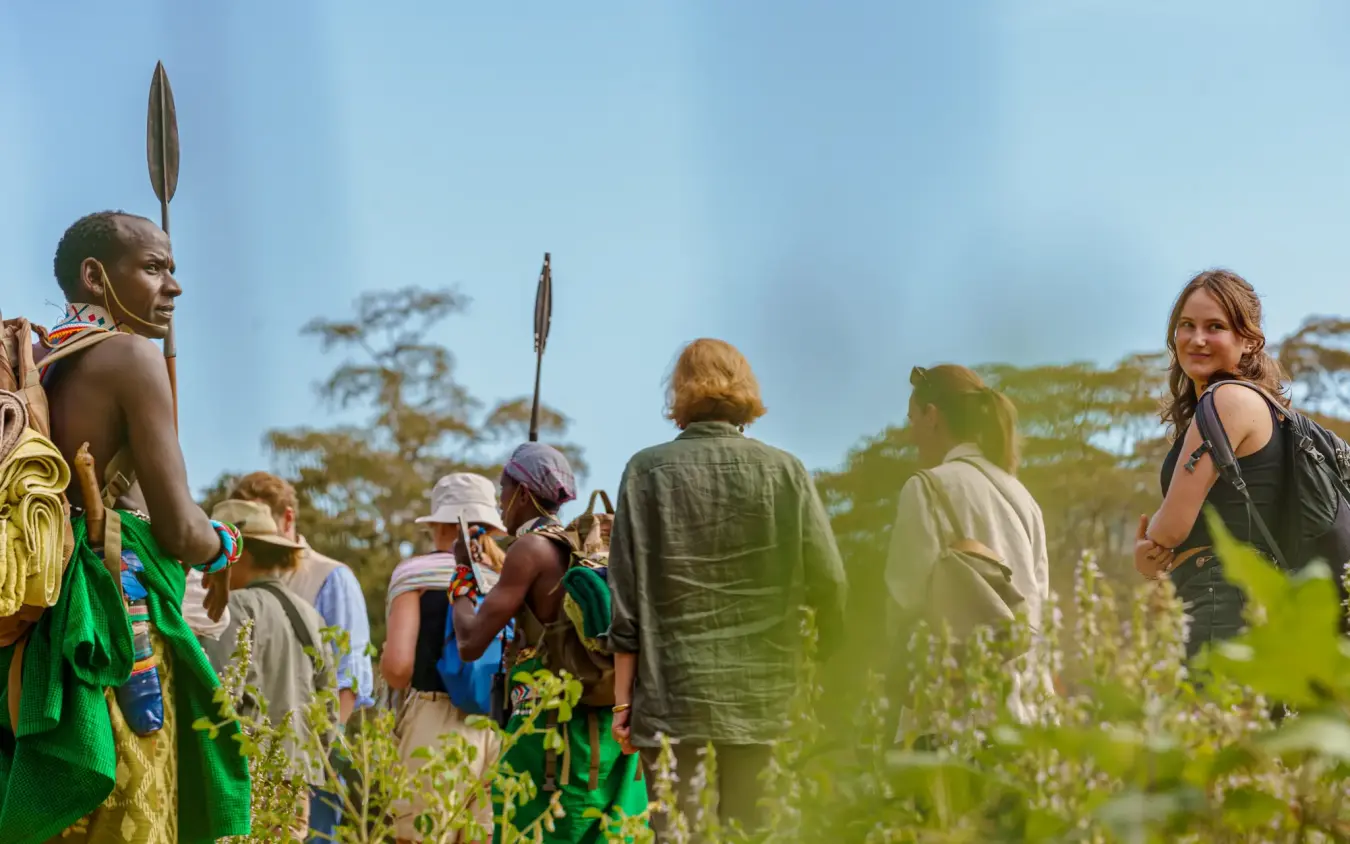
You travel by road and light aircraft, with resident guides on drives, walks and after-dark outings on the conservancy. The four stays run from a garden estate outside the city to tented camps in the bush and a barefoot beach lodge, each chosen for its ground and its guiding rather than for formality.
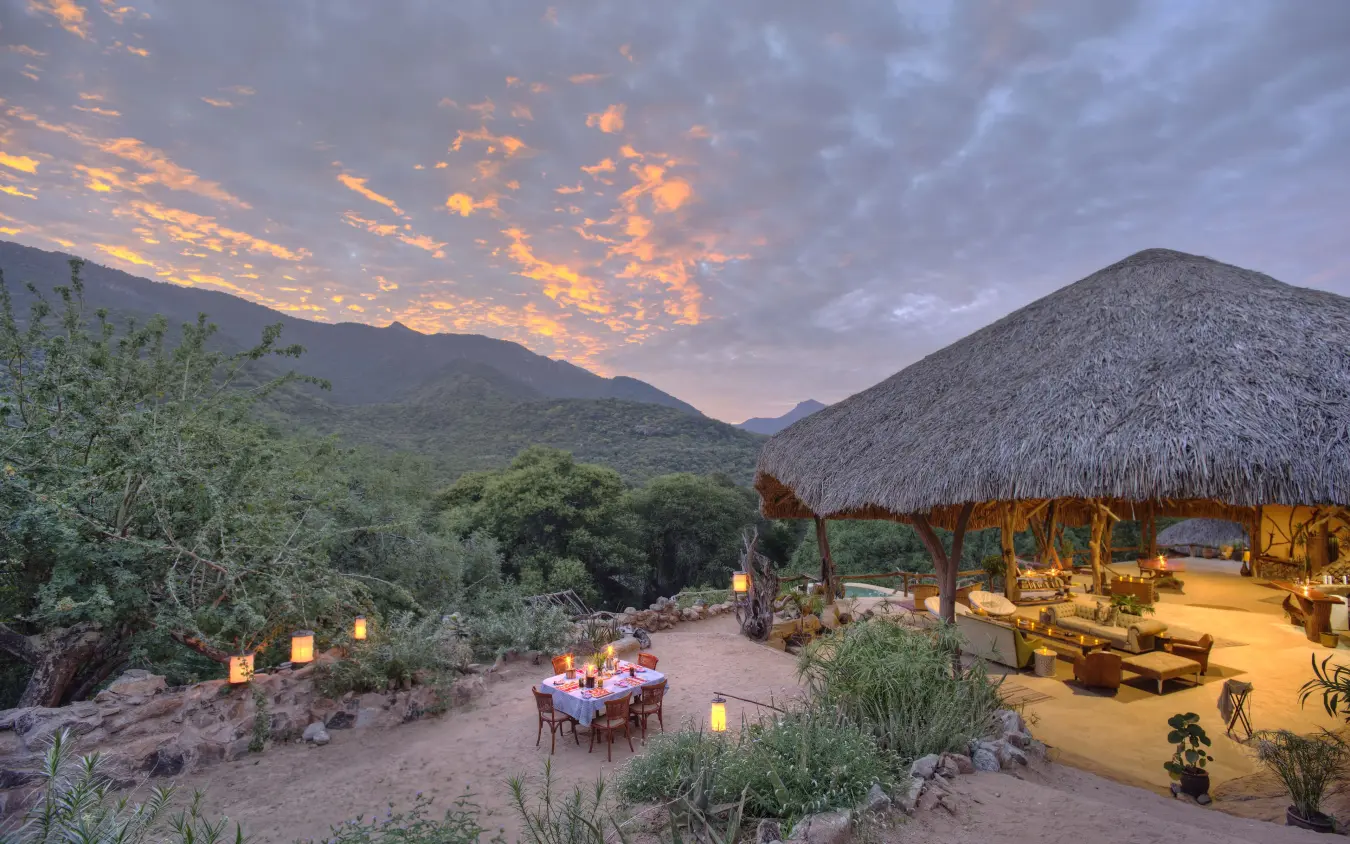
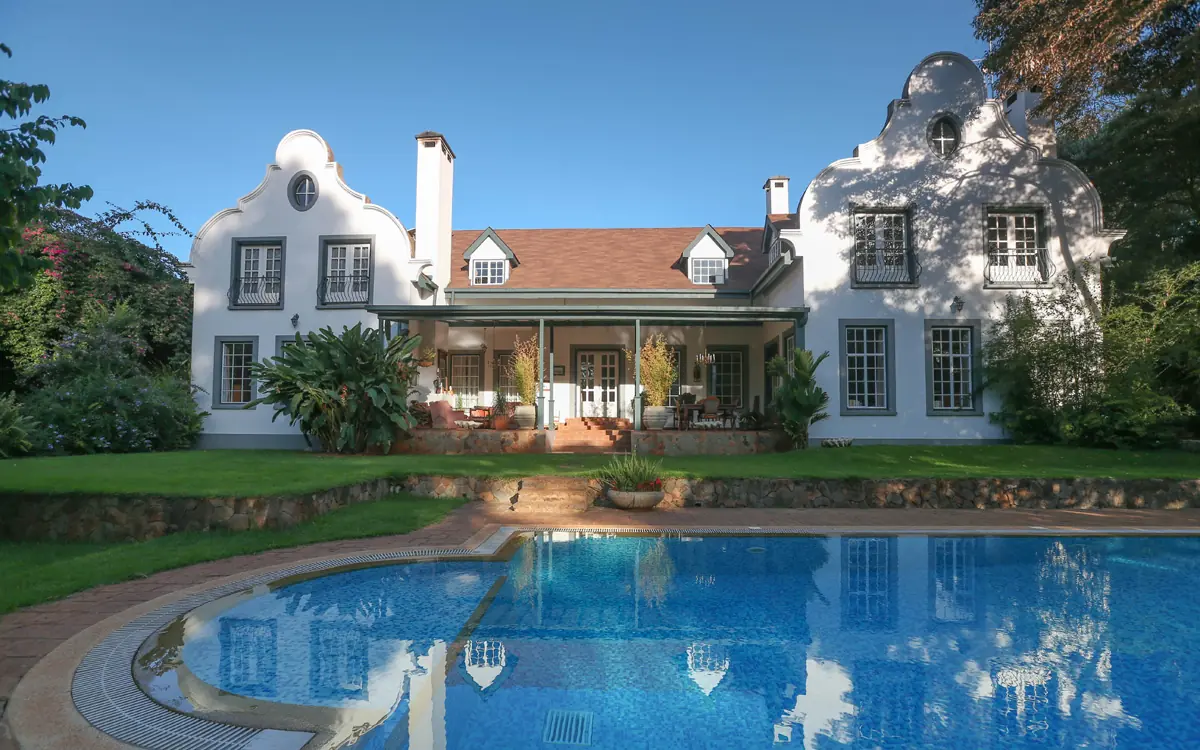
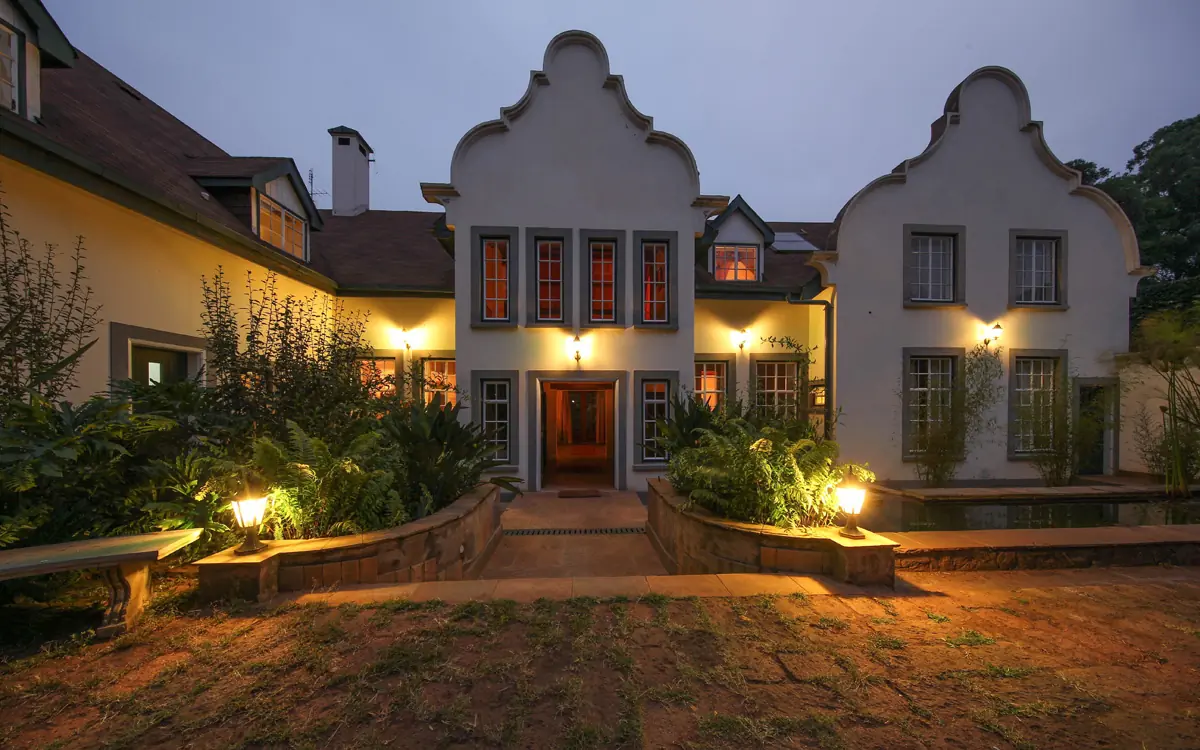
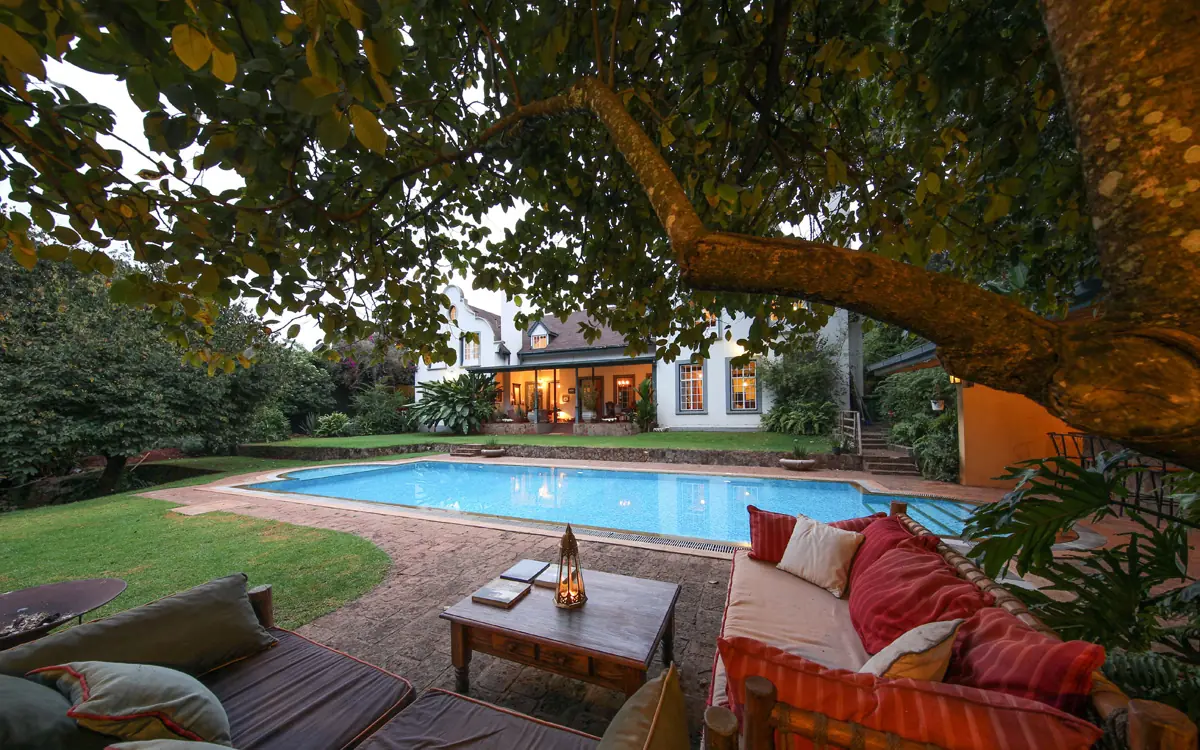
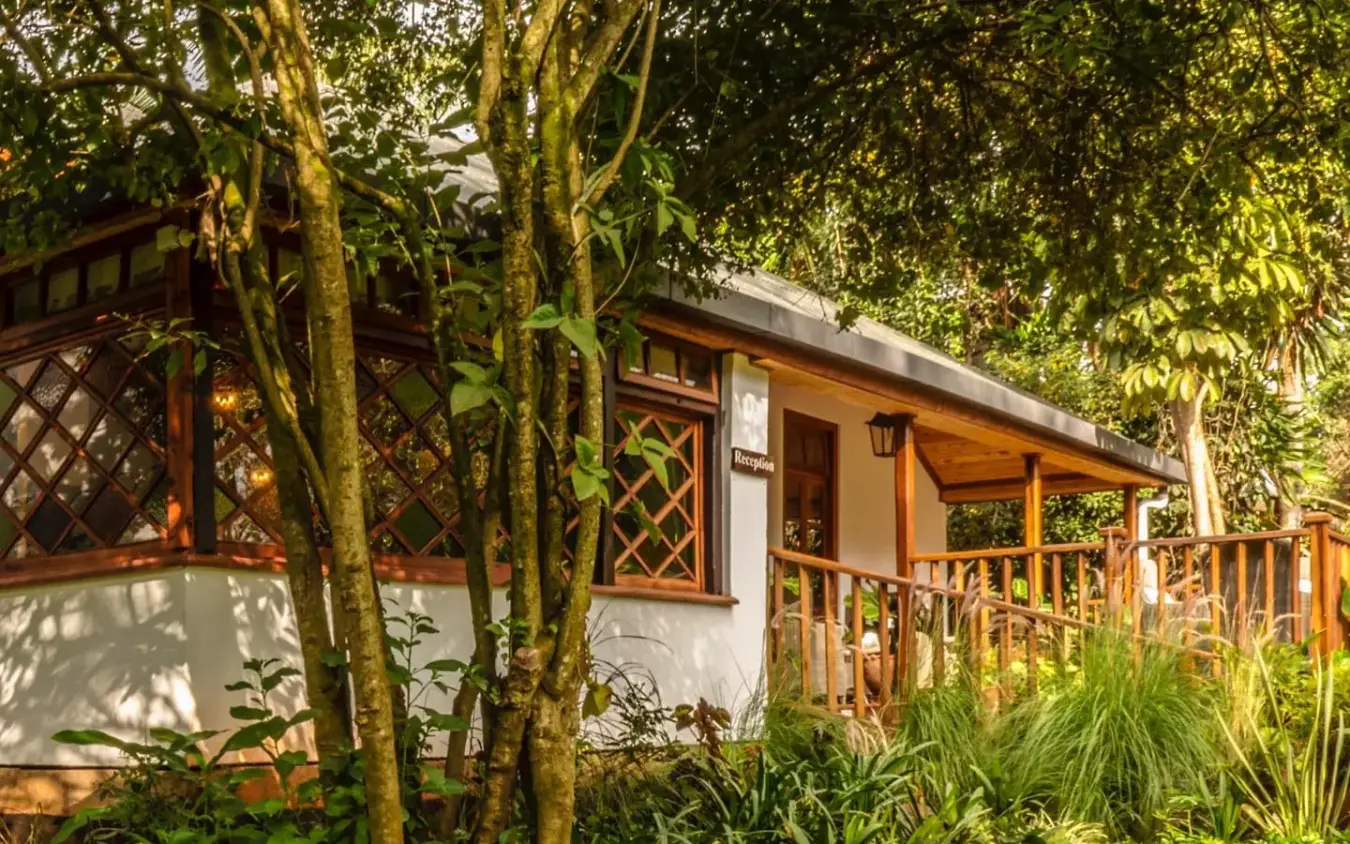
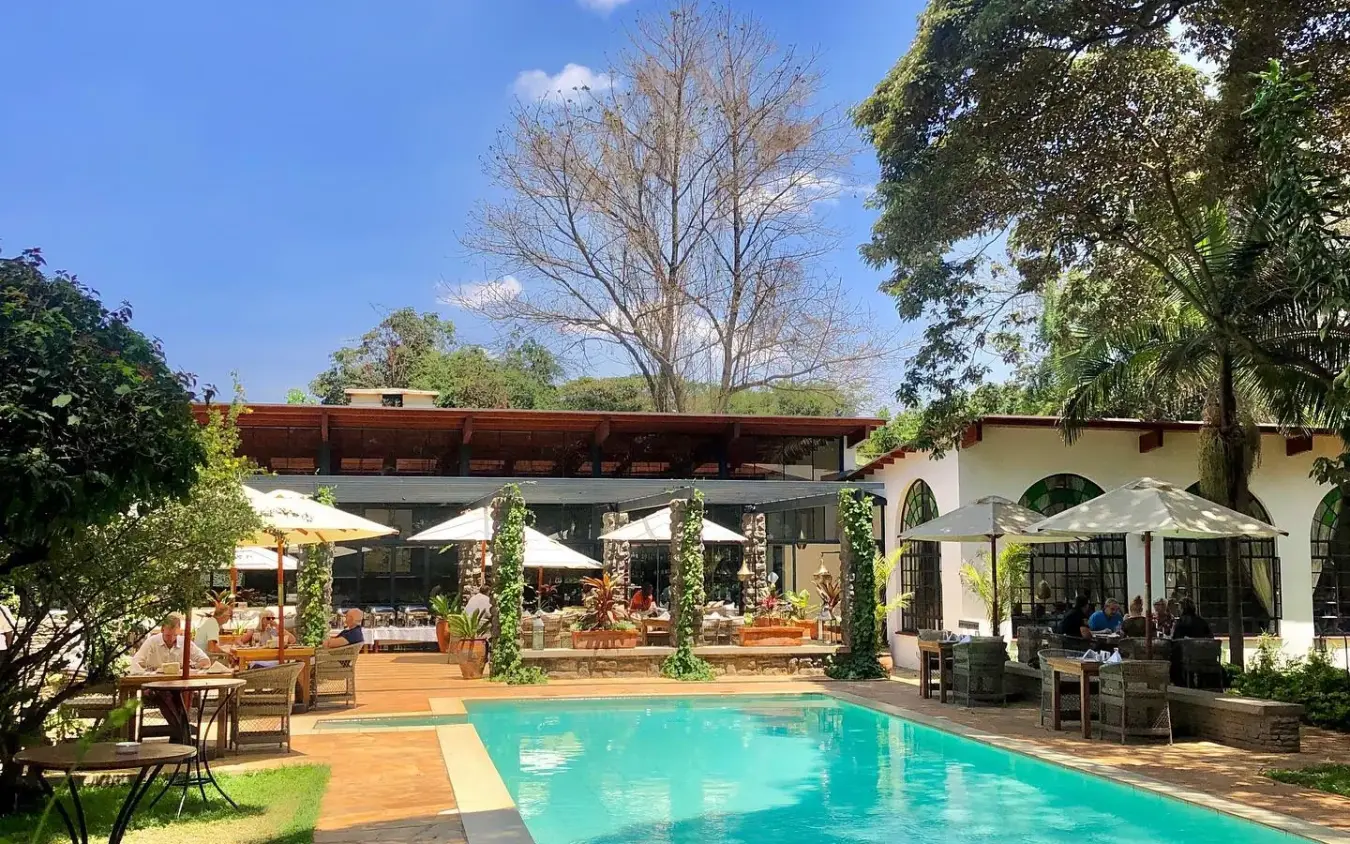
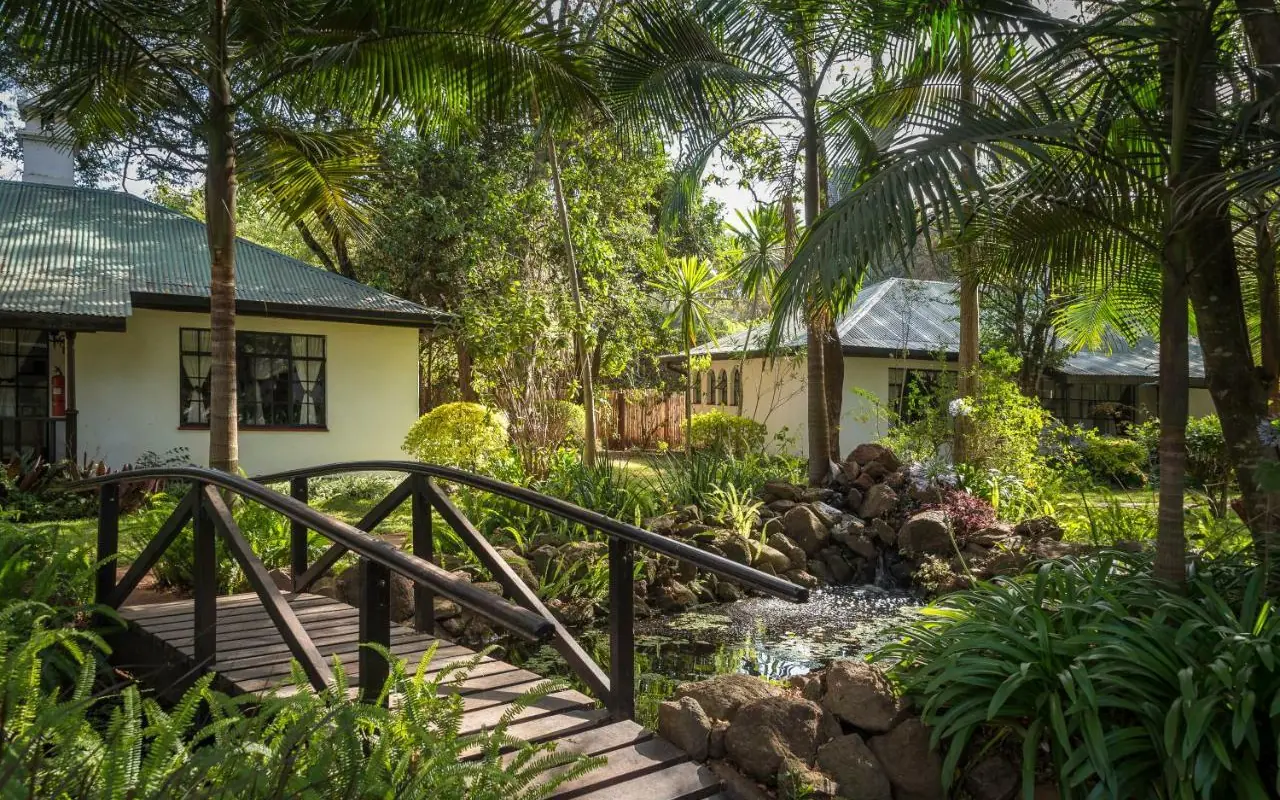
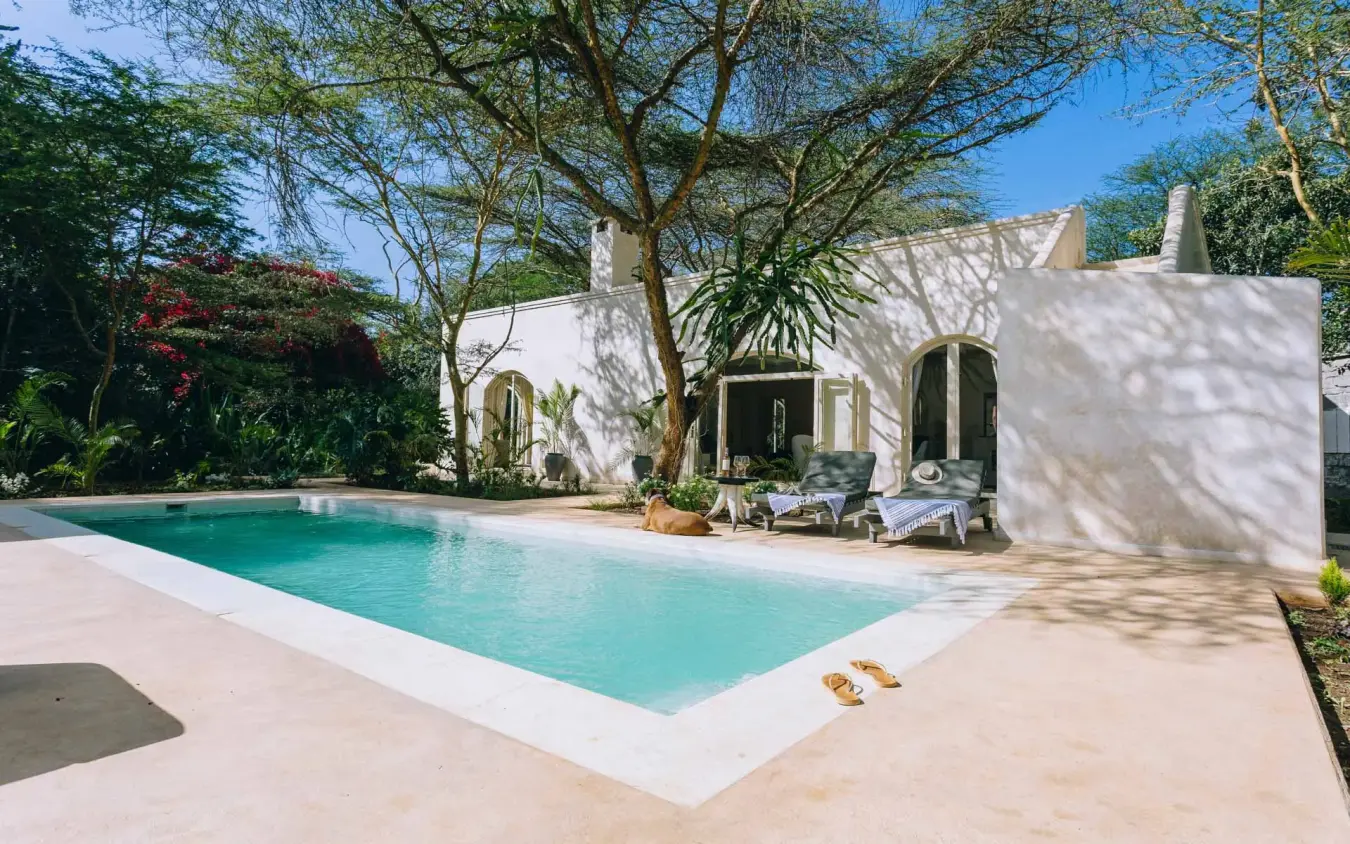
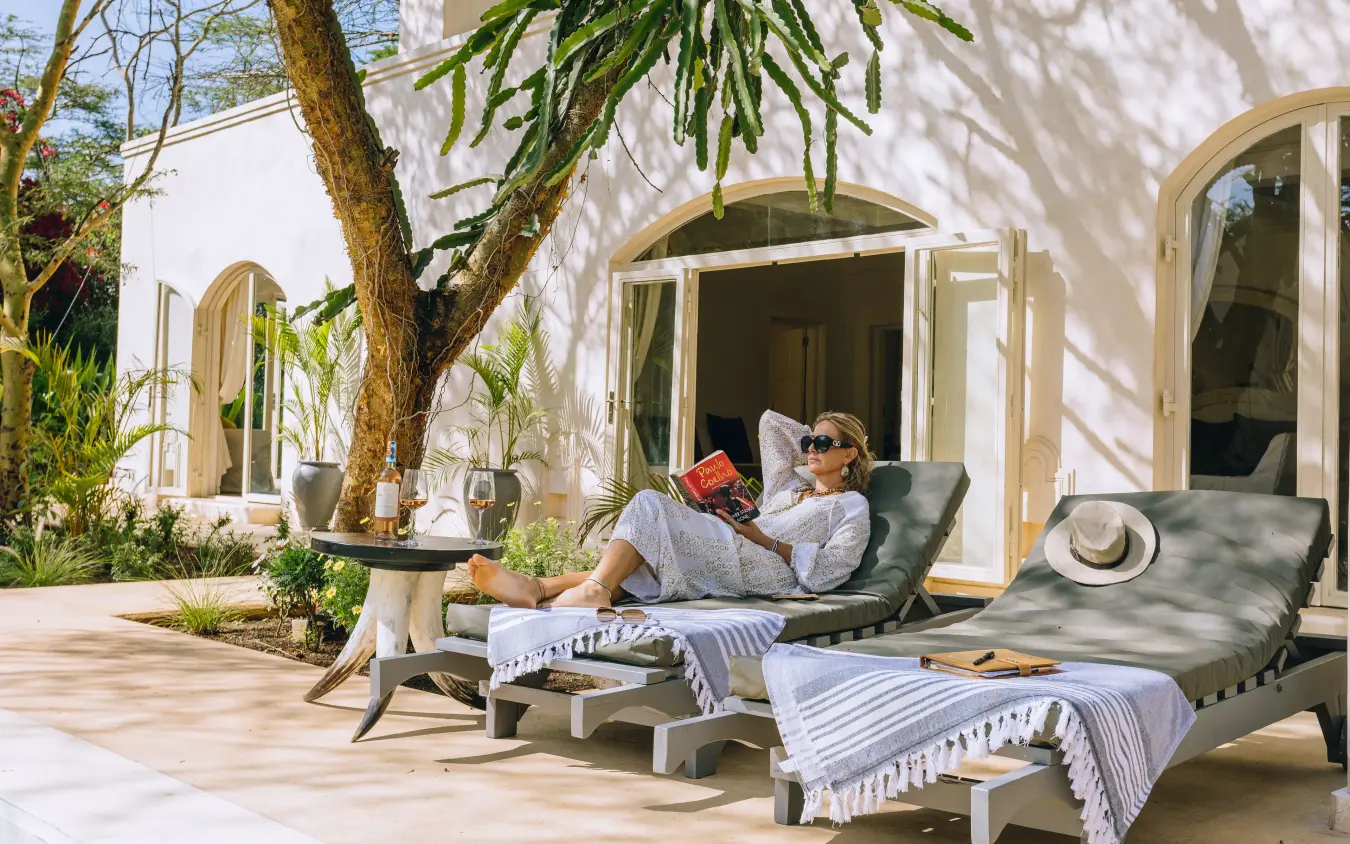
A soft landing on the highland plateau before safari, at around 1,795 metres where days sit between 18 and 26 degrees and nights stay cool. You rest on a five-acre garden estate in the Karen suburb, on land that once formed part of Blixen's coffee farm, with the museum in her former farmhouse a short walk away and the Langata Gate into Nairobi National Park about ten minutes' drive. Karen Blixen Cottages holds thirteen en-suite rooms across seven single-storey cottages under century-old jacaranda, croton and bottle brush trees, with check-in at Swedo House and dinner at Babette's.
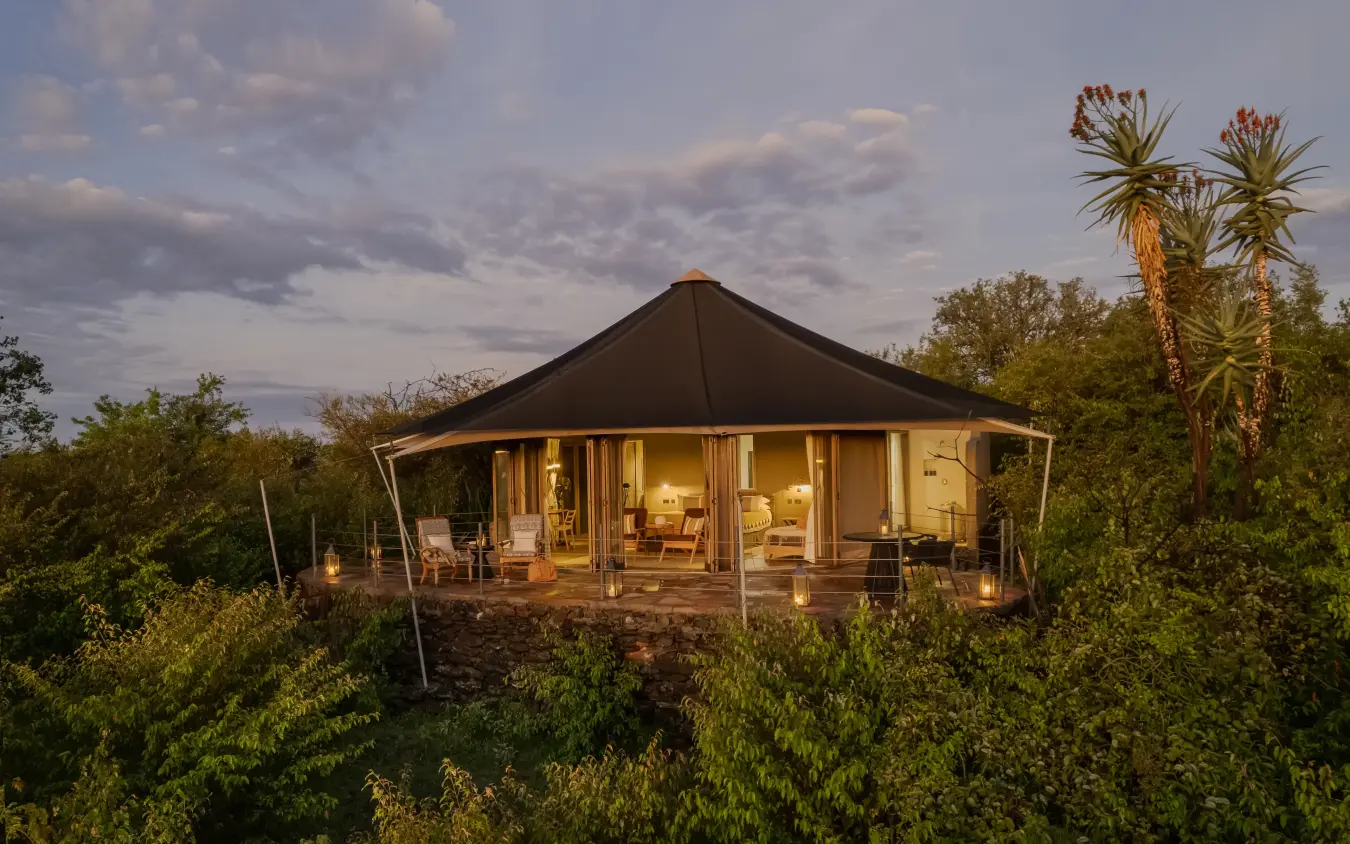
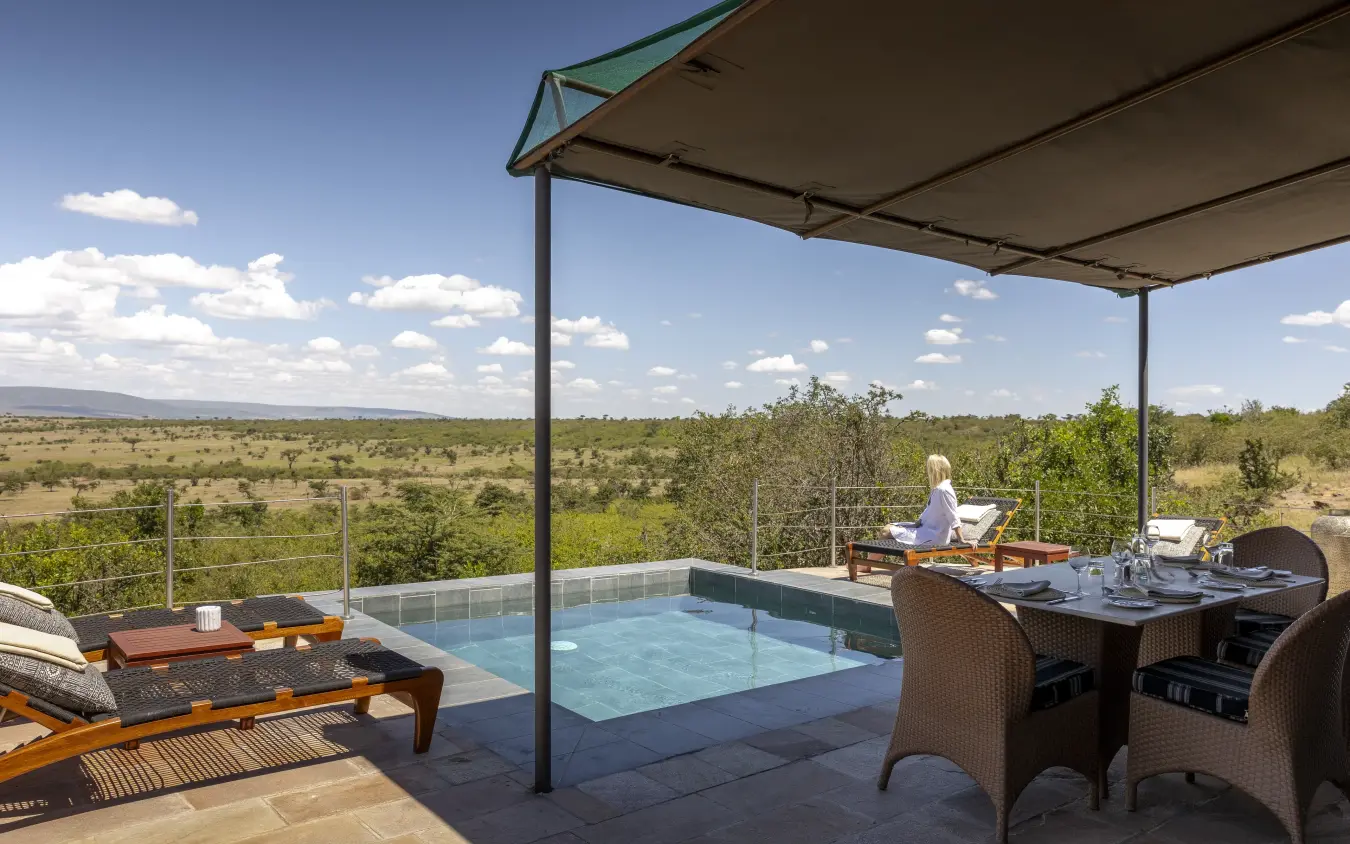
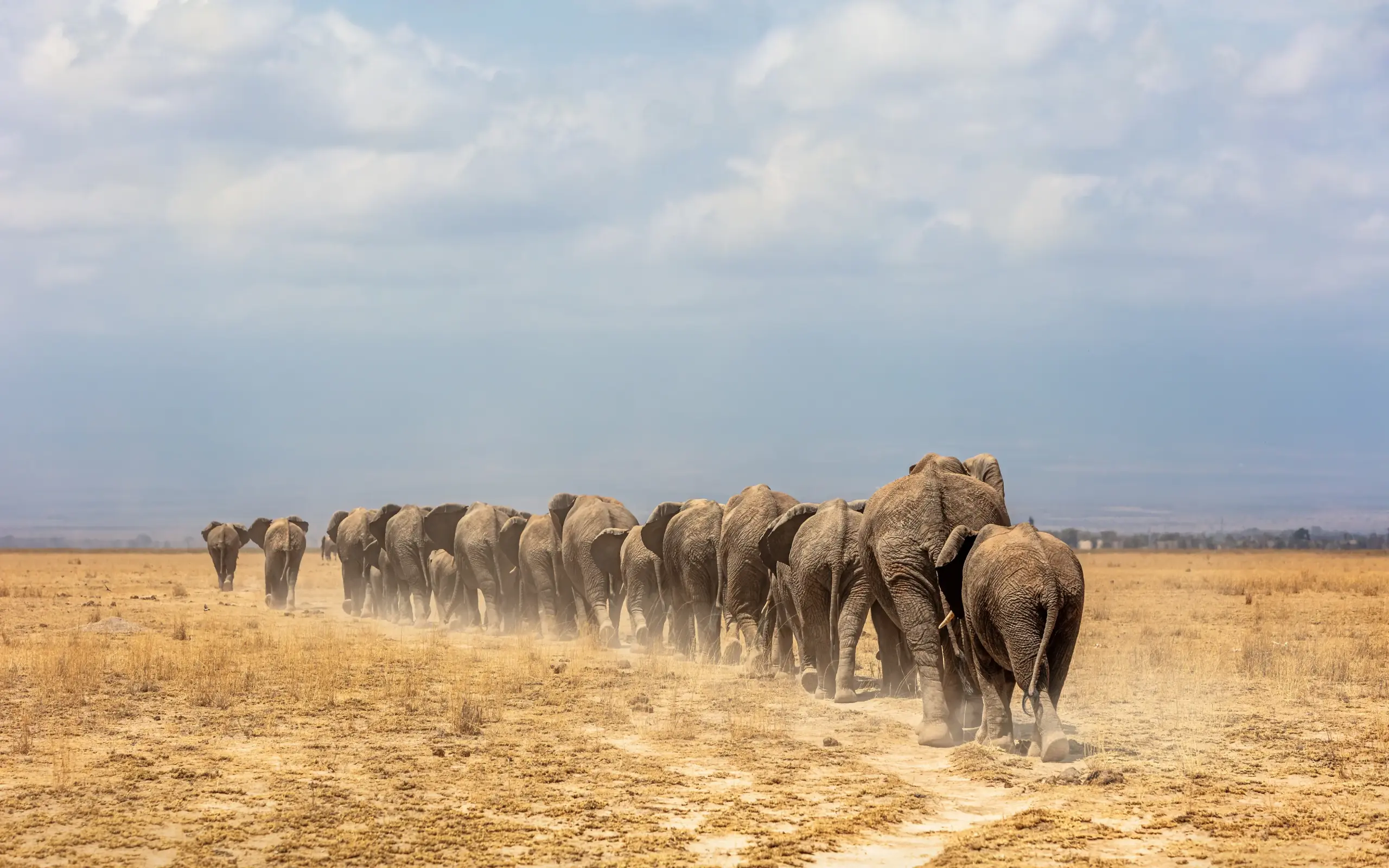
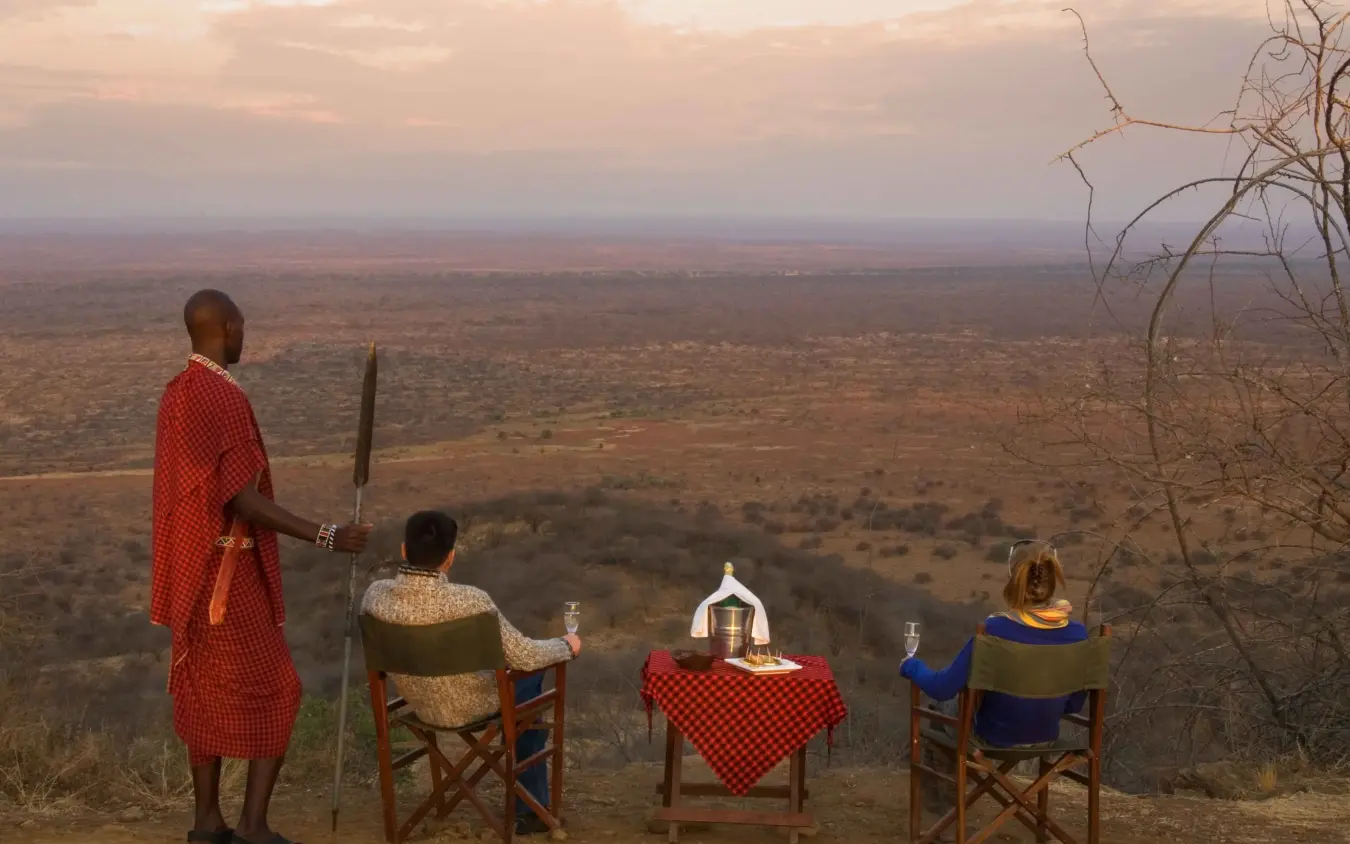
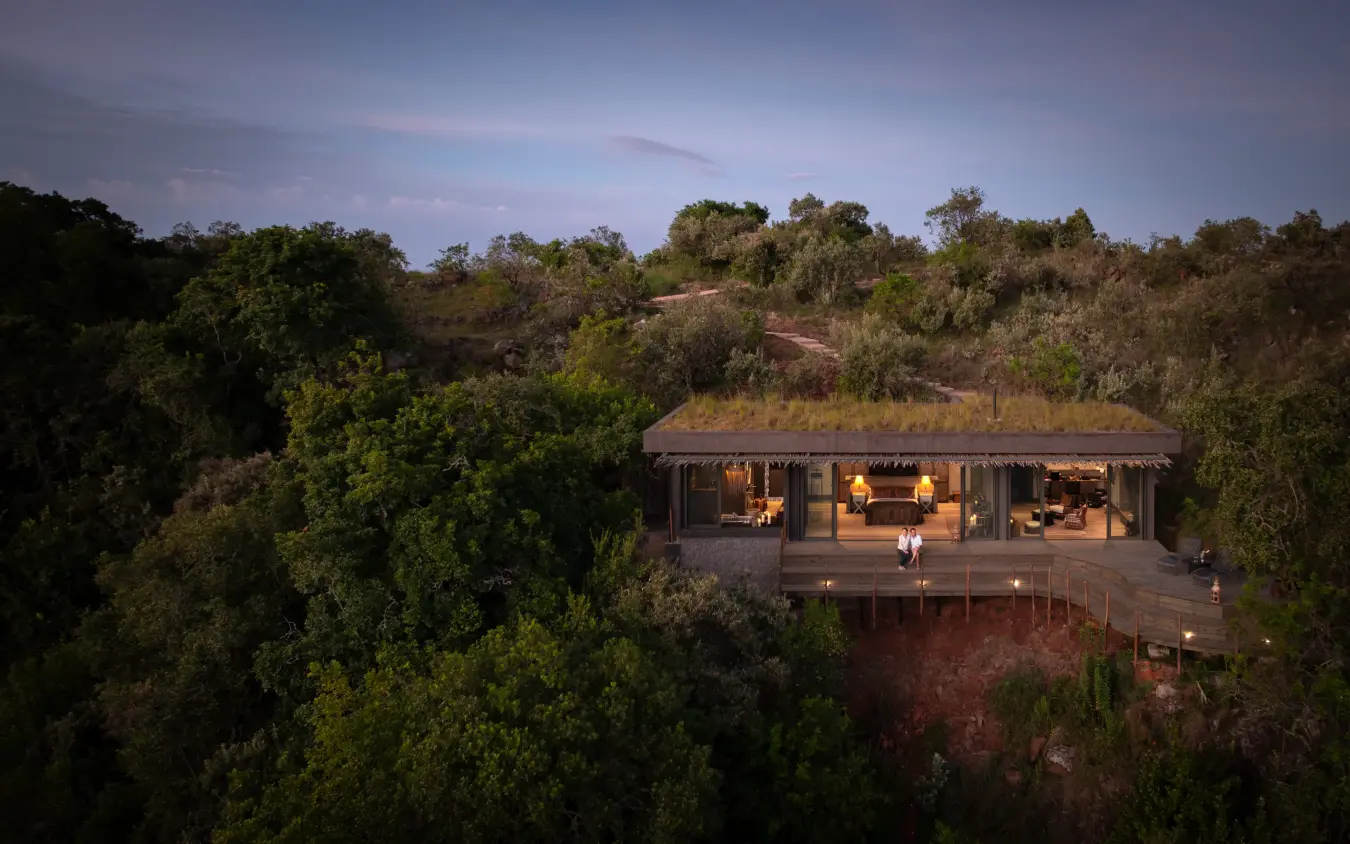
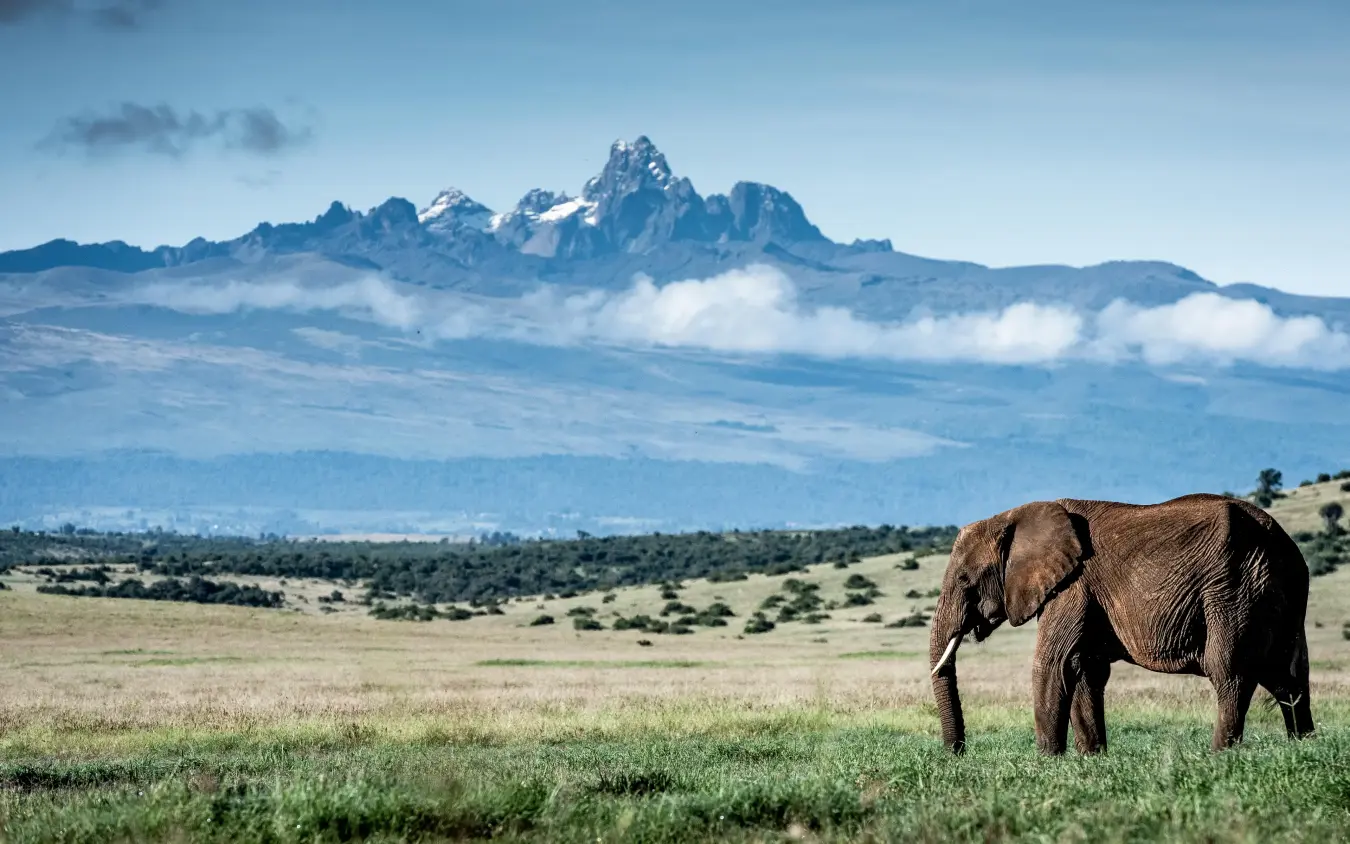
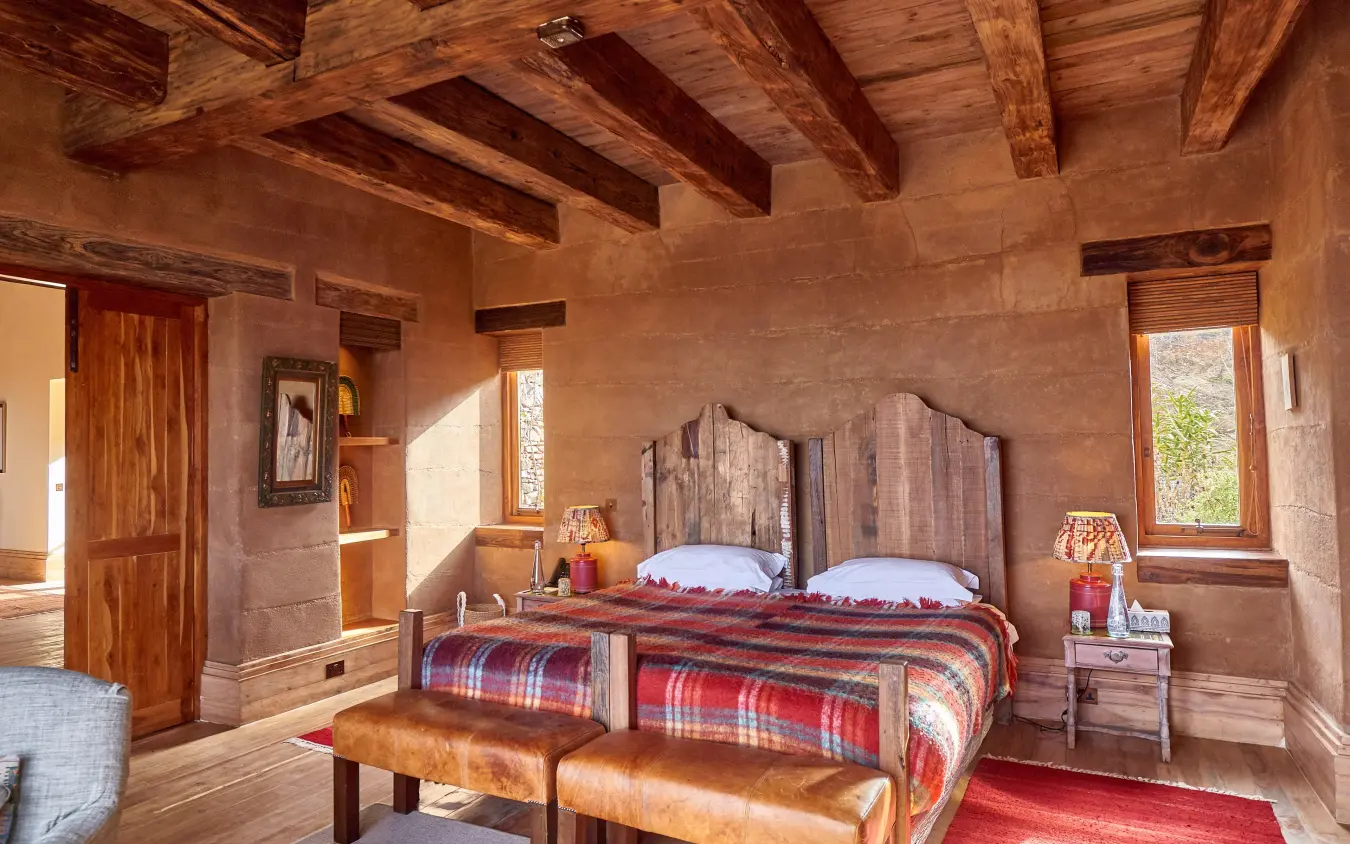
Two nights on the private Kimana Group Ranch conservancy, twenty to thirty minutes from Kimana Gate, on the route large-tusked elephants use between the Amboseli basin and Tsavo. Because this is conservancy land rather than the national park, you can walk out with a guide, drive after dark and eat in the bush, with giraffe, zebra, buffalo and impala grazing near the decks and Kilimanjaro clearest after the morning mist lifts. Elephant Gorge Camp is unfenced and built around a natural lava rock formation; to leave a suite after dark you ring a beaded cowbell and a Maasai guide walks you across.
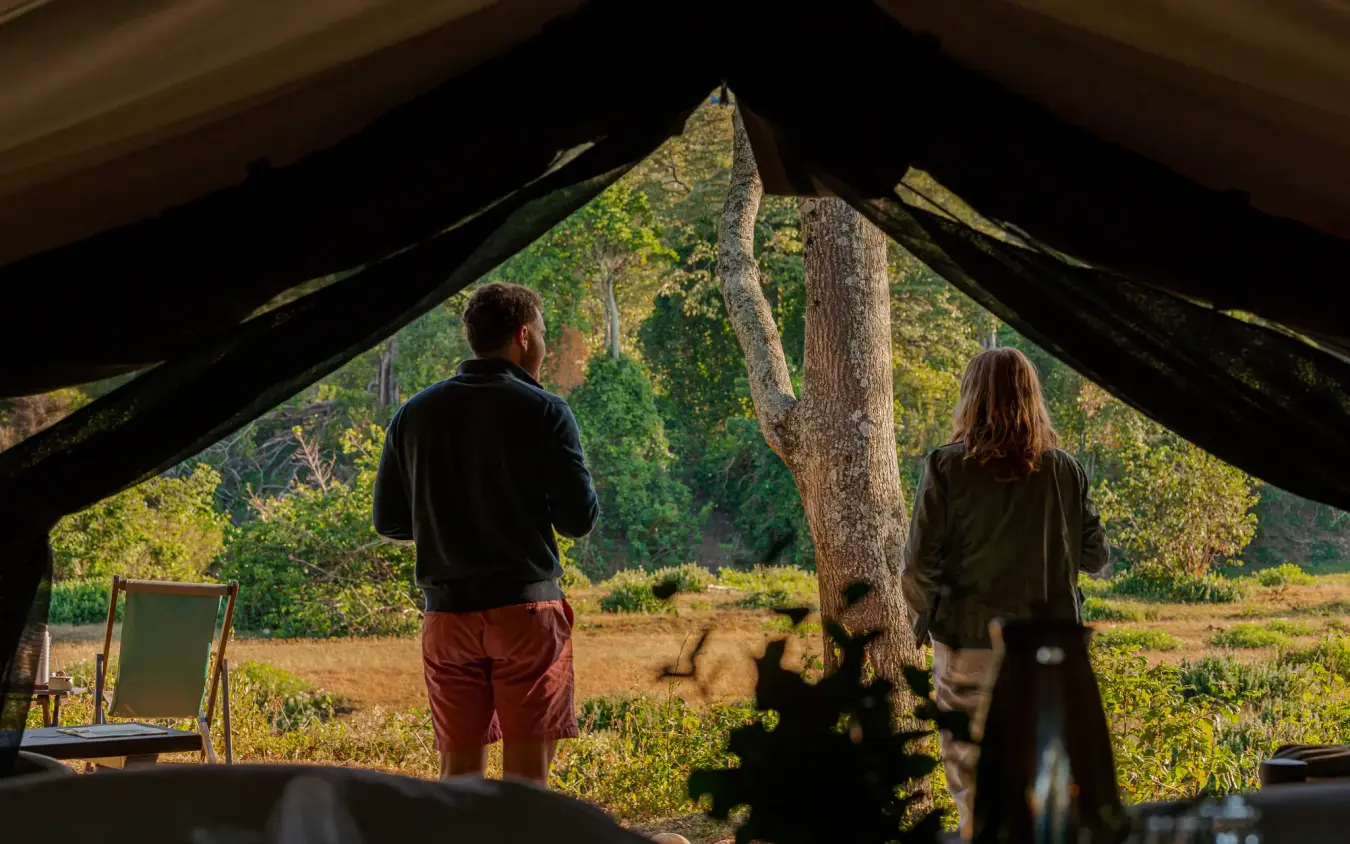
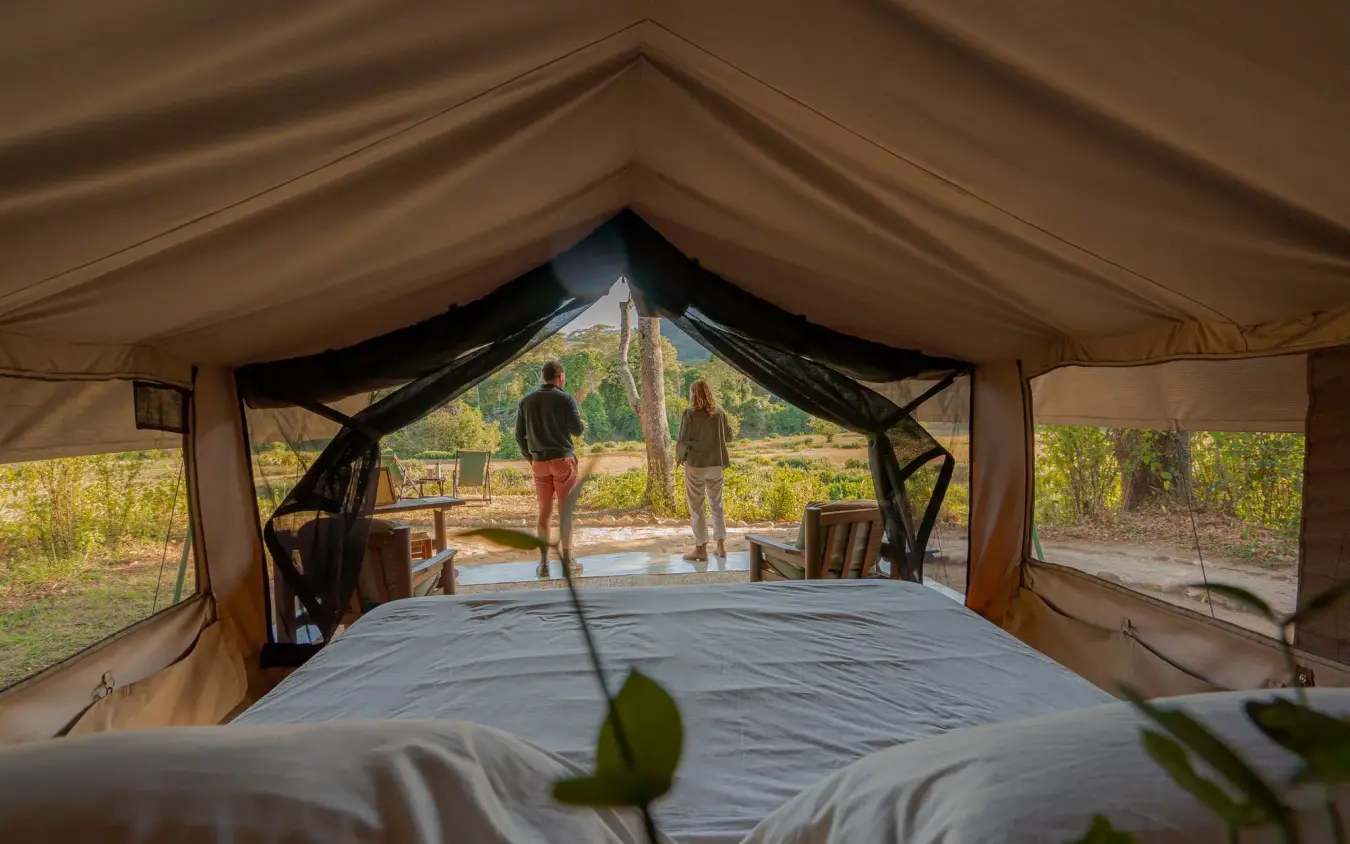
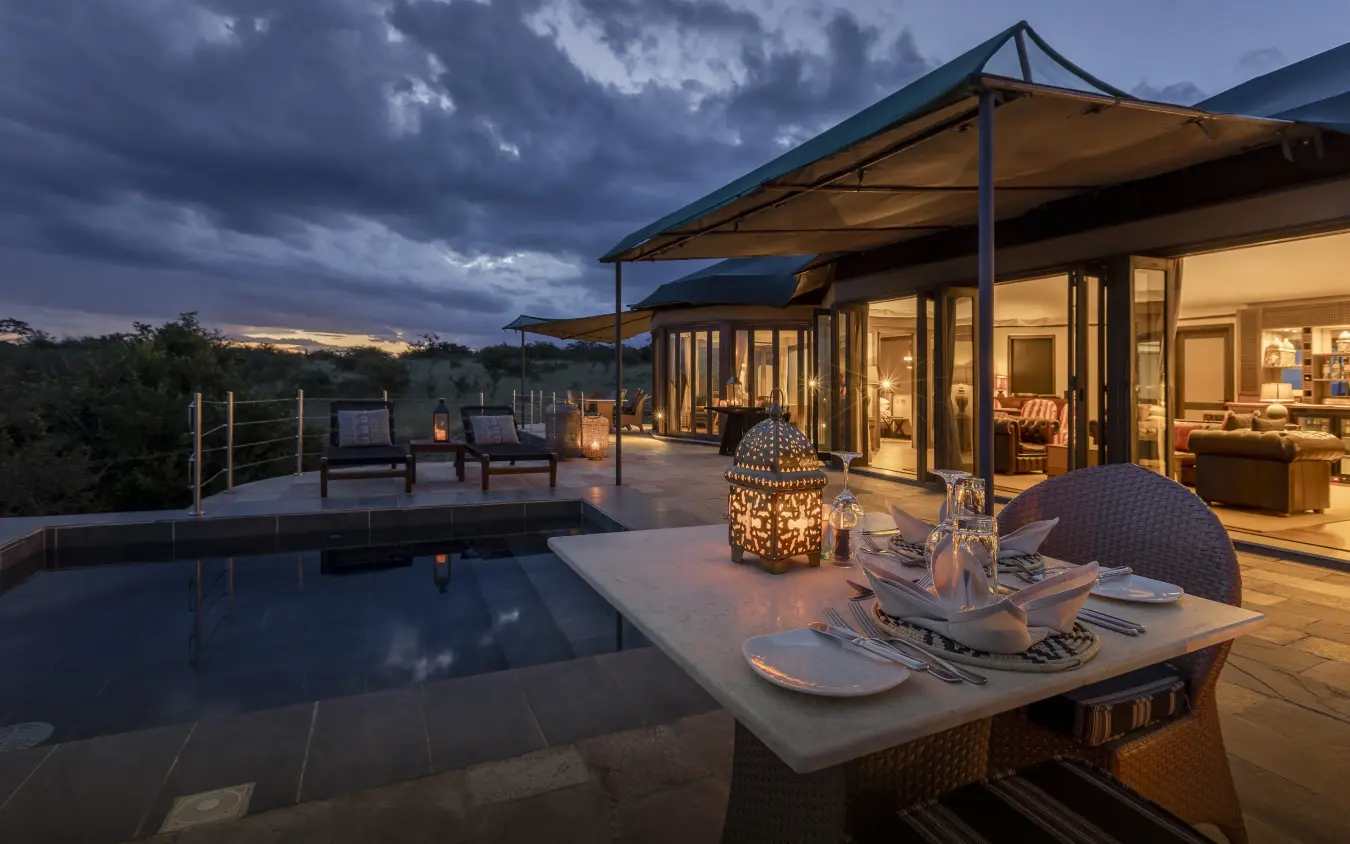
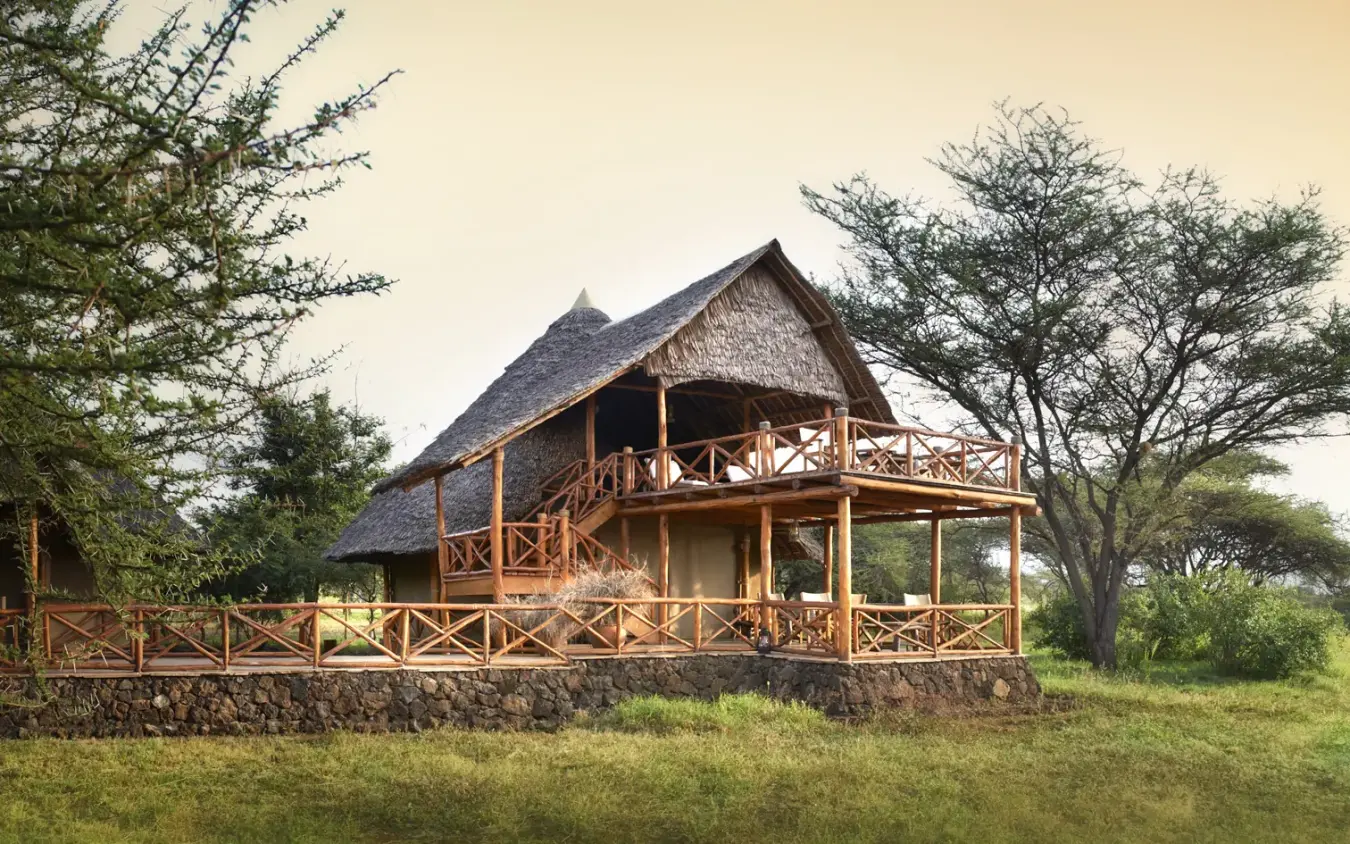
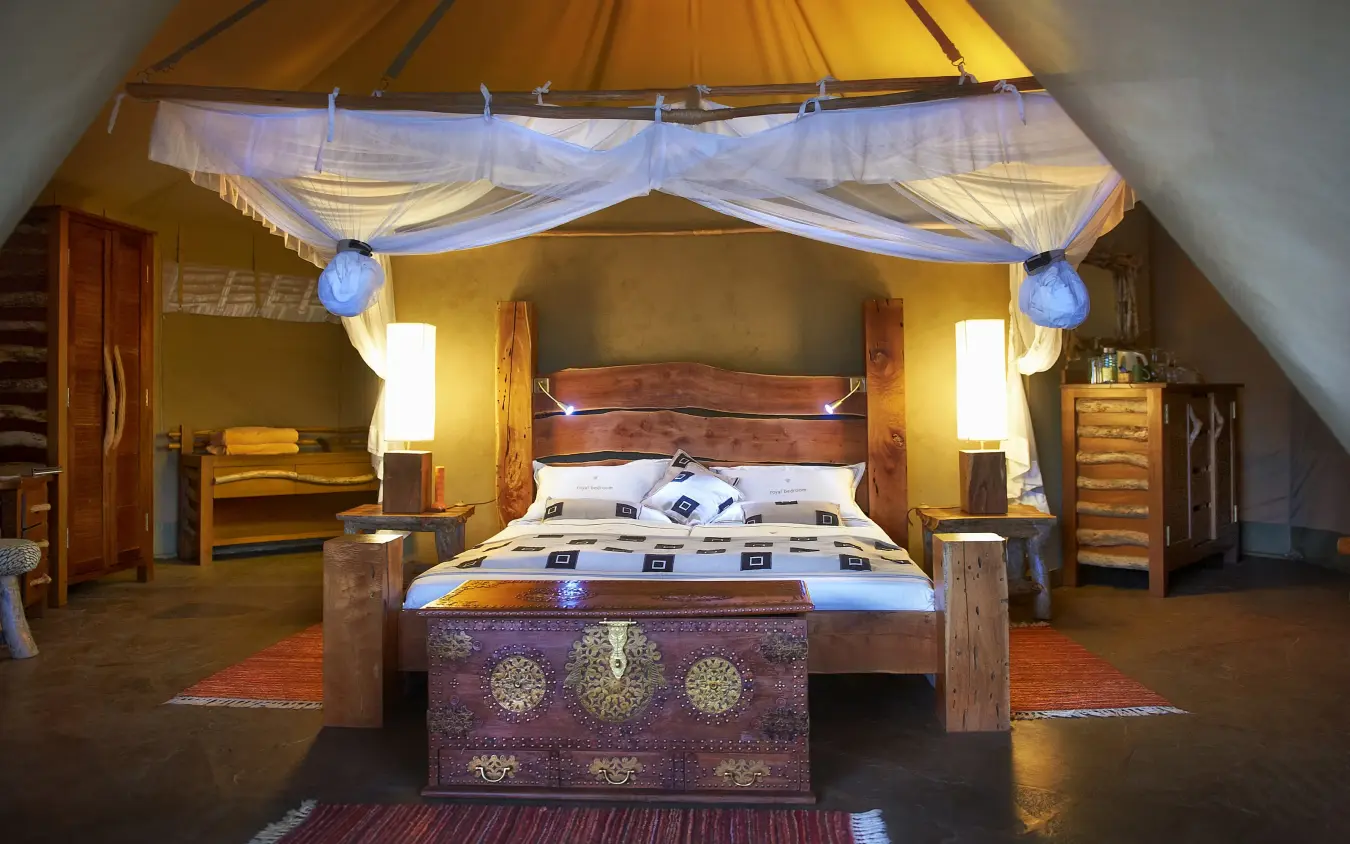
Two nights in the Kitani area of Tsavo West, volcanic country where laterite dust turns the elephants rust-red. Morning and afternoon drives run in open 4x4s with resident guides, night drives worked with the Kenya Wildlife Service pick out leopards, genets and bushbabies, and the Shetani lava flow, Chaimu crater and the underwater viewing chamber at Mzima Springs lie within reach. At Severin Safari Camp octagonal canvas tents stand under high thatch in a wide arc facing the plain, with elephants drinking at the floodlit waterhole and Maasai warriors walking guests between tent, restaurant and spa after dark.
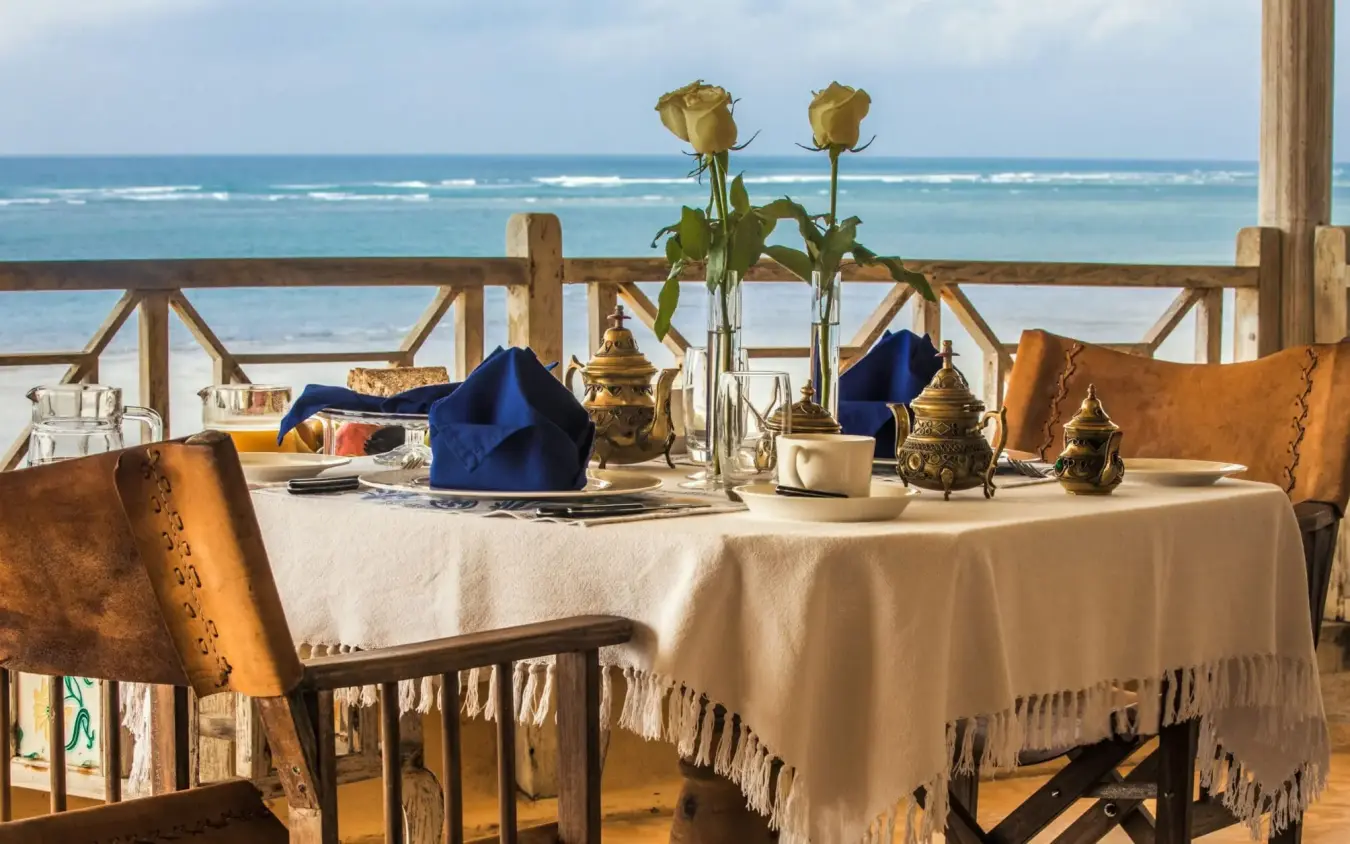
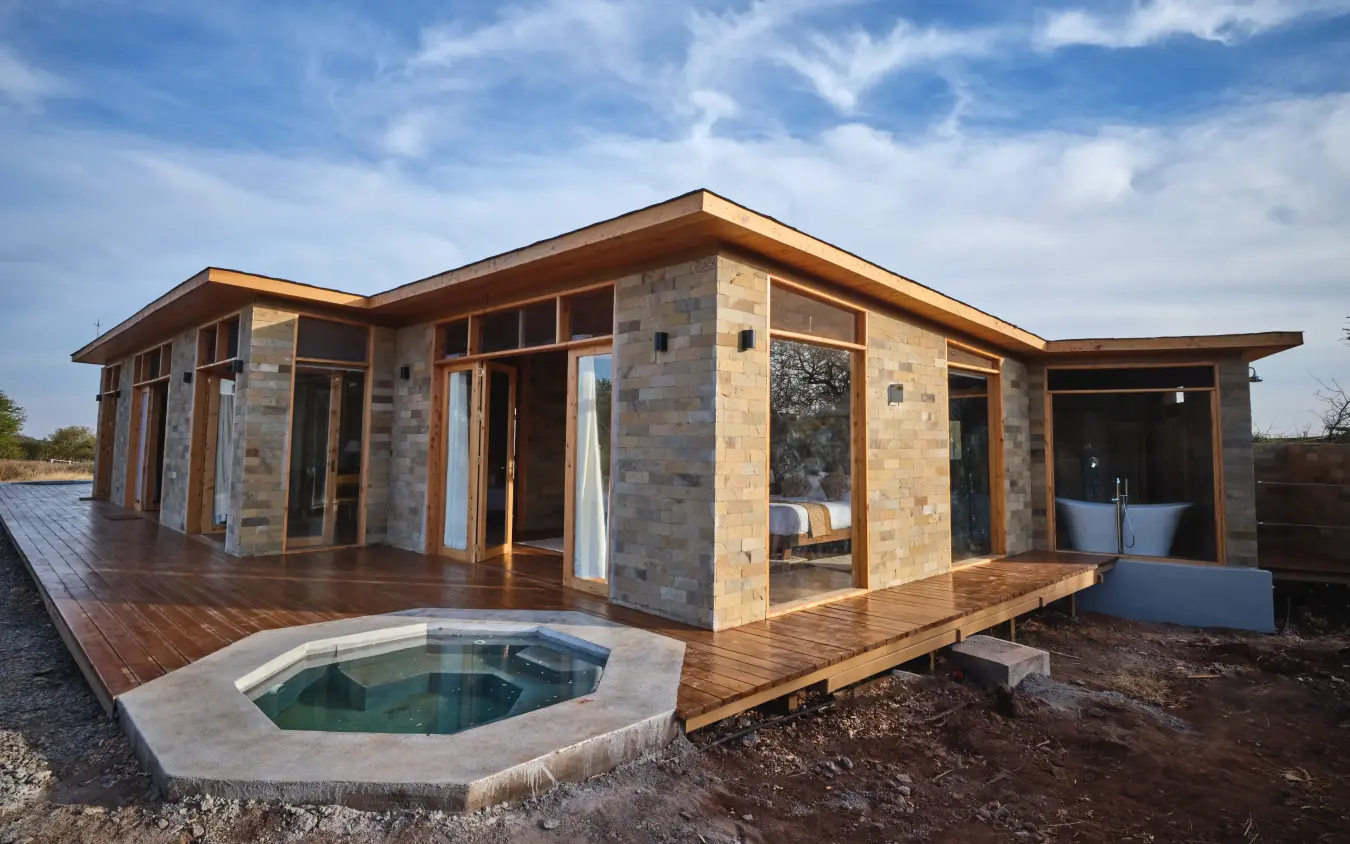
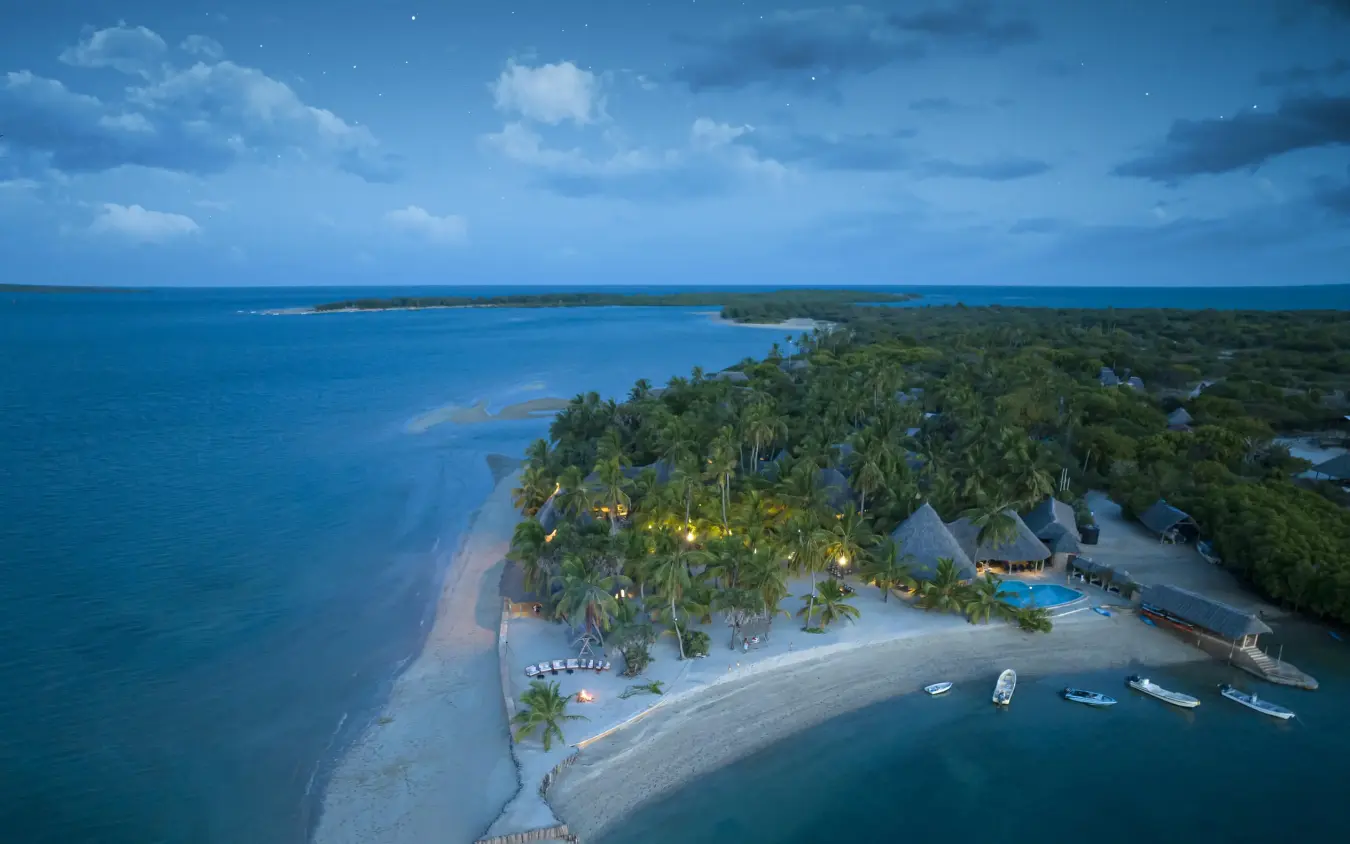
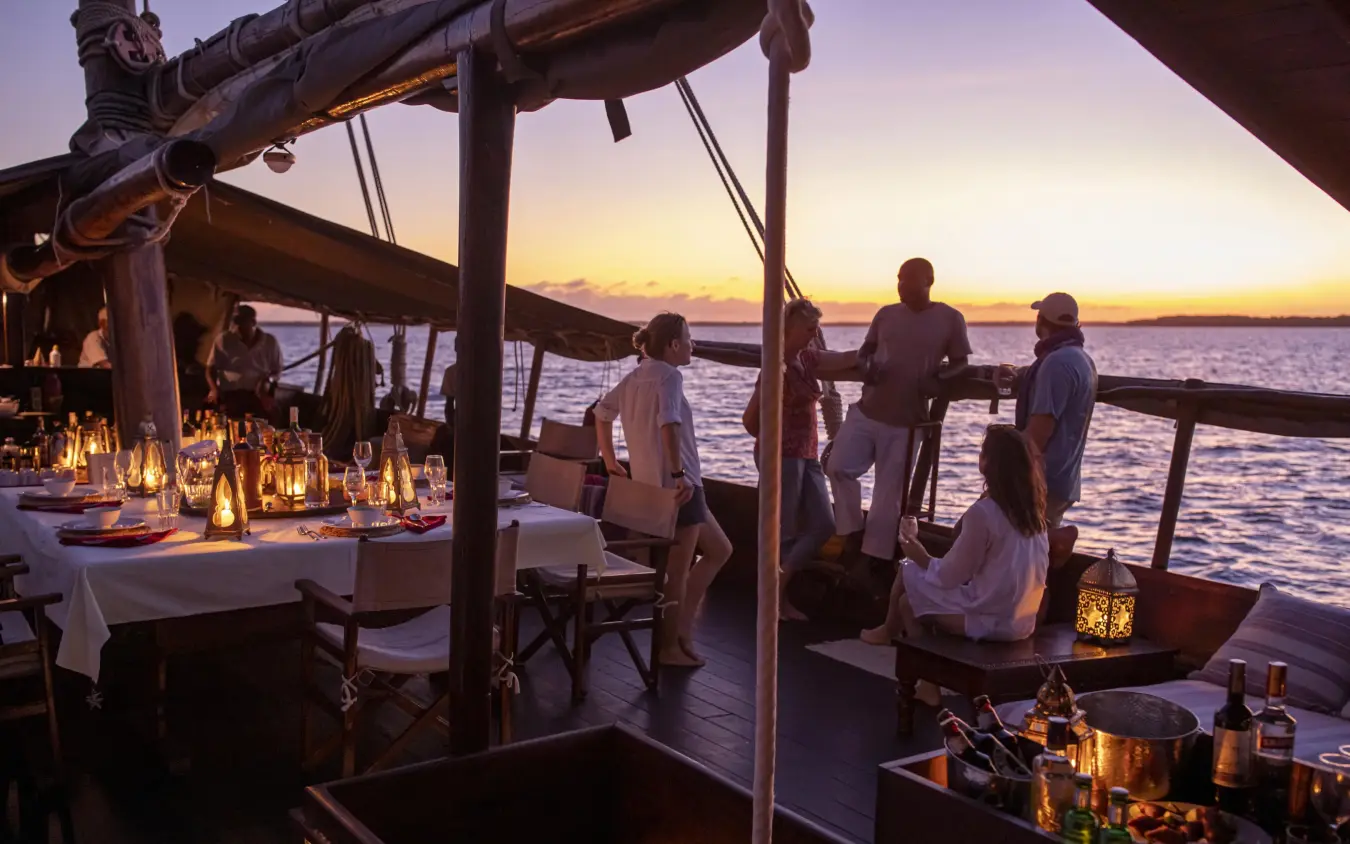
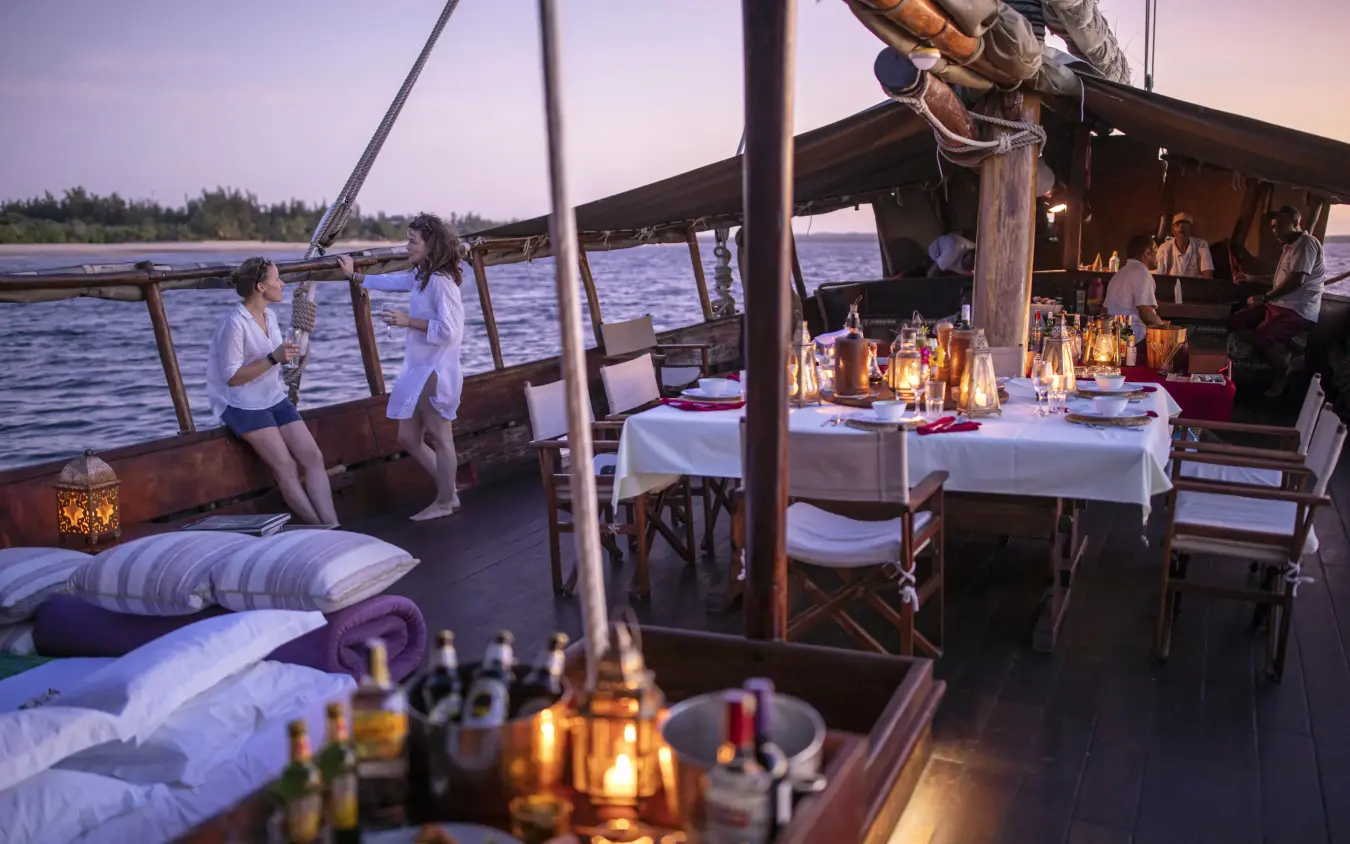
Five nights on a secluded peninsula of Manda Island in the Lamu Archipelago, reached by boat from the airstrip. The days centre on the water, with deep-sea fishing from the 33-foot Cheza from September to May for marlin, sailfish, tuna and wahoo, closer-in bottom fishing and fly-fishing in the creek and bay, and coral gardens off the beach; Lamu Old Town and Shela village lie a boat ride away as occasional outings. Manda Bay runs closer to a family house-party than a resort, its cottages open to the air with palm floors and swing beds, sundowners around a beach fire and a resident buffalo herd near the airstrip.
It is the last open ground linking Amboseli to the Chyulu Hills and Tsavo, and the land you sleep on for two nights is part of it.
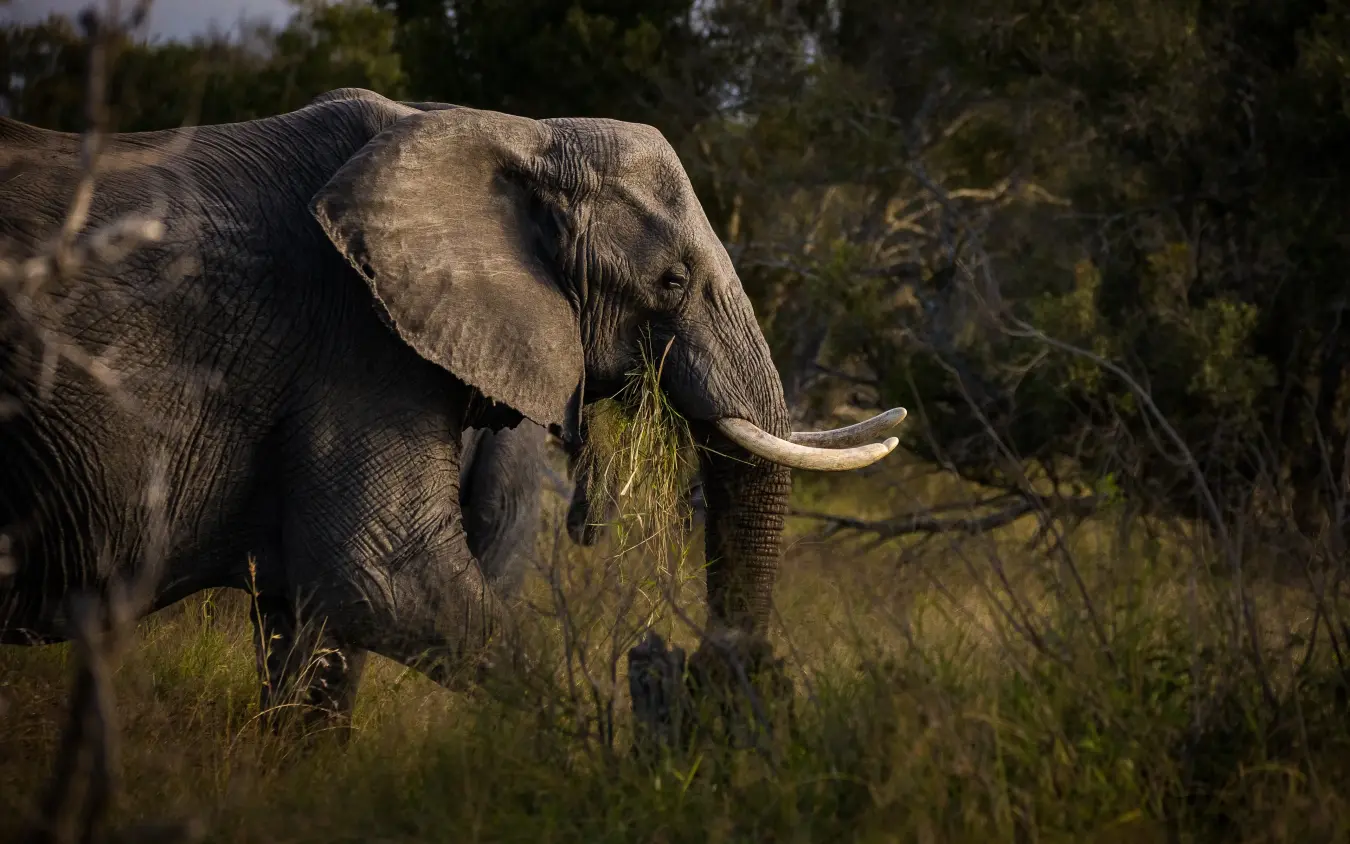
Amboseli's elephants do not stay inside the park: the basin gives them water and swamp grazing, the country east of it gives them room, and the herds move back and forth across Maasai land that carries no fence and no protection of its own.
Conservation bodies have spent years holding that ground together, leasing 60-acre parcels from hundreds of Maasai owners, and the 5,700-acre Kimana Sanctuary at the eastern end is a safe passage for wildlife.
It is also where Amboseli's largest bulls spend much of their time, which is why the biggest tusks in Kenya turn up on community land as often as in the park itself.
The red is dust rather than the animal.
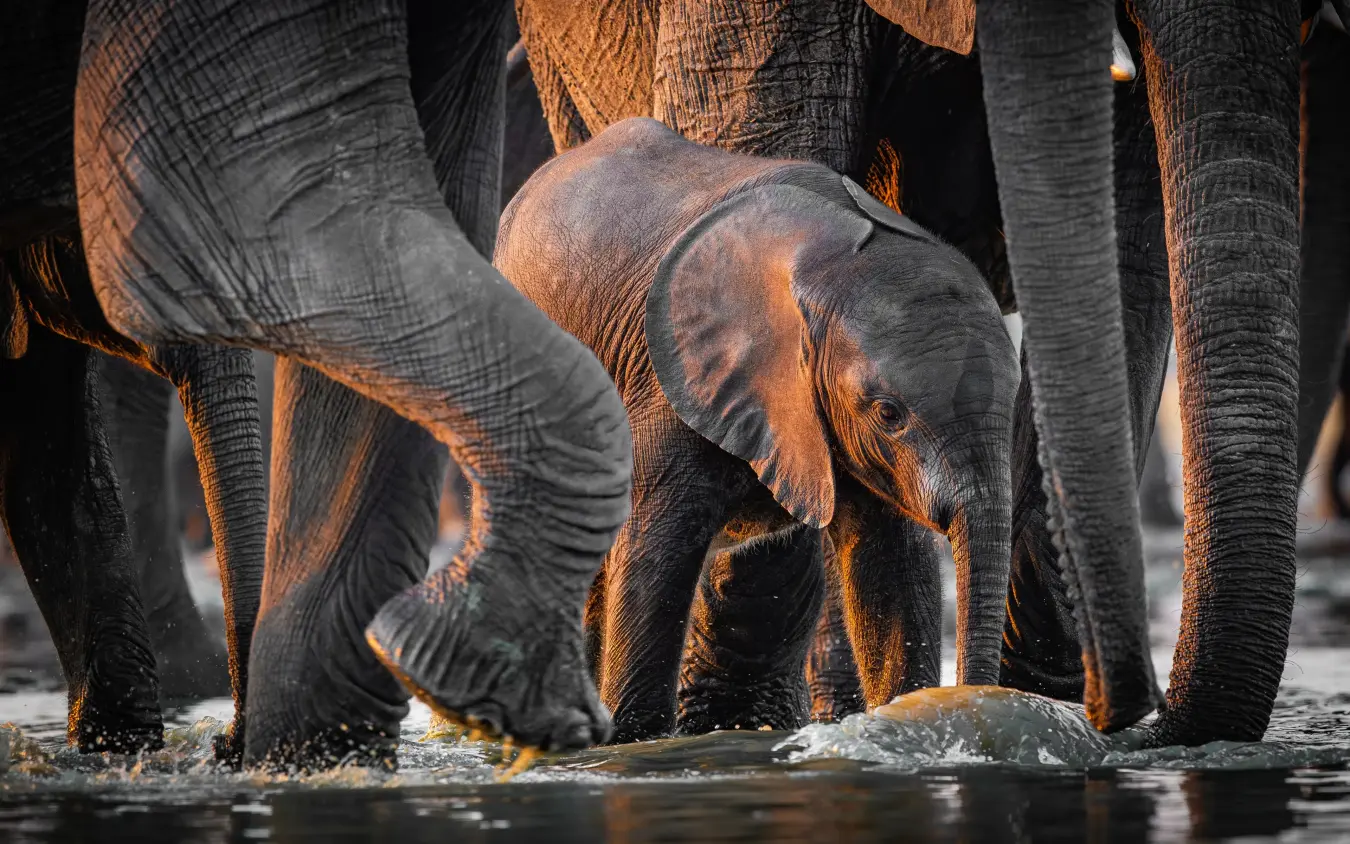
Tsavo's soil is laterite, loaded with the iron oxides that make rust red, and elephants coat themselves in it against the sun and biting insects, so a herd that has just dusted comes up rust-coloured and one that has just bathed does not.
The rest of Tsavo West is volcanic country: the Shetani lava flow, the Chaimu crater and, above all, Mzima Springs, where water filtered through the Chyulu Hills surfaces at a volume we put at more than 200 million litres a day. It is clear enough that a sunken chamber lets you watch hippo, crocodile and shoals of fish from below the waterline.
Two nights covers all of it, with night drives run alongside Kenya Wildlife Service rangers for leopard, genet and bushbaby.
The lodge runs a full fishing programme from September to May.
It has a restored 33-foot sport fisher for deep-sea days after sailfish, marlin, tuna and wahoo, plus bottom fishing and fly fishing in the creek and the bay for anyone who would rather not spend eight hours offshore.
The water changes with the monsoon, and it is worth matching your dates to what you want.
From the middle of December to March the northeast wind blows, afternoons turn choppy and snorkelling is at its clearest. The snorkelling site is ten to fifteen minutes away by boat.
From the middle of May to October the southeast wind takes over, sailing and windsurfing come into their own, and motorised water sports and deep-sea fishing then run on a flexible basis, and the lodge can close for short spells.
The coast leg is flown.
Kenya's main safari airline runs a daily early-afternoon service from Nairobi's Wilson Airport to Lamu's airport, which sits on Manda Island itself, taking about an hour and a half. The same airline also serves Amboseli and Tsavo West, so the leg out of the bush can be flown rather than driven if you would rather keep the morning.
From the airport it is a thirty-minute boat ride along the shore to the lodge, or three minutes by road when the lodge's own airstrip is in use.
Luggage is 15 kilograms a person on these aircraft, hand luggage counted, and soft bags only. That suits the destination anyway: there are no cars to speak of on these islands, so a wheeled case is of little use once you land.
Yes, both lie a short boat ride across the channel.
The lodge treats them as occasional outings rather than a daily routine, which is the right way round for somewhere this quiet.
Lamu Old Town has been on the UNESCO World Heritage list since 2001 as the oldest and best preserved Swahili settlement in East Africa, a place of coral stone houses, carved doors and a working dhow harbour, with no cars in it, so you walk or take a donkey.
Shela, a little along the shore, is the village end of the same island, with a long beach and a handful of places to eat. Crossing is a matter of tide and daylight, so the lodge fixes the times on the day.
Five nights leaves plenty of room for one or two visits without giving up the water.
January and February are the two months our own pages rate highest at every stop, hot and dry inland with Kilimanjaro showing at dawn and dusk, and clear water off Manda Island.
October is the other one to look at, strong for elephants in Amboseli and Tsavo and rated highly at the coast as well, with calm seas in the weeks that follow.
July to September suit the safari half of the trip better than the coastal half, when the southeast wind blows and snorkelling gives way to sailing.
April and May bring the long rains, which is the worst of both halves here: soft tracks inland and rough water at the coast. March and November sit in between, and December is a strong month at Lamu.
In the greener weeks elephants photograph well against washed skies, prices ease and there is more room.
Ed Charles, BBC Producer
Fitzroy are true specialists in accessing the wilderness. They know where to go and importantly, when to go there. Highly recommended.
kenya
Fifteen nights across Kenya, from the Maasai Mara and Laikipia to Samburu country and a dhow in the Lamu Archipelago.

kenya
Seven nights walking the forests of Northern Kenya, from a fly camp to Kitich Camp and the canopy suites of Sarara Treehouses.
kenya
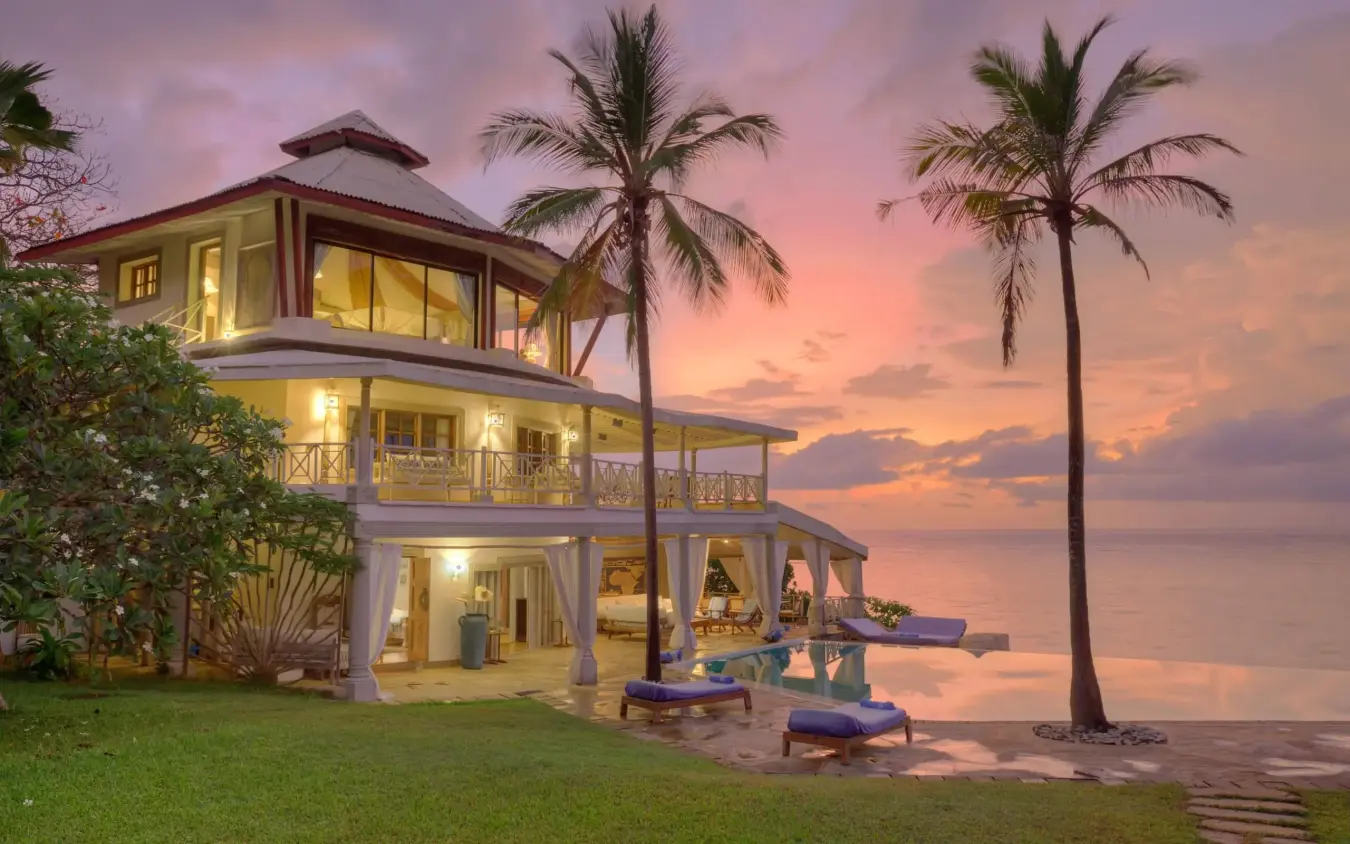
Twelve nights in Kenya linking Nairobi, the Naboisho Conservancy in the Maasai Mara and a private villa on the Diani coast.
rated five stars by our clients

our approach
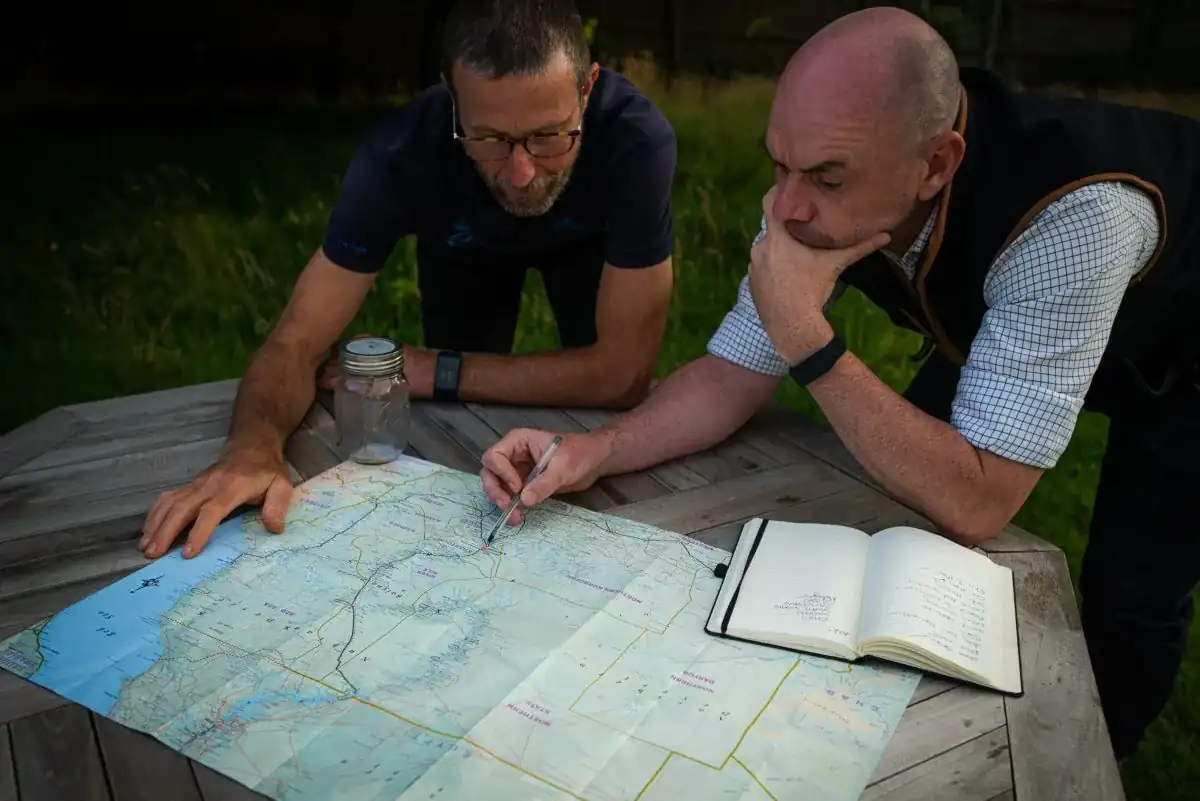
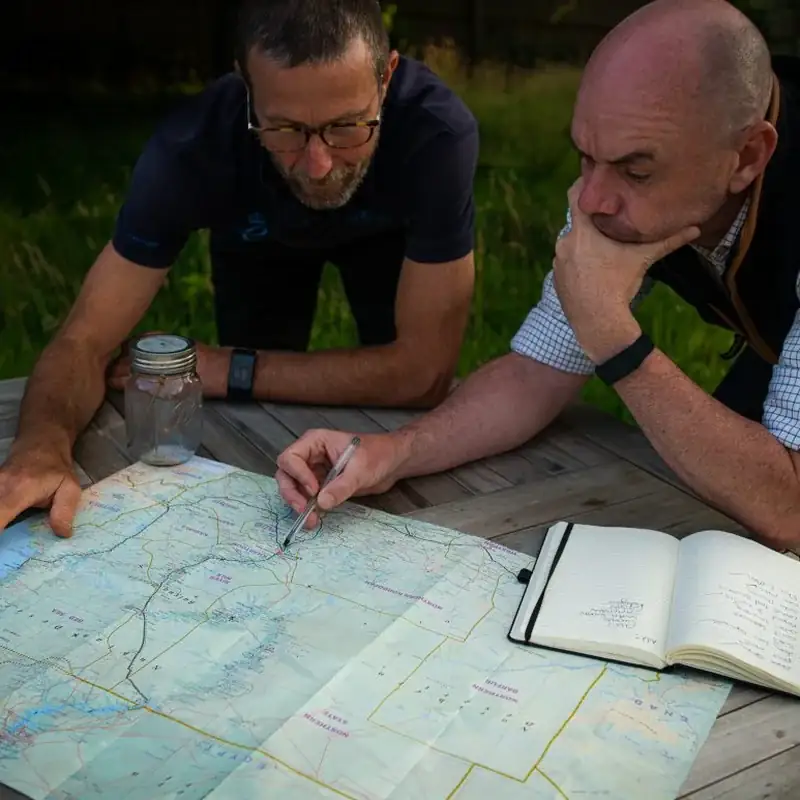
Every journey starts with a conversation. We take the time to understand your vision before we start planning.
Whether by phone or in person, we work with you directly to shape something that is considered, personal, and expertly delivered.
Every journey starts with a conversation. We favour a direct, personal approach: understanding your vision before anything else.
Whether by phone or in person, we work with you directly to shape a journey that is both thoughtfully considered and expertly delivered.
Get in touch to start planning yours.