



kenya & tanzania
riding the conservancies to the serengeti
Thirteen nights linking northern Kenya's conservancies to the Maasai Mara and the northern Serengeti's migration country.
- Private Safari
- From $21,375 pp
- 2 guests
- 13 nights
The route links three of Kenya’s conservancies over 13 nights, beginning in Nairobi below the Ngong Hills. From there it moves to Amboseli, where community-held Maasai land carries elephants between the park and the Chyulu Hills under Kilimanjaro. Next comes Mara North, a low-density conservancy on the northern Maasai Mara plains, and it closes in the Laikipia Highlands at Borana, a private rhino sanctuary beside Lewa.
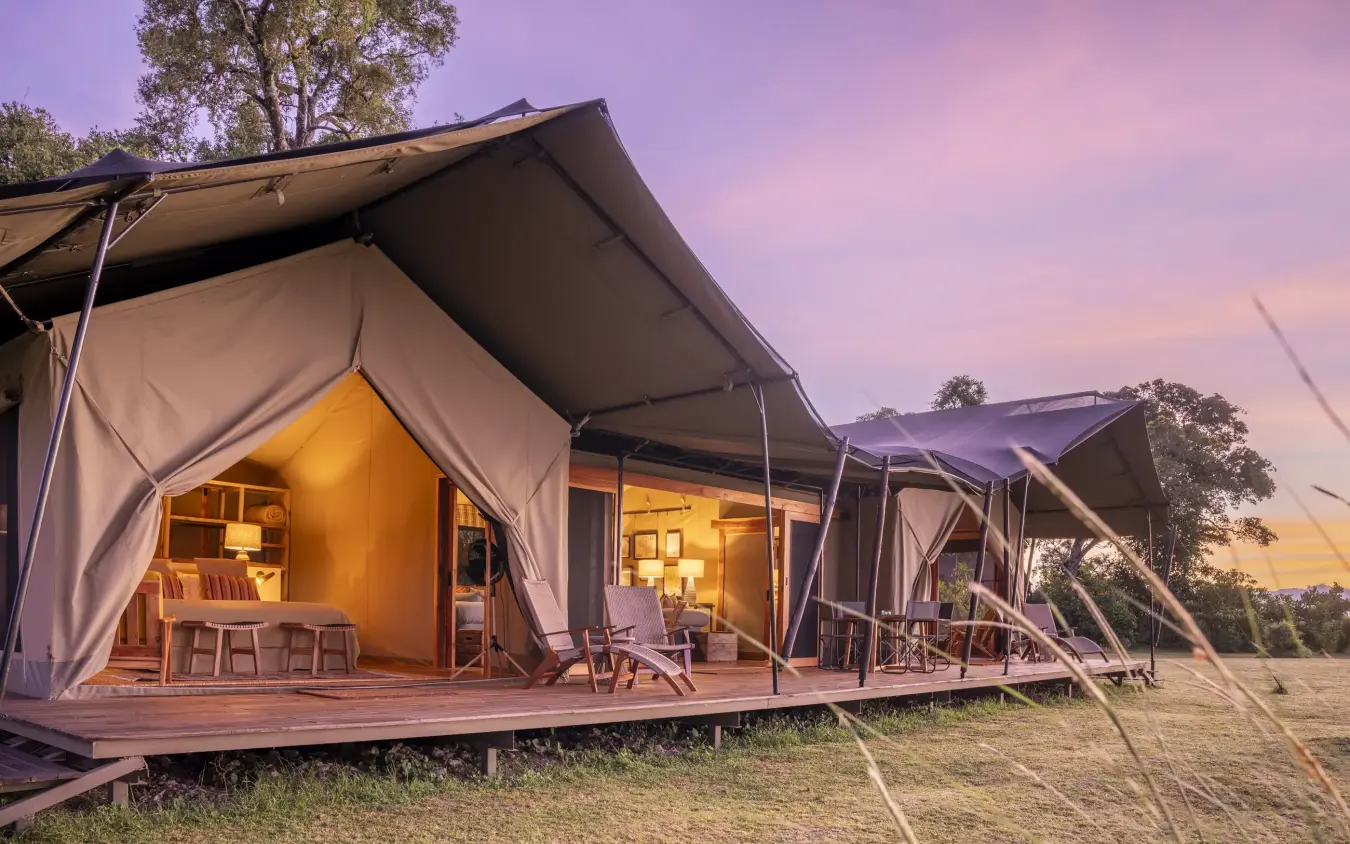
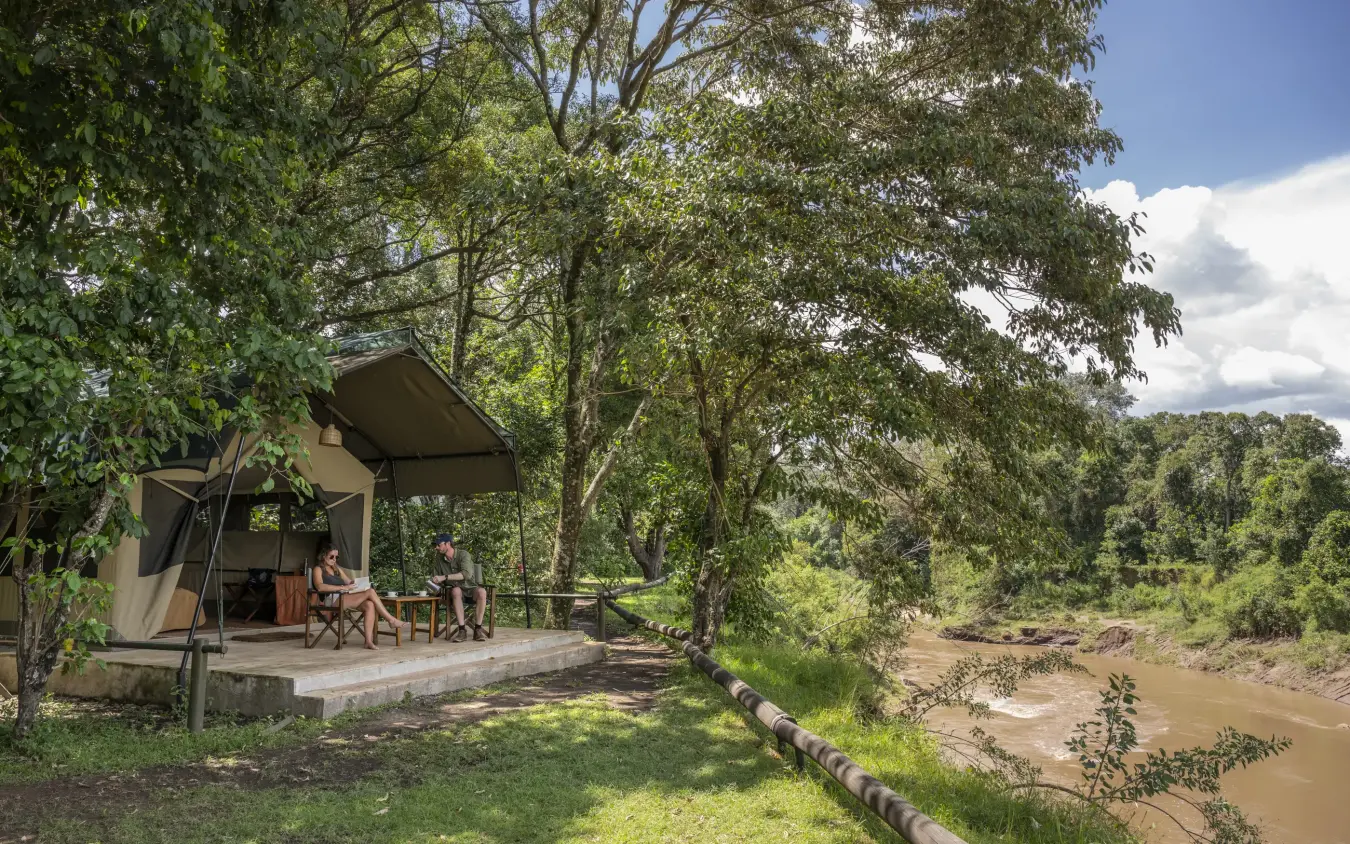
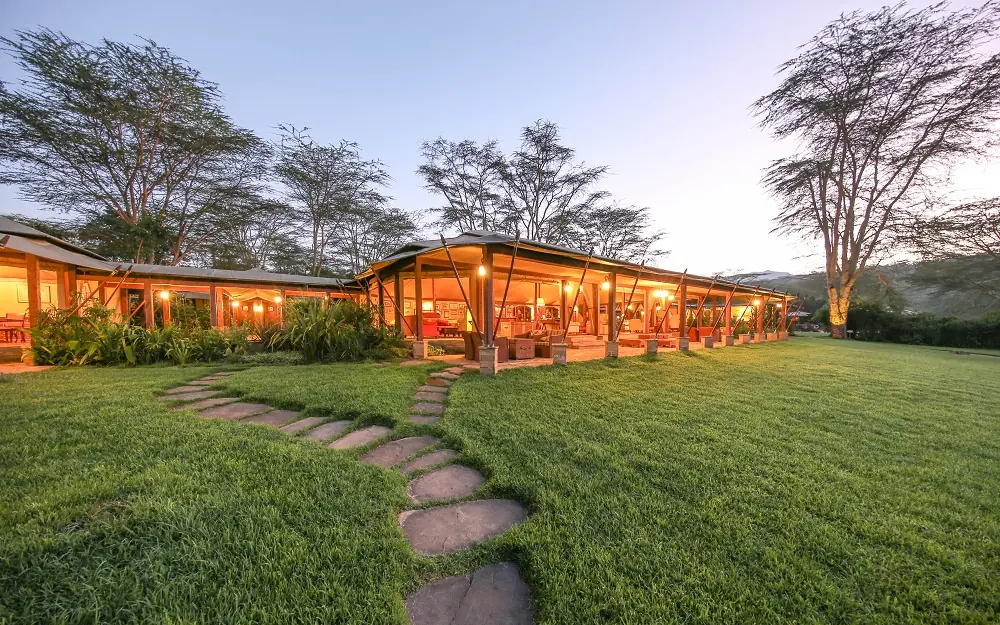
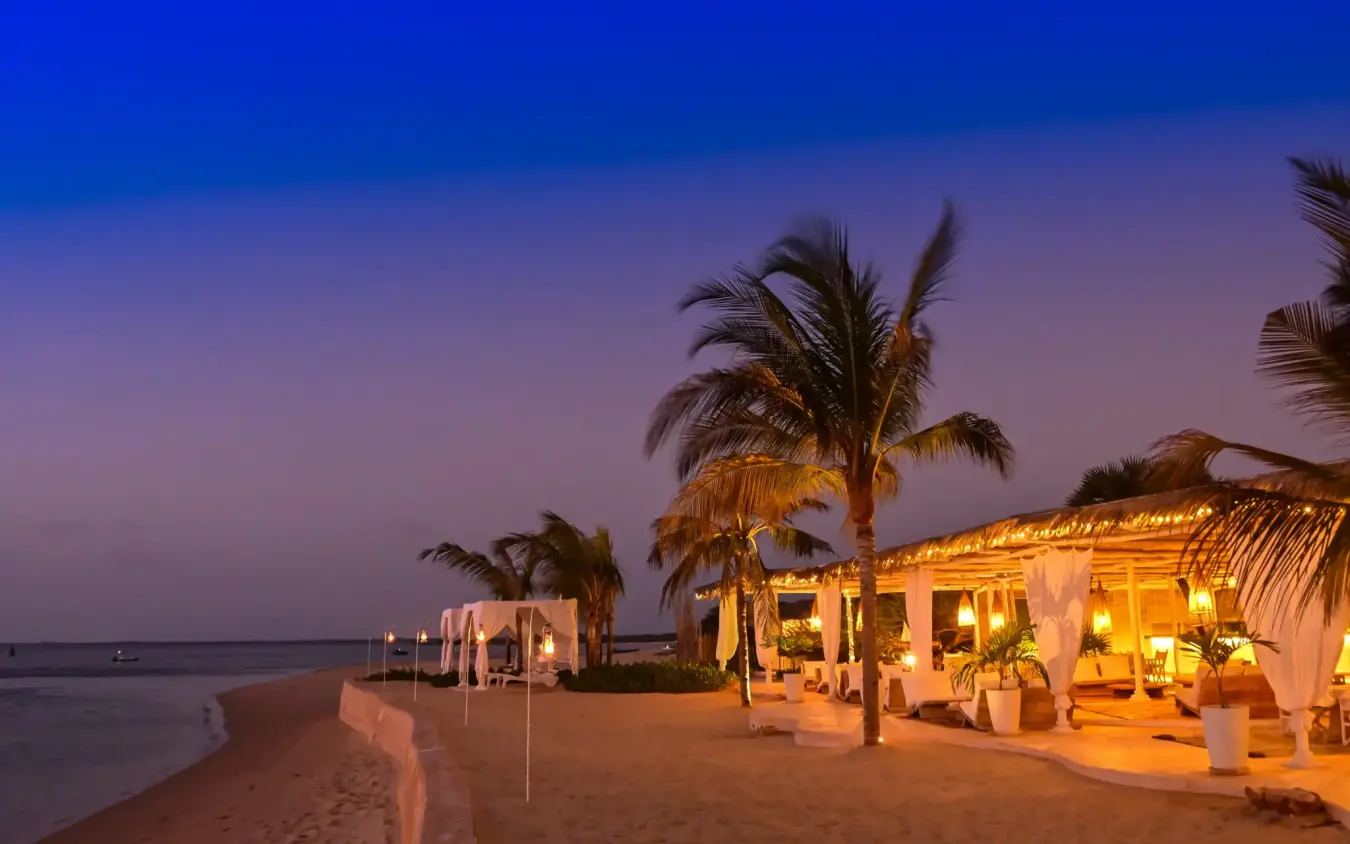
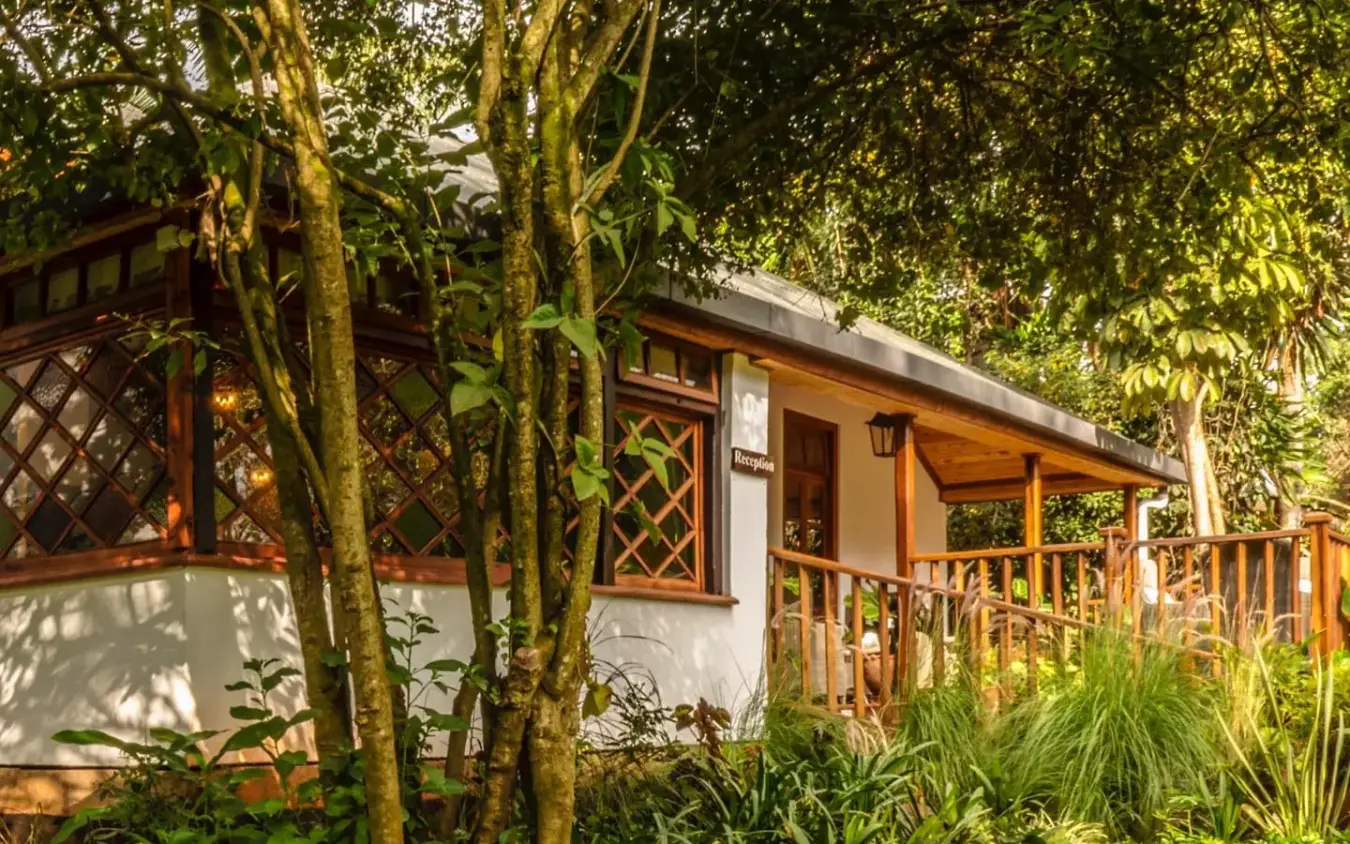
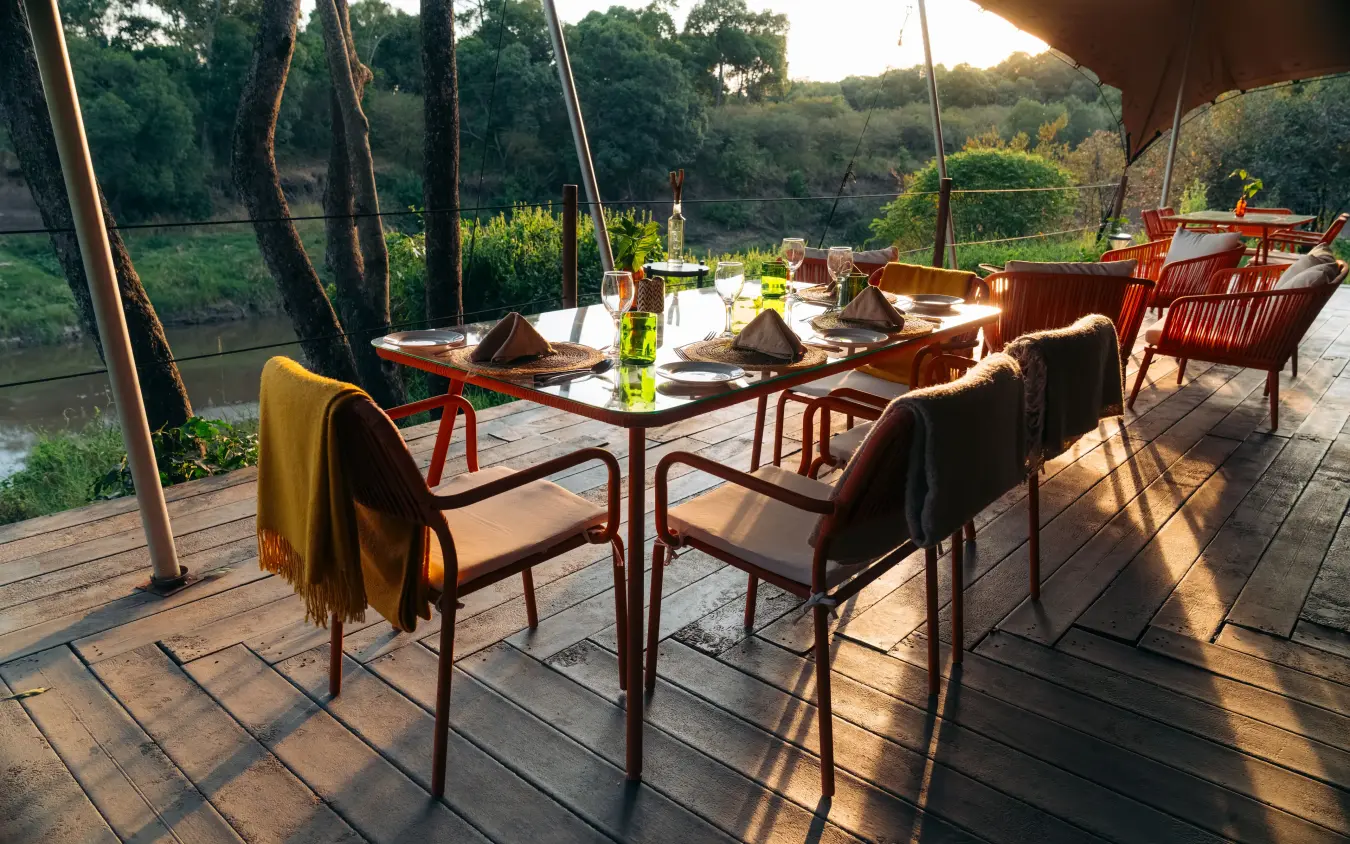
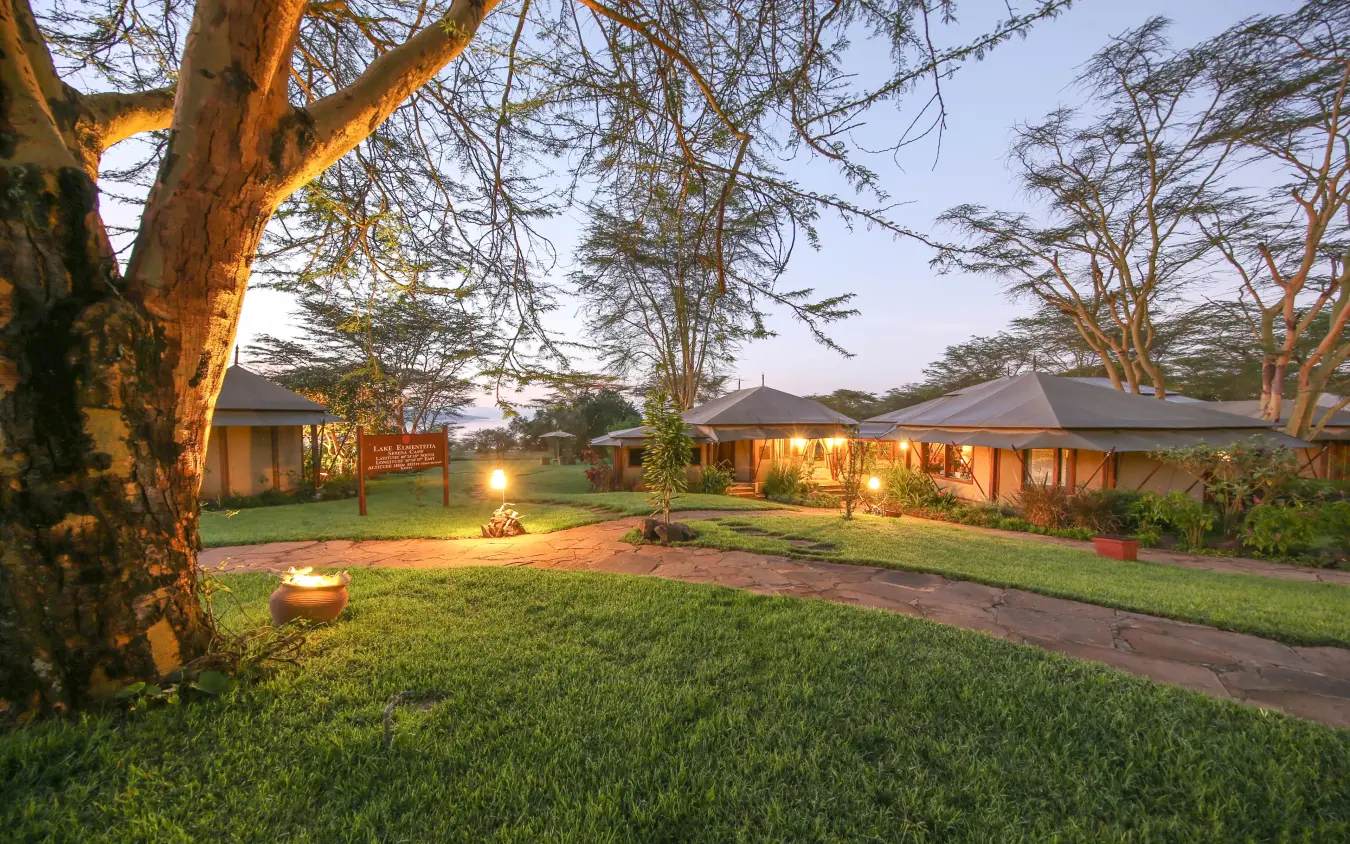
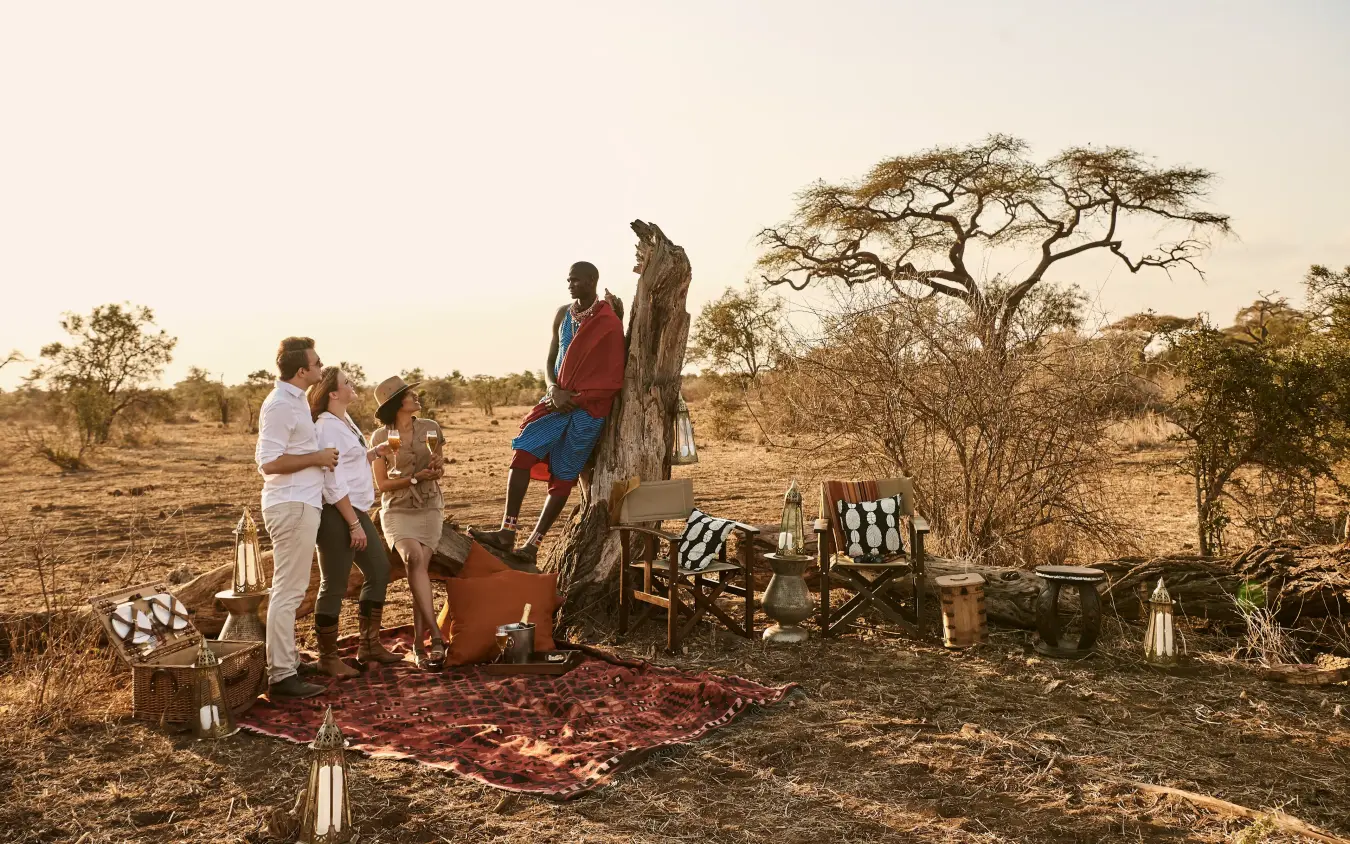
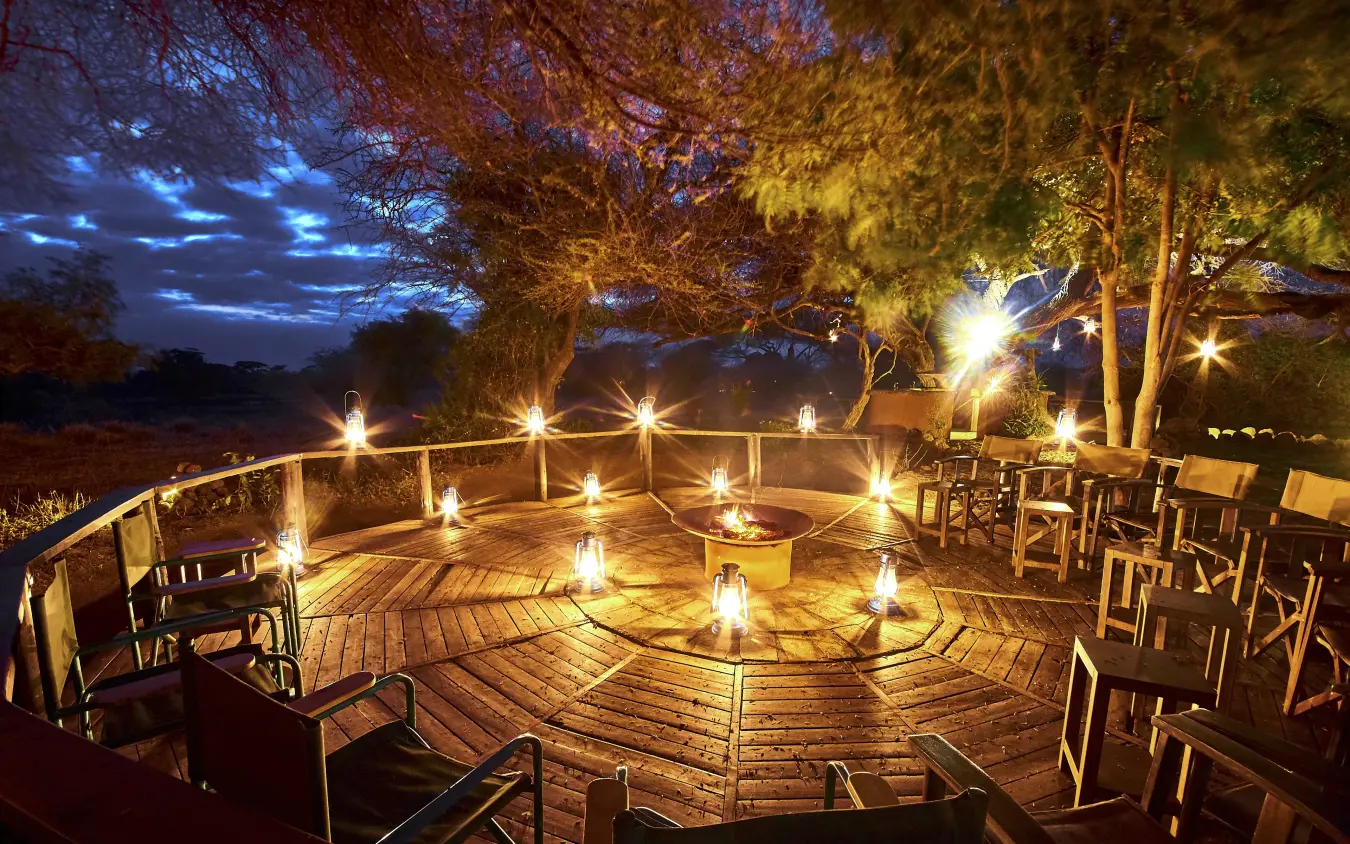
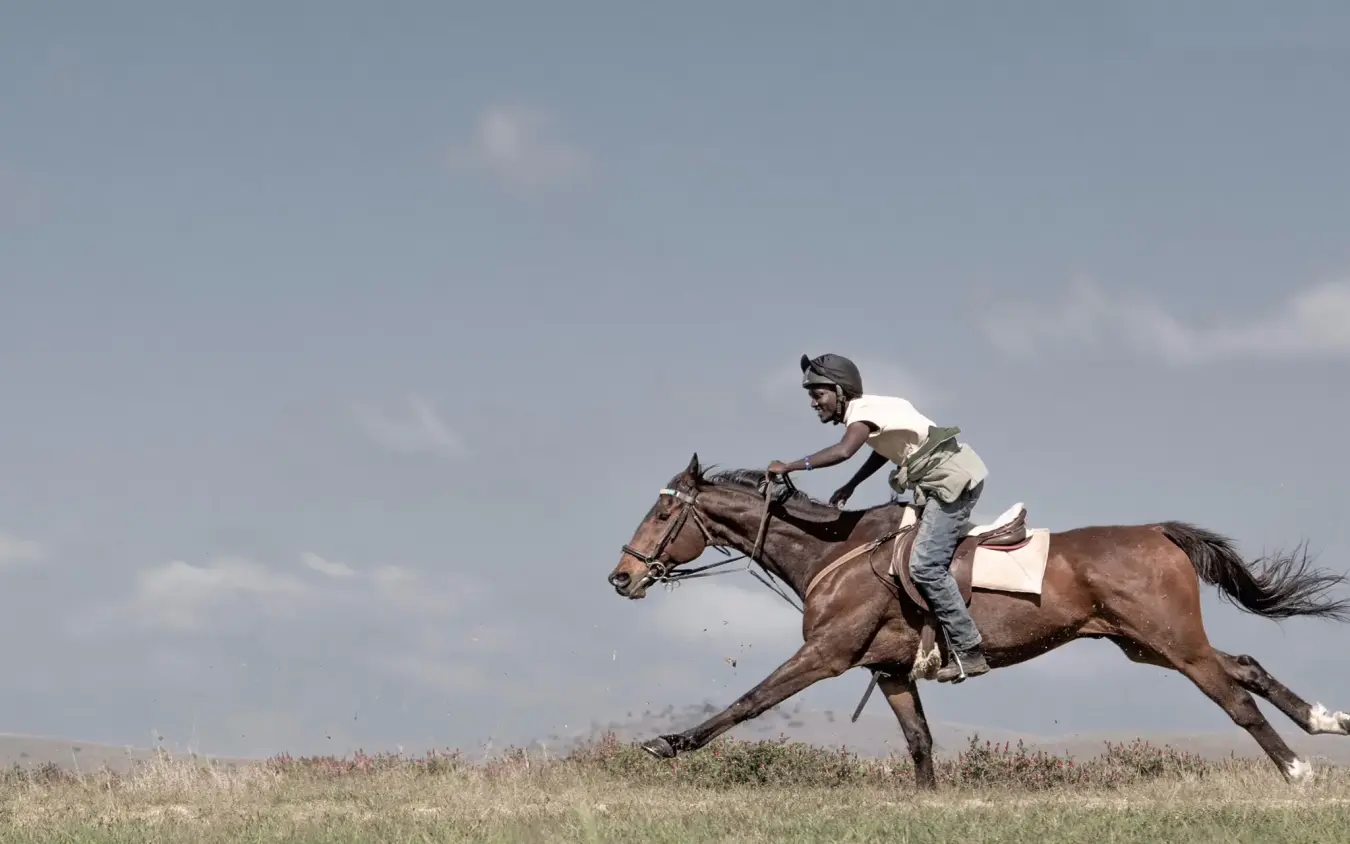
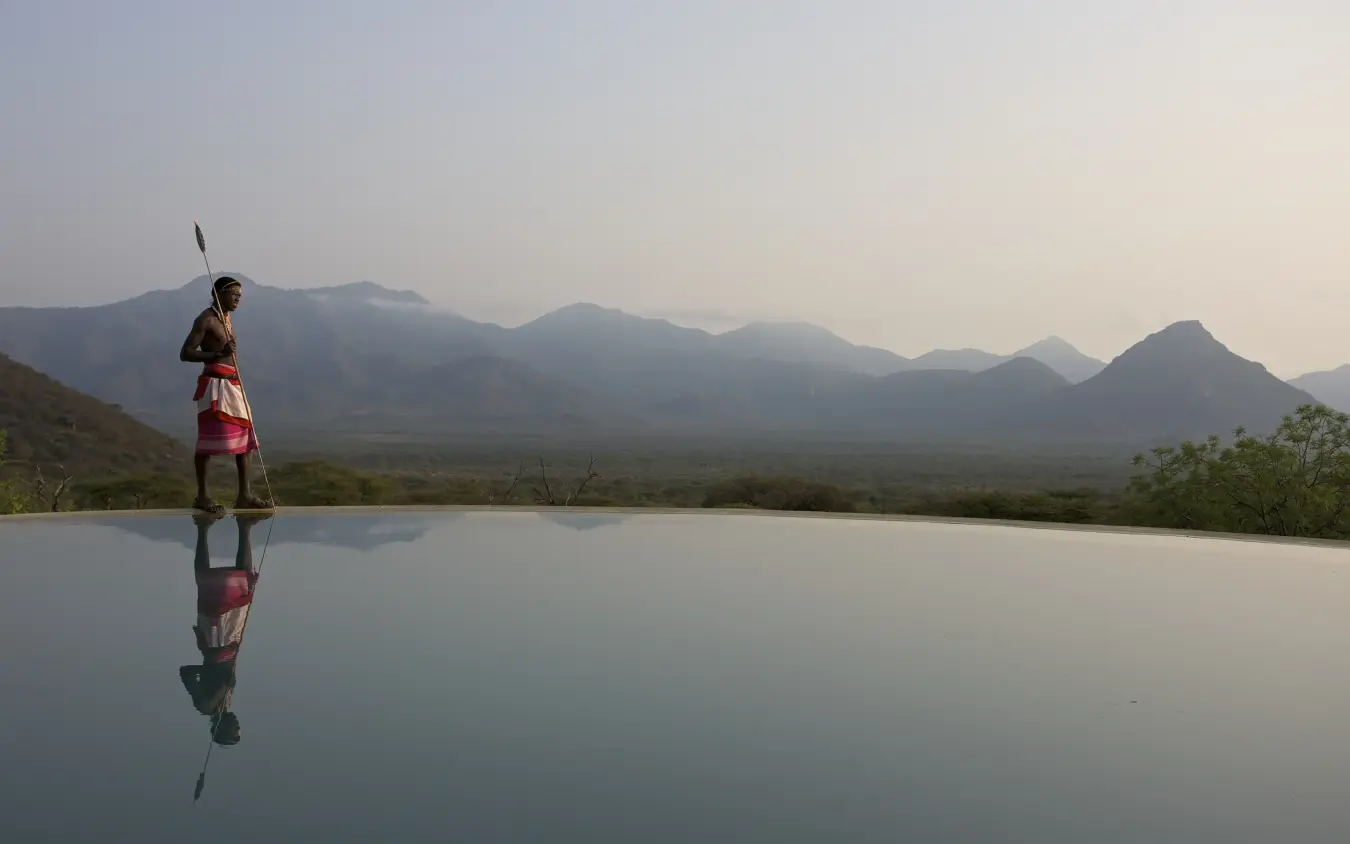
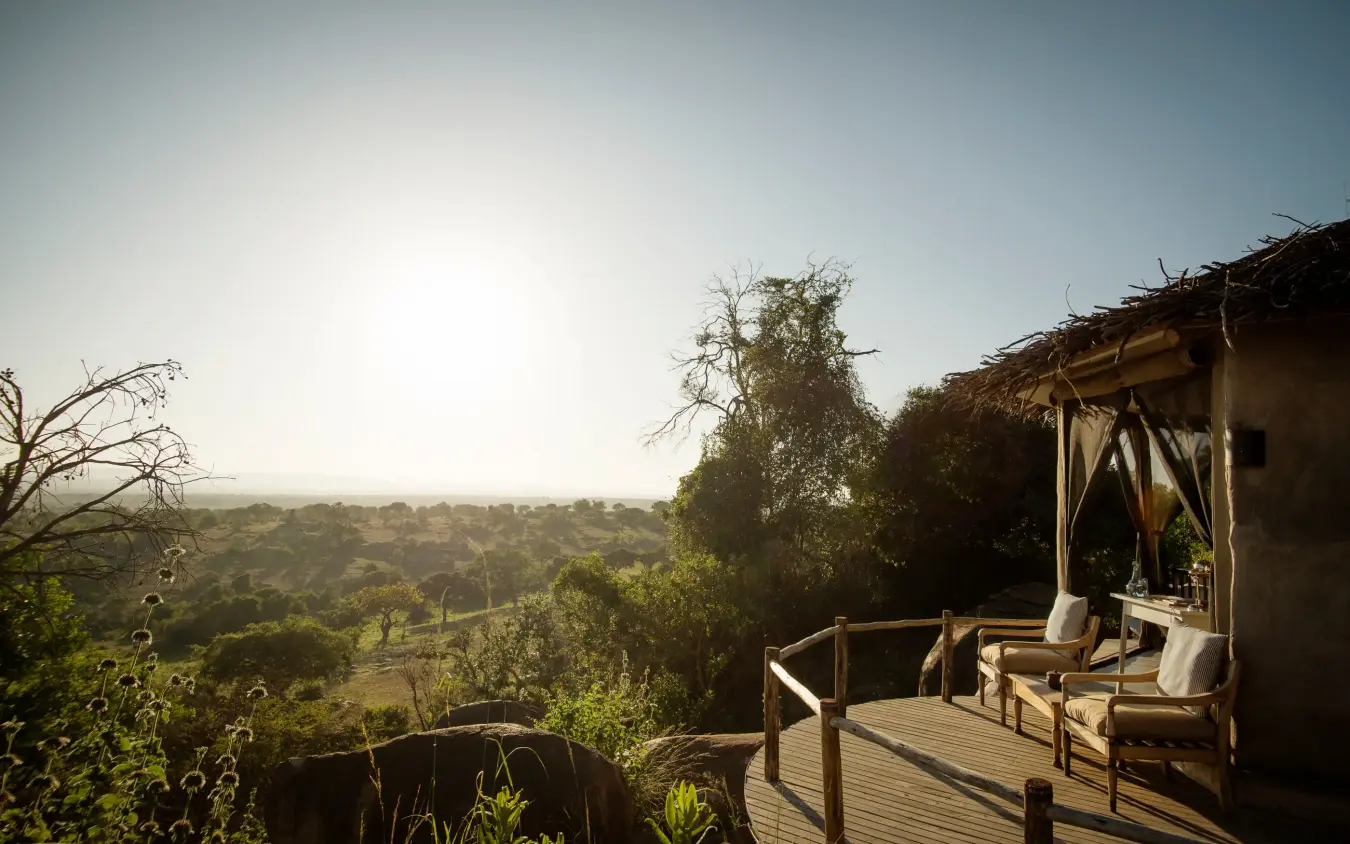
You travel by game drive across private conservancies, which allows night drives, off-road approaches and guided walks the national parks do not. Days hold morning and afternoon drives, walks on foot and, at Borana, horse riding and biking. Each lodge is a small property rooted in its landscape, from a Lamu-inspired home in Karen to tented and stone cottages built into their ground.
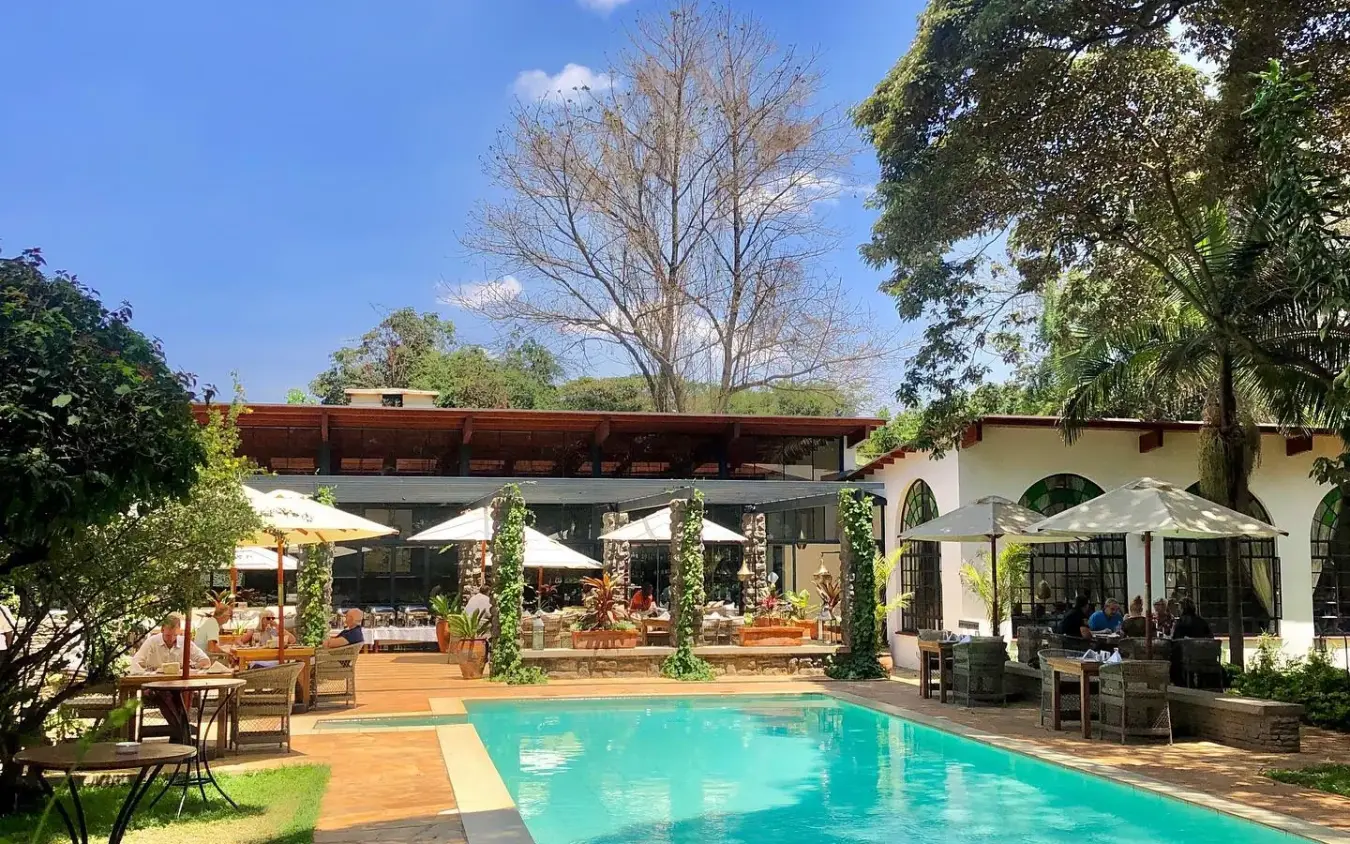
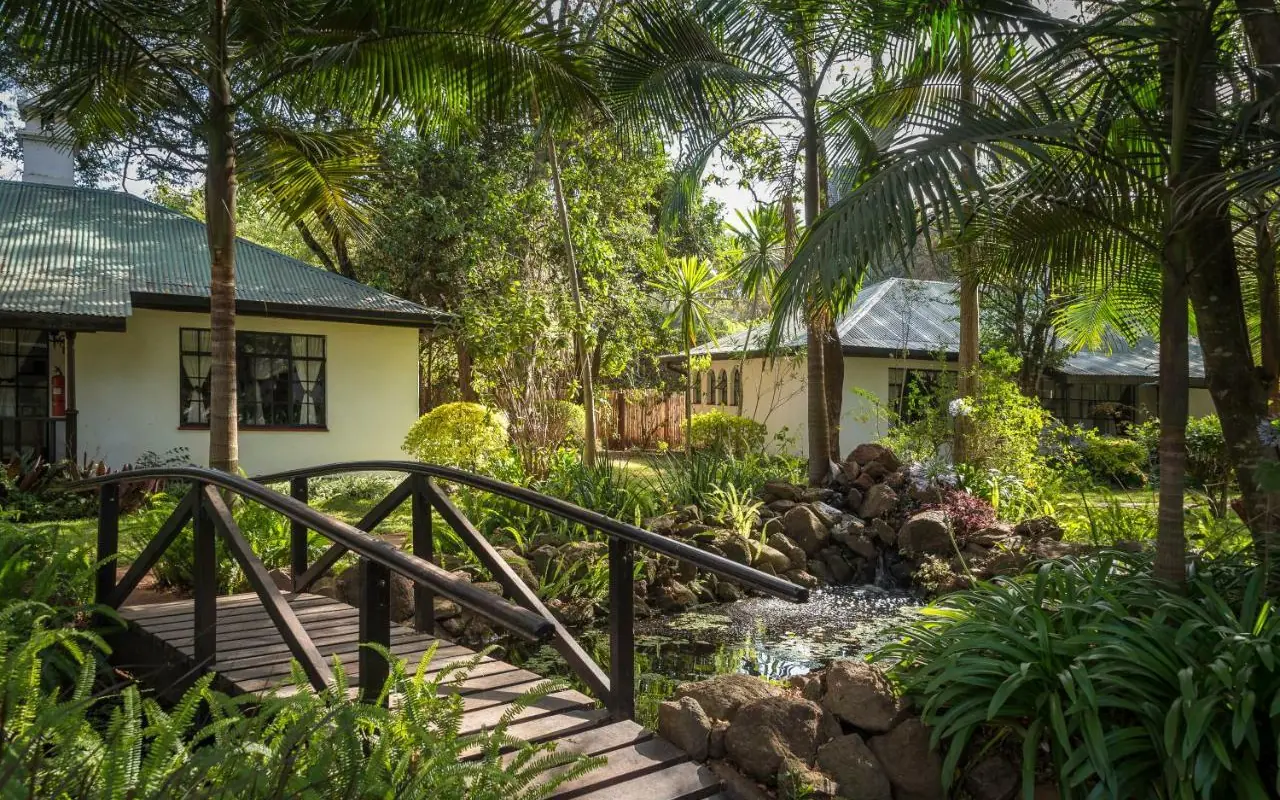
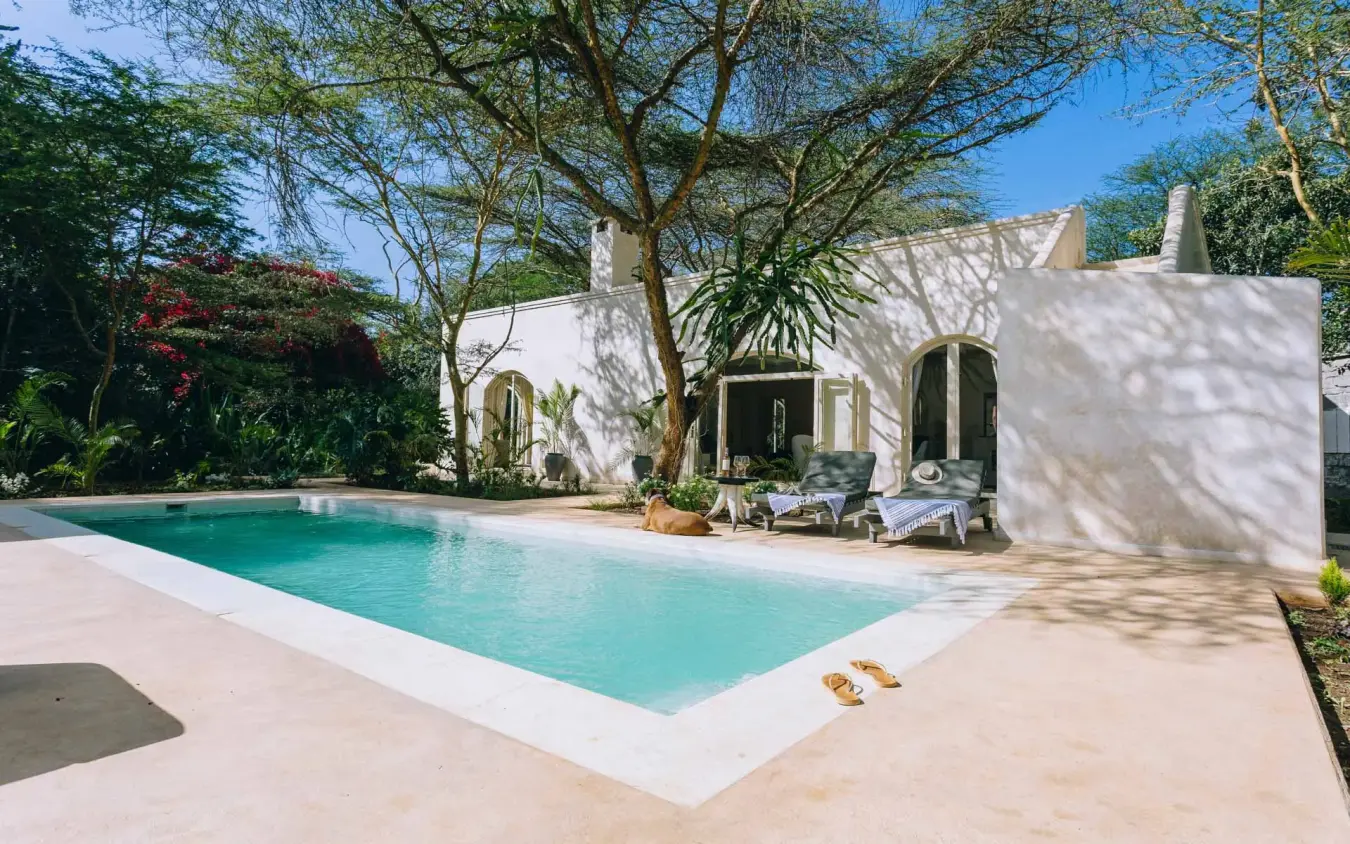
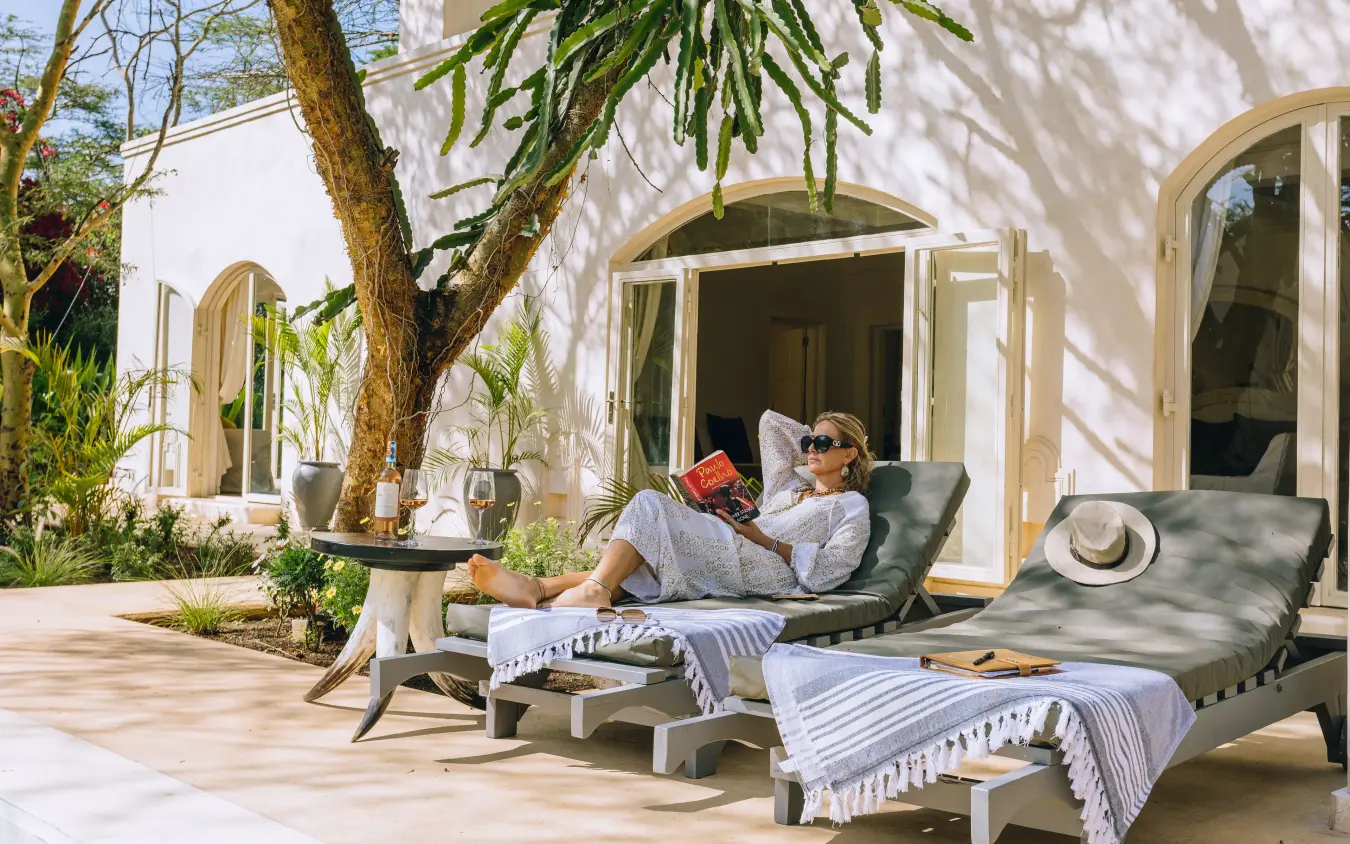
Your first night sits in Karen, a leafy Nairobi suburb at the foot of the Ngong Hills, with Nairobi National Park, the Giraffe Centre and the Sheldrick Wildlife Trust all close by. At around 1,795 metres the air is cool and dry, a comfortable place to rest before hotter country. Built by the Roumeguere family on their own land, Manzili House was raised by artisans brought up from Lamu, its white living spaces opening onto a central courtyard and pool. An in-house chef cooks to order, and every bedroom has a private veranda.
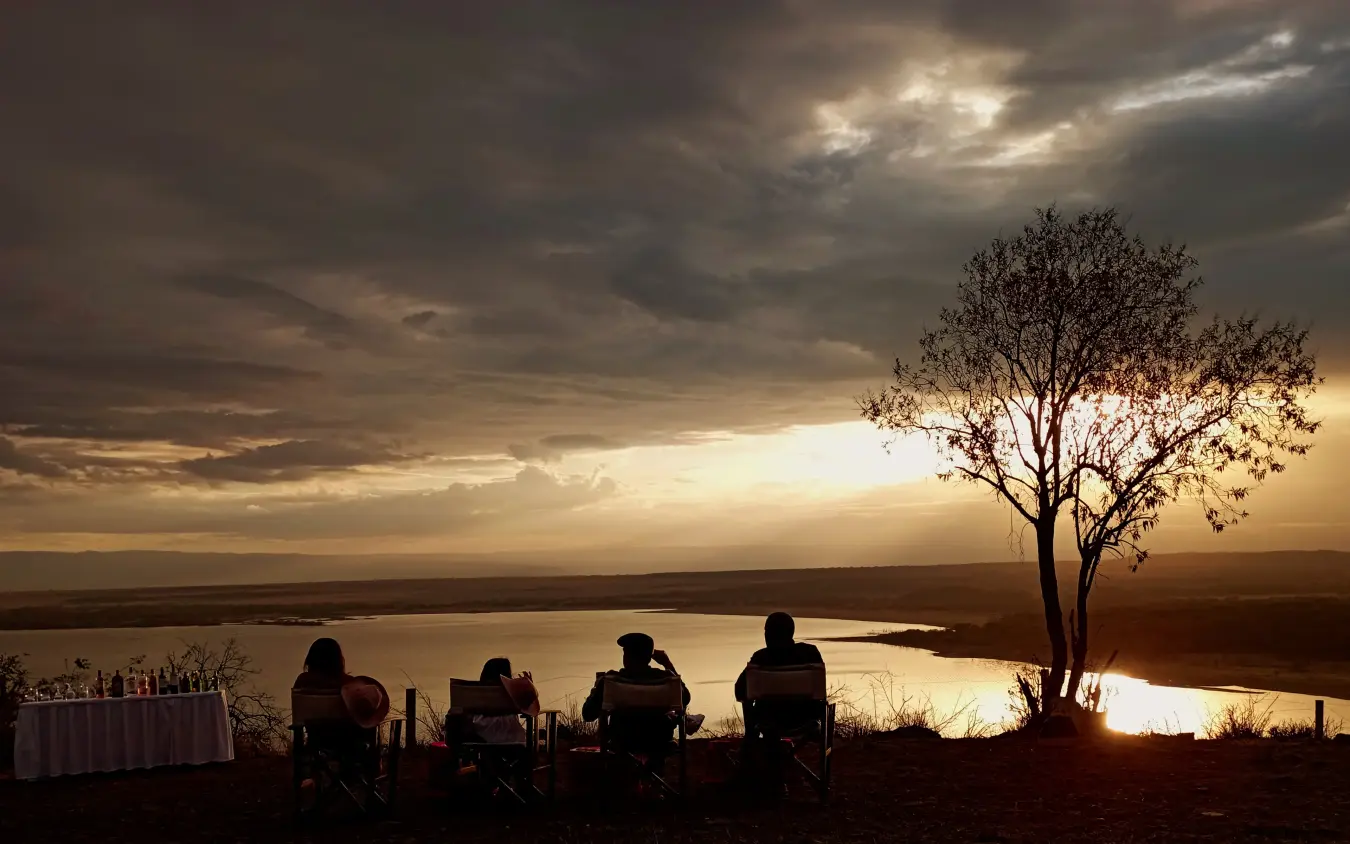
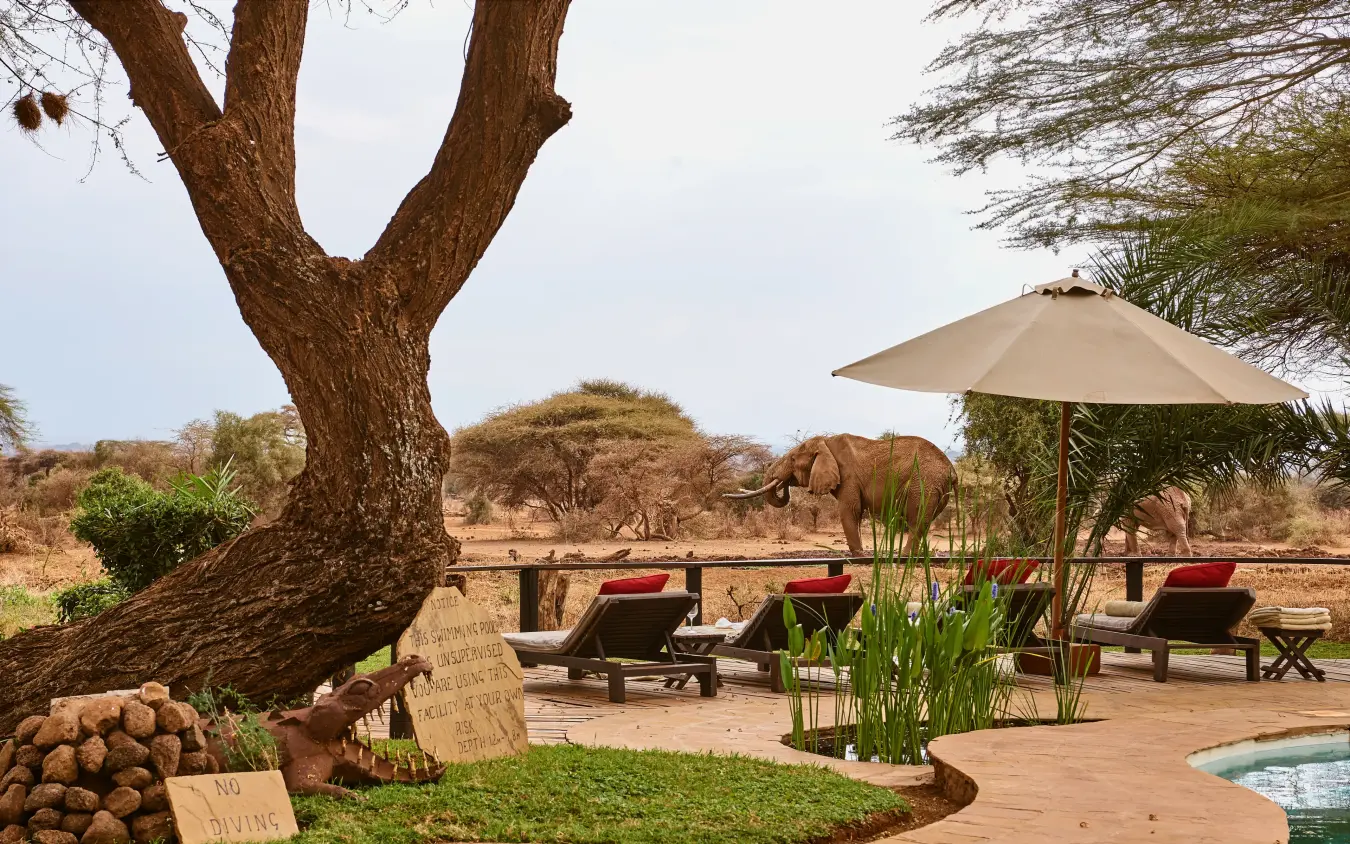
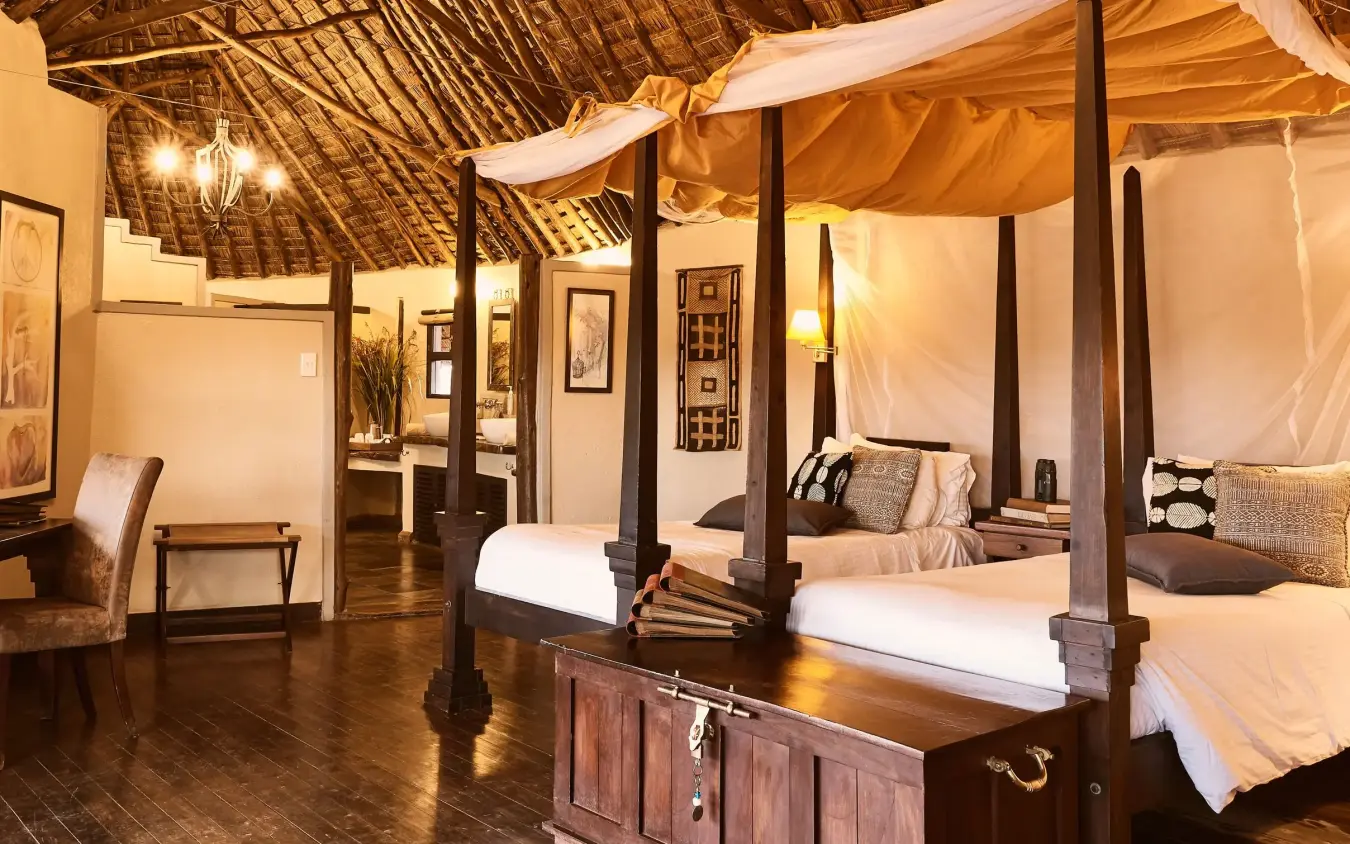
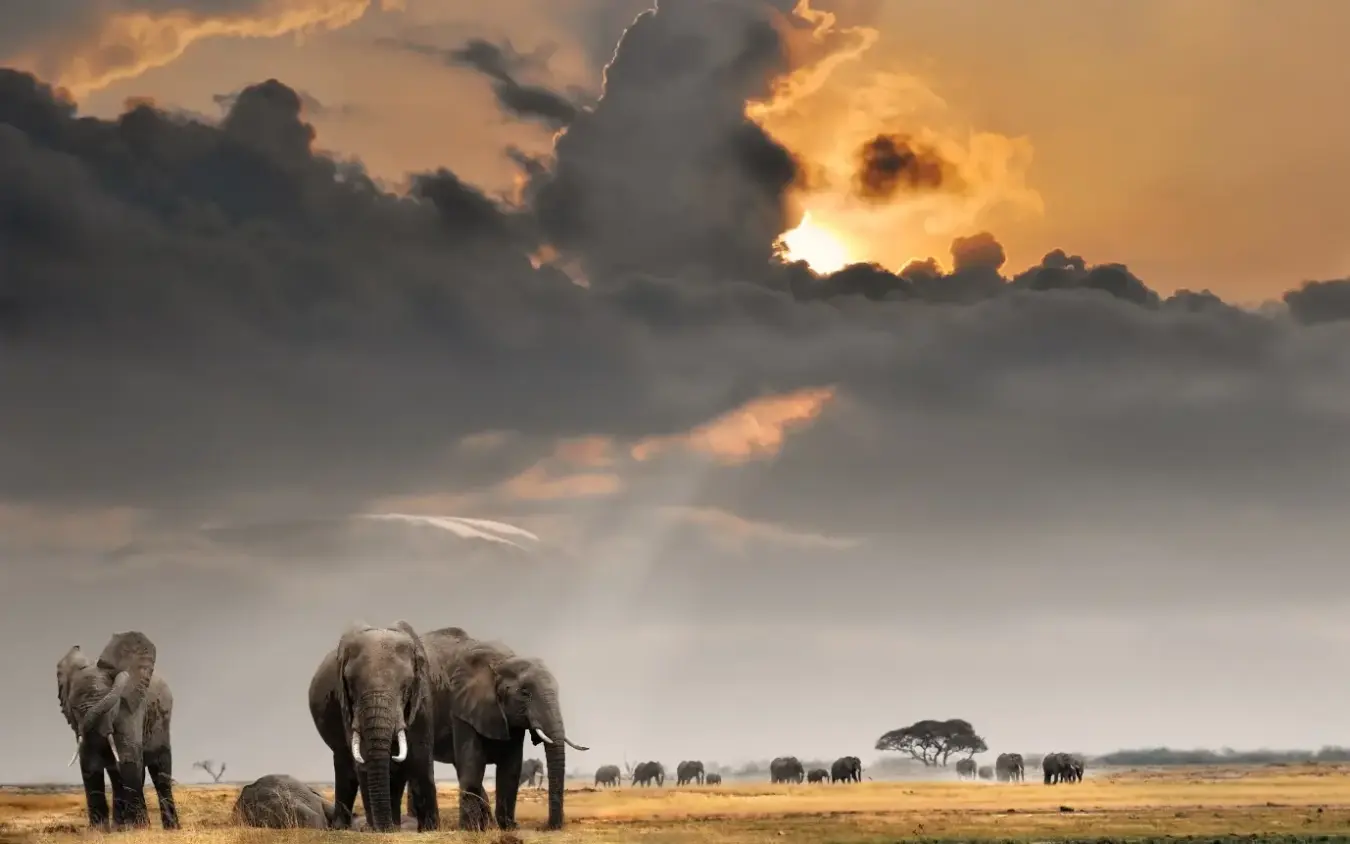
From Nairobi you come south to Amboseli, onto community-held Maasai land where elephant herds cross between the park and the Chyulu Hills. Because this is private conservancy rather than national park, the days can run night drives and walks on foot to read the tracks, while the Kimana Gate lets a morning move into the park itself. A waterhole sets the rhythm, drawing elephant, buffalo and giraffe, with more than 400 bird species recorded across the wider land. Tawi Lodge stands within the conservancy, its thatched cottages turned toward Kilimanjaro, with two bars, a mezzanine library and a small spa.
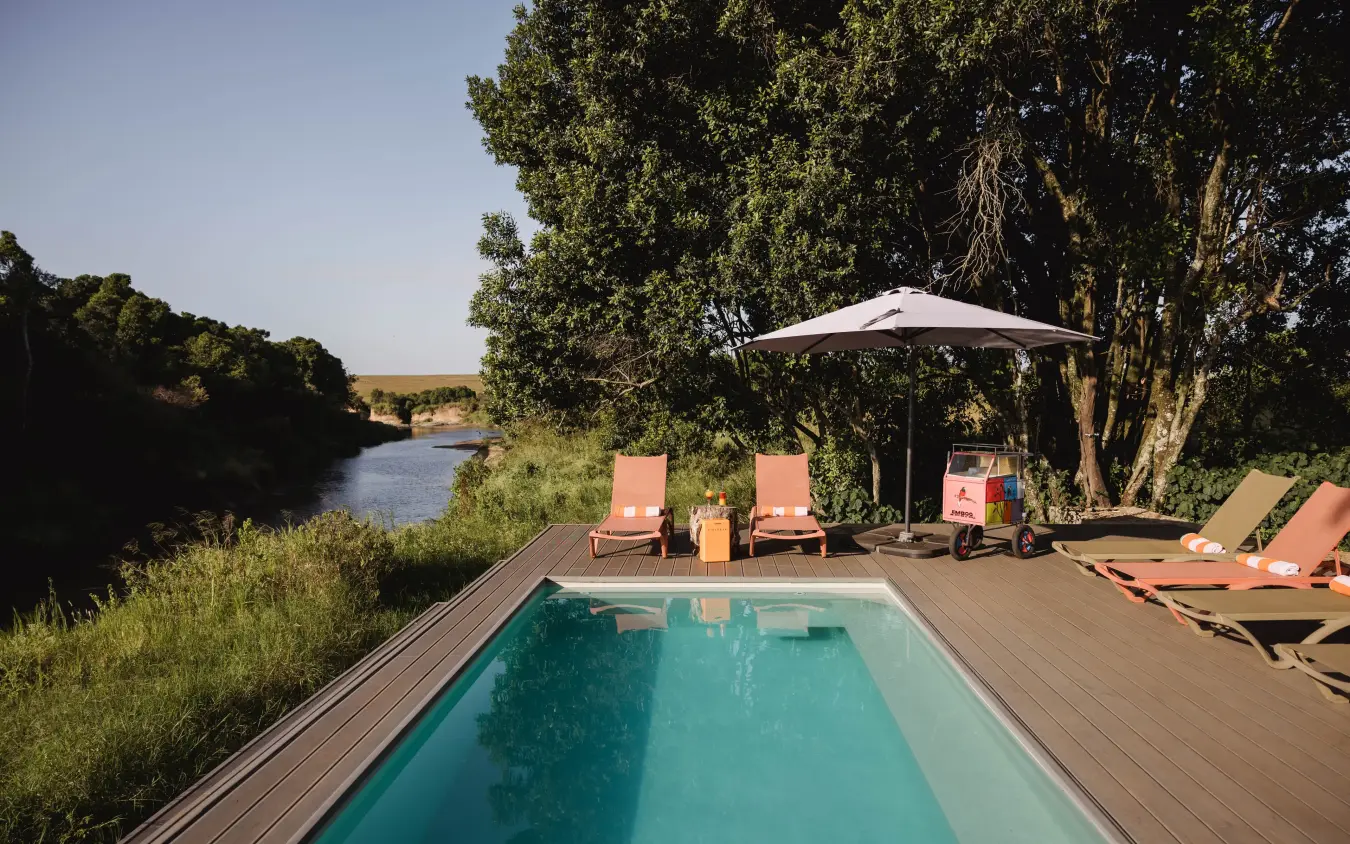
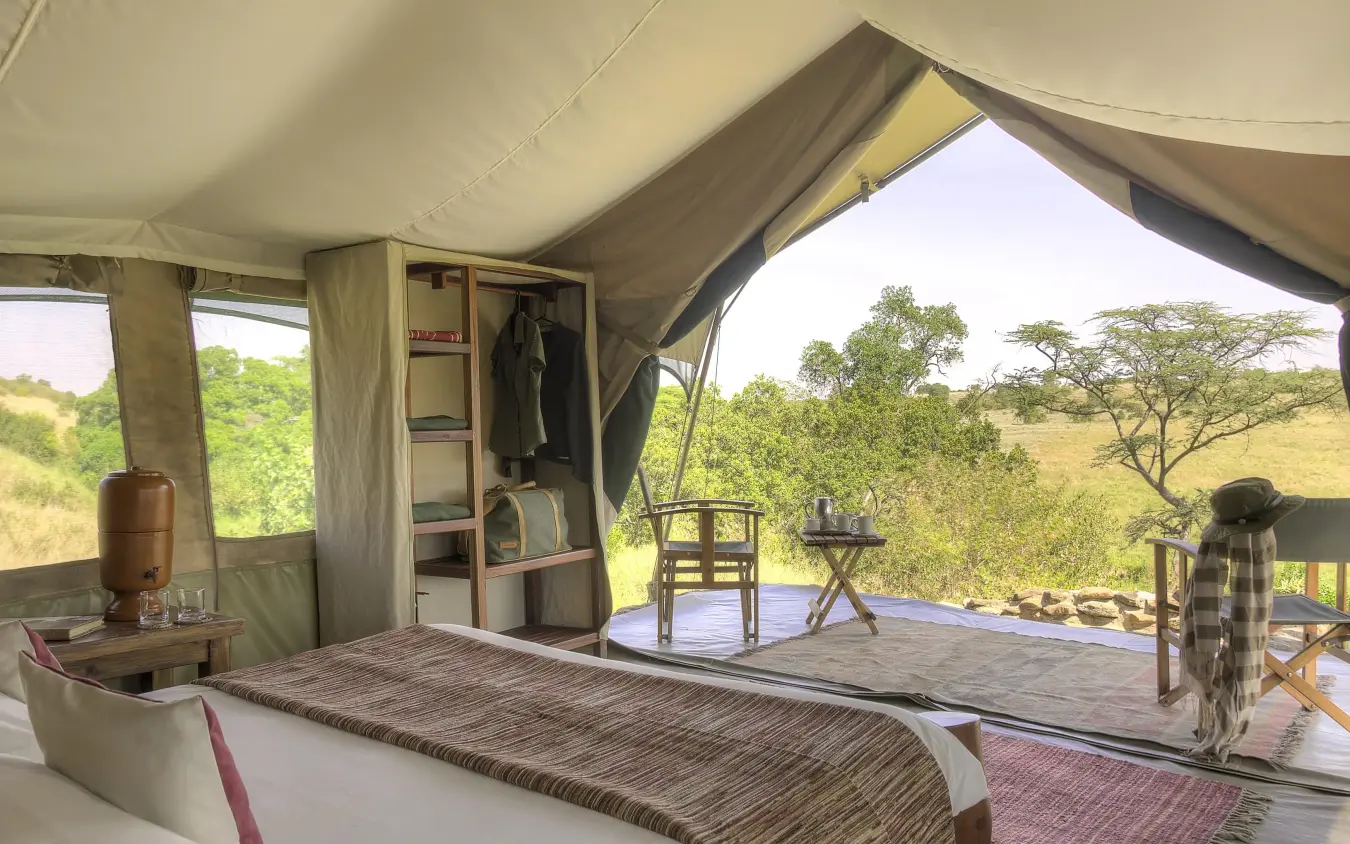
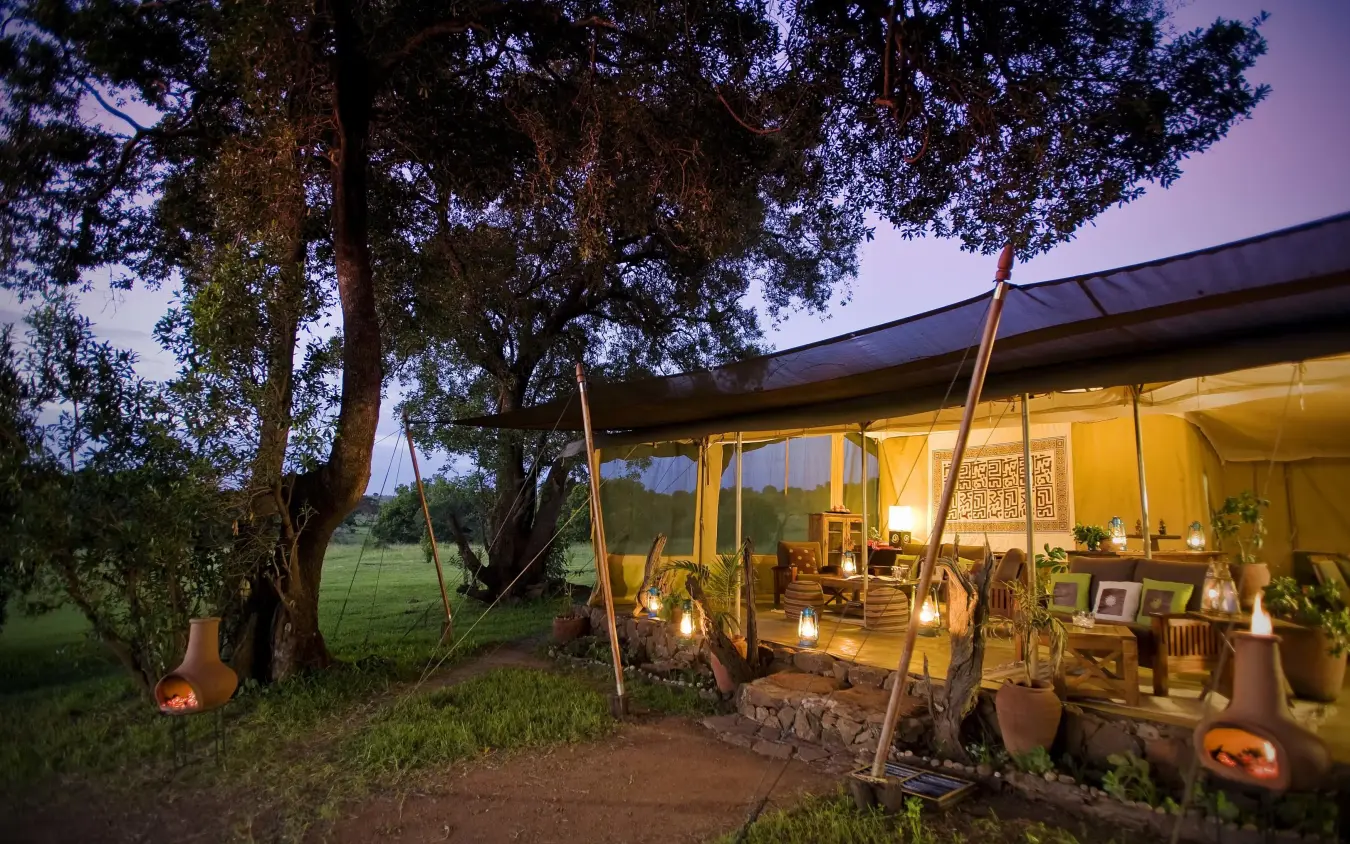
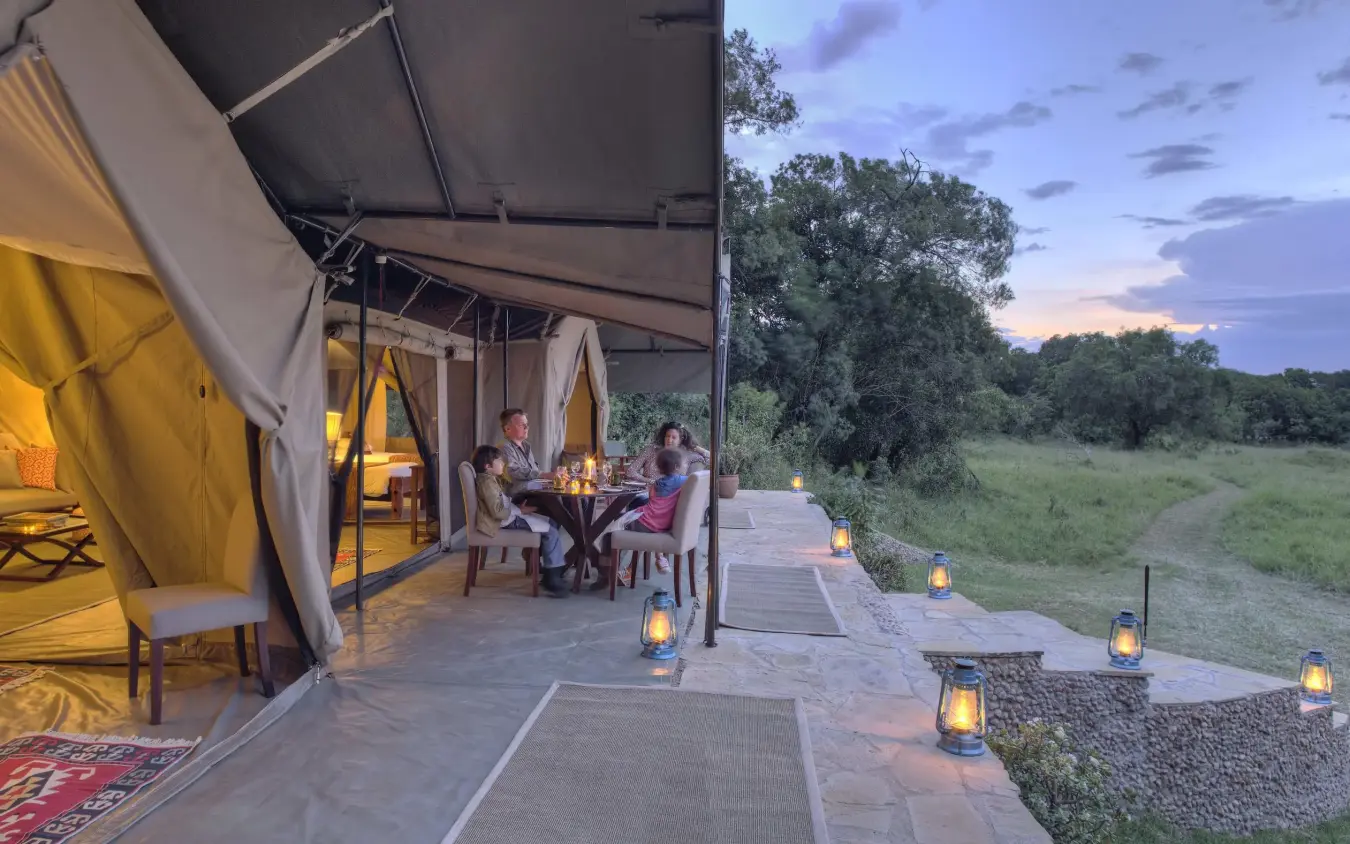
North on the Maasai Mara plains, Mara North Conservancy works to a low-density model, with no more than five vehicles at any sighting and bed numbers kept deliberately low. The result is quiet, uncrowded predator viewing on the border of the reserve, and Mara North carries strong predator numbers the year round; from roughly July to October wildebeest and zebra pour across the plains. Game drives run in 4x4s morning and afternoon, off-road driving is permitted, and balloon flights and armed bush walks fill out the days. Kicheche Mara North sits in Acacia Valley in a grove of wild olive, its guides all holding a Silver-level rating.
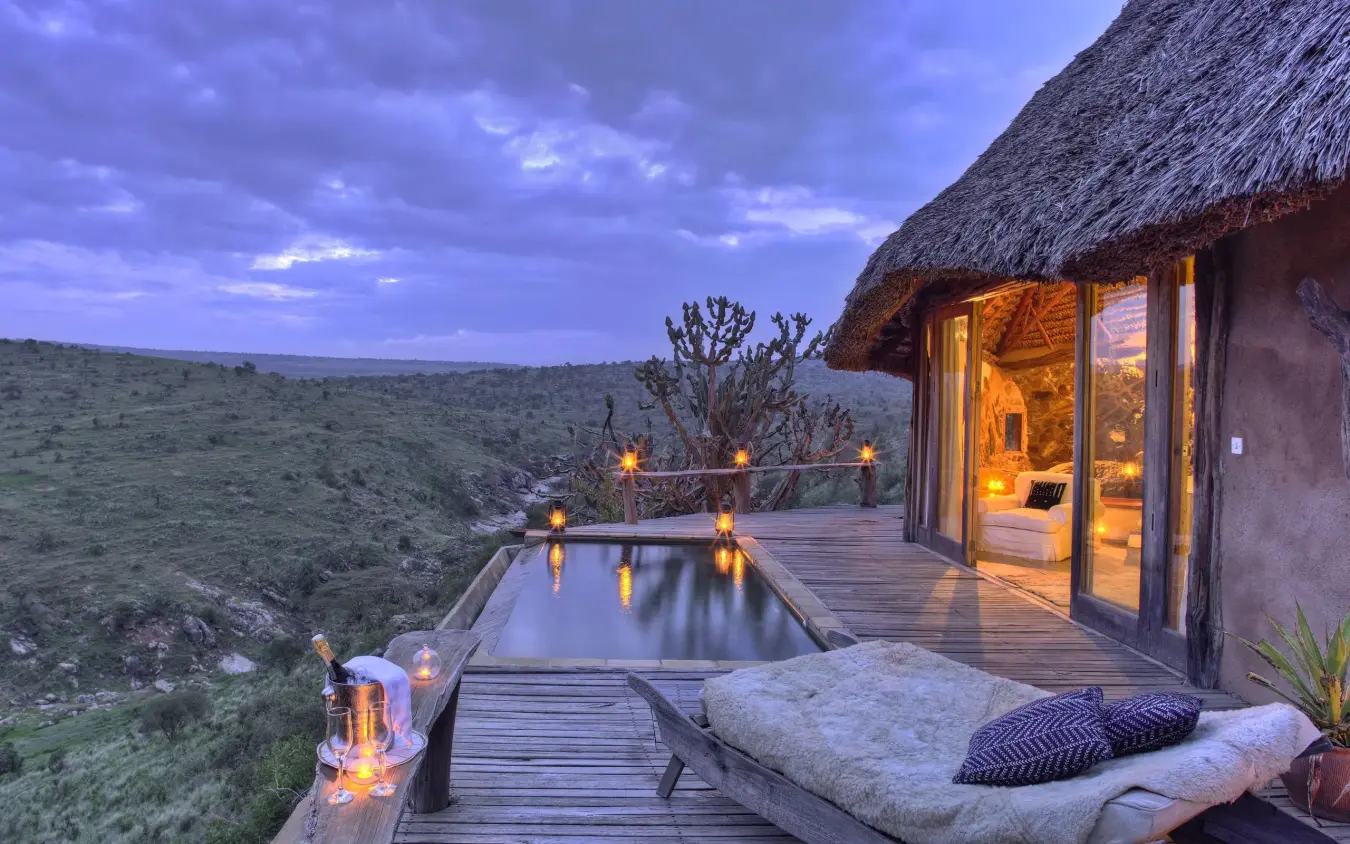
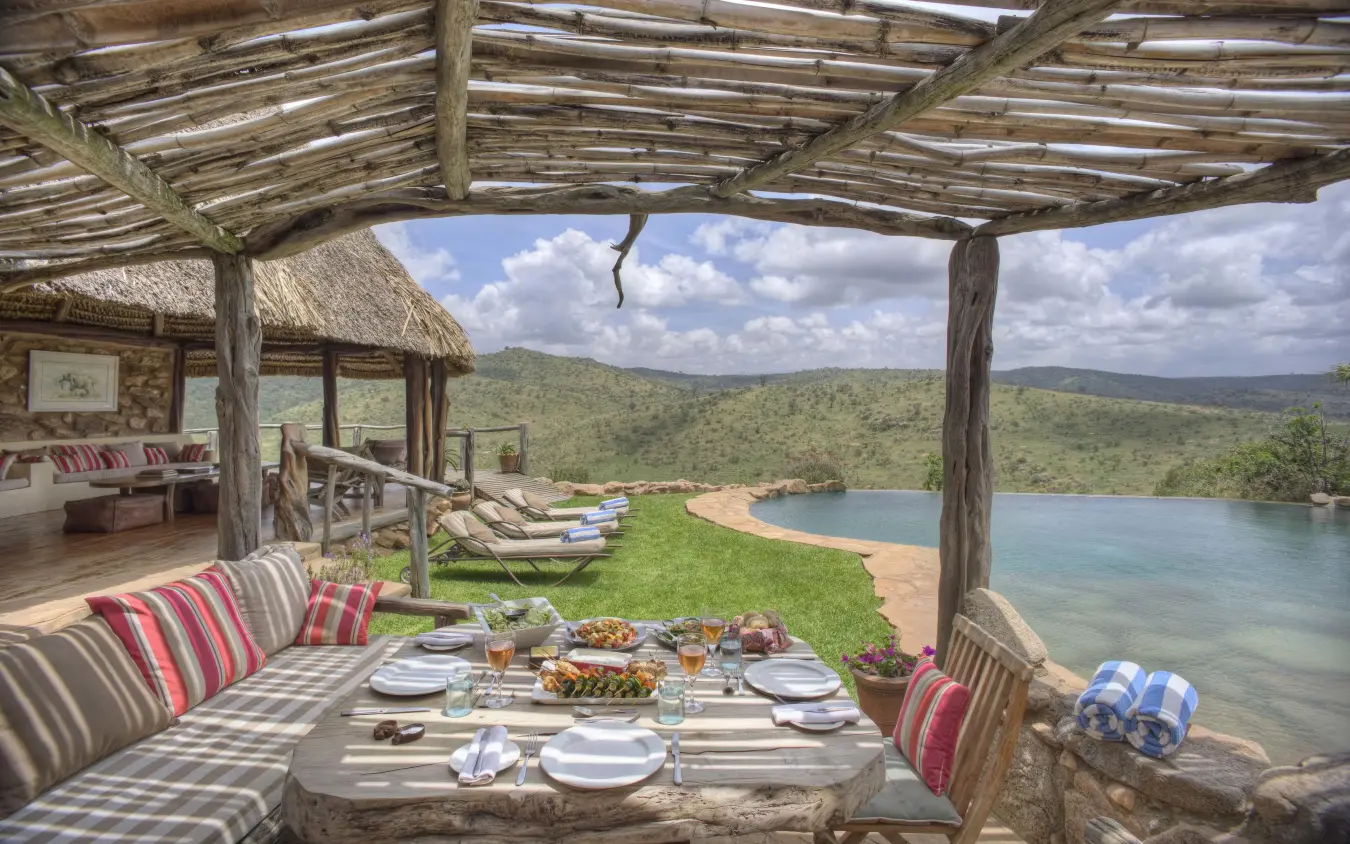
The trip ends in the Laikipia Highlands at Borana, a private rhino sanctuary above the Samangua Valley with Mount Kenya to the south. Twenty-one black rhino were reintroduced in 2013, and since the boundary with Lewa came down the two form a single landscape of 93,000 acres, now home to more than 270 black and white rhino. You can track rhino on foot with the rangers who monitor them daily, ride among zebra and giraffe, and take night drives and guided walks. Borana Lodge sits terraced into a hillside in eight cottages of local stone and cedar, above a dam that draws elephant, giraffe and baboon through the day.
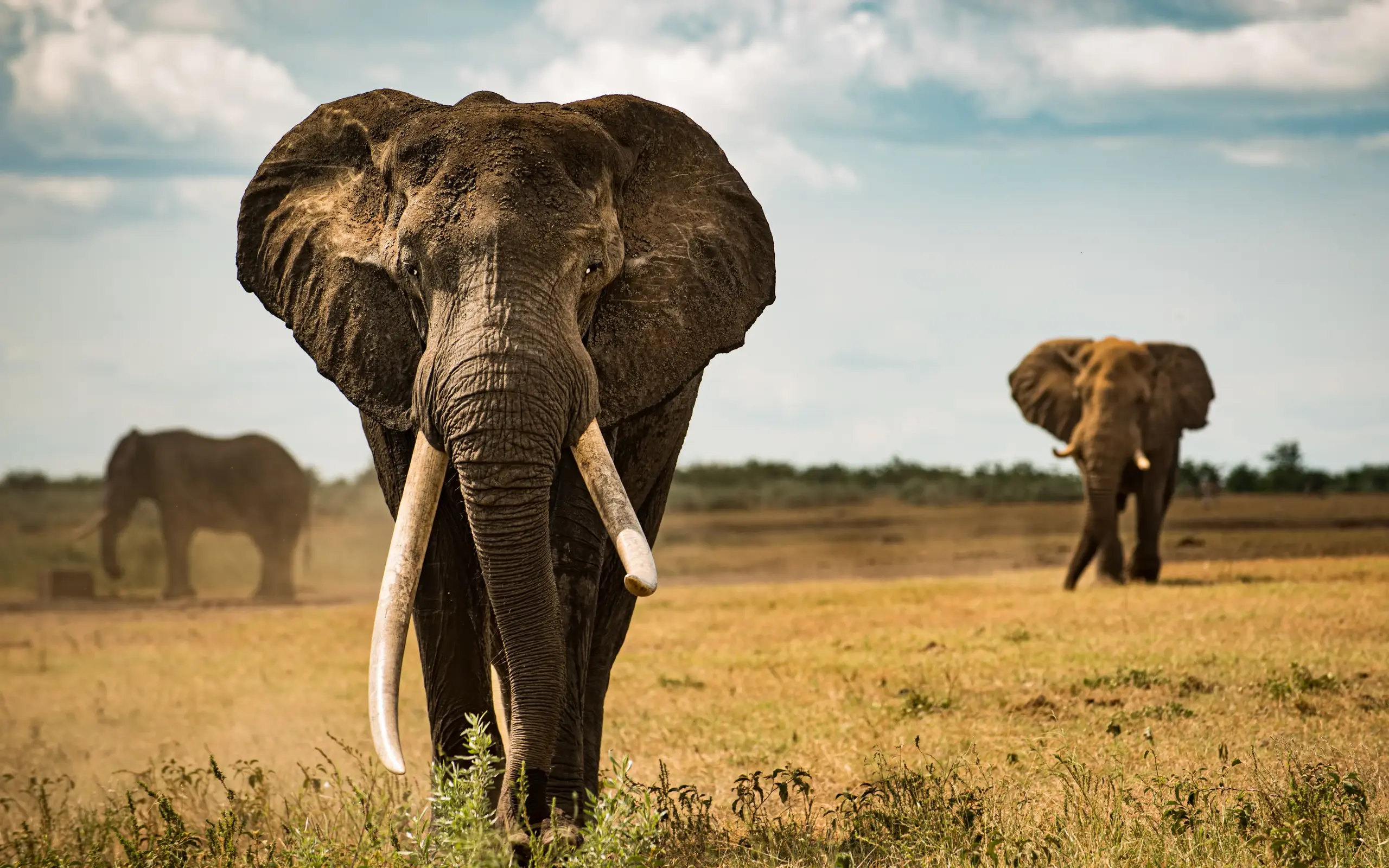
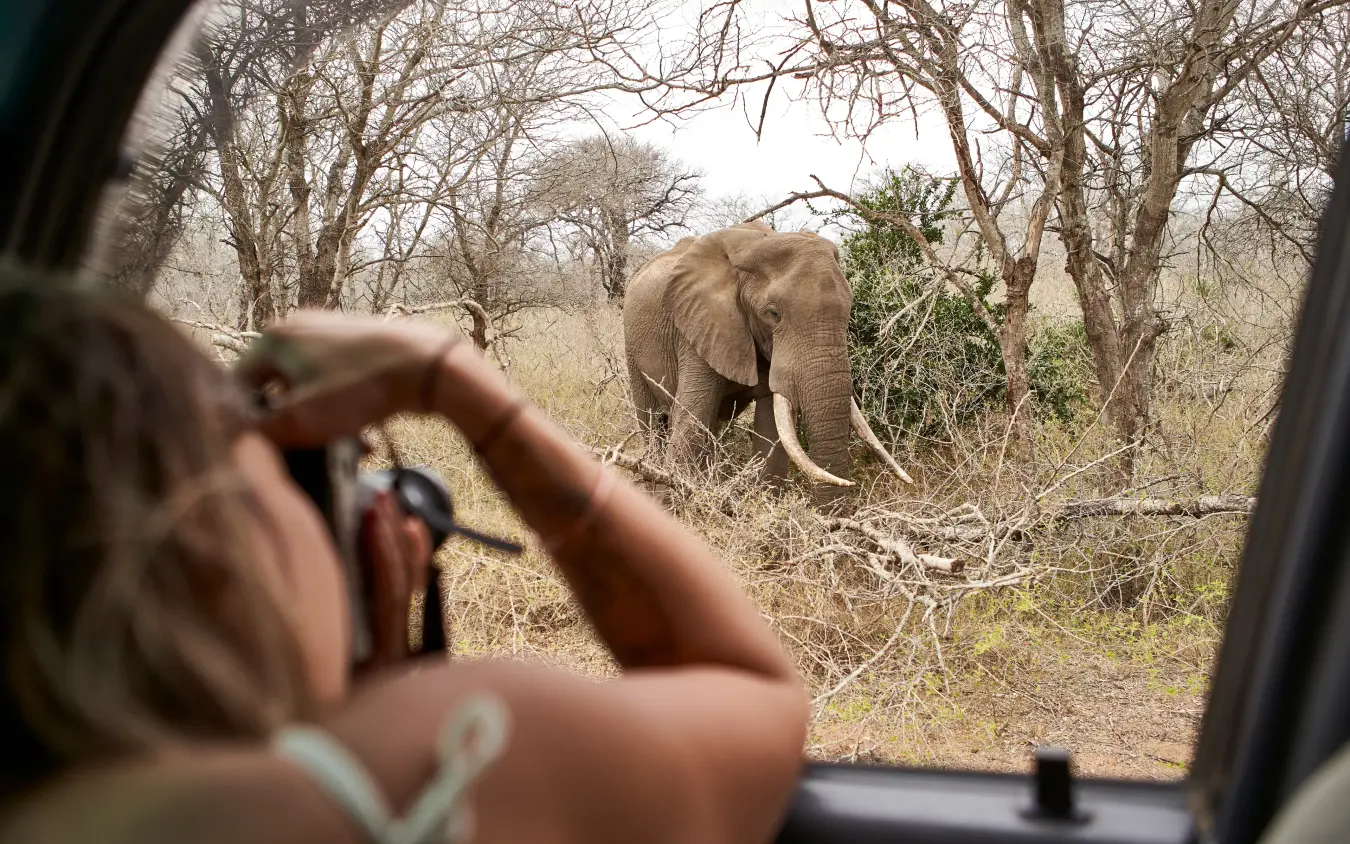
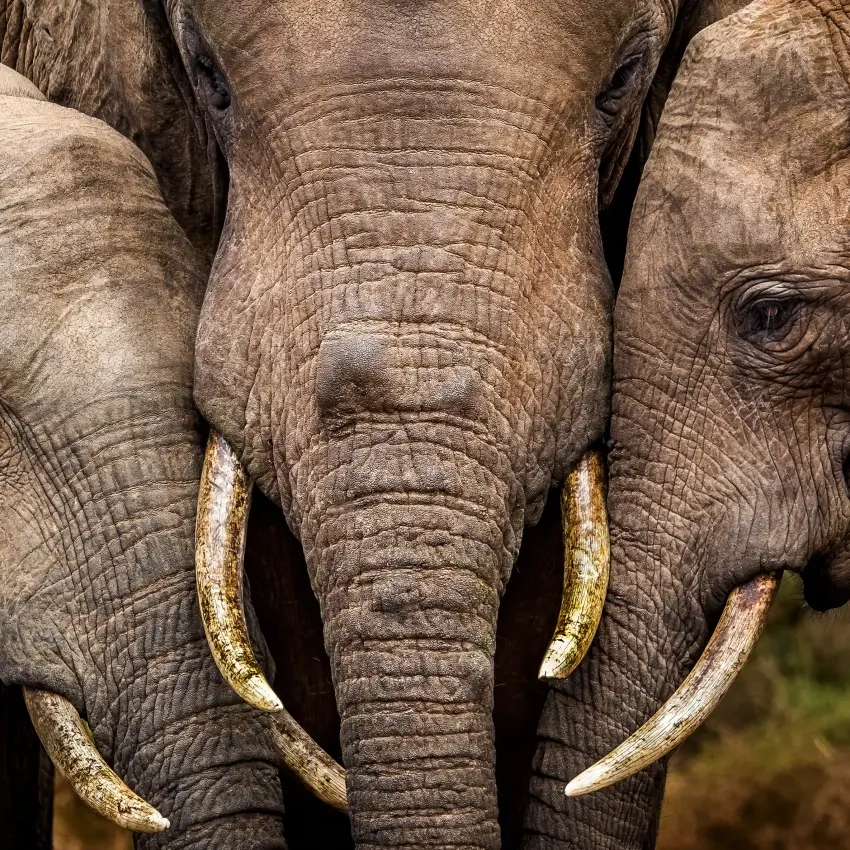
A tusker is an elephant carrying at least one tusk of 100 pounds, about 45 kilograms, and there are very few left.
One count published in December 2024 put the figure across Africa at more than 85, with about ten of them among the 2,000 or so elephants of the Amboseli ecosystem. Craig, the best known of those bulls, died in January 2026, which leaves nine named animals.
So four nights here should give you elephants in real numbers, and a particular tusker is luck rather than a plan. The odds are better than they sound because these bulls spend much of their lives outside the park, on the community land this route stays on, moving between the Amboseli basin and the Chyulu Hills.
Guides here know which bulls are being seen that week, and the morning through Kimana Gate into the park is the other good chance.
Three things above all: leave the track for a sighting, drive after dark, and get out and walk on foot.
Tawi has its own 3,000 acre private conservancy at Amboseli, Mara North is 73,000 acres put together with more than 800 Maasai landowners, and Borana runs to 28,000 acres, and each sets its own rules rather than the park's.
Mara North has the tightest ones and they are worth knowing in advance:
That is why a leopard here is usually watched by one or two vehicles rather than a queue of them.
Good over four nights, although nobody can promise a wild animal.
The fence between Borana and Lewa came down from 2014, and the two are now run as a single range of 93,000 acres carrying more than 280 rhino, which is 14 per cent of all the rhino in Kenya. Borana's own 28,000 acres took in 21 black rhino in 2013 and has bred well since.
Going out on foot means joining the people who account for those animals, learning to read a track and a dung midden, then walking the last stretch downwind while the rangers judge how close is sensible. Expect more time spent finding than watching.
Black rhino keep to thick bush and take the most work, and they are also the ones most people come to Laikipia hoping to meet.
By air.
The three regions sit a long way apart, and the legs between them are short flights rather than whole days in a vehicle. Kenya's main safari airline lists Amboseli, the Mara airstrips and Lewa Downs, which is the strip for Borana, among its scheduled destinations, and the services work out of Wilson Airport in Nairobi.
Plan on 15 kilograms each, in soft bags, hand luggage counted inside that figure, because a wheeled hard case will not go into these holds at all.
Departure times shift on the day and an aircraft can call at another strip before yours, so we leave the first morning after a flight loose rather than promising a game drive on it.
Where your dates or the size of your party make the schedule awkward, we put a leg on a private charter instead, typically a Cessna Caravan or a Pilatus PC-12.
January and February, then July to September, carry our top rating at every stop on this route:
October is nearly as good, with Laikipia and Nairobi the two we mark as in-between.
Two periods need thought. April and May are the long rains, when tracks soften and this route is at its hardest. We rate November challenging in Laikipia, and March challenging in the Mara.
The greener weeks still repay a photographer, with air washed clear of dust, storm light, newborn animals, migrant birds from November to April, fewer vehicles and lower prices. Elephants are resident on all three conservancies, so that does not depend on the month you pick.
Thirteen nights reads as a lot and does not feel like it: four nights in each of three regions and one in Nairobi, which is enough to settle into a place rather than pack every second morning.
Most of the route can be changed. Borana shares its range with Lewa, so the last stop can be split between the two or swapped over; a morning in Nairobi National Park can be added at the start; and a balloon flight over the Mara is an optional extra we reserve for you when you book.
Two things set the dates rather than you. The camps are small, ten tents at the Mara camp and eight cottages at Borana, and they fill first for July to October.
Tell us what matters most to your party and we will move the nights to suit it.
Ed Charles, BBC Producer
Fitzroy are true specialists in accessing the wilderness. They know where to go and importantly, when to go there. Highly recommended.
kenya & tanzania
Thirteen nights linking northern Kenya's conservancies to the Maasai Mara and the northern Serengeti's migration country.
kenya
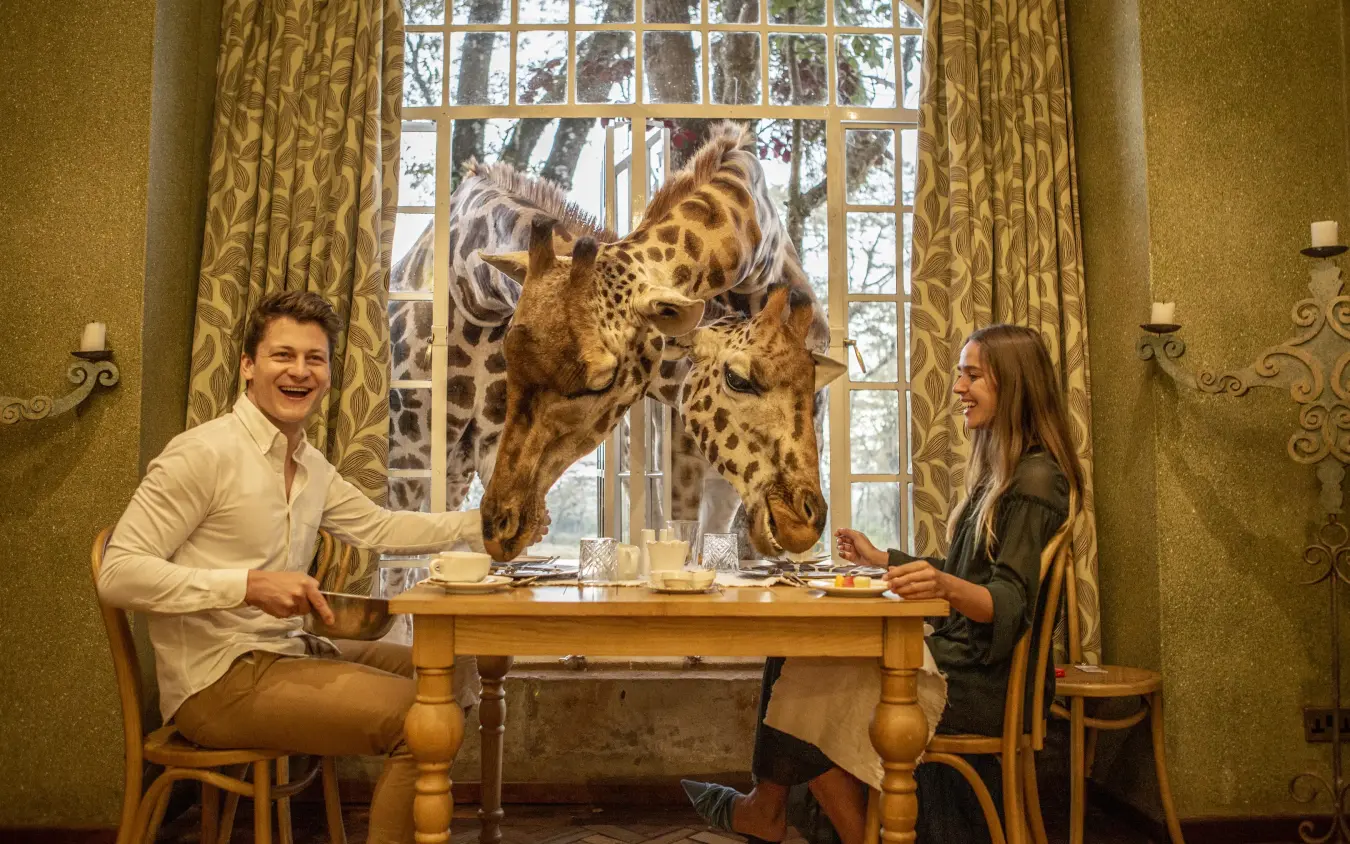
Nine nights in Kenya linking Giraffe Manor, Lake Naivasha's Loldia House and Governors' Camp on the Mara River.

kenya
Ten nights across Kenya, from the Rift Valley lakes to the Maasai Mara, the Lamu coast and Nairobi's rhino country.
rated five stars by our clients

our approach
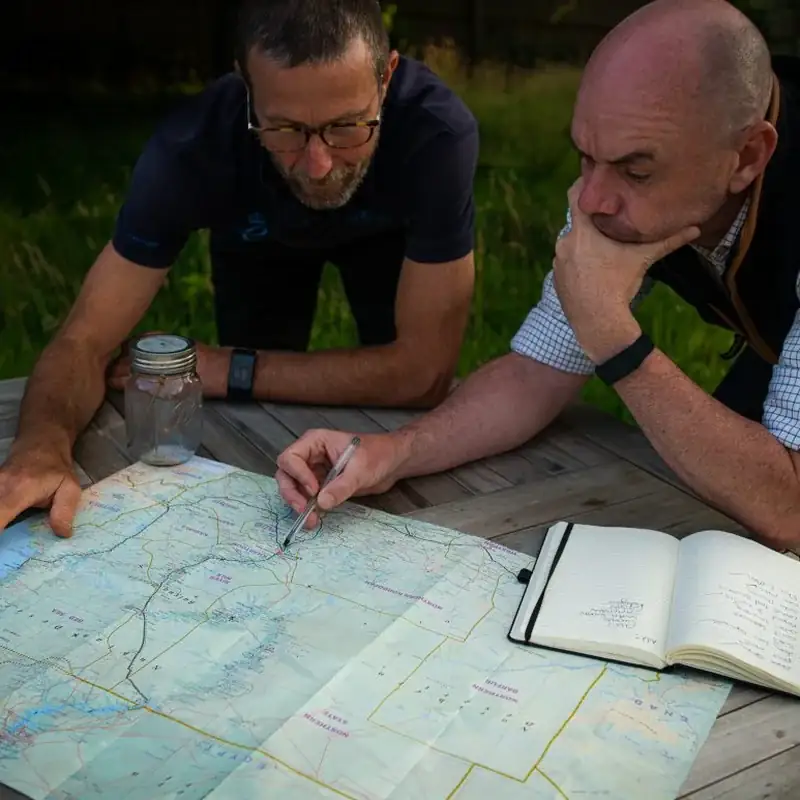
Every journey starts with a conversation. We take the time to understand your vision before we start planning.
Whether by phone or in person, we work with you directly to shape something that is considered, personal, and expertly delivered.
Every journey starts with a conversation. We favour a direct, personal approach: understanding your vision before anything else.
Whether by phone or in person, we work with you directly to shape a journey that is both thoughtfully considered and expertly delivered.
Get in touch to start planning yours.