Tsavo West is volcanic country, and the Shetani lava flow spills black across the red earth an easy drive from camp, with Chaimu crater rising nearby. Not far from the tents, Mzima Springs pushes clear water up through the lava. Hippos and crocodiles drift past the glass of the underwater viewing chamber there. From Roaring Rocks and Poacher’s Lookout the ground falls away far enough to show how far the plains run, and sundowners at the lookout come with Kilimanjaro on the western horizon.
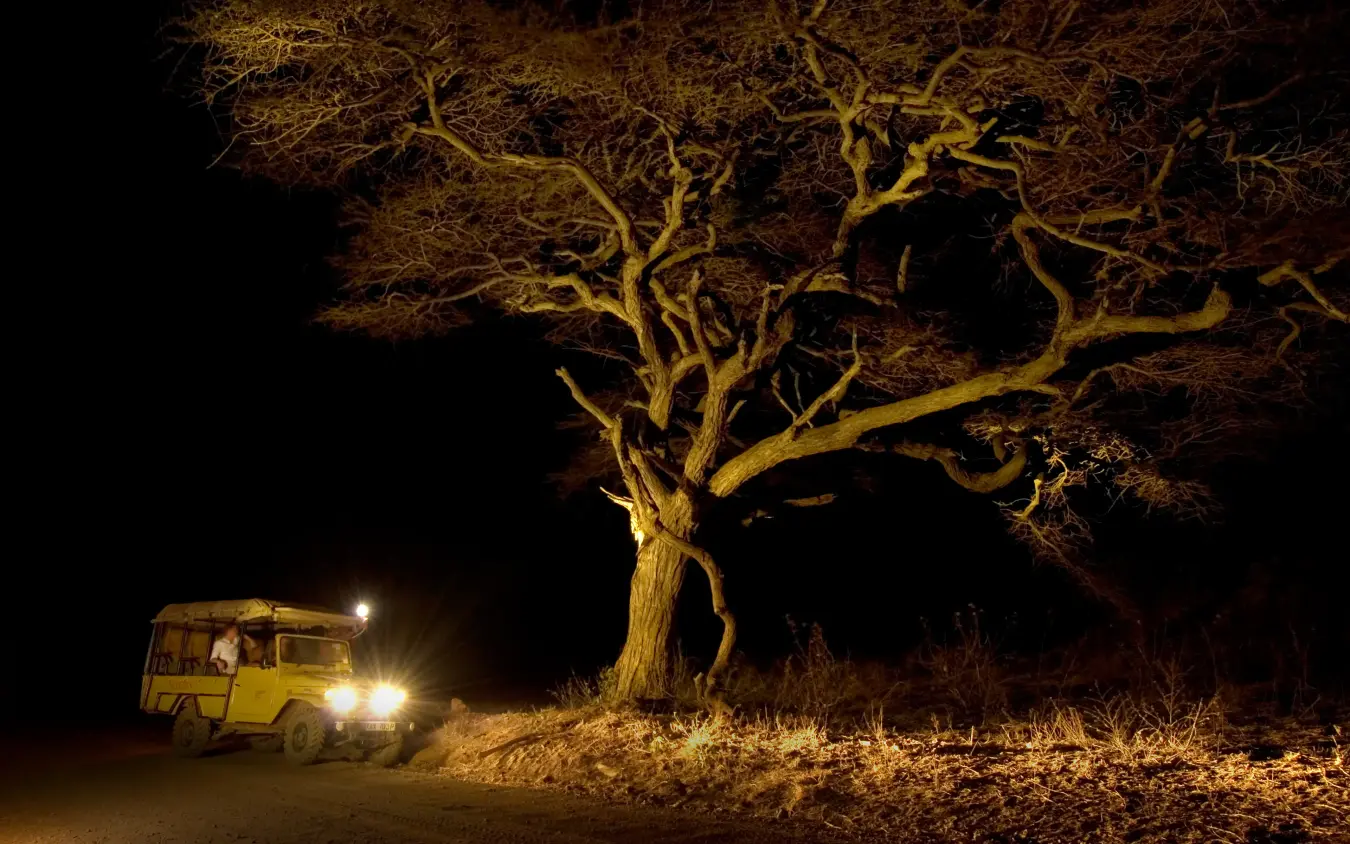
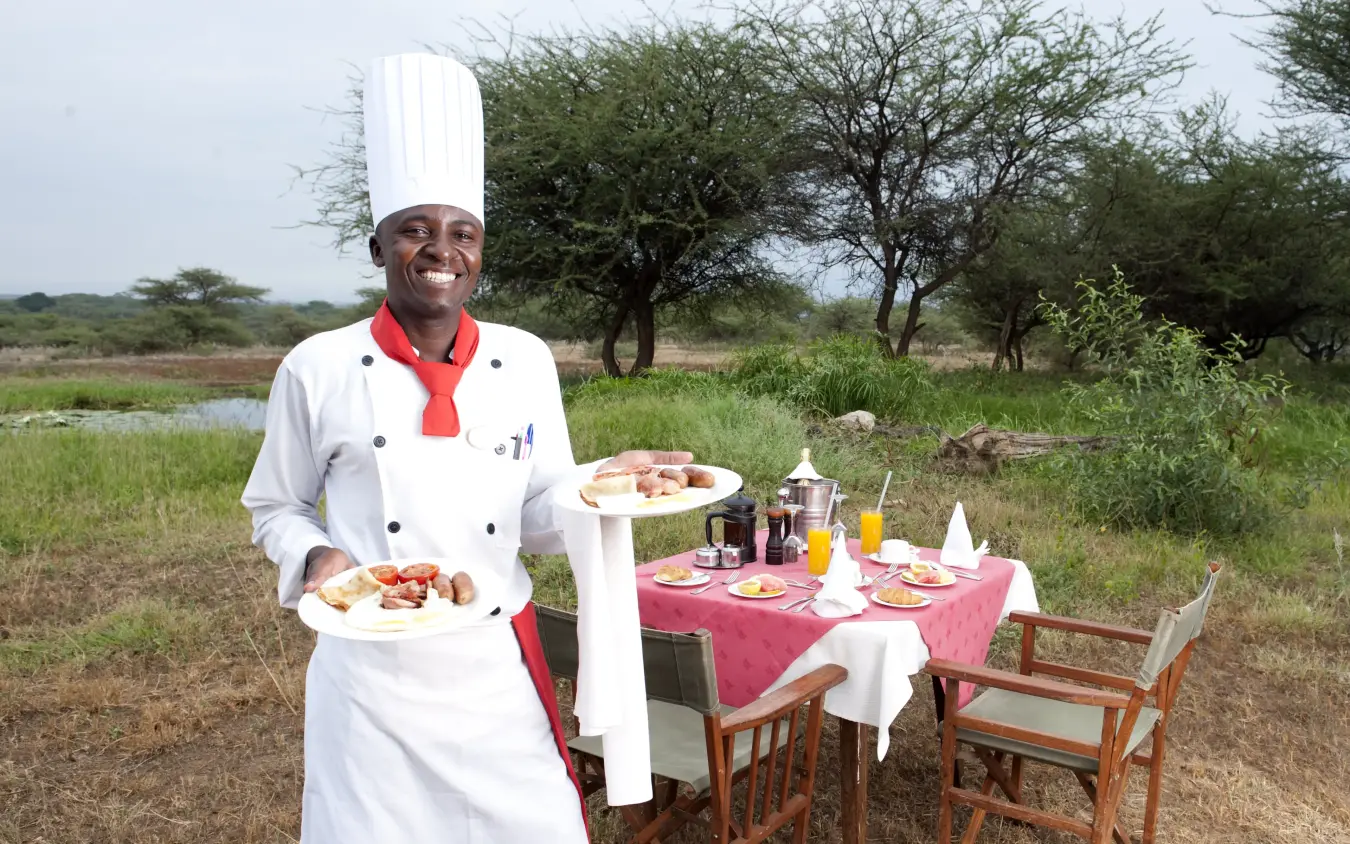
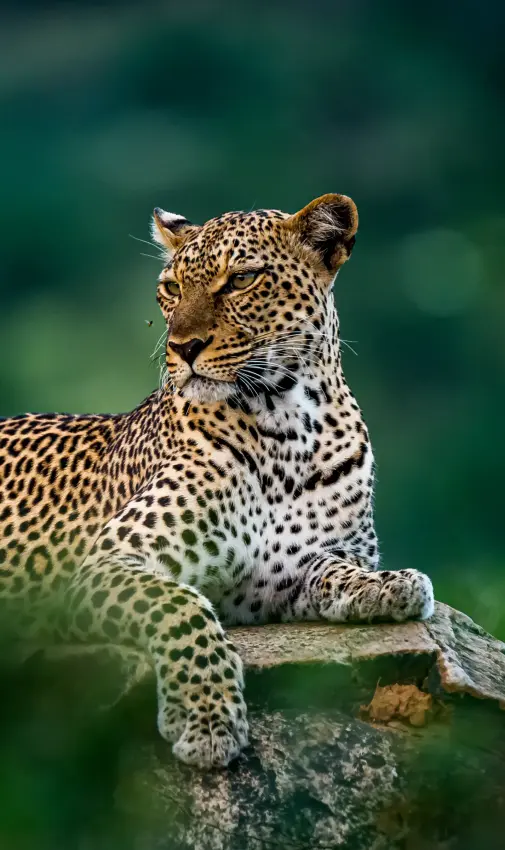
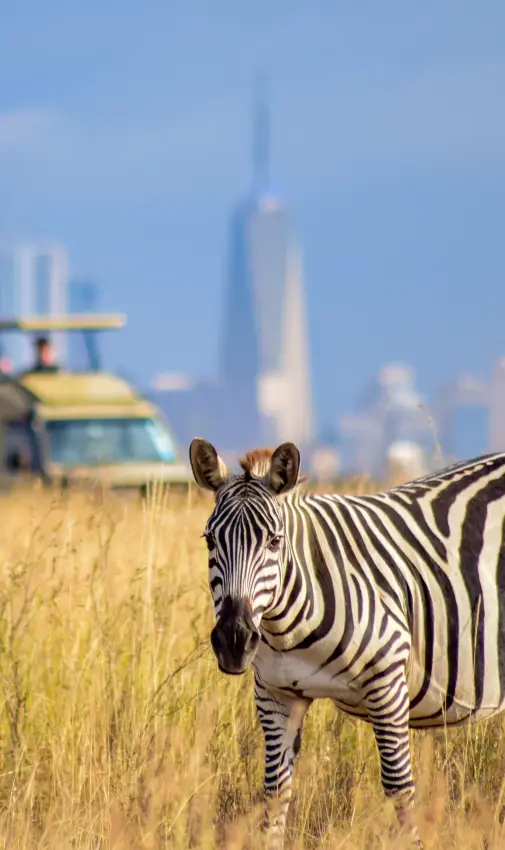
Everything inside the park runs to Kenya Wildlife Service rules and with its rangers. Morning and afternoon drives go out in open 4x4s with experienced resident guides, and night drives, worked in coordination with KWS, pick out leopards, genets and bushbabies in the spotlight beam. On foot there is a choice, an hour with a resident Maasai warrior reading tracks and the uses of local plants, or four hours of volcanic country with an armed KWS ranger. Bush breakfasts, lunches and candlelit dinners are set up in the open on request.
Hippos and crocodiles drift past the glass of the underwater viewing chamber there.
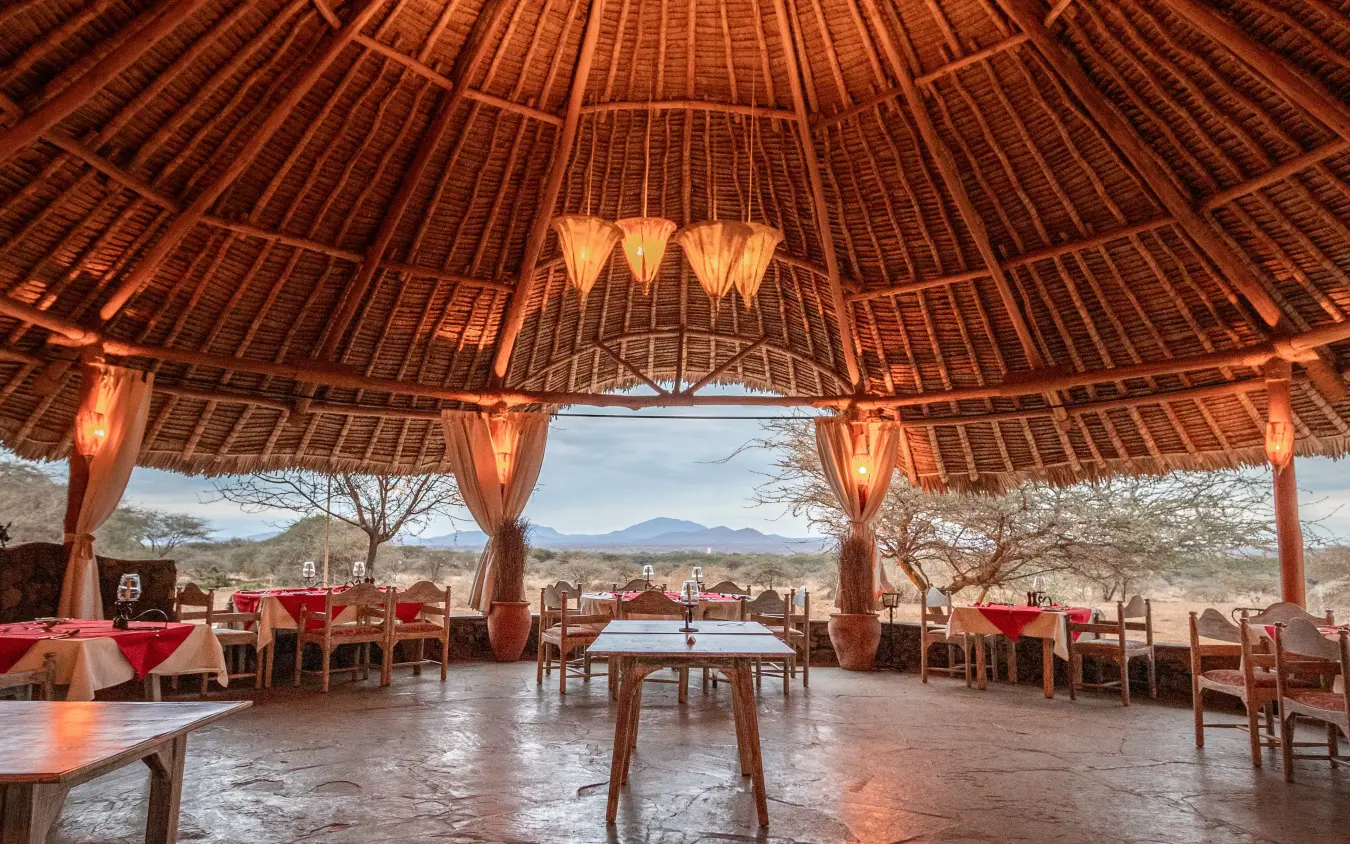
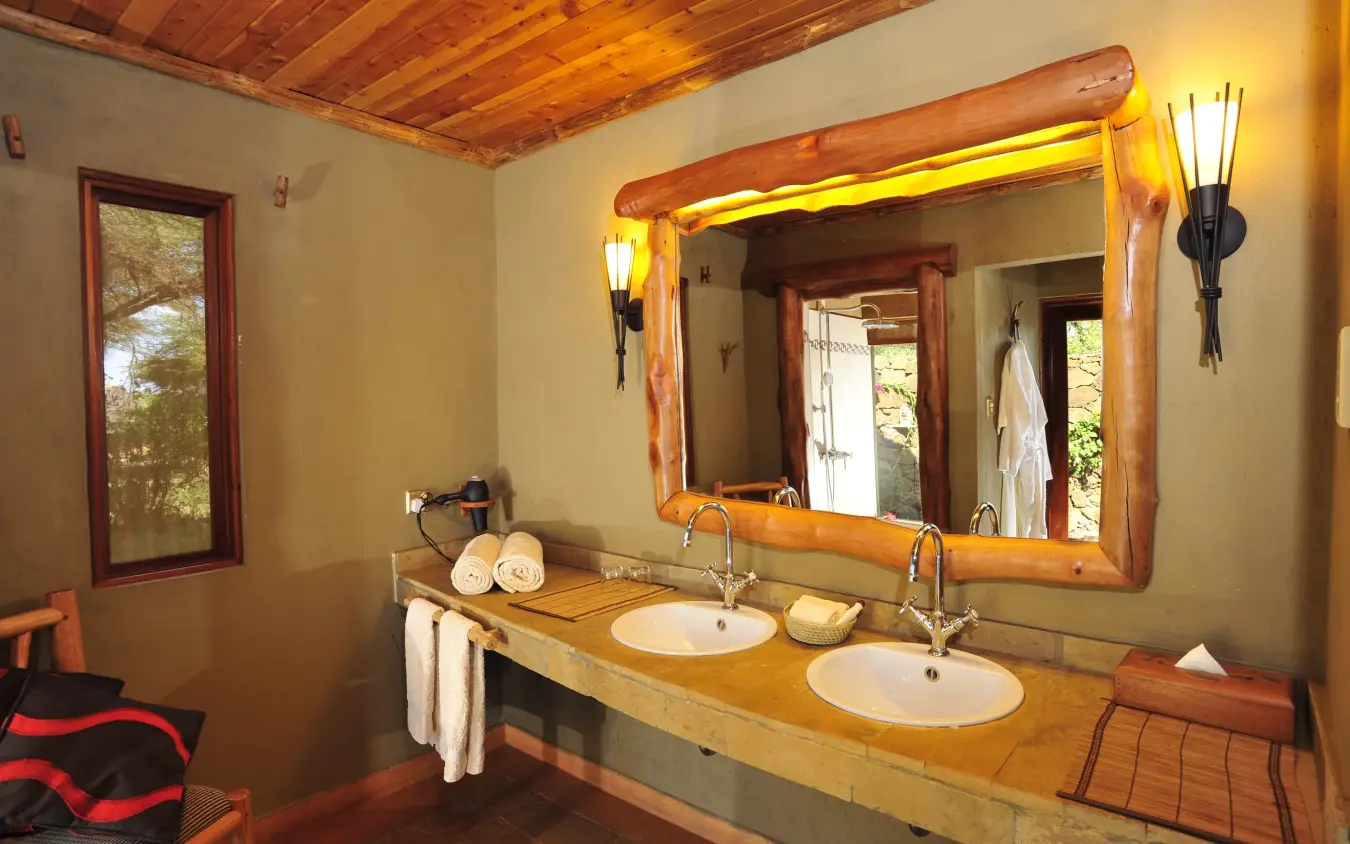
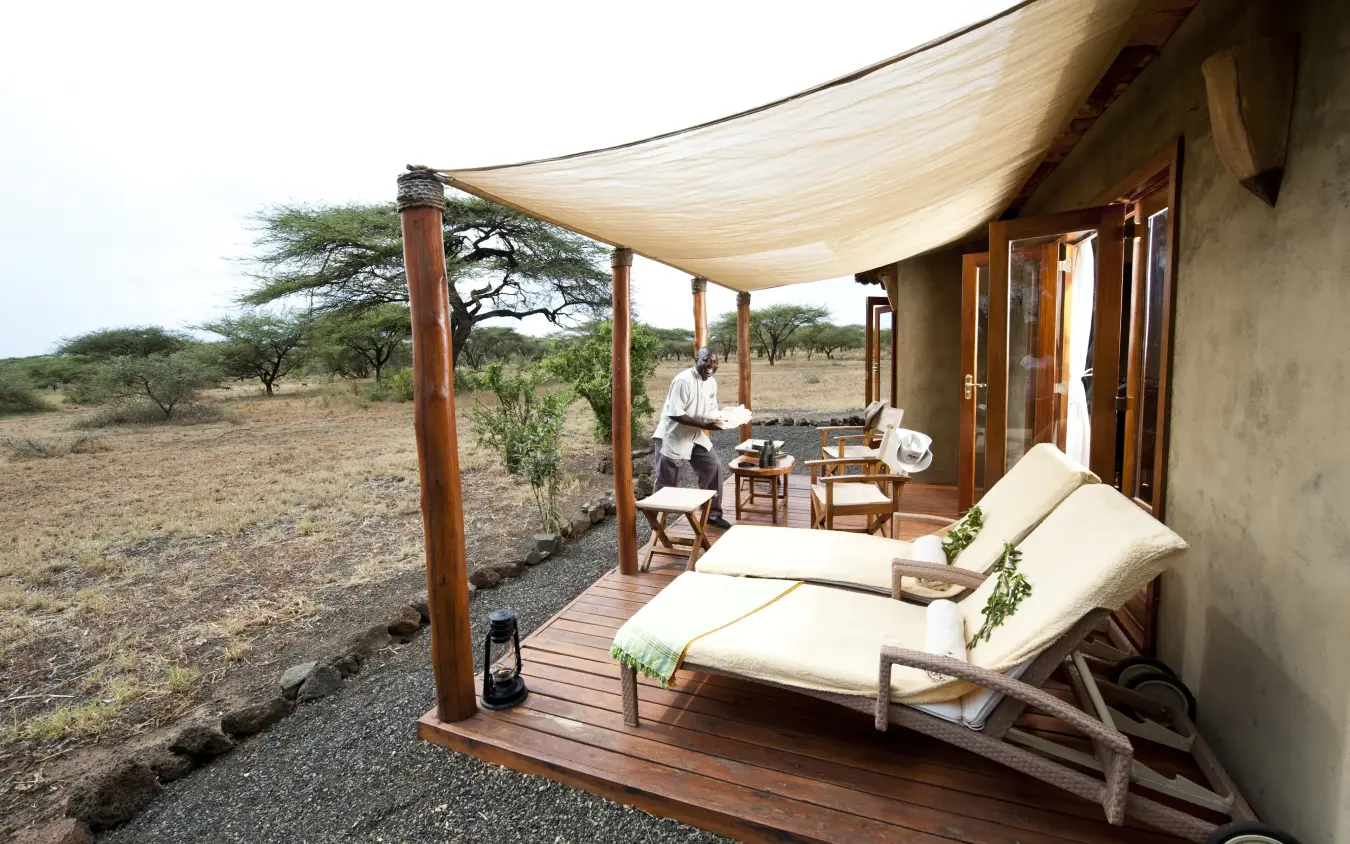
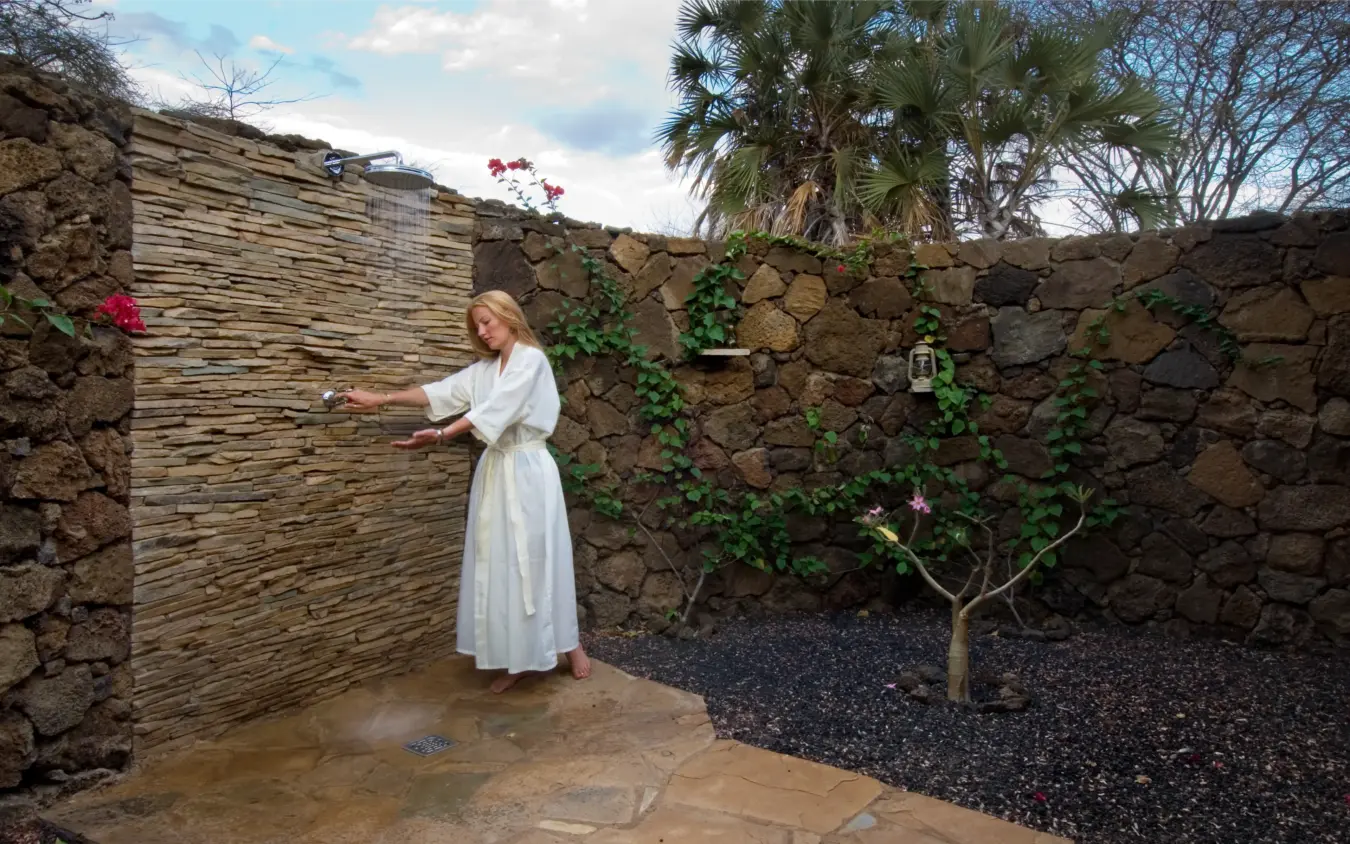
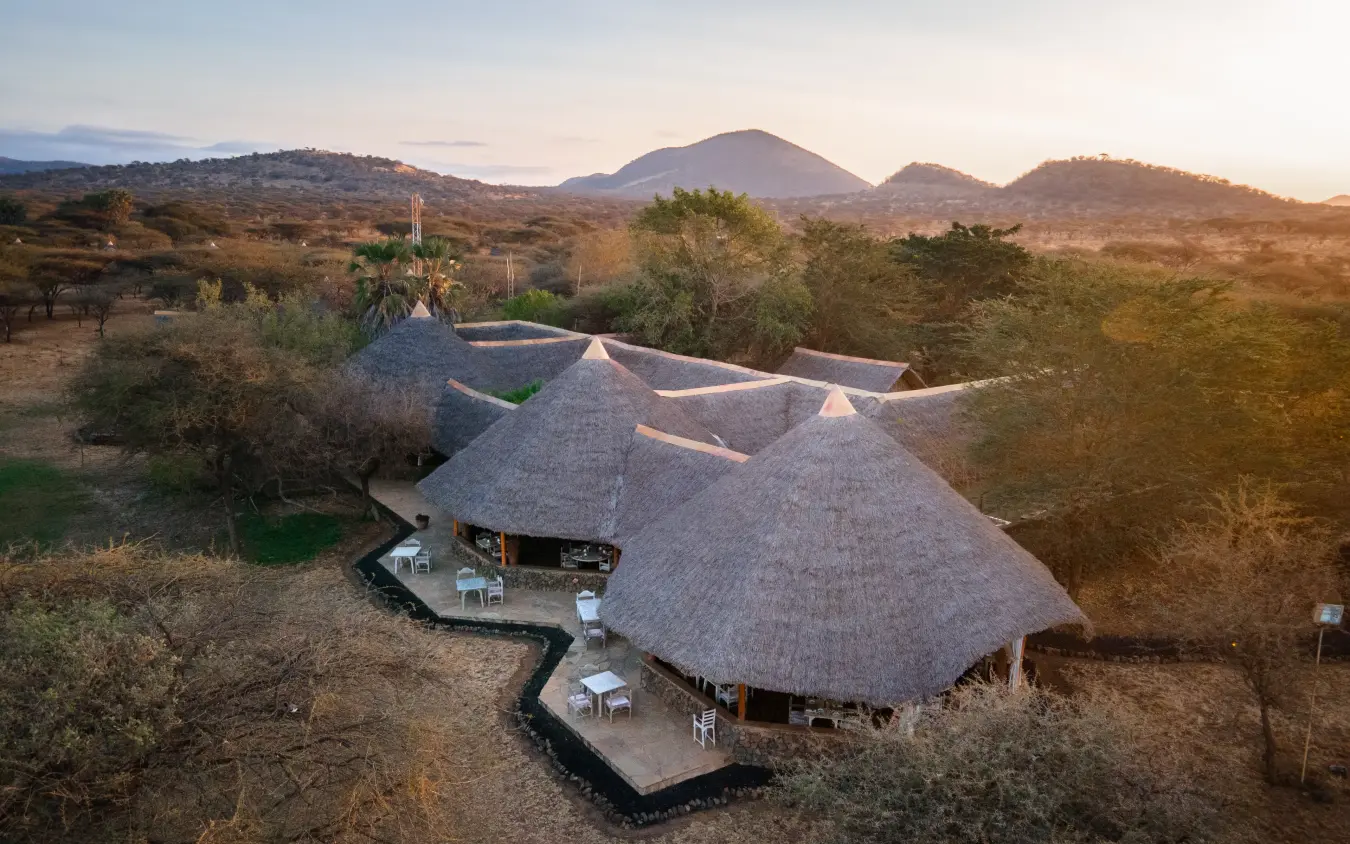
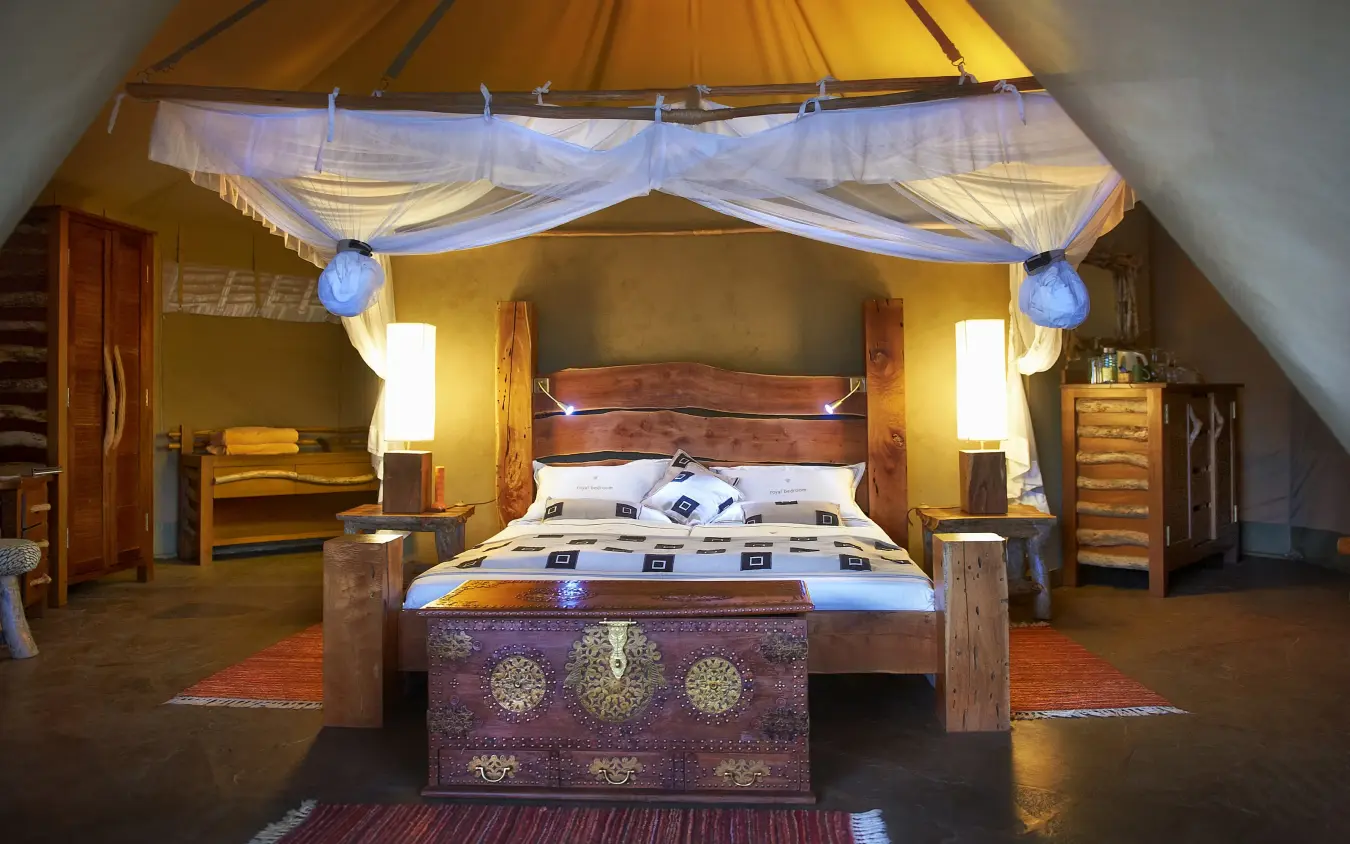
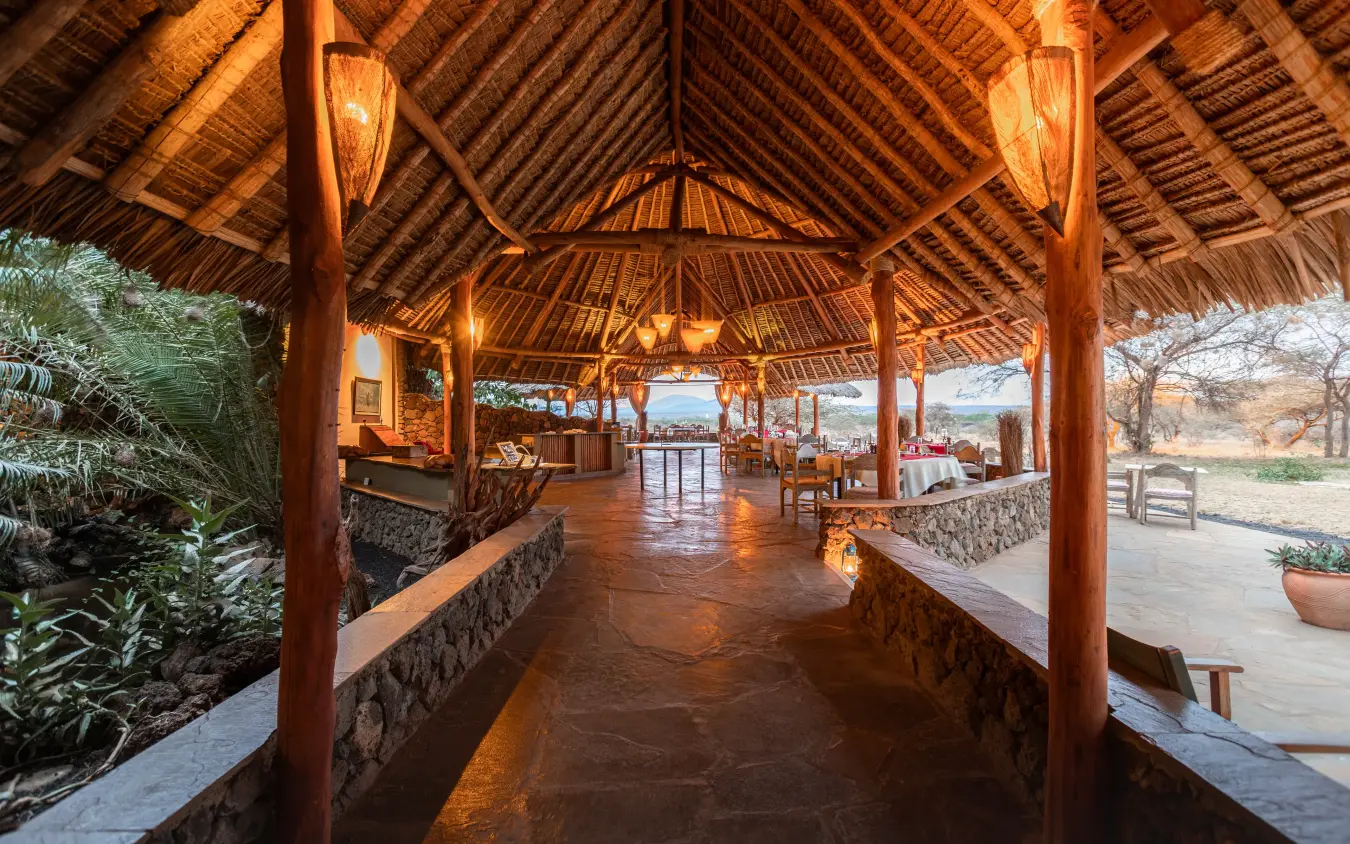
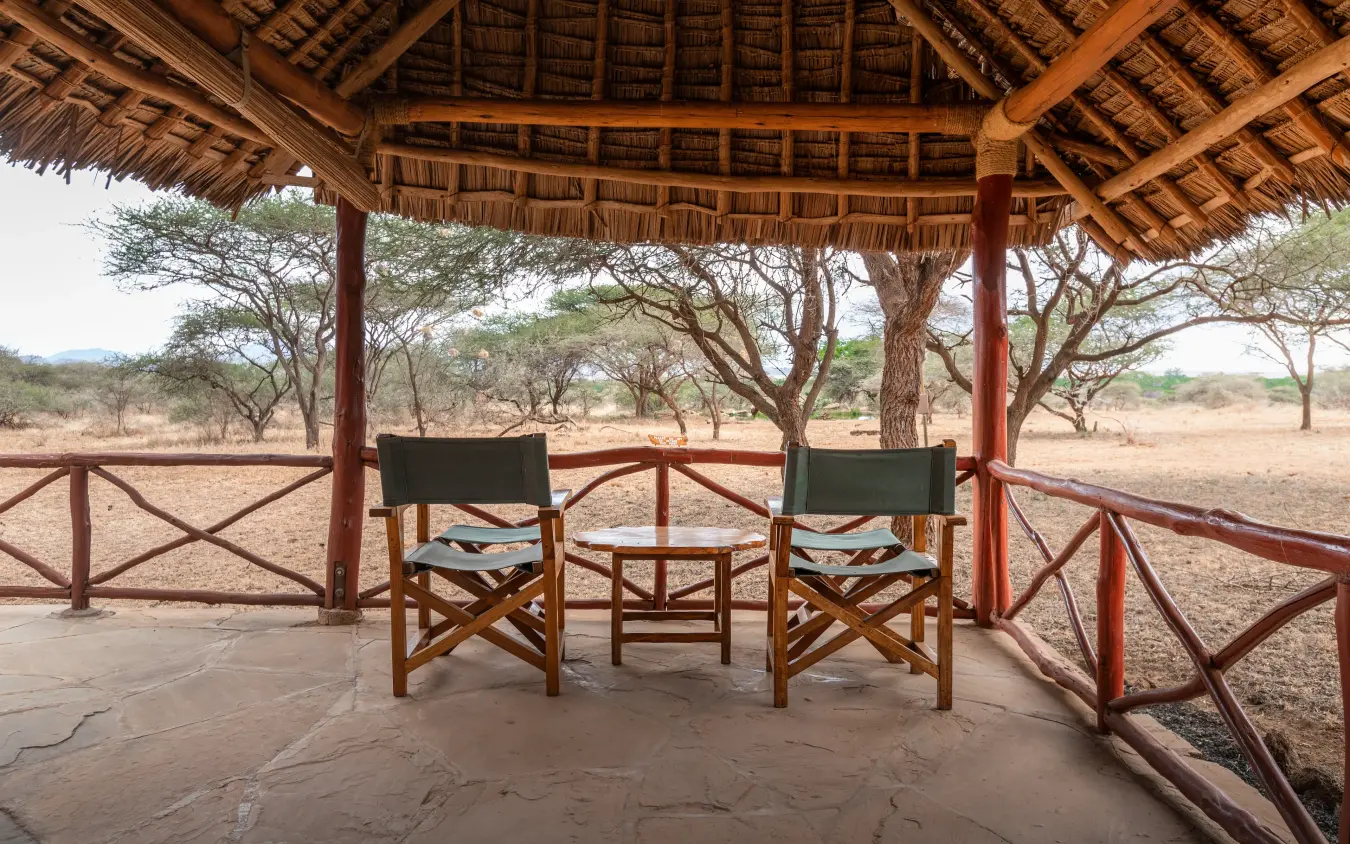
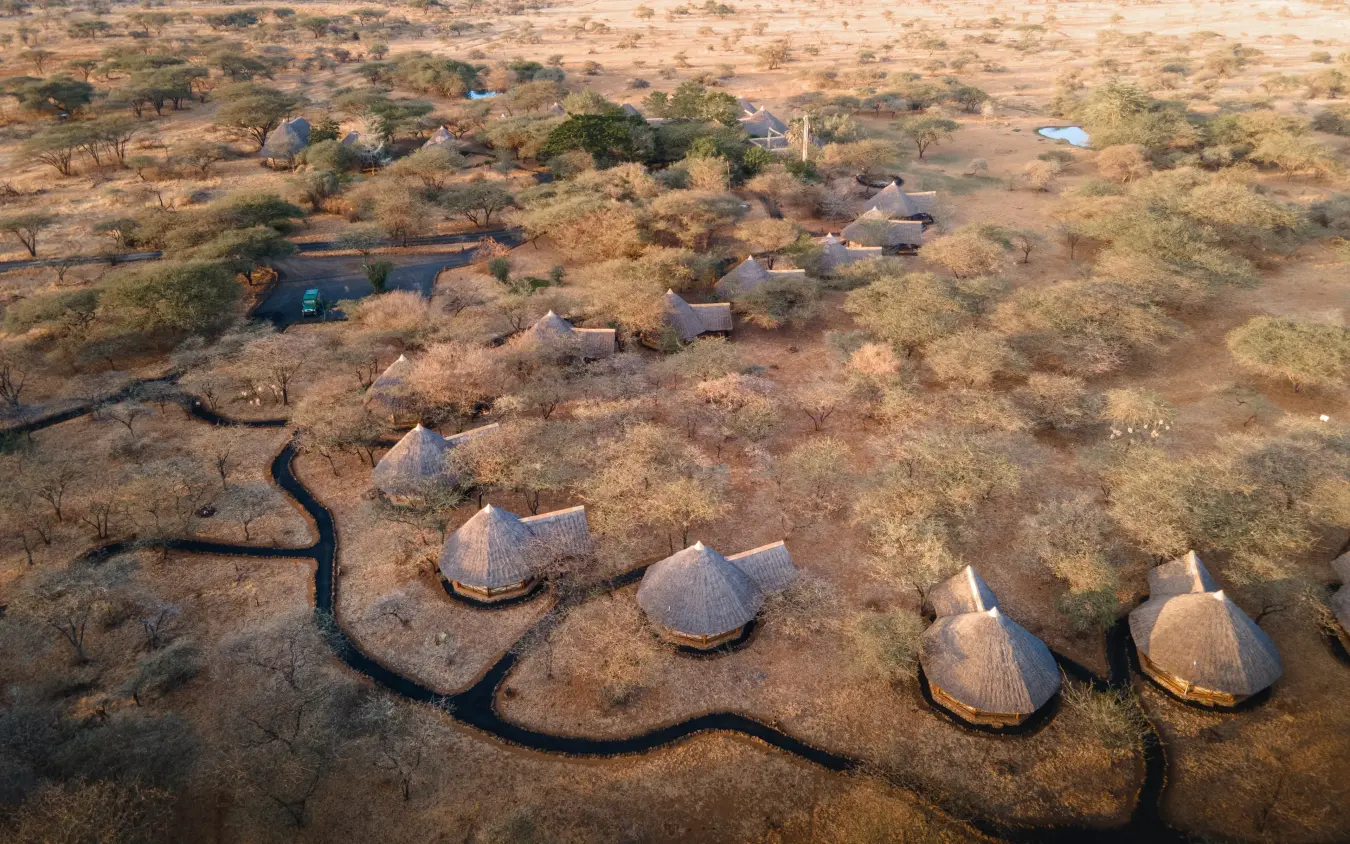
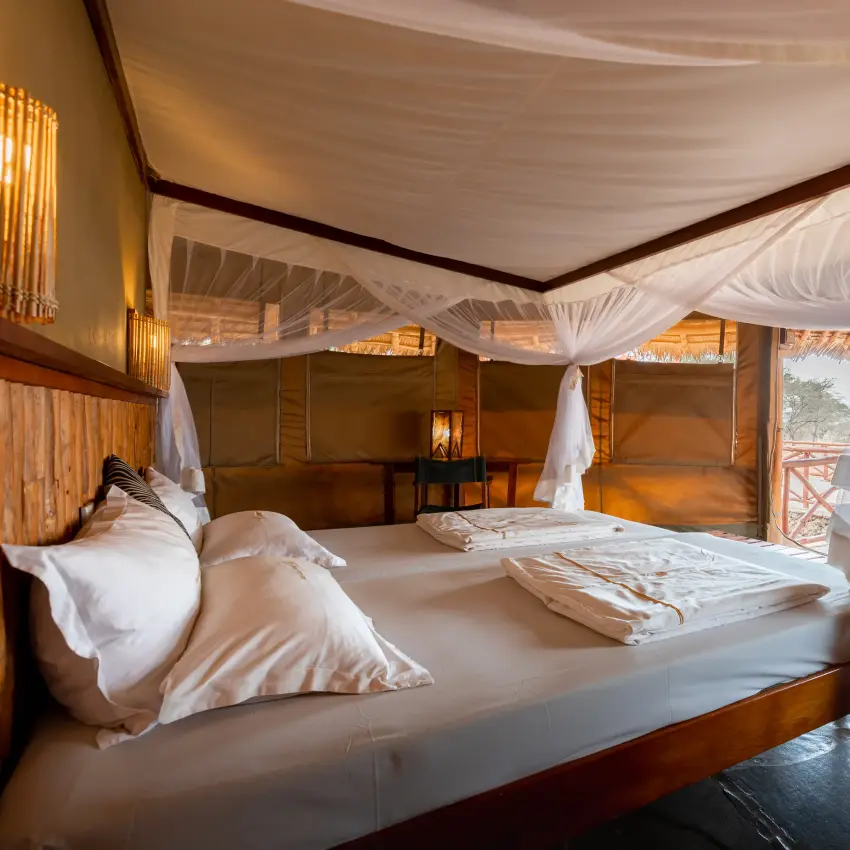
Canvas and thatch do most of the work here. The tents are screened for airflow rather than air-conditioned, and furnished in hand-carved hardwood and earth-toned fabric. The central lounge is open-sided and high-lofted, with the campfire circle set in front of the water, and at the Kenbali Spa treatment rooms and wooden decks surround an infinity pool. Dawn on a clear morning brings the snow on Kilimanjaro into view. At night the Milky Way stands over the plain, and hurricane lamps mark the paths between the tents.
A biological treatment plant cleans greywater and kitchen wastewater to a standard fit for irrigating the grounds. Hot water comes from solar thermal panels combined with heat recovered from the generators. Single-use plastics are out, and the tents carry refillable bottles. Guests curious about how any of it works can be shown the filtration and solar systems on a walk behind the scenes.