Camp

Jack’s Camp

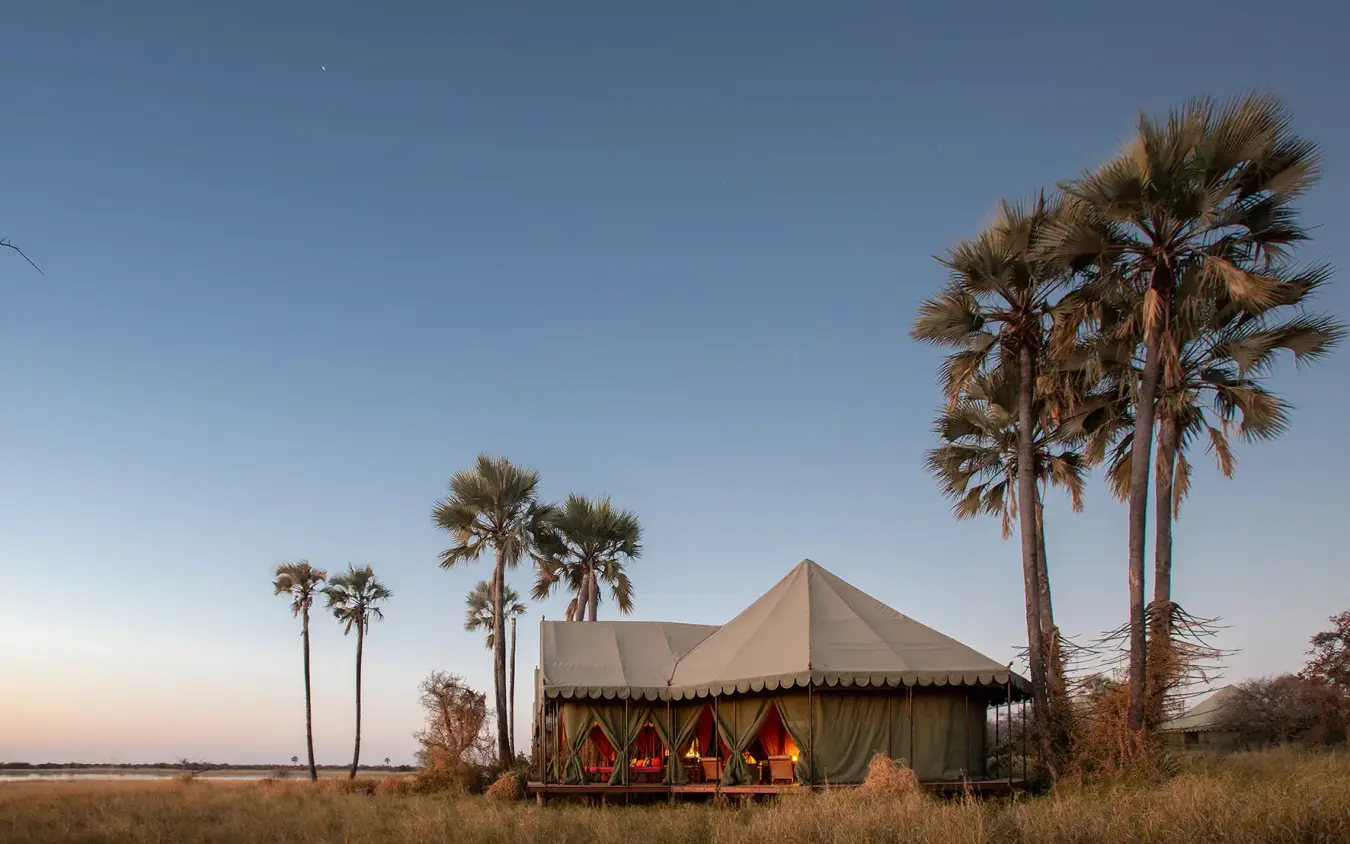
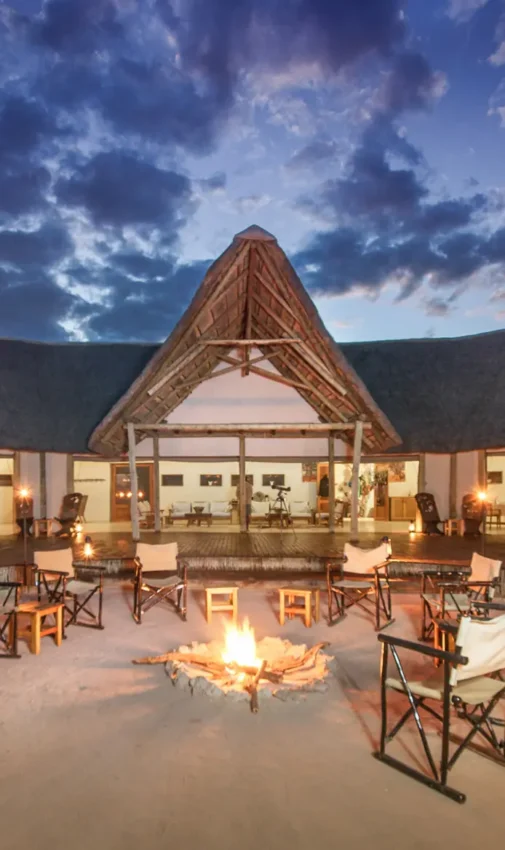
On the edge of Botswana’s Makgadikgadi salt pans, the Bousfield family built Jack’s Camp in the style of the 1940s.
Country: Botswana
Location: Makgadikgadi Pans
Number of rooms: 9

A field expedition in the Kalahari

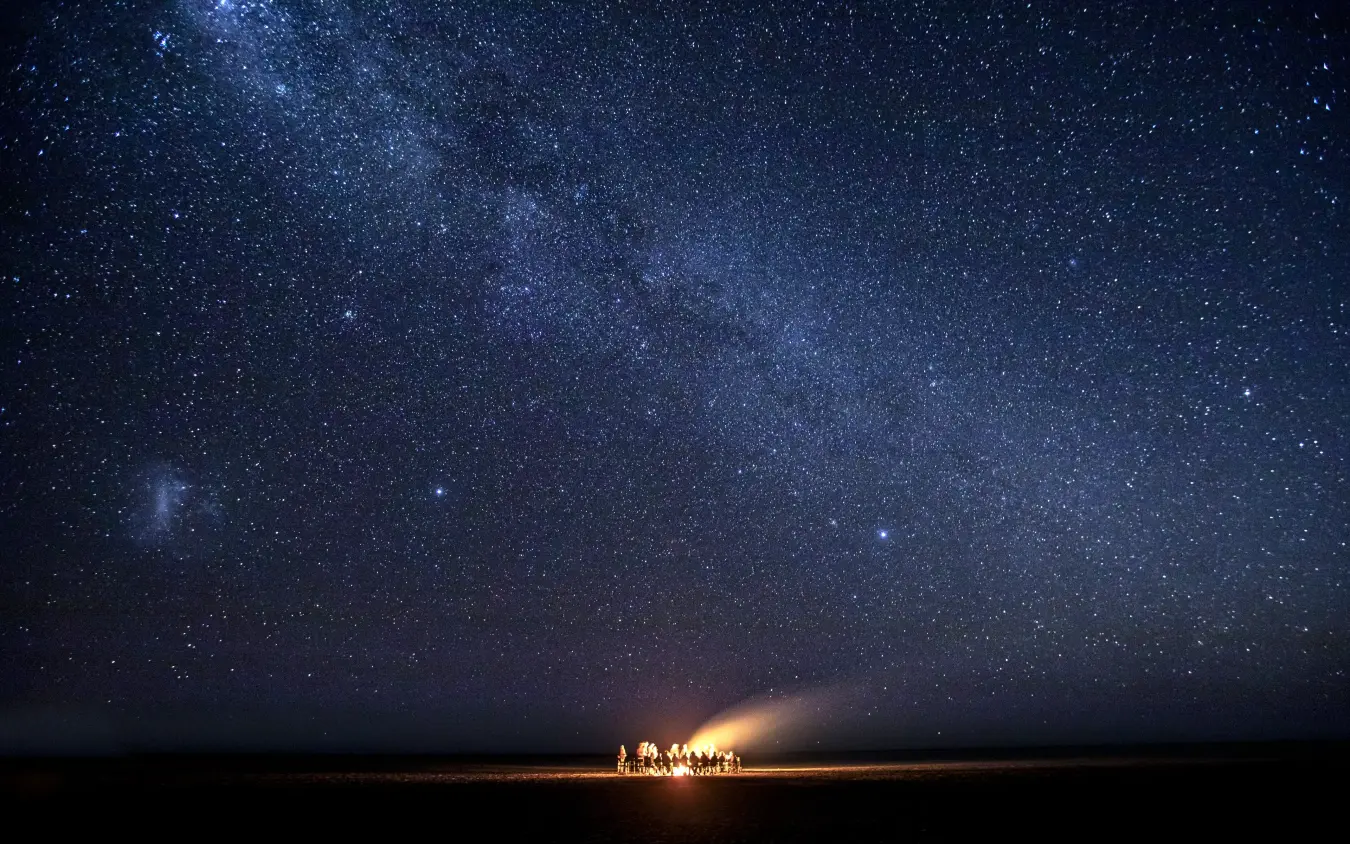
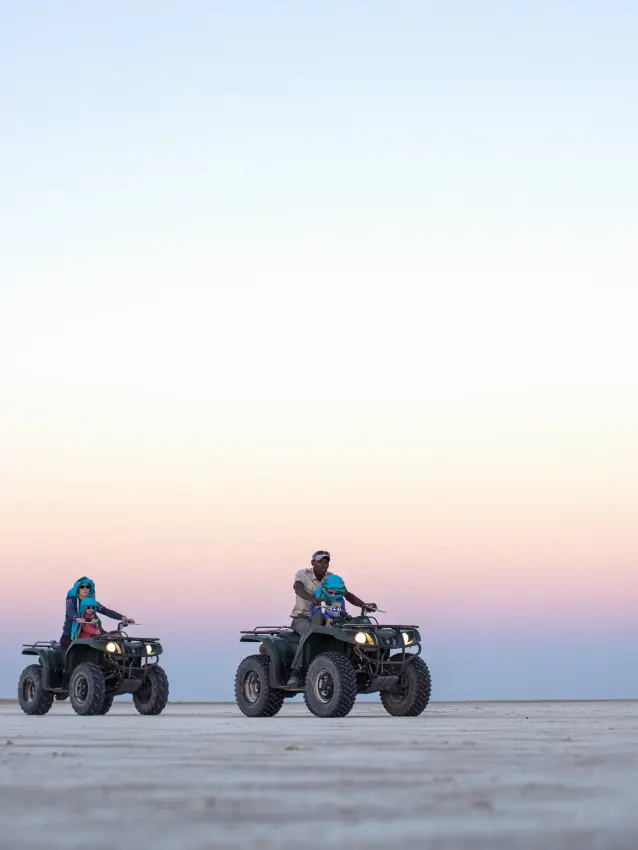
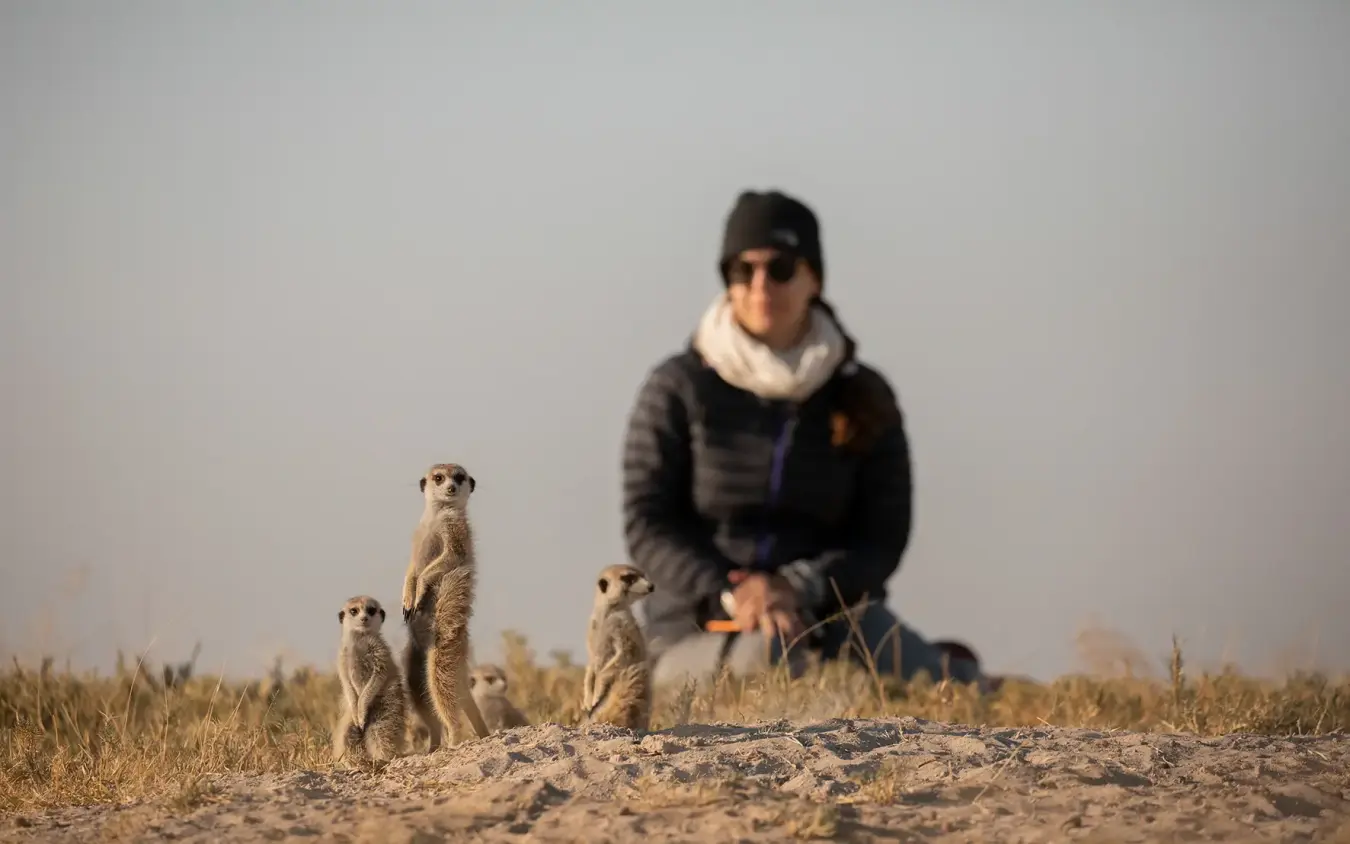
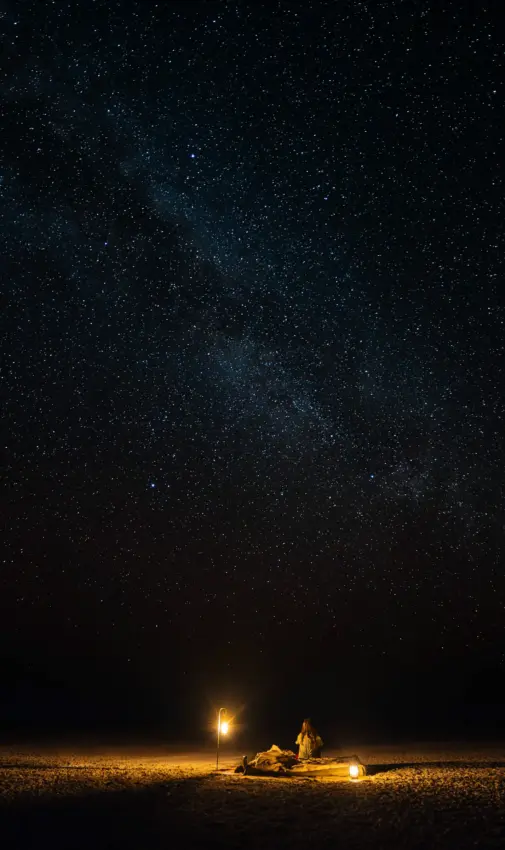
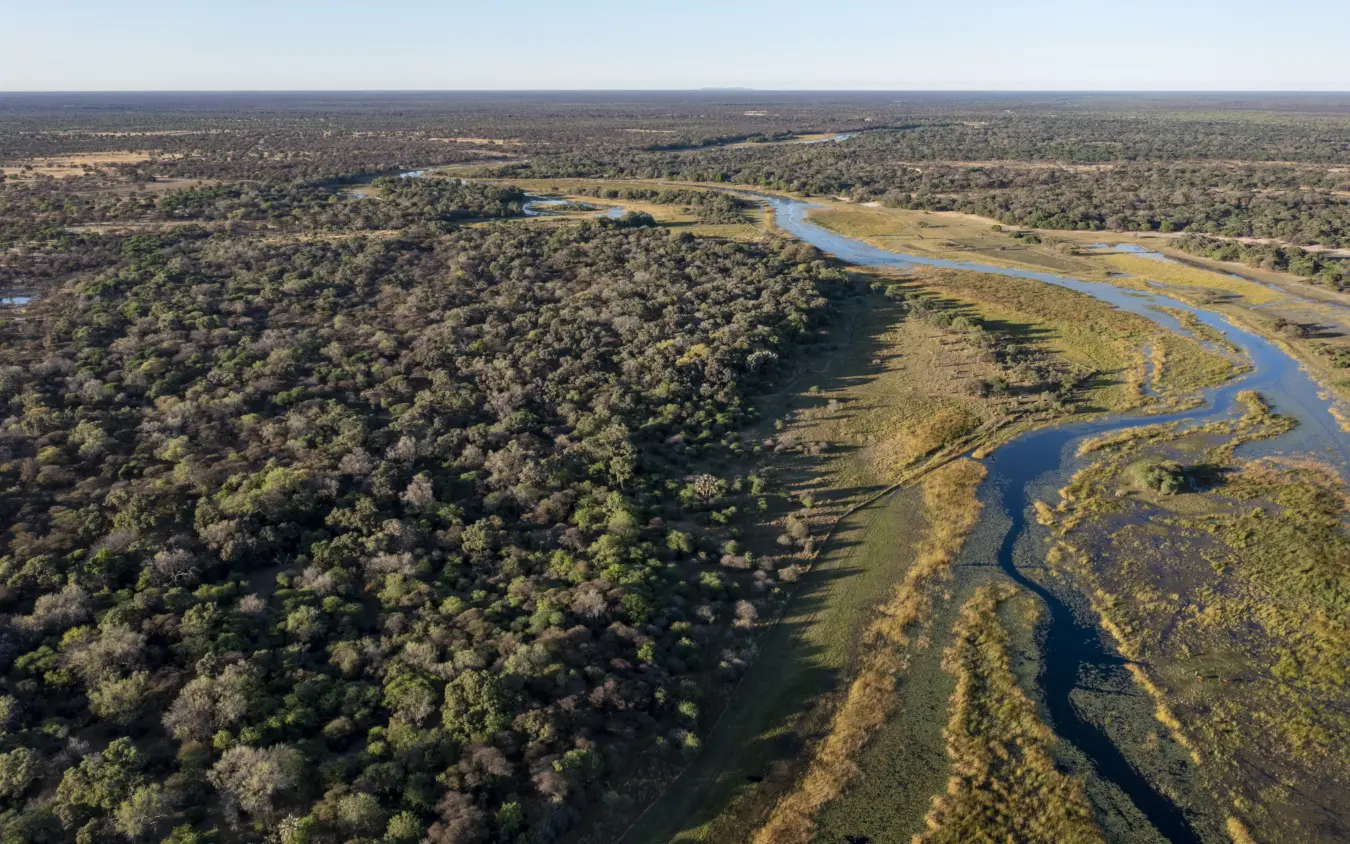
The Makgadikgadi salt pans stretch flat and white to the horizon, the dried bed of a prehistoric super-lake that once covered much of southern Botswana. Jack’s Camp sits at their edge, in the Kalahari, in a place built around habituated meerkats, the elusive brown hyena and a landscape that rewards close attention over any checklist of big game. People come to quad bike across the open pan, to walk with Zu/’hoasi San guides, and to watch a meerkat sentry choose a shoulder as its lookout post.

Jack’s Camp sits at their edge, in the Kalahari

Palm trees shade the camp against an expanse that looks closer to a moonscape than a savanna. The guides here are often trained as zoologists or biologists who read geology and archaeology alongside animal tracks, and that interpretive edge carries the drives and walks far beyond simple sightings. It turns a morning in the Kalahari into something closer to a field expedition.

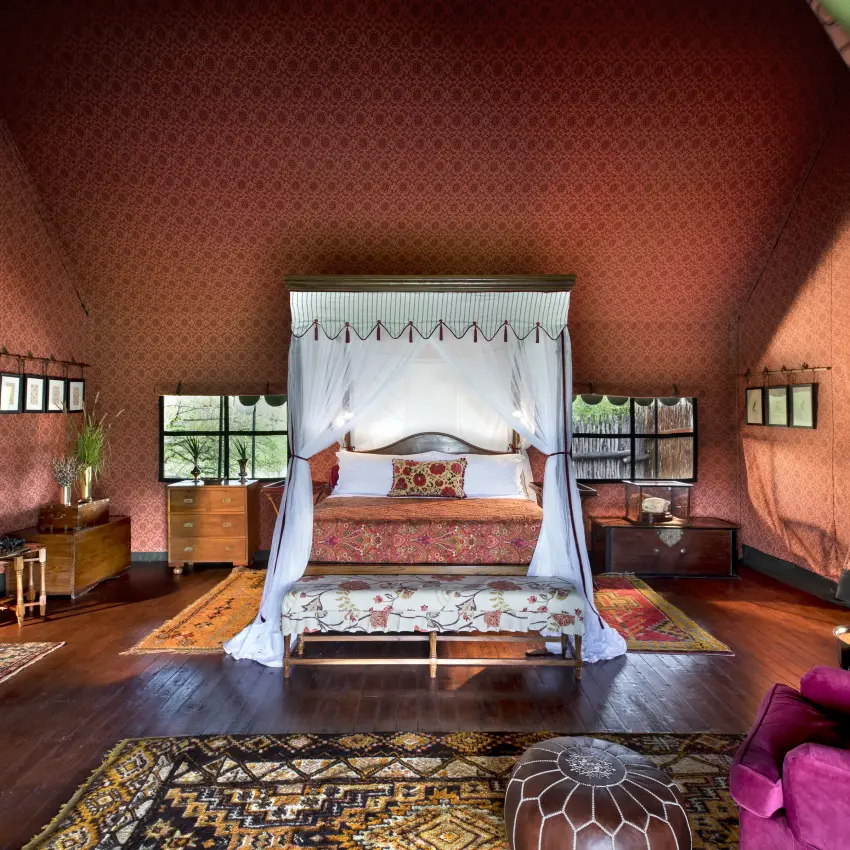
Luxury tent bedroom with four-poster canopy bed and furnishings, Jack’s Camp, Makgadikgadi Pans, Botswana
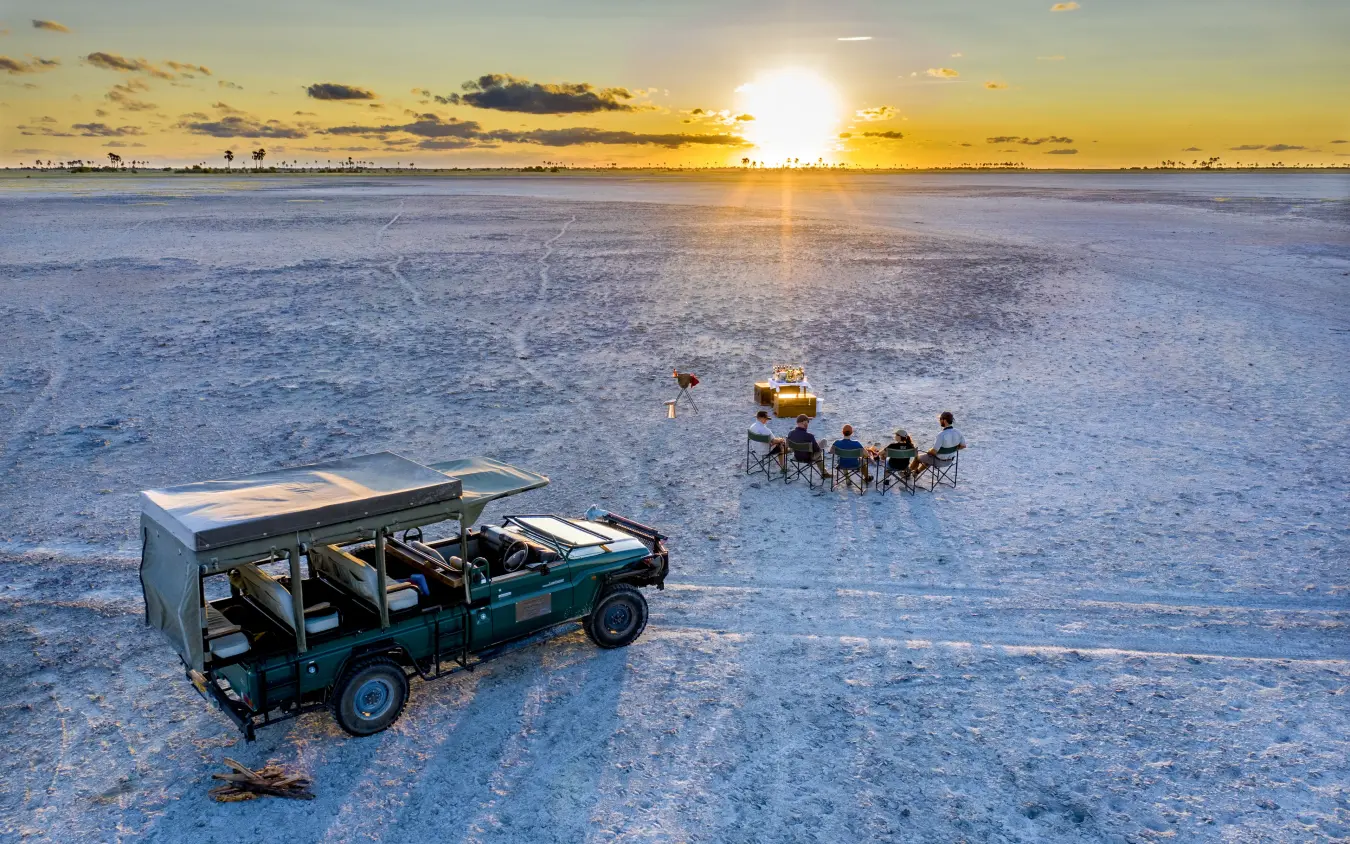
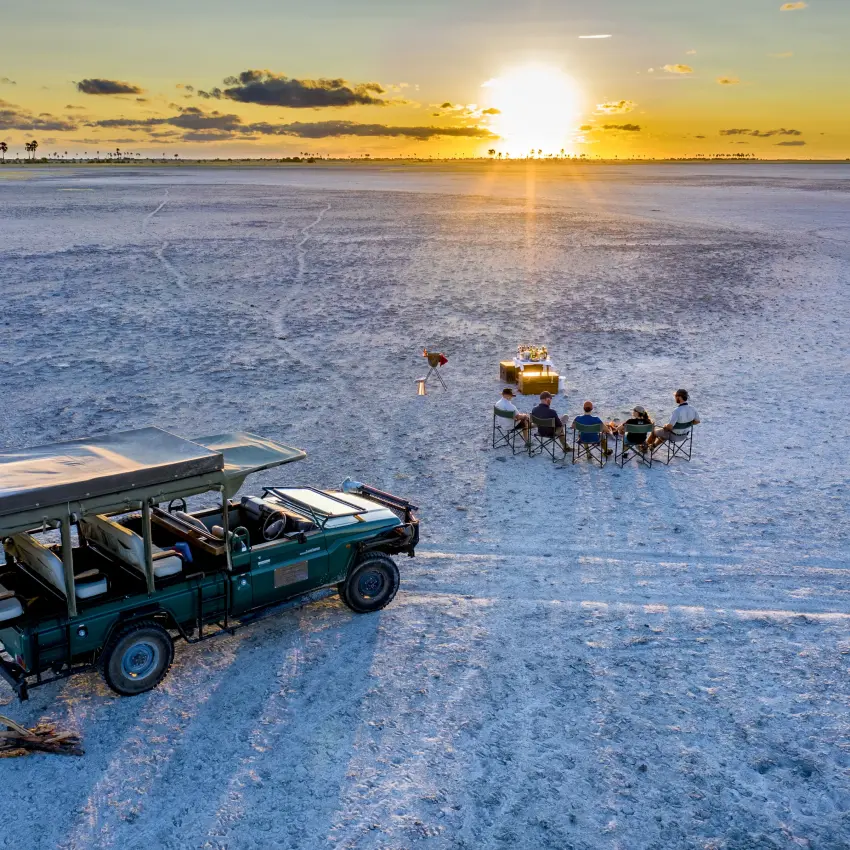
Vehicle and guests dining on salt pan at sunset, Jack’s Camp, Makgadikgadi Pans, Botswana

Jack Bousfield first found this spot on a trapping expedition in the 1960s, drawn back by the isolation of the pans and their wildlife until he set up a simple camp. He died in a plane crash in 1992, and the following year his son Ralph, a fifth-generation safari guide, rebuilt it in the nostalgic 1940s style it holds today. Family photographs and antiques still furnish the tents, a direct link to that original camp rather than a theme applied after the fact.

Guiding keeps that explorer’s-camp feeling alive rather than static

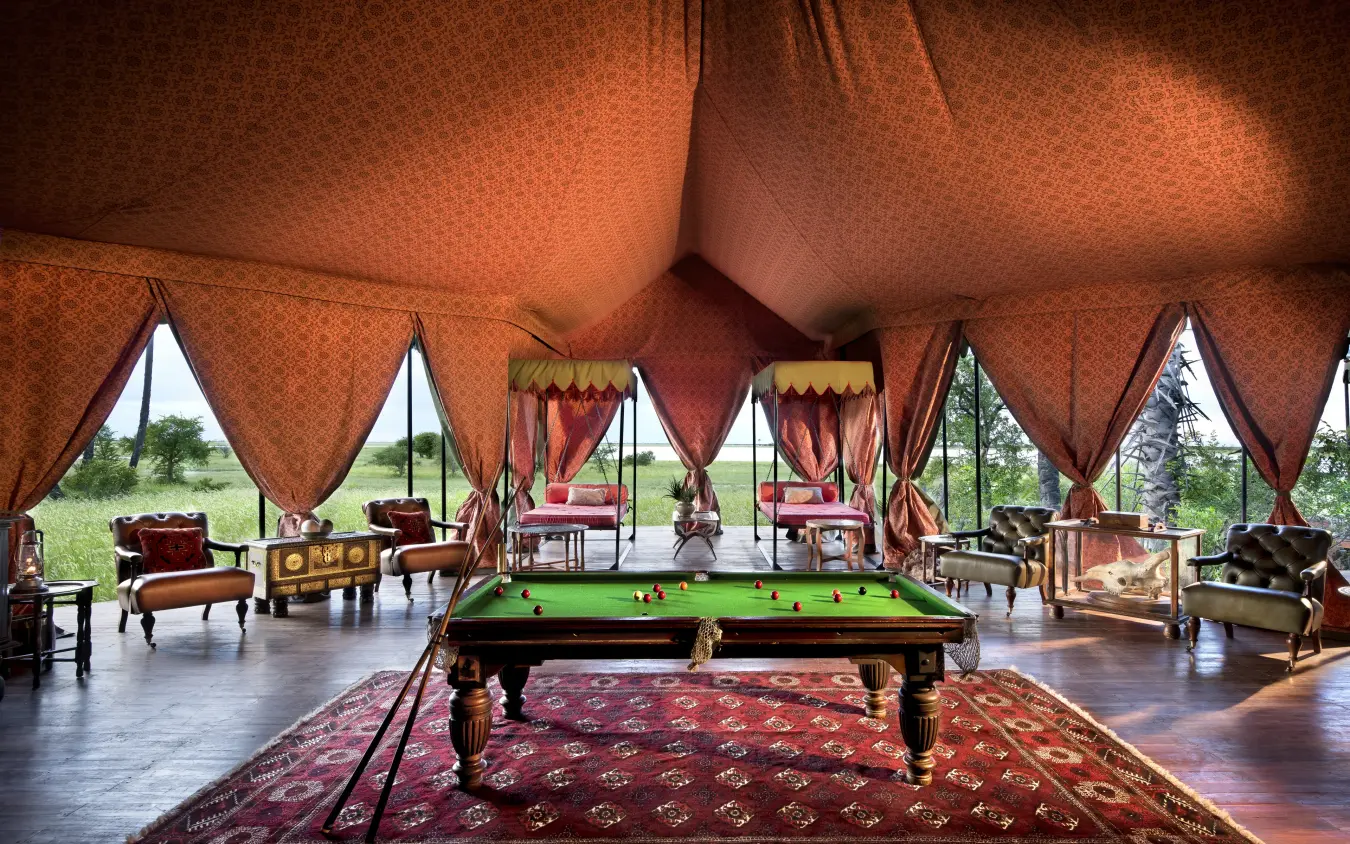
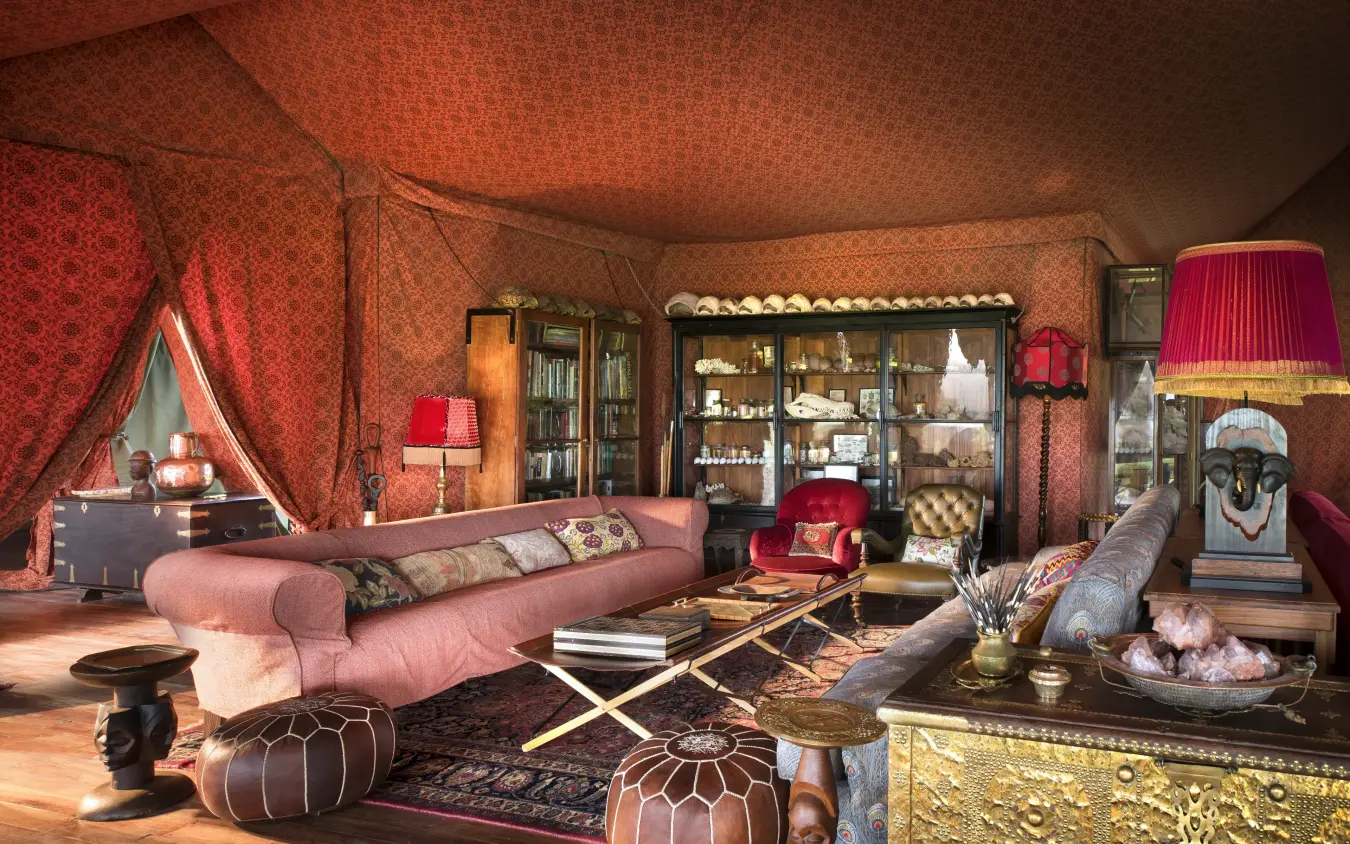
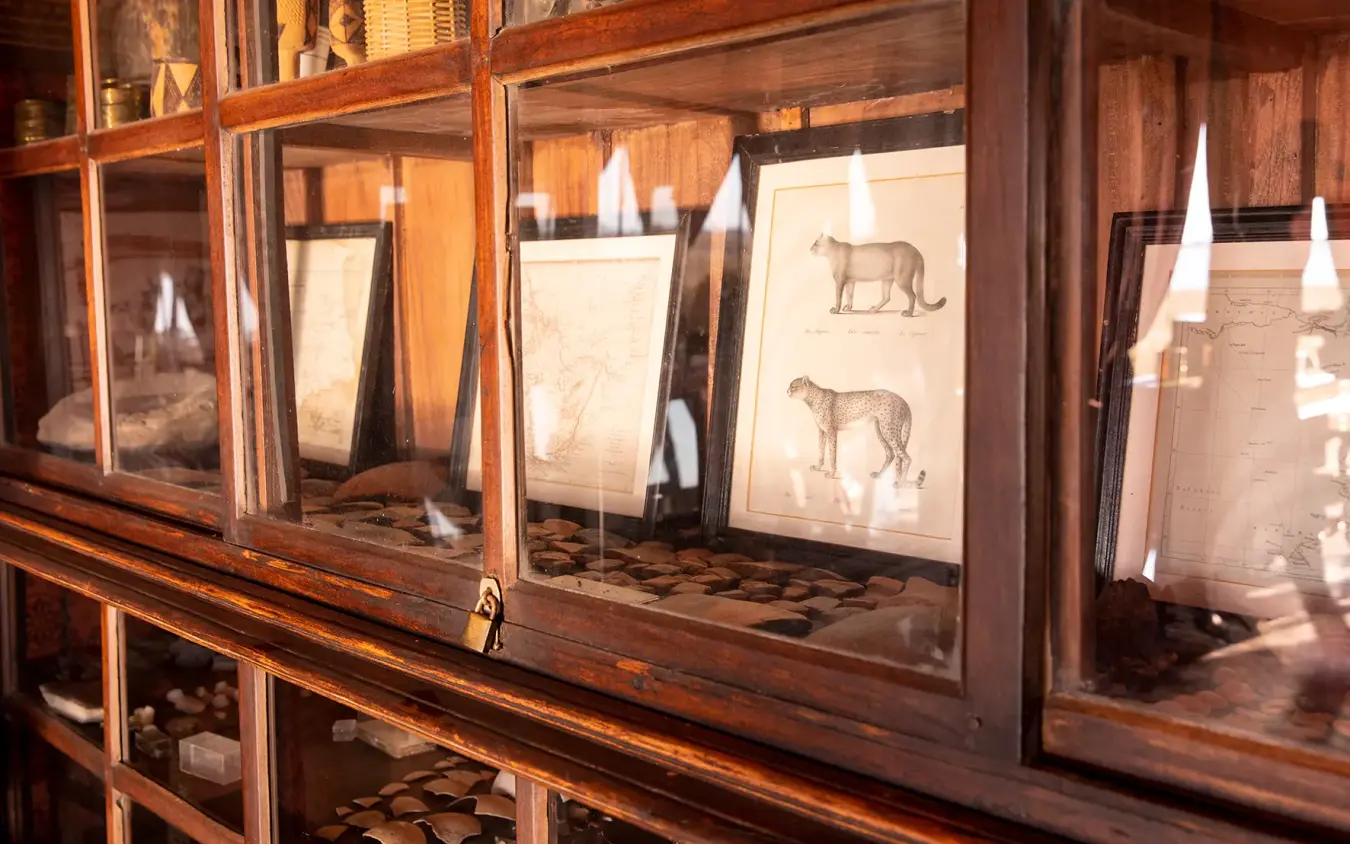
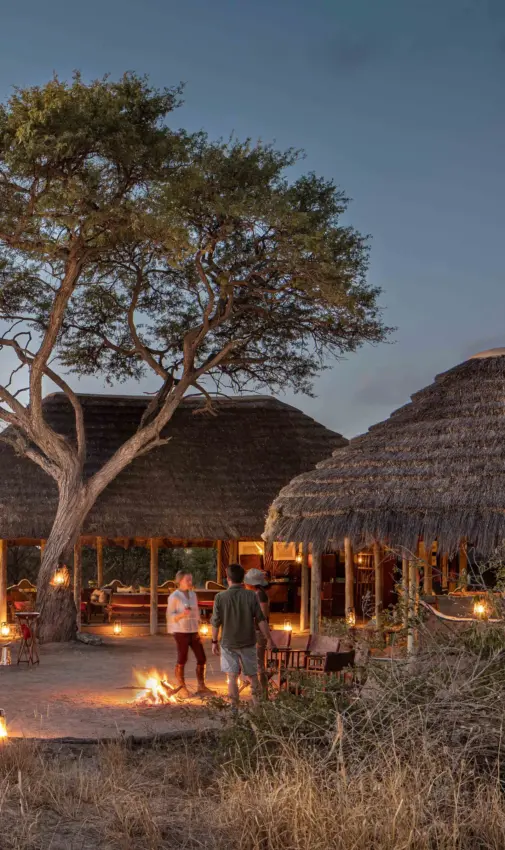
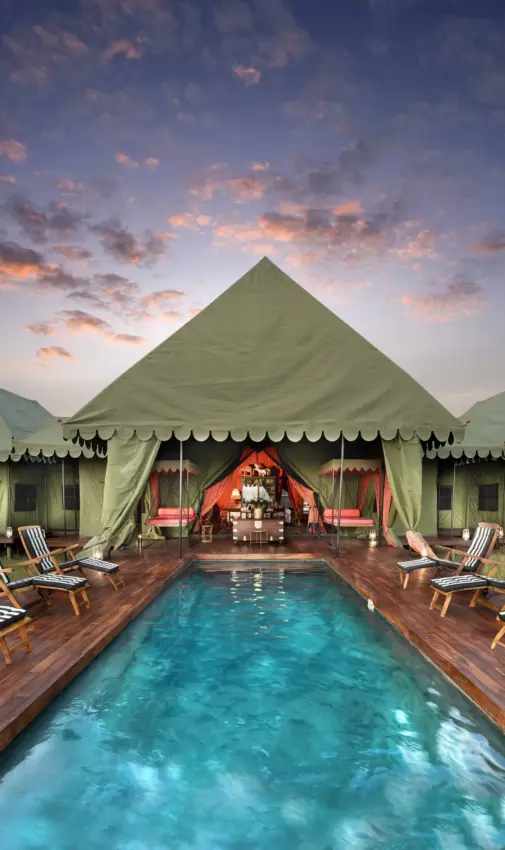
The green canvas tents are lined with muslin and laid with Persian rugs, furnished with mahogany campaign pieces, brass fittings and paraffin lamps, each one holding natural history specimens and family heirlooms arranged like a private cabinet of curiosities. Guiding keeps that explorer’s-camp feeling alive rather than static, the routes and interpretation drawn from decades of the Bousfields’ own research across the Makgadikgadi.

Luxurious bedroom with four-poster canopy beds and red walls, Jack’s Camp, Makgadikgadi Pans, Botswana 01

accommodation

Nine Canvas Tents With Private Plunge Pools

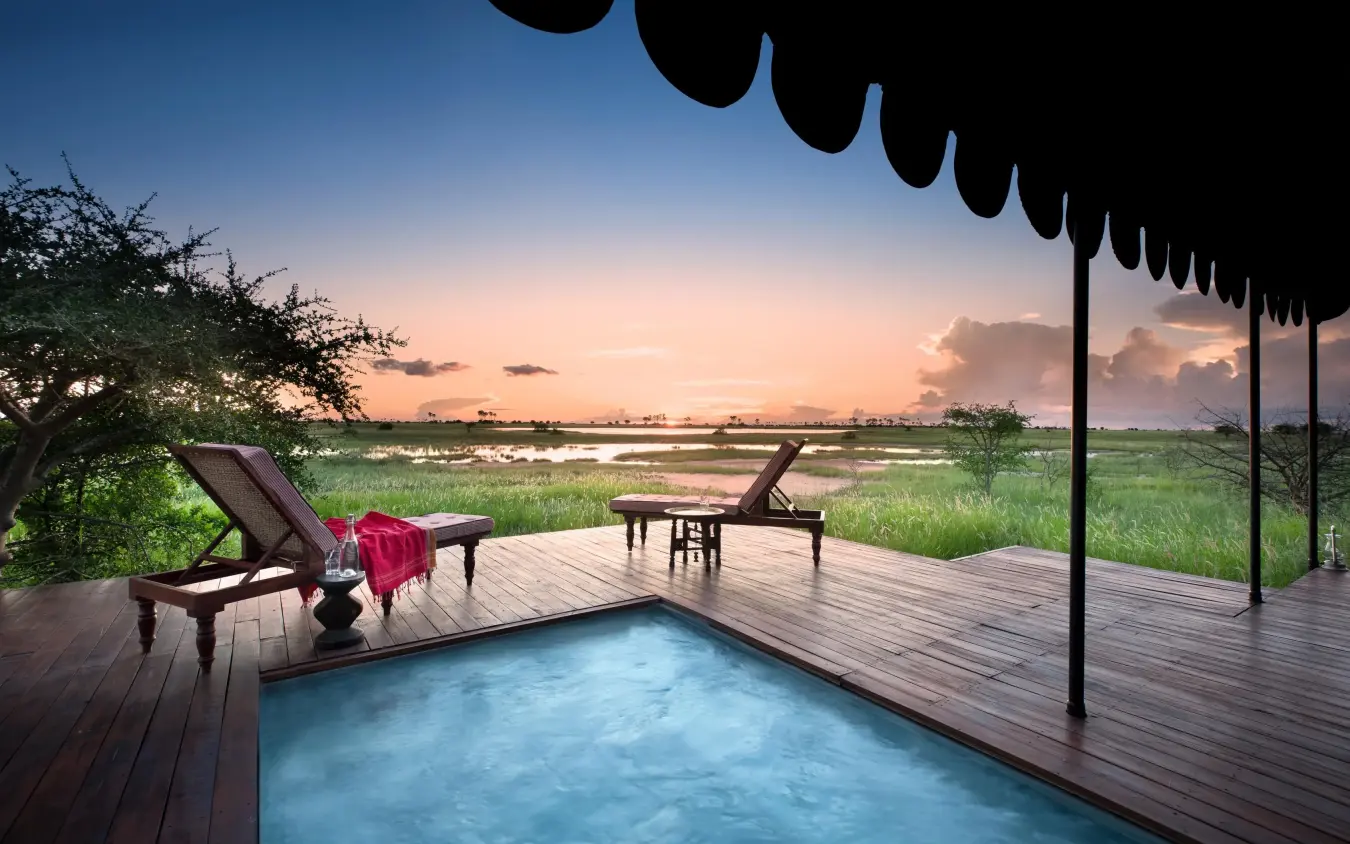
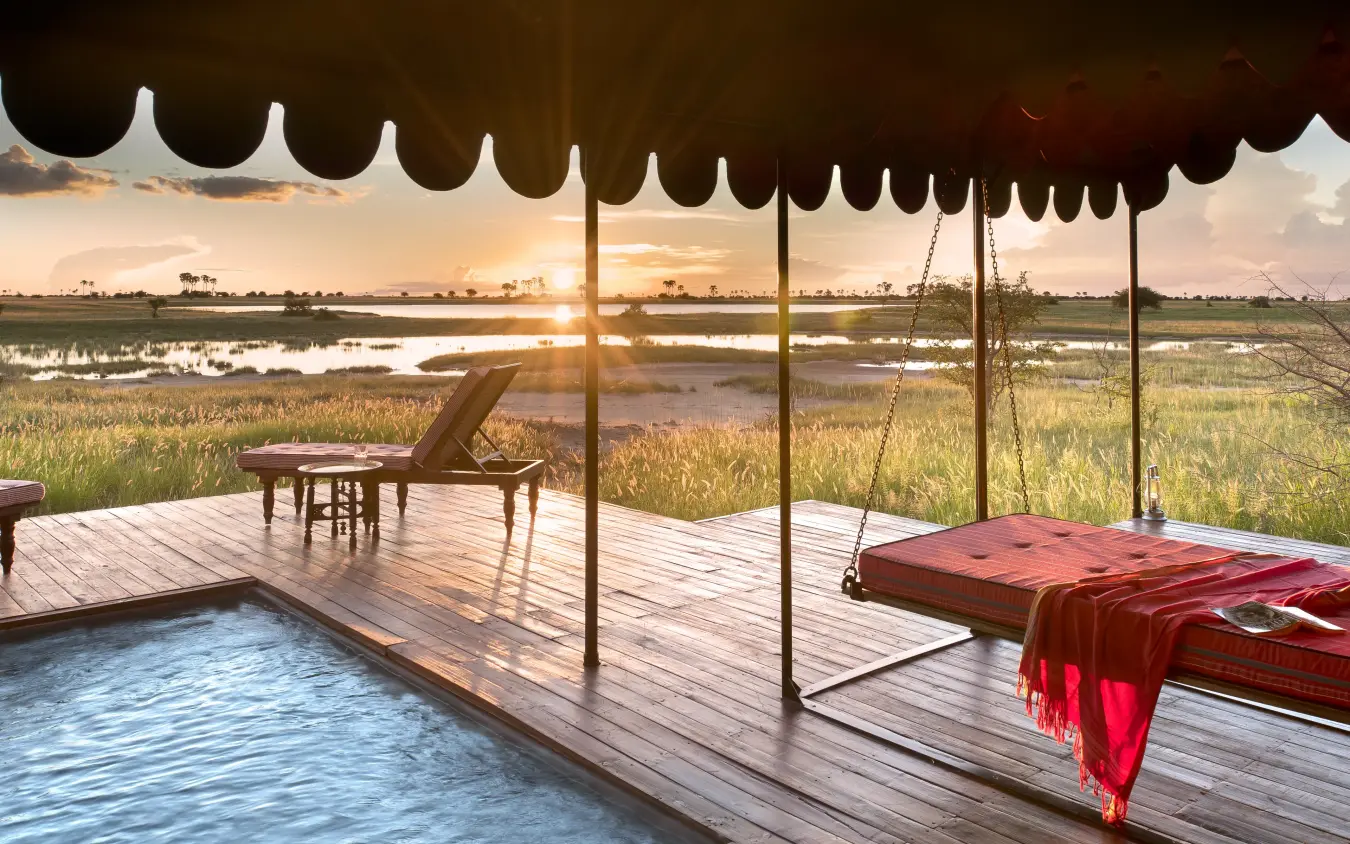
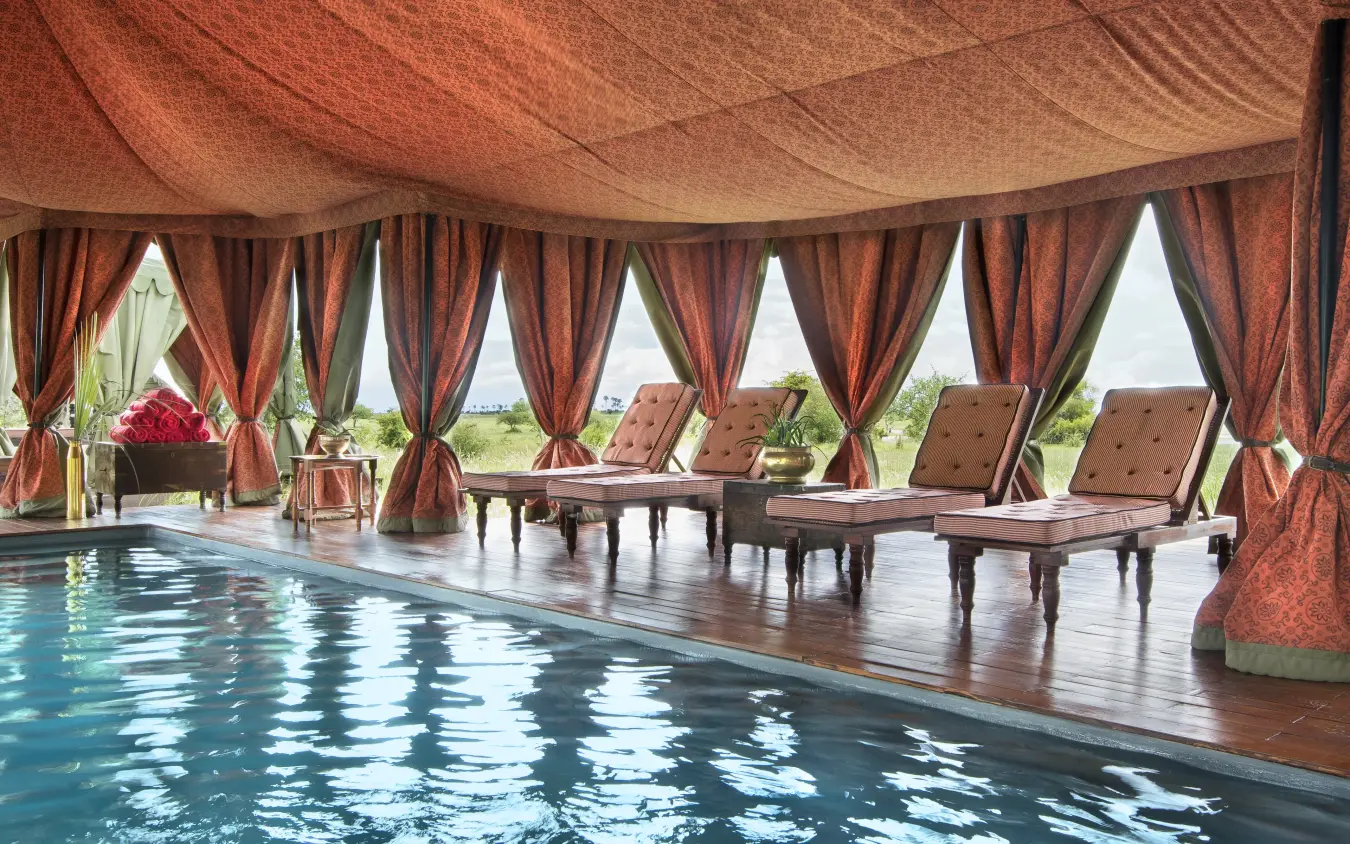
Nine tents, seven twin and two double, each stretch roughly 270 square metres to a private deck and plunge pool facing the pans. Interiors combine green canvas, muslin drapes and Persian rugs, set against mahogany campaign furniture and brass fittings, while each en-suite bathroom opens onto both indoor and outdoor showers. An over-bed cooling system carries guests through the warmer months.

Group of riders on horseback galloping through shallow water, Jack’s Camp, Makgadikgadi Pans, Botswana 02

activities

Game Drives, Walking Safaris, And Meerkat Encounters

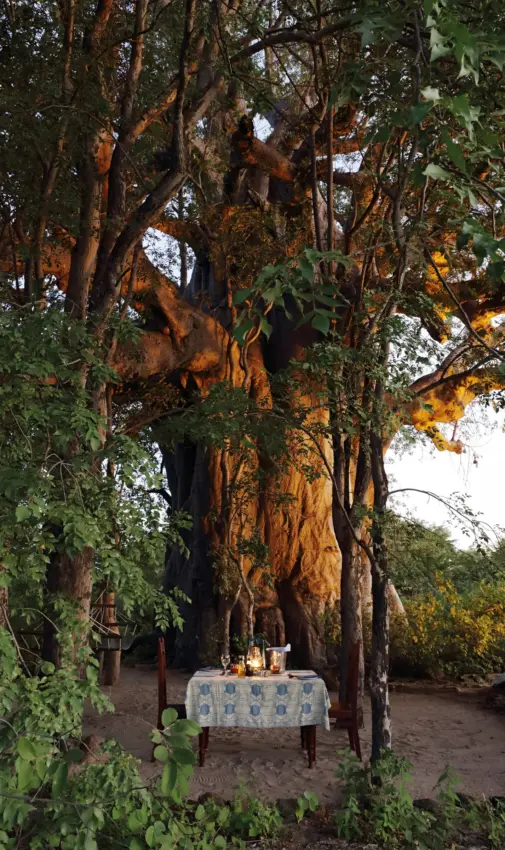
Days run to game drives by day and night, walking safaris with Zu/'hoasi San guides, and habituated meerkat encounters. In the dry season, quad biking and sleep-outs on the salt pans join horse riding across the crust. Visits to Chapman's Baobab, birding, and interpretive outings covering the pans' geology and archaeology round out the programme, with helicopter flights available seasonally over the pans.

Local guides demonstrating traditional hunting techniques in grassland, Jack’s Camp, Makgadikgadi Pans, Botswana 03

conservation

Solar Power And Makgadikgadi Migration Support

Jack's Camp runs on solar power and returns a share of revenue to local conservation, supporting the Makgadikgadi-Nxai Pans conservation initiative, which works to reopen large-mammal migration routes cut off by fencing. It also funds a solar power installation and borehole project at Gweta Hospital, while walking excursions with Zu/'hoasi San guides form an ongoing partnership with the local community.

ready to get started?

Get in touch and let’s start the conversation. An initial consultation helps us understand what you’re looking for, whether that’s specific experiences, luxury touches, or marking a special occasion, and from there we’ll guide you through what’s possible so you can decide if we’re the right fit.

frequently asked questions

By light aircraft from Maun, roughly 45 minutes to an hour to the camp's airstrip on the edge of the Makgadikgadi salt pans, then a short drive to camp. We build the charter into your itinerary and time it to your arrival in Maun.

Seats are shared and the schedule is fixed the day before, and luggage is limited to soft bags of around 20kg. If you would rather not be tied to the shared schedule, we can arrange a private charter, typically a Cessna Caravan or Pilatus PC-12, that departs when you do. Jack's Camp stays open year-round, though the activities change with the seasons.

The Makgadikgadi carries a low malaria risk. This is dry, open desert country with little standing water for most of the year, so the risk stays low, at its lowest in the dry winter and rising with the summer rains when the pans hold water.

Health guidance can change from year to year, so we suggest confirming the current position with a travel clinic or your doctor before you travel, and taking the usual precautions against bites after dark. We would not call it malaria-free, but the risk here is modest.

There are two very different prime windows. The dry season from June to September sets the pans hard and white, which is when the quad biking, sleep-outs on the salt and easy meerkat encounters are at their best, with game along the Boteti River. This is the classic Jack's Camp experience.

The green season from December to March floods the pans and brings the zebra and wildebeest migration, Africa's second largest, with flamingos gathering on the water. October is the hottest month. So the choice comes down to the white-desert experience in winter or the migration and birds in summer, and we are glad to talk you through which suits you.

The pans are a place of extremes. Winter nights and dawns from June to August can fall to freezing or near it, so pack proper warm layers, a fleece, a windproof jacket, a hat and gloves, for the early starts and the open quad rides. Days warm to the mid-twenties.

The summer, from October, is hot, often in the high thirties and beyond, with little shade out on the salt. Bring light, breathable clothing, a wide-brimmed hat and strong sun protection, and a light waterproof for the green-season storms. Neutral colours throughout, and something to keep the wind and dust off on the open pans.

Yes, children of all ages are welcome. Families travelling with children aged eight and under are asked to take a private guide and vehicle, which we arrange, and children under twelve share a tent with an adult. The meerkats, the quad bikes in the dry season and the walks with Zu/'hoasi San guides tend to captivate children.

There is no electricity in the tents, so it is worth preparing younger guests for a genuinely off-grid stay. Tell us the children's ages and we will set the trip up accordingly.

There is no guest wifi and no mobile phone signal out on the pans, and there is no electricity in the tents, with charging handled in the main mess tent. This is a deliberately off-grid, back-in-time camp.

Most guests come precisely for that, the quiet and the huge empty horizon. The camp can be reached for anything urgent, but plan on being offline while you are here.

rated five stars by our clients

other areas in botswana

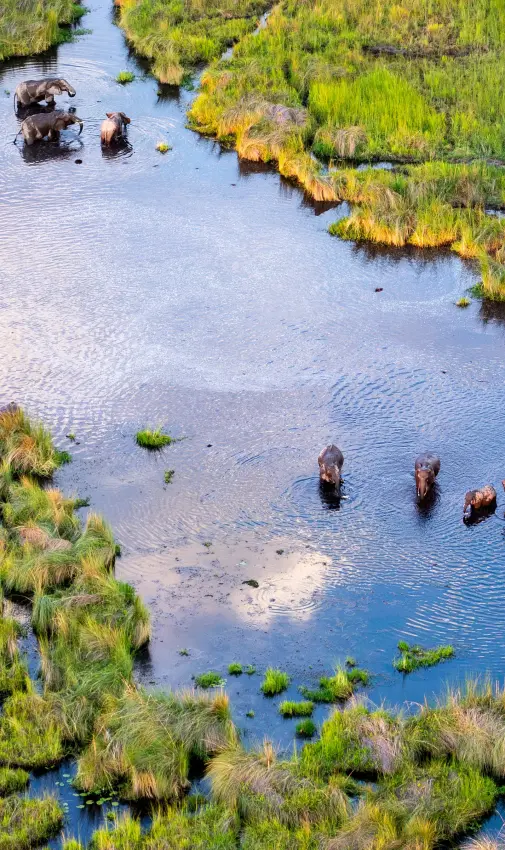
Aerial view of elephants wading in shallow water surrounded by vegetation 01

The Okavango Delta

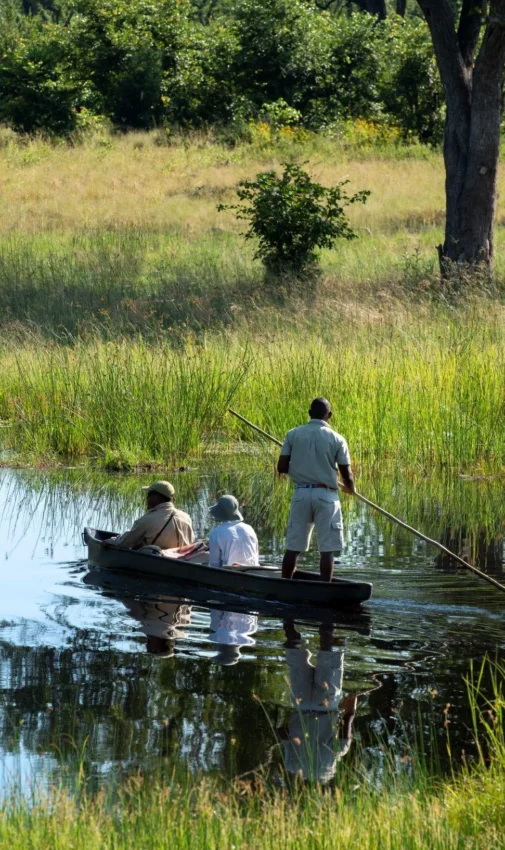
Guests poling traditional boat through wetland waterway, Linyanti Wildlife Reserve, Botswana 02

Linyanti Wildlife Reserve

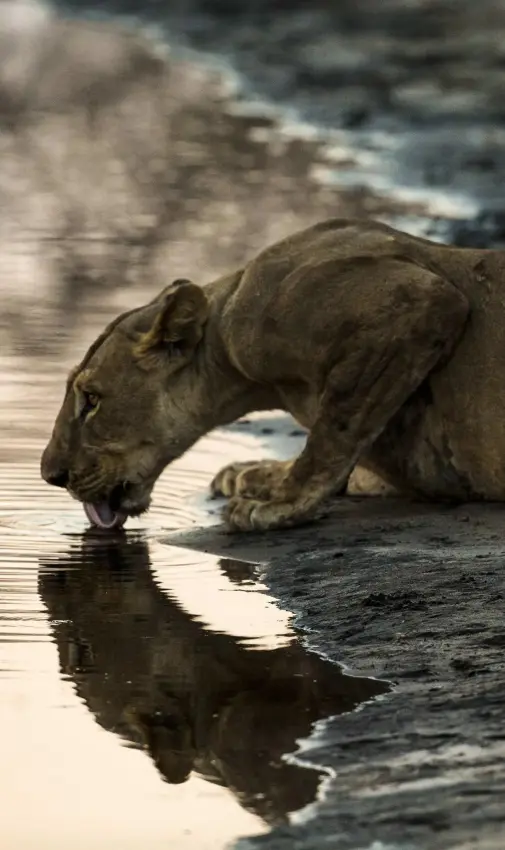
Lion drinking from water's edge at sunset, Selinda Reserve, Botswana 03

Selinda Reserve

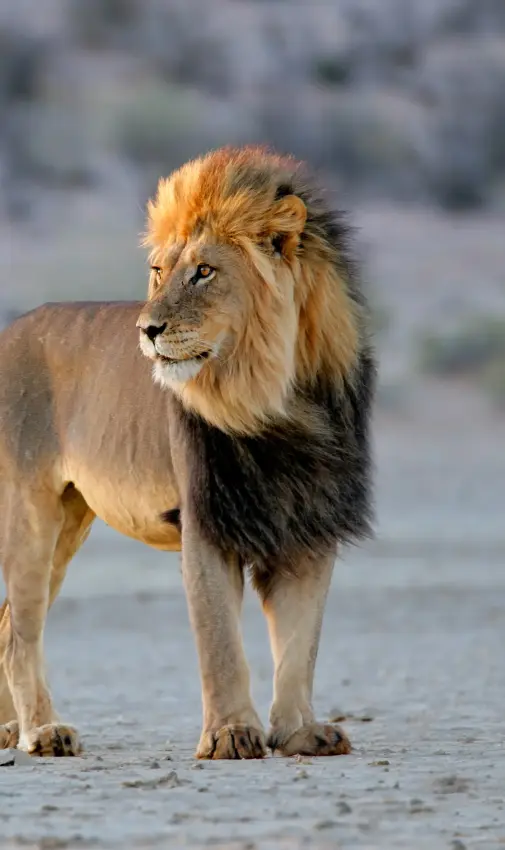
Male lion standing on sandy ground in natural habitat 04

Central Kalahari

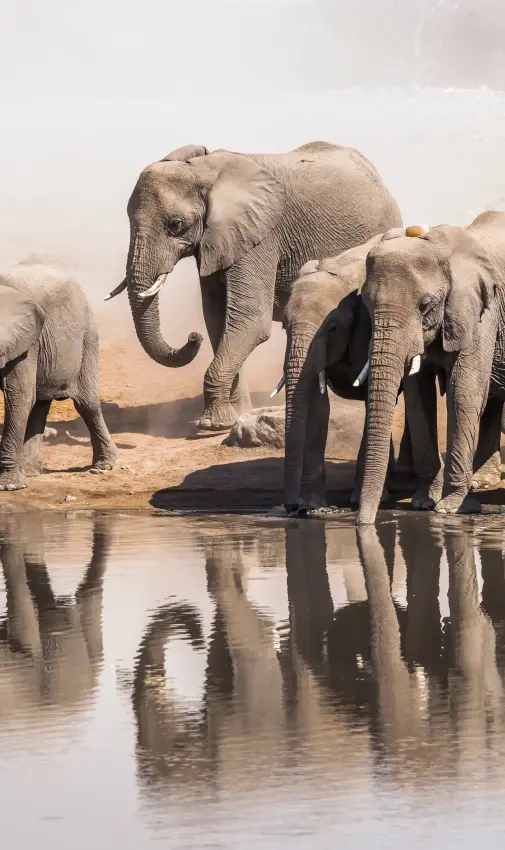
Herd of elephants drinking at waterhole with reflections 05

Chobe

Planning a journey together

our approach

remote, exclusive
& personal

Every journey starts with a conversation. We take the time to understand your vision before we start planning.

Whether by phone or in person, we work with you directly to shape something that is considered, personal, and expertly delivered.

get in touch
destinations ideas & inspiration our process about us contact us