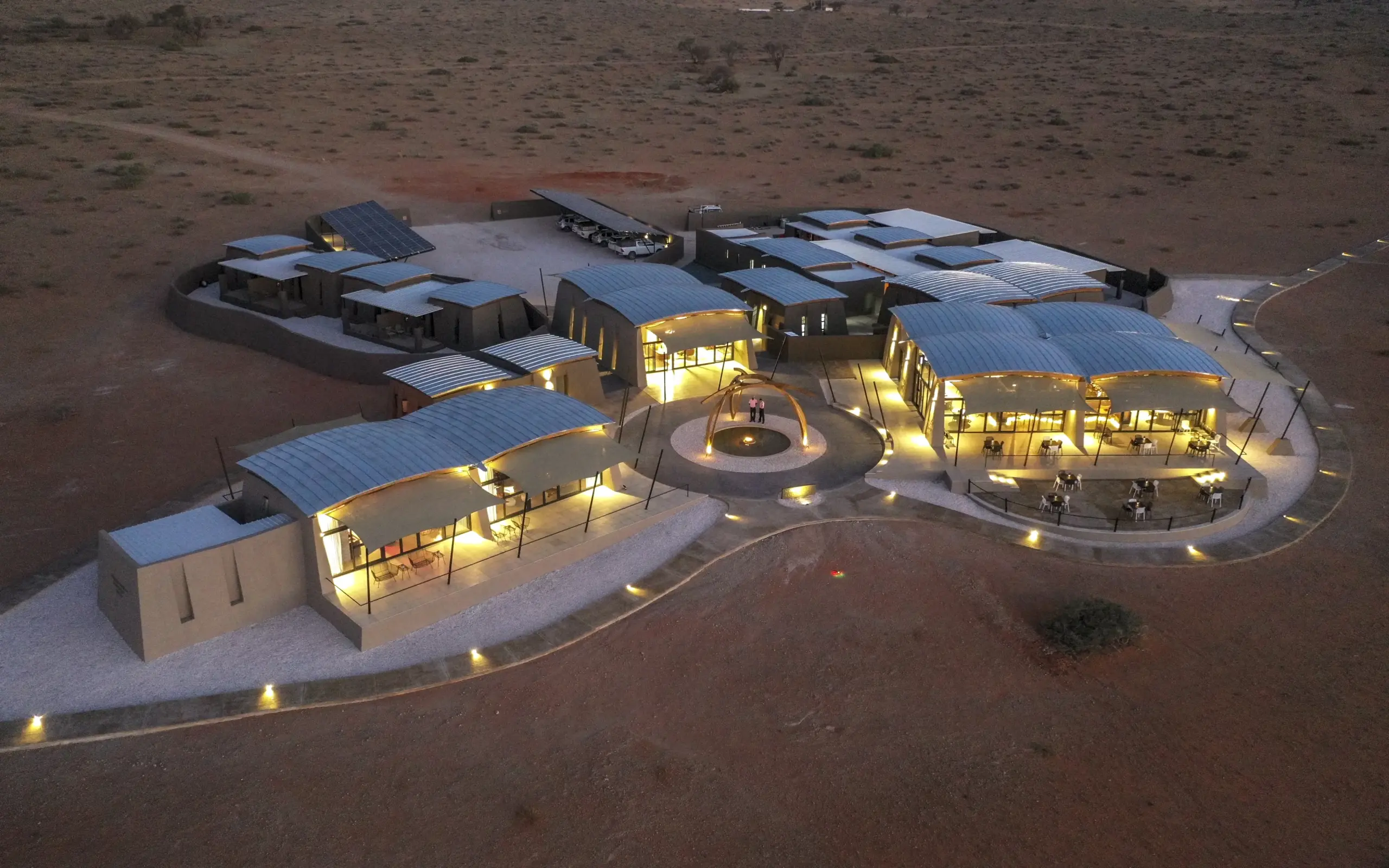
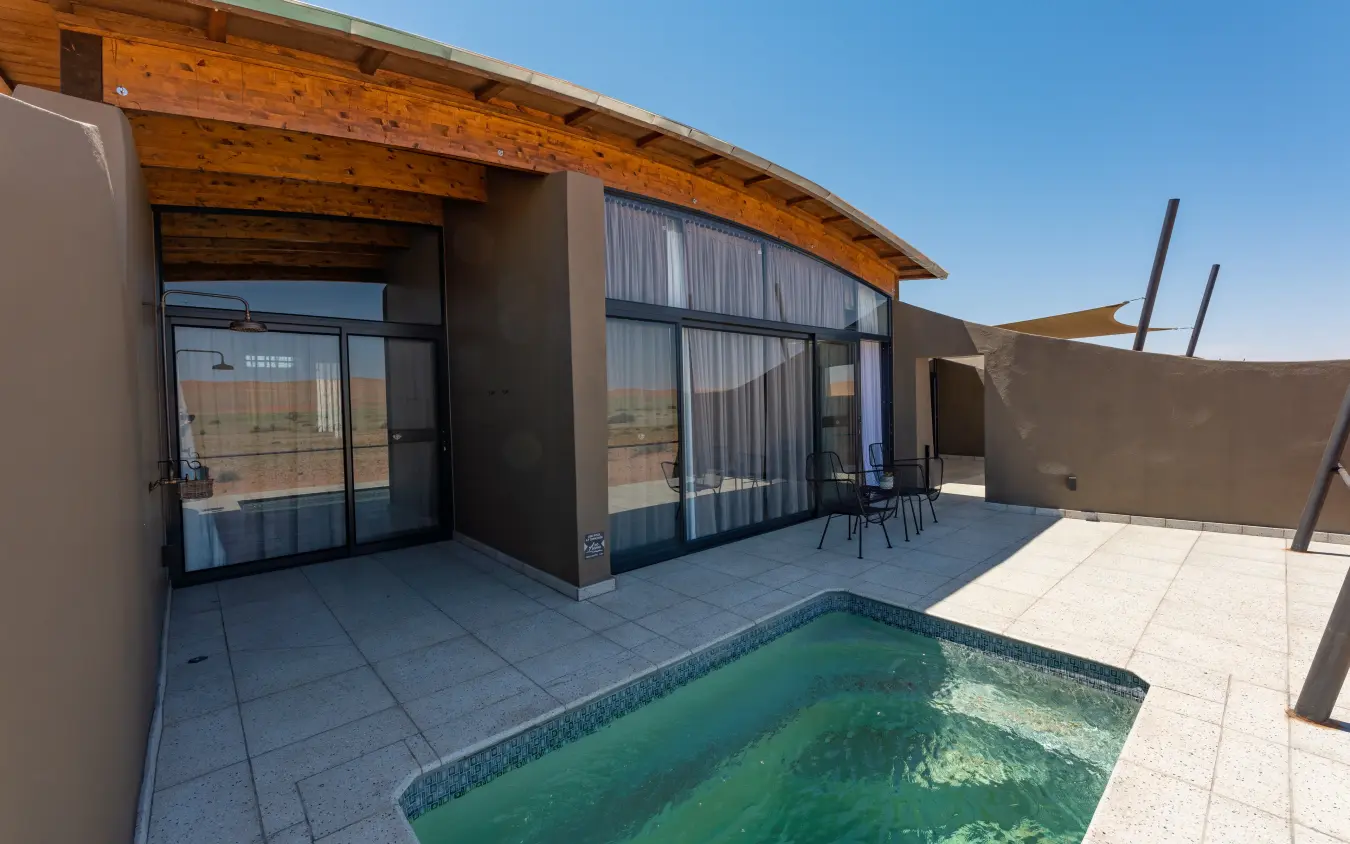
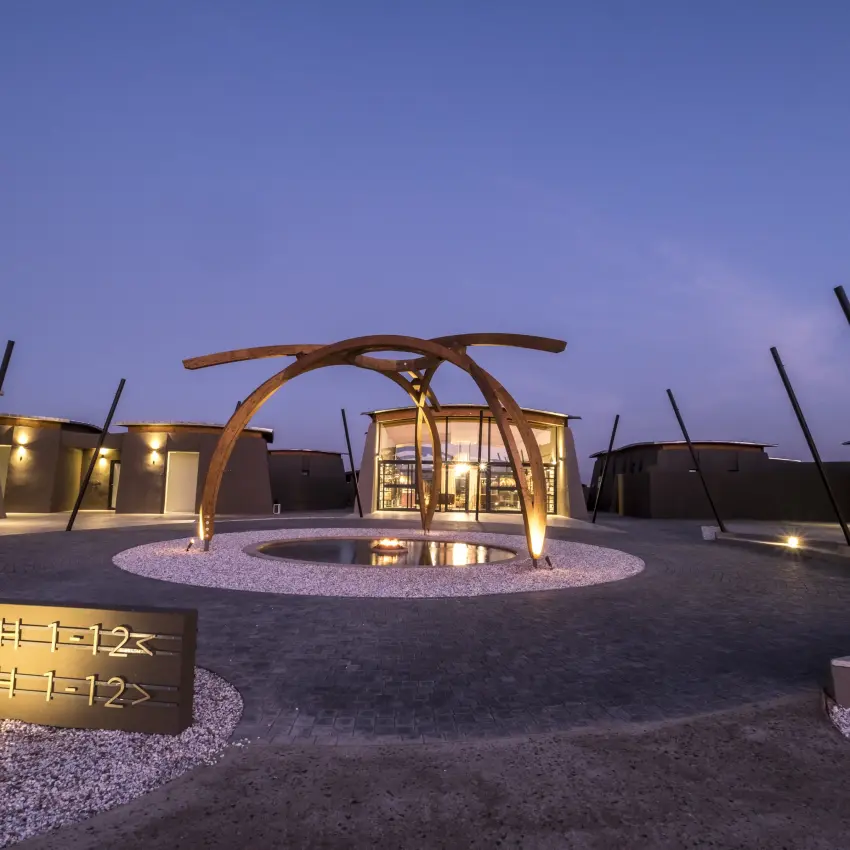
The walls are built from sandbags scooped and filled on site, a technique that holds off both the scorching daytime heat and the freezing desert nights. Because the sand came from the ground beneath the lodge, far fewer trucks were needed than conventional brick would have demanded, and the pits where it was taken have since recovered. It is a building that belongs to the place it sits in, drawn up out of the ground rather than carried in across it.
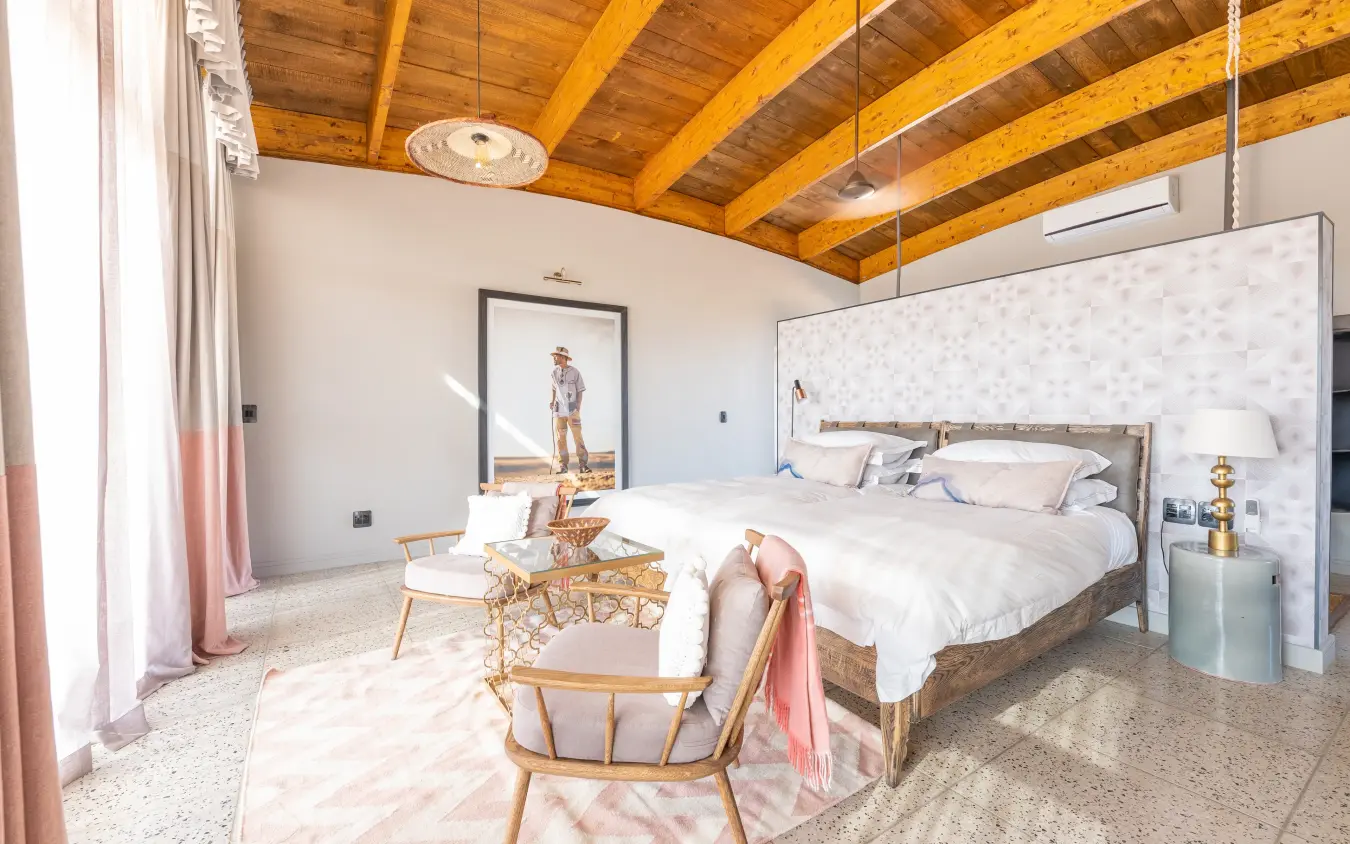
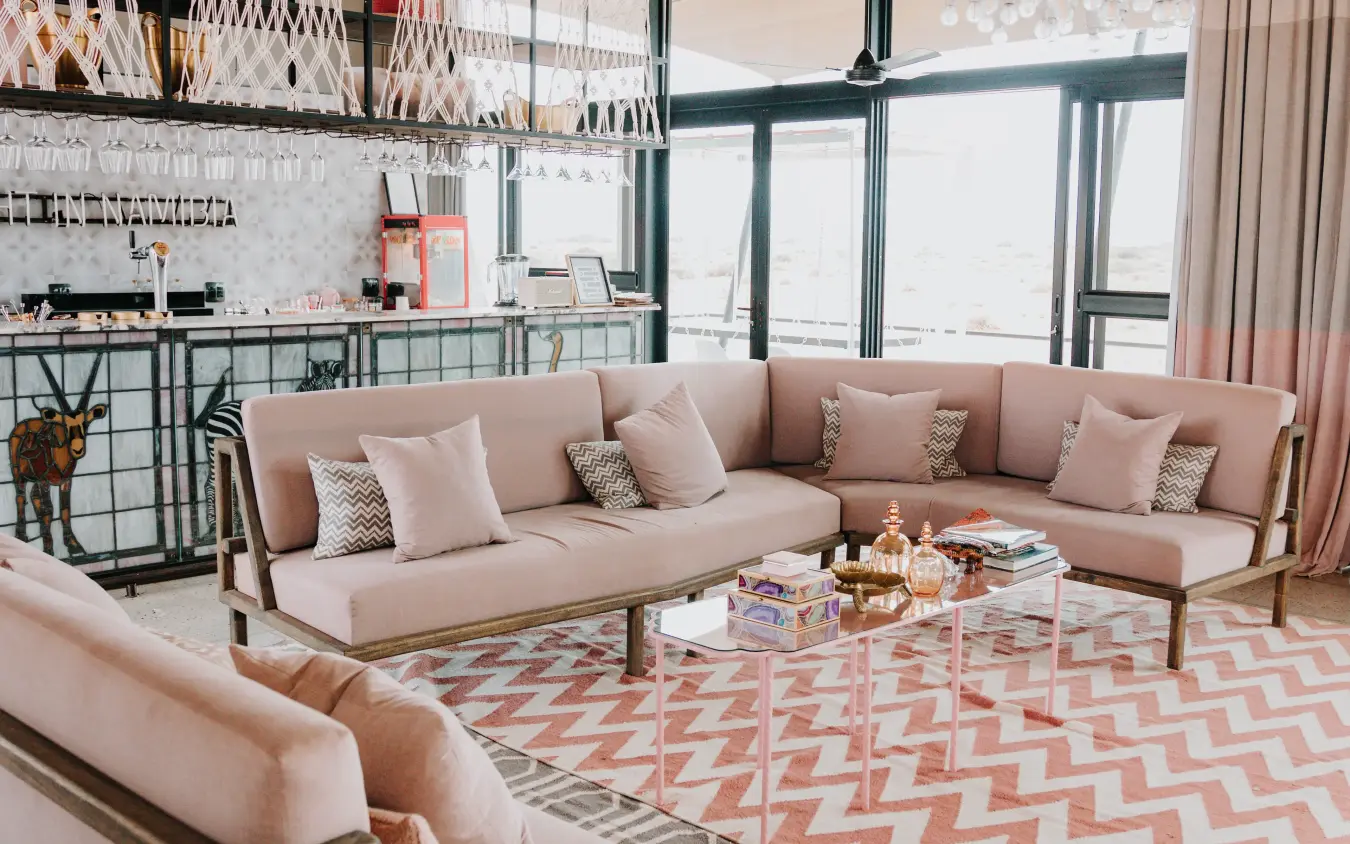
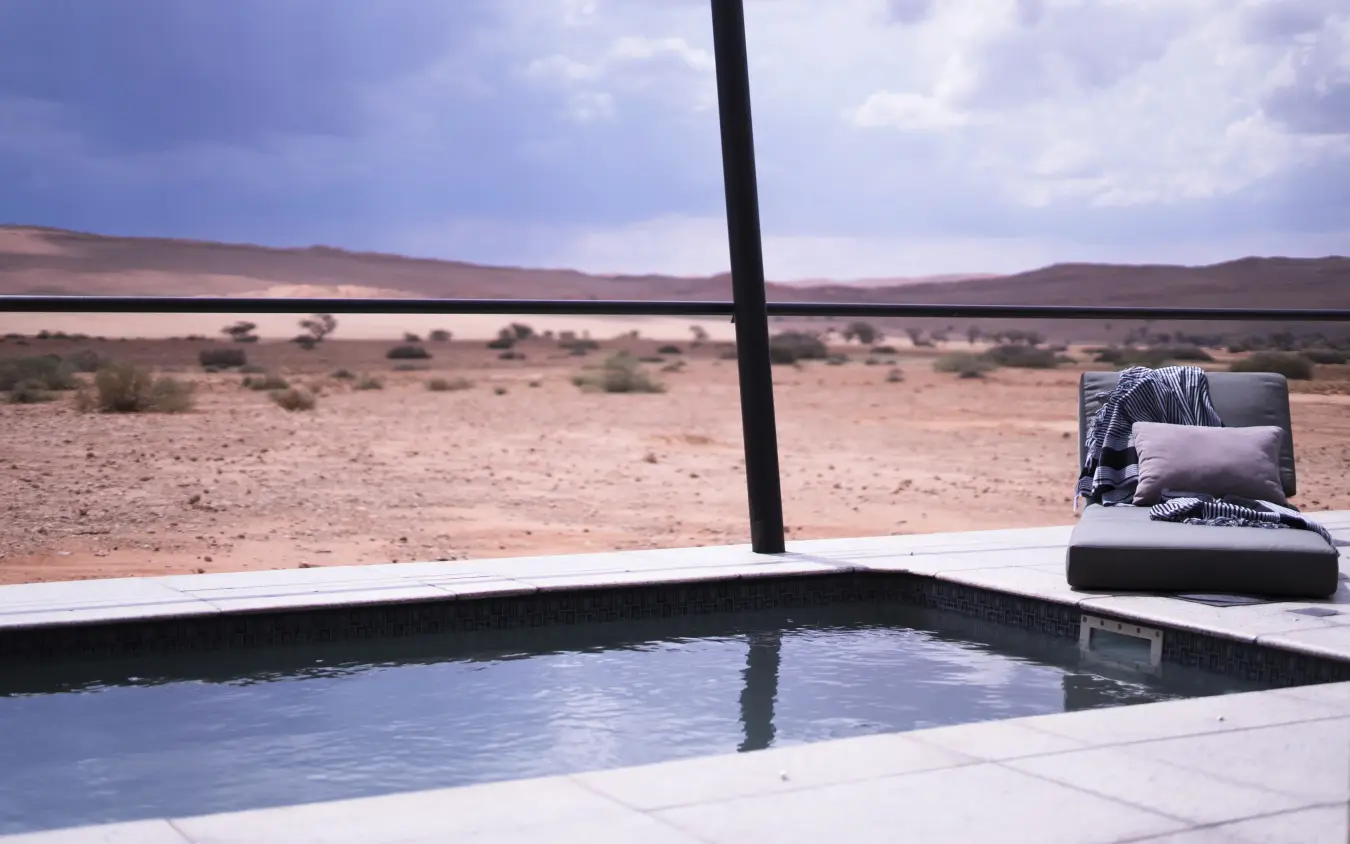
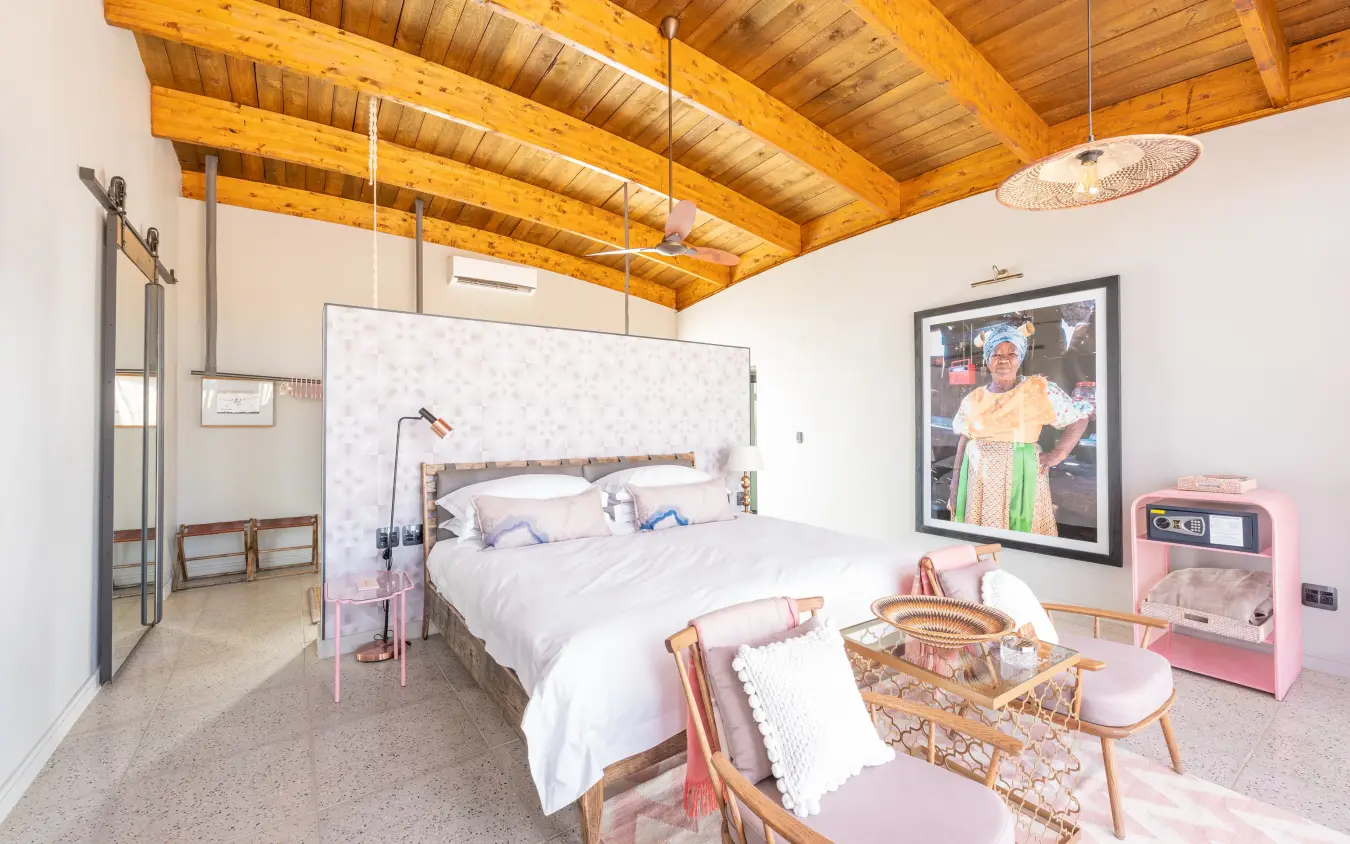
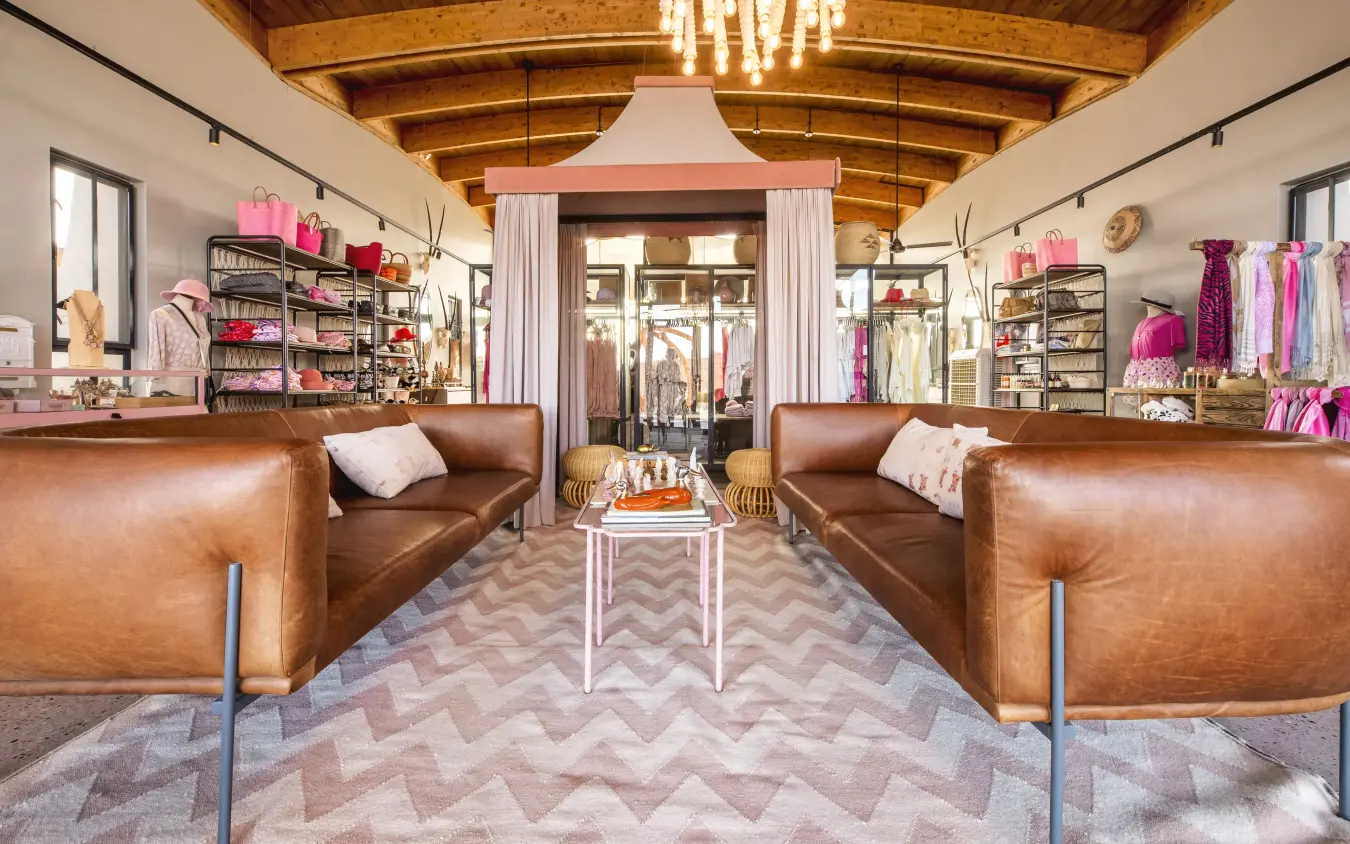
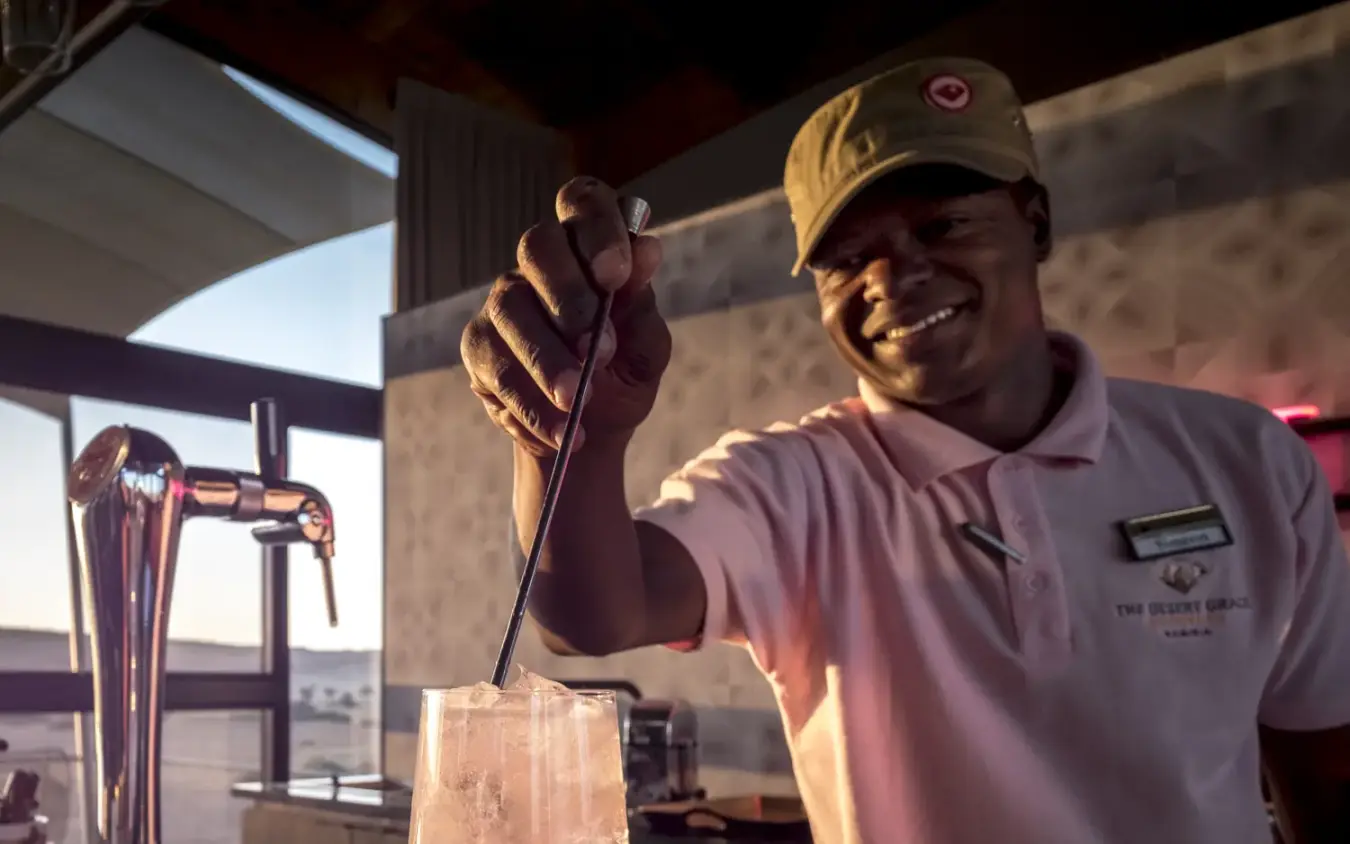
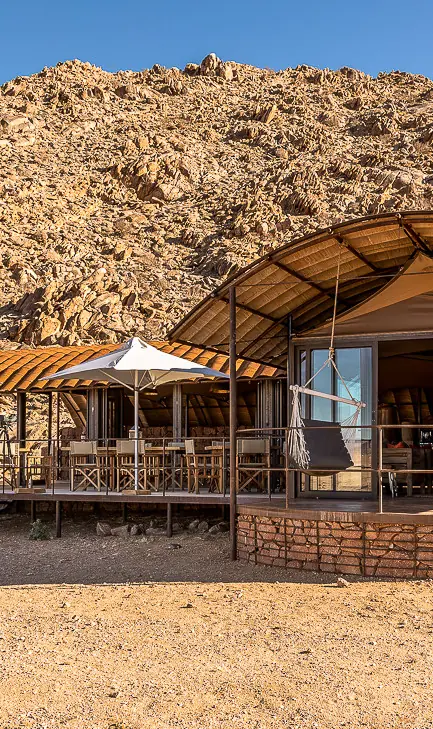
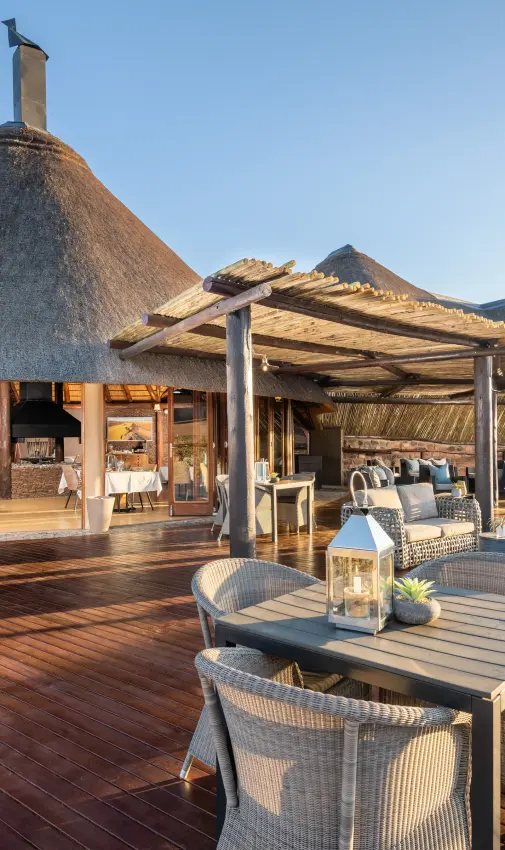
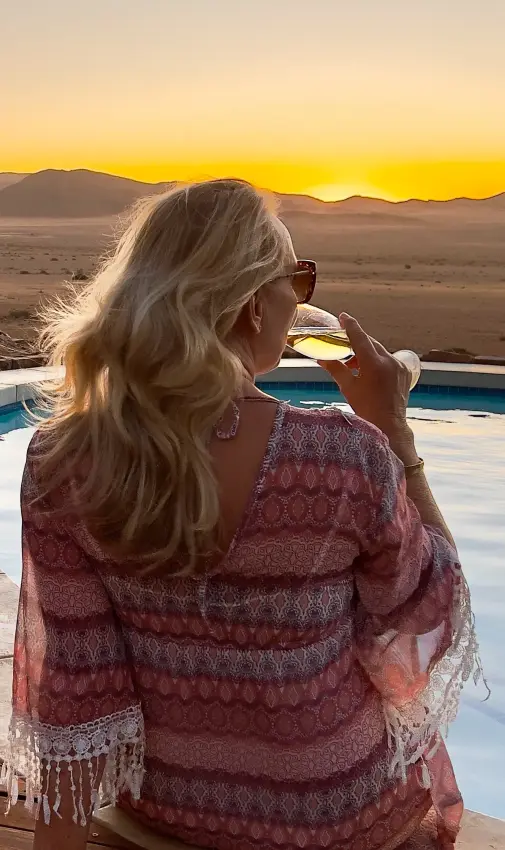
Twenty double and twin bungalows and four larger family units make up the accommodation, each one freestanding, each with floor-to-ceiling glass framing the desert. At the centre the lodge opens into a restaurant, a wide dining deck and a circular water feature with a fire pit at its heart. The buffet runs to live grills and fresh bread, and the spread reads as gloriously unexpected out here. The signature drink is a pink gin and tonic, poured to match the sunset.
Twenty double and twin bungalows and four larger family units make up the accommodation
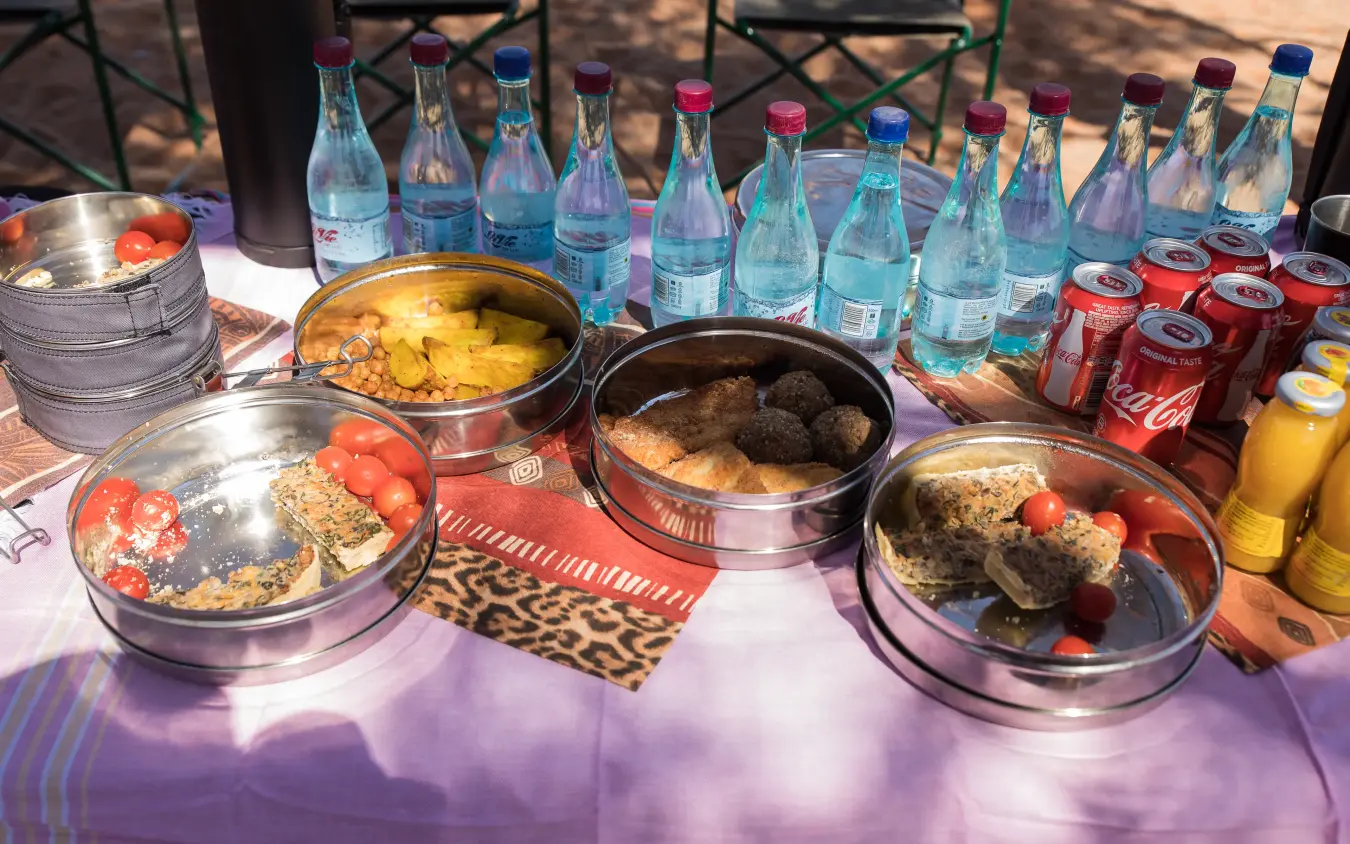
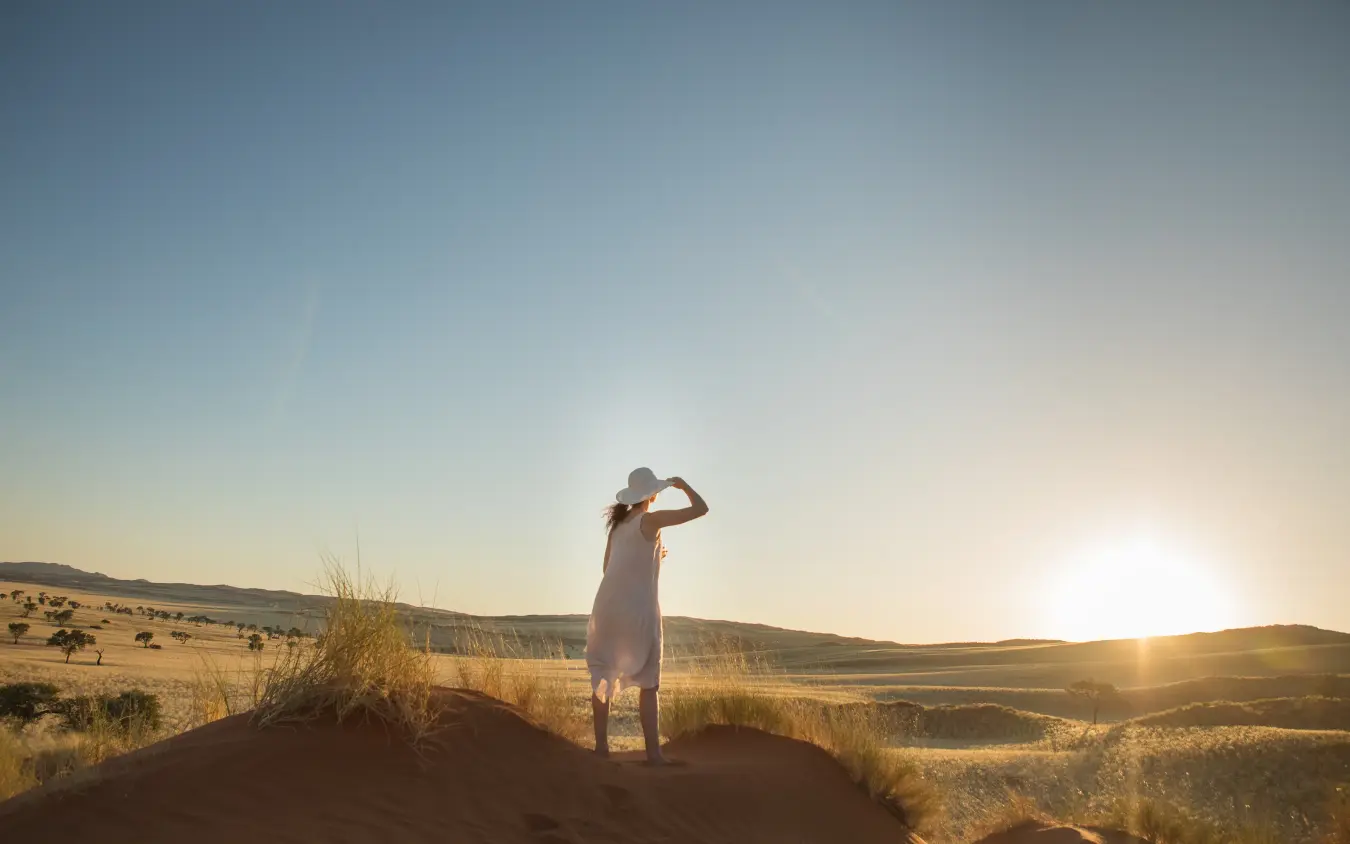
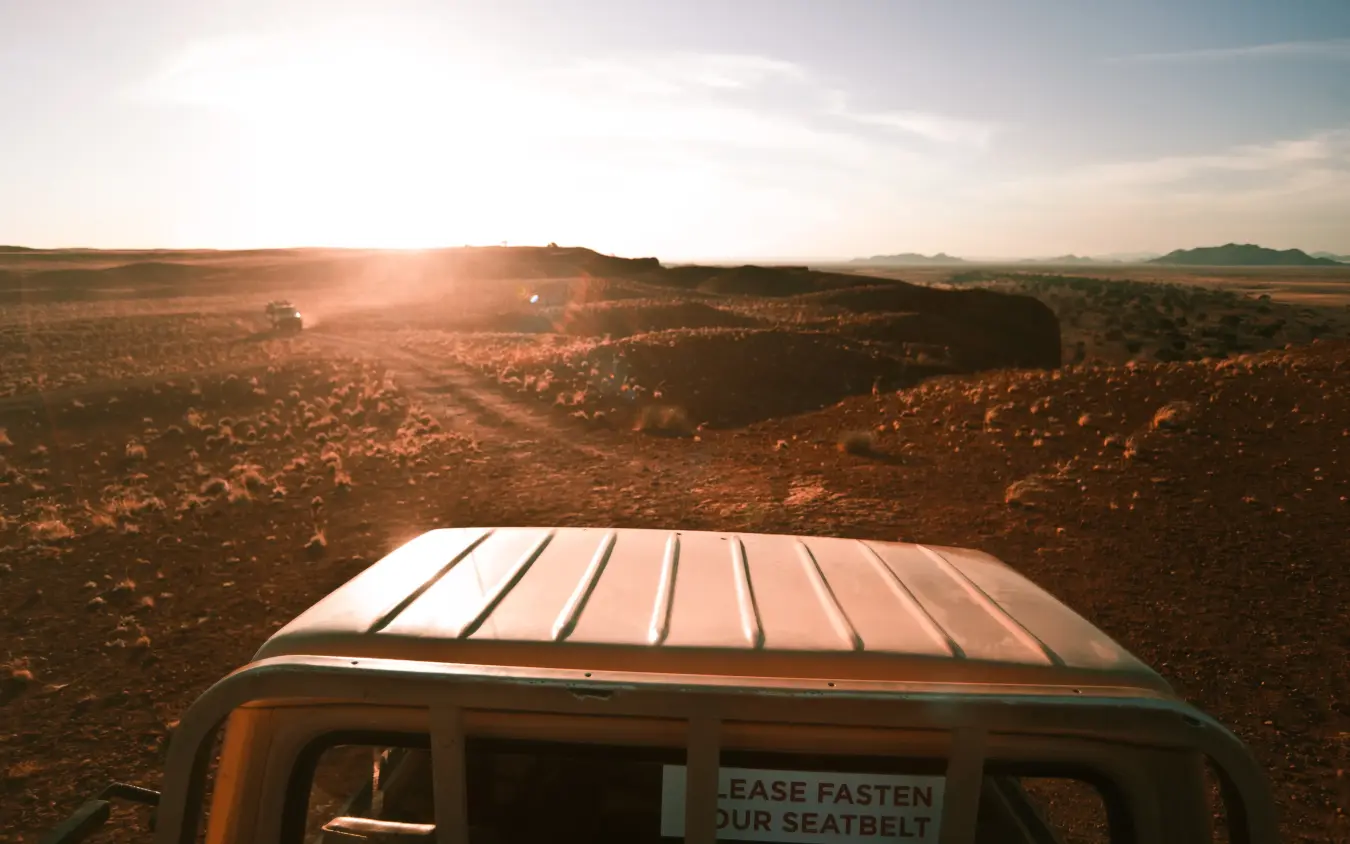
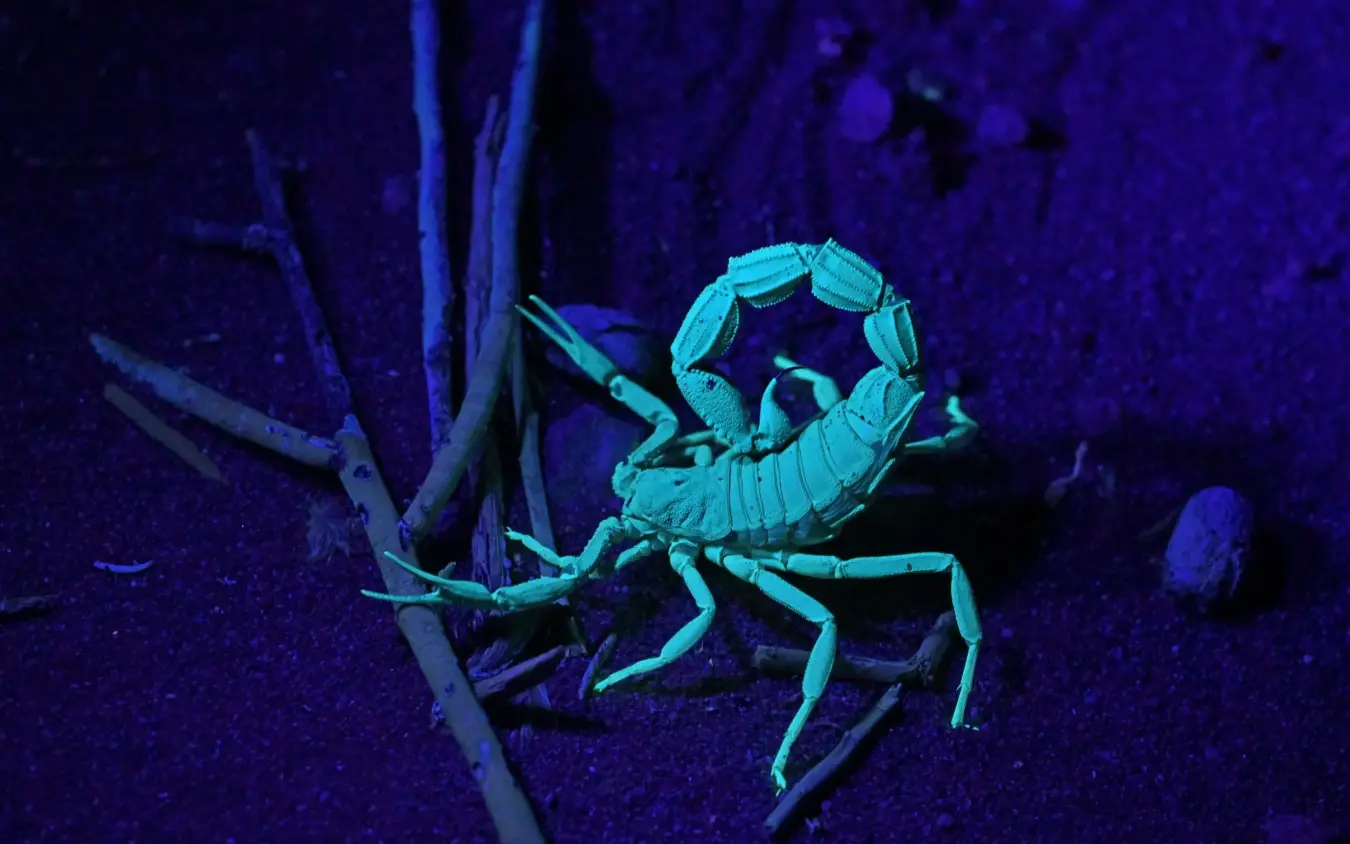
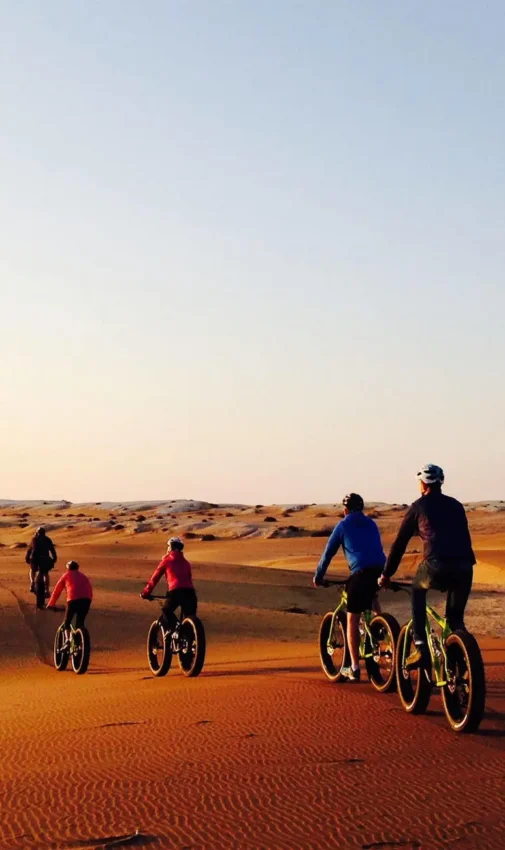
Sossusvlei and Deadvlei lie within the national park, reached on a guided half-day excursion that leaves before dawn for Dune 45, Big Daddy and the fossilised trees of the vlei, ending with a brunch under camelthorn trees. Inside Gondwana Namib Park, the private reserve, the rules loosen. Here you can take sundowners on the crest of a red dune, drive across the fossilised dune formations morning and afternoon, and walk out after dark with ultraviolet lights that turn desert scorpions a glowing neon.
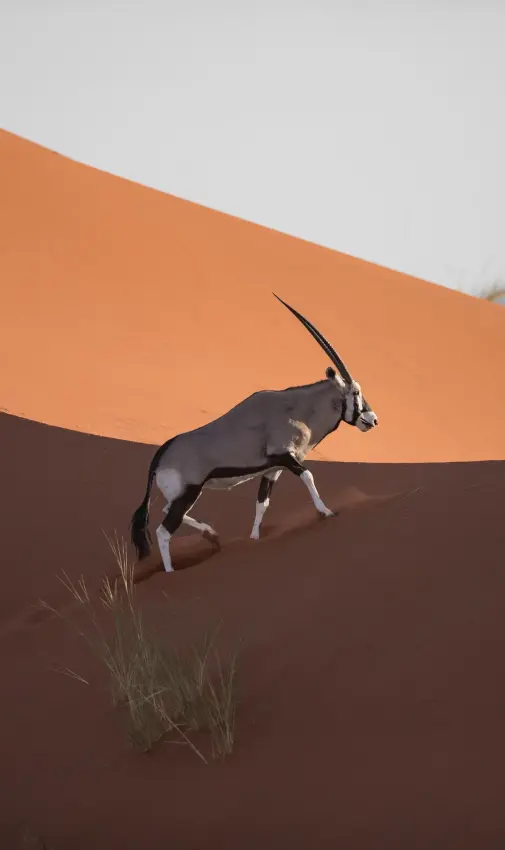
Oryx graze within metres of the plunge pools, while springbok, ostrich and black-backed jackal move across the gravel plains. Because the reserve borders the national park, wildlife crosses freely between the dunes and the open flats. This is desert-adapted country rather than big-game territory, and the drives read the geology of the dunes as much as they track any animal. Three self-guided walking loops, named for the beetle, the gecko and the dune lark, leave straight from camp.