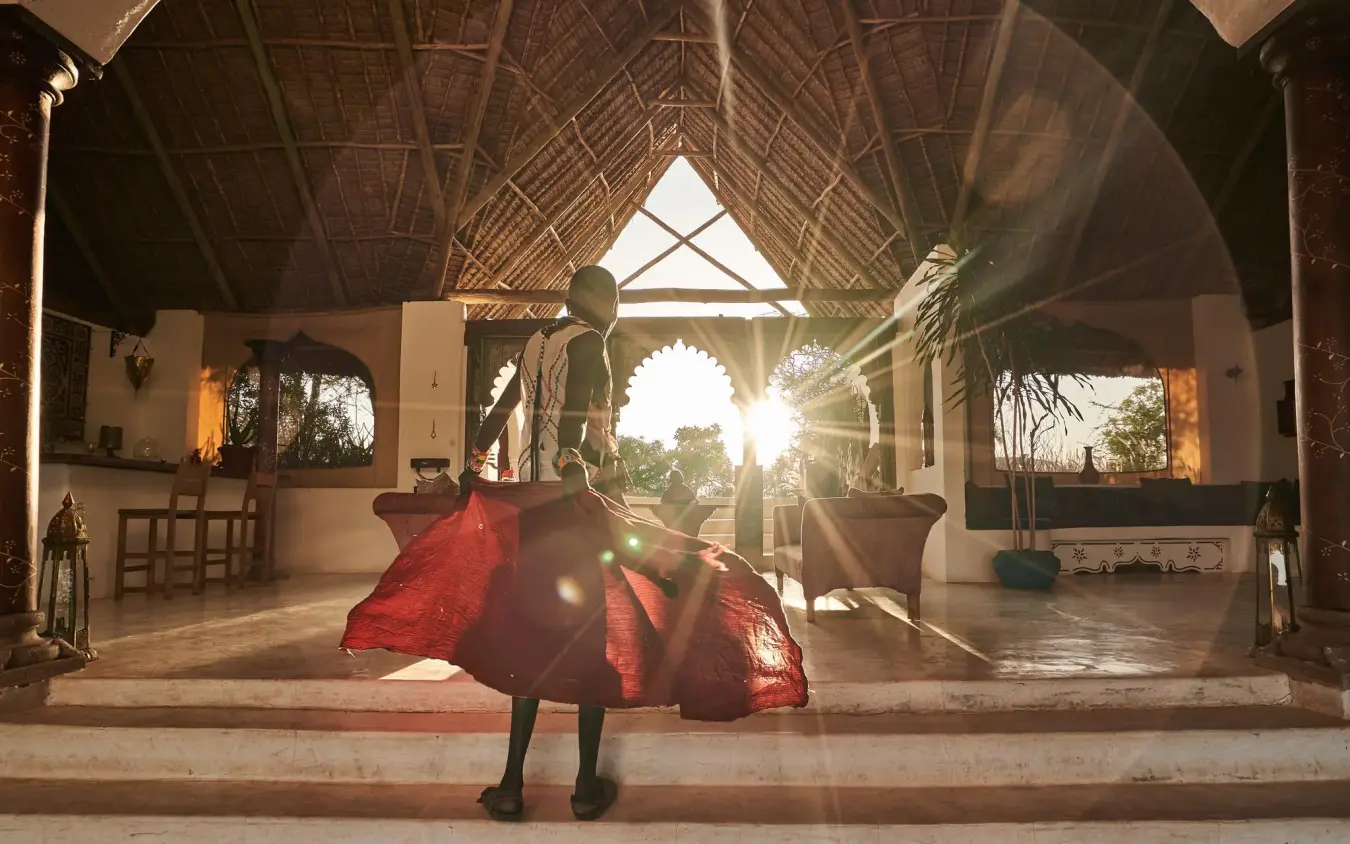
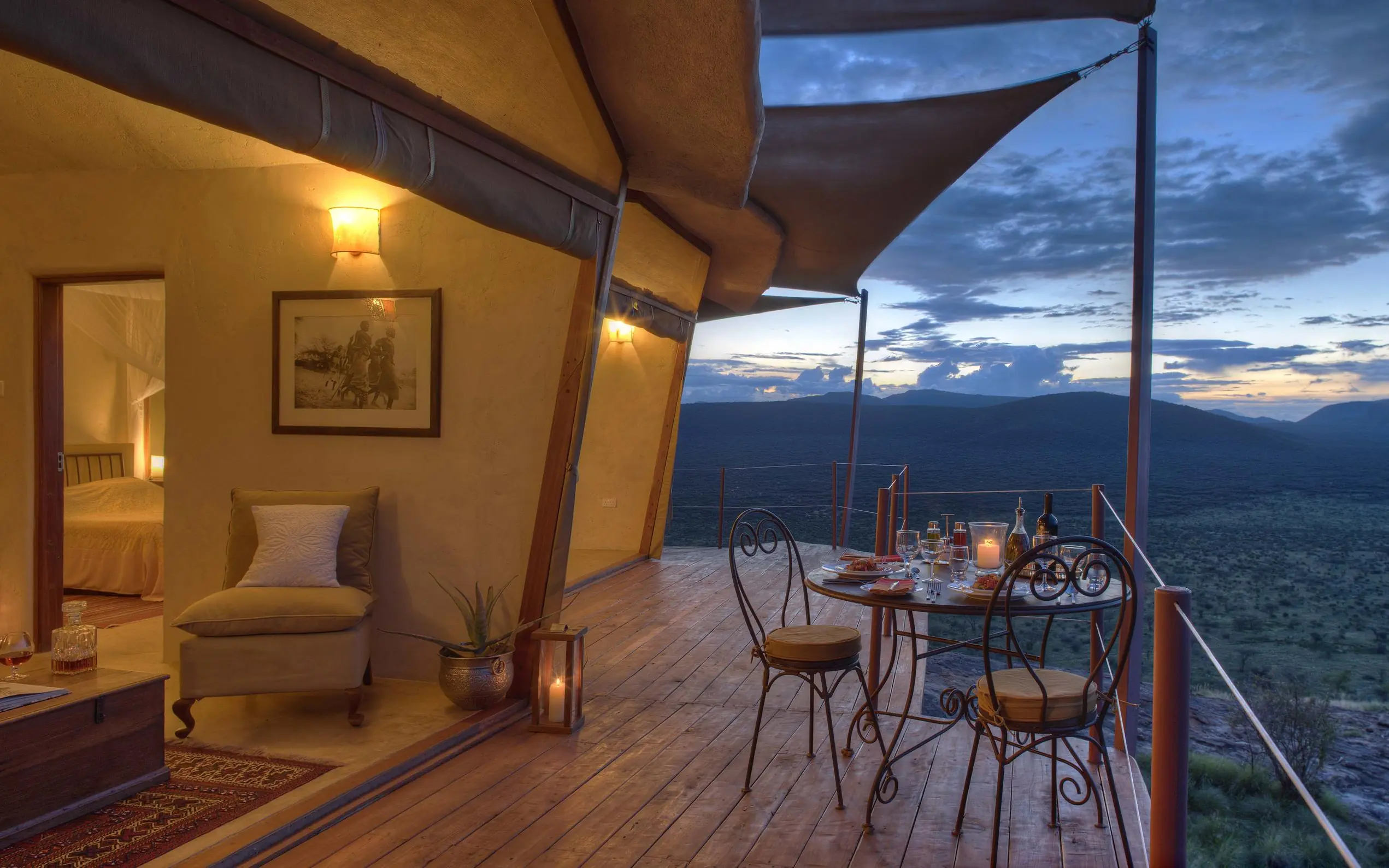
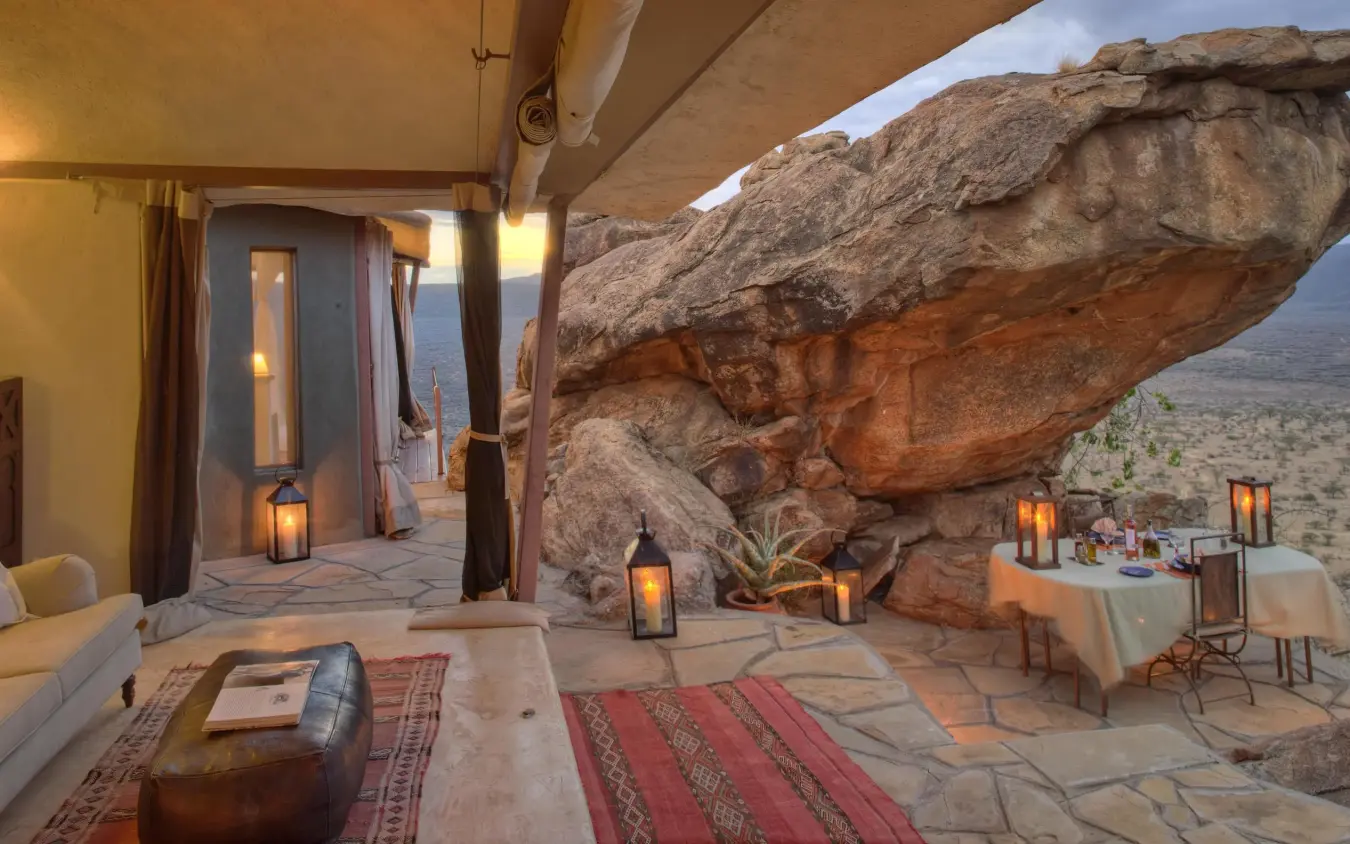
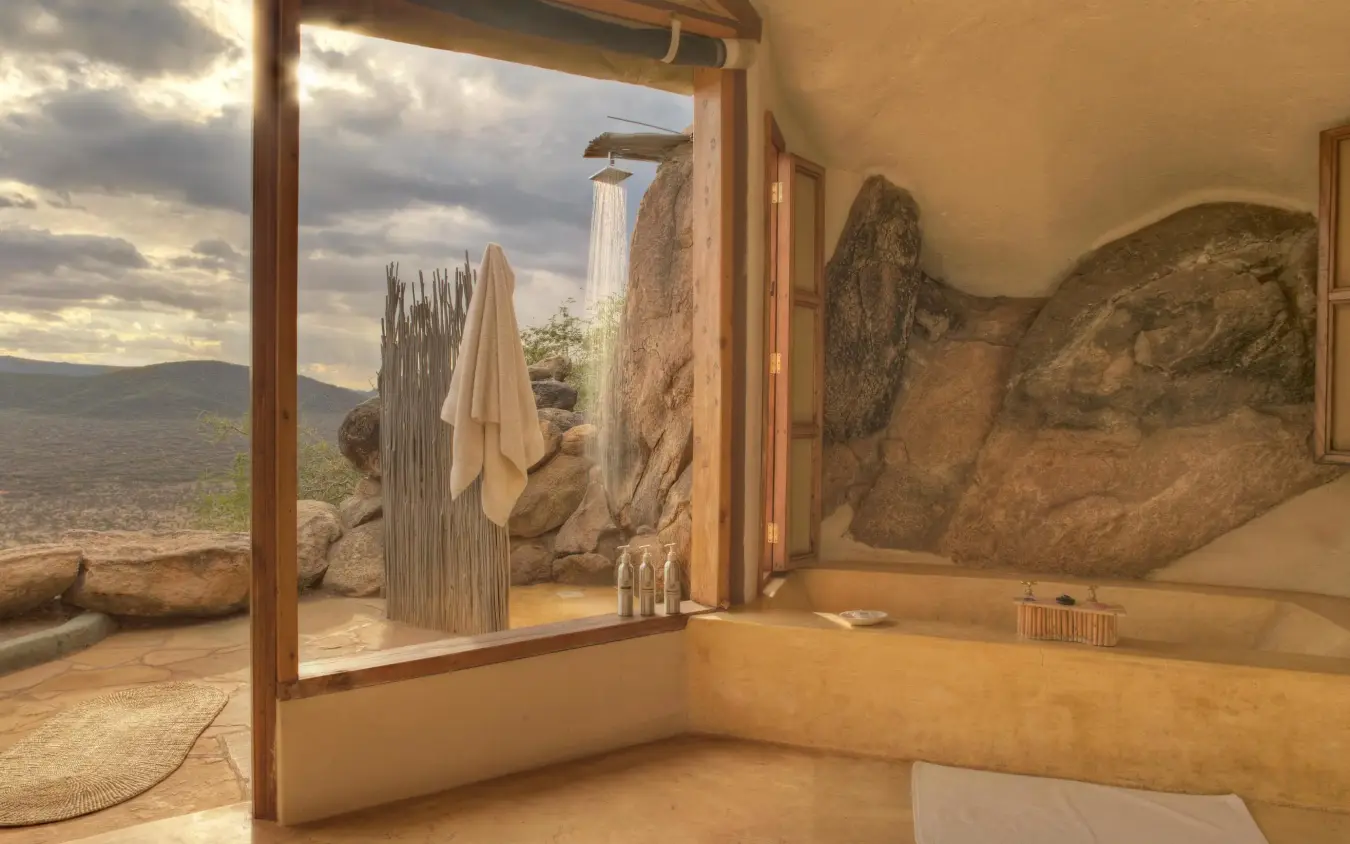
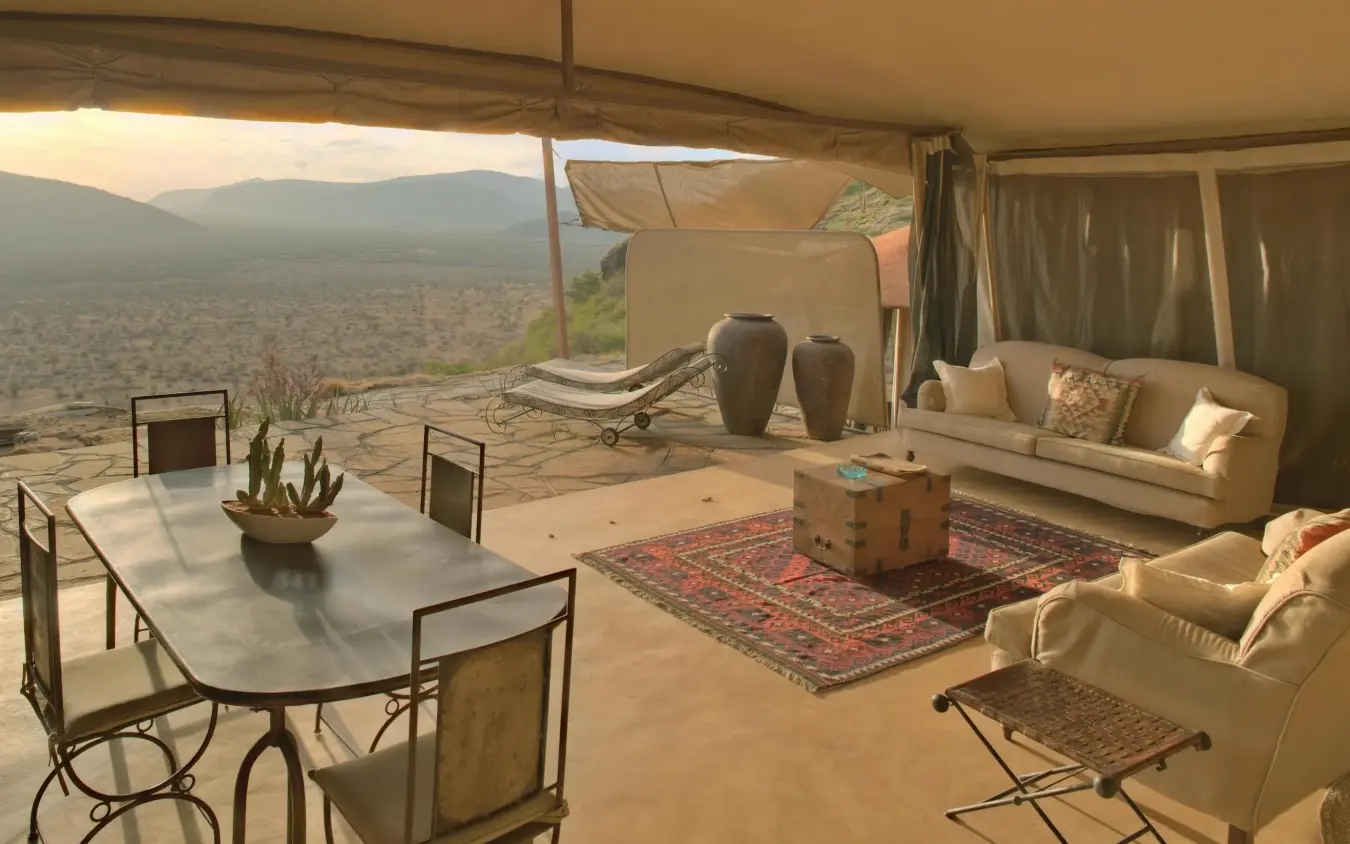
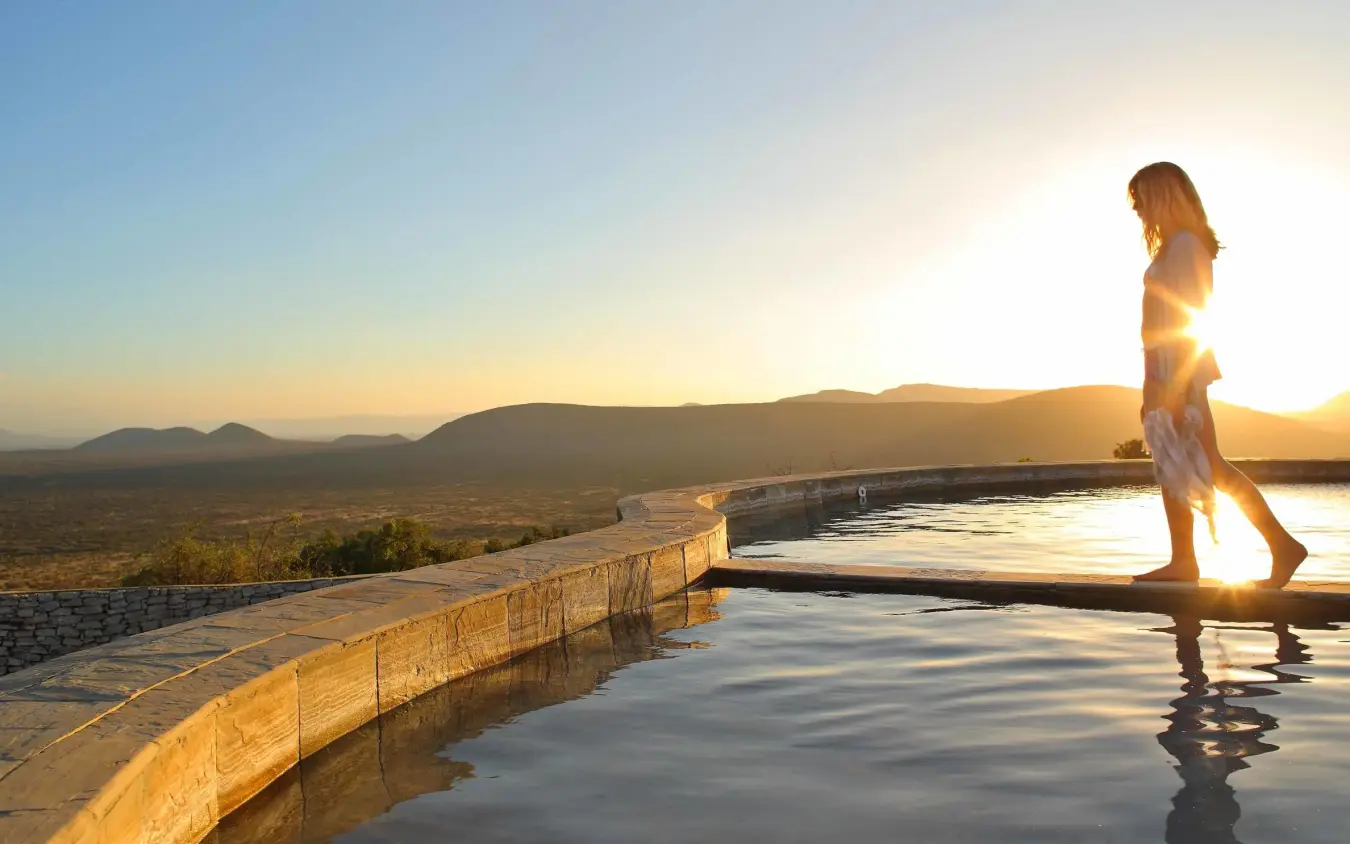
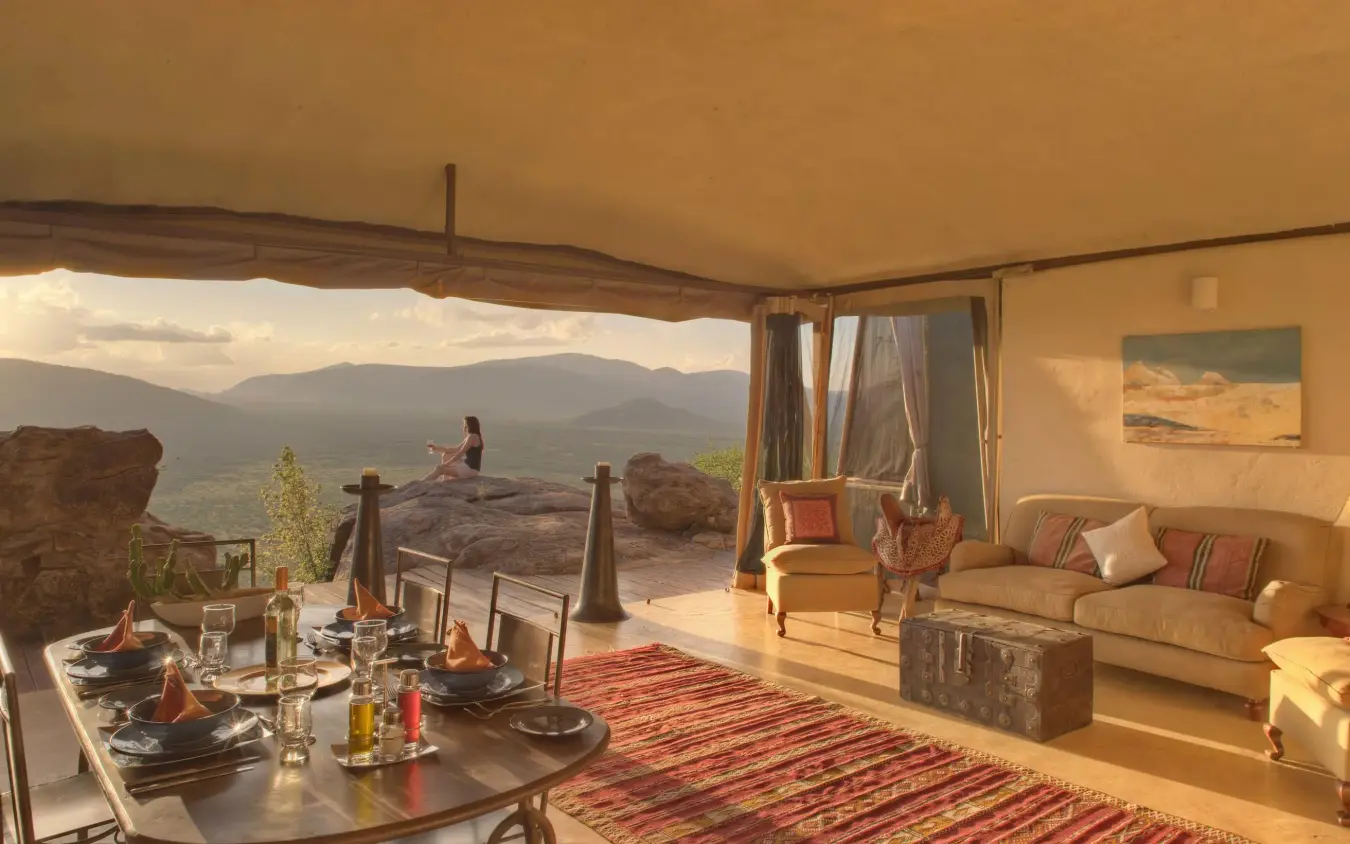
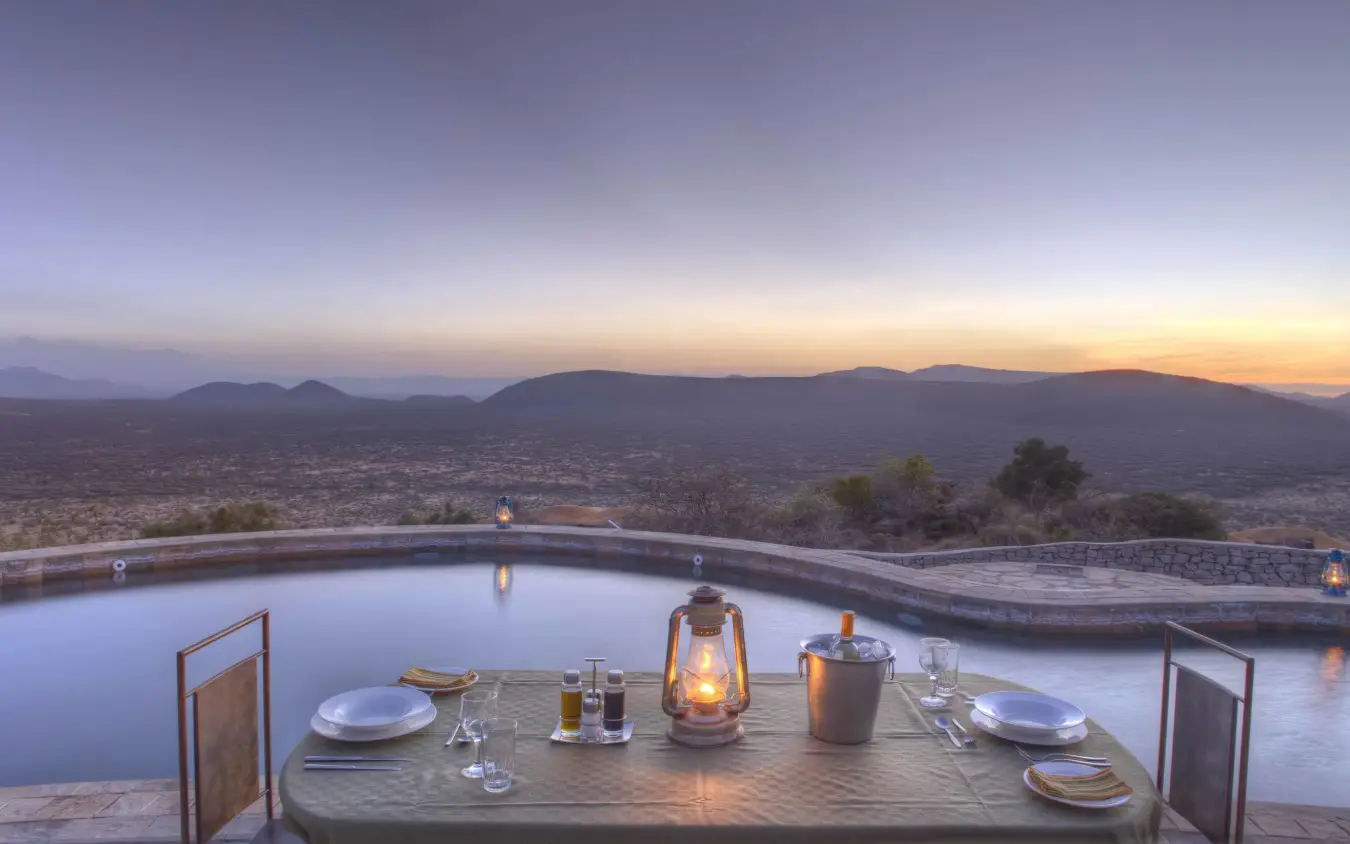
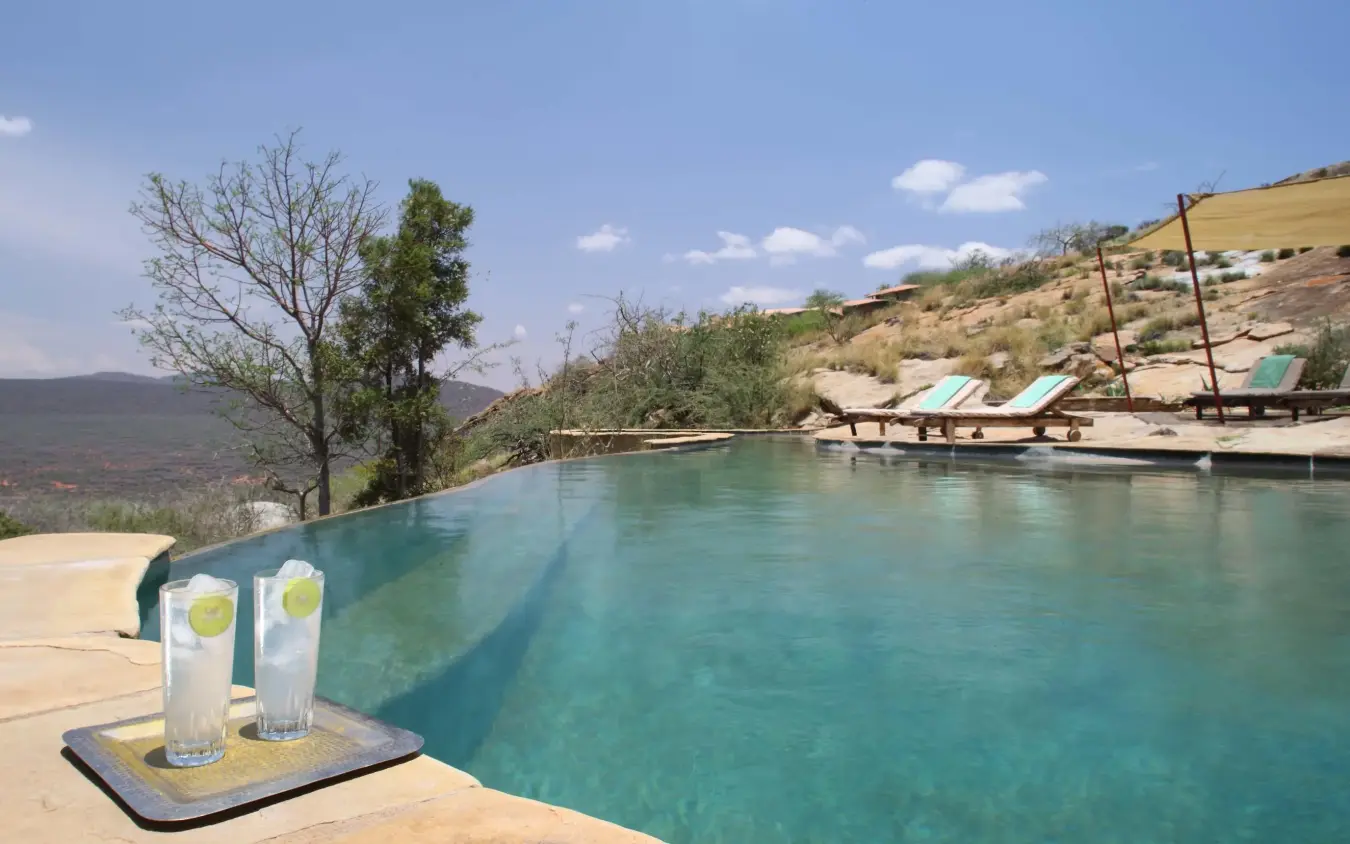
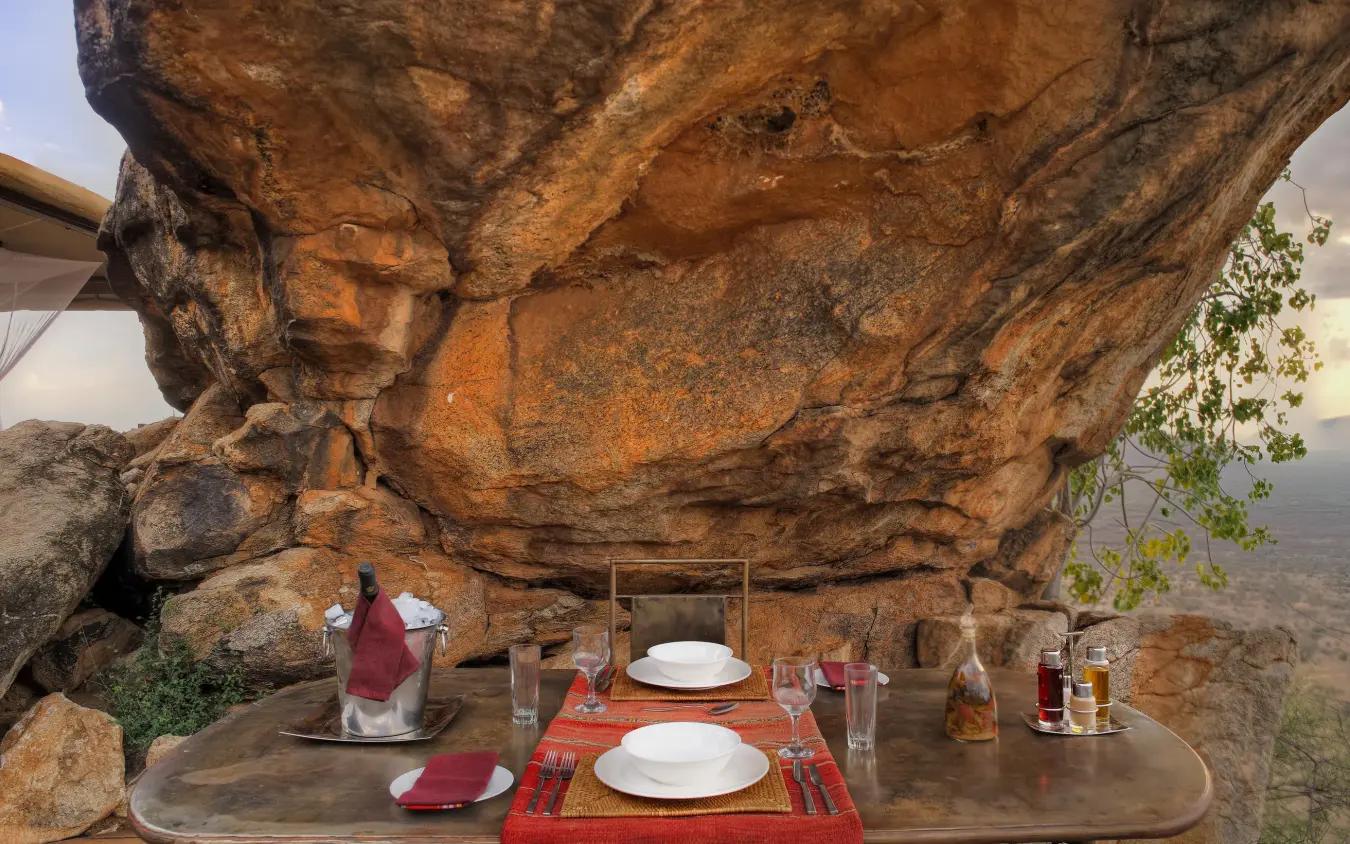
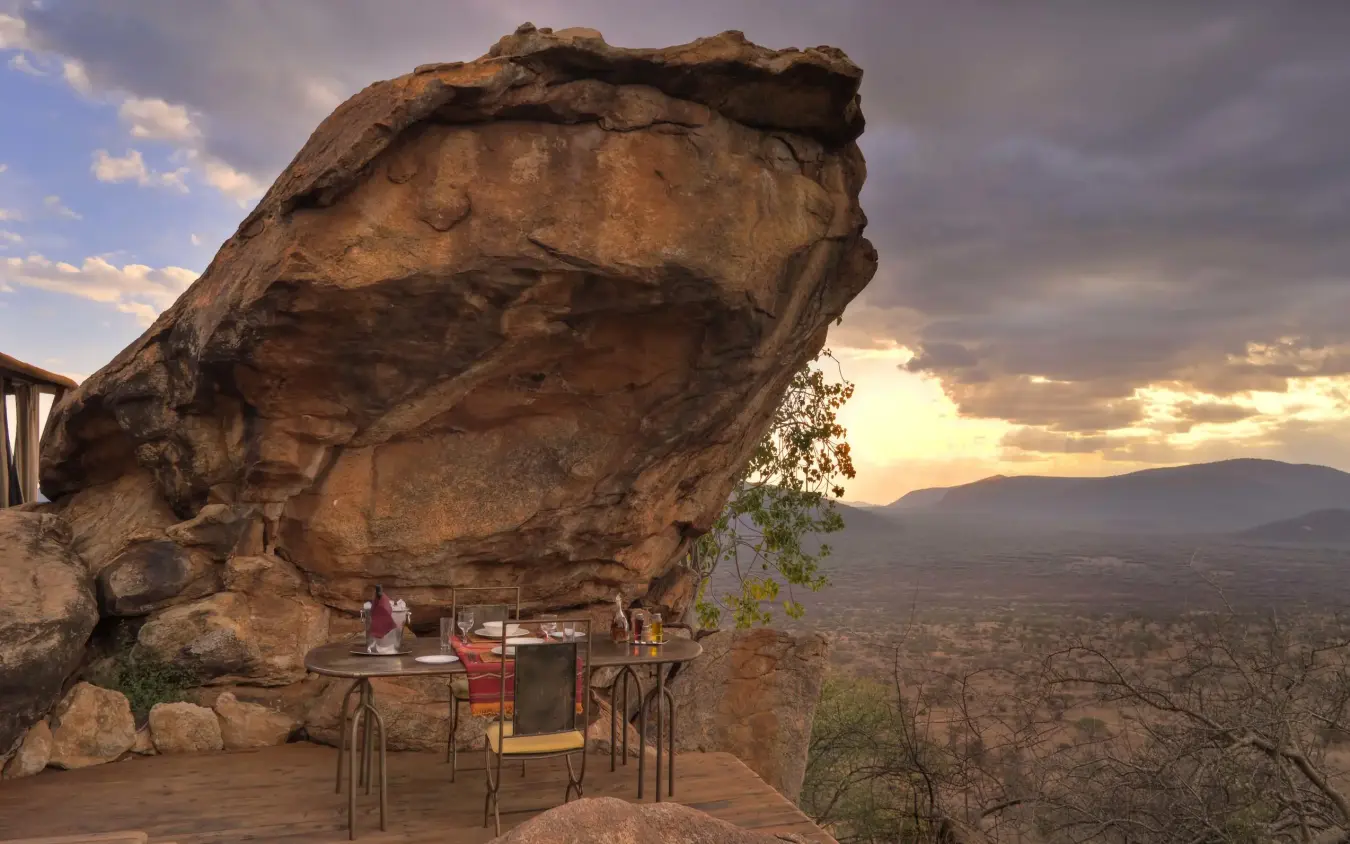
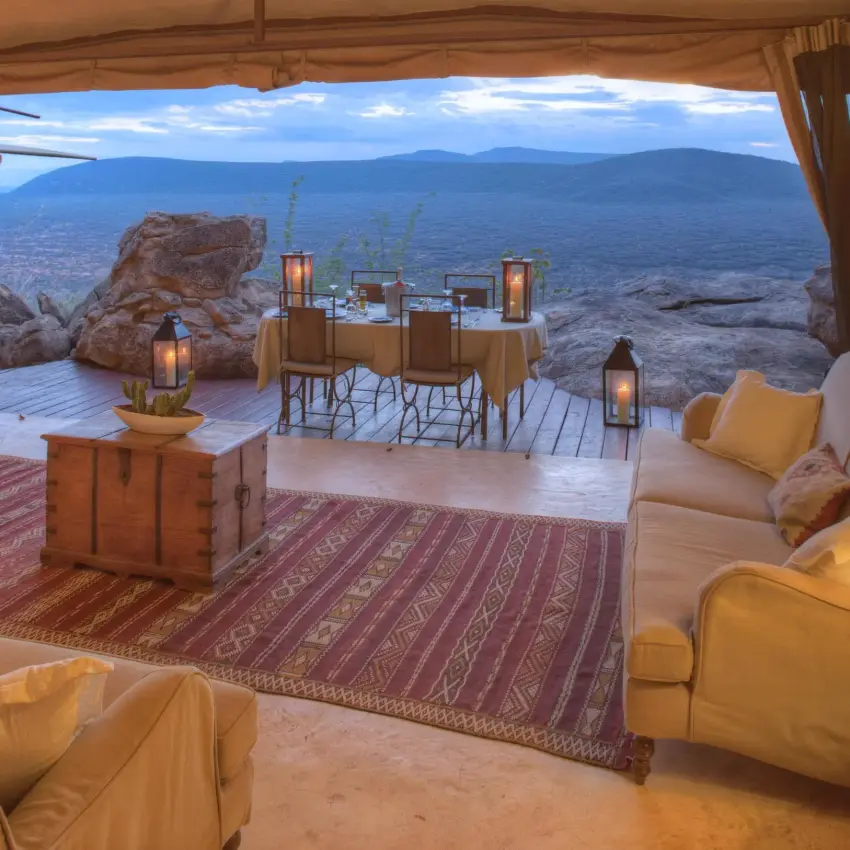
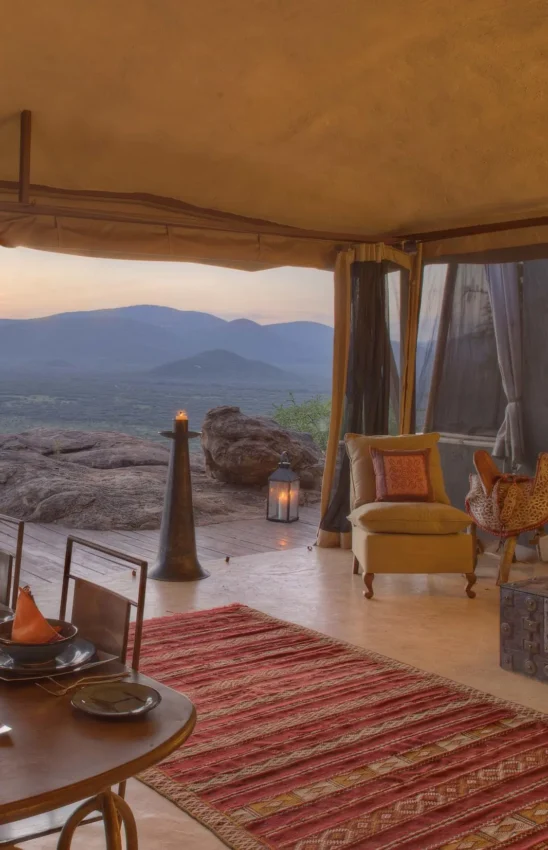
Saruni Samburu opened in 2008, the first lodge in the Kalama Wildlife Conservancy and an early model for community-centred tourism in northern Kenya. It is built into a giant rock outcrop from stone, wood and locally sourced materials, its structures set so tightly against the natural rock that the stone itself becomes part of the villas and the shared spaces. The design is open and largely wall-less, connecting every room to the outdoors, and at the edge of the outcrop two rock-hewn pools sit with their water appearing to merge with the horizon.
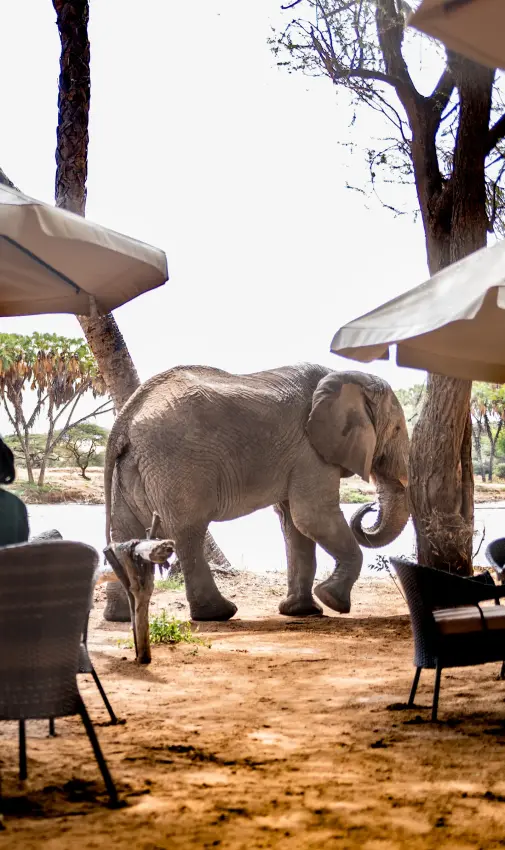
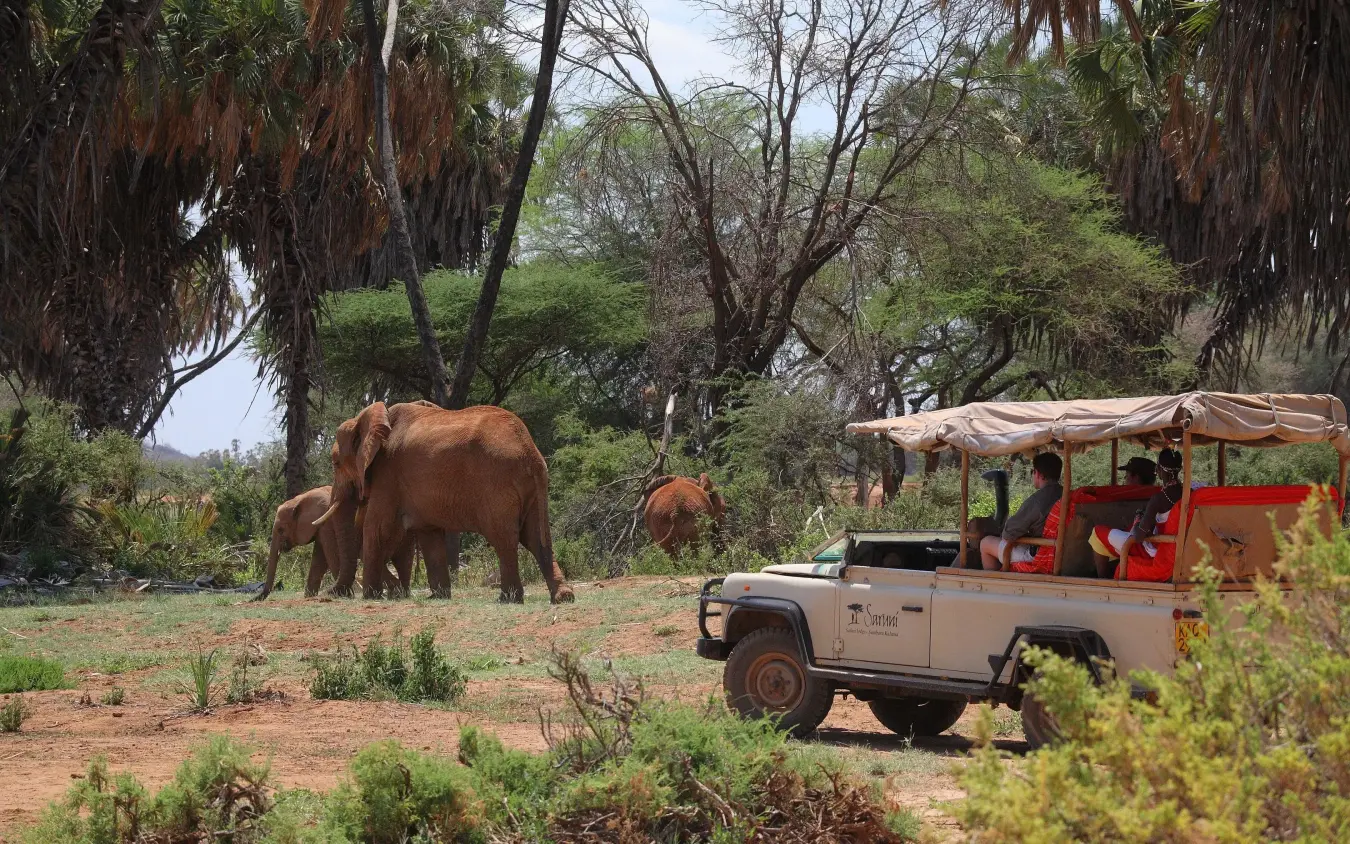
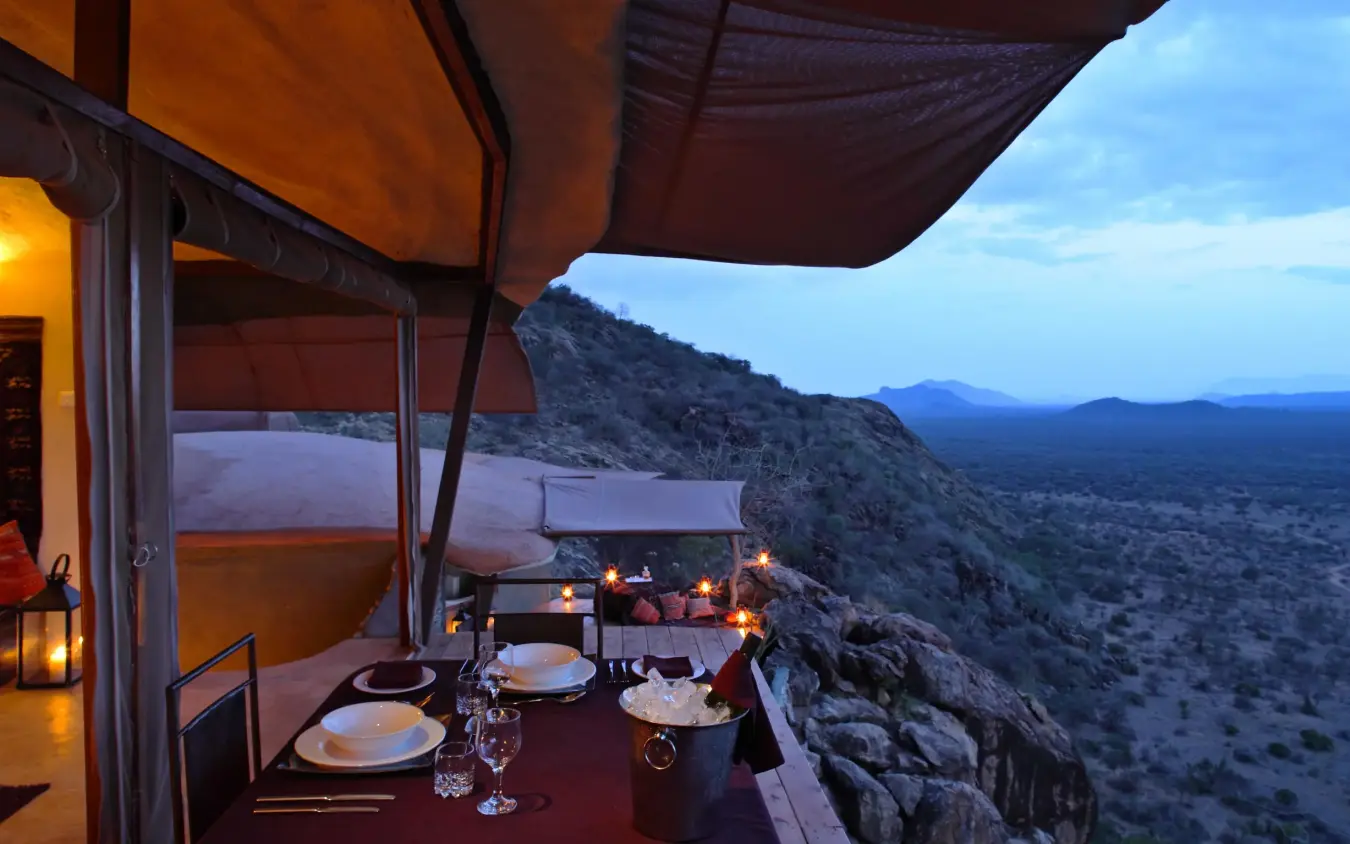
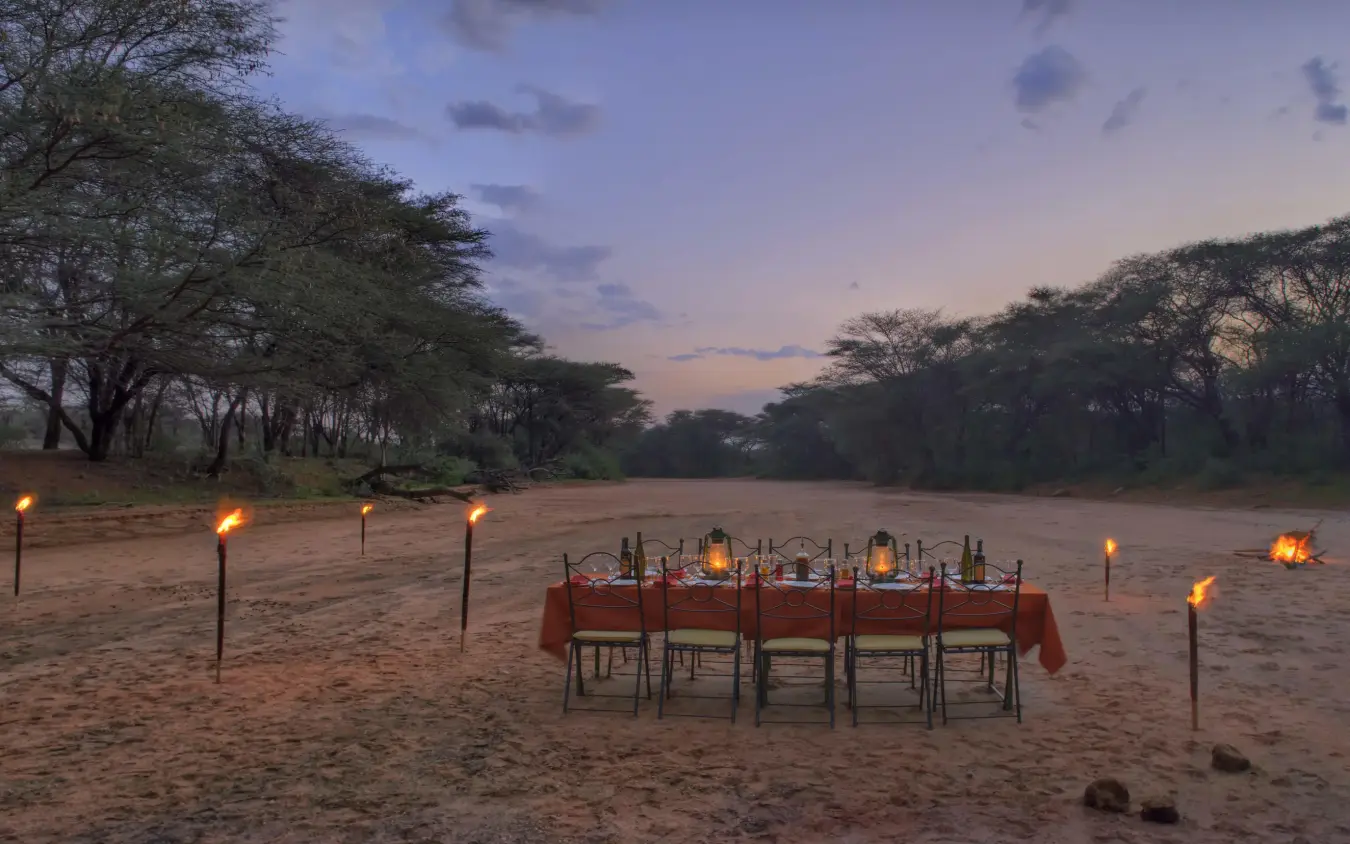
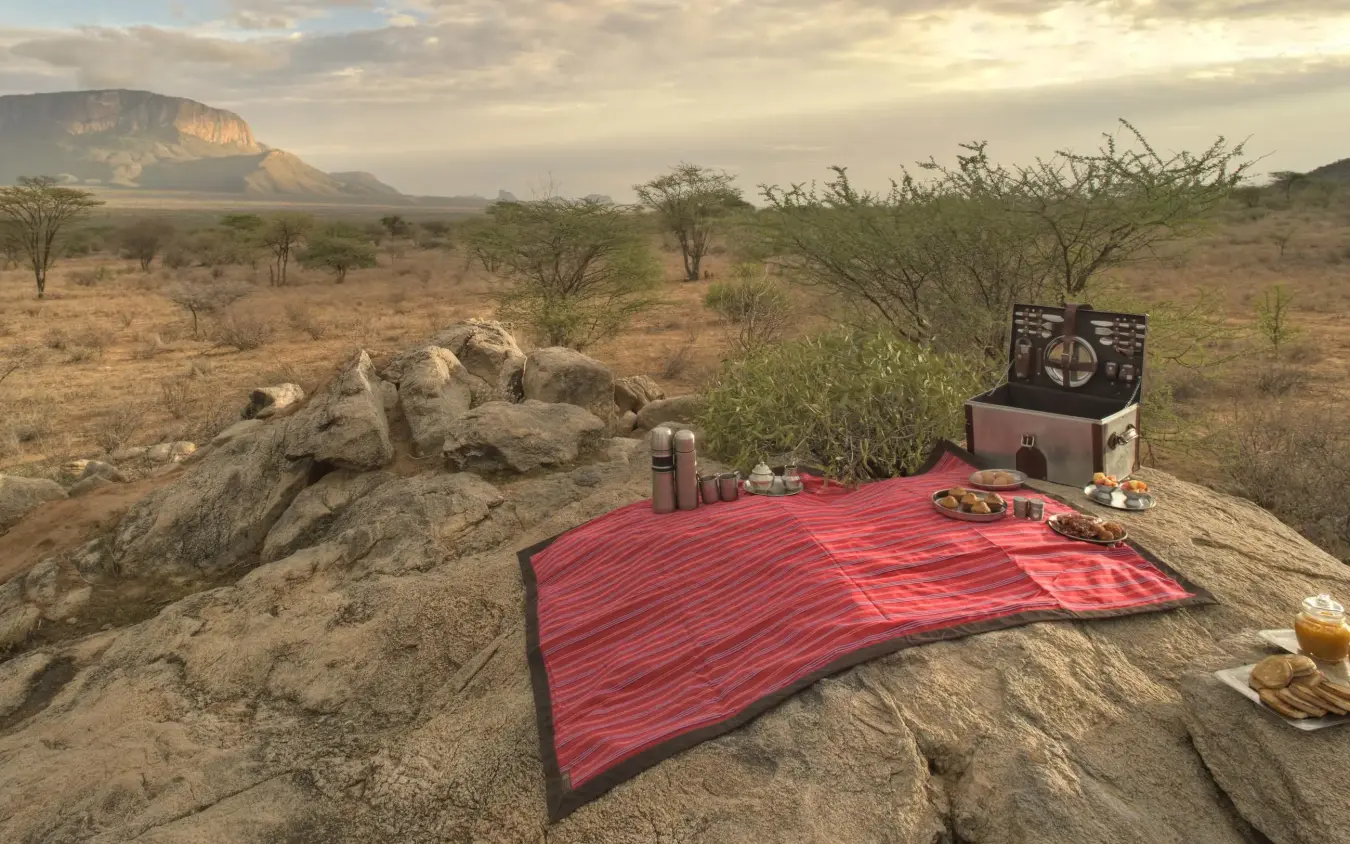
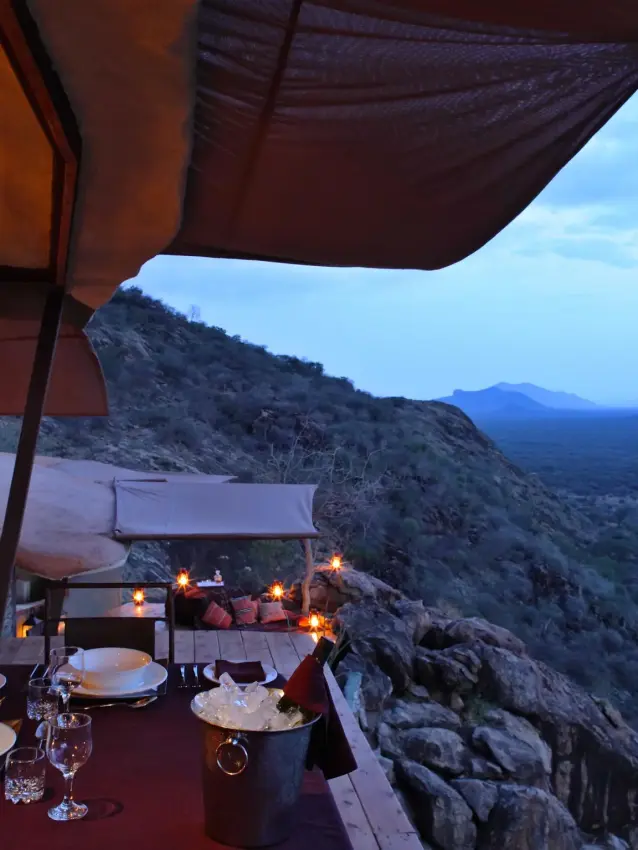
Dining leans Italian and local, drawing on fresh produce served communally in the open-fronted dining area or privately in the villas. The lodge is known too for its bush meals: breakfasts laid along the Ewaso Nyiro River as elephants pass, and starlit dinners set out in a dry riverbed, or lugga, around a fire and to Samburu song. An elephant-proof photographic hide, built at ground level beside the waterhole, brings you close to visiting elephants, giraffe and oryx without disturbing them, while a wellbeing space offers spa treatments.
It is built into a giant rock outcrop from stone, wood and locally sourced materials
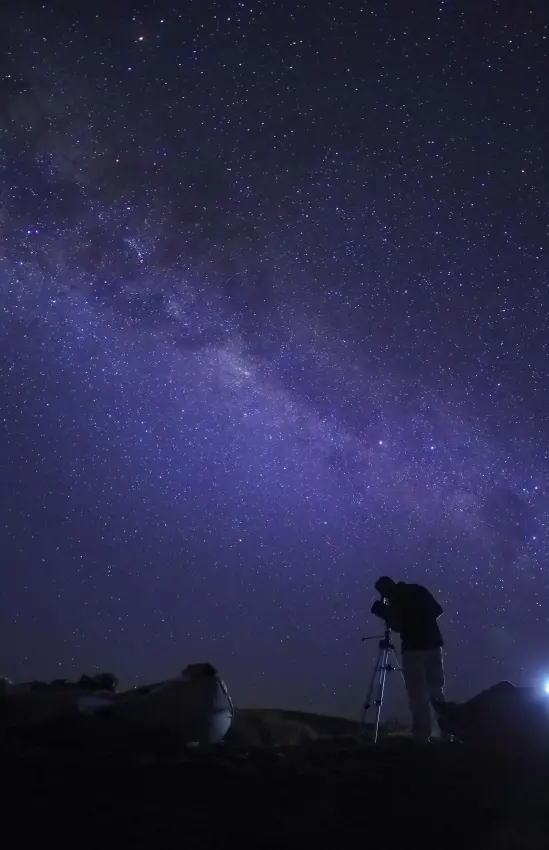
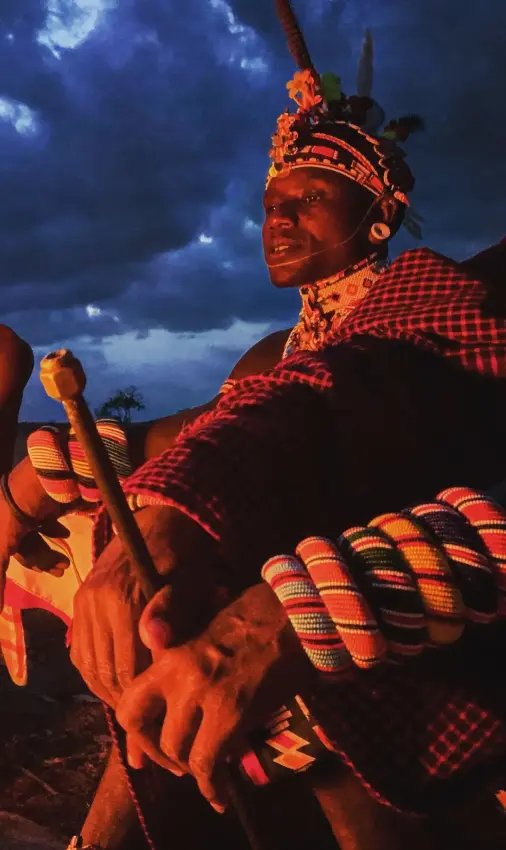
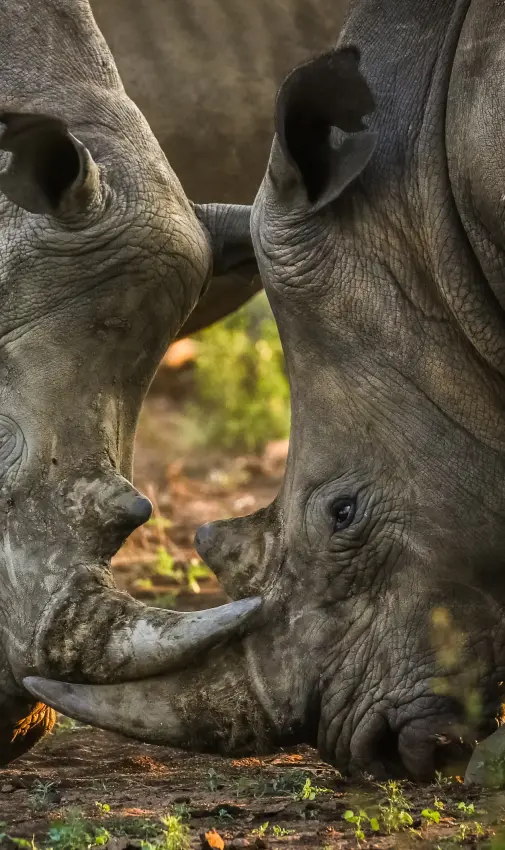
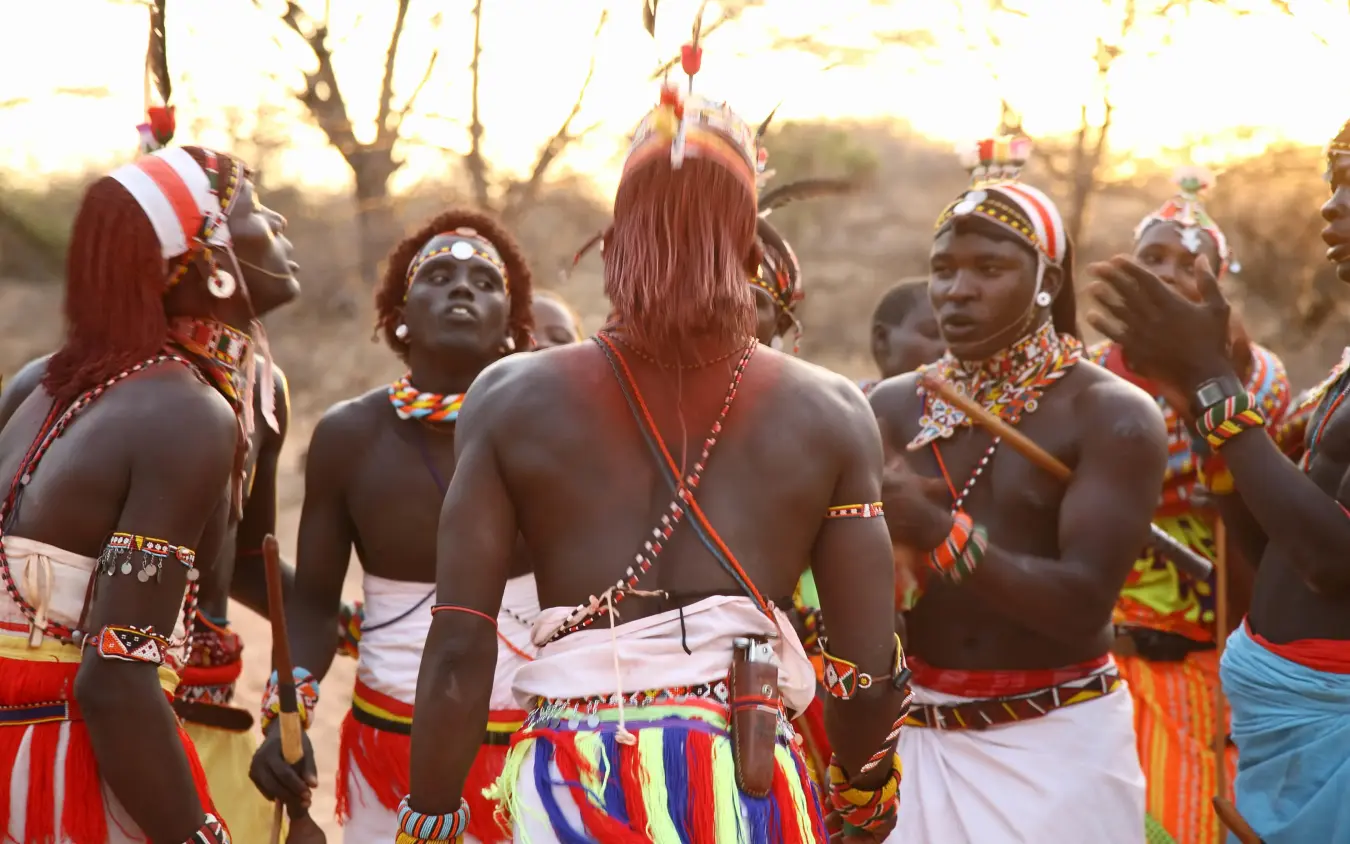
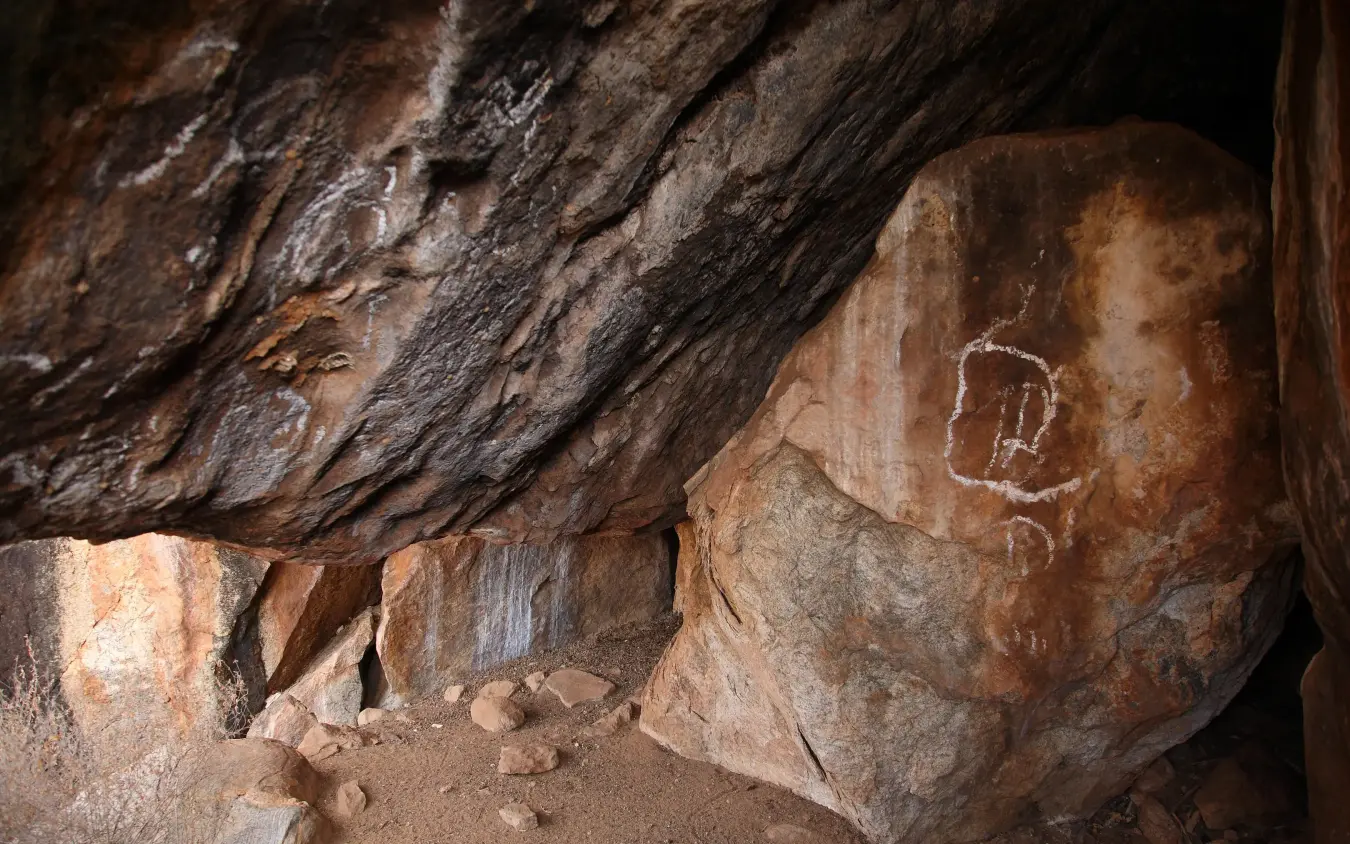
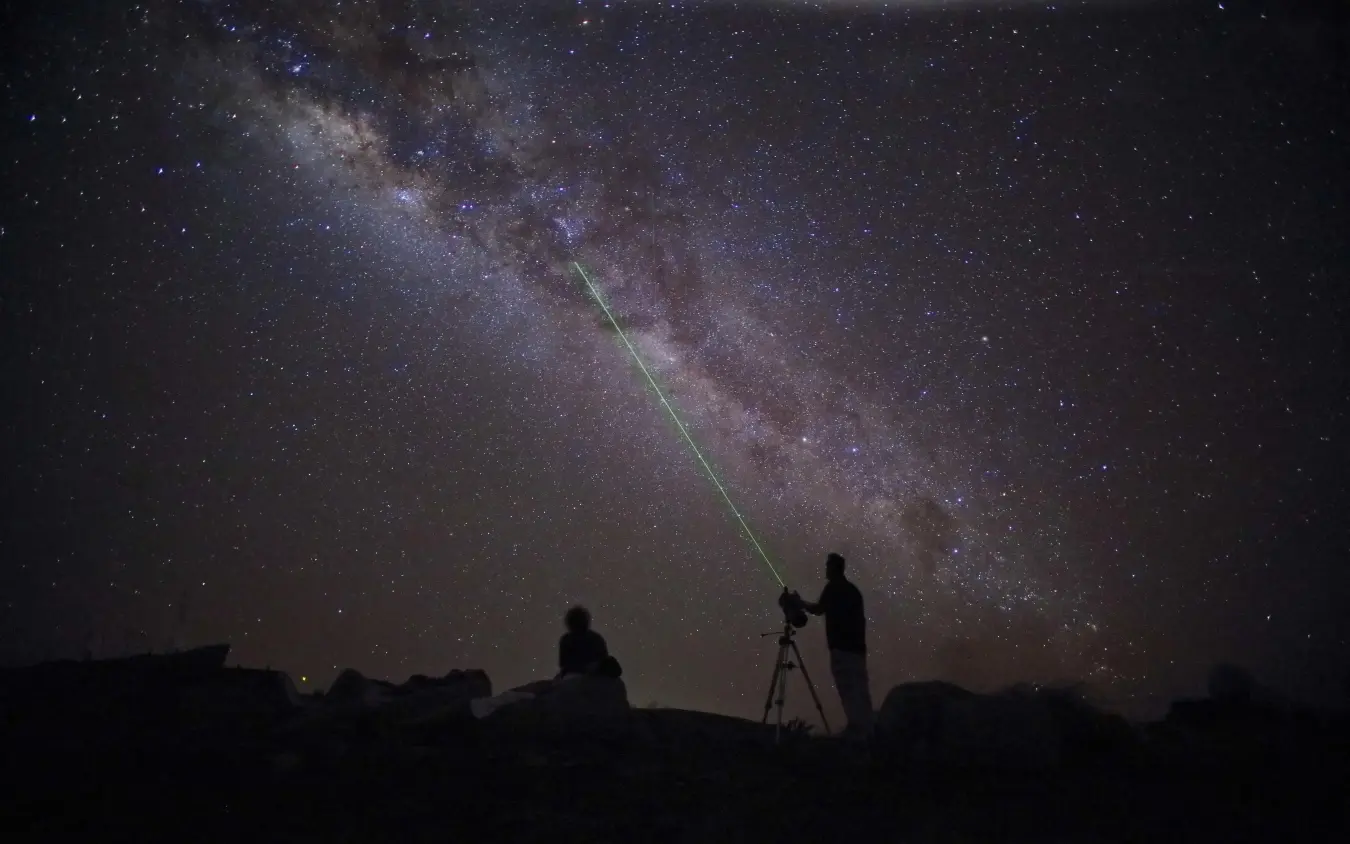
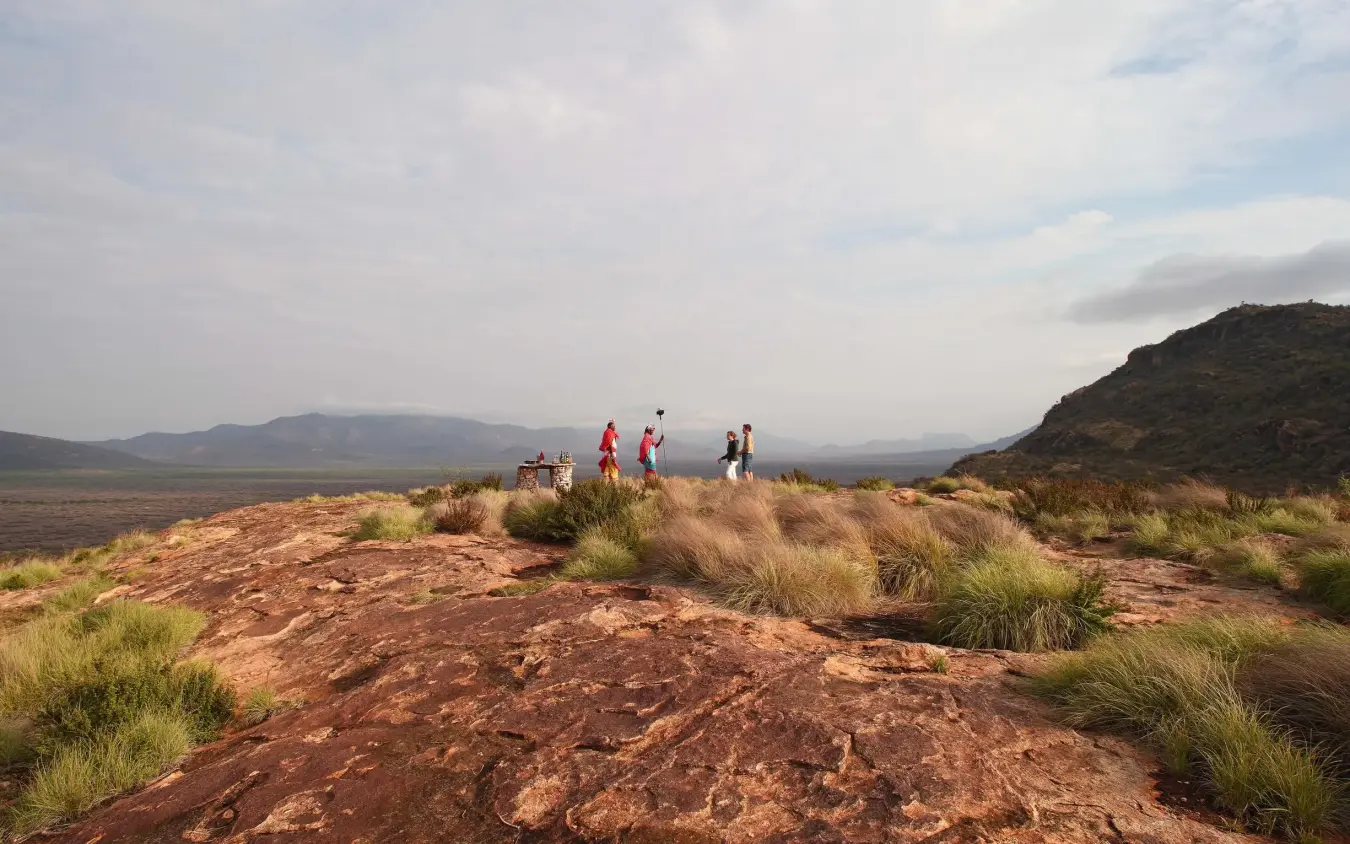
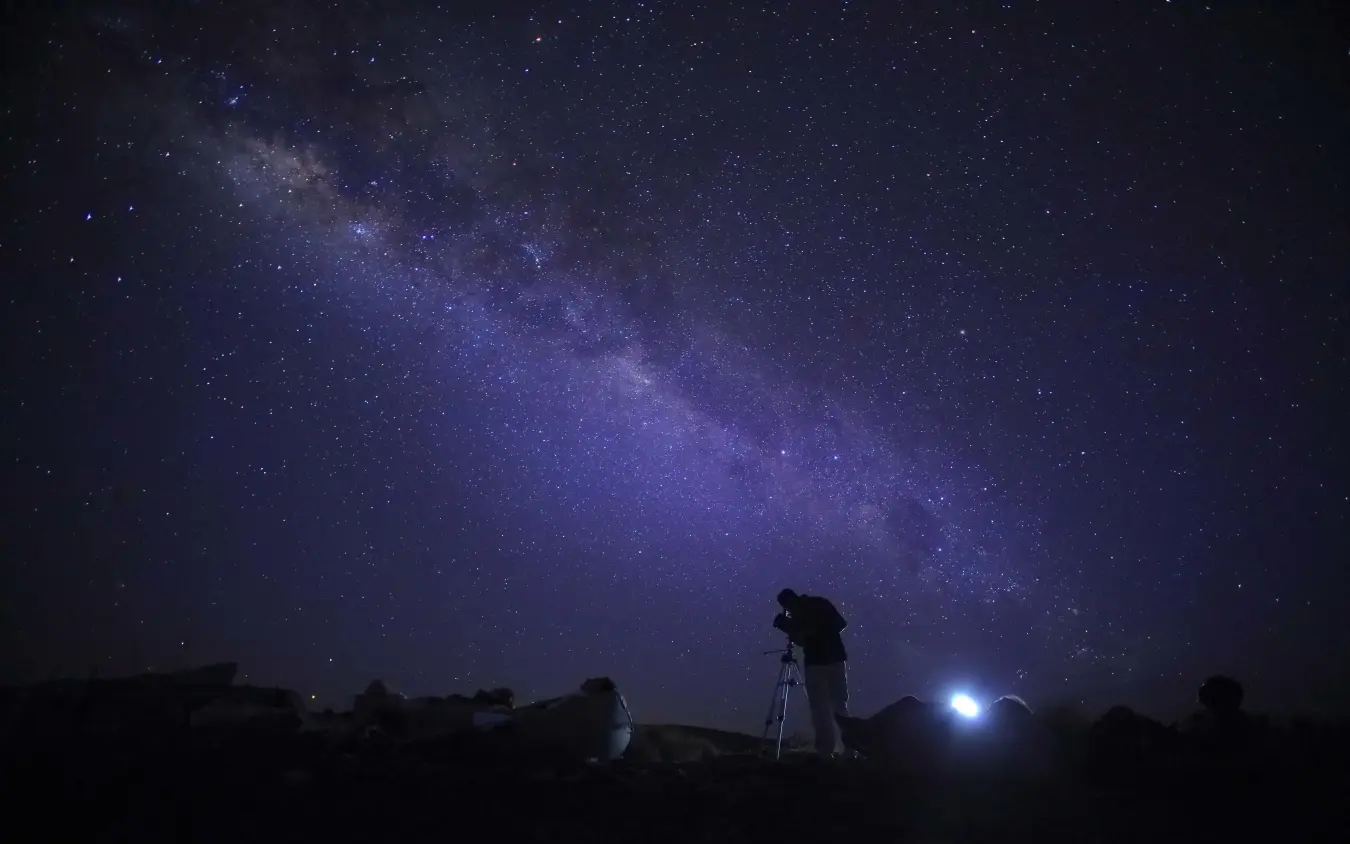
With minimal light pollution, the night sky becomes a fixture of a stay, watched from beanbags on the warm rocks. Beyond the game drives, the days open out into guided bush walks and the hiking excursion known as the Sacred Mountain Trek to Mount Ololokwe. There are visits to ancient Samburu rock art in nearby caves, and the Warriors Academy, a bush-skills programme for families led by local warriors. Rhino tracking can be arranged at the Sera Conservancy sanctuary a little further afield.
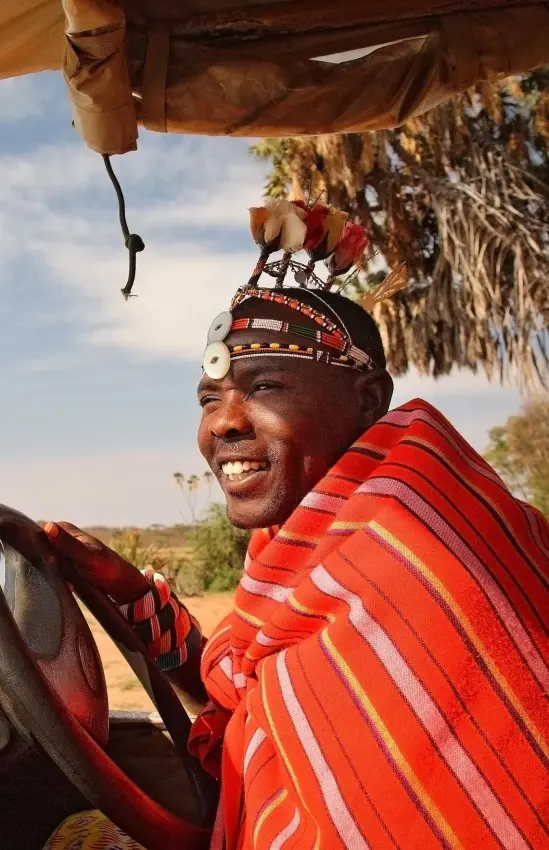
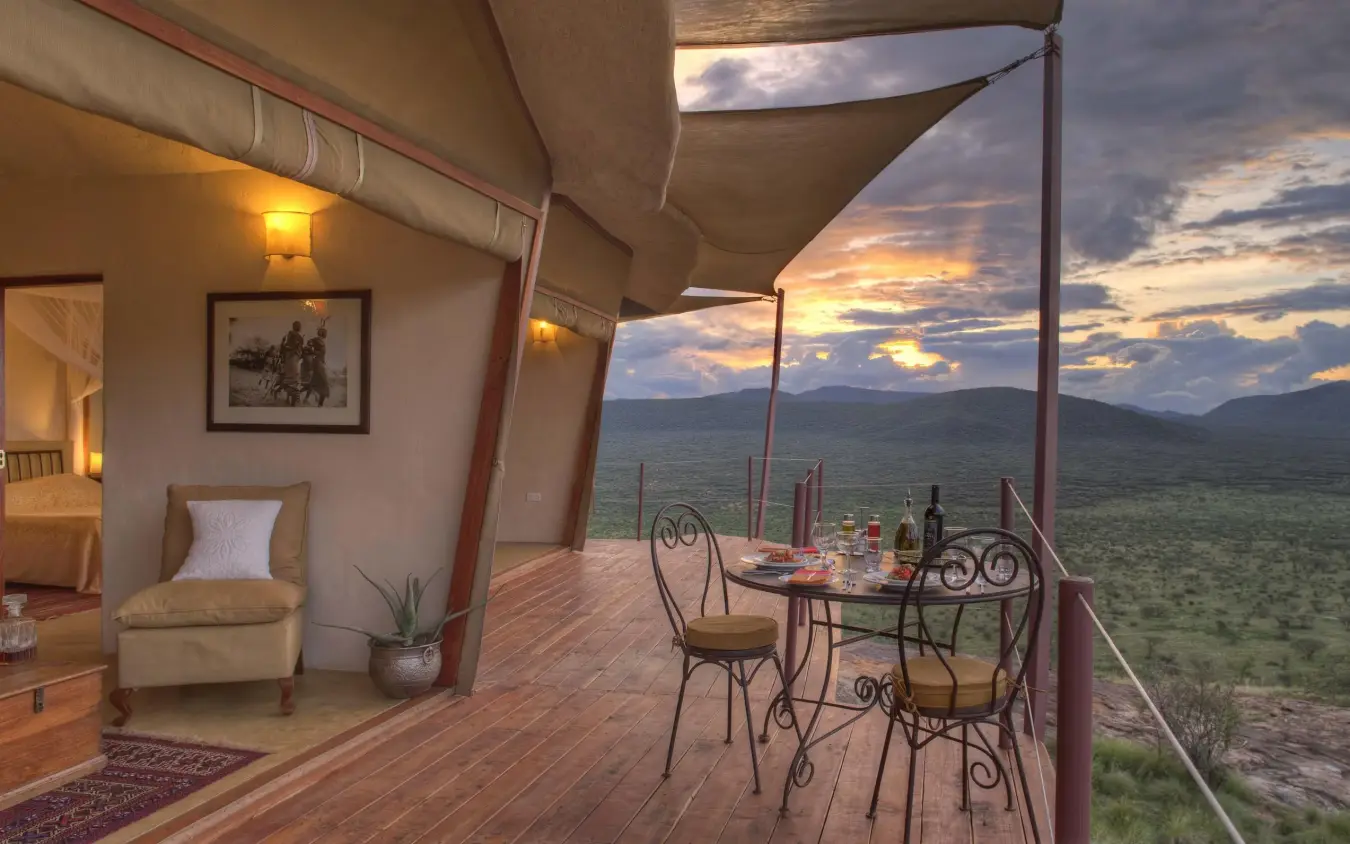
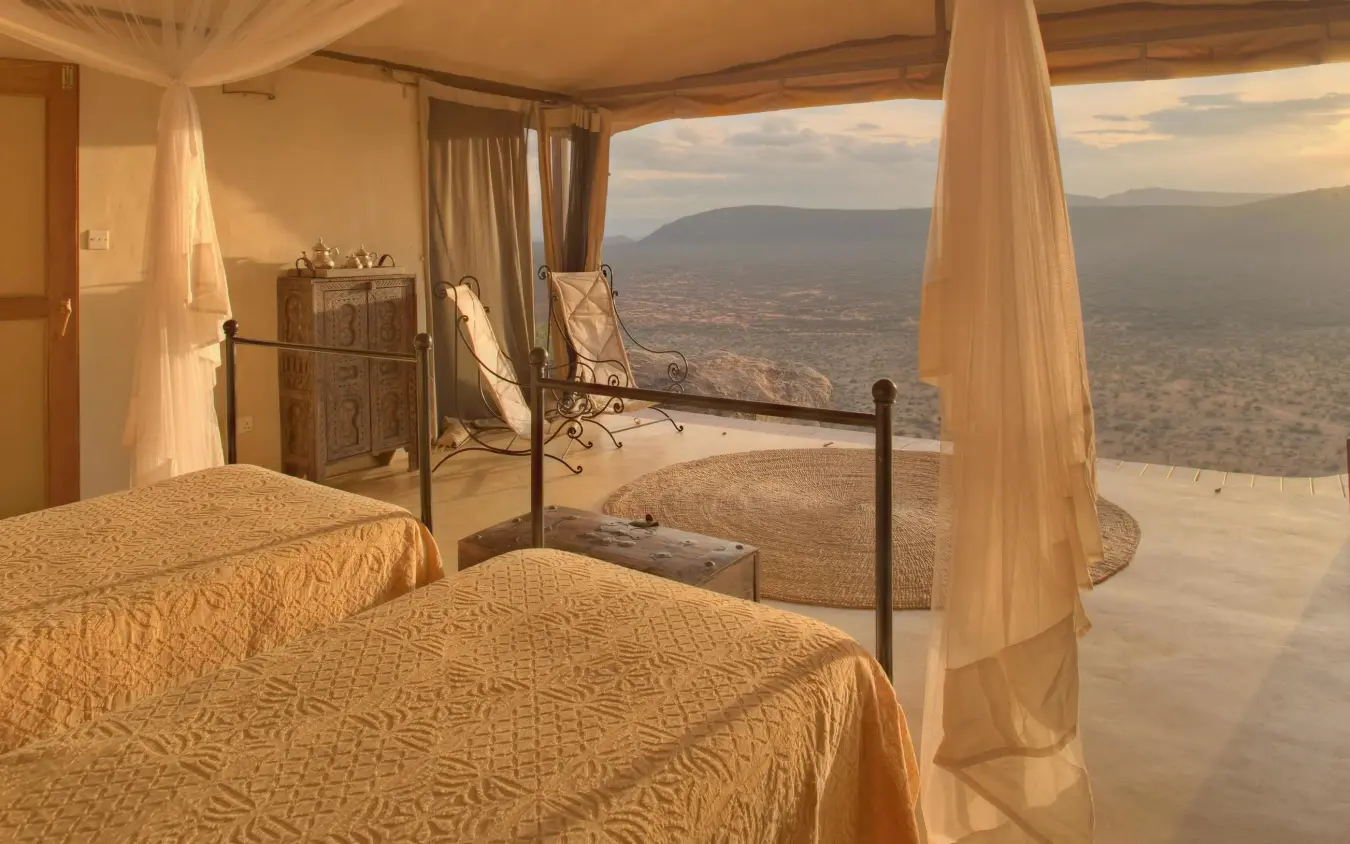
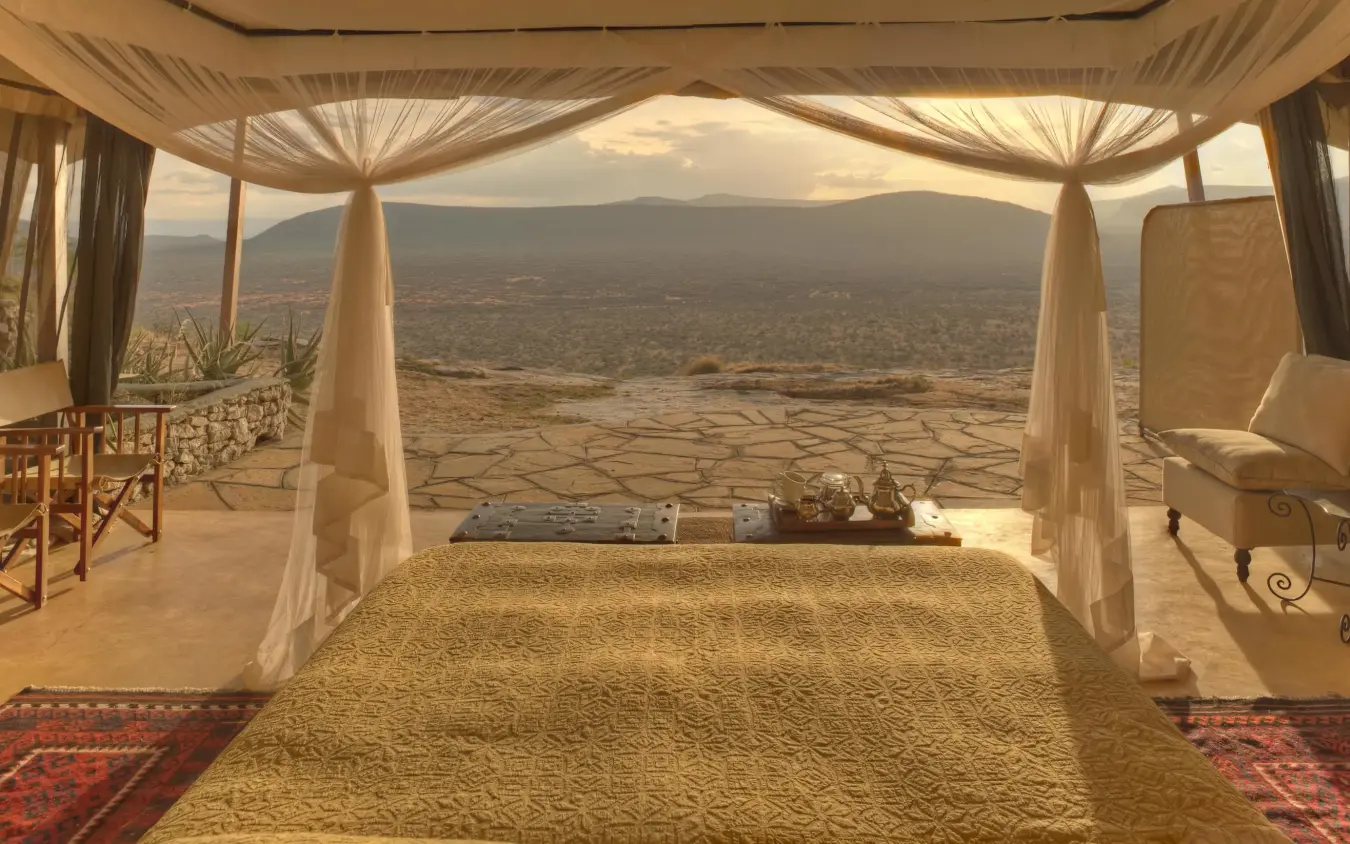
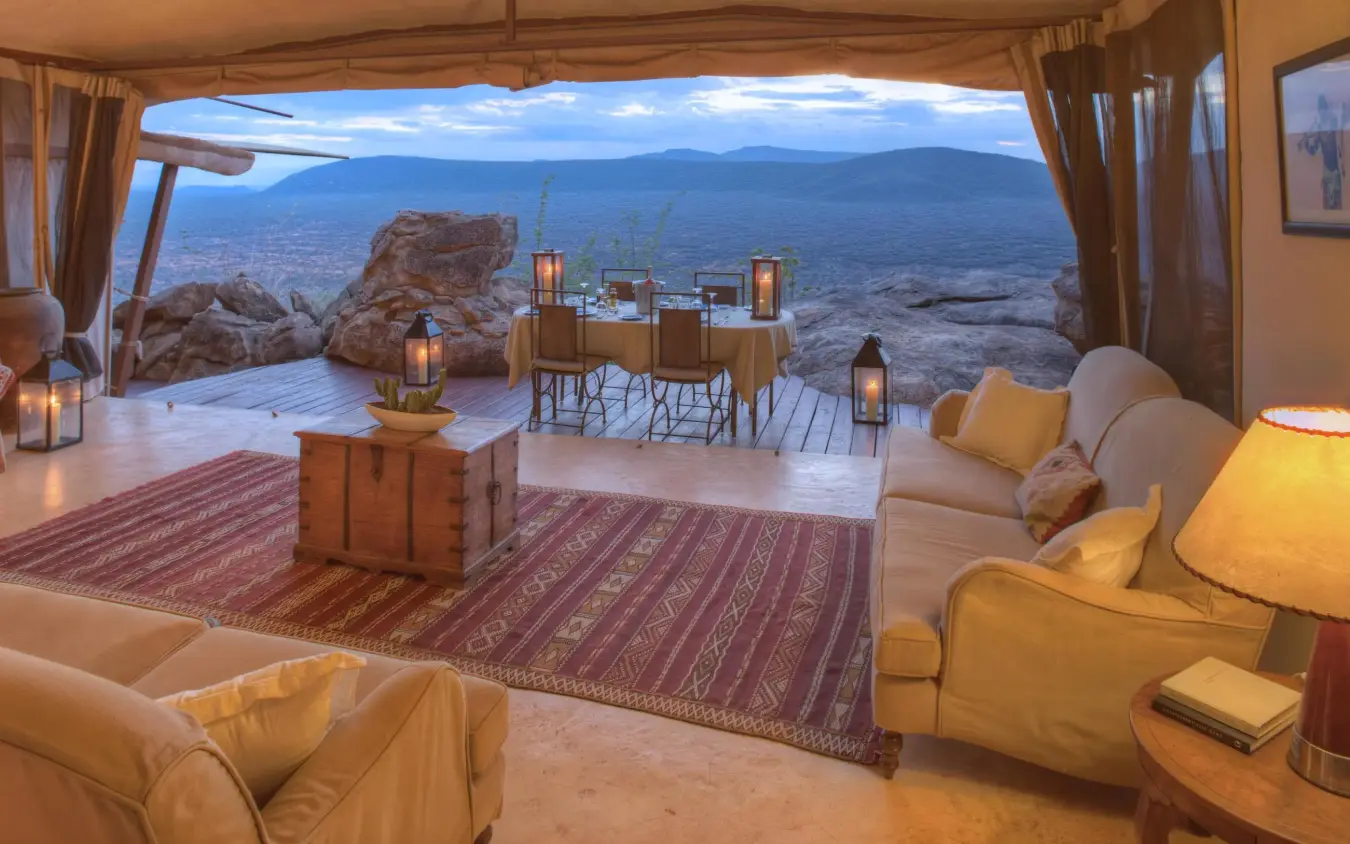
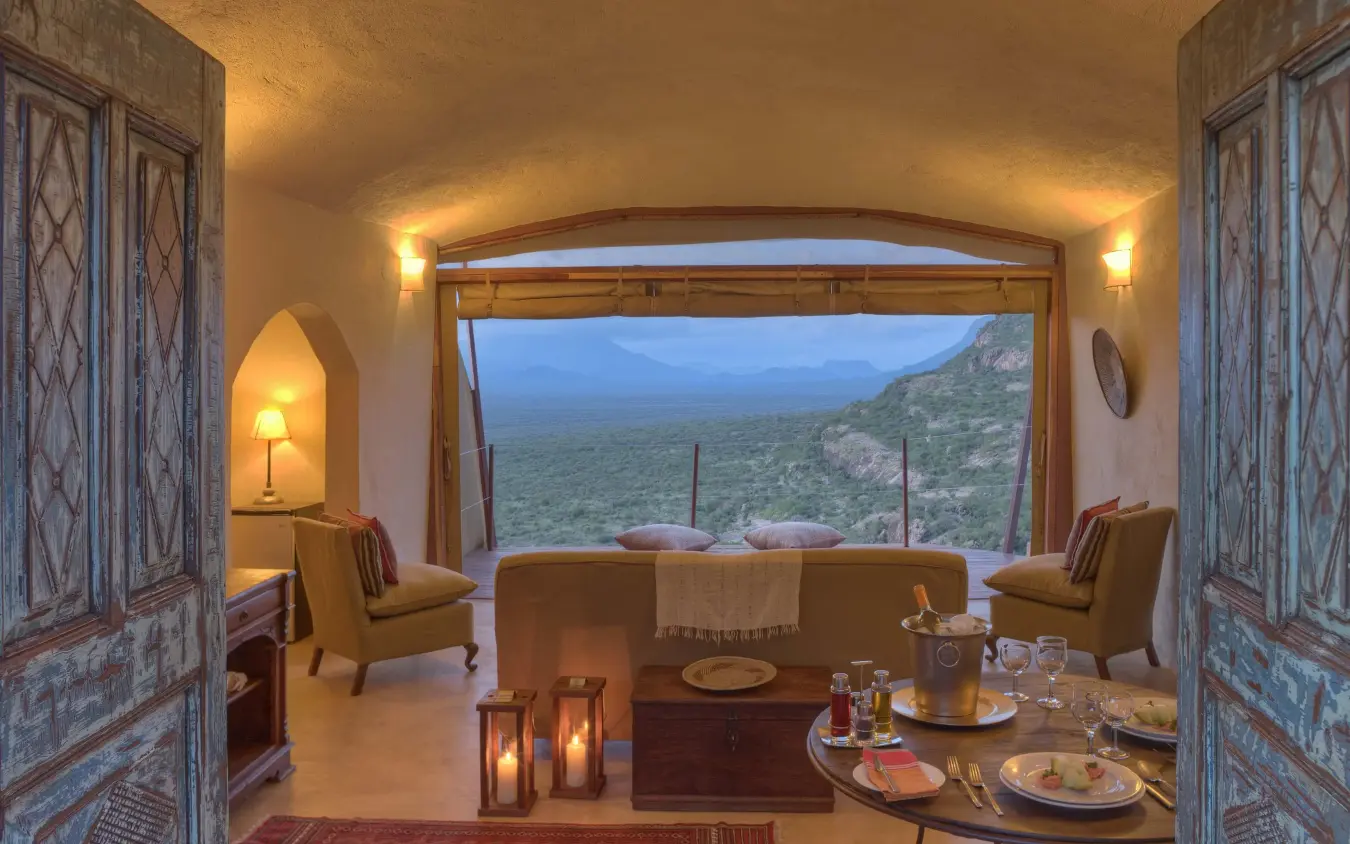
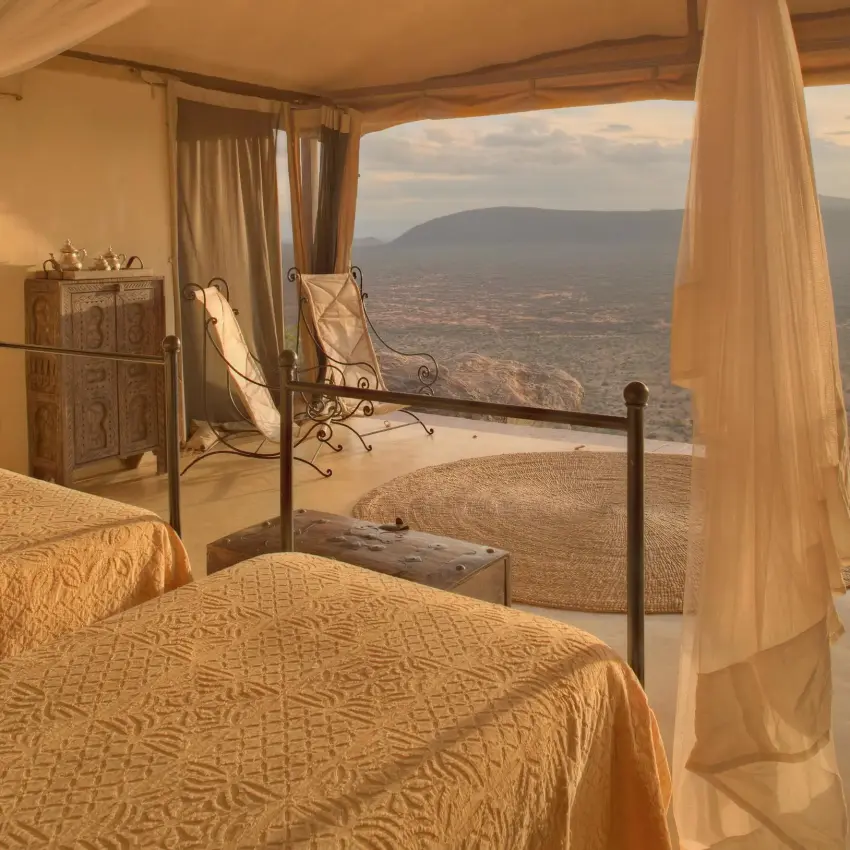
The six villas back into the rock and open to the view, their canvas and netting closing at night. Configurations run from doubles and twins to two-bedroom family villas, each one giving onto its own private veranda and holding an en-suite bathroom, a dressing room and a living area within. Staff are drawn predominantly from the local Samburu community, and tourism revenue flows back to the conservancy landowners. The lodge also supports the community-owned Reteti Elephant Sanctuary in neighbouring Namunyak, which can be visited by arrangement.

 01
01