Camp

Elephant Watch Camp

A family-run tented camp on the Ewaso Nyiro River in Samburu Reserve, Kenya, built around elephant research.

Country: Kenya
Location: Samburu Reserve
Number of rooms: 6

Guides who know elephants by name

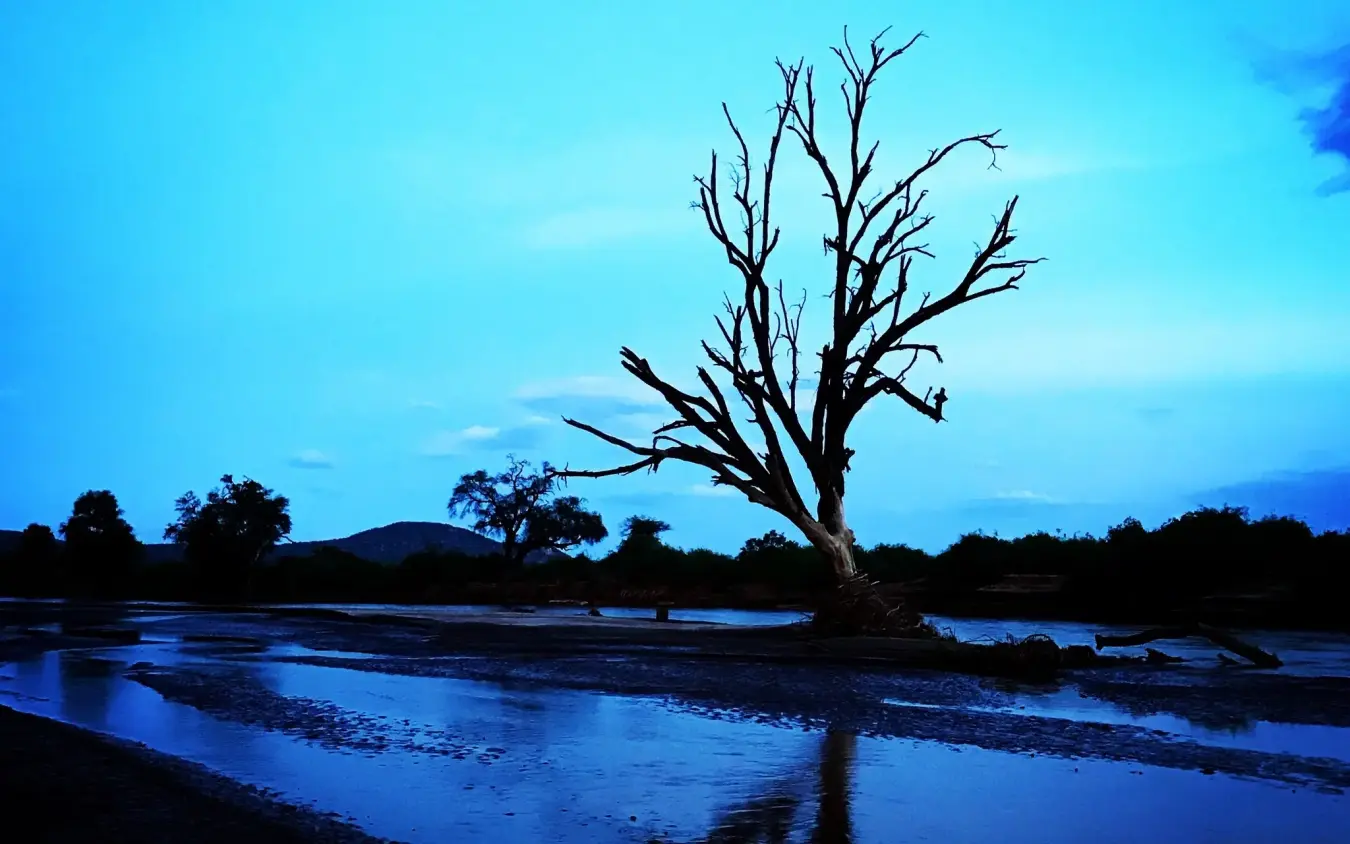
Six tents stand on the sandy north bank of the Ewaso Nyiro River in Samburu Reserve, northern Kenya, shaded by acacia and kigelia trees. Elephant Watch Camp grew out of the elephant research Iain Douglas-Hamilton began decades ago, and that work still decides who guides the guests and how they do it. It runs through everything here.
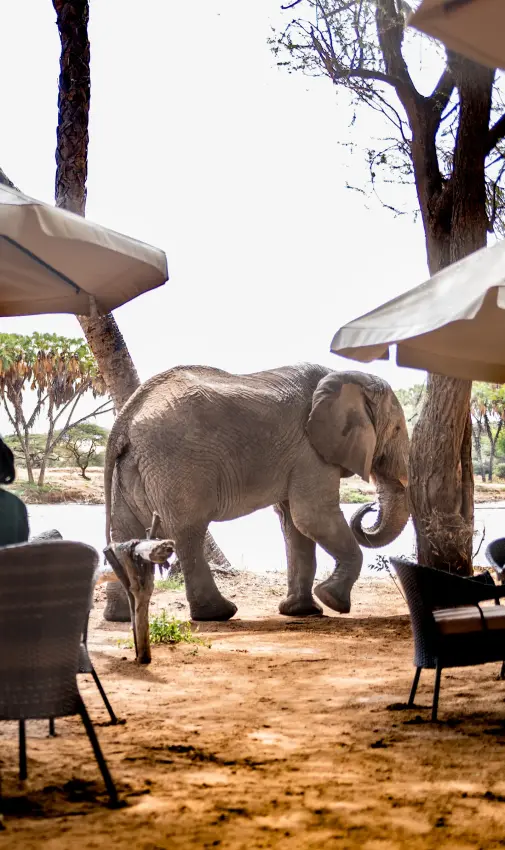
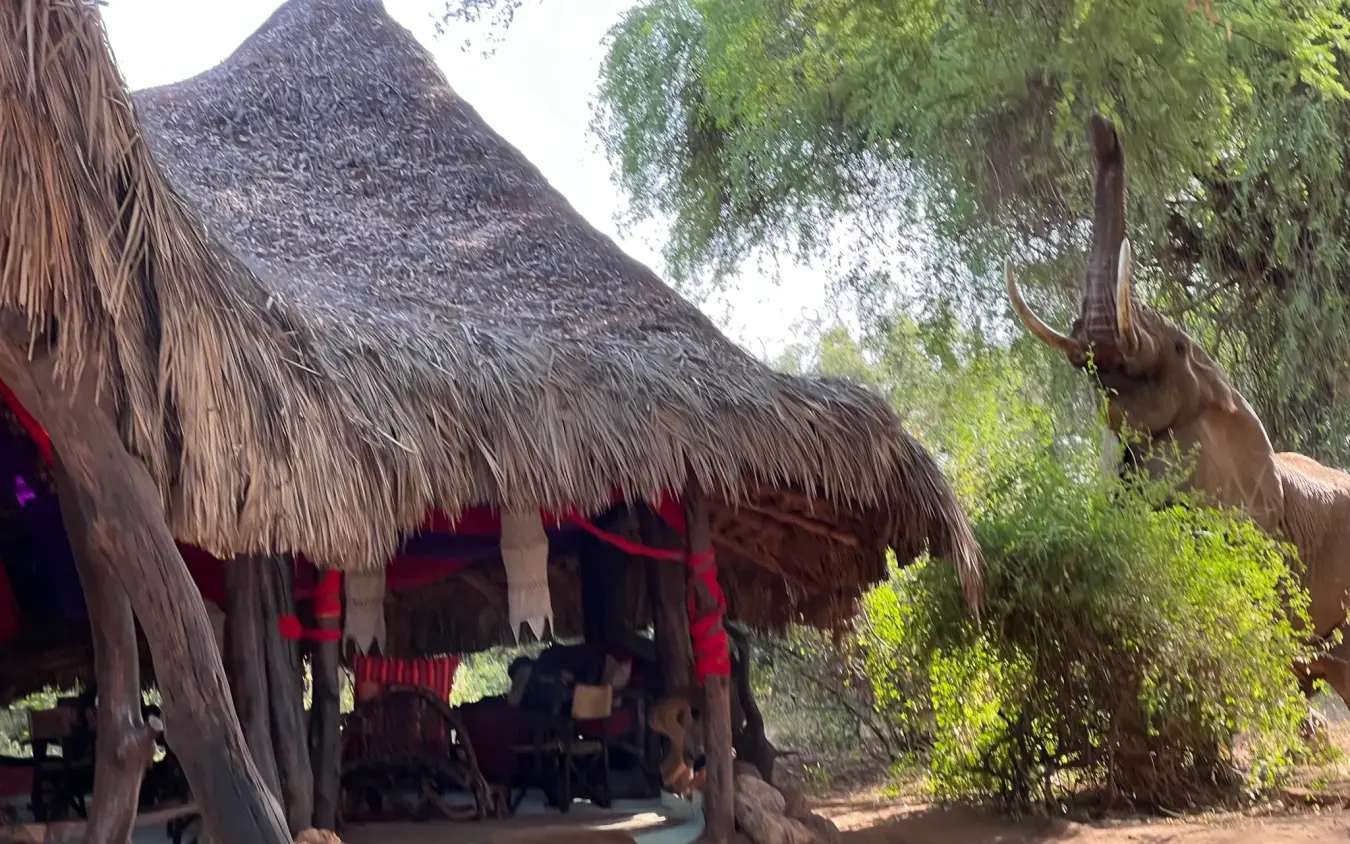
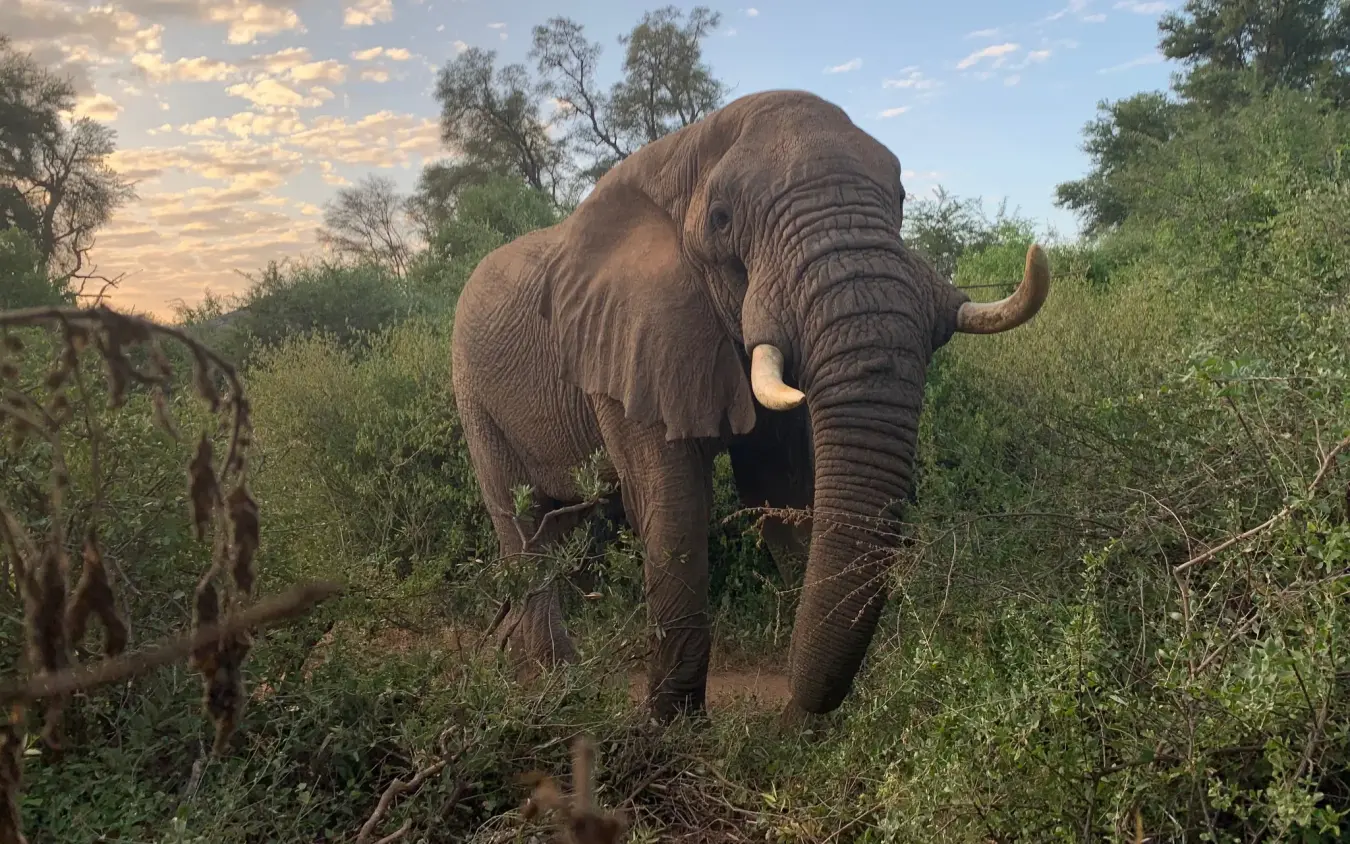
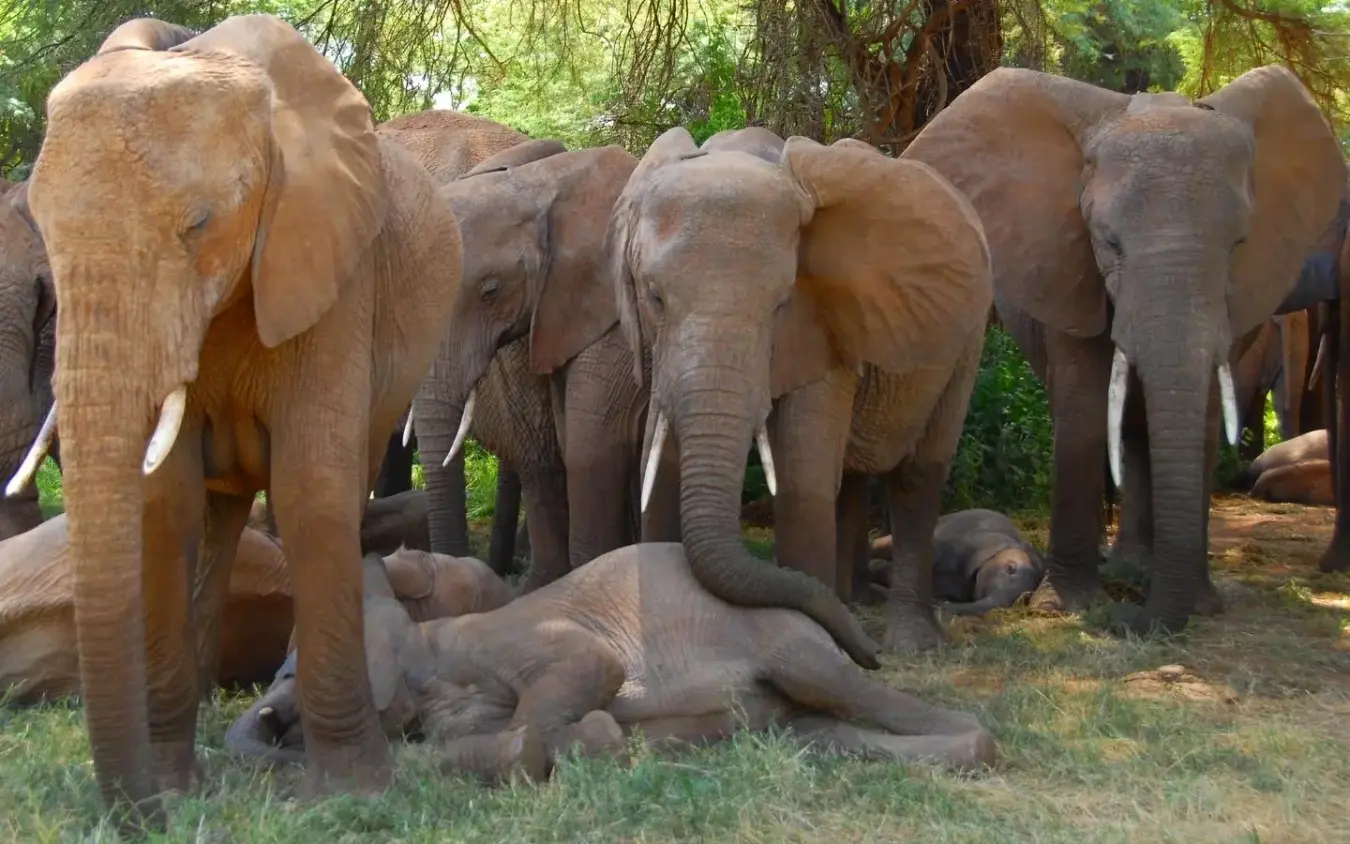
Large bulls feed on acacia pods beside the tents

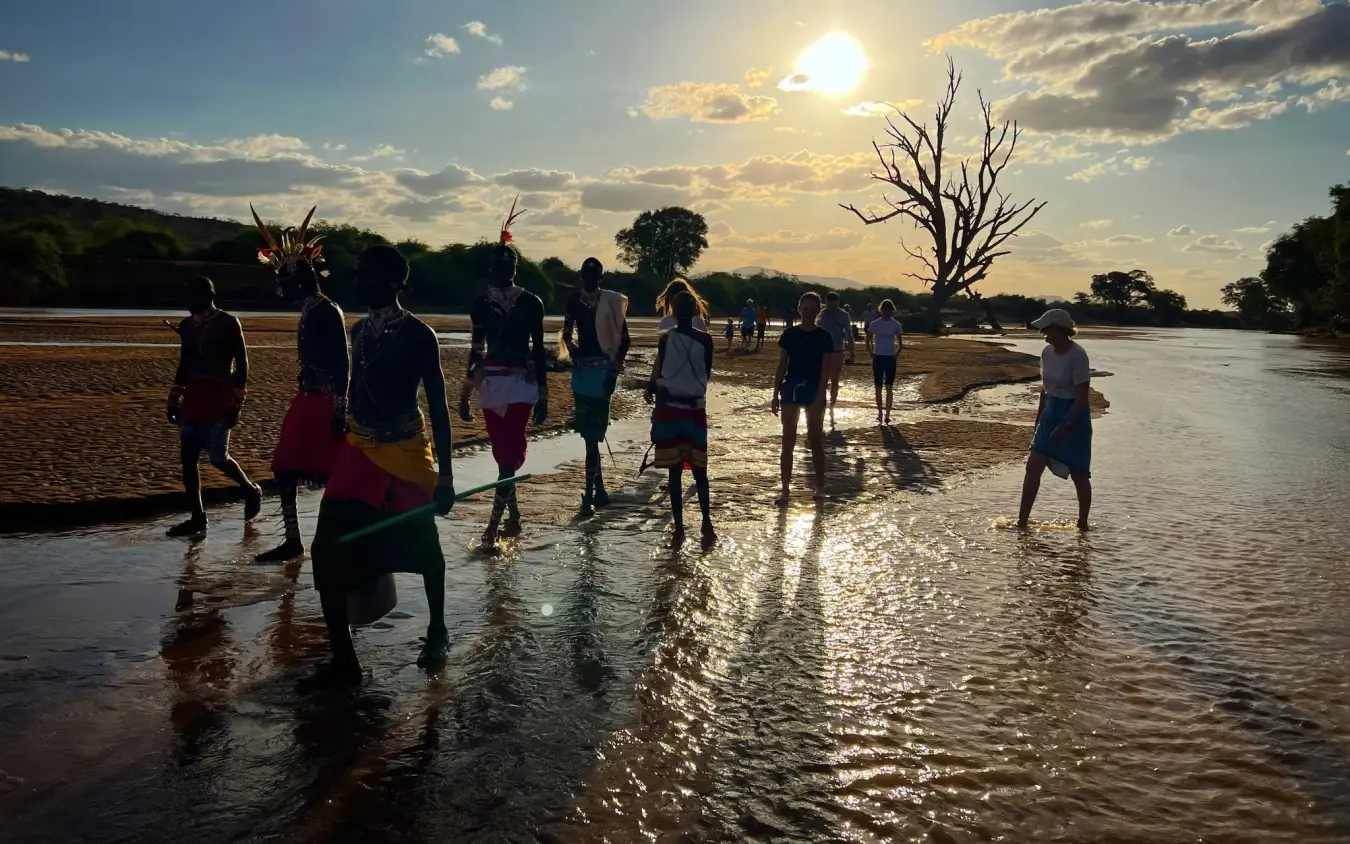
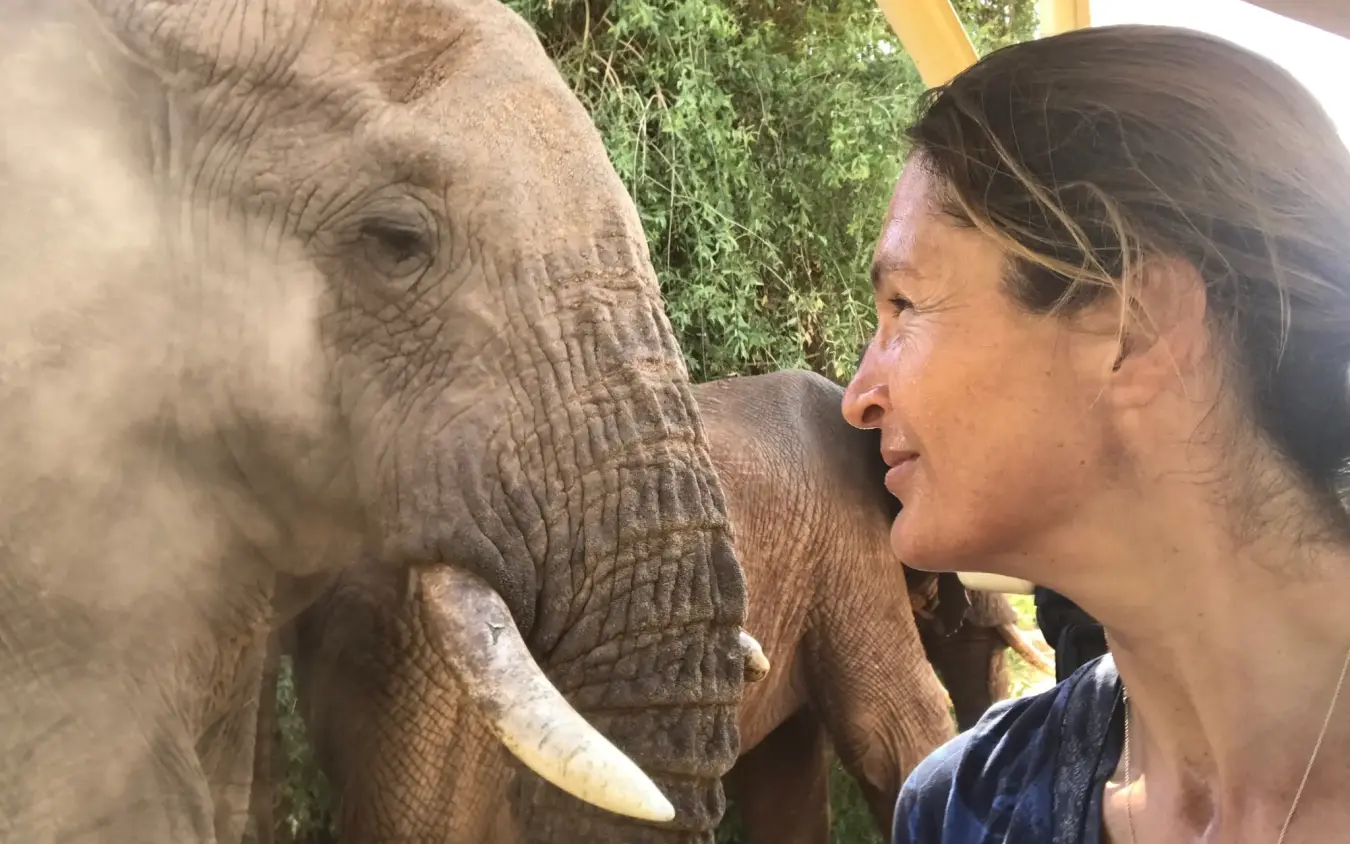
The Samburu hosts, trained through the family’s research, know the elephants as individuals, by family group and by history. A morning drive becomes a chance to follow animals the guides already recognise, tracing lives and lineages rather than simply spotting shapes at a distance across the grass.

Large bulls feed on acacia pods beside the tents, mudding themselves along the riverbank and resting in the shade through the heat of the day. Because the camp sits within the reserve itself rather than a private conservancy, game drives keep to daytime hours and set routes. Yet the elephants pass through camp of their own accord, and the closest sightings often happen well beyond the vehicle.

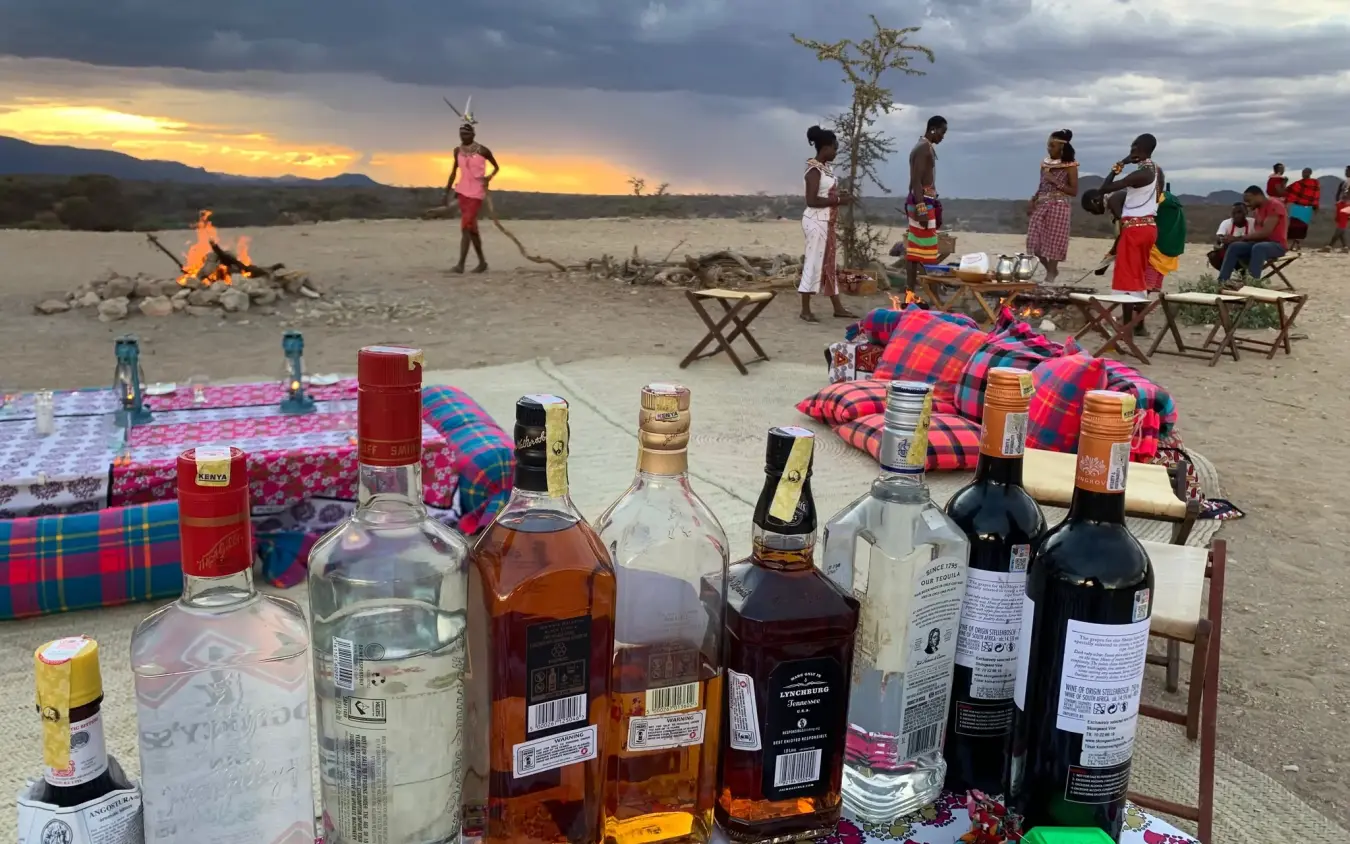
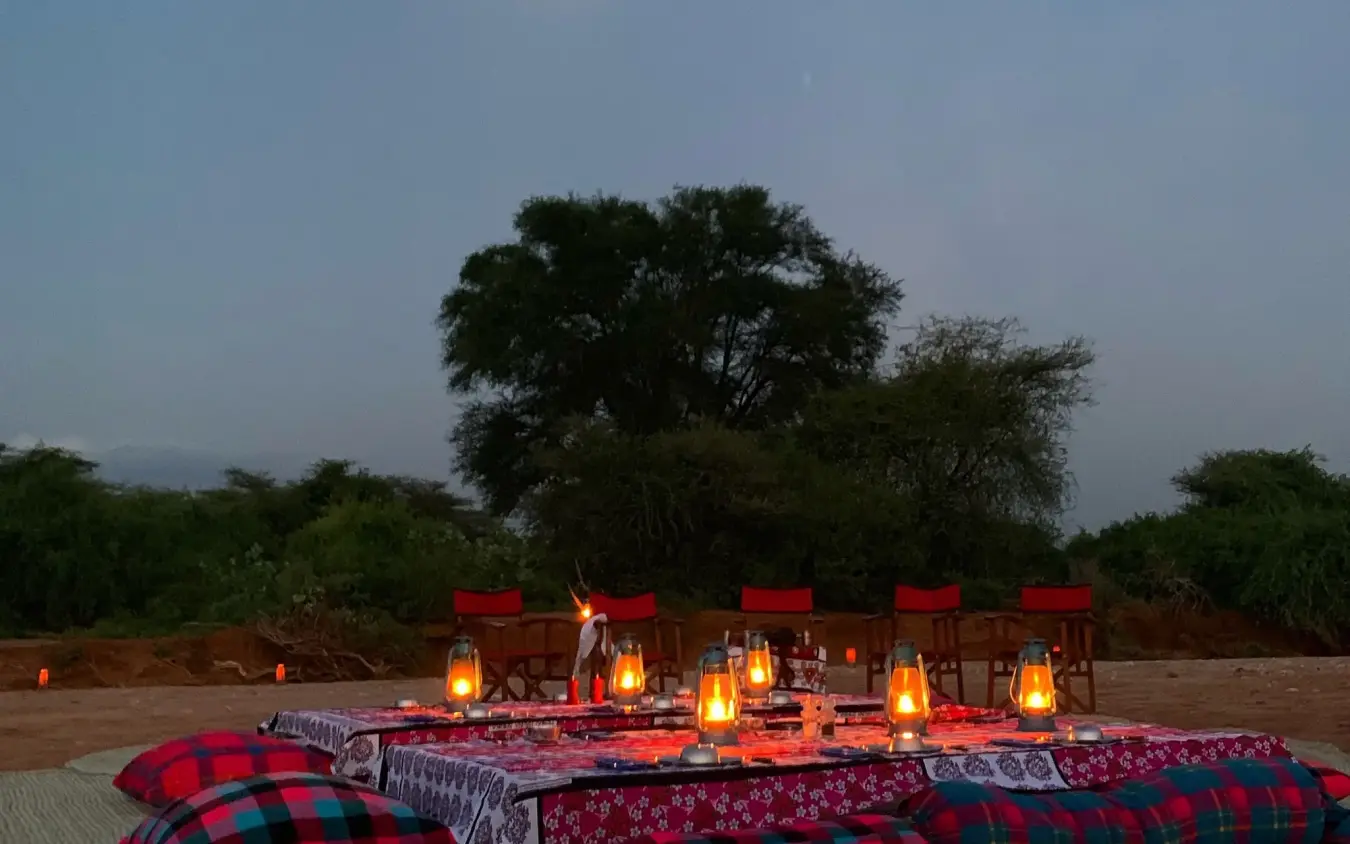
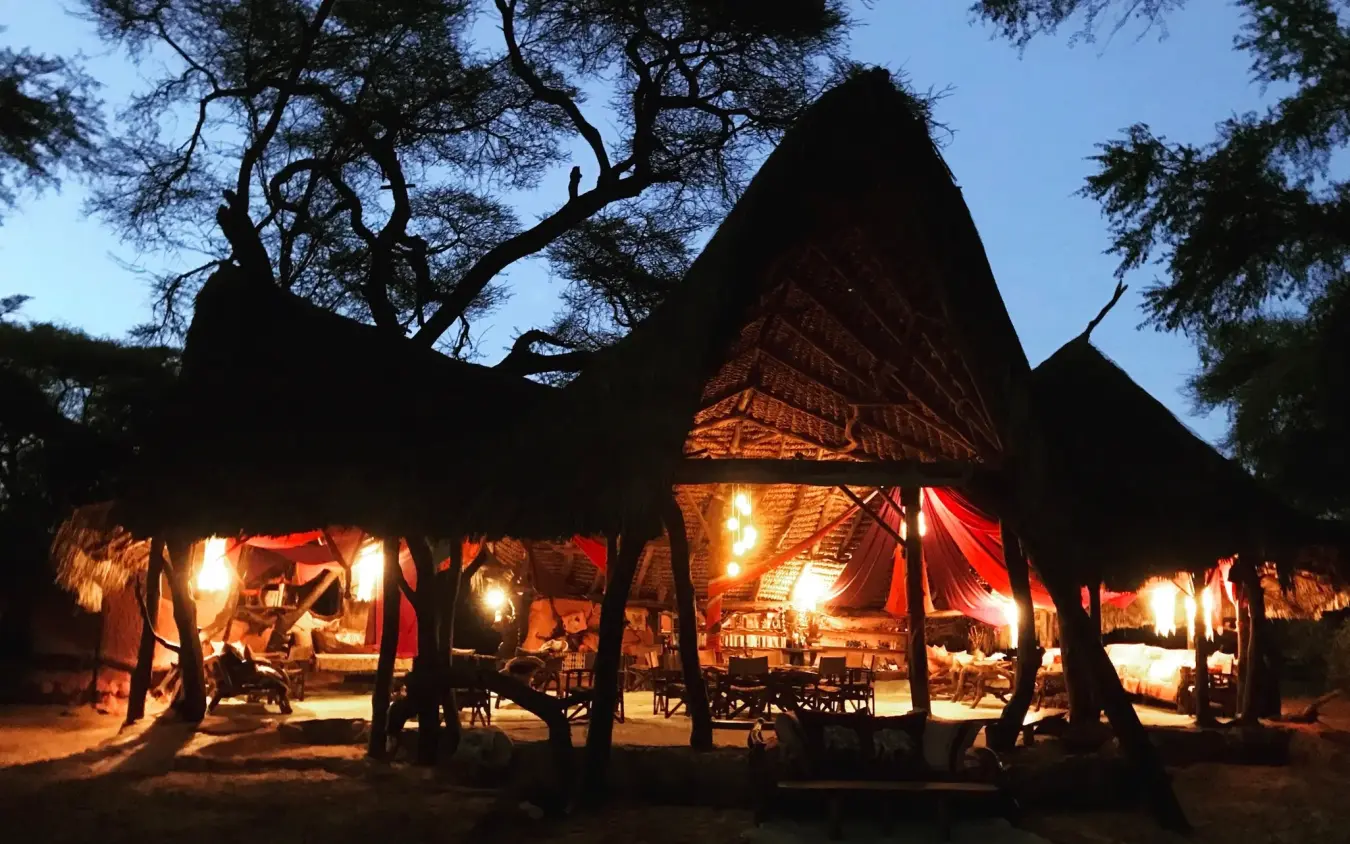
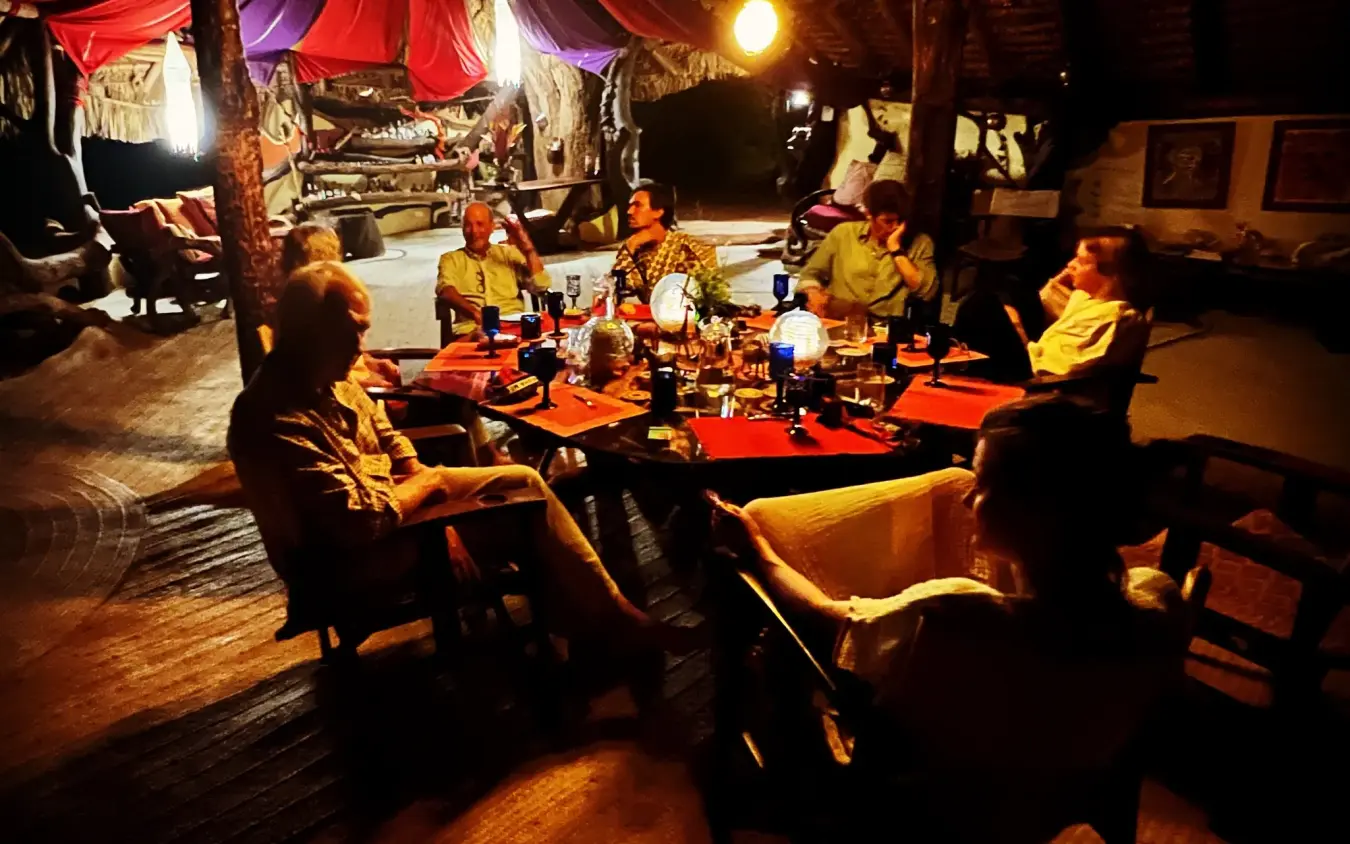
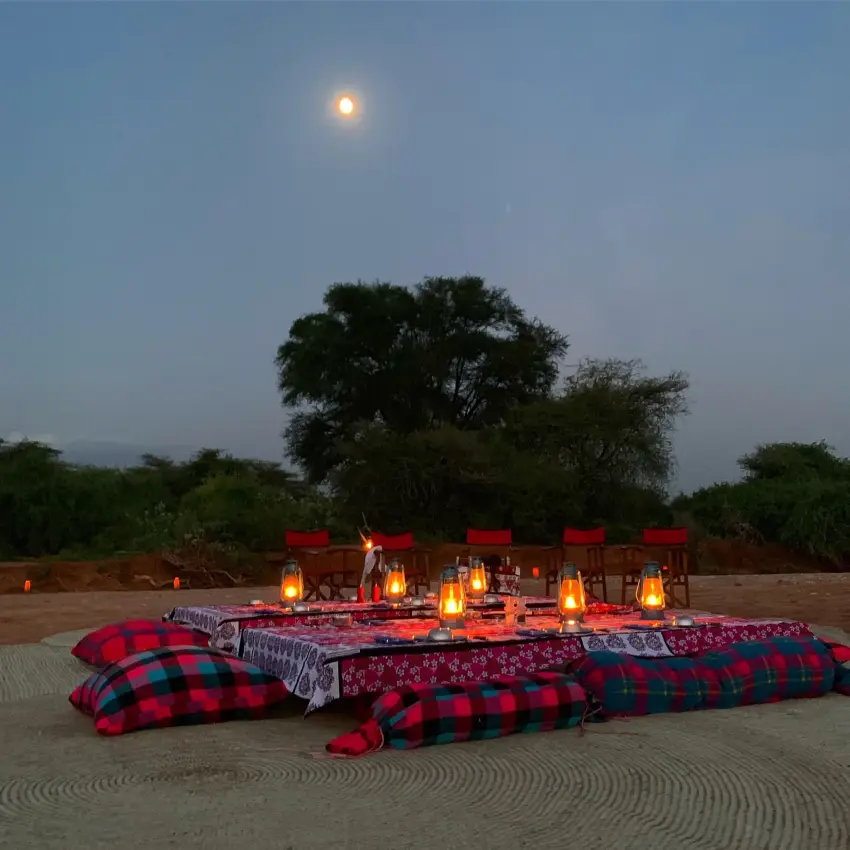
Open-air dining setup under moonlight with lanterns, Elephant Watch Camp, Samburu Reserve, Kenya
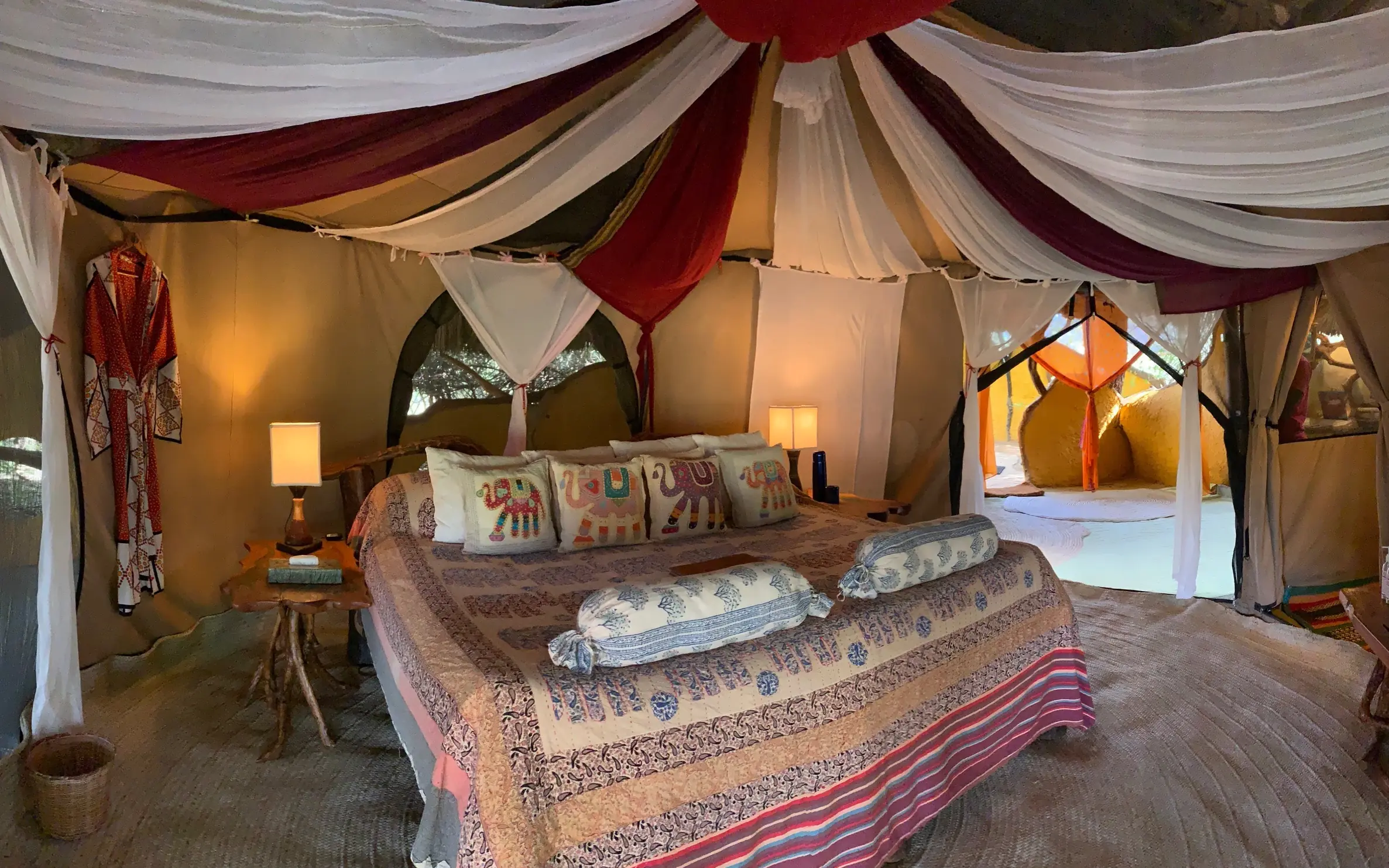
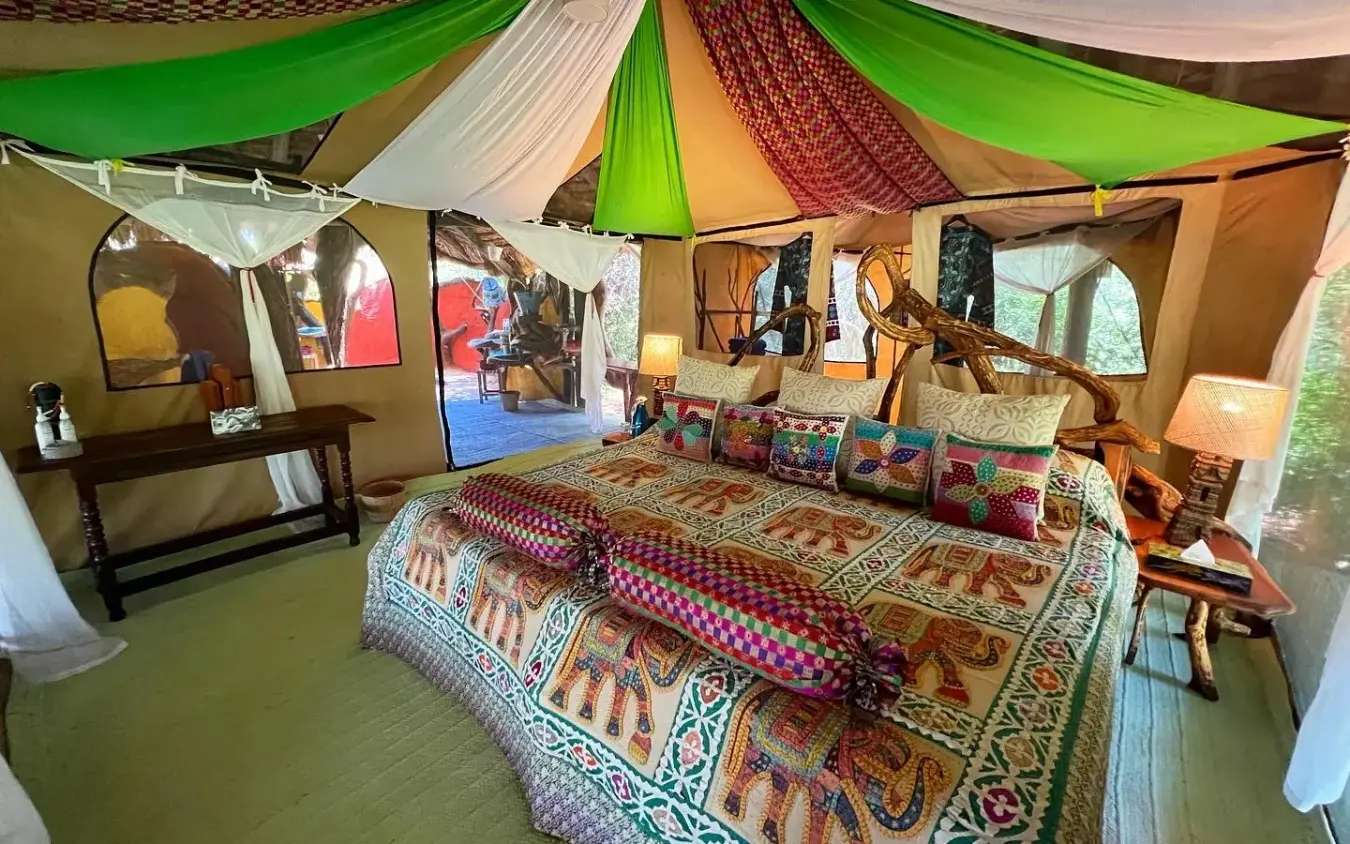
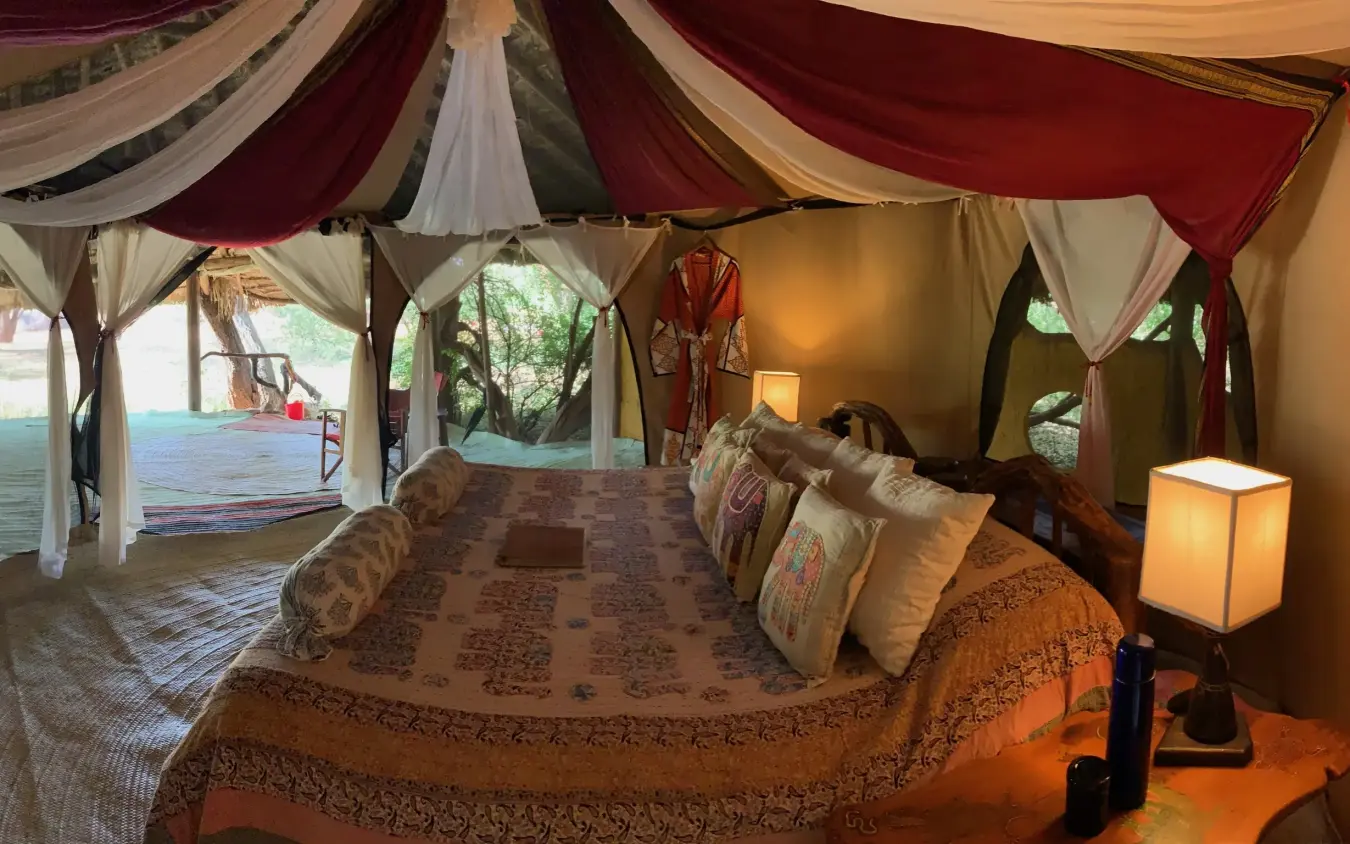
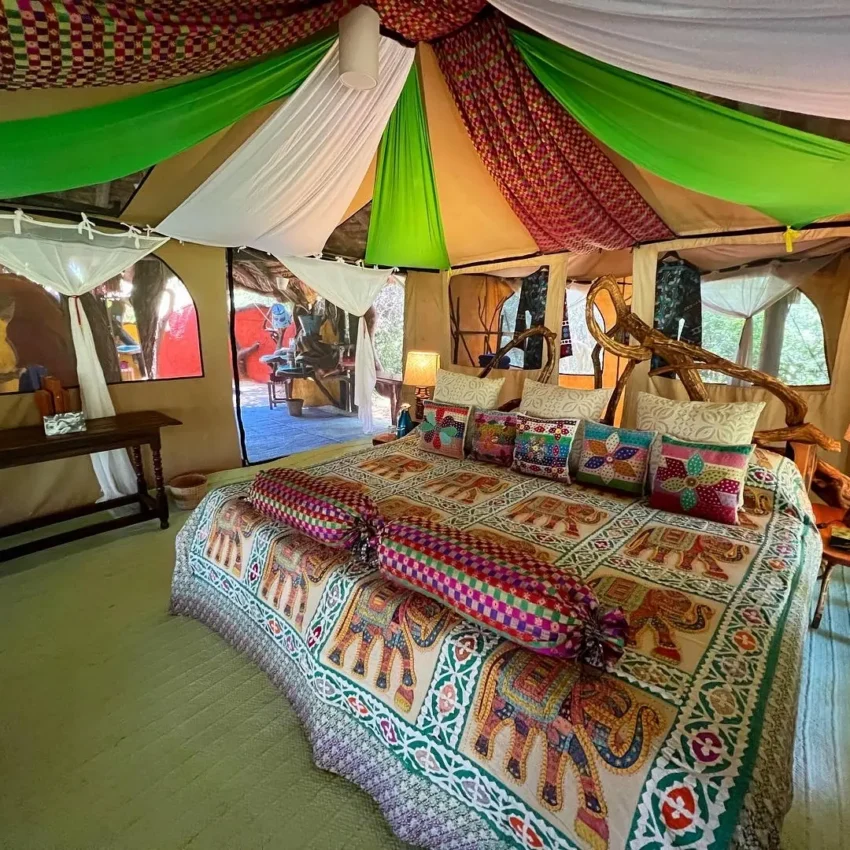
Spacious canvas tent interior with colorful patterned bedding and furnishings, Elephant Watch Camp, Samburu Reserve, Kenya

Oria Douglas-Hamilton built the camp, choosing the site for its closeness to the Save the Elephants research base her husband Iain had founded nearby. Their daughter Saba, a wildlife filmmaker, runs it today alongside her husband Frank Pope, who now leads Save the Elephants. This remains a family operation, not a branded lodge, and the conservation work is the reason the camp exists at all.

This remains a family operation, not a branded lodge.

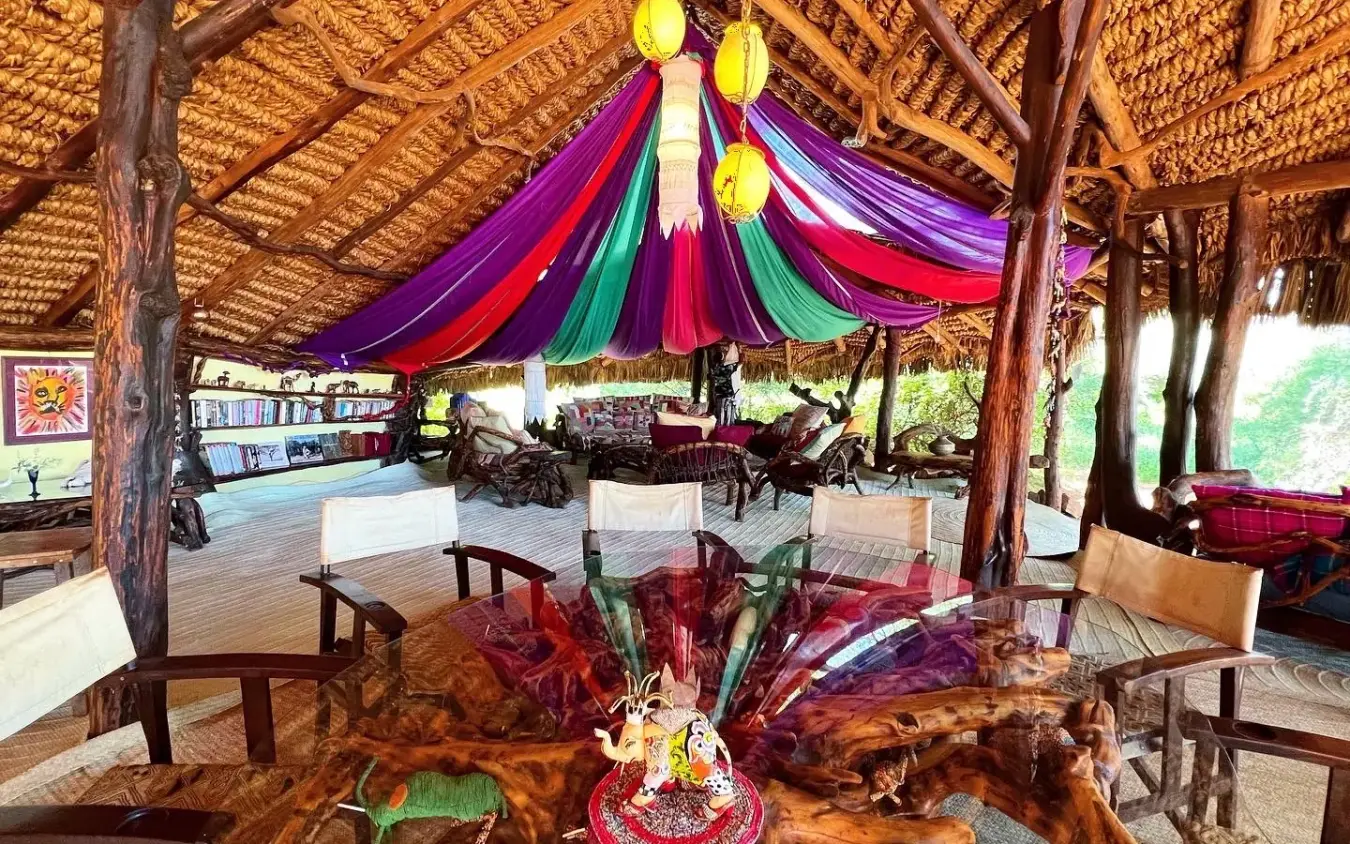
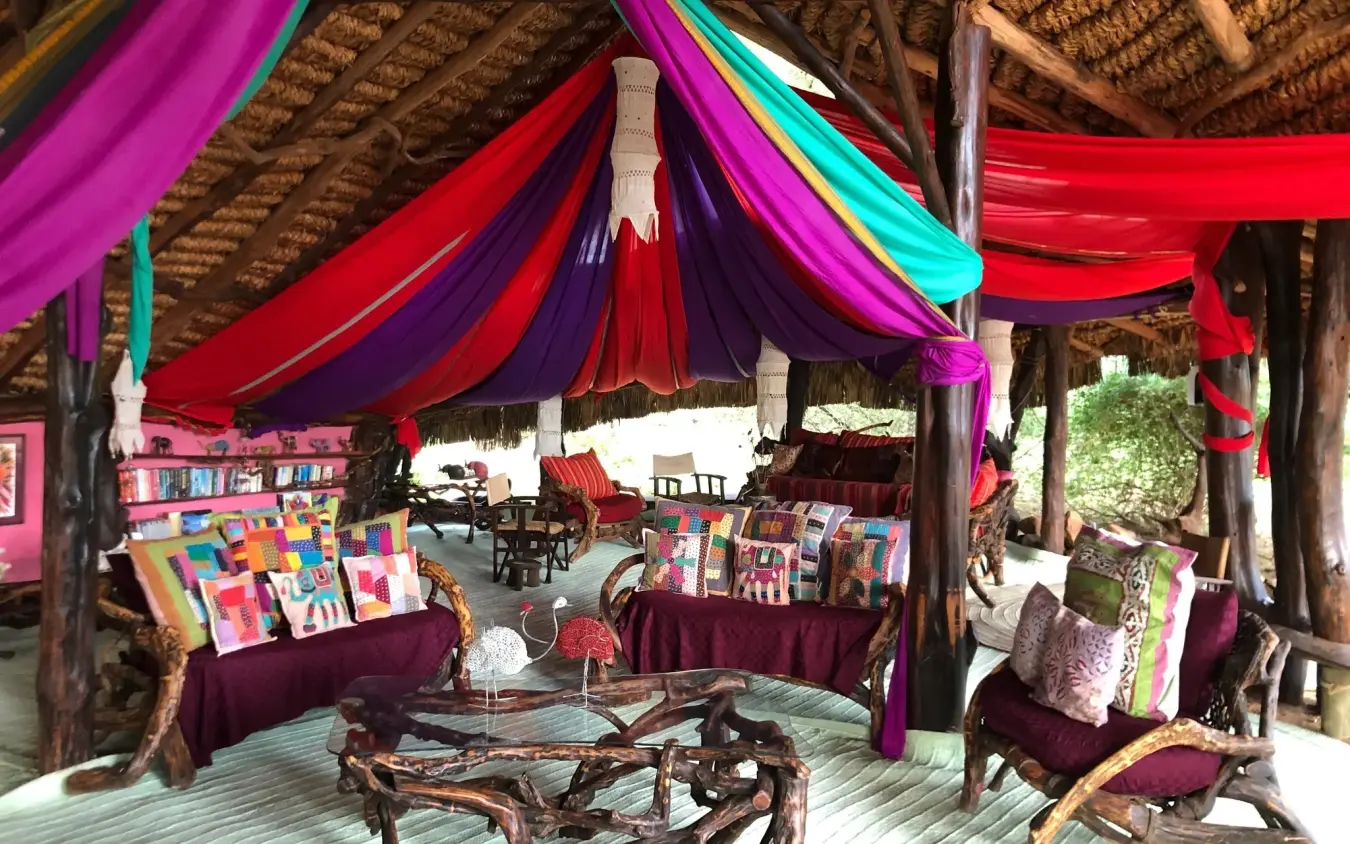
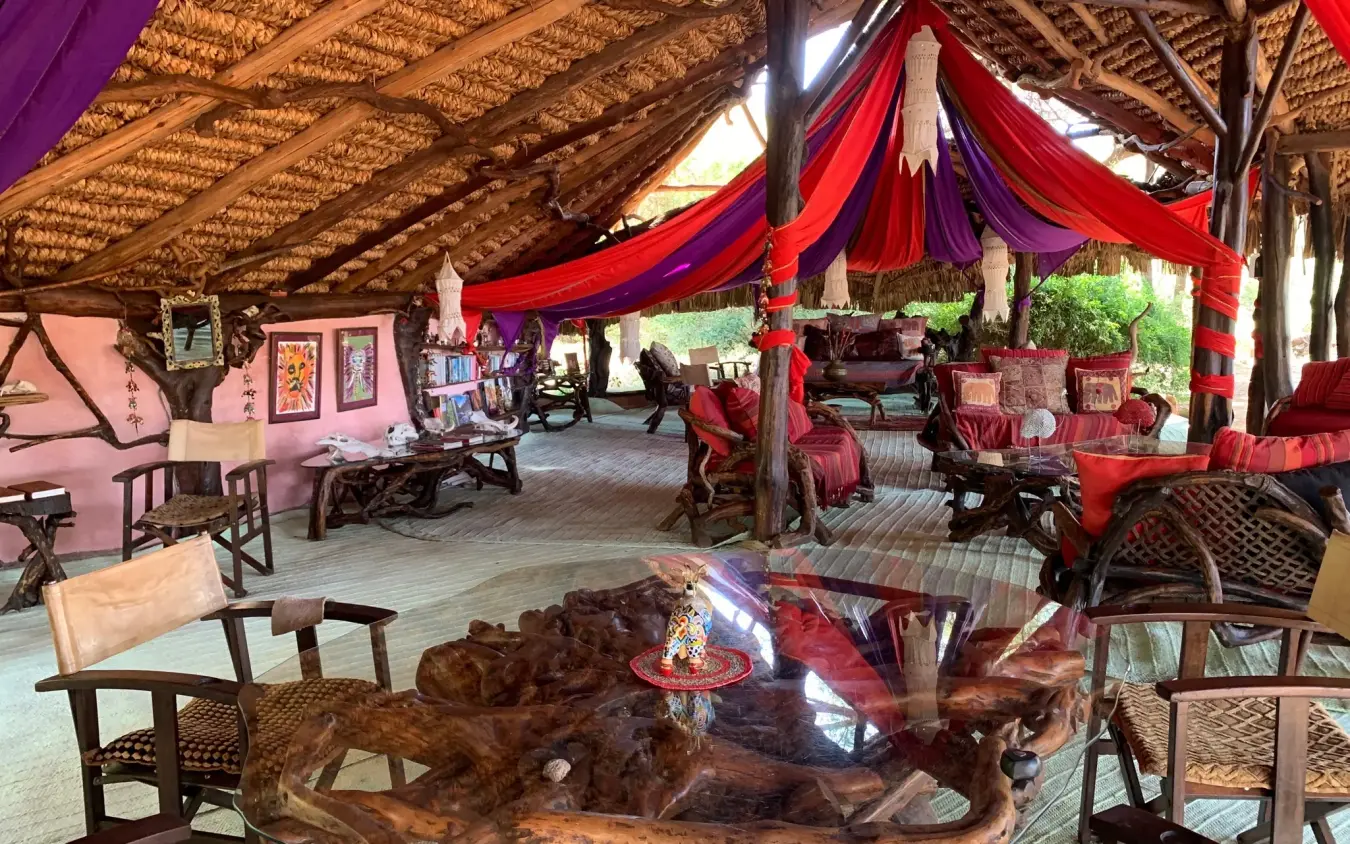
The tents are built from reclaimed timber and branches, some gathered from trees the elephants themselves have felled. Thatched roofs, netted walls and colourful cotton fabrics laid over locally woven mats give each one its character. Bathrooms are set around living trees for shade and privacy, the furniture handmade, the water warmed by the sun, and every veranda faces the river or the bush.

Safari tent bedroom with draped fabric and open views, Elephant Watch Camp, Samburu Reserve, Kenya 01

accommodation

Six Tents Built From Reclaimed Timber

Six tents, individually styled, built from reclaimed and fallen timber with thatched roofs and netted walls for airflow and privacy. Each has an en-suite bathroom built around a living tree, sun-heated water, handmade furniture and a private veranda with a daybed facing the river or bush.

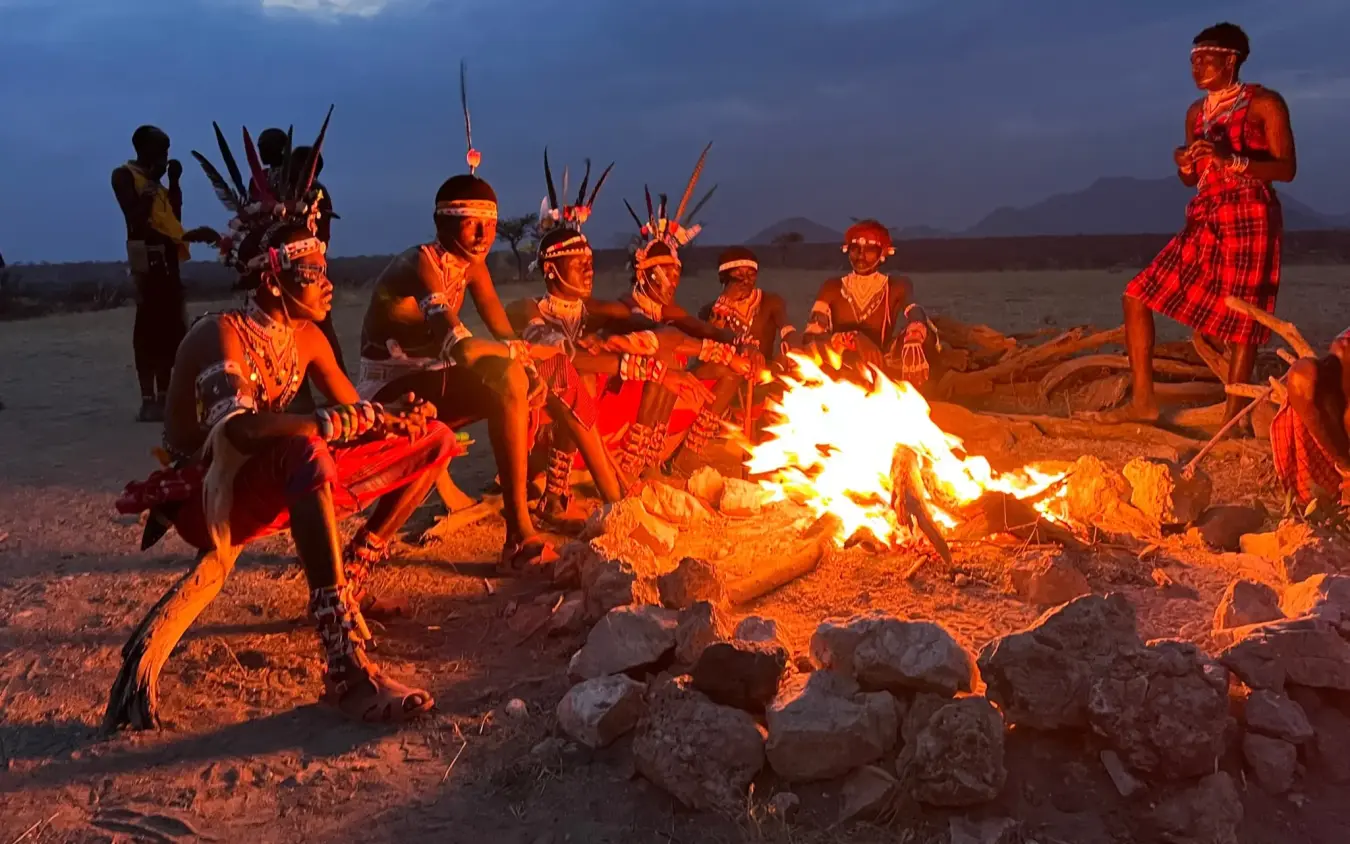
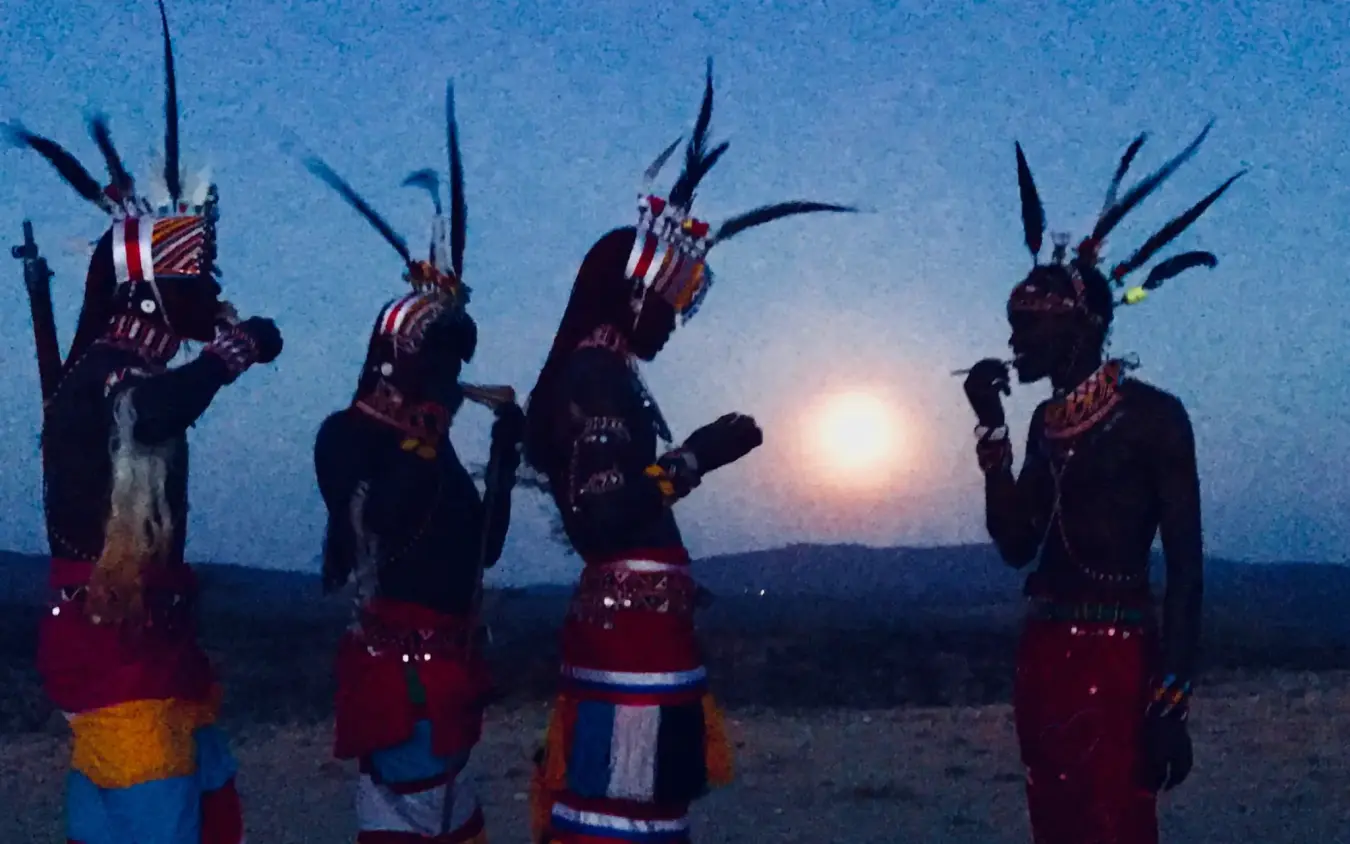
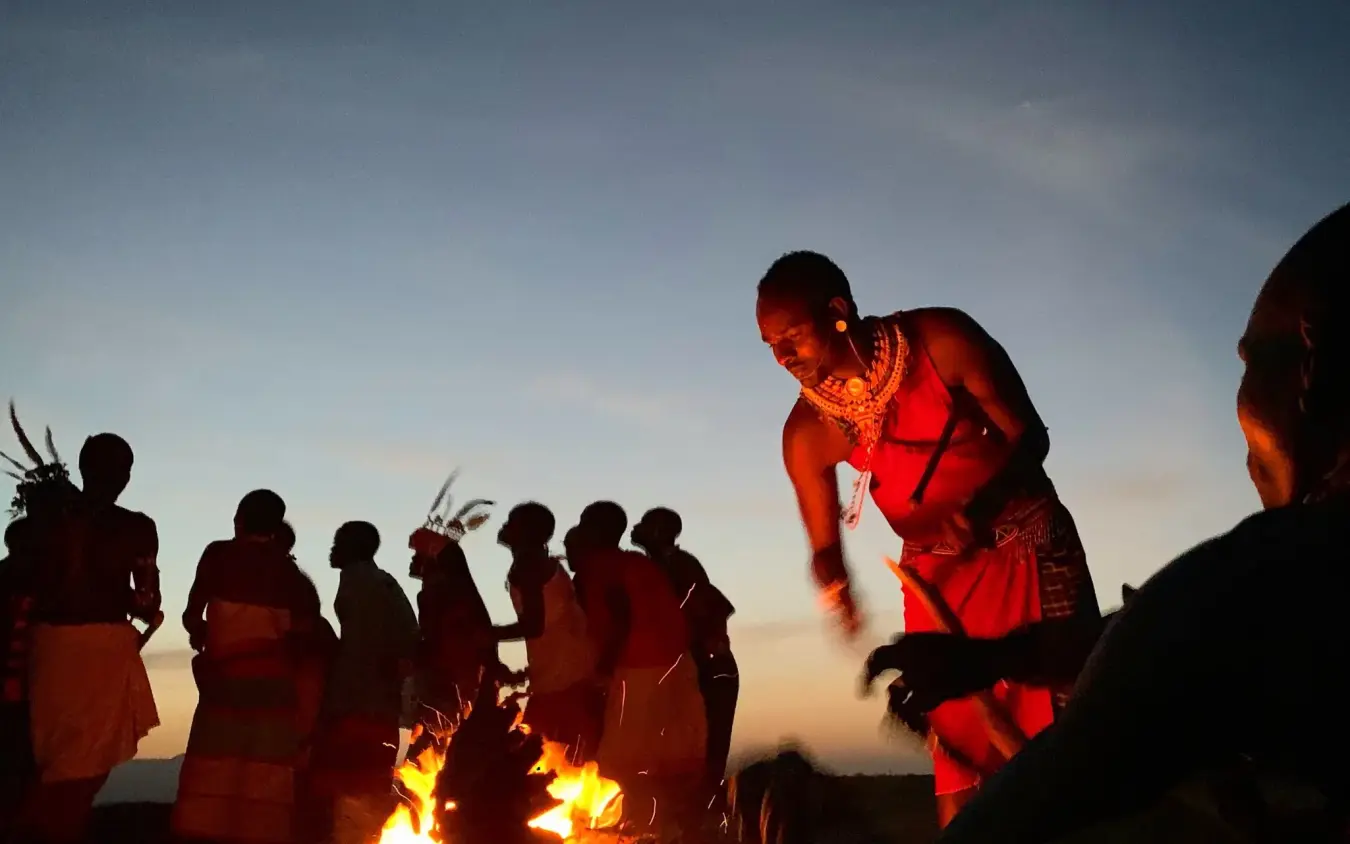
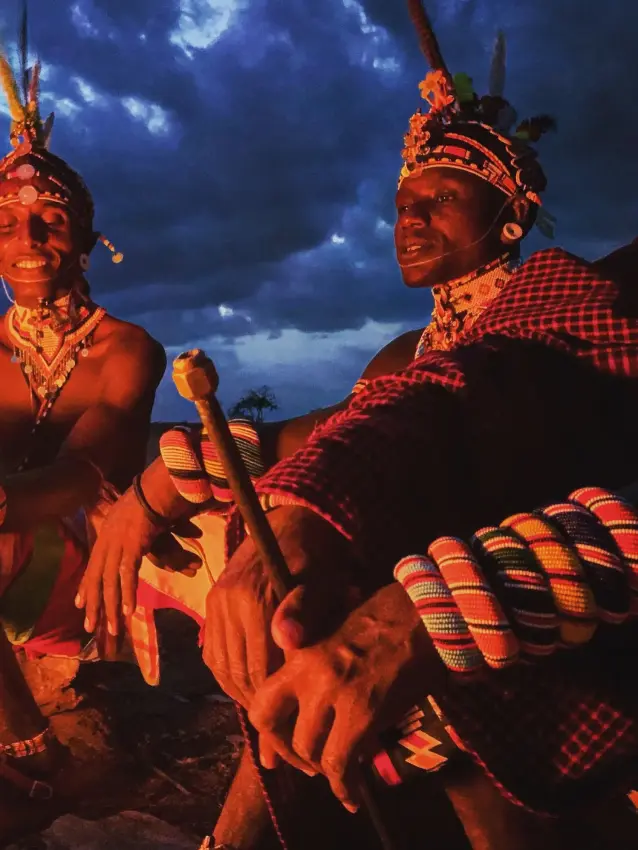
Maasai warriors gathered around evening campfire under moonlight, Elephant Watch Camp, Samburu Reserve, Kenya 02

activities

Elephant Drives Through Samburu Reserve

Elephant-focused game drives through Samburu Reserve with Samburu guides trained to identify individual elephants, plus guided bush walks, camel walks, and a visit to the Save the Elephants research base. Birding covers over 350 species in the wider area. Bush breakfasts, sundowners and guided hikes up Mount Ololokwe can also be arranged.

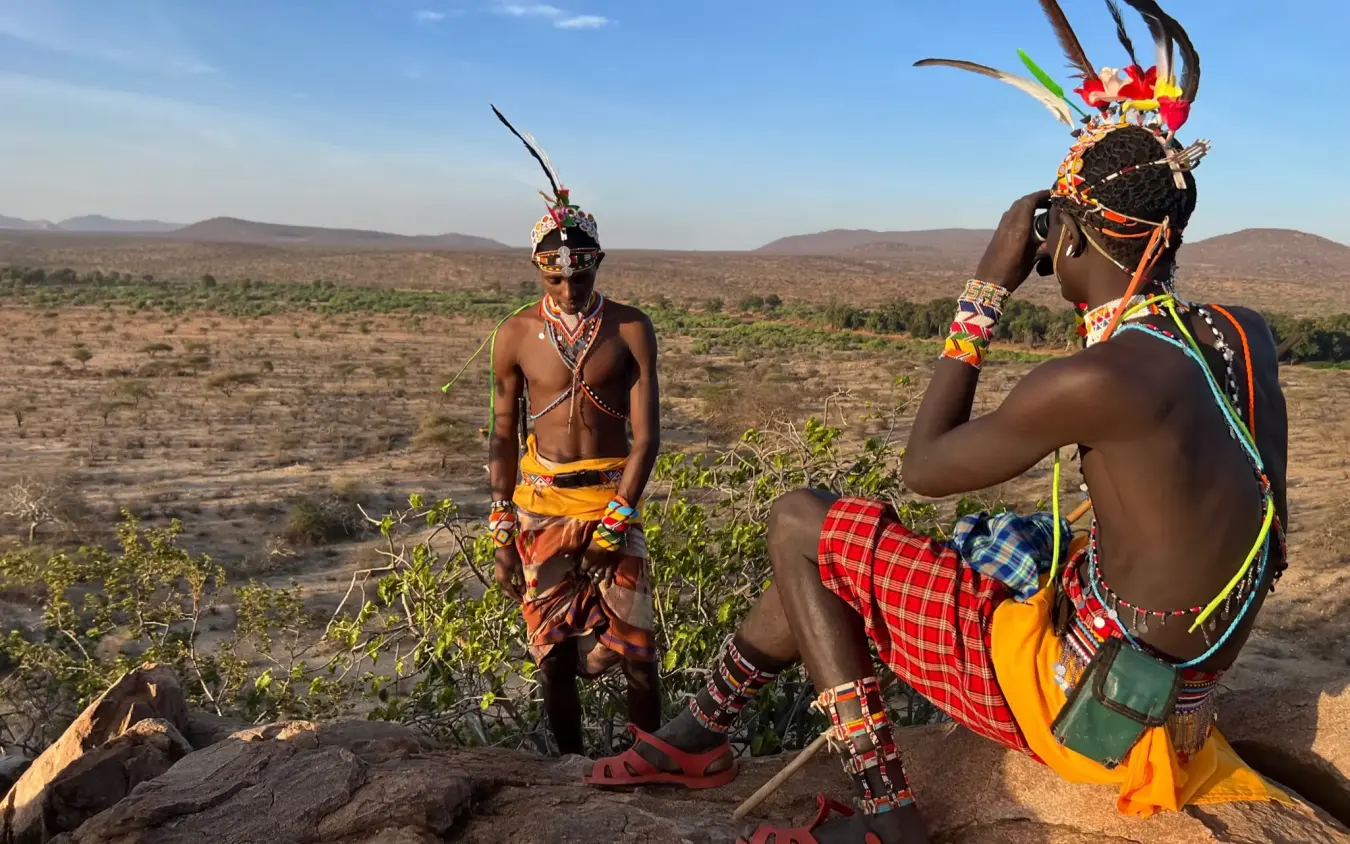
Two children sitting on rock overlooking vast landscape, Elephant Watch Camp, Samburu Reserve, Kenya 03

conservation

Save The Elephants Research Support

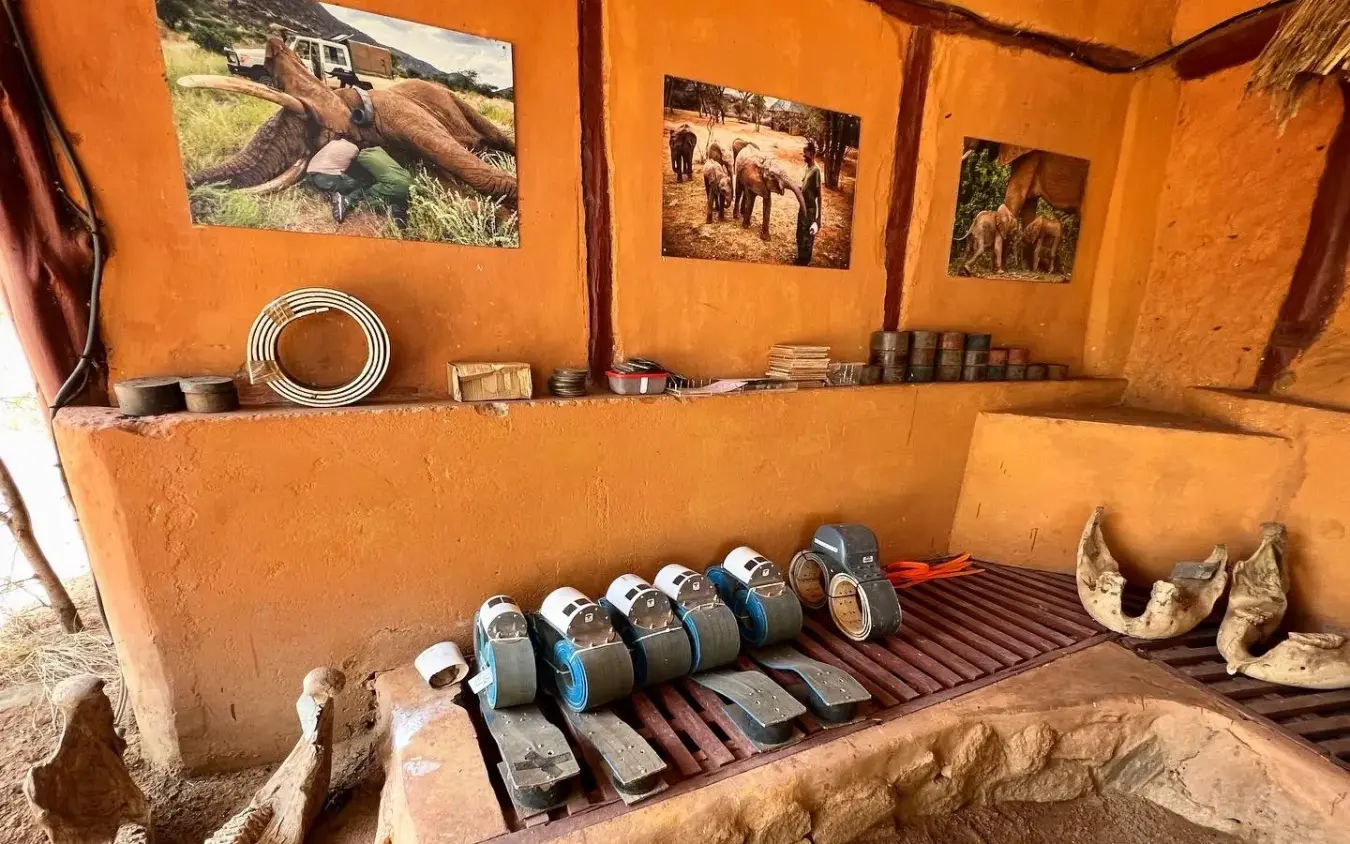
A share of the camp's proceeds supports Save the Elephants, founded by Iain Douglas-Hamilton and central to elephant research and anti-poaching advocacy in the region. The camp also backs a Samburu student scholarship fund with the organisation. Guiding and hospitality are led by Samburu staff, whose knowledge of the land and its elephants shapes daily life at the camp.

ready to get started?

Get in touch and let’s start the conversation. An initial consultation helps us understand what you’re looking for, whether that’s specific experiences, luxury touches, or marking a special occasion, and from there we’ll guide you through what’s possible so you can decide if we’re the right fit.

frequently asked questions

You fly from Nairobi's Wilson airport to the Samburu Reserve airstrip in northern Kenya, about an hour to an hour and twenty by light aircraft, and the camp meets you for the short transfer to the sandy north bank of the Ewaso Nyiro River. We build the flights into your itinerary, and if you would prefer to fly privately we can arrange a charter, typically a Cessna Caravan or Pilatus PC-12, direct to the Samburu strip on your own timings.

The bush planes take soft bags of around fifteen kilograms per person including hand luggage, so pack a duffel. The camp sits within the reserve itself, shaded by acacia and kigelia trees along the river.

Yes. Samburu is hot and semi-arid, which holds mosquito numbers down, but the camp sits by the Ewaso Nyiro River and well below the altitude at which the CDC and TravelHealthPro regard malaria risk as negligible, so antimalarial tablets are usually advised, with the risk higher along the water and after rain.

Because this is a health matter and guidance is reviewed regularly, please confirm the current position with a travel clinic or your doctor before you travel, and take the usual care against bites after dark, particularly given the riverside setting.

Warm to hot days, milder nights than the highlands, and a dry, dusty landscape softened by the river and its trees. Large elephant bulls feed on acacia pods beside the tents and mud themselves along the bank through the heat of the day. The rains green the plains and can muddy the roads.

Pack light, breathable clothes in neutral colours, strong sun protection and a hat, a light layer for early drives, and closed shoes for the walking. Binoculars are worth bringing for the elephants and the birding, which covers over 350 species in the area.

The dry months, June to September and January to February, give the strongest game viewing, as surface water retreats to the Ewaso Nyiro and the thin vegetation makes spotting easy across the open country. The long rains of March to May and short rains of November to December green the plains and bring the year's best birding, though the roads turn muddy at the height of the rains.

The elephants are the constant here whatever the season, drawn to the river through the year.

It is built around a long-running elephant study, so the Samburu guides know the local herds as named individuals, by family and by history. A drive here is less about spotting shapes across the grass and more about following animals the guides already know, which is a rarer thing than it sounds.

One practical point: the camp lies inside the reserve rather than a private conservancy, so drives keep to daylight hours on set routes, with no night driving or off-road tracking. In practice the elephants wander through camp anyway, so some of the closest encounters happen on foot around the tents, and a visit to the Save the Elephants research base is part of a stay.

It can suit families drawn to elephants and to a genuine conservation story, with six individually styled tents and a relaxed, family-run feel rather than a polished lodge. The elephants passing through camp make a strong impression on children.

Because the camp is inside the reserve, activities keep mainly to daytime drives, and walking outings carry age limits, so tell us your children's ages and we will advise on the best fit and arrange a private vehicle where that helps.

rated five stars by our clients

other areas in kenya

Snow-capped Mount Kilimanjaro rising above acacia trees and Tanzania savanna 01

Amboseli and Chyulu Hills

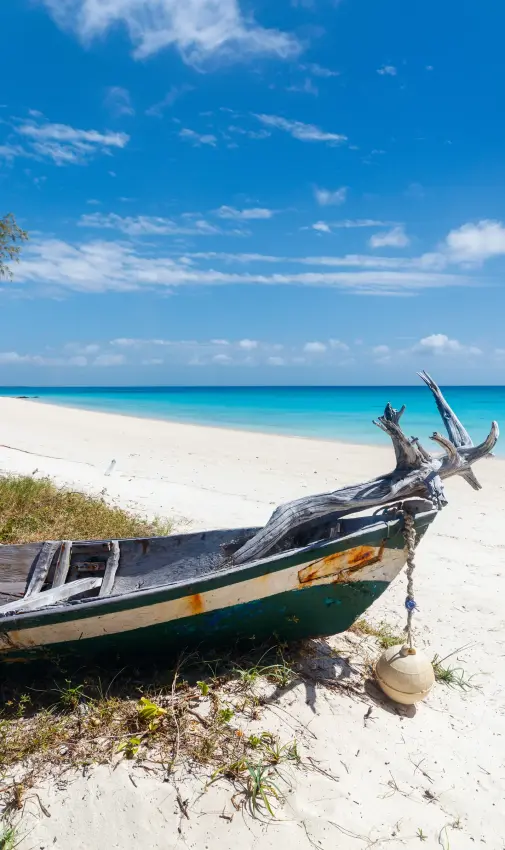
Wooden fishing boat beached on white sand tropical shore 02

Diani Beach

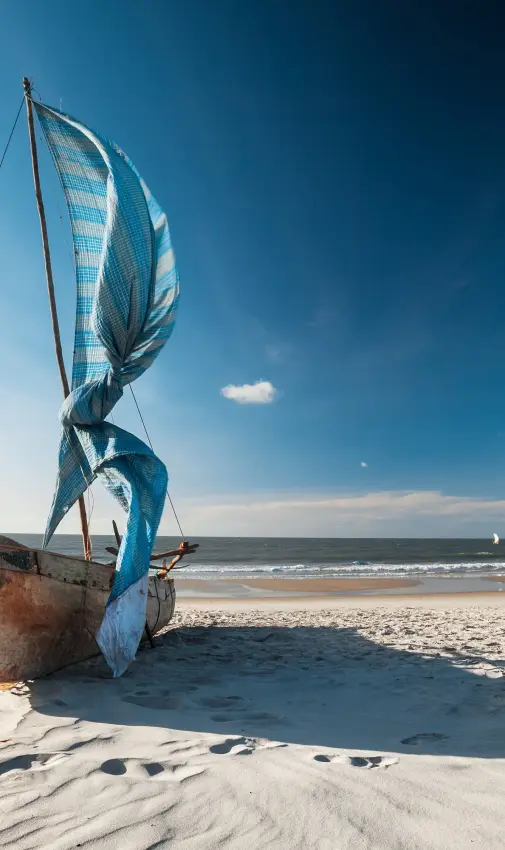
Traditional fishing boat with blue sail on sandy beach 03

Kilifi

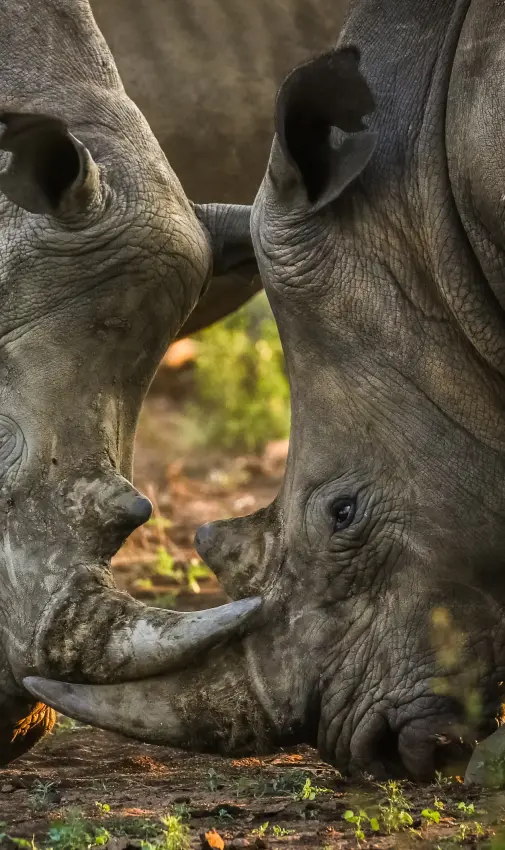
Two rhinos touching horns in natural habitat 04

Laikipia Highlands

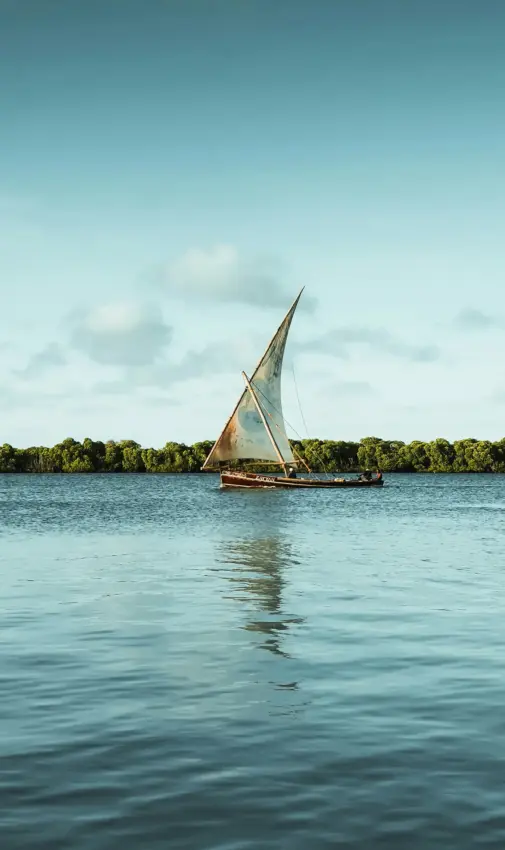
Wooden fishing boat beached on white sand tropical shore 05

Lamu Archipelago

Leopard resting on fallen log in natural setting 06

Maasai Mara

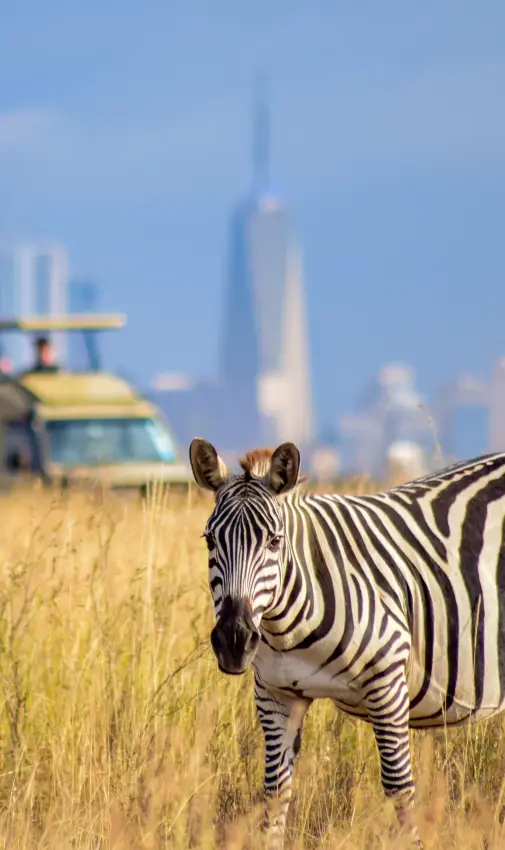
Zebras in savanna grassland with safari vehicle and city skyline 07

Nairobi

Local guides with poles crossing shallow forest river, Northern Kenya, Kenya 08

Northern Kenya

Flock of flamingos wading in shallow pink-tinted water, Rift Valley Lakes, Kenya 09

Rift Valley Lakes

African elephants with calf walking through grassland at sunset 10

Tsavo

Planning a journey together

our approach

remote, exclusive
& personal

Every journey starts with a conversation. We take the time to understand your vision before we start planning.

Whether by phone or in person, we work with you directly to shape something that is considered, personal, and expertly delivered.

get in touch
destinations ideas & inspiration our process about us contact us