More than 400 bird species have been recorded in Zambezi National Park, and its specials draw birders to this stretch of river. One of them has been recorded on the island itself. Schalow’s turaco, with its long crest and blue tail, is found in the park. African finfoot keep to the river margins, and Pel’s fishing owl is among the park’s sought-after species. African skimmers and rock pratincoles are here too, as are collared palm thrushes and long-toed lapwings.
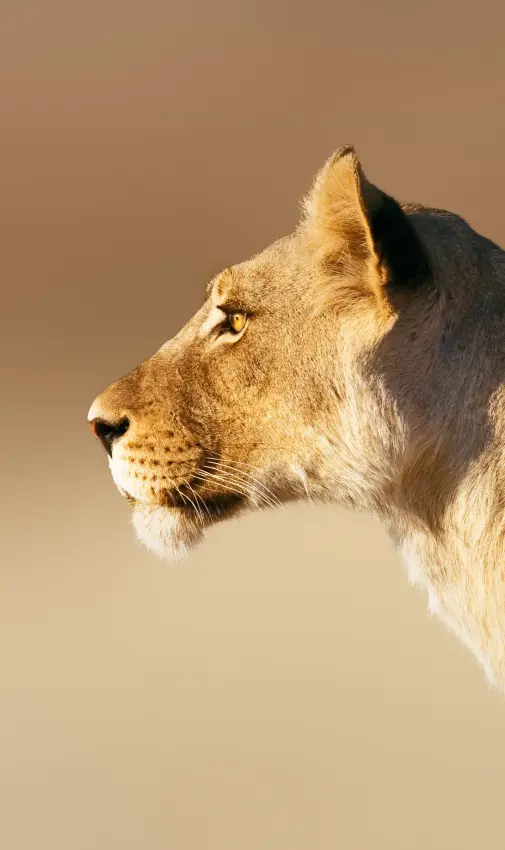
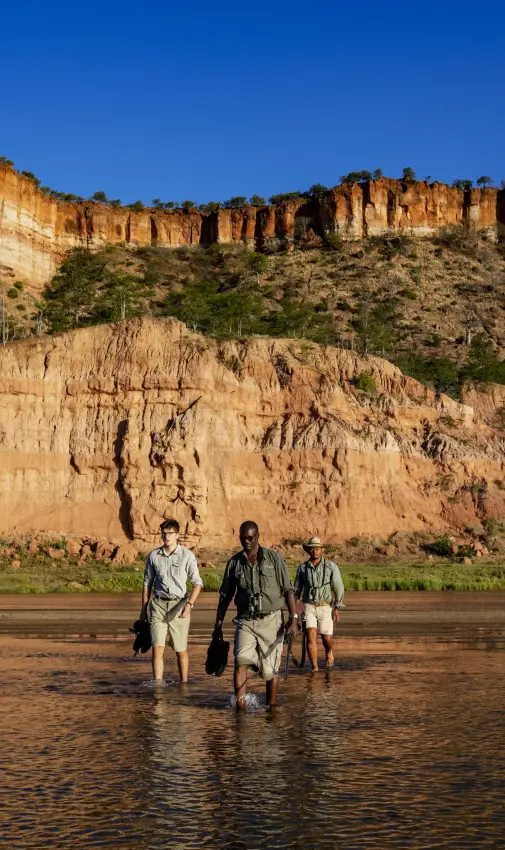
Game drives cross to the mainland and follow the park’s river drive along the Zambezi, and vehicles stay on the tracks. Elephant and buffalo live in the park with giraffe, zebra and warthog, and the antelope include sable, eland, kudu and impala. Game viewing is best between May and October. On foot, guests walk with armed guides. By canoe, guests slip into the channels where elephants drink at the water’s edge. Canoeing and cruises run all year, and the river runs at its highest between March and May.
By canoe, guests slip into the channels where elephants drink at the water’s edge.
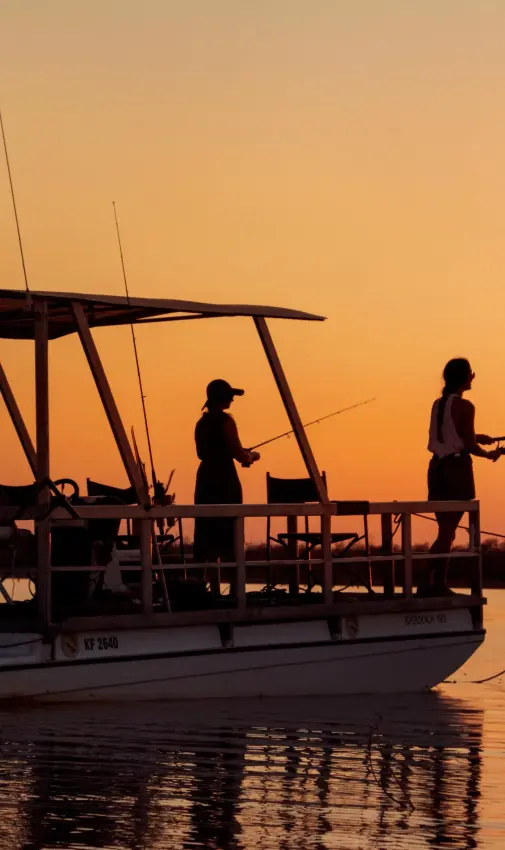
The Zambezi holds 75 fish species, and the catch-and-release outings go after the two it is famous for, tigerfish and nembwe bream, with rods and tackle supplied. Two activities a day are included. A return transfer to Victoria Falls is part of the stay, so the Falls fit into a trip without a night in town. Helicopter flights over the Falls can be added, as can massages, and rafting can be arranged. Chobe in Botswana is within reach for a day trip.
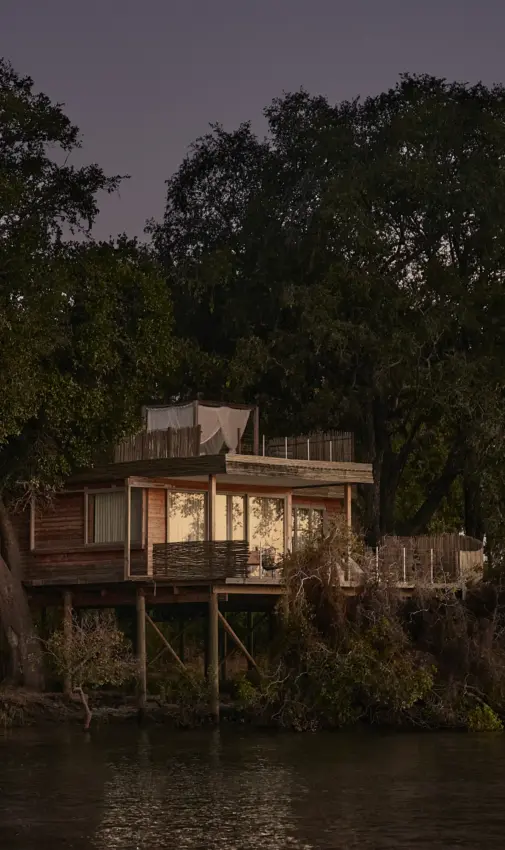
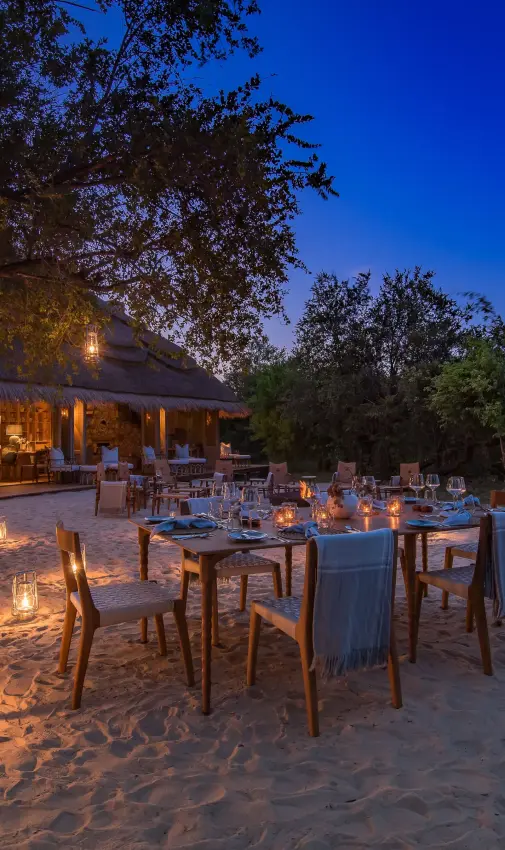
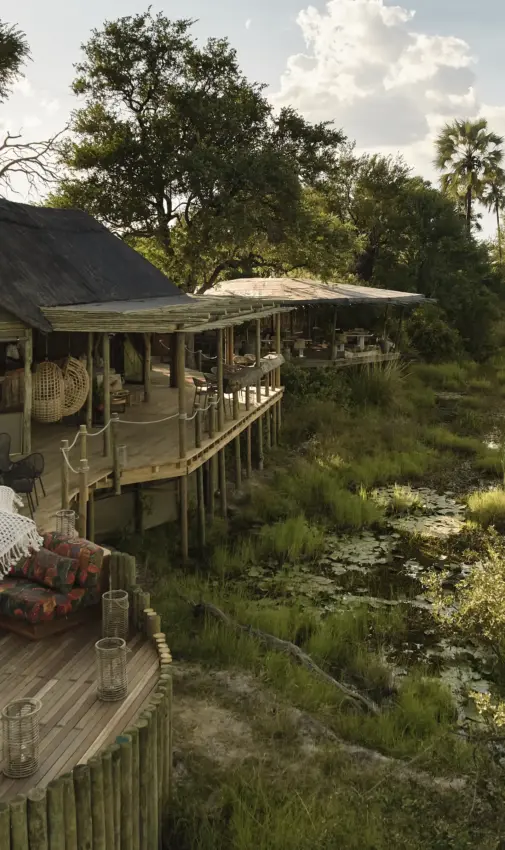
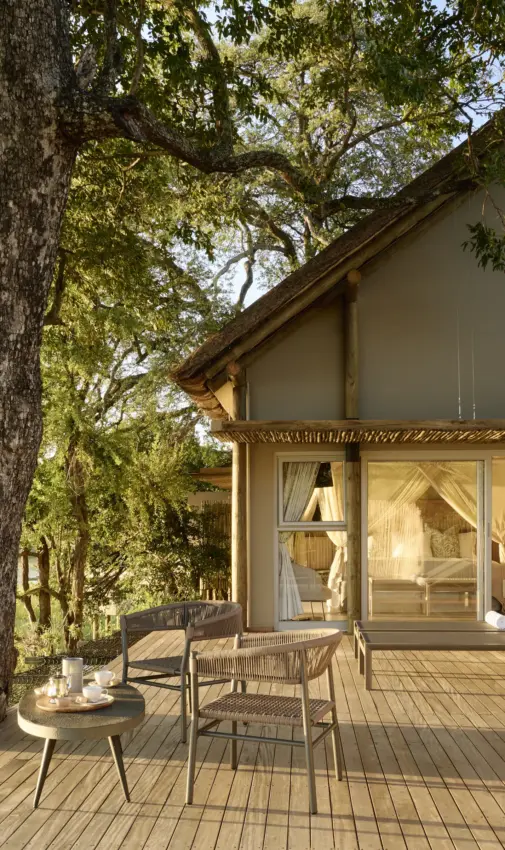
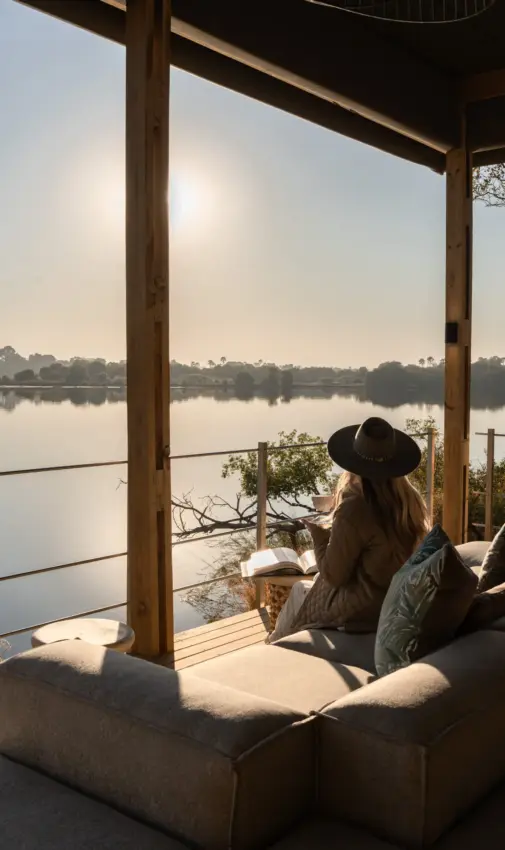
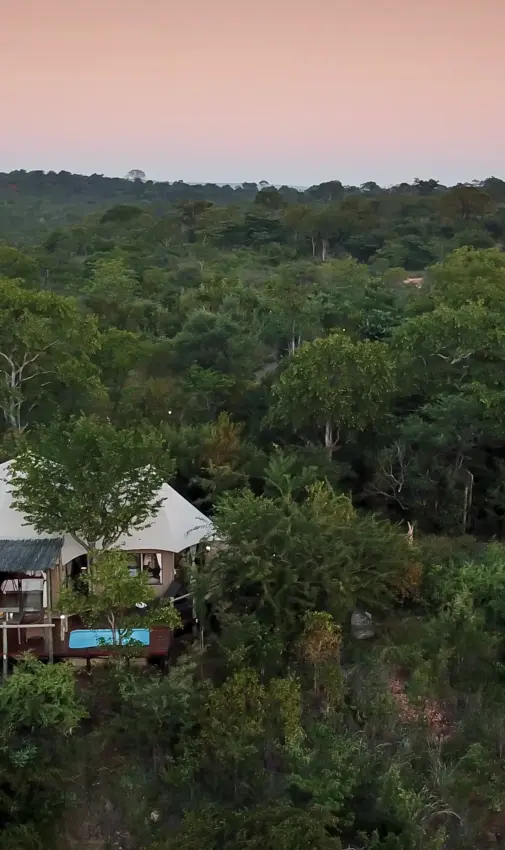
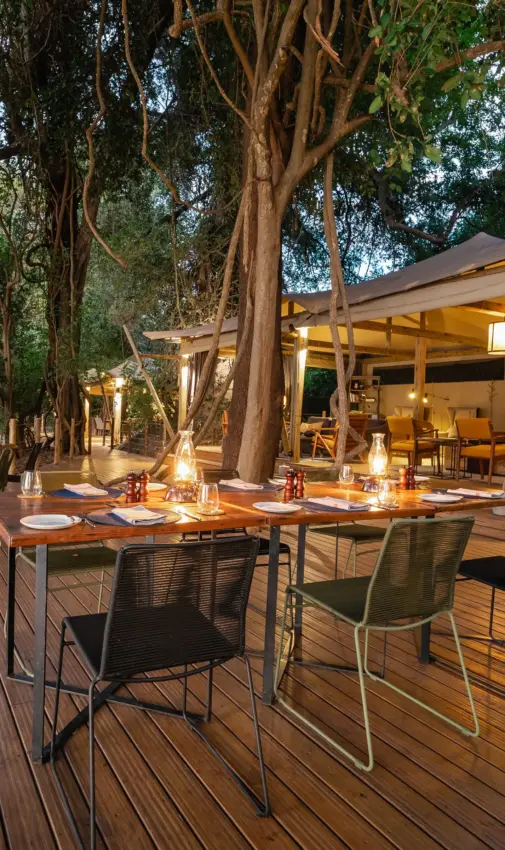
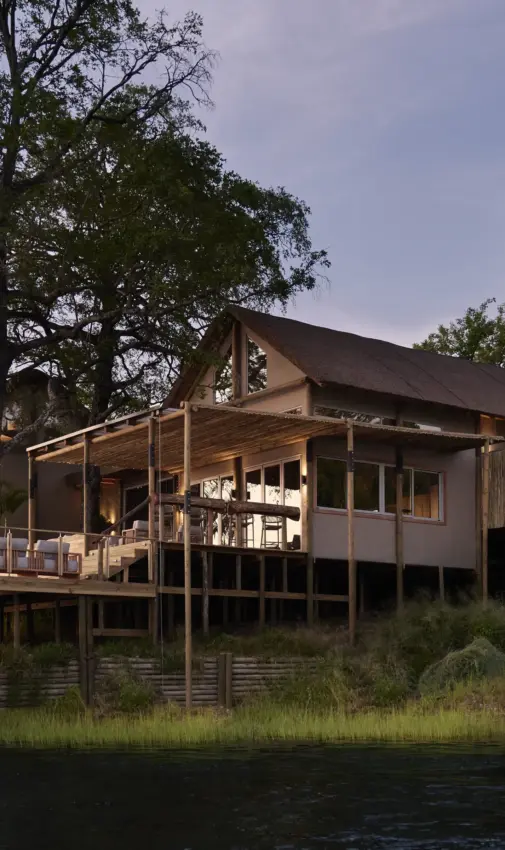
Chundu Island opened in November 2017, and its eight suites are few enough to keep the island quiet even when every one is taken. The minimum age is six as standard. The two family suites each have a separate second bedroom, so parents and children share a deck over the river, and a roll-away bed can be added for a child under 16. The suites are spaced between 10 and 20 metres apart, and there is no wheelchair access. When the light goes off the water, the evening gathers around the fire pit.