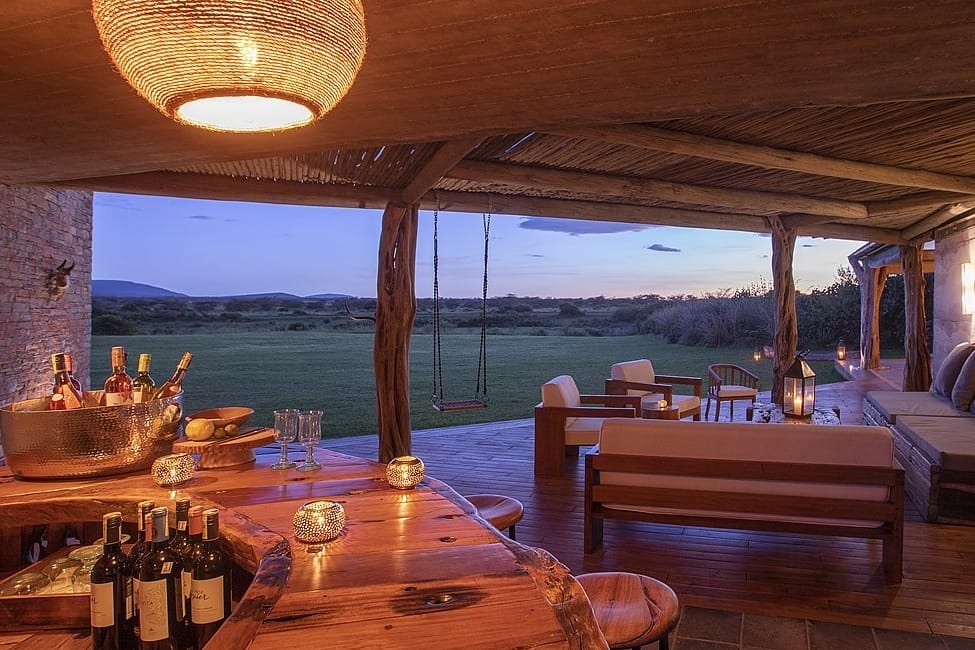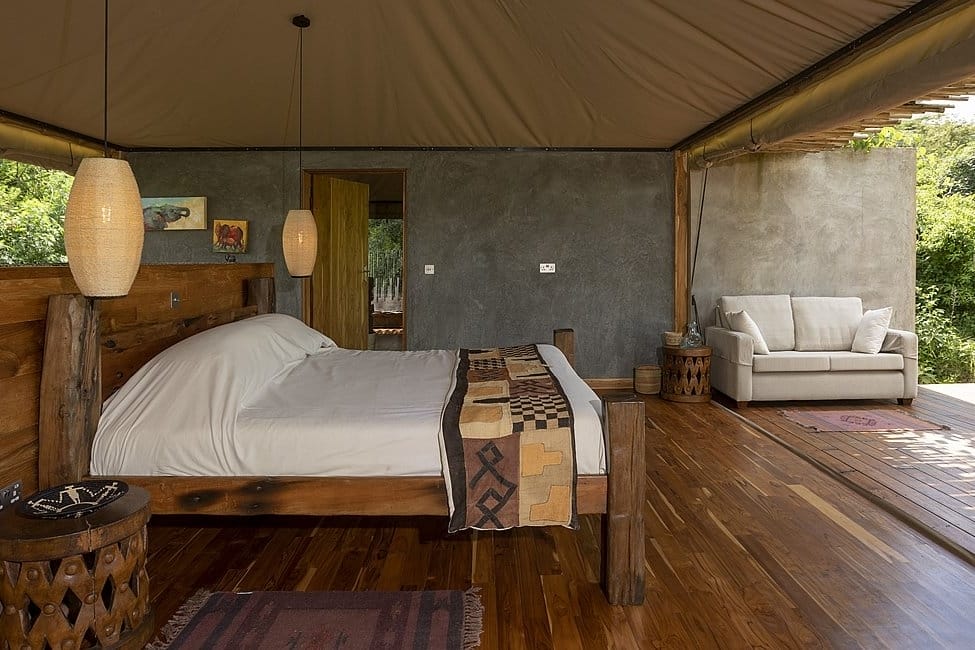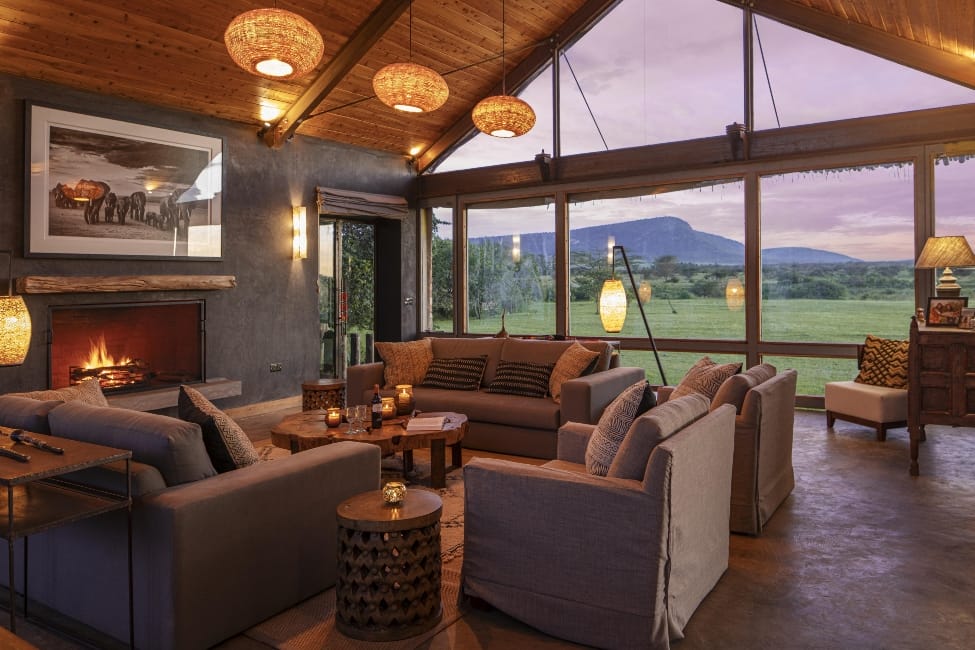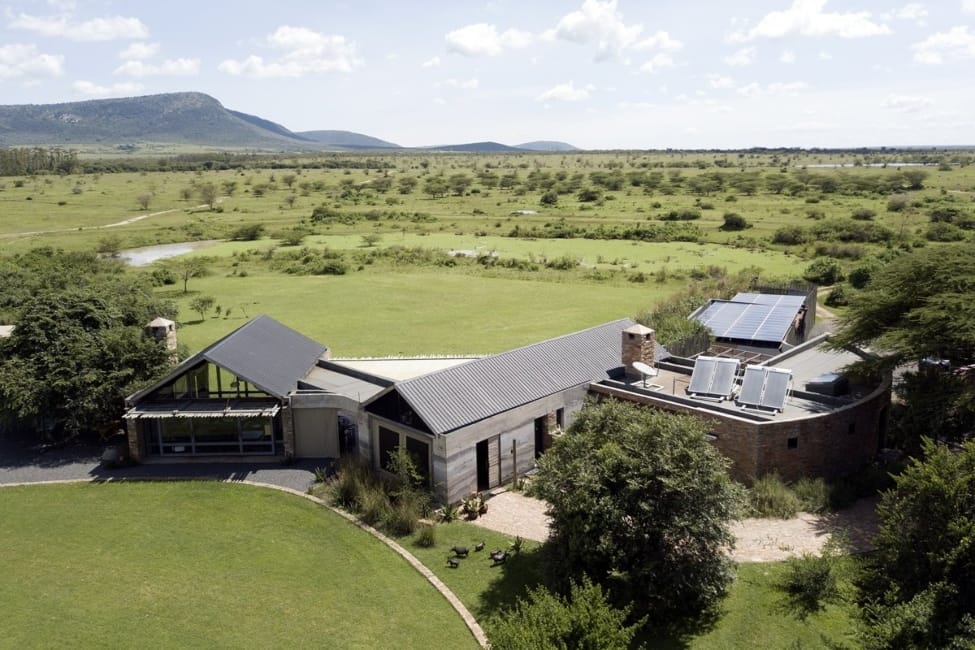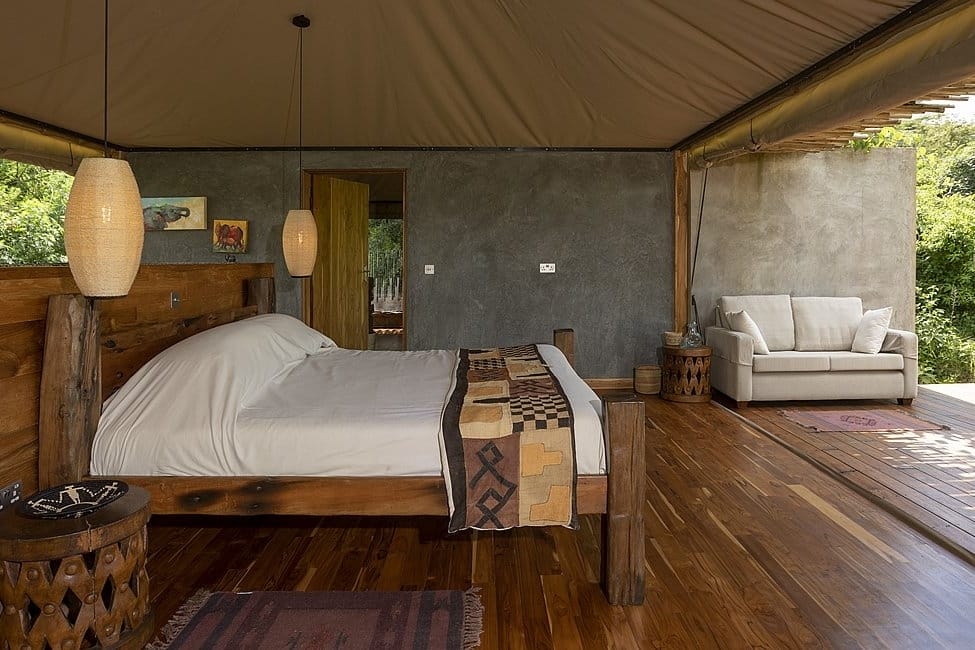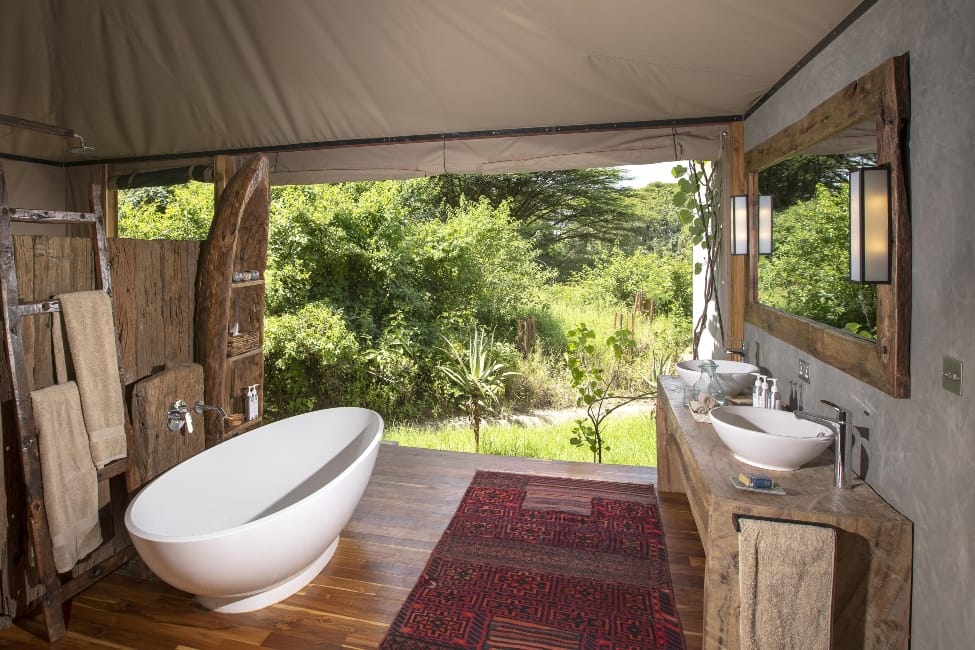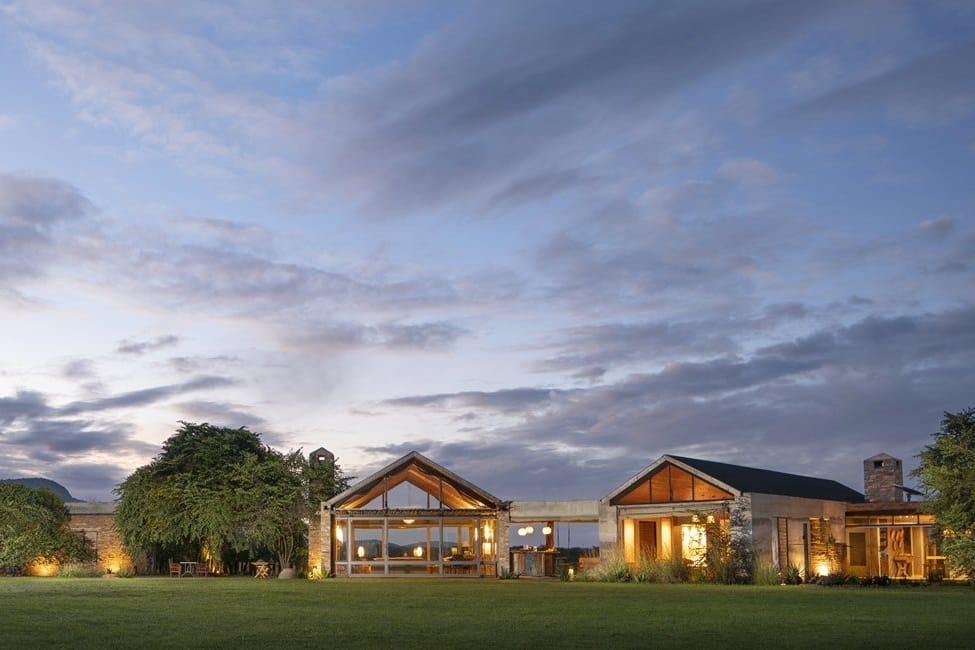

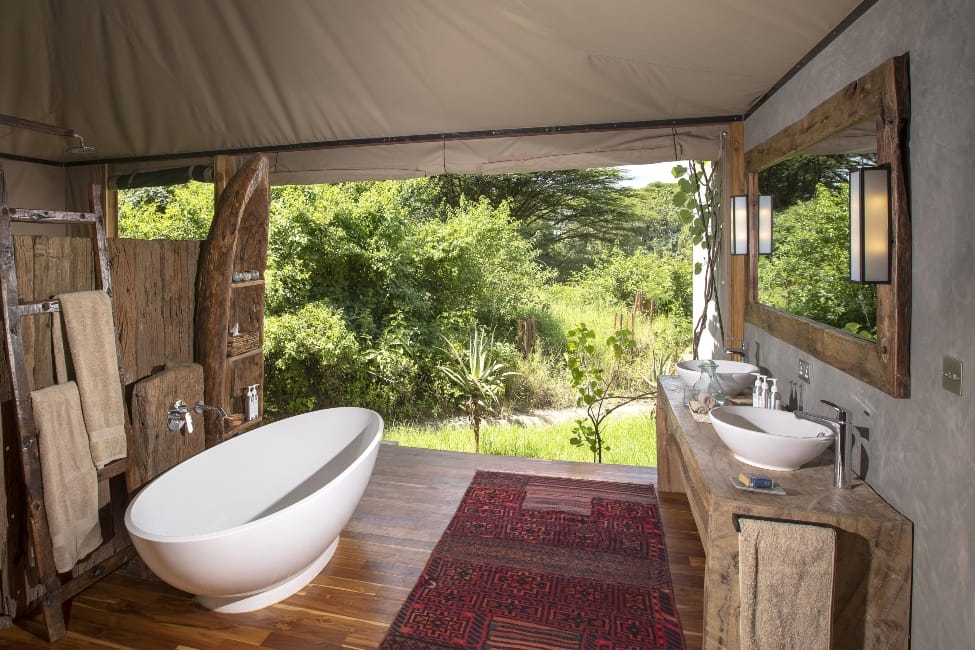
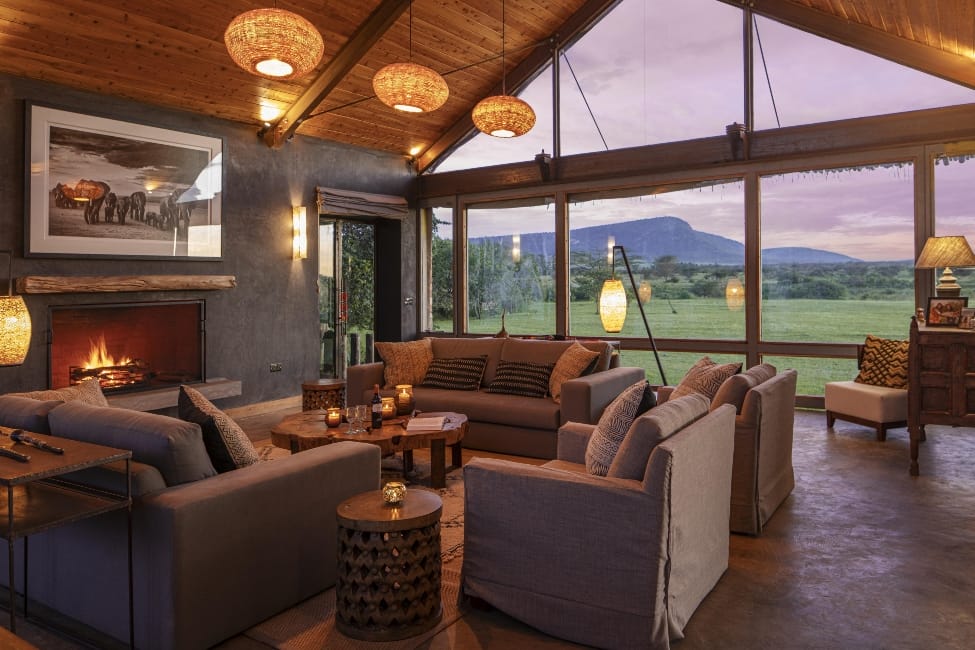
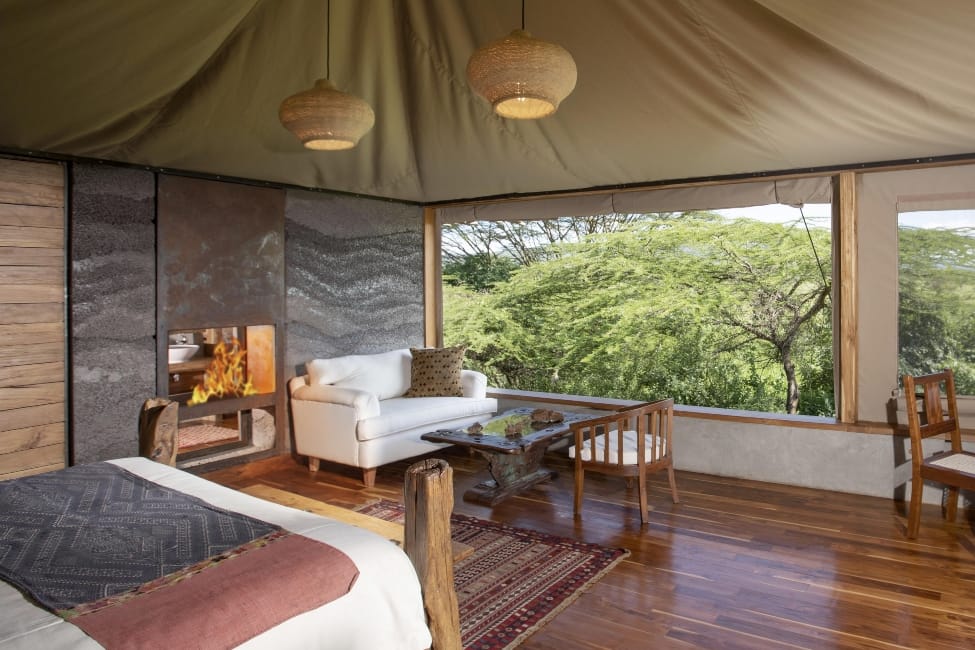
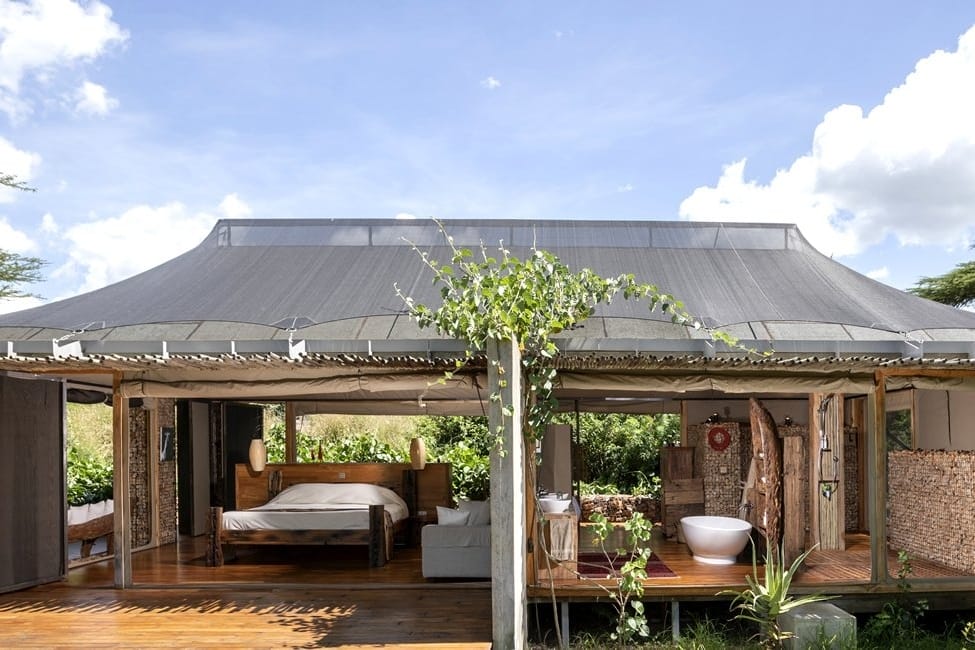


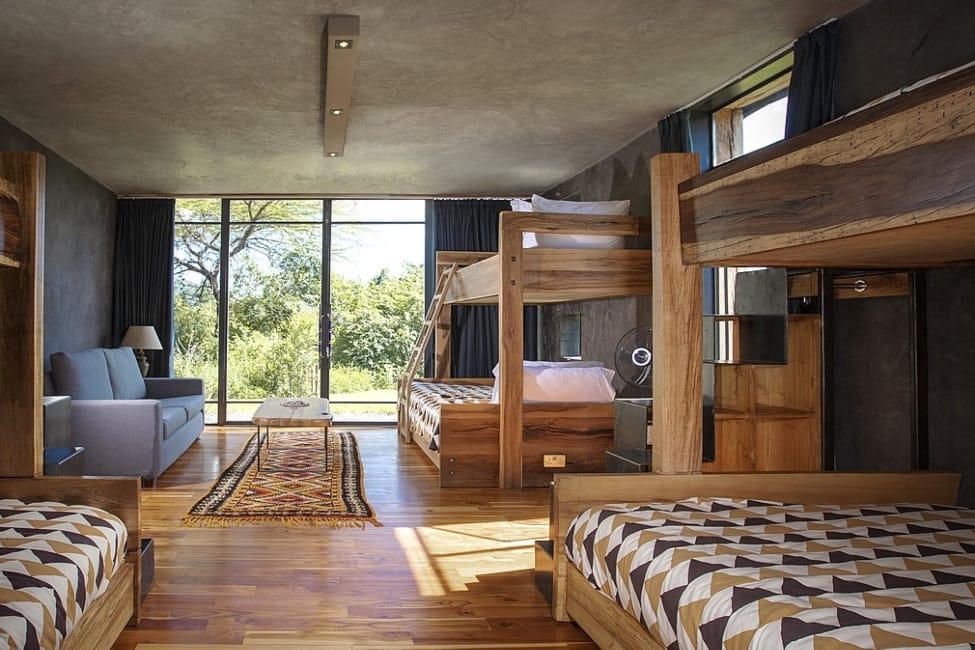
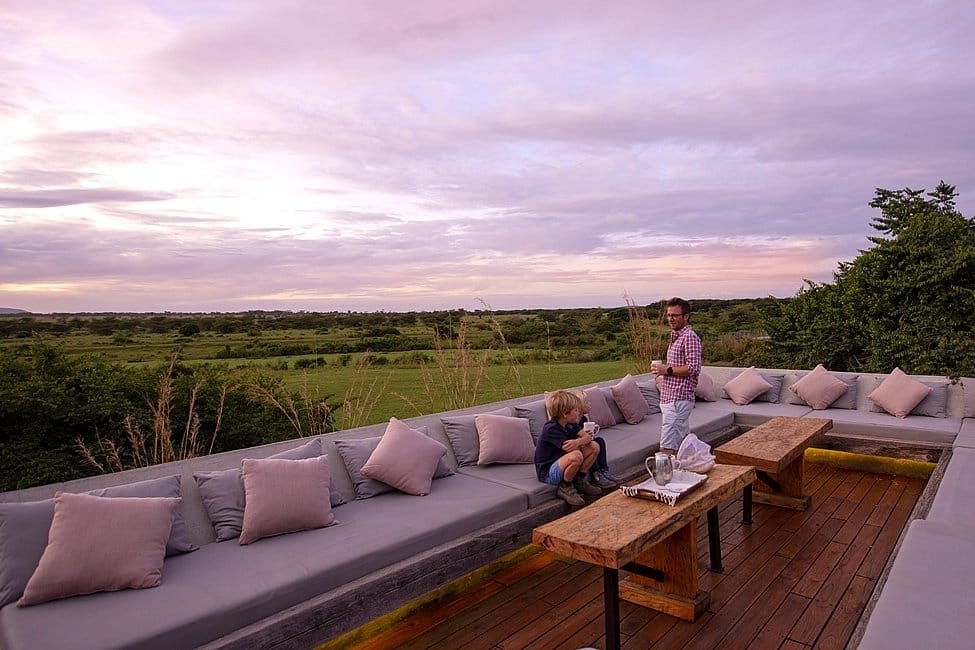

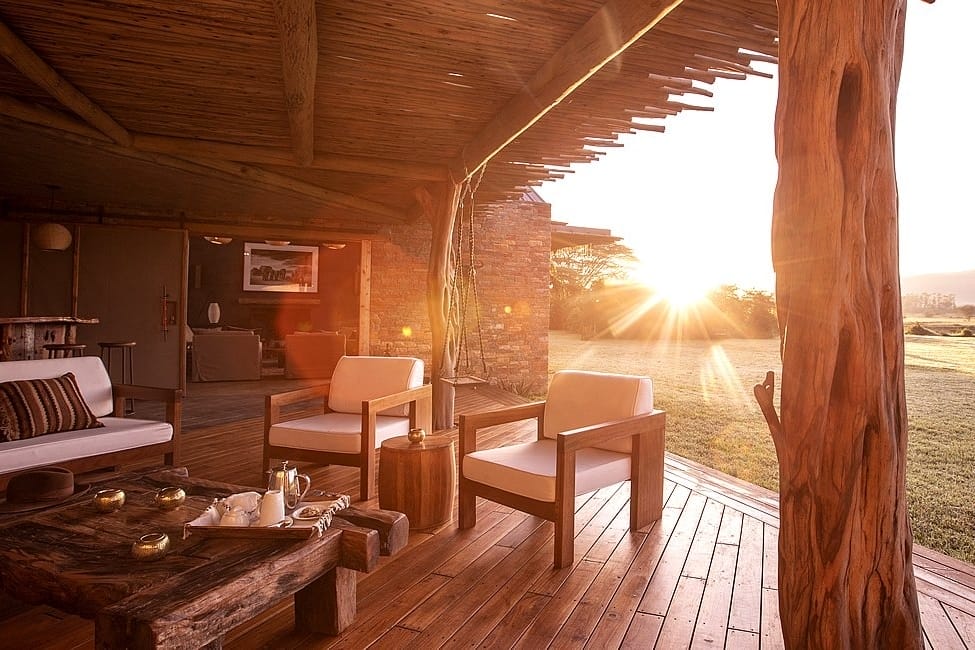
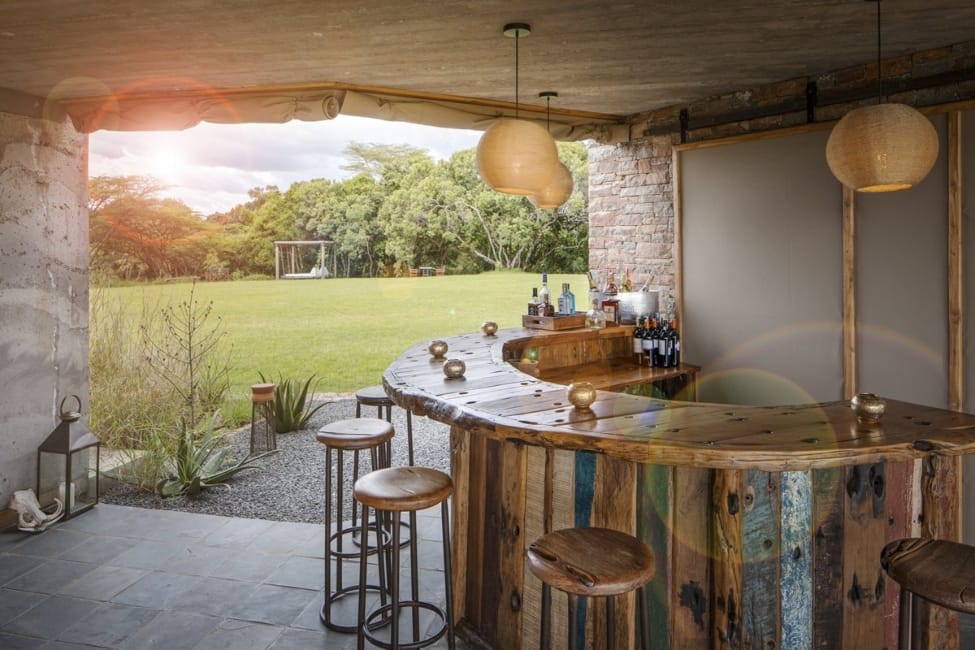
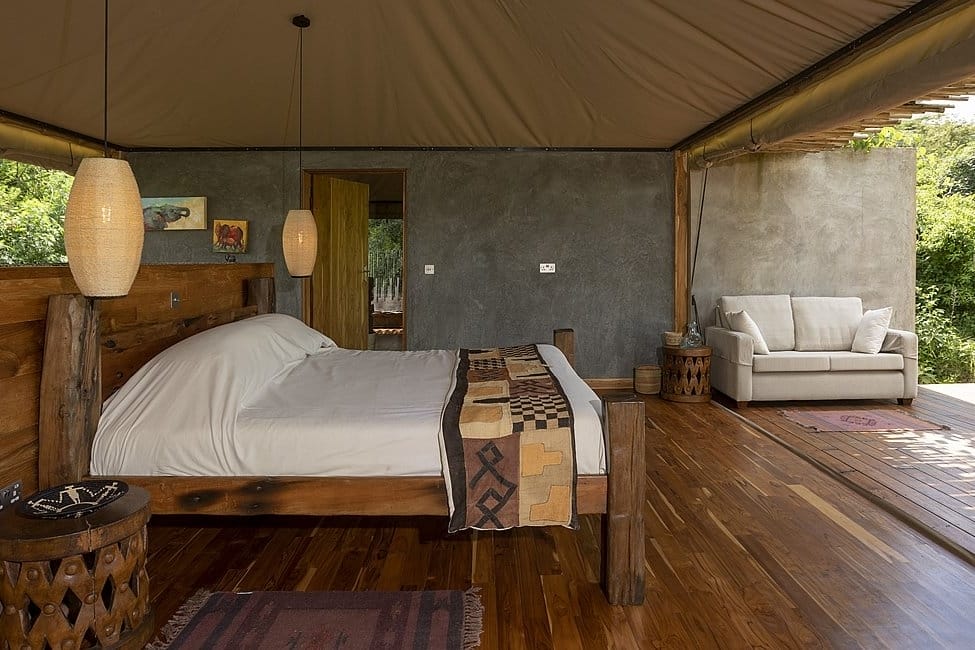

Originally envisioned as part of the larger effort to transform agricultural land into a haven for indigenous wildlife, Jamani House echoes the ethos of minimal environmental impact. Building materials reflect an emphasis on sustainability, while interior design remains understated, featuring local elements that maintain a natural, welcoming feel. The staff, many of whom are from neighboring communities, share firsthand knowledge of habitat restoration, painting a clearer picture of how dedicated efforts have encouraged the return of multiple animal species. Meals highlight regional produce, served in a way that celebrates local flavors without unnecessary complication.
Daily life at Jamani House typically includes early excursions to observe animals moving across the plains. Later, conversations often center on the progress of ongoing reforestation and water management projects. Guests benefit from an intimate level of flexibility, choosing game drives or short walks as they prefer. This sense of autonomy aligns with the broader initiative championed by Tarquin and Lippa Wood: to foster an environment where conservation and comfort coexist, allowing visitors to witness wildlife flourishing in rejuvenated habitats.