Camp

Chobe Under Canvas

A five-tent mobile camp in northern Chobe National Park, Botswana, where elephants walk between the tents at night.

Country: Botswana
Location: Chobe
Number of rooms: 5

Five tents on Chobe's elephant paths

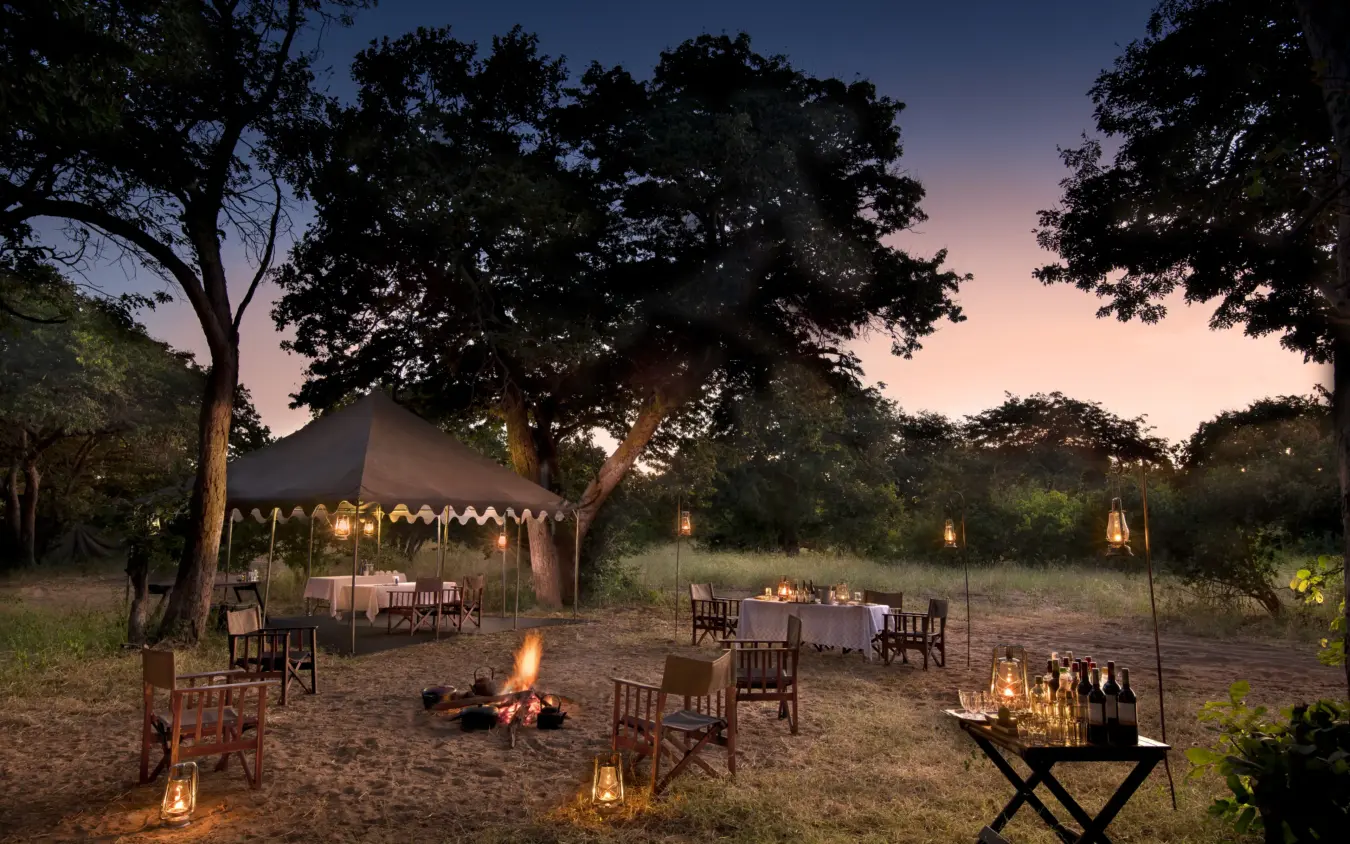
Every guest at Chobe Under Canvas is walked to bed after dark. There are five tents and never more than ten guests, pitched in turn on a few private campsites in the north of Chobe National Park, some within reach of the Chobe River. At night, elephants and buffalo use the game paths between the tents. Nothing here is permanent, and the camp is set up to leave as light a mark on the park as it can.

At night, elephants and buffalo use the game paths between the tents.

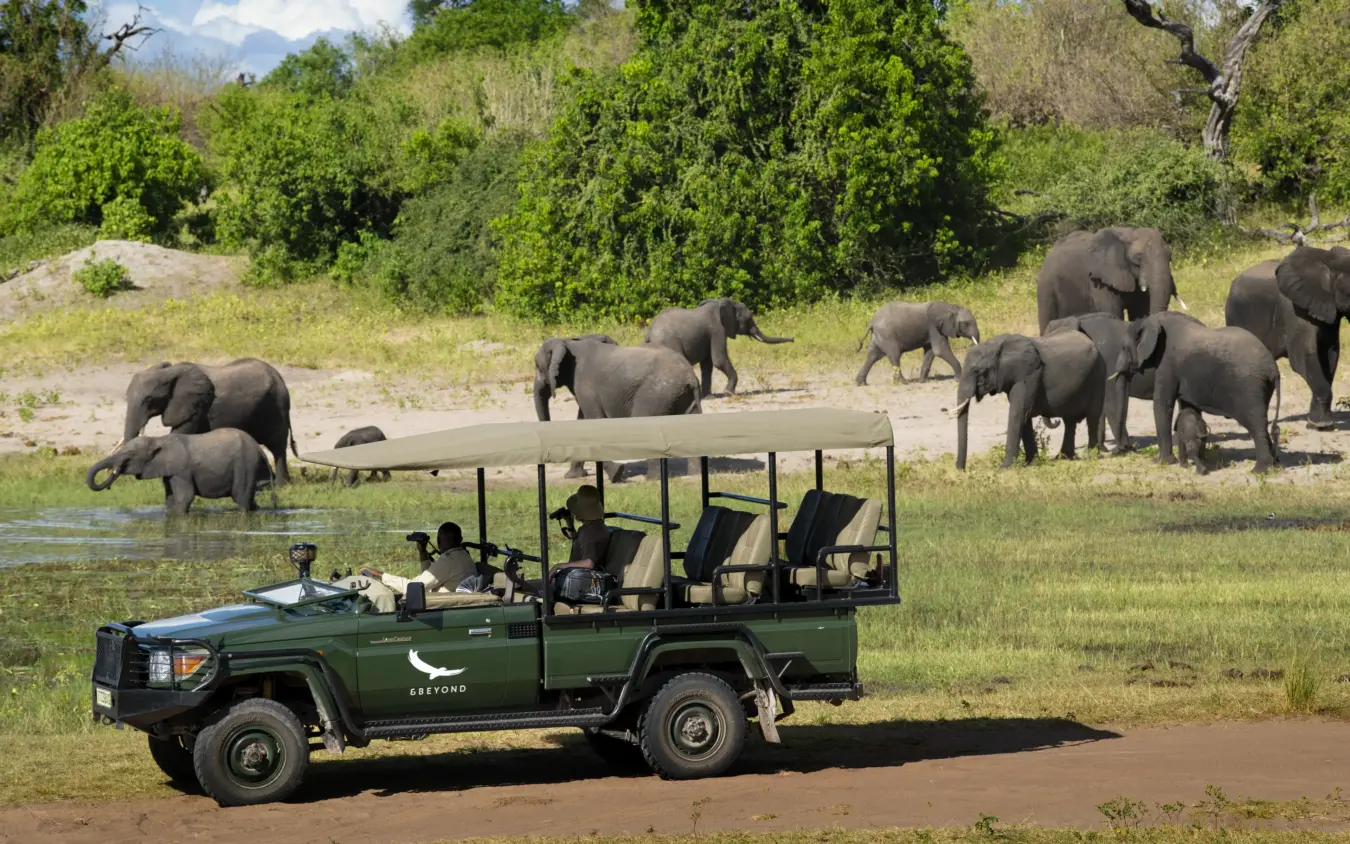
Most lodges in the area drive in through the park gates each morning. Because the camp is already inside, its open 4x4s start every drive in the park itself, with no trip to the gate first. The comfort is closer to a permanent lodge than a typical mobile camp, with proper beds and a private butler, yet there is no electricity or generator anywhere in camp.

Chobe Under Canvas, Chobe, Botswana

Stays of two nights or more include a half-day on the Chobe River with a professional photographer, aboard a low specialist boat built for photography. It carries eight swivelling seats, each with a camera mount. The seats turn a full circle, so a hippo surfacing behind the boat is as easy to follow as an elephant ahead.

From water level, an elephant on the bank fills the frame from below.

Seen this low, the river reverses the usual angles. From water level, an elephant on the bank fills the frame from below. Puku graze the open floodplain at eye height. Giant kingfishers, goliath herons and fish eagles hunt along the channel edges. White-fronted bee-eaters and slaty egrets are regular sightings too, and in season African skimmers join them on the water.

Chobe Under Canvas, Chobe, Botswana 01

accommodation

Five Meru-Style Tents with Canvas Walls

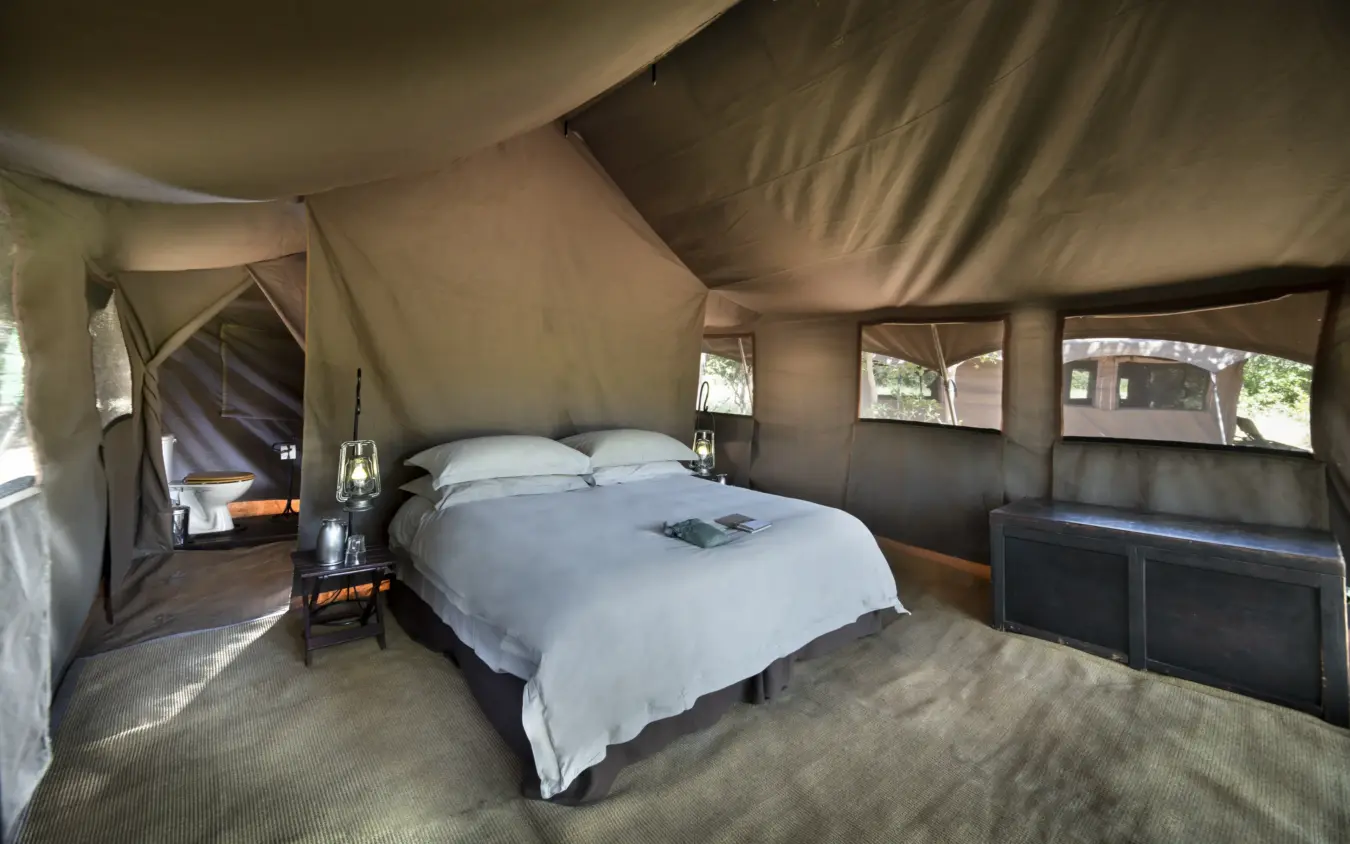
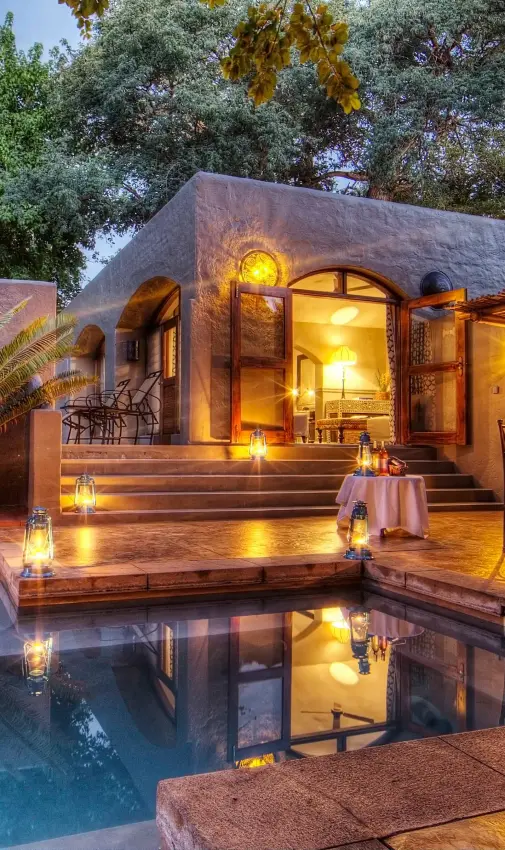
The five Meru-style tents sleep up to ten guests. Each has a double bed or twins and a luggage chest, and opens onto a covered porch. Behind a canvas wall is the en-suite, with a tin basin and a flushing toilet beside a bucket shower filled hot on request. Rechargeable lanterns light the tent.

Chobe Under Canvas, Chobe, Botswana 02

activities

Chobe River Photography Boat with Eight Seats

Game drives run twice daily in open 4x4s on Chobe National Park's tracks, and off-road driving is not permitted. Stays of two nights or more add a half-day photographic boat trip on the Chobe River with a professional photographer. Between drives there is birdwatching, and after dark a guide leads stargazing.

Chobe Under Canvas, Chobe, Botswana 03

conservation

Wild Impact Brings Clean Water to Nearby Villages

The camp's community partner is Wild Impact, formerly Africa Foundation, which works alongside communities instead of on their behalf. In Botswana that has meant two new boreholes for the isolated villages of Tsutsubega and Gogomoga near the Okavango Delta, giving them a stable supply of clean water. Chobe Under Canvas itself is built to leave little mark on the national park.

ready to get started?

Get in touch and let’s start the conversation. An initial consultation helps us understand what you’re looking for, whether that’s specific experiences, luxury touches, or marking a special occasion, and from there we’ll guide you through what’s possible so you can decide if we’re the right fit.

Alternative accommodation in chobe

Riverfront lodges near Kasane run to full-service comfort, several set on ridges above the floodplain, with private jetties, spas and rooms turned to the water. Floating hotels cruise the river itself, elephants passing below the cabin decks at close range. Inland, small tented camps in Savuti and the Linyanti concessions keep to a handful of suites and give their days to game viewing. Exclusive-use villas on the bank and staffed mobile camps that move between private sites suit families and groups.

frequently asked questions

Through Kasane International Airport, the gateway to the north of Chobe National Park. Airlink flies there daily from Johannesburg, and light aircraft link Kasane with Maun and the camps of the Okavango Delta, so a stay slots easily into a longer Botswana route. Victoria Falls is a little over an hour from Kasane by road, plus the border formalities, which makes the two a natural pairing.

At the airport a guide meets you in an open game vehicle and drives you into the park, watching for wildlife on the way. That transfer is in the rate, and its length depends on which campsite the camp is using at the time. Self-drive is not possible. For your own timings we can book a private charter into Kasane, usually a Cessna Grand Caravan, which seats up to eleven.
Yes. TravelHealthPro, the UK's official travel health service, rates the northern half of Botswana, where Chobe lies, as high risk from October to May, with antimalarial tablets recommended, and low risk for the rest of the year, when it advises awareness and bite avoidance. The CDC names the Chobe district, Chobe National Park included, among the areas where it recommends prescription medicine. Low risk is still not no risk.

We plan safaris; we are not medical professionals, so we make no recommendation on tablets. Whether to take them, and which suit you or a child, is a question for your doctor or a travel clinic with your dates in front of them. The practical part is simple: the tents are fully netted, and long sleeves and repellent from late afternoon help in any month.

No. It is a mobile camp of five tents that moves between a few private campsites in the north of Chobe National Park, some of them close to the Chobe River, so the setting changes. The sites are not fenced. Elephant and buffalo use the game paths between the tents, and after dark someone from the camp walks you to and from your tent: you never walk alone.

The tents are proper rooms under canvas, each with a double or twin bed, a private veranda, and an en-suite bathroom with a flushing toilet and a hot bucket shower filled on request. There is no electricity and no generator in camp: solar lamps light the tents, and cameras and phones charge from points in the game vehicles during the day.

A half-day trip on the river in a low, purpose-built photographic boat, included once for guests staying two nights or more. Each of its eight seats swivels all the way round and carries a mounted camera with a long lens, so you need not bring your own kit, and a professional photographer comes along to help with settings, light and timing.

Sitting low on the water puts you at eye level with elephant crossing the channels, hippo, crocodile and the river's birds, and with puku, an antelope that in Botswana lives only on the Chobe floodplains. The rest of each day is built around morning and afternoon game drives with the camp's own guide, shaped around what you most want to see.

Yes, from the age of twelve. Each tent sleeps two and there are no triple tents, so a family of four takes two tents, and with only five tents a larger family fills much of the camp. Tell us everyone's ages at enquiry and we will plan the tents and the days around them.

Older children join the same game drives and the photographic boat trip as everyone else, and because the cameras on the boat are supplied, a teenager without kit of their own takes part on equal terms.

The dry season, May to October. As the water inland dries up, elephant and buffalo gather along the Chobe River in great numbers and the boat trips are at their most dramatic. June to August is cool and the busiest stretch; September and October are hotter, with excellent sightings. April is the turn of the season, as the first herds drift back towards the river.

November to March is green and quiet, with migrant birds in breeding colours, young animals born after the first rains, big skies for photographs and few other vehicles about, though the game is more spread out. The camp itself closes for a few weeks each year from early January into early February, so a summer stay falls either side of that break.

Month by month: the best time to visit Chobe

rated five stars by our clients

other areas in botswana

The Okavango Delta pairs naturally with the river, its channels and islands worked by mokoro and motorboat rather than vehicle. Moremi Game Reserve, on the Delta's eastern side, holds lagoons, floodplain and mopane forest with resident lions, leopards and wild dogs. Further south, the Makgadikgadi Pans and Nxai Pan offer salt flats, habituated meerkats and the Baines' Baobabs, a dry counterpoint after days on the water. The Central Kalahari, deeper south again, holds fossil river valleys and black-maned lions.

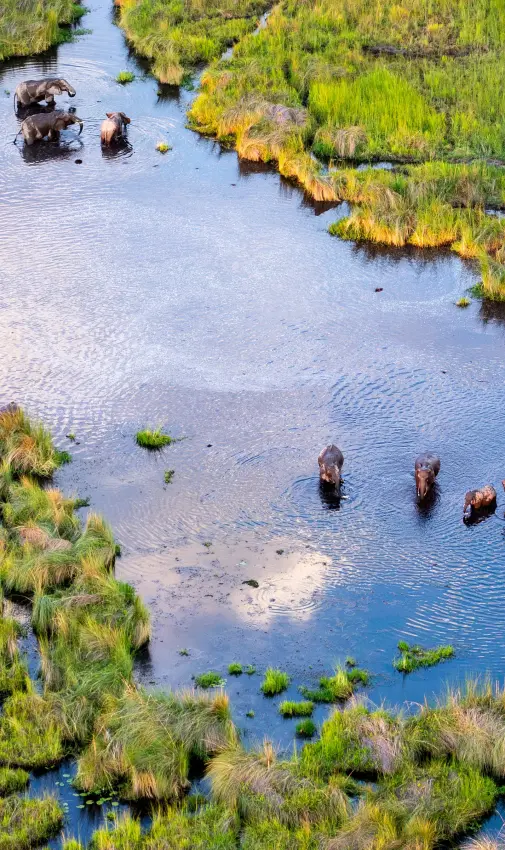
Aerial view of elephants wading in shallow water surrounded by vegetation 01

The Okavango Delta

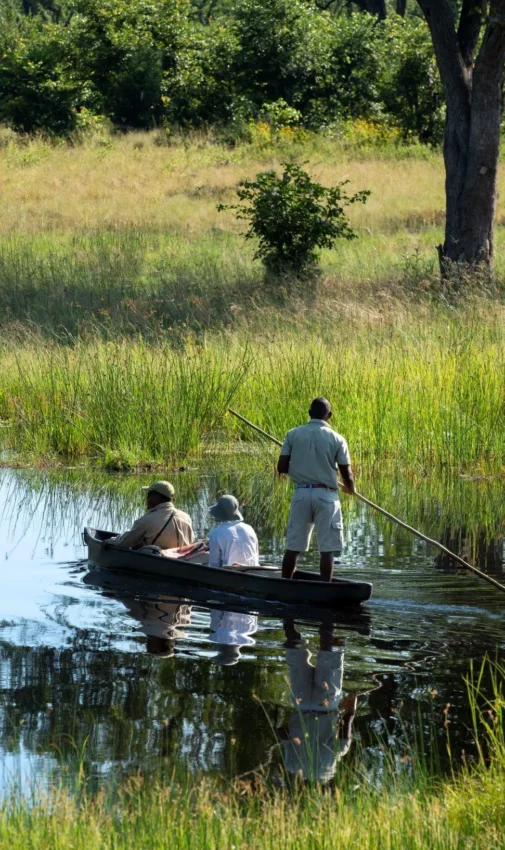
Guests poling traditional boat through wetland waterway, Linyanti Wildlife Reserve, Botswana 02

Linyanti Wildlife Reserve

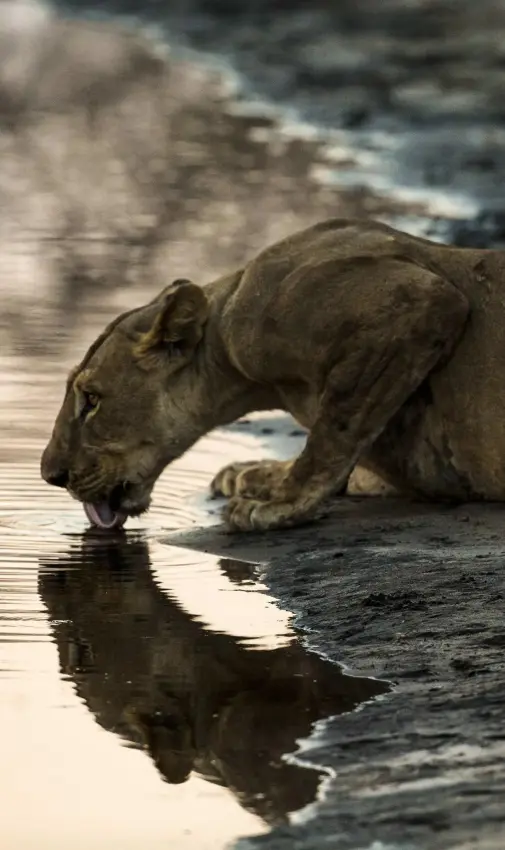
Lion drinking from water's edge at sunset, Selinda Reserve, Botswana 03

Selinda Reserve

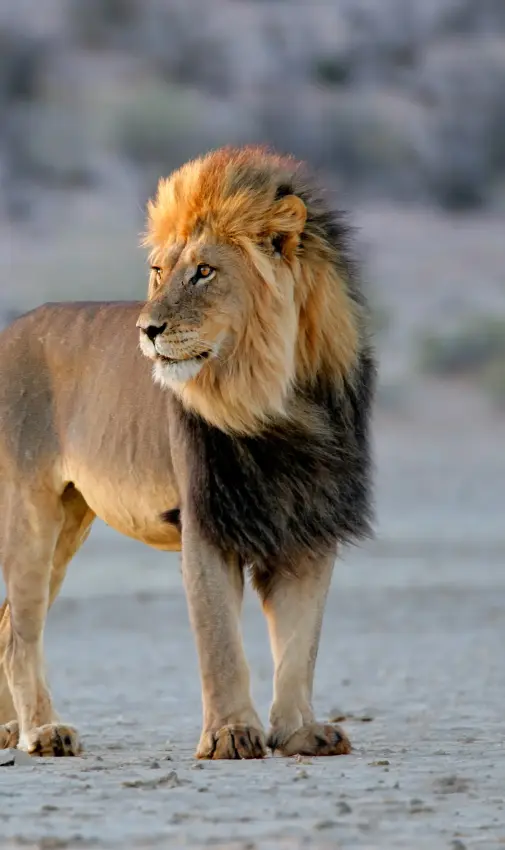
Male lion standing on sandy ground in natural habitat 04

Central Kalahari

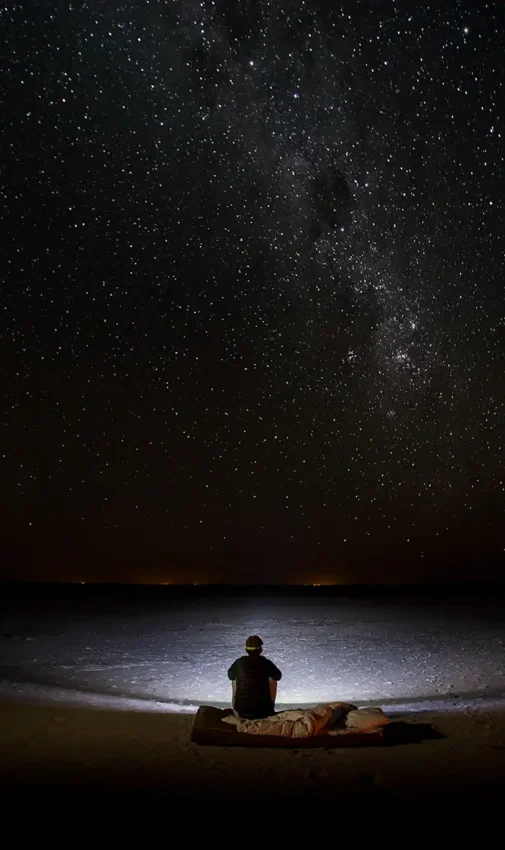
Person sitting alone under starry night sky, Makgadikgadi Pans, Botswana 05

Makgadikgadi Pans

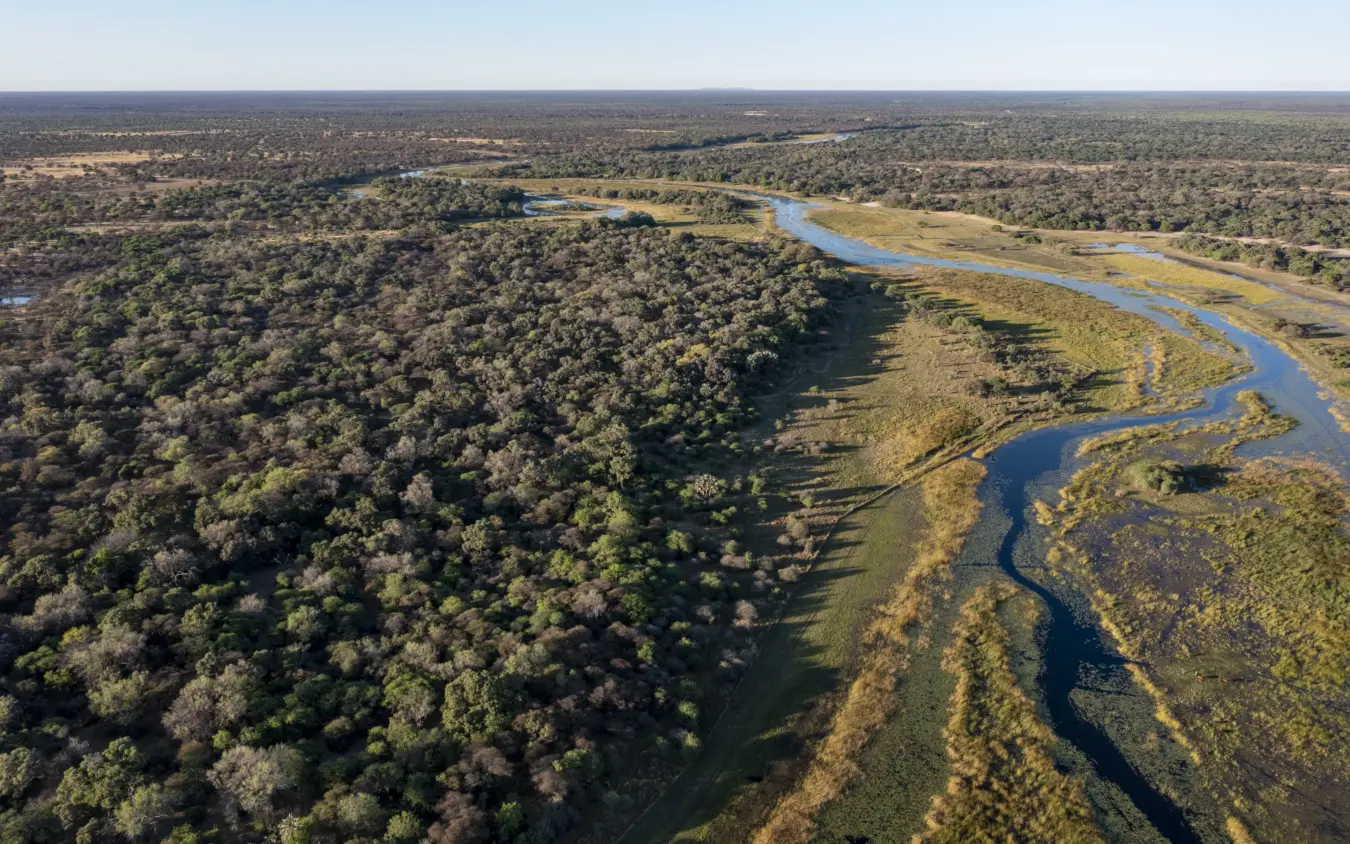
Aerial view of winding river through dense woodland and wetland savanna, Thamo Telele, Maun, Botswana 06

Maun

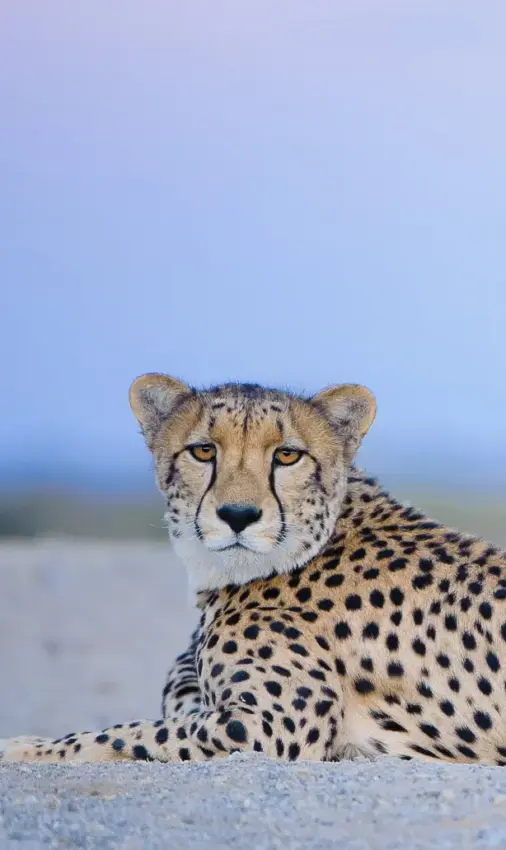
Cheetah lying on gravel ground with blue dusk sky behind, Tuli Block, Botswana 07

Tuli Block

Planning a journey together

our approach

remote, exclusive
& personal

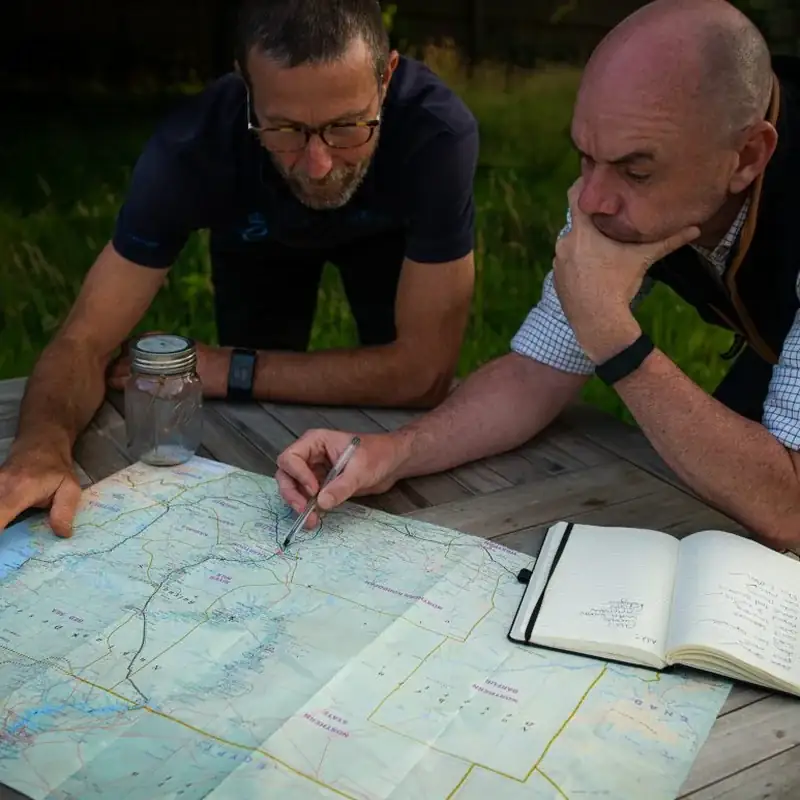
Every journey starts with a conversation. We take the time to understand your vision before we start planning.

Whether by phone or in person, we work with you directly to shape something that is considered, personal, and expertly delivered.

get in touch
destinations ideas & inspiration our process about us contact us