Timing your trip
best time to visit chobe
Chobe’s calendar splits cleanly between the dry season, when game gathers along the riverfront, and the green wet months prized for birding and newborns.
seasonal guide to chobe
Come in the dry season, May to October, when wildlife concentrates along the Chobe River and boat safaris are at their most dramatic. June to August is peak, cool and busy; September and October bring excellent sightings, fewer travellers and hotter days. April is the turn of the season, and the wet months are quieter and greener but game disperses.
month by month details
January sits deep in the wet season, best suited to birders and photographers rather than big-game concentration. Migrant species are present in breeding plumage, and green landscapes with dramatic skies reward the camera.
Newborn animals appear after the first rains, and tourist numbers are low, easing vehicle pressure on sightings. Some interior routes may be muddy or inaccessible, so itineraries often lean on the riverfront and lodge-based boat activities.
February remains a rewarding month for birding and scenery rather than dense big-game viewing. The bush is green and full of migrants, and skies make for striking photography.
Expect fewer travellers and newborn animals about. Interior tracks can be muddy or closed after rain, so boat activities and riverfront lodges tend to anchor the experience.
March is a transitional month as the wet season begins to wind down. Birding is still strong and the landscape stays green, though game concentration has yet to build along the river.
Visitor numbers remain low and sightings feel uncrowded. Some routes may still be affected by rain, keeping the focus on riverfront and boat-based safaris.
April is the turn of the season: the rains have stopped, the bush is still thick and green, and wildlife is only beginning to draw back towards the river. Game density along the Chobe Riverfront picks up through the month and boat safaris grow more dramatic as the first elephant and buffalo herds return.
Nights are comfortably cool and the camps are quiet. It is a fair-value month with improving sightings; the true riverfront concentrations build from May.
May is a prime dry-season month, cited by GANP as the start of the best window through October. Cool, dry conditions make for reliable game viewing along the river and pans.
Elephants, buffalo and predators are easy to see, and boat safaris are especially rewarding as animals gather at the water. Nights are cool at this point in the season.
June opens the peak dry season, cool and dry with outstanding game concentration. Africa Geographic highlights June to August as peak months for the strongest sightings.
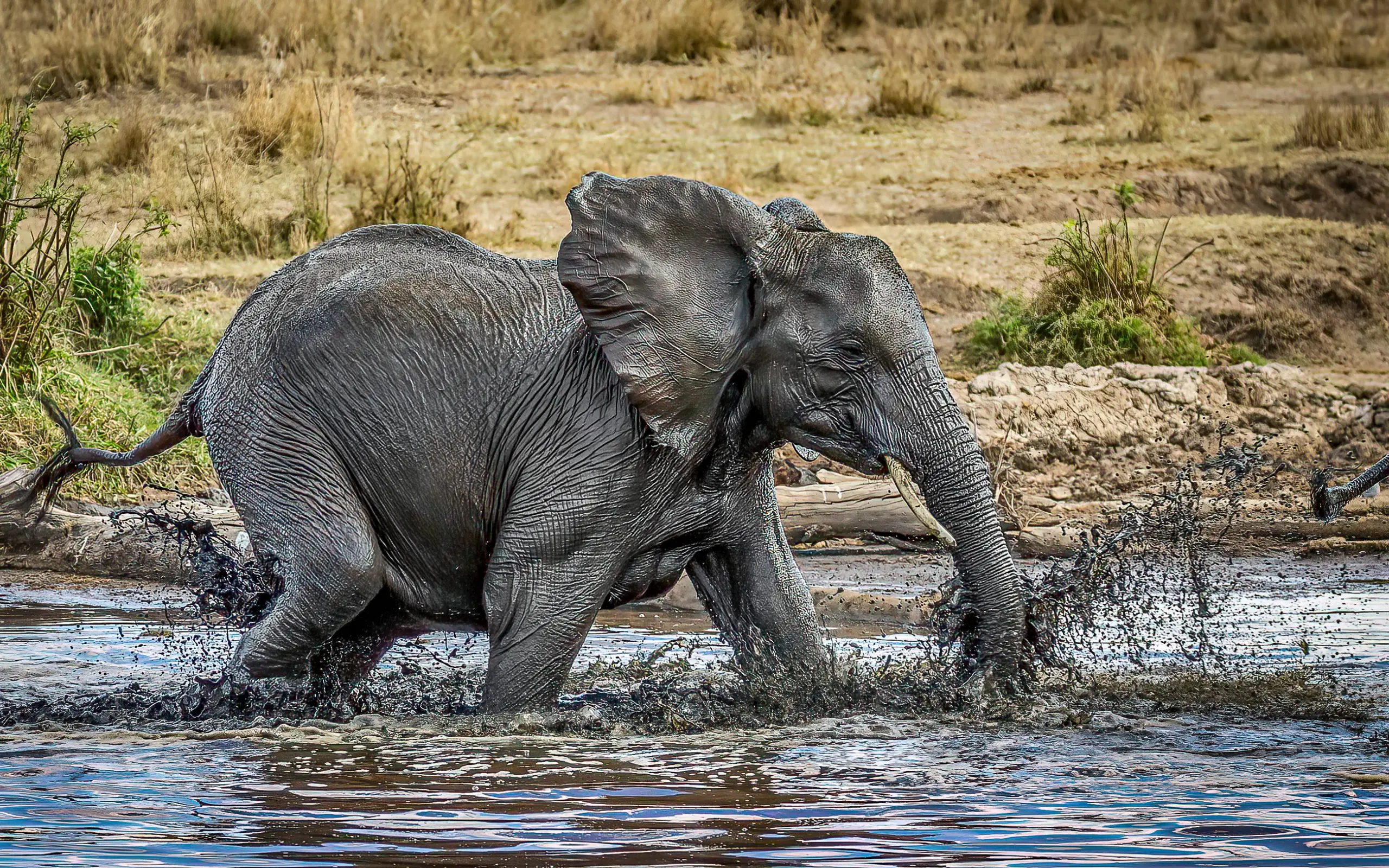
High wildlife density at the river and pans makes elephants, buffalo and predators easy to find. Boat safaris are dramatic, with elephants often swimming across channels between islands.
July is peak season, one of the best times to visit Chobe for reliable big-game viewing. Cool, dry conditions concentrate wildlife along the Chobe Riverfront.
Elephants, buffalo and predators are readily seen, and the dramatic riverfront boat safaris are at their finest. Expect more travellers during these popular months.
August closes the peak June-to-August window with excellent game viewing. Wildlife remains concentrated at the river and pans as the dry season deepens.
Boat safaris continue to deliver dramatic scenes, with elephants swimming across channels. This is a busy stretch, so book ahead for the strongest sightings.
September offers excellent sightings with fewer travellers than the peak months. Africa Geographic notes September and October as strong for wildlife while quieter underfoot.
Game density stays high along the river, and boat safaris remain dramatic. Temperatures are climbing now, hotter than the cool early-season months.
October caps the dry season with strong sightings and thinner crowds. Wildlife clusters tightly at the shrinking water sources, making the riverfront exceptional.
Elephants, buffalo and predators are easy to see, and boat safaris stay dramatic. This is the hottest part of the recommended window, so prepare for warm days.
November is a transitional month as the wet season arrives and game begins to disperse. The first rains green the landscape and trigger newborn animals across the bush.
Birding improves with arriving migrants, and tourist numbers drop. Interior routes may start to soften, shifting focus toward riverfront and boat activities.
December settles into the wet season, best for birding, scenery and newborns rather than dense big game. Migrant species and breeding plumage reward birders, and green landscapes suit photography.
Fewer tourists mean lighter vehicle pressure on sightings. Some tracks may be muddy or inaccessible, so itineraries often centre on the riverfront and lodge-based boat safaris.
Plan your perfect botswana safari
Tell us a little about what you have in mind and one of our specialists will be in touch.
frequently asked questions
August and September, at the end of the dry season.
By then the inland pans have gone and the river is the only permanent water for a very long way, so elephant and buffalo come down to it in the numbers Chobe is known for. A boat at dusk in those months is among the best hours in Africa.
June and July are nearly as good and cooler. October holds the concentrations but the heat is severe.
From December the rains scatter the game inland and the riverfront quietens, which is when the birding takes over.
In the dry season, usually yes, and it is the thing we most often have to persuade people of.
The animals come to the water, so a boat puts you at eye level, silently, with no dust and no queue of vehicles. The small electric boats get closer still.
The vehicle earns its place early in the morning, and on the escarpment where the forest reserve allows night drives and walking that the national park does not.
The shape we book is a morning drive and an evening boat, which is how you see both halves of the place.
For birds and for value, yes. For the elephant spectacle, no.
From December to March the bush is lush, the migrant birds arrive, the plains game drop their young and the rates fall hard. Photographers like the skies and the green.
What you lose is concentration. With water everywhere the game spreads inland and the riverfront no longer does the work for you.
If this is your one trip, come in the dry winter. If it is your third, the green season is quiet, cheap and full of birds.
Cold enough to spoil a morning if you have not packed for it.
The dry winter from May to October brings clear sunny days in the mid-twenties and sharp nights. An open vehicle or a boat at dawn in June and July calls for a proper jacket, a hat and gloves, and the wind off the water makes it colder than the thermometer says.
By ten in the morning you will be in shirtsleeves, so the answer is layers rather than one heavy coat.
Add strong sun protection: the light off the river is fierce even in winter.
The riverfront near Kasane is the busiest stretch of water in Botswana in the high season, and it is avoidable.
The day-trip boats from town work the same few kilometres in the middle of the day. Go out early or late, use a small private boat rather than a large one, and the crowd is somebody else's problem.
The escarpment camps in the forest reserve see almost nobody, and the private concessions upstream fewer still.
We book the boats privately where the budget allows, because on this river the difference between a private and a shared boat is the difference between the trip you imagined and a bus.
It is the easiest link in southern Africa, and that is its real value.
Kasane is two hours from Victoria Falls by road, a short flight from Maun and the Okavango camps, and on the doorstep of Namibia's Zambezi Region. So Chobe slots in without a wasted day, which few places do.
Two or three nights is the usual allocation: enough for the river and a morning in the park.
The classic route we build is Victoria Falls, then Chobe, then the Delta, in the dry season, with the flying done in short hops rather than long ones.
rated five stars by our clients

our approach
remote, exclusive
& personal
Every journey starts with a conversation. We take the time to understand your vision before we start planning.
Whether by phone or in person, we work with you directly to shape something that is considered, personal, and expertly delivered.
Every journey starts with a conversation. We favour a direct, personal approach: understanding your vision before anything else.
Whether by phone or in person, we work with you directly to shape a journey that is both thoughtfully considered and expertly delivered.
Get in touch to start planning yours.