Camp

Okavango Explorers Camp

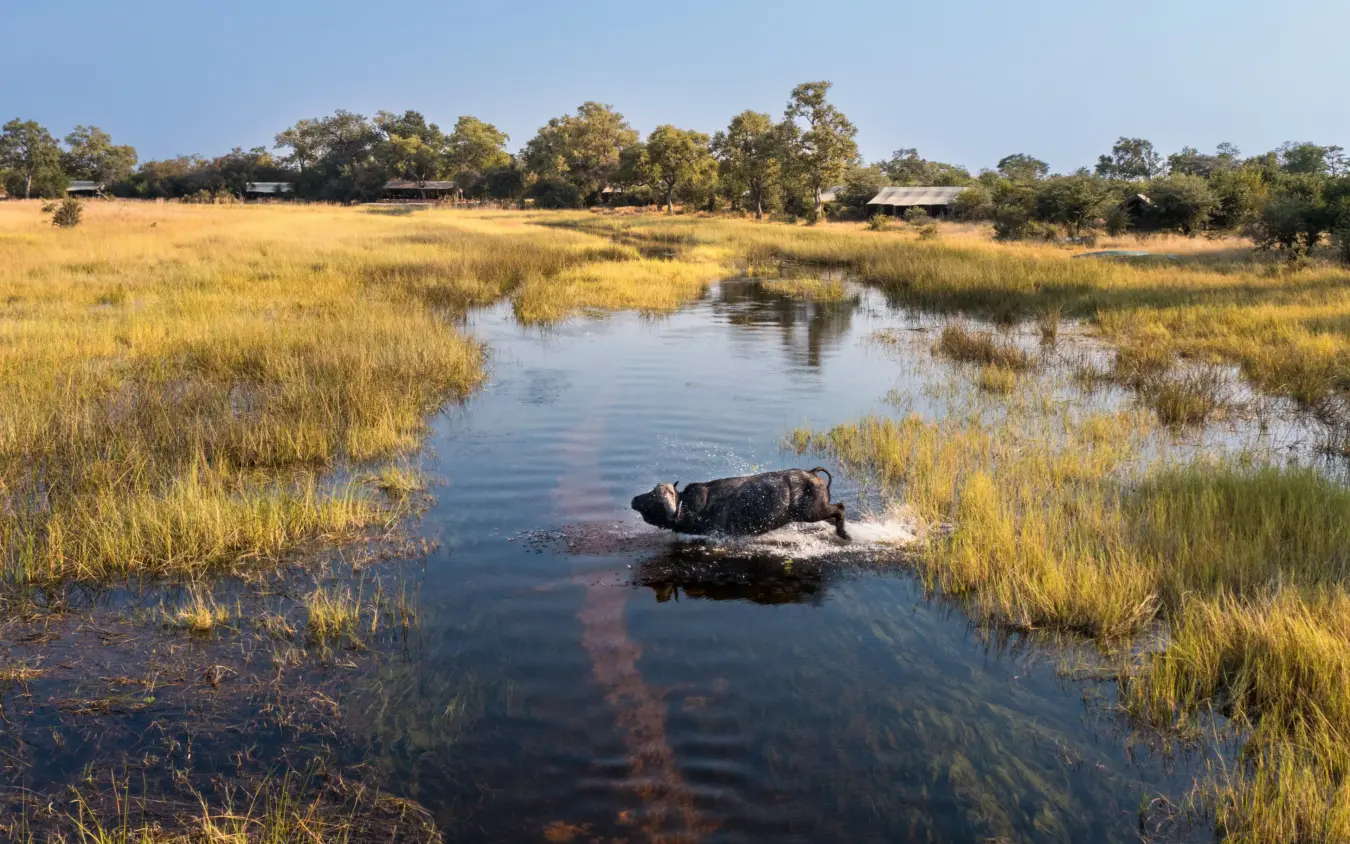
Six canvas tents in the far southwest of Botswana’s Selinda Reserve, where the days are built on foot and on water.

Country: Botswana
Location: Selinda Spillway, southwest Selinda Reserve
Number of rooms: 6

Roan, sable and eland, seen on foot

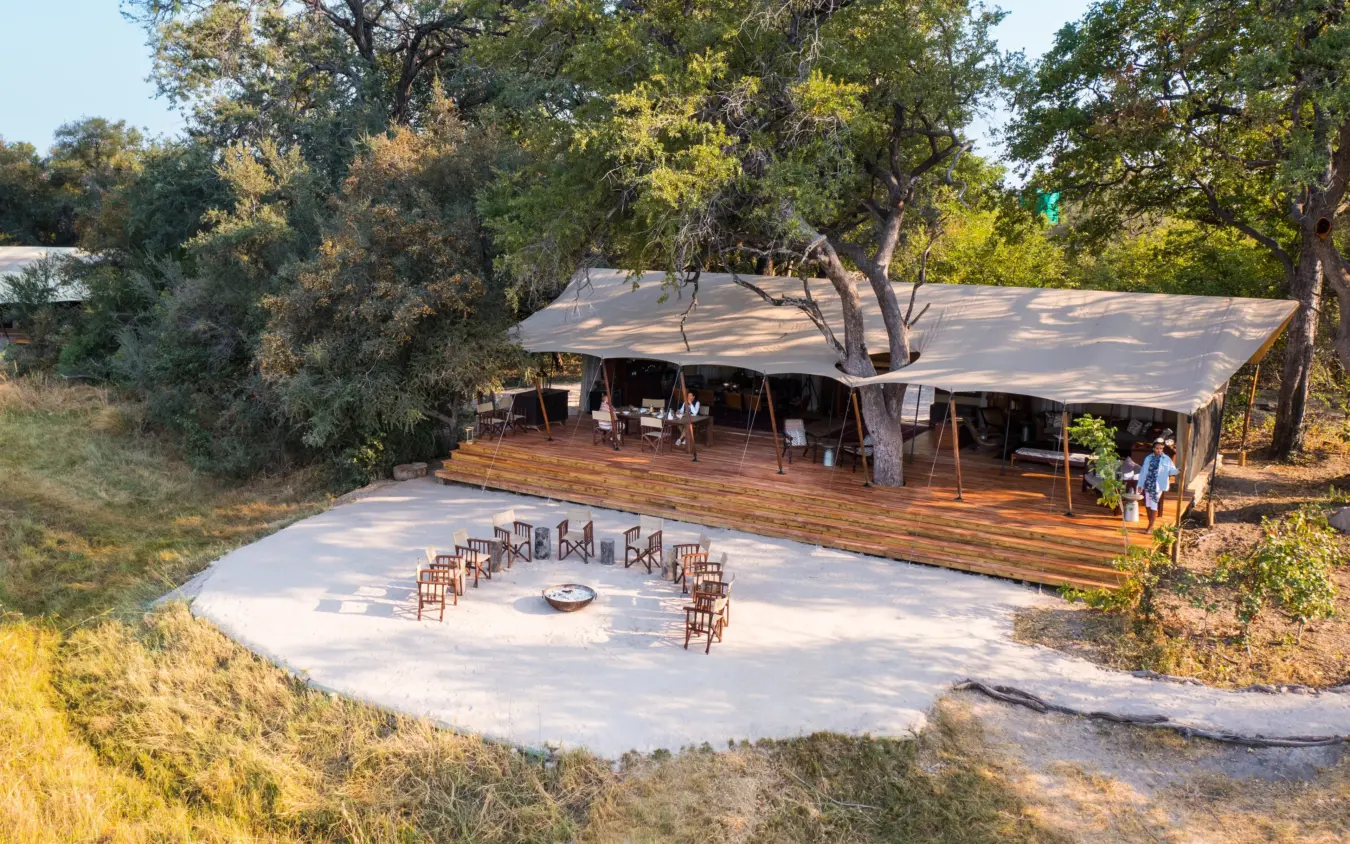
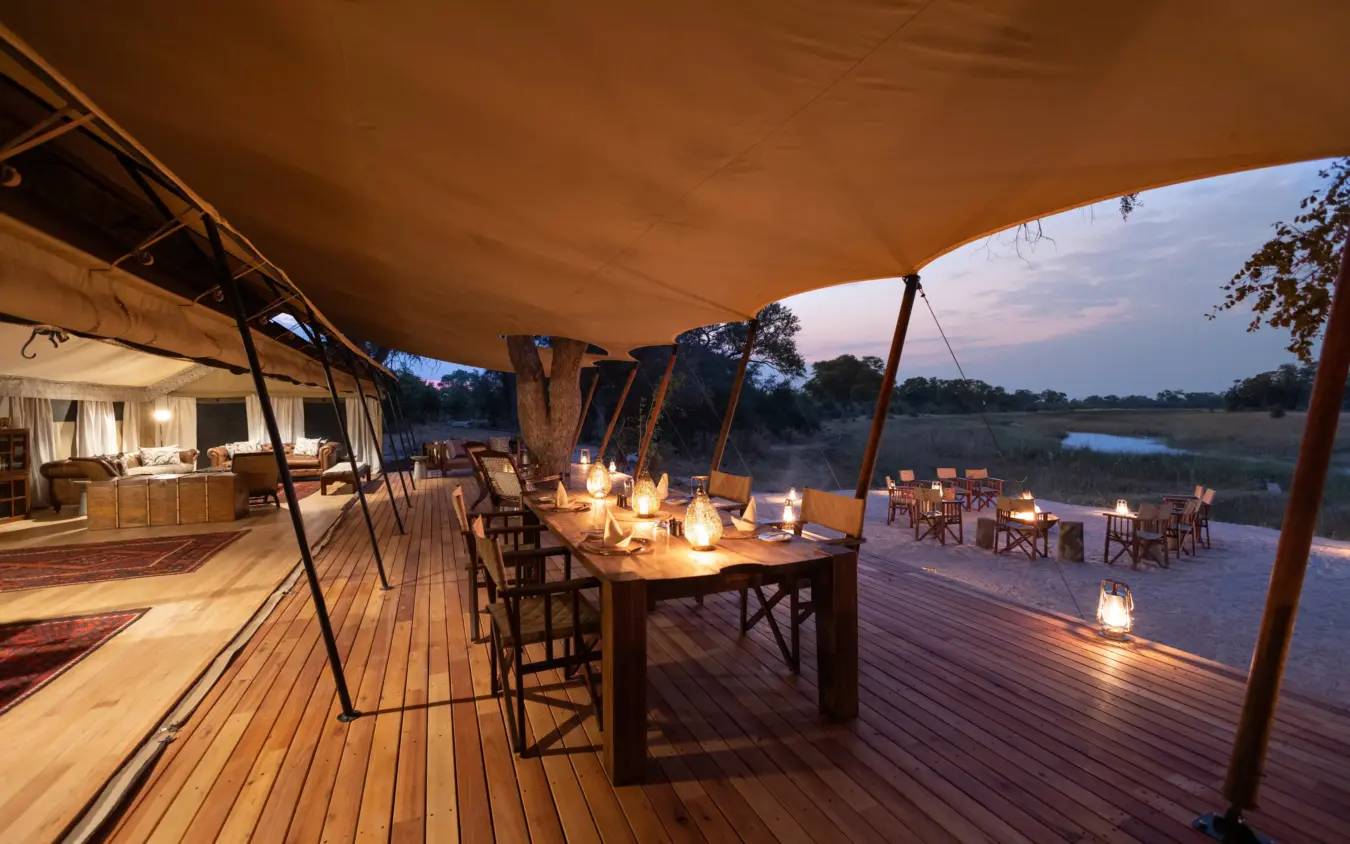
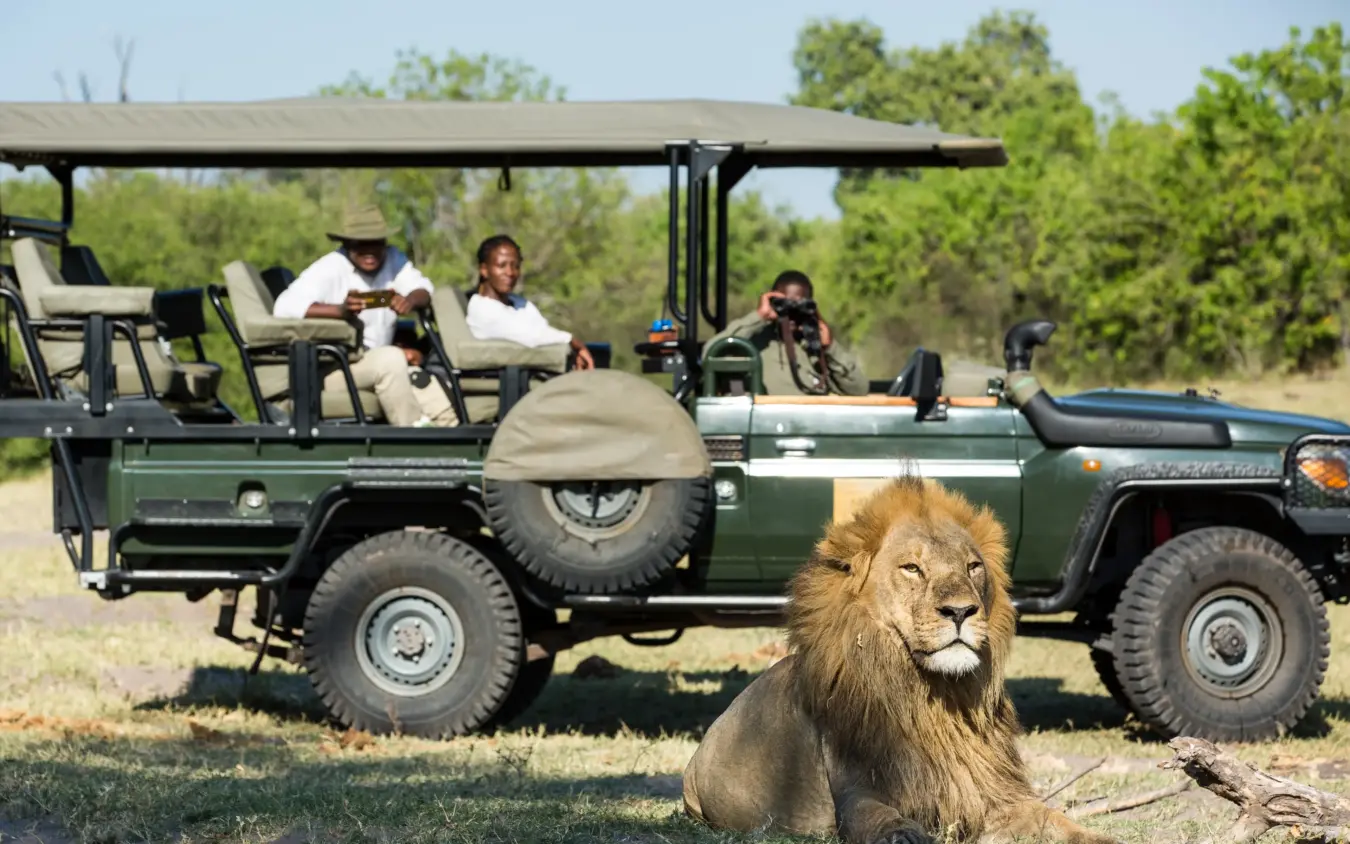
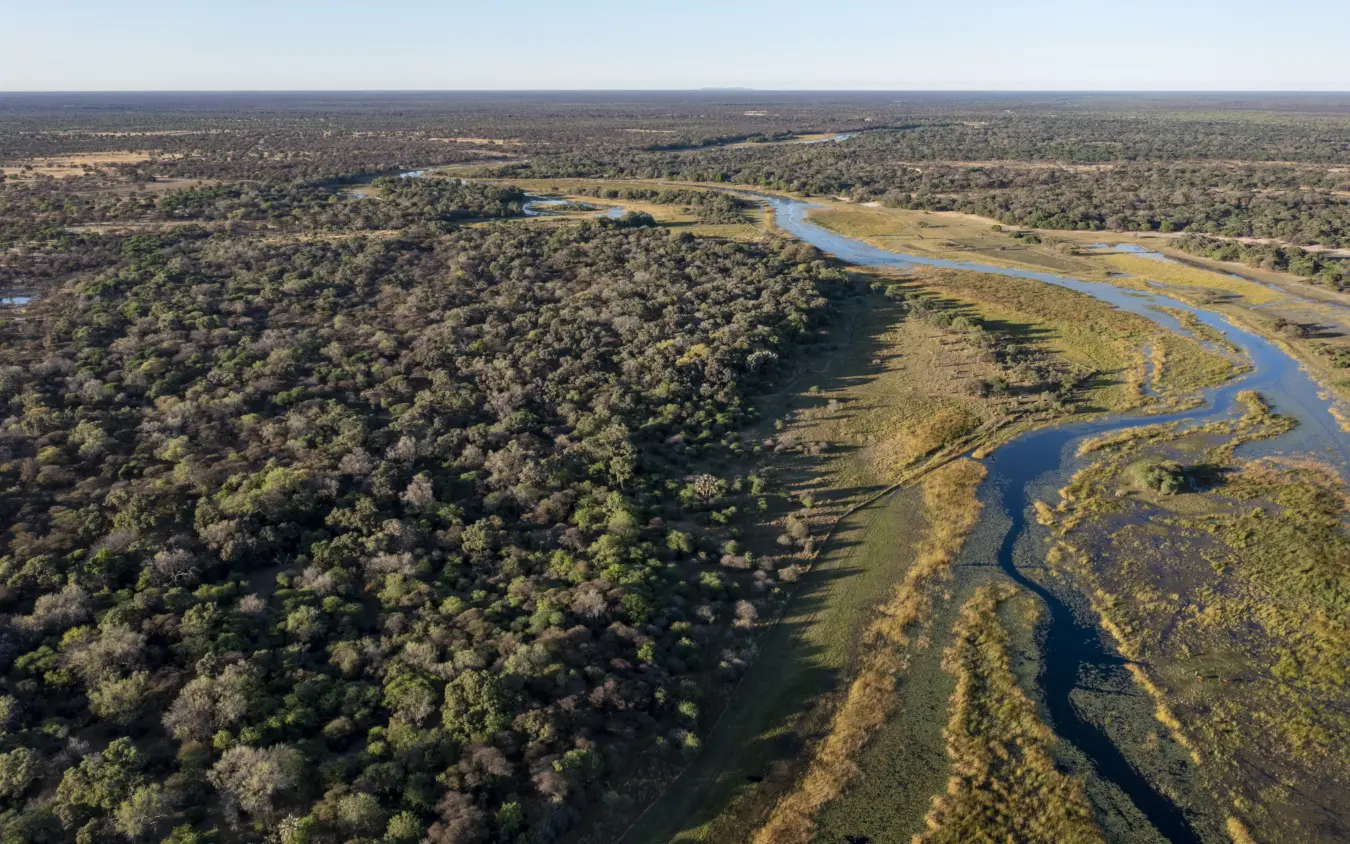
Okavango Explorers Camp holds six canvas tents in the far southwestern corner of the private Selinda Reserve in northern Botswana, at the southern end of the Selinda Spillway and beside the Okavango’s permanent channels. Days here are built on foot and on water. Walking safaris set out from camp with an armed guide, and the shape of the day is set by the water level in the channel. Twelve guests at most.

Walking safaris set out from camp with an armed guide.

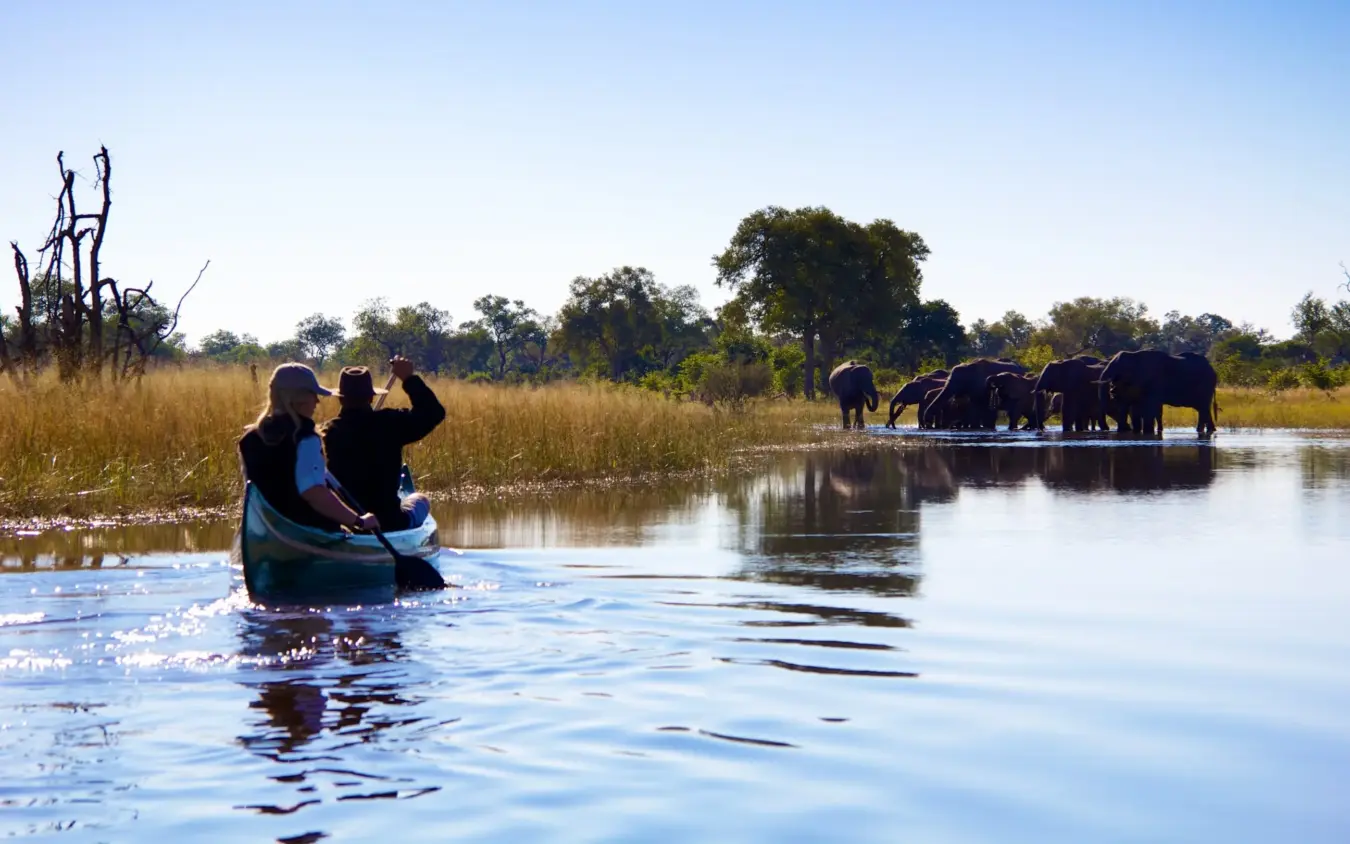
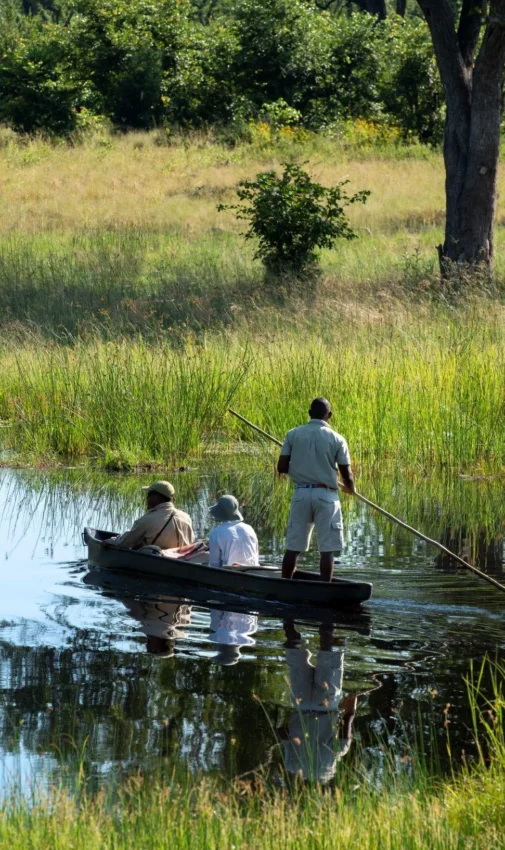
The sandveld fringes along the reserve’s southwestern edge hold roan, sable and eland. When the Spillway is up, a Canadian canoe replaces the vehicle for a morning, and tag-and-release fishing is possible from the bank. As the water falls from September, walking and driving take over again.

Dereck and Beverly Joubert pitched camp among the leadwood trees here. They took on the lease of a hunting concession, ended the shooting and turned the land into the protected Selinda Reserve. The camp that opened here in July 2022, on the site of an older riding and walking camp, keeps the same expedition character.

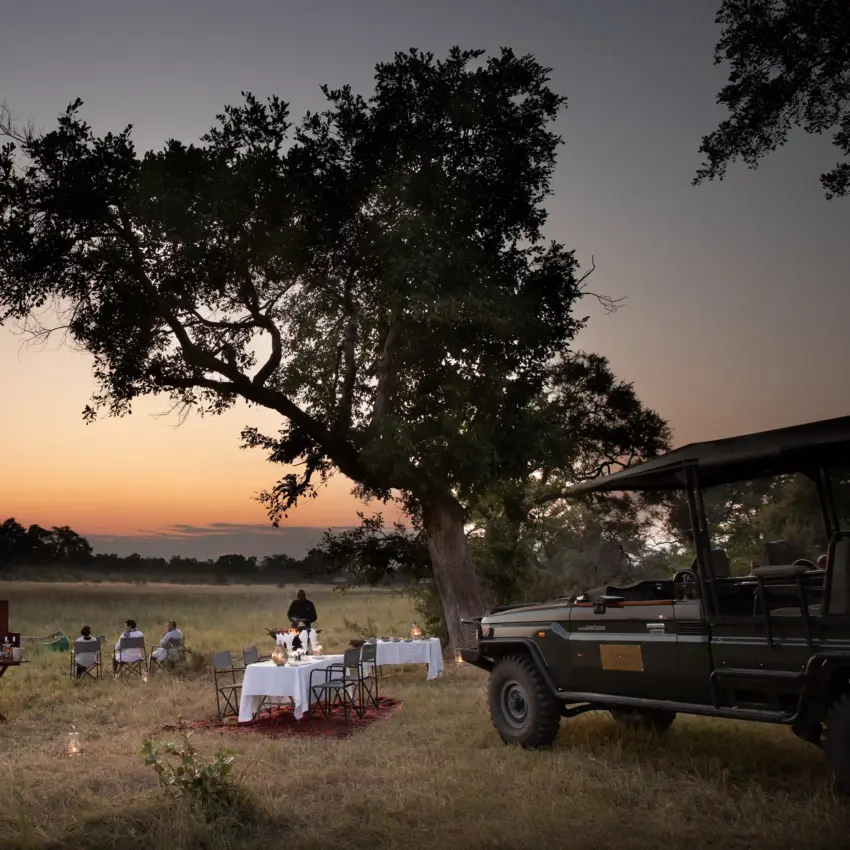
Nights belong to drives with a spotlight, days to tracking on foot.

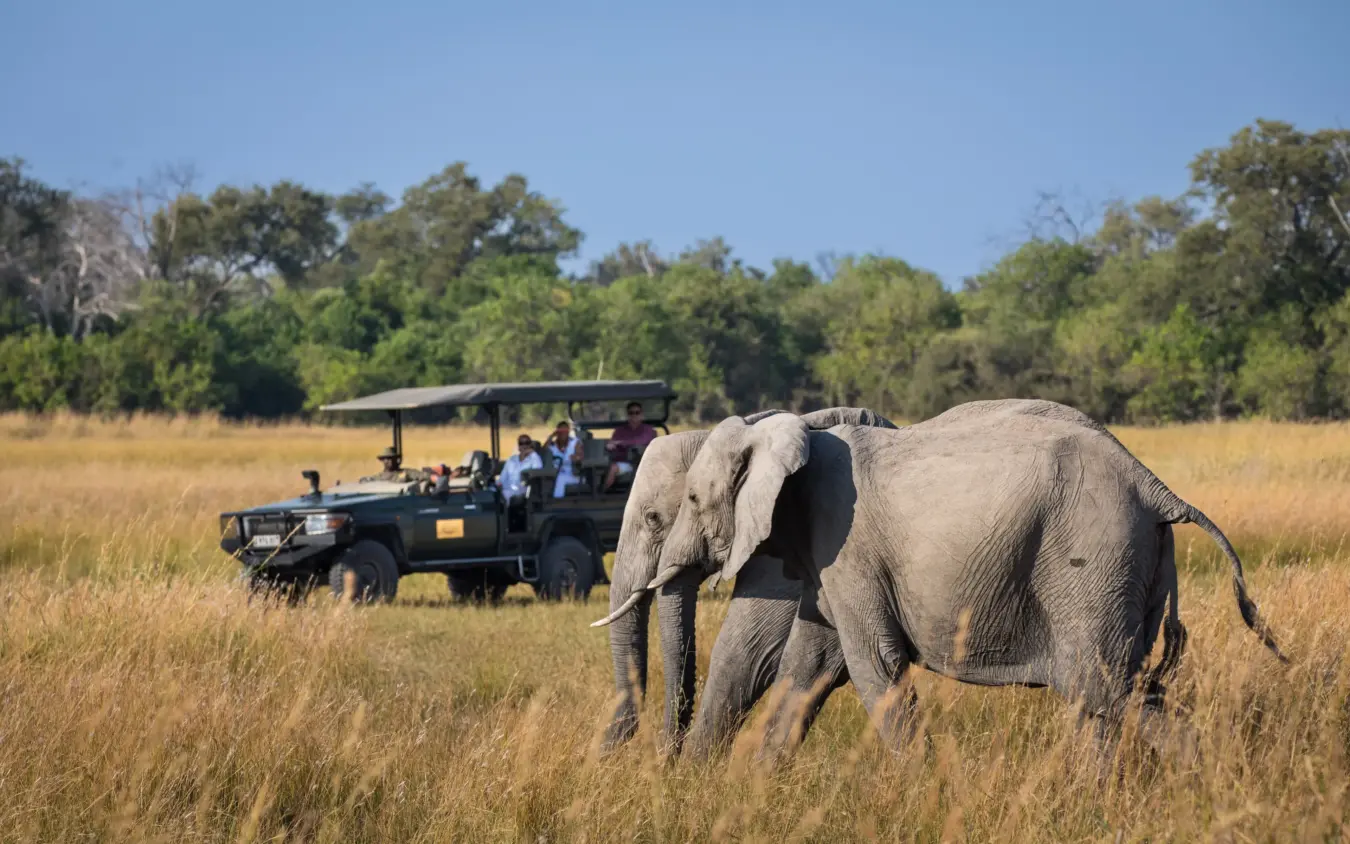
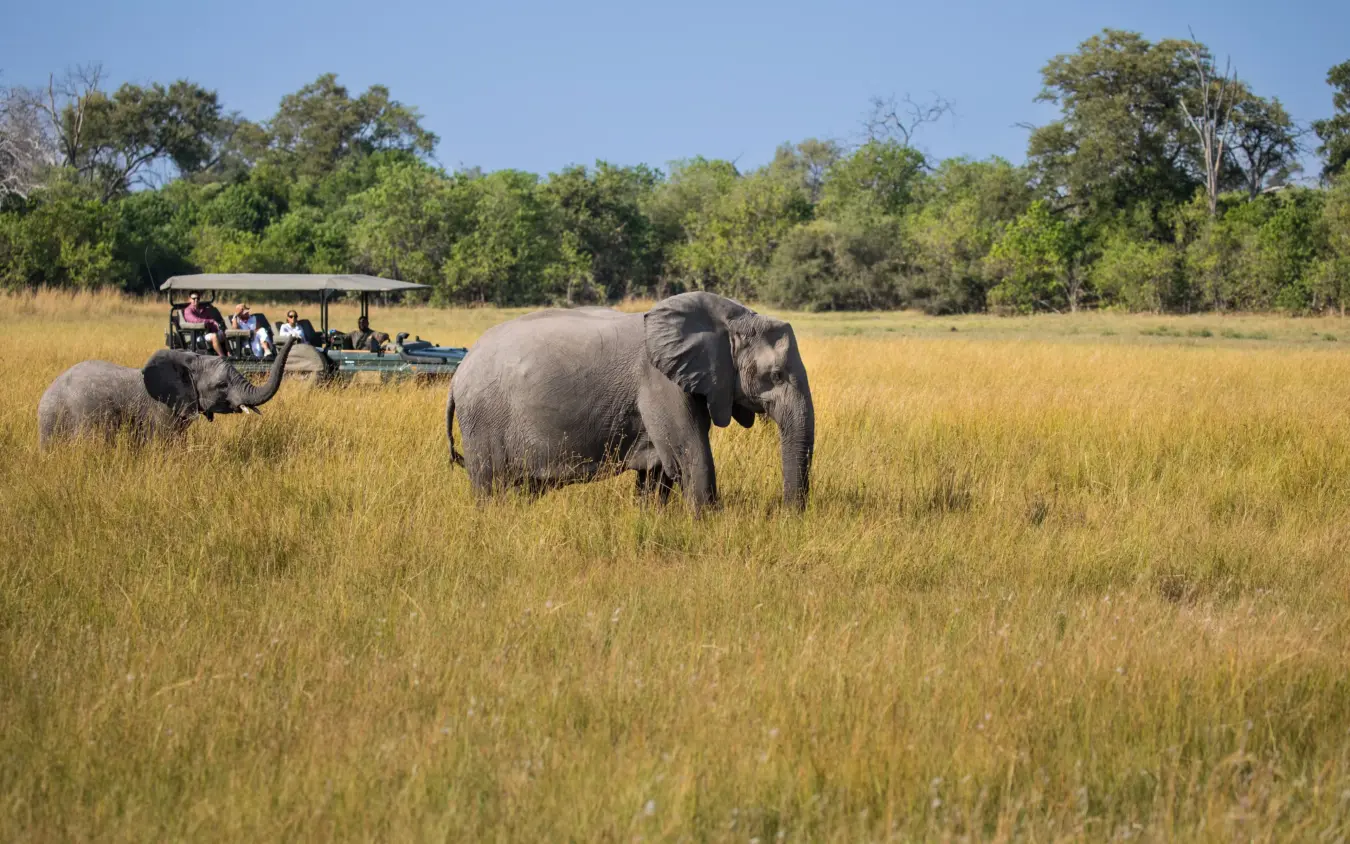
Because the reserve is privately held, guiding is not bound by national park rules. Nights belong to drives with a spotlight, days to tracking on foot. Vehicles go off-road, canoes go out when the water allows, and the open 4x4s have beanbags for camera lenses. Grass dies back from May, easing the walking until October.
01

accommodation

Six Meru-Style Tents on Timber Decking

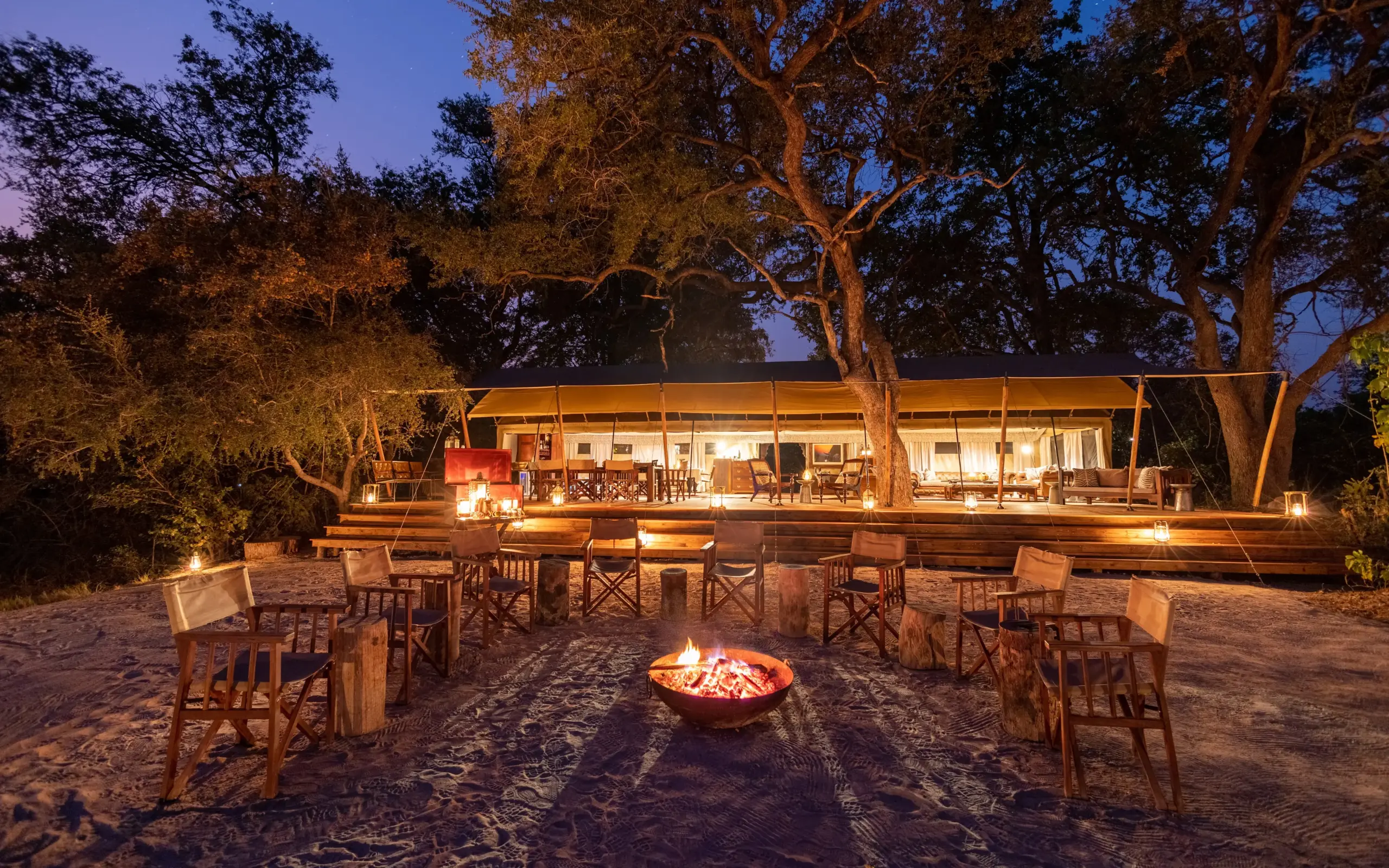
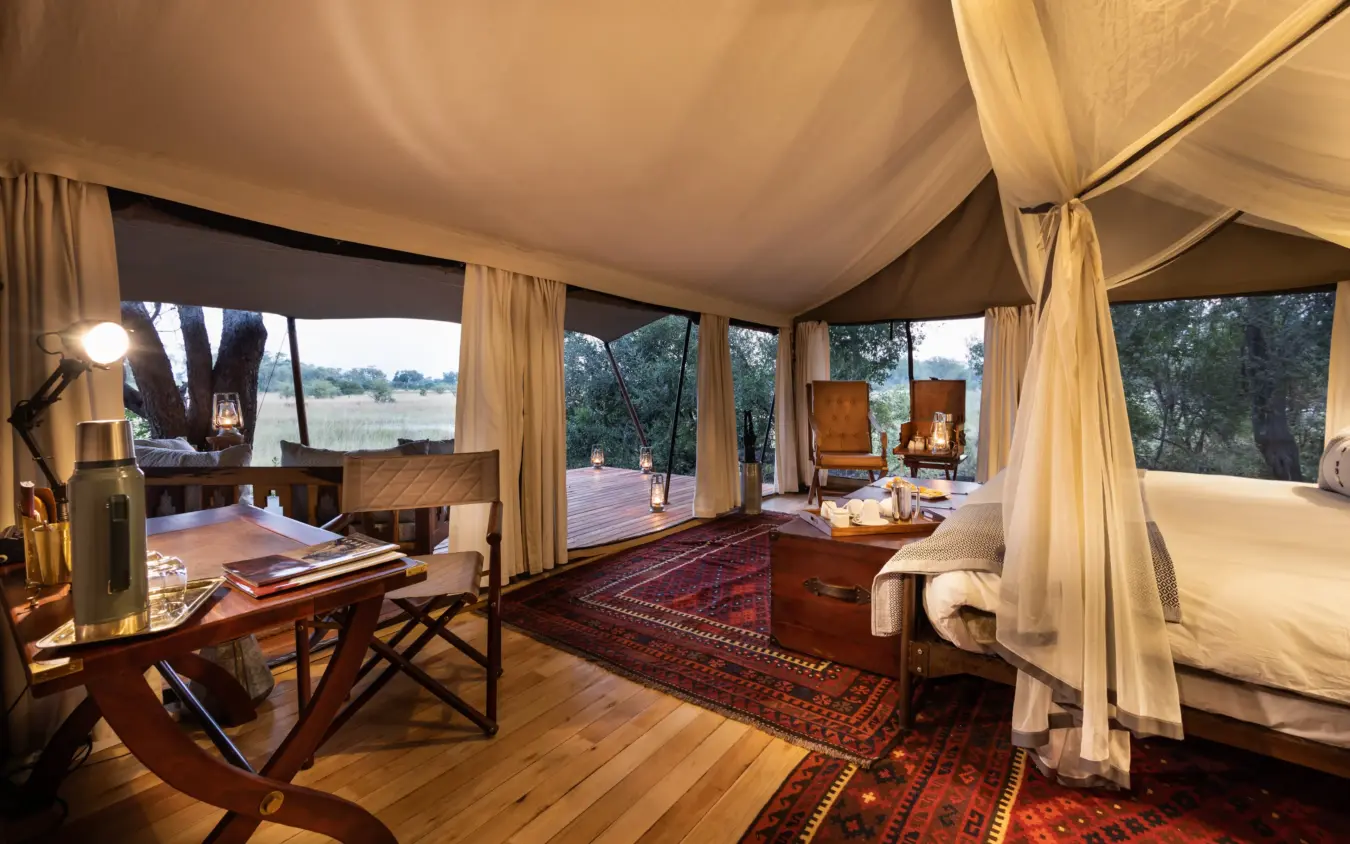
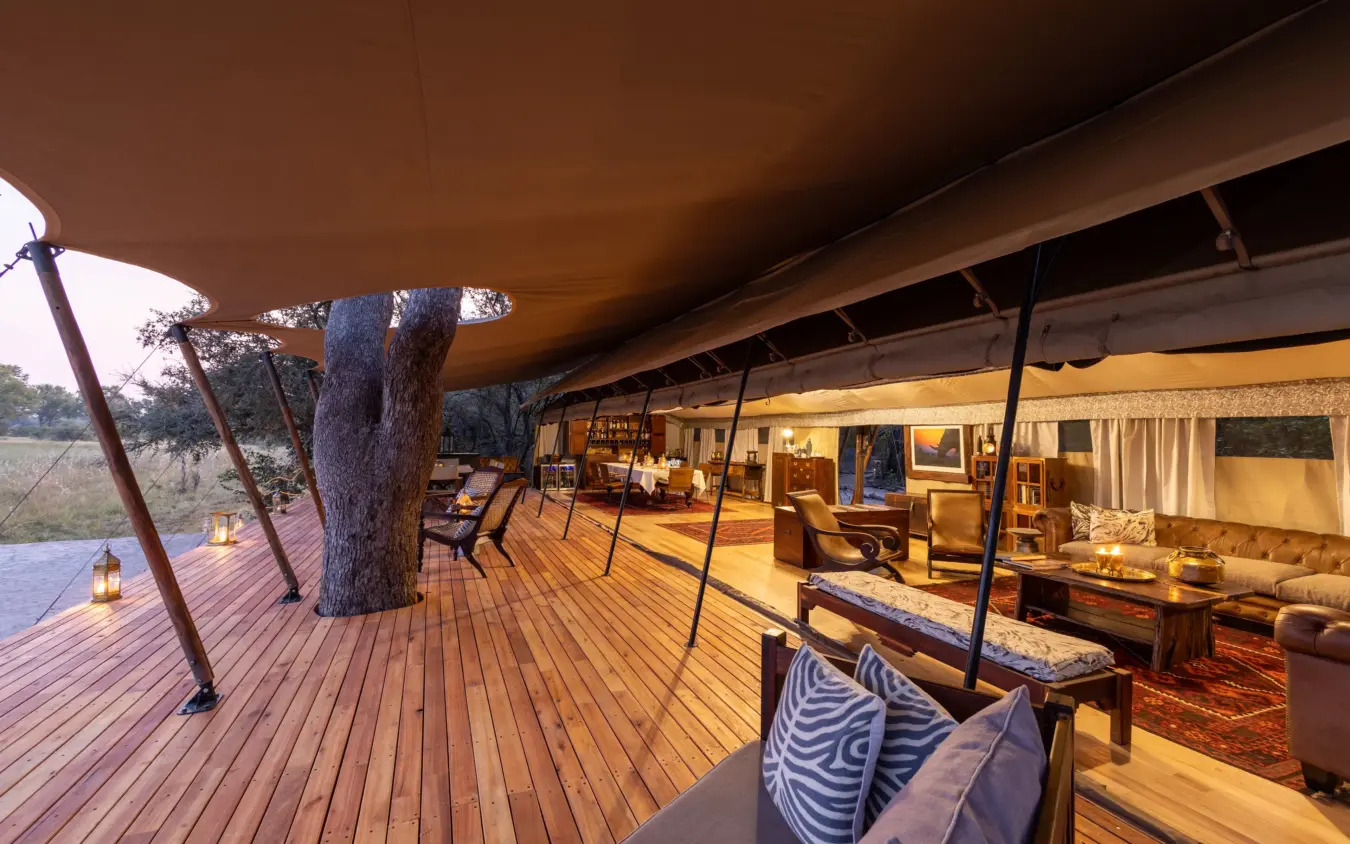
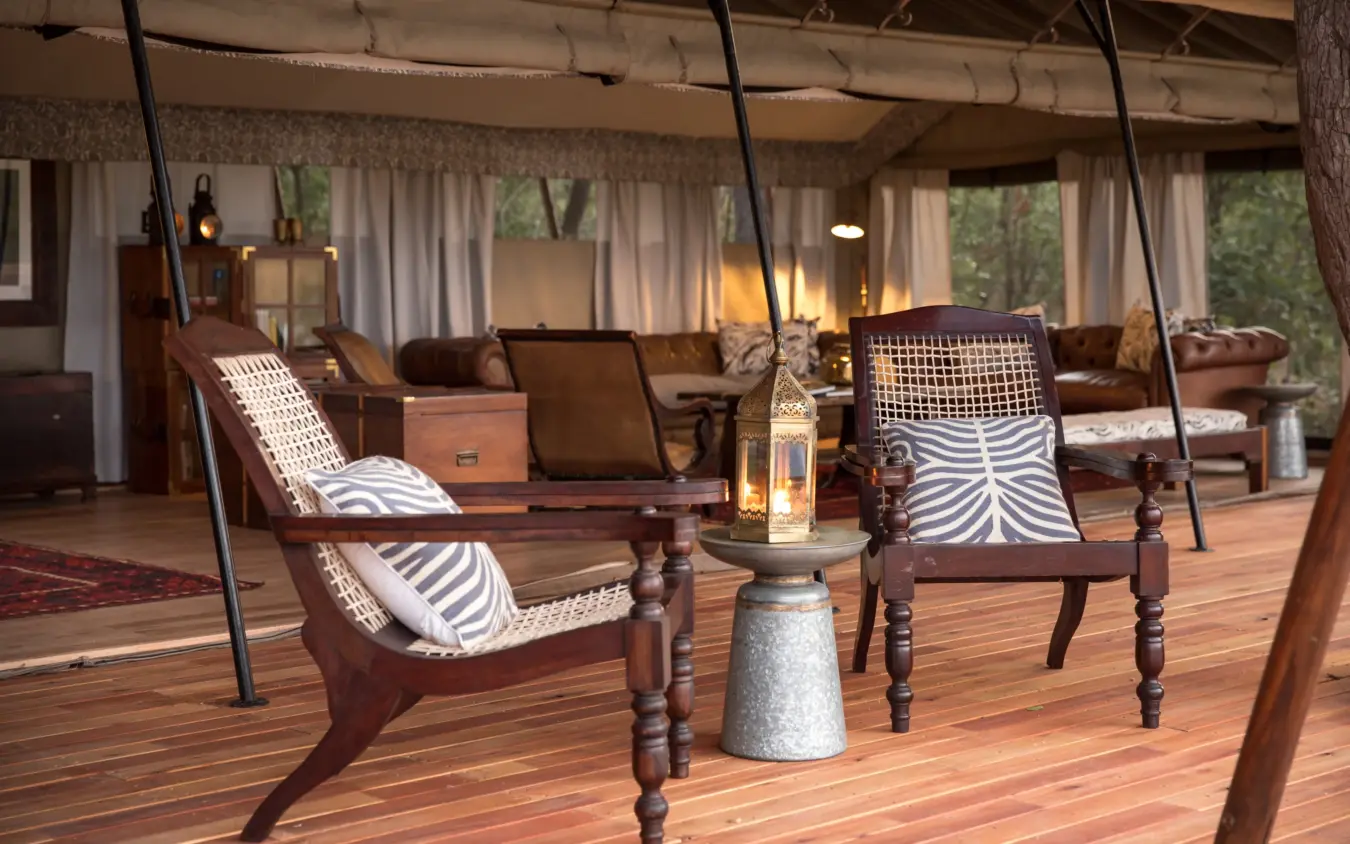
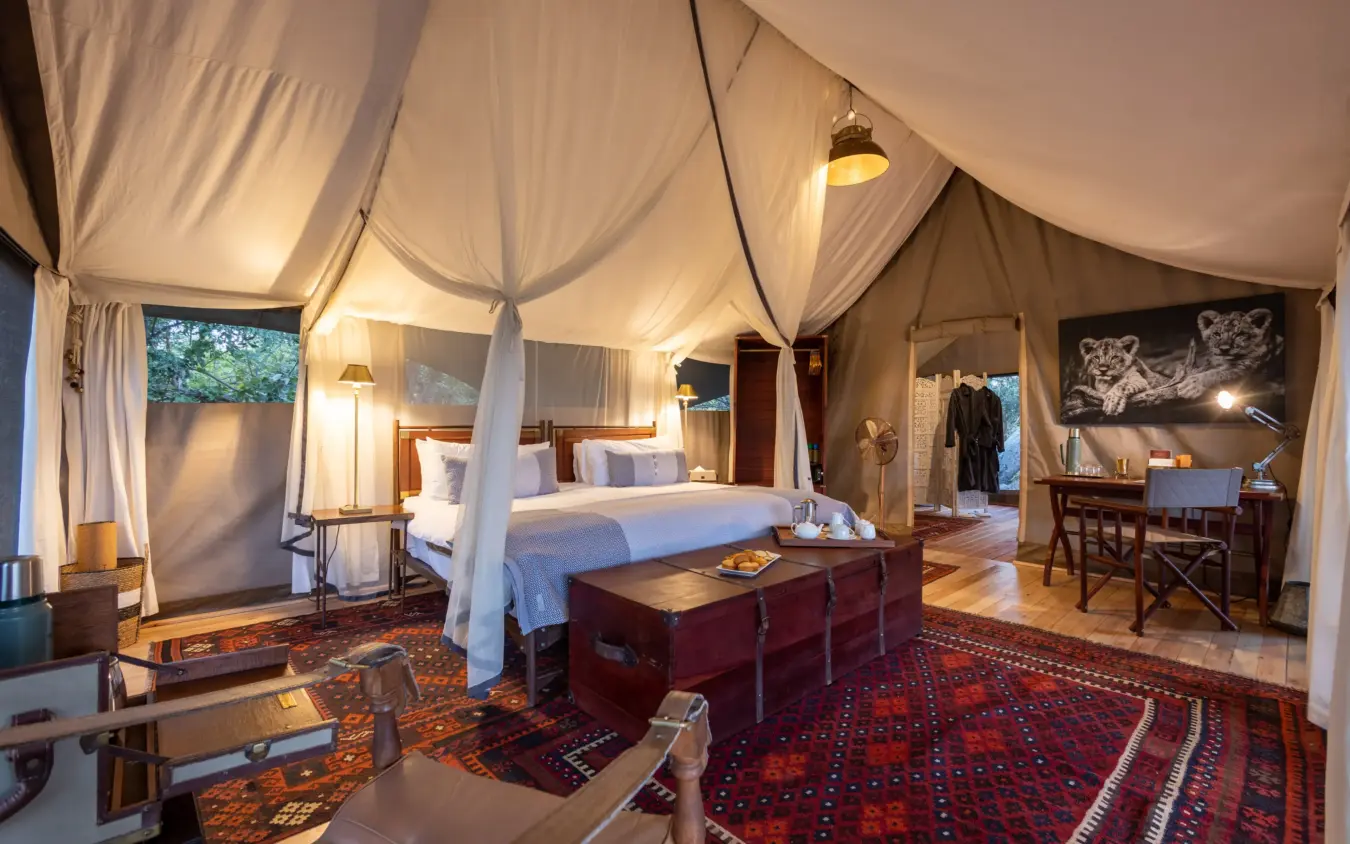
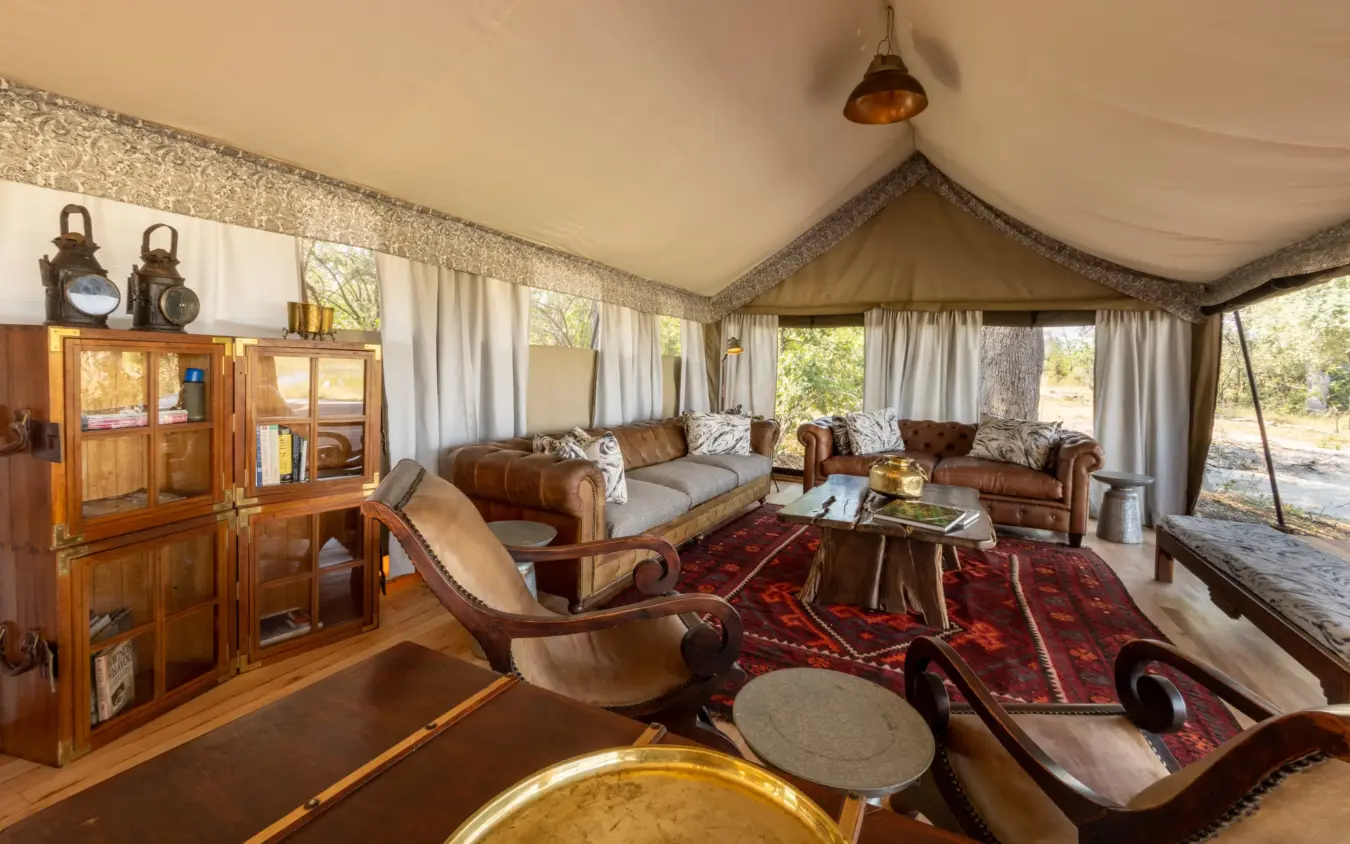
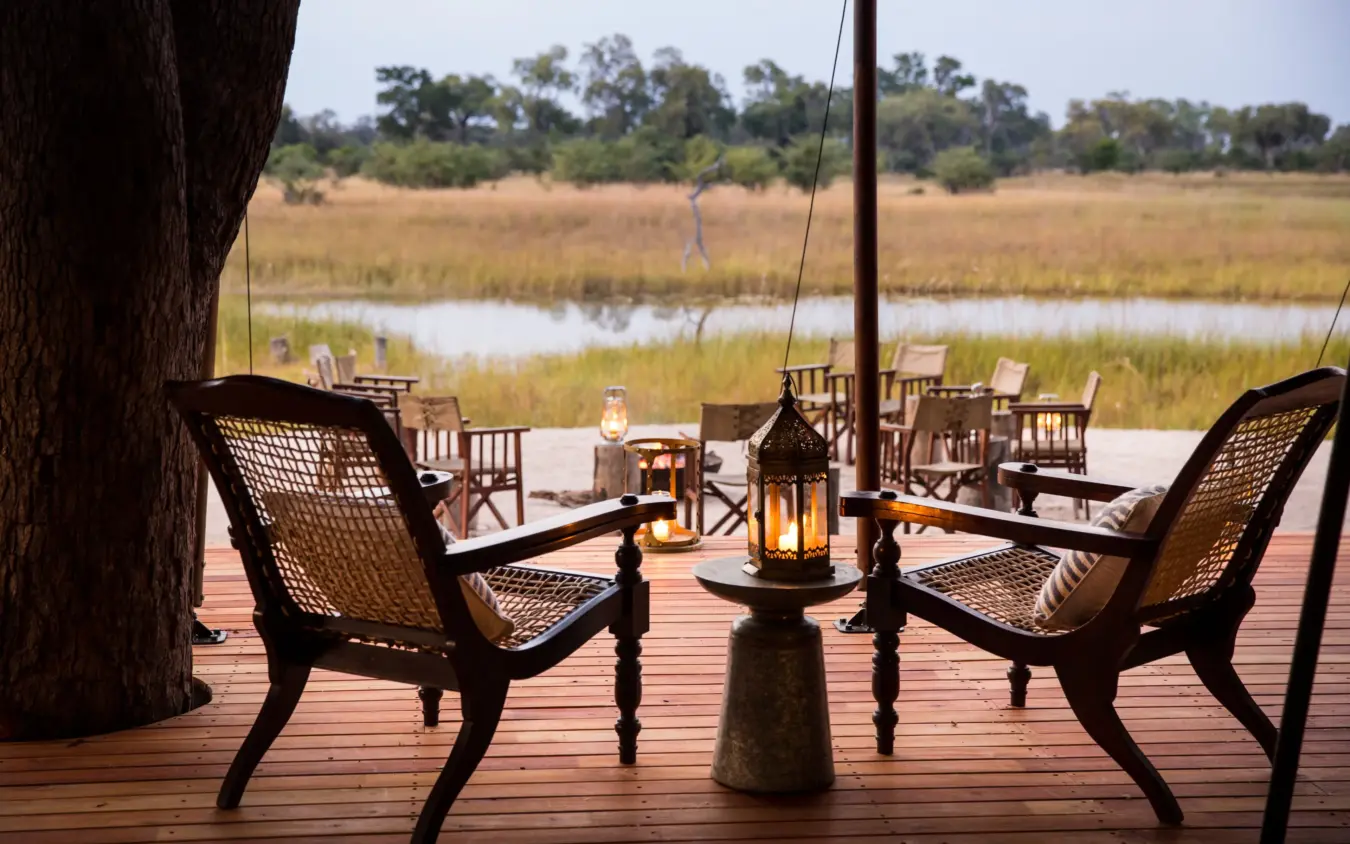
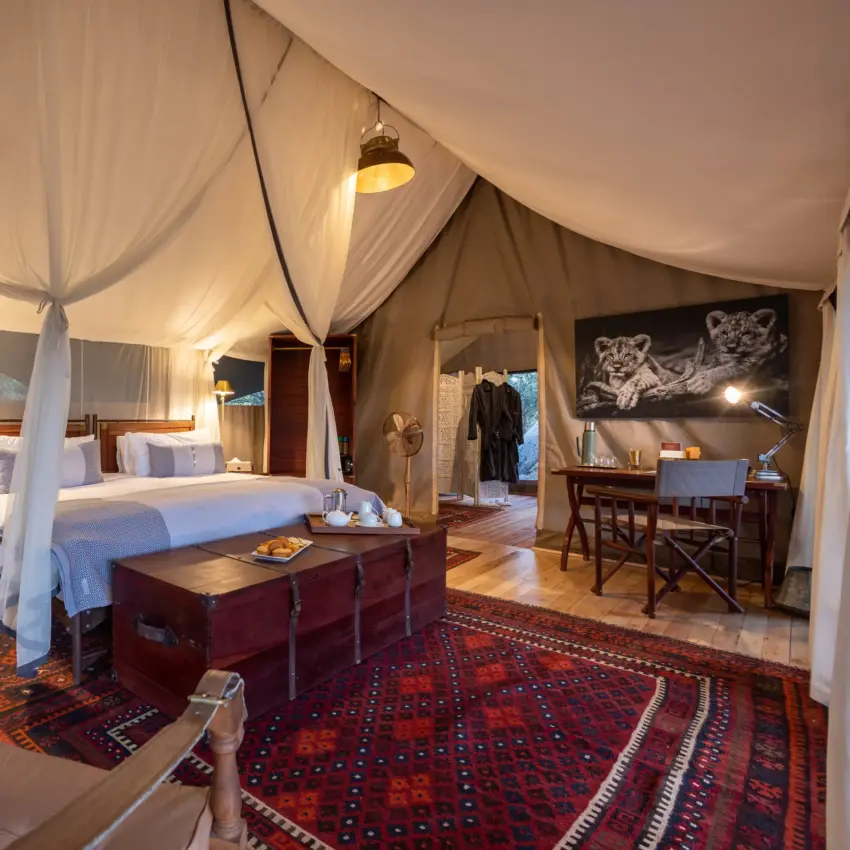
Six Meru-style tents take twelve guests, each raised on low timber decking with a private veranda and a cushioned daybed. Bedrooms come double or twin, with mesh windows from floor to ceiling, campaign furniture and storage trunks. The en-suite bathrooms hold twin copper basins, a walk-in brass shower and a flush loo.

02

activities

Off-Road Drives and Guided Walks, May to October

Guided walks with an armed guide, from camp or a vehicle drop, are the core of the day, best from May to October once the grass has died back. Day and night drives run in open 4x4s, with off-road tracking permitted on this private reserve. Canoeing and tag-and-release fishing when the Spillway is up, and birding year-round.

03

conservation

87 Rhinos Moved by Rhinos Without Borders

Rhinos Without Borders, founded by Dereck and Beverly Joubert, has moved 87 rhinos out of high-poaching areas. The Big Cats Initiative, begun with National Geographic, has funded around 150 grants for big cat research and protection. A Female Ranger Program trains local women over 12 months for biodiversity monitoring work.

ready to get started?

Get in touch and let’s start the conversation. An initial consultation helps us understand what you’re looking for, whether that’s specific experiences, luxury touches, or marking a special occasion, and from there we’ll guide you through what’s possible so you can decide if we’re the right fit.

Alternative accommodation in selinda reserve

frequently asked questions

By light aircraft to the airstrip near camp, then a short road transfer that the nightly rate already covers. The camp's own transfer schedule puts the direct hop from Maun at about thirty five minutes and the one from Kasane at about sixty five. The part worth knowing before you plan a tight connection is that the scheduled seat in plane service may make up to four stops on the way, so the flight you actually fly can run considerably longer than the direct time, which is why quoted timings vary so much between sources.

We can also put you on a private charter, usually a Cessna Caravan or a Pilatus PC-12, which takes out the stops and lets the departure be set around your international arrival rather than around a timetable. Whichever aircraft you fly, luggage is capped at twenty kilograms a person including hand baggage and camera equipment, and it has to be a soft bag of roughly thirty by thirty five by seventy centimetres. Passengers over about a hundred and fifteen kilograms may need a second seat on a light aircraft, and that is far better settled with us at the planning stage than at a check-in desk in Maun.

Yes, and this corner of northern Botswana is treated as one of the higher risk parts of the country. TravelHealthPro, the UK's official travel health service, classes the northern half of Botswana including the Okavango Delta area as high risk from October to May and recommends antimalarial tablets for those months, with the risk falling to low across the rest of the year, when it advises awareness of risk and bite avoidance instead. The CDC lists the Okavango and Ngamiland districts, which is where this camp sits, among the districts for which it recommends prescription medicine to prevent malaria.

We plan safaris rather than give medical advice, so the decision belongs to you and your doctor or a travel clinic, and it is worth asking them close to departure because both sources update their guidance. On the practical side, this is floodplain and channel country, so the evenings ask for long sleeves once the light goes and repellent on anything still showing, particularly walking back from a sundowner and sitting out at the firepit.

Children are taken from six, and the drives, the guided walks and any powered boating are open from that age with a parent or guardian alongside. The canoe and the mokoro are the exception and start at eight, so a younger child sees the water from the bank or from the vehicle rather than from a paddle seat. Whether a child joins a particular outing is the camp manager's call on the day, made on ability and safety rather than by a fixed rule.

The sleeping arithmetic matters at a camp of six tents. There is no family tent among them, so a child of fifteen or younger shares a guest tent with one adult, and from sixteen a young adult pays the adult rate and takes a tent of their own, which is often what decides the shape of a family booking. Families go out on shared activities with the other guests rather than separately, so if you would rather your party had the vehicle and the guide to itself, say so at the enquiry stage and we will ask what is possible for your dates. There is no childminding and the camp is unfenced, so children stay a parent's responsibility throughout.

Yes, and it is placed the opposite way round from most camps. The camp puts the wifi in the guest tents and nowhere else, so the connection is in the tent and the open-sided mess tent and the firepit stay free of screens.

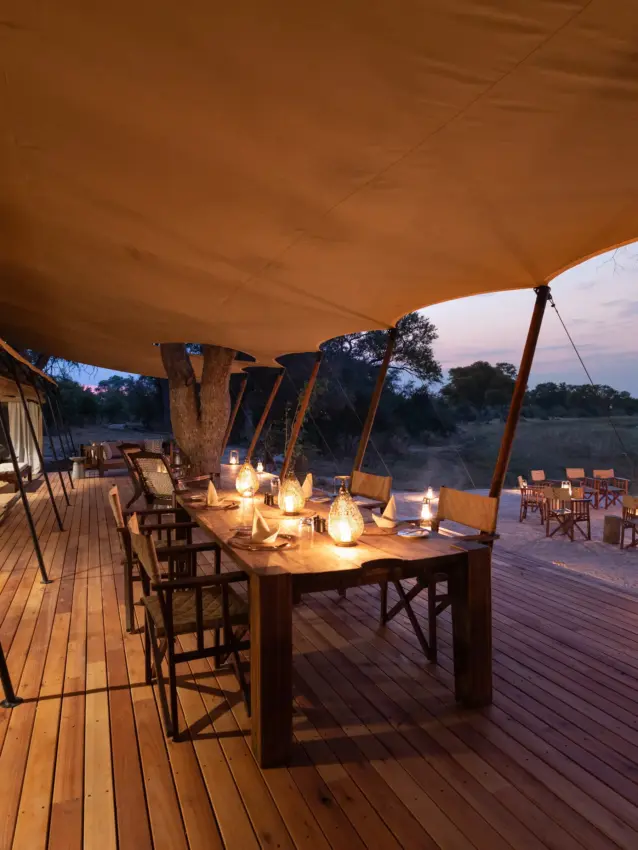
That suits most parties and catches out anyone who assumed they could work through lunch in the lounge. If someone travelling with you has to be contactable at a set hour, or needs a call to hold rather than a message to send, tell us and we will confirm with the camp what the link will carry on your dates rather than leave you to discover it on arrival.

Two nights is the practical floor, because the included flights are conditional on staying at least that long, and two nights on a walking-led programme really only buys one full day. Three is what we usually advise: one day given to walking, one to the water while the Spillway is up, and a night drive somewhere in the middle without having to choose between them.

Combining is unusually easy from this camp. The direct helicopter hops to its sister camps in the Duba area and on Sitatunga island take fifteen to twenty minutes and come at no extra charge, so a week can be split between walking country and water country without a return leg to Maun in between. Taking the same routes by light aircraft carries a supplement instead, so the helicopter is both the quicker option and the one that costs nothing, which is not the usual order of things.

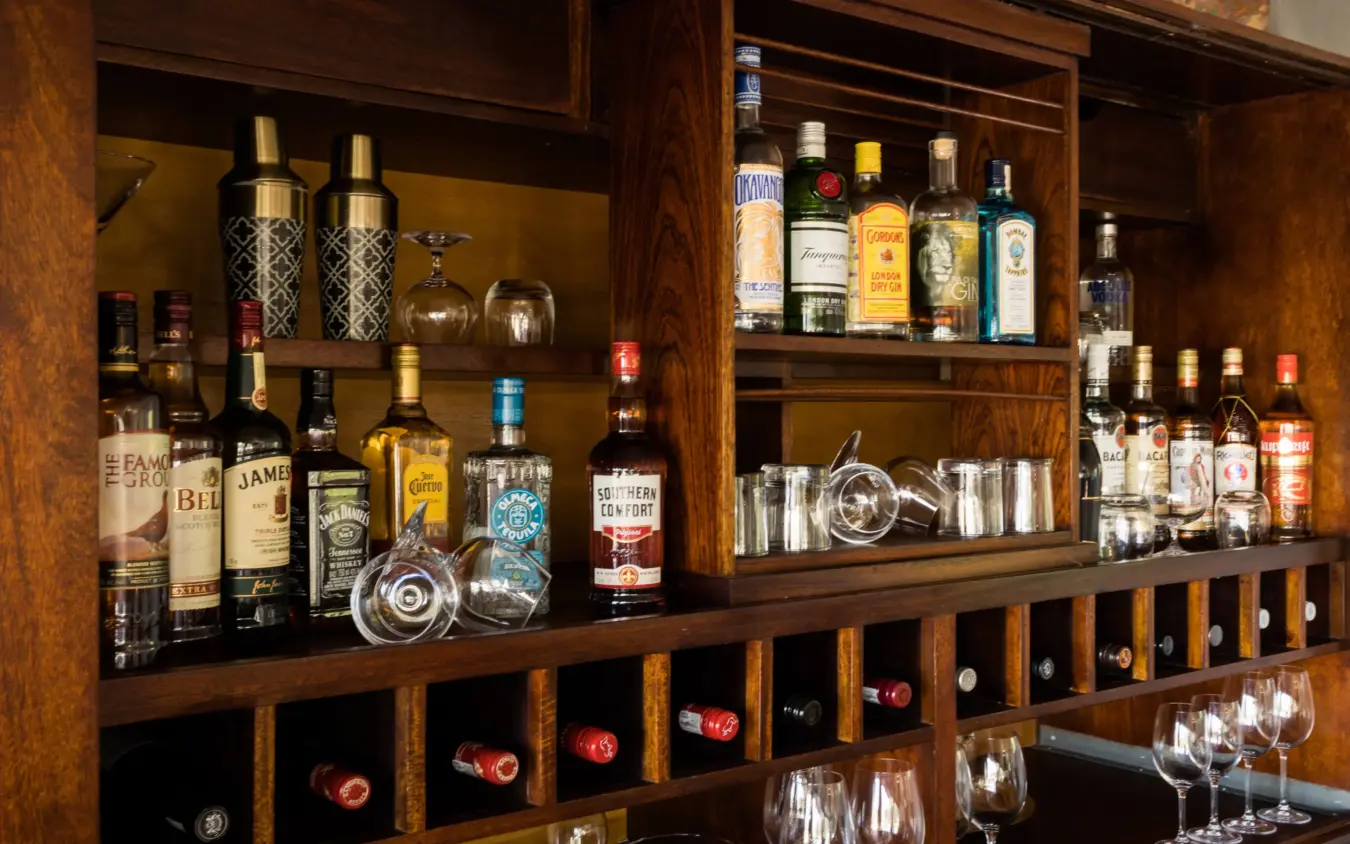
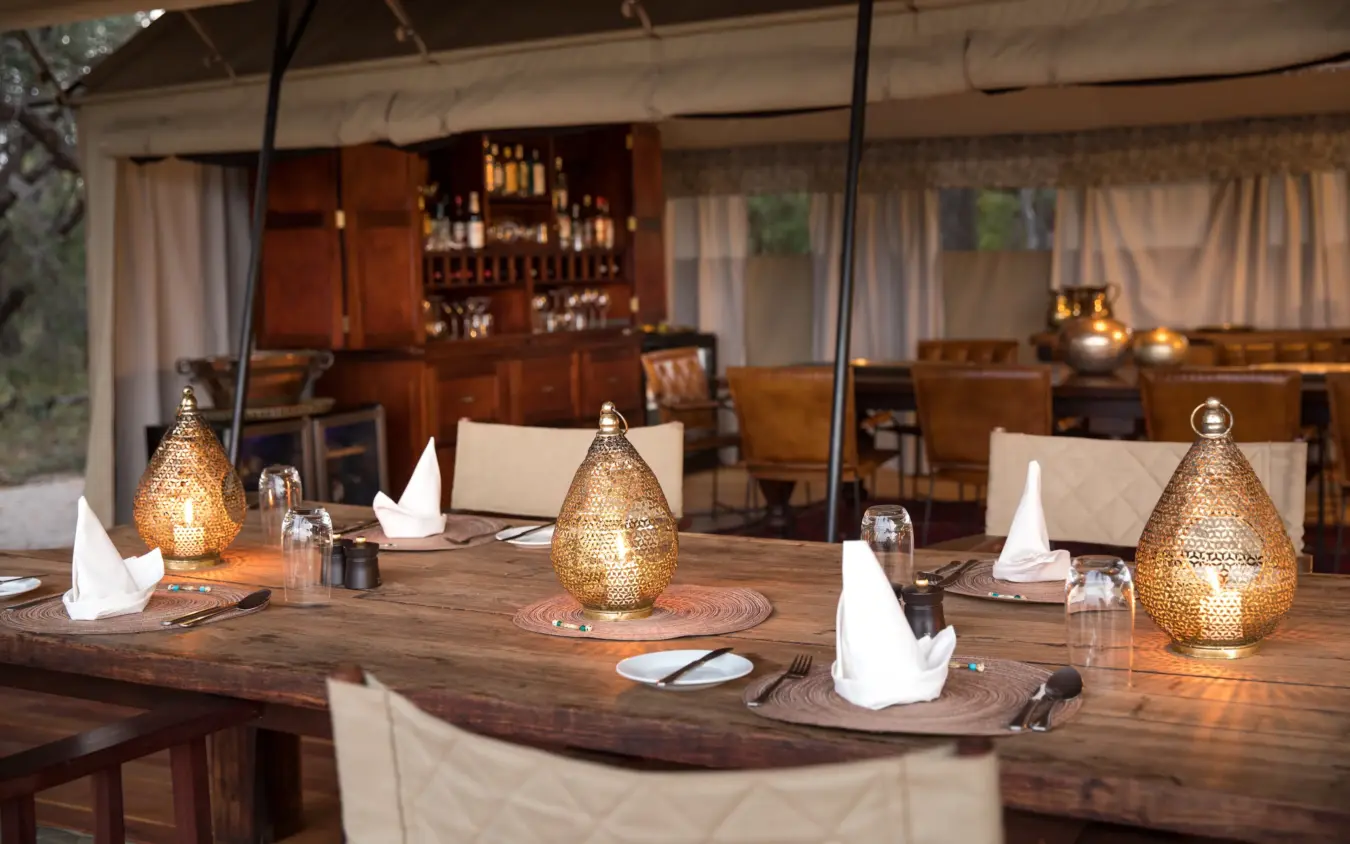
It is fully inclusive in the real sense: the tent, all meals, the scheduled wildlife viewing activities, the road transfers to and from the airstrip, laundry, and drinks including premium brand spirits and champagne. The scheduled flights from Maun or Kasane sit inside the rate as well, along with inter-camp flights from properties across the greater Okavango Delta and the Linyanti and Savuti areas, on one condition: the stay has to run to at least two nights. Arrive by air from outside those areas and a supplement applies instead.

What sits outside is the conservation and community contribution. It is mandatory, charged per person per night for every guest whatever their age, and it goes to the camp's conservation foundation rather than to the camp. We build it into your quote so it appears in the figure you agree rather than surfacing later as an extra. Comprehensive travel and medical insurance is a condition of confirmation and of travel rather than a recommendation, so we will ask to see that it is in place.

rated five stars by our clients

other areas in botswana

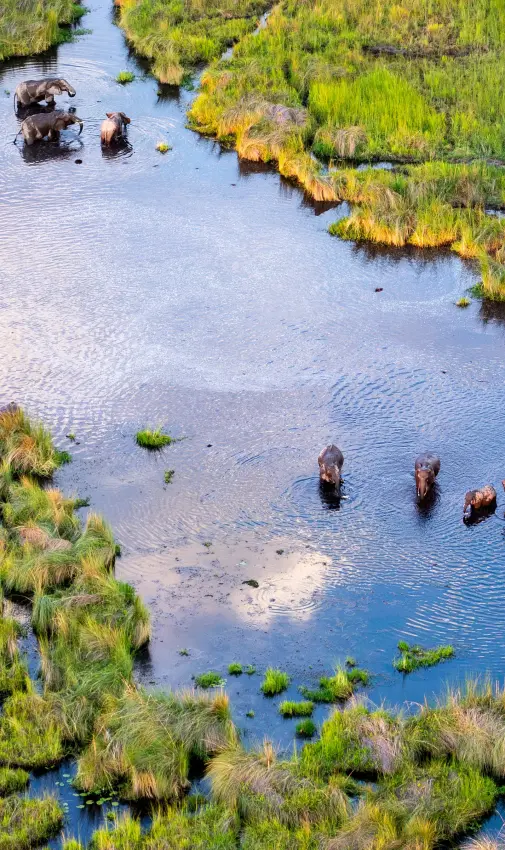
Aerial view of elephants wading in shallow water surrounded by vegetation 01

The Okavango Delta

Guests poling traditional boat through wetland waterway, Linyanti Wildlife Reserve, Botswana 02

Linyanti Wildlife Reserve

Male lion standing on sandy ground in natural habitat 03

Central Kalahari

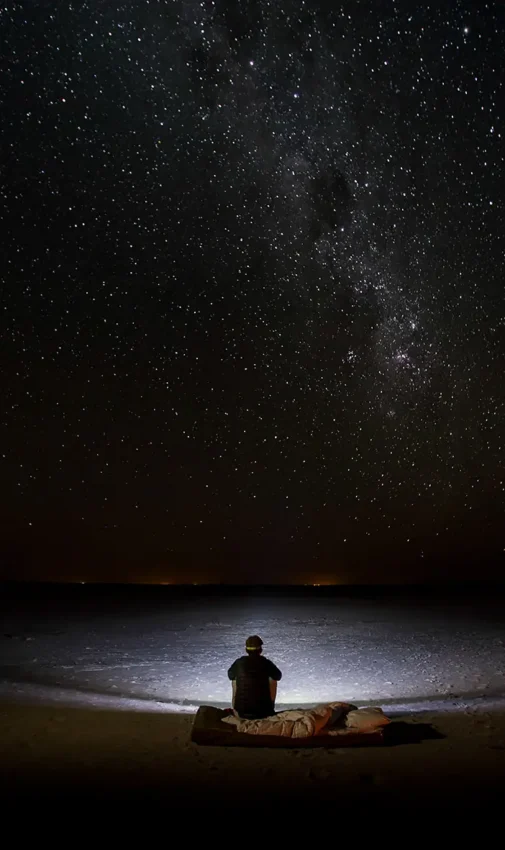
Person sitting alone under starry night sky, Makgadikgadi Pans, Botswana 04

Makgadikgadi Pans

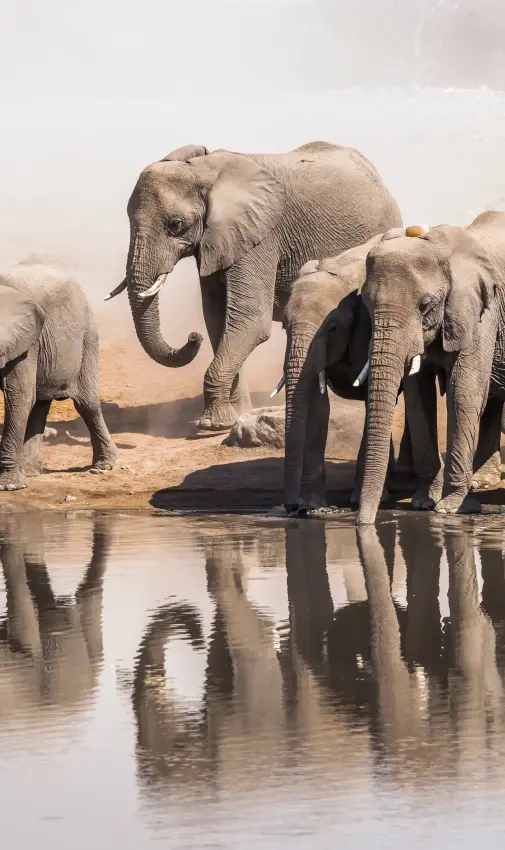
Herd of elephants drinking at waterhole with reflections 05

Chobe

06

Maun

Planning a journey together

our approach

remote, exclusive
& personal

Every journey starts with a conversation. We take the time to understand your vision before we start planning.

Whether by phone or in person, we work with you directly to shape something that is considered, personal, and expertly delivered.

get in touch
destinations ideas & inspiration our process about us contact us