Camp

Tau Pan Camp

A solar-powered camp on an ancient dune ridge deep in Botswana’s Central Kalahari, home to a resident pride of black-maned lions.

Country: Botswana
Location: Central Kalahari
Number of rooms: 9

The pan whose name means Lion

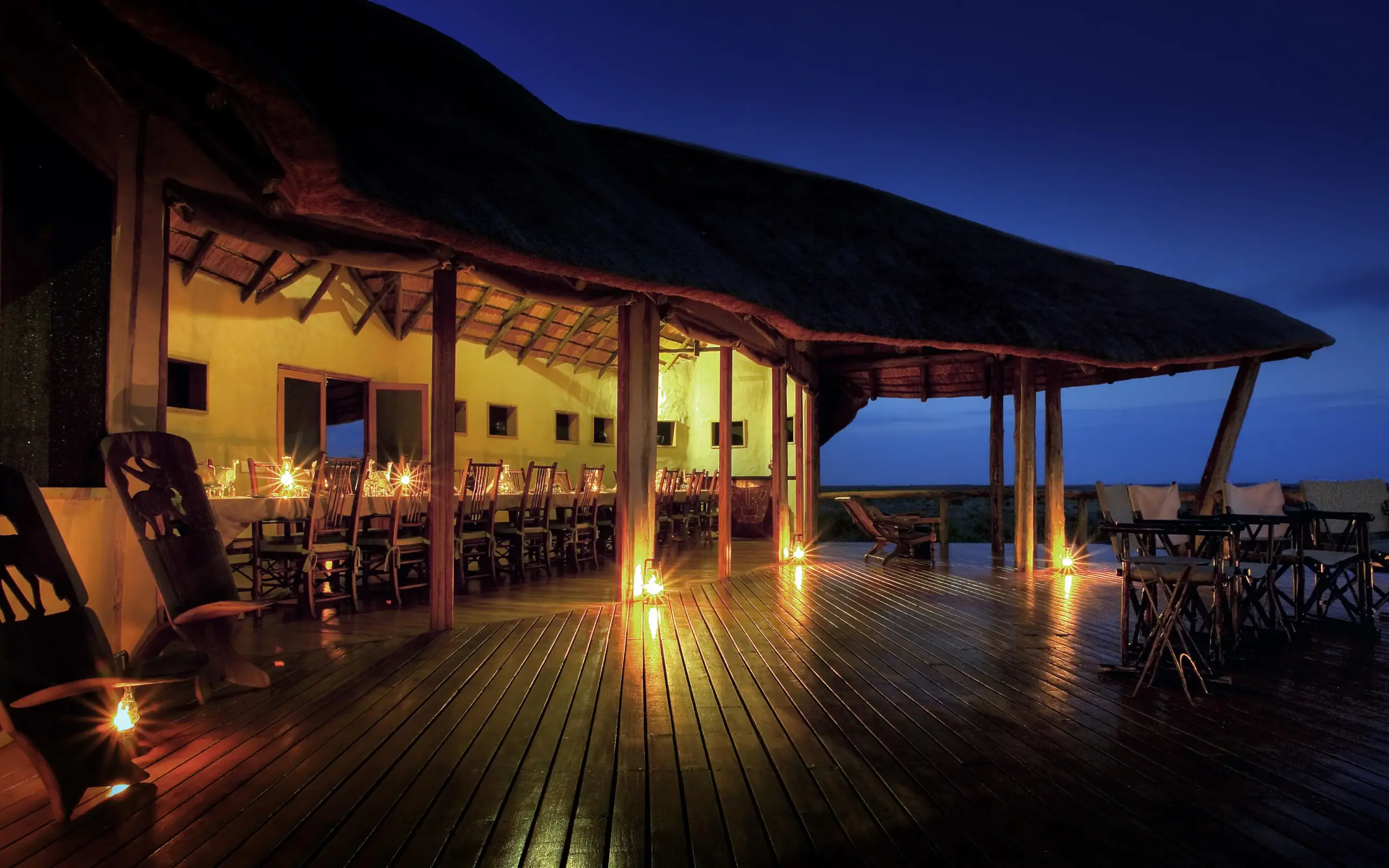
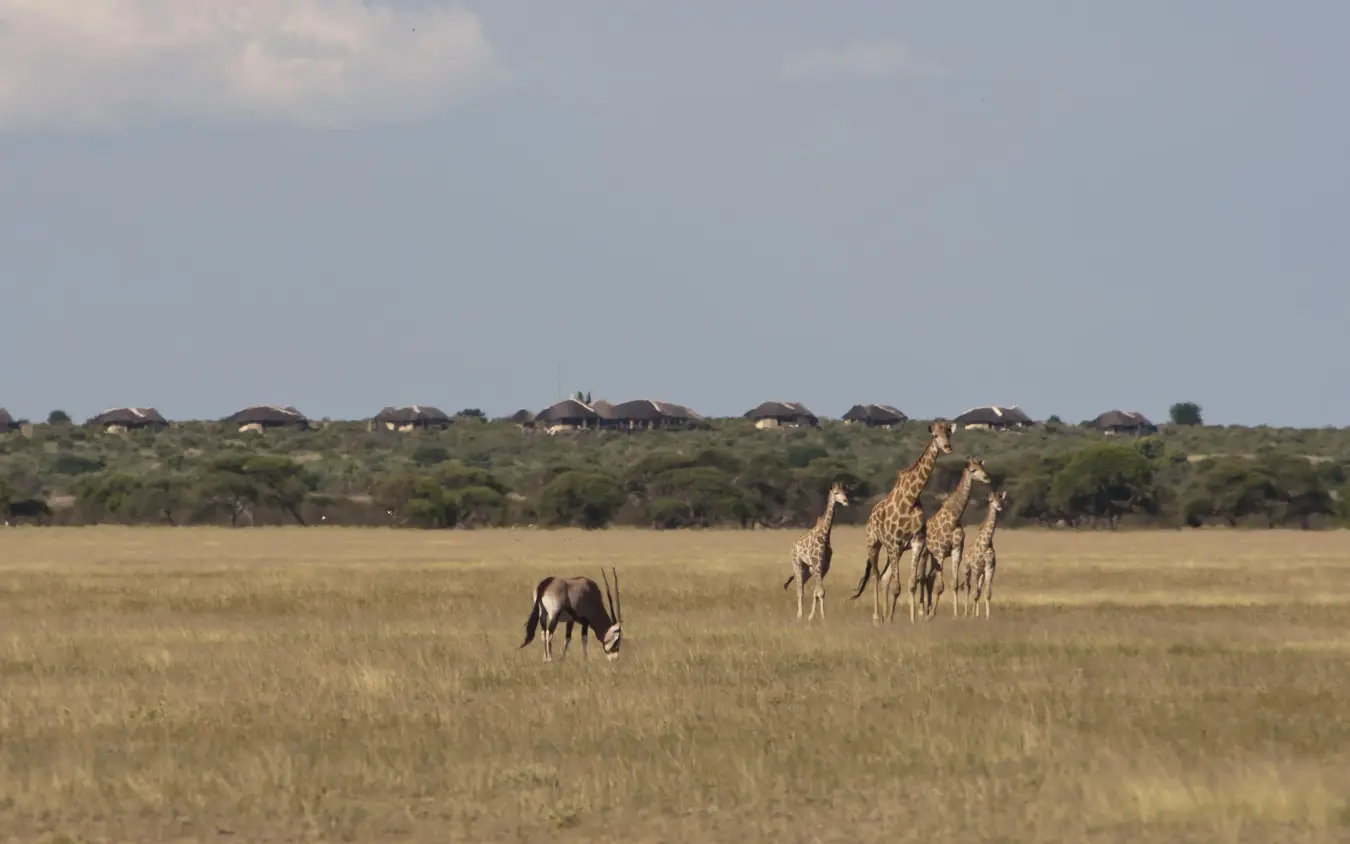
Tau Pan Camp rises on an ancient dune ridge deep inside the Central Kalahari Game Reserve, reached by a fifty-minute light aircraft flight from Maun and then a short drive up onto the ridge itself. That distance matters, for this is one of Botswana’s least-visited conservation areas, where days pass without the sight of another vehicle. The camp looks down over Tau Pan, a fossil salt pan whose Setswana name means Lion Pan, and a waterhole below the ridge keeps wildlife in view of the chalets through the day.

This is a resident pride, not an occasional sighting

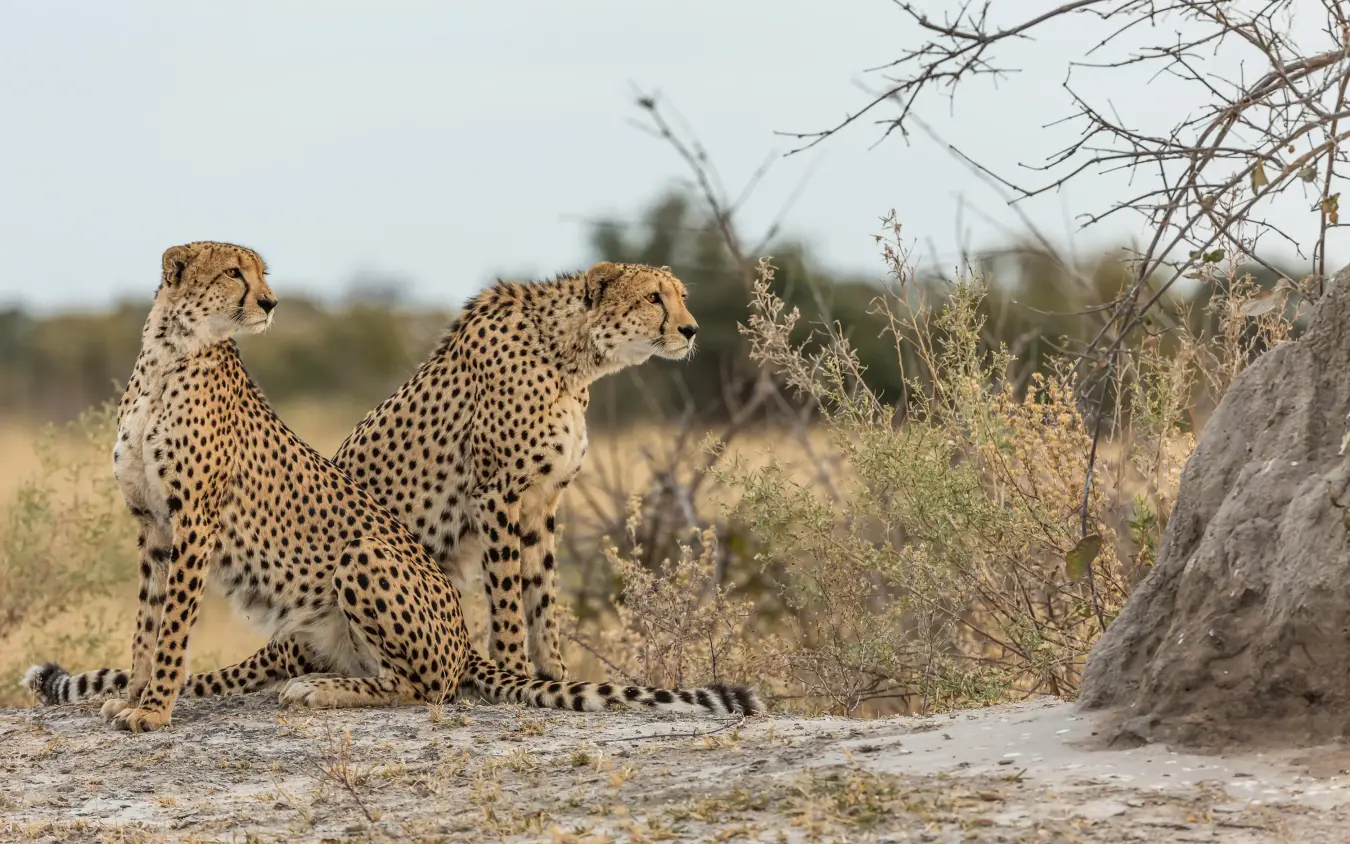
The Kalahari’s black-maned lions hold territory around the pan. After dark their roars carry across the plains, audible from the raised chalets and the central fire. This is a resident pride, not an occasional sighting. Long after night has fallen over the dune, that sound marks the camp, a low reminder of who else lives on this ground.

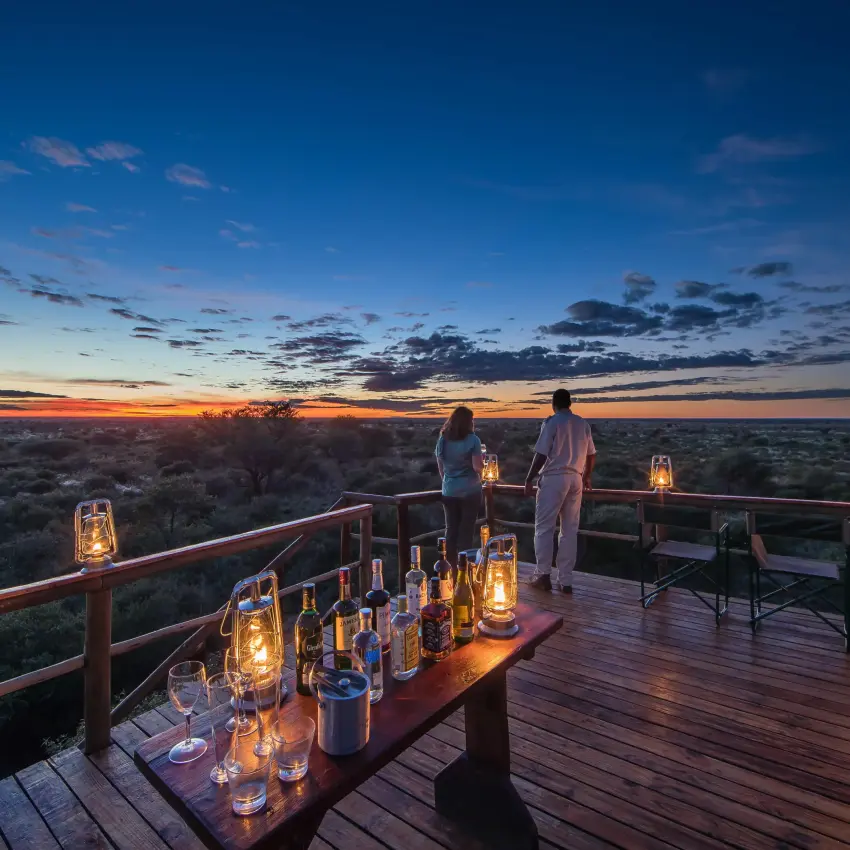
Outdoor bedroom deck with savanna landscape views, Tau Pan Camp, Central Kalahari, Botswana
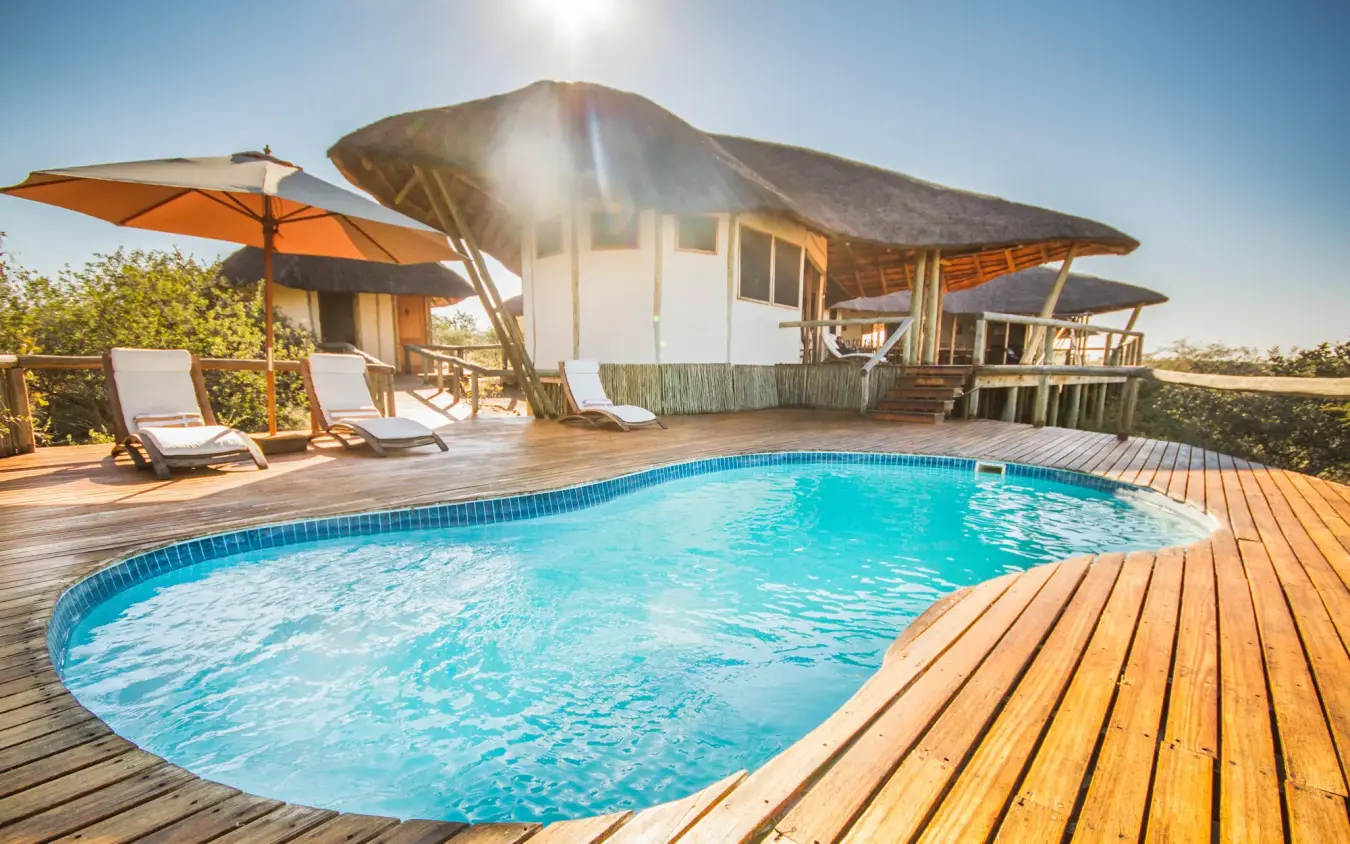
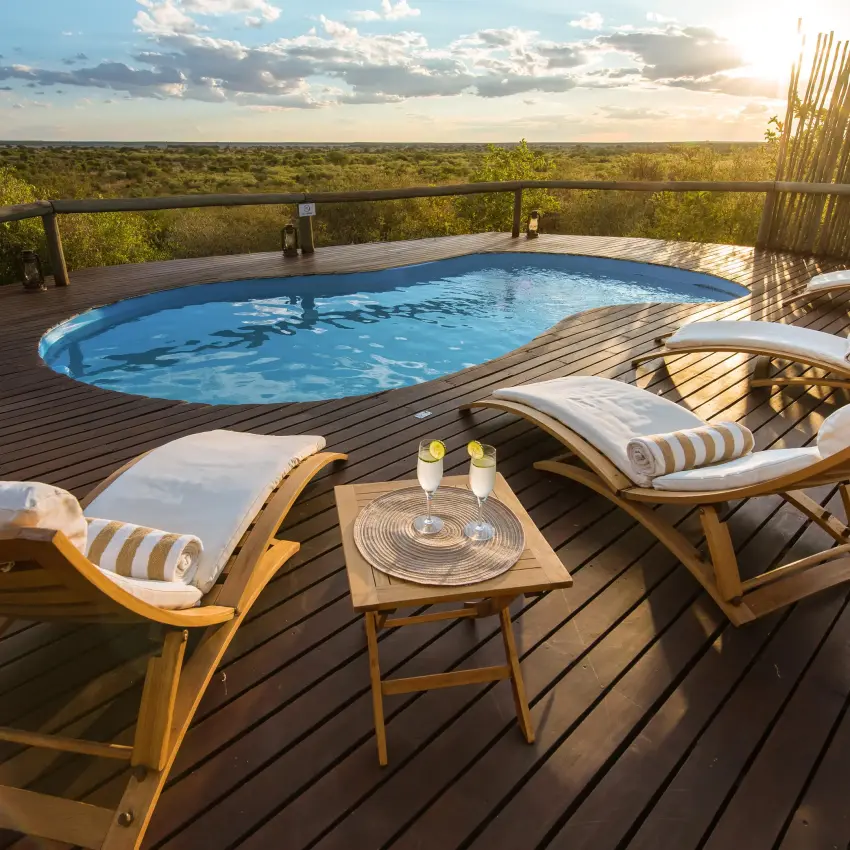
Pool deck with loungers overlooking African savanna landscape, Tau Pan Camp, Central Kalahari, Botswana

Elevation is rare in this part of Botswana, and the ridge gives Tau Pan a horizon that never breaks. Weather systems, moving herds and patrolling predators all play out across the open ground without your ever leaving camp. Gemsbok and springbok graze the pan below. Wildebeest gather after rain, while brown hyena and jackal work the edges of the light at dawn and at dusk.

Between December and May the pans flush green and draw large herds

The Central Kalahari takes enough summer rain that this is not true desert. Between December and May the pans flush green and draw large herds, and the predators that follow them. Then the long dry season turns that same ground to shimmering heat and space, and the waterhole below the ridge becomes the one thing holding the wildlife as the wider reserve empties out.

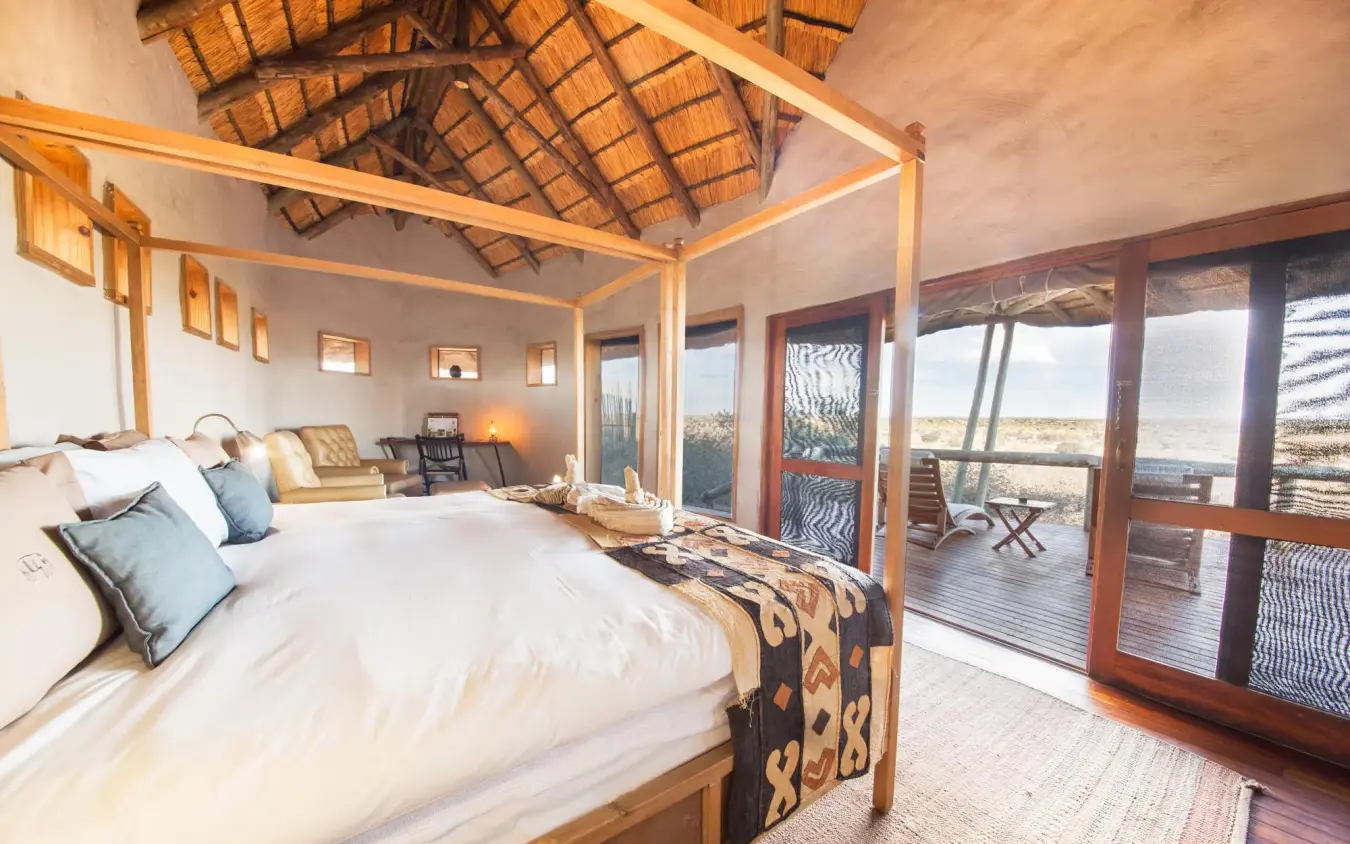
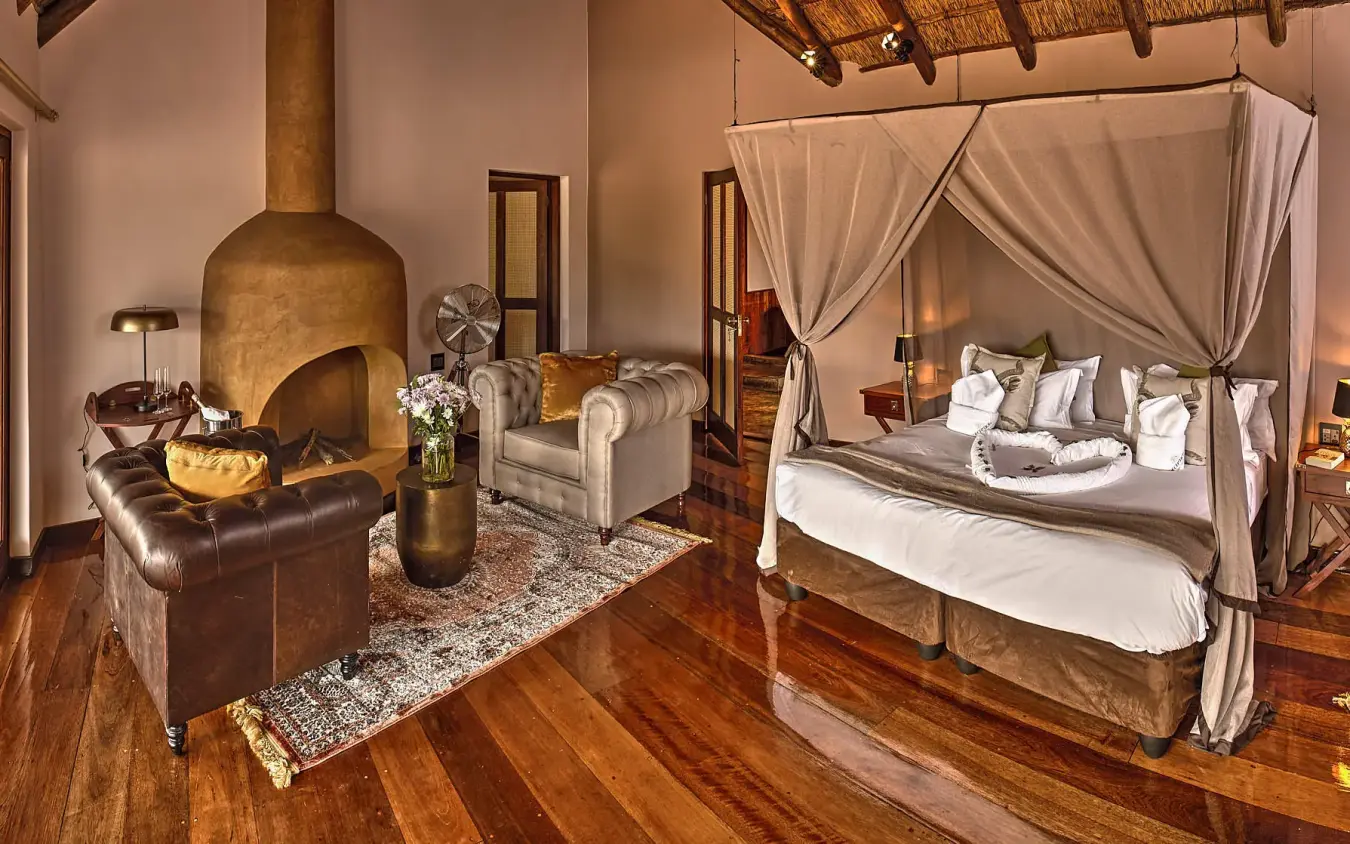
Spacious bedroom with wooden four-poster bed and seating area, Tau Pan Camp, Central Kalahari, Botswana 01

accommodation

Nine Chalets Along Tau Pan Ridge

Nine chalets, eight standard and one family unit. Each is thatched and raised on a timber deck along the dune ridge, with a king or twin beds, a sitting area, a writing desk, a double-basin bathroom and both indoor and outdoor showers. Private decks face Tau Pan and the waterhole below.

Safari vehicle on game drive through sparse savanna woodland, Tau Pan Camp, Central Kalahari, Botswana 02

activities

Game Drives and San Tracker Walks

Morning and afternoon game drives in open 4x4s with a guide and tracker, on designated reserve roads only. Off-road and night driving are not permitted inside the national park. Full-day trips reach Deception Valley and other distant pans. Guided walks with San trackers, stargazing by telescope, and a sleep-out deck.

Safari guides conducting wildlife education briefing in bush, Tau Pan Camp, Central Kalahari, Botswana 03

conservation

Solar Power and Charitable Contributions

The camp runs entirely on solar power for electricity, water heating and pumping, with wastewater treated and returned to the sands. Guests can contribute to the Lady Khama Charitable Trust, with contributions matched, and to Mummy's Angels, which supports mothers and newborns in Maun. Staff are drawn largely from Botswana.
ready to get started?

Get in touch and let’s start the conversation. An initial consultation helps us understand what you’re looking for, whether that’s specific experiences, luxury touches, or marking a special occasion, and from there we’ll guide you through what’s possible so you can decide if we’re the right fit.

frequently asked questions

By light aircraft from Maun, about 50 minutes to the airstrip deep inside the Central Kalahari Game Reserve, then a short drive up onto the dune ridge the camp stands on. This is one of Botswana's least-visited reserves, and the fly-in is the only practical way in for most guests.

Charters are shared and set the day before, and luggage is limited to soft bags of around 20kg. If you would prefer to fly on your own schedule, we can arrange a private charter, typically a Cessna Caravan or Pilatus PC-12, direct to the Tau Pan airstrip. We build the flight into your wider itinerary.

It is a low-risk malaria area. There is very little standing water in this dry, arid country for mosquitoes to breed in, so the risk stays low, at its lowest in the dry winter and rising only slightly when the summer rains reach the pans.

Guidance can change from year to year, so we suggest checking the current position with a travel clinic or your doctor before you travel, and taking the usual precautions against bites in the evening.

Unusually for Botswana, the green summer from December to March is the prime time here. The rains green the pans and fossil valleys and draw large herds of springbok, gemsbok, wildebeest and zebra, with the Kalahari's black-maned lions and cheetah in pursuit, and the December calving brings young animals onto the plains.

The dry winter is cold and quieter, with game more scattered, and September and October are hot and dry. Tau Pan does hold a resident pride of black-maned lions around its waterhole through the year, so there is always something to see, but the summer is when the reserve comes alive.

The desert swings hard between night and day. Winter dawns from June to August can be at or below freezing, so pack thermals, a fleece, a windproof jacket, a hat and gloves for the early drives; by afternoon it is pleasant in the mid-twenties. The green summer, the prime season, is hot, often in the high thirties, with storms.

Light, breathable clothing and strong sun protection are essential in summer, warm layers in winter, and neutral colours throughout. The ridge is open and can be breezy, so a windproof top earns its place in any season.

It can be. Tau Pan welcomes children from age six and has a family unit, though children between six and eleven are usually asked to travel on a private vehicle, which we can arrange. Being remote and quiet, it suits children who take to open space and the slower rhythm of the desert.

Tell us the children's ages when you plan the trip and we will confirm the current policy and set up a private vehicle or guide where it is needed.

There is no guest wifi, by design, and no mobile phone signal in this remote part of the reserve. The camp keeps a computer on a slow satellite link in the main area and a satellite phone for emergencies, but connectivity is intentionally minimal.

Most guests find the disconnection is a large part of the appeal here, under some of the darkest skies in Botswana. Anything urgent can still reach you through the camp.

rated five stars by our clients

other areas in botswana

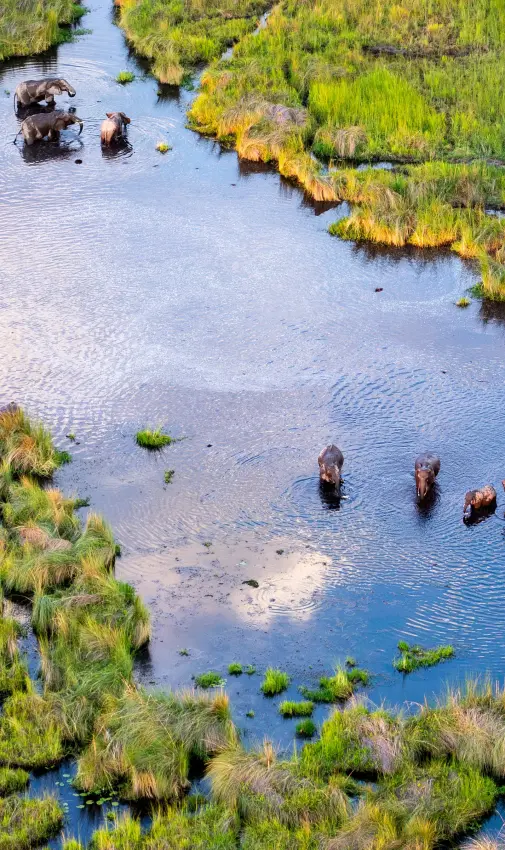
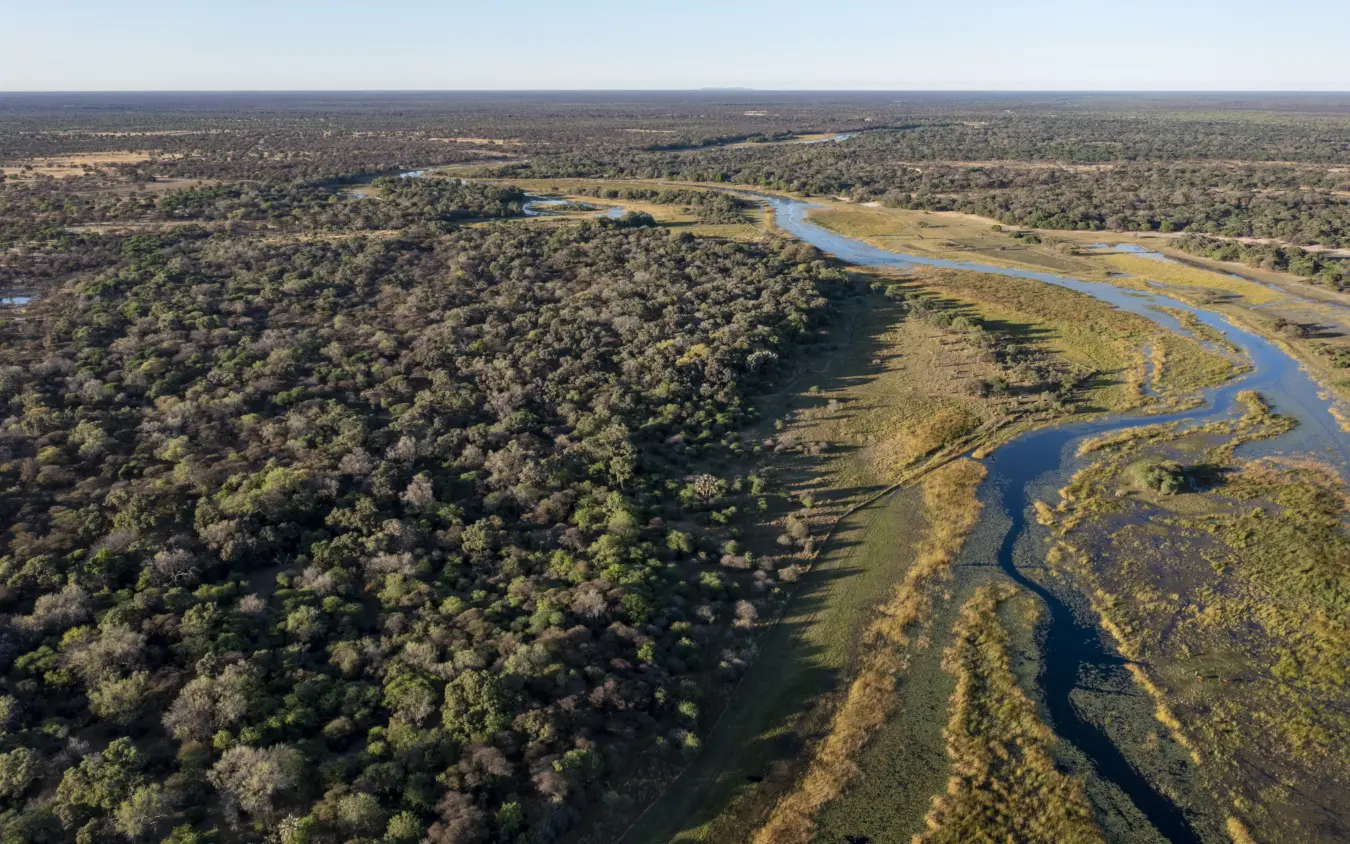
Aerial view of elephants wading in shallow water surrounded by vegetation 01

The Okavango Delta

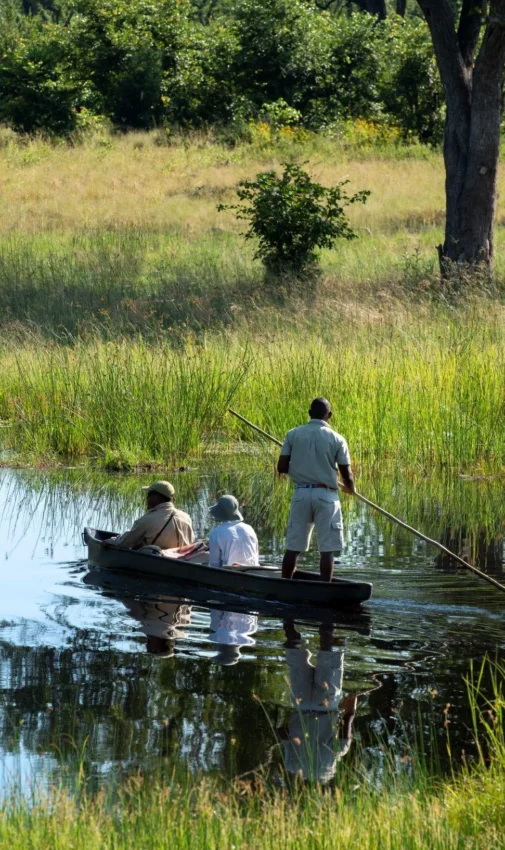
Guests poling traditional boat through wetland waterway, Linyanti Wildlife Reserve, Botswana 02

Linyanti Wildlife Reserve

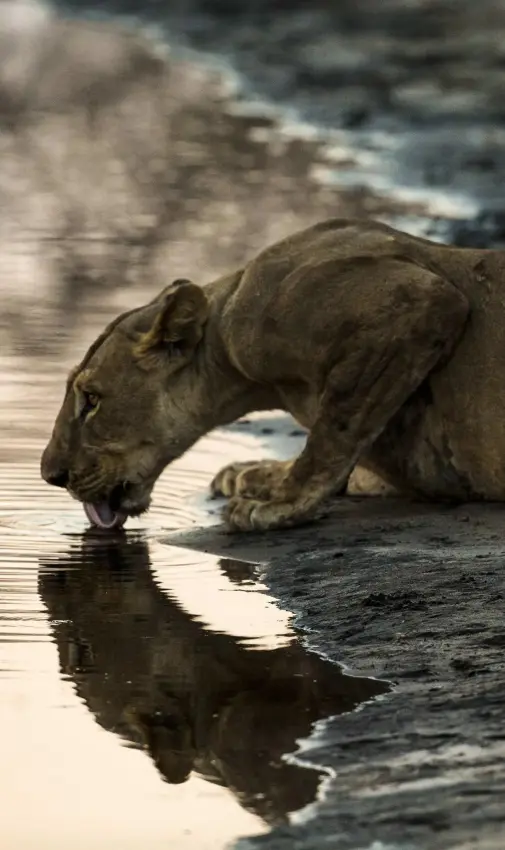
Lion drinking from water's edge at sunset, Selinda Reserve, Botswana 03

Selinda Reserve

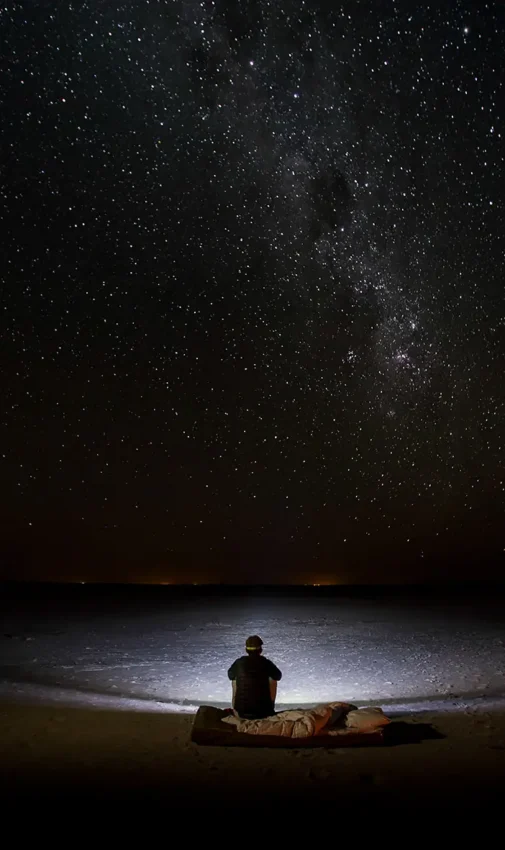
Person sitting alone under starry night sky, Makgadikgadi Pans, Botswana 04

Makgadikgadi Pans

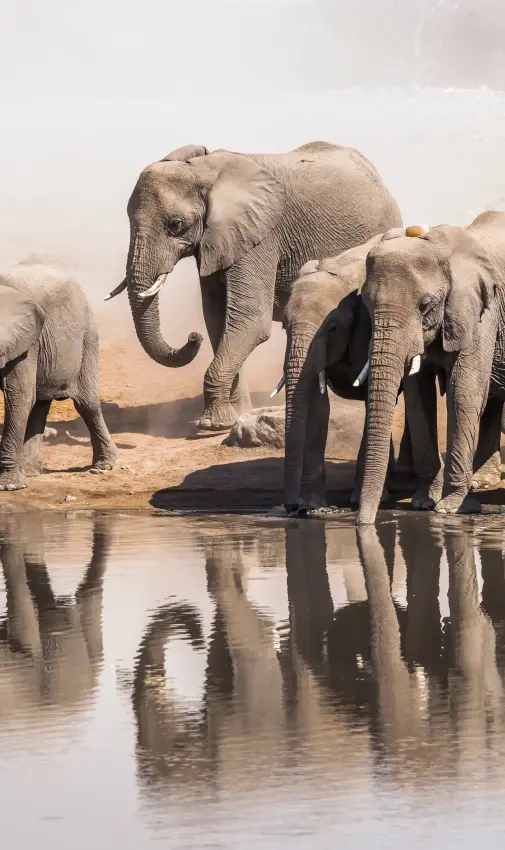
Herd of elephants drinking at waterhole with reflections 05

Chobe

Planning a journey together

our approach

remote, exclusive
& personal

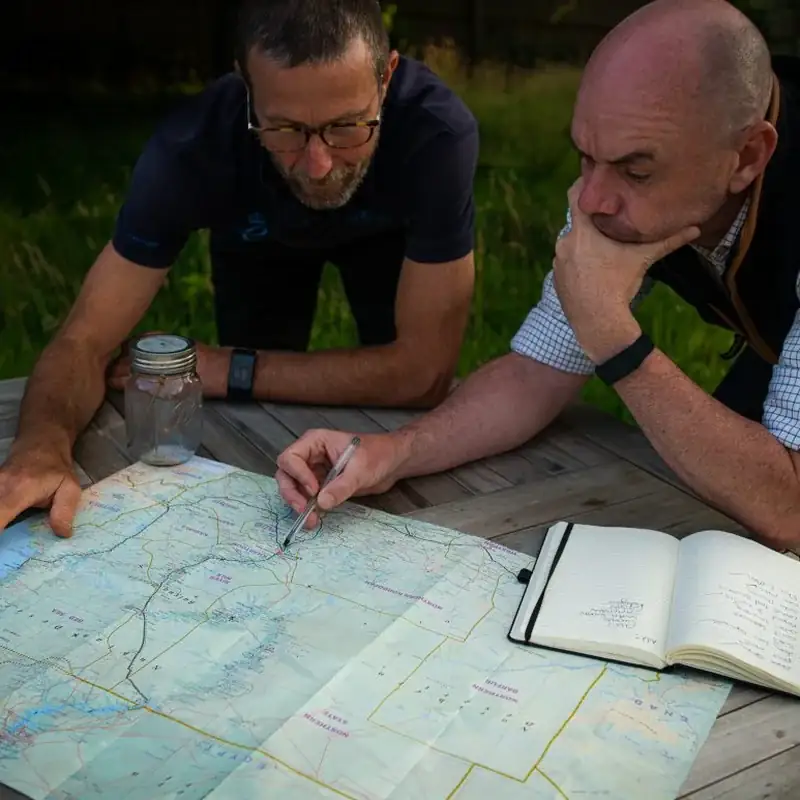
Every journey starts with a conversation. We take the time to understand your vision before we start planning.

Whether by phone or in person, we work with you directly to shape something that is considered, personal, and expertly delivered.

get in touch
destinations ideas & inspiration our process about us contact us