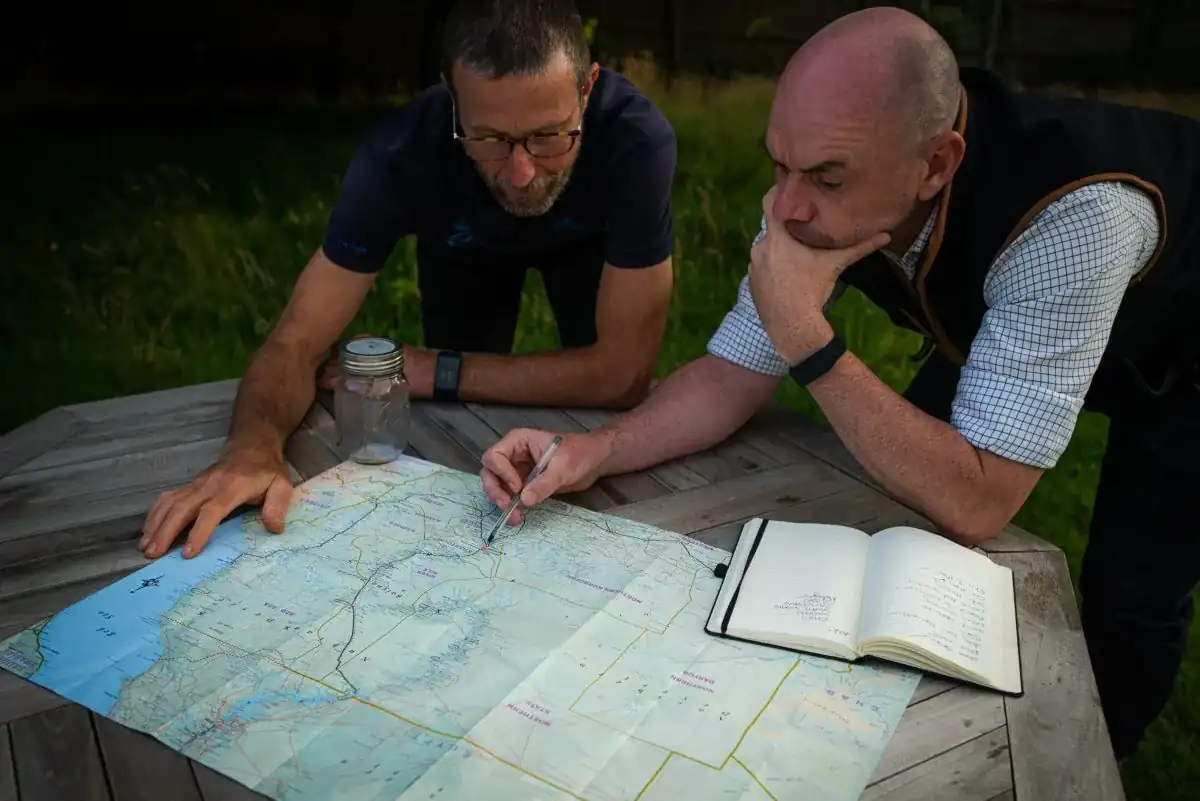
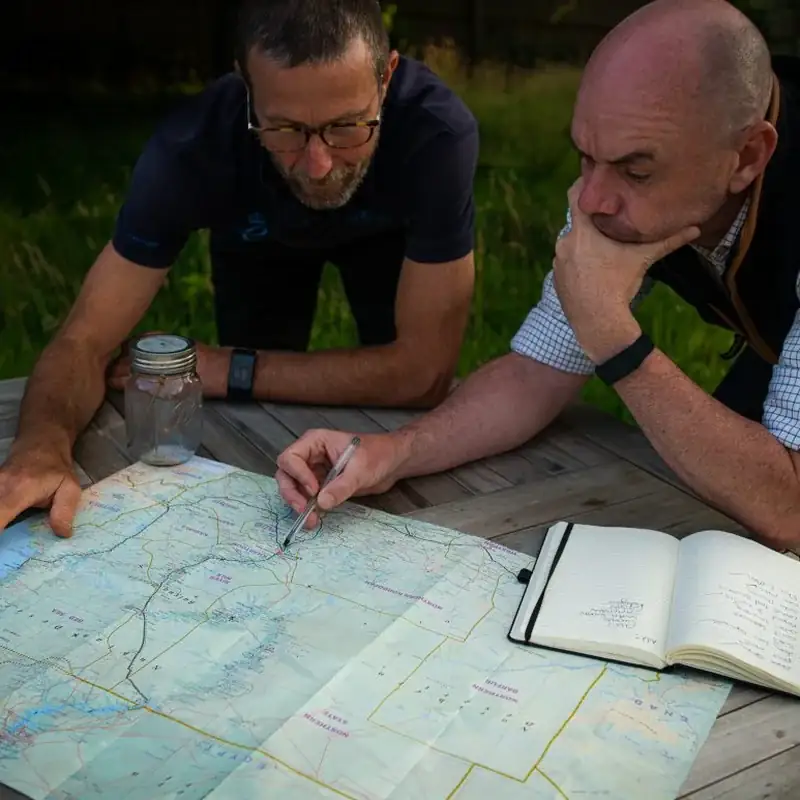
Bart Kramer, Berry Hooijer and Jamal Attari, three friends from the Netherlands, took over the lodge in 2017. Braam Badenhorst, who grew up here alongside the San and established the place, remains involved, encouraging the older trackers to pass their knowledge to the younger ones. The current owners are often on site and guide guests themselves, which gives the lodge the feel of a home run by people who know every corner of it, and who would rather show you the Kalahari than hand you over to it.
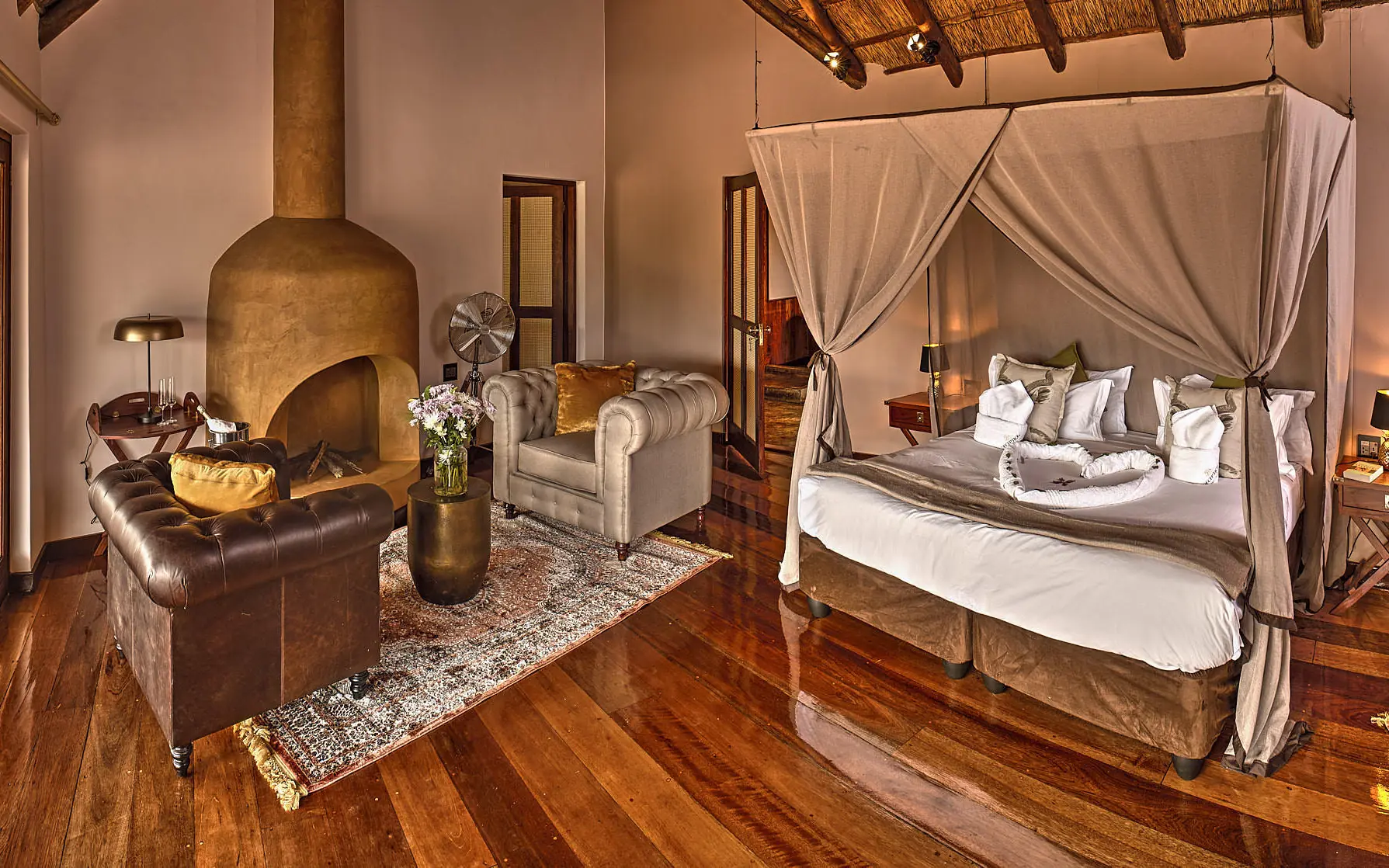
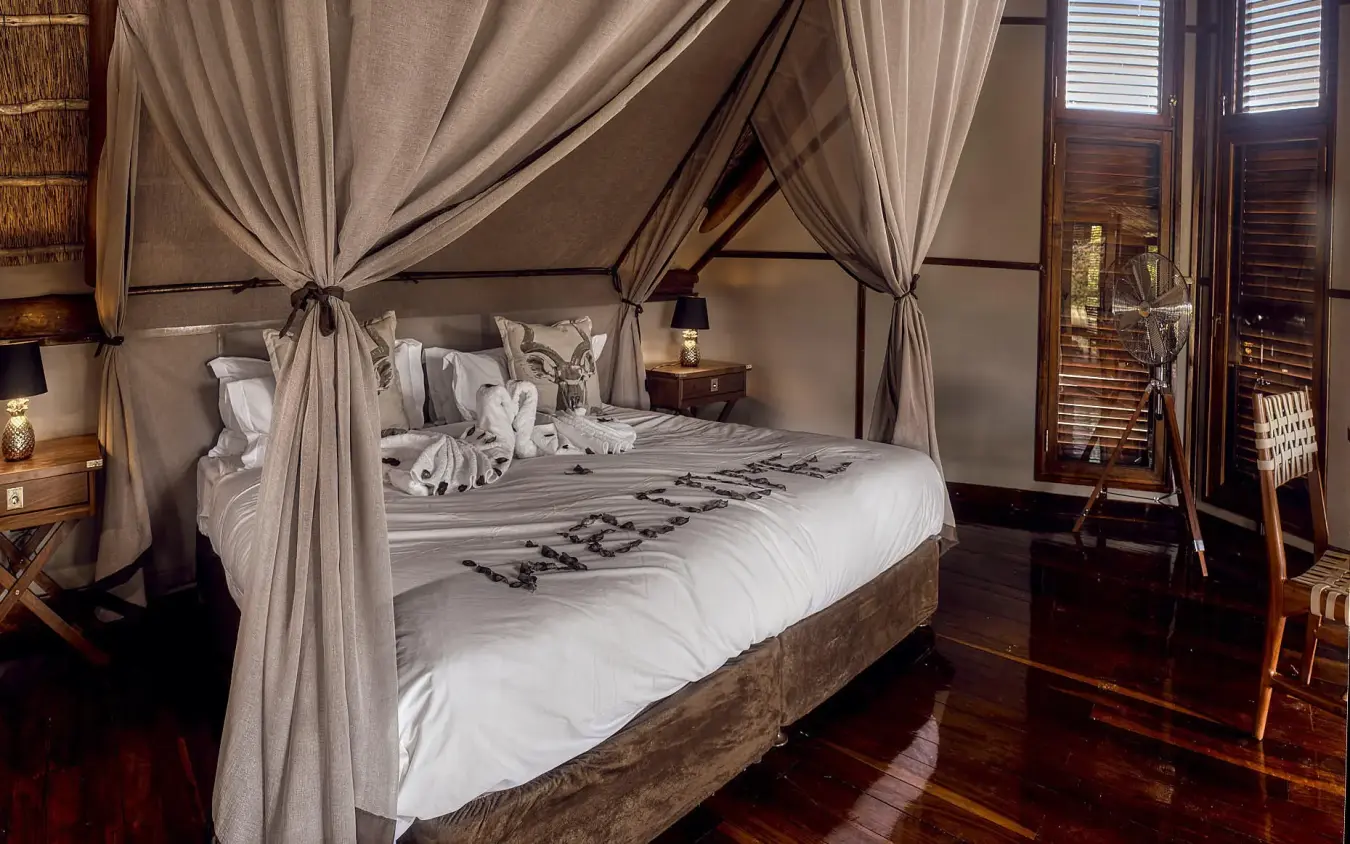
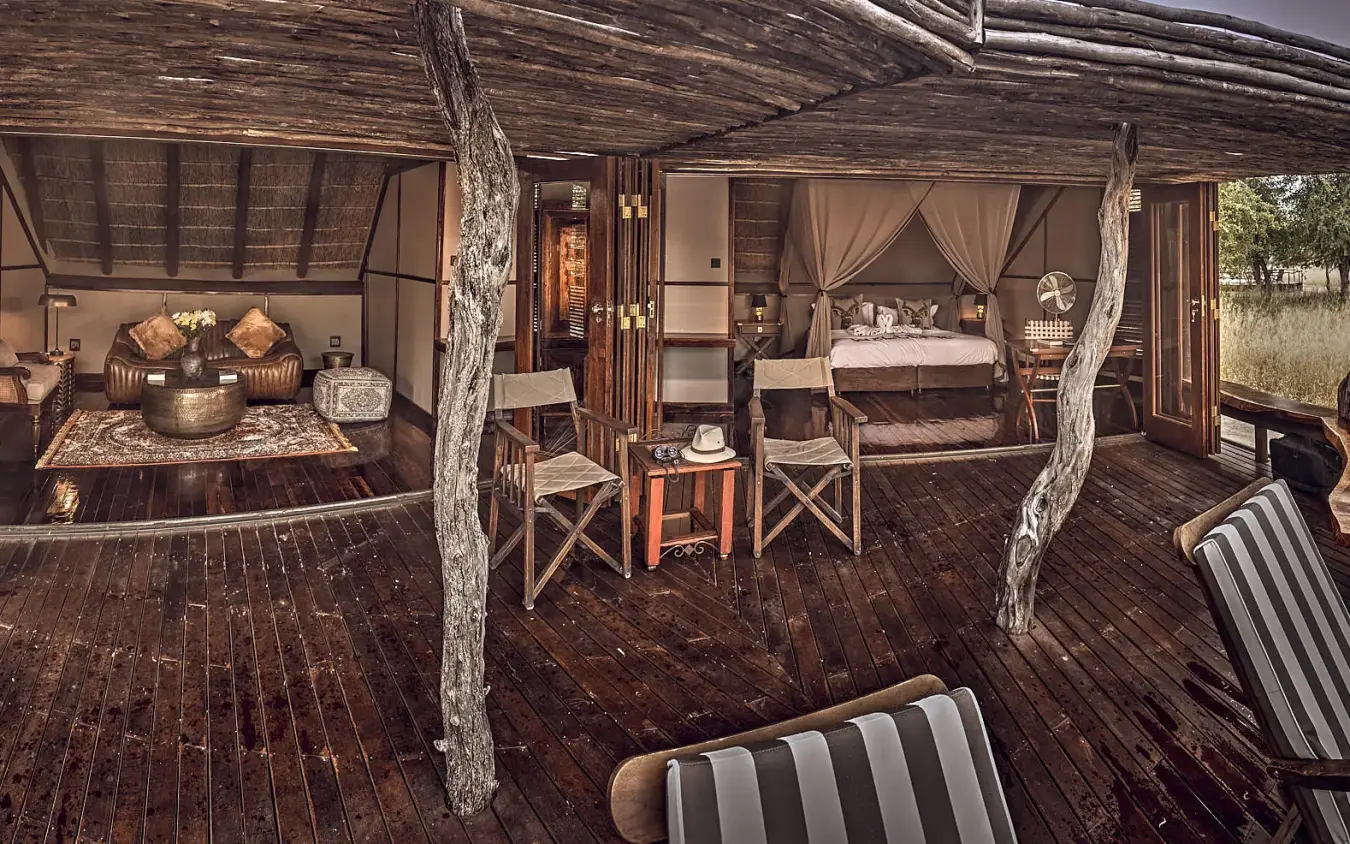
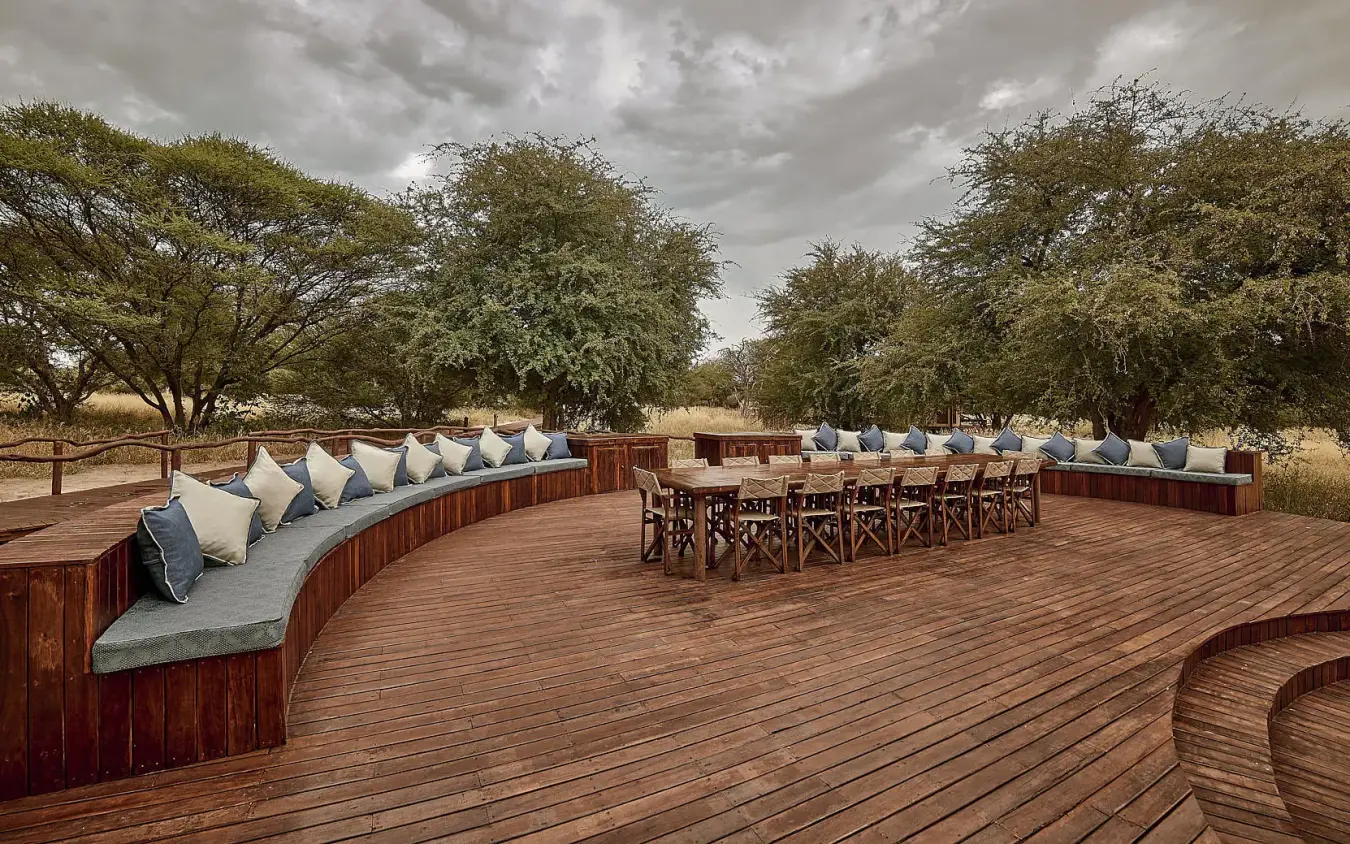
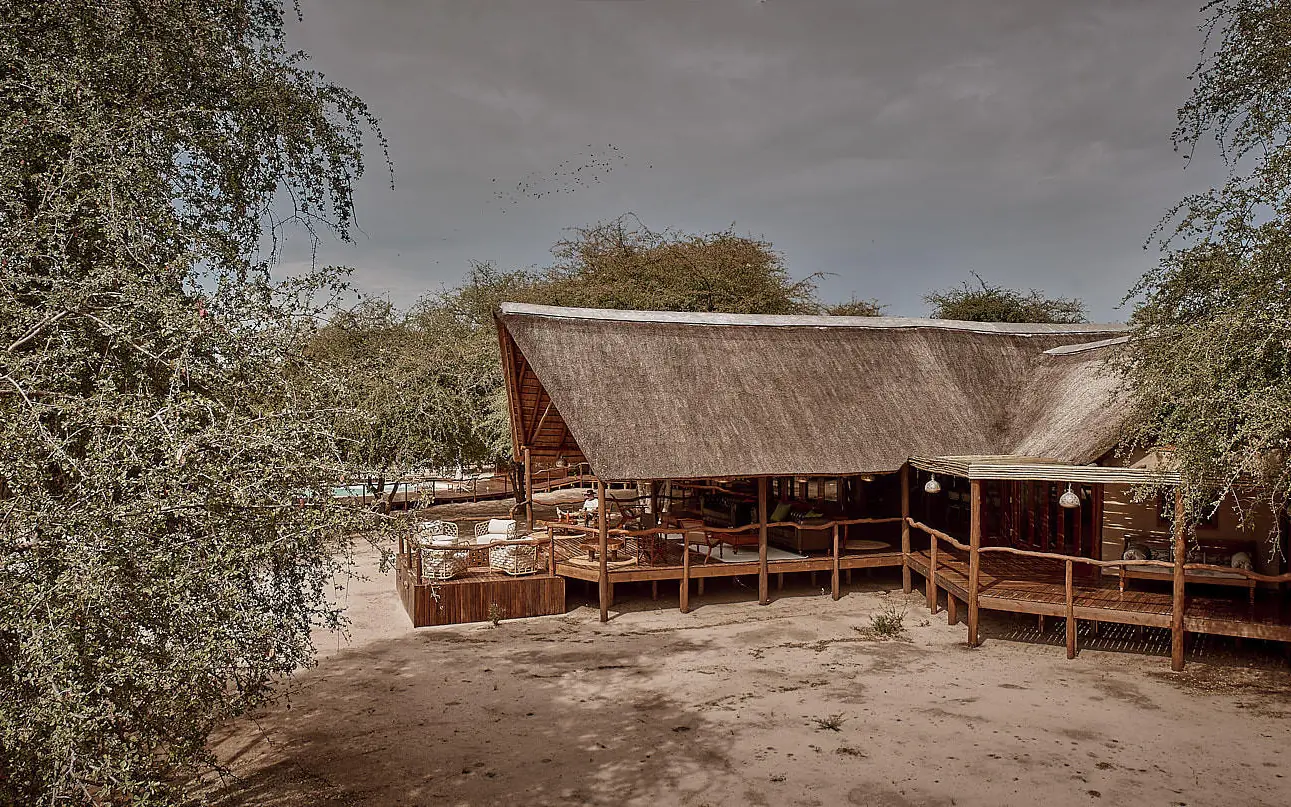
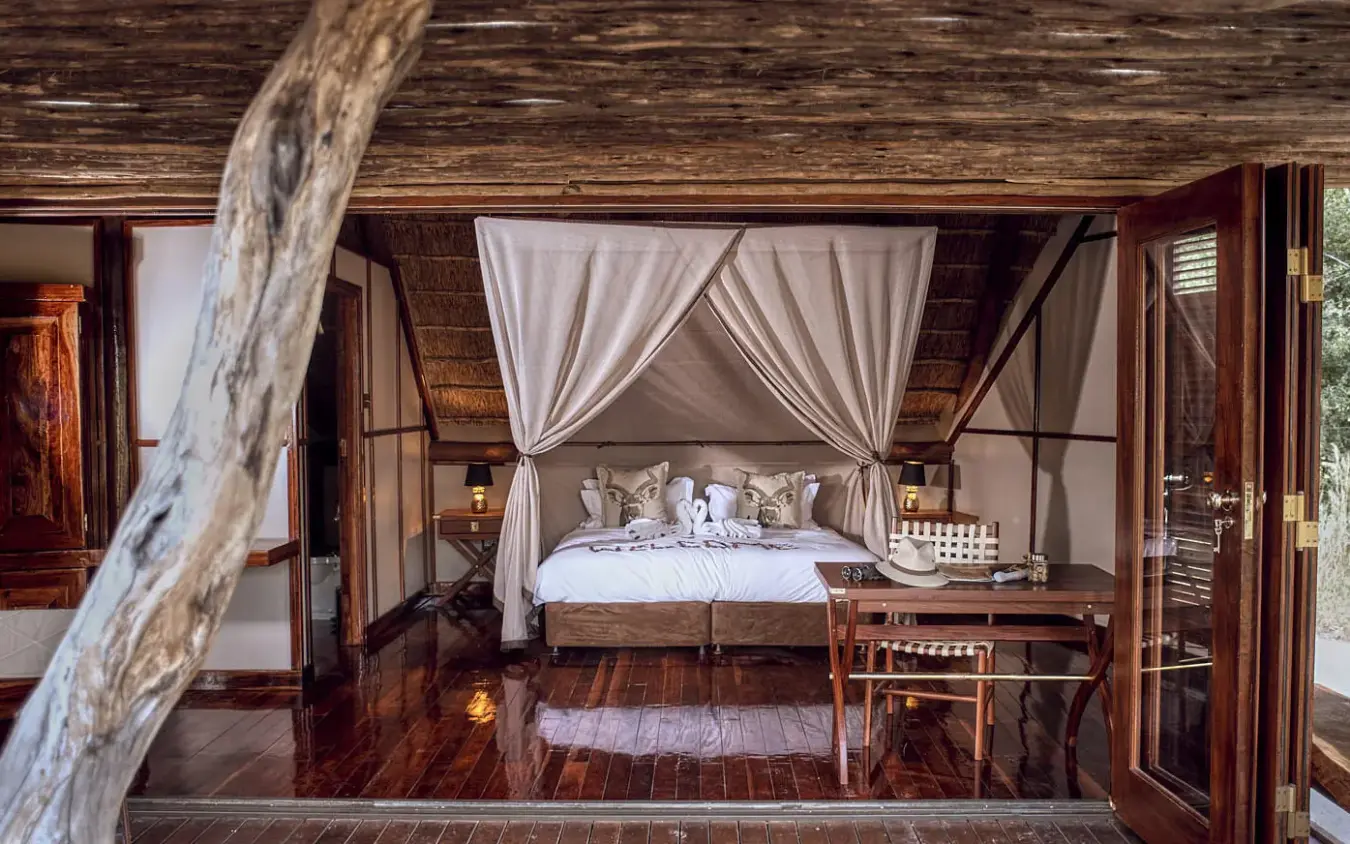
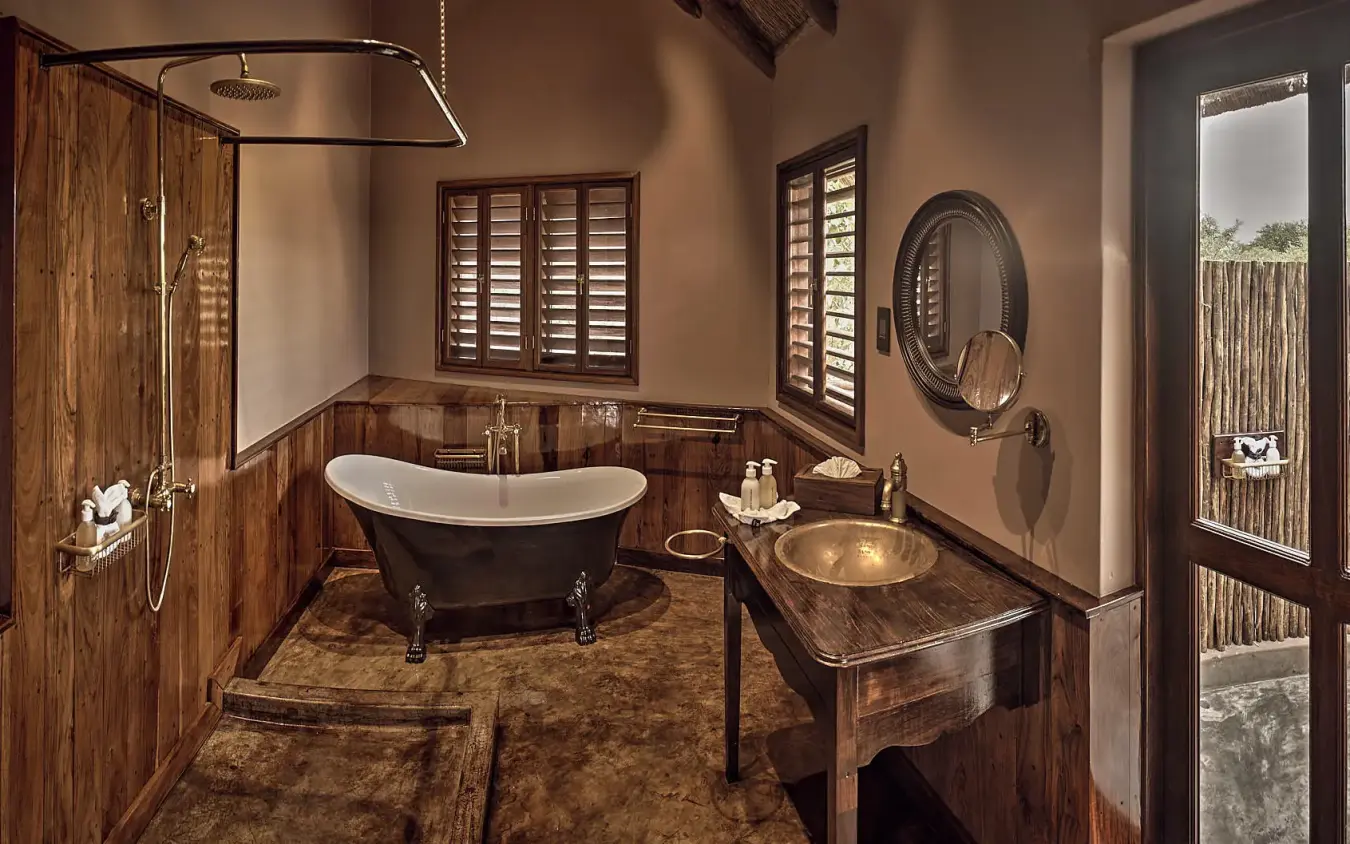
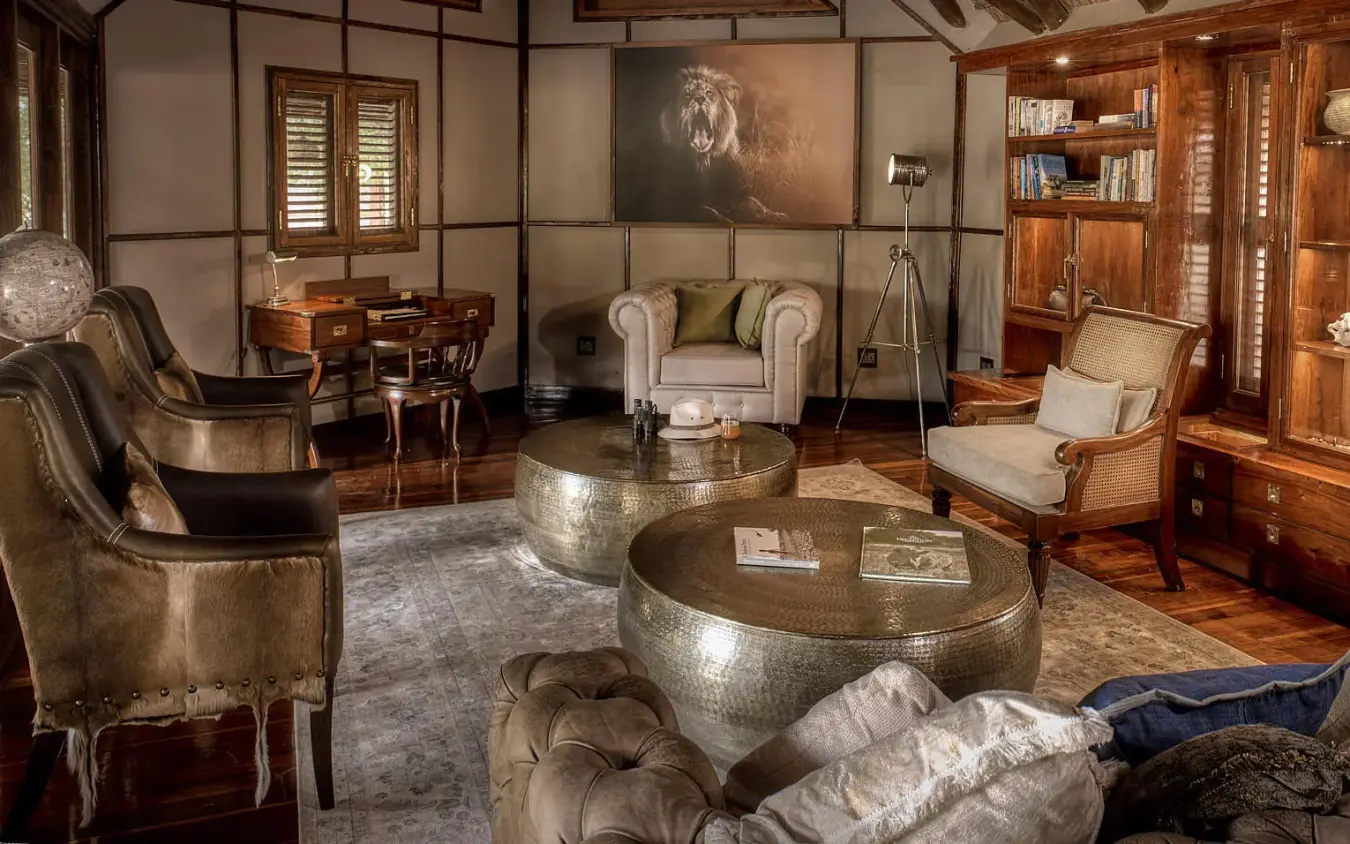
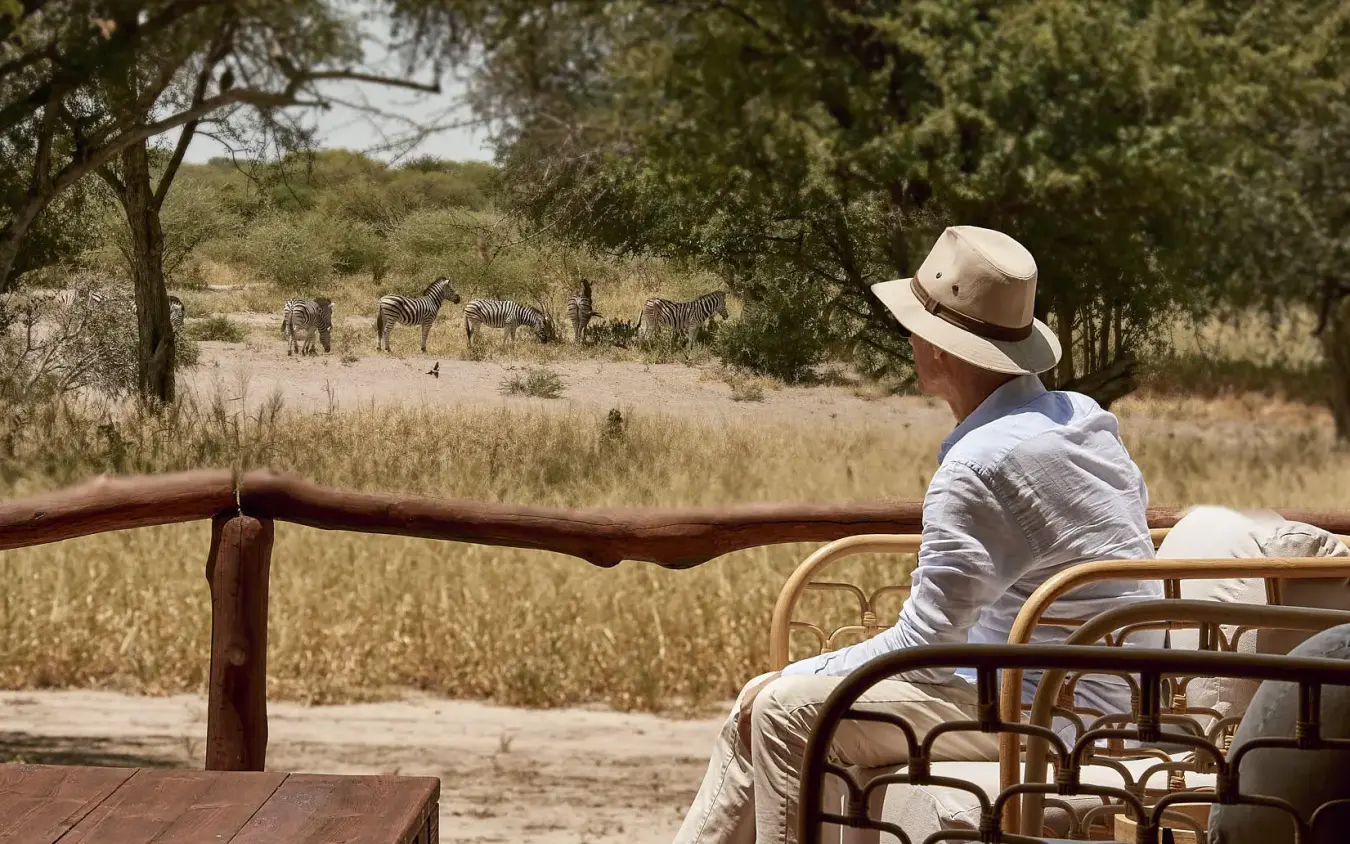
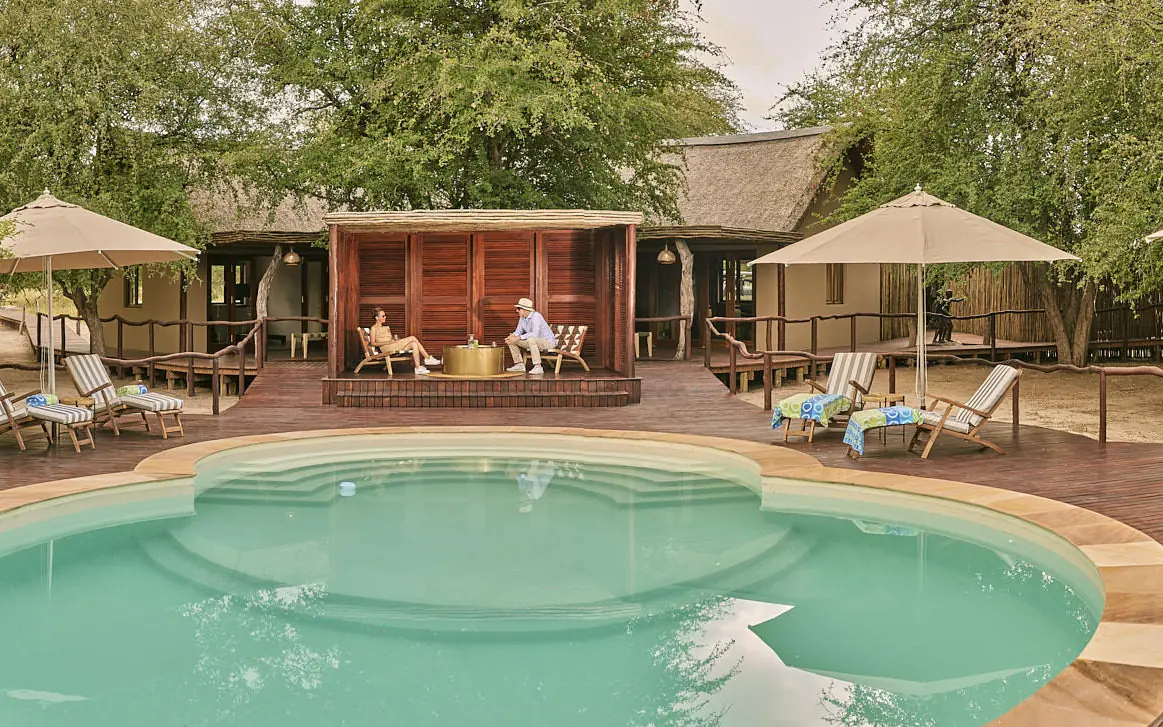
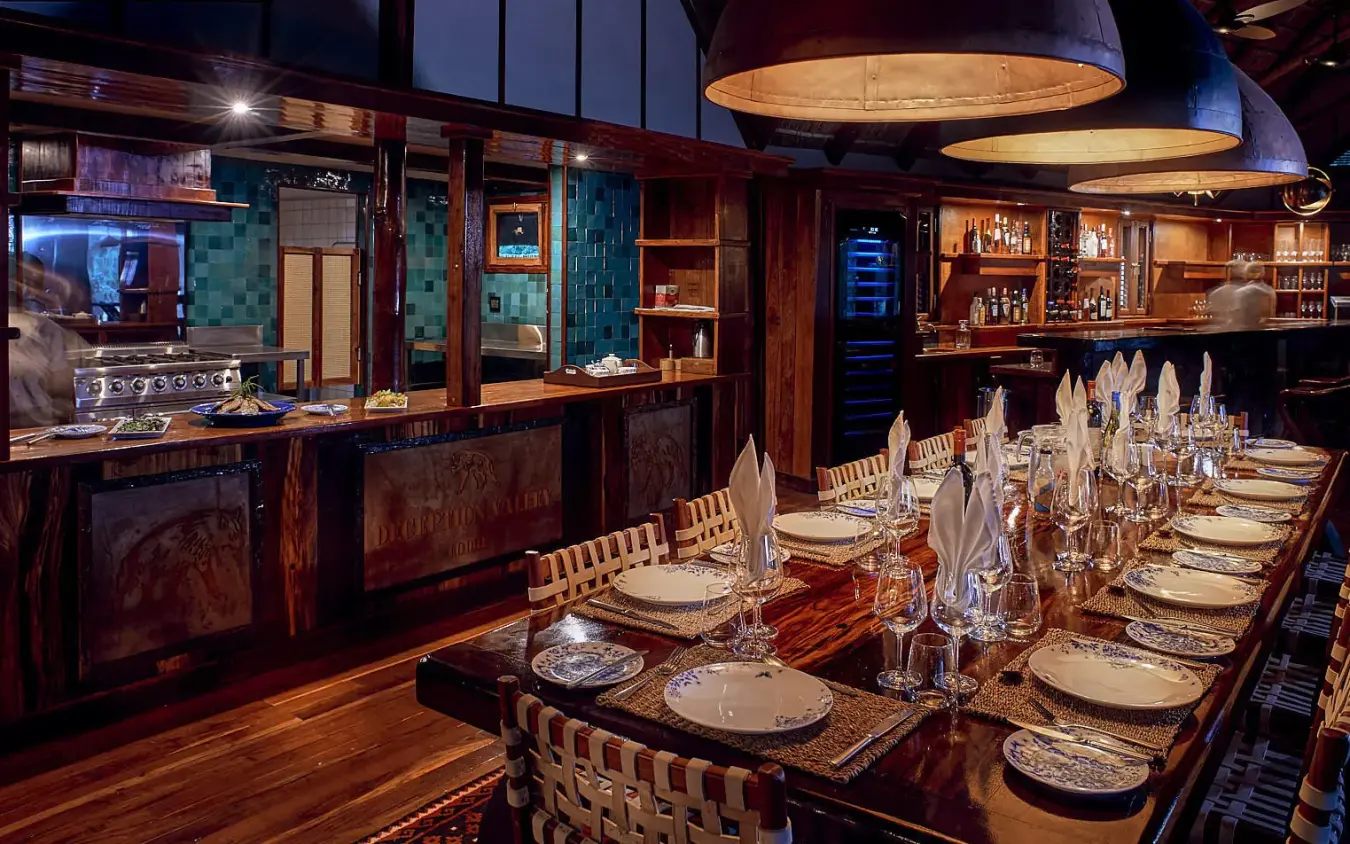
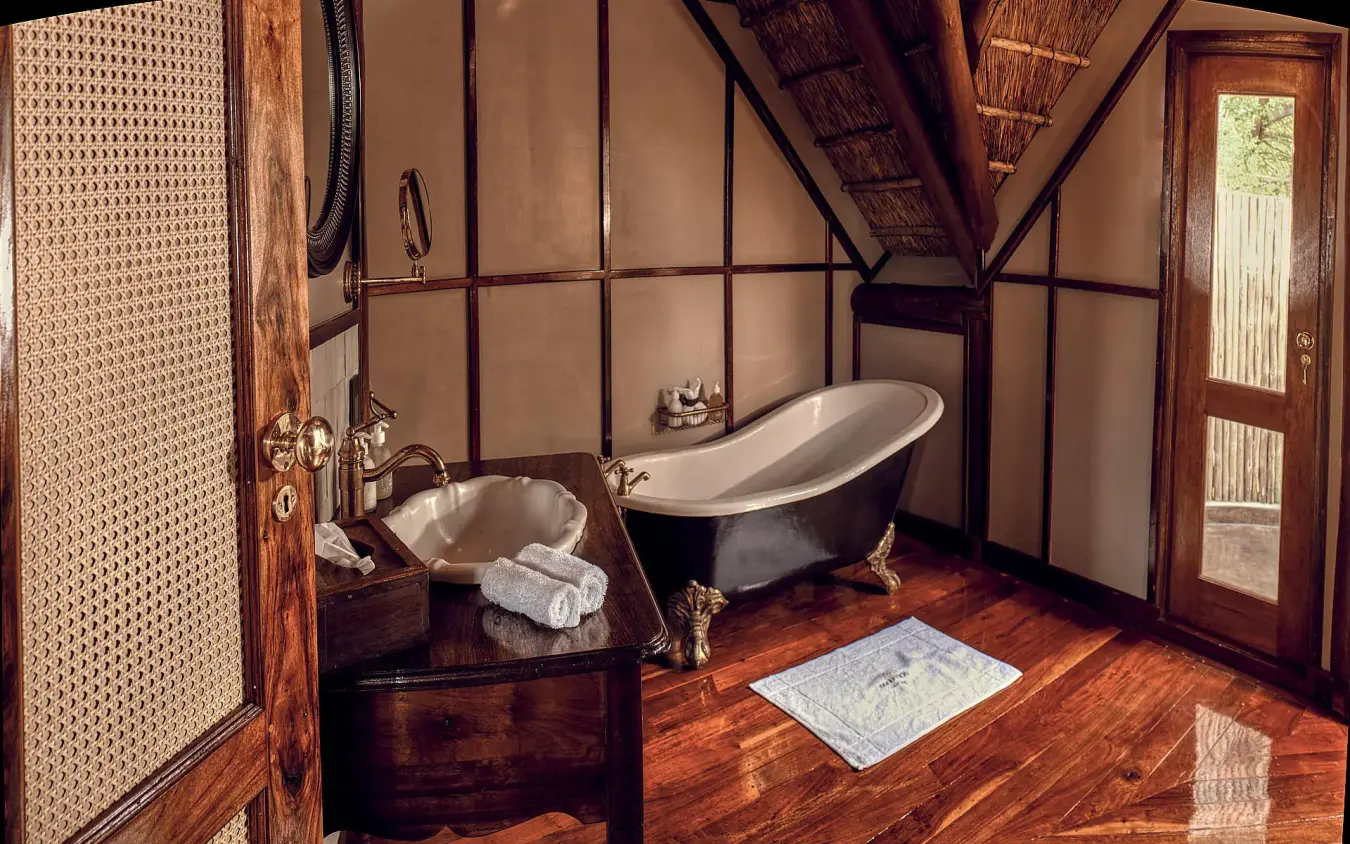
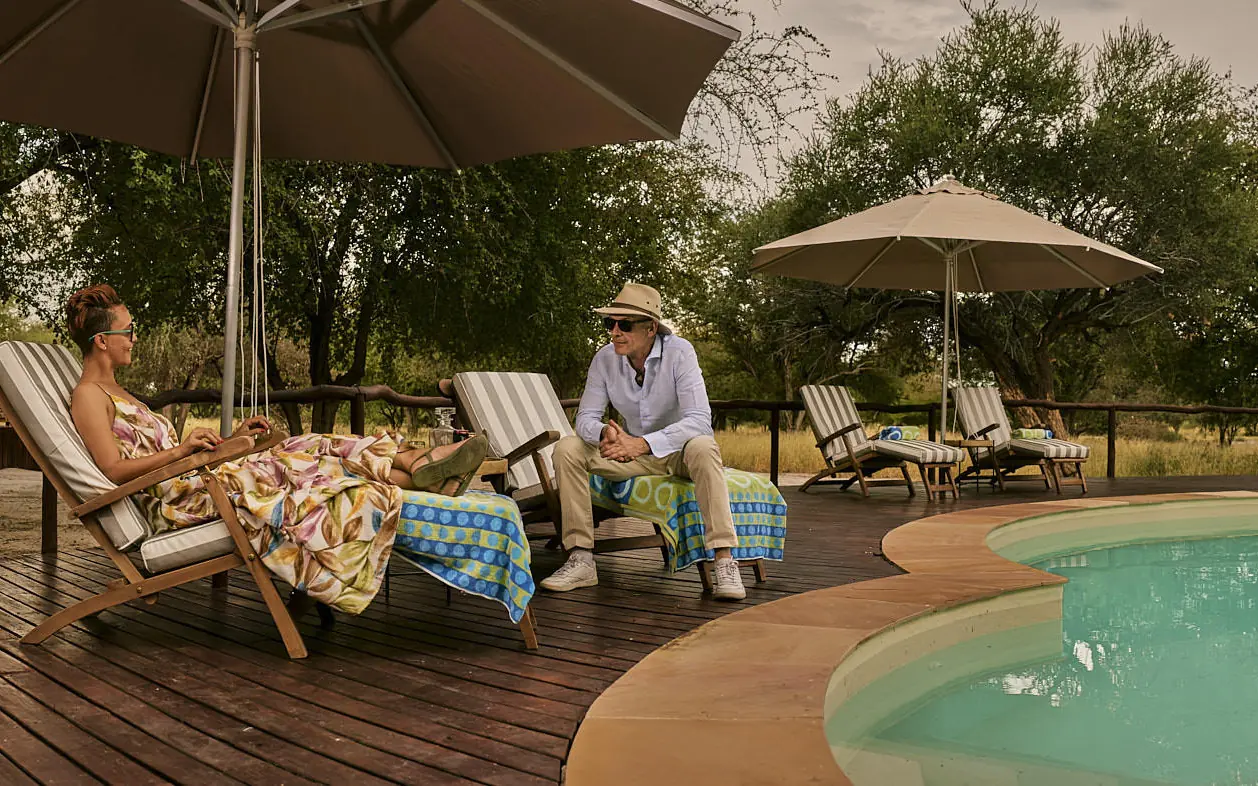
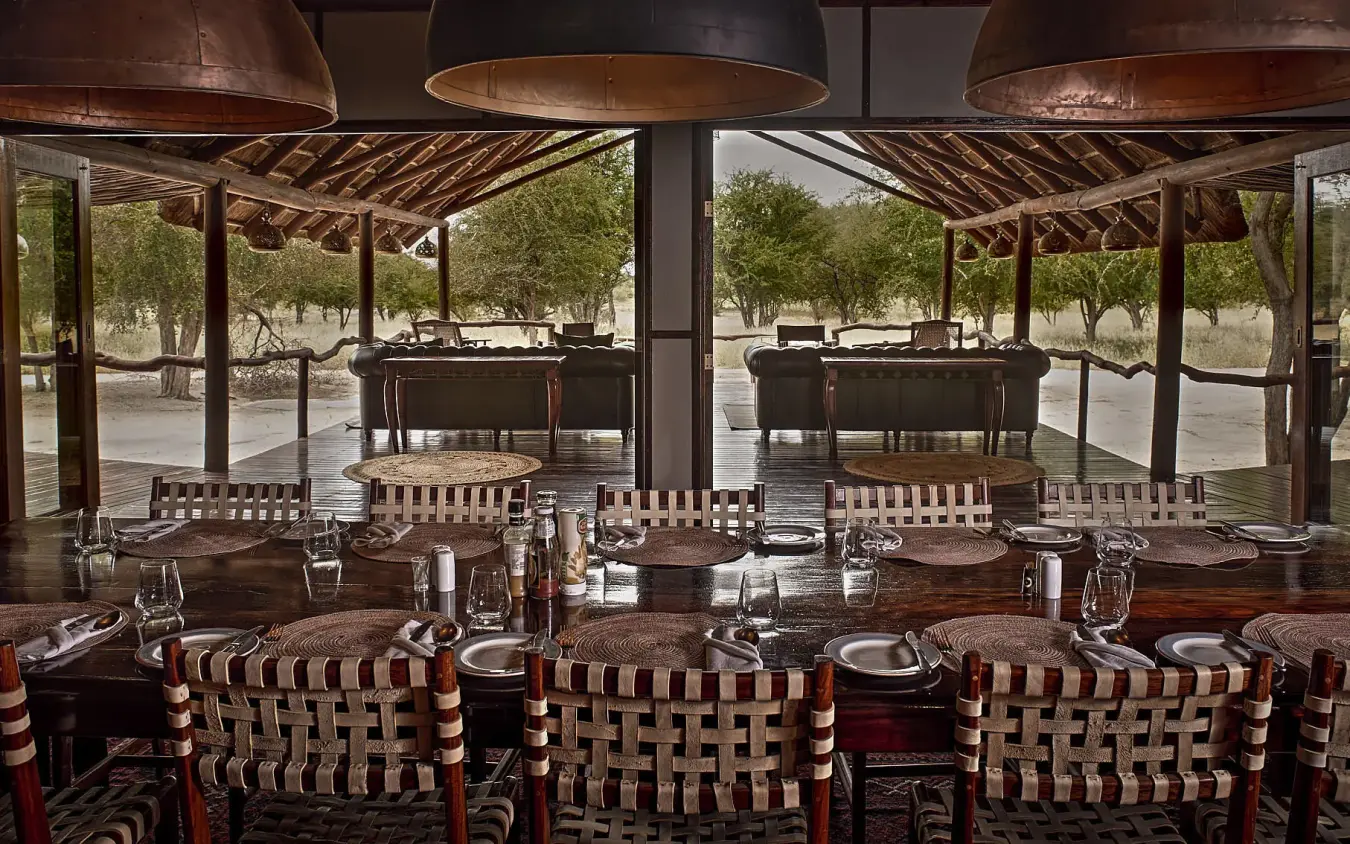
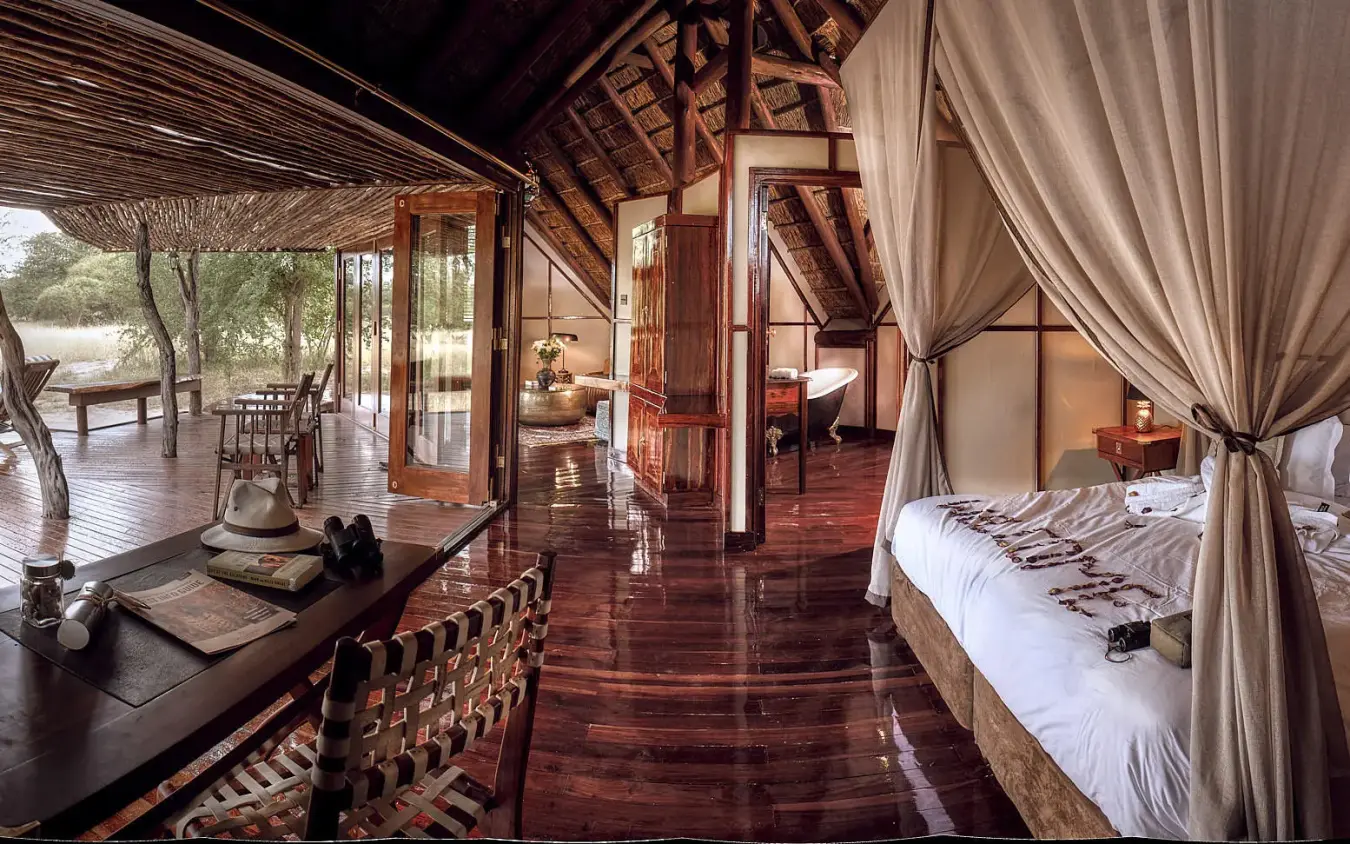
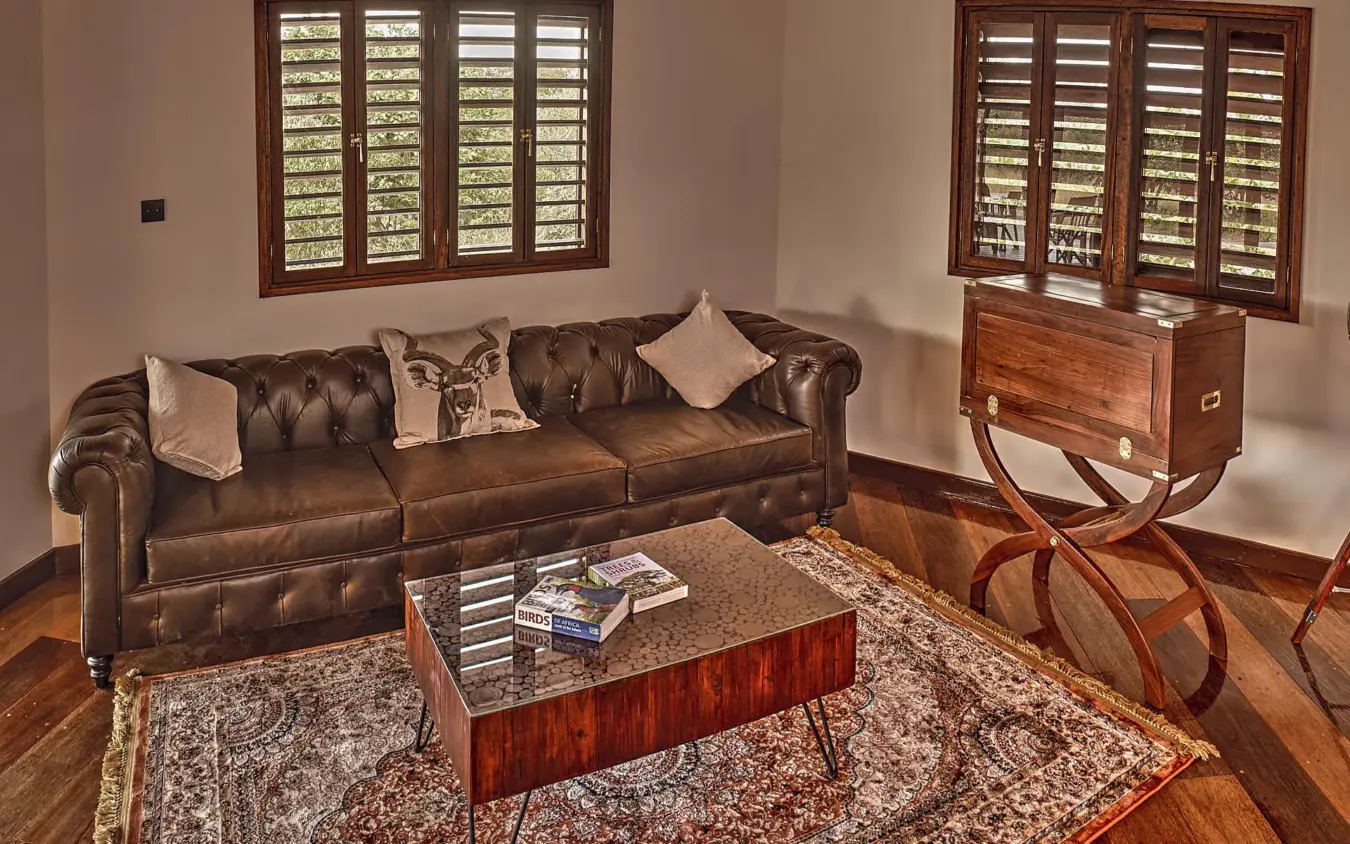
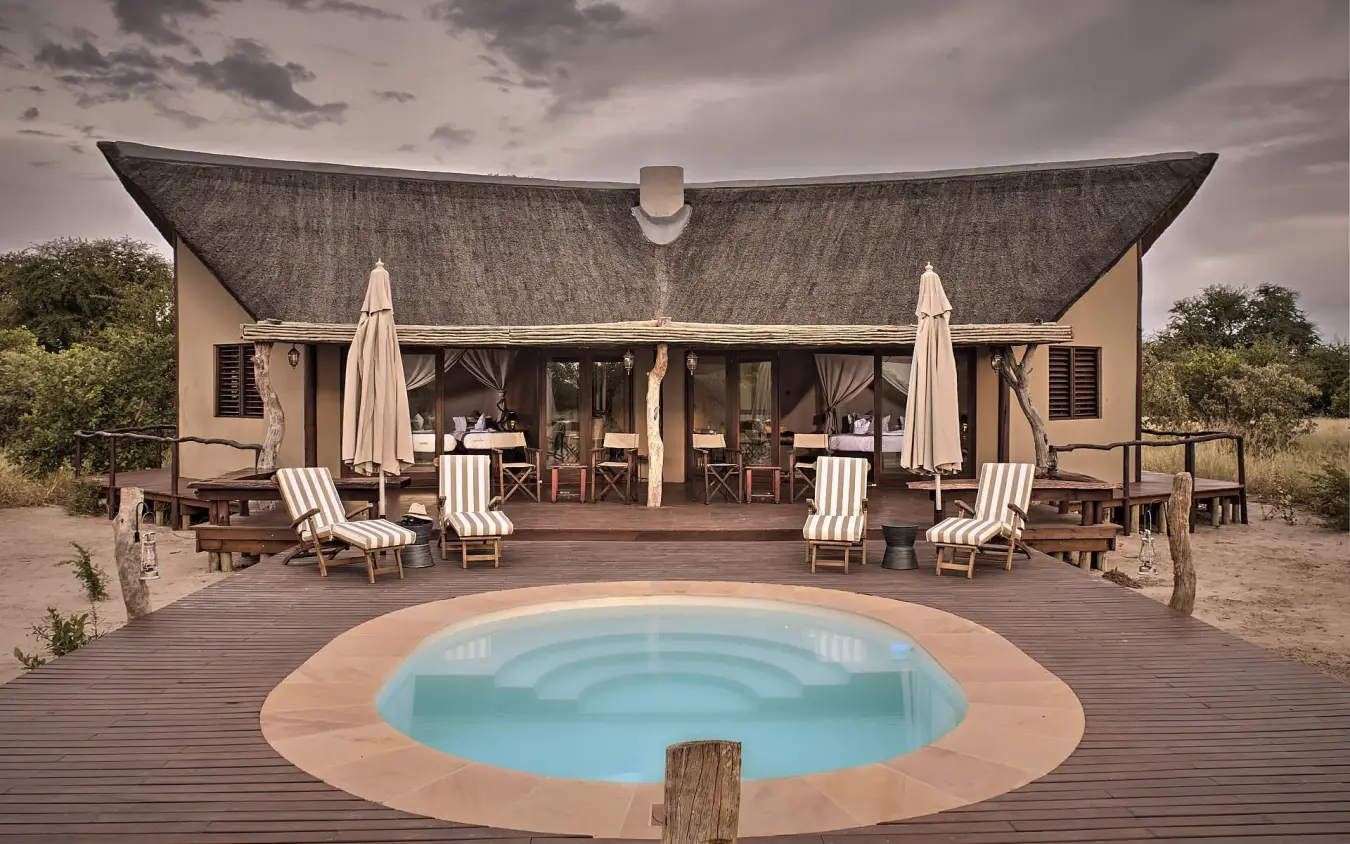
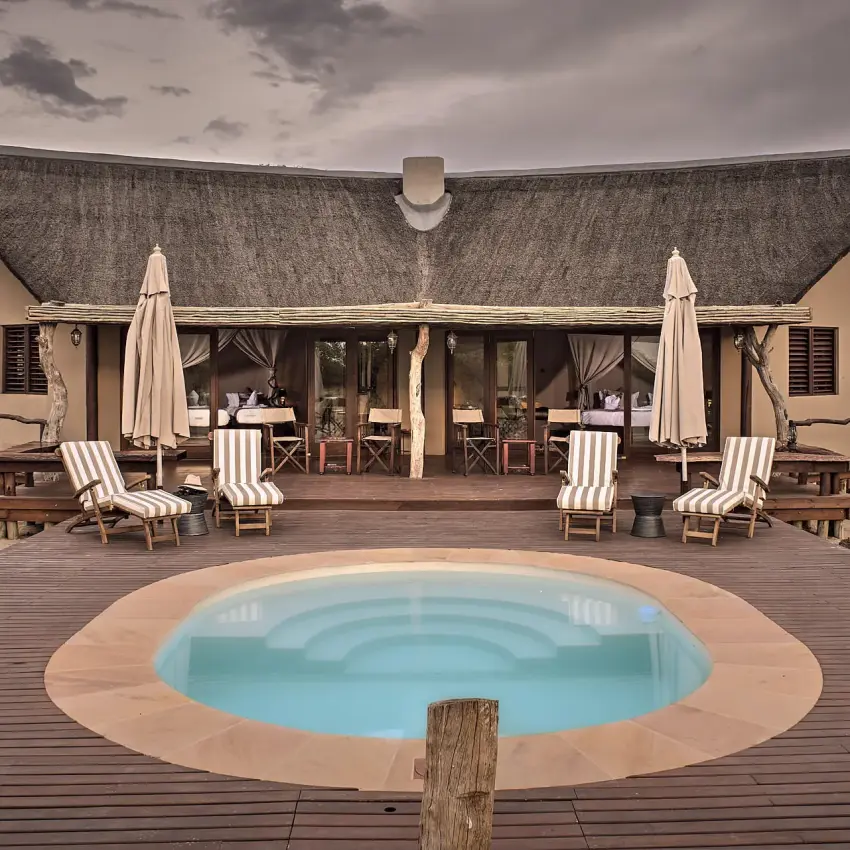
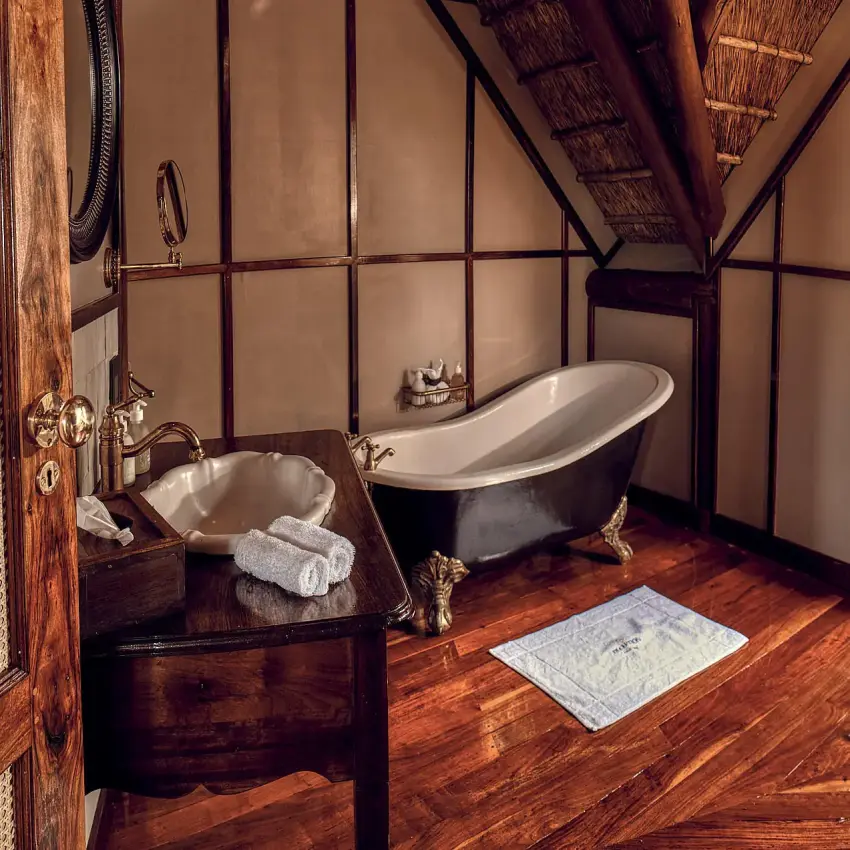
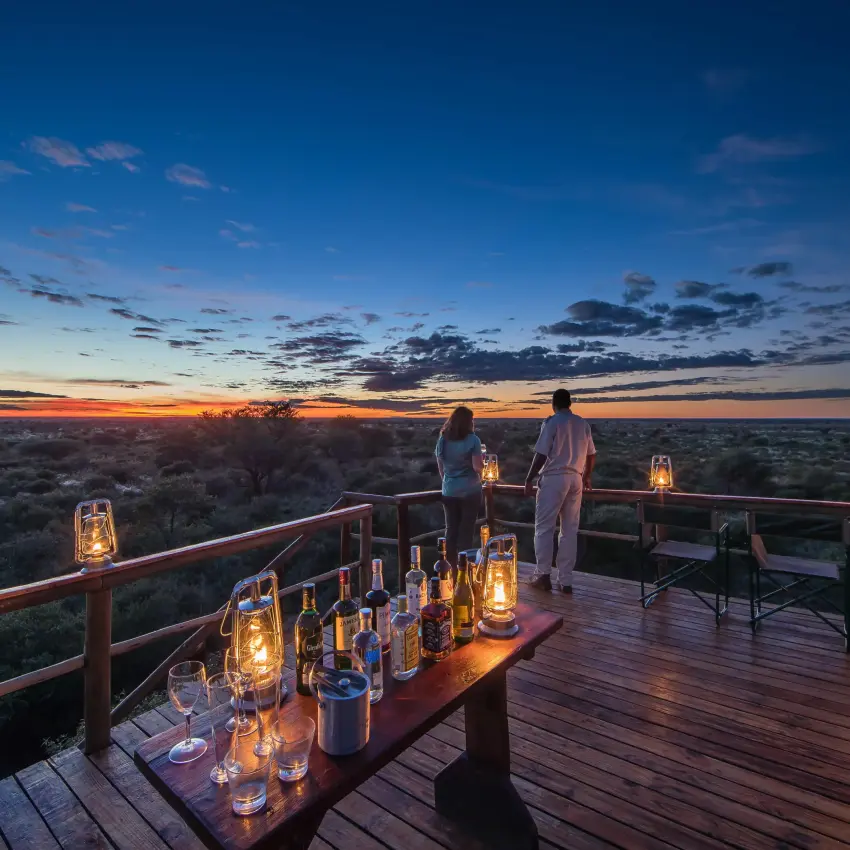
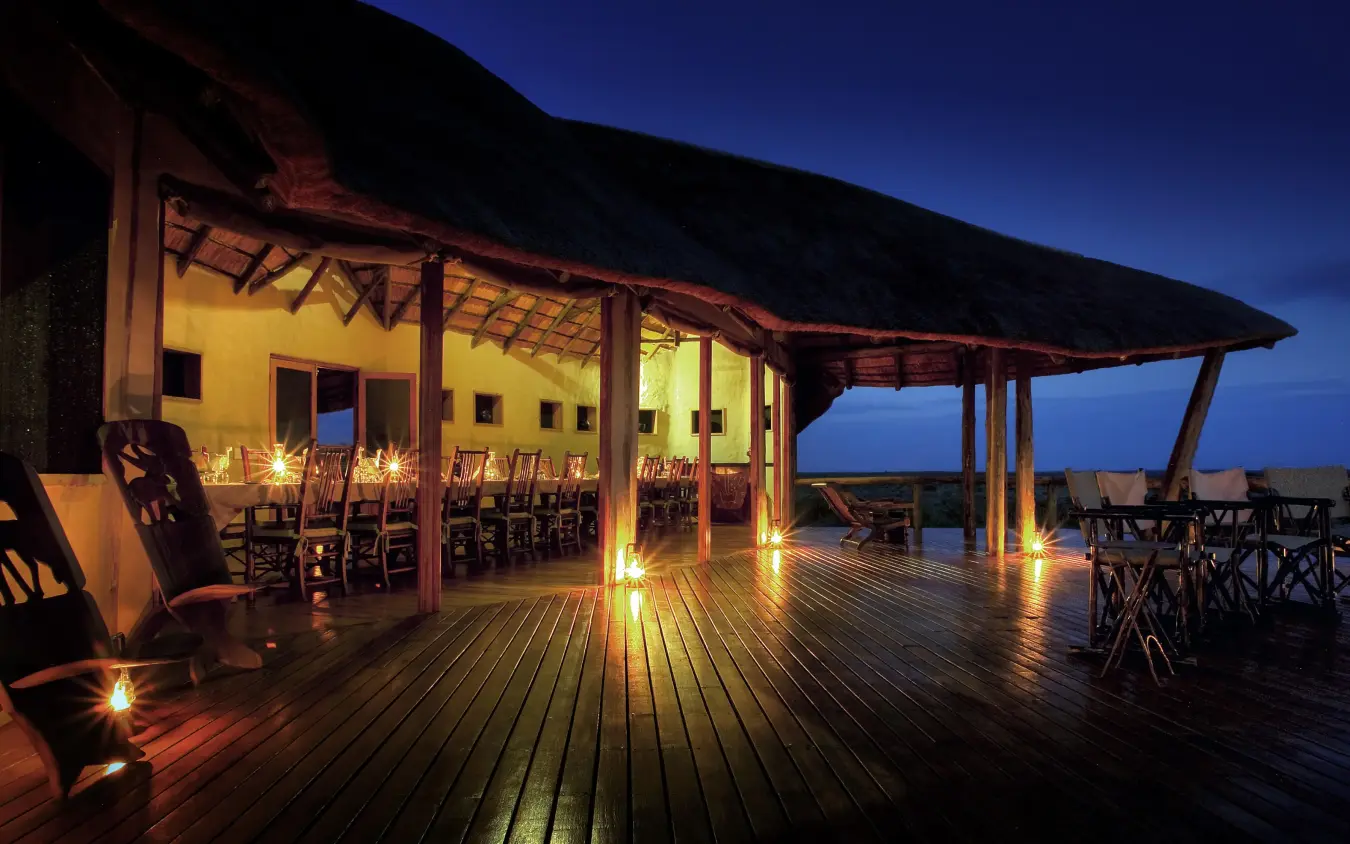
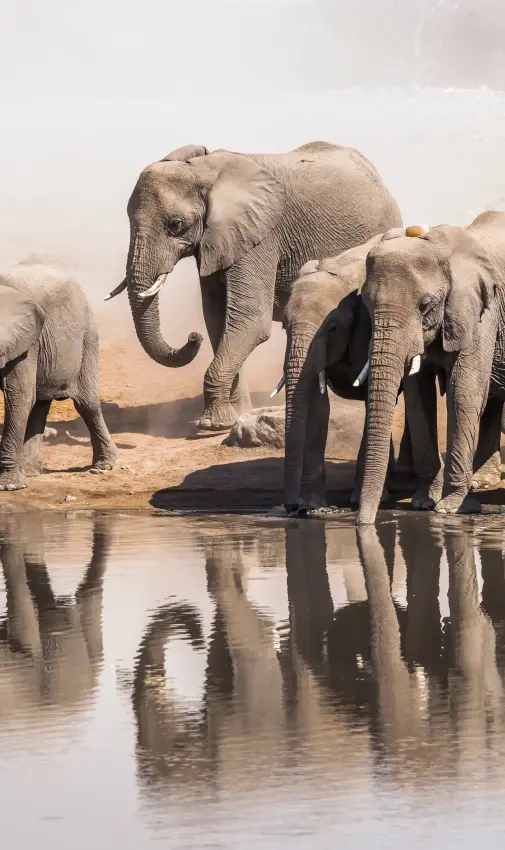
Eight thatched chalets stand on raised wooden platforms under stands of Terminalia trees, linked to the main lodge by wooden walkways, the whole running on solar power and growing its own produce. Inside, the interiors lean homely rather than sleek, warm earth tones set against San and other African artefacts. The main deck faces the waterhole, dinner is often taken in an outdoor boma under dark skies, and the kitchen works with venison, garden vegetables and, in season, Kalahari truffle.
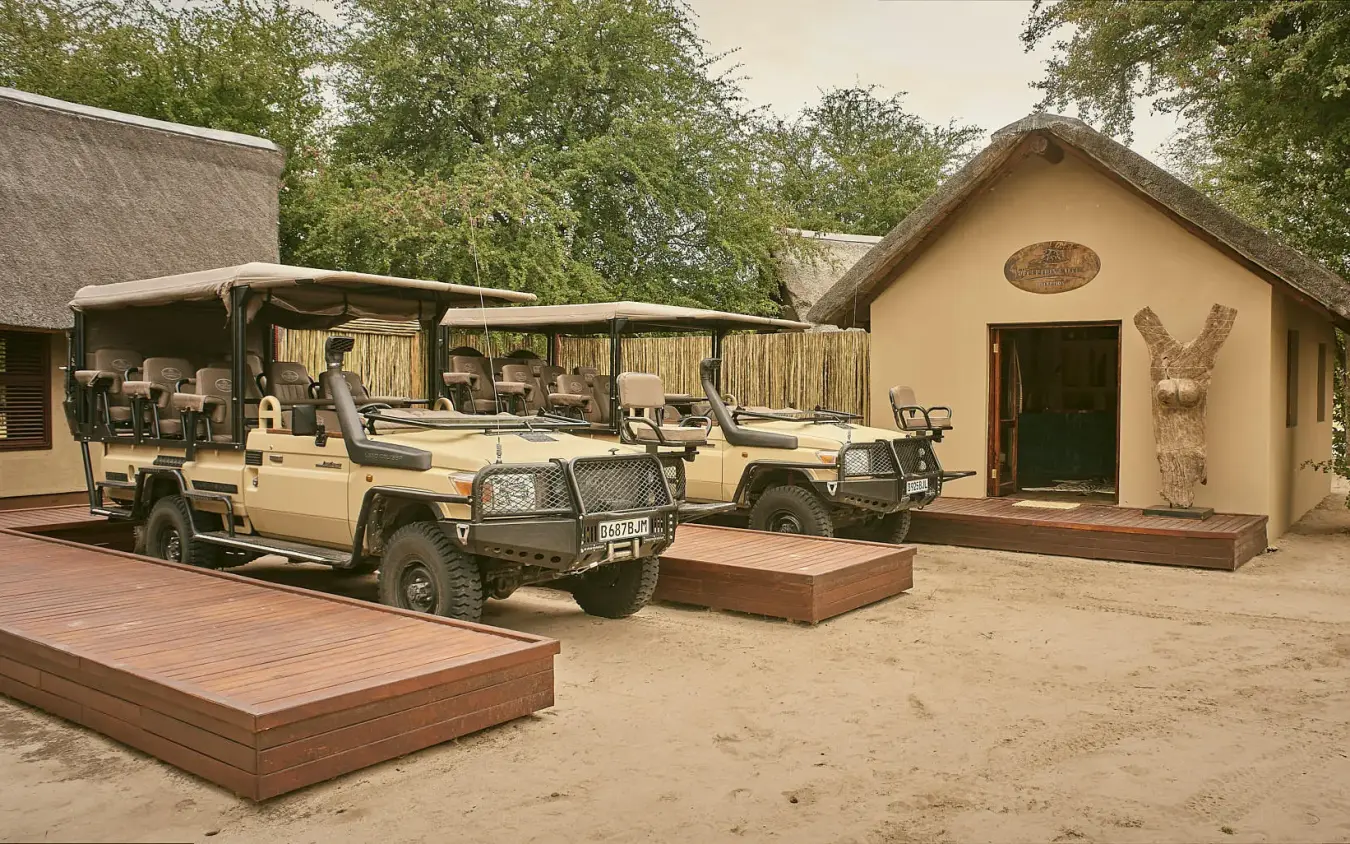
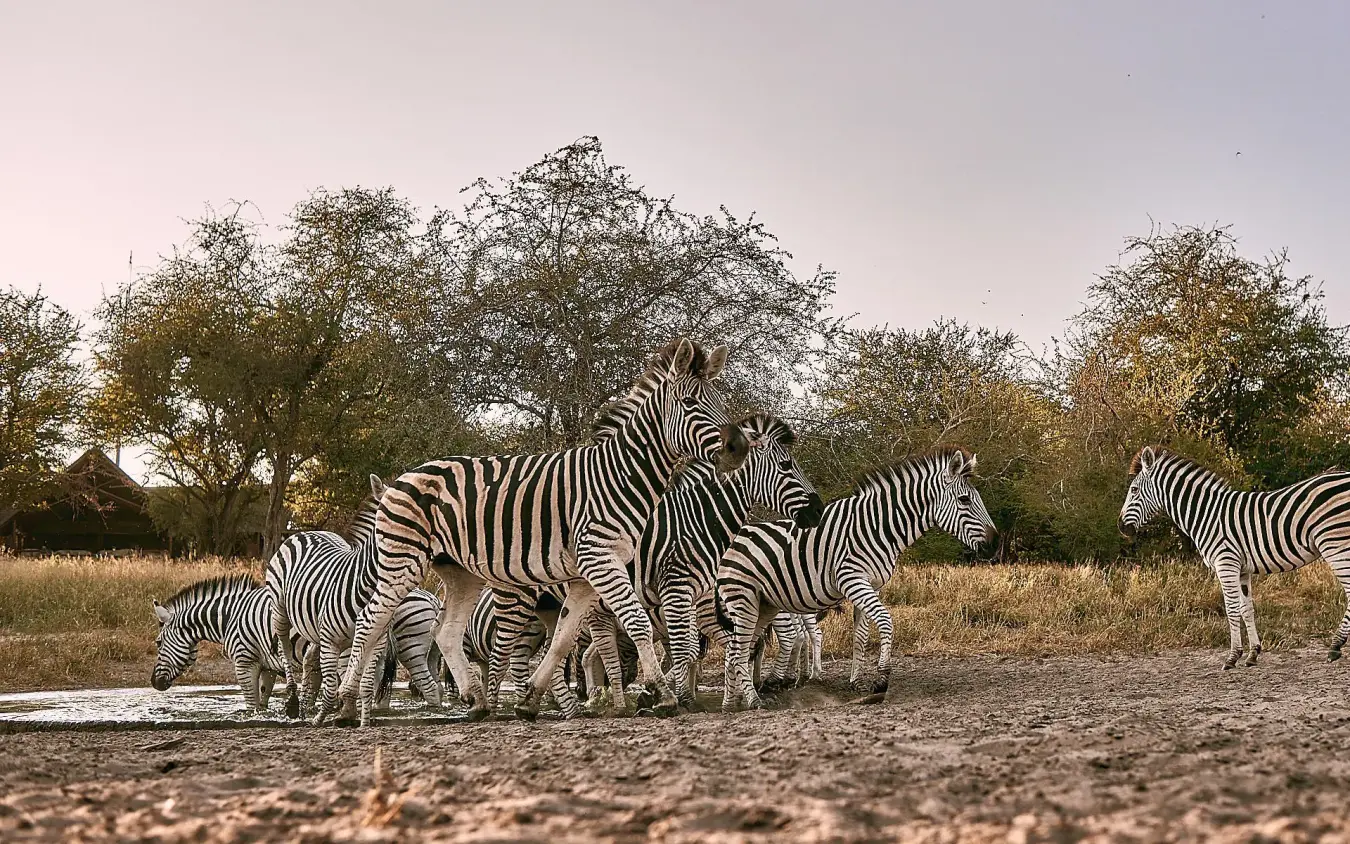
Morning, afternoon and night game drives run in open 4×4 vehicles across the private reserve
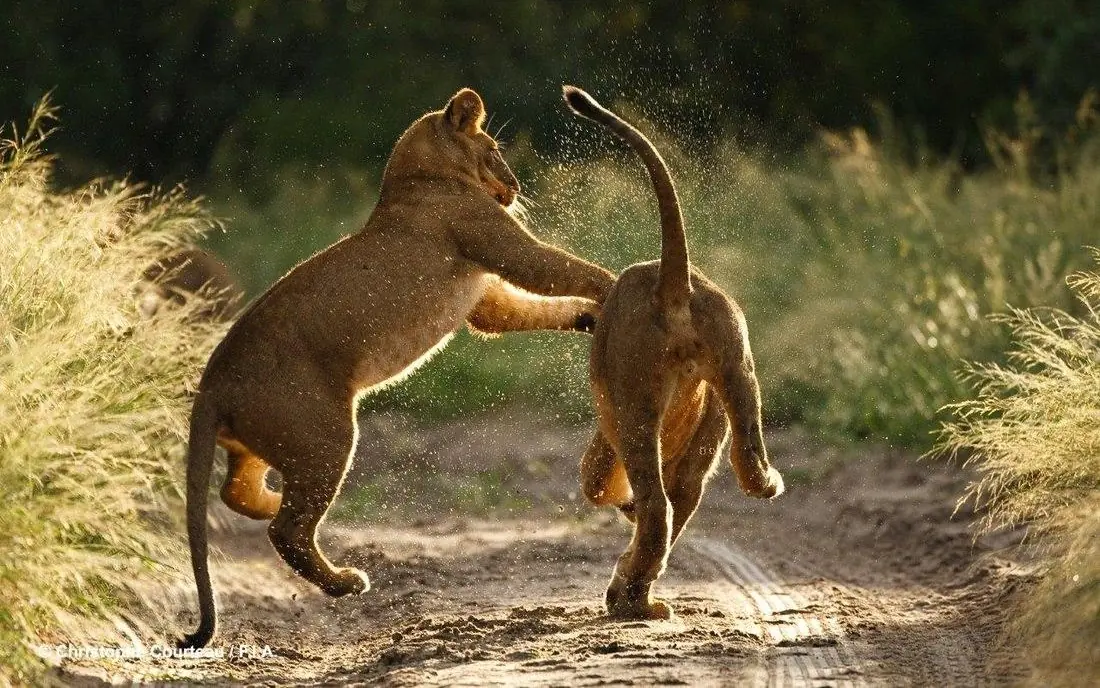
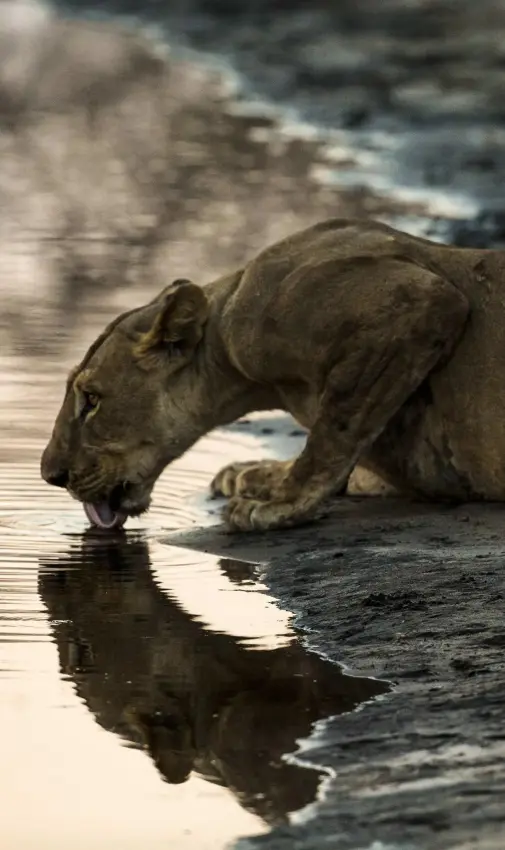
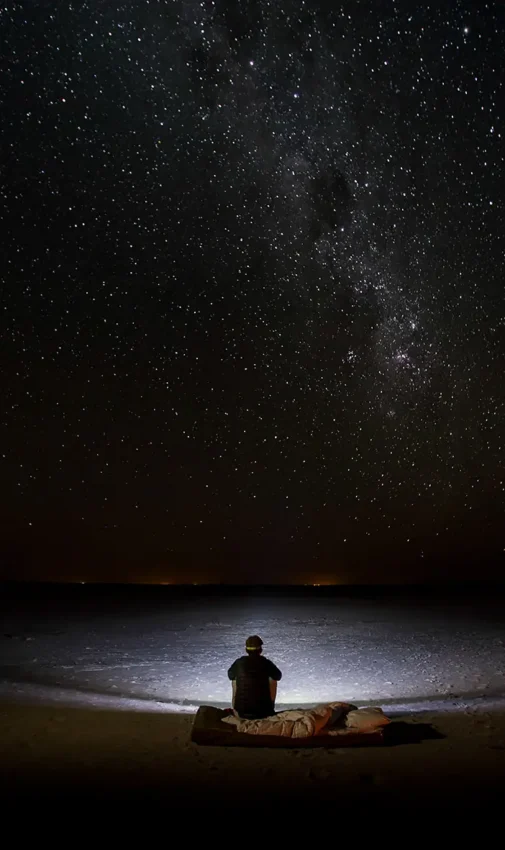
Getting here means flying to a nearby airstrip and connecting by a short vehicle transfer into the reserve, after which days can pass without seeing another vehicle. The clear, unpolluted skies suit the lodge’s stargazing, sometimes shown through a telescope by the general manager himself, and between the calls of lions and the first birds at dawn there is a deep quiet. It is that quiet, more than any single sighting, that many guests remember most about their time at Deception Valley Lodge.
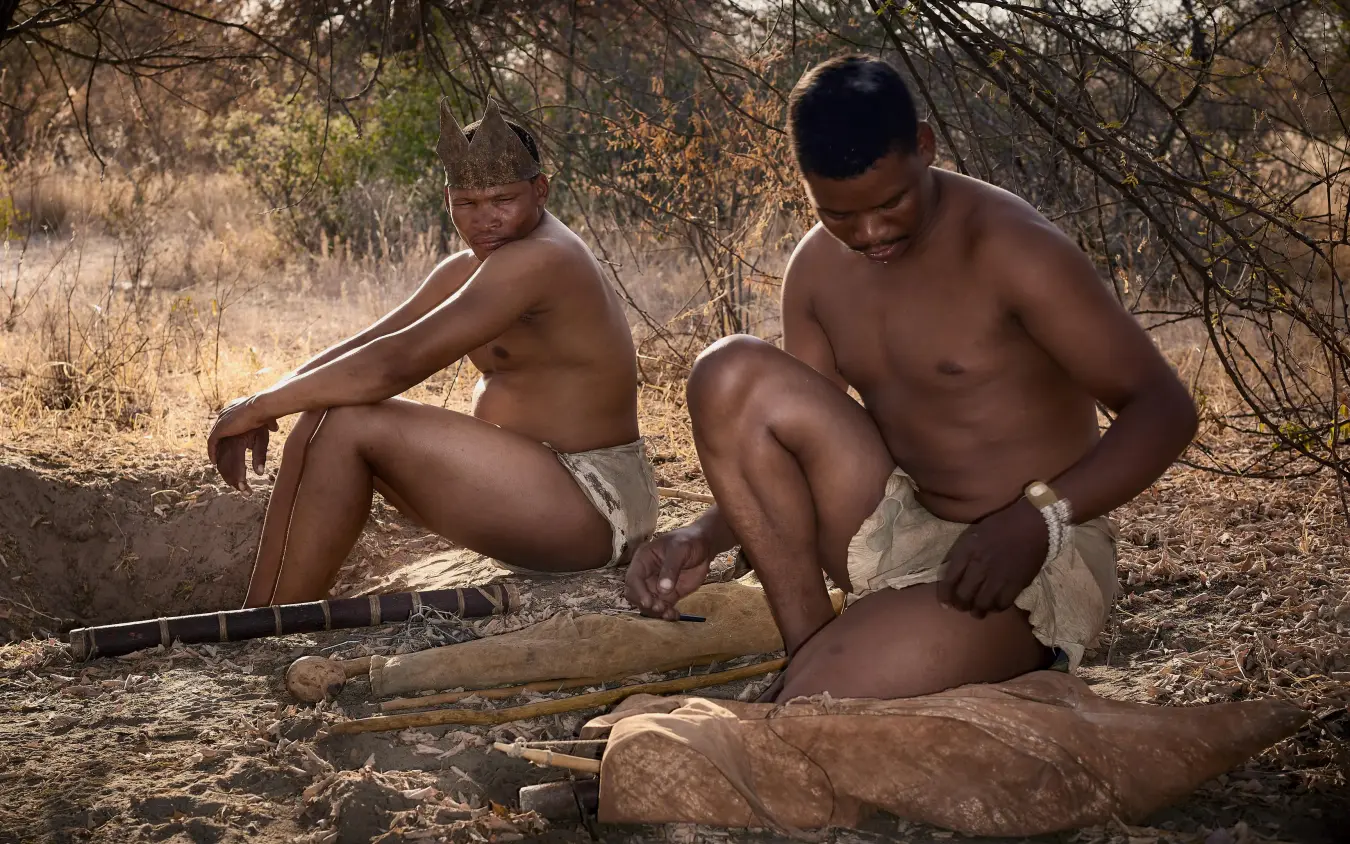
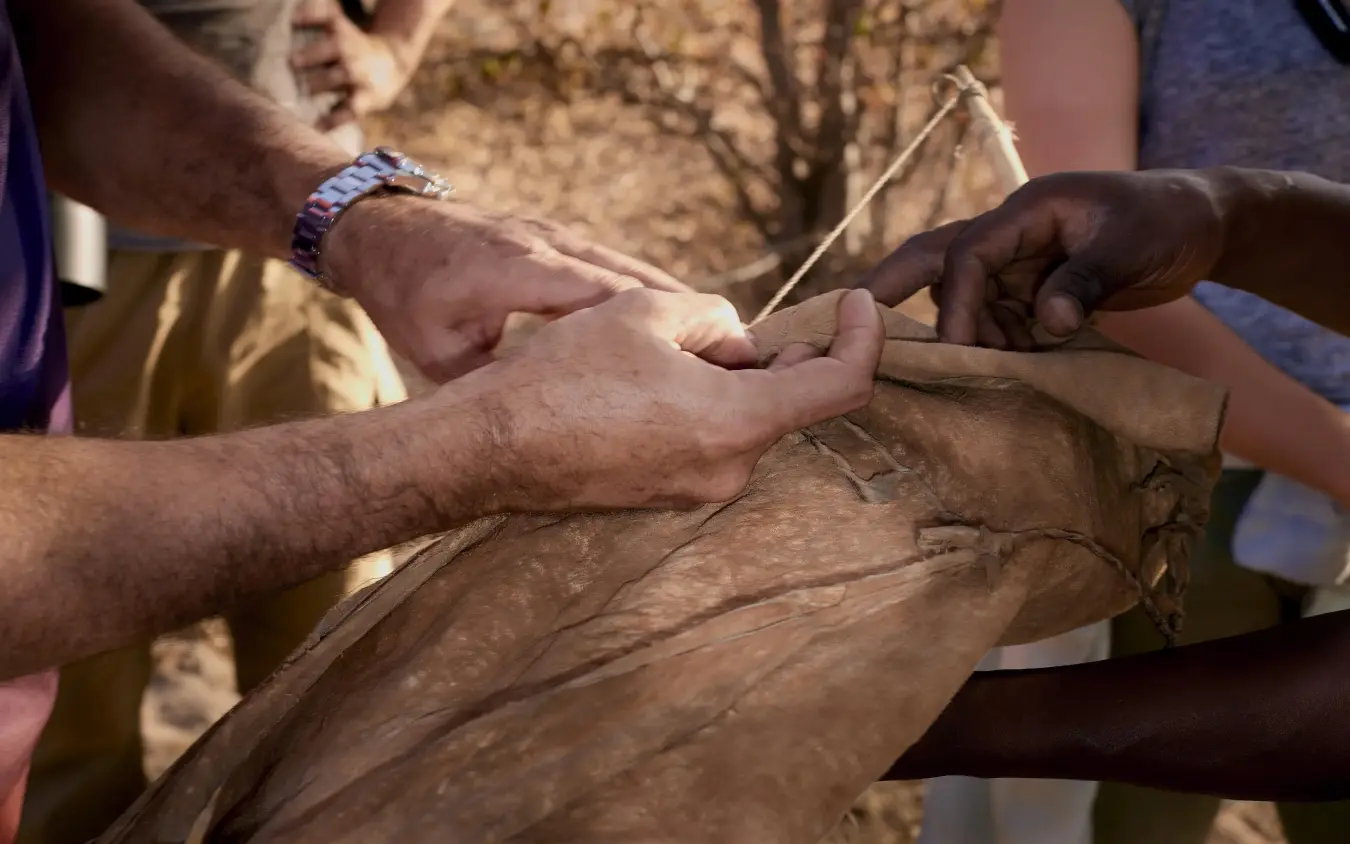
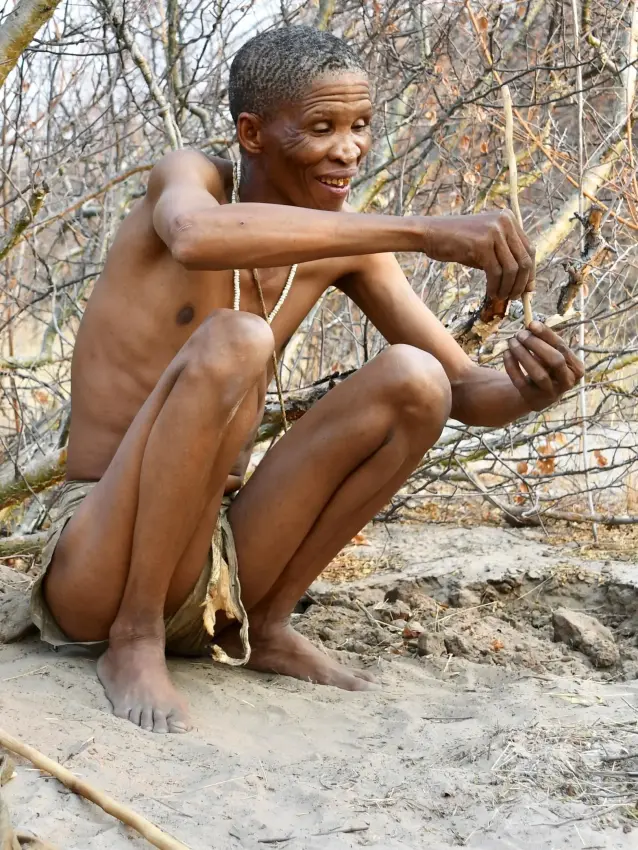
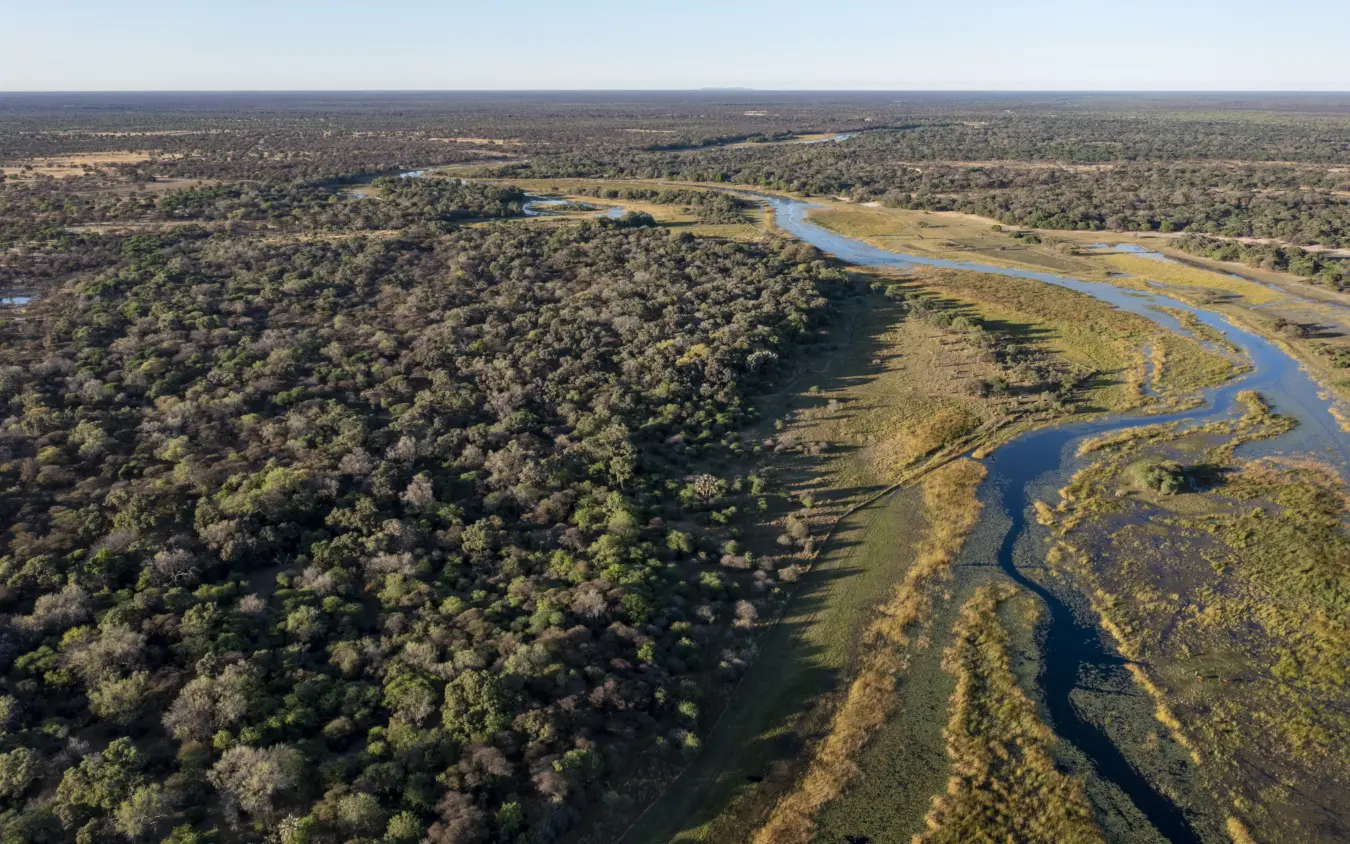
The days draw on rules the Central Kalahari itself does not allow. Morning, afternoon and night game drives run in open 4×4 vehicles across the private reserve, where off-road tracking is permitted, while walking safaris led by Naru-speaking San guides cover tracking, medicinal plants and survival skills carried across generations. Birdwatching and cultural walks with San community members round out the days, all of it on a reserve rebuilt from former cattle farms bought, rehabilitated and reconnected, its waterholes restored and its predators returned.