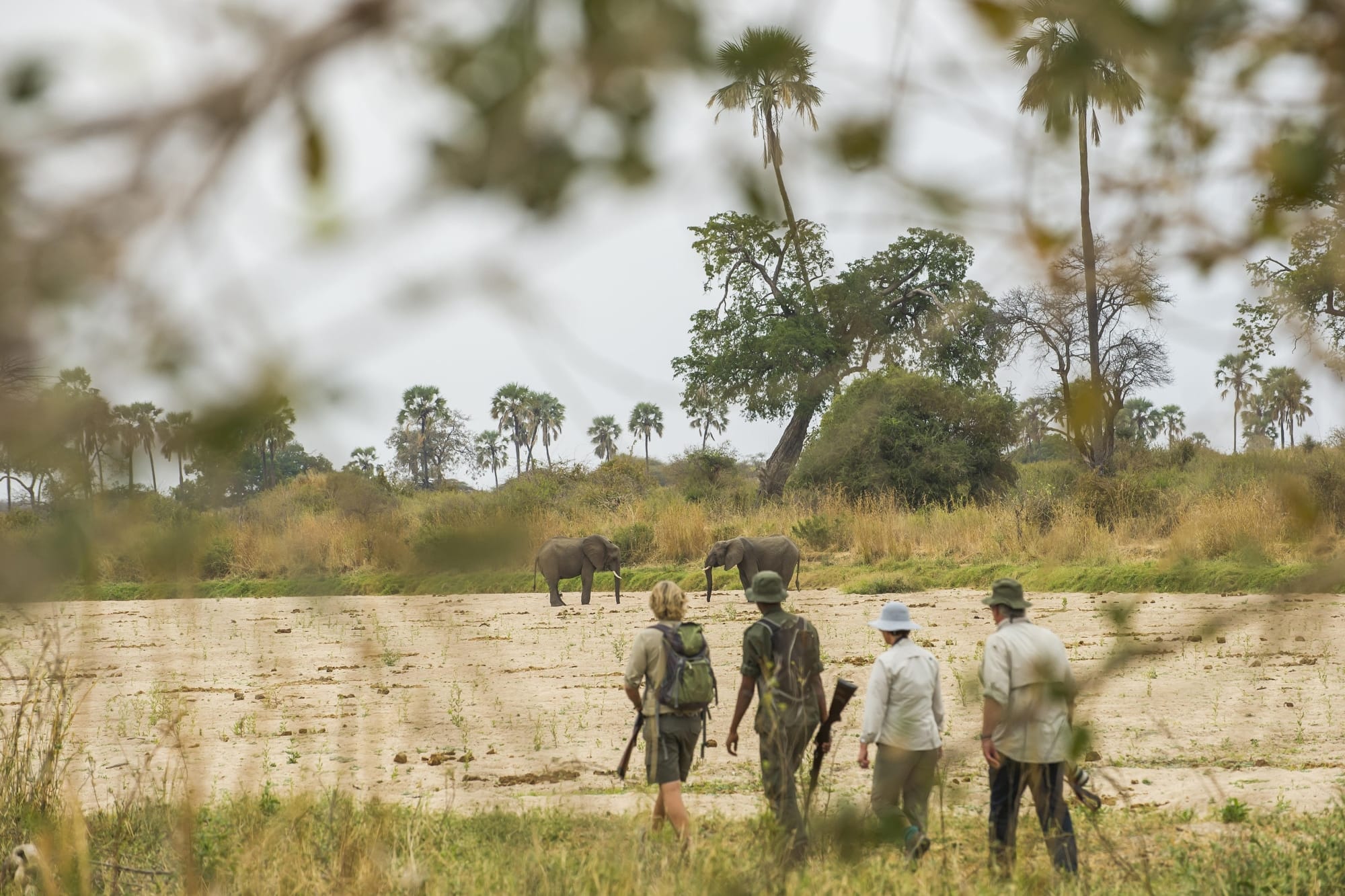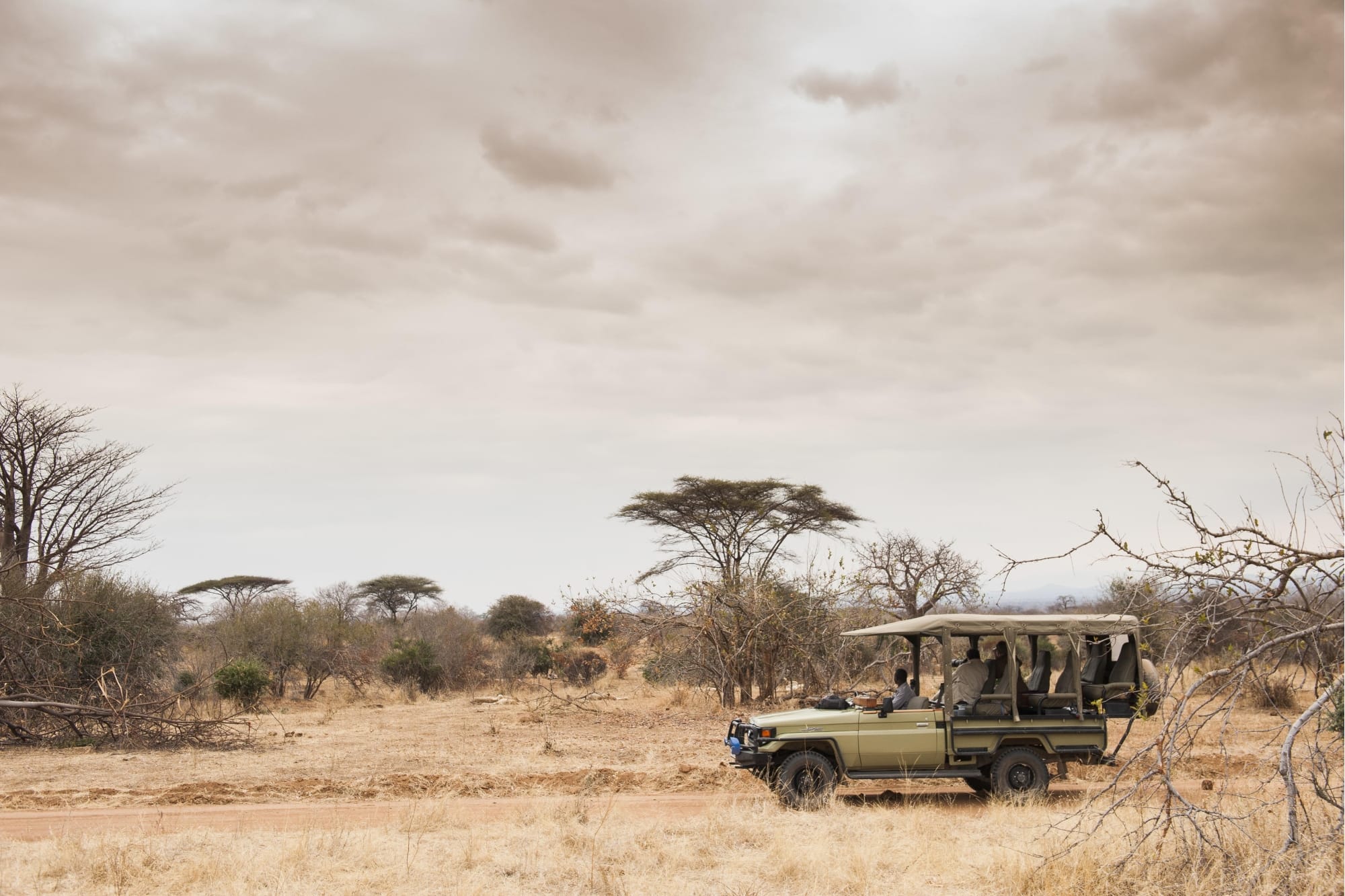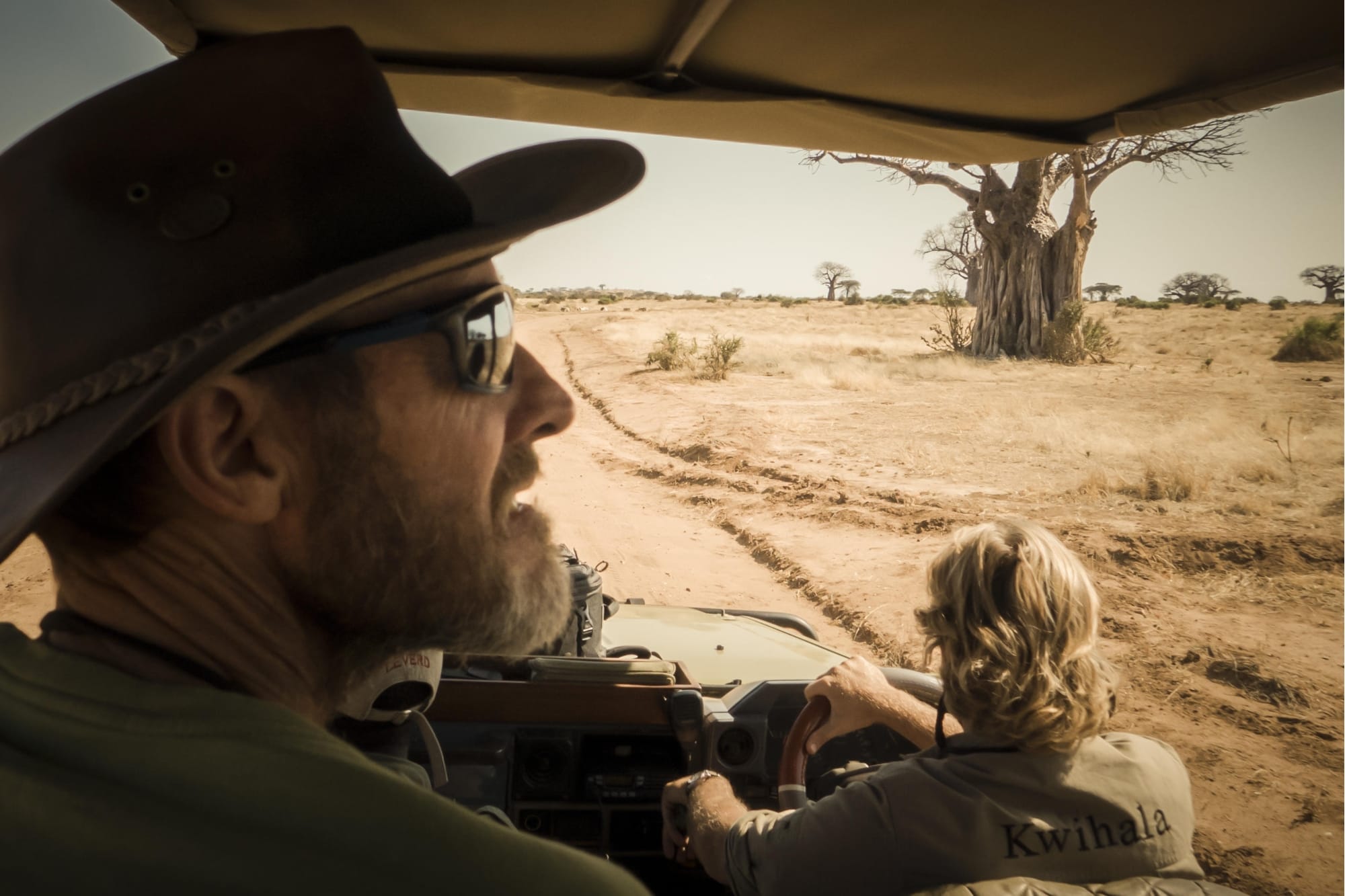
Ruaha National Park holds the distinction of being Tanzania’s most expansive national park and is situated centrally within the country. It serves as a convergence zone for East and Southern African ecosystems, featuring expansive plains, ancient baobabs, and palm forests. The Ruaha region is notably significant for its contribution to global lion populations, accounting for an estimated 10% of the world’s wild lions. The park also offers the possibility of observing other predators such as cheetahs, occasional wild dogs, and leopards. Herbivores like kudu, sable and roan antelope, as well as elephants and giraffes, inhabit the area. Moreover, the park is a haven for ornithologists, offering sightings of up to 570 different bird species.
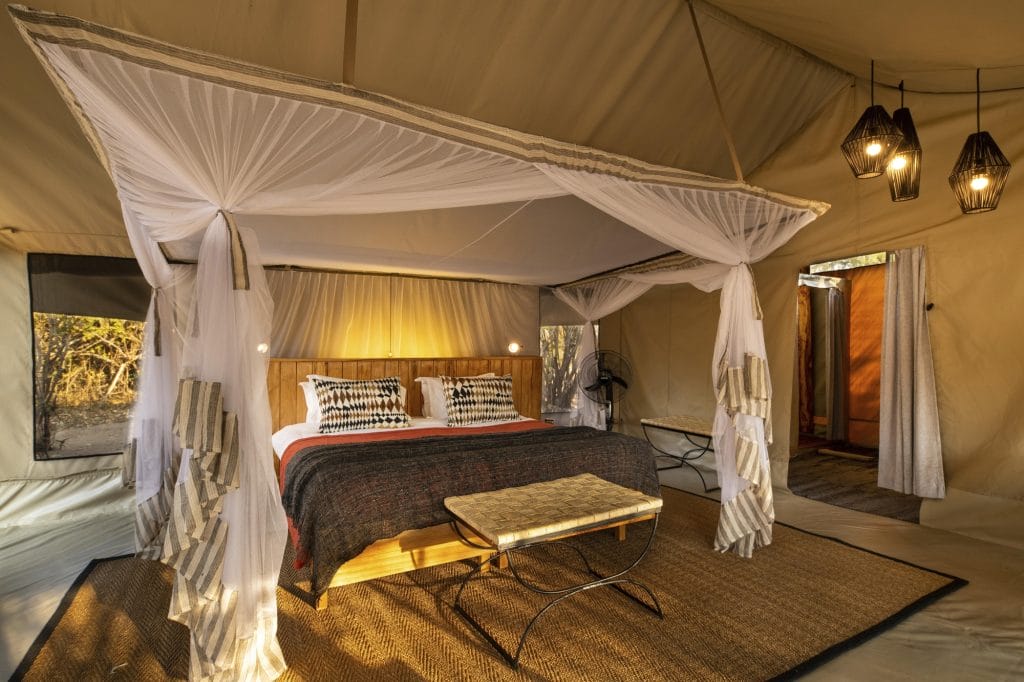
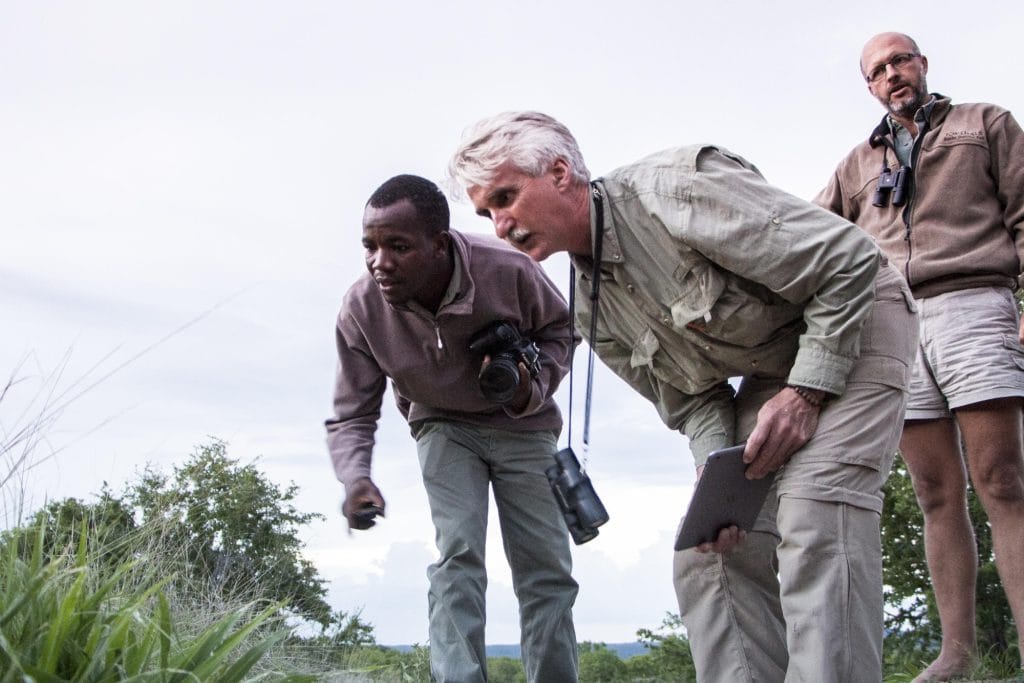
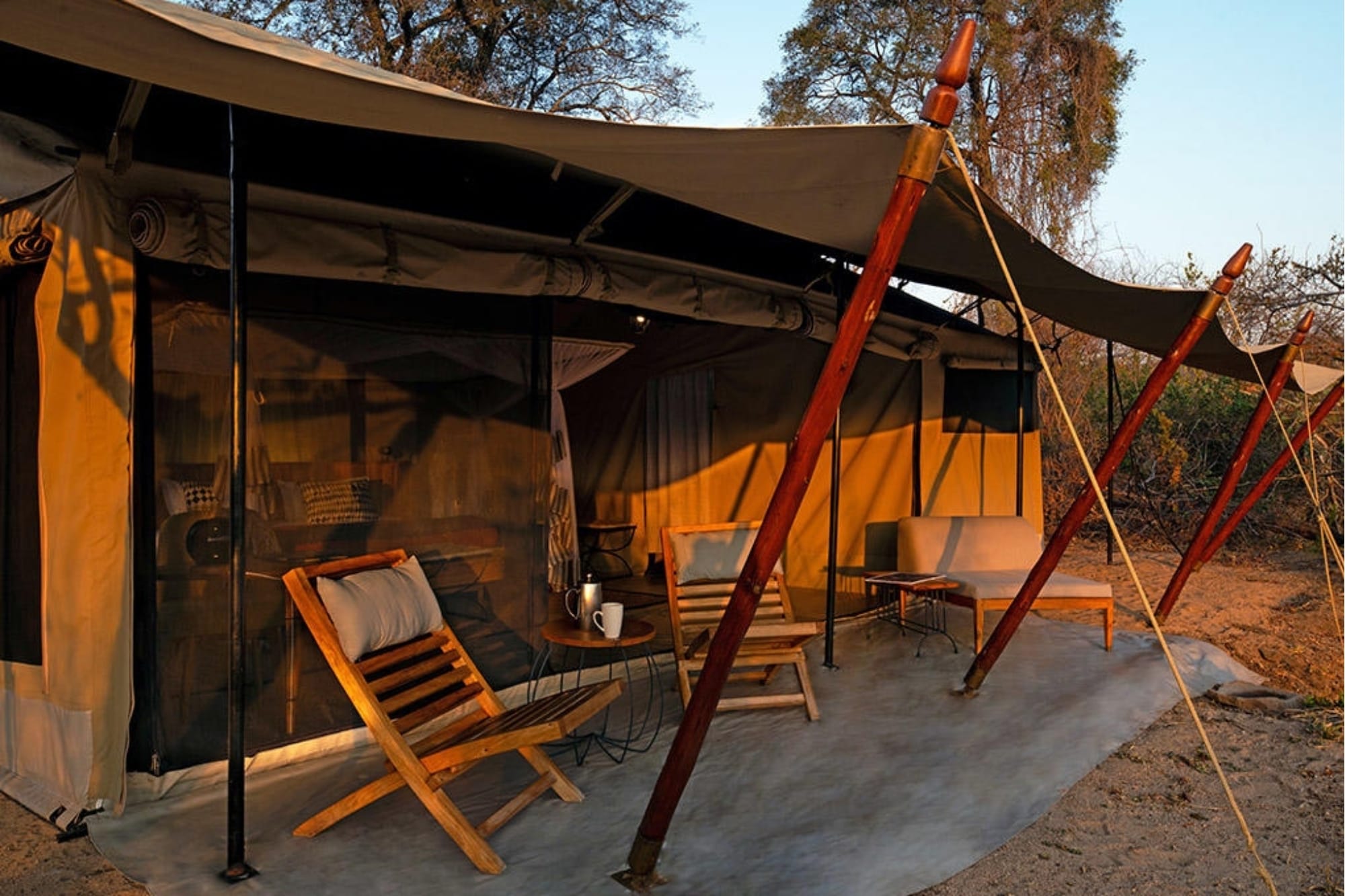
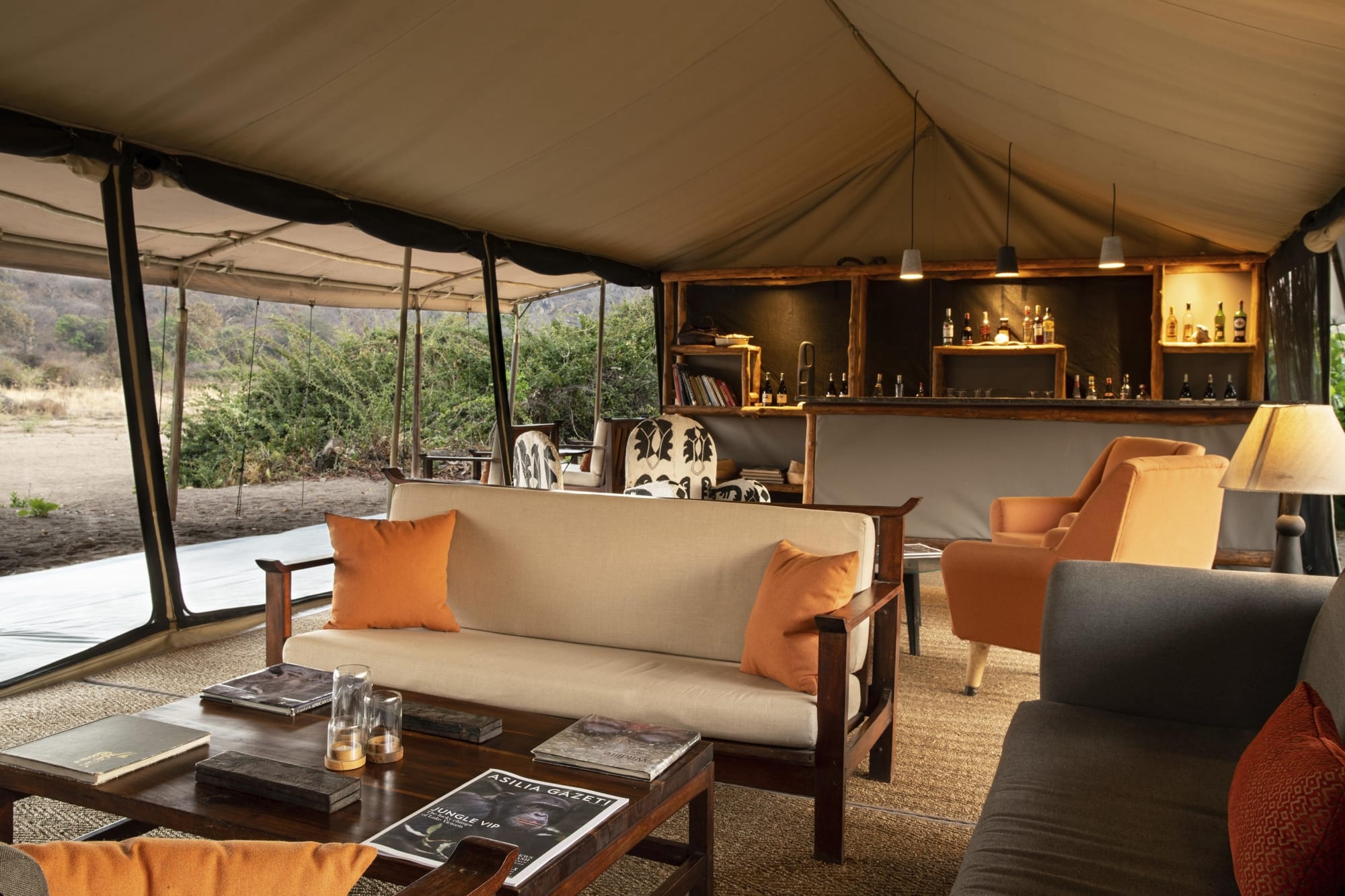
Guiding at Kwihala is executed with a level of expertise that is highly commendable. Guides are not just well-versed in wildlife identification but also demonstrate a comprehensive understanding of the Ruaha ecosystem. Beyond traditional game drives, the guides can take you on in-depth explorations, revealing the subtler nuances of the park that would otherwise go unnoticed. As a camp Kwihala pays tribute to the design aesthetics of traditional expedition camps, offering both simplicity and comfort. The central lounge and dining area, housed in a tented structure, serves as the communal hub for social interactions and dining experiences. Here, guests can relax during the afternoon and engage in communal meals. As the sun sets, the campfire becomes the focal point for sharing safari anecdotes, often accompanied by gin and tonics.