










rwanda, tanzania & kenya
gorillas, herds and the chyulus
Rwanda's gorillas, the northern Serengeti and Mara plains, then horseback days below Kilimanjaro in the Chyulu Hills.
- Private Safari
- From $24,290 pp
- 2 guests
- 14 nights
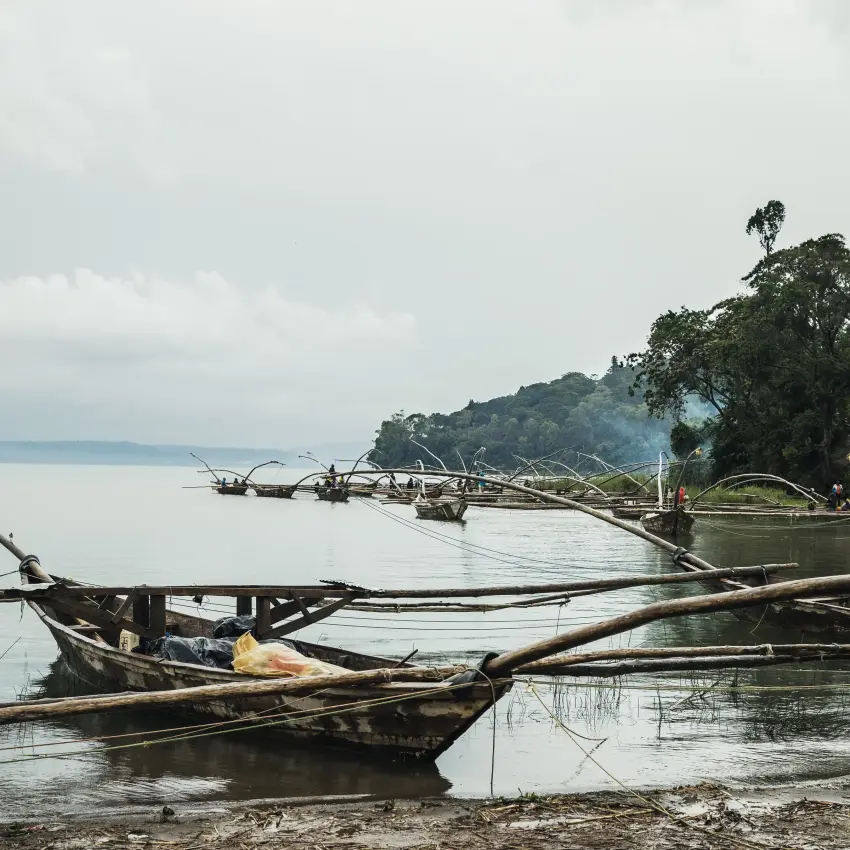
The route begins in Kigali, Rwanda’s hill-spread capital at the centre of the country, then crosses east to Akagera, the only park built around savannah, lakes and wetland. It climbs south-west to the montane rainforest of Nyungwe, drops to Lake Kivu on the Congo border, and ends in the north at Volcanoes National Park, where the mountain gorillas live. A final night returns to Kigali.
You travel by road and, where it suits, by air, with boat safaris on Lake Ihema, tracking on foot in the rainforest, slow days on Lake Kivu, and an early gorilla trek in the Virungas. Accommodation runs from a sole-use villa and a solar-run tented camp inside a park to a rainforest lodge, lakeside cabins and a hotel minutes from the gorilla briefing.
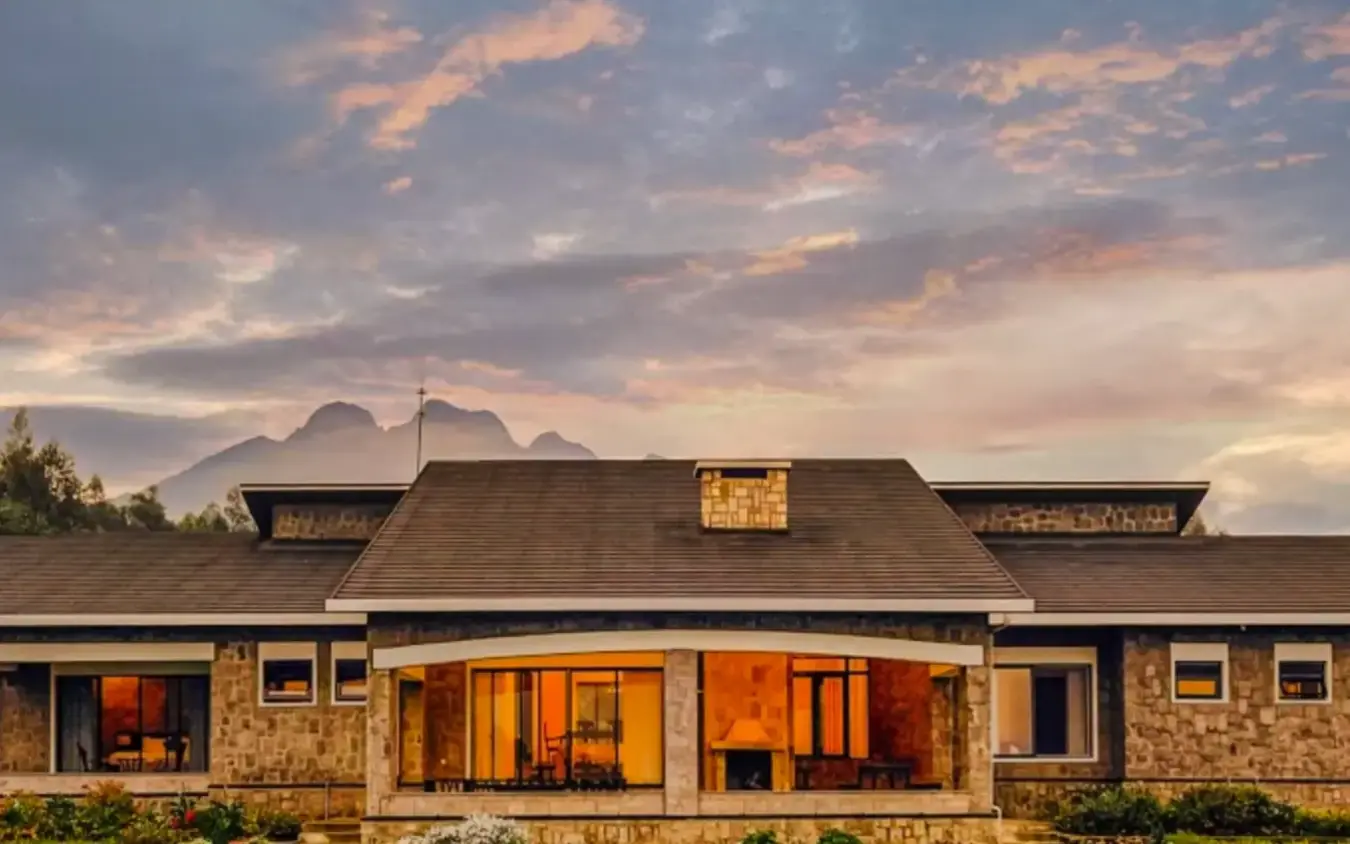
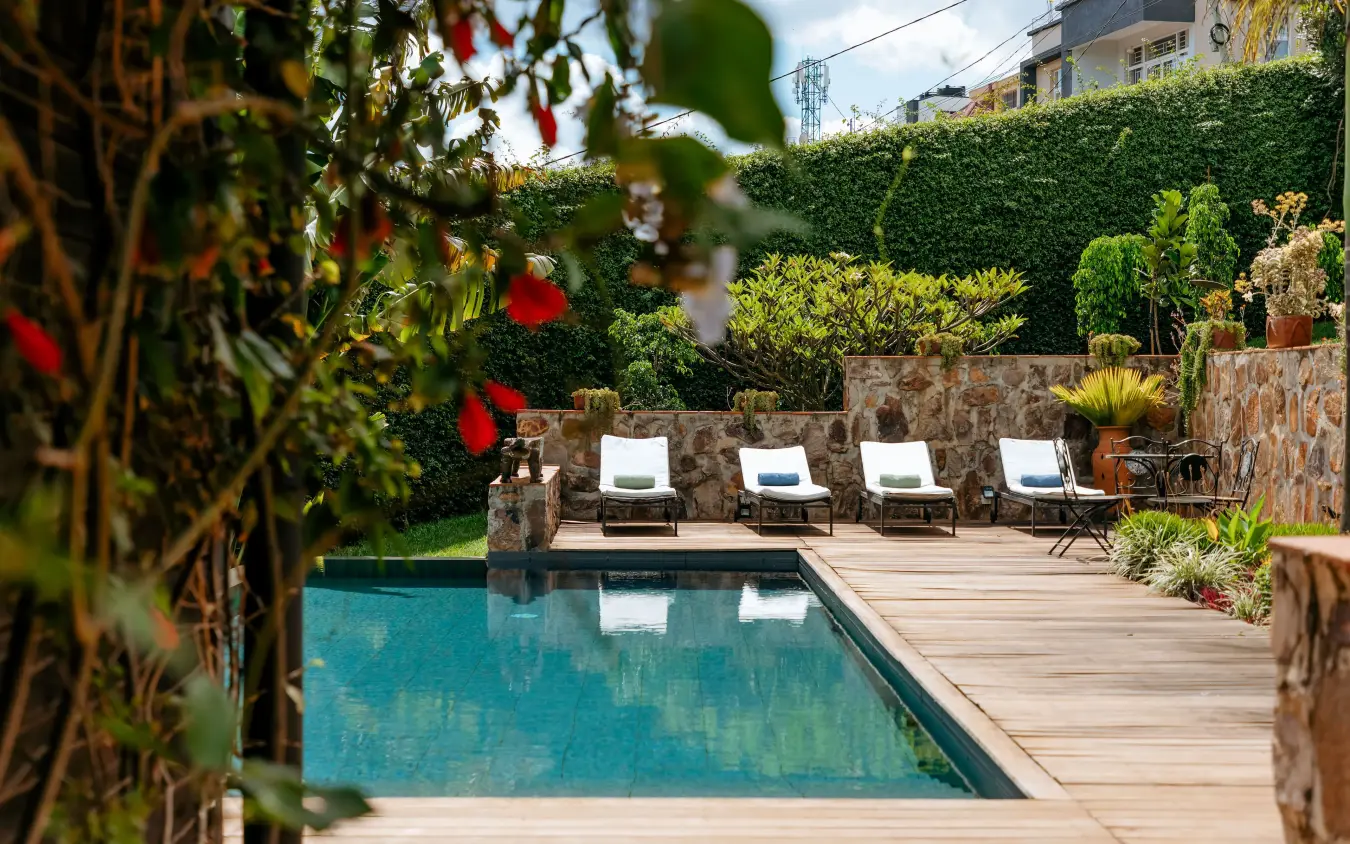
You arrive in Kigali, Rwanda's capital, spread across ridges and valleys and widely regarded as the cleanest city in Africa. The first night settles you before the parks begin. On Rebero hill in Kicukiro, twenty minutes from the centre and thirty from the airport, a four-bedroom family home is taken on sole use, with a private chef, a butler, and a garden and pool. Built in 2014, it is never sold room by room.
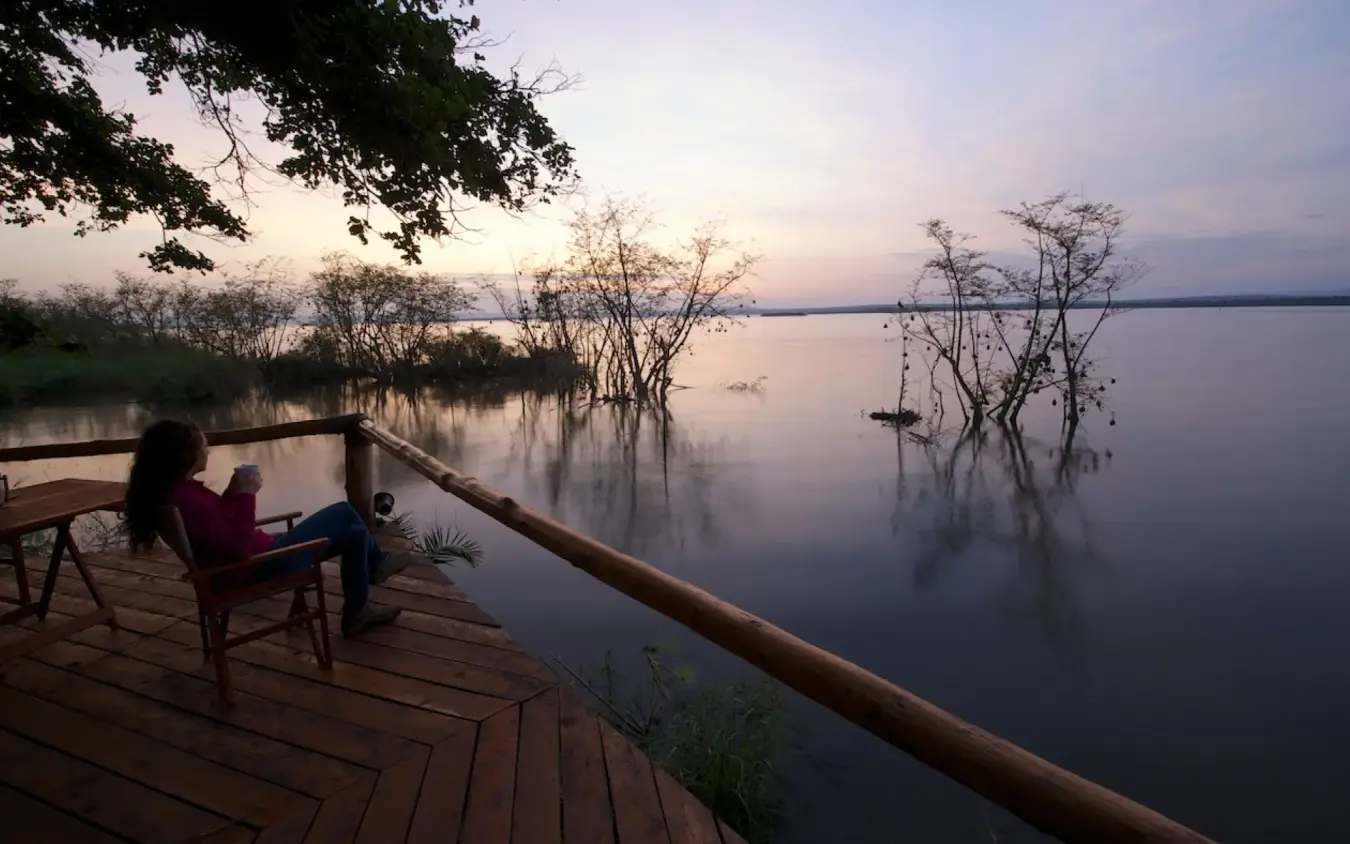
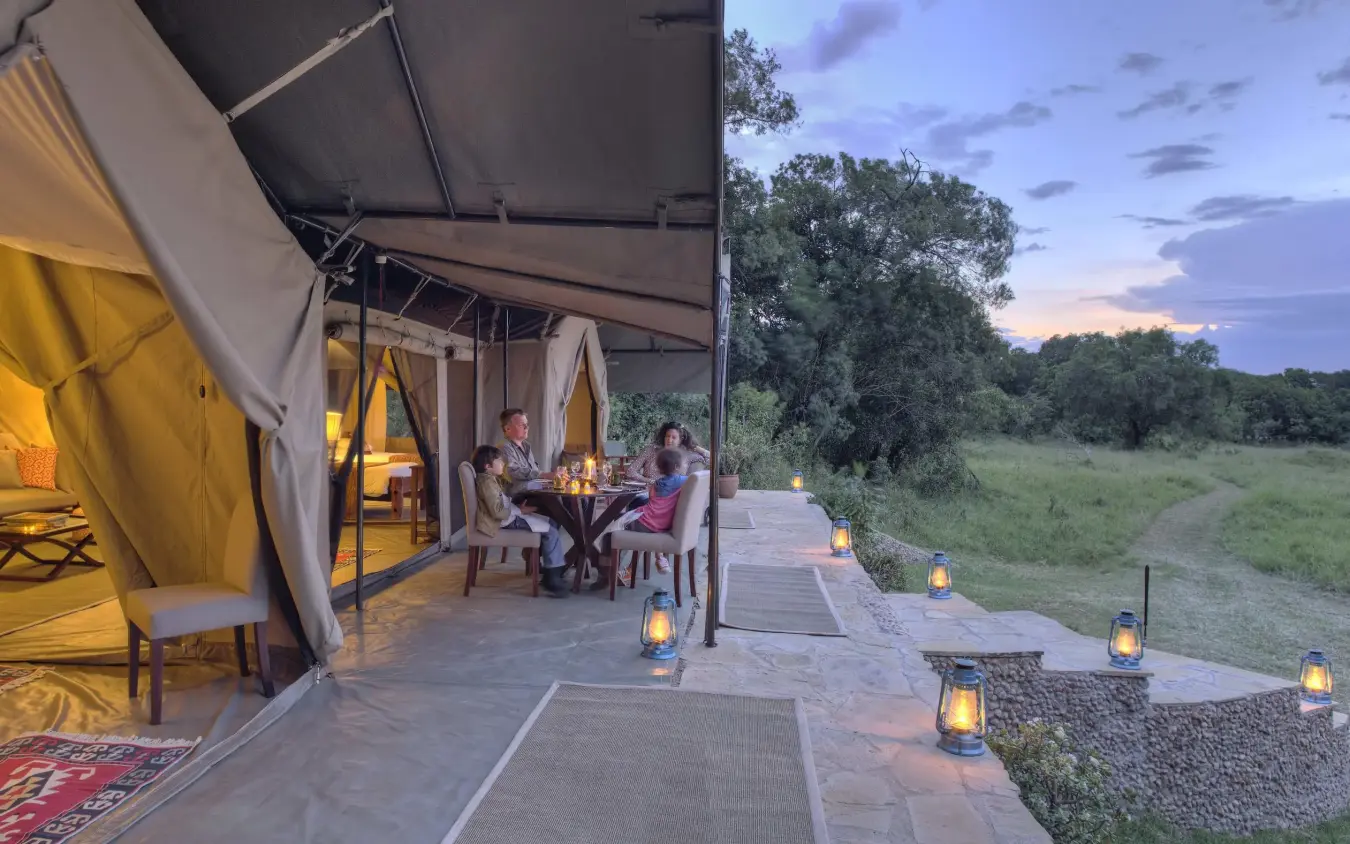
From Kigali it is a few hours' drive east to Akagera, Rwanda's only national park built around savannah, lakes and wetland. Lion and black rhino have both been brought back, and the park is once again home to the full set of large mammals. Boat safaris go out onto Lake Ihema for hippo, crocodile and rafts of waterbirds, while morning and night drives work the plains and woodland for elephant. Nine solar-run tents sit on the wooded shore about six kilometres inside the gate, with hippos surfacing within sight and sound of the deck.
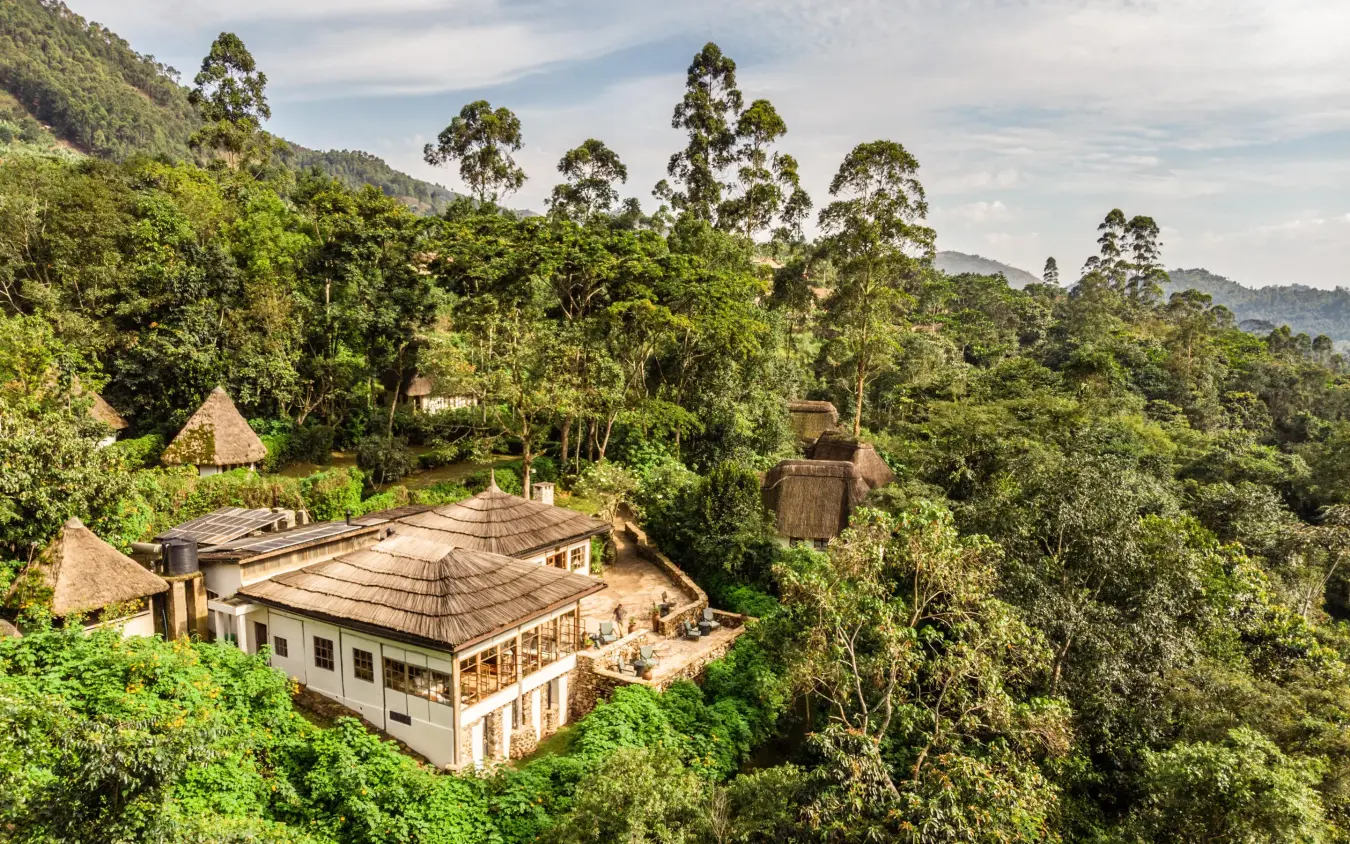
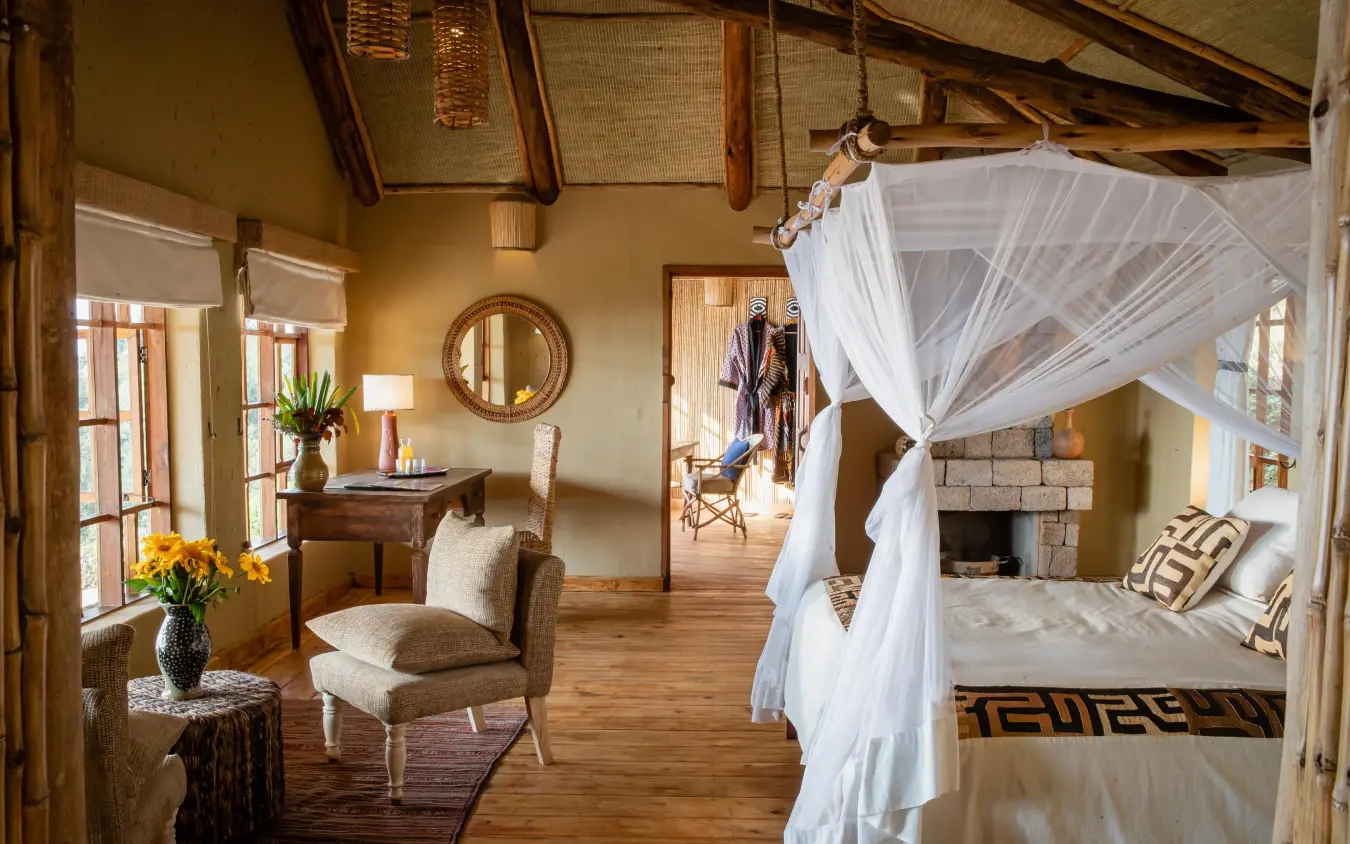
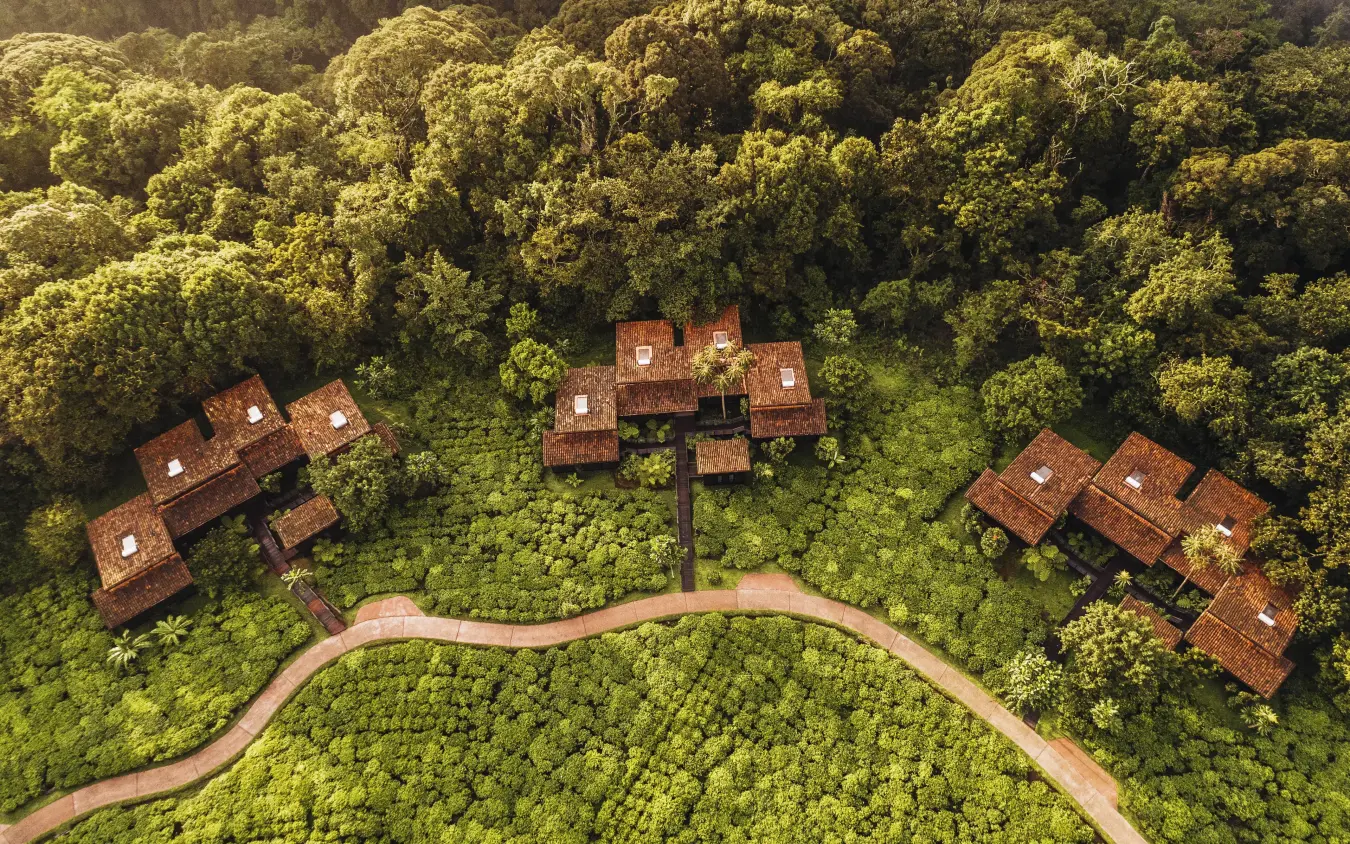
In Rwanda's mountainous south-west, Nyungwe is one of the oldest and largest mountain rainforests in Africa and the country's first UNESCO World Heritage Site. Days begin early for chimpanzee tracking on foot, with black-and-white colobus moving through the canopy, guided walks to the Kamiranzovu marsh and the waterfalls, and birding across 322 recorded species. The canopy walkway crosses a suspended steel bridge high above the valley floor. On the Gisakura tea estate, the lodge places you within walking reach of the forest, its villas each with an open fireplace, private terrace and deep soaking tub.
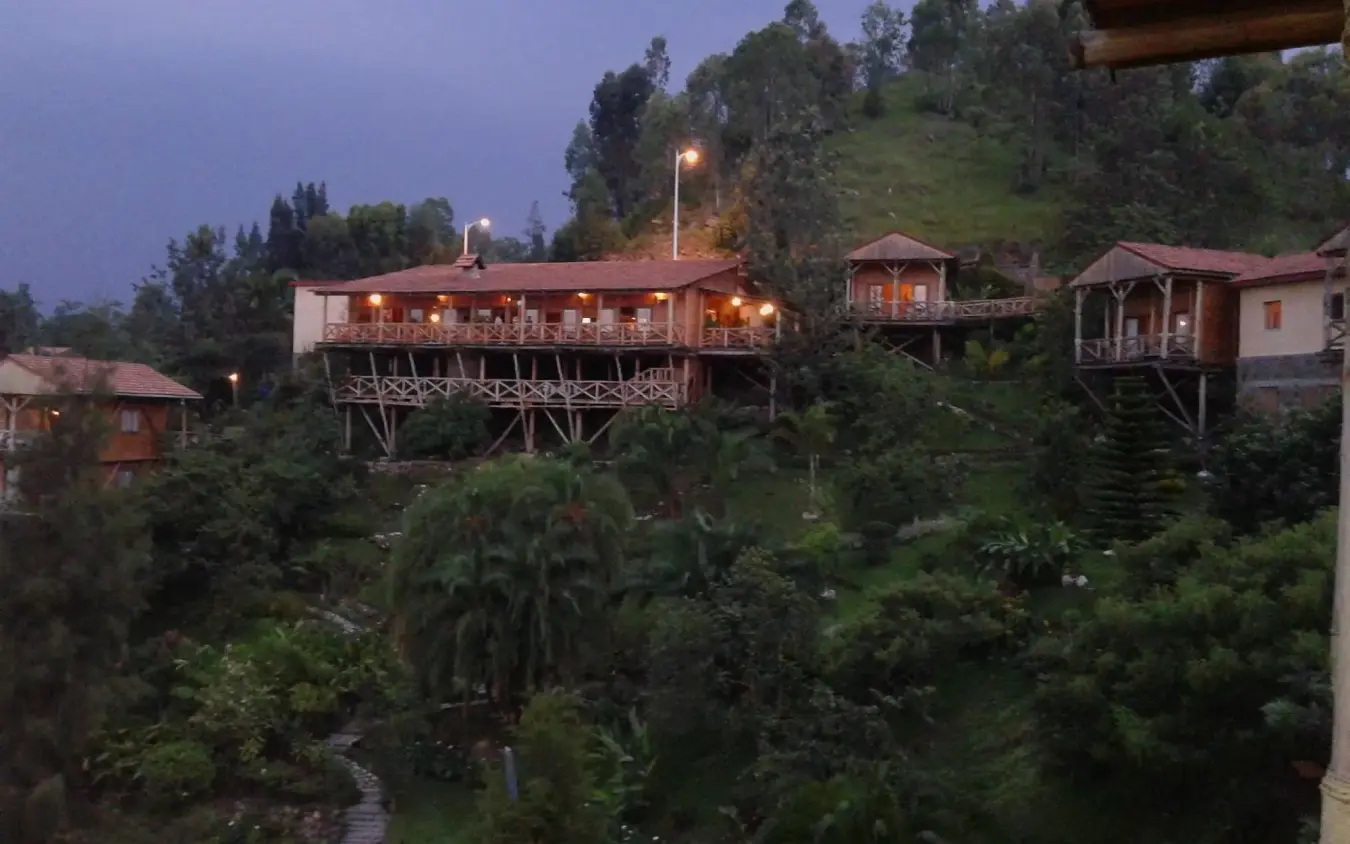
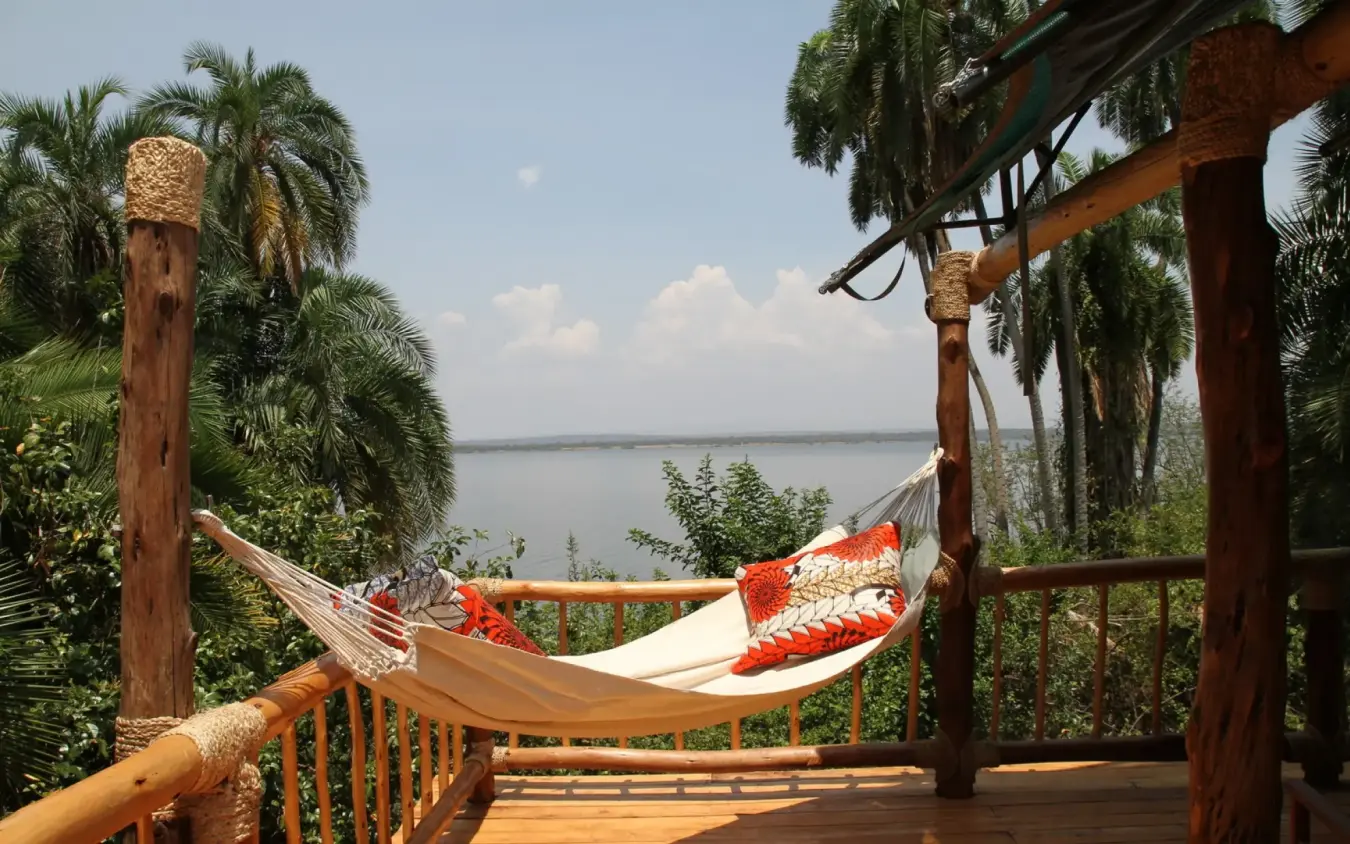
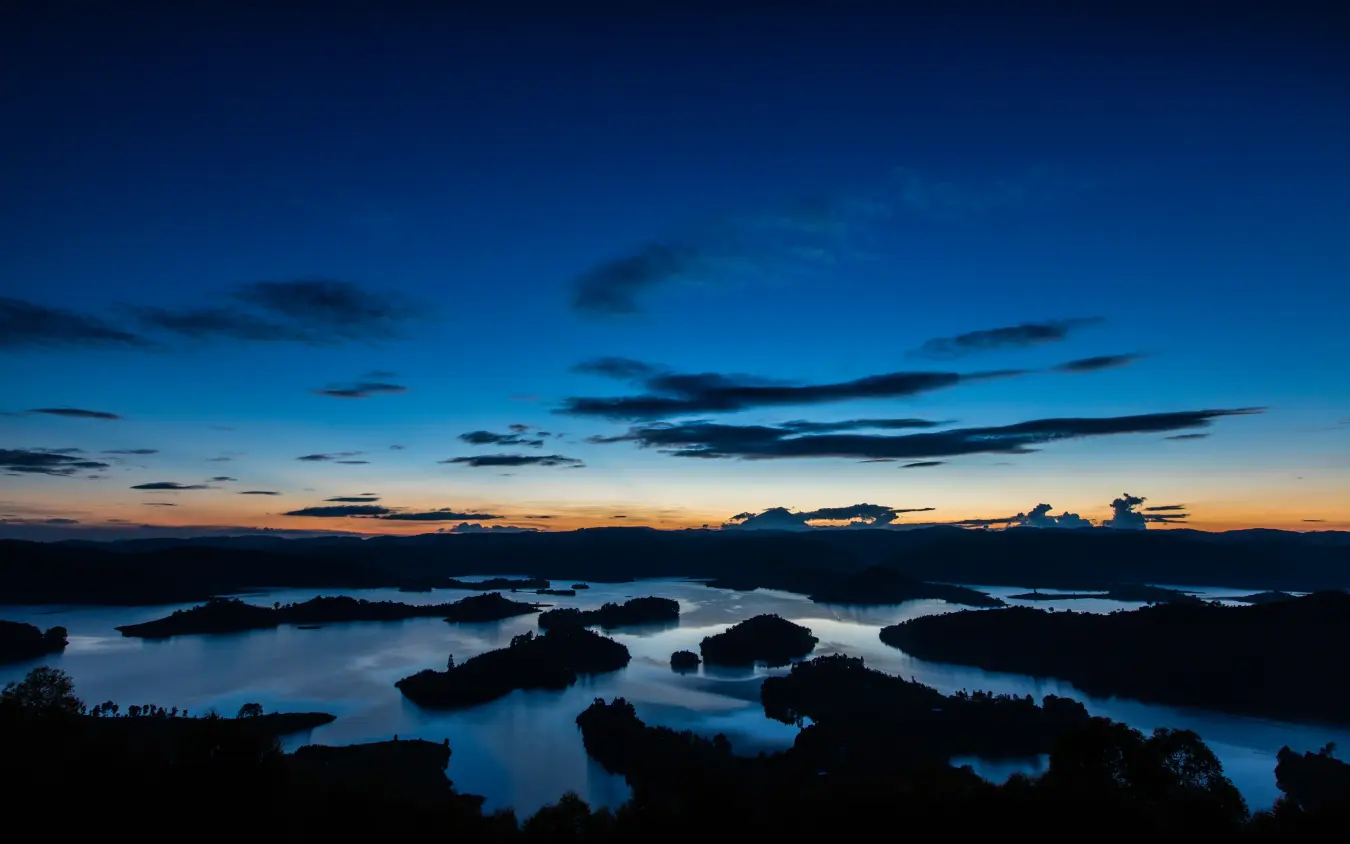
Two nights on Lake Kivu, a stop between the parks rather than a base for exploring one. Kayaks and canoes go out from the boathouse, boats run out to the islands, and the hours here are deliberately unhurried. At dusk the wooden canoes push off for sambaza, the fishermen singing in unison to keep their strokes together. Above a private beach near Kibuye, timber cabins stand on stilts down a wooded slope, each facing west across open water toward the hills of the Congo.
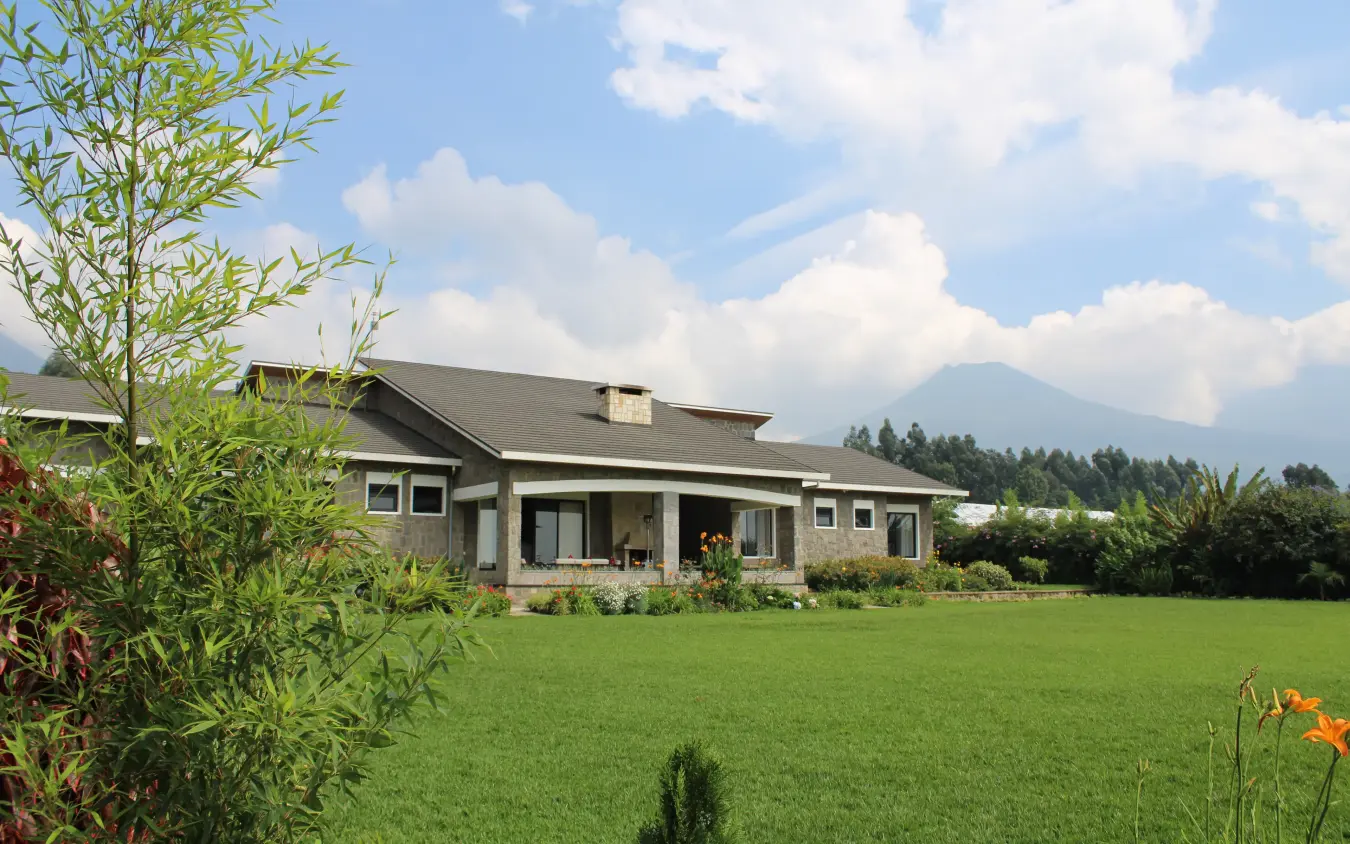
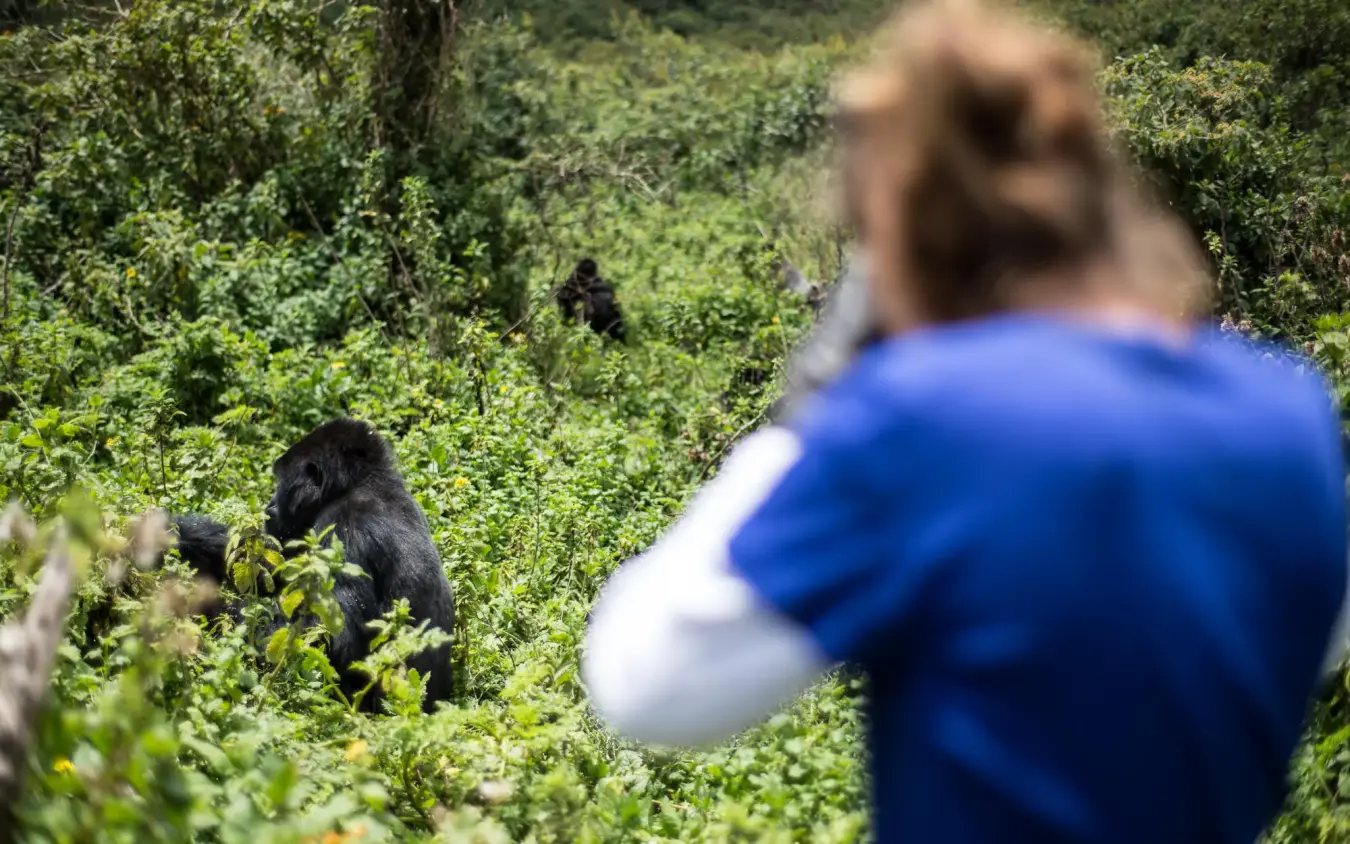
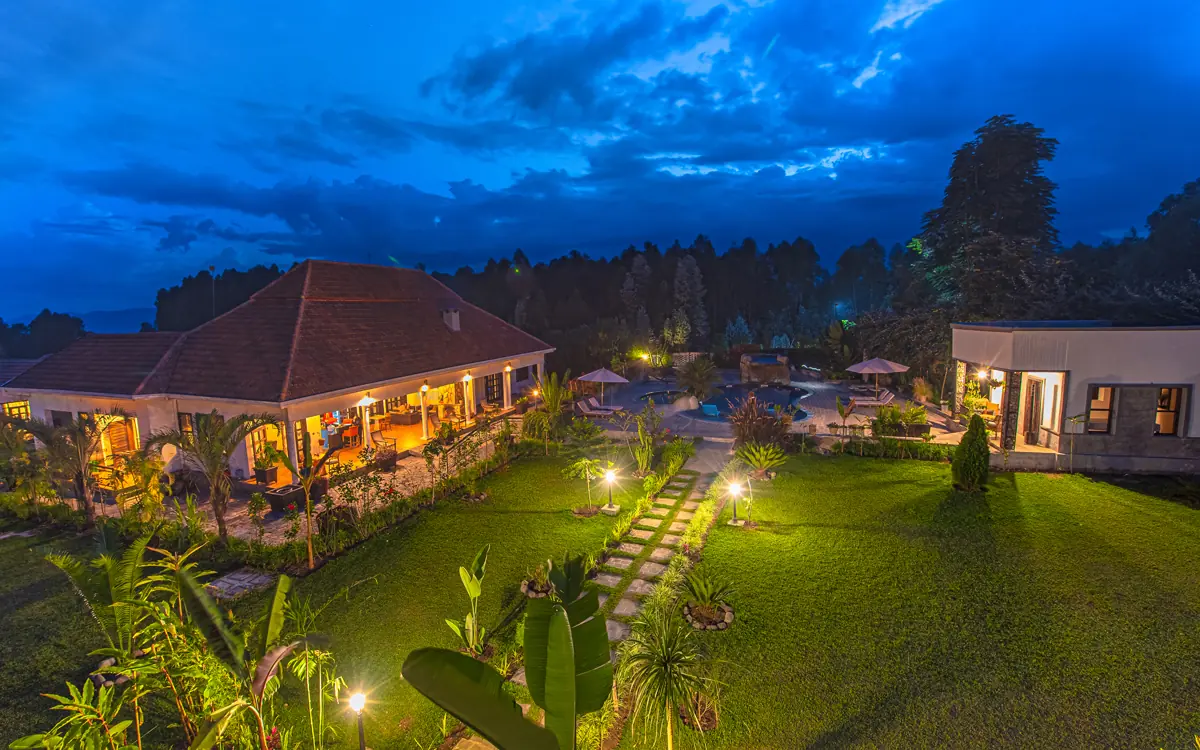
Volcanoes National Park in the north is where the mountain gorillas live, reached by road from Lake Kivu. Trekkers leave before sunrise and climb through bamboo and native forest to one of the park's habituated families, granted an hour in their company before the descent; the routes can run steep and muddy. A short drive from the trekking headquarters on the Kinigi road outside Musanze, the hotel spares the pre-dawn drive from Kigali. Return brings a hot shower, a sauna or a massage, then the pool terrace, with the Virunga peaks visible past the walled gardens on clear days.
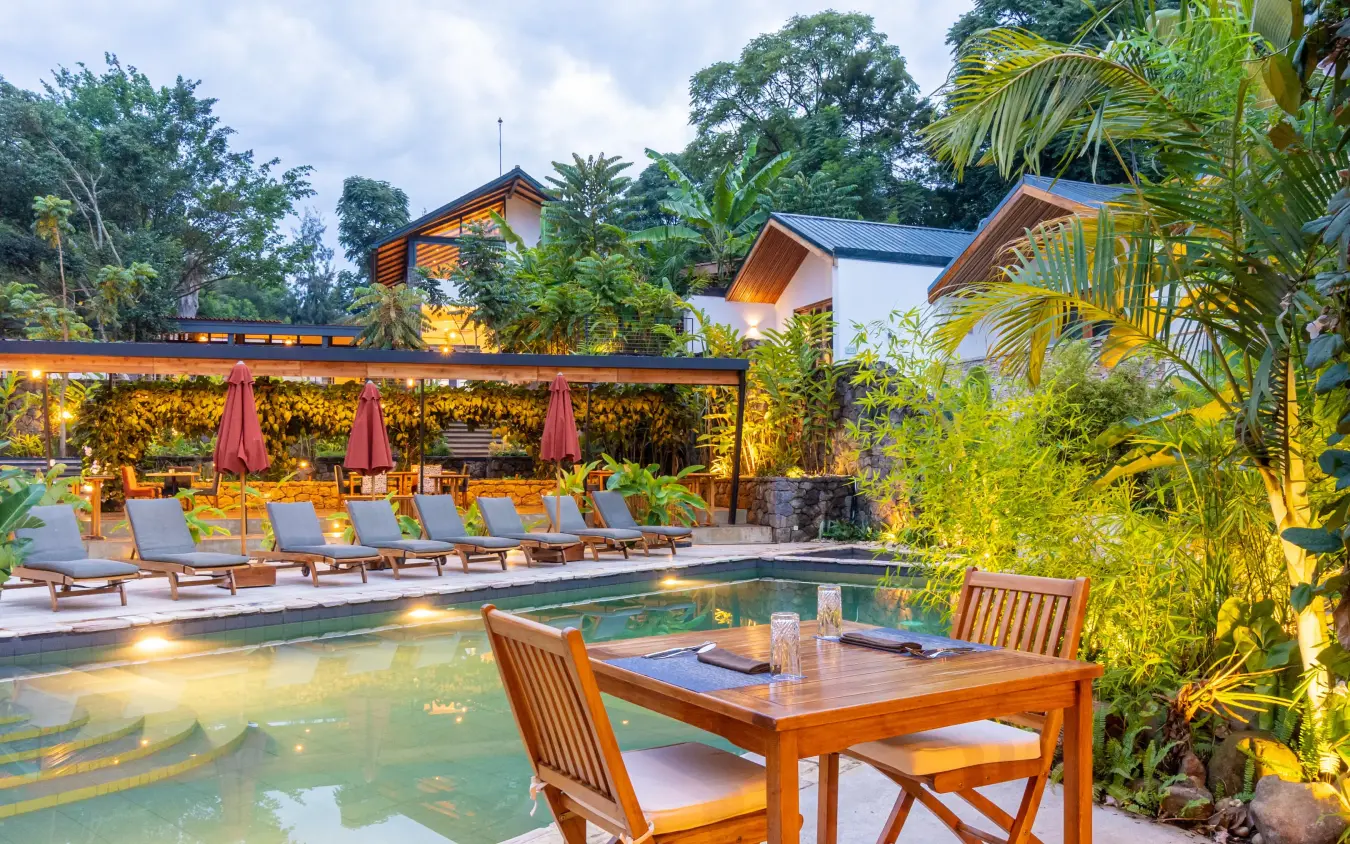
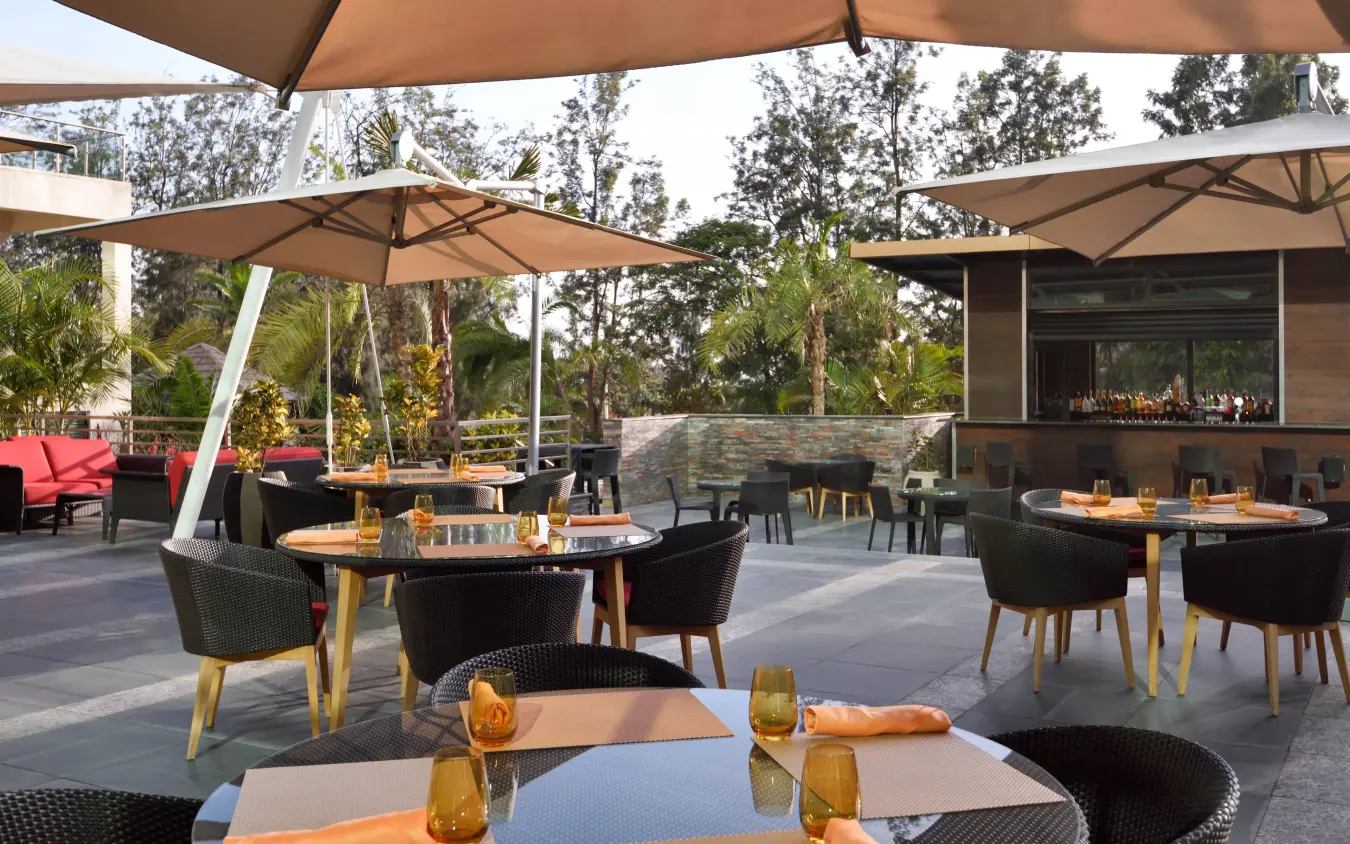
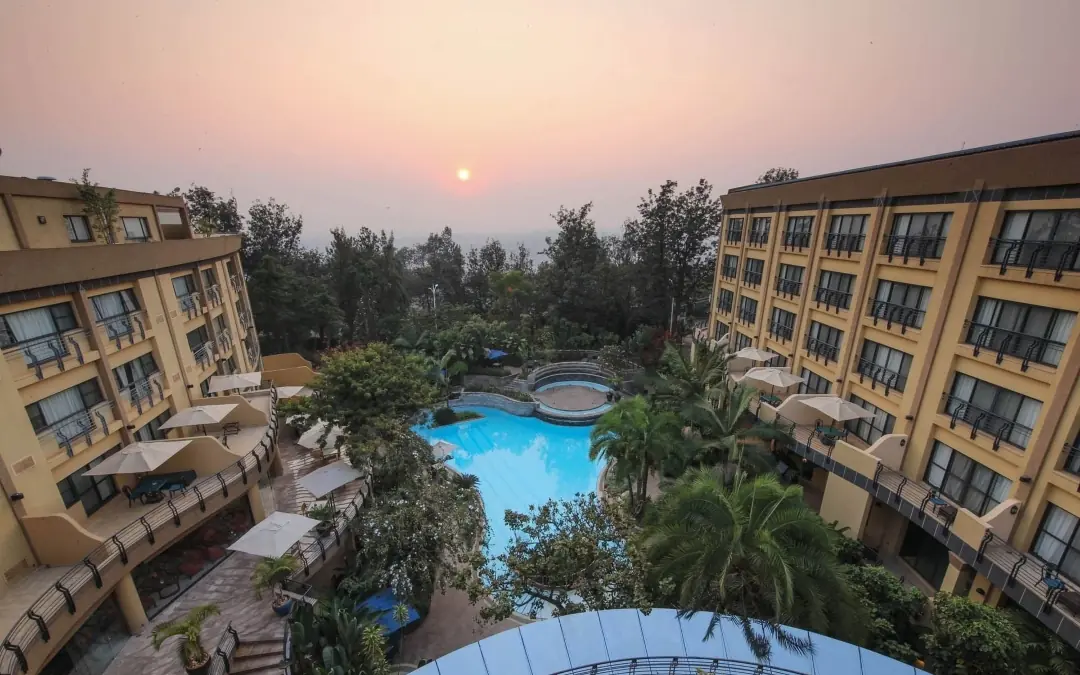
Back in Kigali for a final night, the one full day can take in the Genocide Memorial at Gisozi, the Nyamirambo Women's Centre walking routes or the studios at Inema Arts Centre, all a short drive away and arranged for you. Downtown on KN 3 Avenue in Nyarugenge, the hotel's coffee and the baskets on its walls come from Rwandan women's cooperatives. Rooms are large and quiet, and the pool is a proper swimming pool, heated against the cool Kigali evenings.
The gorillas are about as dependable as a wild animal gets; the chimpanzees are not, and the two should not be booked with the same expectations.
No official success rate is published for Volcanoes National Park, but we put it at better than 95 per cent, because trackers set off in the dark to find where each habituated family slept, so the rangers usually know where to walk before you leave the briefing.
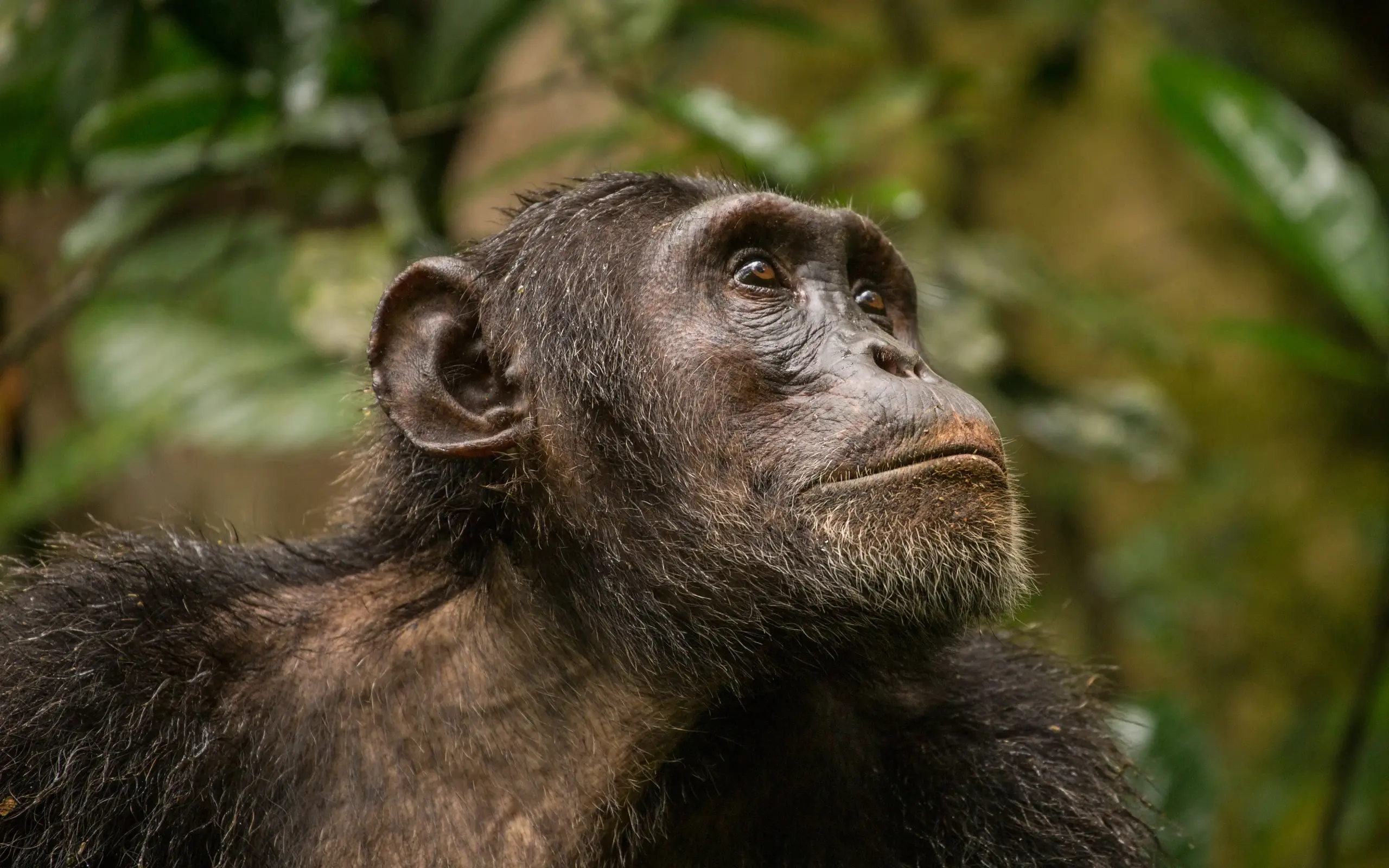
Nyungwe's chimpanzees are another matter. The three tracked communities are only semi-habituated, they range over steep, densely forested ground, and in Rwanda we find them harder to track than chimpanzees in Uganda or Tanzania. No dependable percentage exists, so we quote none.
Three nights at Nyungwe House help: if the first morning draws a blank there is room to try again, permits allowing. Nobody can promise either animal.
Plenty, though the two animals people ask about are the two that need luck.
Buffalo, zebra, topi, impala and giraffe are everyday sightings, elephants tend to keep near the lakes, and hippo and crocodile are the staple of the boat trips on Lake Ihema, beside Ruzizi Tented Lodge.
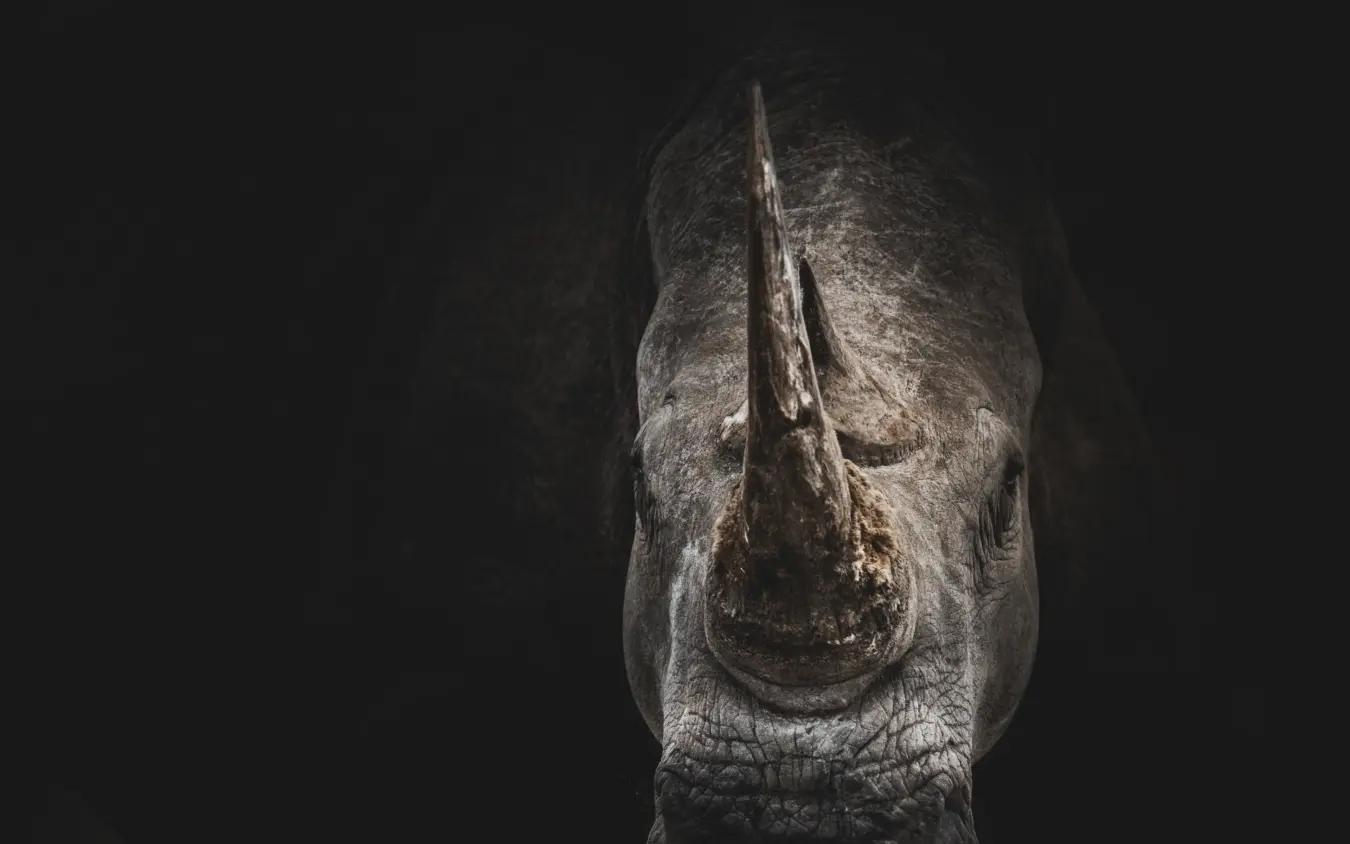
Lion and rhino were reintroduced from 2015 onwards, and this is where they live: lions roam the northern plains, black rhino keep largely to thickets in the south, and white rhino, the easier of the two to find, graze plains at both ends.
Ruzizi is in the south, and we advise allowing at least five to six hours to drive the park's full length. With two nights you have one full day, so it is a choice: a long day north for a chance of lion, or shorter drives, the boat and a night drive nearer the lodge.
Tell us which matters more.
Yes, if you take them as a rest with options and not as another park.
Kibuye, the resort town of Karongi district, lies about half way along the lake, which is why the stop is here: it cuts the long road from Nyungwe to the volcanoes in two, and it falls between the early starts of the chimpanzee days and the gorilla trek.
The best-known outing is a boat to Napoleon's Island, known for its colony of fruit bats and its walking trails, and boats also run to Amahoro Island, where there is a restaurant. Walkers and cyclists can sample the Congo Nile Trail, a 227 kilometre route along the shore that is tackled one section at a time.
Beyond that, the point of Lake Kivu is to do very little for a day. If two nights sounds like one too many, this is the easiest stop on the route to shorten.
The dry middle of the year suits every part of this route: June, July and August are recommended on our best time pages for all five places you stay. It thins the bush in Akagera and draws game to the lakes, firms the forest trails and settles Lake Kivu.
January and February form a second, briefer dry window, and we recommend both for Akagera, Lake Kivu and the volcanoes. September keeps its recommended rating on the savannah and the volcanoes, while showers return to Nyungwe and the lake.
Gorilla tracking runs in every month, so rain costs you comfort on the climb and nothing more. We class May, October and December as transitional: some rain and soft paths, and in return gorilla permits are easier to find, lodges sometimes lower their rates, and Akagera turns green with fine birding.
We would not plan this route for April or November, when every stop is at its wettest, and March rates equally low on the volcanoes.
Most legs are half days, and one is a long day.
The first leg, from the capital out to Akagera, is two to three hours. The stretch to watch is Akagera to Nyungwe: the usual road runs back through the capital, and with five to six hours from Kigali to the forest it adds up to most of a day in the vehicle.
That is the leg where flying earns its place. Scheduled flights link Kigali with Kamembe, roughly an hour by road from Nyungwe House, and helicopters can be chartered to any of the parks, typically an Agusta with room for five or six.
After that the route is kinder: Nyungwe to Lake Kivu, and the lake to the volcanoes, each take something like three to four hours of slow, twisting road, and the last drive to Kigali takes two and a half to three. For a gentler version by road, we can add a night in Kigali between the two.
Pack for the forests first, because they are the demanding part.
The gorilla trek climbs to somewhere between 2,500 and 4,000 metres and Nyungwe's trails lie between 1,600 and 2,950 metres, and rain falls on the volcanoes all year.
For the treks, we suggest this kit:
Carry water and a small snack in a daypack. At the gorilla trailhead you can take a porter, who carries the pack and gives you a steadying arm where it gets steep; we suggest you do.
Akagera and Lake Kivu need nothing special beyond ordinary safari clothes, a hat and something warm for the night drive.
Ed Charles, BBC Producer
Fitzroy are true specialists in accessing the wilderness. They know where to go and importantly, when to go there. Highly recommended.
rwanda, tanzania & kenya
Rwanda's gorillas, the northern Serengeti and Mara plains, then horseback days below Kilimanjaro in the Chyulu Hills.
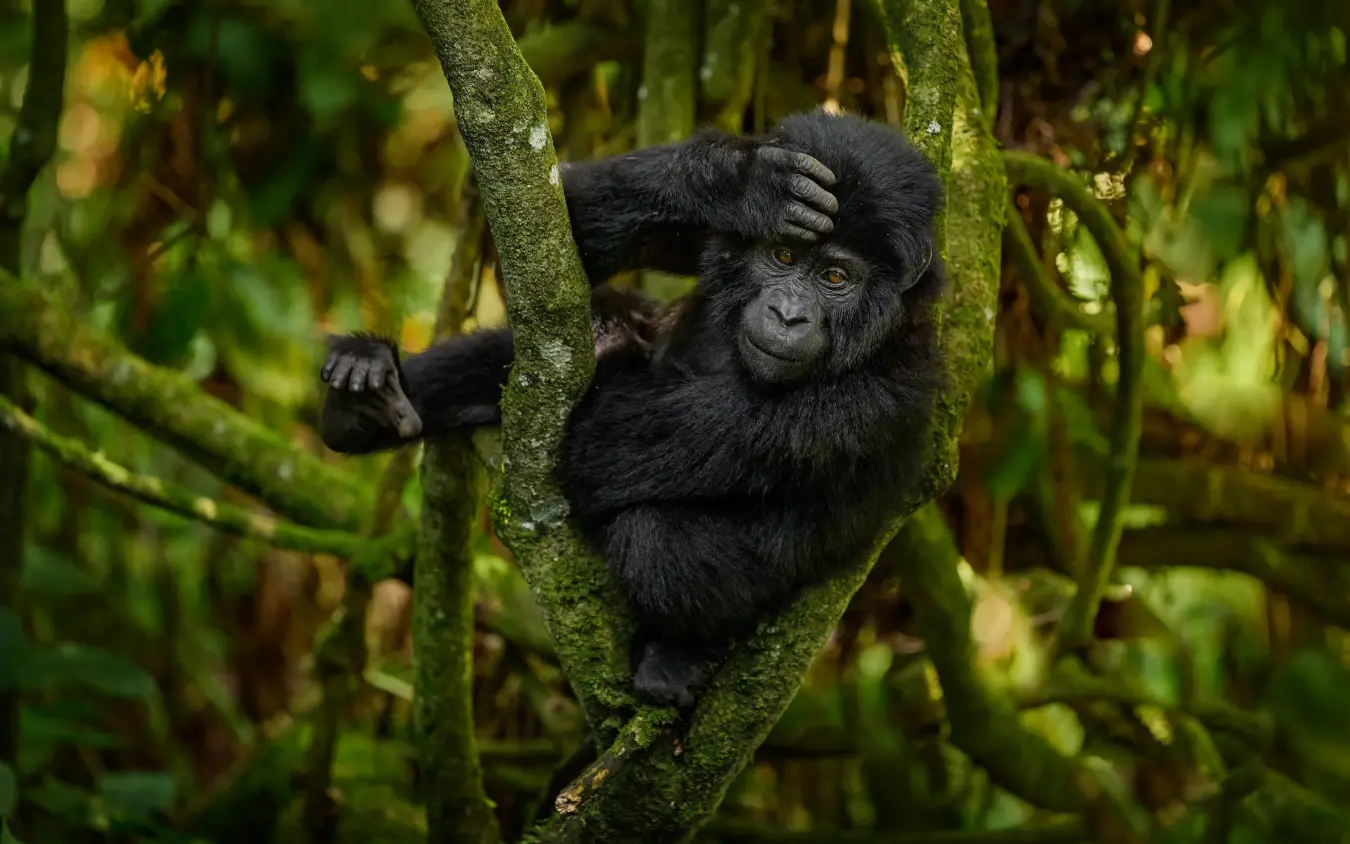
rwanda
Eight nights across Rwanda, from Nyungwe's rainforest and Lake Kivu to the gorilla trailheads of the Virunga volcanoes.

rwanda & uganda
Ten nights linking Kigali, Volcanoes, Mgahinga and Bwindi, tracking mountain gorillas across Rwanda and Uganda.
rated five stars by our clients

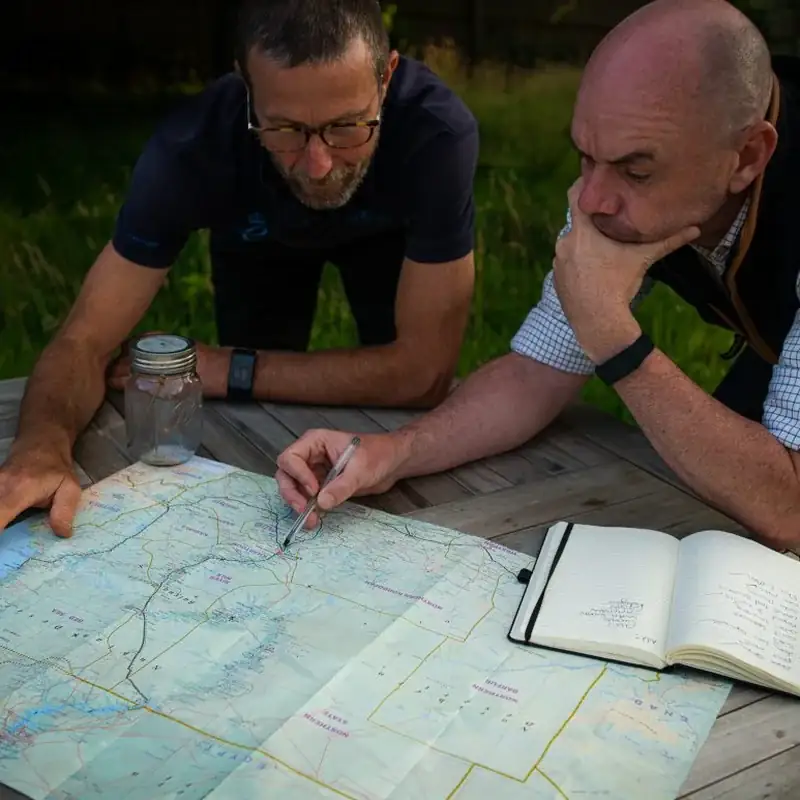
our approach
Every journey starts with a conversation. We take the time to understand your vision before we start planning.
Whether by phone or in person, we work with you directly to shape something that is considered, personal, and expertly delivered.
Every journey starts with a conversation. We favour a direct, personal approach: understanding your vision before anything else.
Whether by phone or in person, we work with you directly to shape a journey that is both thoughtfully considered and expertly delivered.
Get in touch to start planning yours.