Camp

Magashi Peninsula

Two couples’ suites and a four-bed villa on a private lake peninsula in the north of Akagera National Park, Rwanda.

Country: Rwanda
Location: Akagera National Park
Number of rooms: 3

Eight guests on Lake Rwanyakazinga

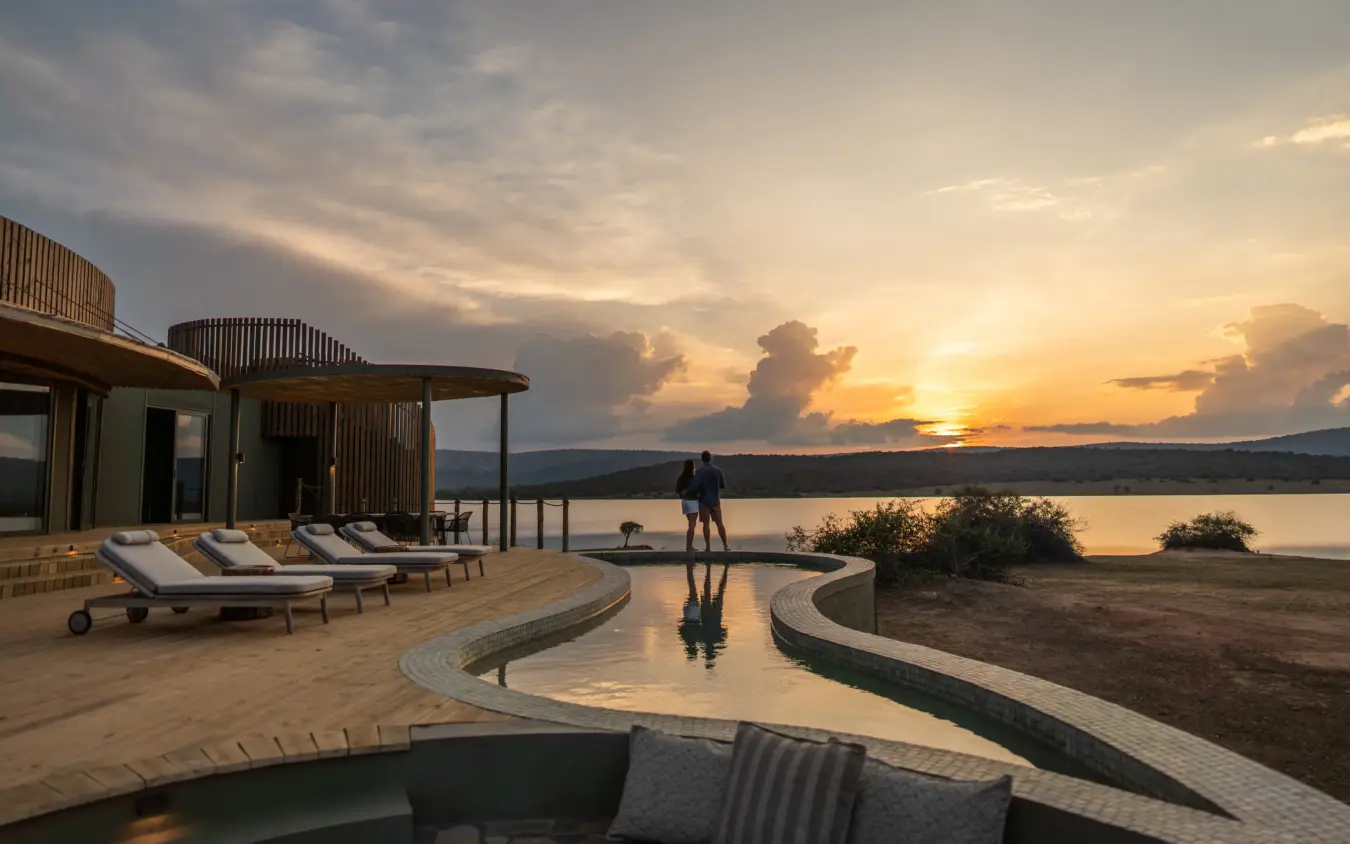
Magashi Peninsula has a finger of land to itself in the north of Akagera National Park, with Lake Rwanyakazinga lapping its shores and the Mutumba Hills rising across the water. Elephants wade into the lake directly below the decks. Hippos surface in the shallows while crocodiles bask along the shore, and the park beyond holds lion, rhino and buffalo.

Elephants wade into the lake directly below the decks.

The camp opened in 2025 as the smaller sister to Magashi Camp, and it keeps to eight guests in all, in two couples’ suites and a four-bed villa. Each is set well apart from the next, with no walkways linking them, and each has a plunge pool and a Star Bed on its roof. The camp is finished with local Rwandan craftwork.

Magashi Peninsula, Akagera National Park, Rwanda

African Parks and the Rwanda Development Board have run Akagera together since 2010, and the wildlife has followed. Lions came back in 2015, black rhino in 2017 and white rhino in 2021, so the Big Five share the savannah again. Game drives range across the whole park, with limited off-road driving on the concession, and after dark the drives go out with filtered spotlights.

Papyrus specialists call unseen from deep in the reeds.

Out on Lake Rwanyakazinga, pontoons and a swamp cruiser nose along the reed channels, slipping past hippo pods and Nile crocodiles. Papyrus specialists call unseen from deep in the reeds. The shoebill is a rare chance here, never a promise. Catch-and-release fishing runs all year from the camp, and across the park birders have hundreds of species to work through.

Magashi Peninsula, Akagera National Park, Rwanda 01

accommodation

Two Couples' Suites and Four-Bed Villa

Magashi Peninsula has three units for eight guests: two couples' suites and a four-bed villa, set well apart with no walkways between them. Each suite has a deck, plunge pool and rooftop Star Bed facing the lake. The villa adds two en-suite bedrooms, a flexible third room, lounge, dining area, kitchen and its own pool.

Magashi Peninsula, Akagera National Park, Rwanda 02

activities

Game Drives Across Akagera National Park

Game drives cover the whole of Akagera National Park, with limited off-road driving on the private concession and night drives using filtered spotlights. On Lake Rwanyakazinga, pontoons and a swamp cruiser find hippo and papyrus birds, and catch-and-release fishing runs all year. Guided walks and Akayange visits slow the pace.

Magashi Peninsula, Akagera National Park, Rwanda 03

conservation

African Parks and Rwanda Development Board Partnership

Magashi Peninsula works with the Akagera Management Company, the partnership through which African Parks and the Rwanda Development Board run the park. Its work includes predator monitoring, invasive plant control and conservation education. Children in the Wilderness works with schools and families in Akayange village.

ready to get started?

Get in touch and let’s start the conversation. An initial consultation helps us understand what you’re looking for, whether that’s specific experiences, luxury touches, or marking a special occasion, and from there we’ll guide you through what’s possible so you can decide if we’re the right fit.

alternative accommodation in akagera national park

Akagera's in-park lodges are few and carefully chosen, from solar-powered eco-camps on Lake Ihema to an exclusive private concession in the wildlife-rich north. Each places you close to the water and the game, with profits from several supporting the park's own conservation work.

frequently asked questions

By road from Kigali, or by helicopter. The drive east from Kigali to Akagera National Park takes two and a half to three hours on tarred roads, and from the park gate the journey becomes a game drive north through the park to the private Magashi concession and the camp on its peninsula, so the last stretch is already part of the safari.

For a faster arrival we can arrange a private helicopter charter from Kigali to the Magashi helipad, followed by a short drive to the camp. It turns most of a morning on the road into a short flight over the hills and lakes of eastern Rwanda, which suits a tight itinerary or a family that would rather not spend hours in a car.

They share the same private concession in the north of Akagera and the same lake, but they are separate camps. Magashi Camp opened in 2019 with eight tented suites along the shore of Lake Rwanyakazinga. Magashi Peninsula opened in December 2025 on its own peninsula reaching out into the lake, is built in wood and local craftwork rather than canvas, and takes no more than eight guests.

Those eight stay in three units: two suites for couples and a four-bed villa, set well apart with no walkways between them, each with its own plunge pool and a rooftop Star Bed for sleeping out. The villa comes with its own guide and its own kitchen. The wildlife is the same from both camps; what changes is the privacy, the space and the finish.

Yes. TravelHealthPro, the UK's official travel health service, rates the whole of Rwanda as high risk for malaria and recommends antimalarial tablets, and the American CDC lists every part of the country and recommends prescription medicine to prevent it. Akagera lies low and warm in the east, a country of lakes and papyrus swamp with Lake Rwanyakazinga at about 1,400 metres, so the camp sits squarely inside that advice.

We are travel planners, not doctors, so we do not make recommendations about tablets. Which ones suit you, how they sit with anything else you take and what is right for a child are questions for your own doctor or a travel clinic. The practical side is simpler: cover arms and legs from late afternoon, especially out on the lake at sunset, and keep repellent to hand.

Rather a lot, since the camp sits on a peninsula reaching into it. It keeps two pontoon boats and a swamp cruiser for outings among hippo and crocodile, along papyrus edges where the shy sitatunga hides, and for picnic lunches and sundowners on the water. Elephant, buffalo and rhino come down to the shore to drink and are regularly seen from the boats.

Catch-and-release fishing runs all year, with tackle provided by the camp. The lake is also a fine place for birds in a park that counts more than 500 species: African fish eagles and the papyrus specialists are regular sightings, and shoebill is a rare chance rather than a promise.

Yes, if the family takes the villa, which was designed with them in mind. It has two en-suite twin rooms either side of its own lounge, dining room, kitchen and pool, plus a third en-suite room that can be set up as a children's room. The villa has a private guide and meals served in the villa, so the day runs at the children's pace rather than a camp timetable.

The other two units are suites for couples, set well away from the villa, so a family with young children has the run of their own corner of the peninsula. Tell us the children's ages when you first get in touch and we will match each day's activities to them.

June to September, the long dry season, when the bush thins, the water shrinks back to the lakes and the game is easiest to find, with firm tracks for following lion and rhino. January and February, the short dry spell, are nearly as good and quieter. April and November are the wettest months, when the tracks turn muddy and the animals spread out.

The green months have their own case. The park is lush, the birding is at its best, shoebill included, and there are fewer vehicles about, which matters less at Magashi Peninsula than elsewhere because the private concession is reserved for its own guests and those of Magashi Camp.

Month by month: the best time to visit Akagera National Park

rated five stars by our clients

other areas in rwanda

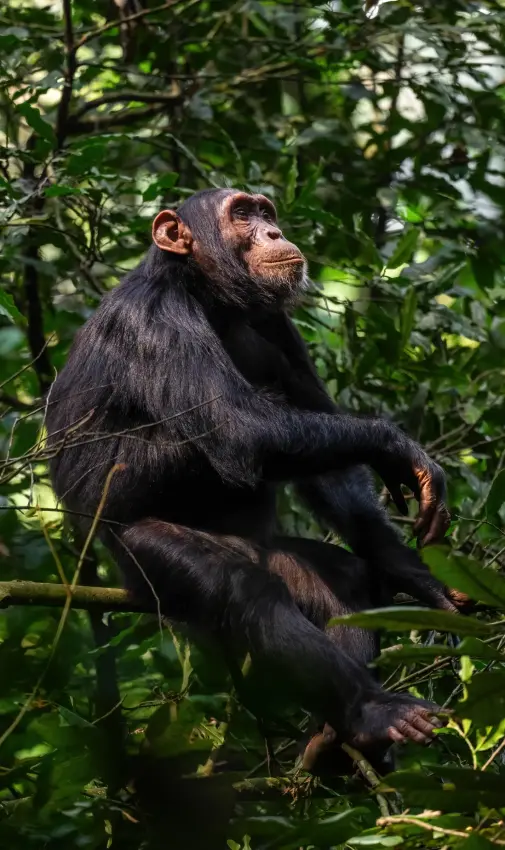
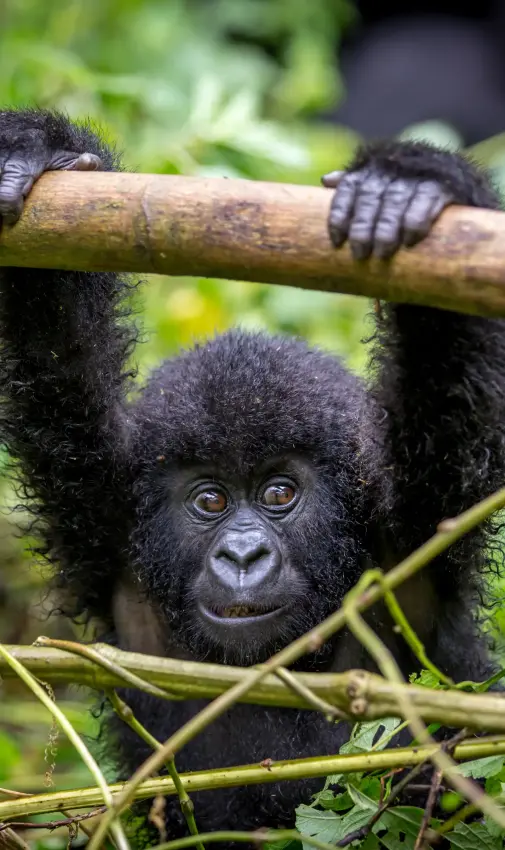
Akagera pairs naturally with the rest of Rwanda. Combine its savannah and lakes with gorilla trekking in the montane forests of Volcanoes National Park, or the canopy walks and chimpanzees of Nyungwe, for a journey that spans the country's full range of habitats.

Chimpanzee sitting in tree branches surrounded by foliage 01

Nyungwe Forest

Young gorilla hanging from branch in forest canopy 02

Volcanoes National Park

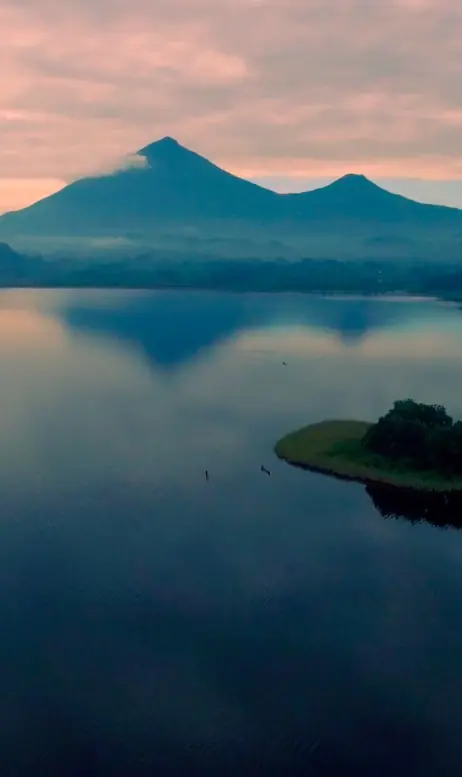
Mountain reflected in still lake at dawn with forested peninsula, Lake Kivu, Rwanda 03

Lake Kivu

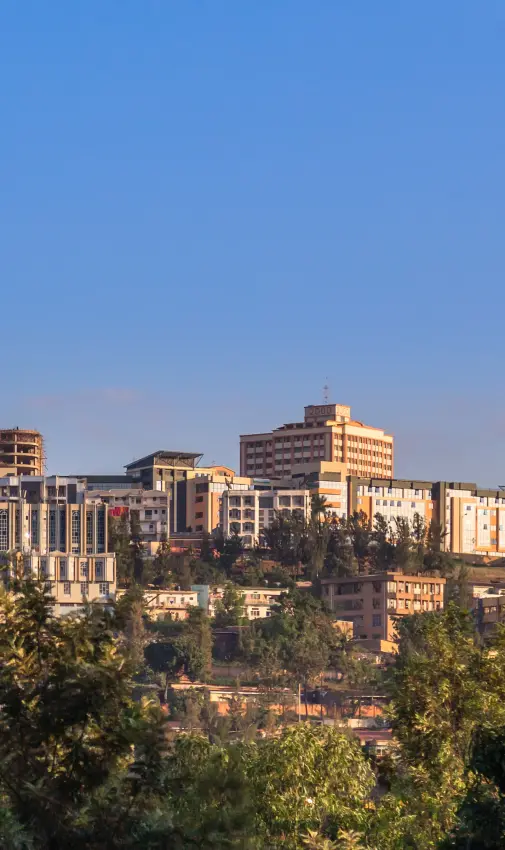
Urban cityscape with buildings on hillside at sunset 04

Kigali

Planning a journey together

our approach

remote, exclusive
& personal

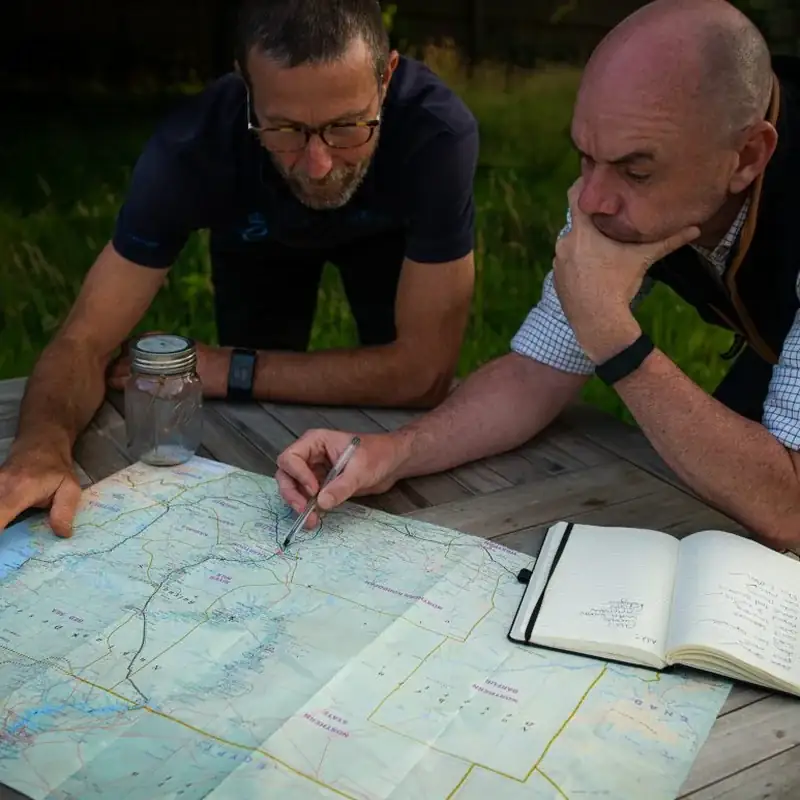
Every journey starts with a conversation. We take the time to understand your vision before we start planning.

Whether by phone or in person, we work with you directly to shape something that is considered, personal, and expertly delivered.

get in touch
destinations ideas & inspiration our process about us contact us