







tanzania
climbing kilimanjaro by lemosho
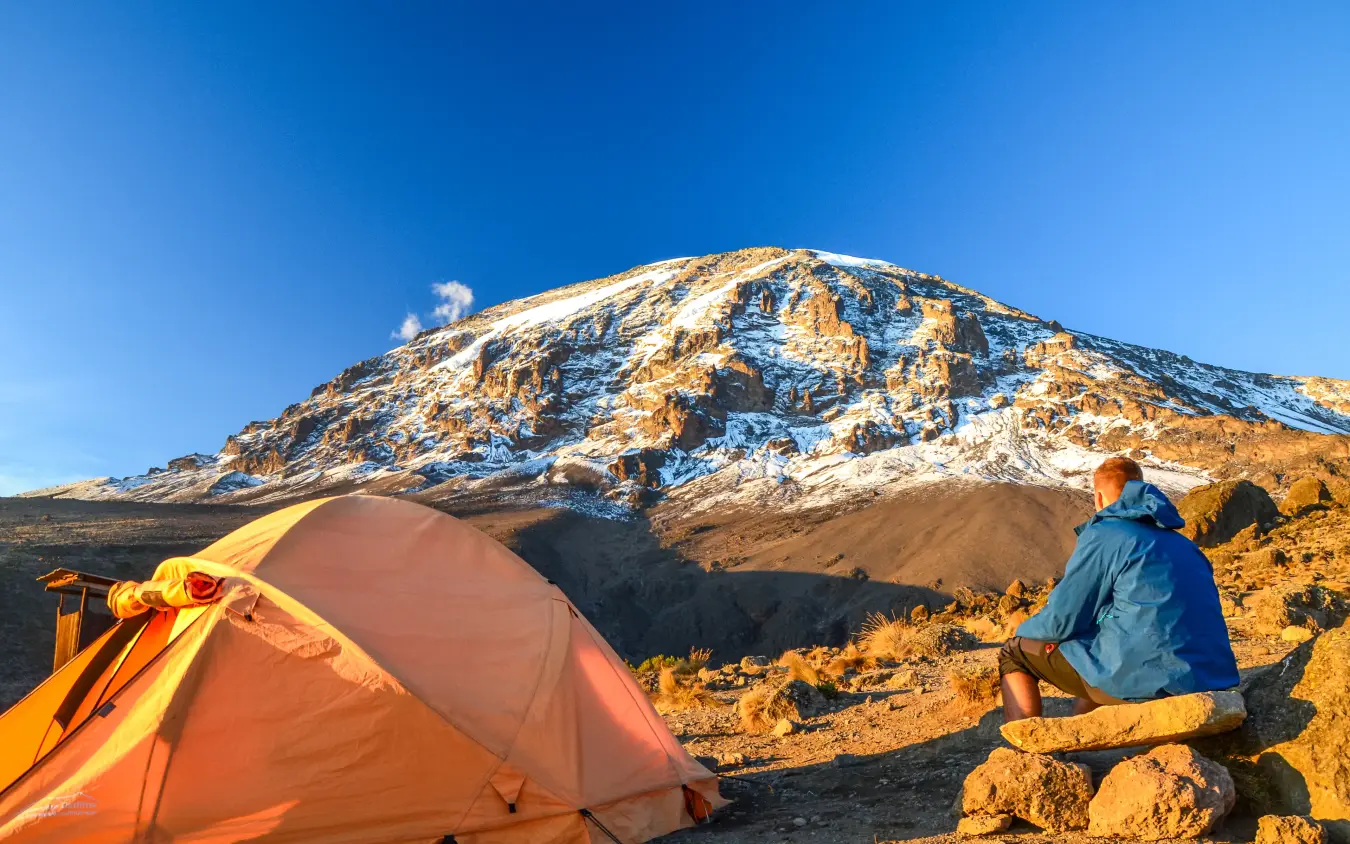
Ten nights in northern Tanzania climbing Kilimanjaro by the Lemosho route, with two nights at Ngare Sero on Mount Meru.
- Private Safari
- From $7,200 pp
- 2 guests
- 10 nights
Ten nights link four parts of northern Tanzania. You begin in Arusha, the staging town on the slopes of Mount Meru, then move to the quiet southern half of Lake Manyara beneath the Rift Valley escarpment. From there the route runs to the eastern plains of the Serengeti, cheetah and lion country east of Seronera, and finishes in the Lamai Wedge in the far north, near the Kenyan border.
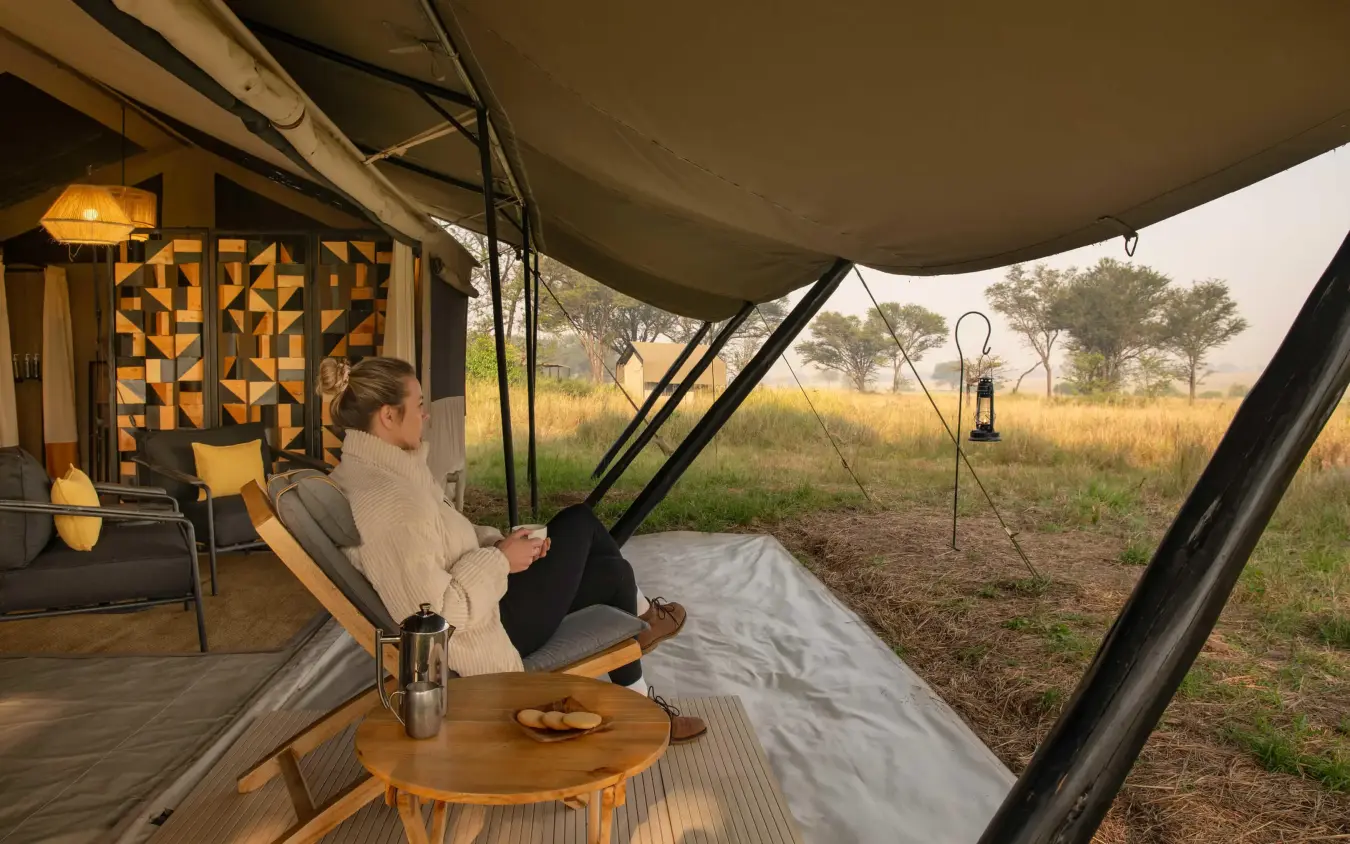
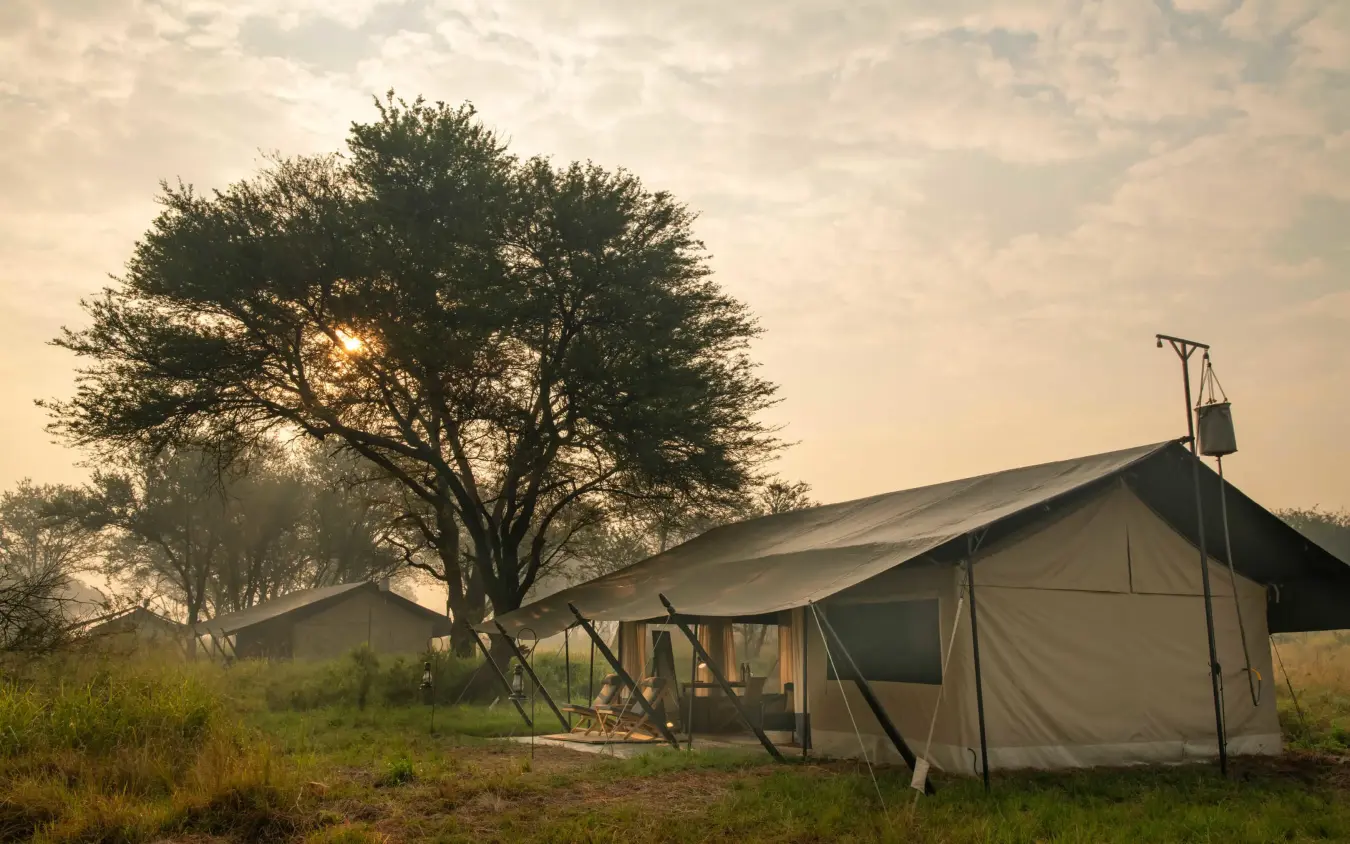
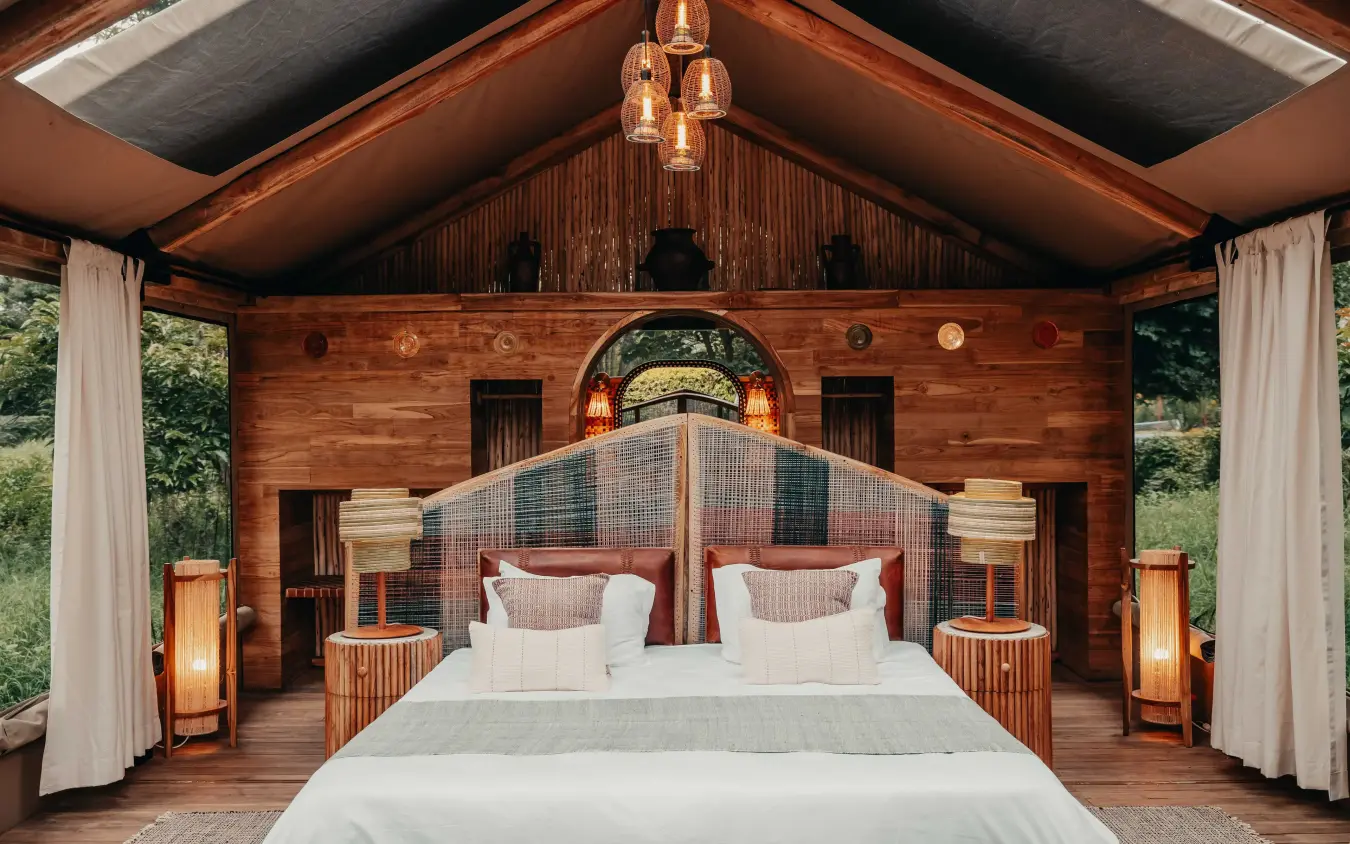
You travel by road and light aircraft, with game drives at sunrise and in the late afternoon, walks, and canoeing where water levels allow. The accommodation is small: a converted 1905 farmhouse near Arusha, a camp on the Endabash River, and two Serengeti camps of eight tents each, working their own stretches of country.
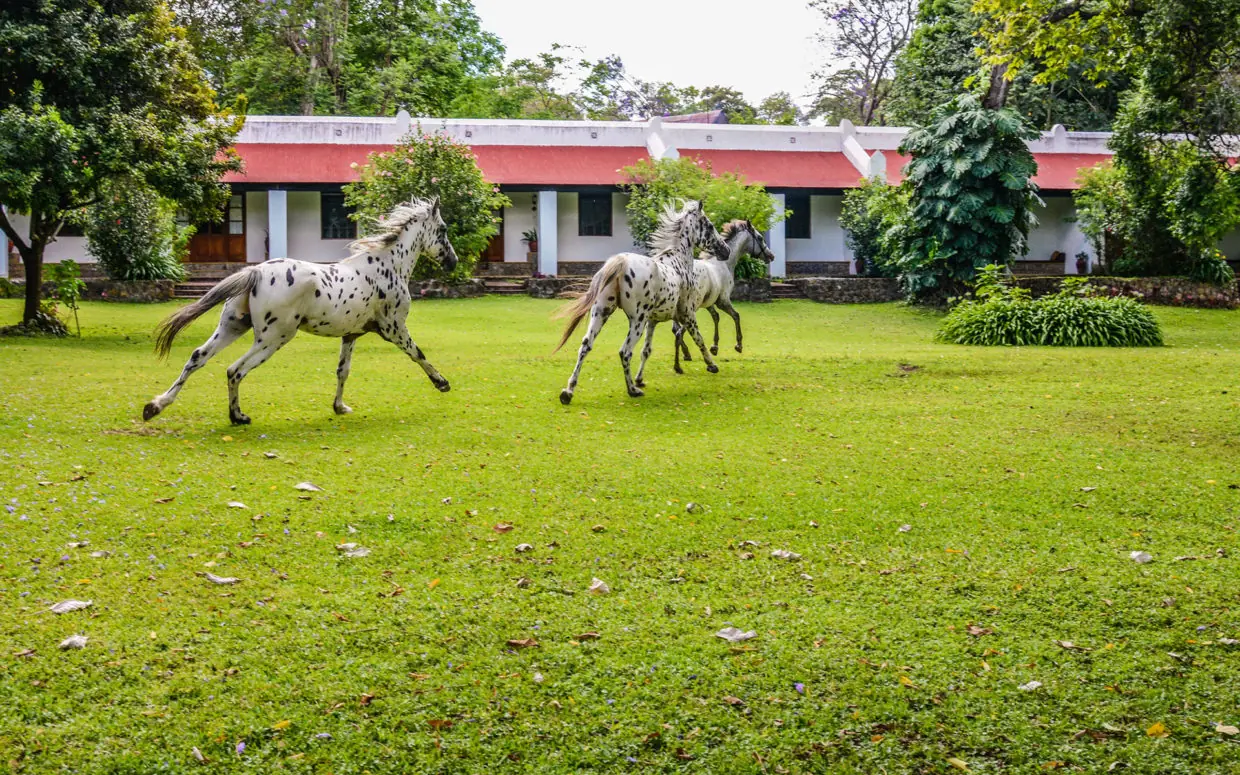
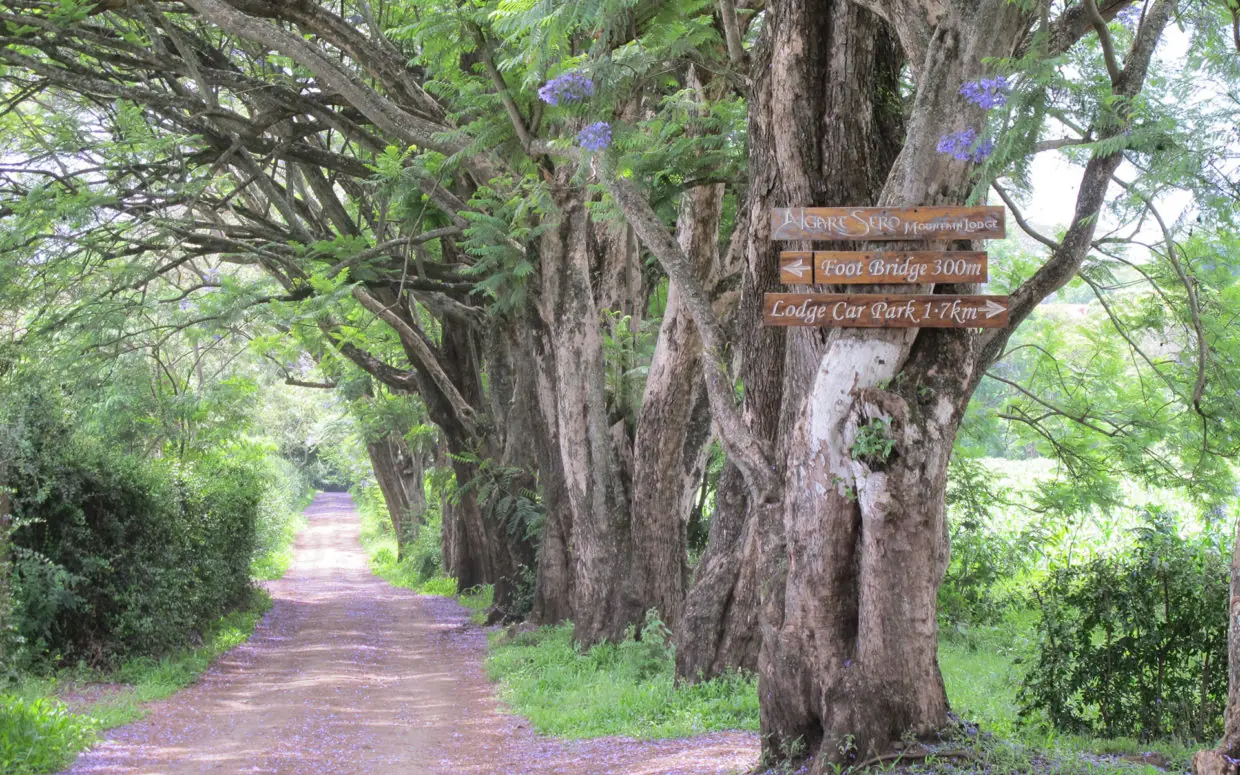
You land at Kilimanjaro International, often after dark, and wake beneath Mount Meru before the parks begin. The lodge stands on the mountain's forested lower slopes, around 20 kilometres east of Arusha, with a spring-fed lake, indigenous forest and colobus and Sykes' monkeys in the canopy. On clear mornings the glaciers of Kilimanjaro come into view. A 1905 farmhouse run by the Leach family since 1974, it keeps a small, homely scale, with meals drawn from the estate's organic garden and freshly caught trout.
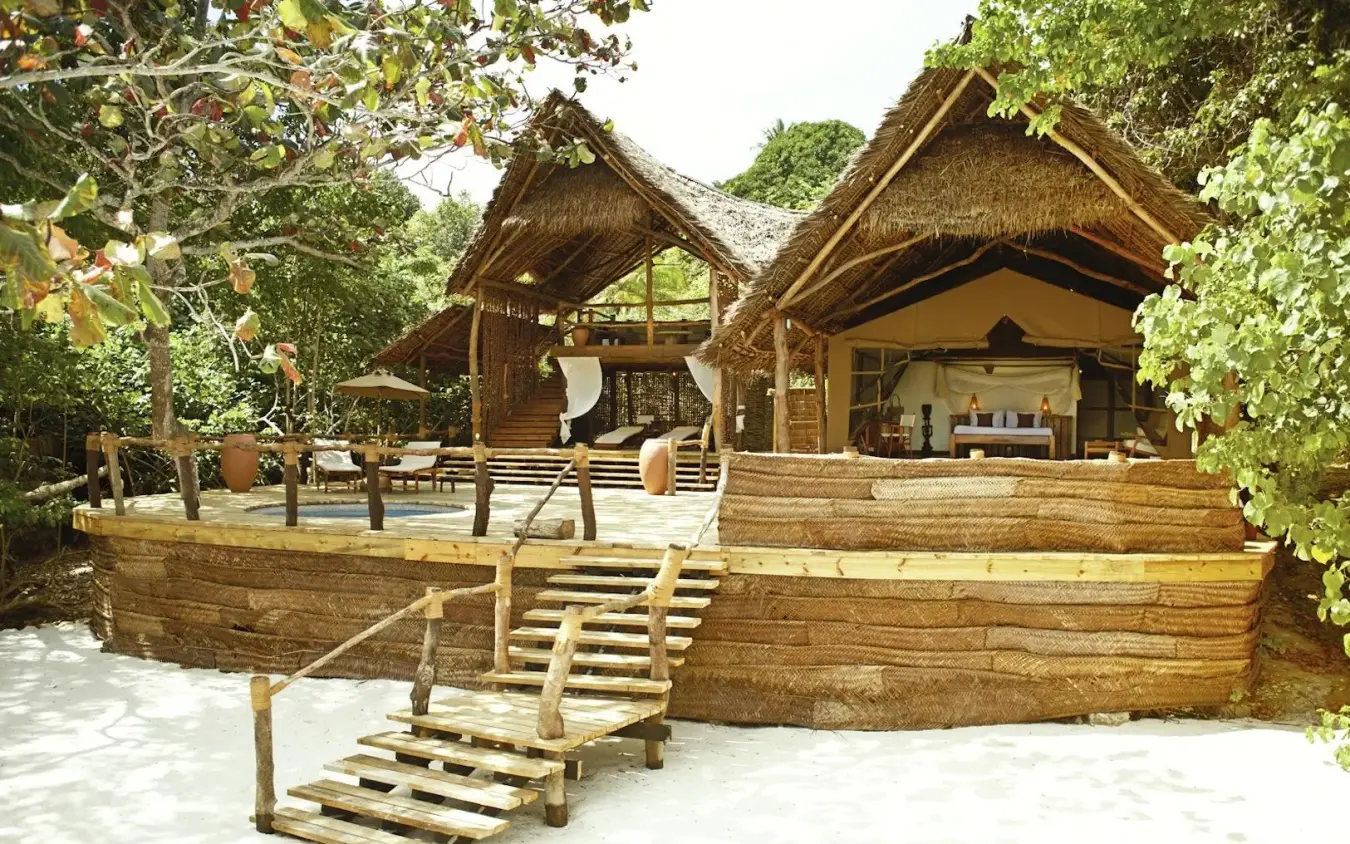
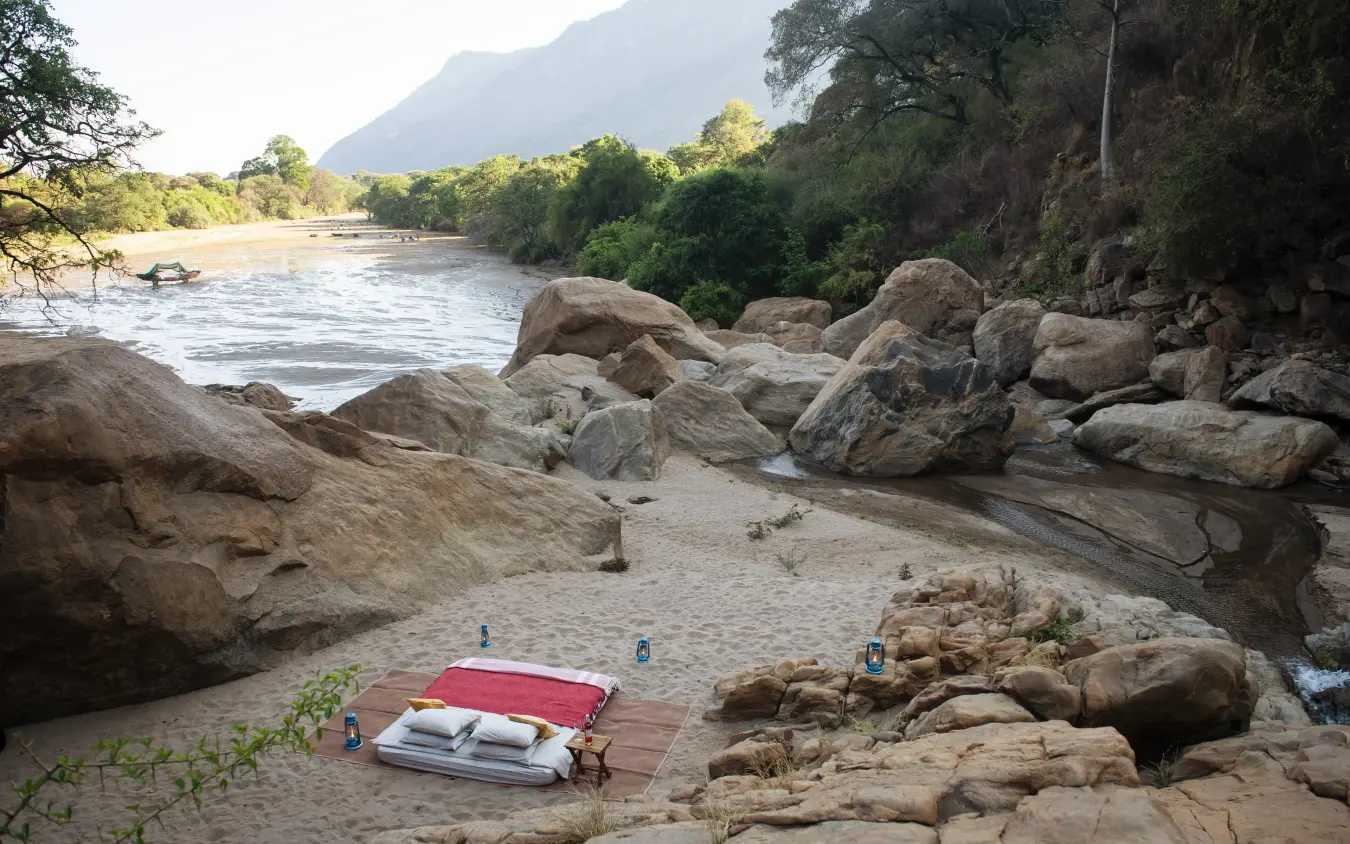
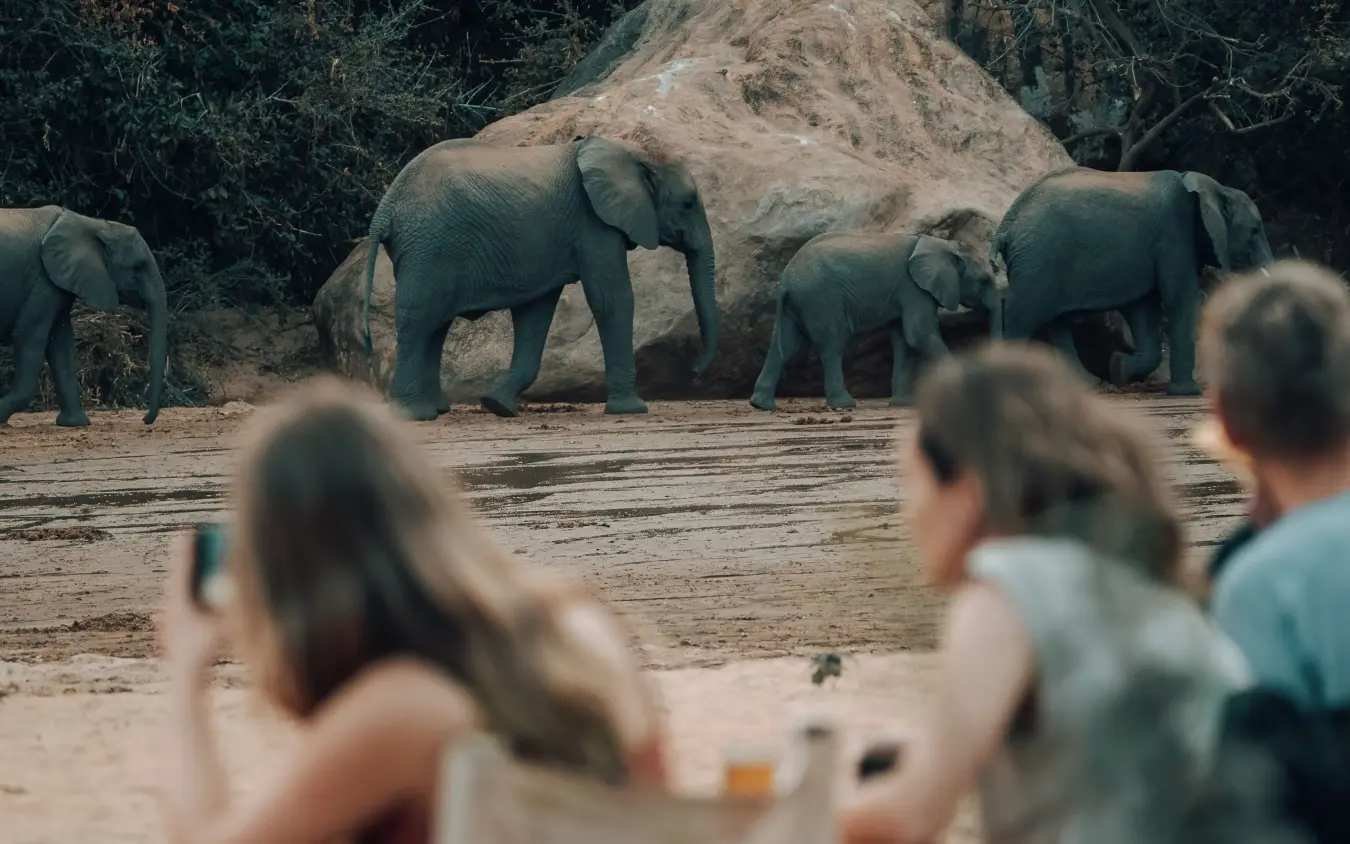
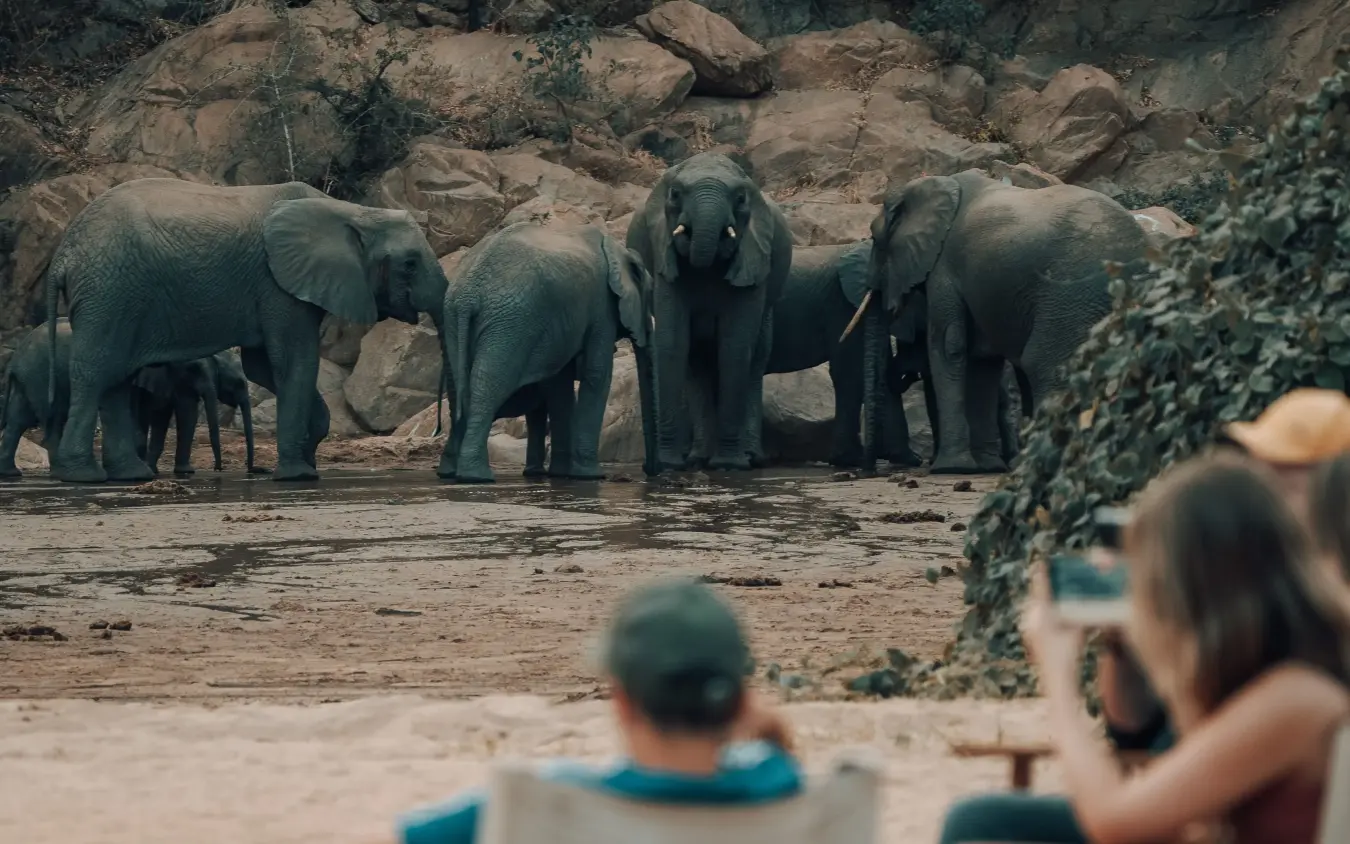
The drive from Arusha brings you to the southern half of Lake Manyara, the part most day-trippers never reach. Morning and afternoon game drives run through the park, joined by night drives and walks that range from short tracking outings along the shore to longer climbs up the escarpment; you can canoe on the lake when levels allow and cross the treetop walkway eighteen metres above the forest floor. In the dry months the Endabash gorge draws elephants and buffalo to drink. Eight tents stand on raised wooden decks along the riverbed, beneath the waterfall where the water drops off the escarpment.
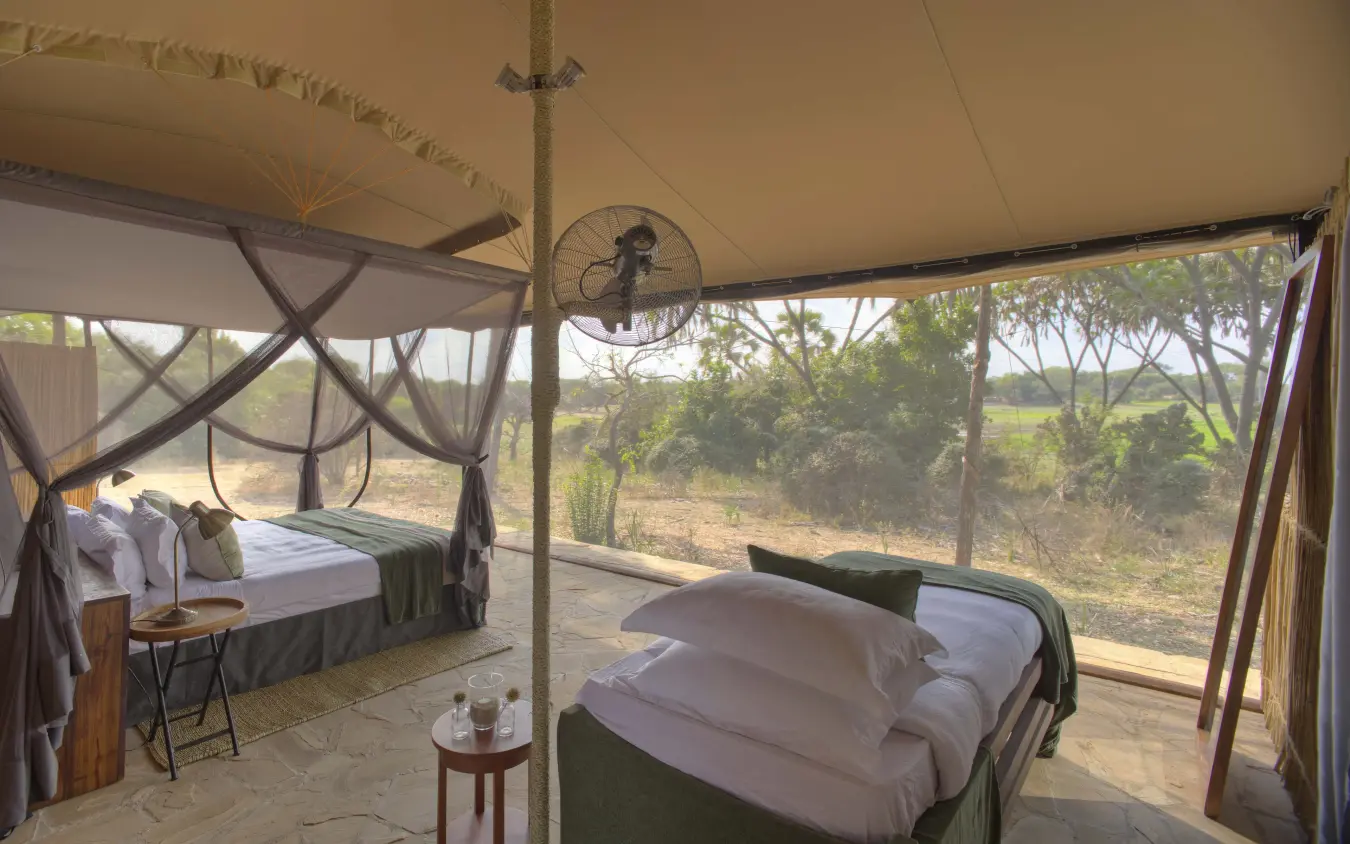
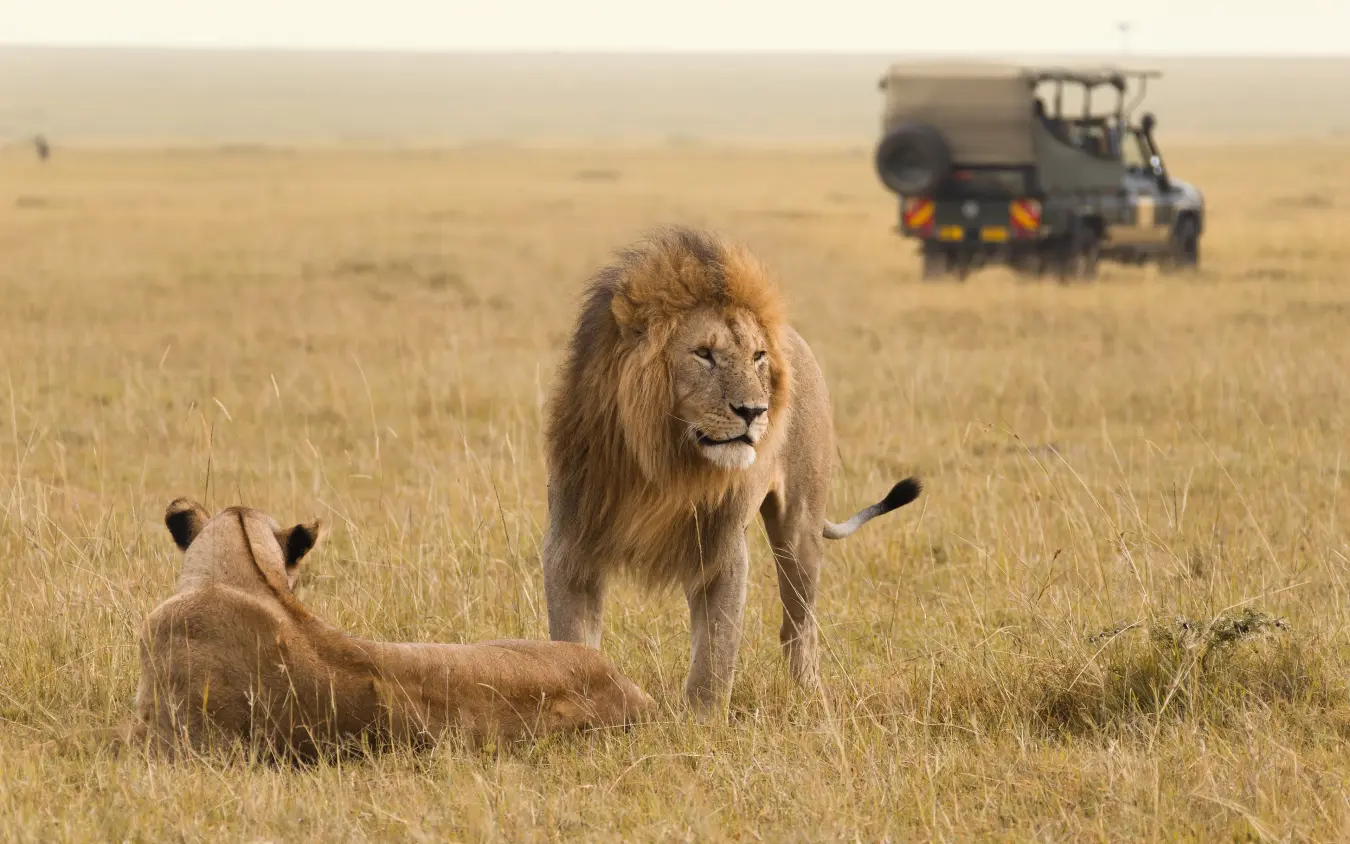
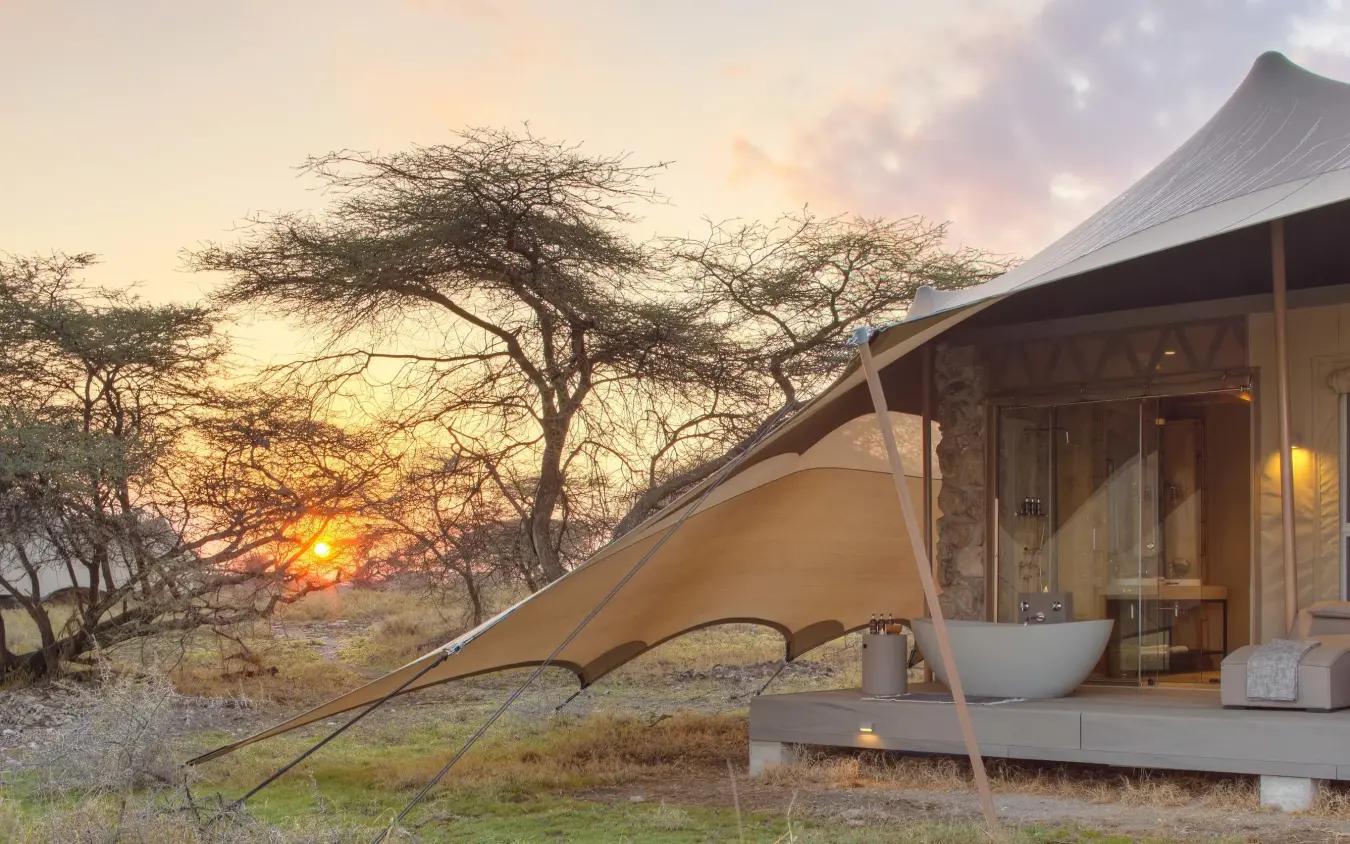
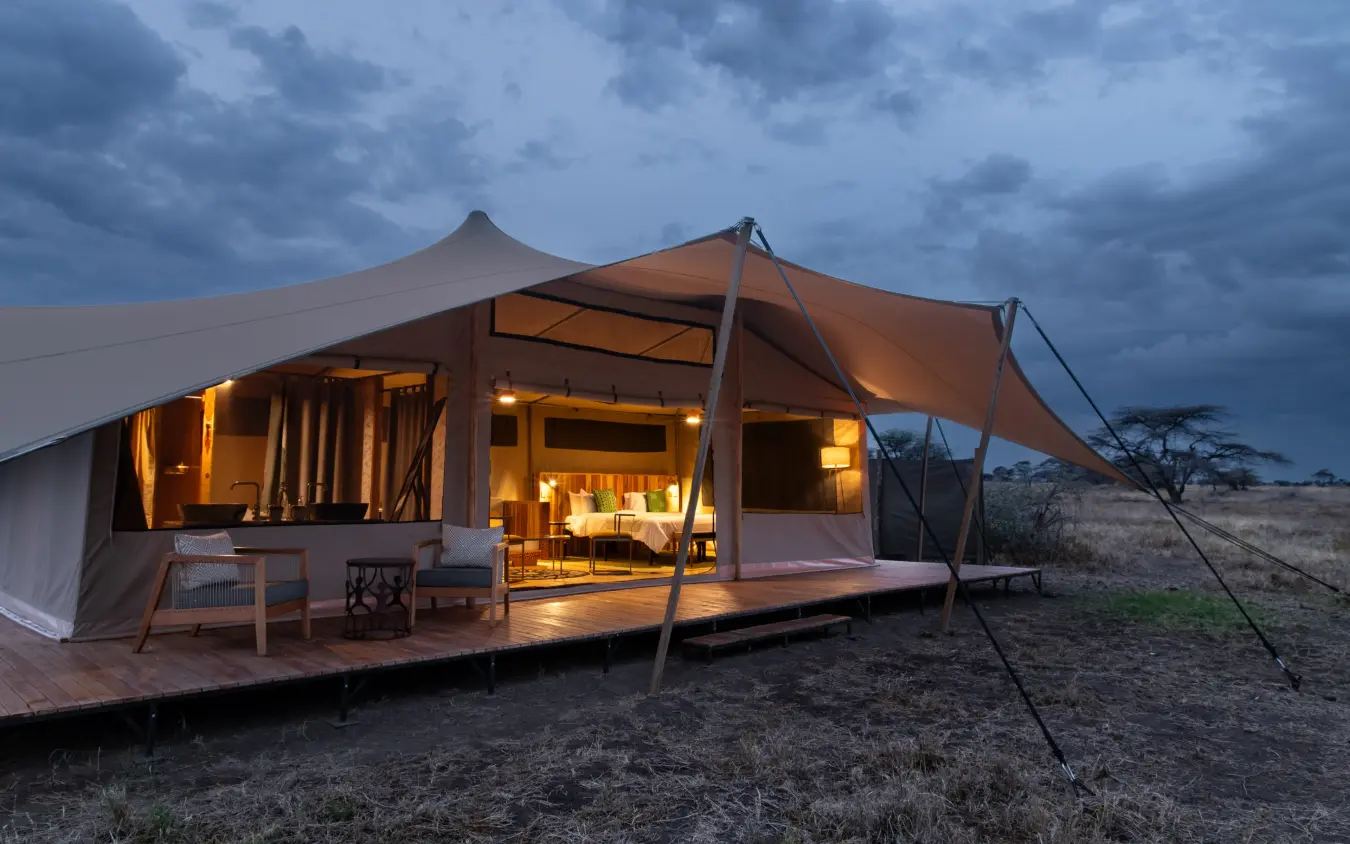
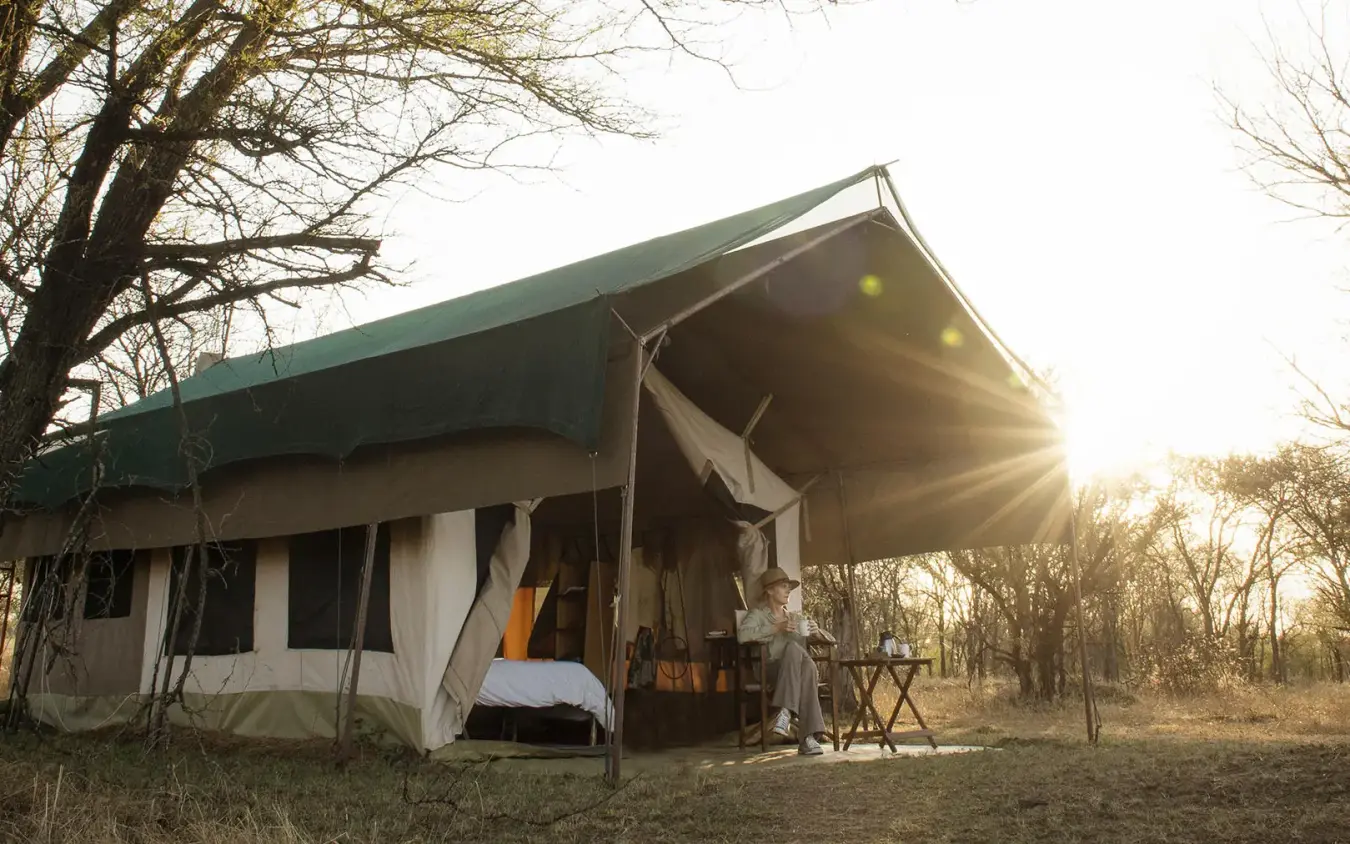
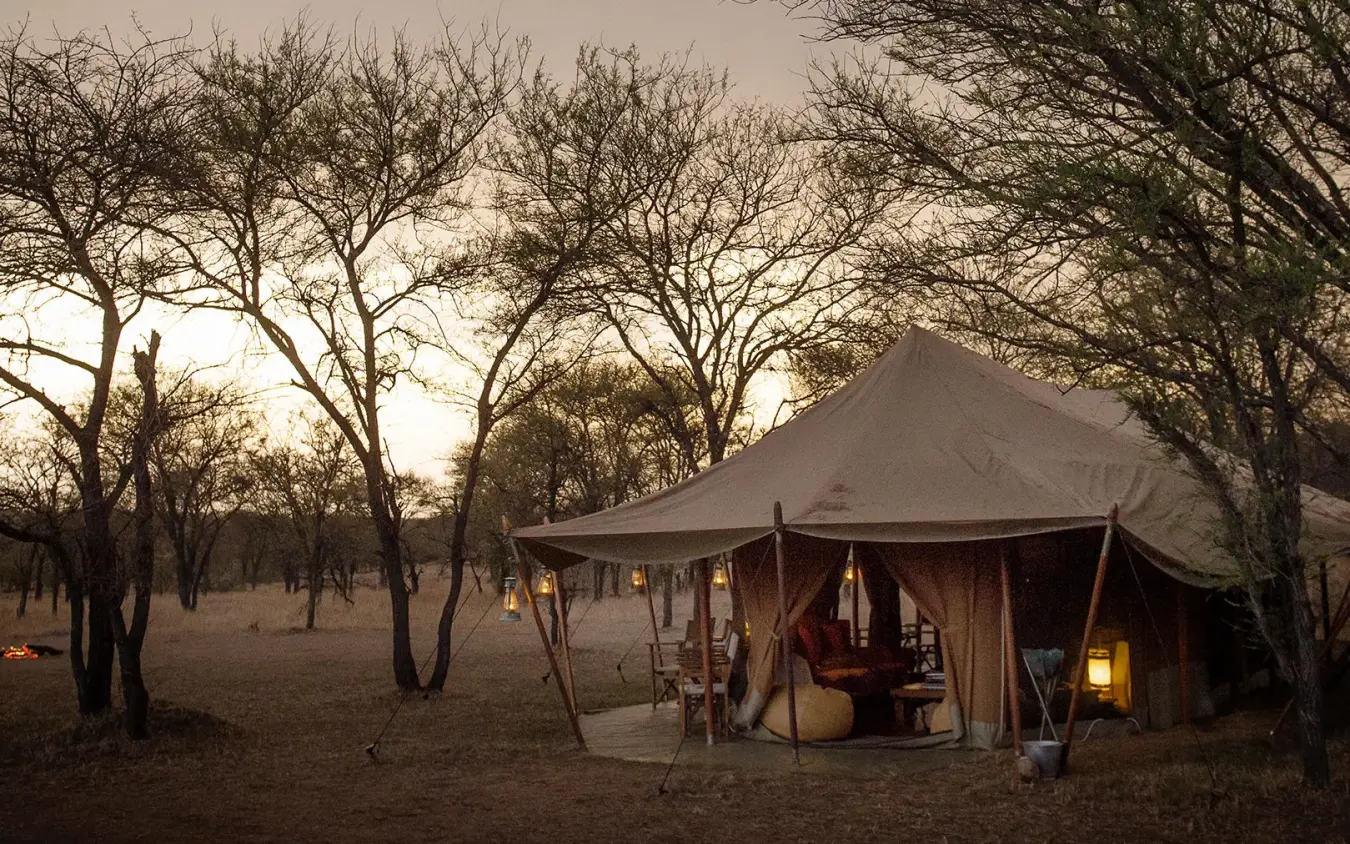
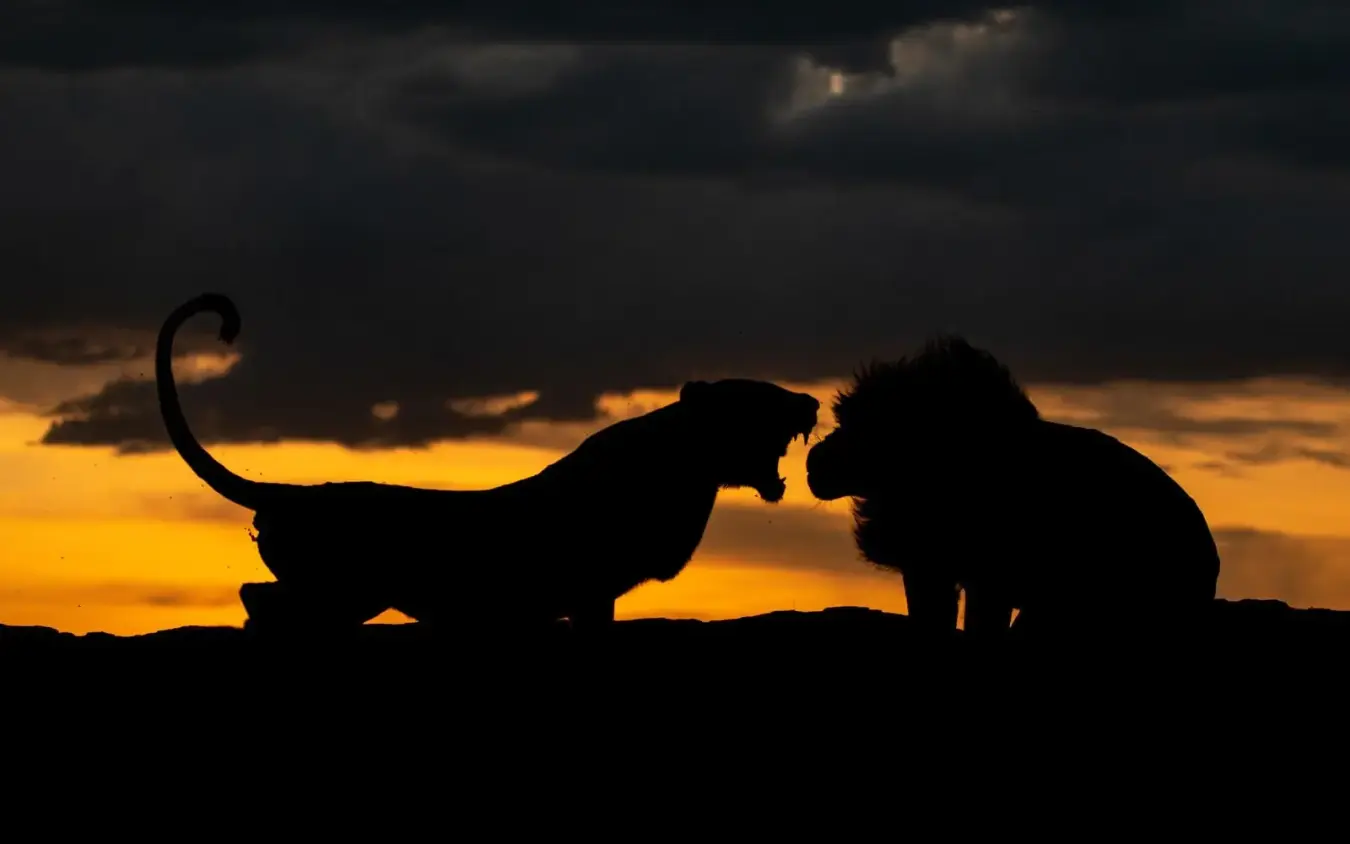
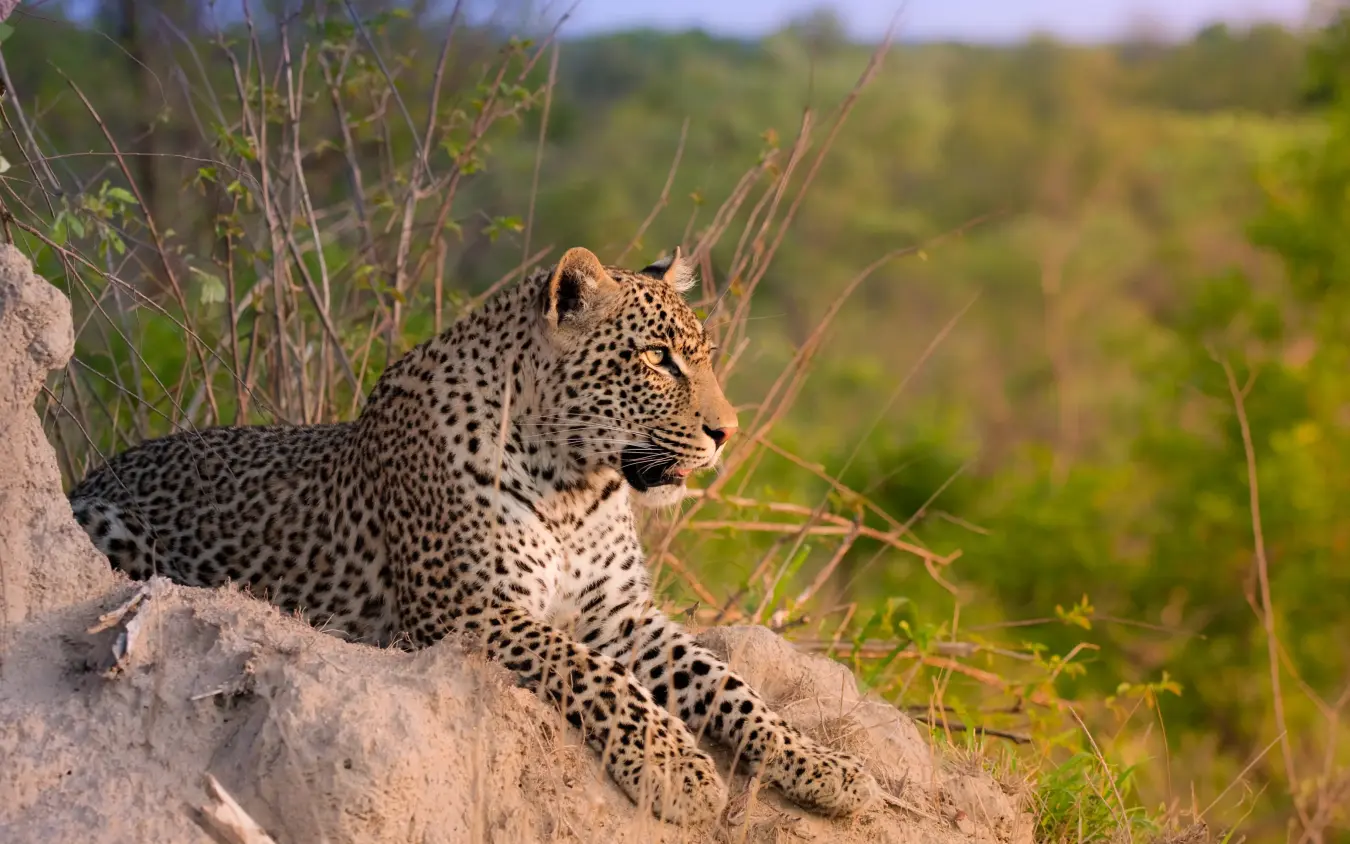
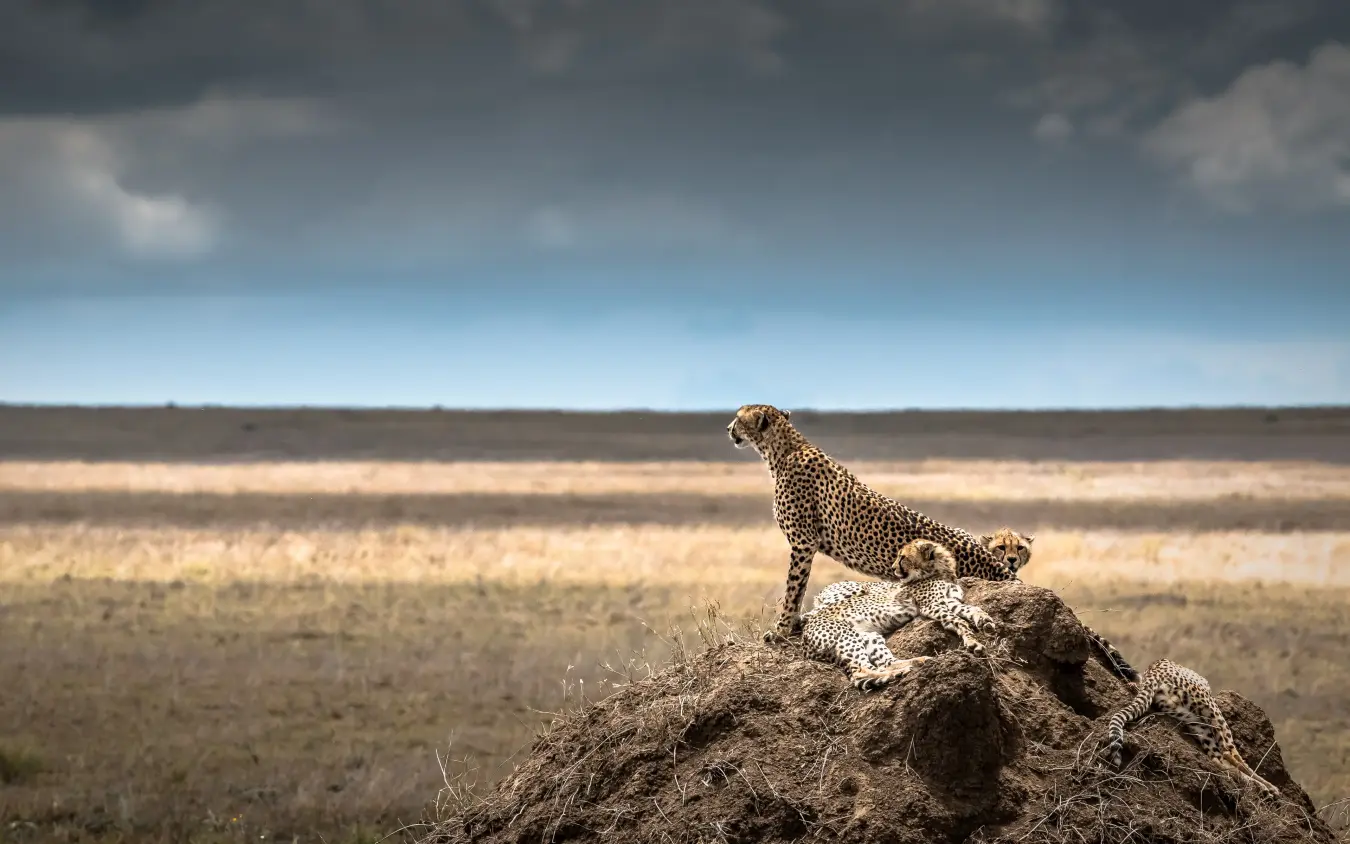
On the eastern plains of the Serengeti, east of the busier Seronera valley, open vehicles go out at sunrise and again in the late afternoon, working the short grass, the granite kopjes and the Ngare Nanyukie valley for cheetah, lions and leopards. This sector was closed to the public for more than a decade while researchers studied big cats without an audience of vehicles, and cheetah numbers here are among the highest recorded in Tanzania. Eight tents sit on raised platforms at the edge of acacia woodland, each with a private veranda looking across the grass; the camp opened in June 2023.
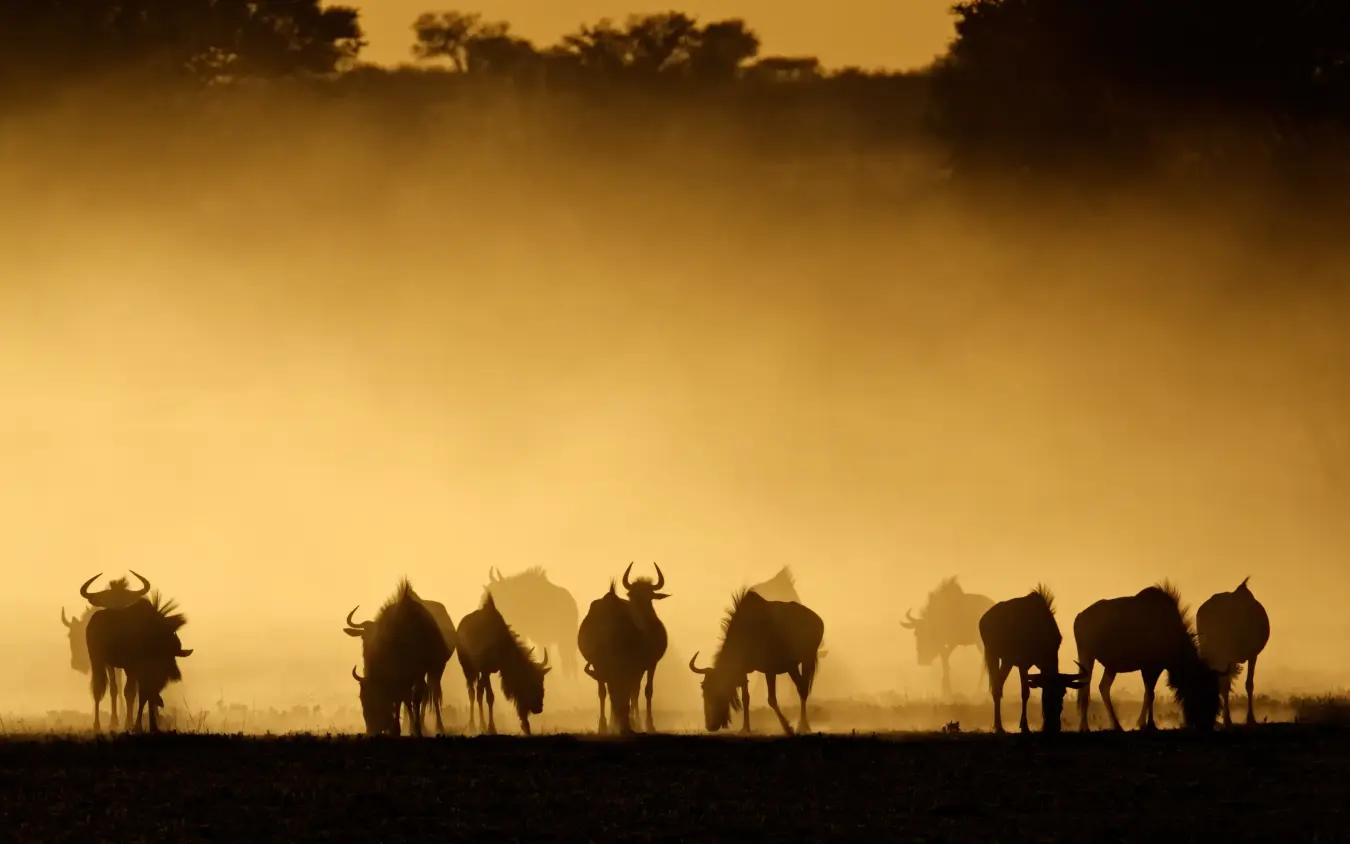
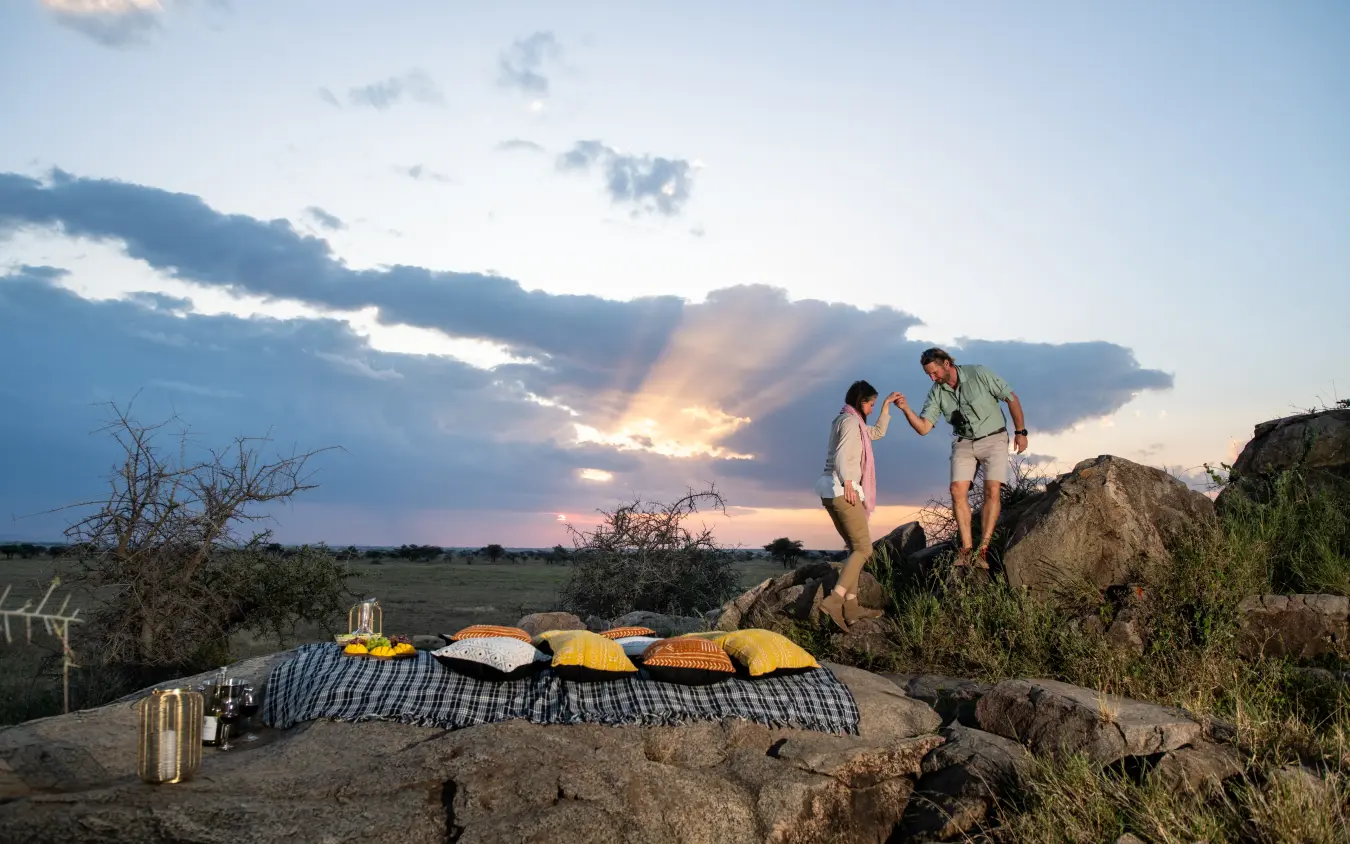
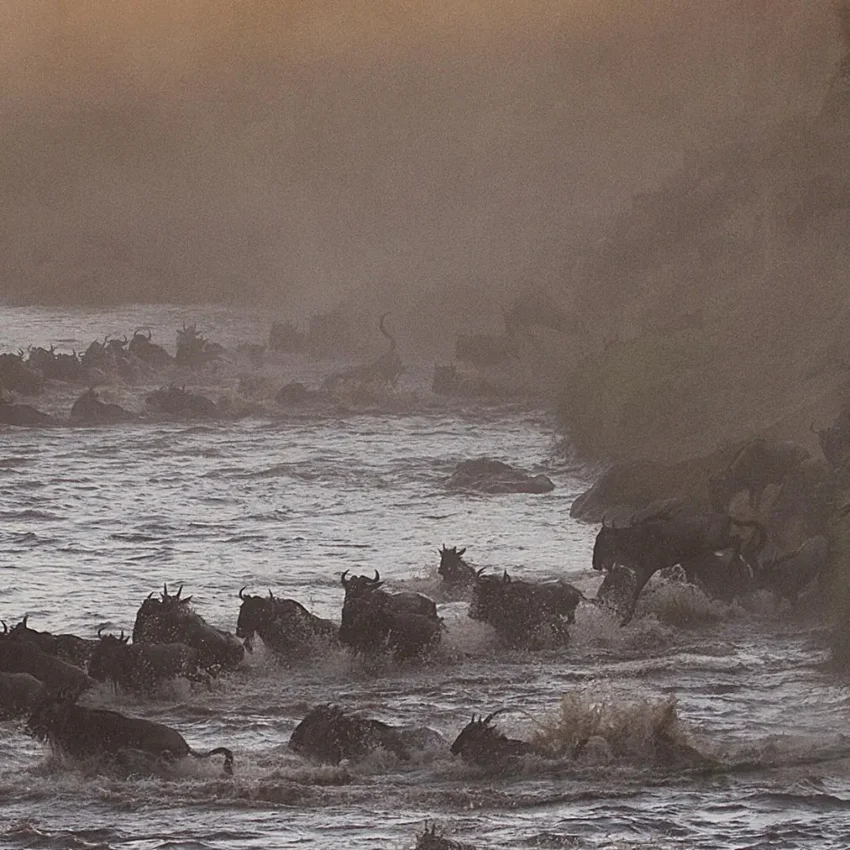
In the far north of the Serengeti, in the Lamai Wedge between the Mara River and the Kenyan border, the camp sits about a kilometre from Crossing Point 4, so the drive to the riverbank takes minutes. Between July and October the wildebeest gather along the water; outside those months resident lion prides, frequent leopard sightings and large numbers of elephant and buffalo hold the area, and seeing the Big Five in a single day is not out of the ordinary. Your group has its own open-top vehicle, guide and spotter throughout, with walking safaris led at first light.
Being that close buys real time at the river, but no crossing can ever be promised and no reliable success rate has been published for any of them.
Wildebeest reach the far north of the Serengeti around July and stay into October, and the middle of that window sees the most attempts.
What the distance gives you is patience. Herds gather on the bank and then stand for hours, wander upstream, or give up and graze, and a camp an hour away has to choose between waiting and eating.
Three nights is the length we advise for anyone travelling specifically to watch one, and the route gives exactly that.
If your dates fall outside those months the north is still strong ground, with resident lion prides, leopard and large herds of elephant and buffalo, but the river itself will be quiet.
Good by cheetah standards, which are modest everywhere, and no number should be quoted at you.
Cheetah live at low density: the research team that has followed individually known animals in the Serengeti for decades estimates around 250 adults in the whole park across roughly 14,000 square kilometres, with the plains study population moving between fewer than 50 and about 90.
What makes this sector different is not abundance but sight lines. The grass is short, cover is thin and Serengeti cheetah can be watched with relative ease on the open plains, often picked out on a ridge, a kopje or a termite mound.
This ground carried no visitors' vehicles for more than a decade while researchers worked on the cheetah, and it opened again in 2014, so there is very little traffic to share a sighting with. Lion and leopard hold the same country.
It is the half most visitors never reach, and the canoeing depends on the lake rather than the calendar.
Manyara is a shallow soda lake in a park of about 649 square kilometres, and its level rises and falls a great deal, so canoe outings go ahead when there is water to float on and are dropped when there is not.
The rest holds up all year. Tanzania's park authority licenses drives after dark in Lake Manyara, which is unusual in the northern parks and brings genet, civet and bushbaby into a spotlight, and the canopy walkway is one of the longest in Africa.
The camp stands on the Endabash riverbed beneath the waterfall, and in the dry months that gorge is one of very few water sources for miles, which is what pulls elephant and buffalo down within sight of the tents.
An armed ranger or a rifle-trained guide in every case, and the floor is twelve years old.
The park authority's own fee schedule covers adults and children of twelve and above, with no band below that, and draws the line between a short walk and a long one at four hours.
In the Lamai Wedge the walks go out at first light with the guide and spotter who are yours for the stay, which is the cool part of the day and the hour when the night's tracks are still readable.
At Lake Manyara the range is wider, from a short amble along the shore to a climb up the escarpment.
Walking here is not about covering ground. It is tracks, dung, plants, insects and birds at the pace those things need, with the driving left to do the work on the big animals.
July to October, and on this route the reason is the river.
All four sit at the top of our ratings for every stop on this route, and they are the only ones when the wildebeest are anywhere near the Lamai Wedge. The eastern plains and Lake Manyara are at their driest then too, with thin bush and game drawn in to water.
June works as a shoulder month for anyone who would rather miss the busiest weeks, though the herds may not have arrived. From November to February the north empties of wildebeest and the trip becomes a big cat and resident game route instead, greener, quieter and strong for birds.
The long rains from March to May are the ones to skip: the southern Manyara tracks go first, and the camp in the Lamai Wedge shuts for April and May.
By road at the start and by light aircraft for the long legs.
Kilimanjaro International to the first night below Meru is a short transfer, and the drive on to the southern half of Lake Manyara is the last of the long road days. After that the distances are flown.
Arusha or Kilimanjaro up to the northern Serengeti strips takes between one and one and a half hours, depending on how many airstrips it calls at en route, and the game drive from the Lamai strip to camp adds about an hour.
The scheduled carriers here allow 15 kilograms each, counting hand luggage, and ask for soft bags, so bring duffels. Any leg can be flown privately instead, usually in a Cessna Grand Caravan or a Pilatus PC-12.
Ed Charles, BBC Producer
Fitzroy are true specialists in accessing the wilderness. They know where to go and importantly, when to go there. Highly recommended.
tanzania
Ten nights in northern Tanzania climbing Kilimanjaro by the Lemosho route, with two nights at Ngare Sero on Mount Meru.
tanzania
Ten nights in Tanzania, from boat and walking safaris on the Rufiji lakes to the reefs and forest of Pemba Island.

tanzania
Ten nights across Tanzania, from the eastern and southern Serengeti to chimpanzee trekking at Mahale on Lake Tanganyika.
rated five stars by our clients

our approach
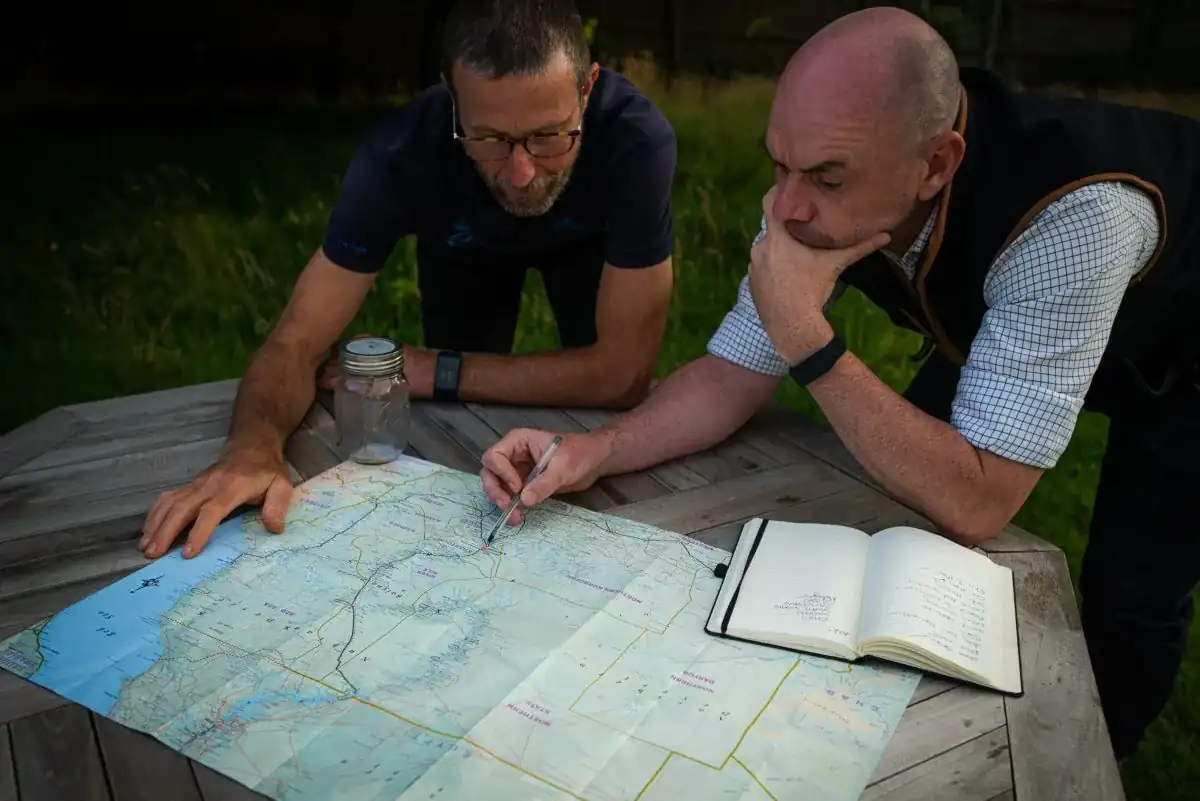
Every journey starts with a conversation. We take the time to understand your vision before we start planning.
Whether by phone or in person, we work with you directly to shape something that is considered, personal, and expertly delivered.
Every journey starts with a conversation. We favour a direct, personal approach: understanding your vision before anything else.
Whether by phone or in person, we work with you directly to shape a journey that is both thoughtfully considered and expertly delivered.
Get in touch to start planning yours.