














tanzania
northern safari
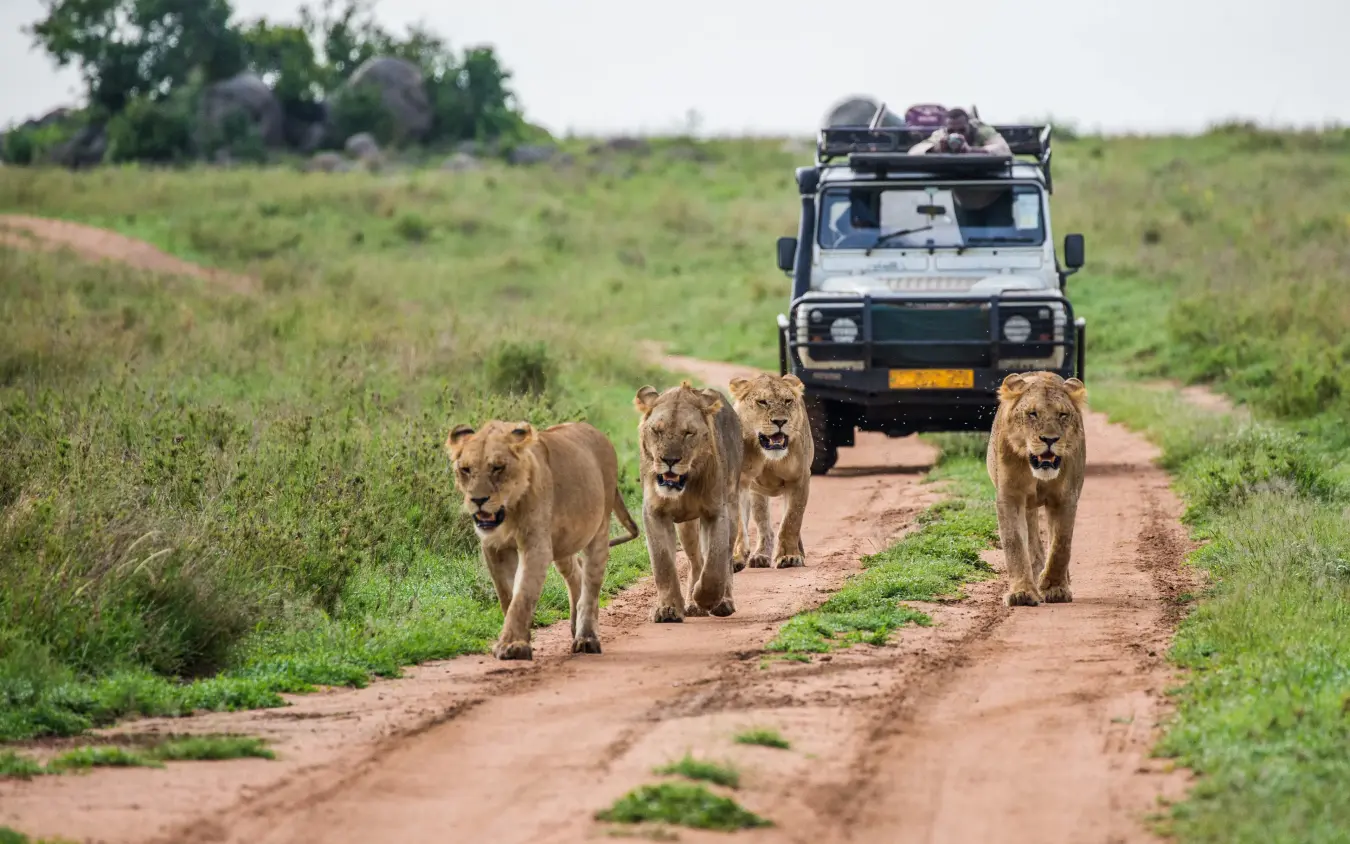
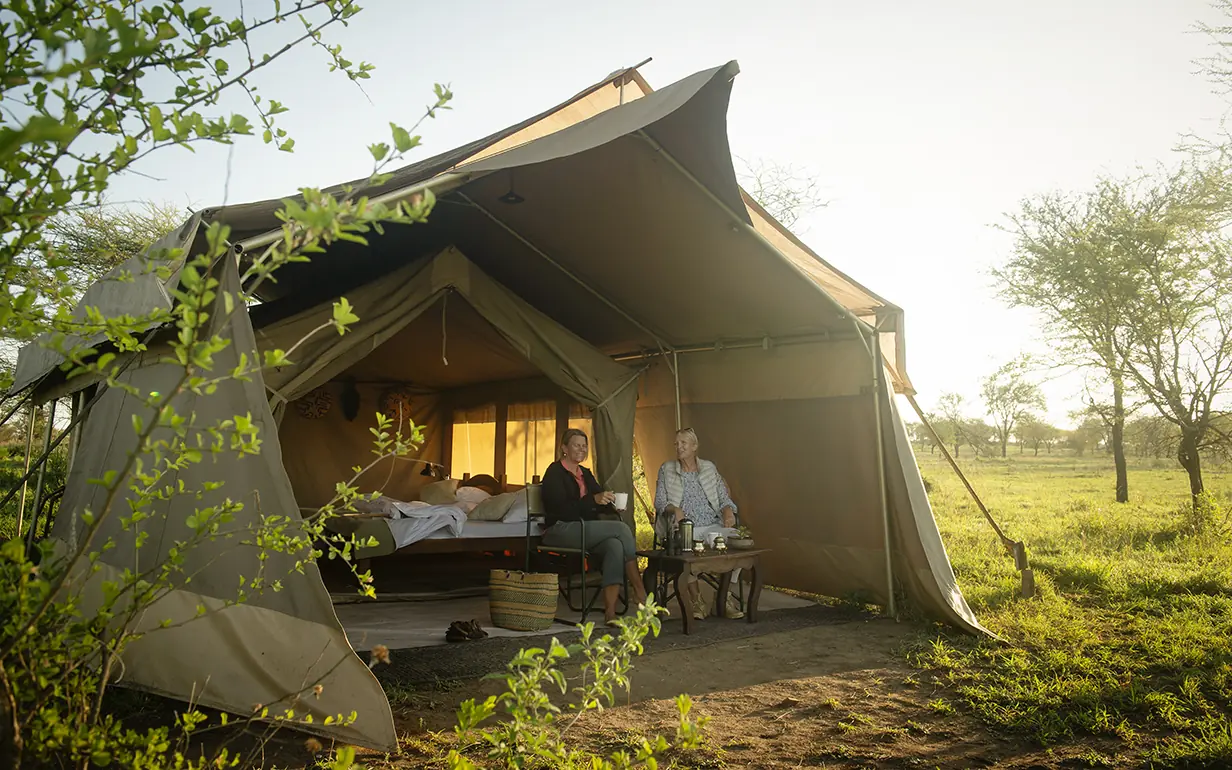
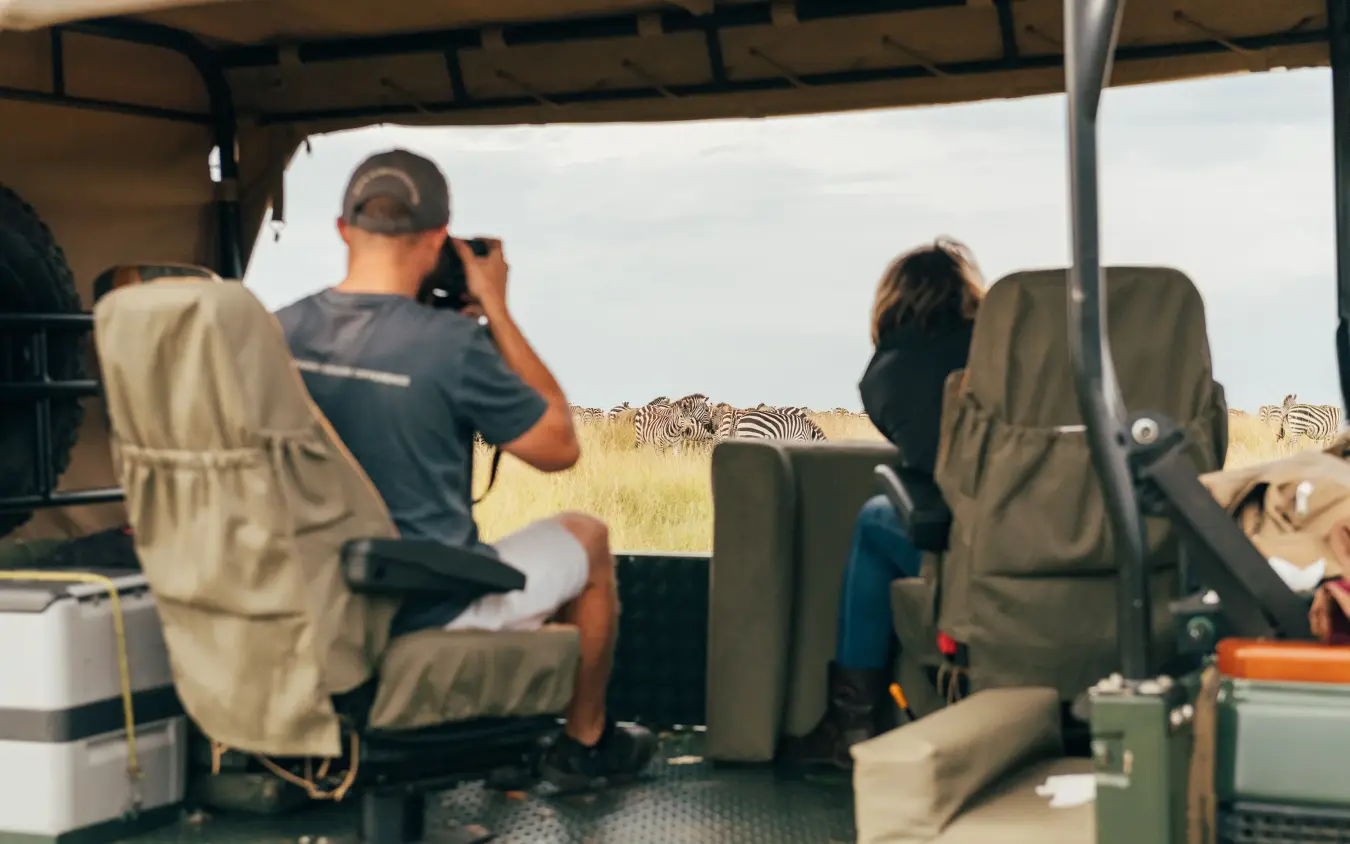
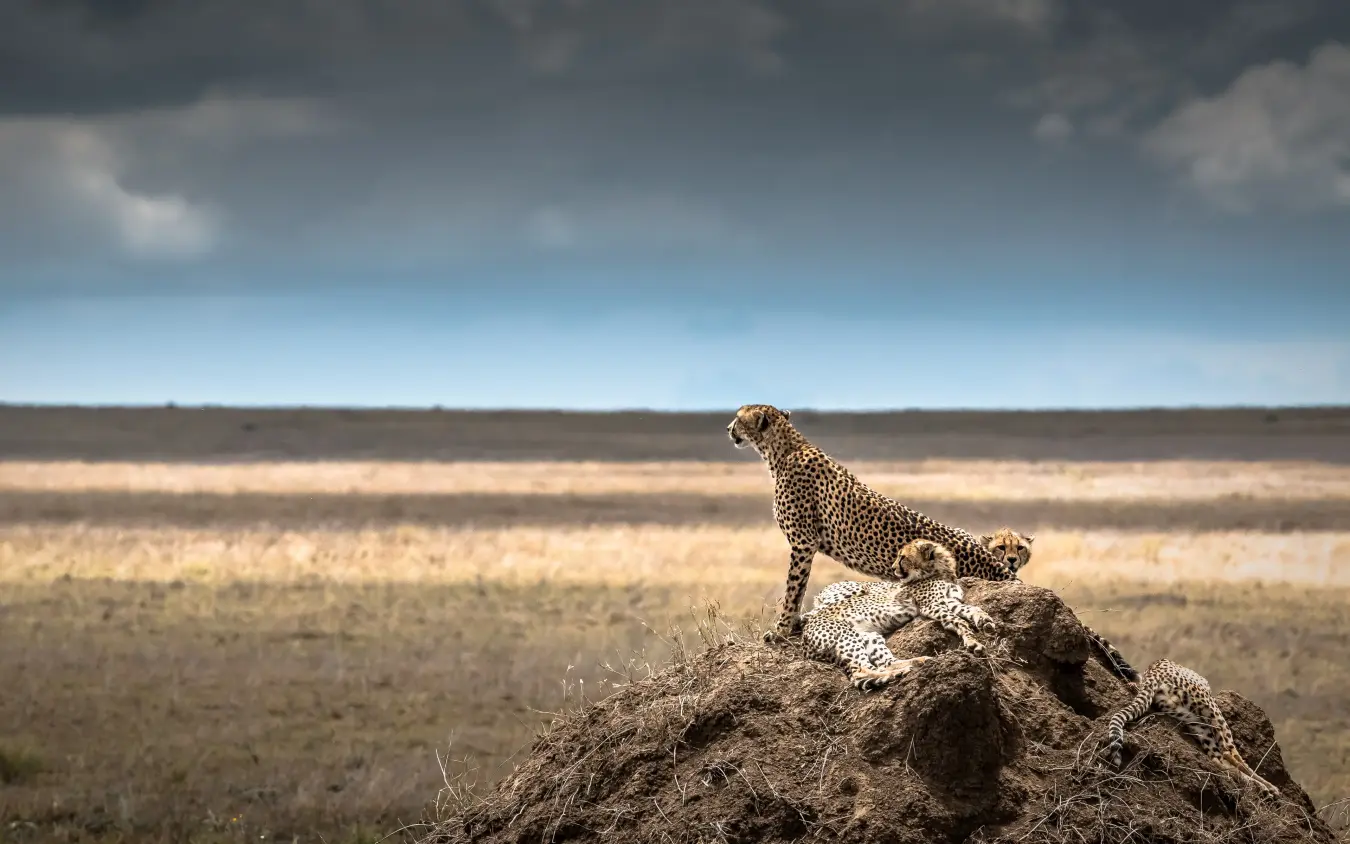
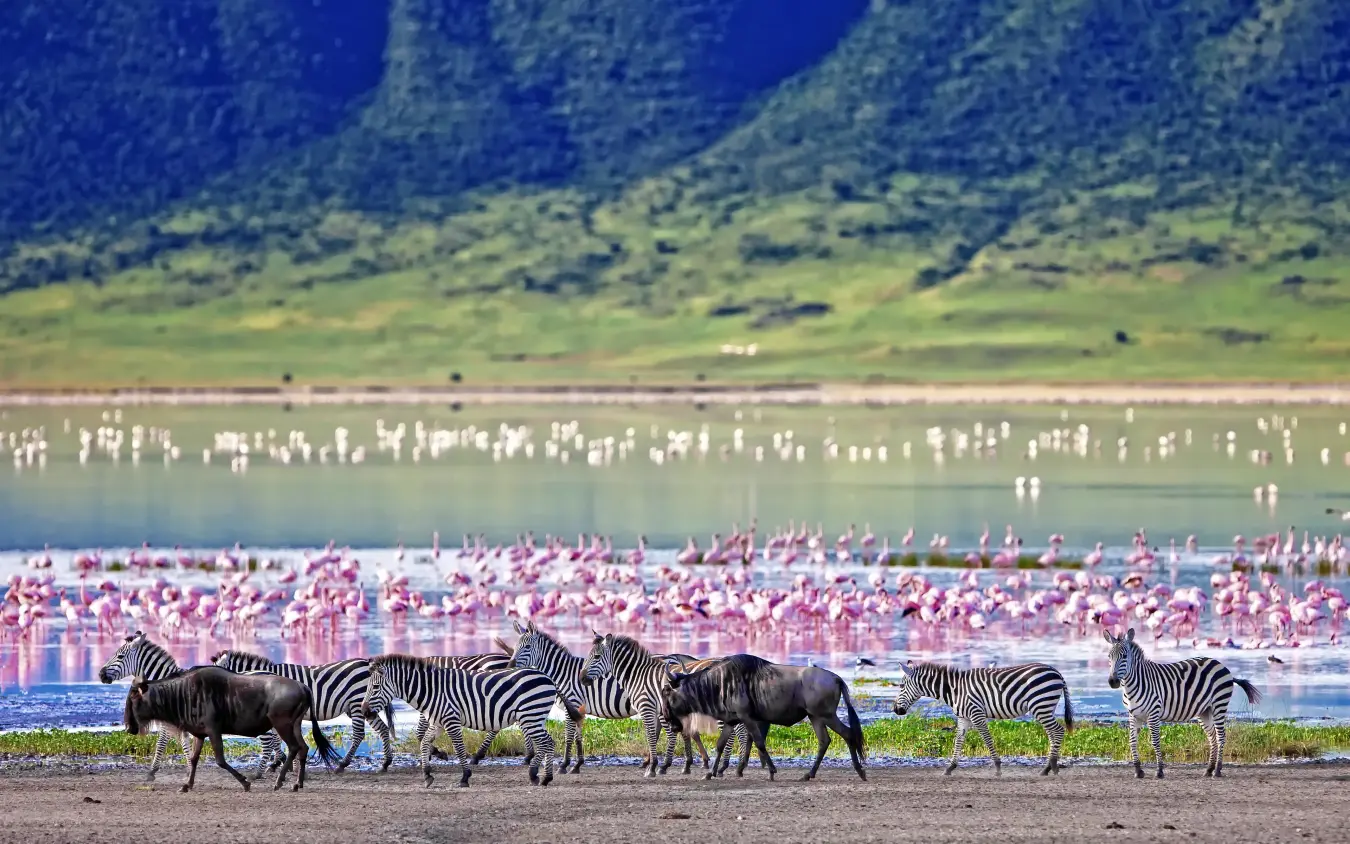
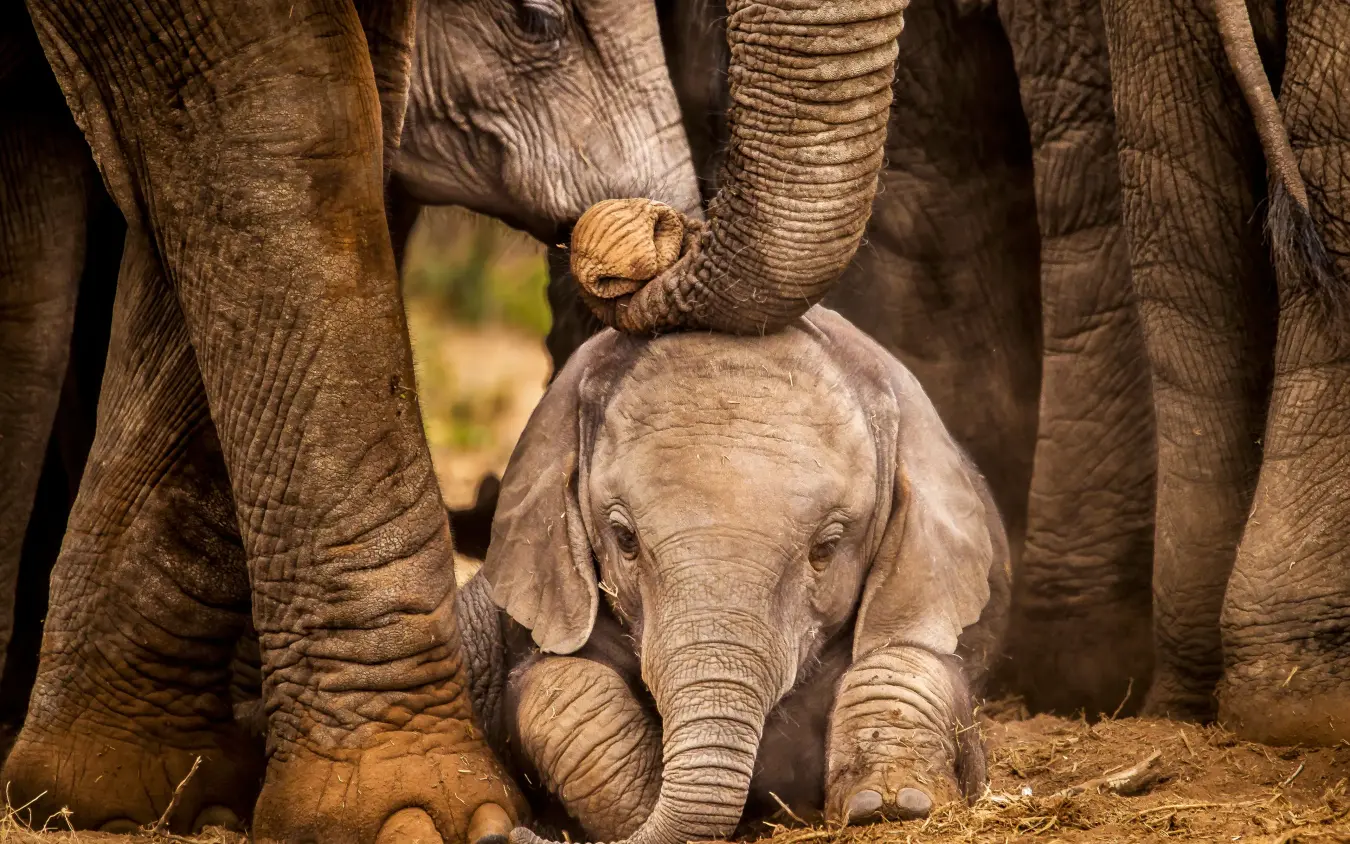
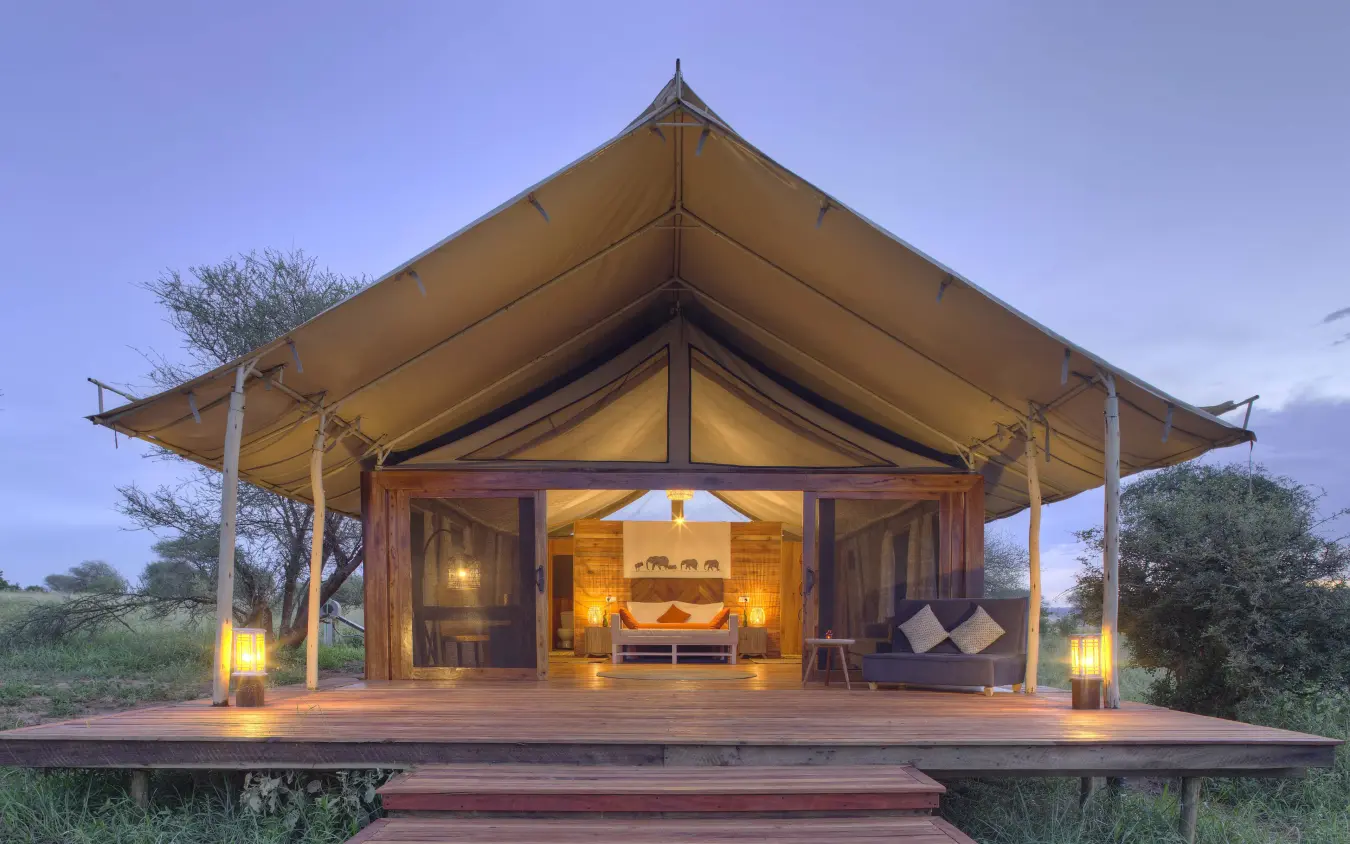
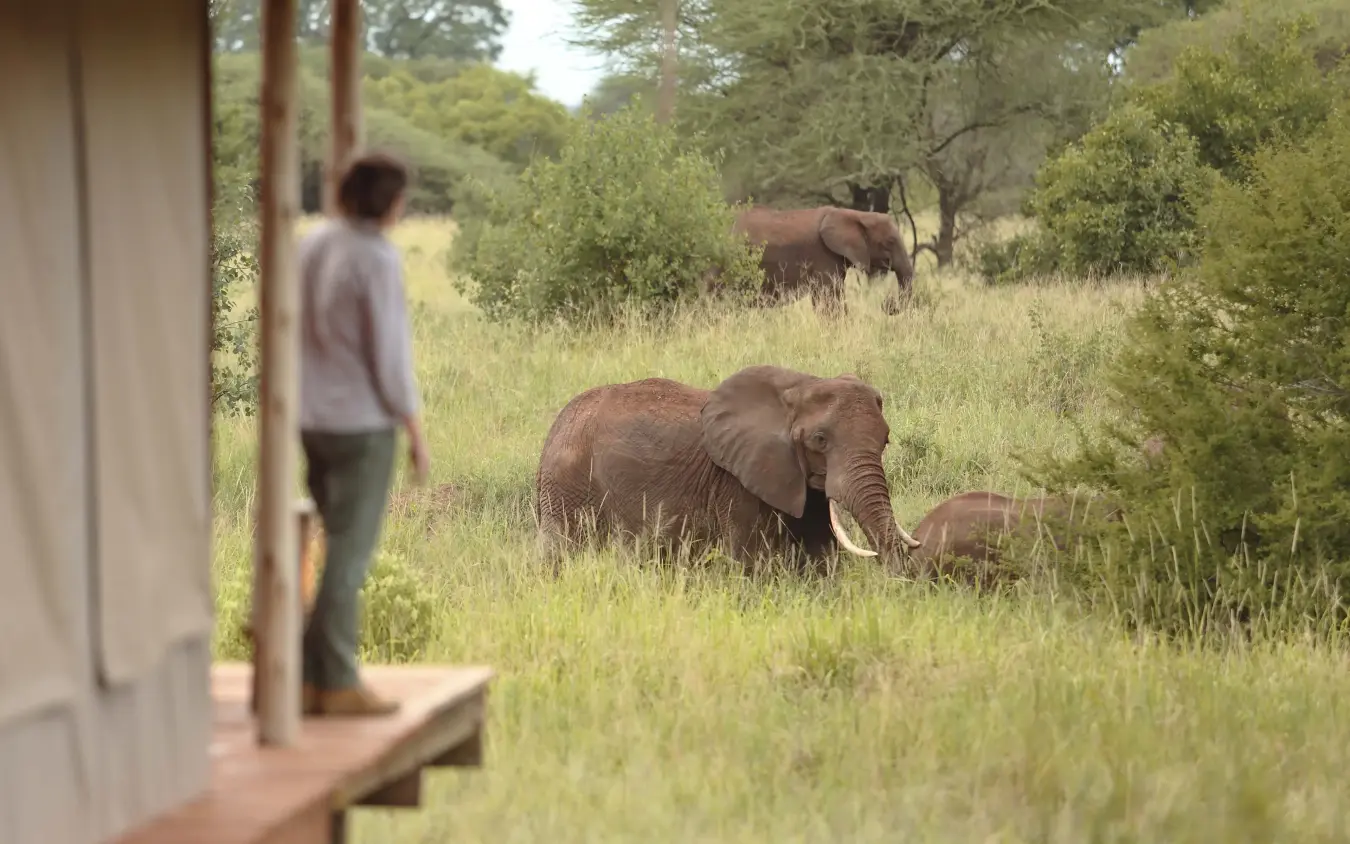
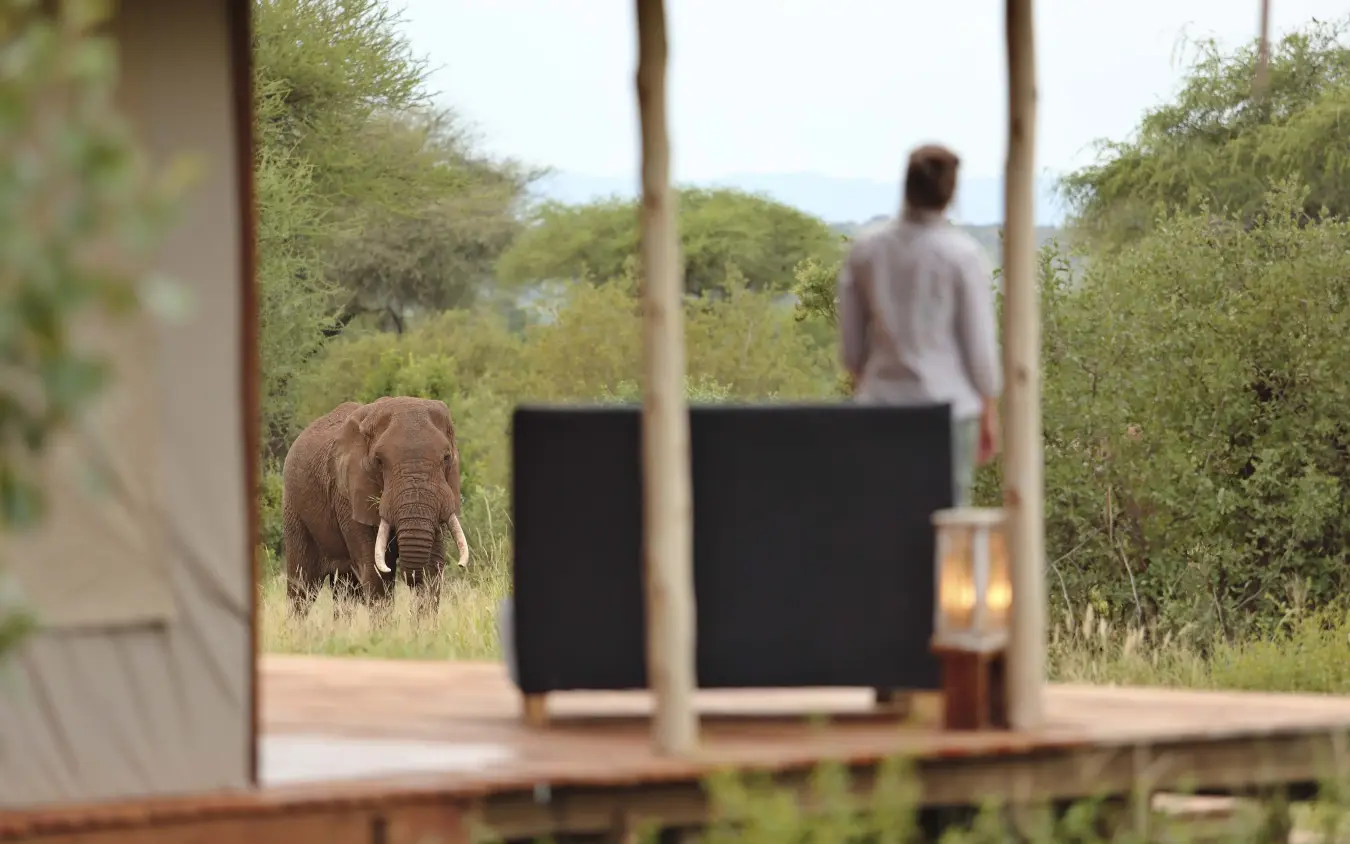
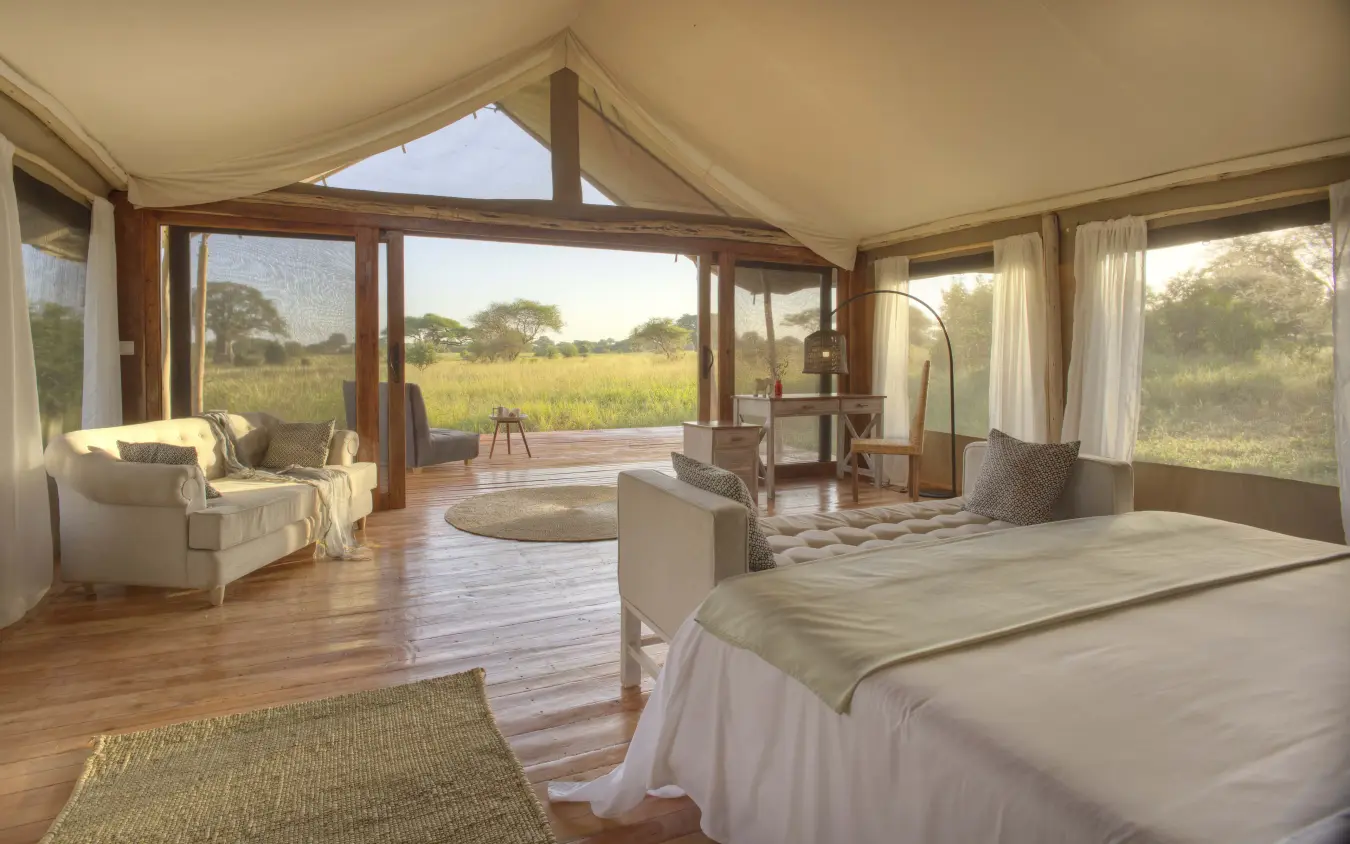
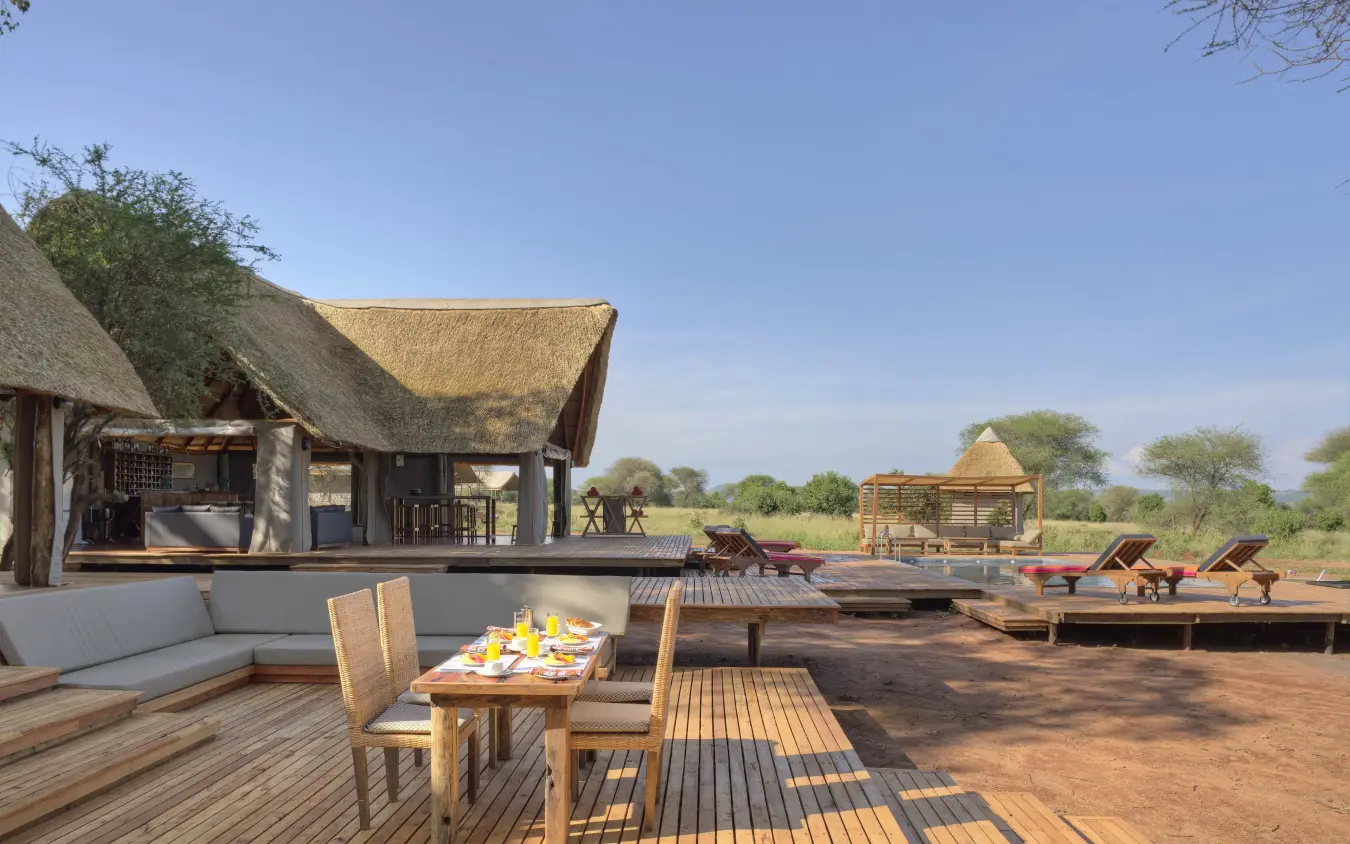
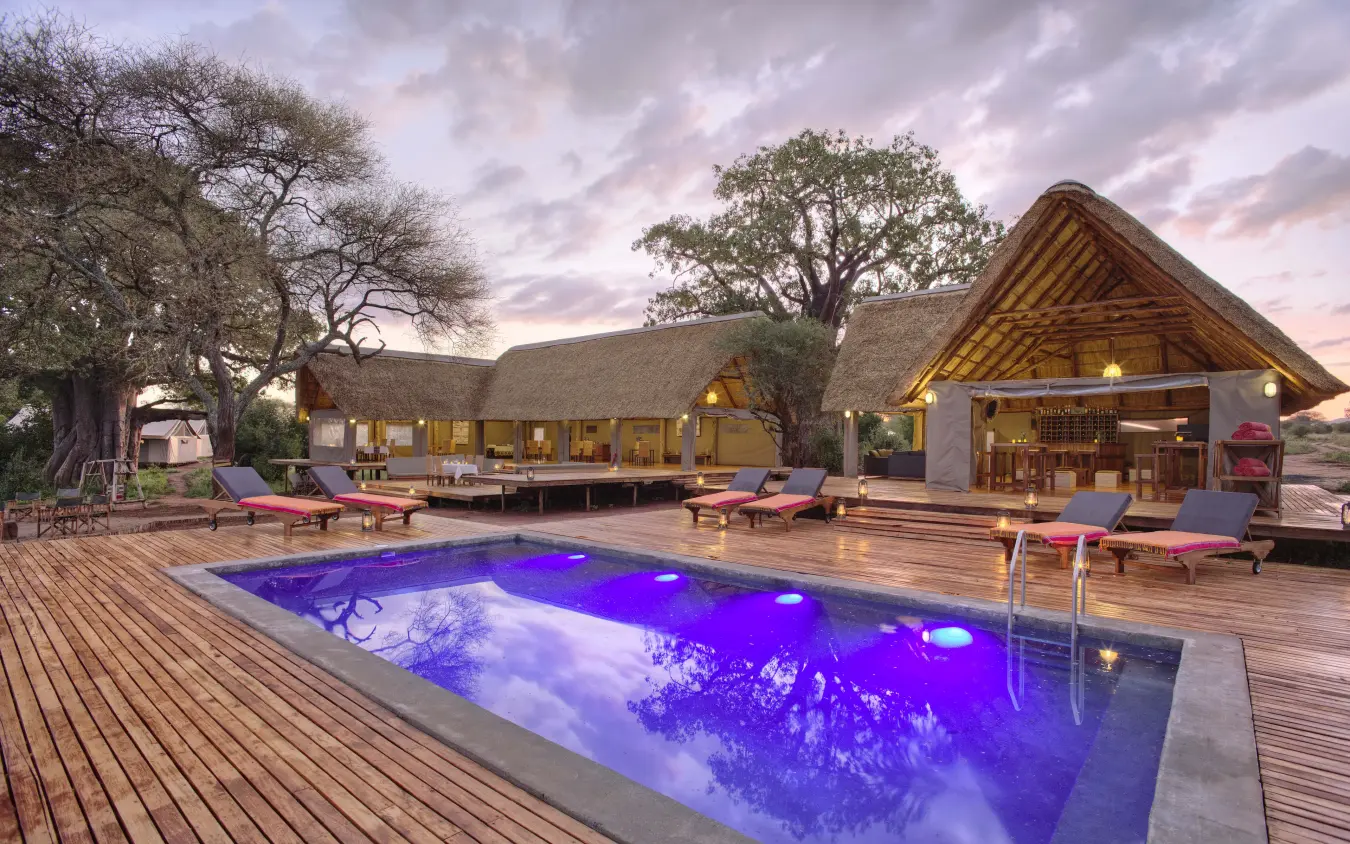
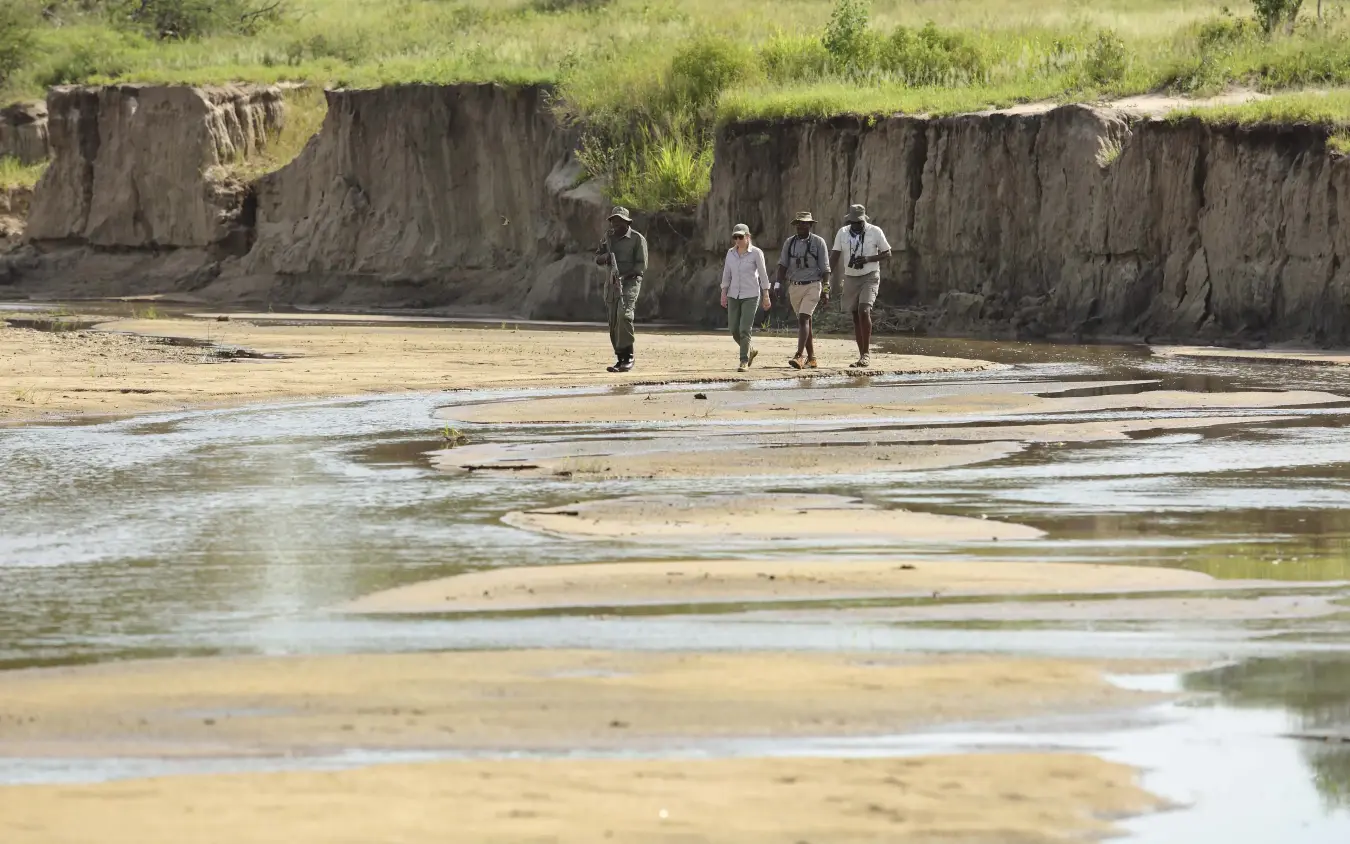
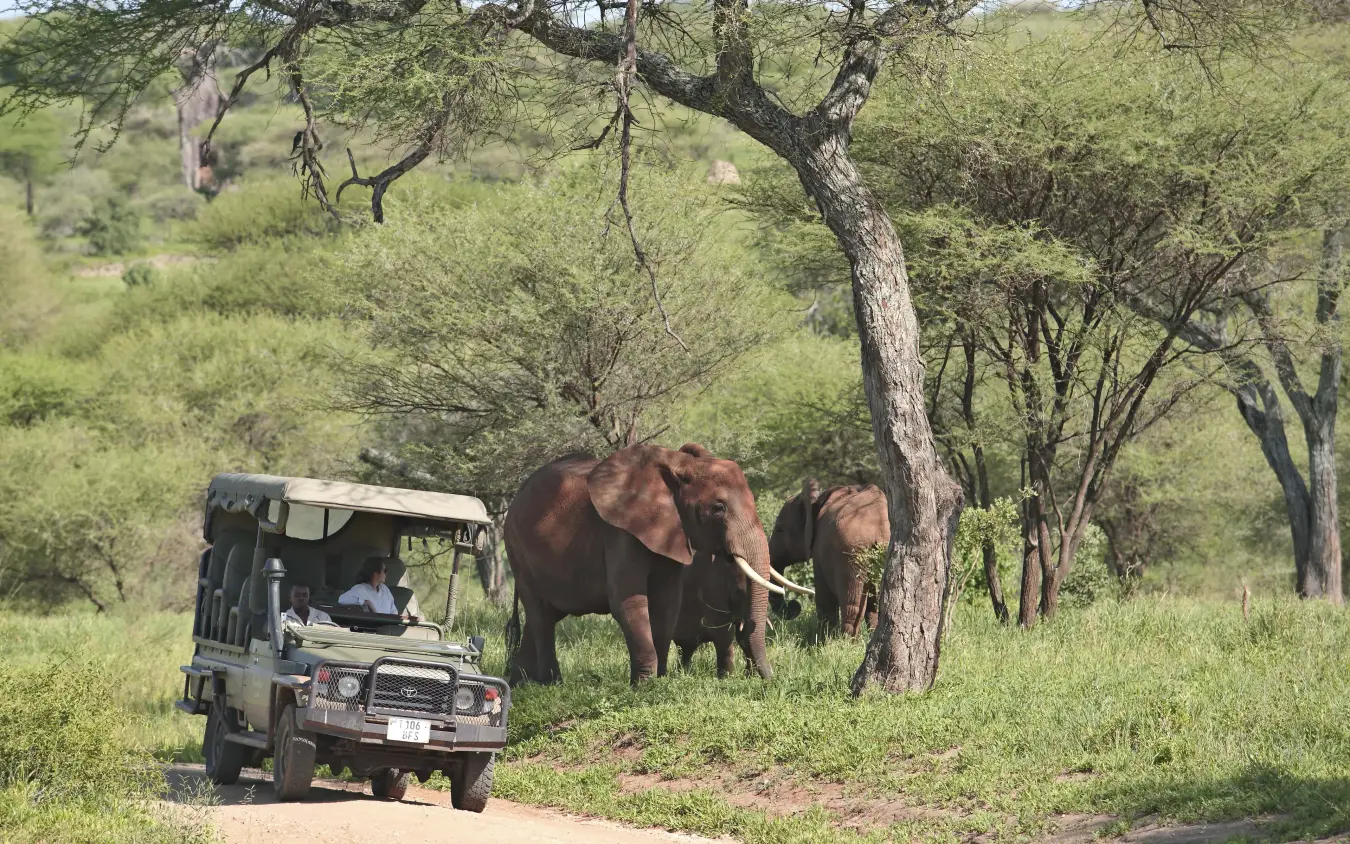
Two nights in Tarangire, a full morning on the Ngorongoro Crater floor and three nights under canvas in a camp that moves with the herds.
- Group Departure
- From $5,980 pp
- 7 guests
- 7 nights
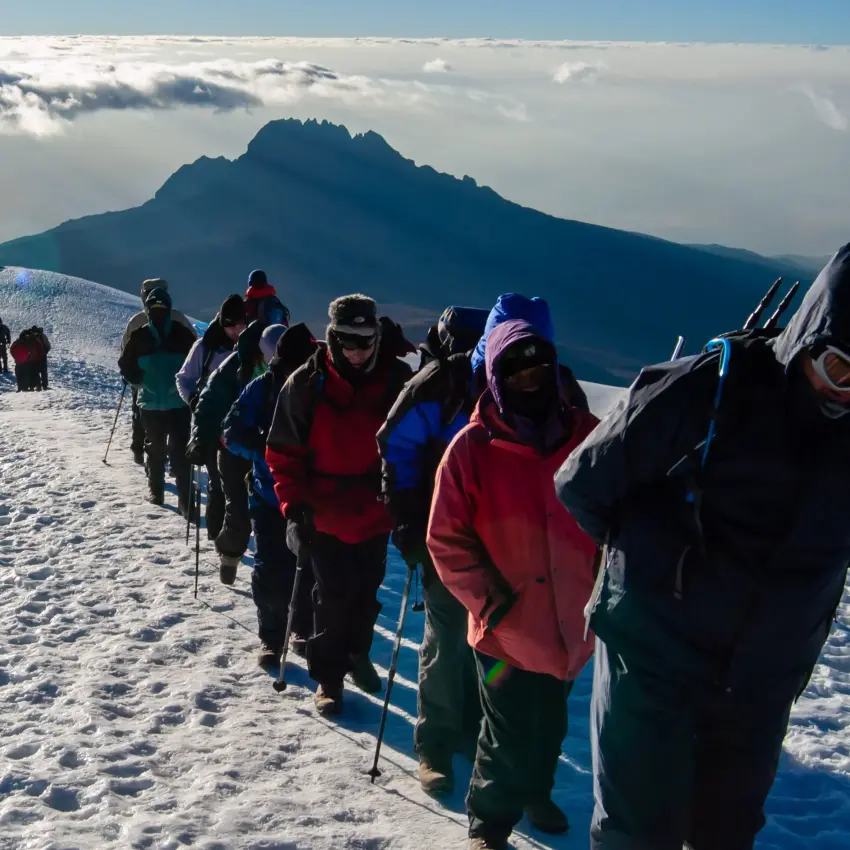
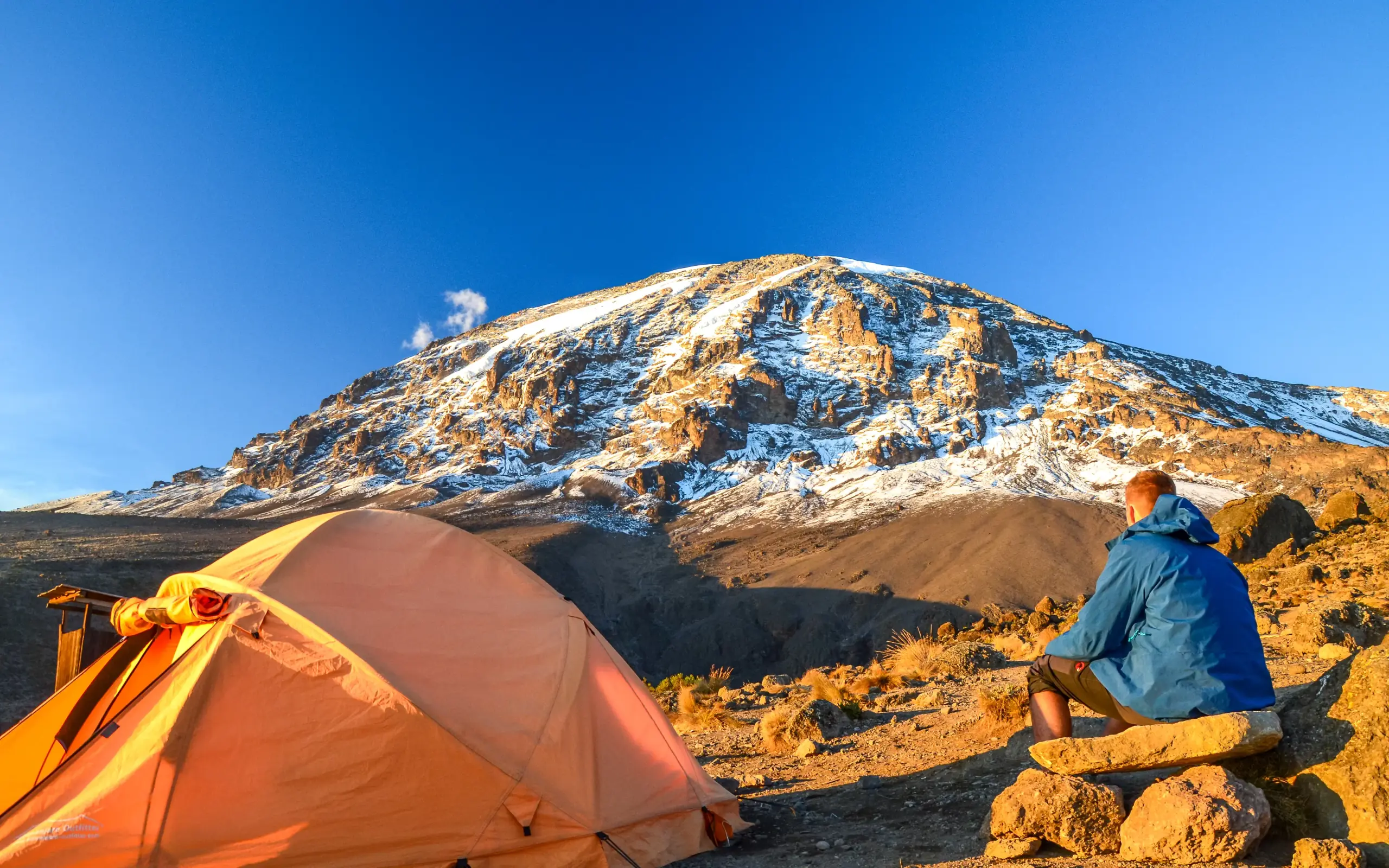
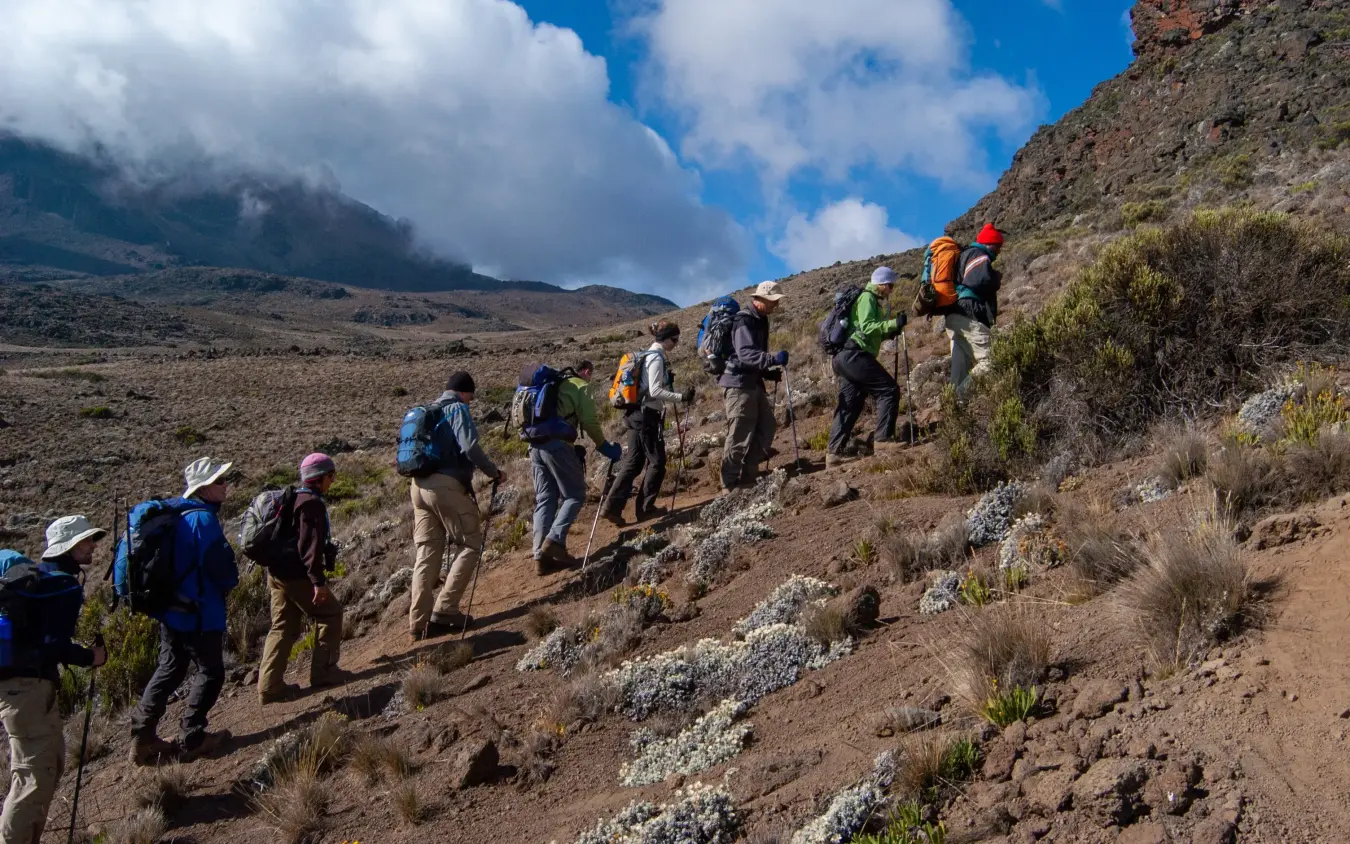
The trip runs ten nights in northern Tanzania and turns on a single climb. It opens with two nights at Ngare Sero, on the forested slopes of Mount Meru near Arusha, then takes the Lemosho route up Kilimanjaro: forest, the Shira Plateau, the Barranco and Karanga valleys, and Barafu below the summit. From Barafu you reach Uhuru Peak and descend to Mweka.
You climb on foot with a supported team, moving camp each stage and gaining height gradually to acclimatise. The days build from forest to plateau and high ground, then the summit and the long descent. On the mountain you sleep in camps set up and struck as you go; Ngare Sero, a small 1905 farmhouse the Leach family has run since 1974, bookends it.
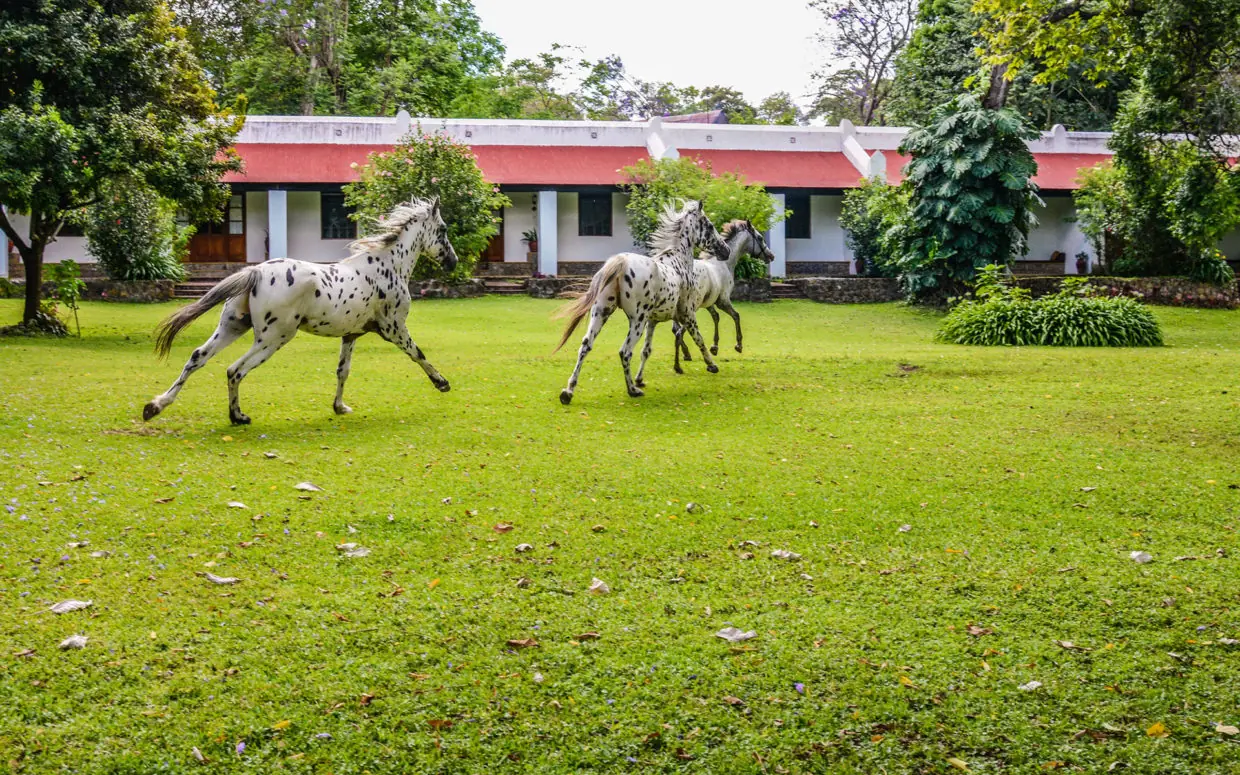
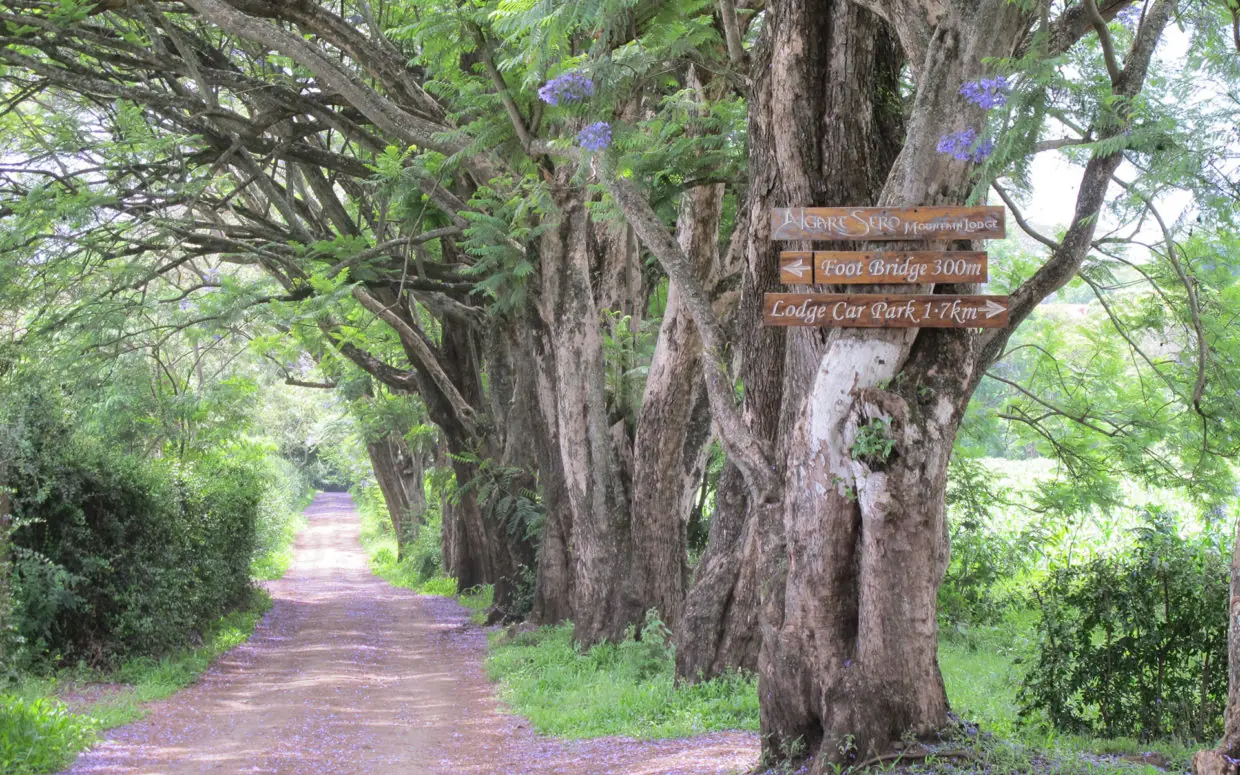
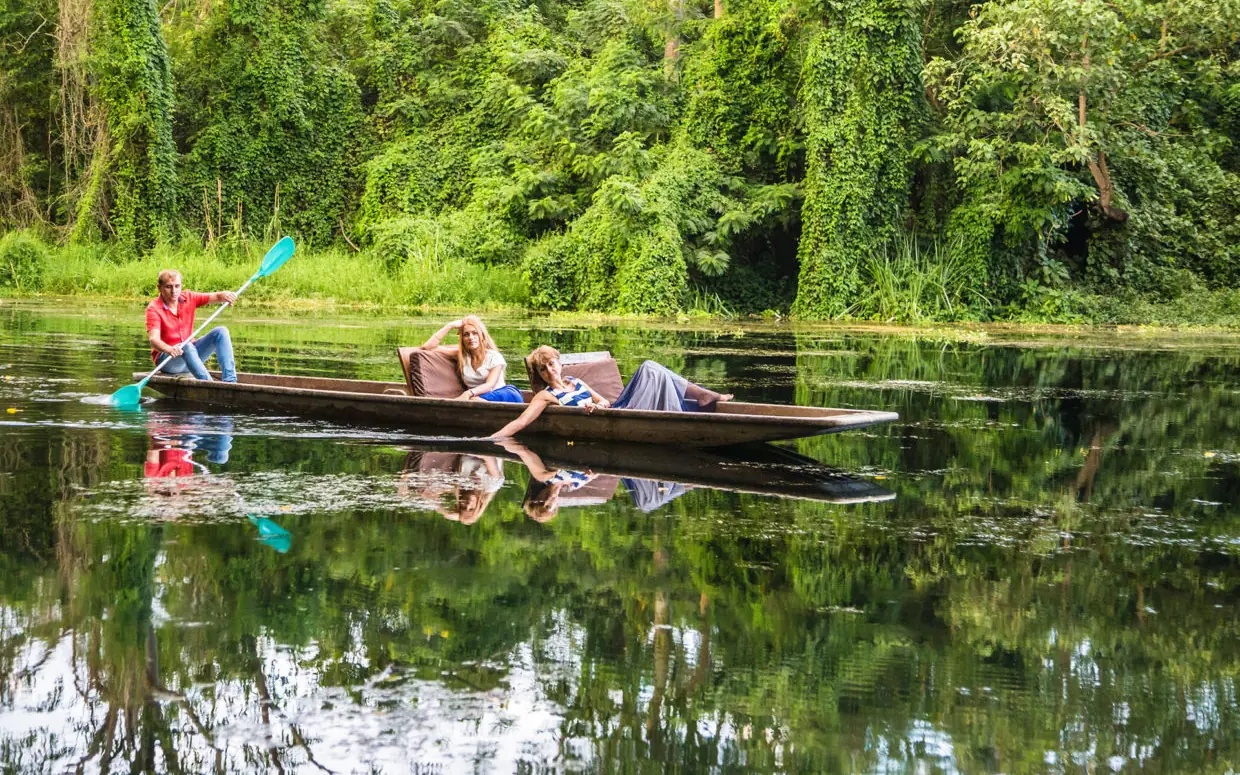
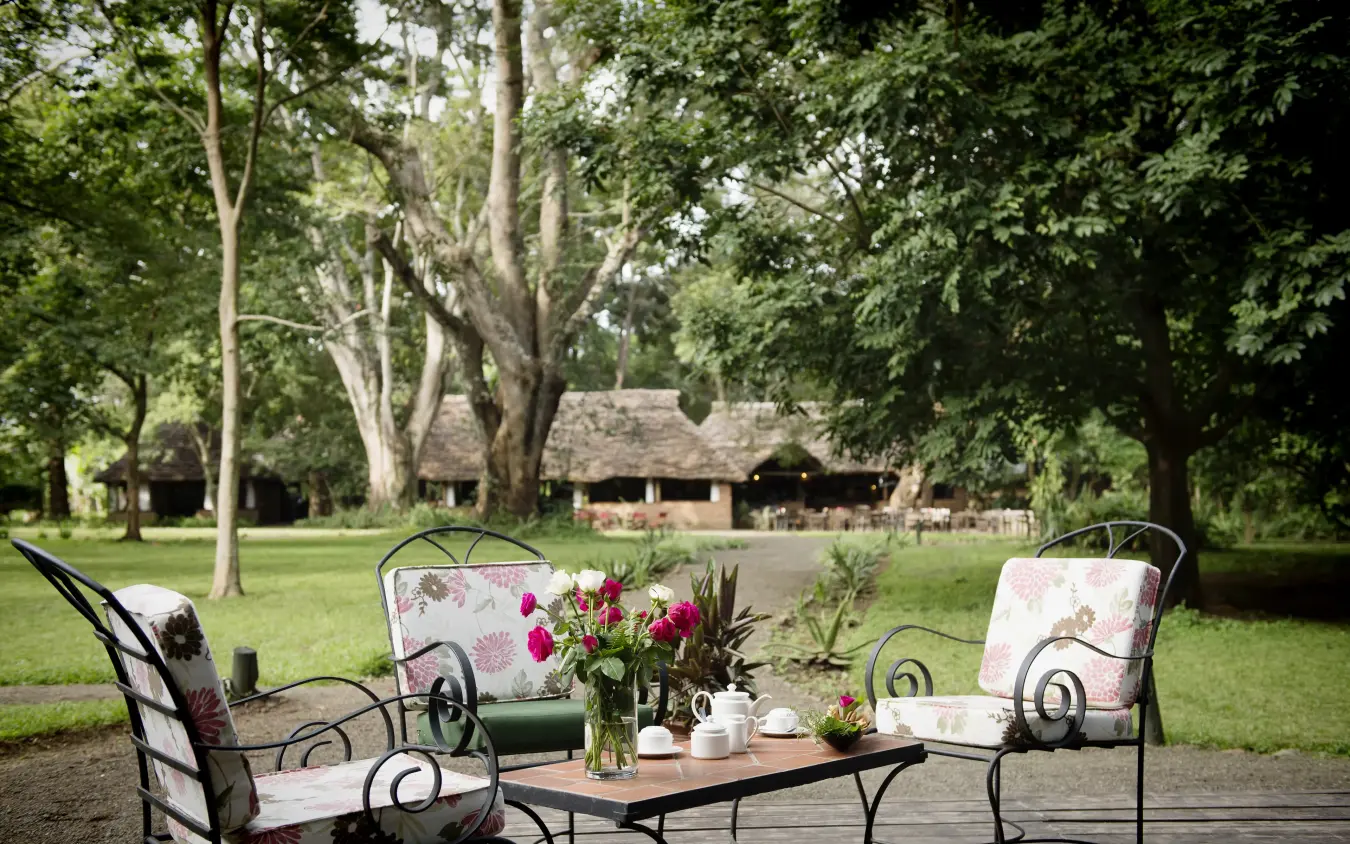
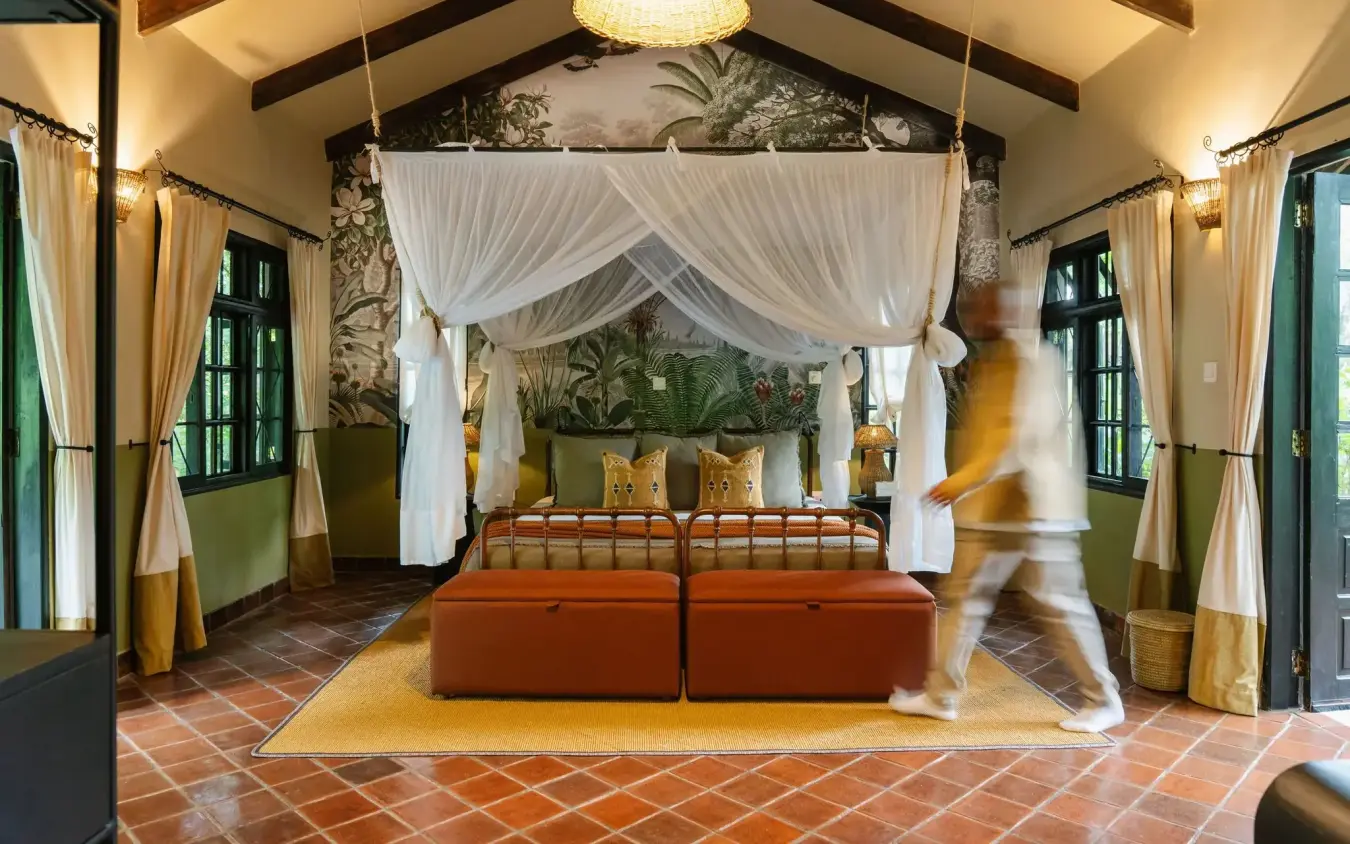
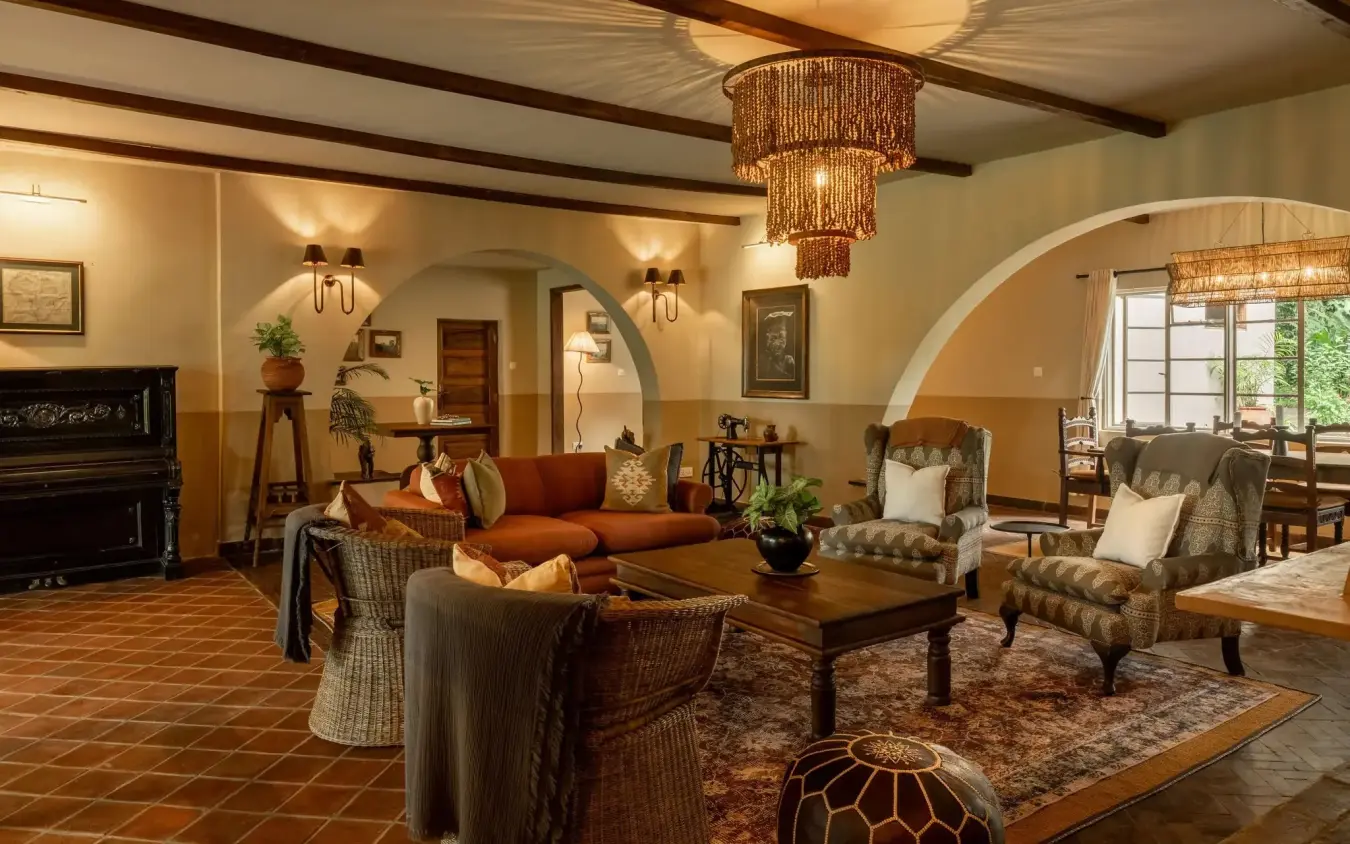
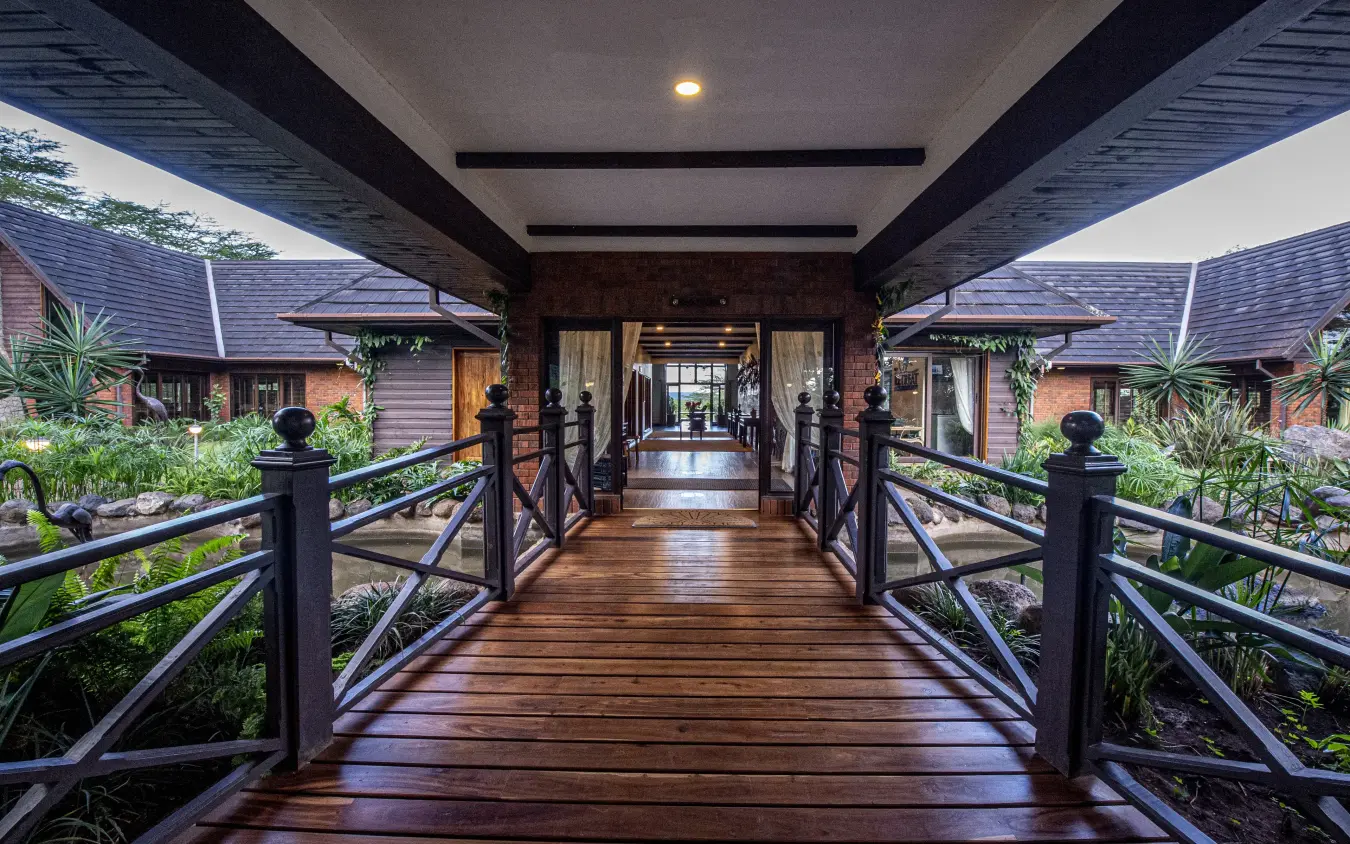
You land at Kilimanjaro International, about half an hour away, and wake beneath Mount Meru before the climb begins. These two days are for settling in and sorting kit, with time to walk the private forest with a guide, ride the estate's horses, or take a boat out on the spring-fed lake. Colobus and Sykes' monkeys move through the canopy, and more than 200 bird species have been recorded on the grounds. Ngare Sero is a small 1905 farmhouse on Meru's forested lower slopes, run by the Leach family since 1974, with meals from the organic garden and trout pond. On clear mornings the glaciers of Kilimanjaro come into view.
The climb starts on Kilimanjaro's western side, walking uphill through dense forest to the first camp. This is the gentlest day of the route, used to find a steady pace before the ground opens out higher up. The mountain's lower slopes are wet and green, closed in by trees. You spend the night at Forest Camp, a temporary camp set up on the climb and struck once you move on, with tents, meals and a supported team carrying the loads.
You leave the forest behind and climb onto the open Shira Plateau, where the trees give way to low, exposed ground and the summit stands ahead. The walking is steadier and the air noticeably thinner, part of the slow gain in height that lets your body adjust. Views stretch back across the plateau as you go. The night is at Shira Camp, another temporary camp on the climb, pitched for the evening and taken down as you continue.
A second day on the high plateau, walking to gain height and help acclimatisation before the harder stages ahead. The ground is open and rocky, with the summit in view for much of the day and the plateau falling away behind you. Moir is the highest camp reached so far, and the slow, steady gain in height across these plateau days is what makes the summit possible. You overnight at Moir Camp, set up on the mountain and moved on with you the next morning.
The route crosses high, bare ground before dropping into the Barranco Valley, a steep-sided cleft on the mountain's southern side. Losing and regaining height across the day is deliberate, part of acclimatising for the summit. The valley walls close in around the camp by evening. Barranco Camp is a temporary camp on the climb, tents and a mess set up for the night and struck when you leave.
The day begins with a steep climb out of the Barranco Valley, then works across a series of ridges and dips to the Karanga Valley. It is a short stage by distance but a demanding one, kept deliberately steady to protect the summit push to come. You are now high on the mountain, with the air thin and the vegetation sparse. Karanga Camp is a temporary camp set up on the climb, the last stop before Barafu, the summit base.
A shorter walk brings you up to Barafu, the base for the summit attempt, set on exposed high ground. The afternoon is for eating, drinking and resting, because the summit push begins in the dark of the early hours. This is the highest and coldest camp of the route, with the peak now directly above. Barafu Camp is a temporary camp on the climb, and you settle in early to sleep before the night start.
You set out in the dark for the summit, climbing steadily to reach Uhuru Peak, the top of Kilimanjaro, around sunrise. After time at the summit you turn and begin the long descent, dropping through the high ground and back below the tree line to Mweka. It is a very long day, up in the cold and then down through changing terrain. The night is at Mweka Camp, the final temporary camp on the climb, set among forest on the way down.
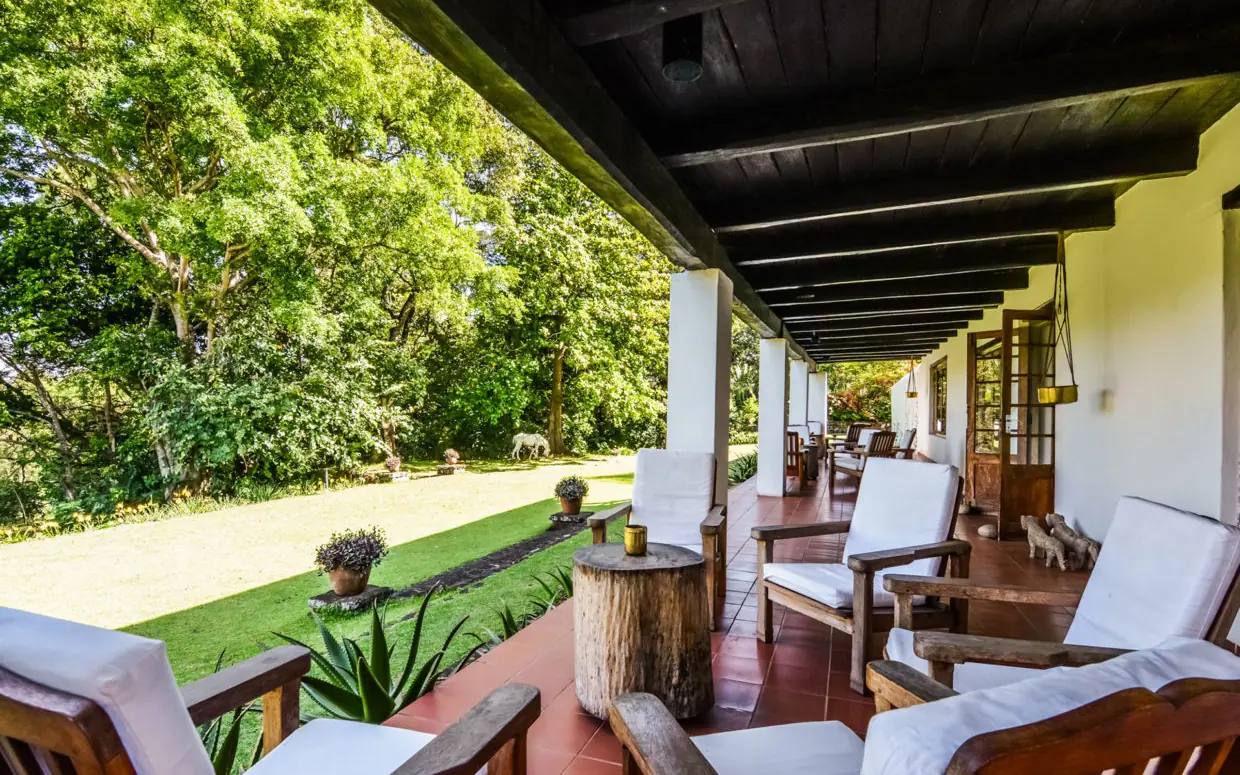
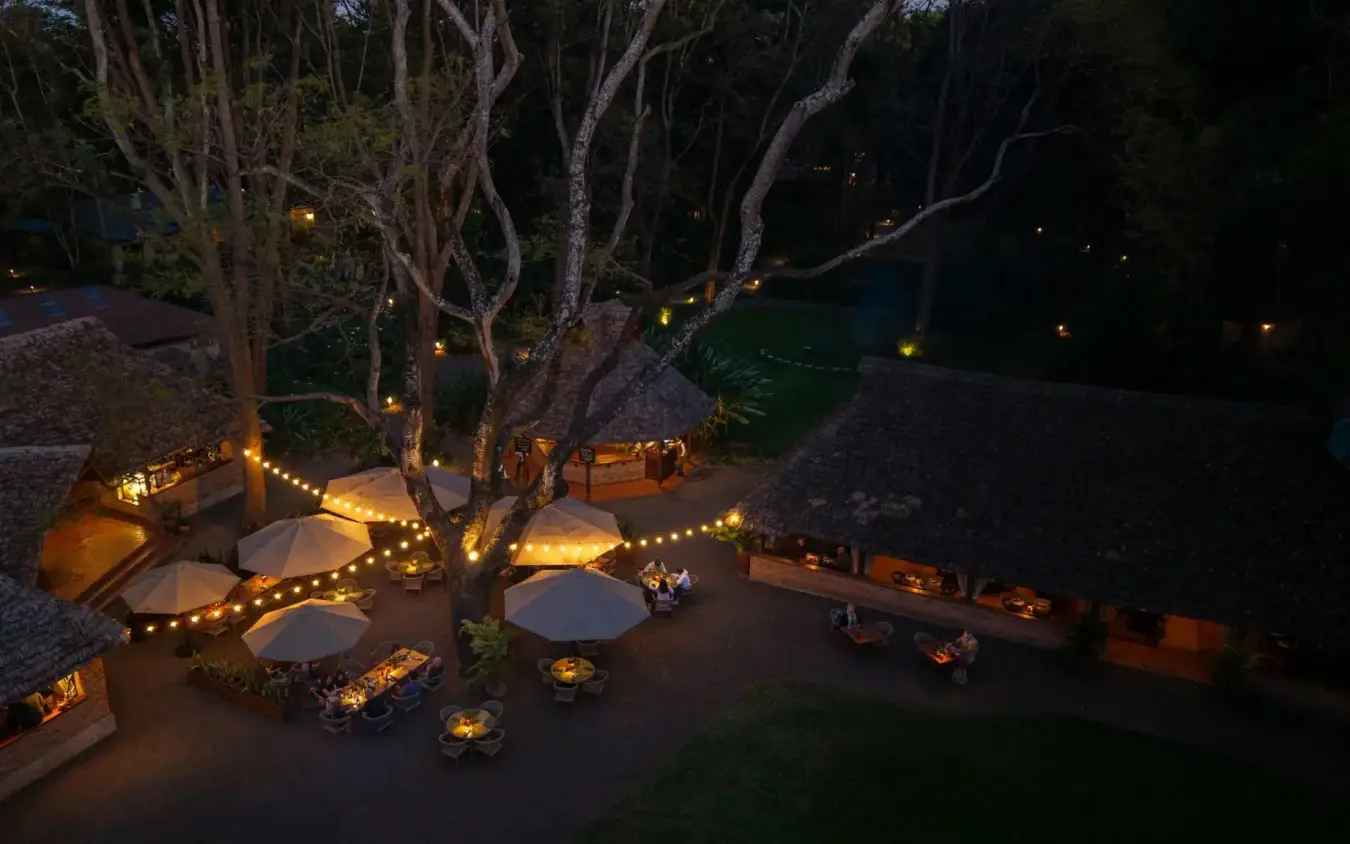
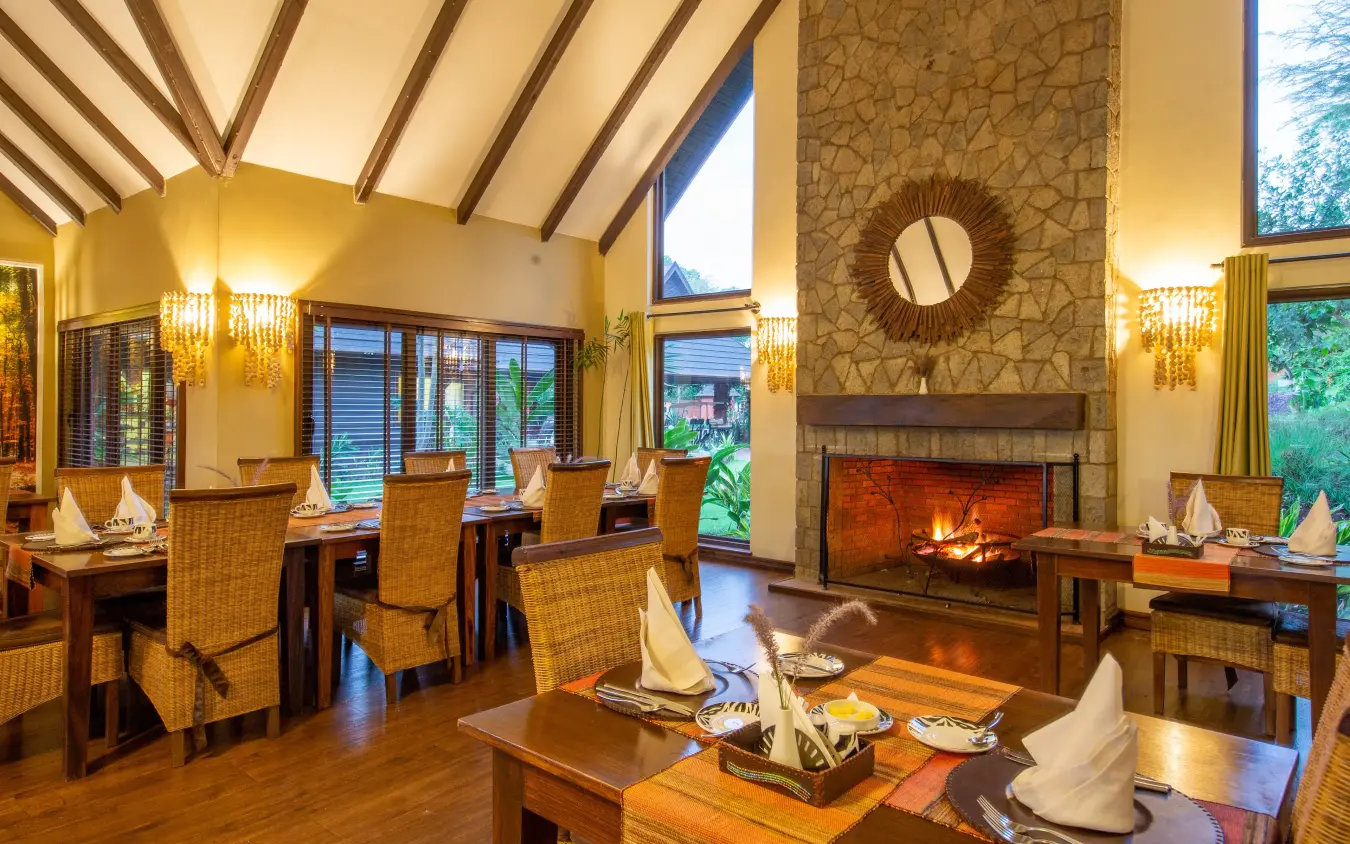
You come off the mountain at Mweka and drive back to Ngare Sero for a last night, with the climb behind you. The day is for rest: a slow walk in the forest, a boat on the lake, or a chair on the long veranda looking across the water to Mount Meru. Ngare Sero is the same 1905 farmhouse where the trip began, run by the Leach family, with meals from the estate's garden and trout pond served in the historic dining room or on the terrace above the lake.
It is a long, high walk, not a climb in the technical sense.
There are no ropes, and National Geographic calls Kilimanjaro a high-altitude trek for which a few months of regular walks, runs or hill days is sound preparation. You are on the mountain for eight days with a team carrying the loads, and most of it is steady going.
Two parts stand out. On day seven the path leaves the Barranco Valley by the Barranco Wall, a rock face roughly 250 metres high where you use your hands in places. It needs no climbing skill and takes one and a half to two hours.
Summit night is the real test: climbers are typically woken around 11pm at Barafu, walk uphill for seven or eight hours in darkness and severe cold, then descend to Mweka the same day.
Walking fitness gets you to Barafu. Above that, altitude decides. The park does not allow children under ten above 3,700 metres.
Better on a long route like this one than on a short one, but nobody can honestly give you a percentage.
There is no official success figure, and the numbers quoted online mostly come from companies selling climbs. What does exist is medical research.
A study of trekkers who climbed in four or five days by the Marangu route found that 61 per cent reached the summit. A later study of a six-day ascent by the Rongai route recorded 88 per cent, and concluded that a slower ascent lowers the risk of altitude sickness.
They were different groups on different routes, so read them as a direction, not a forecast. TravelHealthPro, the UK's official travel health service, names climbing Kilimanjaro in under seven days as a concern.
This trip spends six nights on the mountain before the summit attempt. Altitude sickness is common on this mountain and cannot be trained away, so no outcome is promised.
Most people notice the altitude, and nobody can tell you in advance how you will respond.
The NHS and the US Centers for Disease Control both say that altitude illness can begin from about 2,500 metres, that gaining height slowly is the main protection, and that anyone who is struggling should go down. The CDC and the UK's TravelHealthPro add that being fit does not protect you.
That is why this climb takes eight days, with six nights on the way up. Partway up you cross high ground near the Lava Tower, at about 4,600 metres, then drop some 650 metres to sleep at Barranco, and the nights that follow stay between about 3,900 and 4,200 metres before you move up to Barafu.
The park's own rules tell climbers not to push on when exhausted or suffering from mountain sickness. We are travel planners, not medical professionals, and we do not give medical advice: please talk to your own doctor about altitude before you book.
June to October is the window we rate highest, the long dry season, when the forest trail is firmer and the views from the Shira Plateau are clearer. Within it, late June to September is the driest stretch, with cool nights and clear days.
January and February are the second choice. We rate them as in-between months because cloud and showers are more likely low down, though they are dry months too, and the mountain is quieter then than in August, its busiest month.
November, with the short rains, is less settled. We steer climbers away from April and May, the long rains, when the forest is wet and snow builds near the top. That snow is the one upside of the wetter months: a whiter summit in your photographs and fewer people on the trail.
In tents, every night of the climb.
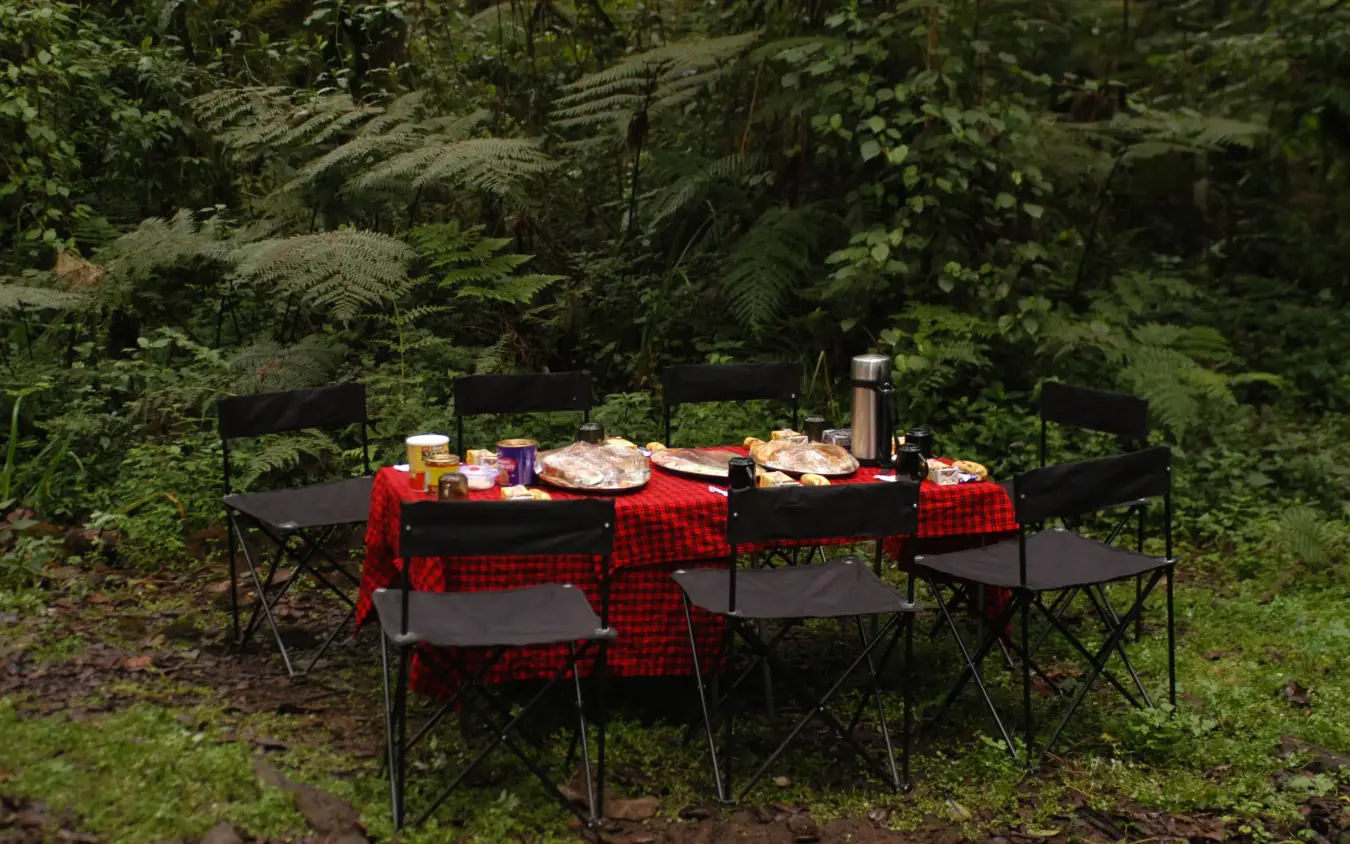
Only the Marangu route has huts, so on Lemosho your camp is carried up the mountain by porters, pitched before you arrive and taken down after you leave. You walk with a day pack and nothing more.
The camps stand on the park's designated sites, which have toilet facilities and are used by other climbing parties too, and the park keeps first aid, radio contact and rescue services at its mountain stations. Park rules limit each porter to 25 kilograms, including their own belongings, which is why you will be asked to keep your main bag light.
Expect real cold. The temperature falls by about six degrees for every 1,000 metres you gain, and at the summit it can drop to minus 20 at night, so a warm sleeping bag and proper layers matter more than anything else you pack.
Yes, around the climb, though not within it.
This is a private climb, so it can start on any day you choose, and the nights at Ngare Sero before and after can be lengthened. The order of camps on the mountain is fixed by the route, and we would not shorten it, because the published research points one way: slower climbs succeed more often.
If you have the time, the change most worth making is to climb Mount Meru first. At 4,566 metres it is a three to four day climb in Arusha National Park, on whose slopes the trip begins, and both the park and the British Mountaineering Council's advice describe it as acclimatisation for Kilimanjaro.
Afterwards, Arusha is the starting point for Tarangire, Ngorongoro and the Serengeti, so a few days of safari fit naturally. Scheduled flights reach Zanzibar from Arusha in about two hours.
Ed Charles, BBC Producer
Fitzroy are true specialists in accessing the wilderness. They know where to go and importantly, when to go there. Highly recommended.
tanzania
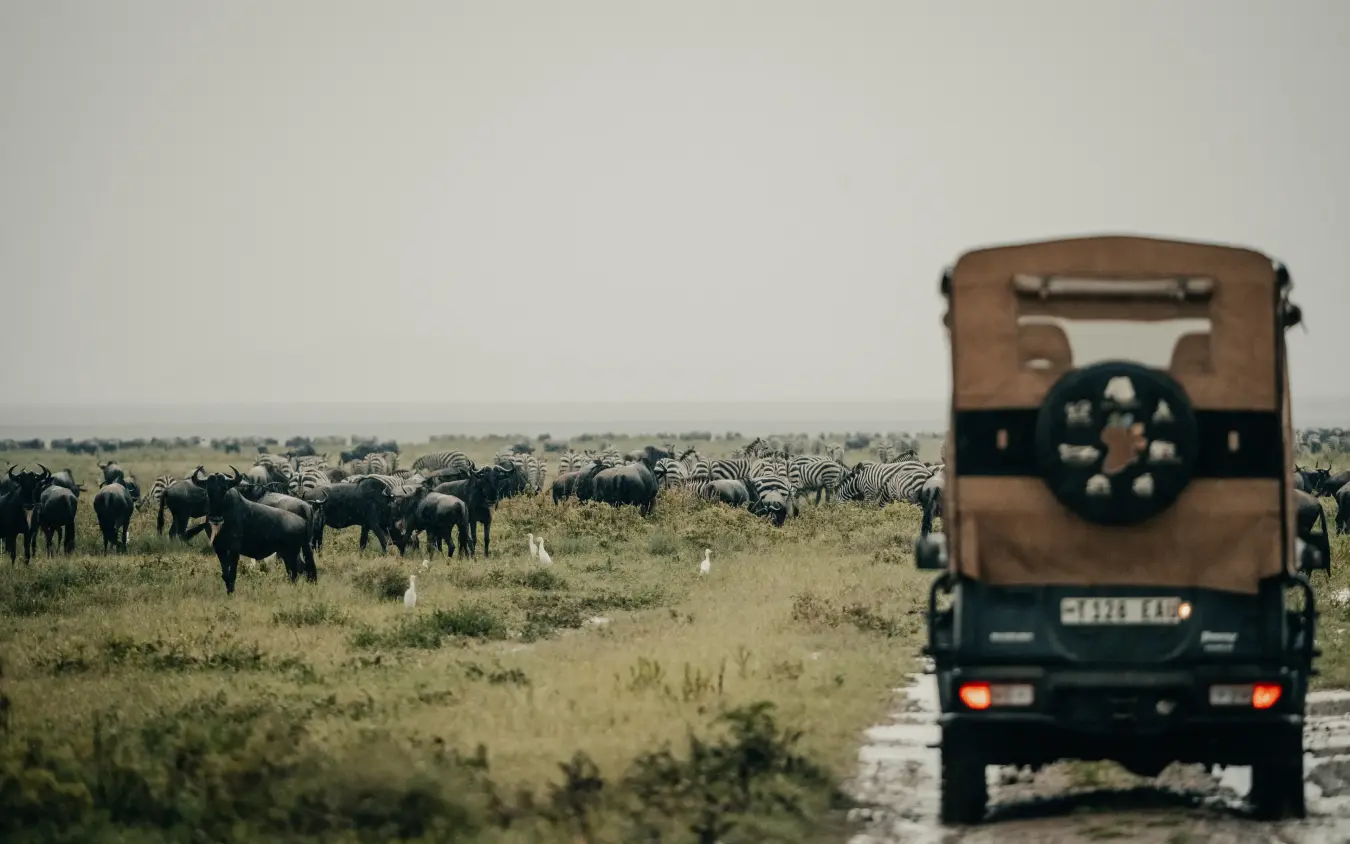
Two nights in Tarangire, a full morning on the Ngorongoro Crater floor and three nights under canvas in a camp that moves with the herds.
tanzania
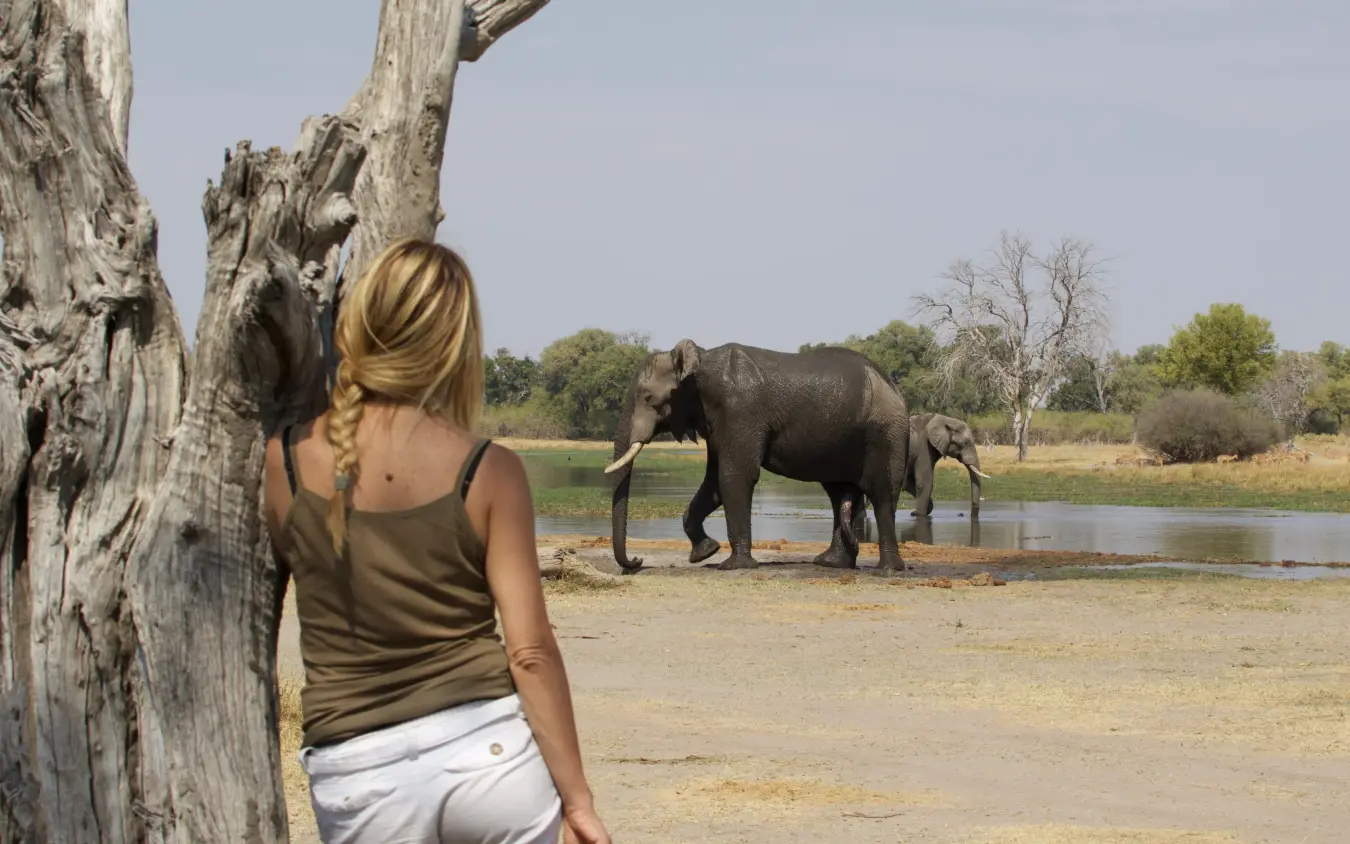
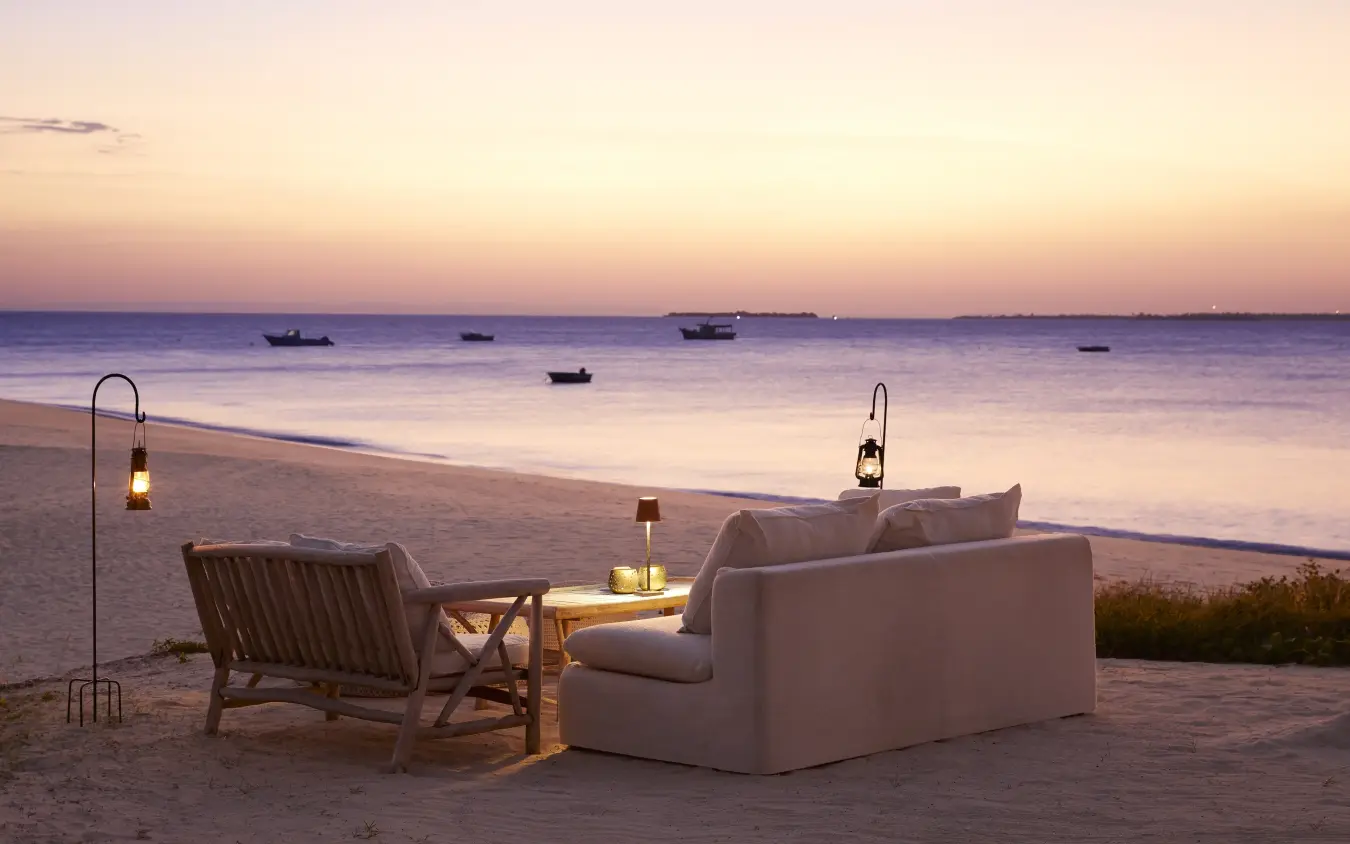
Eight nights in Tanzania, walking the central Serengeti near Seronera then the reefs and sands of Zanzibar's Bwejuu Beach.

kenya & tanzania
Fourteen nights from Nairobi through the Mara and the Serengeti to a private coral island off Tanzania's coast.
rated five stars by our clients

our approach
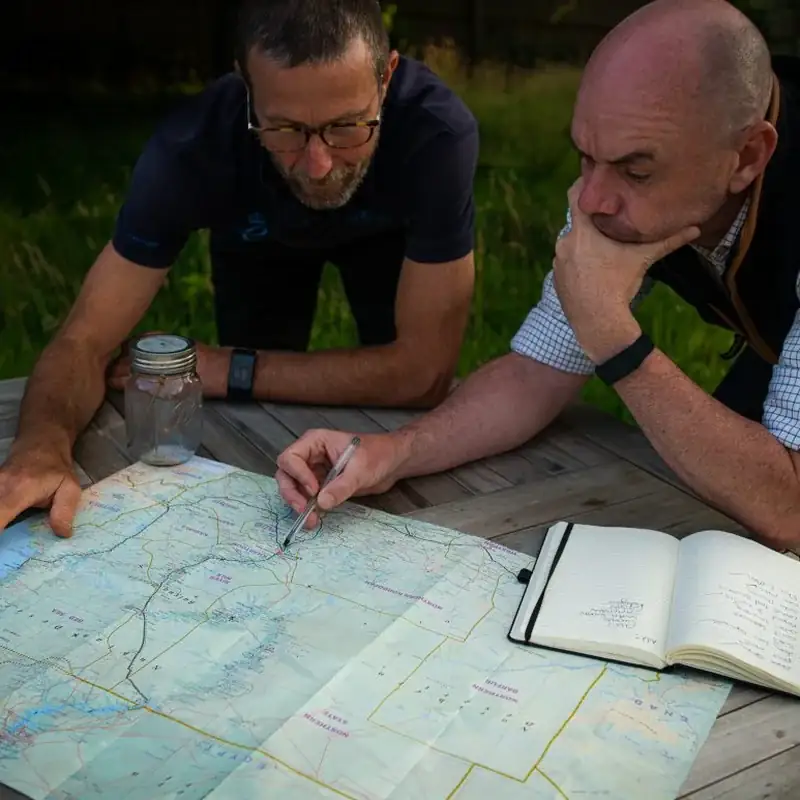
Every journey starts with a conversation. We take the time to understand your vision before we start planning.
Whether by phone or in person, we work with you directly to shape something that is considered, personal, and expertly delivered.
Every journey starts with a conversation. We favour a direct, personal approach: understanding your vision before anything else.
Whether by phone or in person, we work with you directly to shape a journey that is both thoughtfully considered and expertly delivered.
Get in touch to start planning yours.