








namibia
dunes, the hoanib and the kunene
Thirteen nights linking the Sossusvlei dunes, the Skeleton Coast, the Kunene River and Etosha's rhino country.
- Private Safari
- From $17,960 pp
- 2 guests
- 13 nights
This nine-night route links the length of the Namibian desert. It opens on the Zannier Reserve outside Windhoek, then crosses to the red dunes and white clay pans of Sossusvlei. From there it reaches Swakopmund on the Atlantic, before turning north into the Skeleton Coast National Park between the Hoarusib and Hoanib rivers. A final night back in Windhoek closes the loop.
You travel by road and light aircraft, with the remote legs flown in. Days hold dune climbs at first light, coastal drives, and game drives working the dry riverbeds for desert-adapted wildlife. The stays range from thatched huts above a rhino reserve to timber cabins in the dunes, with a beachfront hotel and two Windhoek bases at either end.
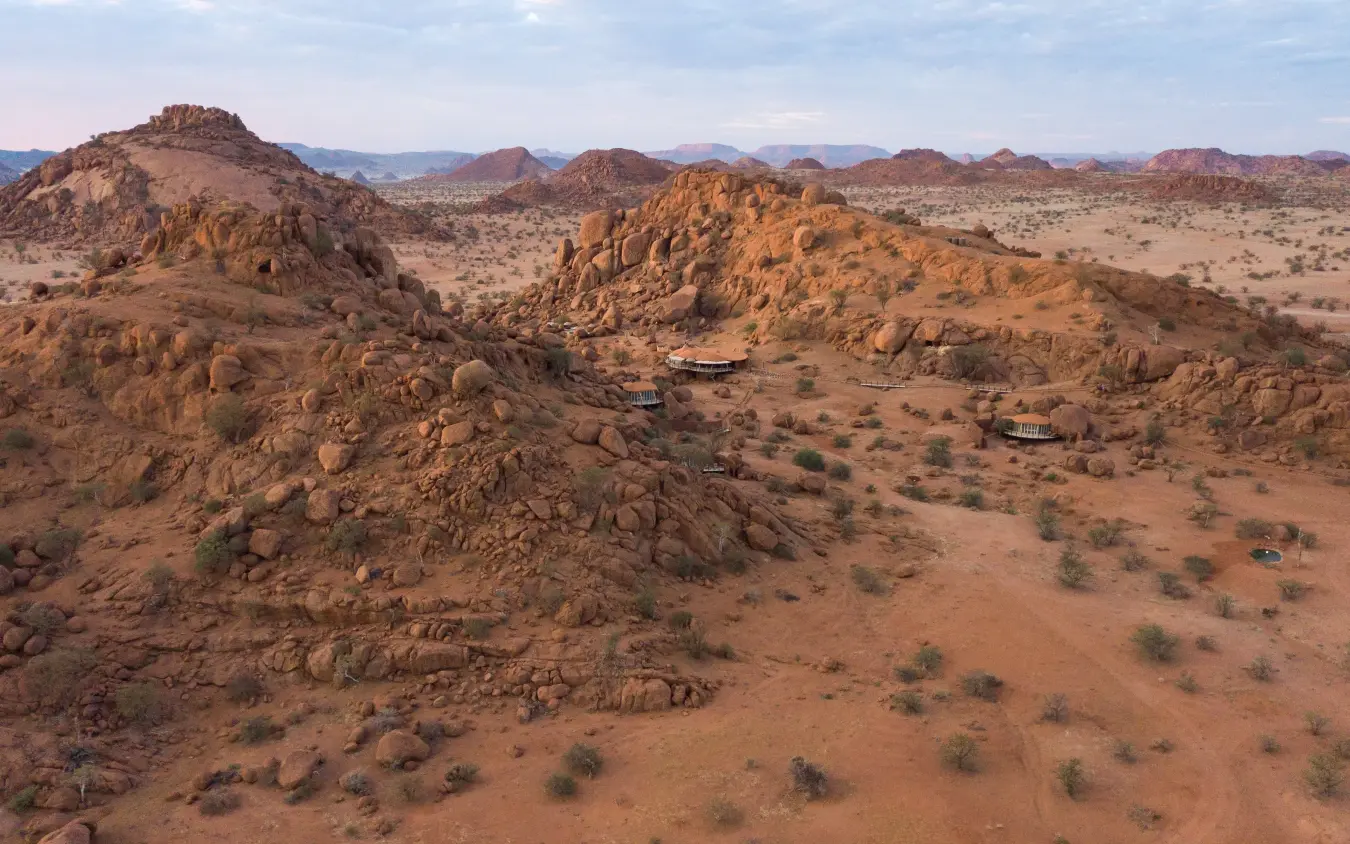
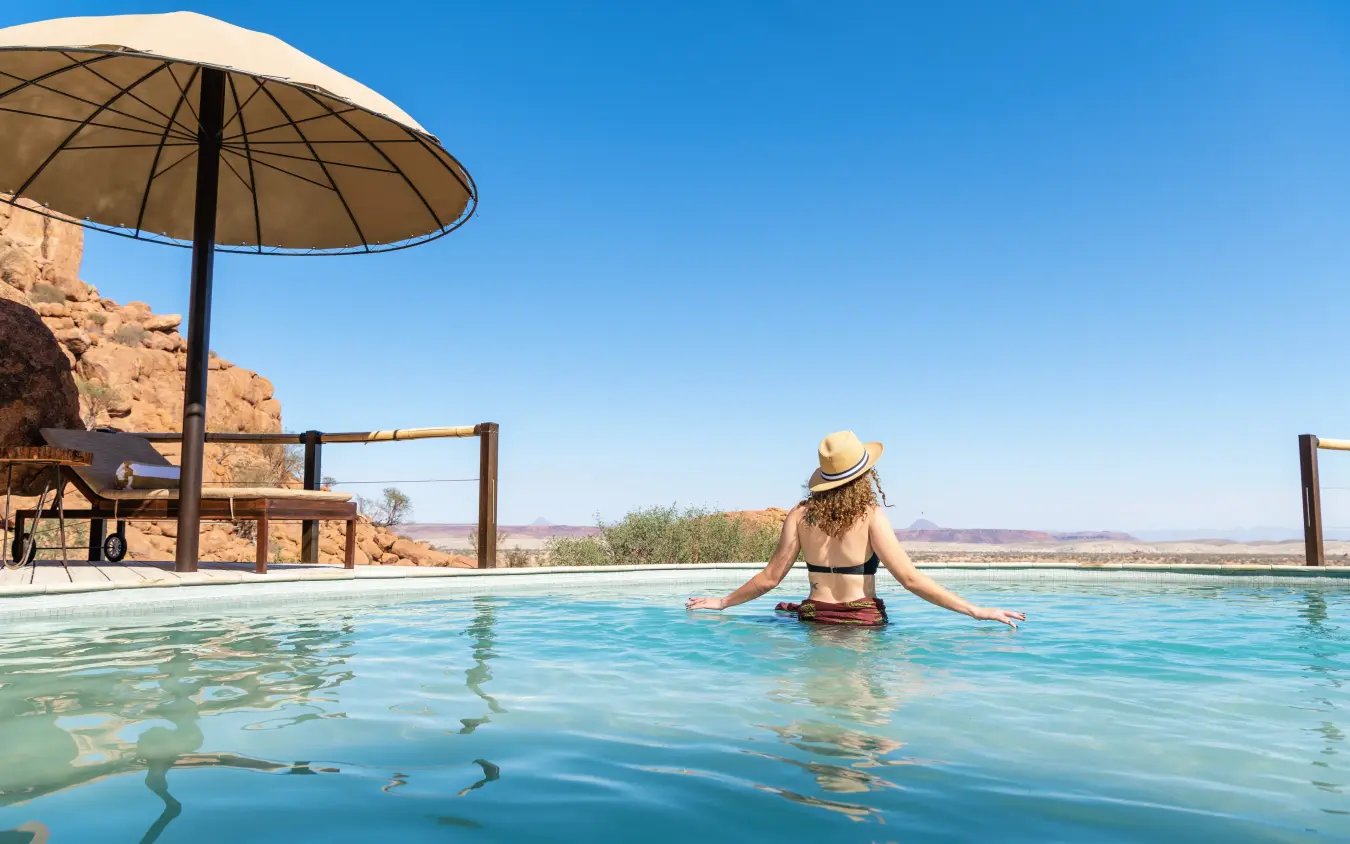
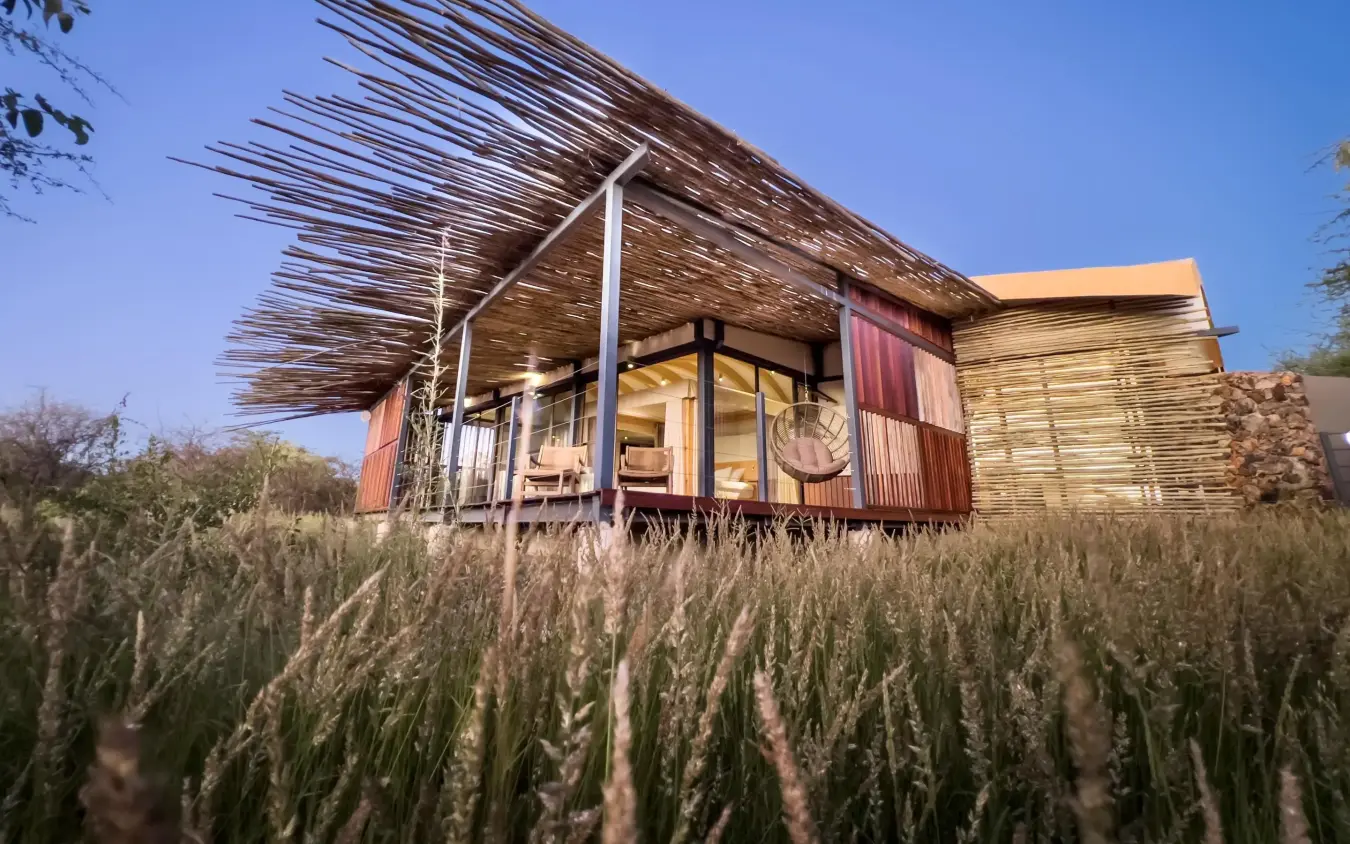
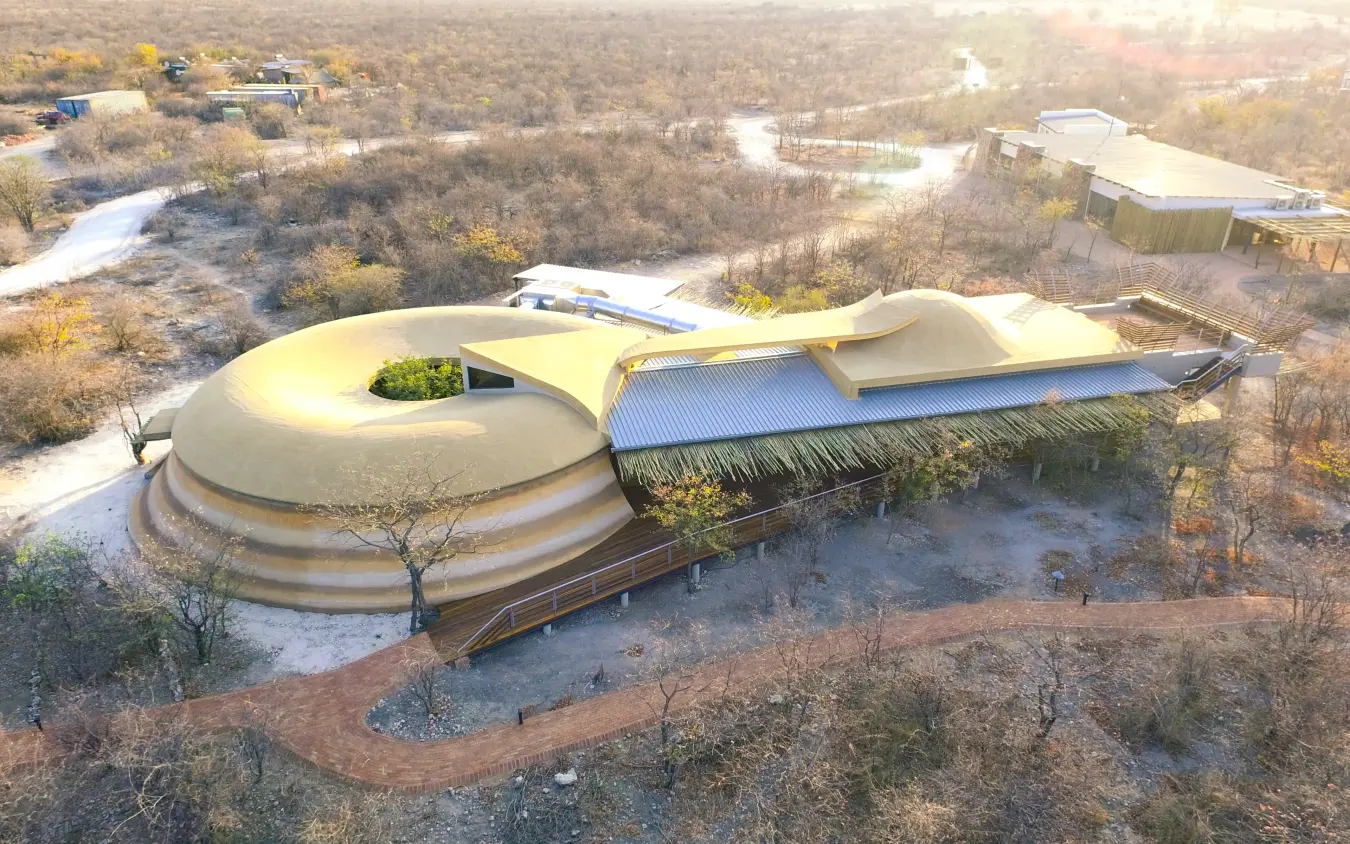
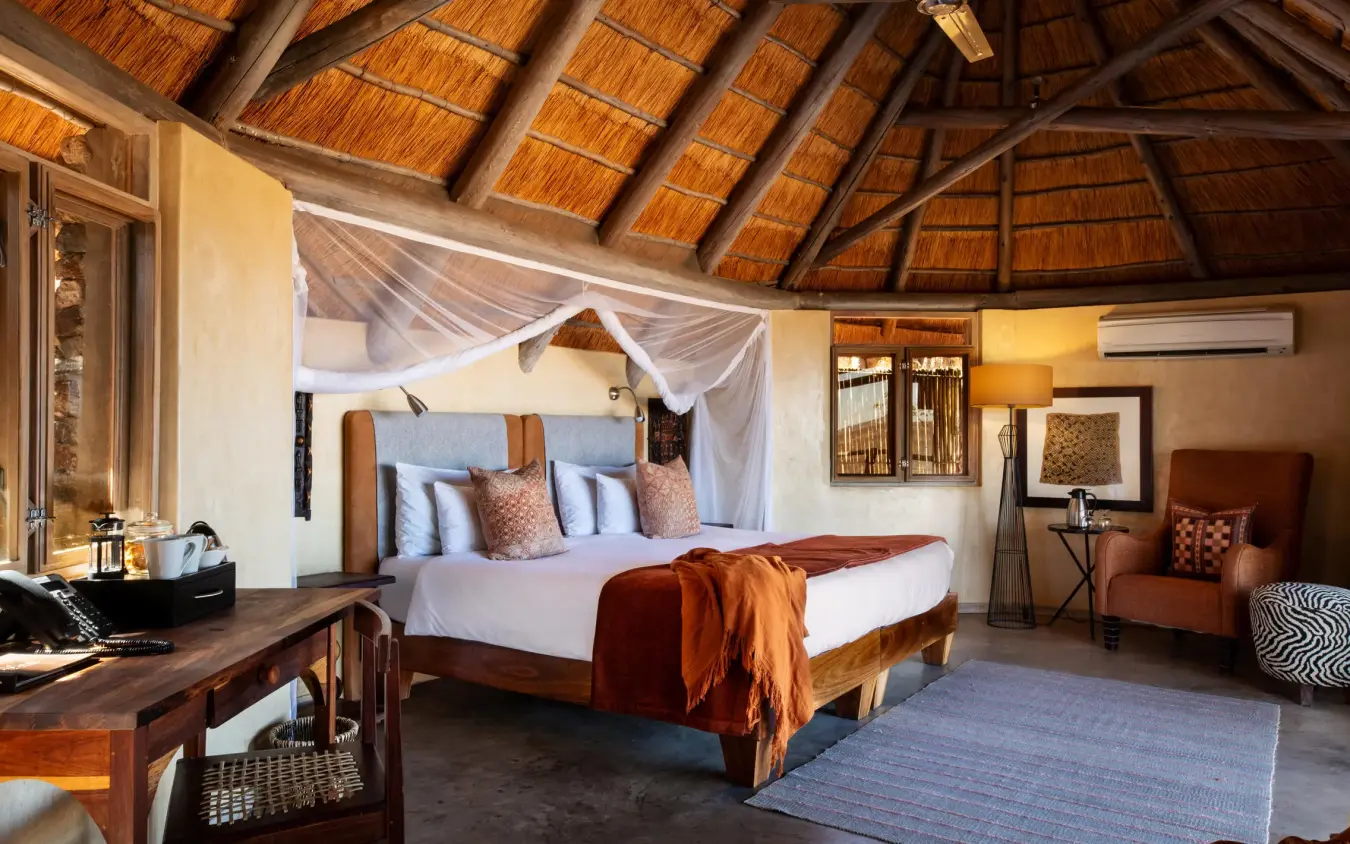
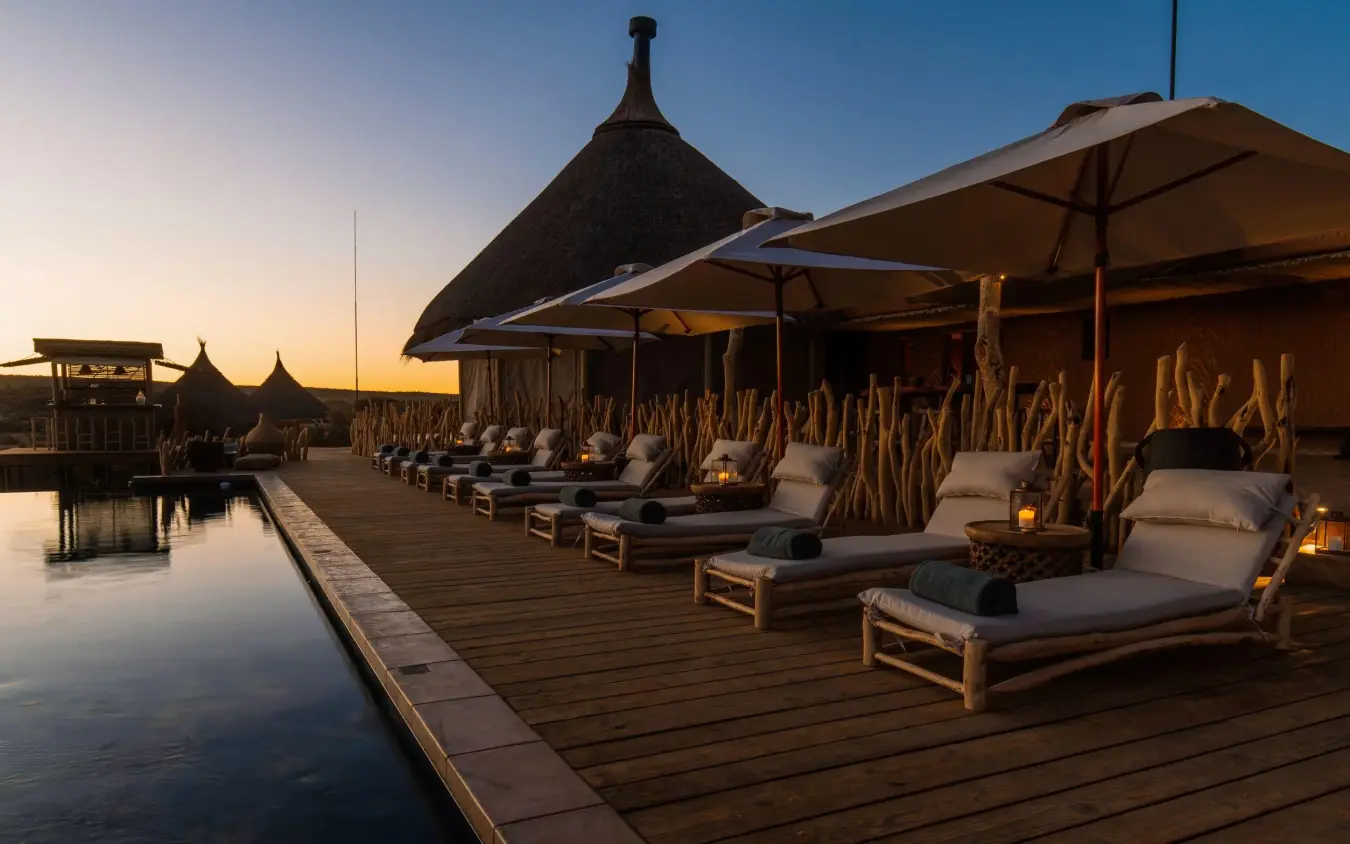
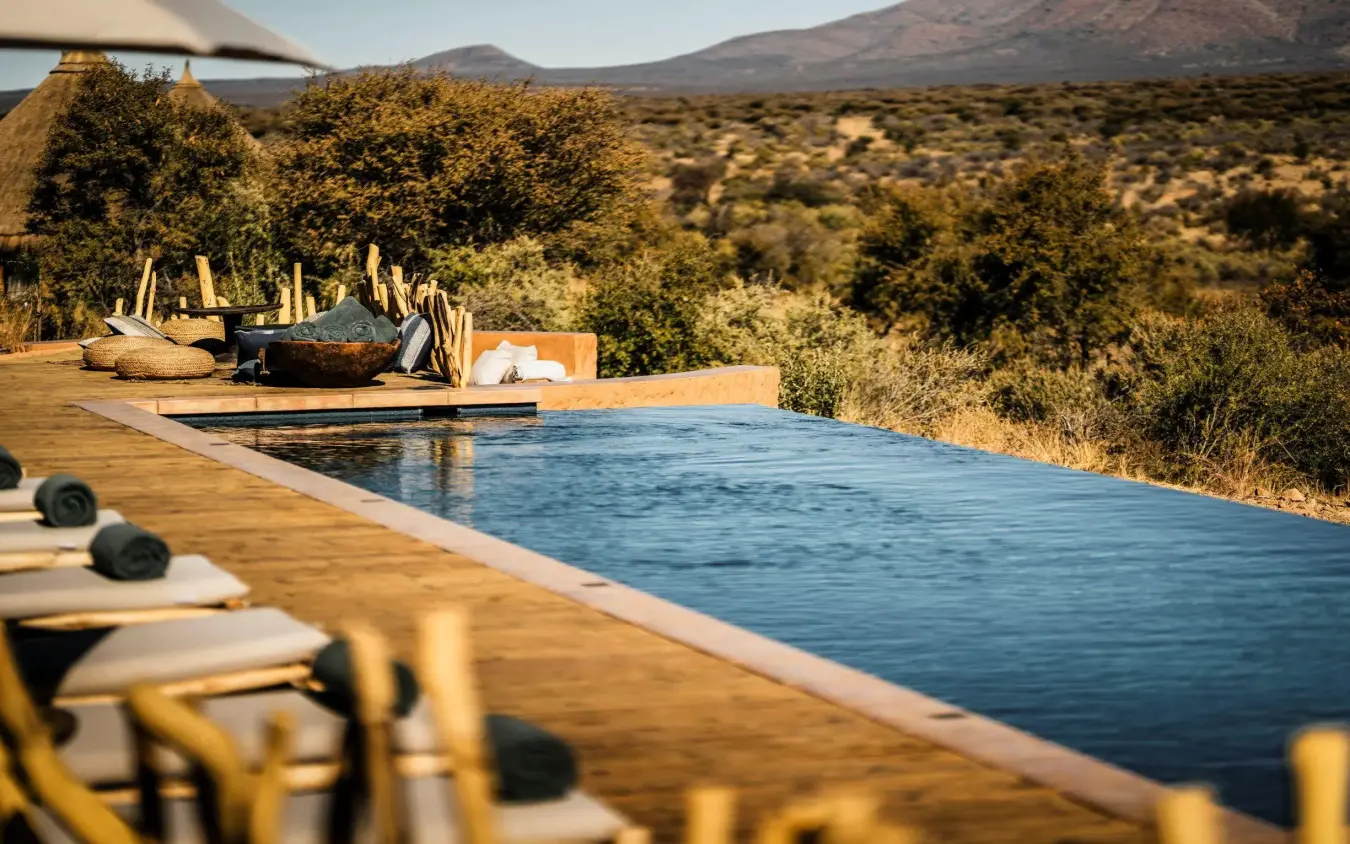
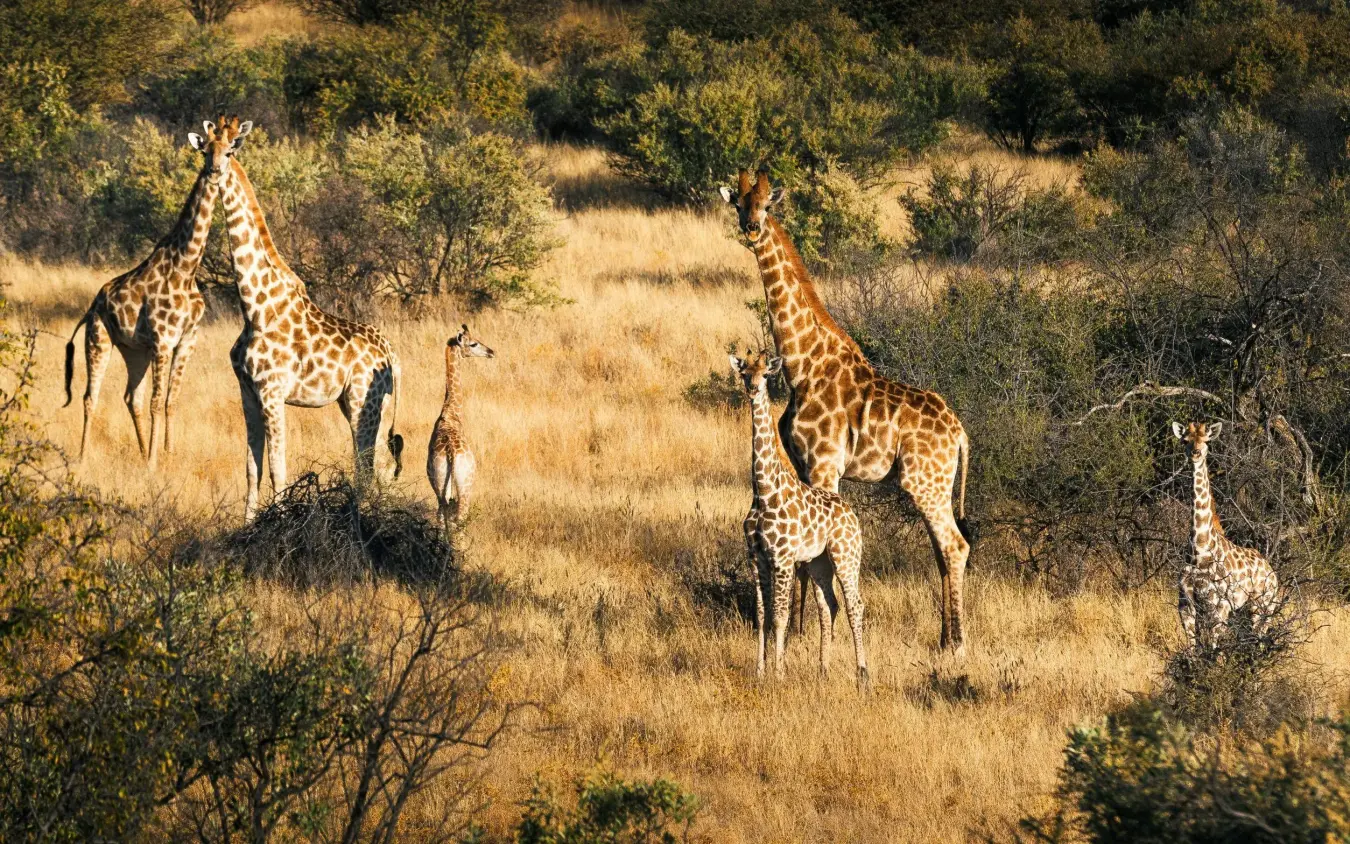
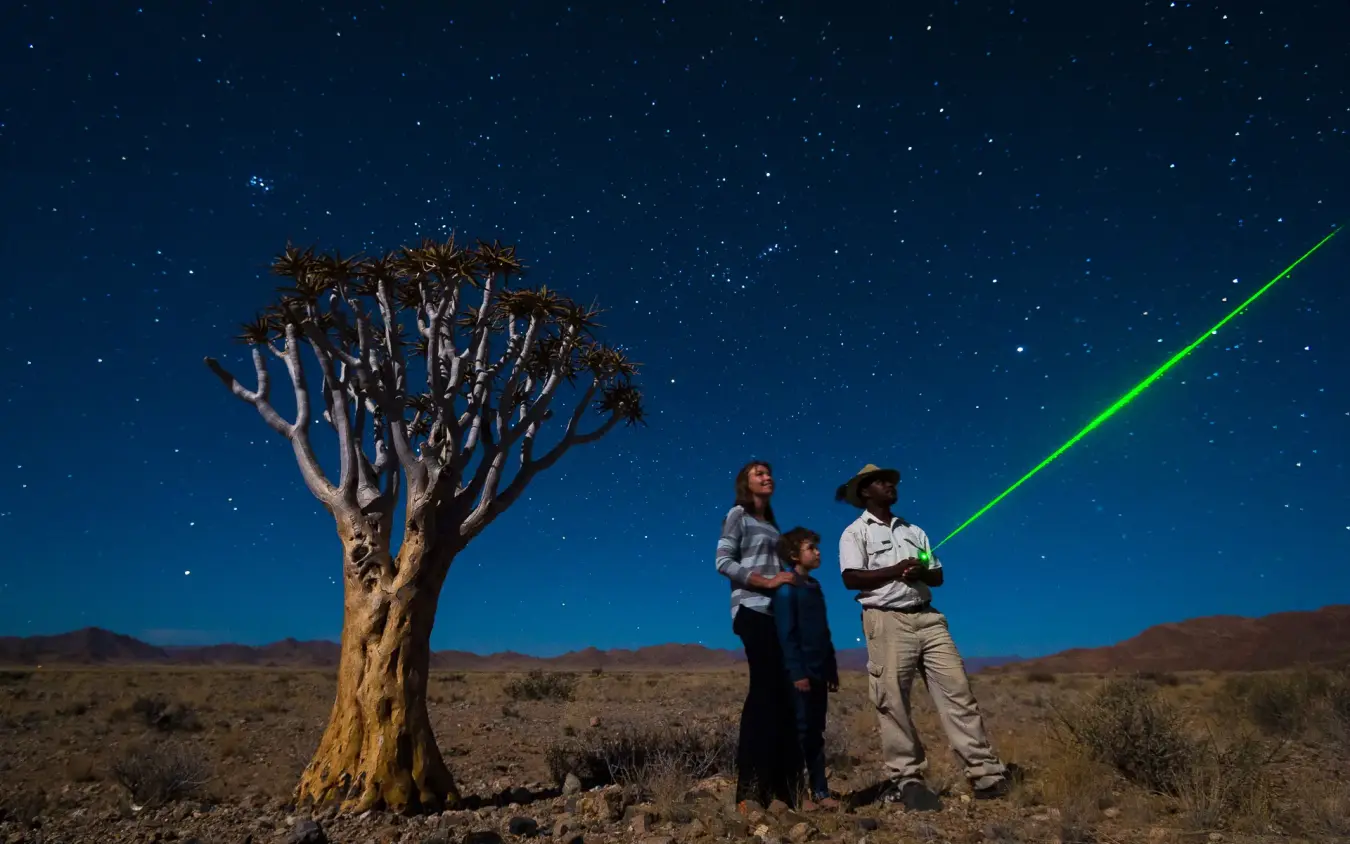
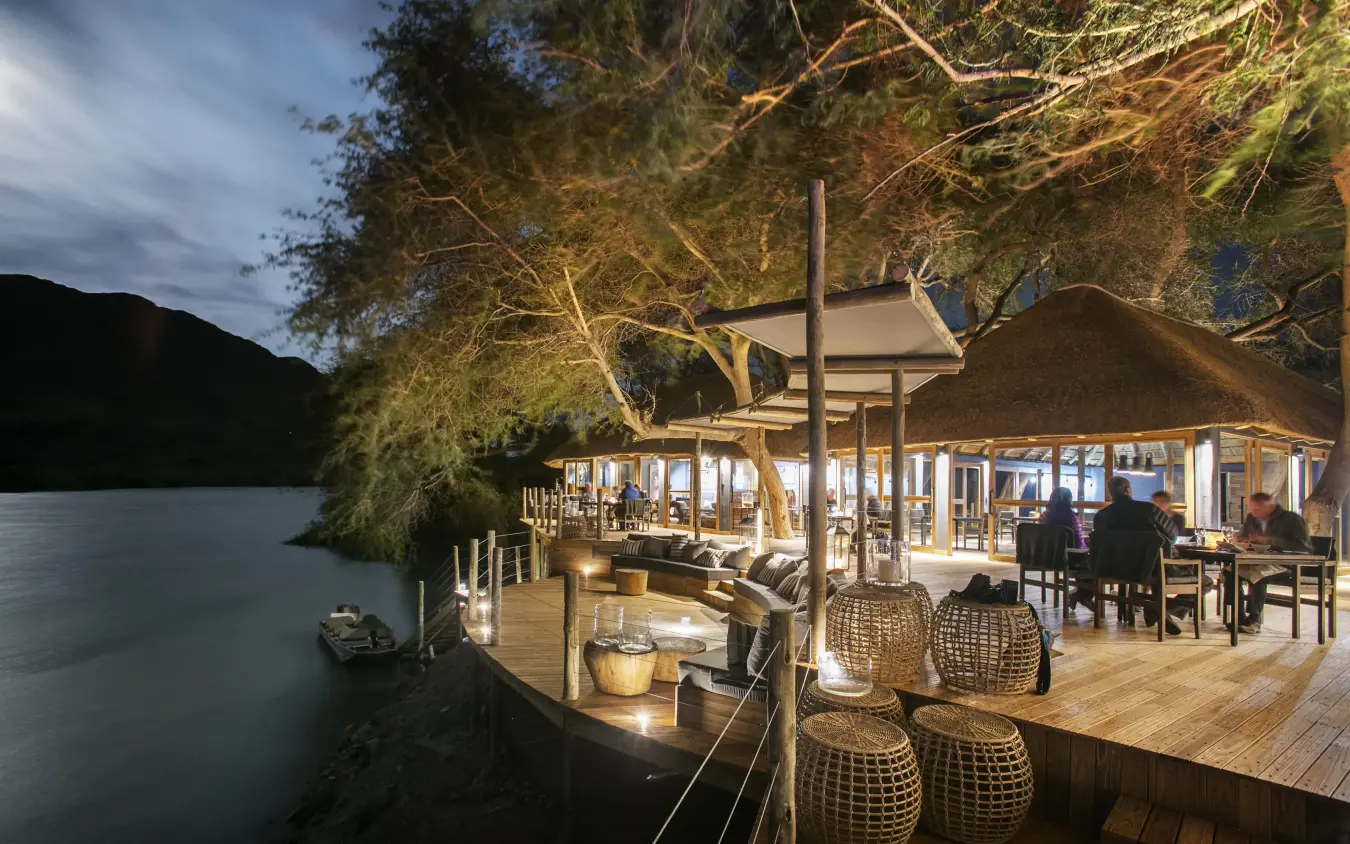
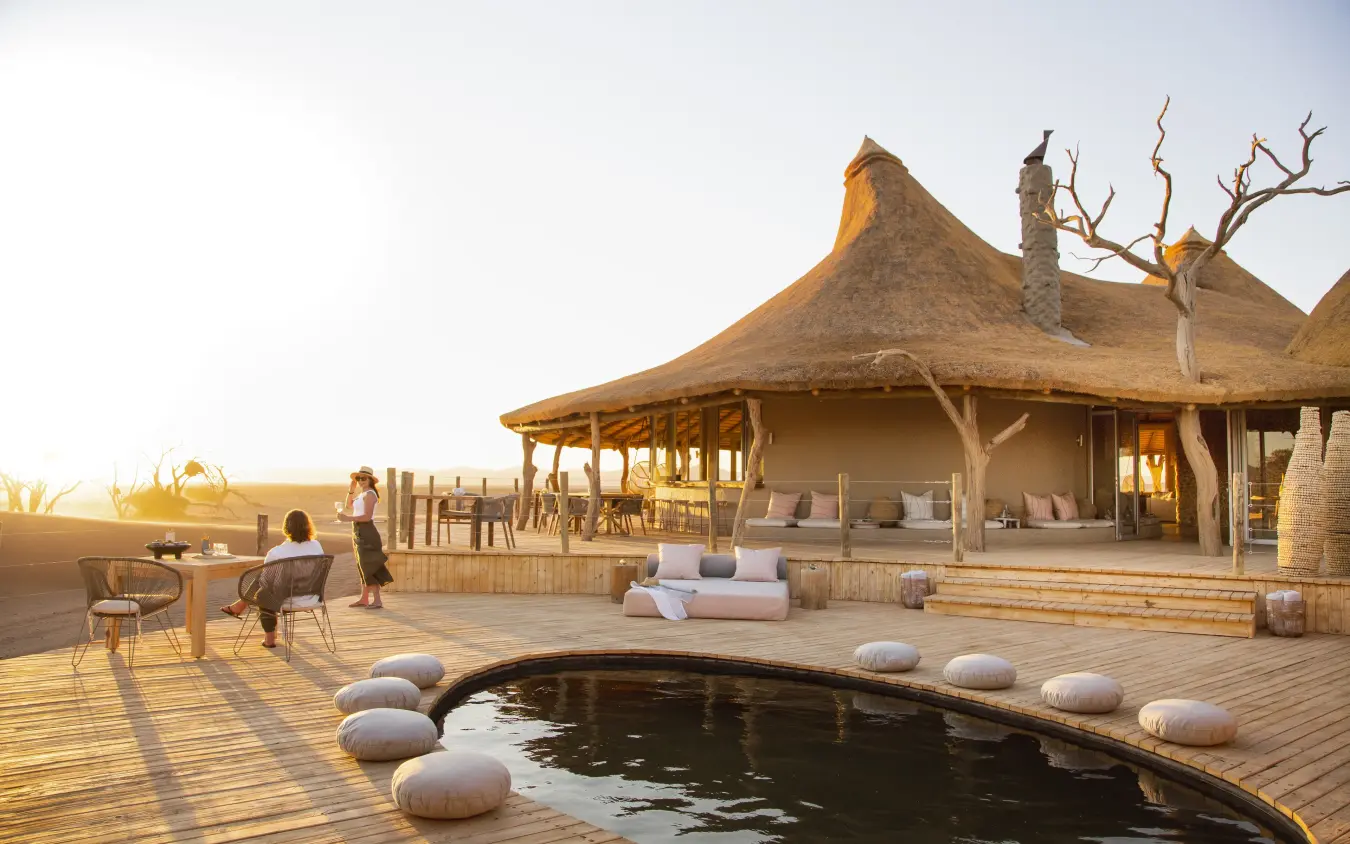
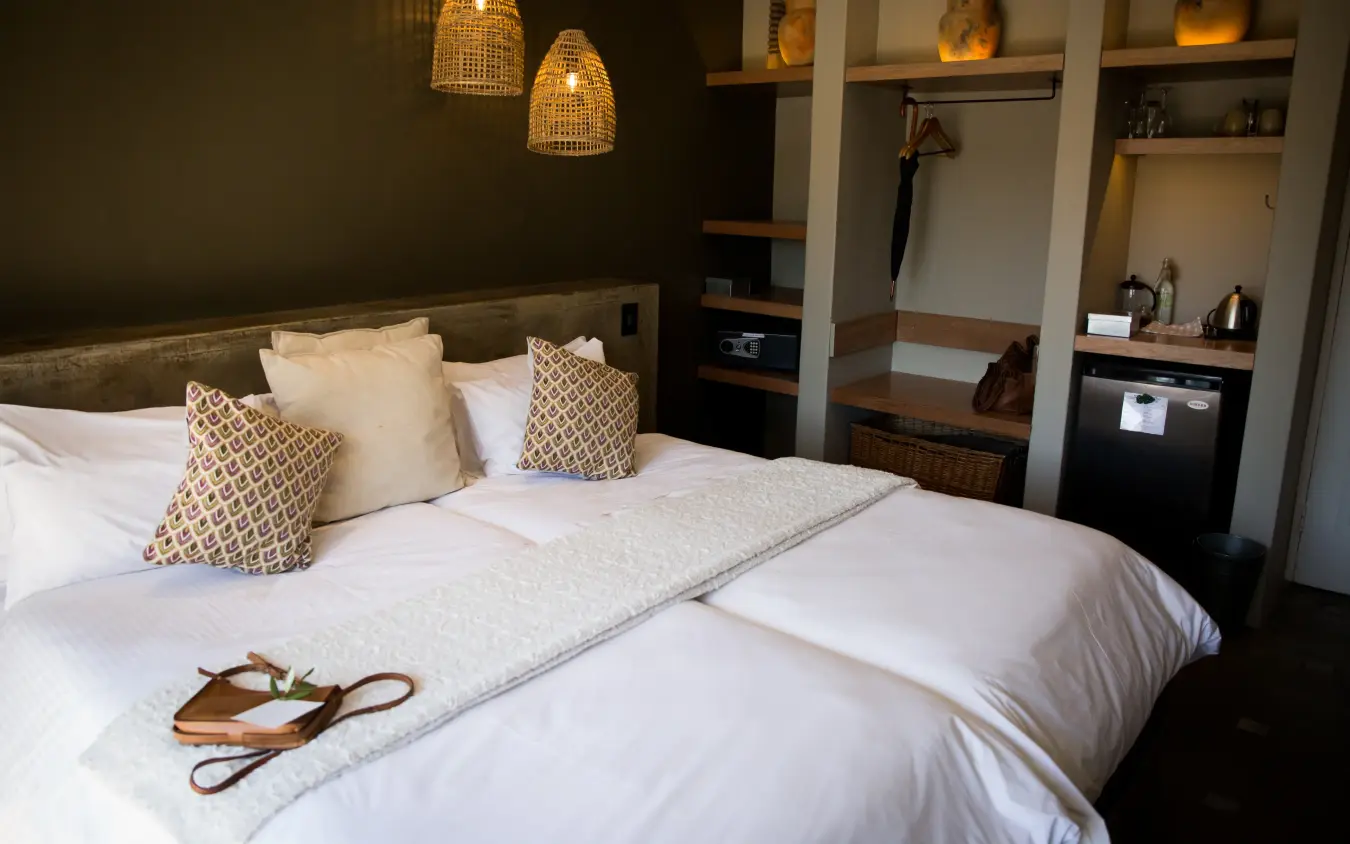
The long-haul flight ends not in a city hotel but on open grassland, thirty to forty minutes from Hosea Kutako International Airport. The private Zannier Reserve covers roughly 9,000 hectares of central Namibian savannah, run in partnership with the N/a'an ku sê Foundation, and a waterhole below the lodge draws giraffe and antelope with rhino and elephant as occasional visitors. At Omaanda, round thatched huts drawn from Owambo homestead architecture stand on stone plinths, each opening onto a private terrace facing the plains, with a fireplace for cool winter nights and a bathtub set for the view.
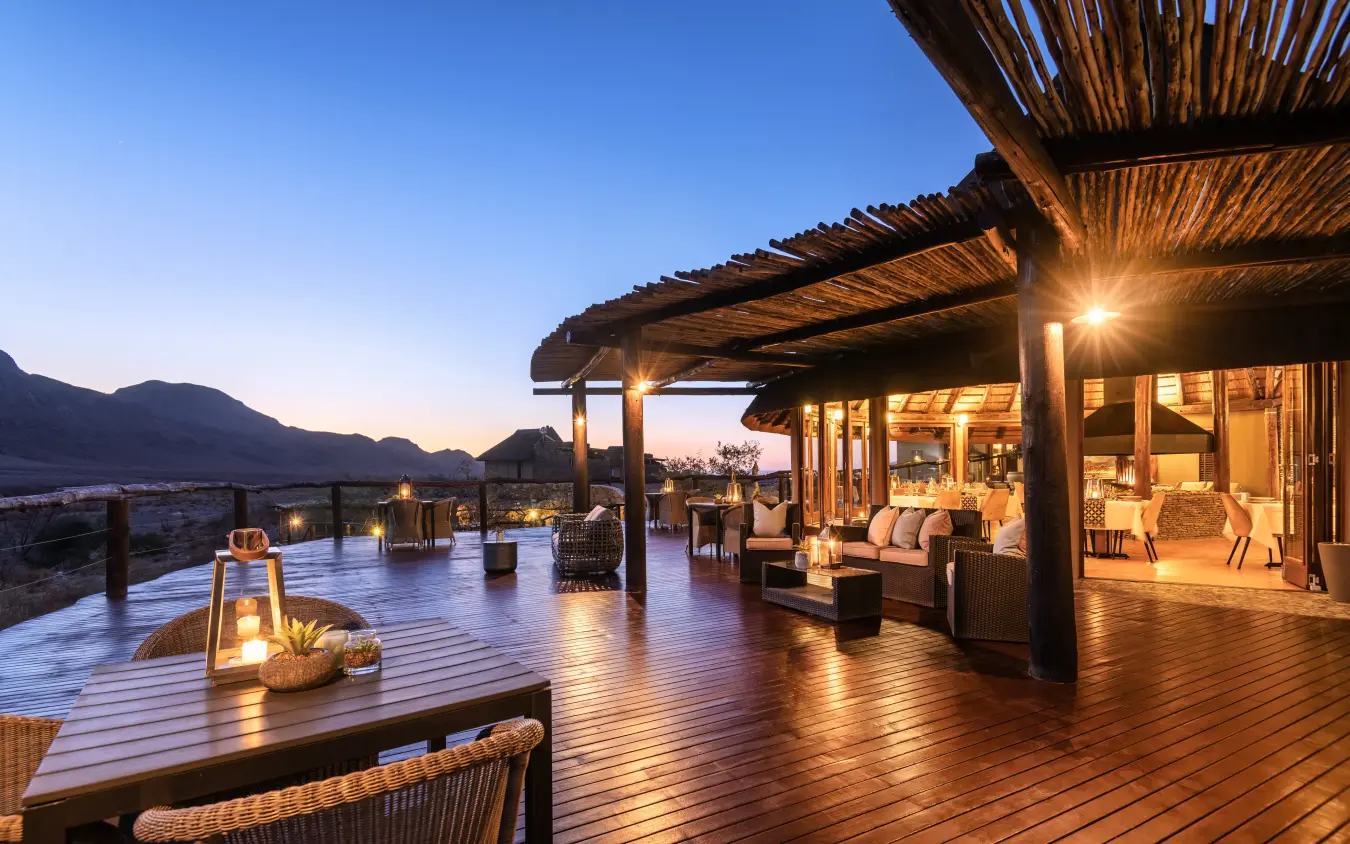
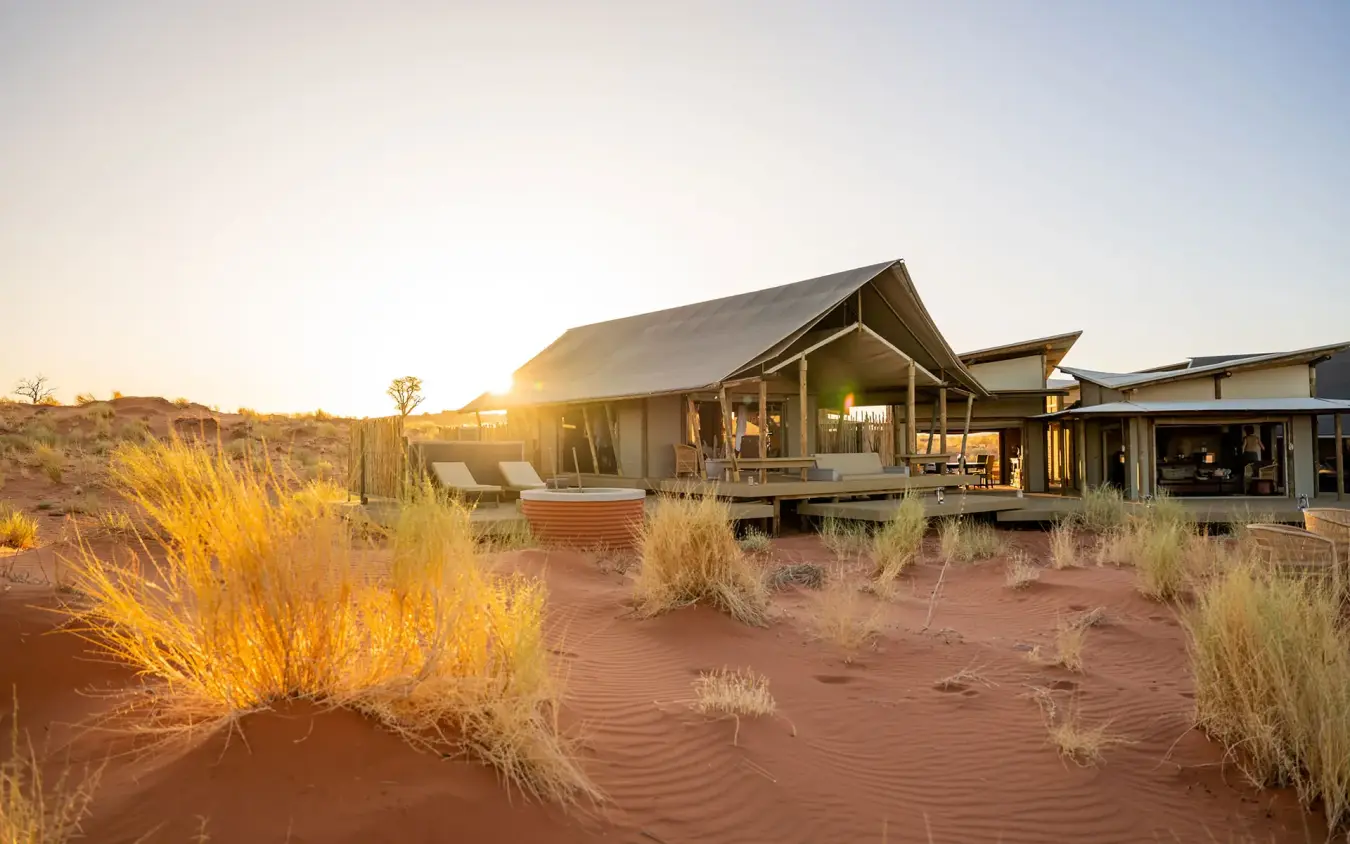
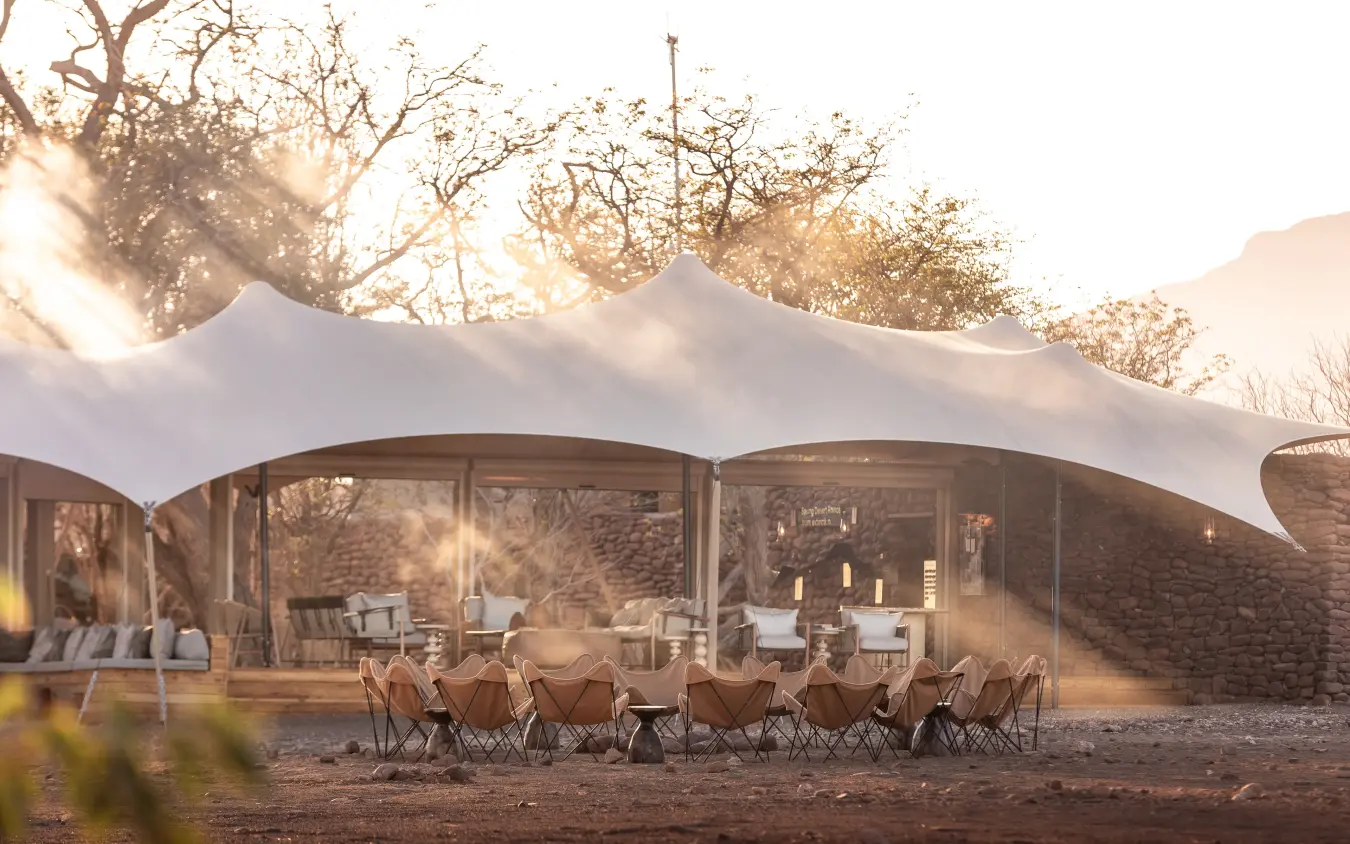
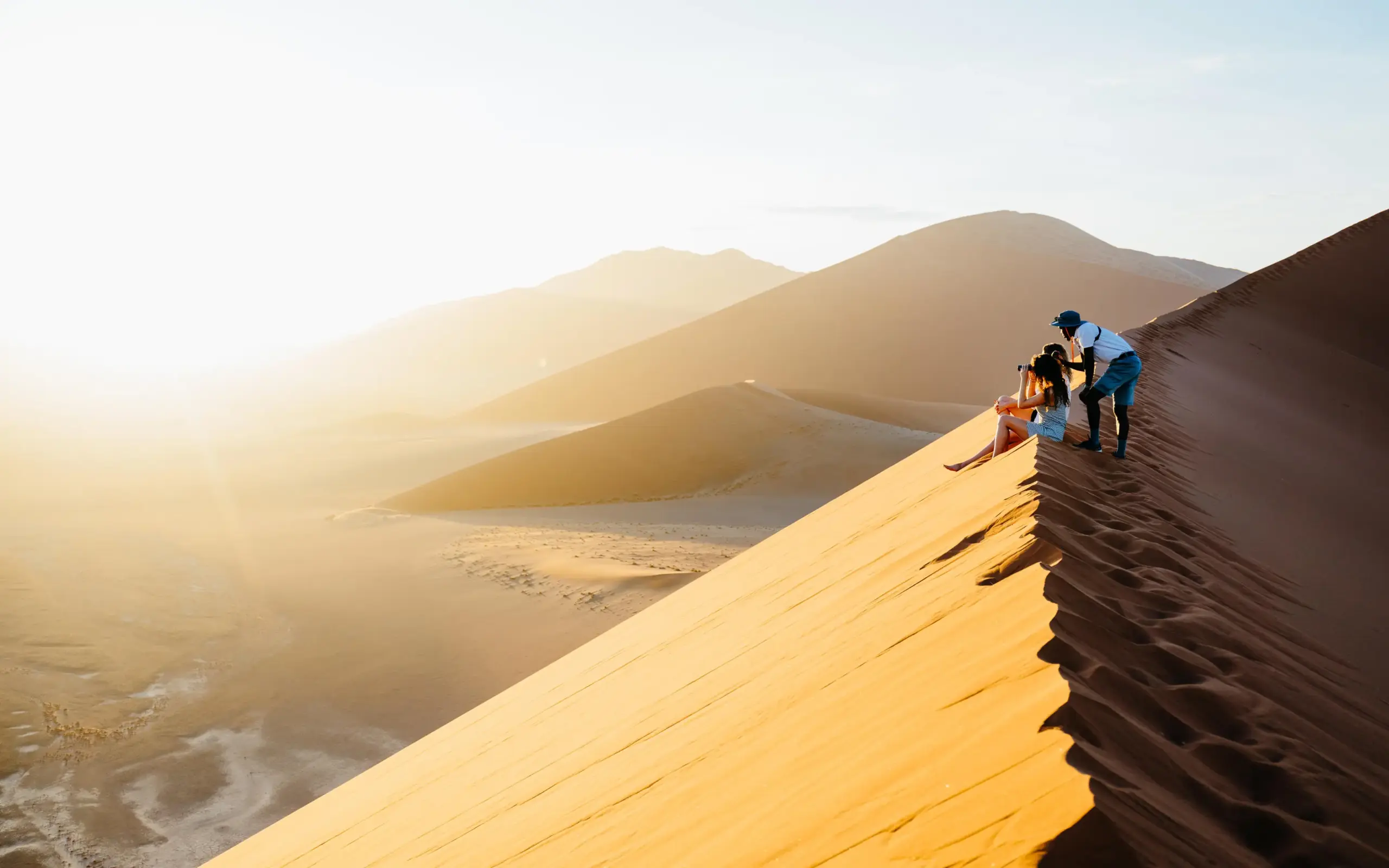
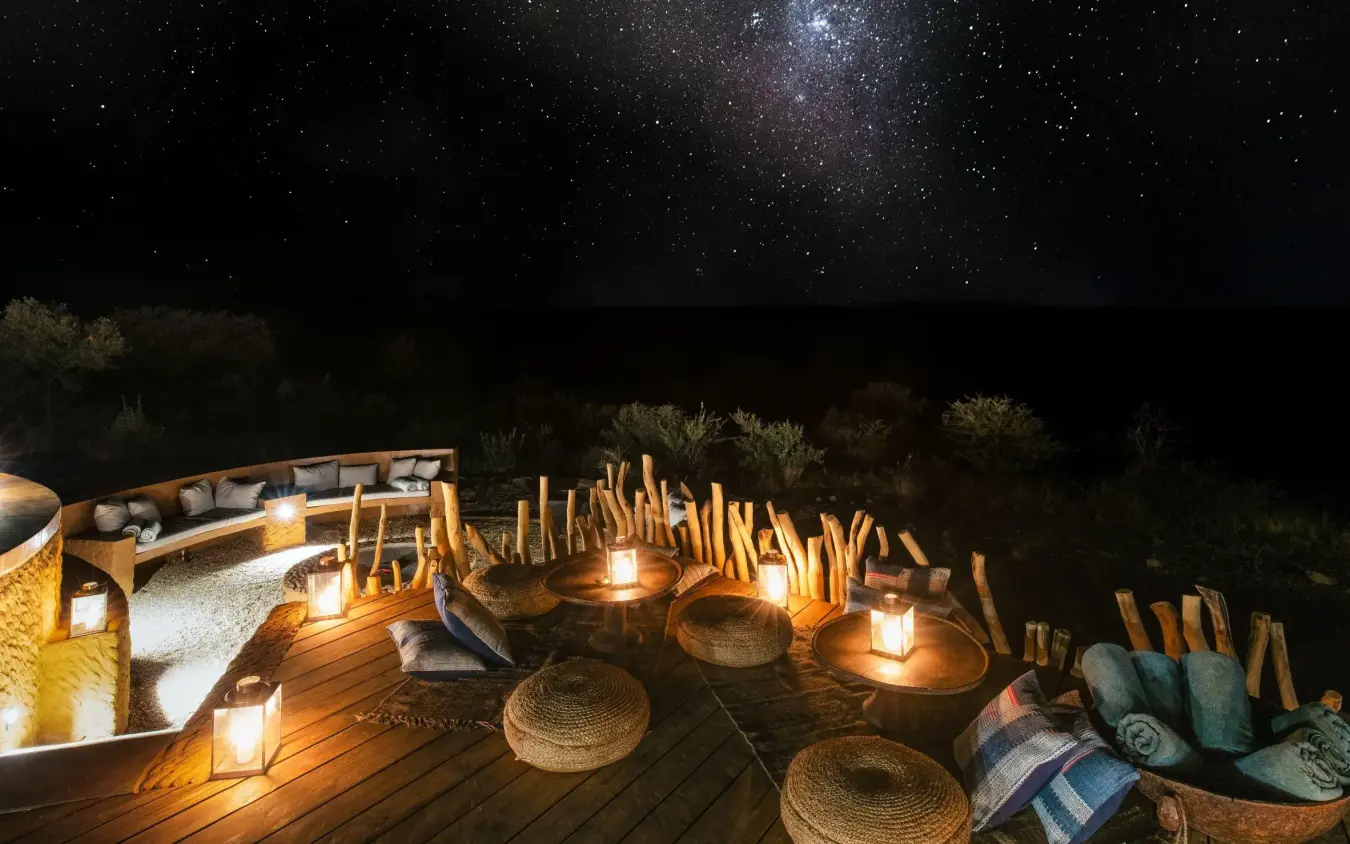
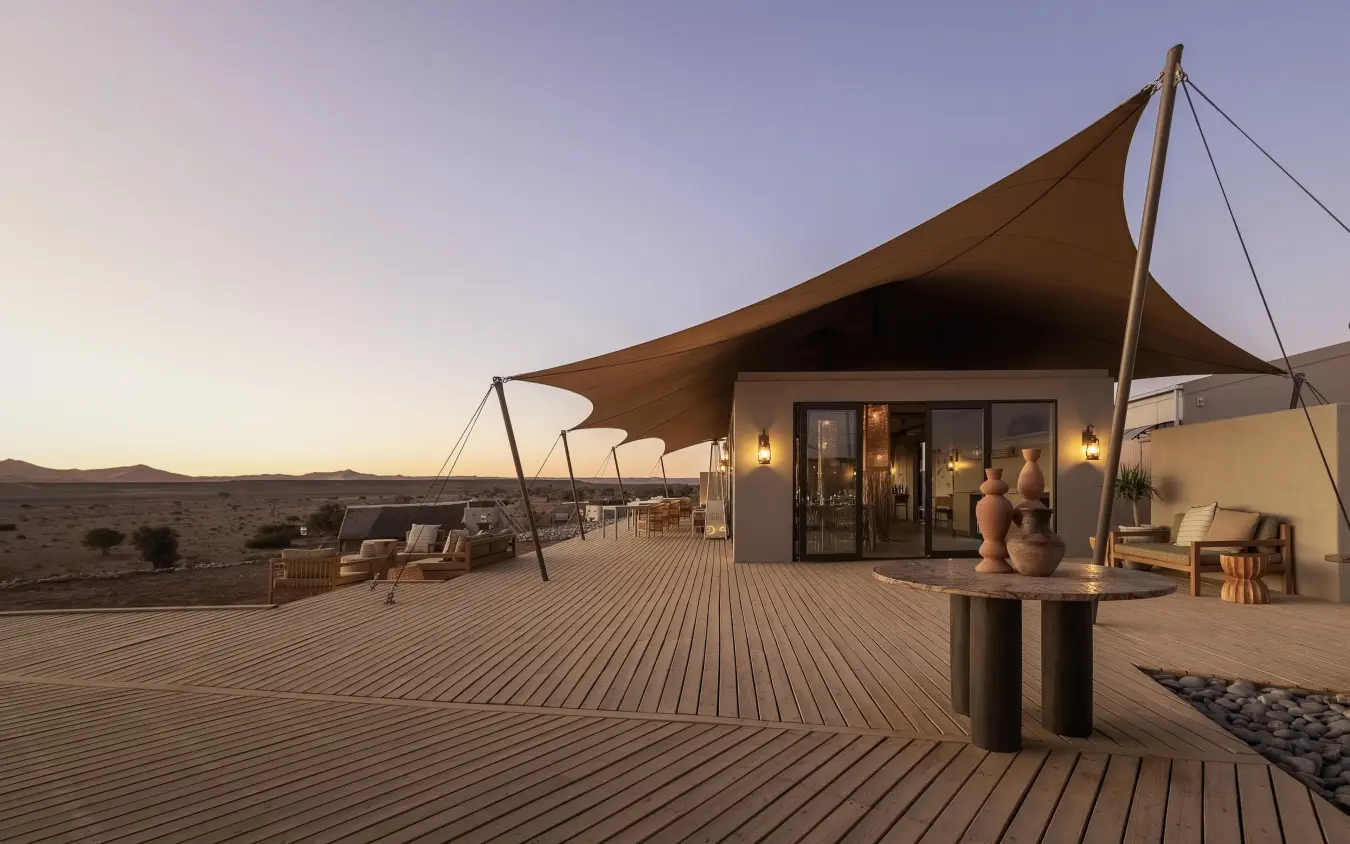
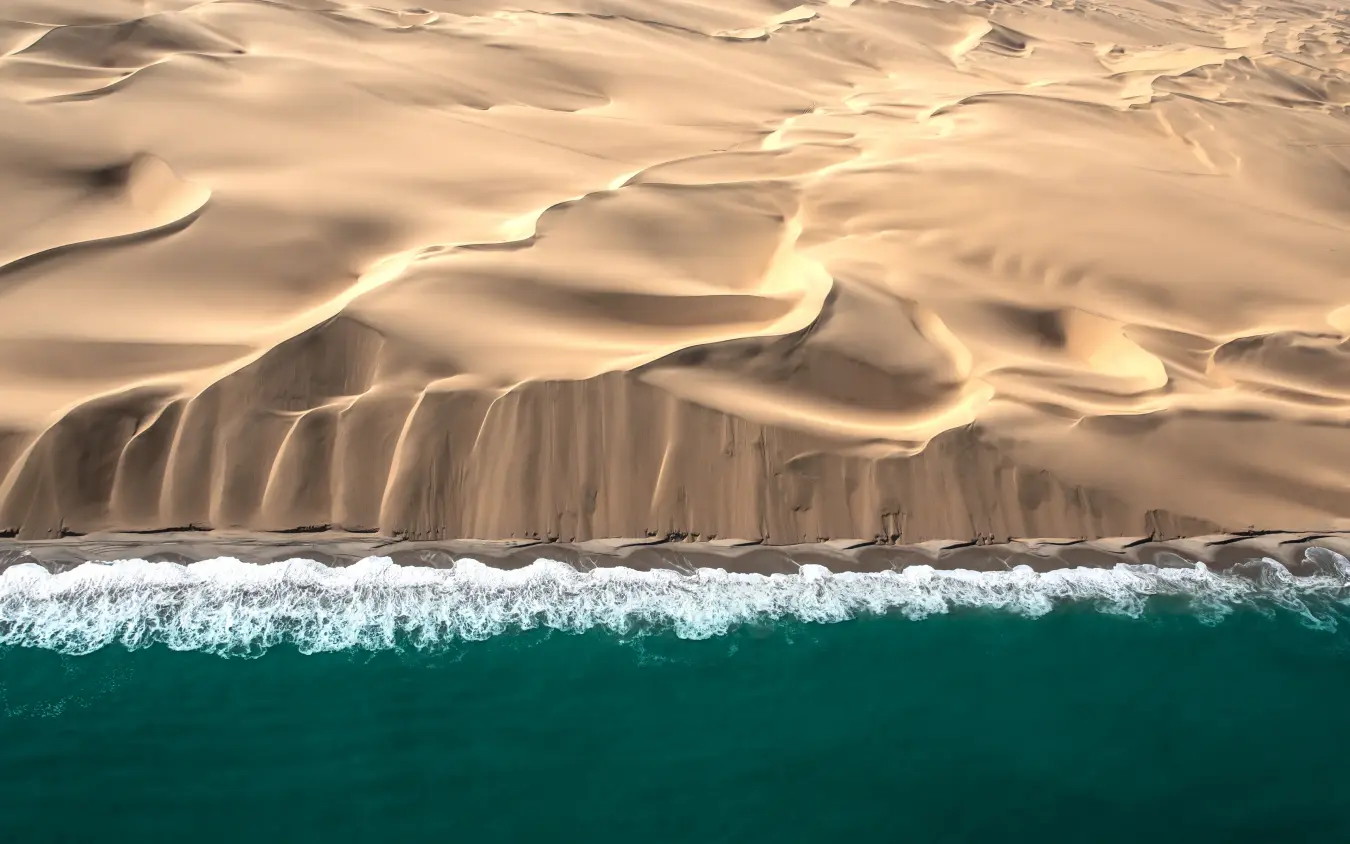
From here you drive into Namib-Naukluft National Park at first light, reaching the red dunes and the white clay pan of Deadvlei while the sand is still cool and most visitors are still waiting at Sesriem. Big Daddy, the great dune above Deadvlei, is climbed in the cold early hours, with the run back down landing you among skeletal camelthorn trees. Kulala Desert Lodge sits within the Kulala Wilderness Reserve on the dry Tsauchab River, its own private gate the reason for the head start. Each of the 23 thatched-and-canvas chalets carries a flat rooftop platform where staff set out bedrolls for open-air nights.
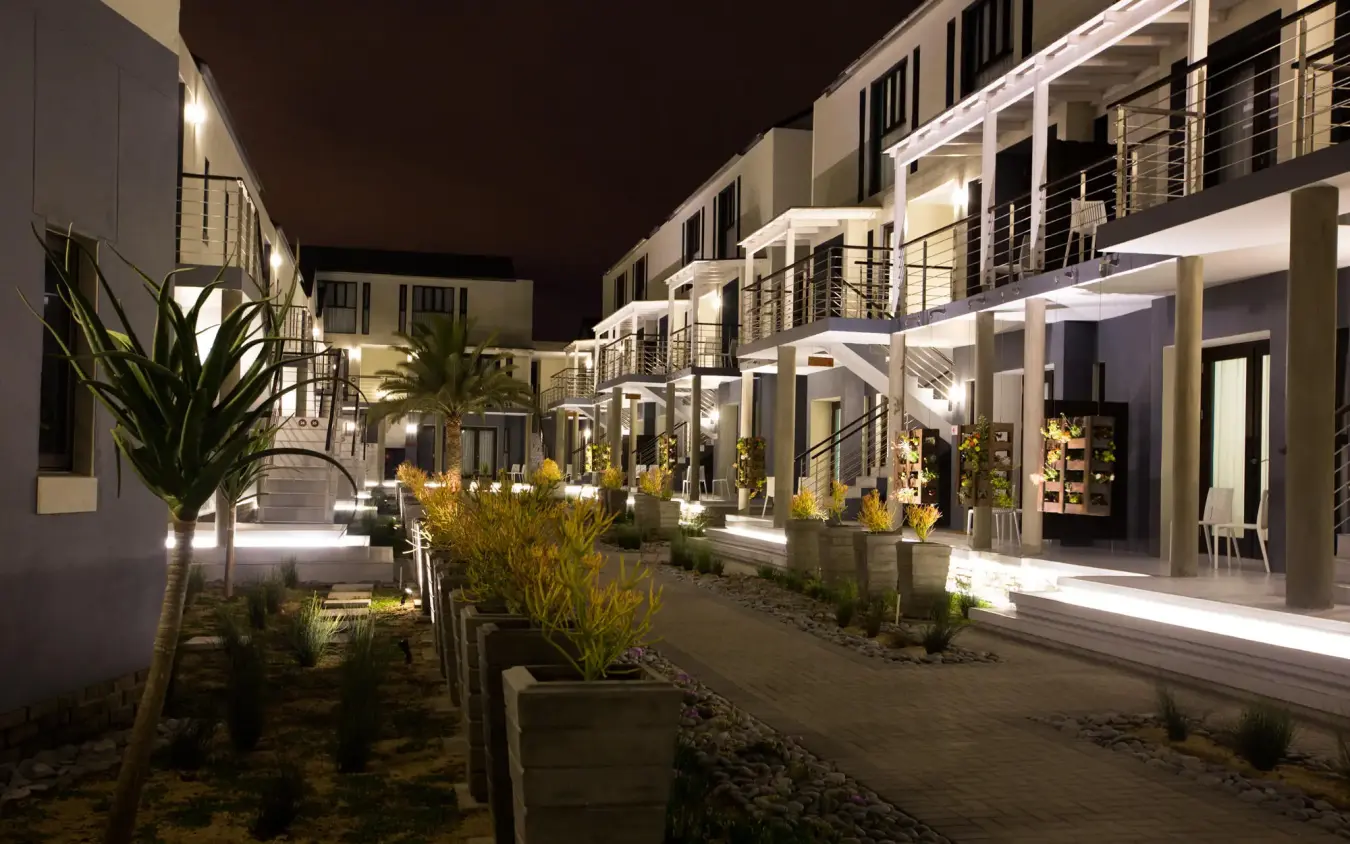
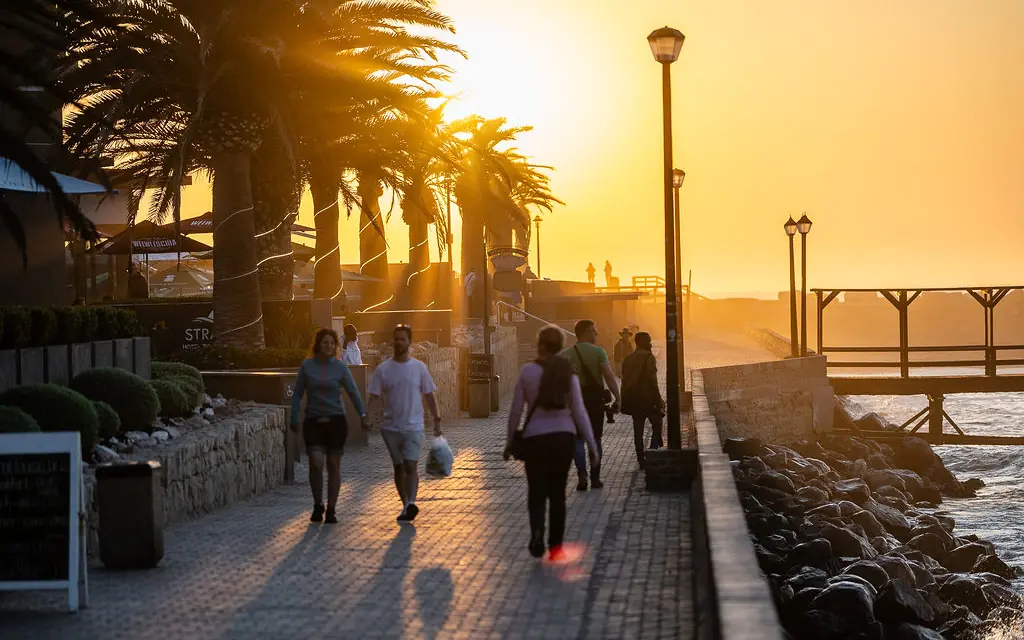
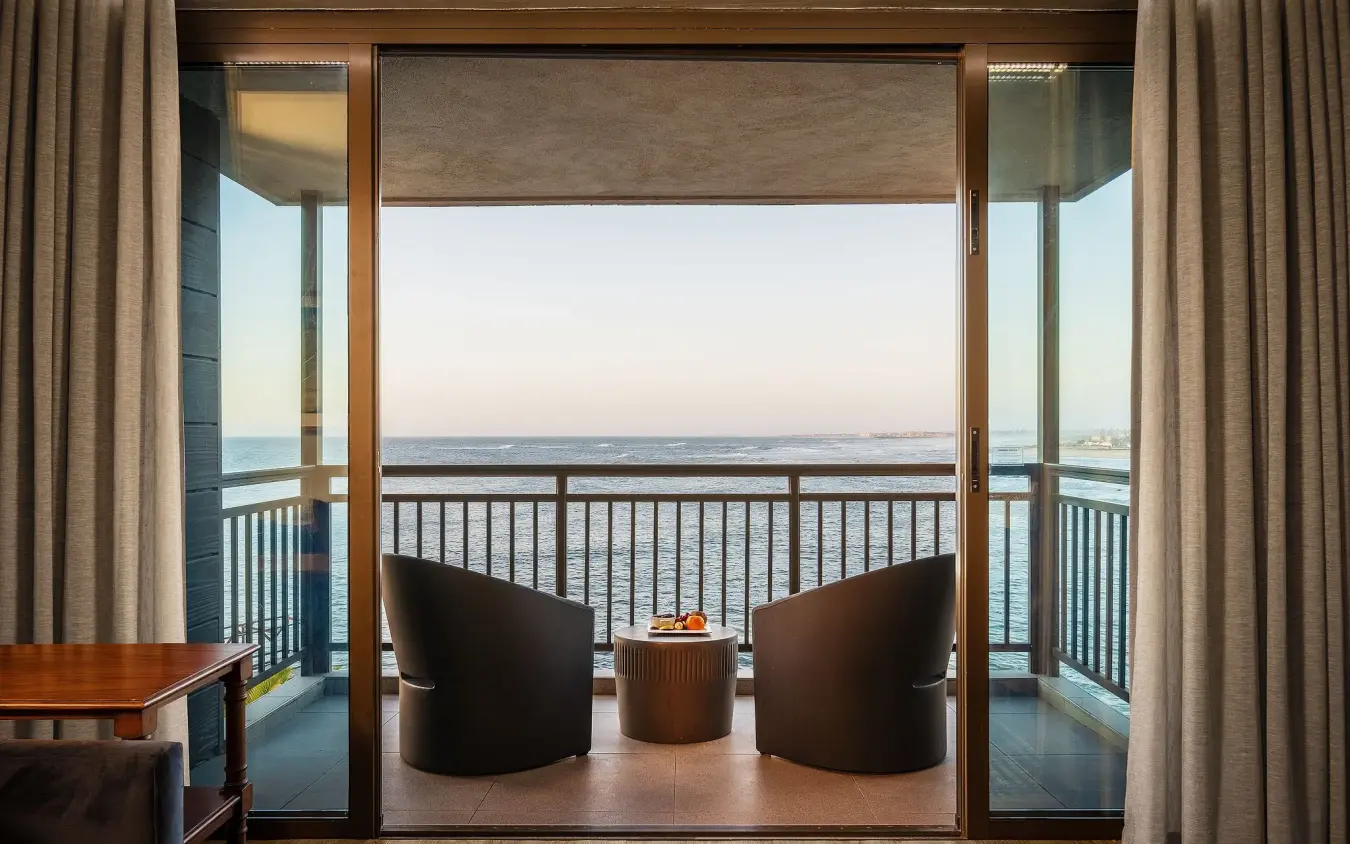
The route reaches the coast at Swakopmund, where morning fog drifts in off the water and burns off by midday, and the town centre is a flat five-minute walk from the seafront. Three restaurants, a beer garden and a beach pavilion line the promenade, with Brewer Butcher brewing on site and Ocean Cellar taking Namibian oysters and abalone to a show kitchen. Strand Hotel Swakopmund sits out on the Mole, the historic breakwater, with the Atlantic breaking on three sides and waves against the seawall below the balconies. Most of its 125 rooms and suites look out over the water.
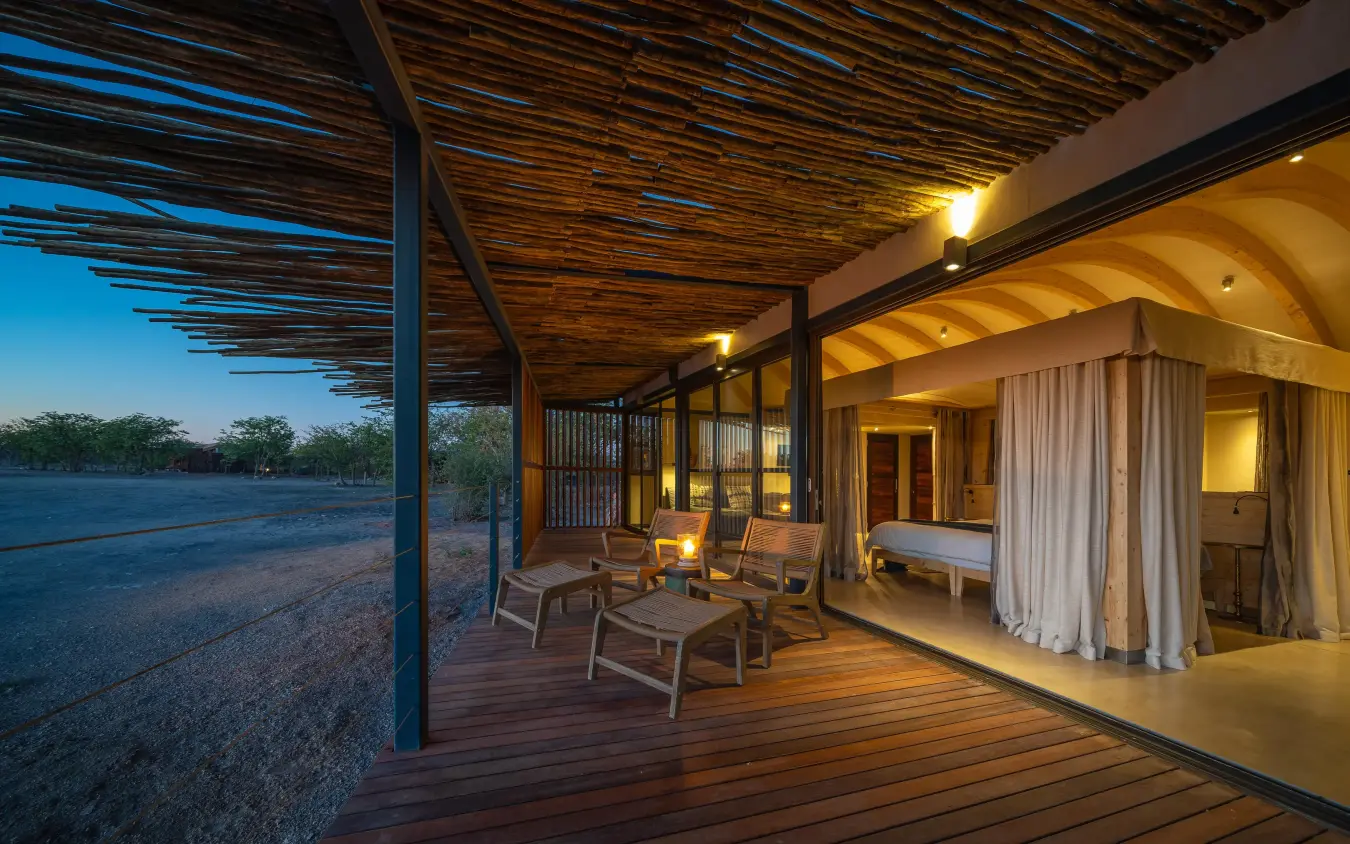
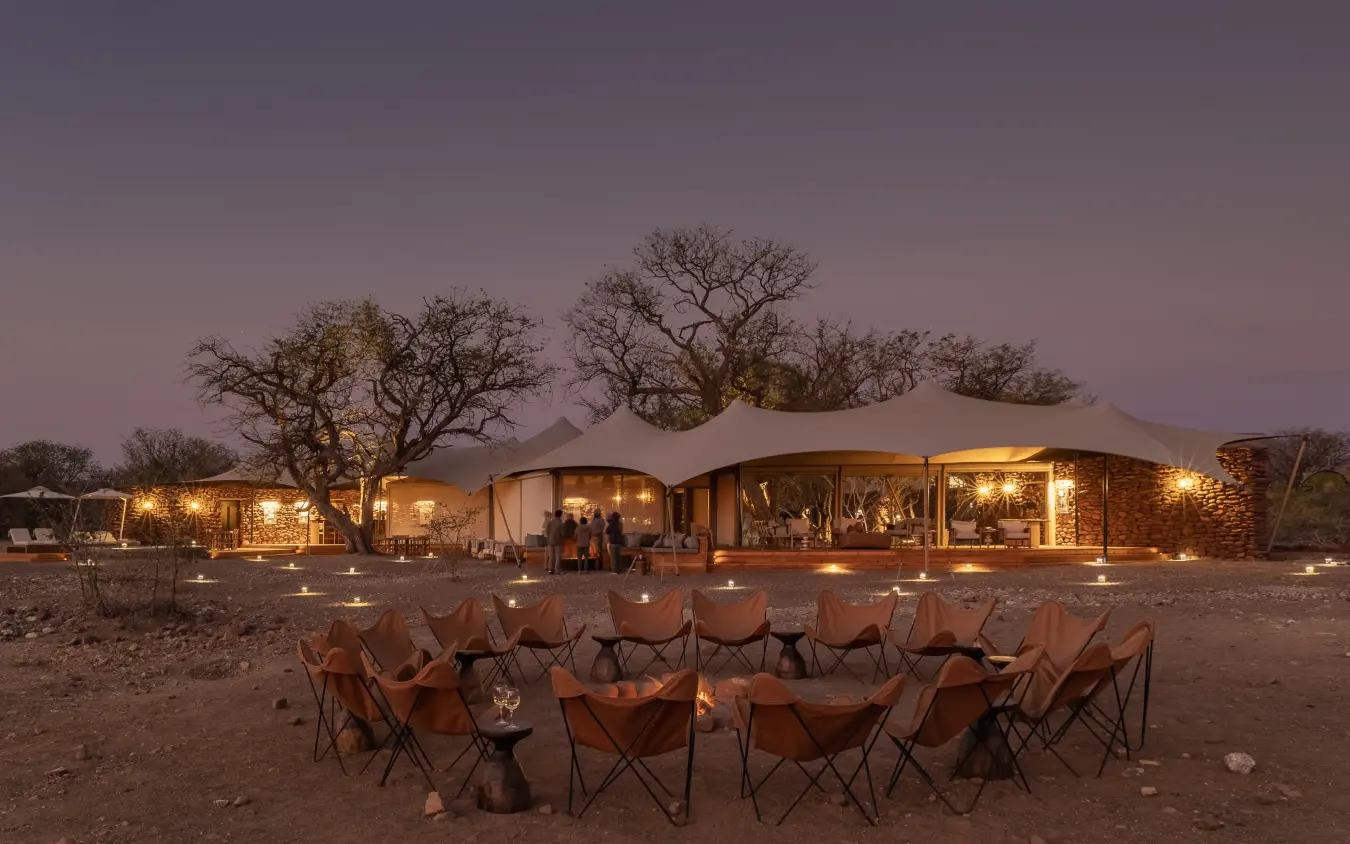
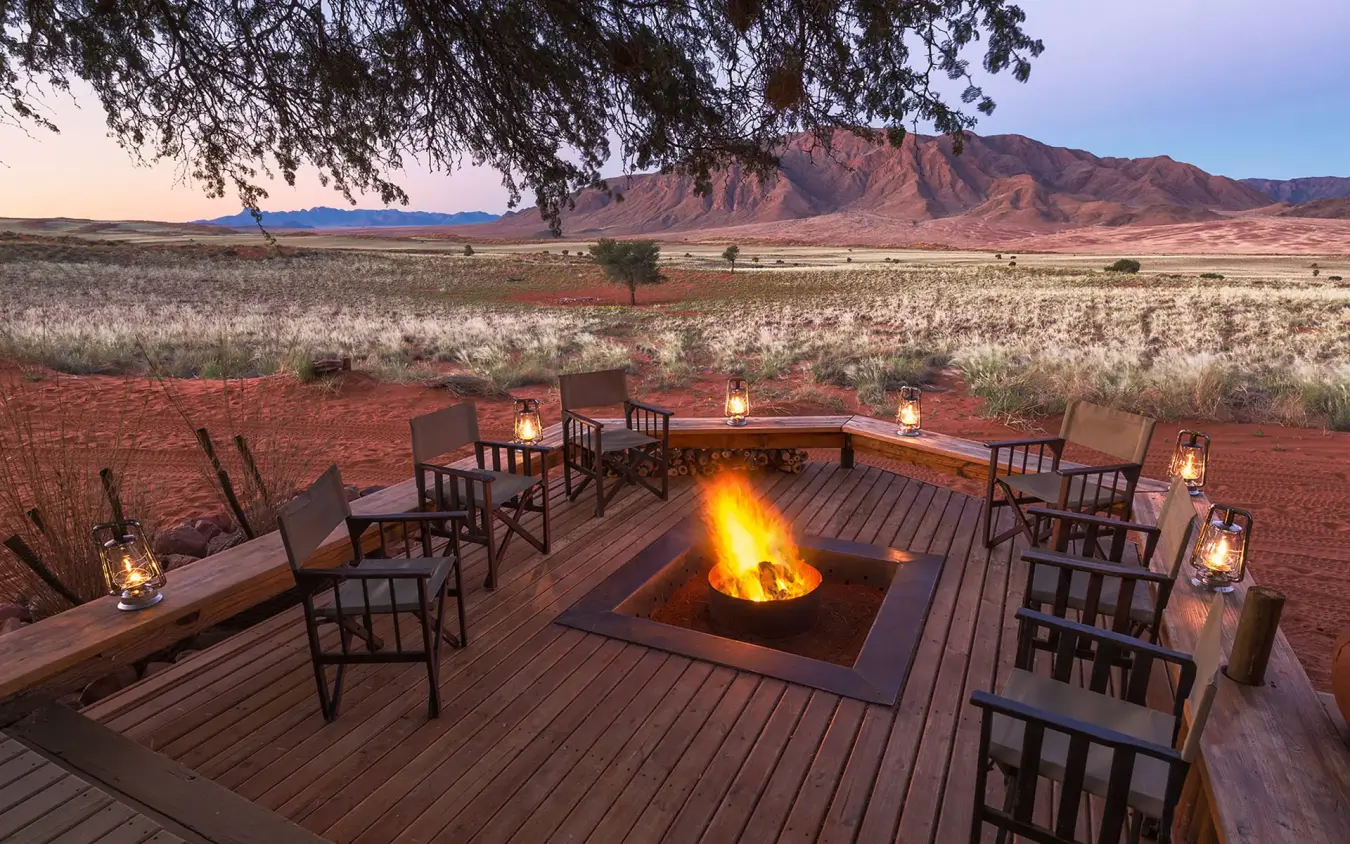
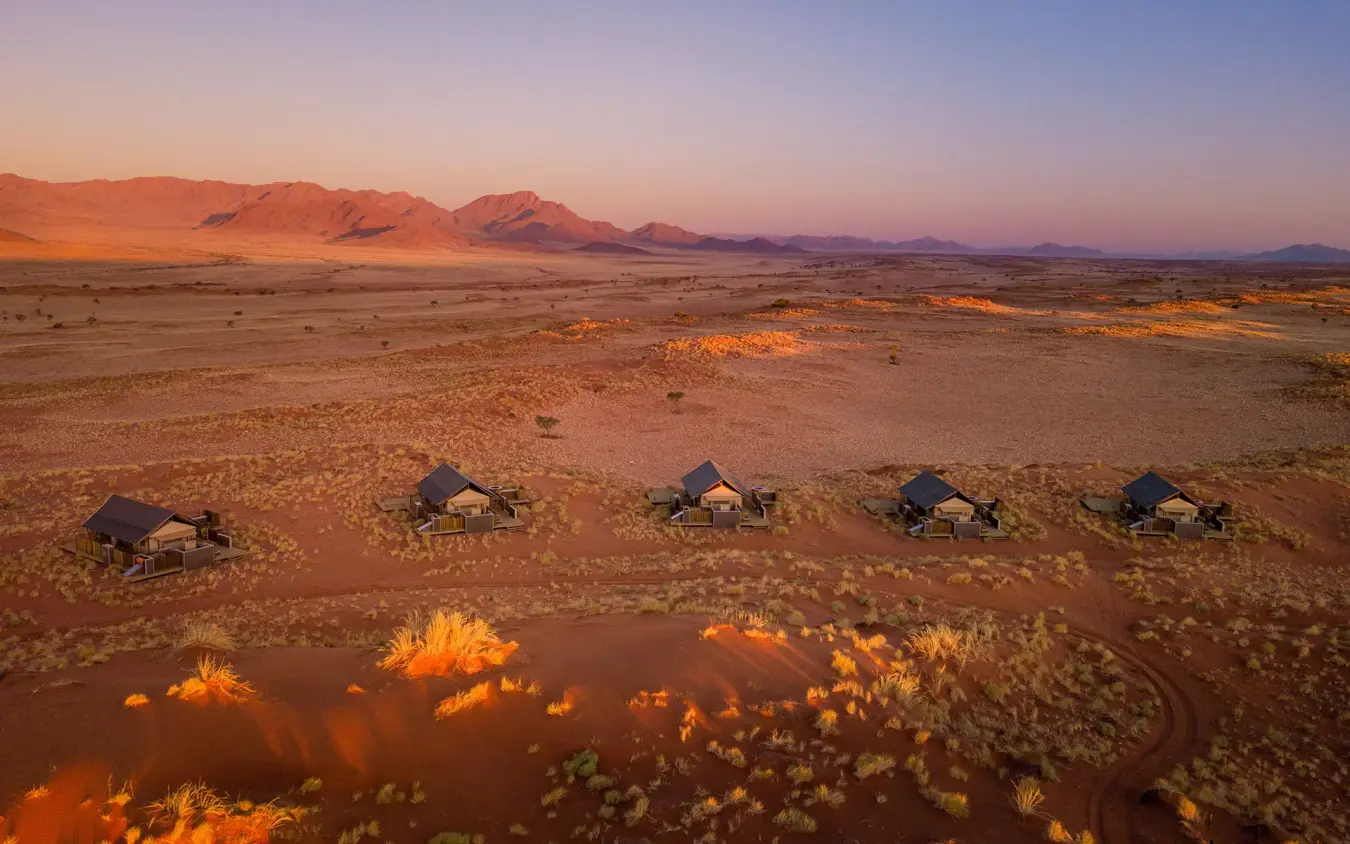
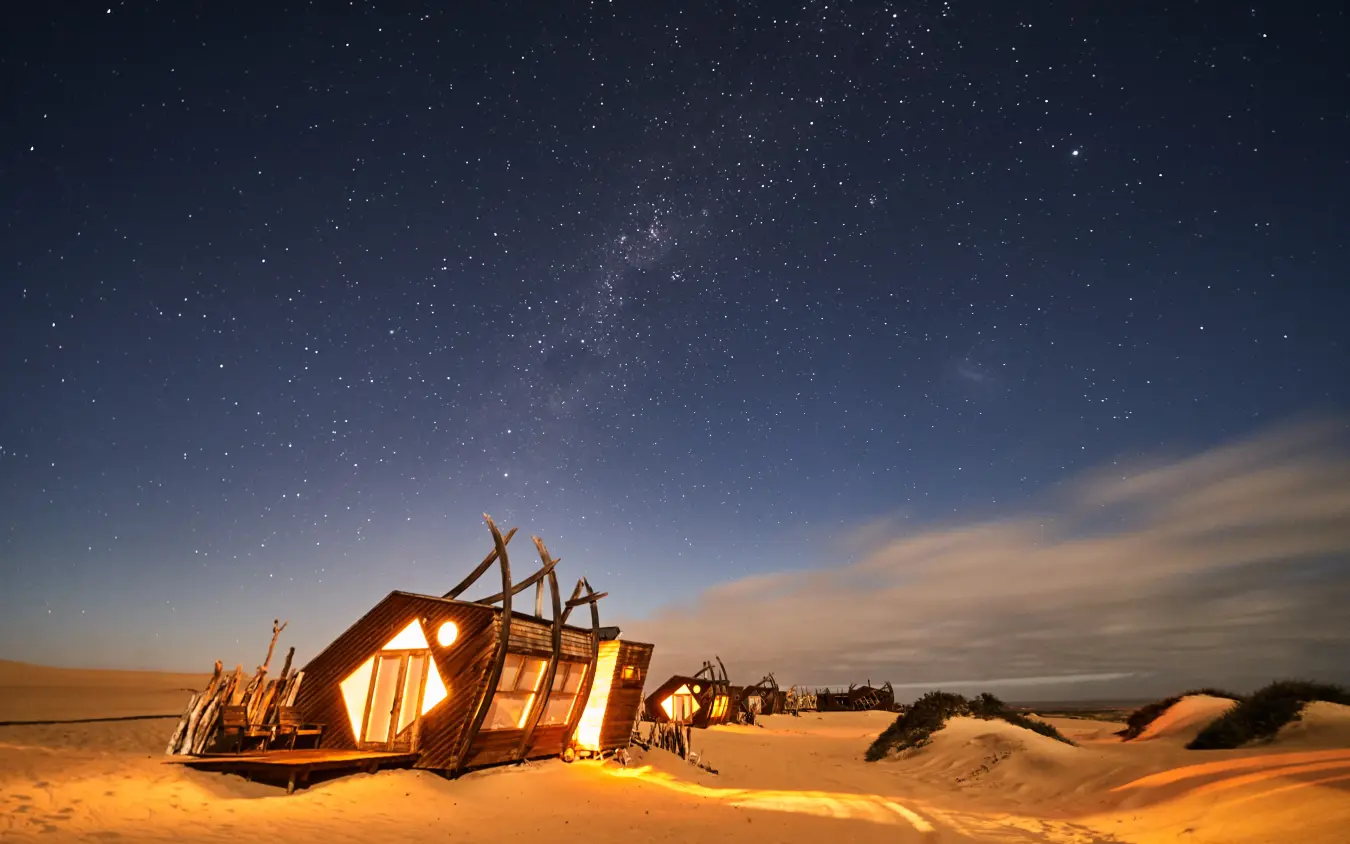
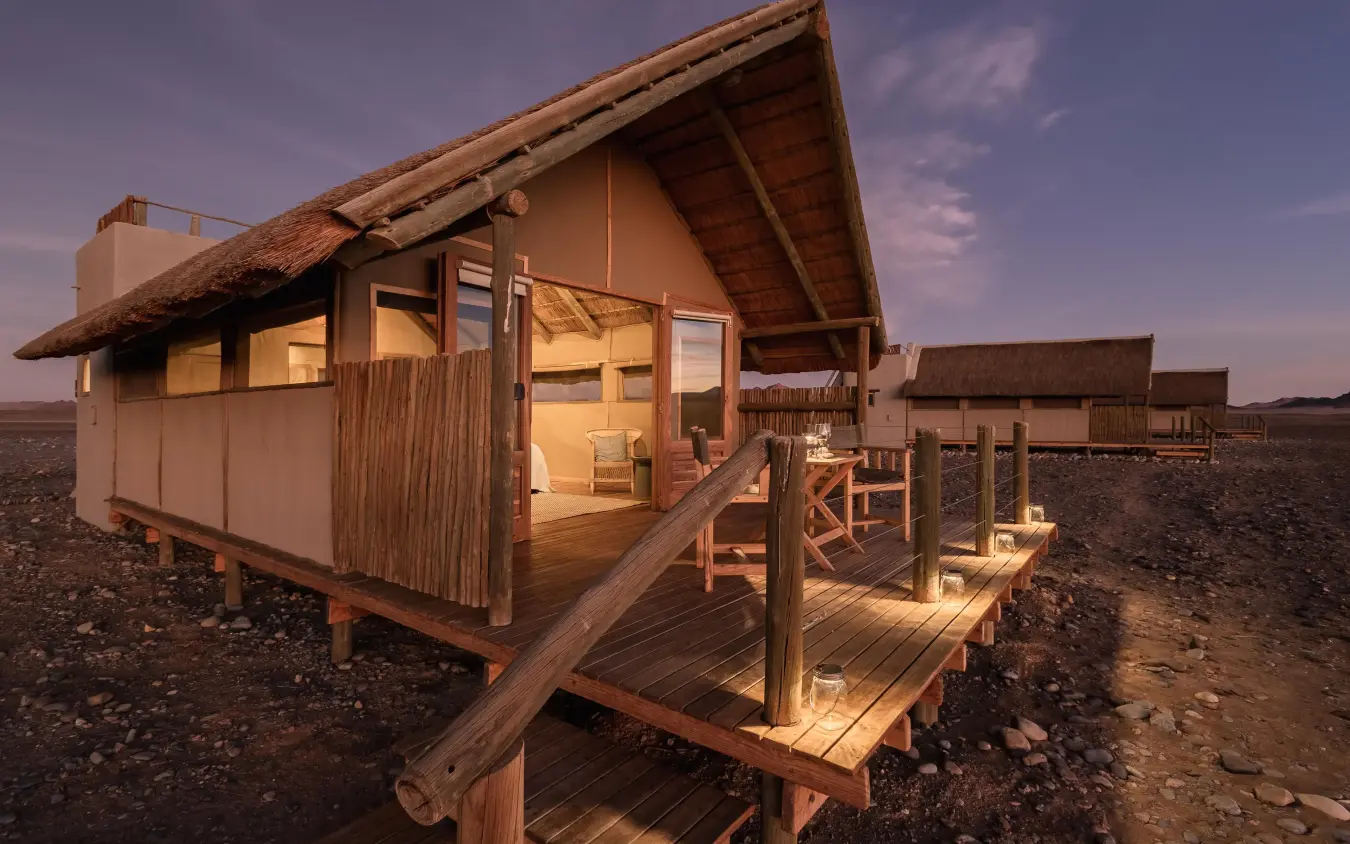
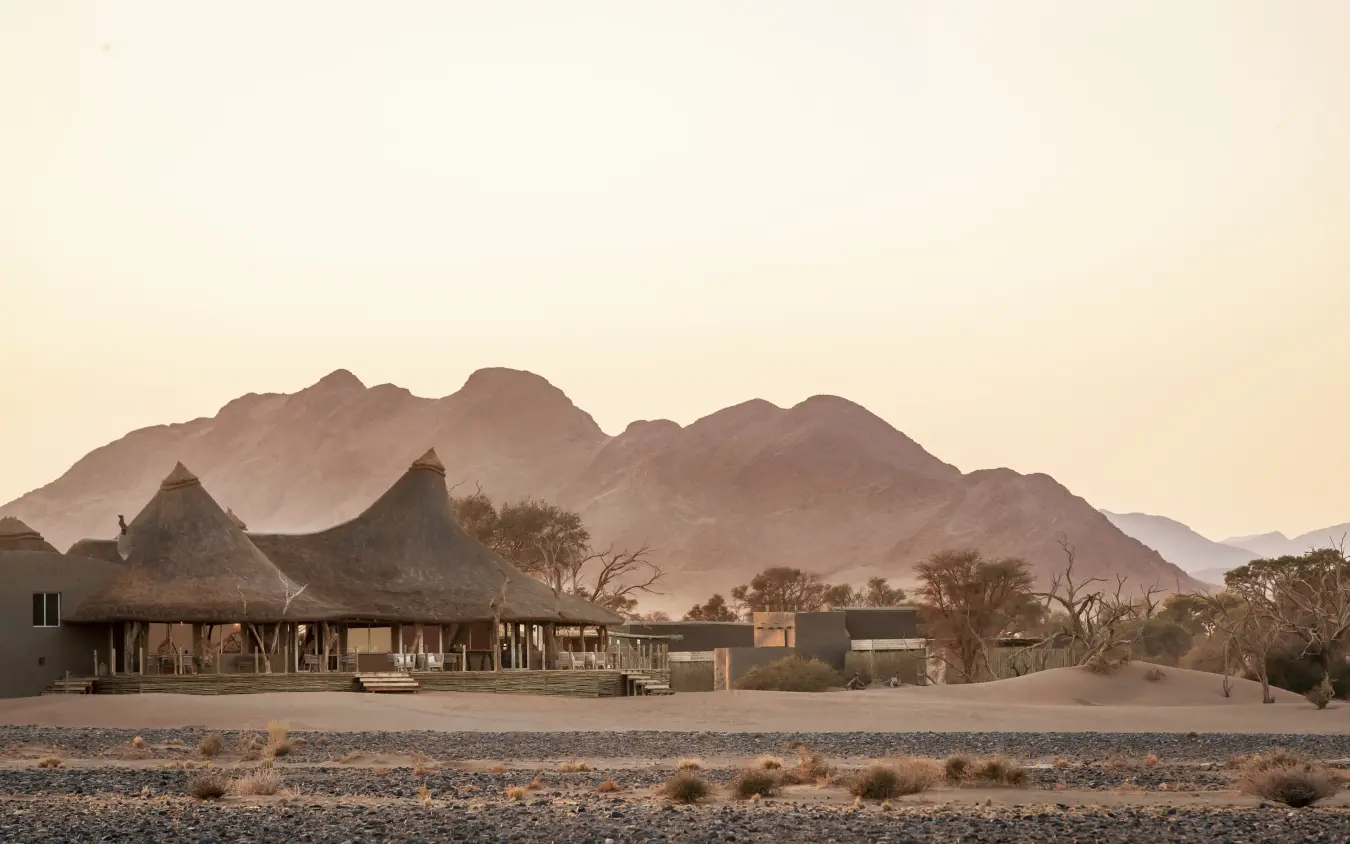
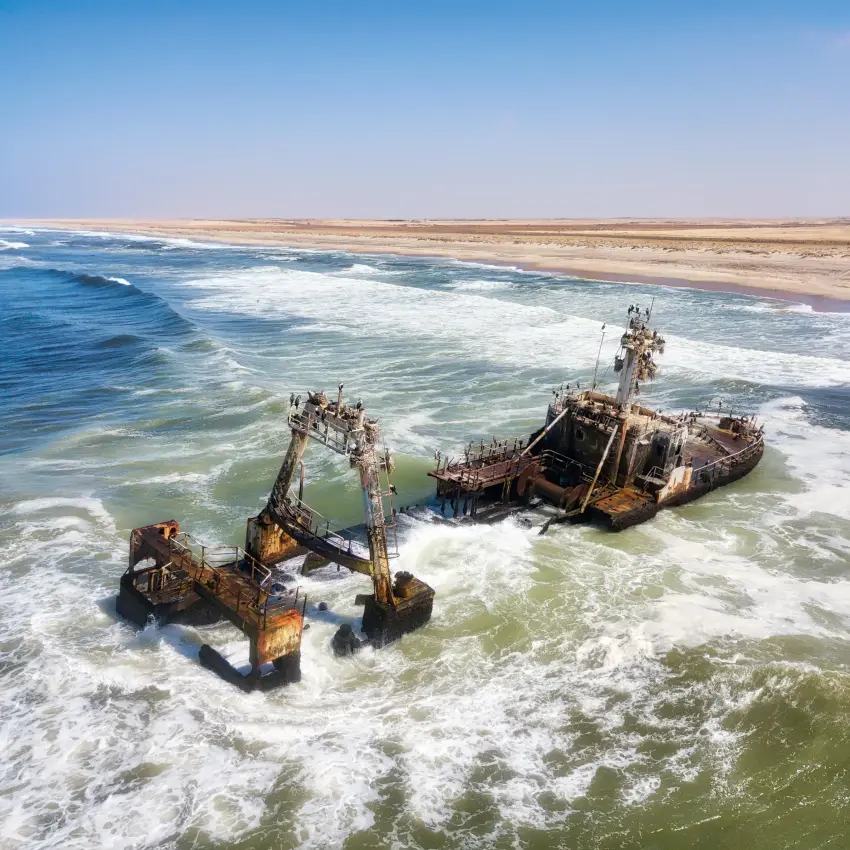
You fly north by light aircraft to Möwe Bay, then transfer the final stretch, since self-driving beyond Möwe Bay is not permitted and vehicle numbers stay very low. Days here are built around the coast rather than a waterhole, with game drives working the dry riverbeds and dune faces for desert-adapted elephants, lions and brown hyenas, alongside oryx, springbok and black-backed jackals; a full-day drive south takes in the Möwe Bay seal colony and old shipwrecks. Shipwreck Lodge stands on the dunes of the Skeleton Coast Central Concession, ten timber cabins drawn from the wrecks that name this coastline, each warmed by a wood-burning stove.
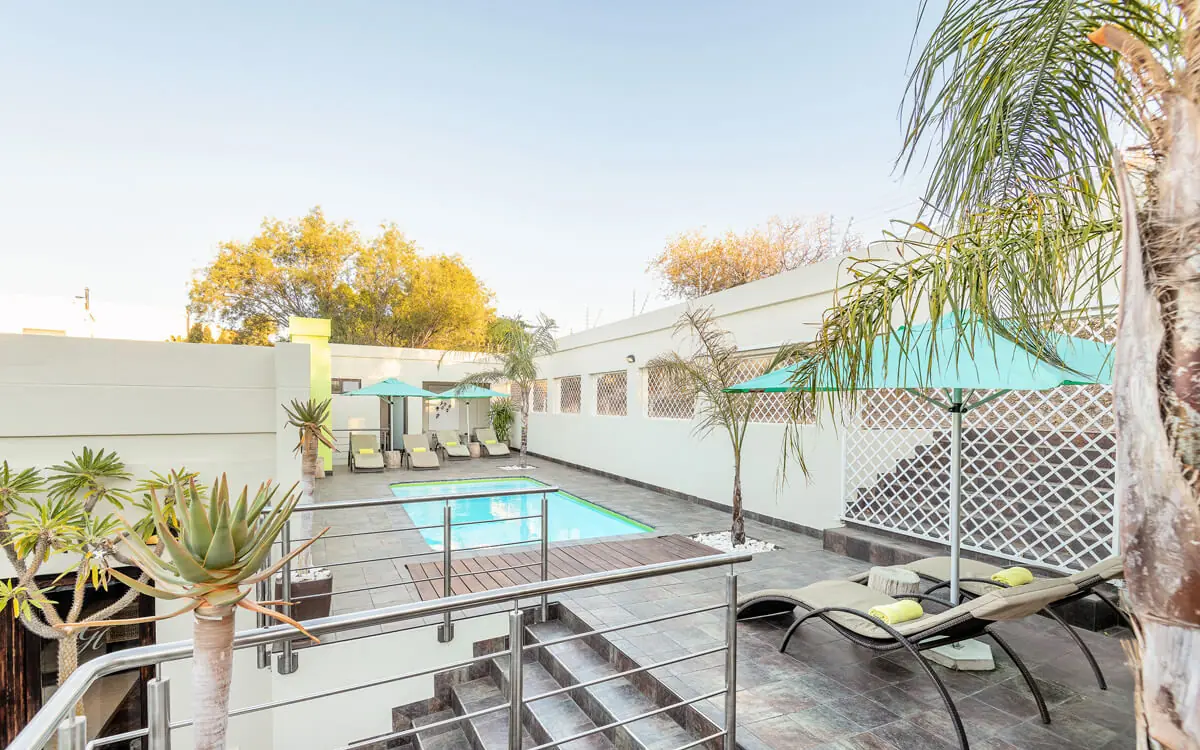
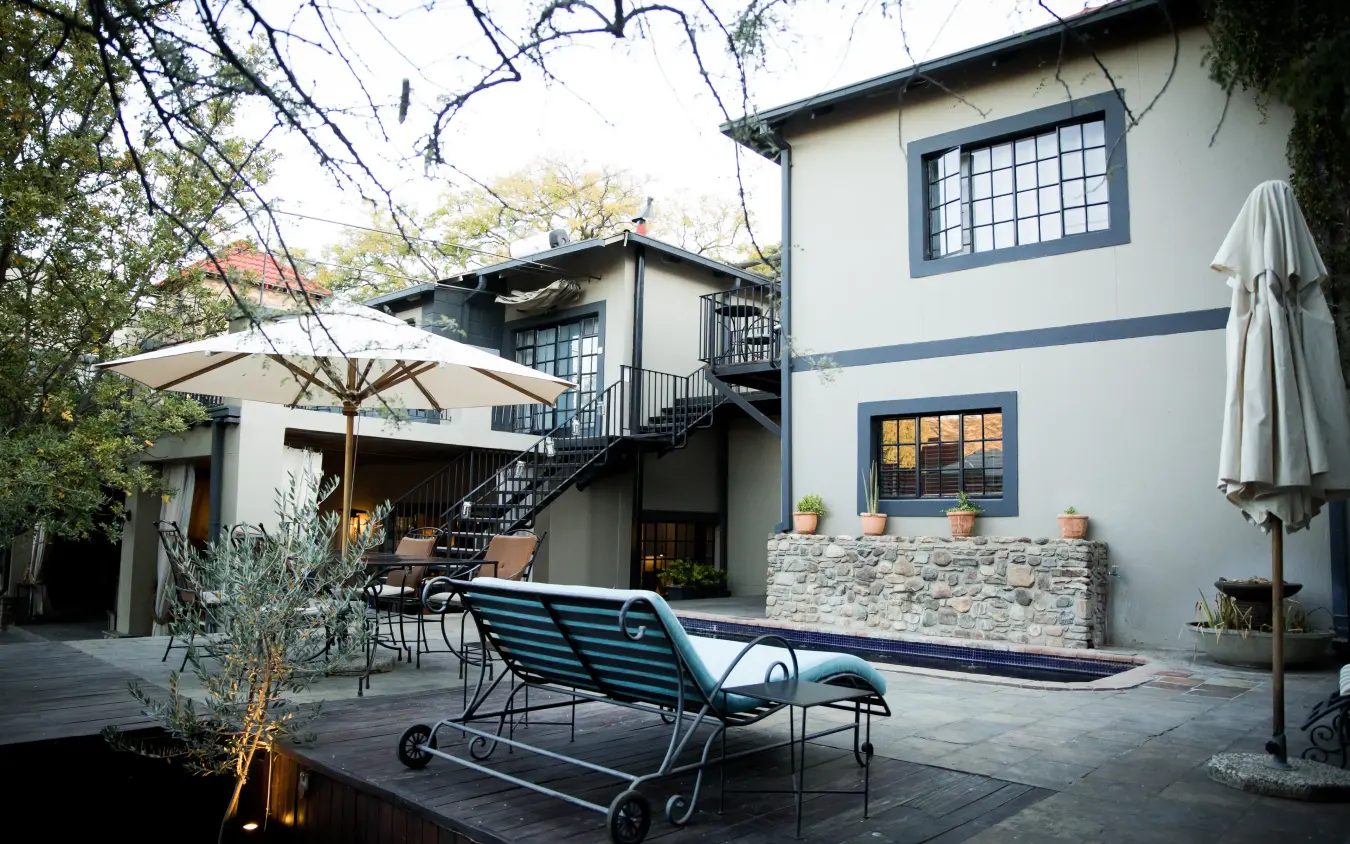
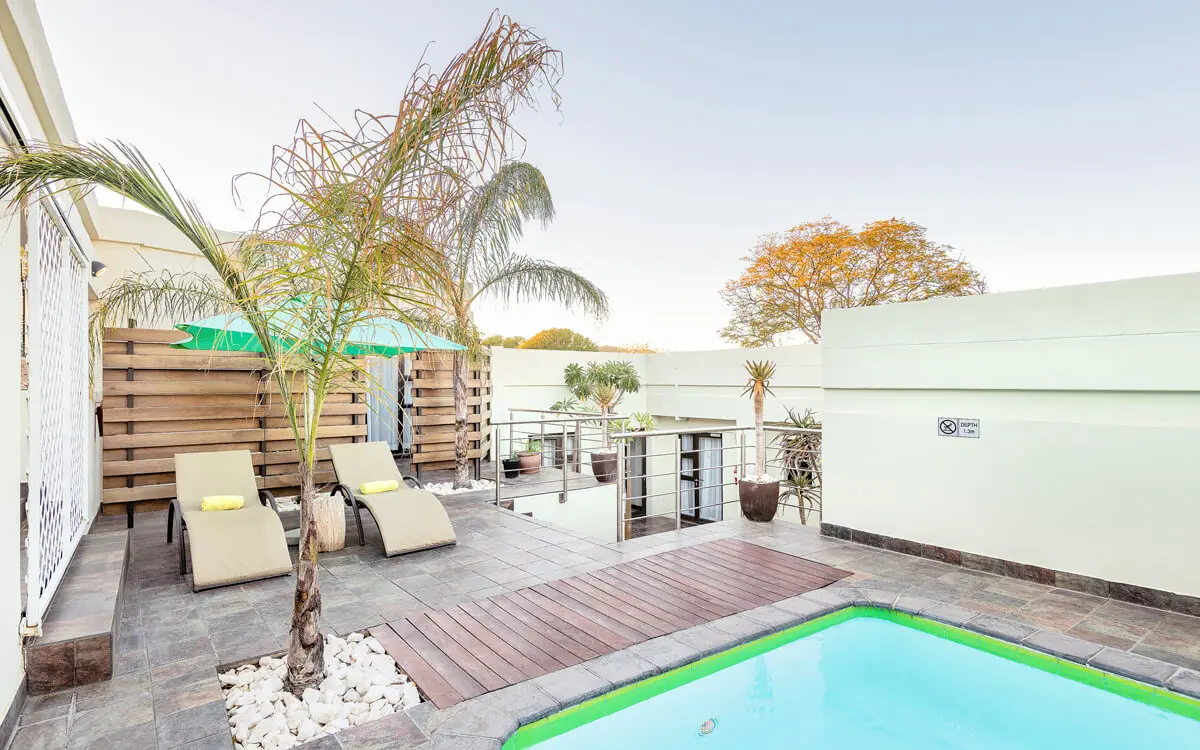
The trip returns to Windhoek for a last night in the Eros suburb, roughly ten minutes from the city centre by car and set in a basin ringed by the Khomas Highland, Auas and Eros mountains. This is the base where luggage gets laid down, repacked and reset after the remote camps. Galton House gathers nine rooms around a garden courtyard with a water feature, with a pool on the upper terrace; it opened in 2011 and runs on solar power. A day room with a shower and changing space handles the awkward gaps between flights.
Yes, but expect remnants and not whole ships.
Many vessels have come to grief on this shore, and this is what is left near the lodge: the remnants of the Suiderkus and the remains of the Karimona, both on the beach to the south, along with the abandoned Westies diamond mine and the wreckage of a Ventura bomber.
You pass them on the full-day drive down the coast to the Cape fur seal colony at Möwe Bay, and three nights at the lodge leaves room for that day.
The coast's name has two roots: the bones of whales and seals that used to lie along the sand, and the title of a 1944 account of the Dunedin Star disaster, which made the phrase stick.
Sea, wind and sand keep working on what remains, so go for the atmosphere of the place and treat each wreck as a bonus.
The Skeleton Coast is the flown part.
A light aircraft takes you up the coast to the airstrip at Möwe Bay, where the lodge's vehicle collects you for the last 45 kilometres north along the shore. Those pick-ups run at set times of day, which your flight is timed to meet.
No public road goes further: even travellers who drive themselves must leave their car at Möwe Bay, and the last fuel and phone signal are at Terrace Bay, 82 kilometres to the south.
The southern legs of this sample route go by road: reckon on five and a half to seven hours from the Windhoek area to Sesriem and five to six from Sesriem to Swakopmund, mostly on gravel. If you would rather fly those legs too, we can arrange it as a change to the route.
On the flights each person may bring 20 kilograms in all, hand luggage counted, packed in a soft bag.
Less than on a classic safari, and you should know that before you commit.
This route is about landscape: dunes, fog, seals and empty beaches. At Shipwreck Lodge wildlife sightings are rare. Oryx, springbok and black-backed jackal are the regulars, the Cape fur seal colony at Möwe Bay is a large one, and brown hyaena are often met on the full-day Hoarusib River excursion to the clay castles.
Desert-adapted elephants and lions do use that riverbed, and fortunate guests could possibly see them, but we would put it no higher. The night on the reserve outside Windhoek adds giraffe and antelope at the waterhole.
If big game matters to you, the simple fix is to add two or three nights at Etosha, or a Damaraland camp for desert elephant, after the coast. Ask us and we will show you how it fits.
Big Daddy is the hardest thing on this trip, and entirely optional.
It rises about 325 metres above the pan, the route follows the crest, and the sand gives way under every step, so most people need one and a half to two hours to reach the top. Coming down is the reward: about ten minutes straight down the face into Deadvlei.
The early start is about heat as much as light. From about nine o'clock the sand burns bare feet, and there is no shade anywhere.
Most visitors queue for the Sesriem gate, which opens at sunrise and still leaves 60 kilometres to cover, whereas Kulala's guides enter by the reserve's own gate, put at about ten minutes from the lodge, so you climb in the cool.
If you would rather not climb, Deadvlei is about a kilometre's walk over low dunes. Carry at least two litres of water each.
Colder than most people expect of a desert.
The Benguela Current carries cold water up this coast, and where it meets the warm land it makes dense fog and a chill sea breeze, so mornings and evenings in Swakopmund and at Shipwreck Lodge are often grey and damp even when it is hot an hour inland.
Expect cool temperatures and fog all year, with clearer mornings between November and April and chilly mornings and evenings from May to October, which is what the wood-burning stove in each cabin is for. Wind is part of it too.
Sossusvlei is the opposite: cold at dawn in winter, at times below freezing, and hot by late morning. So pack in layers:
Closed shoes beat sandals on hot sand.
June to September, which we rate highest for Sossusvlei, Swakopmund and the Skeleton Coast alike.
The days are clear and mild, dawn at the dunes is cool enough to climb in comfort, and along the coast the dry months bring the desert-adapted animals down to the Hoarusib and Hoanib riverbeds. The catch is the cold: winter nights and foggy coastal mornings need proper warm clothes. At the dunes, May belongs with those months.
October and November are hot inland and pleasant on the coast.
December to February is the hardest time for Sossusvlei, with fierce heat by mid morning, yet on the coast it is the warmest and least foggy stretch of the year, the dunes are quiet, and the occasional summer storm gives photographers dark skies over red sand.
Late November and December is also when Cape fur seals on this coast have their pups.
Ed Charles, BBC Producer
Fitzroy are true specialists in accessing the wilderness. They know where to go and importantly, when to go there. Highly recommended.
namibia
Thirteen nights linking the Sossusvlei dunes, the Skeleton Coast, the Kunene River and Etosha's rhino country.

namibia
Eleven nights across Namibia, from the Sossusvlei dunes and Swakopmund coast to Damaraland's desert elephants and Etosha.
namibia
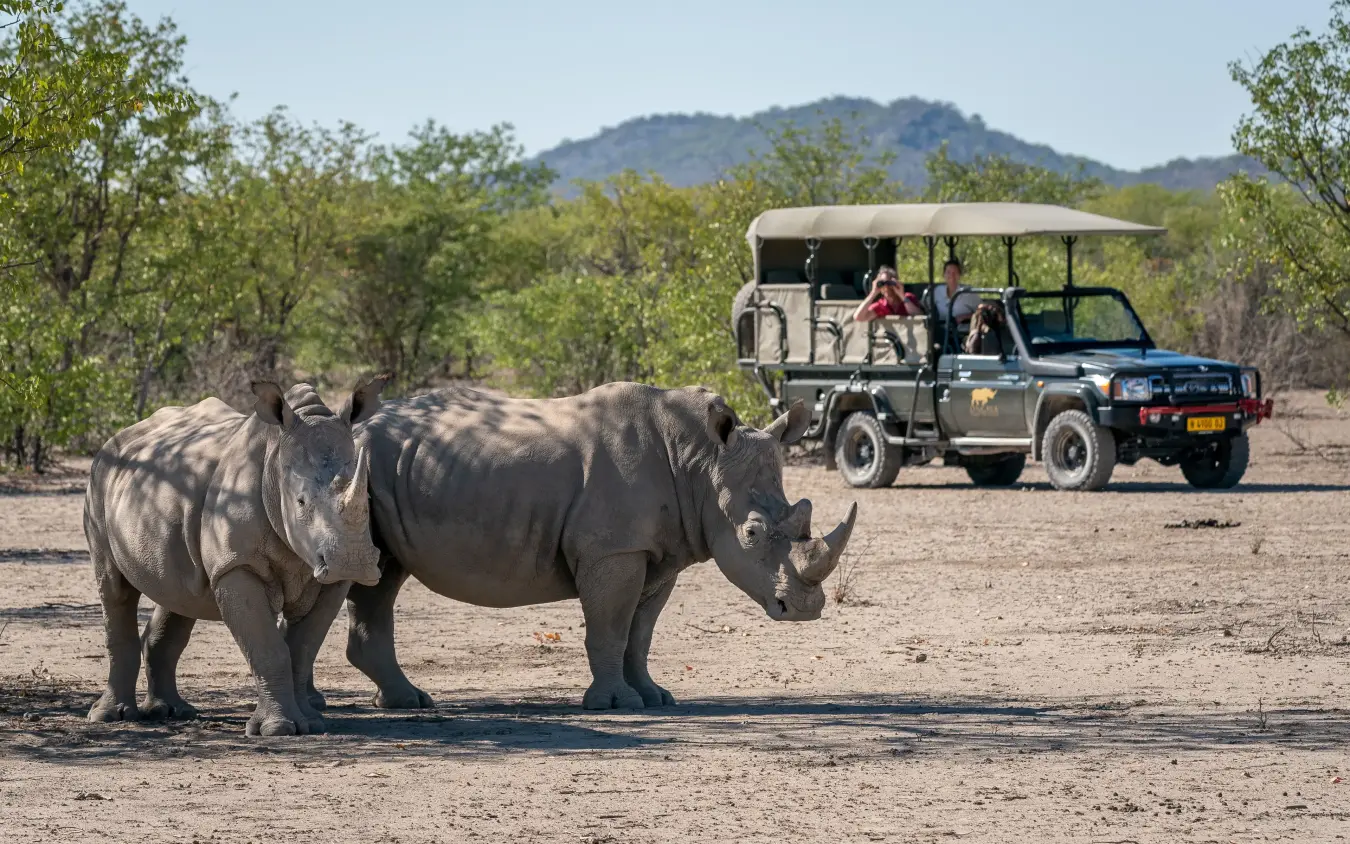
Twelve nights across Namibia, from the Namib dunes and the Atlantic coast to rhino tracked on foot in Damaraland and at Ongava.
rated five stars by our clients

our approach
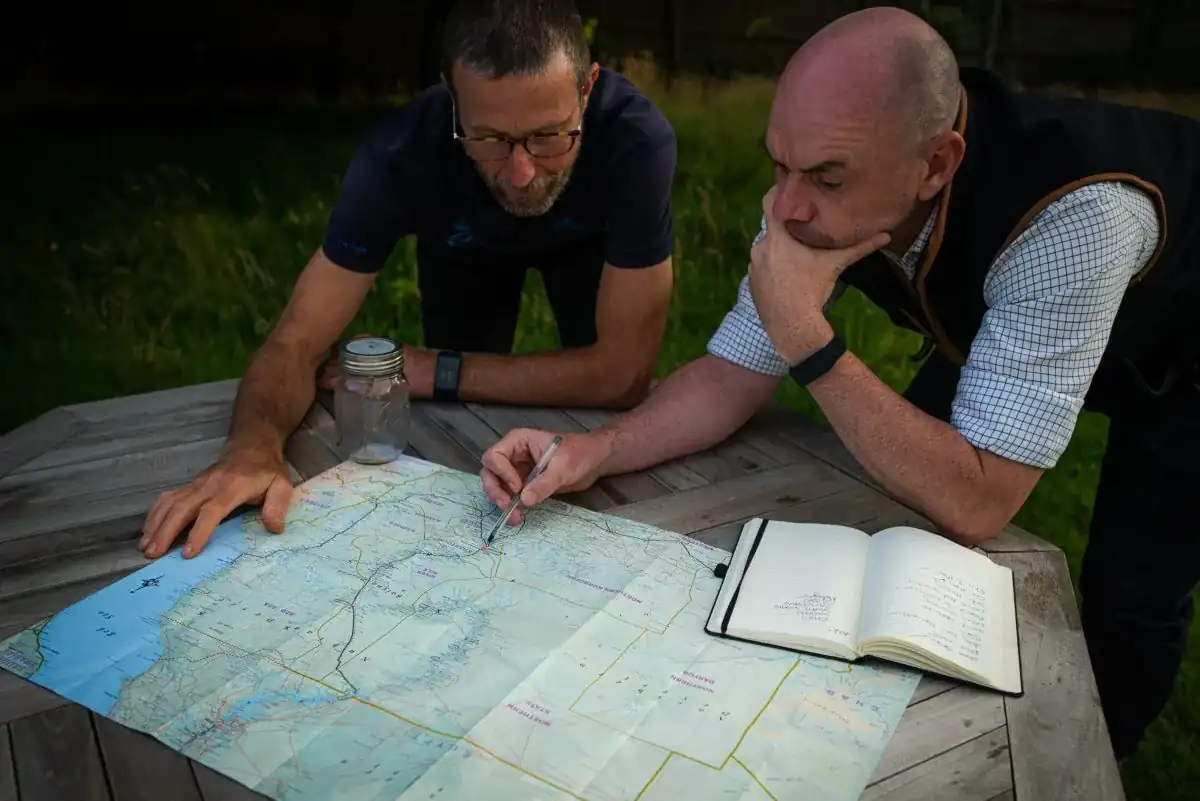
Every journey starts with a conversation. We take the time to understand your vision before we start planning.
Whether by phone or in person, we work with you directly to shape something that is considered, personal, and expertly delivered.
Every journey starts with a conversation. We favour a direct, personal approach: understanding your vision before anything else.
Whether by phone or in person, we work with you directly to shape a journey that is both thoughtfully considered and expertly delivered.
Get in touch to start planning yours.