Stewards Before the Word Existed
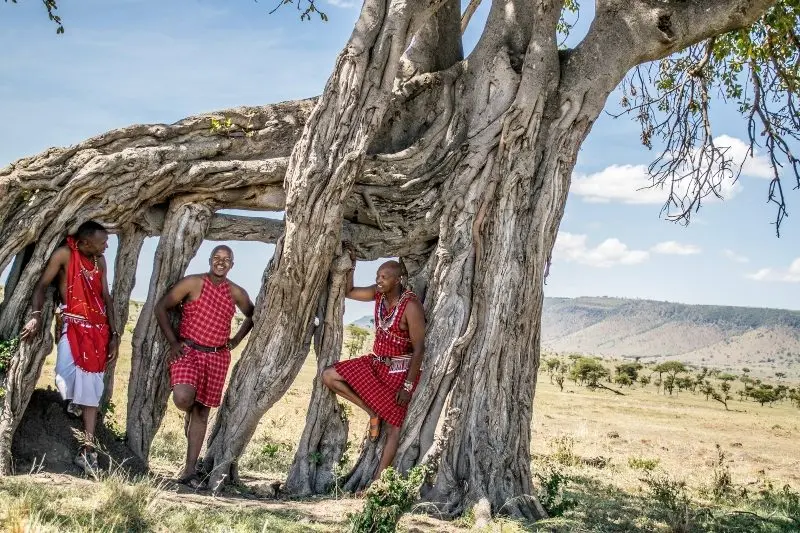
For generations, Maasai pastoralism has worked as a land-management system: herds rotated across the country to prevent overgrazing, communal tenure that treated grass as a shared inheritance, and beliefs and taboos that discouraged unnecessary killing of wildlife. The grasslands that safari-goers now cross in Kenya and northern Tanzania owe much of their condition to that stewardship, practised centuries before anyone drew a park boundary.
The grasslands owe much of their condition to stewardship practised centuries before anyone drew a park boundary.
That history matters because it reframes the usual story. The Maasai are not newcomers being invited into conservation; conservation is the newcomer on land the Maasai were already managing. The best of today’s models are built on that understanding, and the worst still ignore it.

What Community-Led Conservation Looks Like
The conservancy movement shows the model working. At Il Ngwesi in Laikipia and Ol Kinyei on the edge of the Mara, Maasai communities lease land to tourism under terms they control, keeping ecological goals tied to local livelihoods. Maasai ranger teams manage wildlife corridors, gather ecological data and lead habitat restoration in the Mara Triangle and beyond. The revenue argument is straightforward: when a conservancy pays school fees and salaries, wildlife stops being a cost and becomes an asset the community defends.

The Uncomfortable Part
It would be dishonest to present this as a solved problem. Maasai communities continue to face eviction in the name of conservation, grazing restrictions imposed without consent, and policy that overrides customary land rights. A conservation model that prioritises empty wilderness over the people who shaped it repeats a colonial pattern with better branding. We say this plainly because pretending otherwise helps nobody, least of all the travellers who want their visit to do good.

Adaptation on Their Own Terms
Across Maasailand the response has been adaptation rather than retreat. Young Maasai combine herding knowledge with formal education; solar power runs off-grid enterprises; artisans rework beadwork traditions for global markets. Elders guide tourism ventures that decide for themselves which rituals, stories and places are shared with visitors. It is a blending of old and new on Maasai terms, and it is the version of cultural tourism worth supporting.

When guests ask for a cultural visit, we steer them toward places where the community owns the enterprise, Il Ngwesi being the obvious example, because the difference is visible within minutes of arriving. You are a guest of the people whose land it is, not an audience at a performance. It costs no more to do it this way. It just takes a little more care in the planning.
Managing Director

Why It Matters Beyond Maasailand
As climate pressure and biodiversity loss sharpen, the Maasai experience carries a lesson that travels: conservation lasts when the people who live with wildlife are its architects rather than its exhibits. Cultural survival and ecological health are not competing goals. In the conservancies, they are the same project.
Your next adventure starts with a conversation.
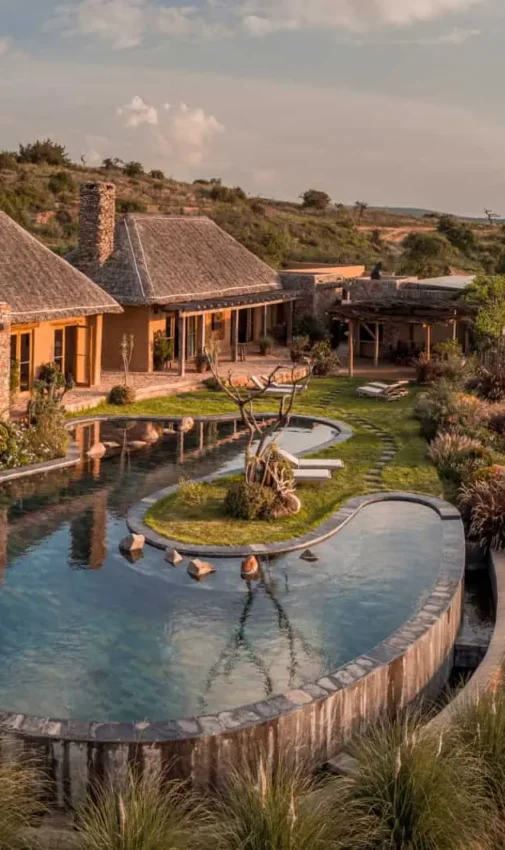
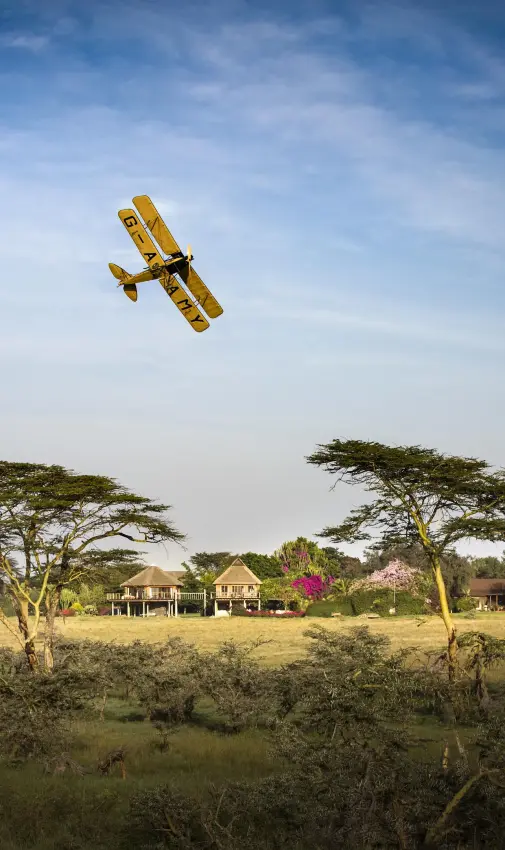
recommended conservancy camps and lodges in kenya
 01
01

 02
02
 03
03
 04
04
 05
05
 06
06
 07
07
 08
08
 09
09
Find out more about our East African safaris
Let us know your travel requirements below and one of our specialists will be in touch with you as soon as possible.