











uganda & rwanda
camping the highland lakes
From Kigali across Uganda's highland lakes to gorillas at Mgahinga, savannah game and the chimpanzees of Kibale Forest.
- Private Safari
- From $9,950 pp
- 2 guests
- 15 nights

This route links two countries across fourteen nights. It opens in Entebbe near Lake Victoria, then climbs to the Nkuringo sector of Bwindi Impenetrable Forest for gorilla trekking. Kenya follows: Nairobi National Park on the capital’s edge, the Lolldaiga Hills of the Laikipia Highlands, the Mara Naboisho Conservancy north of the Maasai Mara, and finally the coral sand of Diani Beach.
You travel it as a sequence of contrasts, forest to highland to plains to reef. Days hold gorilla treks, game drives, walking and night drives on private conservancy land, then flat-water and reef time on the coast. The accommodation runs from a quiet garden hotel and a ridge-top forest lodge to owner-run tented camps and an oceanfront resort, each chosen for its ground rather than its size.
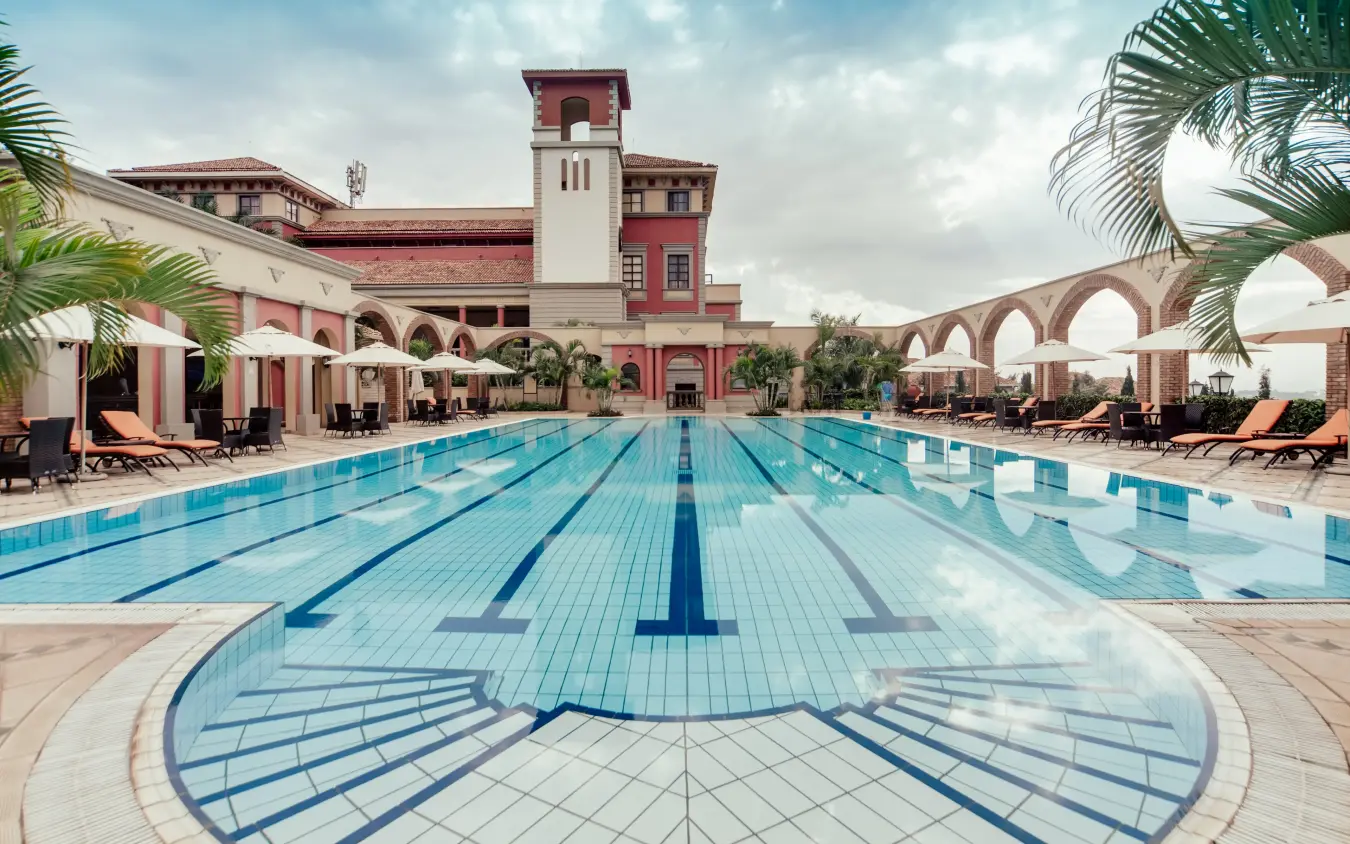
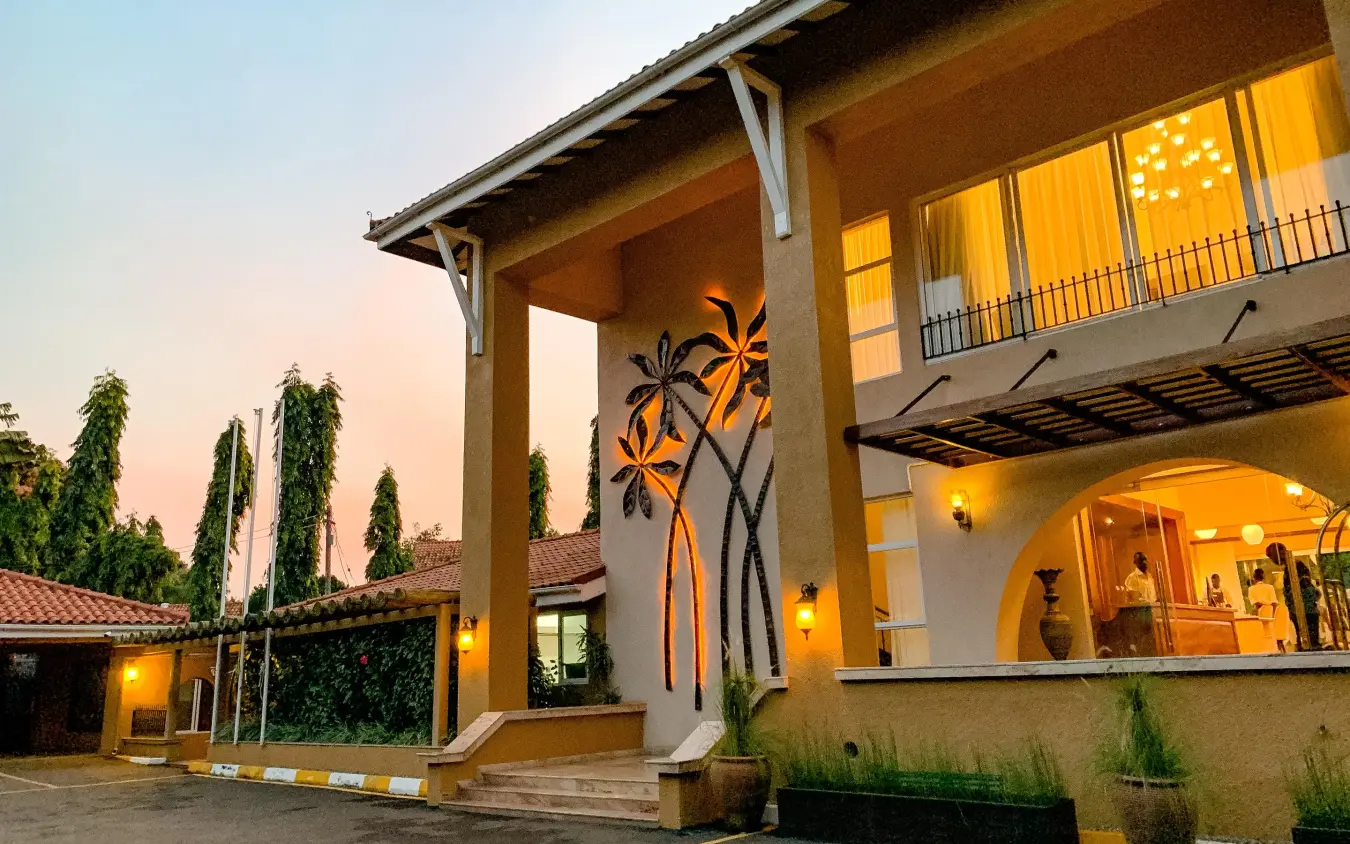
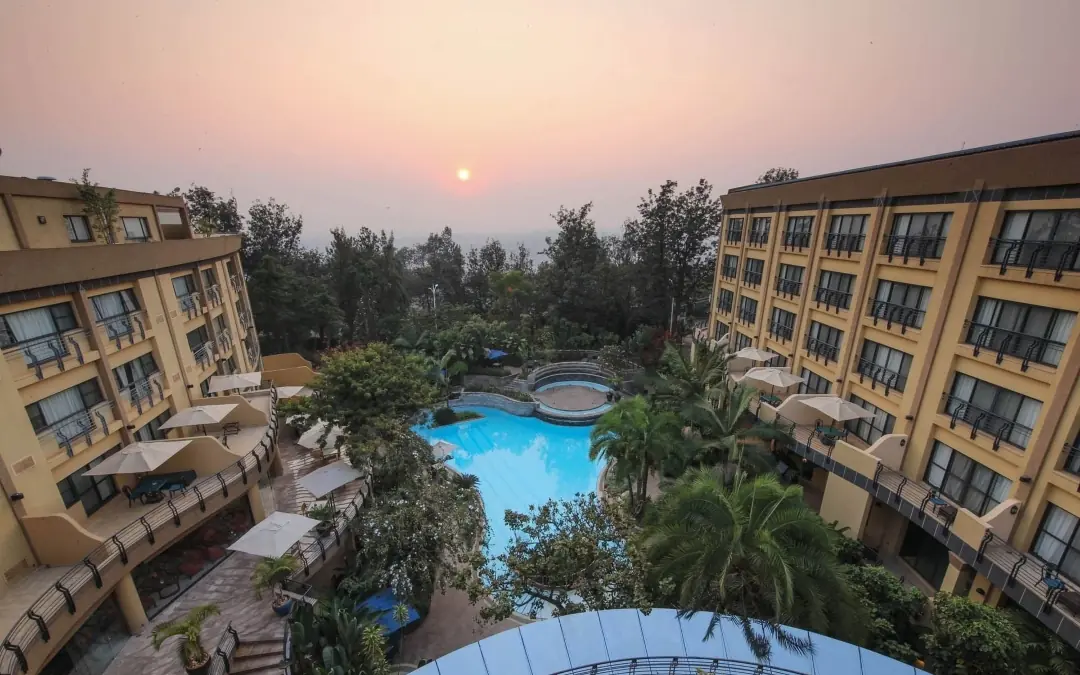
The trip begins in a leafy suburb of Entebbe, ten minutes by road from the international airport and close to the shores of Lake Victoria. This first night is built around the flight schedule and rest rather than game viewing, with birds moving through the gardens all day. No.5 Boutique Hotel is a small garden retreat of fifteen rooms gathered around a central courtyard and pool, where meals run through the day in an airy dining room and arrivals are met with a cold juice.
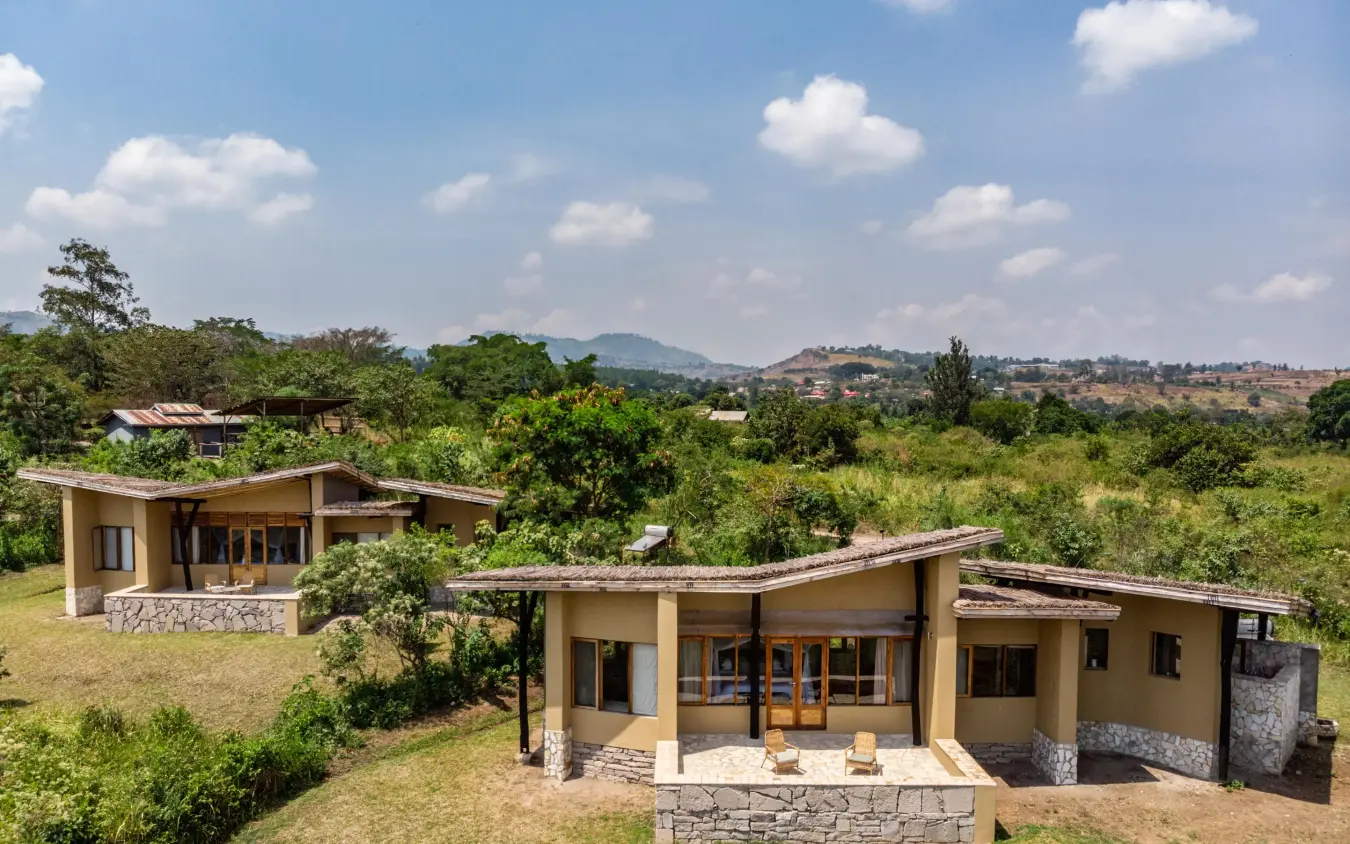
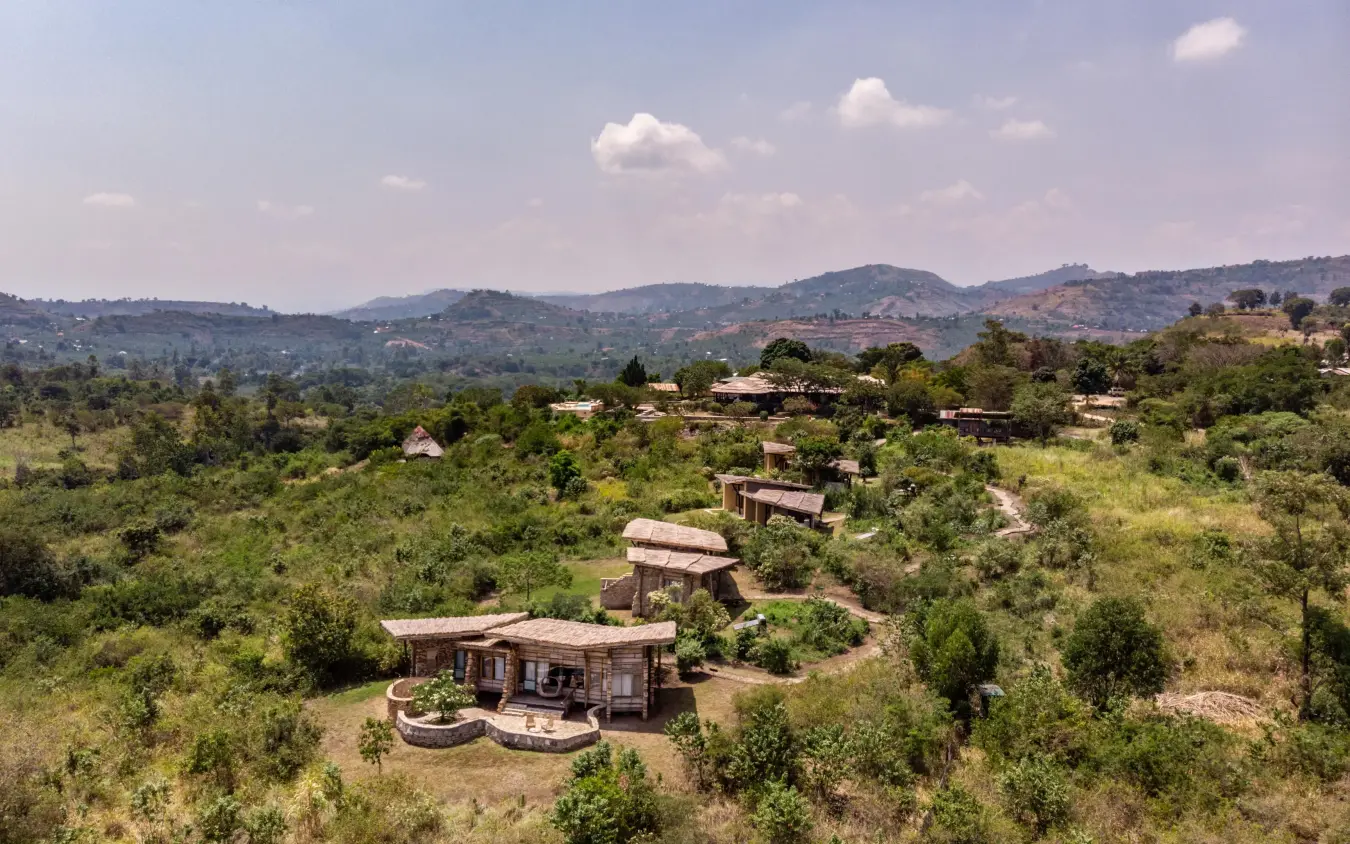
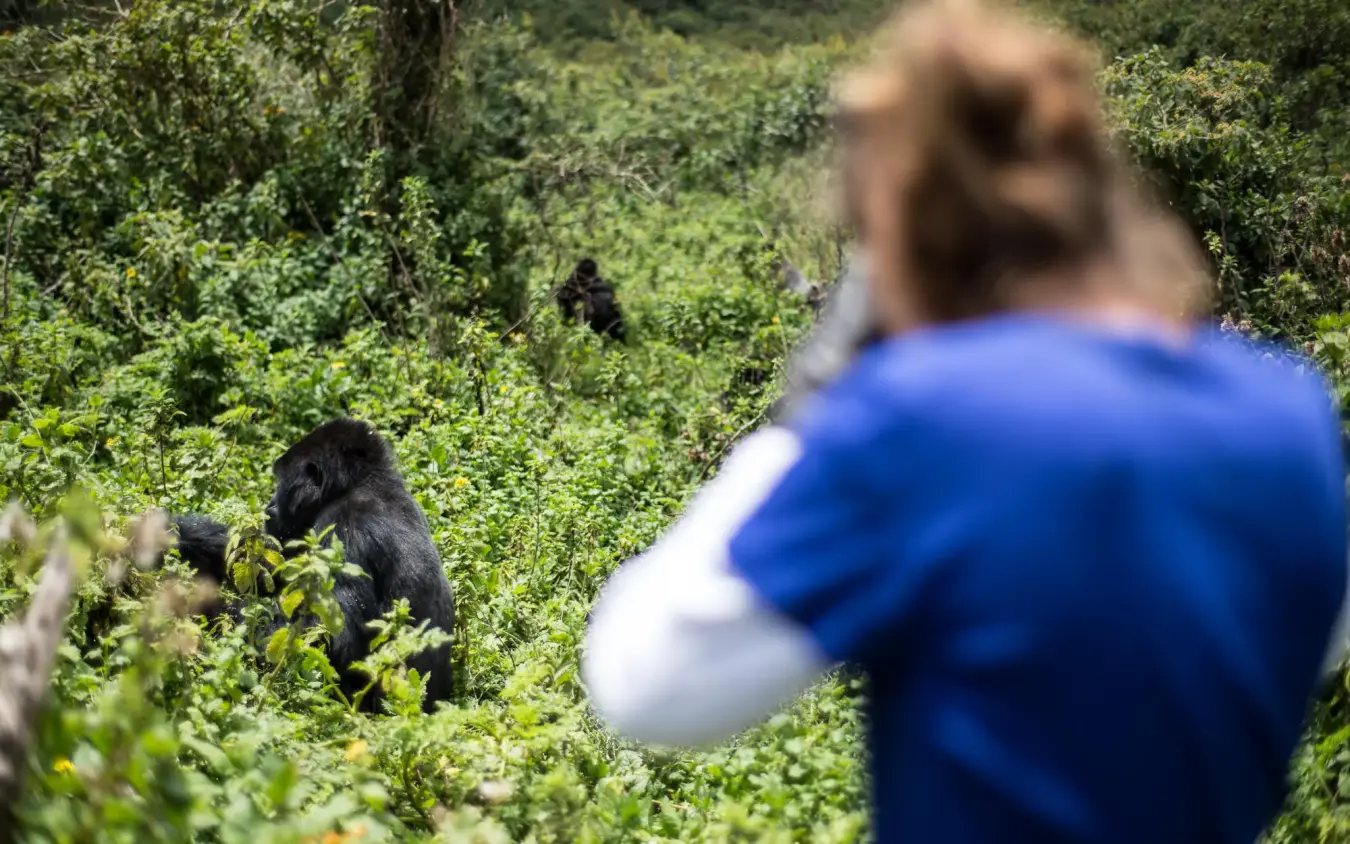
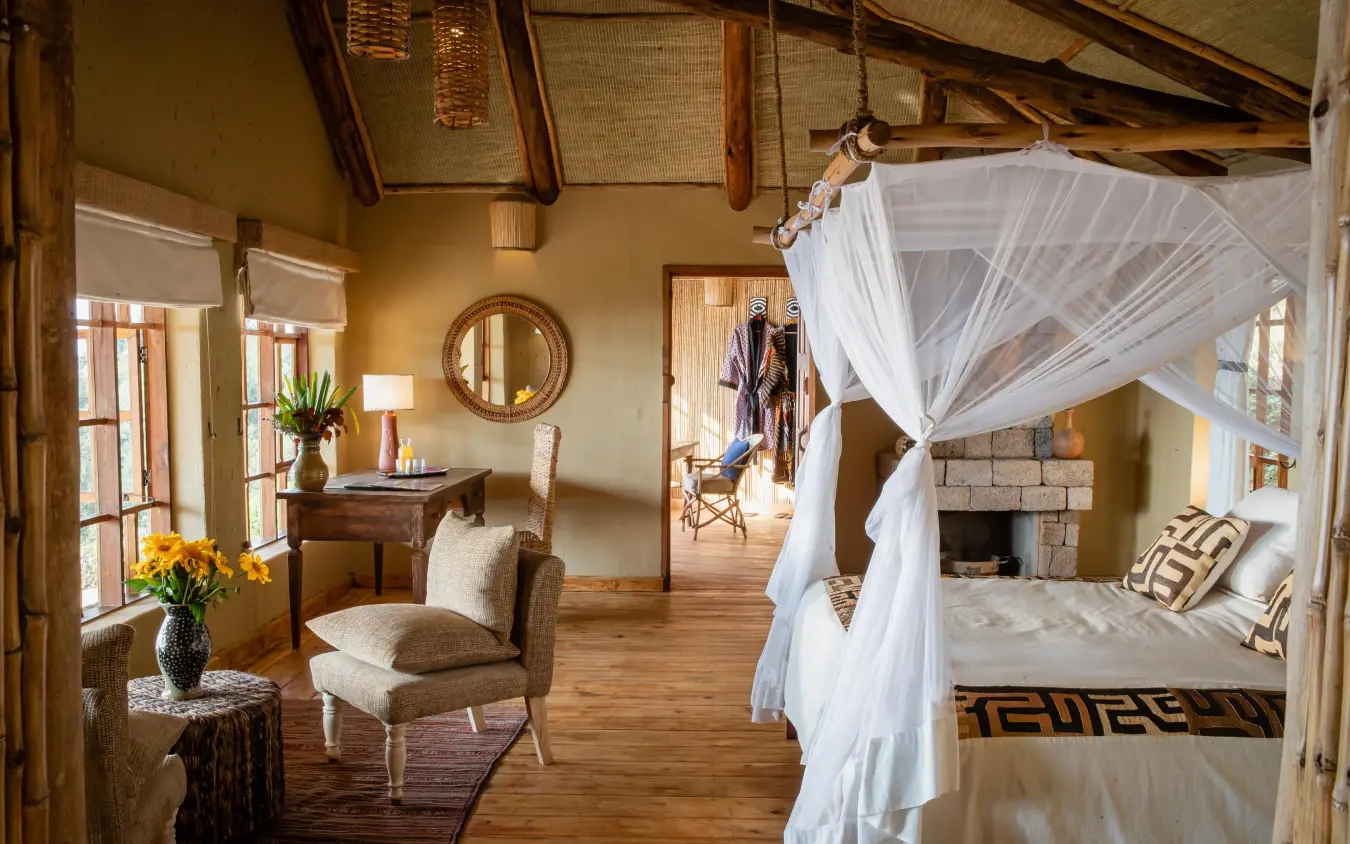
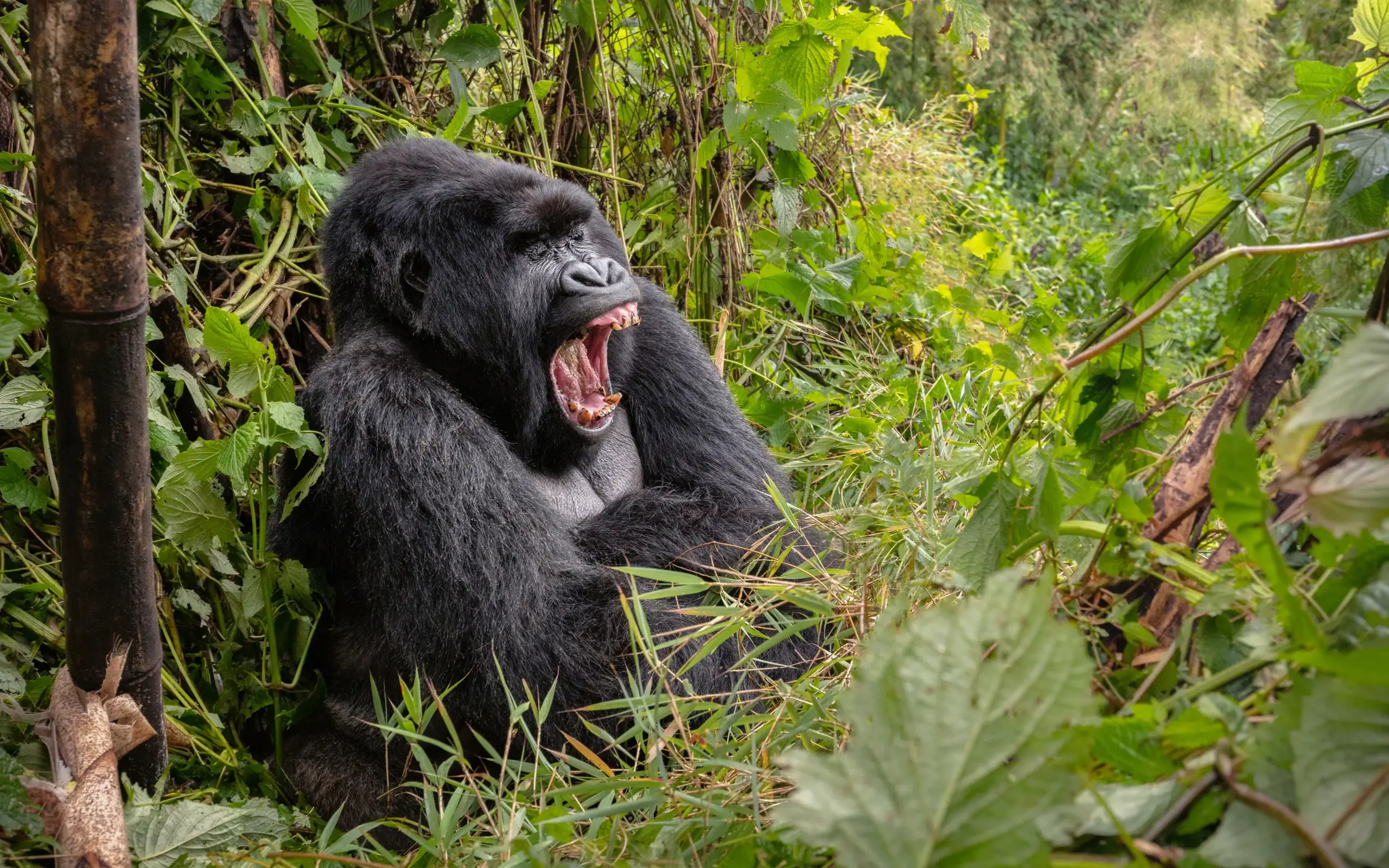
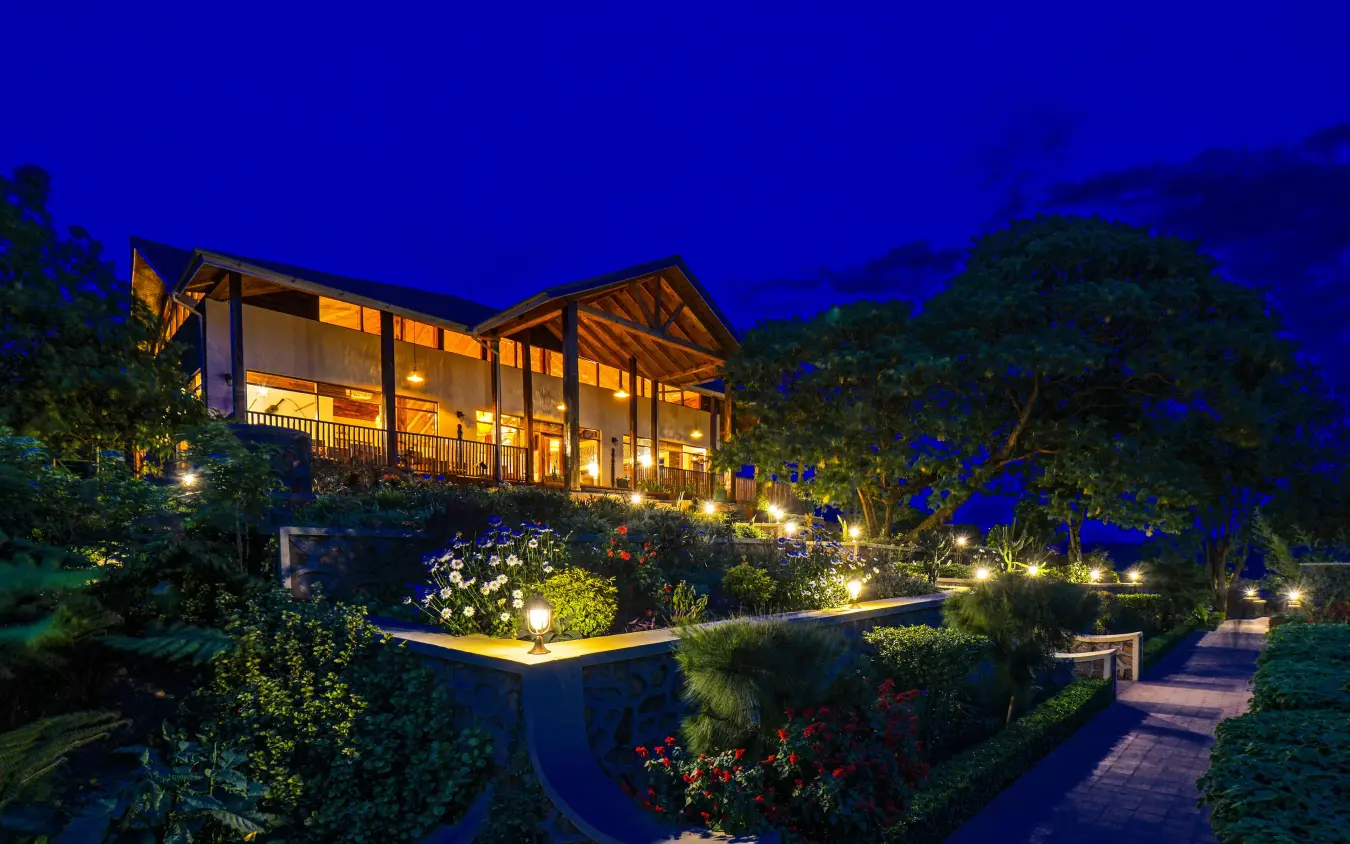
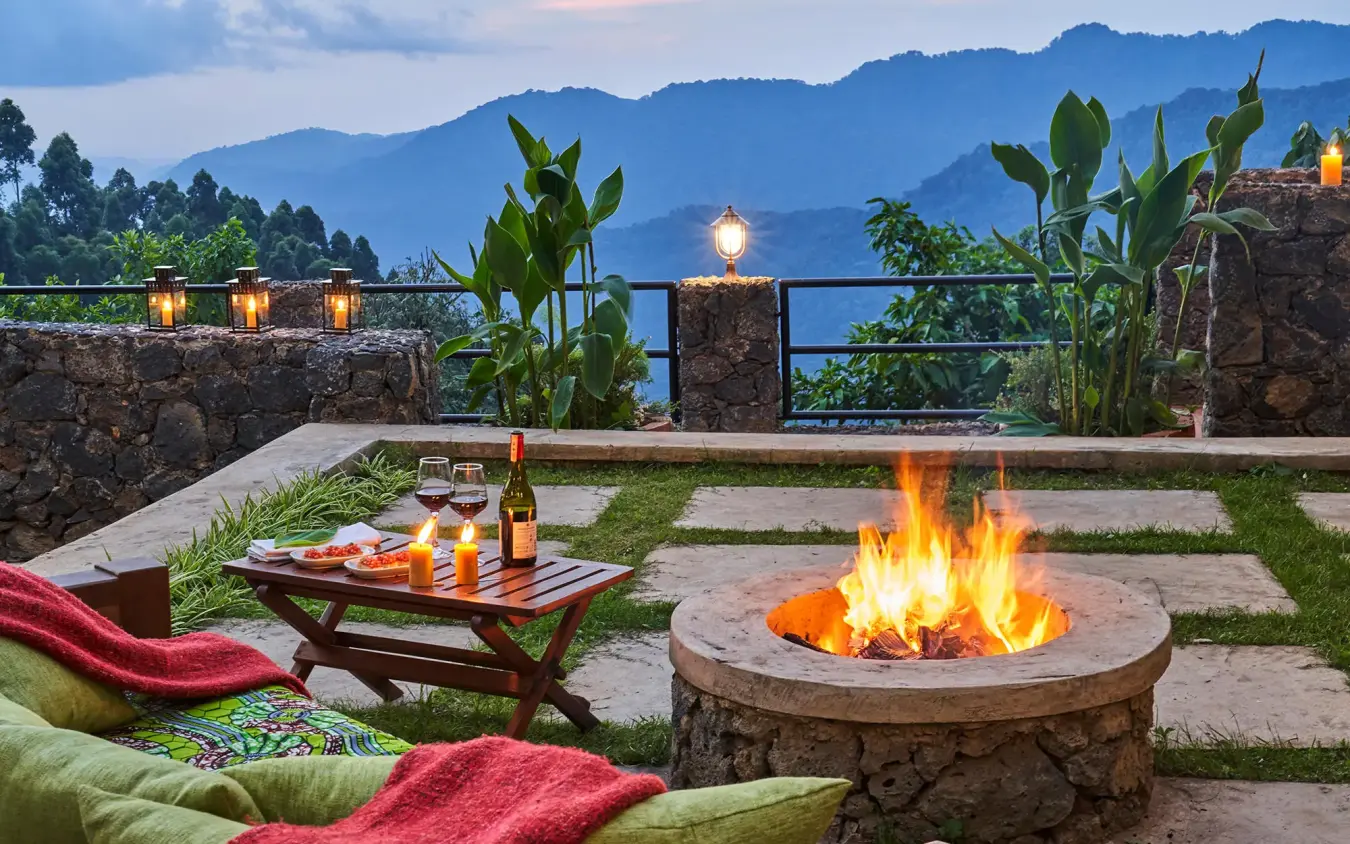
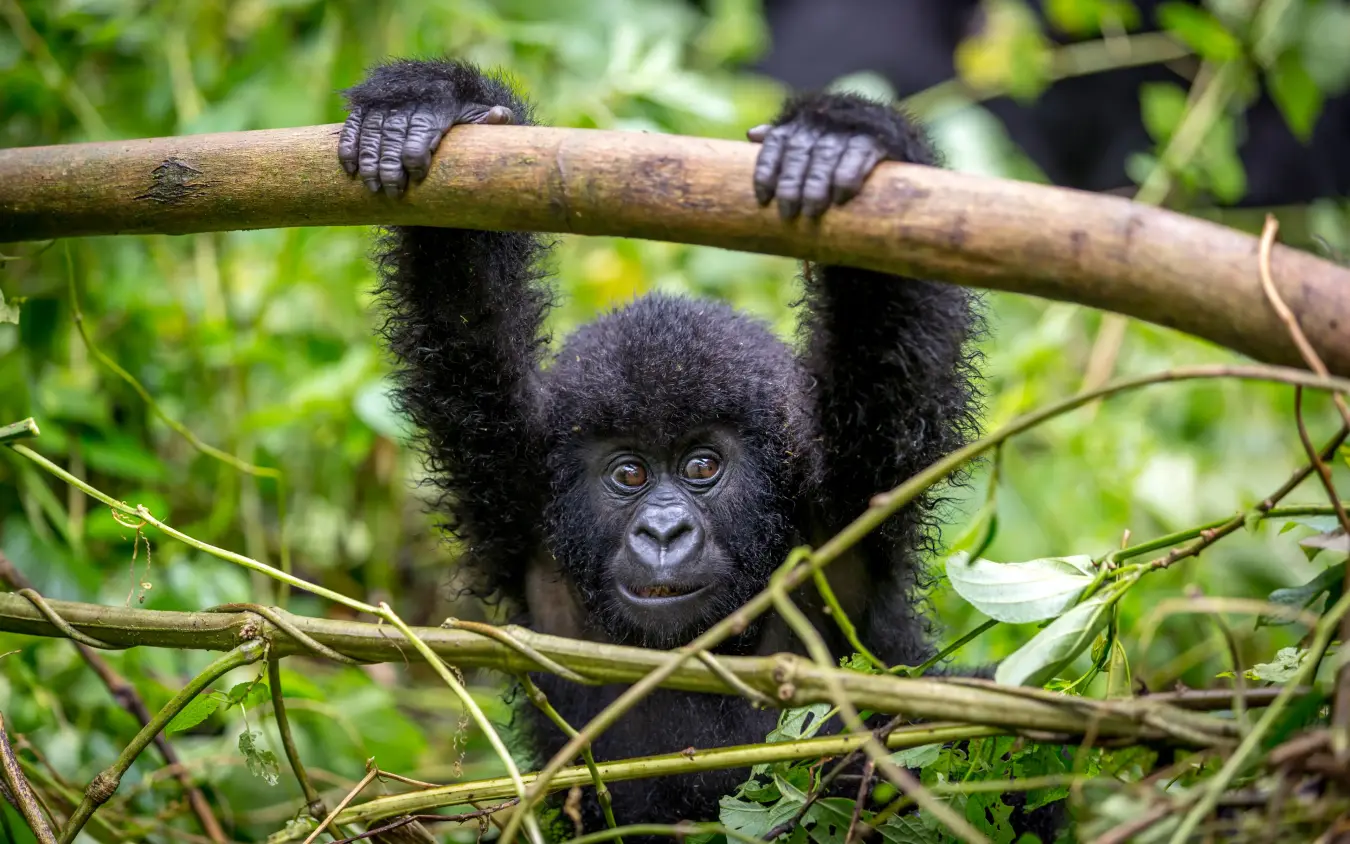
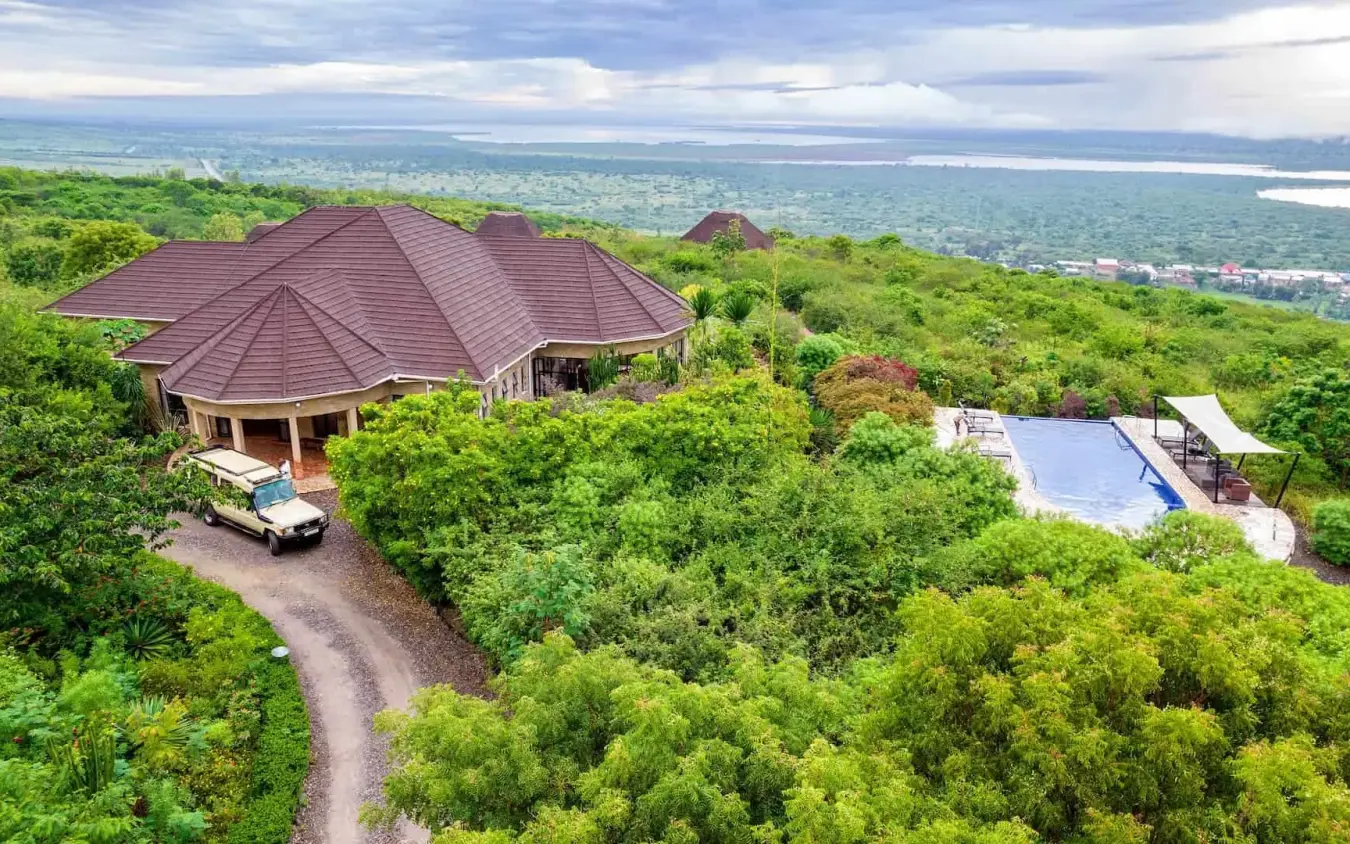
These days are given to gorilla trekking in the southern Nkuringo sector of Bwindi Impenetrable Forest, where four habituated gorilla families live. Treks drop steeply into the forest and climb back out, and the terrain is among the more demanding in Bwindi, so this is a difficult base for anyone hoping for gentle walks. The briefing point is about 300 metres from the door. Nkuringo Gorilla Lodge stands on Nteko Ridge at roughly 2,160 metres, its volcanic-stone and timber cottages each with a fireplace, looking across the Kashasha River Valley toward the Virunga Volcanoes.
Crossing into Kenya, this night sits on the southern edge of Nairobi National Park, a piece of savannah pressed against the capital where lion, black rhino, cheetah and buffalo range within sight of the skyline. The transfer runs through the park itself, so the drive in is already a game drive, with more than 400 bird species recorded across the park. The Emakoko is a family-built lodge worked into a steep valley above the Mbagathi River, its suites stepped across the cliff and reached on foot over a wooden footbridge.
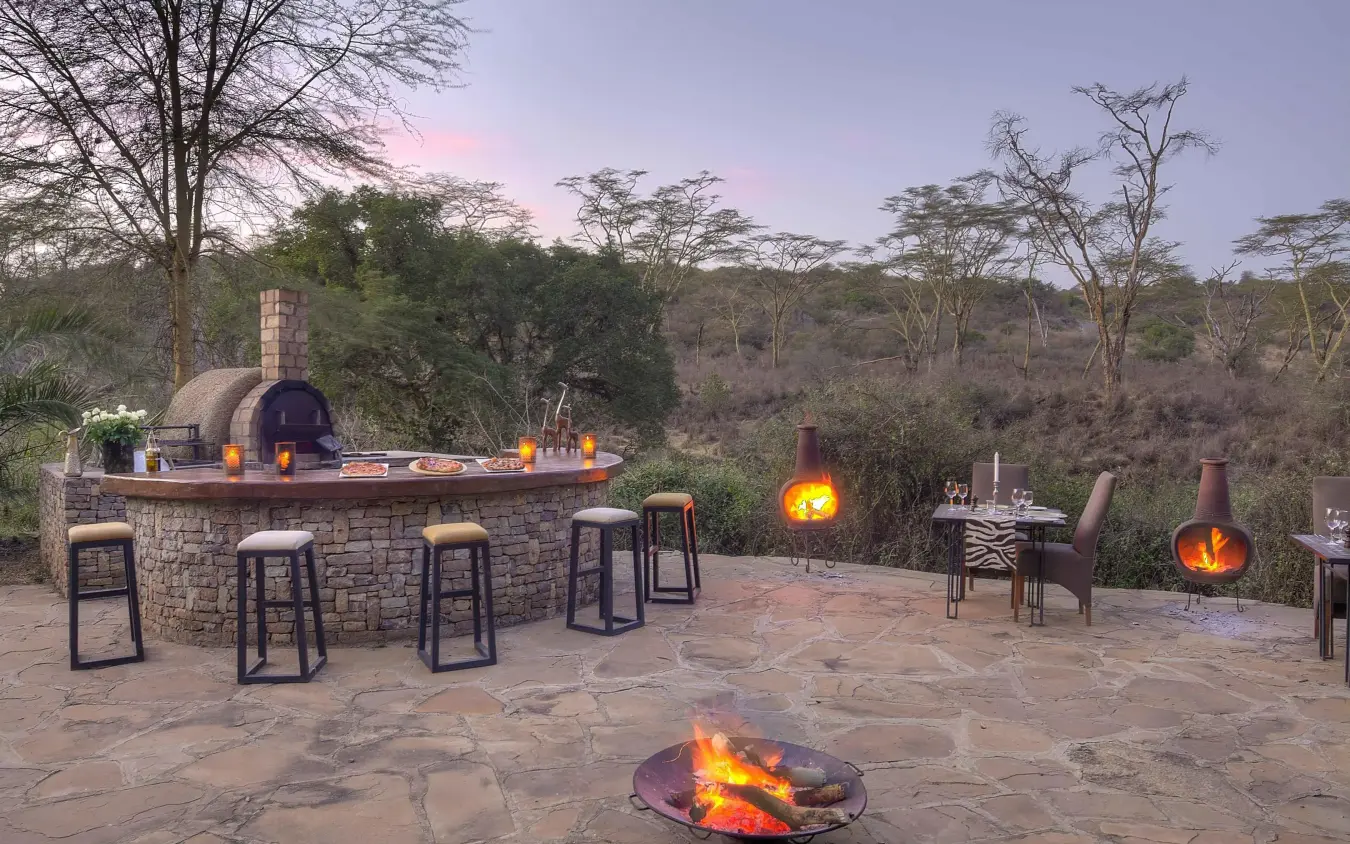
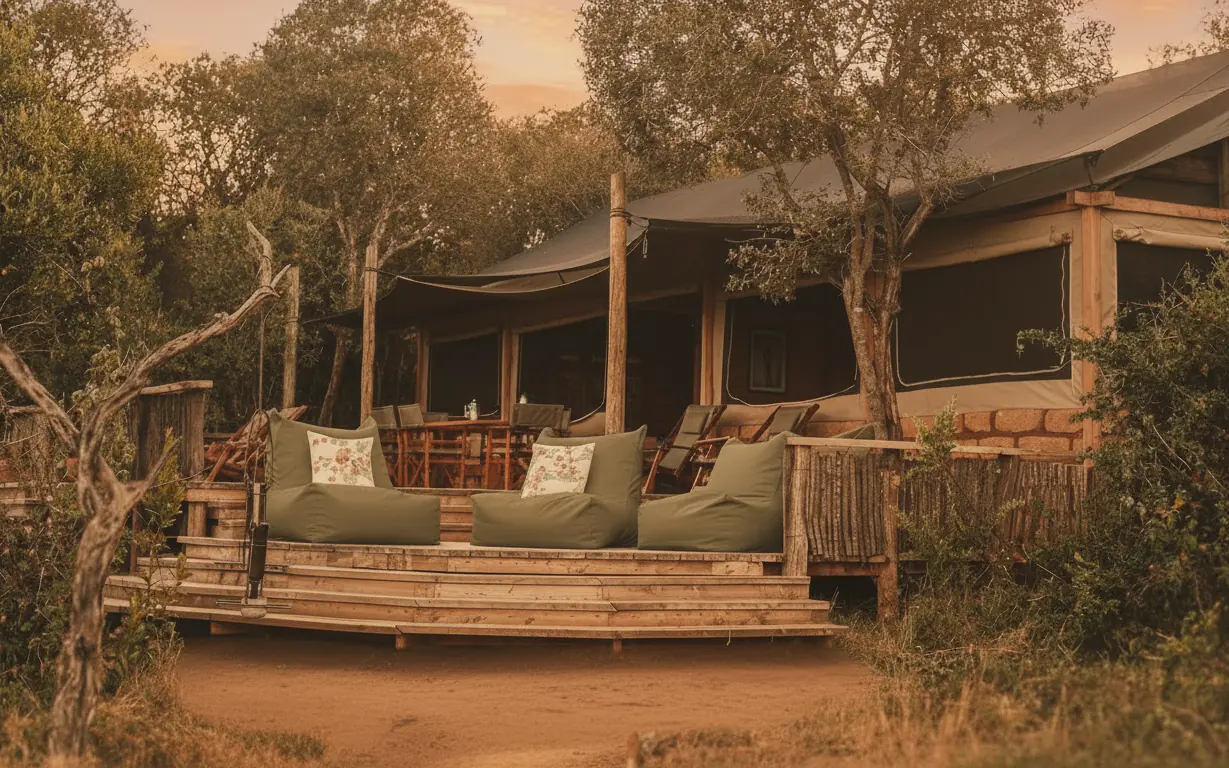
Three days in the Lolldaiga Hills, a private conservancy in the Laikipia Highlands where the land climbs from 1,700 to 2,300 metres through valleys, rocky outcrops and cedar forest. Because it is private, walking, night drives and off-road driving are all permitted. Leopards are unusually dense here, with lion, elephant, buffalo, reticulated giraffe and gerenuk ranging the valleys, though no rhino. Moon's Camp is owner-run and off-grid on solar, its tents facing a waterhole with Mount Kenya beyond. Guides host two game drives a day.
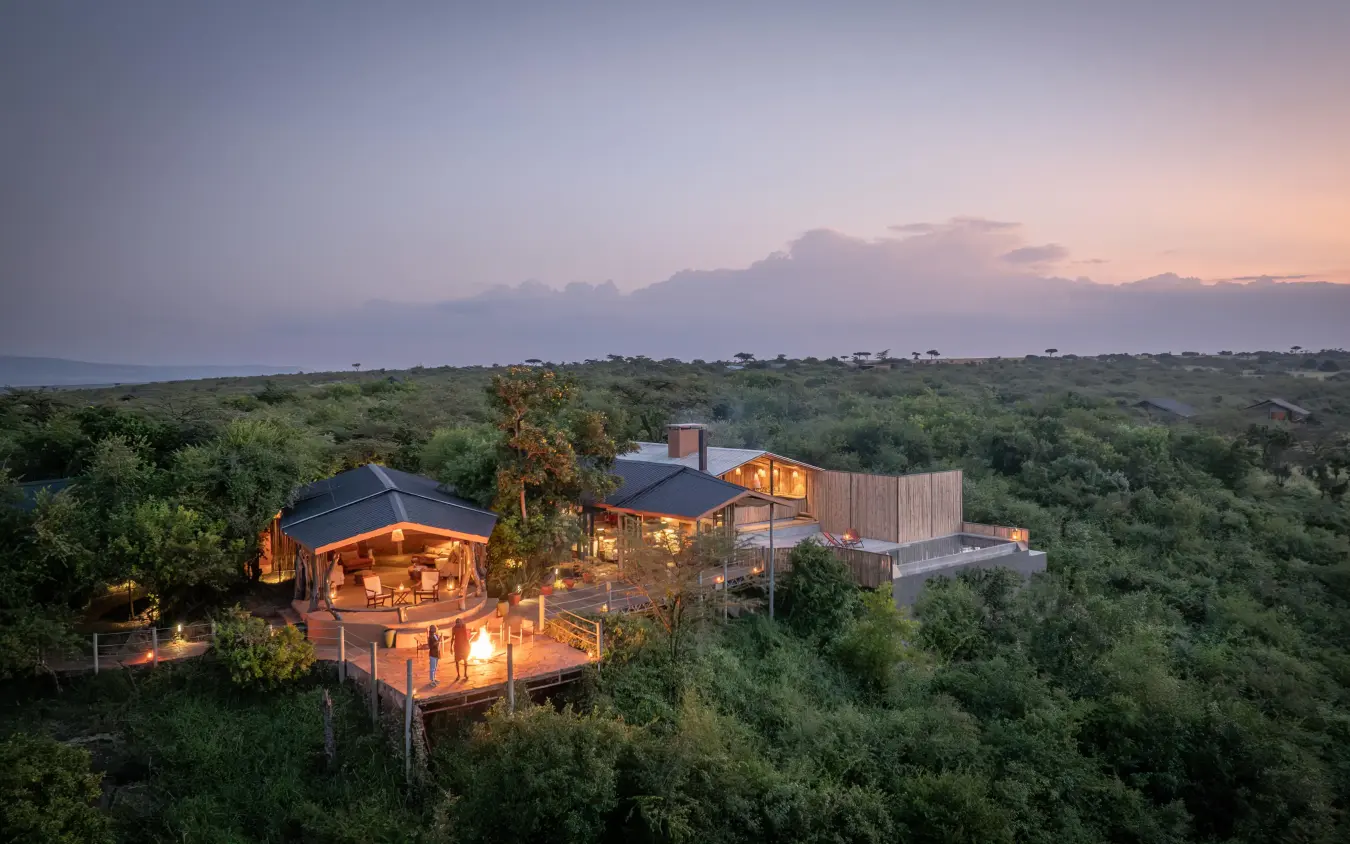
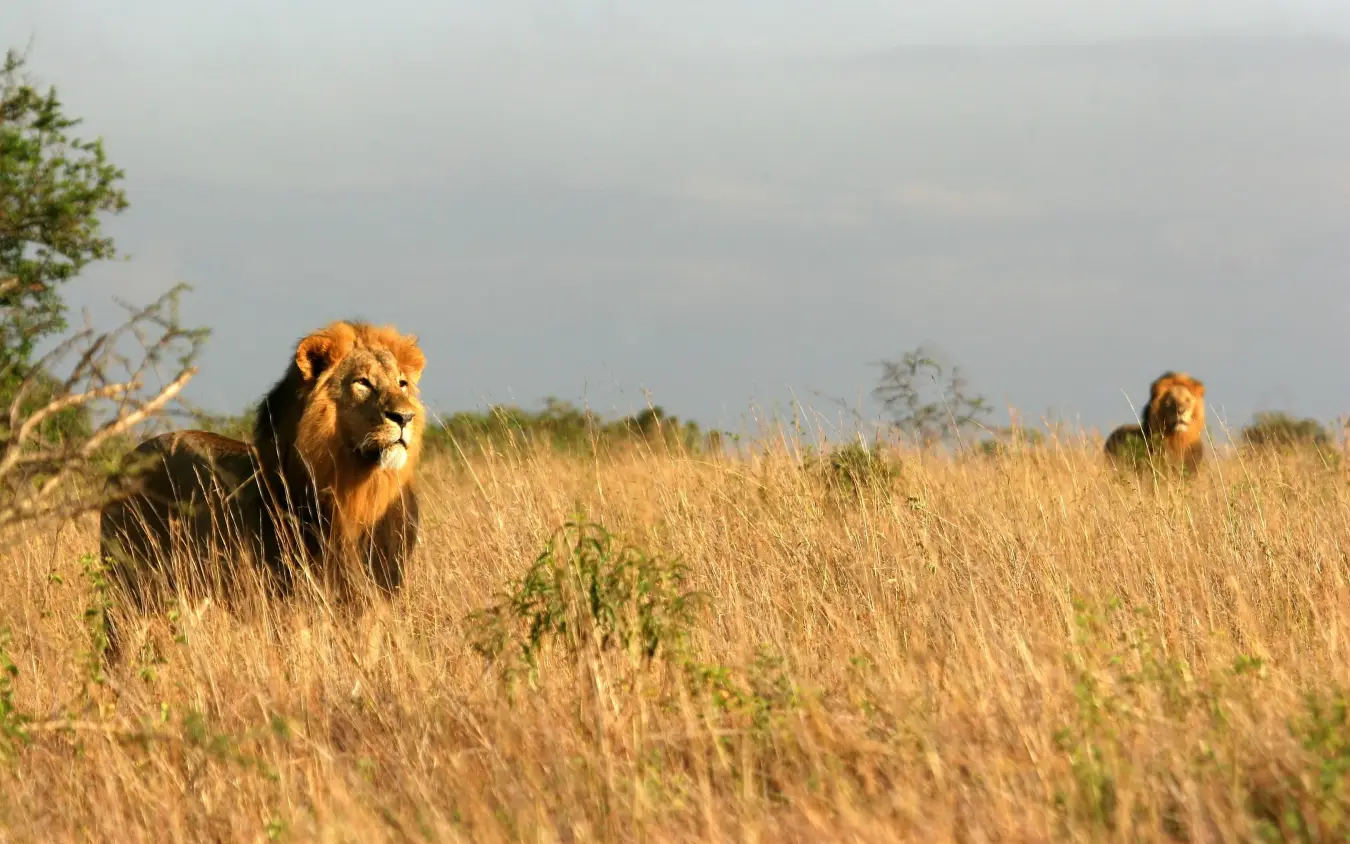
Three days on the Mara Naboisho Conservancy, some 50,000 acres of the greater Maasai Mara ecosystem owned outright by the Koiyaki Maasai. Naboisho is known for a high density of lions, and low vehicle numbers mean a sighting rarely draws a crowd. Night drives, guided walks and off-road tracking are all permitted, so a guide can leave the road to follow a hunt across open country. Eagle View Camp holds an escarpment with its nine tents cantilevered along the hillside, a waterhole and salt lick directly below that draw elephants, giraffes and zebras into view from the decks.
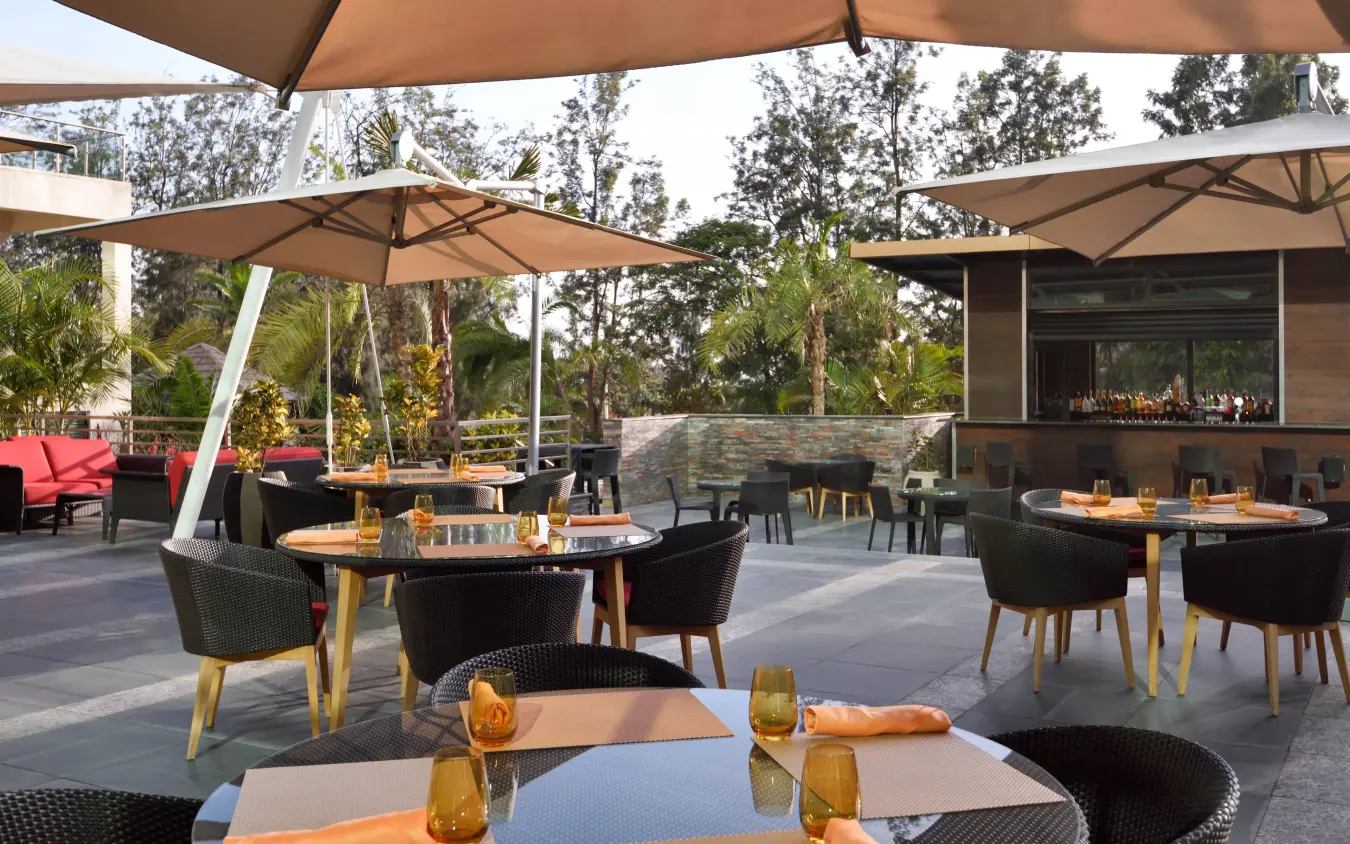
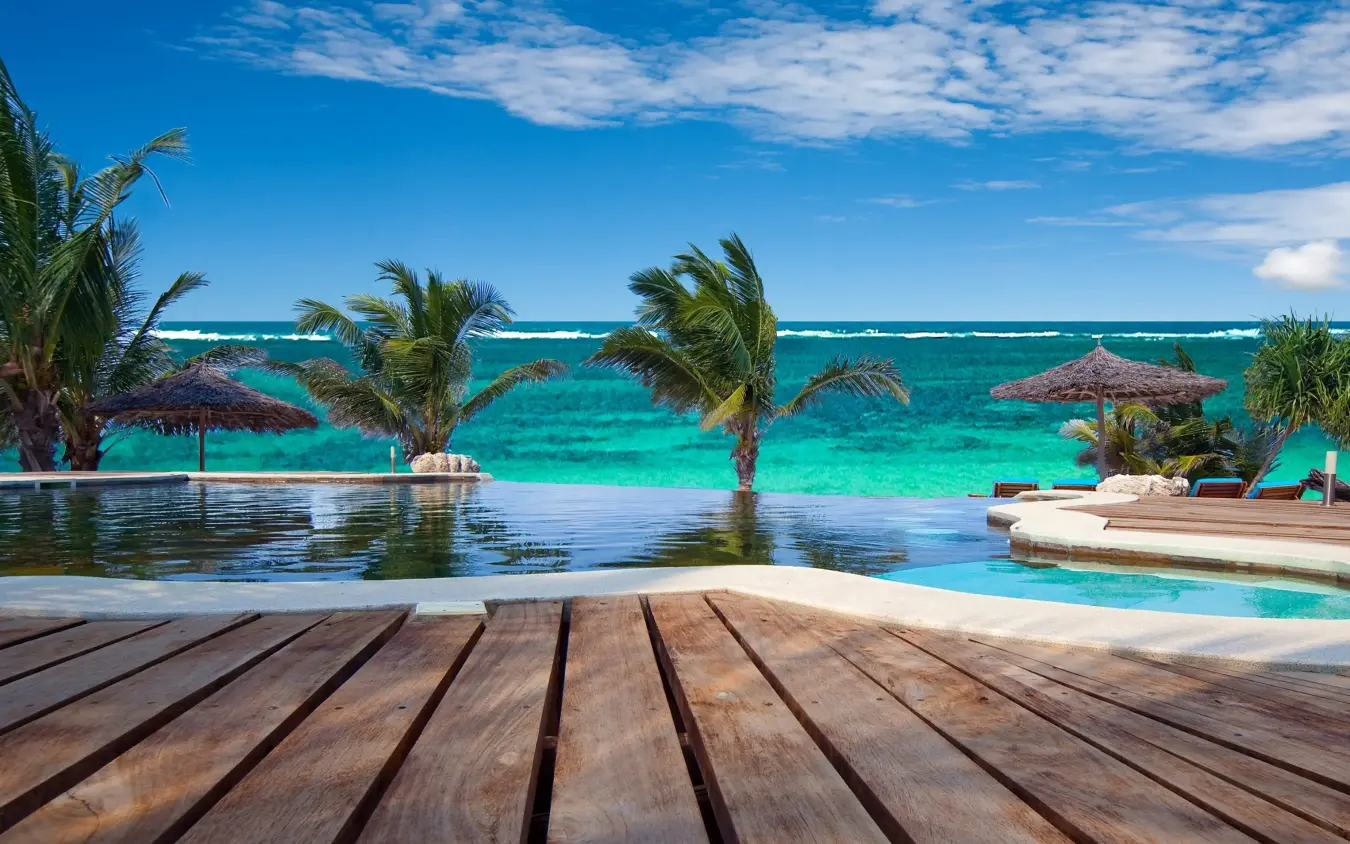
The final four nights are the ocean chapter, on the central stretch of Diani Beach on Kenya's south coast, where white sand runs down to a lagoon held calm by a fringing reef. Days fill with the water: snorkelling out to the reef by boat, kitesurfing and windsurfing off the sand in the steady trade winds, and kayaking in the sheltered lagoon. Waterlovers Beach Resort holds ten oceanfront keys built into coastal forest that was never cleared, with colobus monkeys in the canopy above the suites and Tides Restaurant opening by the pool with the ocean in front of it.
It is enough for one trek and nothing spare, which is the trade this route makes to fit two countries and a beach into fourteen nights.
A permit buys one morning, so the gorilla part of the trip rests on that day. The odds are on your side: trackers pick the family up at first light from where it nested, and we put success on Uganda's treks at better than 95 per cent, with an hour once the animals are reached.
The ground is the real question. Nkuringo's trails drop steeply off the ridge and climb back out, a trek can take two to seven hours, and this is not the sector to choose if you were hoping for a gentle forest walk.
Porters can be hired, and the minimum age is 15. Ask us for a third night if you would rather have a spare day.
Really only on the first Kenyan night, at Nairobi National Park, and that is worth knowing before you plan around it.
The park holds both species on savannah within sight of the skyline, and the transfer in runs through it, so the drive doubles as a game drive.
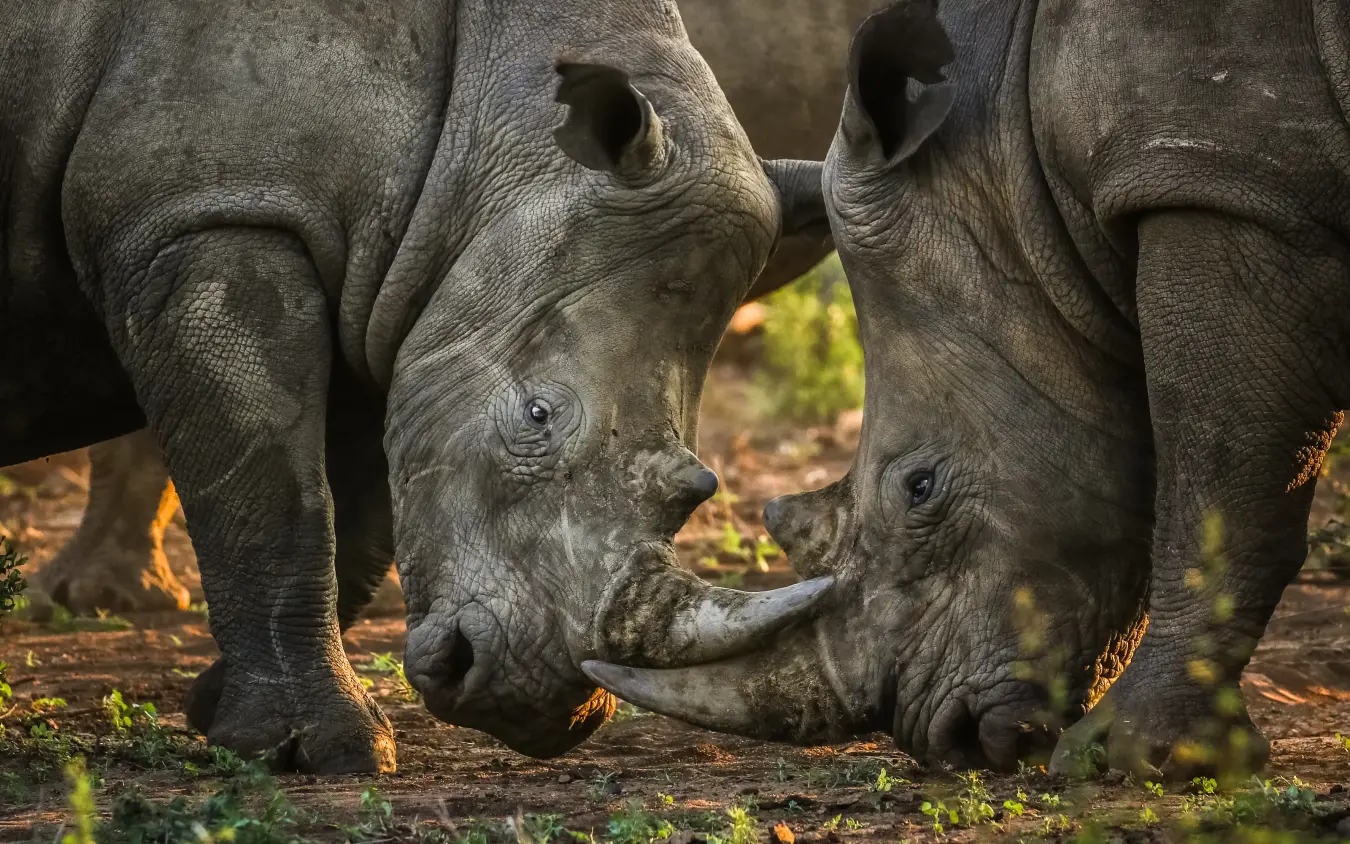
White rhino graze in the open and are the easier of the two. Black rhino are harder: one may keep to the thickets, but finding one is well within reach, so treat it as a good chance and not a fixture.
Neither conservancy that follows is rhino ground. Lolldaiga has none, and Naboisho is lion country. If rhino matter to you, say so and we will swap in or add a Laikipia conservancy that protects them, which fits the same stretch of the trip.
Walk, drive after dark, and leave the track.
Those three are the standing difference between privately managed conservancy land and the national parks and reserves next door, and they change what a day looks like. A guide can follow a leopard or a pride off the road instead of watching it go, and an evening drive can carry on into the night with a lamp.
Walking goes out with an armed escort and is slow work about tracks, dung, birds and plants at close quarters, not an attempt to get near big animals on foot.
The other difference is the crowd. Conservancies cap how many vehicles may gather at a sighting, and for the Mara conservancies the cap runs from four to six, so a cat rarely draws a queue.
Lolldaiga's cedar valleys are good leopard country, although no cat is ever a fixture.
Less than the map suggests, because the long legs are flown, but one whole day goes to leaving Uganda.
The Ugandan side is the slow part: Nkuringo is a long day by road from Entebbe, or a scheduled light aircraft to an airstrip near Bwindi and a slow run on dirt at the end. Getting to Kenya then means going back through Entebbe and flying to Nairobi, which is what the night beside the national park is for.
After that the hops are short, by light aircraft from Laikipia to the Mara and on to Ukunda, the airstrip behind Diani, often calling at another strip on the way.
Scheduled aircraft allow 15 kilograms a person in soft bags, hand luggage counted, so pack soft and pack light. We confirm every flight when we plan the trip.
Shallow and protected, because a fringing reef lies offshore and holds the lagoon flat, which is what makes the kayaking easy and lets beginners learn to kitesurf.
It is a strongly tidal coast, so the water moves a long way twice a day: at low water the lagoon drains towards the reef and swimming gives way to walking the flats, best done in reef shoes, while the snorkelling boats run out over the reef itself on the higher tides.
Wind comes in two spells. The dependable stretches are December to March, when the north-easterly blows warm and steady, and June to September, when the south-easterly is stronger and pushes more swell in.
April and May, the long rains, are the least reliable of all. A tide table is the first thing worth looking at on the morning you arrive.
January, February and the July to September run work at both ends of this route, forest and reef alike, and we rate all five highest at every stop on it.
They put firm ground under the Bwindi trek, dry conditions in Laikipia and the Mara, and clear water inside the reef at Diani. June, October and December sit in between, sound in most places and mixed in one or two.
March and November are the months to weigh carefully, both rated challenging in Bwindi, with November challenging in Laikipia as well.
April and May are the long rains, rated challenging everywhere here, with muddy tracks inland and stormier seas at the coast.
The greener months do repay some travellers:
Ed Charles, BBC Producer
Fitzroy are true specialists in accessing the wilderness. They know where to go and importantly, when to go there. Highly recommended.
uganda & rwanda
From Kigali across Uganda's highland lakes to gorillas at Mgahinga, savannah game and the chimpanzees of Kibale Forest.
uganda
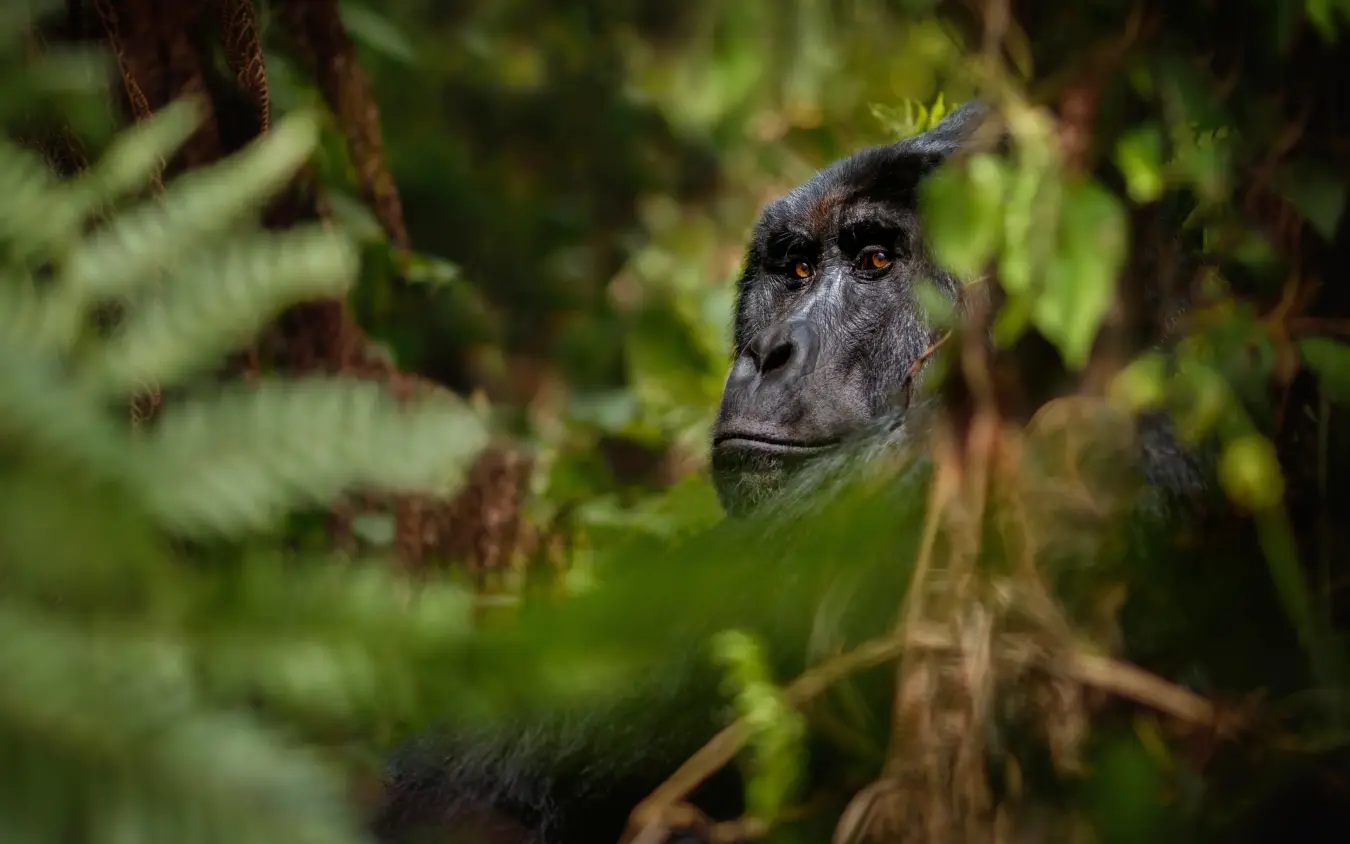
Eleven nights across Uganda, tracking chimpanzees in Kibale and Kyambura and gorillas at Mgahinga, via Queen Elizabeth's plains.
rwanda & uganda
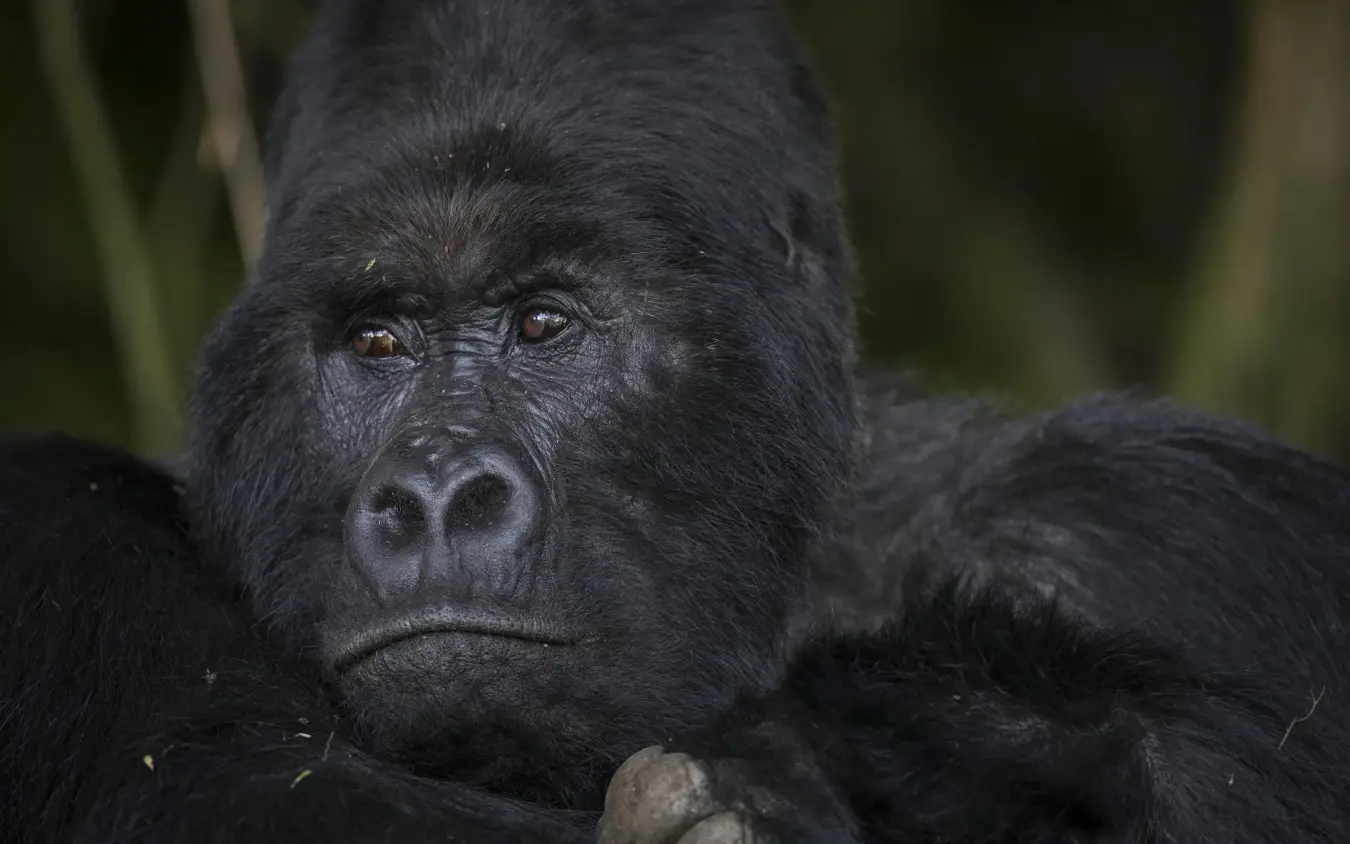
Seven nights from Kigali into Uganda's Mgahinga and back to a Rwandan ridge, tracking gorillas along the Virunga chain.
rated five stars by our clients

our approach
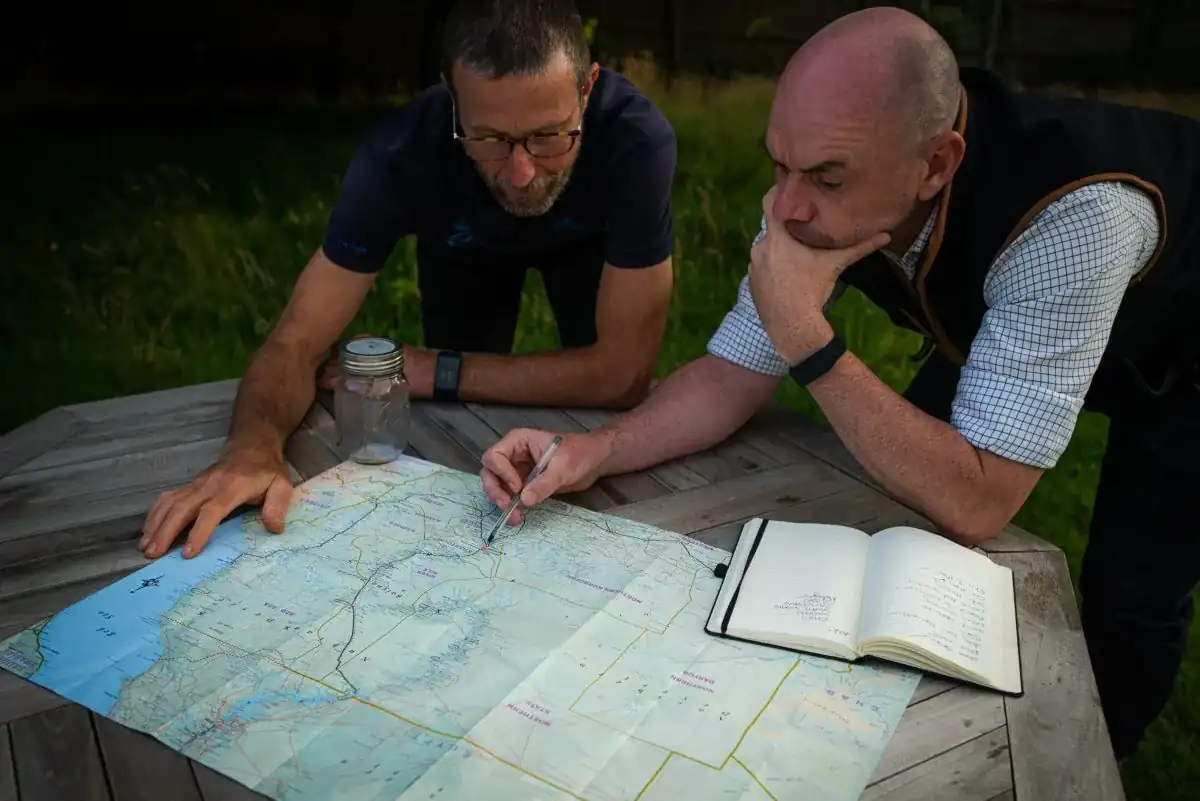
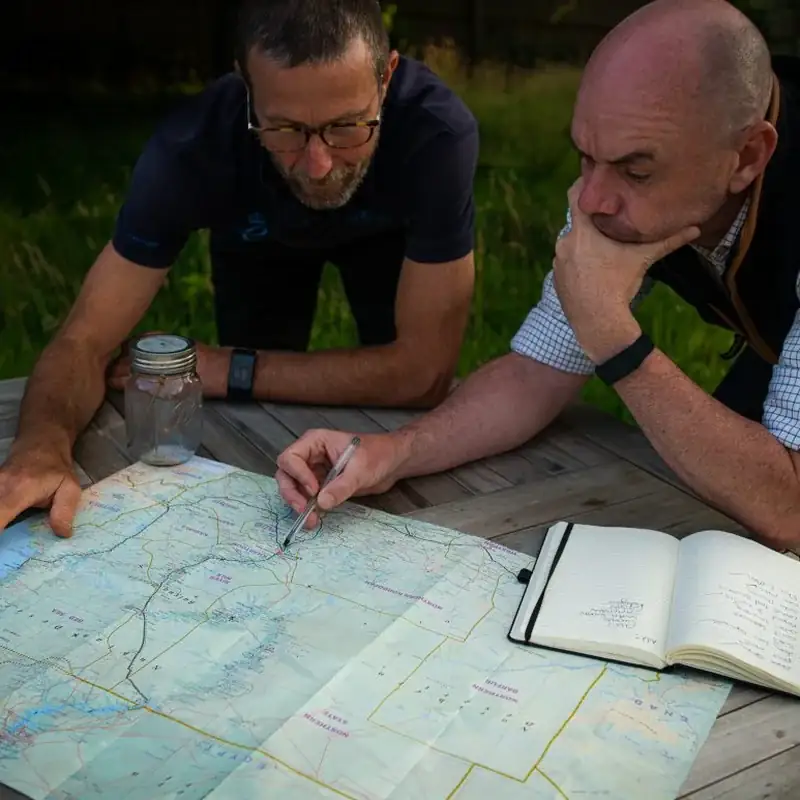
Every journey starts with a conversation. We take the time to understand your vision before we start planning.
Whether by phone or in person, we work with you directly to shape something that is considered, personal, and expertly delivered.
Every journey starts with a conversation. We favour a direct, personal approach: understanding your vision before anything else.
Whether by phone or in person, we work with you directly to shape a journey that is both thoughtfully considered and expertly delivered.
Get in touch to start planning yours.