Timing your trip
best time to visit mgahinga national park
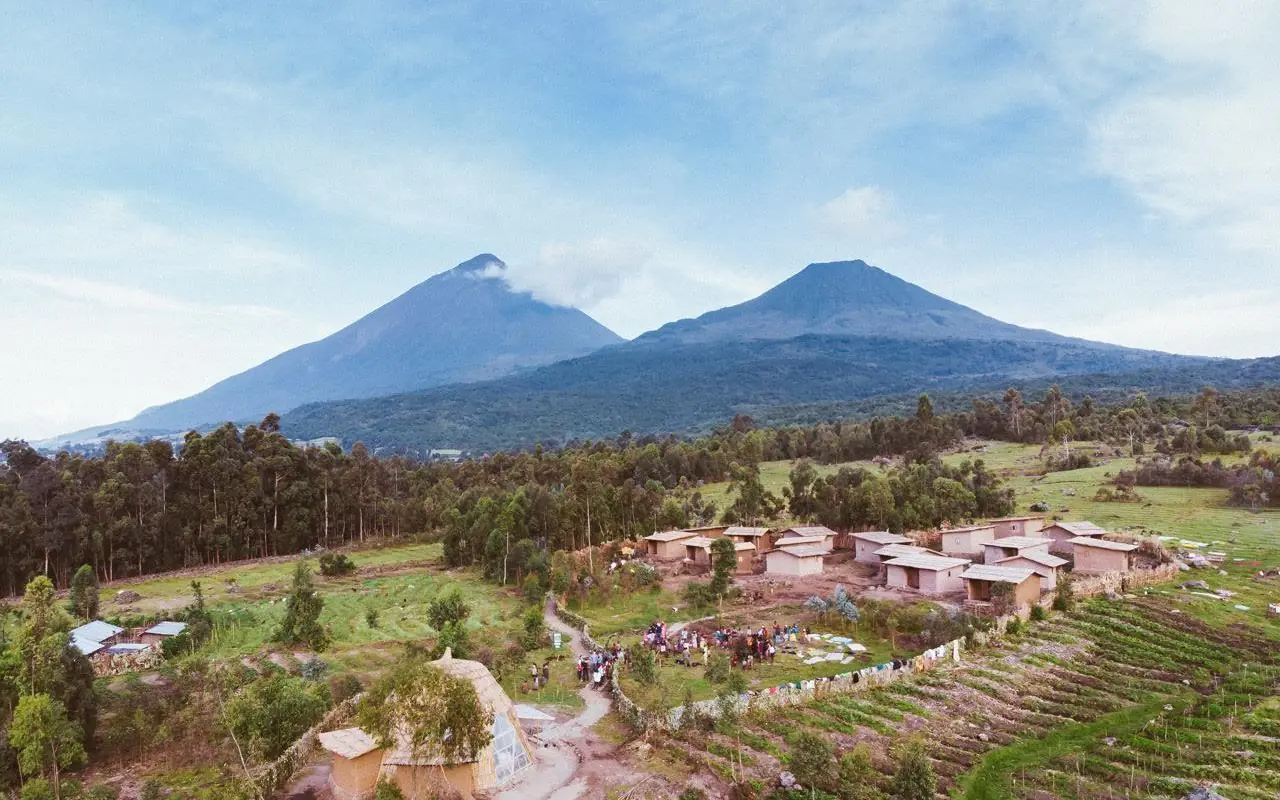
High on the slopes of the Virunga volcanoes, Mgahinga is home to resident mountain gorillas and golden monkeys. The dry seasons, June to early September and December to February, give the firmest trails and the clearest summit views.
seasonal guide to mgahinga national park
For gorilla and golden monkey trekking, come in the dry seasons, June to September and December to February, when the steep trails are firmest and the Virunga volcanoes clearest. The primates are resident year-round, so the choice is trail comfort, not sightings. The rains of March to May and October to November bring mud, quiet trails and the flat light that suits photography.
month by month details
January sits in the short dry season, when low rainfall gives Mgahinga its firmest trails and clearest views of the Virunga volcanoes. The gorillas and golden monkeys are resident here year-round, so timing is about trekking conditions rather than finding the animals, and conditions in January are among the best of the year.
At altitudes from around 2,200 to 4,100 metres the forest stays cool and humid, with chilly early mornings and the chance of an occasional shower even now. This is part of the high season, so permits and the small number of lodges fill early and should be reserved well ahead.
February sits inside the short dry season and is one of the best months for the Sabyinyo and Muhabura climbs. Firm ground and clearer air make the long ascents more rewarding, and gorilla and golden monkey tracking are comfortable while the park stays quiet.
Showers can pick up in the last days of the month as March approaches, so if dry trails matter most, the earlier weeks are the safest bet.
March opens the long wet season, with regular rain turning the steep forest trails muddy and slippery. Treks for both gorillas and golden monkeys still run every day, but the going is harder and wetter, and cloud often hides the volcano summits.
The compensation is a green, quiet forest with very few other visitors and strong birding as the foliage thickens. For anyone who wants dry, secure footing on these steep slopes, though, March is one to approach with realistic expectations.
April is the wettest month at Mgahinga, with heavy, frequent downpours and the most demanding trail conditions of the year. The steep, root-laced paths become deeply muddy and slick, and the upper slopes of Muhabura, Gahinga and Sabyinyo are often lost in mist.
Trekking still operates, and the forest is at its greenest, but this is the hardest month for comfortable, sure-footed hiking. Full rain gear is essential, and travellers set on dry conditions are far better served by the dry-season windows.
May closes the long rains, still wet underfoot though usually less intense than April. Rainfall tapers as the month progresses, but the trails stay muddy and slippery and summit views remain unreliable through most of it.
Visitor numbers are at their lowest and the forest is lush, which suits birders and those who prize solitude. For dependable trekking conditions, wait for the dry season that follows; late May only begins to firm up.
June marks the start of the long dry season and the return of Mgahinga's best trekking conditions. Rainfall drops sharply, the steep forest trails firm up, and the Virunga volcanoes come into clear view far more often.
With the gorillas and golden monkeys present all year, this is simply when reaching them is most comfortable and surefooted. Days are pleasant, while early mornings and nights at this altitude stay cold, so warm layers are needed even at the height of the dry months.
July is among the driest months of the year, with the firmest trails and most settled weather for trekking. Footing on the steep slopes is at its best and visibility of the volcano summits is reliably good, making this prime time for gorillas, golden monkeys and the volcano hikes alike.
It is also one of the busiest months across Uganda's gorilla parks, so permits and the limited lodging around Mgahinga should be secured well in advance. Showers remain possible even now, as this mountain forest never goes fully dry.
August holds firmly in the long dry season, with conditions close to June and July. Rainfall stays low, the trails remain firm, and the volcanoes are often clear, so trekking for both primates and the summit hikes stays straightforward.
There is a slightly higher chance of a passing shower than at the peak of the dry season, but nothing that unsettles the month. Demand stays high through August, so early booking of permits and lodges remains the rule.
September keeps the dry season's firm footing on the Virunga slopes, with the second rains only building towards the end of the month. The volcanoes stay clear enough for the golden monkey and gorilla treks, and the steep ground that turns treacherous in the true wet months is still walkable.
Crowds ease from the July and August peak, so permits and lodges come easier. When the cloud does roll in, have the camera ready rather than packed: gorillas and golden monkeys photograph far better under an overcast sky than in the contrast of full sun, so a grey afternoon is not a lost one.
October is one of the wettest months at Mgahinga, with the short rains at full strength, though treks run every day and the forest is at its richest. Afternoon storms are frequent, the steep trails turn muddy, and mist often sits over the volcano summits, so the going is slower than in any dry month.
The trade-off is a green, quiet forest with far fewer visitors, rewarding birding, and light that suits a camera: gorillas and golden monkeys photograph far better under cloud than in the contrast of full sun. With full waterproofs and boots that grip, this is a fair month rather than one to avoid.
November is usually among the wettest months, with the short rains still at their peak. Frequent showers leave the steep forest trails muddy and slippery, and mist often sits over the volcano summits, making the hikes harder going.
Trekking runs every day and visitor numbers are low, which suits birders and anyone after solitude. Photographers do well here too, because the even light under cloud holds the detail in dark fur that bright sun destroys. For dry, secure footing, though, November ranks alongside the long-rains months as one to avoid.
December brings the short dry season back, with rainfall dropping and the trails firming after the short rains. Conditions for gorilla and golden monkey trekking improve through the month, and clear views of the Virunga volcanoes become more common.
This is a popular holiday period, so permits and the few nearby lodges book up early. Occasional showers still pass through this high, humid forest, but the overall pattern is dry and well suited to trekking.
Plan your perfect uganda safari
Tell us a little about what you have in mind and one of our specialists will be in touch.
frequently asked questions
June to September, and again from December to February.
Those are Uganda's two dry seasons, when the steep volcanic slopes are at their most manageable and the views across the Virunga peaks are clearest. June to September is the longer and more reliable window.
It is still a mountain forest, so rain is possible on any day.
March to May is the wettest, when the climbs are slick and the trekking is real work.
The dry months, June to September or December to February.
A volcano day here is eight to ten hours on steep, rough ground, and wet rock and mud turn a hard day into a dangerous one. Clear weather also gives you the view, which is most of the reward.
The climbs run in other months, and we would talk you out of them.
If a summit is the reason for the trip, tell us and we will set the dates around it.
Yes, and permits are easier to come by.
The Nyakagezi family is in the park every month, so the sightings do not change with the season. What changes is the walk: mud, steep ground and a fair chance of being soaked through.
Because Mgahinga issues so few permits, the wet months are often the only ones with availability.
If you are fit and properly equipped it is a fair trade, and cheaper.
As far ahead as you can, and further than for Bwindi.
With a single habituated gorilla family, the daily allocation here is small, so the dry-season dates go first and stay gone. Golden monkey permits are easier and the habituation places fewer.
The permit decides the day, which decides the lodge.
Tell us your dates and we will hold what is available before the rest of the route is settled.
Cool by day and genuinely cold at night, because the park sits high.
The lodges are up around 2,000 metres and the trekking climbs from there, so evenings need a fire and a warm layer, and a volcano summit in the early morning is cold enough for gloves.
Mist sits on the peaks for much of the year.
Pack a waterproof, boots worn in, gaiters for the mud, and a fleece for the evenings.
June to September, or December to February.
Those windows are dry across the Virungas, Bwindi and the Rwandan side at once, so one set of dates carries a combined trip and the border crossing is straightforward.
March to May is the wettest for all three.
We would take the gorillas at Bwindi, the golden monkeys and a volcano at Mgahinga, and hold every permit months ahead.
rated five stars by our clients

our approach
remote, exclusive
& personal
Every journey starts with a conversation. We take the time to understand your vision before we start planning.
Whether by phone or in person, we work with you directly to shape something that is considered, personal, and expertly delivered.
Every journey starts with a conversation. We favour a direct, personal approach: understanding your vision before anything else.
Whether by phone or in person, we work with you directly to shape a journey that is both thoughtfully considered and expertly delivered.
Get in touch to start planning yours.