Timing your trip
best time to visit kibale forest
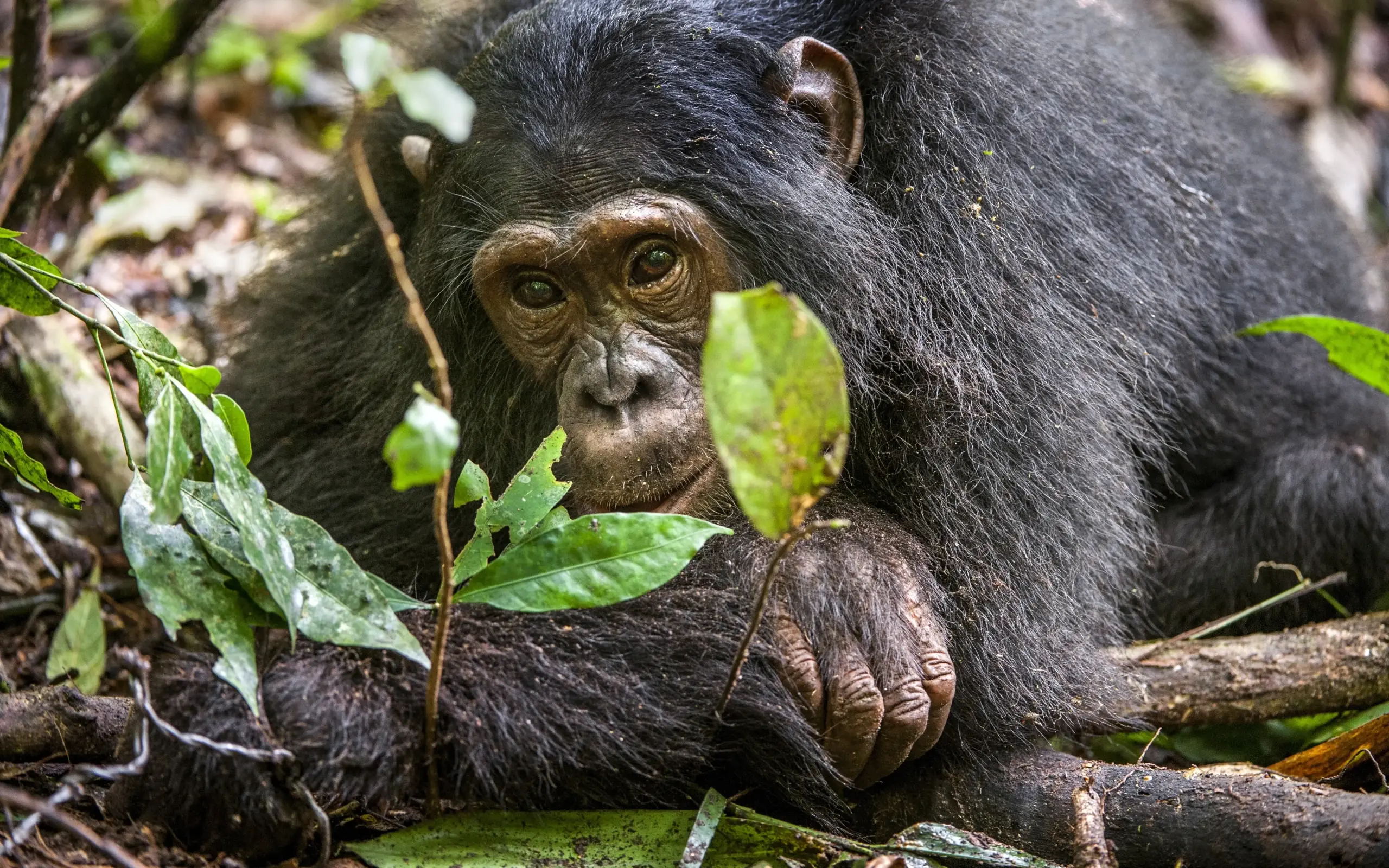
Kibale holds one of the densest concentrations of primates in East Africa, and chimpanzee tracking here succeeds in better than nine visits out of ten across the whole year. The choice of month is about trail conditions, rainfall and how many others share the forest, not whether you will find the chimps.
seasonal guide to kibale forest
Chimp sightings run above ninety per cent every month, so the two dry windows, December to February and June to August, are about firmer trails rather than the odds. The wet months keep chimps feeding near the trailheads and are strongest for forest birding, with far fewer visitors, though April and the September to November stretch are the muddiest underfoot.
month by month details
January sits in the short dry season and is one of the most comfortable months to track chimpanzees at Kibale. Rainfall is among the lowest of the year, so the forest trails are firm and the walking is straightforward.
Chimp sightings are reliable, as they are in every month here, and the drier conditions make for easier photography and footing under the canopy. This is part of the second high season, so permits are in demand and more groups share the forest. Resident primates and forest birds are active alongside the chimps.
February is one of the driest months at Kibale and excellent for chimpanzee tracking. Rainfall stays low and the trails remain firm before the long rains arrive in March.
Tracking success holds high and the easier walking suits anyone less sure on steep, uneven forest terrain. The forest is slightly more open than in the wet months, which helps with visibility of the chimps and the park's other primates, among them red colobus and L'Hoest's monkeys. Crowds ease a little from the December and January peak.
March marks the start of the long rains, with trails turning muddier as the month goes on. Showers build through March, though the heaviest rain is still ahead in April and May.
Chimp sightings stay strong as fruit becomes more plentiful and the chimps feed closer to the trailheads, but the walking is wetter and more strenuous. This is a good month for forest birding as resident species move into breeding plumage, and the lighter visitor numbers make it a quieter time for the longer habituation experience.
April is one of the two wettest months at Kibale and the hardest going underfoot. Heavy, frequent rain leaves the forest trails muddy and slippery, and downpours during a trek are likely.
The chimps are well fed and often found without a long walk, since fruit is abundant and they range less. The difficulty is the terrain rather than the tracking, and waterproofs and gaiters are essential. Birding is at its best, with migratory species present, but anyone uneasy on slick, steep ground is better suited to the dry months.
May closes the long rains, still wet but easing from the April peak. Rainfall remains high and the trails stay muddy, so the walking is strenuous.
Fruit is plentiful and chimp sightings hold up well, often closer to the trailheads. Visitor numbers are low, which makes this a strong month for the habituation experience and for unhurried time in the forest. Birding is excellent, with many forest species active. The trade-off is the going underfoot and the chance of rain on any trek.
June opens the long dry season and the most comfortable stretch of the year for chimpanzee tracking. Rainfall drops sharply and the forest trails firm up, making the hike to the chimps much easier.
Tracking success is high and conditions for photography and footing are at their best. This is the start of the main high season, so permits are sought after and more groups are in the forest. The other primates and forest birds remain active, and the drier canopy aids visibility.
July is a peak dry-season month and among the best of the year for tracking chimpanzees. Rain is at its lowest and the trails stay firm, with only occasional showers.
The walking is comfortable and sightings are reliable. The dry season can mean the chimps range a little wider in search of food, so a trek may be slightly longer than in the wet months, but the easier terrain more than makes up for it. This is one of the busiest months, so book permits well ahead.
August continues the long dry season with firm trails and dependable tracking. Rainfall stays low and the forest walking remains straightforward, though showers begin to creep back toward the month's end.
Chimp sightings hold high and the conditions suit everyone from keen hikers to those less confident on forest terrain. The park is busy through the high season, so expect company in the forest and demand on permits. Resident primates and birds are active year-round and easily found alongside the chimps.
September is still a good month to track chimpanzees, though it is genuinely wetter than August and the trails soften as the second rains set in. Sightings run above ninety per cent in every month of the year, so the question here is footing rather than odds, and the first half of the month usually walks well.
The wetter forest brings fruiting that draws the chimps closer to the trailheads, and forest birding picks up with it. Visitor numbers ease from the mid-year peak. With boots that cope with mud, this month rewards.
October is one of the wettest months at Kibale, and one of the easiest for finding chimpanzees. Rainfall is high and the footing grows more demanding through the month, but fruit is plentiful and the chimps feed closer to the trailheads, so tracking holds up.
Birding is strong, with migratory species beginning to arrive, and the forest is quiet. Fewer visitors make this a good month for an unhurried trek or the longer habituation experience, provided you are ready for rain and slippery ground.
November is often the wettest month at Kibale, with the muddiest and most challenging trails. Heavy rain leaves the forest floor slippery and the going slow, and a downpour during a trek is likely.
The chimps are well fed and frequently found close to the trailheads, so tracking still succeeds, but the terrain is the challenge. This is a leading month for birding, with migratory species arriving, and the quiet forest favours the habituation experience. Anyone set on November should expect wet, strenuous walking and pack accordingly.
December opens the short dry season, with the rains easing and trails drying out. Rainfall falls away through the month and the forest walking becomes easier.
Tracking is reliable and the firmer ground makes for a comfortable trek. This is the start of the second high season, so permits are in demand and more groups share the forest. Resident primates and forest birds are active alongside the chimps, making December a strong all-round month.
Plan your perfect uganda safari
Tell us a little about what you have in mind and one of our specialists will be in touch.
frequently asked questions
December to February, and June to August.
Those are the two dry seasons, when the trails are firmer, the trekking is easier and photography in the forest is less of a struggle. June to August is the longer of the two and the busier.
It is a rainforest, so rain is possible in any month and you should carry a jacket regardless.
March to May and September to November are the wet spells, when the ground is heavy and the forest at its most dramatic.
The wetter months, which surprises people.
Chimpanzees follow fruit, and in the wet seasons the fruiting trees are closer to the main trails, so the trek can be shorter and the group easier to stay with. In the dry months they range further for food.
The trackers are out ahead of you every morning either way, and sightings are high through the year.
So the driest month is not automatically the easiest one, and it is worth knowing before you fix dates.
Yes, and permits are easier to come by.
The wet months bring mud, steep slippery ground and a fair chance of being soaked, but also fewer visitors, lower lodge rates and chimpanzees that are often closer to the trails.
The habituation experience runs year round.
If you are fit and properly equipped it is a good trade. For a first visit, or with children at the minimum age, we would book a dry month.
Three to six months for the dry seasons, and longer if you want the habituation day.
The Uganda Wildlife Authority caps the daily numbers, so the June to August and December to February windows fill first. Habituation places are far fewer than standard trekking permits.
A Ugandan trip usually needs gorilla permits at the same time, and those are the harder ones to get.
Tell us your dates and we will hold both sets before the rest of the route is settled.
Mild, damp and green, with no real hot or cold season.
The forest sits at moderate altitude, so days are warm rather than hot and the evenings are cool enough for a fleece. Humidity is high all year and mornings are often misty.
The difference between the seasons is how much it rains, not how warm it is.
So pack the same things whenever you come: waterproofs, boots, long layers and something warm for the evening.
June to August, or December to February.
Those windows are dry in Kibale, in Bwindi and in Queen Elizabeth between them, so one set of dates serves the whole Ugandan route and the drives are at their easiest.
Permits for both the chimpanzees and the gorillas are held months ahead for those months.
March to May is the wettest, and while everything still runs, the roads and the trails are hard work.
rated five stars by our clients

our approach
remote, exclusive
& personal
Every journey starts with a conversation. We take the time to understand your vision before we start planning.
Whether by phone or in person, we work with you directly to shape something that is considered, personal, and expertly delivered.
Every journey starts with a conversation. We favour a direct, personal approach: understanding your vision before anything else.
Whether by phone or in person, we work with you directly to shape a journey that is both thoughtfully considered and expertly delivered.
Get in touch to start planning yours.