Timing your trip
best time to visit entebbe & kampala
Uganda’s equatorial cities stay agreeable all year, with stable temperatures and two dry seasons that make outdoor plans easier, though the sites reward visitors in any month.
seasonal guide to entebbe & kampala
Come during the dry seasons of December to February or June to September, when rainfall is lighter and the weather more predictable for city sightseeing. These are the peak stretches for reliable outdoor days. The wet seasons bring lush landscapes and strong birdwatching, though heavier rain can occasionally disrupt plans.
month by month details
January sits in the December to February dry season, one of the best windows for visiting Entebbe and Kampala. Rainfall is lighter and the weather more predictable, which suits outdoor activities and city exploring.
Temperatures stay stable, as they do across the year near the equator. Expect straightforward days for moving between the two cities and their surrounding sites.
February closes out the first dry season, keeping conditions steady and predictable. This is an ideal time for outdoor activities and unhurried sightseeing across both cities.
With less rain to disrupt plans, getting around is easier. The equatorial climate keeps temperatures much as they are the rest of the year.
March opens the March to May wet season, when rainfall becomes more frequent. The landscape turns lush and green, and birdwatching is excellent as many migratory birds are present.
Heavy rain can occasionally disrupt travel plans, so build in some flexibility. City and site activities can still be enjoyed throughout.
April falls in the middle of the wet season, with more frequent and sometimes heavy rain. The countryside is at its most vivid, and birdwatching is a highlight with migratory species around.
Rain may interrupt plans at times, but the seasonal impact on city experiences is less pronounced than on a traditional safari.
May rounds out the first wet season, keeping rainfall frequent and the scenery green. Birdwatching remains rewarding, with migratory birds still present across the region.
Occasional heavy rain calls for a flexible schedule. Even so, the sites in and around Entebbe and Kampala stay open to visitors.
June begins the June to August dry season, one of the best times to visit. Rainfall eases and the weather grows more predictable, making outdoor activities straightforward.
Temperatures hold steady in line with the equatorial climate. This is a strong window for exploring both cities and their surrounding attractions.
July sits squarely in the dry season, with less rain and reliable conditions. It is an ideal time for outdoor plans and moving easily between Entebbe and Kampala.
The predictable weather makes scheduling simpler. Stable temperatures continue throughout, as they do year-round.
August completes the second dry season, keeping the weather predictable and drier. Outdoor activities and city sightseeing are at their most comfortable during this stretch.
With little rain to work around, days are easy to plan. Temperatures remain consistent with the rest of the year.
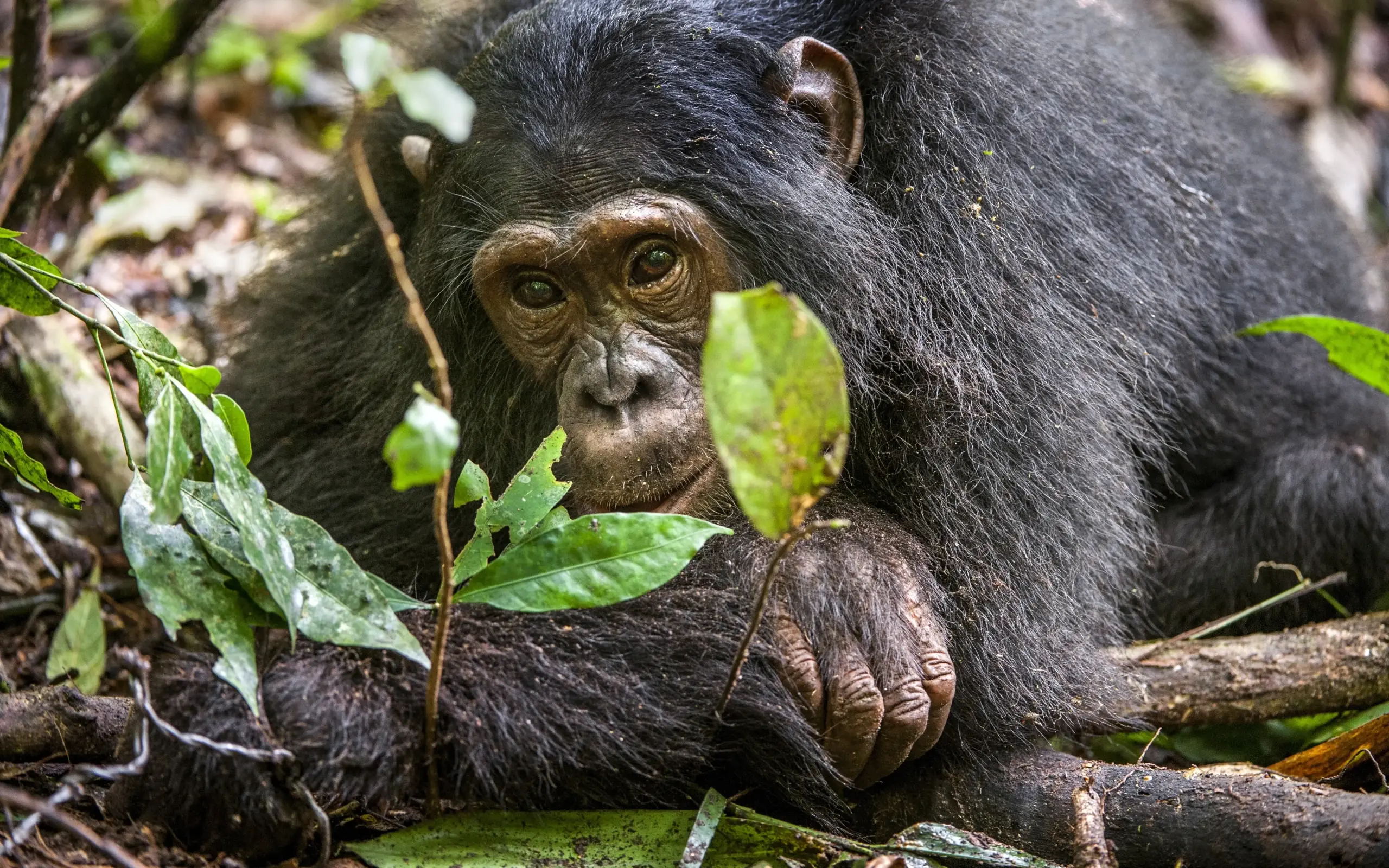
September is about as dry as July and August on the lake shore, and the heavy second rains do not really arrive until October. That makes it a comfortable month for Entebbe and Kampala, the botanical gardens and the chimpanzee sanctuary on Ngamba Island.
It is a practical month at either end of a trip, with flights and rooms easier to secure than at the mid-year peak. Expect the odd afternoon storm rather than settled rain, and days warm enough to be outside without the humidity of the wet season.
October is in the wet season, with rain more frequent and sometimes heavy, though November is usually the wetter of the two short-rains months. The green surroundings and strong birdwatching define this period, migratory species included.
Rain may disrupt travel at times, but the seasonal effect on city activities is milder than on safari itineraries.
November closes the year's second wet season, keeping rainfall frequent and the scenery vivid. Birdwatching stays excellent as migratory birds remain in the region.
Expect occasional heavy rain and plan with some flexibility. The sites around Entebbe and Kampala remain accessible throughout.
December opens the December to February dry season, one of the best times to come. Lighter rain and predictable weather make outdoor activities and sightseeing easy.
Temperatures hold steady in the equatorial climate. It is a dependable month for exploring both cities and their nearby attractions.
Plan your perfect uganda safari
Tell us a little about what you have in mind and one of our specialists will be in touch.
frequently asked questions
December to February, and June to September.
Those are Uganda's two dry seasons, and they are also when the trekking in the forests is at its best, so the dates suit the whole trip rather than just the arrival. Days are warm and humid by the lake in any month.
March to May is the long rains and the wettest stretch of the year.
October and November bring the short rains, which fall in heavy afternoon bursts and clear.
Barely, because the rain here comes in bursts rather than days.
Even in the wet months a storm passes through and the afternoon carries on. What rain does affect is the light aircraft, which can be delayed, and the forest trails where the trekking happens.
The lake boat trips still run.
So we plan the dates around the gorillas and the chimpanzees, and treat the Entebbe nights as the practical bookends they are.
The night before anything begins, whatever the season.
The long-haul flights land late at night or very early, and the internal flights leave in the morning, so an Entebbe night is what makes the first day work. Trying to connect the same morning usually costs you a camp night.
In the dry seasons the light aircraft are more reliable.
We hold the gorilla and chimpanzee permits first and build the arrival around them.
The dry seasons, and around the Christmas holidays.
June to September and December to February fill the hotels with visitors heading for the forests. Entebbe also takes conference and business traffic that has nothing to do with the safari calendar.
That is the thing that catches people out here.
We book the arrival and departure nights when we book the permits, months ahead, rather than assuming a room will be free.
Light clothes for warm, humid days, and a layer for the evening.
Nothing here needs safari kit: the lake shore is hot and green rather than dusty. A light waterproof is worth carrying in any month.
Modest dress is appreciated in the city and at the markets.
The real packing constraint is the light aircraft that follow: soft bags only, and we will tell you the exact weight allowance when we book them.
June to September, or December to February.
Those windows are dry across Uganda, Rwanda and the Kenyan plains at once, so one set of dates carries a combined trip and the flights connect through Entebbe, Kigali or Nairobi.
March to May is the wettest across all three.
We would take the forests first, while everyone is fresh for the walking, and add the plains or the coast afterwards.
rated five stars by our clients

our approach
remote, exclusive
& personal
Every journey starts with a conversation. We take the time to understand your vision before we start planning.
Whether by phone or in person, we work with you directly to shape something that is considered, personal, and expertly delivered.
Every journey starts with a conversation. We favour a direct, personal approach: understanding your vision before anything else.
Whether by phone or in person, we work with you directly to shape a journey that is both thoughtfully considered and expertly delivered.
Get in touch to start planning yours.