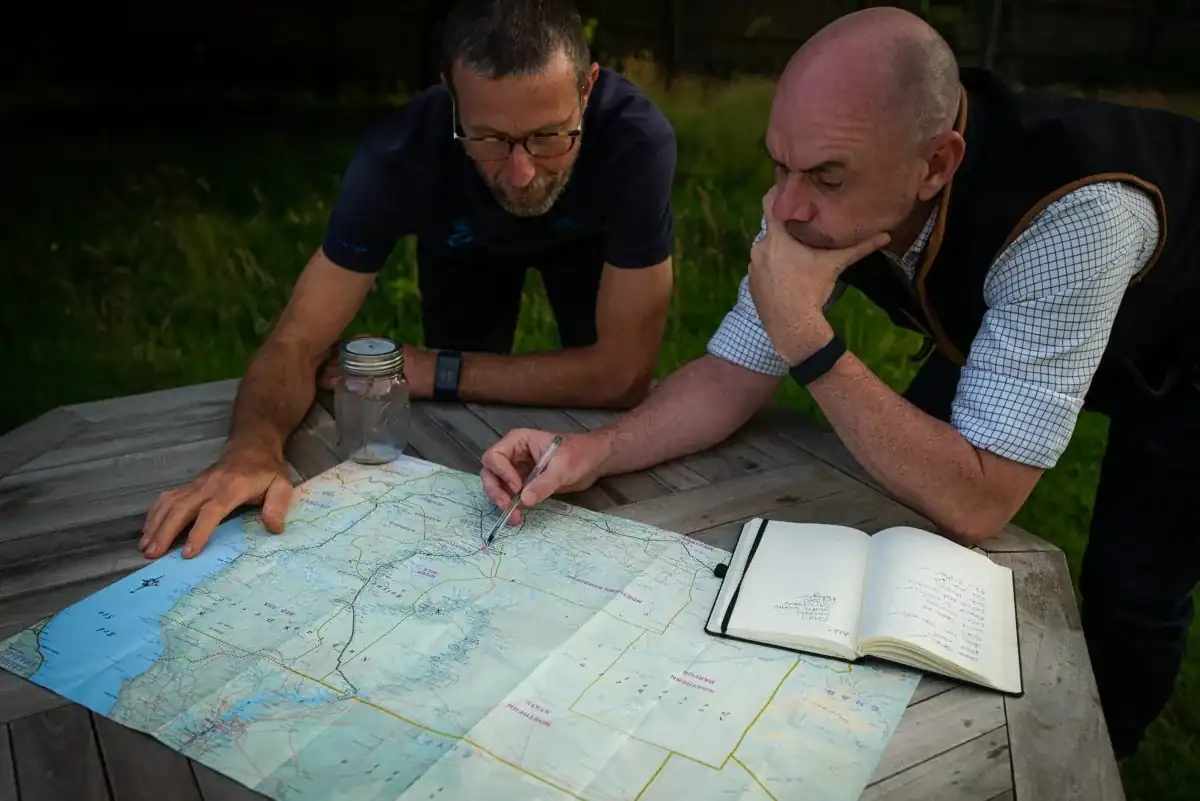

Timing your trip
best time to visit semliki valley
The Semliki Valley runs on two dry seasons and two rains, and the calendar here is a choice between firm tracks for chimp walks and the wet months birders come for.
seasonal guide to semliki valley
Come June to August or December to February, when tracks stay firm and chimp walks along the Mugiri River are easiest. June to August is the best time for game viewing and flights. The long rains from March to May can flood the low valley flats, while the short rains from September to November bring slippery trails but prime birding.
month by month details
January sits mid-way through the December to February dry season, one of the two best windows in the valley. Rainfall is low and days are warm, with highs on the valley floor of 30°C to 34°C and lower humidity than in the rains.
As the water table drops, chimpanzee walks through the riverine thickets along the Mugiri River become easier going. Savannah tracks stay firm for game drives and walking safaris, and road access is at its most reliable.
February closes the short dry season with the same warm, settled conditions as January. Low rainfall keeps the rift floor dry, and the valley stays hot by day with highs of 30°C to 34°C.
Chimp walks along the Mugiri River remain at their easiest, and drives and walks on the savannah run on firm ground. It is a strong month for pairing the reserve with Semuliki National Park while the forest trails are dry.
March brings the start of the long rains, and conditions grow wetter as the month goes on. Downpours on the northern Rwenzori watershed can begin to waterlog the low-lying valley flats.
The Kirumia and Sempaya trails in Semuliki National Park can turn heavy and slippery. The reserve stays open and the valley turns lush and green, but plans need flexibility.
April is the peak of the long rains, with heavy downpours and the greatest risk of flooding on the valley floor. Low ground in Semuliki National Park can flood, and the Kirumia and Sempaya trails are often waterlogged.
Game drives and walks are harder work on heavy tracks. The reward is lush scenery and strong birding, as migratory species arrive and breeding plumage is at its peak.
May remains in the long rains, with heavy downpours and localised flooding still likely across the lowland flats. Tracks on the rift floor stay heavy and forest trails can be waterlogged.
For dedicated birders the season has real appeal, with migrants present and breeding plumage at its best. Most travellers will find June, when the dry season returns, an easier month to visit.
June opens the June to August dry season, the best window of the year for game viewing and flights. Days are clear, mud dries out and highs on the valley floor run from 30°C to 34°C with lower humidity.
Savannah tracks firm up for game drives and walking safaris, and chimp walks along the Mugiri River grow easier as the water table drops. Clear days also suit charter flights into the valley.
July is at the core of the dry season, with clear days, low mud and the most dependable conditions for game drives. The valley is warm, with highs of 30°C to 34°C and lower humidity than in the rains.
Chimpanzee walks through the riverine thickets are easier going, and the savannah trails stay firm for drives and walks. It is one of the most rewarding months for a full Semliki itinerary.
August closes the dry season with conditions still at their best for game viewing and flights. Clear days and low mud keep tracks across the rift floor firm, and the valley stays warm by day.
Chimp walks along the Mugiri River remain easier than in the rains, and walking safaris run on dry ground. It is the last settled month before the short rains return.
September brings the start of the short rains, with intermittent showers rather than the heavy downpours of the long rains. Trails can turn slippery, and low ground near the river can still be affected by water draining from the Rwenzori watershed.
This is the start of prime birding, as migratory species arrive and breeding plumage builds. Travellers who can work around showers will find the valley green and rewarding.
October sits in the short rains, with intermittent showers and slippery trails, but some of the best birding of the year. Migrants are present and breeding plumage is at its peak.
The Kirumia and Sempaya trails in Semuliki National Park can become waterlogged after rain, so walks need flexibility. Dedicated ornithologists will find this a particularly strong month.
November closes the short rains, with intermittent showers still keeping trails slippery and some lowland ground wet. The valley is lush and green, and the reserve remains open throughout.
Birding stays strong while the migrants remain in the valley. Those wanting firmer tracks and easier chimp walks should look to December, when the dry season returns.
December opens the December to February dry season, with low rainfall and warm days returning to the valley. Highs on the valley floor run from 30°C to 34°C, with lower humidity than in the rains.
Chimpanzee walks along the Mugiri River become easier as the water table drops, and road access is reliable again. Firm savannah tracks make it a fine month for game drives and walking safaris.
Plan your perfect uganda safari
Tell us a little about what you have in mind and one of our specialists will be in touch.
frequently asked questions
June to August and December to February.
Those are the two dry seasons, when the tracks stay firm and chimp walks along the Mugiri River are easiest. June to August is the best stretch for game viewing and flights.
The valley runs on two dry seasons and two rains, so the calendar is a choice between firm tracks for the chimpanzees and the wetter months that birders come for.
For Uganda as a whole: the best time to visit Uganda
For birders, yes. For most travellers, June is easier.
The long rains run from March to May and peak in April, when heavy downpours can flood the low ground and leave the forest trails waterlogged. Game drives and walks are harder work on heavy tracks. The reward is lush scenery and strong birding, with migrants present and breeding plumage at its best.
The lodge stays open all year, so the rains are a matter of choosing flexibility over firm ground.
From September to November, with April and May a close second for keen birders.
The short rains bring intermittent showers rather than heavy downpours, and migratory species arrive with their breeding plumage building. October is a particularly strong month for dedicated ornithologists.
The Kirumia and Sempaya trails in Semuliki National Park can become waterlogged after rain, so walks need flexibility, and the bird list there turns Central African.
In the dry seasons, from December to February and June to August.
From December to February the roads into the valley are at their most reliable. From June, a run of clear days suits charter flights in, and August keeps them easy.
In the long rains, downpours on the northern Rwenzori watershed can waterlog the low valley flats, so we allow more slack in the plan.
Hot in every month, with highs of 30 to 34 degrees Celsius on the valley floor in the dry seasons.
Humidity is lower in the dry months than in the rains, and the valley sits at around 700 metres, so the natural rhythm is an early start and an afternoon by the pool.
The short rains bring intermittent showers, and the long rains bring heavy downpours, most of all in April.
From December to February, with February a strong month to add the national park.
Low rainfall keeps the rift floor dry then, and the forest trails stay dry. In March the Kirumia and Sempaya trails can turn heavy and slippery, and in April the low ground can flood.
The June to August dry season is the other good window, when the mud dries out and the savannah tracks firm up.
rated five stars by our clients

our approach
remote, exclusive
& personal
Every journey starts with a conversation. We take the time to understand your vision before we start planning.
Whether by phone or in person, we work with you directly to shape something that is considered, personal, and expertly delivered.
Every journey starts with a conversation. We favour a direct, personal approach: understanding your vision before anything else.
Whether by phone or in person, we work with you directly to shape a journey that is both thoughtfully considered and expertly delivered.
Get in touch to start planning yours.