Timing your trip
best time to visit queen elizabeth np
Queen Elizabeth sits across the equator between Lakes George and Edward, its grasslands, crater fields and the wildlife-lined Kazinga Channel best read by season. Two dry windows draw the game to water; two wet ones green the plains and bring the migrant birds.
seasonal guide to queen elizabeth np
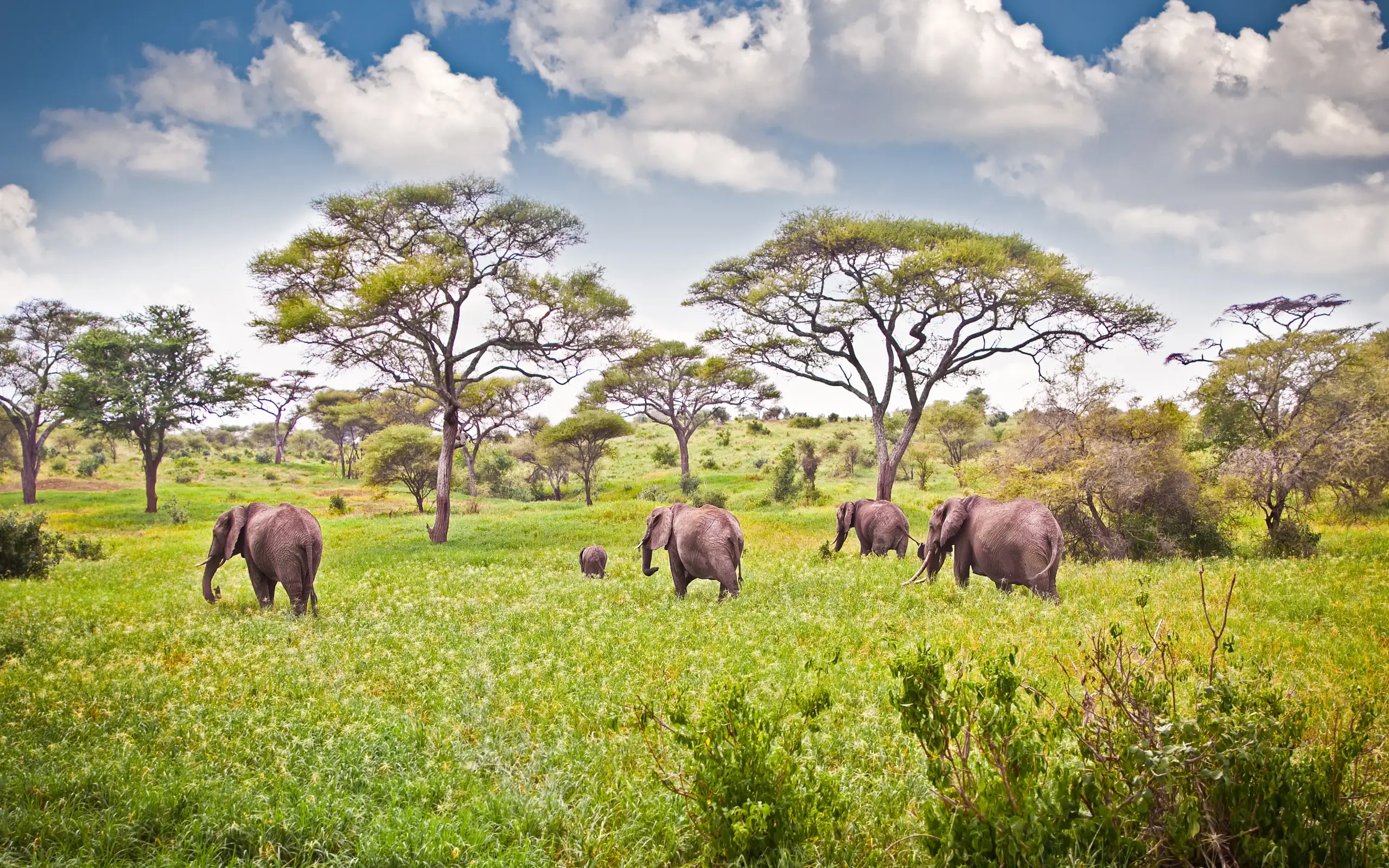
For game viewing, come in the dry months of January and February or June and July, when thinning grass and shrinking water draw elephant, buffalo and kob to the Kazinga Channel and firm up the tracks to Ishasha's tree-climbing lions. July is the driest and most reliable. The long rains of April and May can cut off parts of Ishasha. November to April is the window for migrant birds.
month by month details
January is one of the park's strongest months for game, in the middle of the short dry season. Grass is low and water has retreated, so elephant, buffalo and Uganda kob concentrate along the Kazinga Channel and the lake shores, and predators follow.
The boat cruise is at its most productive, with hippo, crocodile and waterbirds packed along the banks. Firm tracks make the run south to Ishasha straightforward, improving your odds with the tree-climbing lions, and the Palearctic migrant birds are present through to April.
February continues the short dry season and the year's most open viewing. Vegetation stays thin and animals remain tied to permanent water, so sightings on the Mweya peninsula and along the channel are reliable.
Days are warm and largely clear, ideal for the Kazinga boat cruise and for working the Ishasha plains while the tracks are dry. Migrant birds are still in the park. Isolated showers can occur late in the month, but conditions hold for game-focused travel.
March opens the long rains, and the park starts to turn green. Afternoon thunderstorms build through the month, vegetation thickens and some animals begin to spread away from the dry-season water sources, so game viewing is fair rather than prime.
The trade-offs favour birders and photographers: lush scenery, active resident birds, migrants still present, and far fewer vehicles. The channel cruise runs well. Expect slippery tracks in Ishasha and budget flexibility into game-drive timing.
April is among the wettest months and the least suited to a game-focused trip. Heavy, repeated rain leaves vegetation dense and tracks muddy, and parts of Ishasha can become hard to reach after storms, so wildlife is harder to find and access is limited.
There is a case for coming if birds are your priority. Migrants are still here, resident species are in breeding plumage, and the green landscape photographs well. The Kazinga cruise still operates, but storms can interrupt outings and shorten time in the field.
May remains firmly in the long rains, with game dispersed across the well-watered park. Thick grass and standing water reduce concentrations at the channel, and slippery, occasionally impassable tracks make the southern sectors a gamble for game drives.
Birding holds up well as rain begins to ease late in the month and food stays abundant, though most Palearctic migrants depart after April. Scenery is at its greenest and crowds are thin, but this is a poor month for a wildlife-led itinerary.
June opens the long dry season and the return of prime game viewing. The bush thins, water retreats, and elephant, buffalo and kob draw back to the Kazinga Channel and the lakes, with lion and leopard working the open ground.
Tracks dry out, so the drive to Ishasha and its tree-climbing lions becomes reliable again, and the boat cruise is excellent. Rainfall is among the lowest of the year and conditions are comfortable, making this a strong all-round month.
July is the driest month and the most dependable of the year for game. Open country and shrinking water hold large concentrations of plains animals and the predators that follow them, and visibility across the savanna is at its best.
The Kazinga cruise is classic peak season, with hippo, buffalo and waterbirds crowding the banks, and Ishasha is at its most accessible for the tree-climbing lions. Low rainfall and firm tracks suit walking and long game drives alike.
August stays largely dry and good for game, with showers starting to creep back in. Vegetation remains relatively open and animals are still well concentrated at water, so the channel and the Ishasha plains both deliver, with only occasional storms to work around.
Tracks are generally firm, making this a sensible alternative to the busier mid-year peak. Resident birding is strong. Treat it as a very good shoulder month rather than the driest window, and expect a little more weather than June or July.
September still delivers on the Kazinga Channel, but it is the month the savanna viewing softens as the second rains build. Grass thickens and some animals move off the dry-season water, so game drives take more patience than they do in June and July.
The boat cruise is barely affected and is the reason to come in this month, with elephant, buffalo and hippo gathered on the banks under storm light. Ishasha's tracks turn muddy more often, so plan the southern sector with room to move.
October sits in the short rains, so game drives lose some reliability while the Kazinga Channel keeps working. Showers leave tracks muddy, vegetation thickens and animals spread across the refreshed plains, so sightings take more patience and the southern sectors carry access risk.
The cruise is the reason to come, with elephant, buffalo and hippo on the banks whatever the sky is doing. Add green country, few vehicles, flamingos arriving at Lake Munyanyange and a park coming alive ahead of the migrant birds, and October earns its place for anyone not set on classic dry-season game viewing.
November is among the wettest months, with high rainfall and challenging tracks. Heavy showers and thick vegetation keep wildlife dispersed and limit where vehicles can reach in Ishasha, so general game viewing is fair at best and timing needs to stay flexible.
This is where birders win. The peak Palearctic migration window opens, adding many species to an already long resident list, and the green landscape is at its most photogenic. For a wildlife-first safari, though, the rain and road conditions make it a poor choice.
December dries out as the short rains fade, and conditions improve through the month. It is not yet as open as January and February, and showers are still possible, but water is starting to draw animals back and game viewing is solidly fair and rising.
Migrant birds are present, the Kazinga cruise is good, and Ishasha is generally accessible between storms. As a shoulder month it offers a workable balance of decent wildlife, active birdlife and better weather than October or November, just short of the prime dry-season window ahead.
Plan your perfect uganda safari
Tell us a little about what you have in mind and one of our specialists will be in touch.
frequently asked questions
December to February, and June to July.
Those are the dry spells, when the grass is shorter, the game gathers on the channel and the tracks are firm. December to February is the more reliable of the two.
August and September are wetter here than the calendar suggests.
The boat cruise runs whatever the weather, which is why the park holds up better than most in an imperfect month.
April, May and November are the months to weigh carefully.
The rains bring high grass, heavy tracks in the Ishasha sector and a greater chance of a delayed flight. The game is still here, it is simply harder to see.
What you get instead is green country, excellent birding and lower rates.
If your dates are fixed then, we will book the northern sector and lean on the boat rather than the drives.
The dry months, when the grass is down and they are easier to spot.
The Ishasha lions lie in the fig trees through the heat of the day in any season, but long wet-season grass hides both them and the approach. December to February and June to July are the best bets.
They are wild and they move, so no month guarantees them.
We will tell you honestly what the recent sightings have been before you commit a night to Ishasha.
November to April, when the migrants arrive.
With over six hundred species recorded, this is one of the best birding parks in Africa at any time, and the wet months add the European and intra-African visitors on top of the residents.
The channel cruise is the single most productive couple of hours.
Tell us if birds are the point and we will book a specialist guide rather than leave it to the lodge rota.
Warm days, mild nights and rain that comes in bursts.
The park sits low on the equator, so it is hot by the channel and cooler up by the crater lakes. Even the dry seasons see the occasional storm, and even the wet ones have long dry afternoons.
The temperature barely changes through the year; the rain is what moves.
Pack light neutral clothes, a light waterproof and something warmer for the early drives.
December to February, or June to July.
Those windows are dry in the park and on the forest trails at Bwindi and Kibale, so one set of dates carries the whole Ugandan route and the drive south through Ishasha is passable.
March to May is the wettest everywhere in the country.
We would take the forests first while everyone is fresh, then finish here, where the days are easier.
rated five stars by our clients

our approach
remote, exclusive
& personal
Every journey starts with a conversation. We take the time to understand your vision before we start planning.
Whether by phone or in person, we work with you directly to shape something that is considered, personal, and expertly delivered.
Every journey starts with a conversation. We favour a direct, personal approach: understanding your vision before anything else.
Whether by phone or in person, we work with you directly to shape a journey that is both thoughtfully considered and expertly delivered.
Get in touch to start planning yours.