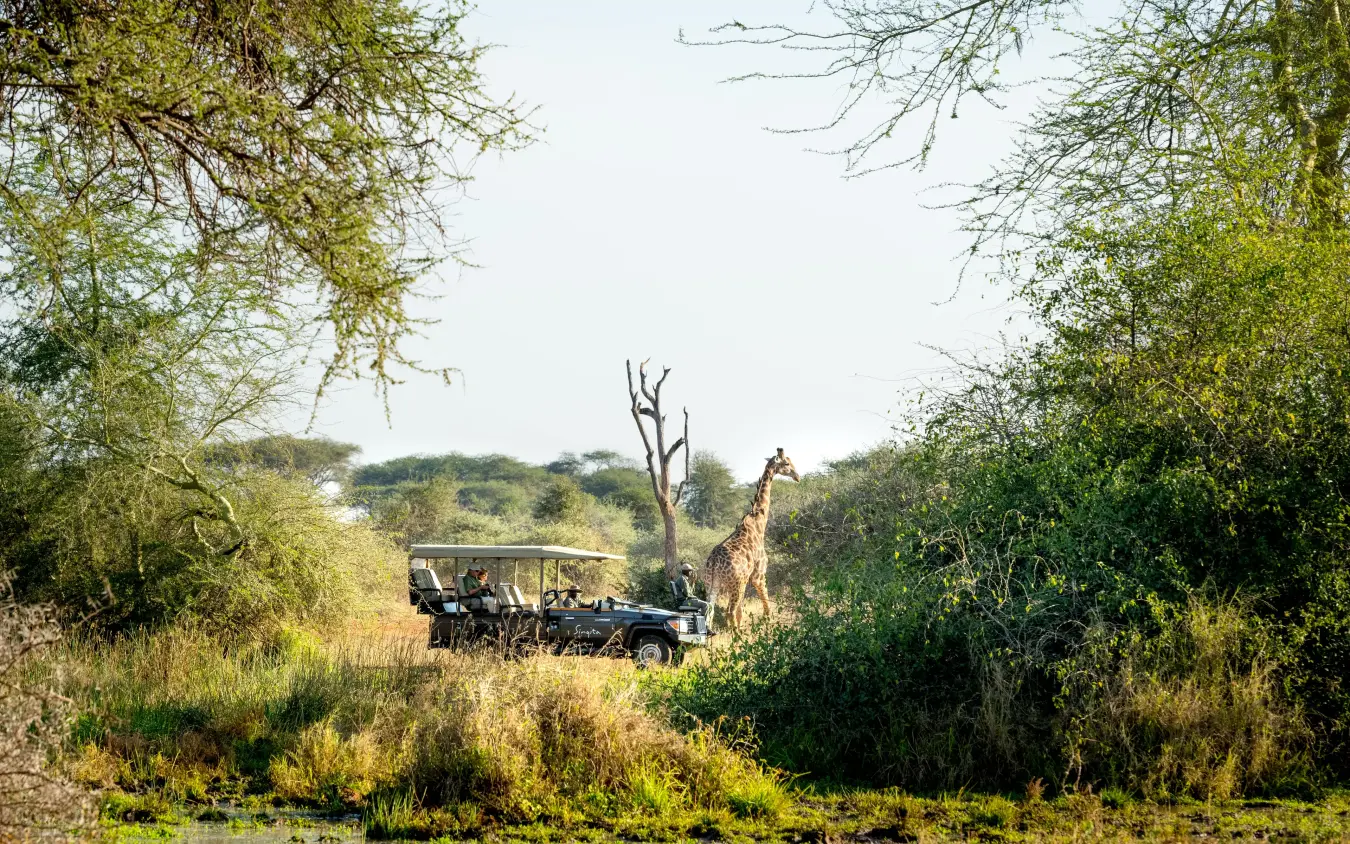
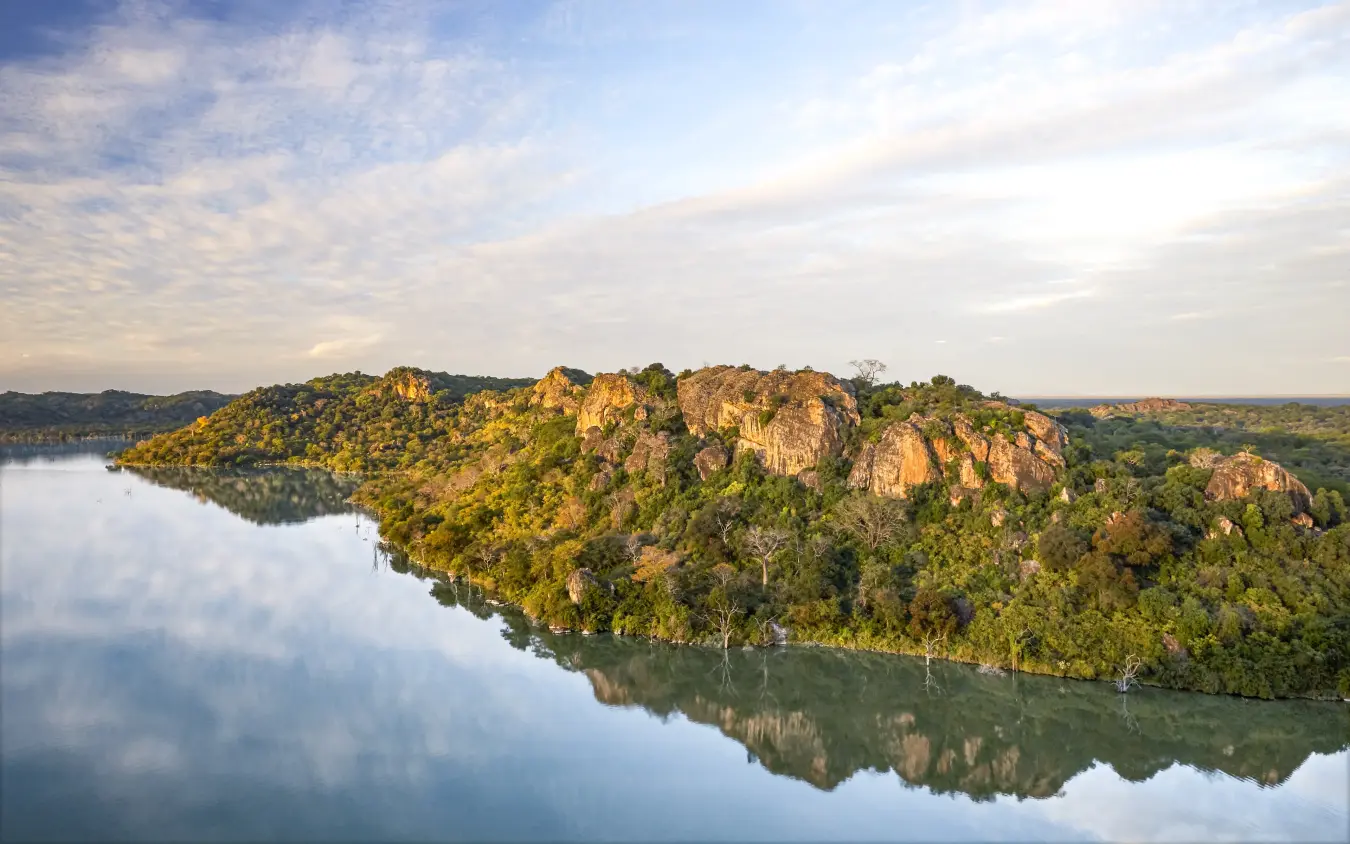
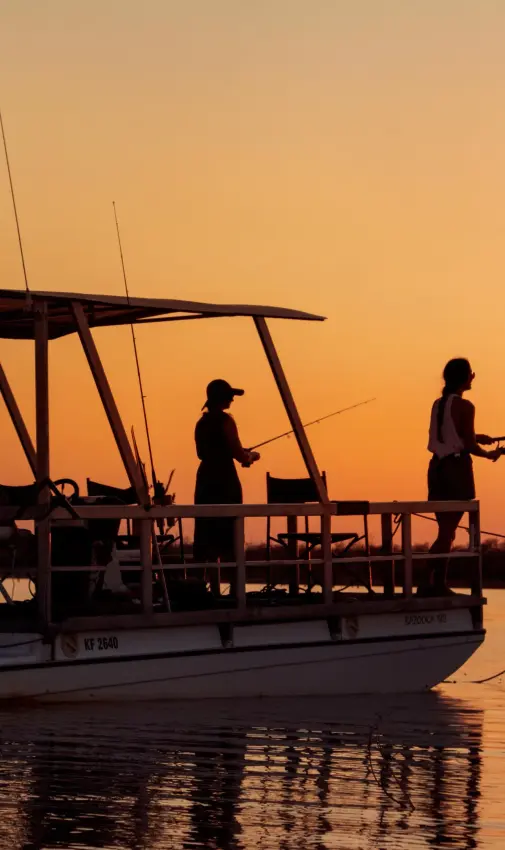
Drives go out twice daily, but a morning can just as easily become a walk after rhino with an armed guide, or a boat pushed onto the dam for catch-and-release fishing and birding along the shoreline. A sunken hide at the water’s edge puts a camera at eye level with elephants on the shoreline. No public traffic enters the reserve, and the guiding allows off-road driving, night drives and walking safaris, all of them generally restricted inside neighbouring Gonarezhou National Park.
More than a hundred rock art sites are scattered through the reserve, and some of the paintings are around two thousand years old. Malilangwe runs alongside Gonarezhou National Park, and day trips go into the park as well as out to the ruins at Great Zimbabwe. Rhino arrived here by truck: in 1997 and 1998 the Trust moved 28 black rhinos, along with white rhinos, onto the reserve from South Africa, and released them into the sandstone hills.
A sunken hide at the water’s edge puts a camera at eye level with elephants on the shoreline.
The population grew fast enough that Malilangwe now supplies founder animals to other reserves, among them the black rhinos returned to Gonarezhou National Park in 2021, the park next door. The Trust’s nutrition programme serves a fortified porridge breakfast to around 19,000 schoolchildren every school day, and an education centre on the reserve brings local teachers and their classes onto the land itself.
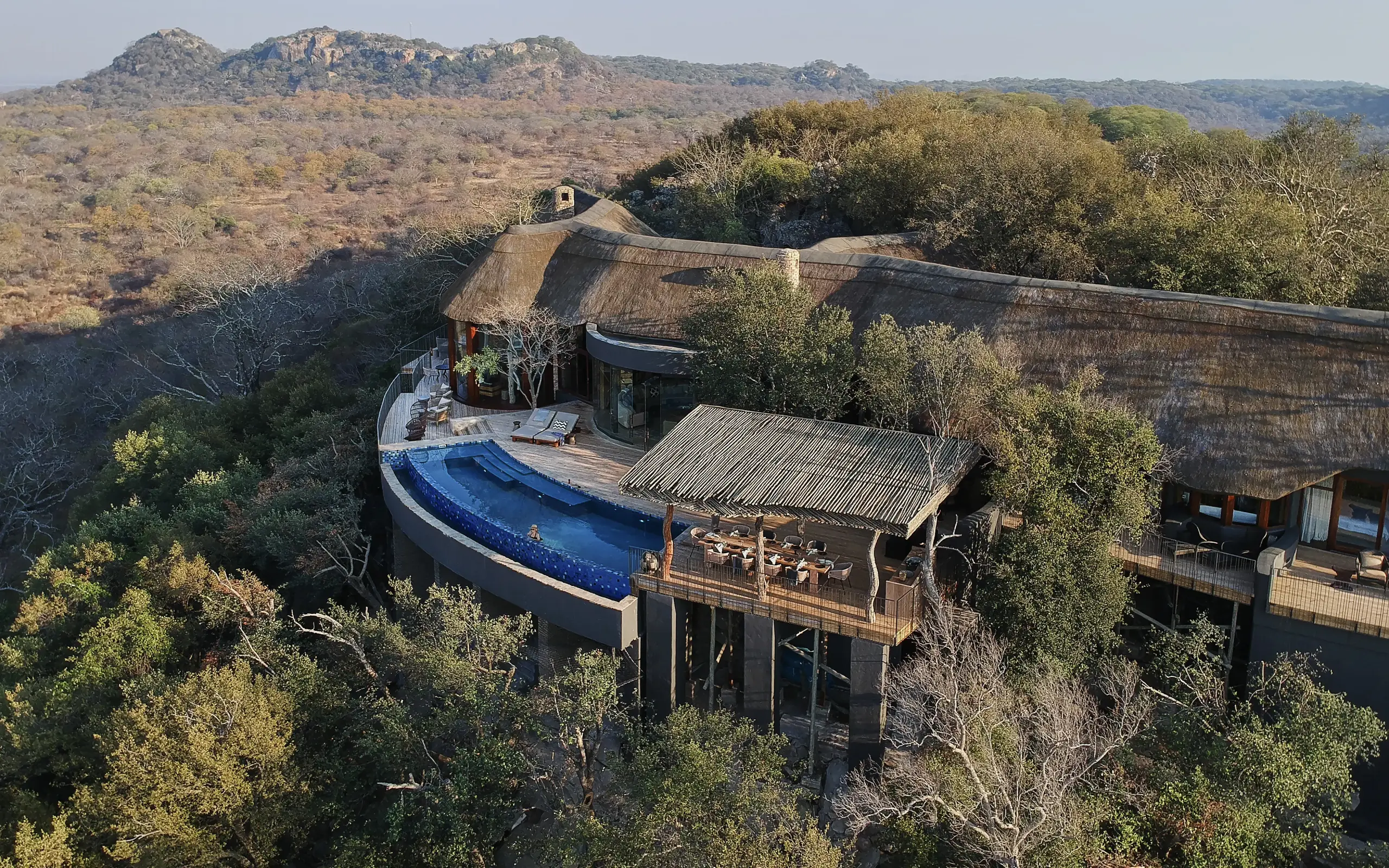
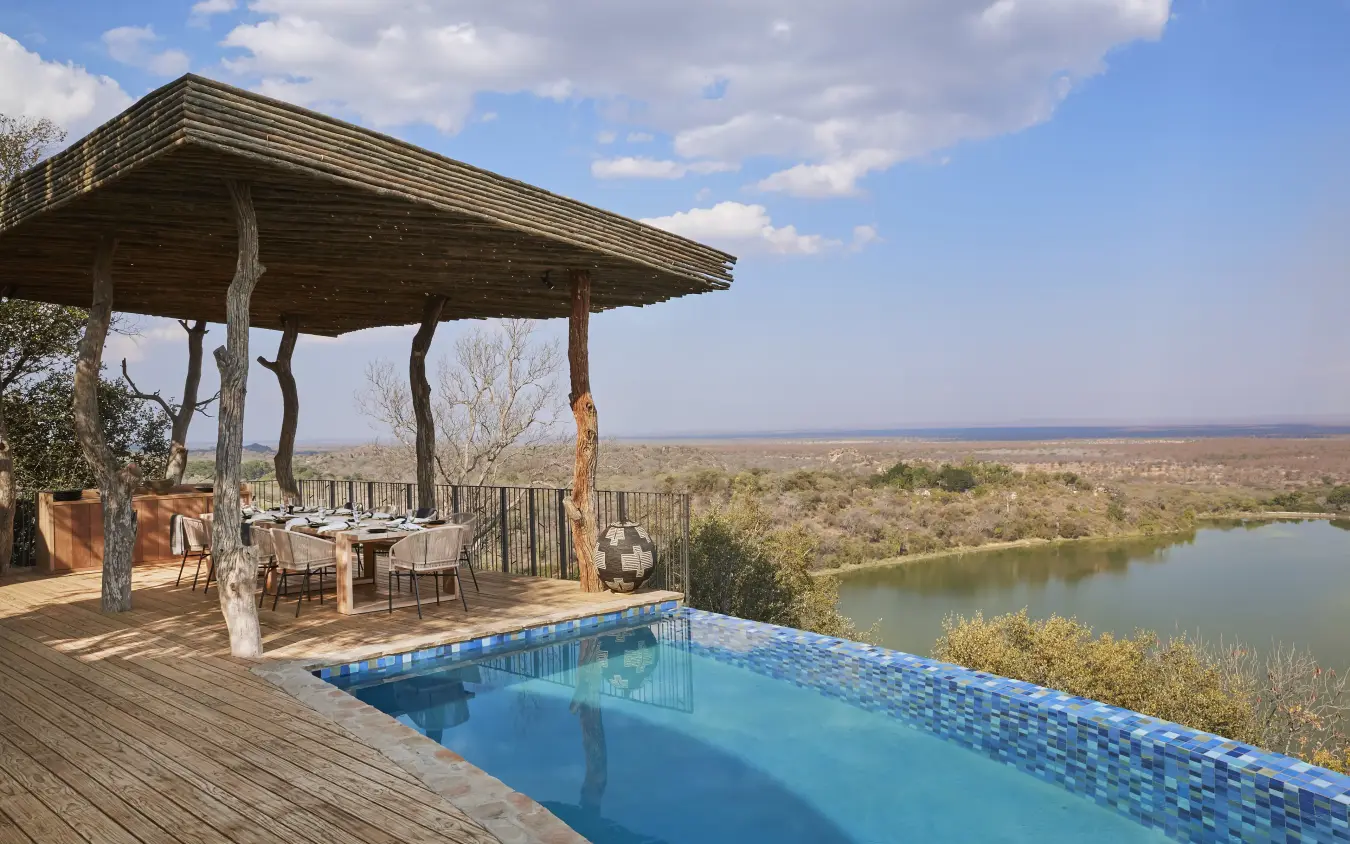
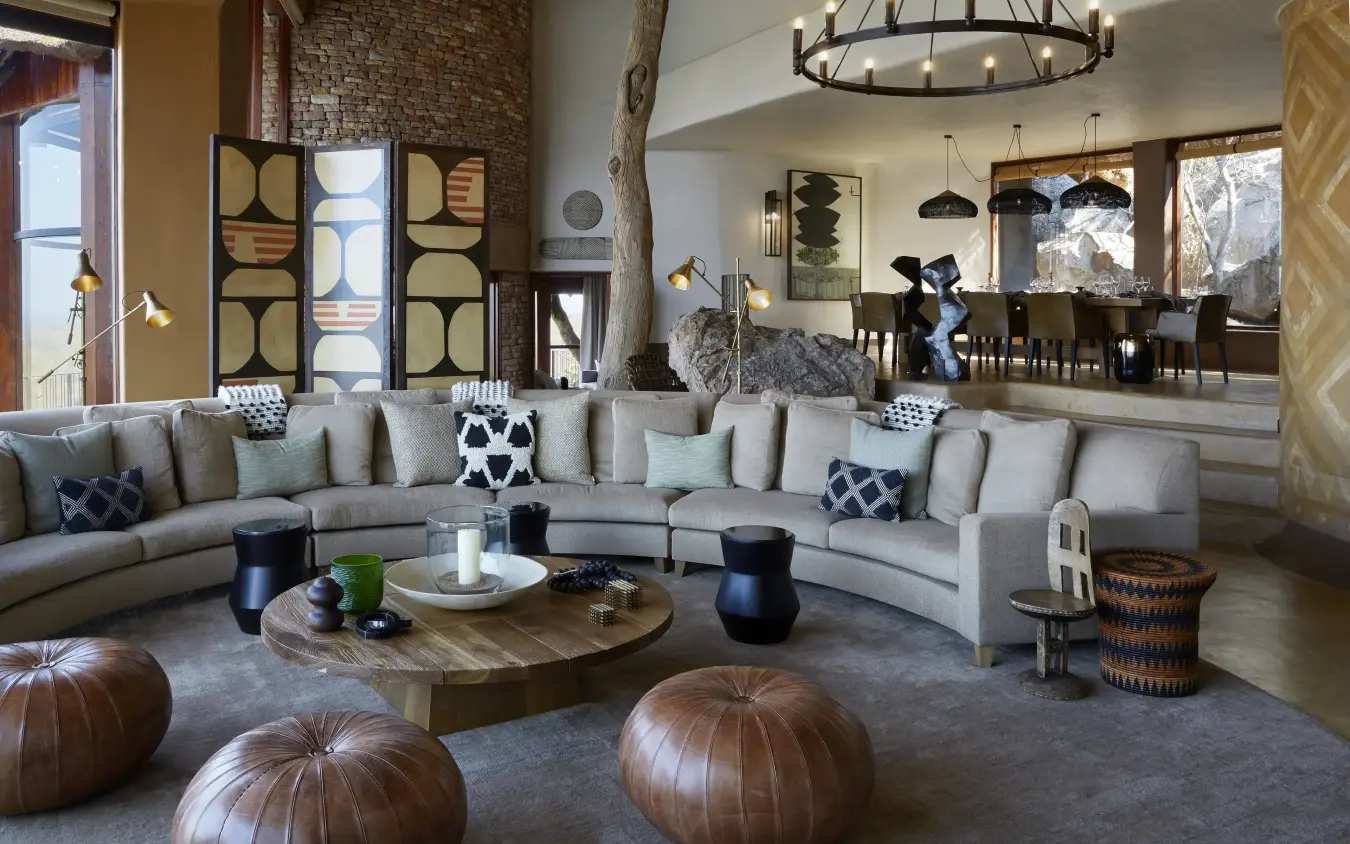
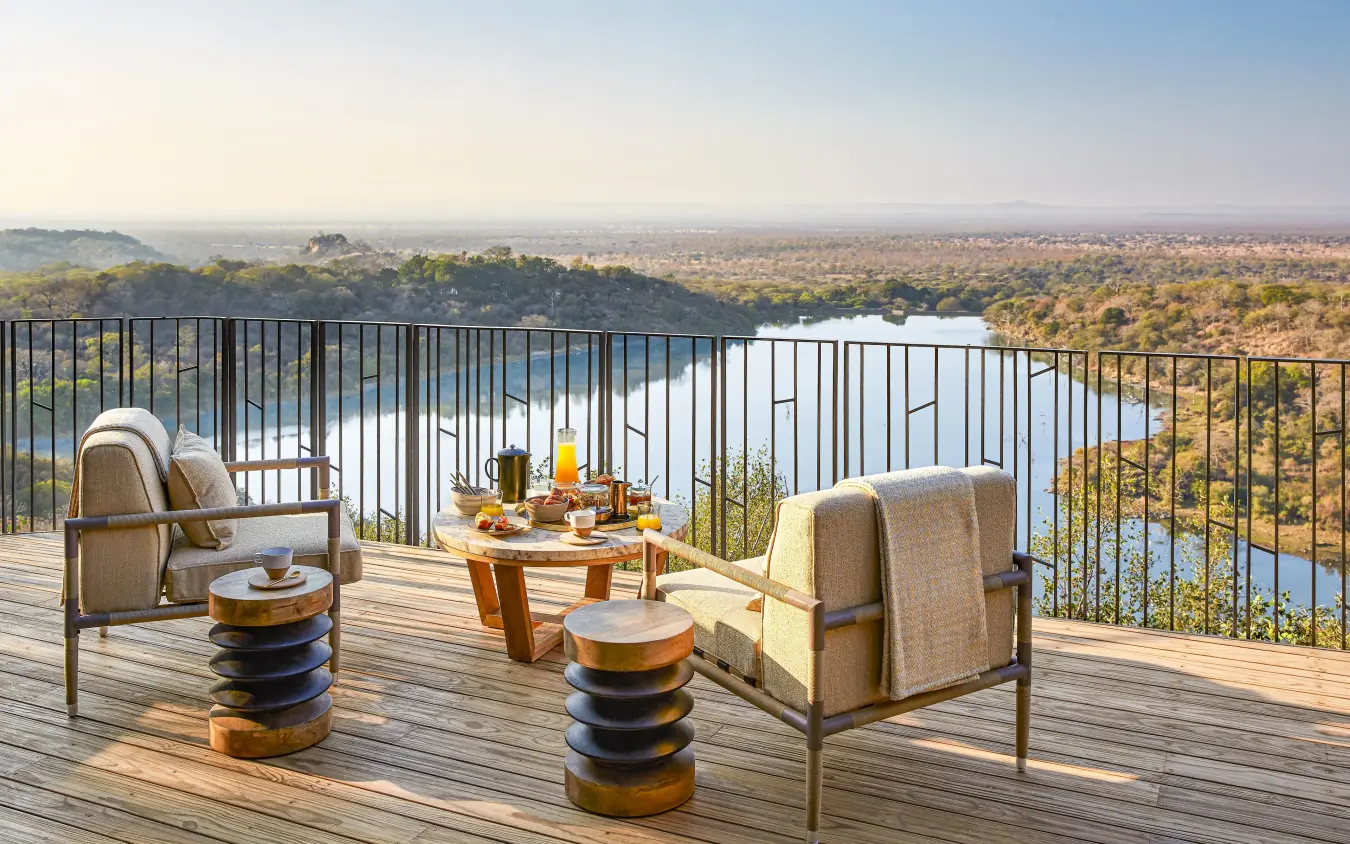
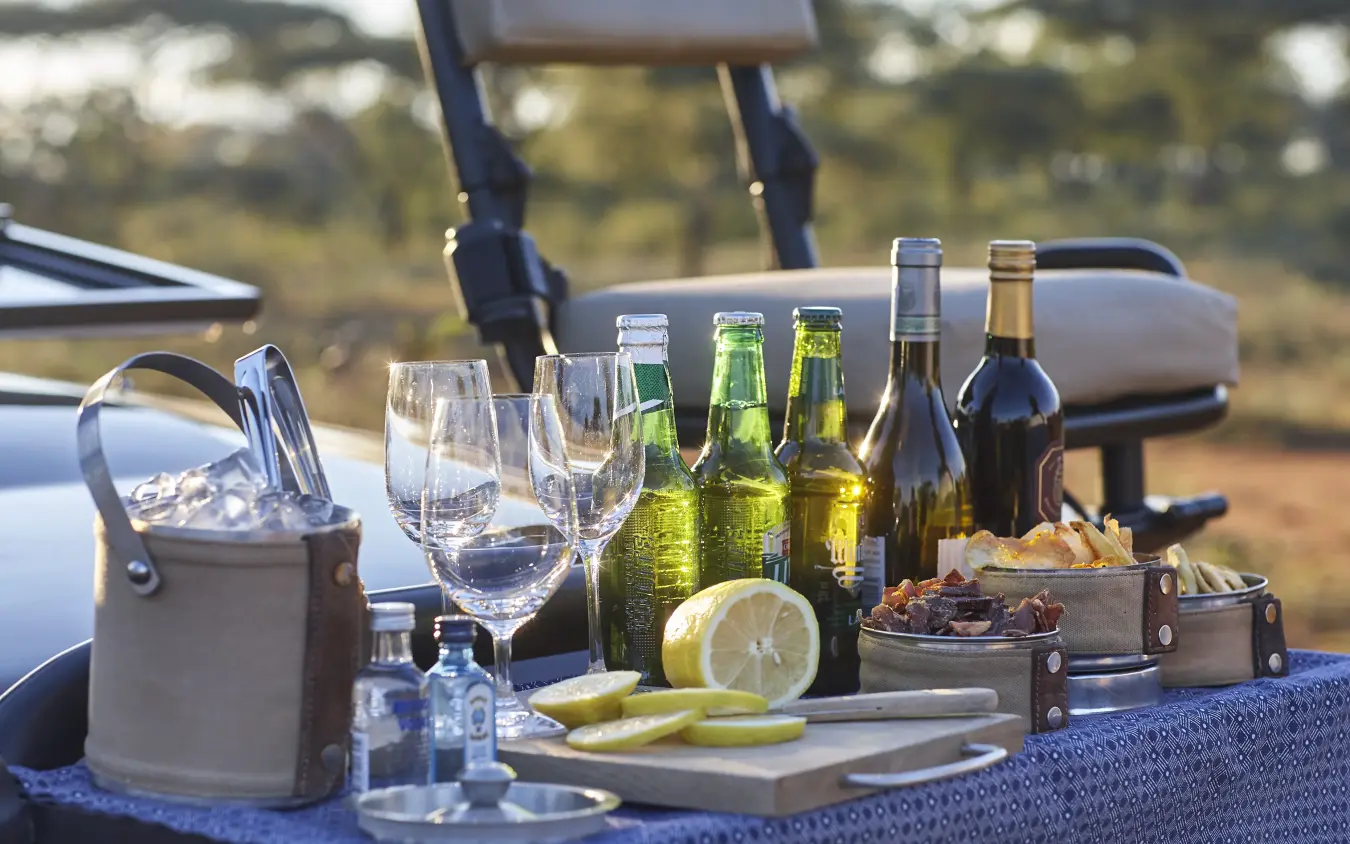
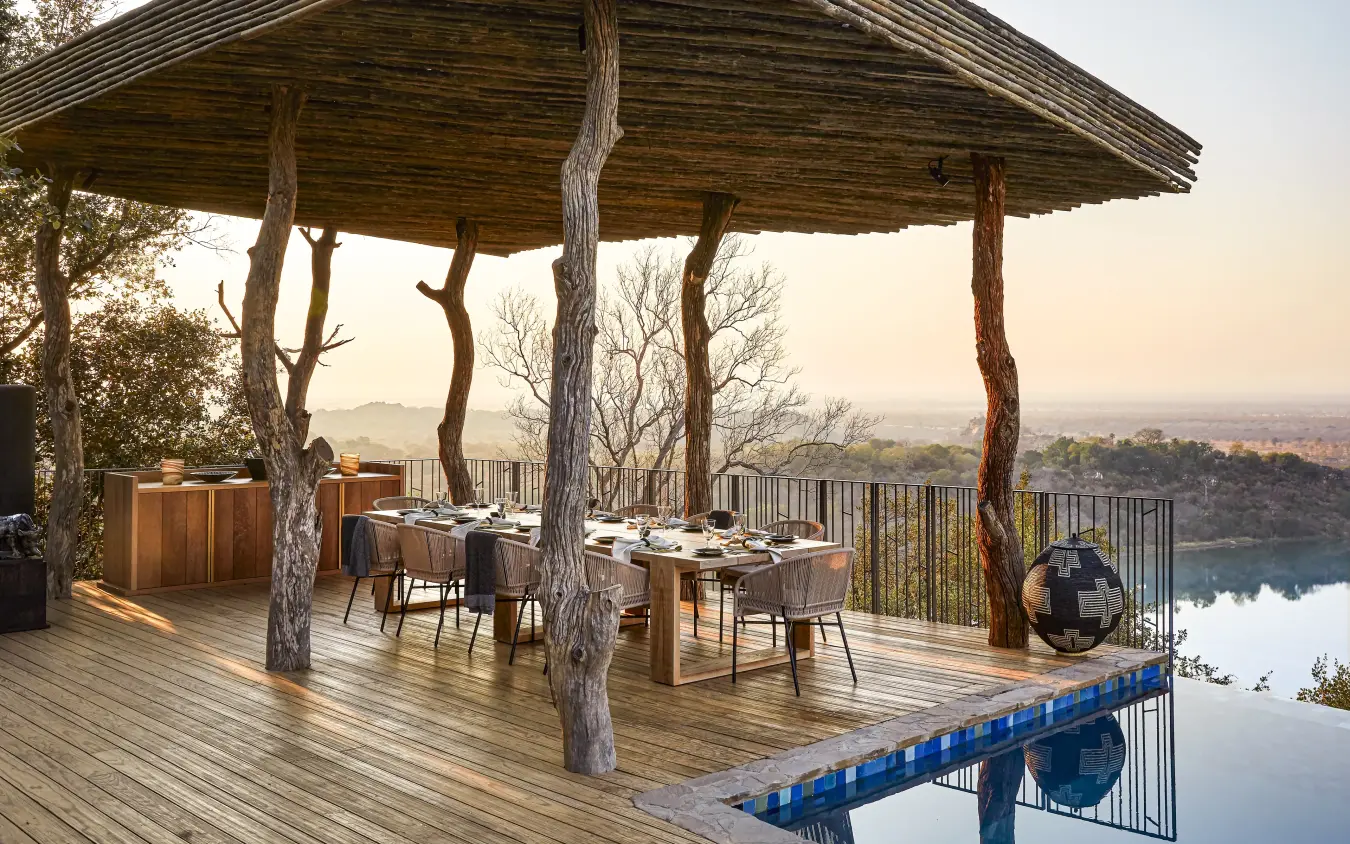
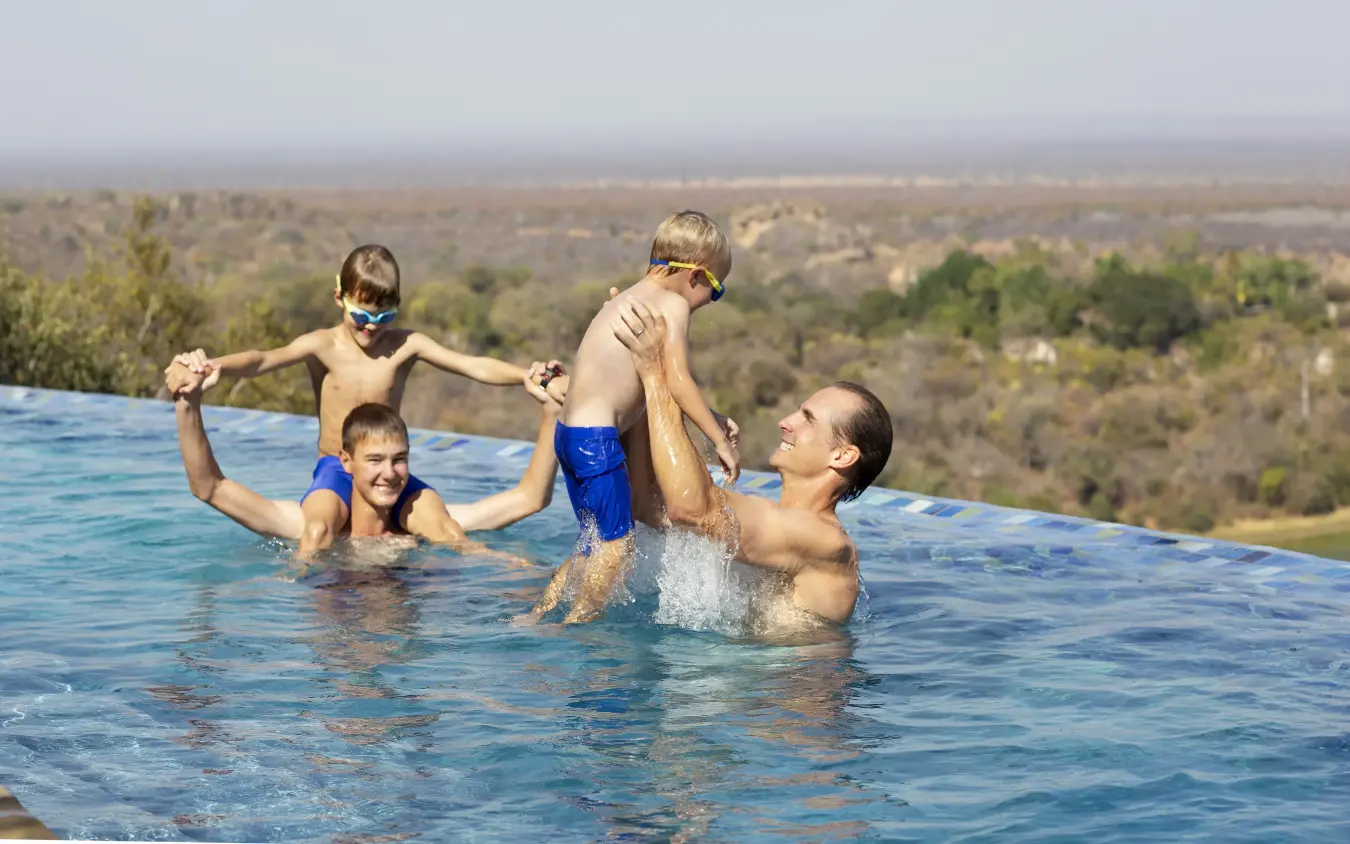
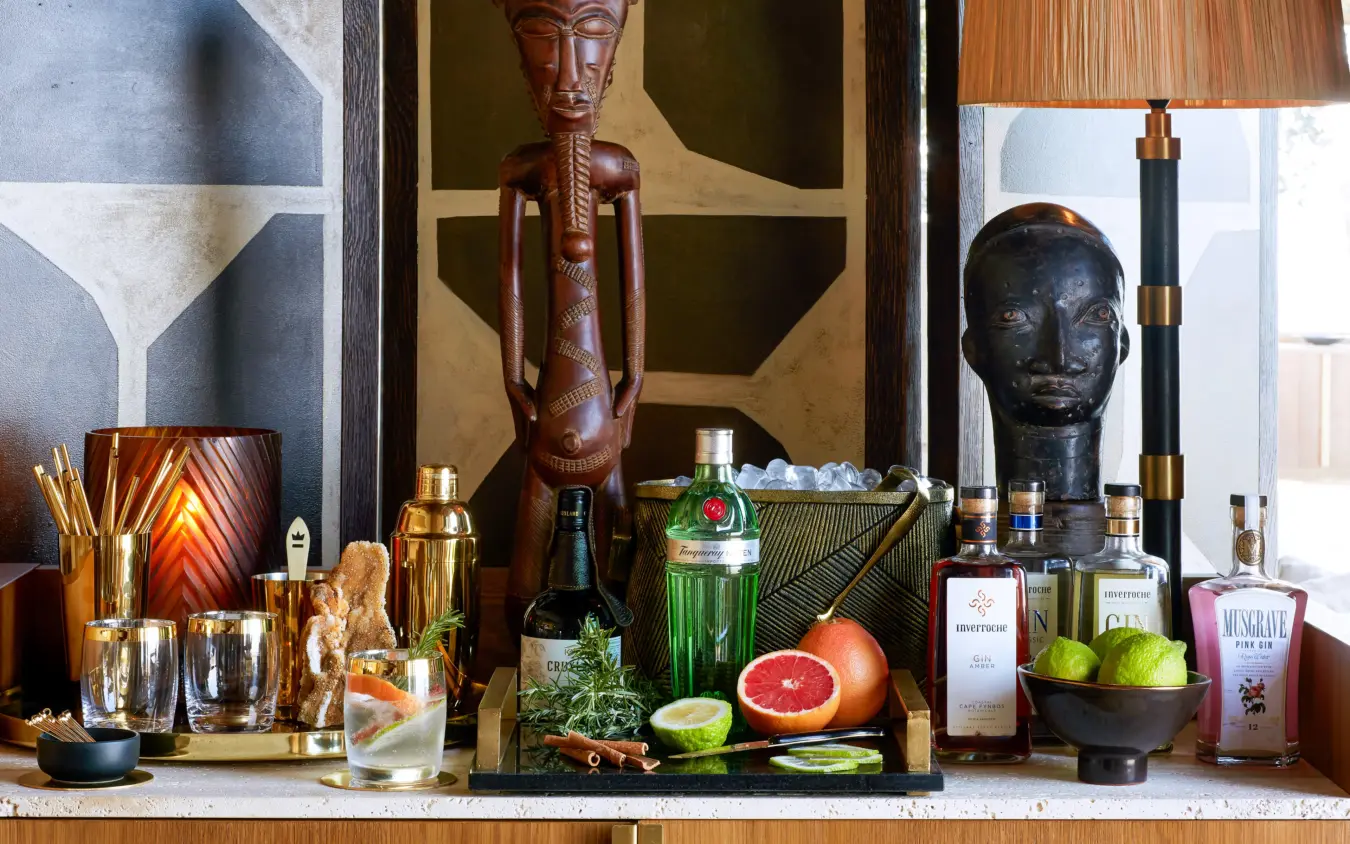
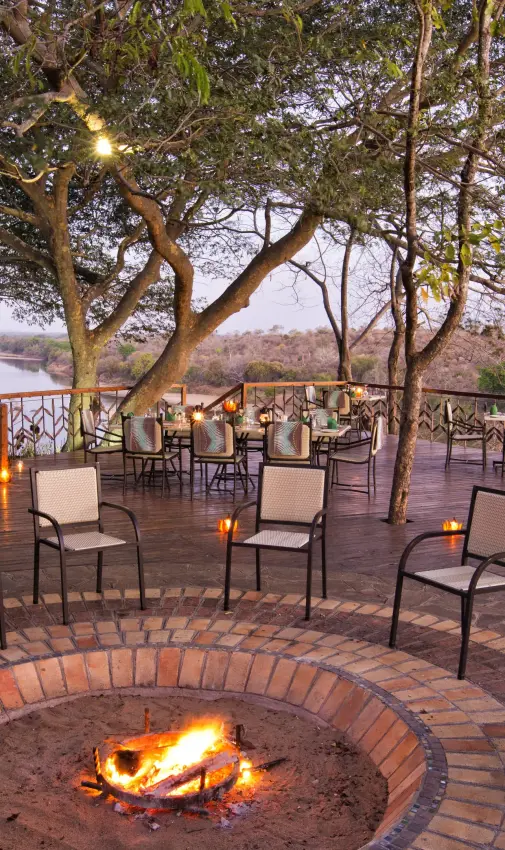
A private chef cooks whatever the group wants, at whatever hour suits, on the raised outdoor dining platform, beside the pool, in the dining room or under a tree. Deli fridges stay stocked through the day for grazing, and the cellar holds South African and international wines. Children of any age are welcome, and a Mini Rangers course teaches them tracking, bird identification and bush skills. Guests reach the house through Buffalo Range Airport, then a short flight to the Lonestar airstrip and a drive in past sugar cane fields.