Timing your trip
best time to visit matusadona
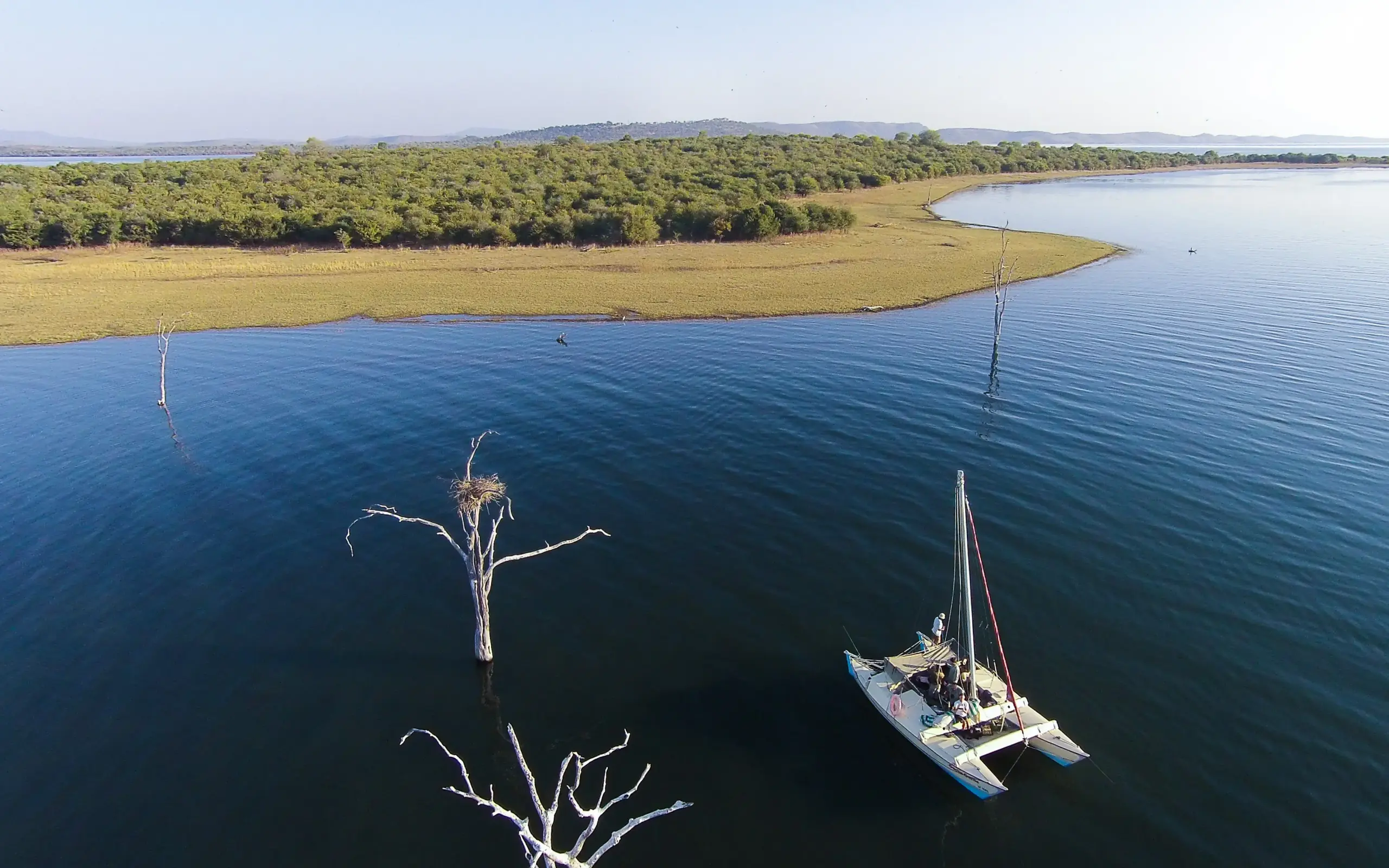
Matusadona sits on the southern shore of Lake Kariba, where the dry season pulls elephant, buffalo and lion down to the waterline. The prime game months are June to October.
seasonal guide to matusadona
For classic dry-season game, come between June and October, when shrinking inland water draws elephant, buffalo and lion onto Lake Kariba's floodplains and shore. June to August balances strong sightings with comfortable temperatures; September and October hold the heaviest concentrations but October is intensely hot. The green season disperses the game inland and rains close some camps.
month by month details
January is the heart of the wet season, with frequent thunderstorms and game scattered far from the lake. Standing water and fresh grazing are everywhere, so animals have no reason to gather on the shoreline and sightings are widely spread.
Tall grass and dense bush make tracking elephant, buffalo and lion harder, and muddy tracks can close internal roads and some camps. The reward is birding, which is at its strongest as migrants arrive and many residents move into breeding plumage. Lake-based access by boat is often the most reliable way to move.
February remains deep in the rains, with the bush at its thickest and wildlife dispersed across the park. Visibility is low and predators are difficult to find in the tall grass.
Roads are frequently muddy and impassable, and some lodges either close or run on limited access. For birders this is a rich month, with around 350 to 400 species recorded across the park and plenty of breeding activity. For general game viewing, it is the weakest stretch of the year.
March is still part of the green season, though the rains often begin to ease toward month's end. The landscape stays very green and animals remain relatively dispersed inland.
Young antelope are visible as the birthing season continues, and birding stays strong before the last migrants depart. Back roads can still be muddy and slow, and access remains a limiting factor until conditions dry out. Game viewing improves only marginally over February.
April is a turning point, with the rains tailing off and the first move back toward dry-season conditions. Humidity drops, days are pleasant and seasonal pans begin to dry, drawing animals back toward the permanent water of the lake.
The bush is still relatively lush, so concentrations are not yet at their dry-season peak, but roads firm up and more camps return to normal operation. The scenery is at its greenest and birding remains good, with the last migrants still present. A quiet month with conditions building in the right direction.
May brings the start of the dry season, with rainless sunny days and animals increasingly drawn to the lake floodplains. Inland water recedes and the bush begins to thin, so elephant, buffalo and lion become more reliable along the shoreline.
Temperatures are comfortable, with warm days and cool nights that suit drives, walking and boating. Peak migrant diversity has passed, but resident waterbirds and raptors are rewarding, and biting insects are far fewer than in the summer months. Conditions are good and still improving toward the prime window.
June opens the prime safari season, with thinning bush and permanent water concentrating game along Lake Kariba. Large elephant herds and buffalo gather on the floodplains and lake edge, and lions work the herds close to the water.
Days are dry and sunny, nights and early mornings are cold, so warm layers are essential for first-light drives and boat trips. Birding is quieter than summer but still solid for raptors and open-country species. This is the first of the genuinely strong months for the park's primary draw.
July delivers consistently strong game viewing as inland water disappears and animals press toward the lake. Elephant, buffalo and lion are seen regularly along the shoreline and floodplains, with prides active on the concentrated grazers.
This is the coldest month for nights and mornings, with pleasant warm days, so dress for sharp temperature swings on the water. Tsetse are less troublesome in the cool mornings, more noticeable on warm afternoons in the woodland belts. Reliable, comfortable and among the best months to come.
August is one of the strongest months, with sparse vegetation and heavy water dependence putting game right on the lakefront. Large elephant and buffalo aggregations, with lions in attendance, make for classic dry-season Kariba viewing.
The weather is warming slightly but remains comfortable, and the park stays uncrowded by wider African standards. Walking and boating are at their best against a parched, open backdrop. A dependable choice for travellers who want strong sightings without the heat of the coming months.
September brings the heaviest concentrations of the year as nearly all inland water dries and game crowds the lakeshore. Large elephant and buffalo herds gather at the waterline, and predators thrive as prey is forced to drink in predictable spots.
Days turn noticeably hotter while nights stay more comfortable, and the dry, open landscape makes for excellent photography. This is the start of the period many specialists rate as the peak for predator and prey action. The trade-off is rising heat, which builds further into October.
October holds the most dramatic wildlife of the year, paired with the most intense heat before the rains break. The landscape is parched, water is scarce and concentrations of elephant, buffalo and predators on the shoreline are at their highest and most predictable.
Daytime temperatures regularly climb into the mid-thirties Celsius and can push higher, so this month suits travellers who tolerate heat well. Those sensitive to high temperatures are better served by July or August. For sheer density of game and predator activity, it is hard to beat.
November is a shoulder month, beginning very hot and dry before the first substantial storms arrive late in the month. Early November can still deliver excellent dry-season concentrations on the shoreline.
Once the first rains fall, temporary pans fill and animals begin to spread out again, while birding picks up sharply as migrants return. The early weeks remain easy to access; conditions can become tricky after the first heavy downpours. A month of two halves, best caught before the rains take hold.
December settles into the green season, with frequent thunderstorms, fresh growth and game dispersing away from the lake. Water is widespread, so viewing becomes more about tracking and patience than sheer density.
This is the start of the birthing season for many species, with young antelope appearing, and birding moves into its peak as activity surges. Some roads and lodges close as flooding and access become a problem, with boat and lake-based access the more dependable option. A rewarding month for birders and green landscapes rather than classic big-game viewing.
Plan your perfect zimbabwe safari
Tell us a little about what you have in mind and one of our specialists will be in touch.
frequently asked questions
June to October, the Zimbabwean dry season.
As the land dries the game comes down to the lake shore to graze the grass, which is where the boats are, so the viewing gets better every month through the run. September and October are the peak and the hottest.
June and July are cool at dawn and very comfortable.
The water is calmest in the mornings all year.
December to March, yes, if you have a choice.
The rains green the escarpment, the game moves away from the shoreline and the tracks become heavy. Some camps close for the wettest weeks, and storms on the lake can delay a transfer.
The birding is at its best and there is nobody there.
We will tell you exactly what is open for your dates rather than letting you plan around a camp that is not there.
The warmer months, and tigerfish are caught year round.
The classic tigerfish season runs through the warmer part of the year, with the best sport usually from about September to December as the water warms. The lake fishes well in most months.
Mornings are calmest, which matters on open water.
If fishing is the reason for the stay, tell us and we will book the boat and the guide rather than leave it to the camp rota.
Very hot in October, and mild at dawn in June and July.
The valley holds heat and the lake adds humidity, so October afternoons are hard work and the activities run early and late. Winter mornings on the water are cool rather than cold.
The humidity is what people notice more than the temperature.
Pack light, breathable, neutral clothes, a hat, sun protection and something for the wind on the boat.
Yes, more than the season does in some years.
Kariba's level rises and falls with the rains upstream and with how much water is released, and the grass shoreline that draws the buffalo and elephant depends on it. A low lake exposes more grazing and concentrates the game.
The drowned trees are visible at most levels.
We will tell you what the lake is actually doing before you commit nights to it.
August and September, alongside Mana Pools and Hwange.
Those months put all three at their best, and the flights between them are short, so a Zimbabwean route can take in the valley, the lake and the waterholes on one set of dates.
In the rains Mana Pools closes and the lake is quiet.
We would put Matusadona between the other two, because a couple of days on the water is a good break from early mornings.
rated five stars by our clients

our approach
remote, exclusive
& personal
Every journey starts with a conversation. We take the time to understand your vision before we start planning.
Whether by phone or in person, we work with you directly to shape something that is considered, personal, and expertly delivered.
Every journey starts with a conversation. We favour a direct, personal approach: understanding your vision before anything else.
Whether by phone or in person, we work with you directly to shape a journey that is both thoughtfully considered and expertly delivered.
Get in touch to start planning yours.