








tanzania & kenya
the serengeti herds and lewa’s rhino
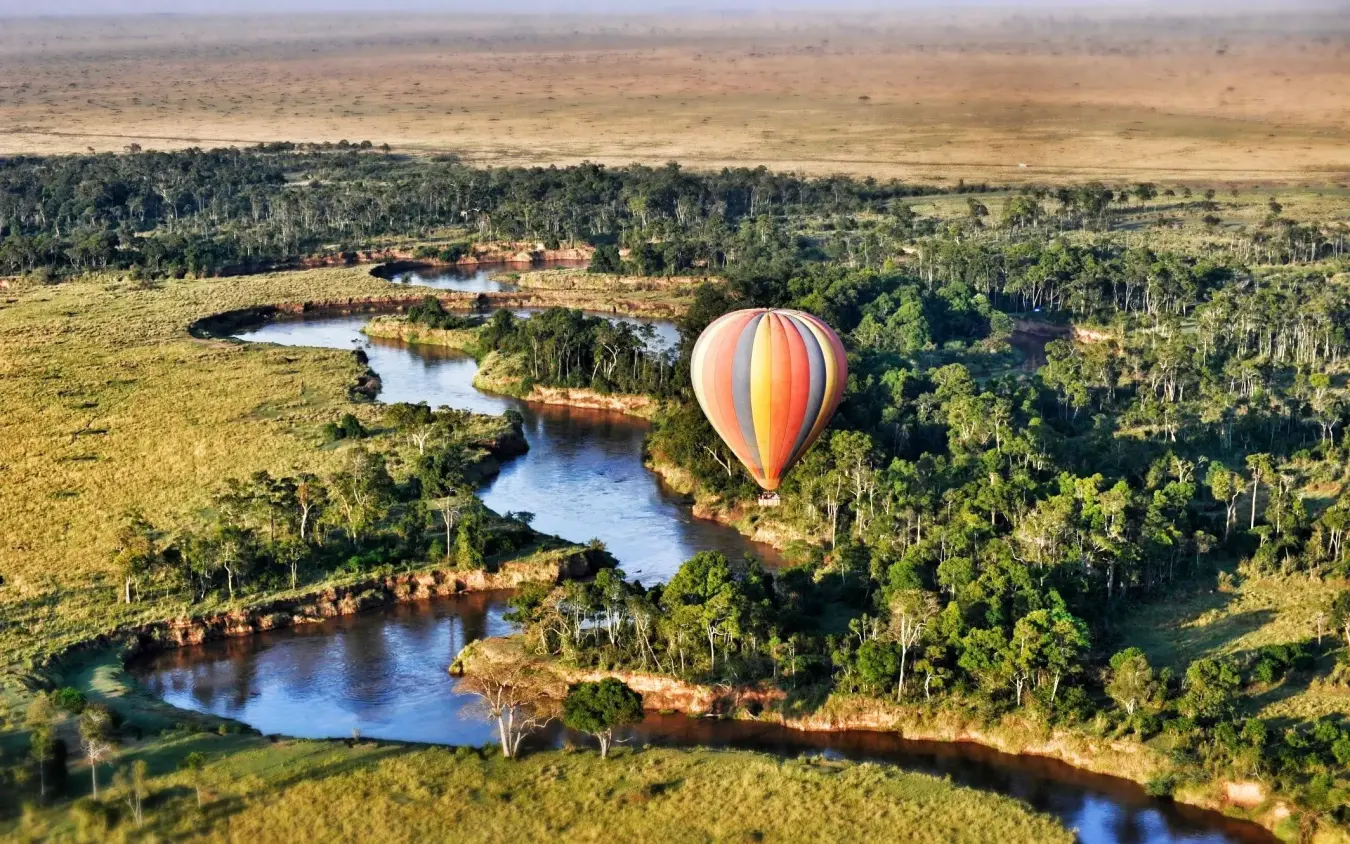
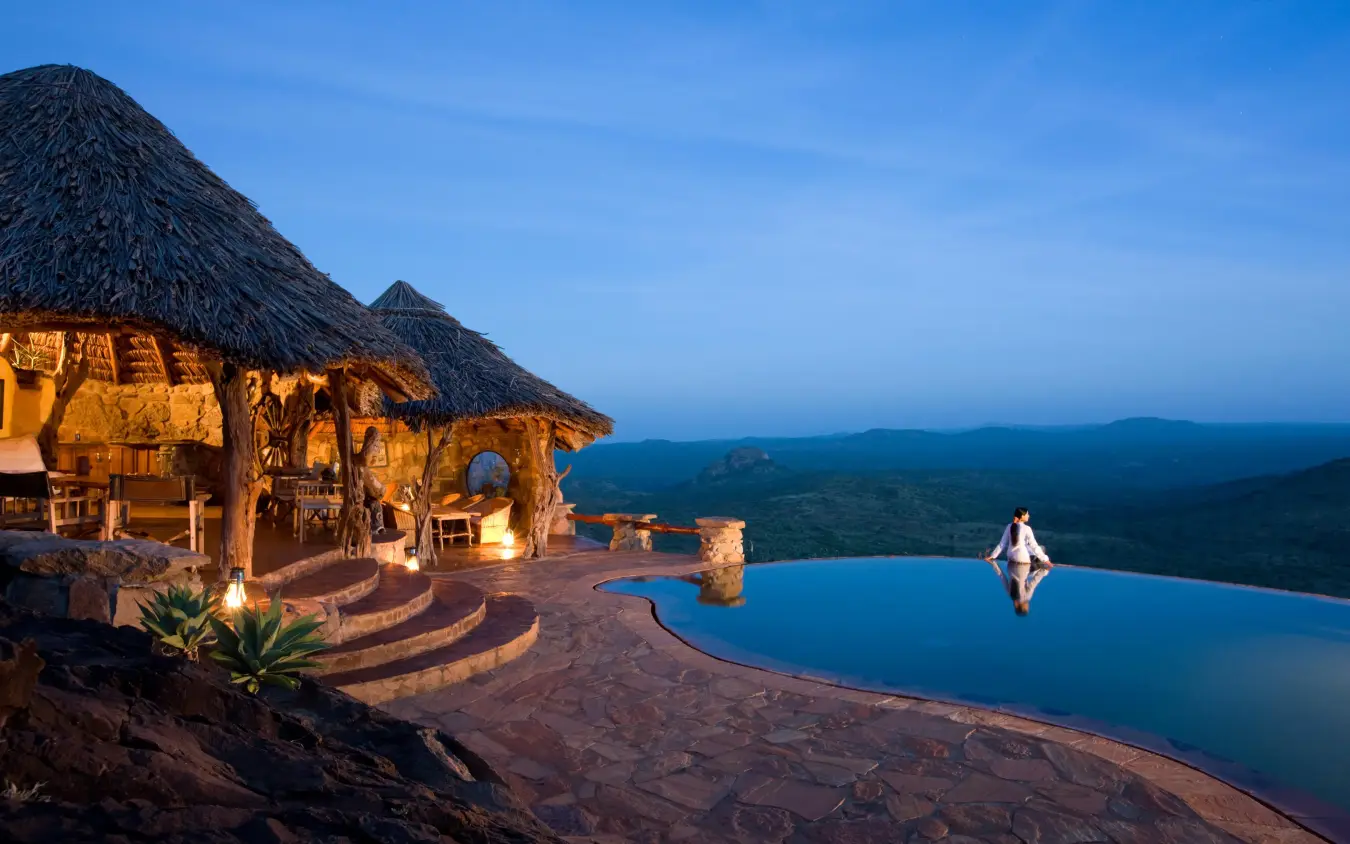
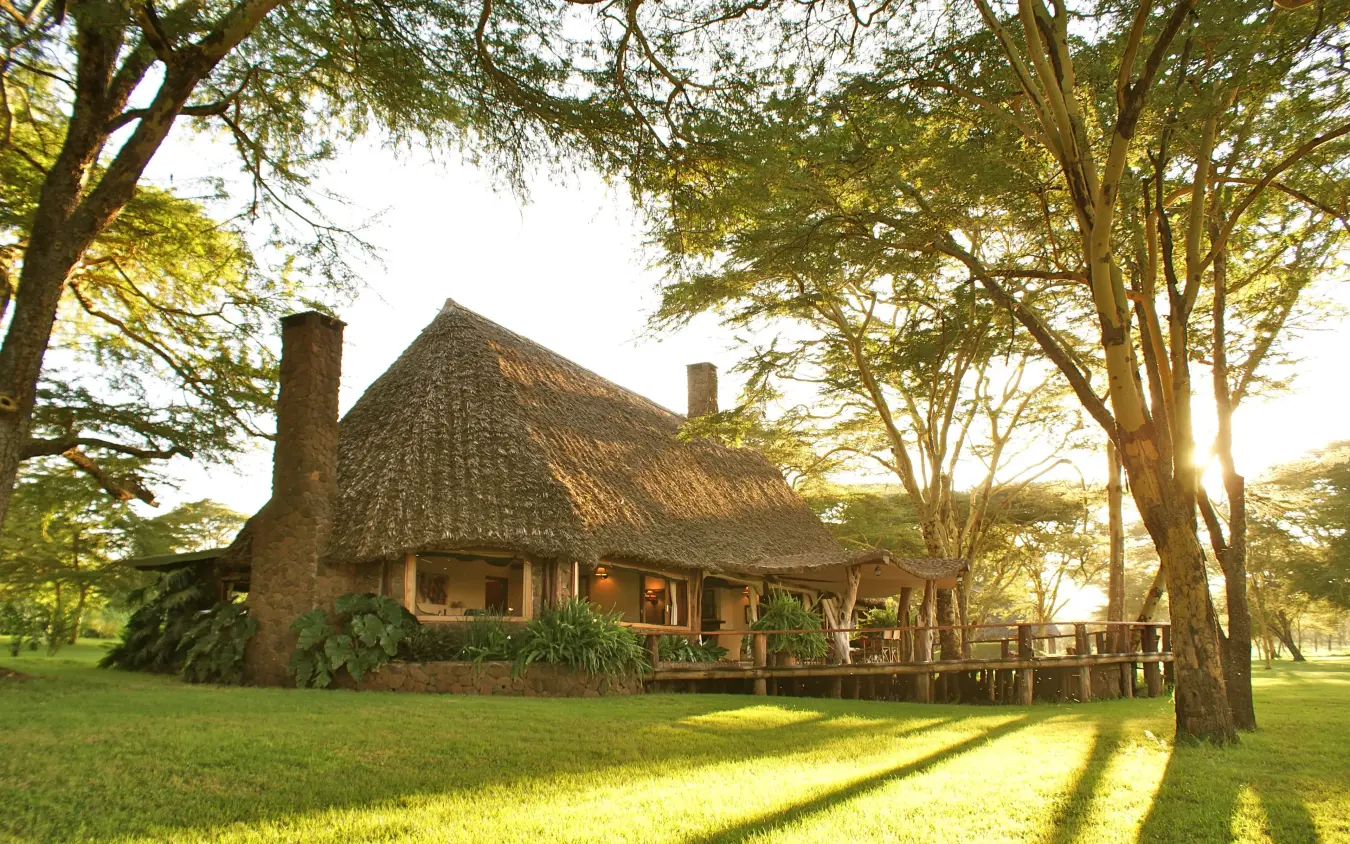
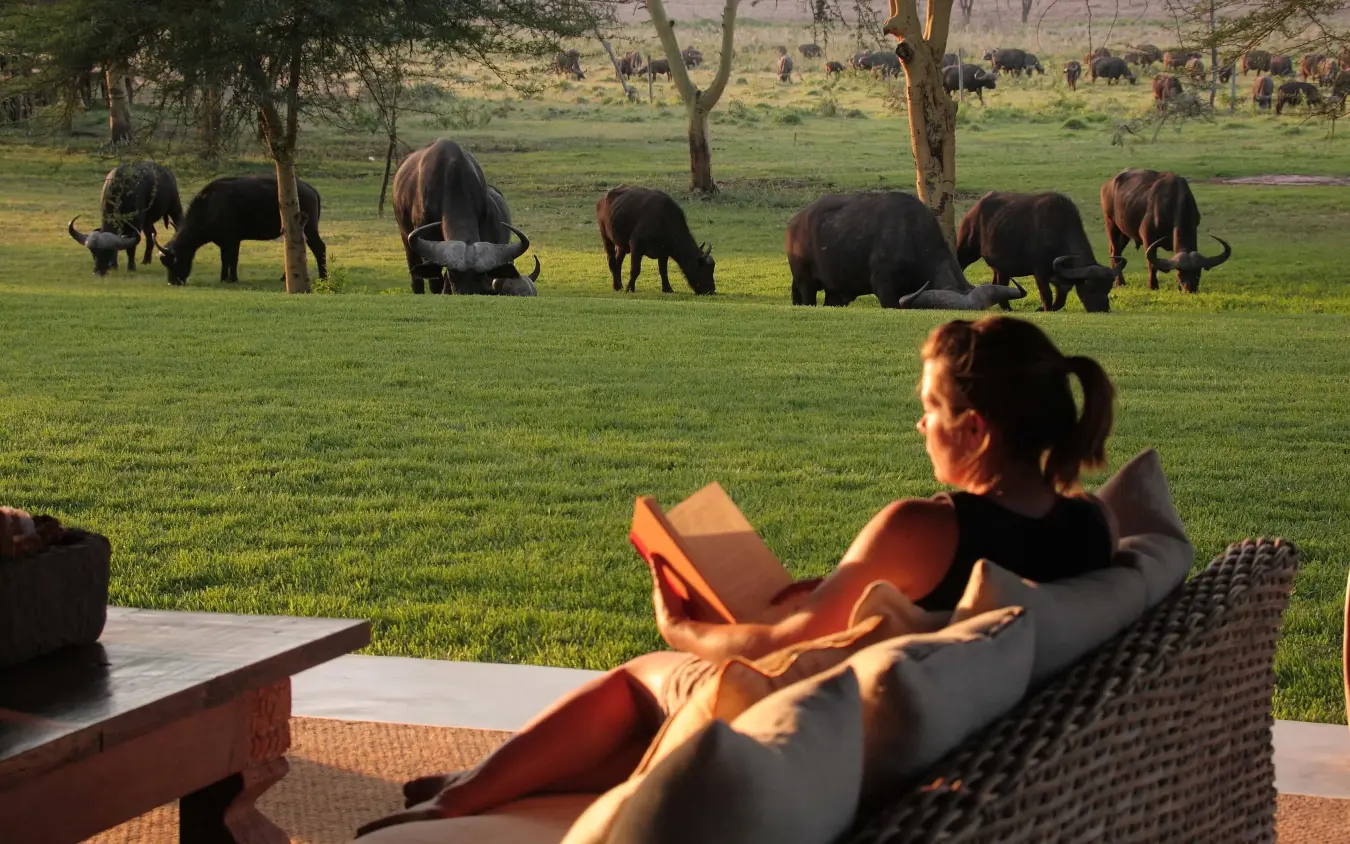
A 21-night route from a Serengeti kopje to a Mara riverbank and the private conservancies of Laikipia and Lewa.
- Private Safari
- From $42,760 pp
- 2 guests
- 21 nights

Eleven nights link northern Tanzania’s parks with the Indian Ocean coast. You begin in Arusha, the staging town beneath Mount Meru, then move to Randilen on Tarangire’s edge, the wooded southern rim of the Ngorongoro Crater and the Moru Kopjes of the central Serengeti, before closing on the Michamvi Peninsula on Zanzibar’s southeast coast.
You travel by road between the parks and by air to the coast. The days hold twice-daily game drives, walking safaris and night drives where the land allows, an early descent to the crater floor, then reefs, dhow waters and long beaches. The camps and lodges are the working bases for each region, from a plantation lodge and tented bush camps to coral-walled beach villas.
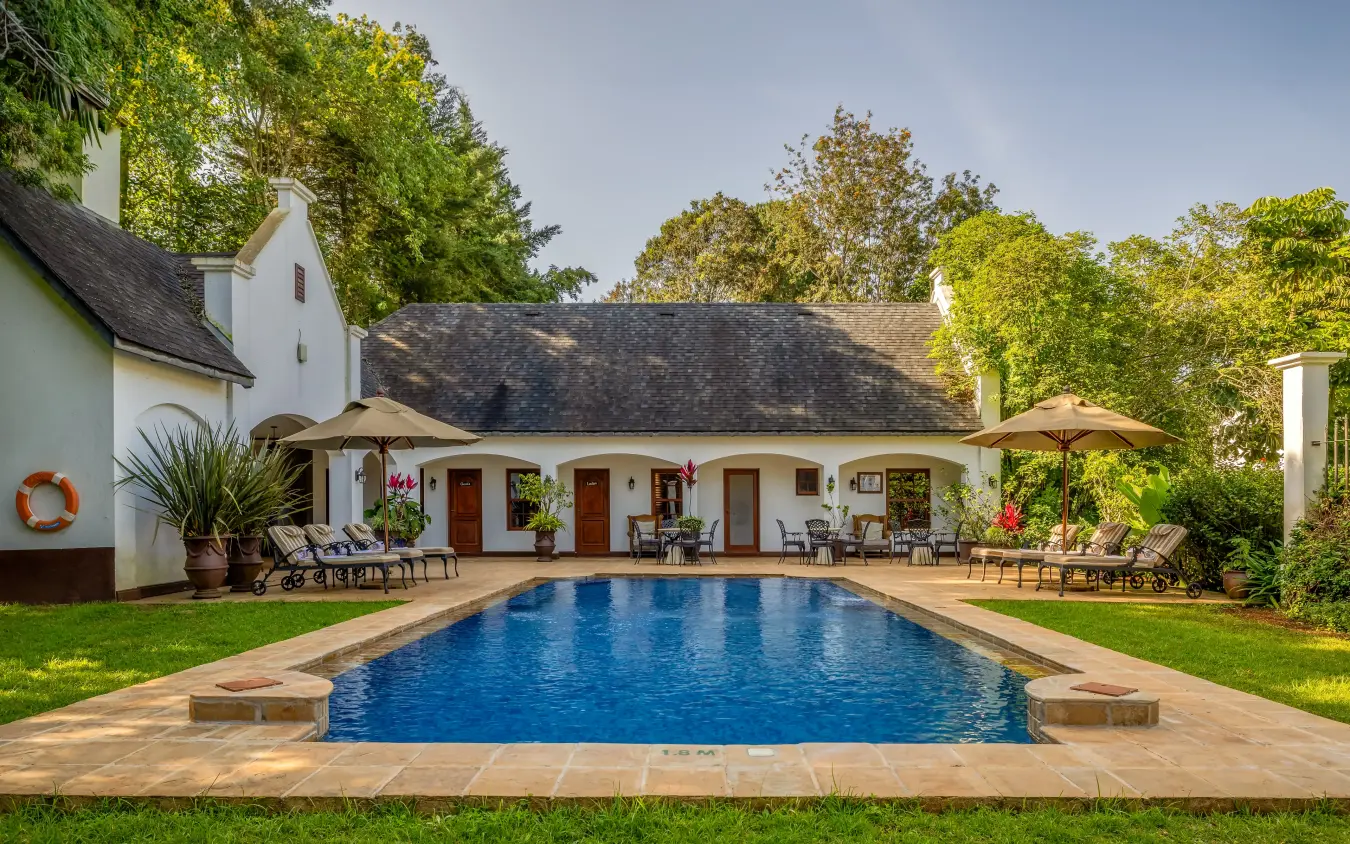
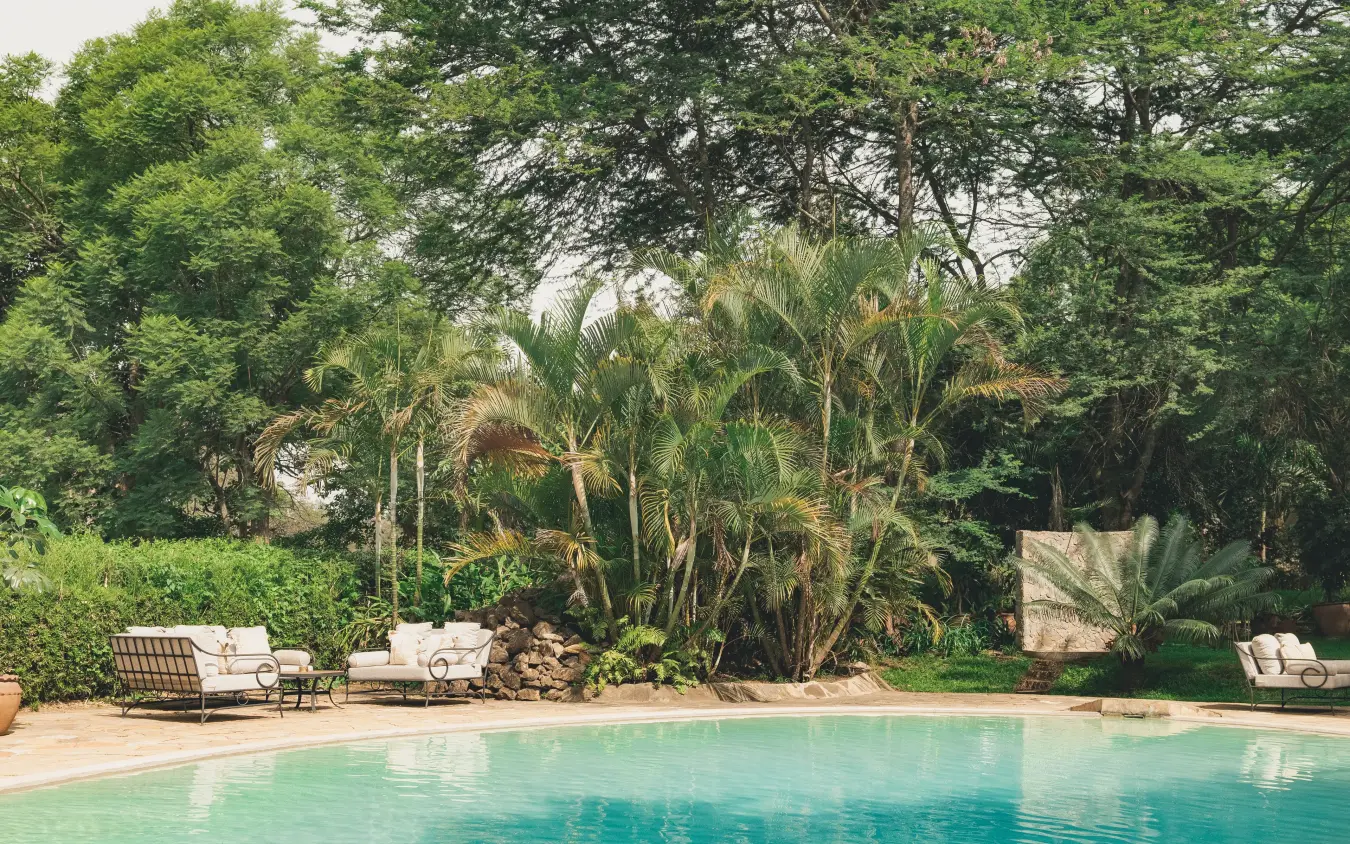
You land at Kilimanjaro International, often after dark, and wake to Mount Meru's outline before the drive to the parks begins. The single night sits at around 1,400 metres, high enough for cool air and a low-malaria climate that suits the start of a trip. Set inside a working Arabica coffee estate five minutes from Arusha Airport, Arusha Coffee Lodge puts you among the coffee rows, with a guided walk that follows the bean from tree to cup and finishes with a tasting. Cottages and suites stand among the bushes at the foot of Meru, each with a private veranda.
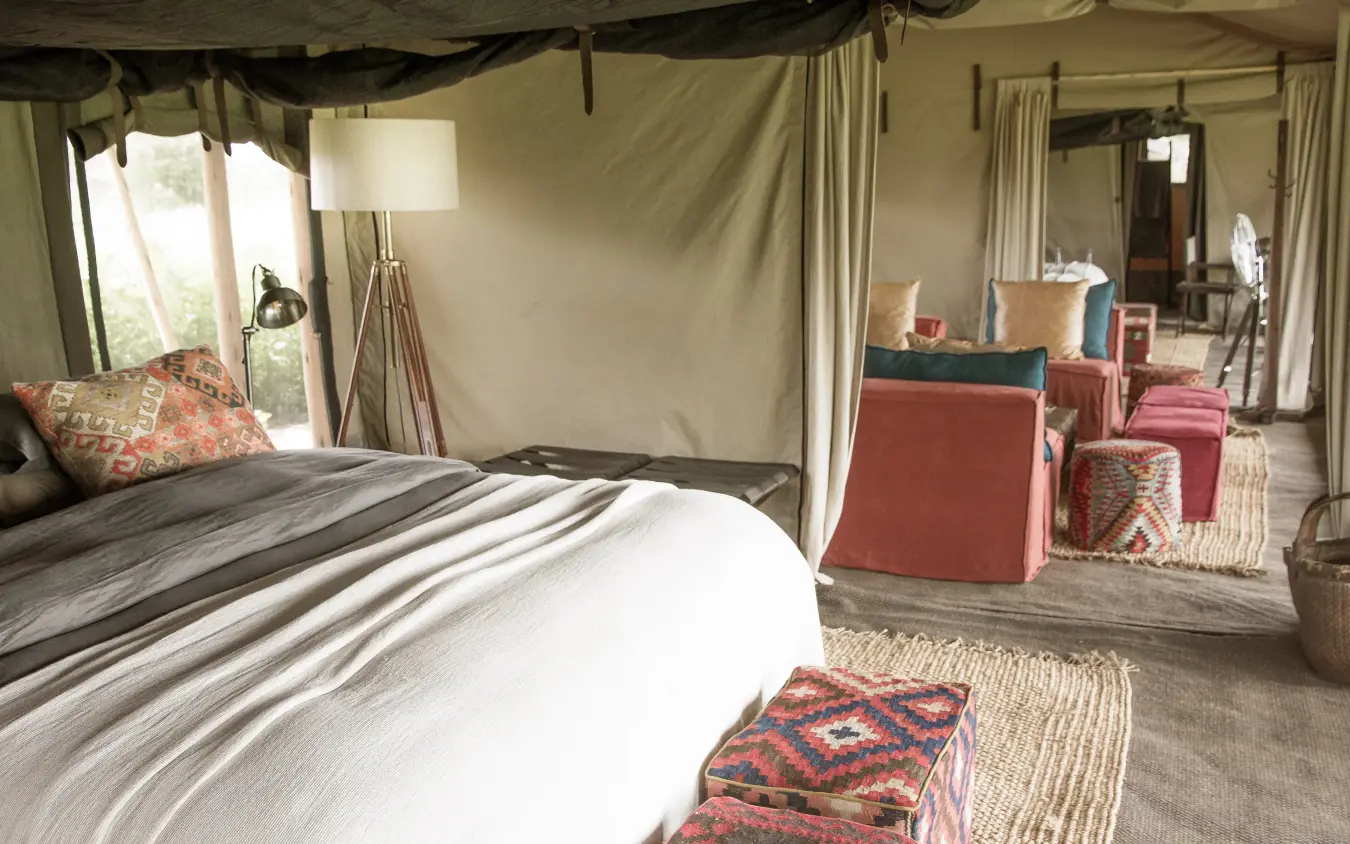
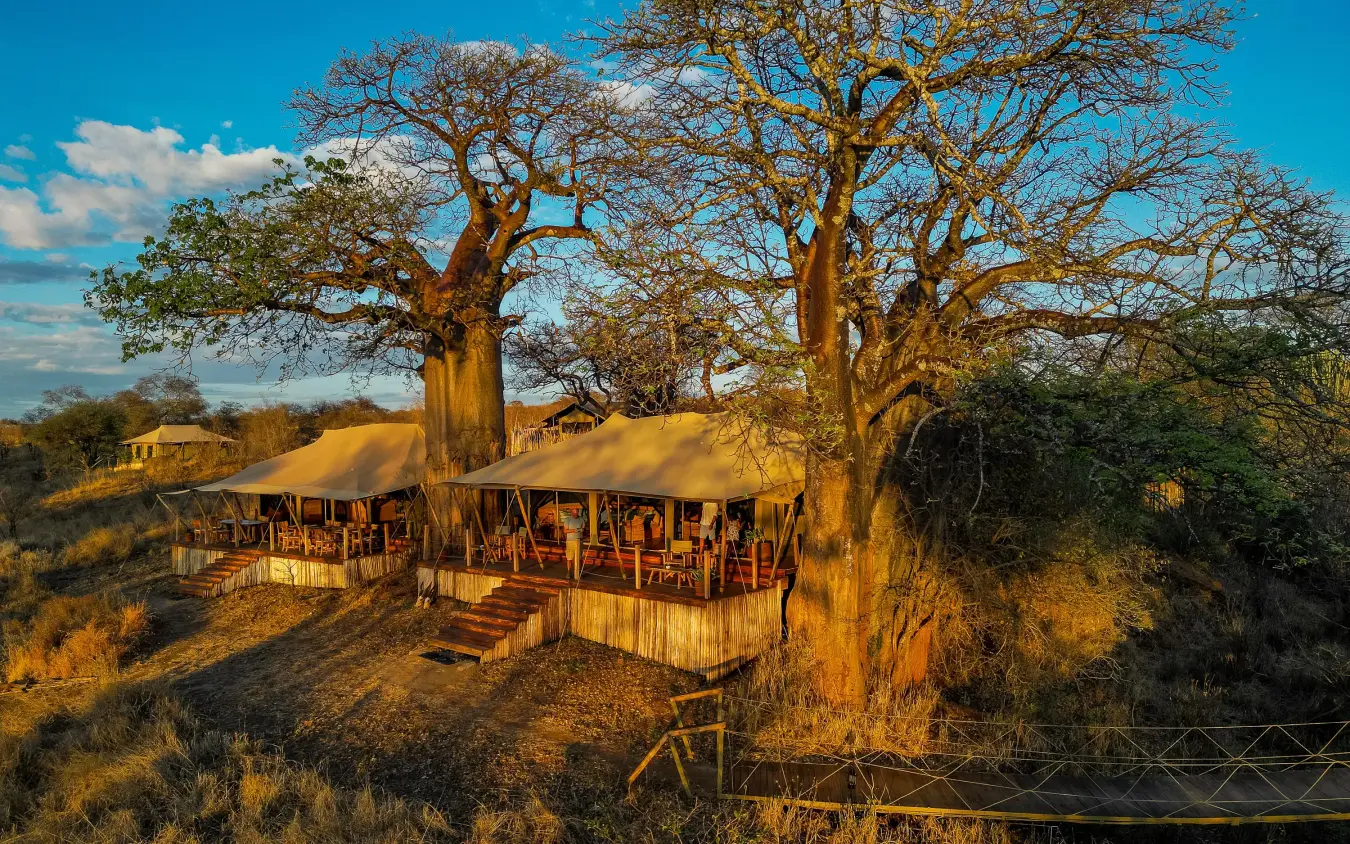
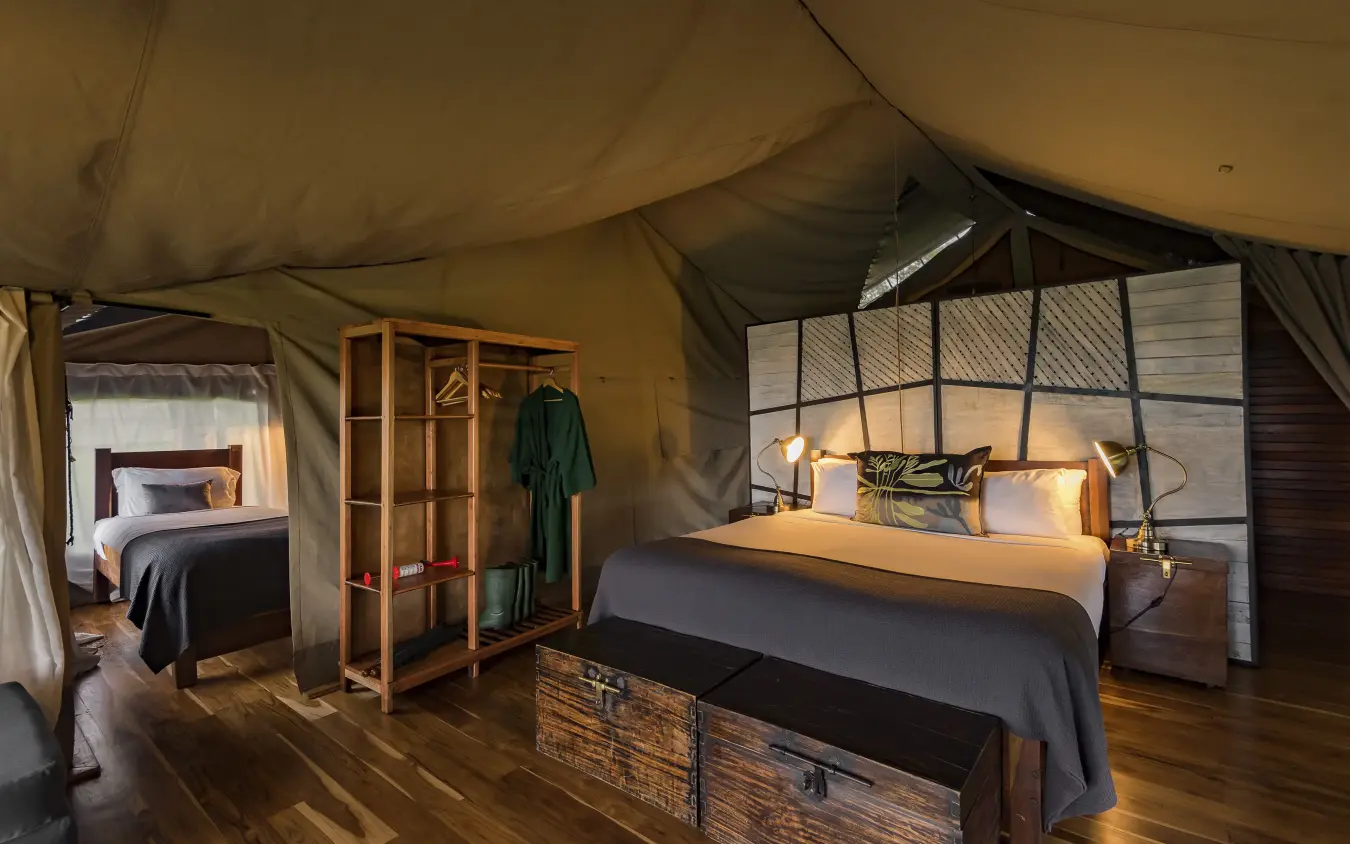
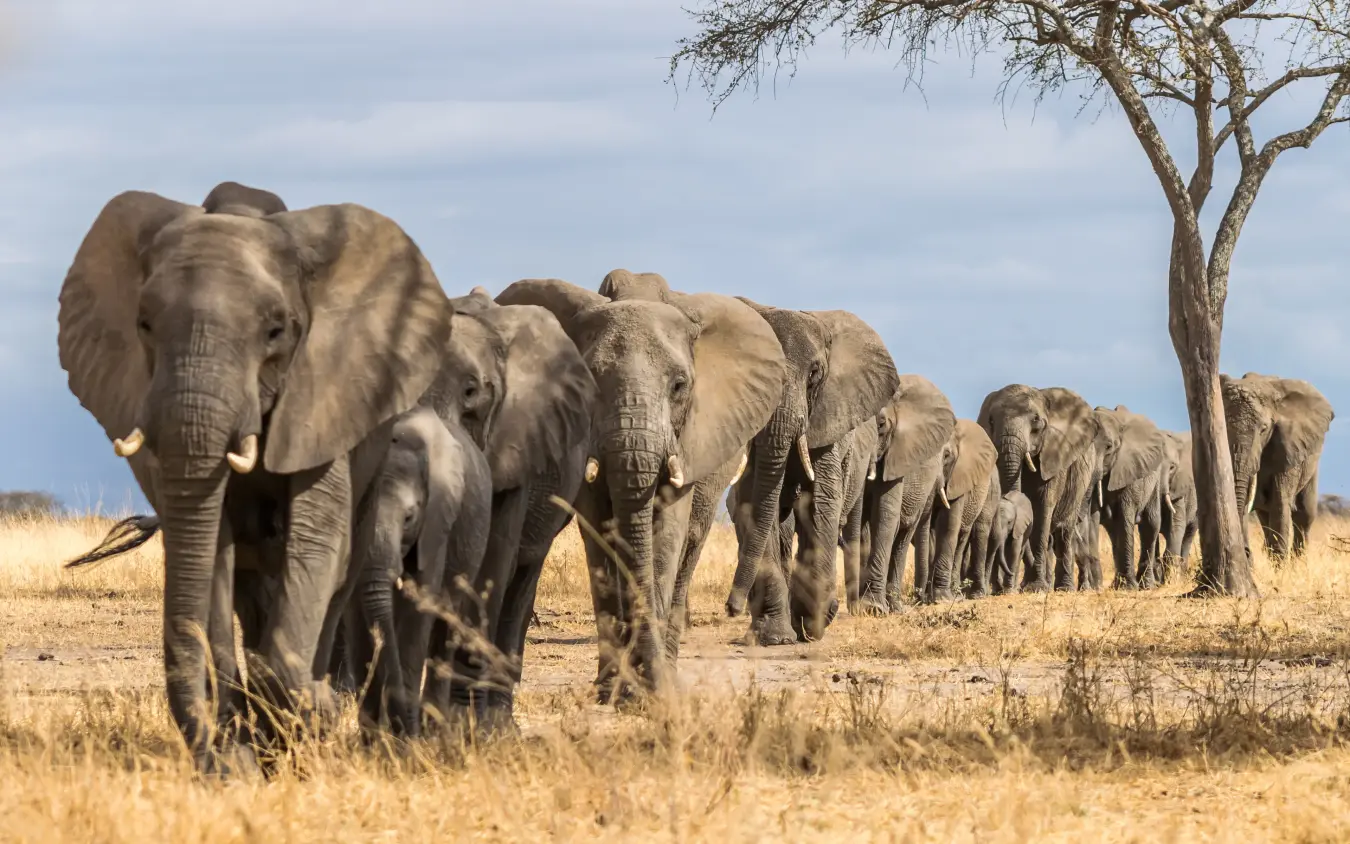
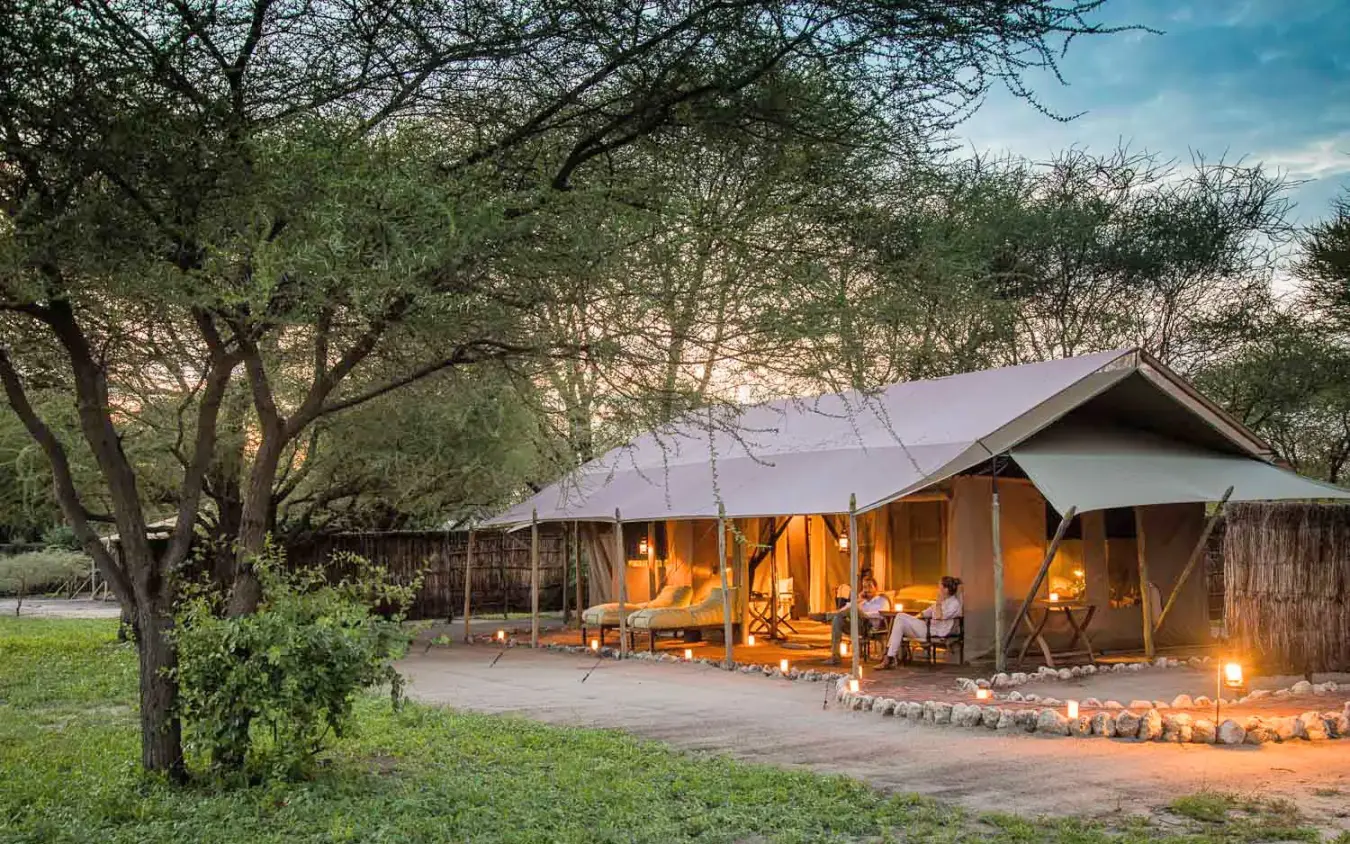
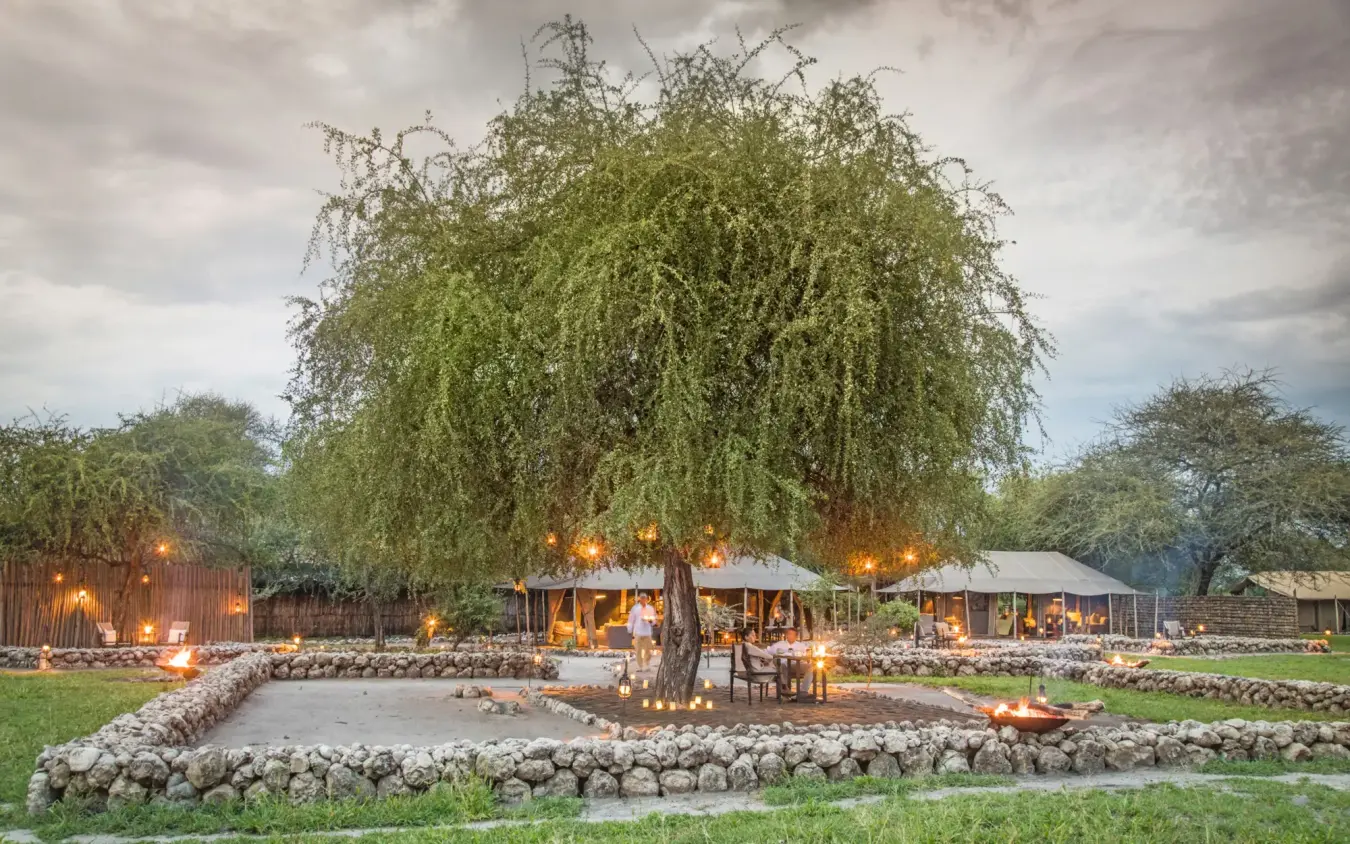
From Arusha you drive to Randilen, on the northeastern edge of the Greater Tarangire ecosystem. The days can include walking safaris with an armed guide and drives after dark, alongside twice-daily game drives across both the management area and the park. Elephant herds, giraffe and plains game move through year-round. Olkeri Camp keeps eight canvas tents plain and comfortable, its mess, lounge and bar set over a waterhole where wildlife appears within view of the campfire.
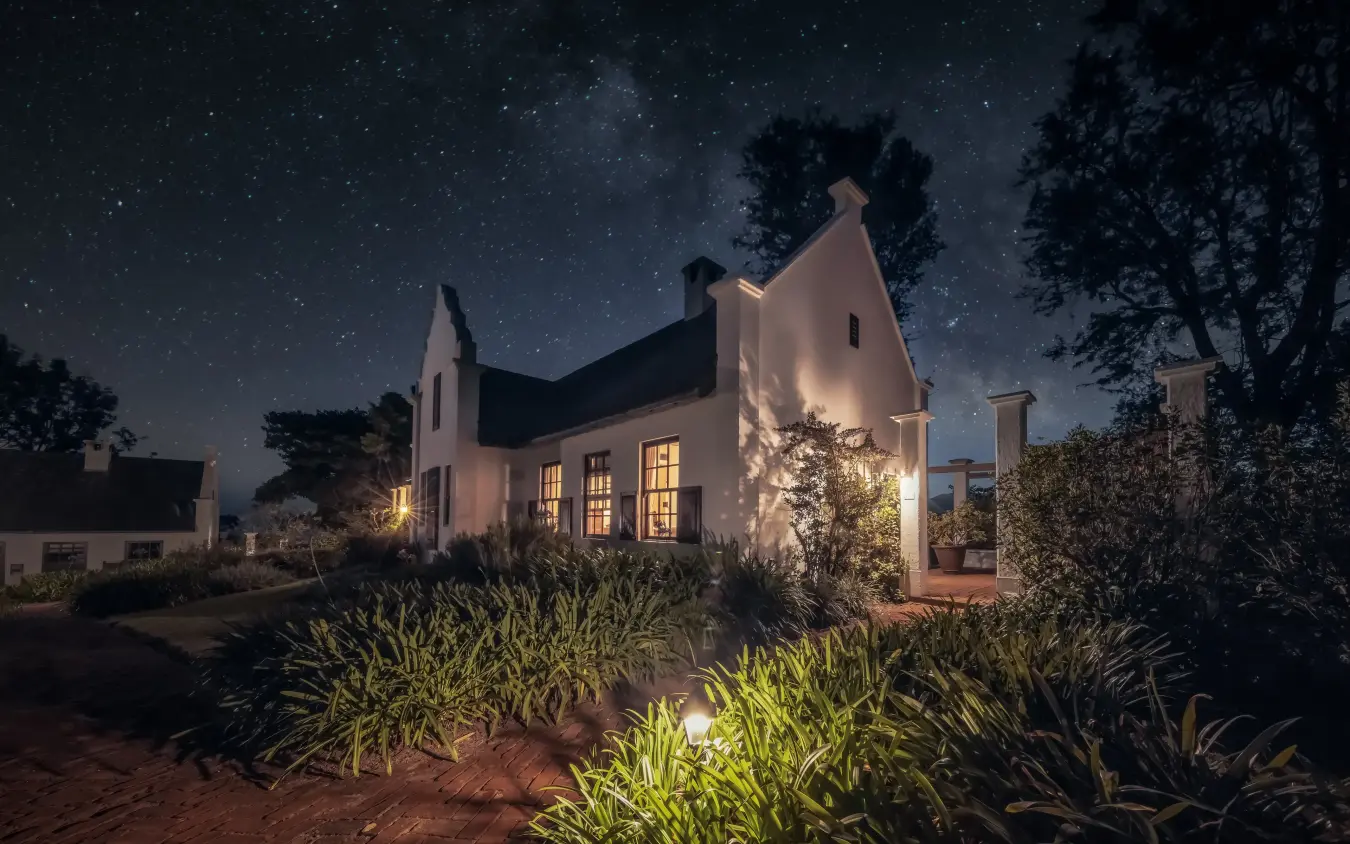
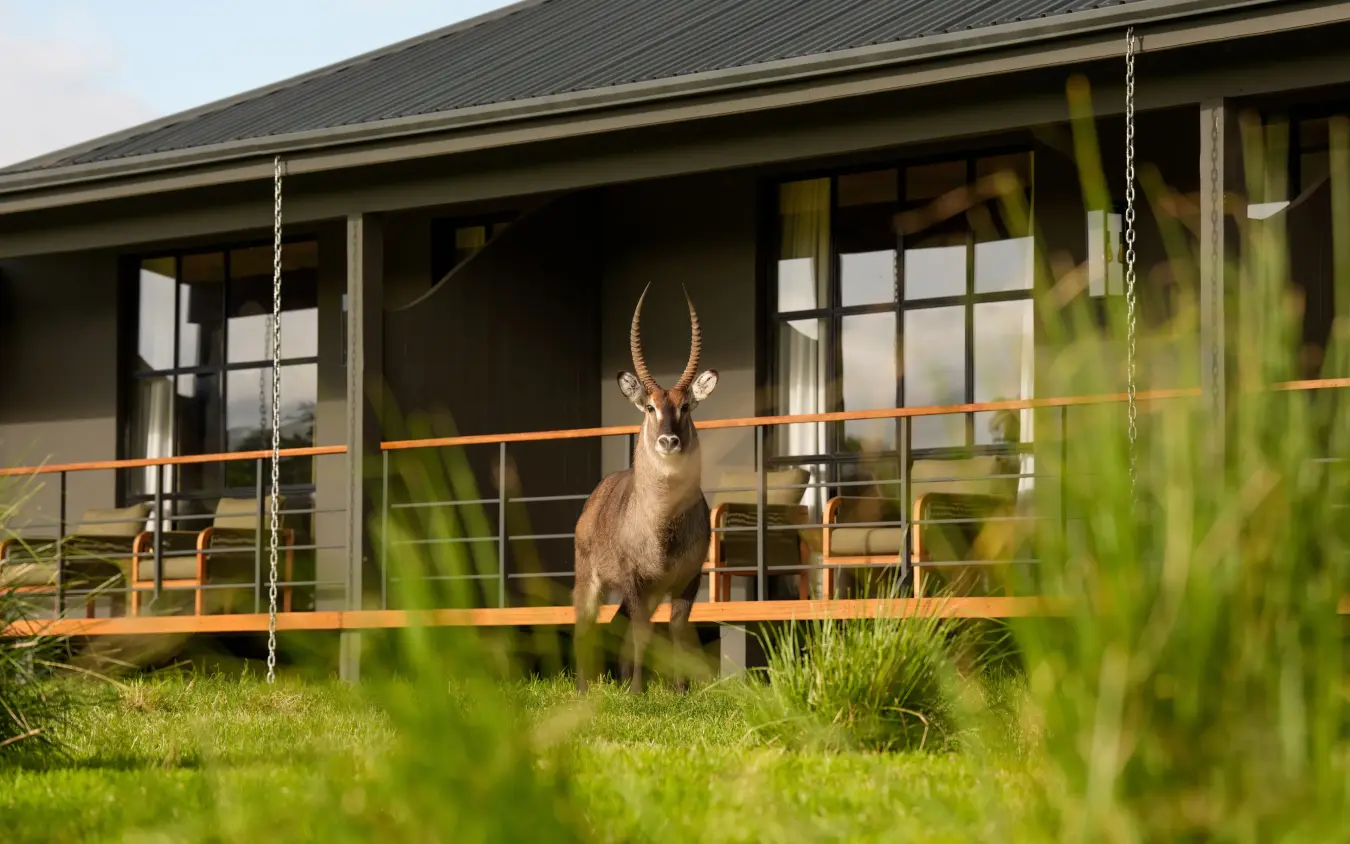
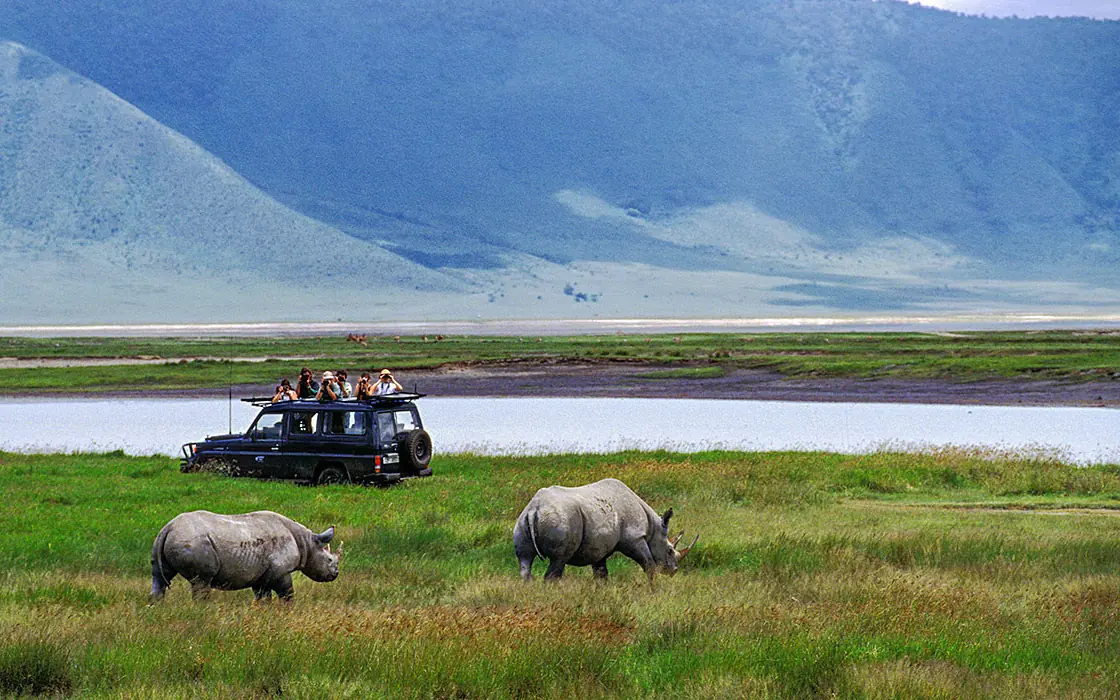
A drive brings you up to the wooded southern rim of the Ngorongoro Crater, at around 2,200 metres in montane forest. The signature outing is an early descent to the caldera floor, made before the heavier flow of vehicles arrives from lodges further out; the crater holds black rhino and elephant, lion and leopard among its dense concentration of large mammals. Higher up, buffalo, waterbuck and zebra graze below the terraces. Laba Ngorongoro Lodge sits minutes from the main gate, its rooms warm and cocooning, with the preserved 1950s stone house of Henry Fosbrooke serving as reception and bar-lounge.
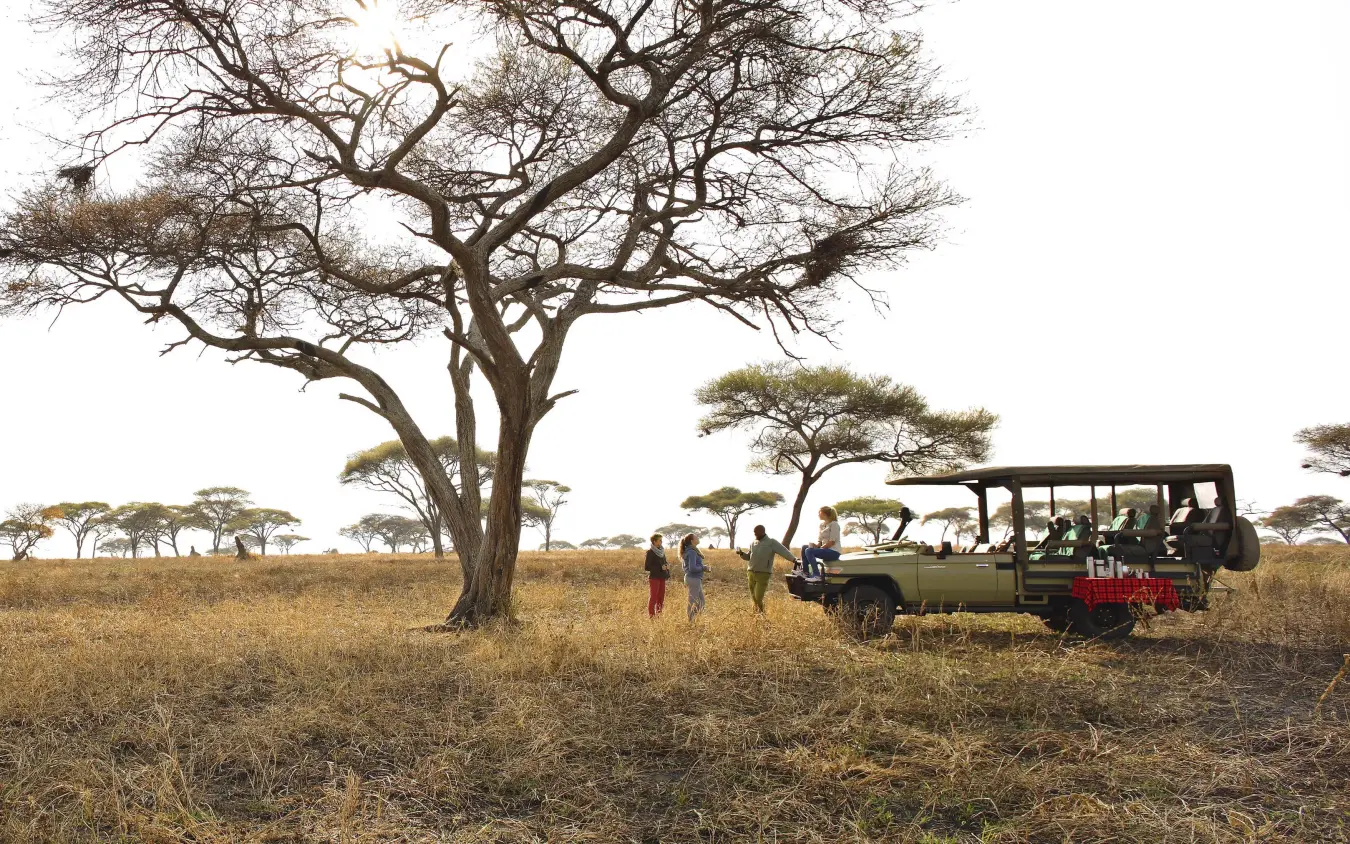
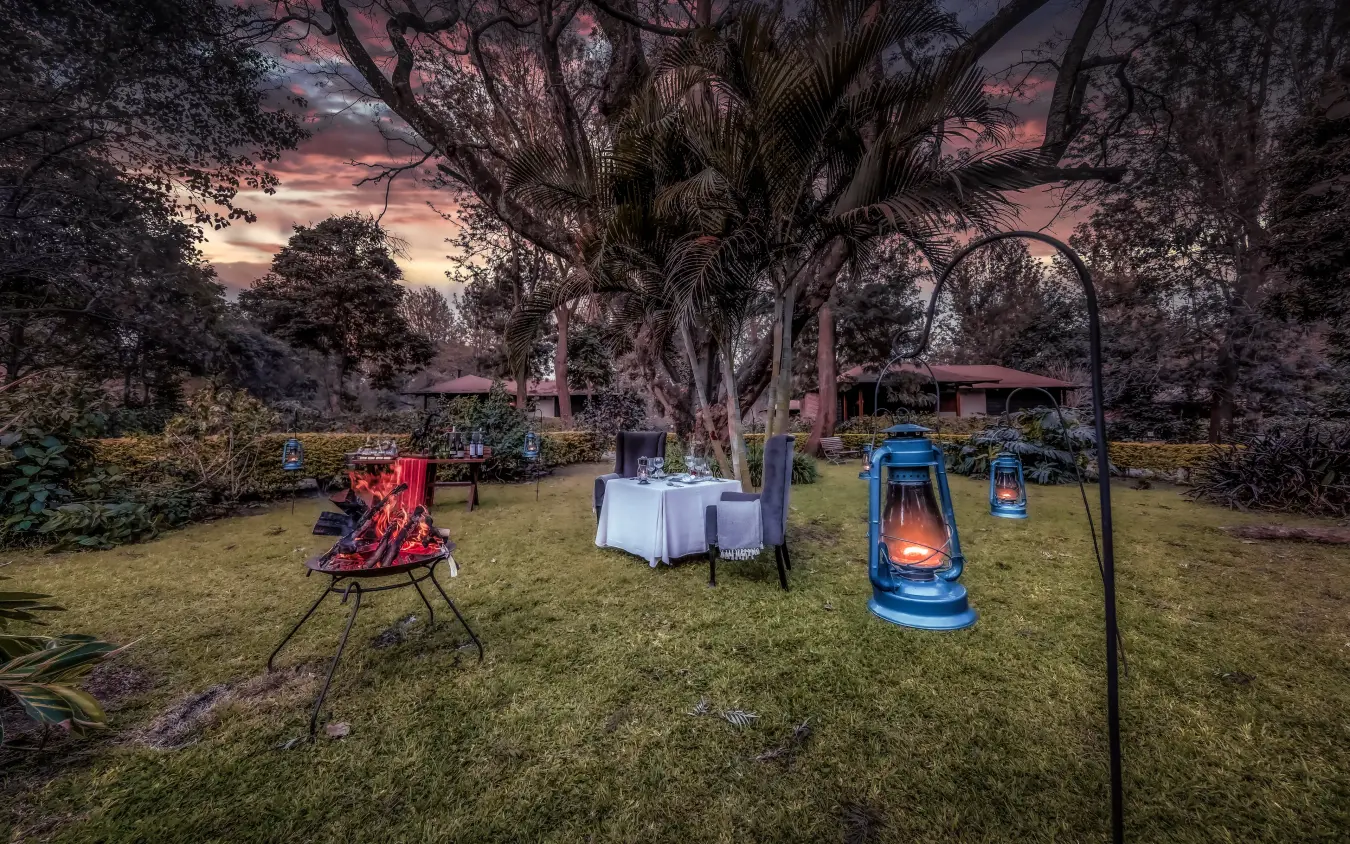
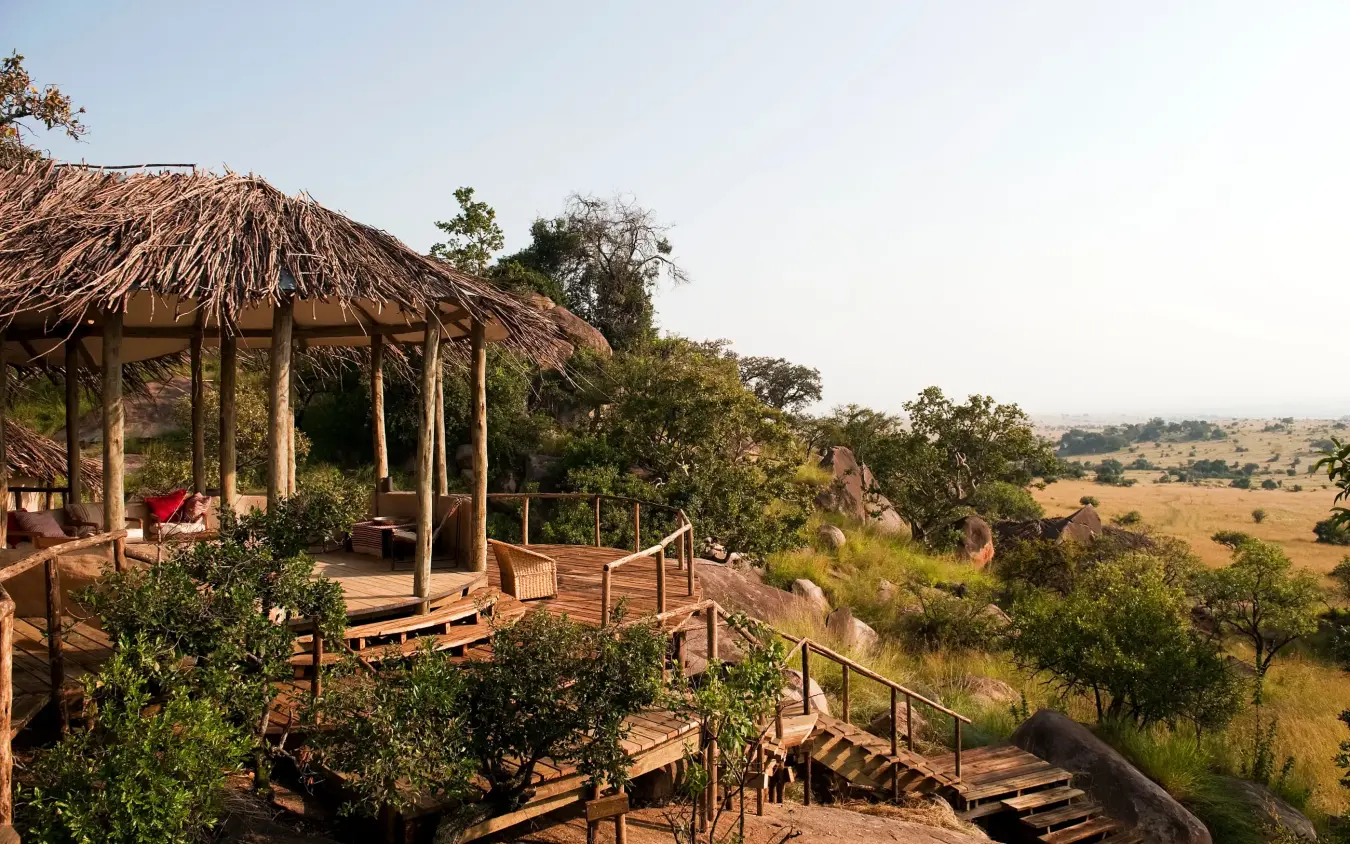
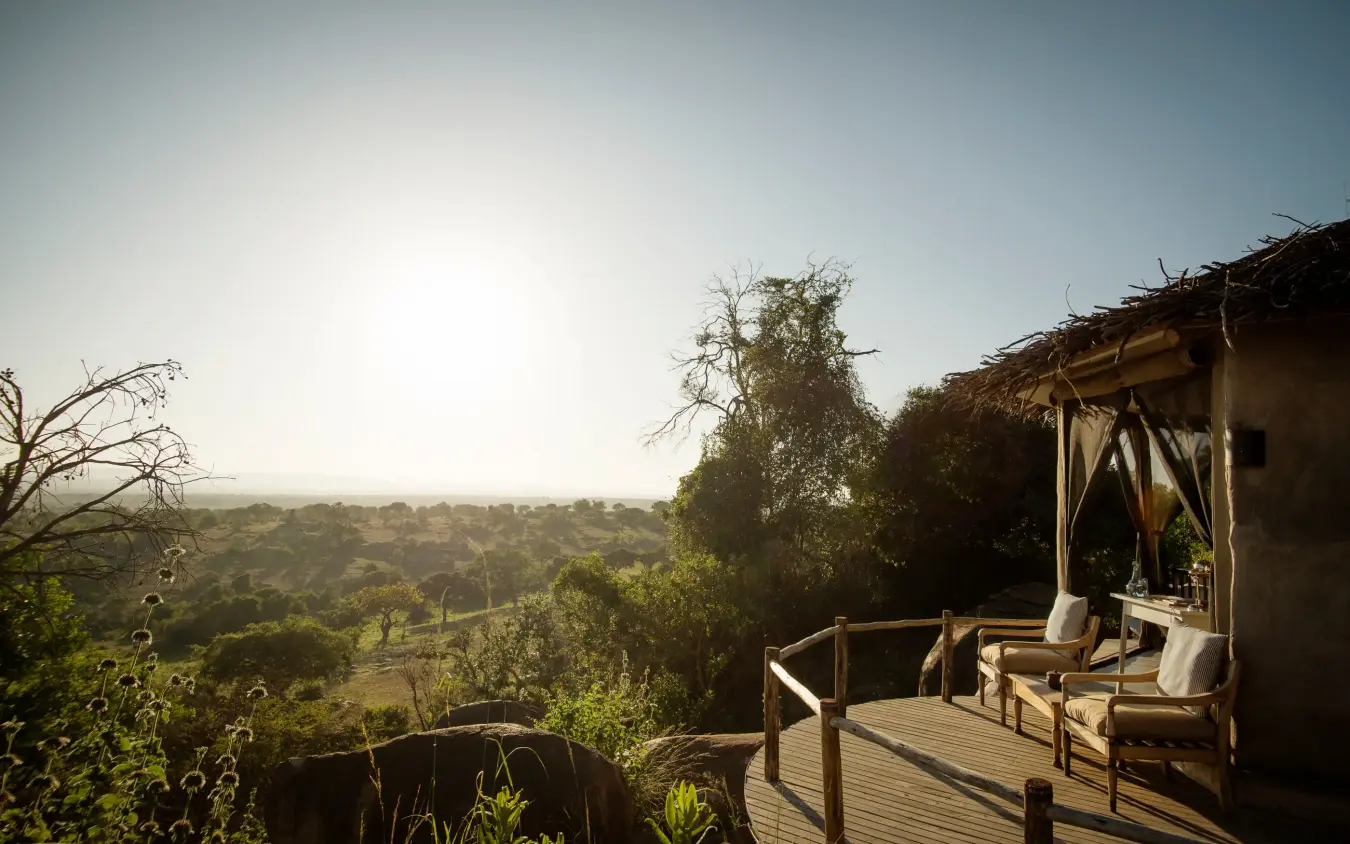
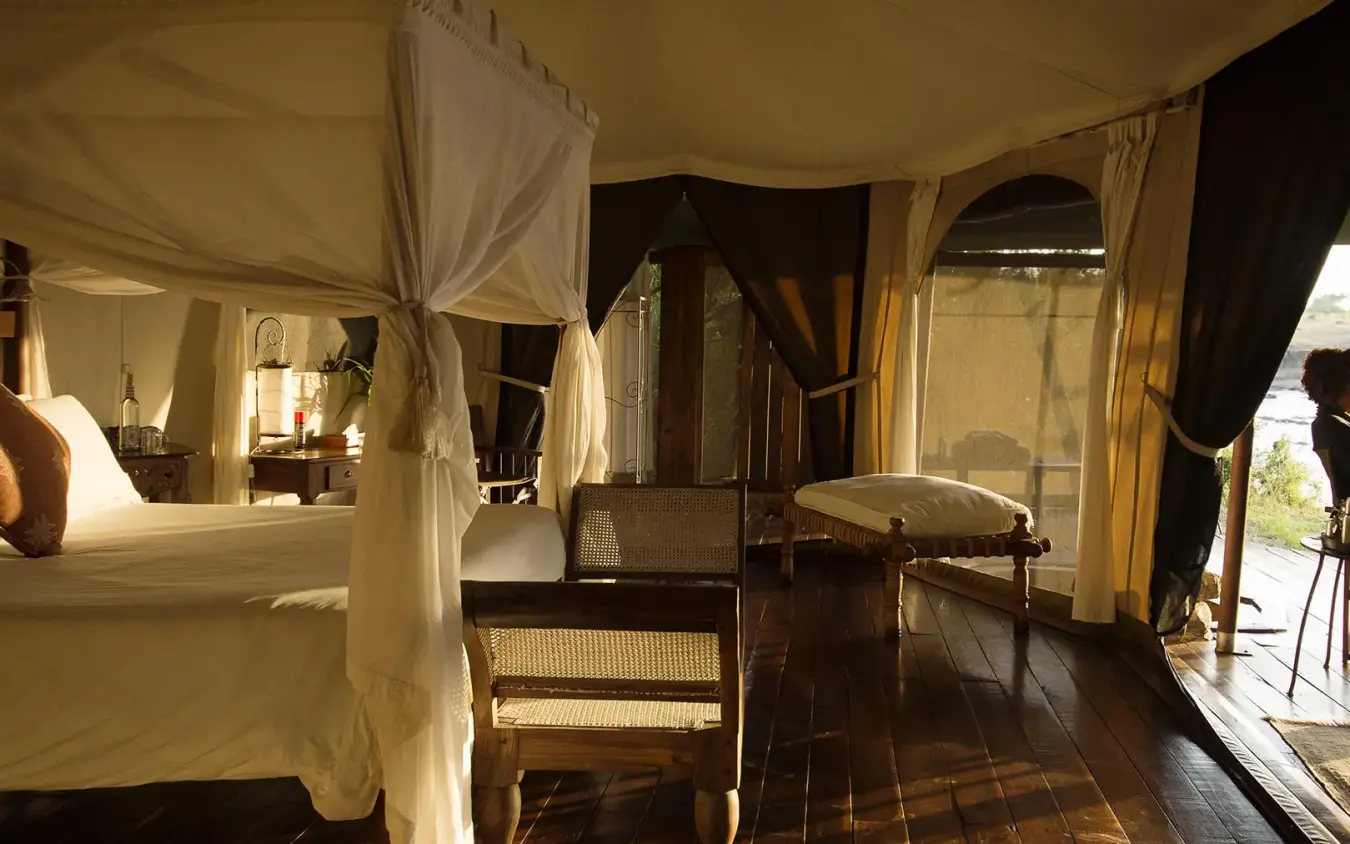
You continue into the Moru Kopjes region of the central Serengeti, set well away from the busier routes around Seronera. The position brings resident big cats and the Great Migration within reach of a single base: lion, leopard and cheetah hold territory here through the year, and the granite outcrops of Moru remain one of the more reliable places in the park to track black rhino. Twice a year the migration passes directly by camp on its circuit. Dunia Camp is run entirely by women, its eight tents looking out over acacia woodland and open grassland, with evenings around the fire.
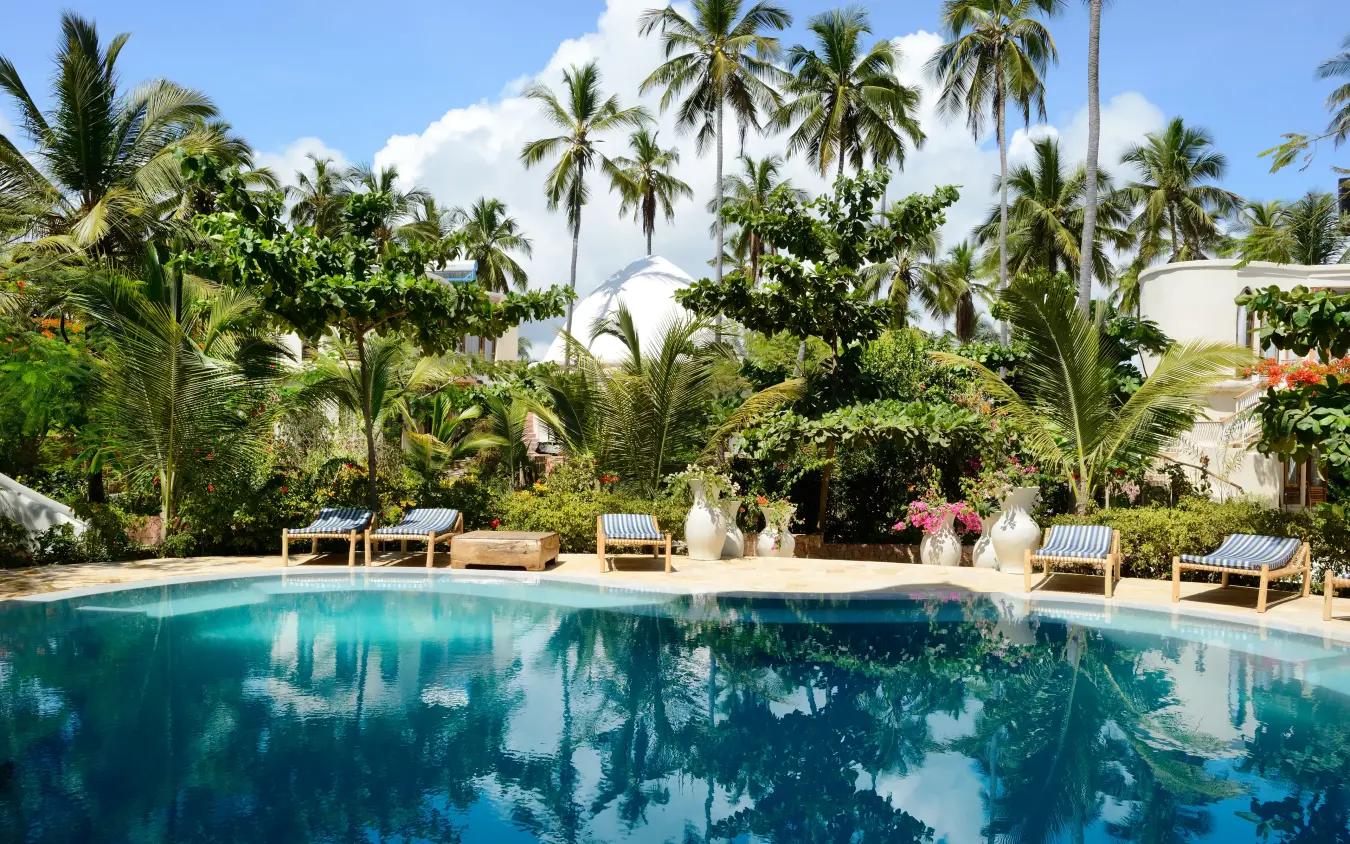
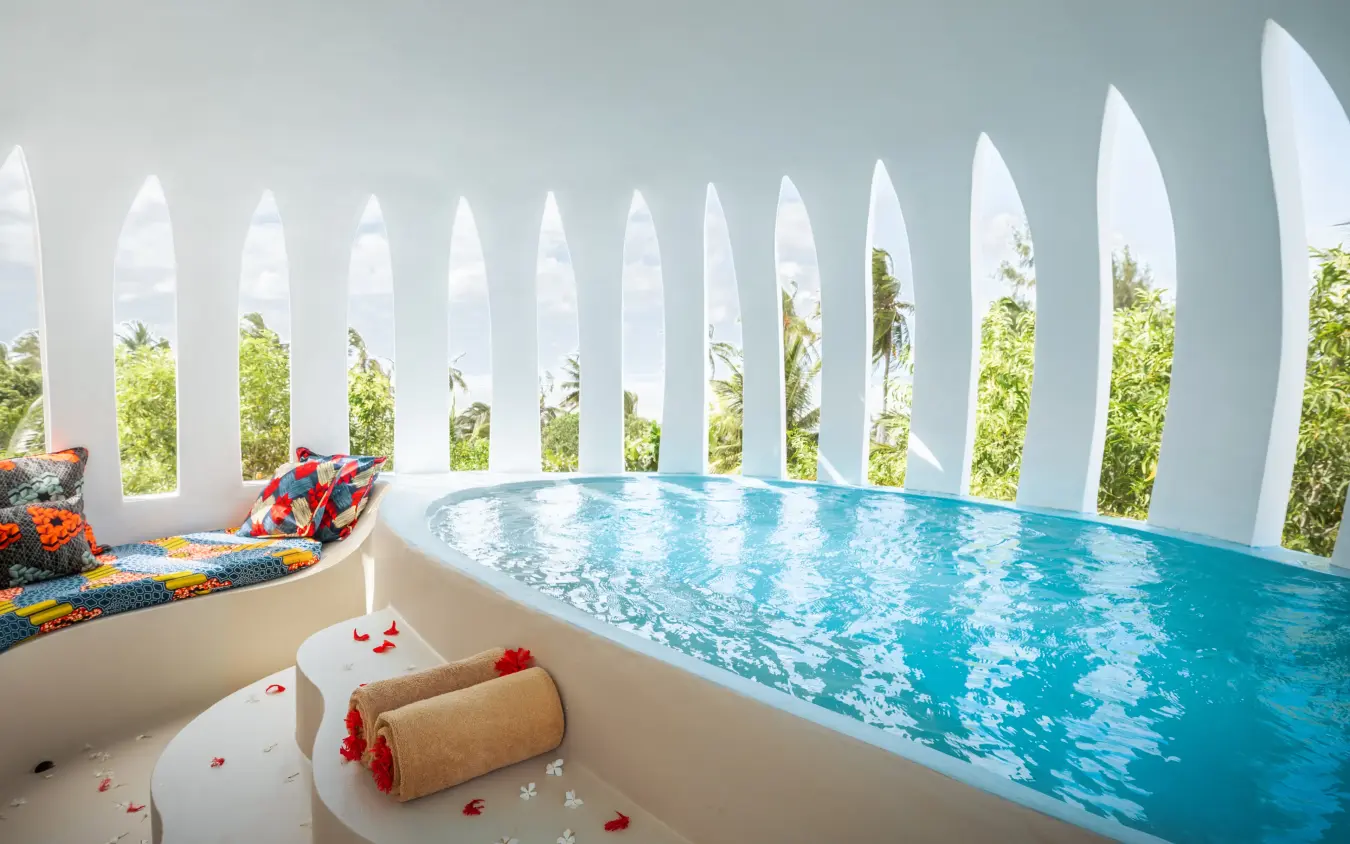
A flight carries you from the Serengeti to Zanzibar, then a drive of about an hour and a half to Dongwe on the Michamvi Peninsula. Four nights run to warm seas, dhow sailing and reefs that rank among East Africa's finest diving, with the red colobus forest of Jozani-Chwaka Bay reachable for a day. Meals follow the guest rather than a timetable, appearing wherever suits. Xanadu Villas are nine coral-walled villas built from reclaimed dhow timber, each with a private plunge pool and a dedicated butler, on a beach that runs for miles in both directions.
Because Randilen is not park land.
It is a wildlife management area on the northeastern edge of the greater Tarangire country, stewarded by the Maasai community that owns it, with the lodges on it run jointly by that community and the tourism companies.
The camp therefore builds its own days rather than working to a park timetable, so the two nights at Olkeri Camp buy a different shape:
The camp keeps eight tented suites with wooden floors, hot showers, flush loos and wide verandahs, its mess and bar set over a waterhole that pulls elephant and buffalo into view of the fire.
Not likely, and it is fairer to treat one as a bonus than as a plan.
The Moru animals are the park's main population and it is a small one: a 2023 genetics study of the rhino there counted around forty, all descended from three founders.
The history explains the size. The Serengeti held about 700 black rhino in the mid 1970s, poaching all but finished them, and a survey in 1993 found evidence of only three left at Moru.
They are guarded and monitored closely now, they use thick cover among the granite, and most people who see one see it at distance through binoculars. Three nights at Dunia Camp puts you in the right country and your guide will know where they have been lately, which is as far as honesty stretches.
One night is the usual allowance and it works here because of where you sleep.
Laba Ngorongoro Lodge stands at around 2,200 metres on the wooded southern rim, minutes from the gate and the descent roads, so you are on the floor while vehicles from lodges further out are still driving in.
That matters, because the caldera is 610 metres deep with a floor of about 260 square kilometres and no room to spread out, and it is crowded in every month of the year.
Down there you have lion, elephant and buffalo in plain sight, flamingo on the soda lake and a chance of black rhino at distance. Driving inside the conservation area runs from six in the morning until six at night, and the descent gate shuts at four.
June to October suits both halves, and July to October is the strongest part of it.
Tarangire's elephant herds come in to the river, the grass on the crater floor is short, the resident lion, leopard and cheetah of the central Serengeti are easy to find, and Zanzibar is in its cool, clear spell. They are also the fullest and most expensive weeks.
If you want the migration itself to pass the Serengeti camp, the herds move north through that country around March to June and come back in November and December, while February scores well with us too, for the calving further south and a settled coast.
November to January are the calm ones, green and good for birds.
March to May are the wet ones, at their worst in April and May, when tracks turn heavy and dive centres on the coast shut.
The tide writes the timetable here more than on most coasts.
This side of Zanzibar has two high waters and two low waters a day, and the difference between them runs from roughly one metre on the smallest tides to about three and a quarter on the biggest, so at low water the shallows drain a long way out and the sea is a walk away.
High water is for swimming, sailing, snorkelling and diving. Low water uncovers a wide apron of reef and sand flat, which is worth walking out over rather than sitting out.
Because the tide falls about fifty minutes later each day, the good hours shift through your stay, and every villa at Xanadu has a plunge pool for the rest of the time.
By road between the parks and by air to the coast, as the route is written.
Once you leave Arusha the roads are gravel, and the longest leg is the day from the crater rim into the Serengeti, which doubles as a game drive rather than a straight transfer.
The coast is reached by air: roughly two hours in the aircraft, though the timetable often adds a landing or two, and the airport is then about ninety minutes by road from Dongwe. Each passenger is allowed 15 kilograms on those flights, hand baggage included, and the airlines ask for soft bags.
If the driving days do not appeal, we can fly you between the parks instead, usually aboard a Cessna Grand Caravan, and any leg can be taken as a private charter.
Ed Charles, BBC Producer
Fitzroy are true specialists in accessing the wilderness. They know where to go and importantly, when to go there. Highly recommended.
tanzania & kenya
A 21-night route from a Serengeti kopje to a Mara riverbank and the private conservancies of Laikipia and Lewa.
tanzania
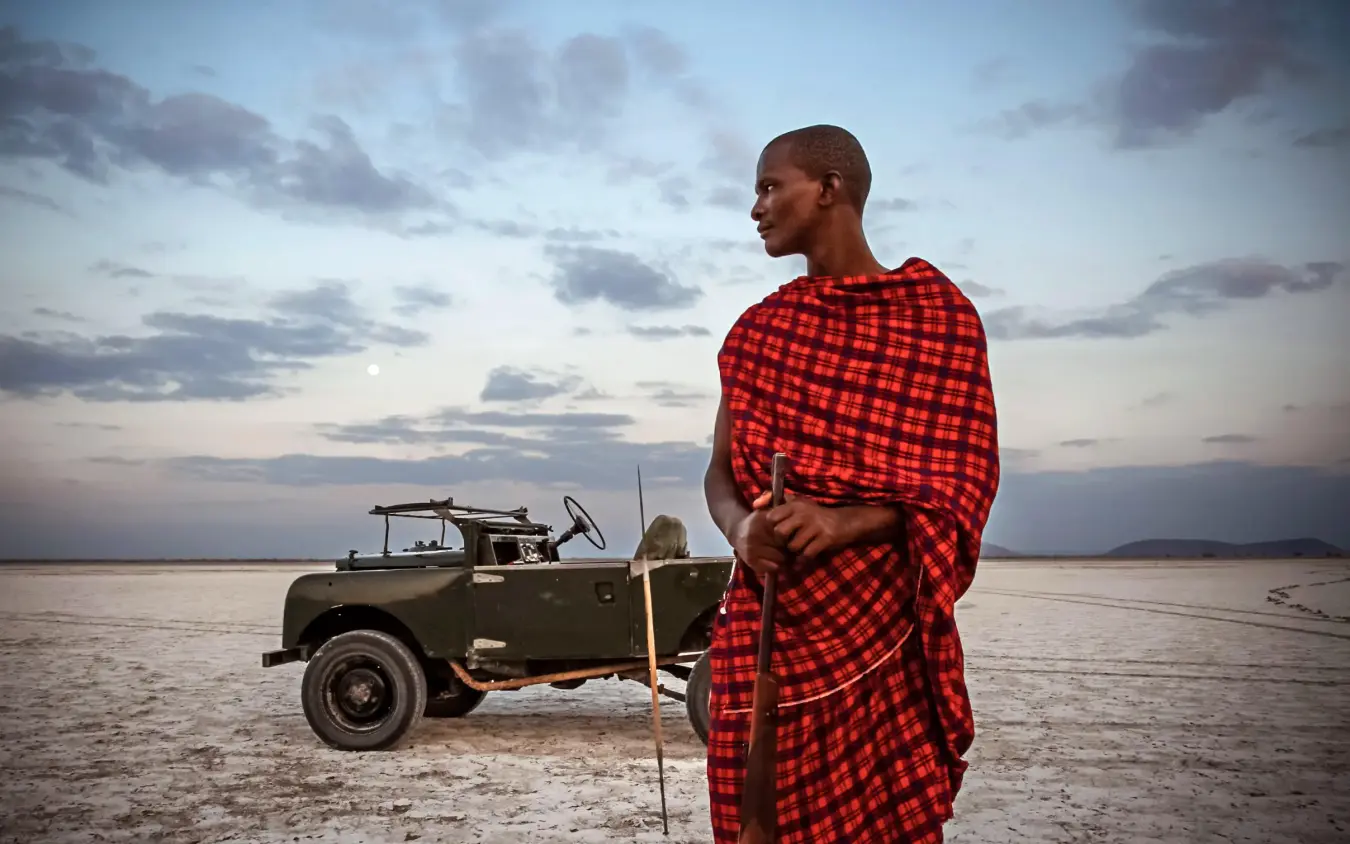
Twelve nights across northern Tanzania, from the Serengeti and a private granite reserve to the Ngorongoro Highlands and the Rift.

tanzania
Ten nights through Arusha, the Ngorongoro highlands and Tarangire's Silale Swamp, closing on Zanzibar's south-east coast.
rated five stars by our clients

our approach
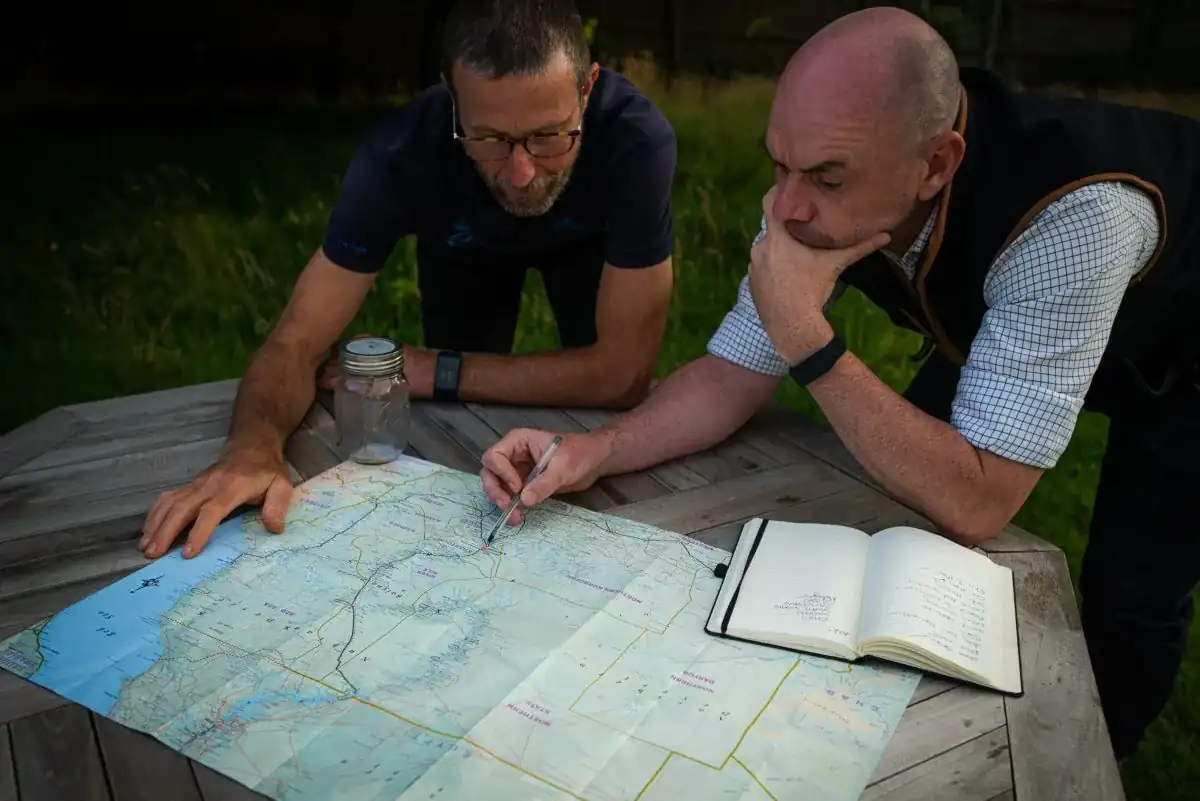
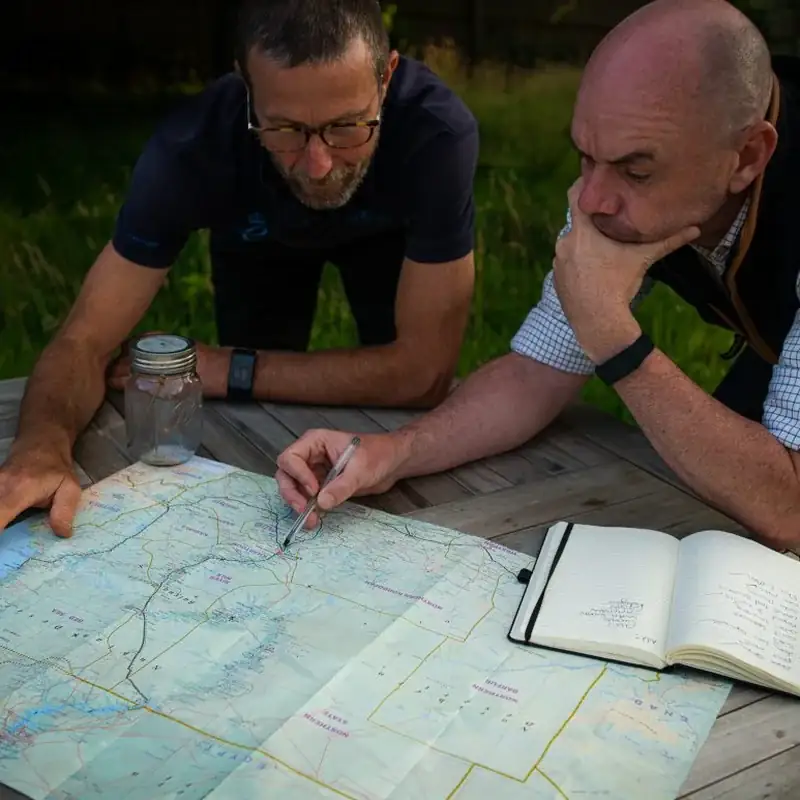
Every journey starts with a conversation. We take the time to understand your vision before we start planning.
Whether by phone or in person, we work with you directly to shape something that is considered, personal, and expertly delivered.
Every journey starts with a conversation. We favour a direct, personal approach: understanding your vision before anything else.
Whether by phone or in person, we work with you directly to shape a journey that is both thoughtfully considered and expertly delivered.
Get in touch to start planning yours.