







namibia
tracking desert rhino
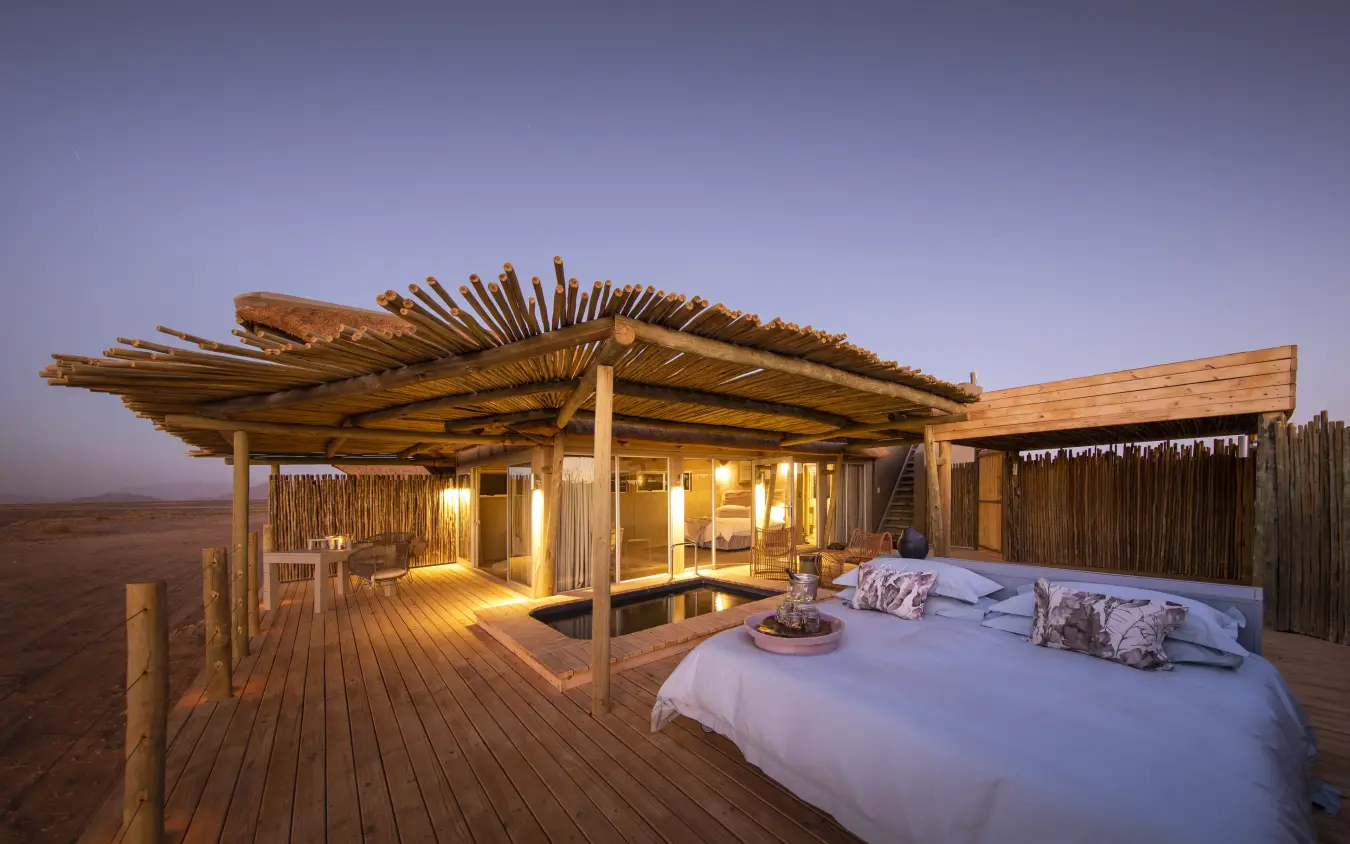
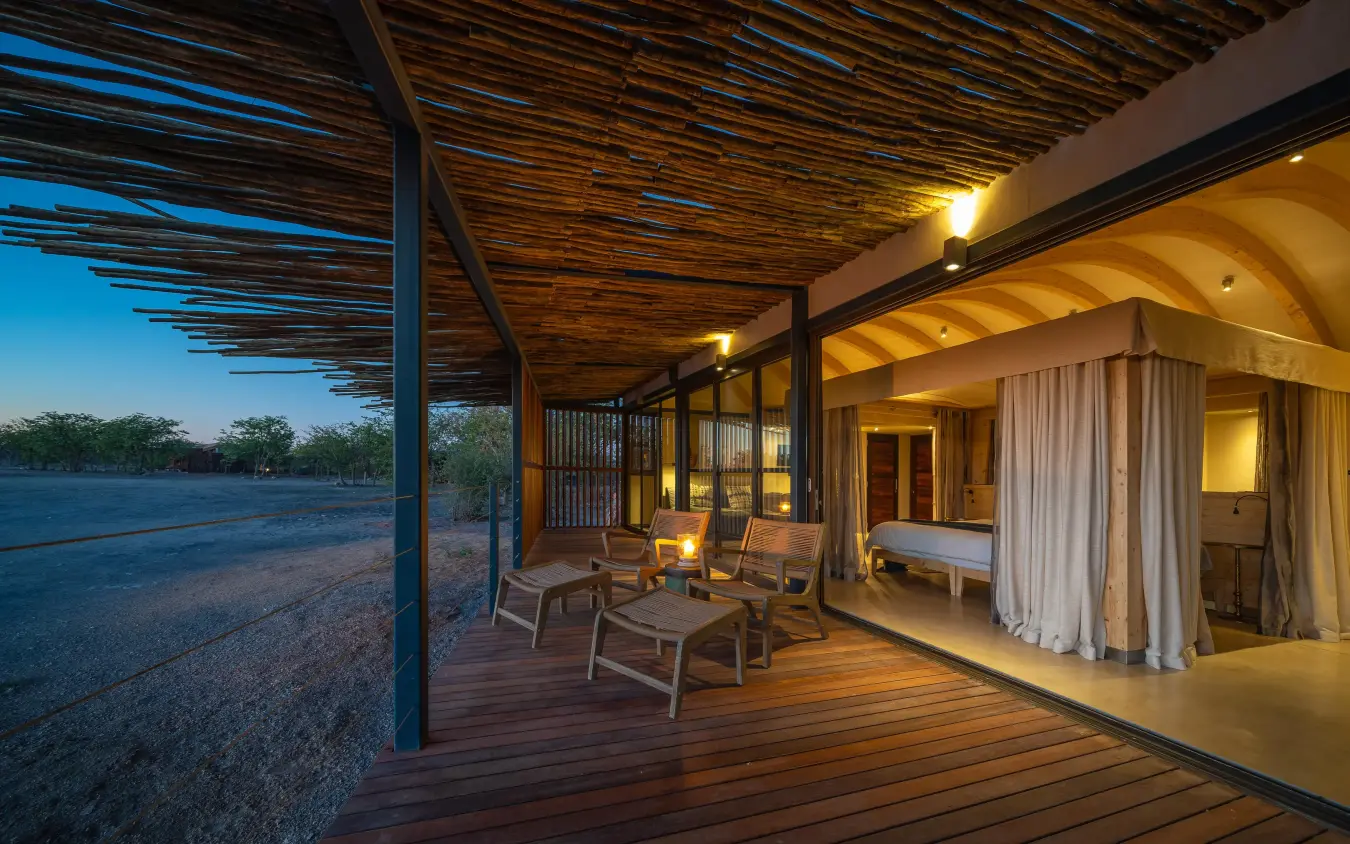
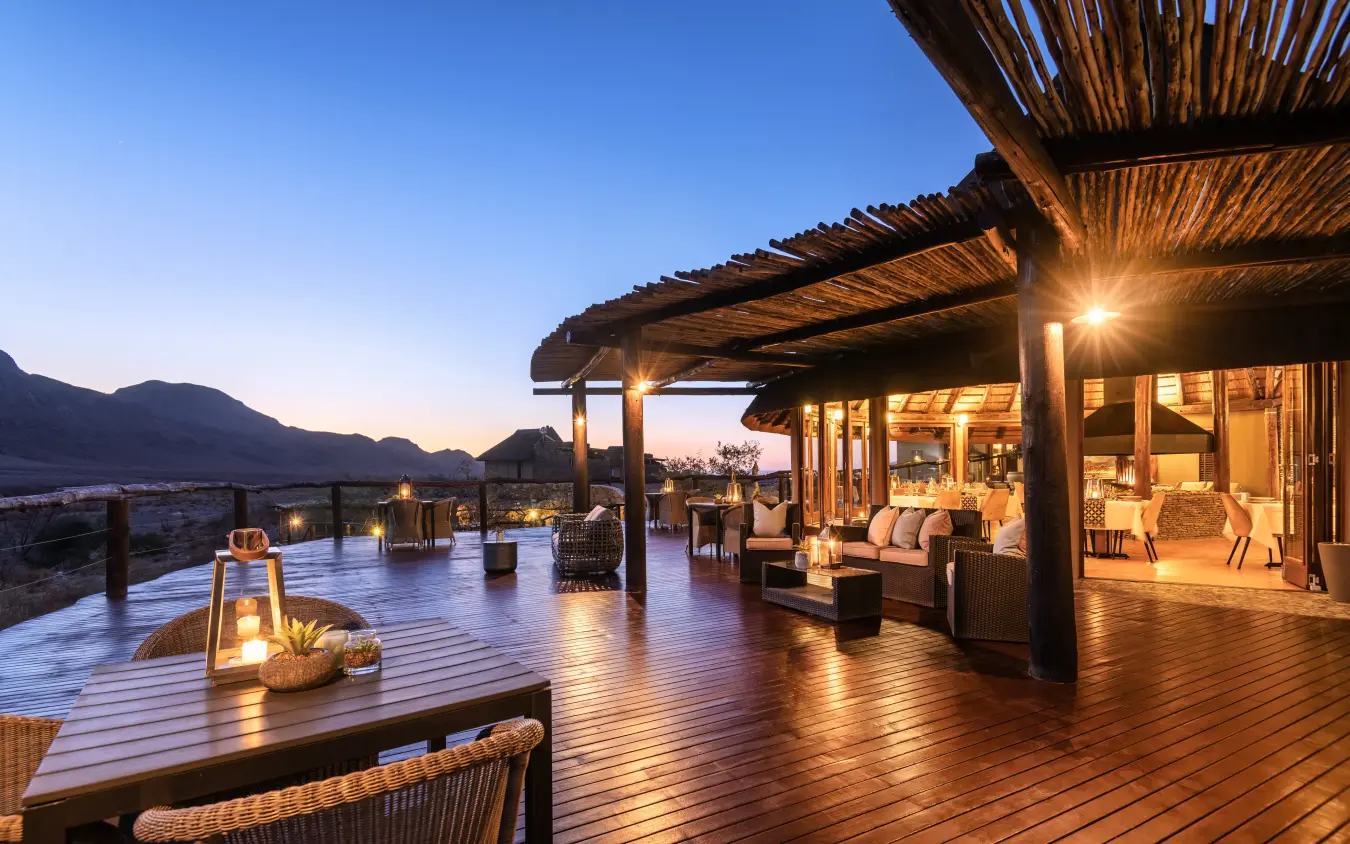
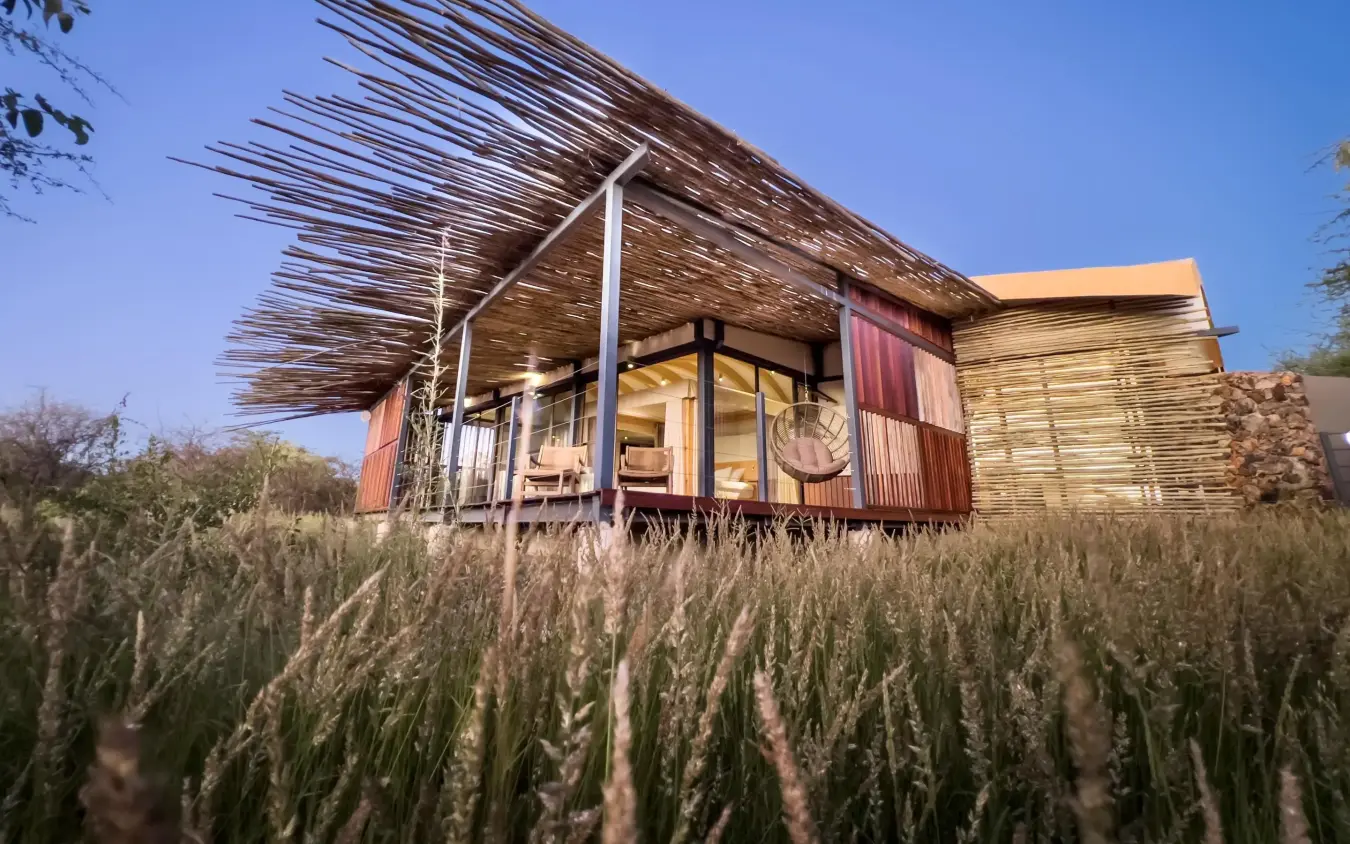
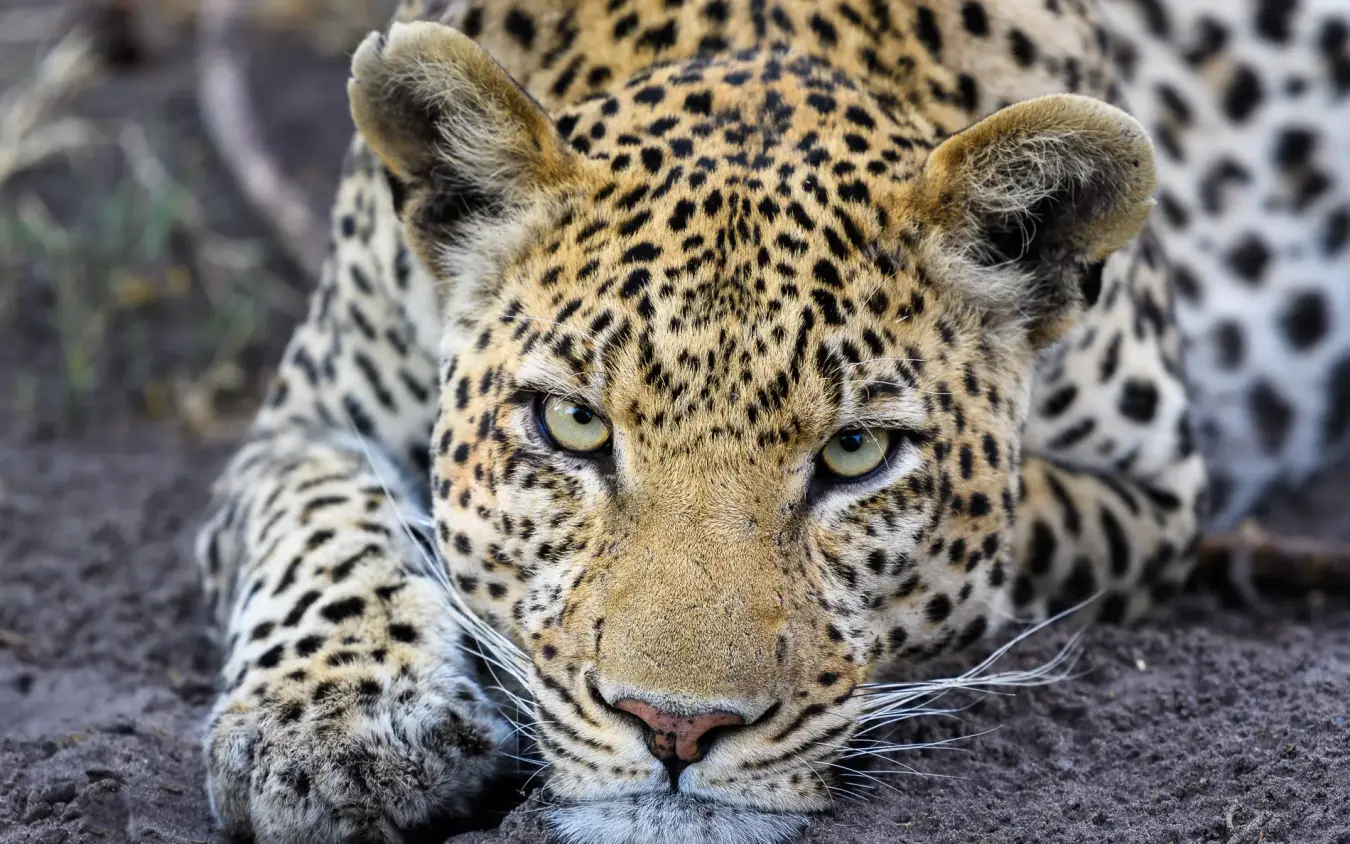
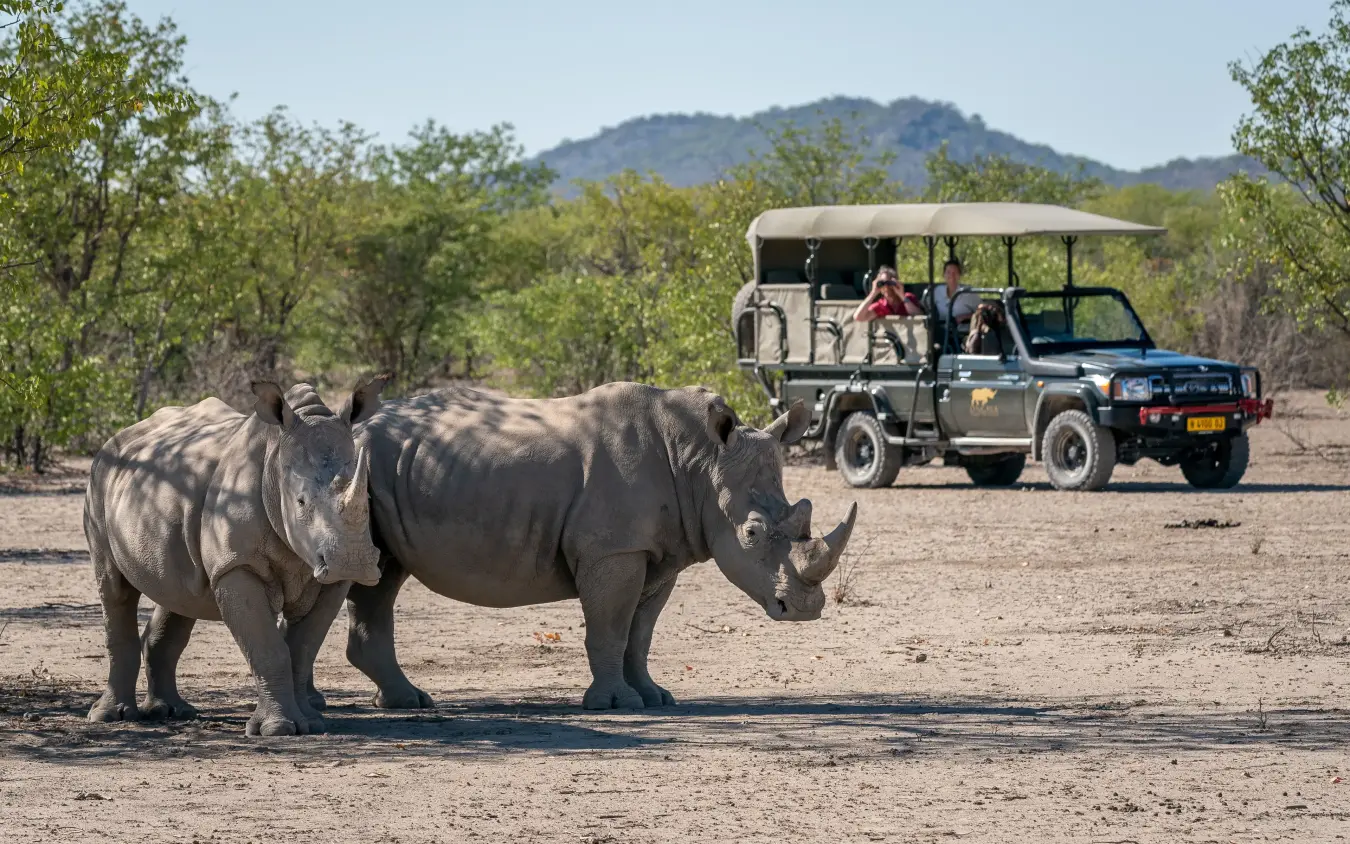
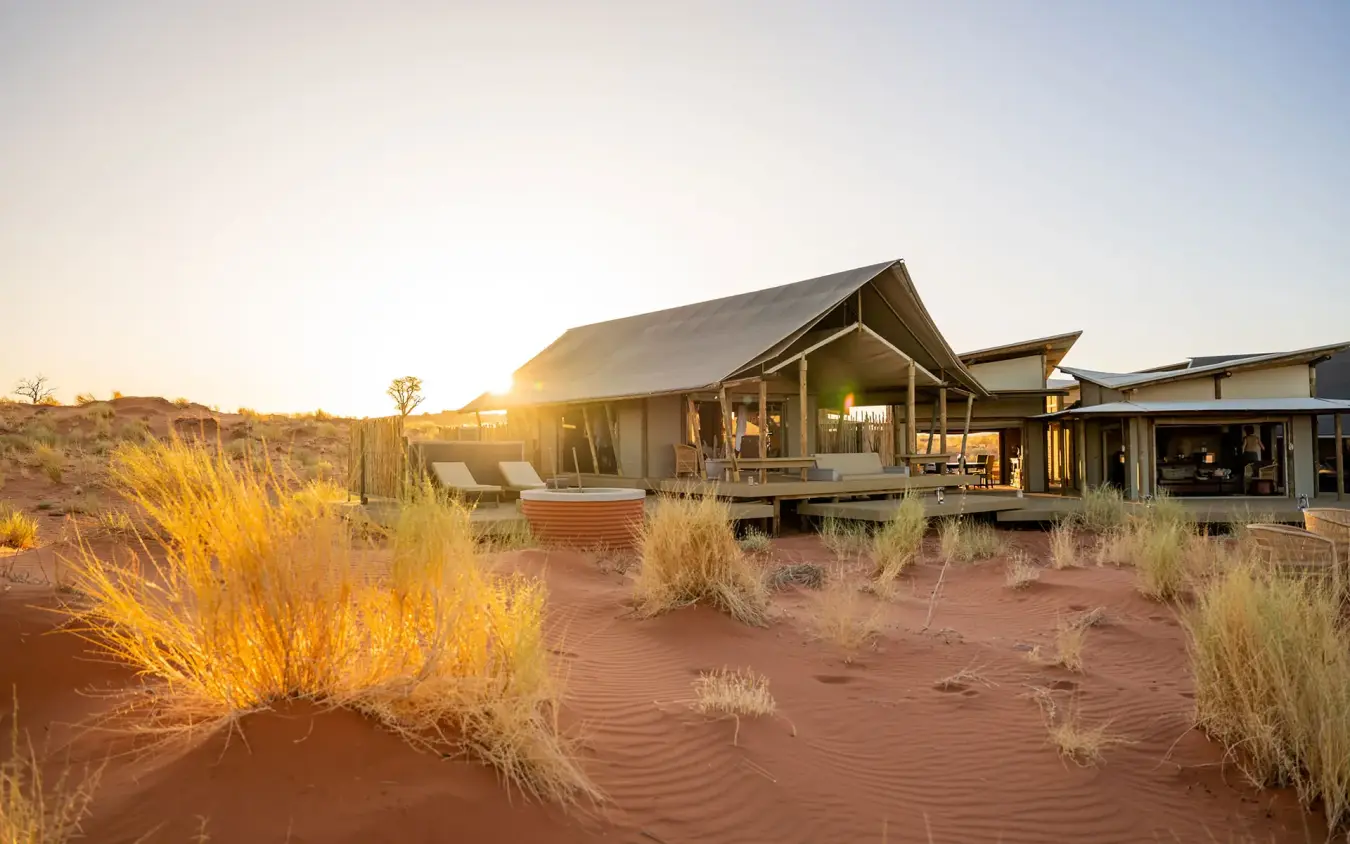
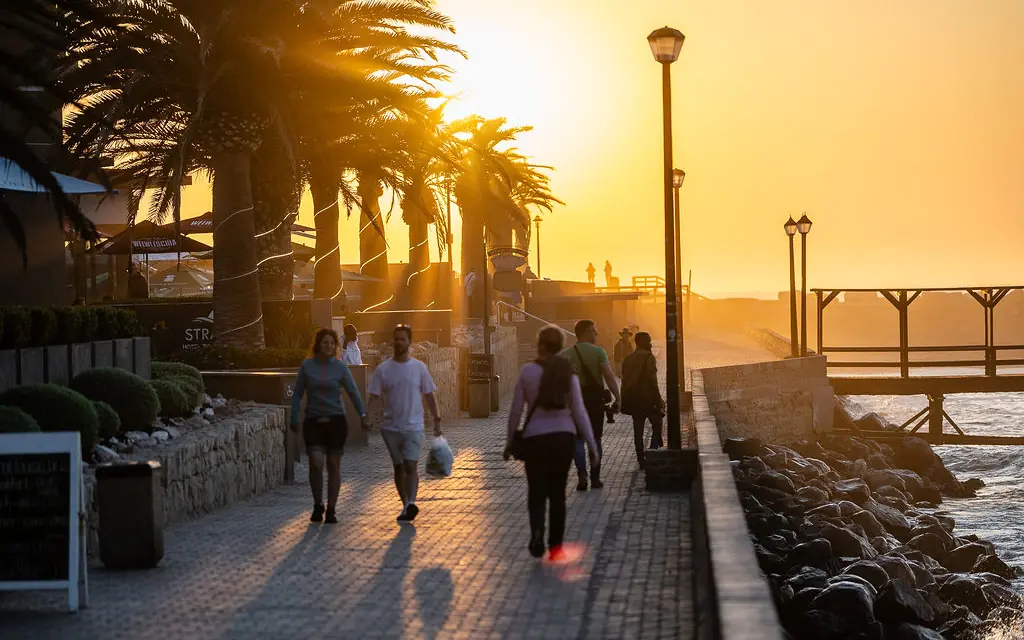
Twelve nights across Namibia, from the Namib dunes and the Atlantic coast to rhino tracked on foot in Damaraland and at Ongava.
- Private Safari
- From $12,735 pp
- 2 guests
- 12 nights
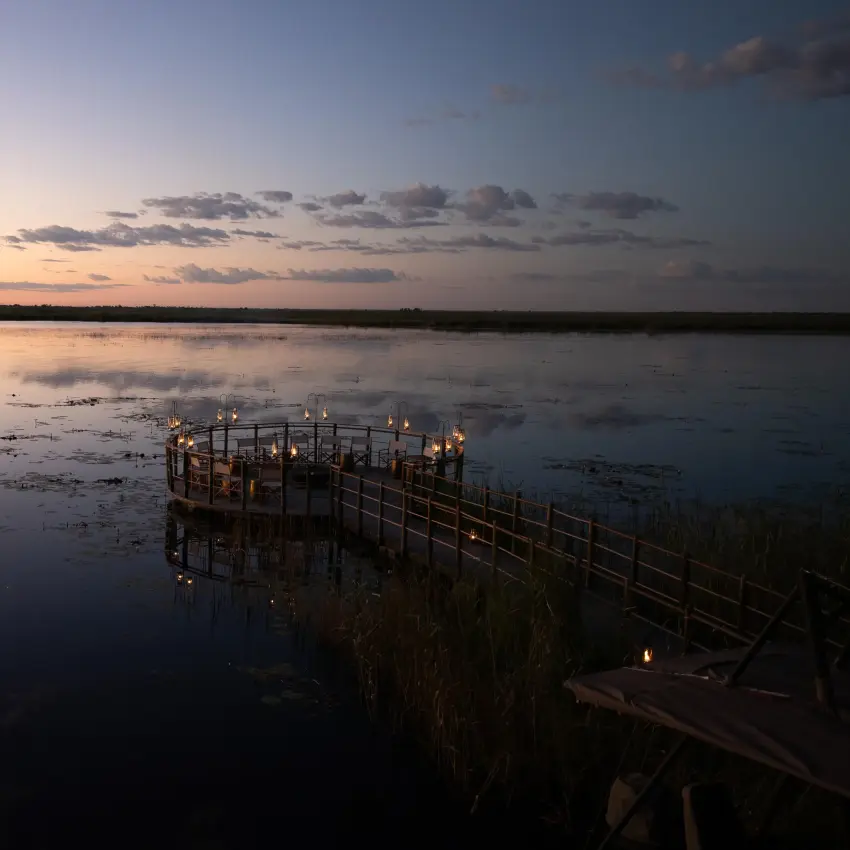
This 10-night route runs from the deserts of northwest Namibia to the wetlands of northern Botswana. You begin in Kaokoland, red-rock plains and dry riverbeds where desert-adapted elephants move, then reach the Kunene River on the edge of the Skeleton Coast, pause a night near Windhoek, and cross into Botswana’s Linyanti, permanent water and dry woodland along the Chobe boundary.
You travel by light aircraft between camps and by open 4×4 on the ground, with tracking on foot where the terrain allows. Days follow desert wildlife, the Kunene and its rapids, and the elephant corridors of the Linyanti. The four camps run from six tents in a hidden valley to stilted villas above the river and a Premier camp on Osprey Lagoon.
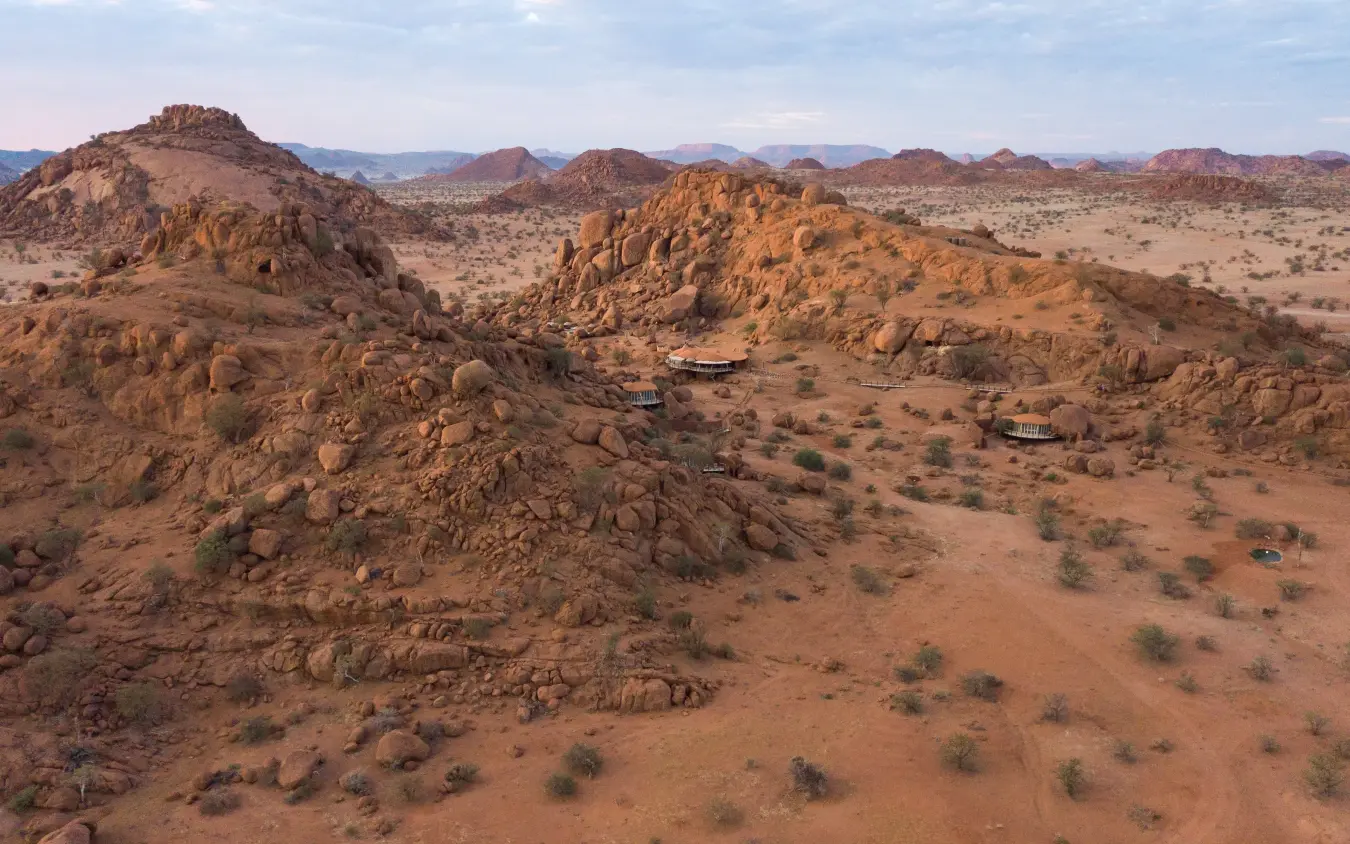
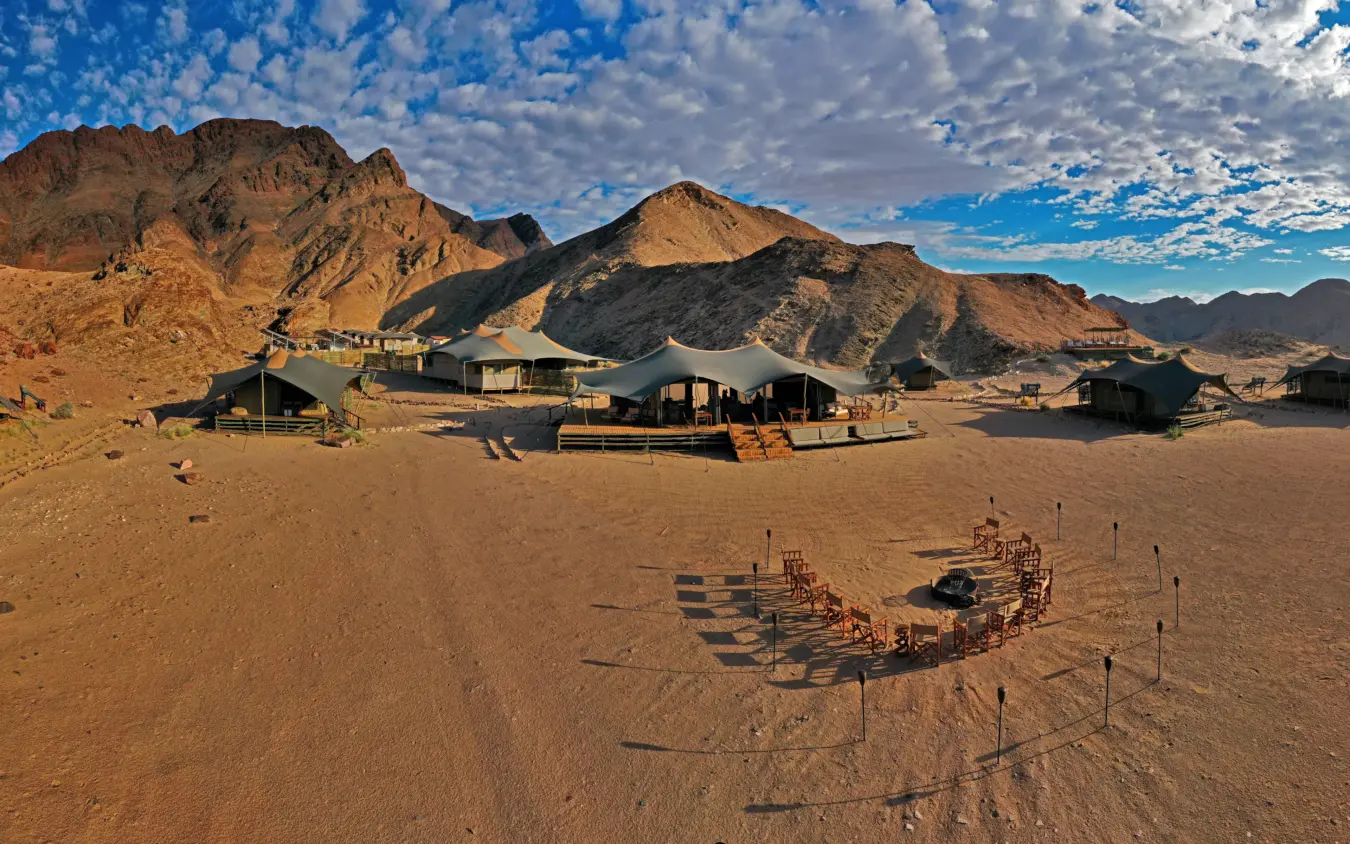
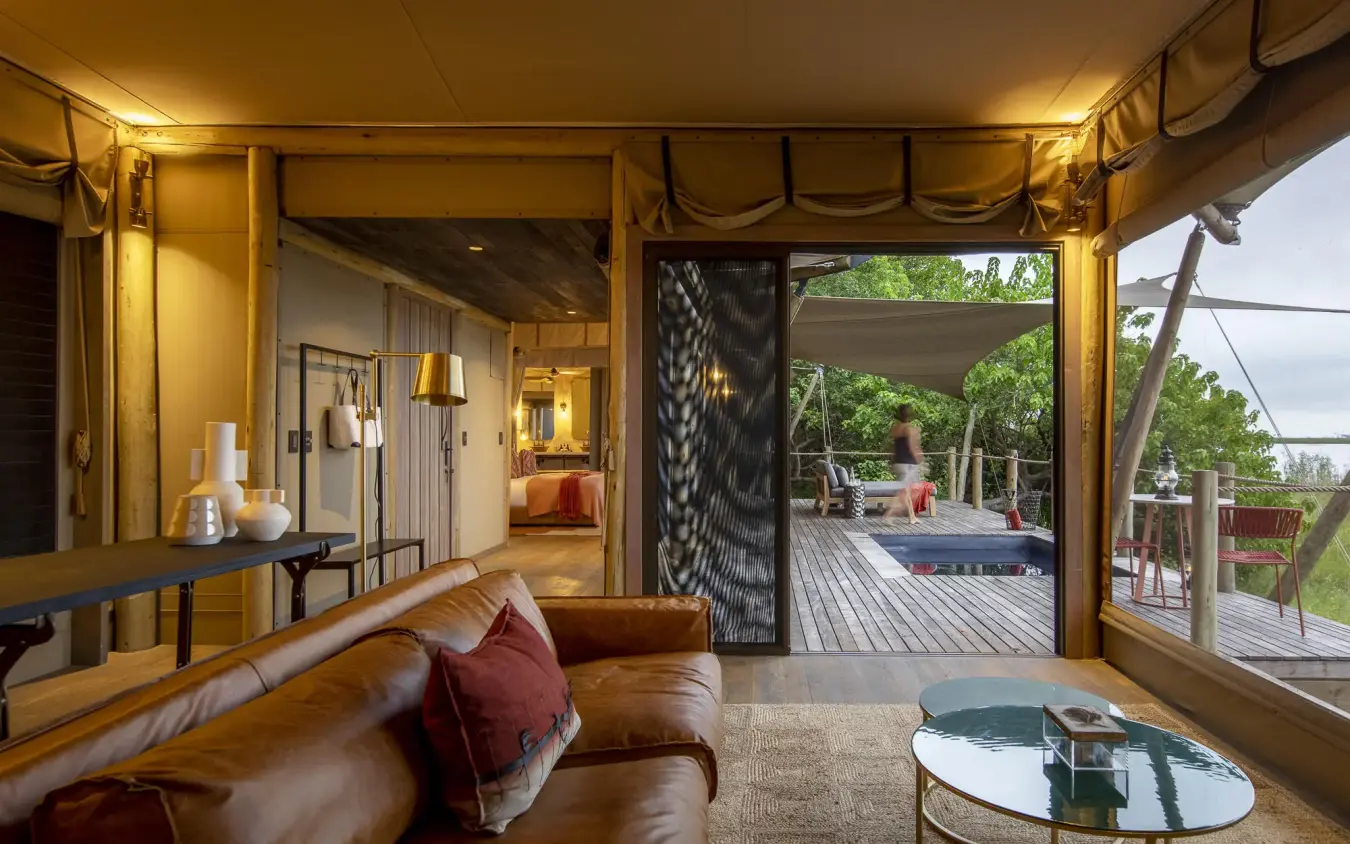
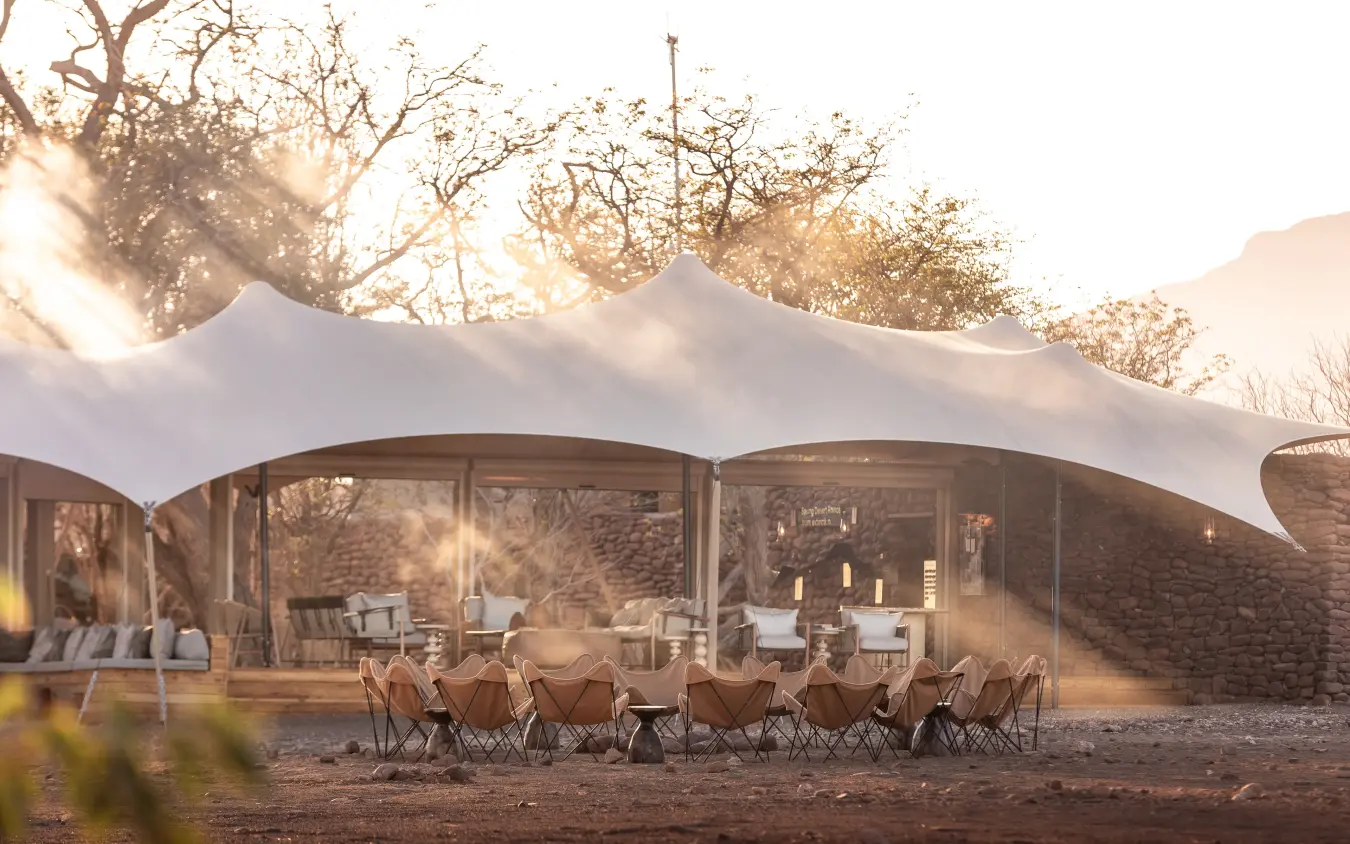
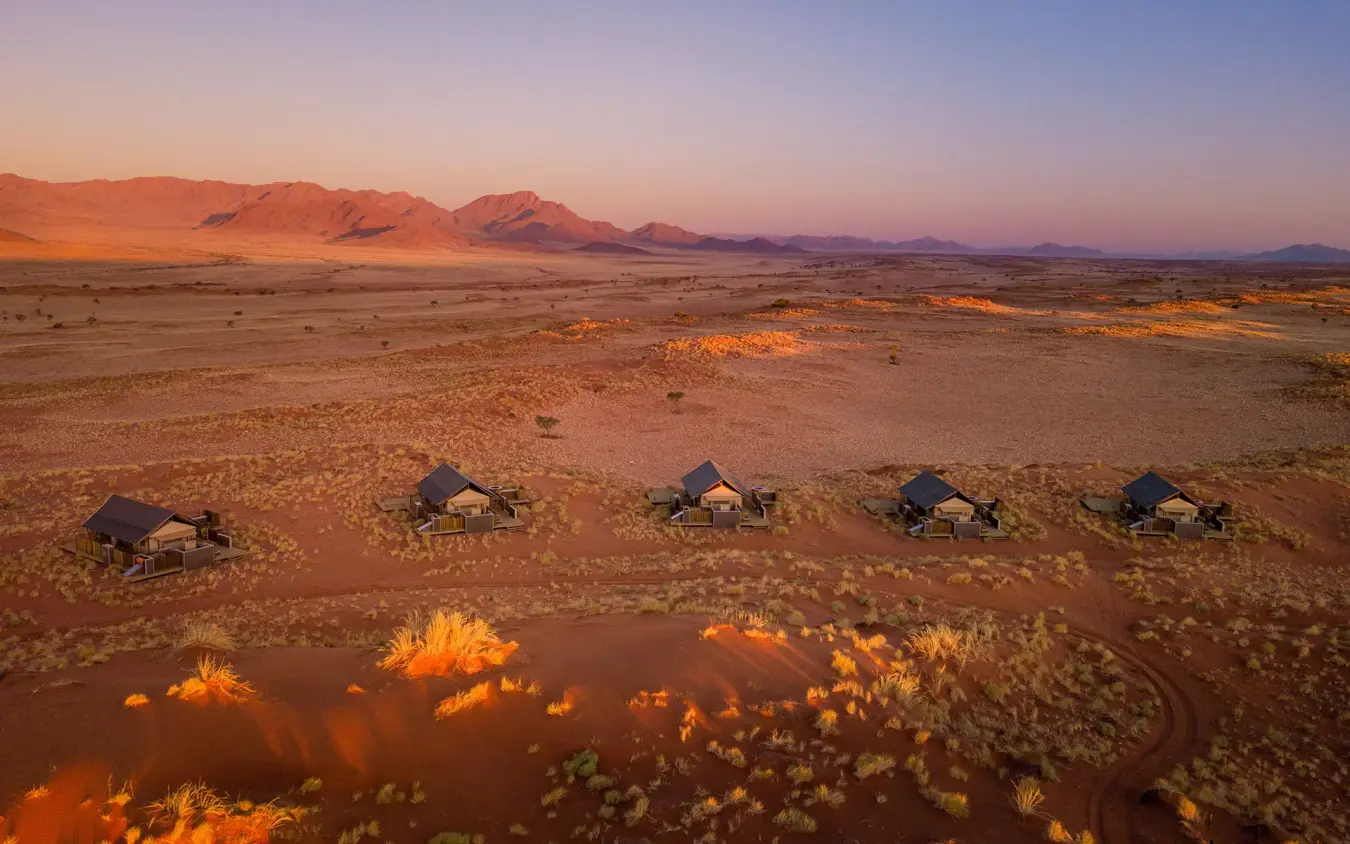
You spend three days tracking desert-adapted wildlife through the dry riverbeds of Kaokoland, reading fresh spoor in the sand for elephant, giraffe and lion across the plains and rocky hills. Black rhino tracking is done on foot with experienced rangers, and at the Giraffe Conservation Foundation field base you sit with the team following the Angolan giraffe that move through these valleys. Hoanib Valley Camp is six solar-powered tents spaced along the valley, each ensuite with a private veranda facing the riverbed, run in partnership with the Sesfontein community.
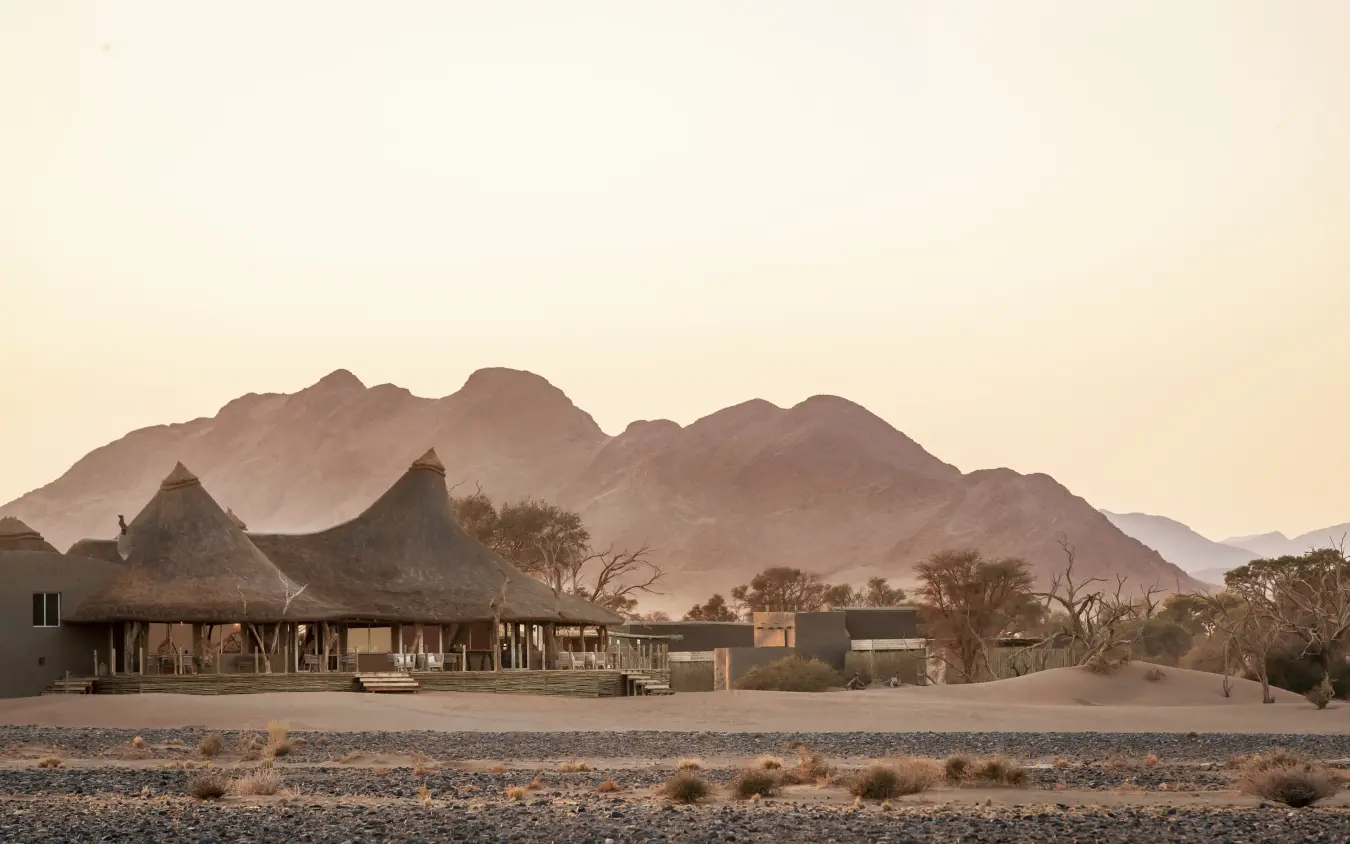
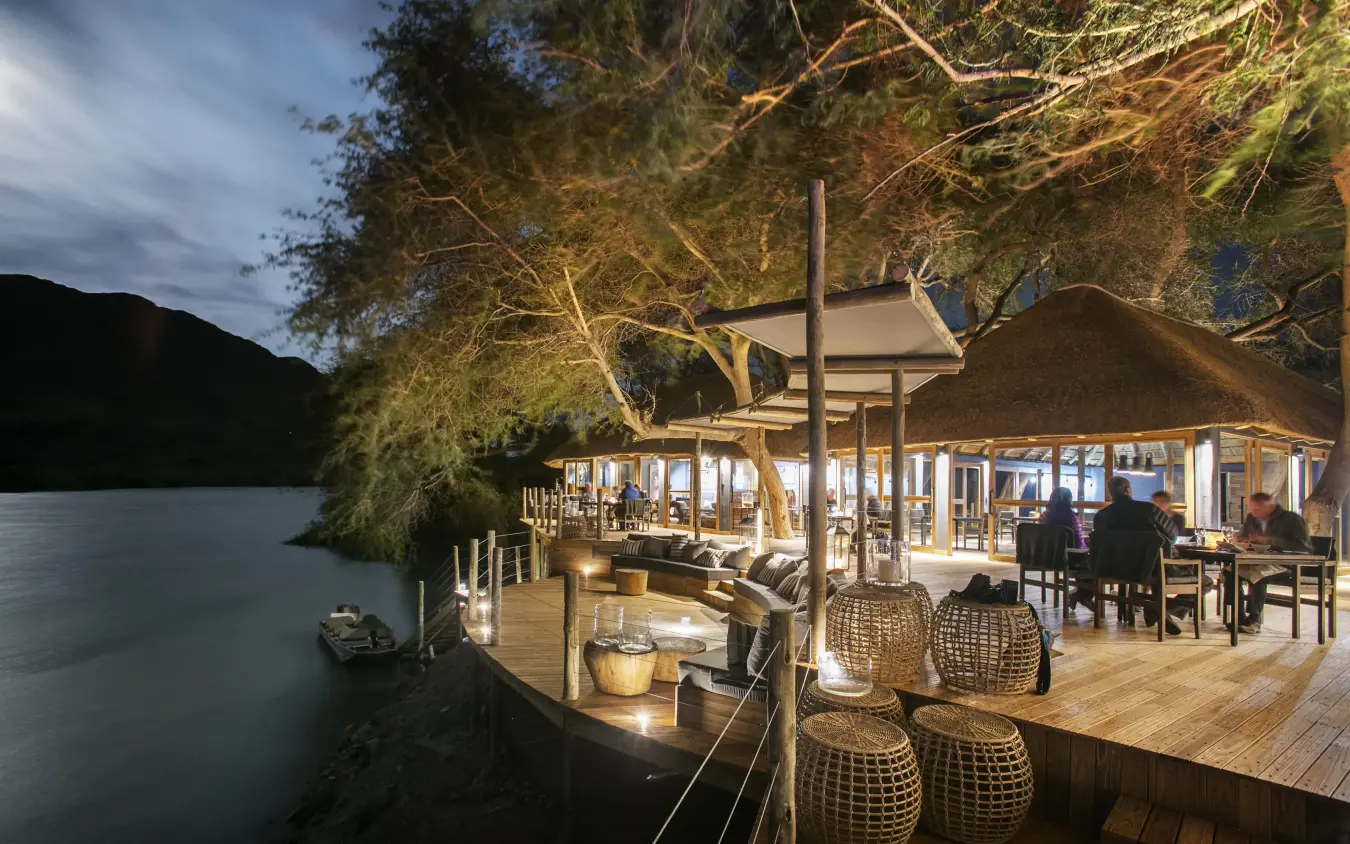
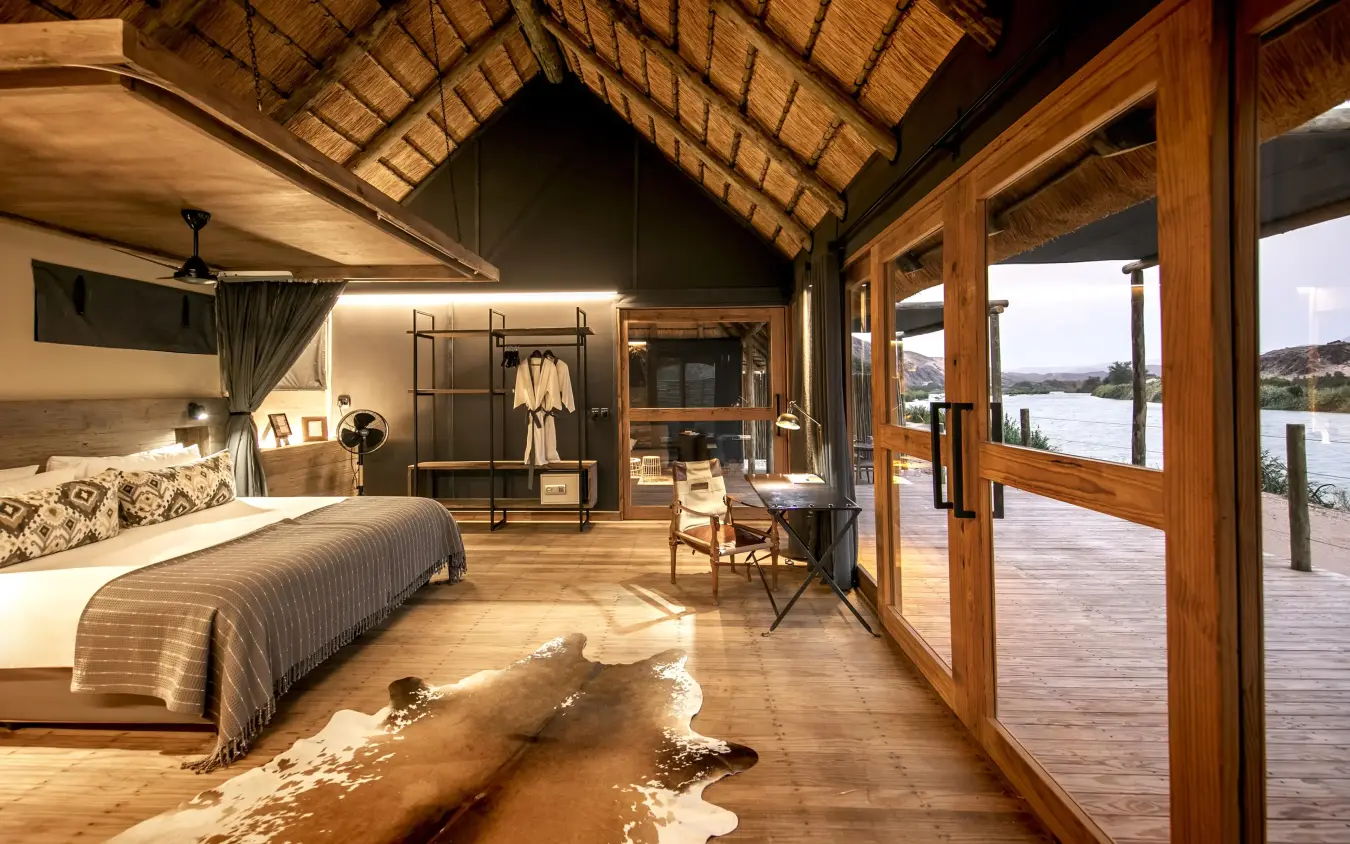
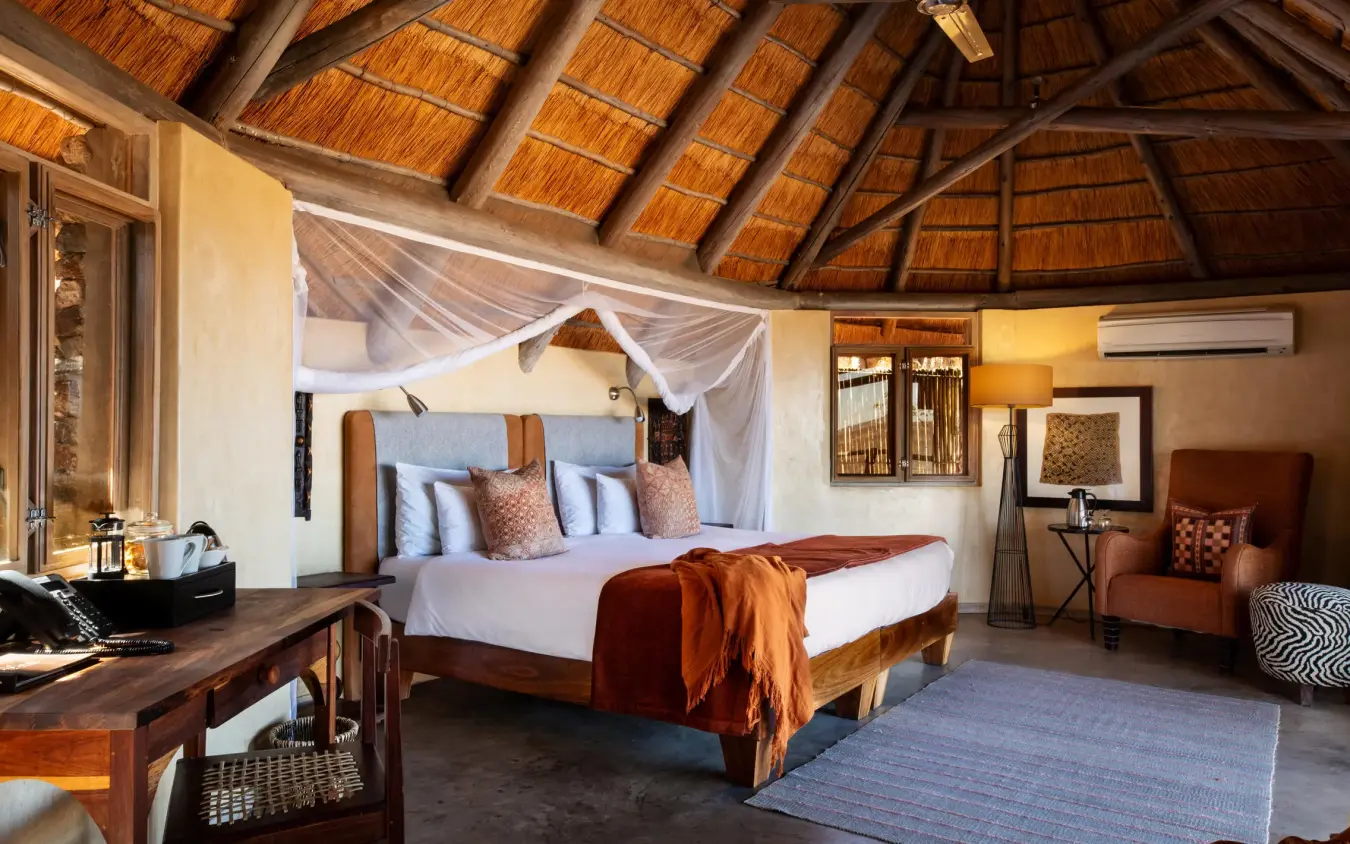
The Kunene runs past the camp here, the only permanent water for a wide stretch of desert, with Angola's black volcanic mountains across the water. Days cross gravel plains scattered with fairy circles by open 4x4, take quad bikes along pre-mapped tracks through the dunes, and run full days into the Marienfluss Valley with a picnic lunch. Nile crocodiles haul out on the rocks below the decks and fish eagles work the current. Serra Cafema is eight stilted villas of wood, canvas and thatch, linked by timber walkways that thread between the Ana trees, developed as a joint venture with the Himba-owned Marienfluss Conservancy.
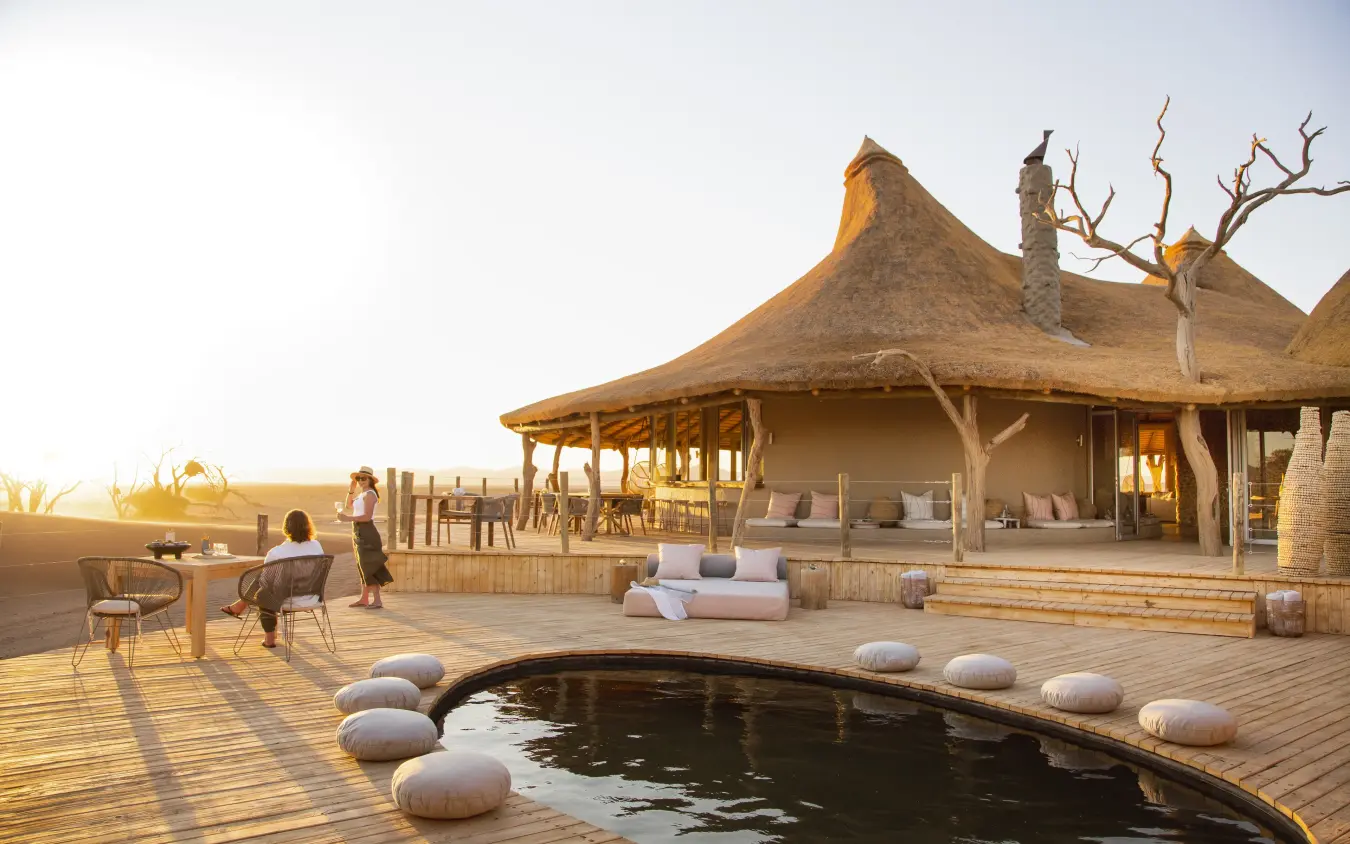
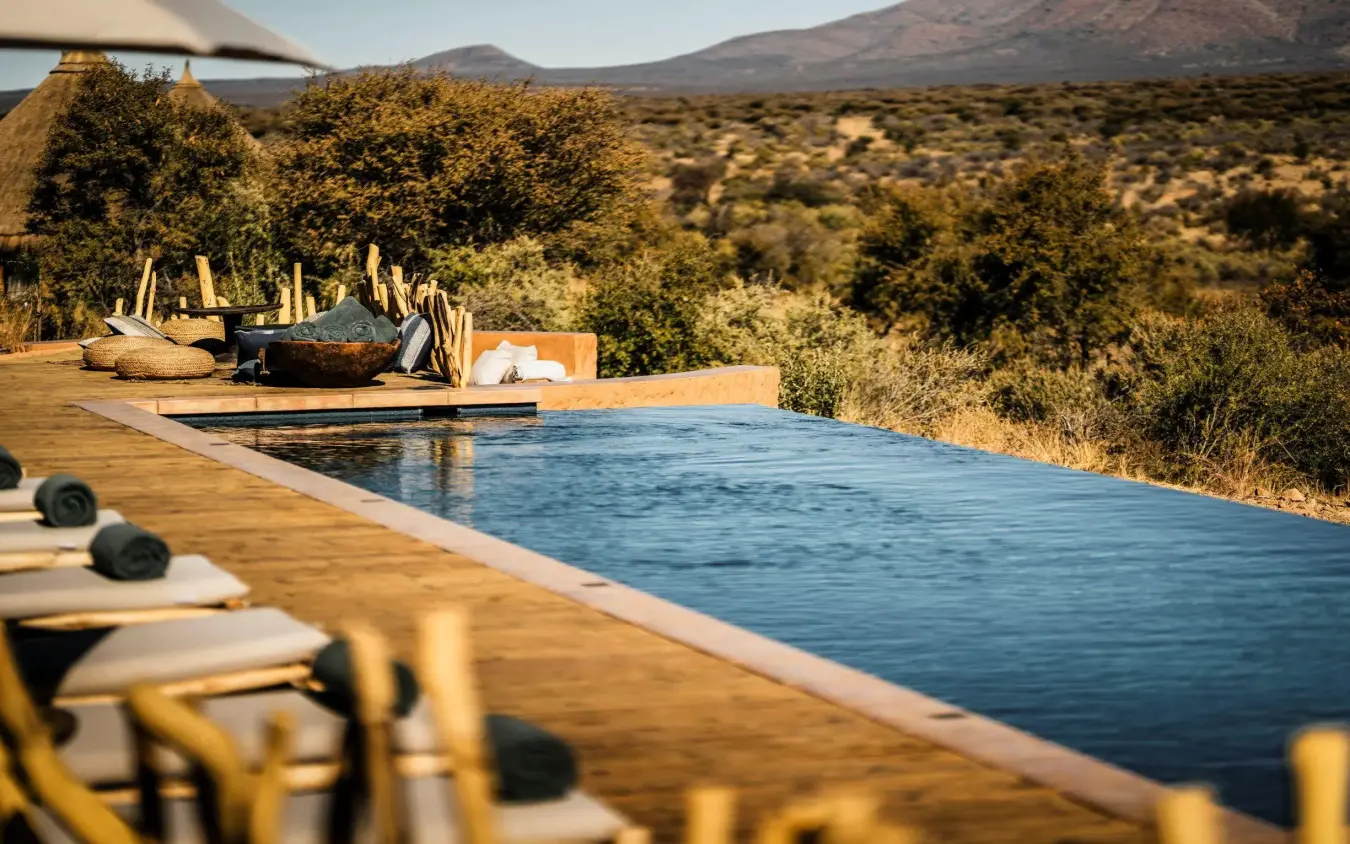
A drive of thirty to forty minutes from Windhoek and its airport brings you to the private Zannier Reserve, where the city drops entirely from view. On the plains you can track rhino and elephant on foot, join carnivore tracking, and go behind the scenes of the conservation work run with the N/a'an ku sê Foundation, while a waterhole below the lodge draws giraffe and antelope into view of the pool. Omaanda is a set of round thatched huts drawn from Owambo homestead architecture, each opening onto a private terrace with a fireplace and a bathtub set for the view.
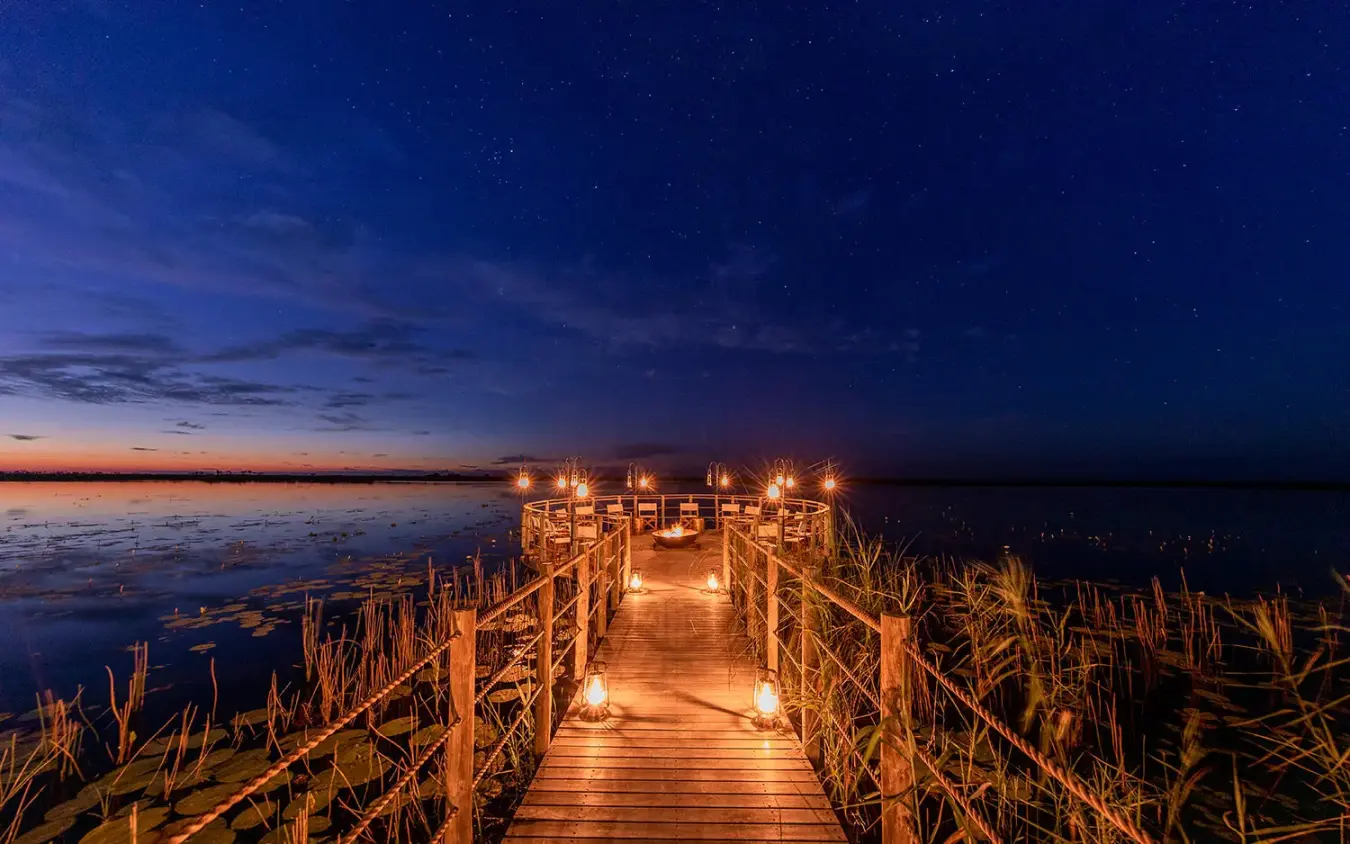
Crossing into Botswana, you reach the Linyanti Wildlife Reserve, a private concession along the western edge of Chobe National Park. In the dry season from July to October more than 2,000 elephants gather along the Linyanti river system, and herds cross the water in front of the suites; because this is private land, the reserve allows night drives, off-road driving and guided walks not permitted in the national park. Lion, leopard, spotted hyena and African wild dog are all present. DumaTau sits on Osprey Lagoon with around 45 kilometres of exclusive river frontage, and lunch can be taken on a floating barge moored to the bank.
By air, in stages.
Within Namibia you move between the camps by light aircraft, and the night near Windhoek is there to set up the crossing. The practical link is a scheduled flight between Windhoek and Maun, the gateway town for the Okavango Delta and the north of Botswana.
It takes about an hour, but it runs on certain days of the week and not daily, so we fix your dates around it. From Maun a light aircraft carries you on to the Linyanti, where a vehicle from camp meets you at the airstrip.
Flying this way, you clear immigration at the two airports and cross no road border. The small aircraft in both countries limit luggage to 20 kilograms a person, hand luggage and cameras included, in soft bags; in Namibia only frameless duffels are accepted.
If the flight days do not suit you, the Windhoek end of the trip is the easy part to reshape.
A private charter flies the same sector on your own timing, usually a Cessna Caravan, and we price it beside the scheduled seats so you can see the difference.
Giraffe and elephant are the realistic hopes, lion is luck, and rhino takes a dedicated day.
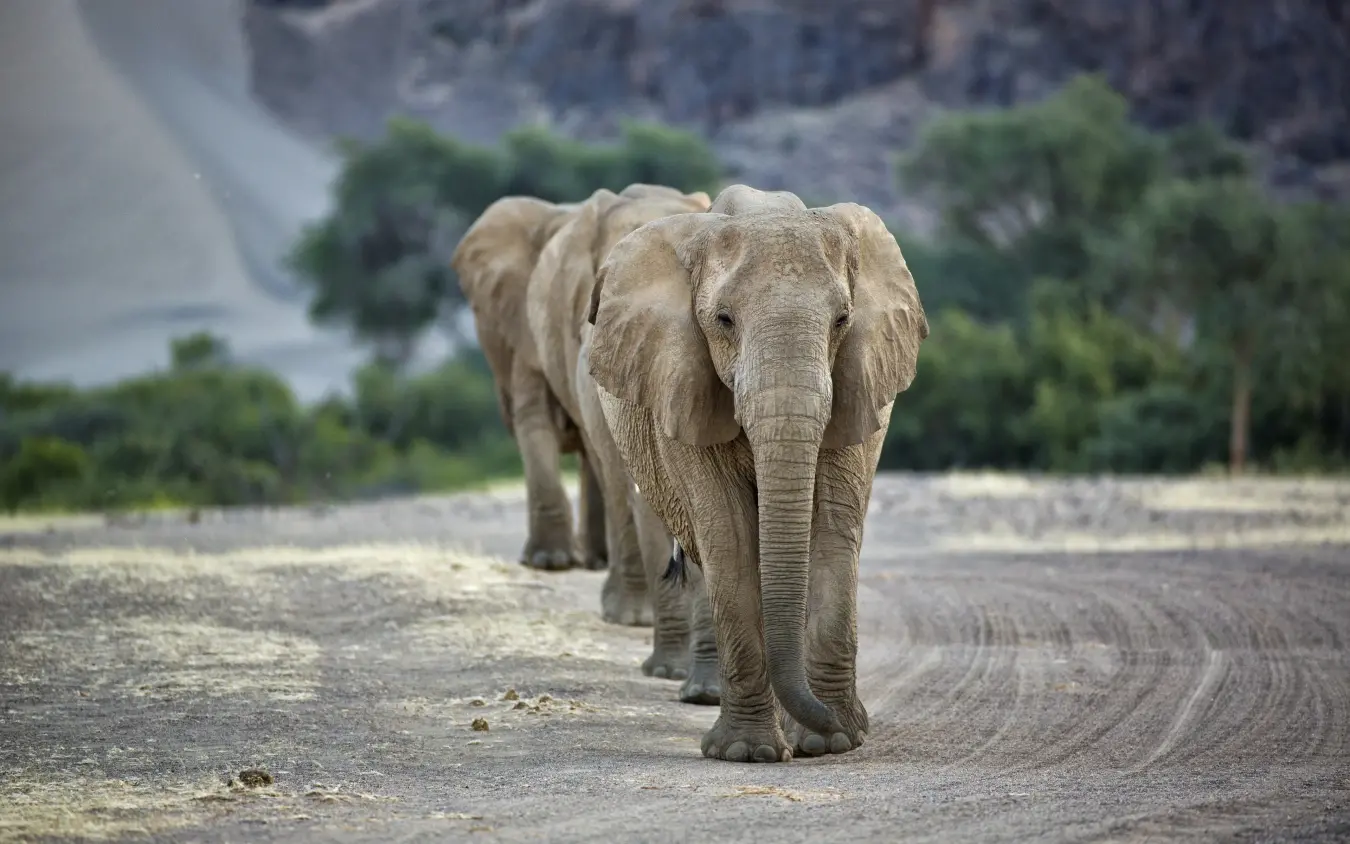
About 150 desert-adapted elephants are spread along the dry rivers of north-west Namibia, and the Hoanib is one of those rivers, so the drives follow its sandy bed, where the family herds find water and browse. They belong to the same species as every other African elephant; what sets them apart is behaviour learned over generations, not their genes.
Desert-adapted giraffe are generally the most dependable sighting here, and the Giraffe Conservation Foundation studies them from its field base in the valley. For lion, you need to be very lucky.
Black rhino are tracked on foot with the camp's rhino rangers, in what is a full day out, which is why three nights here is the sensible minimum. We know of no published success rate for any of these animals, so we will not quote one.
The elephants are the dependable part, provided you come in the dry months.
From about July to October, once the inland pans have dried, more than 2,000 elephants gather along the Linyanti's permanent water, and herds cross the channel in front of camp.
Wild dog are a different matter. They live here, and we rate this corner of northern Botswana highly for them, but a pack ranges over a huge area and is seldom in the same place twice, so most sightings come down to luck.
The exception is the denning period, which in northern Botswana falls roughly between June and August, when a pack stays near its den for 10 to 14 weeks and, if that den is within reach of camp, the guides know where to look. Even then nothing can be promised.
Once the rains begin, from about December, the elephants spread away from the river, the bush thickens and the Linyanti is better for birds than for big herds.
June to September is when every stop on this route is at its strongest, and our own month ratings put the Hoanib, the Kunene and the Linyanti at their best then.
They bring clear days, wildlife drawn to the riverbeds in Namibia and to the river in Botswana, and cold nights that can fall below freezing in the desert.
October still suits the Linyanti, where elephant numbers are at their height, but it is very hot there and in north-west Namibia.
April, May and November sit in between, with May the pick of them.
December to March is the green season, which we rate as challenging for most of this route: the Kunene valley is extremely hot, showers scatter the desert wildlife and the Linyanti's elephants leave the river. In return come migrant birds in the Linyanti, young animals, storm light for photographers, quieter camps and, in Botswana, often lower rates.
The quad biking is guided and deliberately low impact.
You follow your guide along fixed, pre-mapped tracks, so that the dunes and gravel plains are not scarred by new tyre marks, and the point is quiet access to the dune country, not speed.
It may not be on offer on every stay, so treat it as likely, not certain, and check before you travel that your insurance covers quad bikes.
The camp also runs boat trips on the Kunene, but only when the water level allows, and the river holds Nile crocodiles, so ask us how the river is running nearer the time.
Meeting the Himba is possible only when a group is camped nearby; they move with their herds, so this cannot be fixed in advance either. The full days into the Marienfluss Valley go by 4x4 with a picnic.
Yes, and those are the two additions people most often ask for, because this route has neither the great dunes nor the Delta's water.
Sossusvlei fits at the start, before you fly north, and the Okavango fits at the end, reached by light aircraft from the Linyanti.
Some things are harder to move. The flight between Windhoek and Maun runs on certain days only, which anchors the middle of the trip. Hoanib Valley Camp has six tents and Serra Cafema eight villas, so dates between July and October go early.
And three nights is close to the useful minimum at each desert camp: rhino tracking on the Hoanib is a full-day outing, and Serra Cafema, in the far north-west, is reached only by light aircraft and is a long way from anywhere else on the route.
The Windhoek night is the flexible one, and several lodges there would do the same job.
Ed Charles, BBC Producer
Fitzroy are true specialists in accessing the wilderness. They know where to go and importantly, when to go there. Highly recommended.
namibia
Twelve nights across Namibia, from the Namib dunes and the Atlantic coast to rhino tracked on foot in Damaraland and at Ongava.

namibia
Eleven nights across Namibia, from the Sossusvlei dunes and the Atlantic coast to the granite ridges of Damaraland.

namibia
Eleven nights across Namibia, from the Sossusvlei dunes and Swakopmund coast to Damaraland's desert elephants and Etosha.
rated five stars by our clients

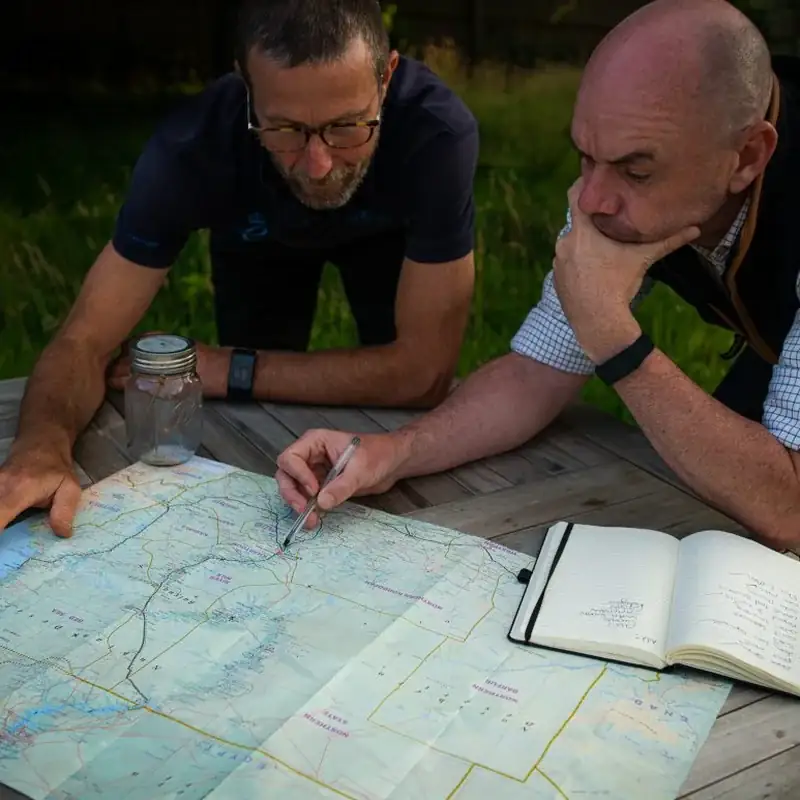
our approach
Every journey starts with a conversation. We take the time to understand your vision before we start planning.
Whether by phone or in person, we work with you directly to shape something that is considered, personal, and expertly delivered.
Every journey starts with a conversation. We favour a direct, personal approach: understanding your vision before anything else.
Whether by phone or in person, we work with you directly to shape a journey that is both thoughtfully considered and expertly delivered.
Get in touch to start planning yours.